This article contains AI generated content.
· UpdatedSindbis Virus Arthritis - 6 Genes And 7 Biomarkers To Track
Introduction
If your joints are still swollen, stiff, or aching weeks or months after a Sindbis virus infection, you are not imagining it. The arthritis that follows this alphavirus — known as Pogosta disease in Finland, Ockelbo disease in Scandinavia, and Karelian fever in Russia — can persist long after the rash and fever resolve. For some people it clears in a few weeks. For others, the joint pain and fatigue grind on for years. The virus is gone, but the immune system is still reacting as if it is not.
The standard medical response tends to be the same for everyone: rest, nonsteroidal anti-inflammatory drugs, and reassurance. That approach is not wrong, but it is incomplete. It does not account for why one person recovers quickly while another develops chronic synovitis. It does not answer the question that matters most once you are past the acute phase — what is still driving the inflammation, and what can you do about it specifically?
Two lenses help answer that question. The first is biomarker tracking: measuring specific blood values that reflect what your immune and inflammatory systems are actually doing in real time. The second is genetics: understanding which inherited variants make certain people more prone to prolonged immune activation and joint damage after alphavirus infection. Neither approach promises a cure, but both deliver something more actionable than guesswork.
This article walks through both in practical detail. The first major section covers seven biomarkers — the ones best suited to tracking inflammation, immune activity, and recovery trajectory in a post-Sindbis context, with guidance on what to do when results are off. A second section looks at six genetic variants increasingly connected to alphavirus arthritis susceptibility. From there, a summary of key immune optimization insights from the Huberman Lab rounds out the science, followed by five complementary approaches that have meaningful human evidence for inflammatory joint conditions. Better information does not guarantee better outcomes, but it raises the odds of making the right moves.
Summary
This article tackles one of the most frustrating post-viral conditions that rarely gets the attention it deserves. Here is what you will find inside:
- 7 biomarkers to track over time — including hs-CRP, IL-6, ferritin, vitamin D, Sindbis antibody titers, the omega-3 index, and ESR — with what each reveals, how to measure it (with cost ranges), and what to do when a value is off, both with and without supplements - 6 genetic variants — including HLA-A, IFITM3, TNF-alpha, IL-6 gene, OAS1, and CCR5 — that influence how the immune system handles alphavirus infection and whether joint inflammation becomes chronic - 10 immune optimization insights from the Huberman Lab that directly apply to post-viral inflammatory recovery - 5 complementary modalities with meaningful human clinical evidence for inflammatory arthritis, including the Autoimmune Protocol and photobiomodulation - A calm, practical conclusion with clear next steps you can take today
If you have ever wondered why your recovery looks so different from someone else's, the answer is likely buried in some combination of these variables.
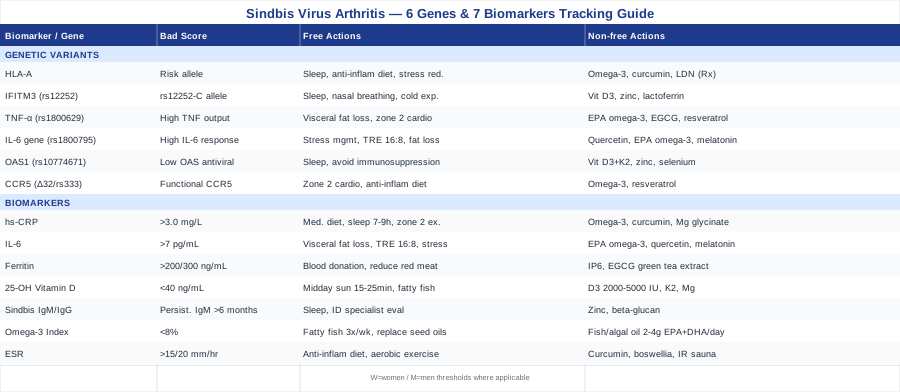
Seven Biomarkers That Reveal What Is Actually Happening in Your Joints
Sindbis virus arthritis is not a simple mechanical problem. It is an immunological one — the virus triggers an immune cascade that, in some people, does not fully switch off after the pathogen is cleared. Tracking generic inflammatory markers gives you a rough picture. Tracking the right specific biomarkers gives you a map. The seven markers below were chosen because each answers a different question about what is sustaining inflammation in the post-viral joint, and because each has a clear action plan when results are abnormal.
1. High-Sensitivity C-Reactive Protein (hs-CRP)
Why it matters. CRP is produced by the liver in response to interleukin-6 (IL-6) signaling — the same cytokine pathway that drives alphavirus joint disease. Standard CRP tests miss low-level chronic inflammation; the high-sensitivity version detects elevations down to 0.1 mg/L. In post-Sindbis arthritis, sustained hs-CRP elevation even without obvious symptoms signals that the inflammatory fire has not gone out.
How to measure it. Standard blood draw, available at any primary care or hospital lab. Cost: $15–40. Retest every 6–12 weeks during the recovery phase to track trend, not just a single snapshot.
If the score is bad: the plan without supplements
A Mediterranean-style diet (olive oil, fatty fish, legumes, leafy greens, minimal processed food) has among the strongest dietary evidence for reducing CRP. Aim for 7–9 hours of quality sleep — even partial sleep deprivation drives measurable CRP rises within 24 hours. Consistent moderate exercise (150–200 minutes per week of zone 2 aerobic work) is one of the most potent anti-inflammatory interventions available. Achieve and maintain a healthy body weight; adipose tissue, especially visceral fat, is an active CRP driver.
If the score is bad: the plan with supplements or equipment
- Omega-3 fatty acids (EPA+DHA, 2–4g/day with meals): robust evidence for CRP reduction across multiple meta-analyses. Take continuously; pause 7–10 days before any surgery due to mild anticoagulant effect. - Curcumin (500–1000mg BCM-95 or Meriva formulation, twice daily with meals): multiple randomized trials show CRP reduction. Cycle every 3 months on, 1 month off. Avoid in those on blood thinners without medical supervision. - Magnesium glycinate (300–400mg at night): magnesium deficiency amplifies inflammatory signaling; repleting it reduces hs-CRP in deficient individuals. Continuous use is safe at this dose. Side effect: loose stool if dose is too high.
Target for recovery: hs-CRP consistently below 1.0 mg/L. Values above 3.0 mg/L indicate high systemic inflammatory activity and warrant deeper investigation.
2. Interleukin-6 (IL-6)
Why it matters. IL-6 is a central cytokine in alphavirus-induced joint disease. It activates synoviocytes (the cells lining joints), drives production of acute phase proteins including CRP, and promotes the differentiation of T cells toward pro-inflammatory phenotypes. Research on chikungunya — the most studied alphavirus arthritis — shows that elevated IL-6 at the acute phase predicts persistent joint disease at 12 and 24 months. Sindbis virus triggers similar cytokine profiles. Tracking IL-6 over time tells you whether the immune system is truly de-escalating.
How to measure it. Serum cytokine panel, available through functional medicine providers, specialty labs (LabCorp, Quest Diagnostics), and some integrated practices. Cost: $50–150. Retest every 8–12 weeks to track trend.
If the score is bad: the plan without supplements
Visceral fat is one of the most potent drivers of chronic IL-6 overproduction — even modest reductions in abdominal adiposity consistently lower circulating IL-6. Time-restricted eating (16:8 protocol, which narrows the eating window to 8 hours) has shown measurable IL-6-lowering effects in small trials. Stress management is non-negotiable: psychological stress directly activates IL-6 transcription through NF-κB pathways. Practices like breath work, cold exposure (brief cold showers), and quality social connection all modulate this.
If the score is bad: the plan with supplements or equipment
- EPA-dominant omega-3 (≥2g EPA/day): EPA in particular blunts IL-6 production at the cellular level. Choose a high-EPA fish oil. Continuous use; monitor for blood thinning. - Quercetin (500mg twice daily with meals): inhibits NF-κB, a key IL-6 transcription activator. Cycle 8 weeks on, 2 weeks off. Generally well-tolerated; may interact with certain antibiotics and immunosuppressants. - Low-dose melatonin (0.3–1mg at bedtime): anti-inflammatory at low doses through NF-κB suppression. Do not exceed 3mg. Side effect at higher doses: next-day grogginess, possible cortisol rhythm disruption.
Target: IL-6 below 7 pg/mL is commonly considered the upper normal range. In post-viral contexts, keeping it consistently below 3–4 pg/mL is the more meaningful recovery goal.
3. Ferritin
Why it matters. Ferritin is an iron storage protein that also functions as an acute phase reactant — and critically, as a marker of macrophage activation. In alphavirus arthritis, activated macrophages invade synovial tissue and perpetuate joint inflammation long after viral clearance. Subclinical macrophage activation shows up as persistently elevated ferritin, sometimes with a normal CRP. This makes ferritin a uniquely useful secondary marker in the post-Sindbis context, revealing immune activity that standard inflammation panels miss.
How to measure it. Standard blood test, available everywhere. Cost: $15–40. Measure alongside CRP and CBC to interpret it correctly — ferritin rises with iron overload, infection, and macrophage activation, and a full blood panel helps distinguish these.
If the score is bad: the plan without supplements
If ferritin is elevated due to iron overload, reducing red and processed meat intake and avoiding iron supplements while optimizing vitamin C (which promotes non-heme iron absorption) can help. Blood donation is one of the most effective strategies for reducing elevated ferritin, with measurable impact within one donation. Address any concurrent infections — even subclinical dental or gut infections sustain macrophage activation and keep ferritin high. Very high ferritin (above 500 ng/mL) requires formal medical evaluation to rule out hemochromatosis or macrophage activation syndrome.
If the score is bad: the plan with supplements or equipment
- IP6 (inositol hexaphosphate) (1–2g/day between meals): natural iron chelator with a good safety profile. Use in 3-month cycles, then reassess ferritin. Side effect: extended use may cause mild iron deficiency; monitor CBC. - EGCG (green tea extract) (400–600mg standardized extract/day): mild iron chelation activity plus anti-macrophage activation properties. Take away from meals containing iron-rich foods to maximize chelation. Cycle 8 weeks on, 2 weeks off. Side effect: rare liver sensitivity at high doses; do not exceed 800mg/day.
Target: ferritin between 50–150 ng/mL is considered functional optimal by most integrative practitioners. Any sustained elevation above 200 ng/mL (women) or 300 ng/mL (men) in the post-viral phase warrants investigation.
4. 25-OH Vitamin D
Why it matters. Vitamin D is not merely a bone mineral — it is a powerful immune regulator. Vitamin D receptors sit on virtually every immune cell, and active vitamin D (1,25-dihydroxy-D) controls T-cell differentiation, macrophage polarization, and the balance between pro- and anti-inflammatory cytokines. Low vitamin D amplifies the exact immune dysregulation that drives post-viral arthritis. Peter Attia, whose approach to longevity medicine emphasizes optimizing circulating vitamin D, recommends targeting 40–60 ng/mL as the functional range.
How to measure it. 25-OH vitamin D blood test, universally available. Cost: $40–80. Retest 3 months after any change to supplementation.
If the score is bad: the plan without supplements
Direct midday sun exposure to large skin areas (torso, arms, legs) for 15–25 minutes daily is the most effective natural source. Fair-skinned individuals synthesize adequate vitamin D from shorter exposures; darker-skinned individuals require substantially longer exposure or are at higher risk of deficiency in northern latitudes. Fatty fish (salmon, mackerel, sardines, herring) 3 times per week provides meaningful dietary vitamin D. Foods fortified with vitamin D3 (as opposed to D2) are the preferred dietary form.
If the score is bad: the plan with supplements or equipment
- Vitamin D3 (cholecalciferol) (2000–5000 IU/day): the standard supplemental form. Dose varies by baseline level; at levels below 20 ng/mL, supervised loading protocols (50,000 IU/week for 8 weeks, prescribed by a physician) are sometimes used. Never supplement above 10,000 IU/day without serial testing. - Vitamin K2 (MK-7) (100–200 mcg/day): synergistic with vitamin D3 — K2 directs calcium metabolism appropriately. Always co-supplement with D3. Side effect: K2 may interact with warfarin. - Magnesium glycinate (300–400mg/day): required for vitamin D activation. Many people are magnesium-deficient, which limits vitamin D's effectiveness regardless of dose.
Retest every 90 days during repletion. Once in the target range, retest every 6 months.
5. Sindbis Virus Antibody Titers (IgM and IgG)
Why it matters. In a typical alphavirus infection, IgM antibodies appear within the first 1–2 weeks, peak around 4–6 weeks, and should decline and clear by 3–6 months. Persistent IgM beyond this window suggests ongoing immune activation — either from persistent antigen, immune dysregulation, or both. IgG avidity (how tightly antibodies bind) increases over months as the immune response matures; low-avidity IgG at late time points may indicate that the immune system failed to consolidate its response. In analogous alphavirus arthritis (Ross River, chikungunya), persistent IgM has been correlated with chronic joint disease in published cohort studies.
How to measure it. Sindbis-specific ELISA for IgM and IgG. This is a specialized test, not part of standard panels. It is available at reference labs and infectious disease centers in endemic regions (Finland, Sweden, Russia, parts of Africa and Australia). In non-endemic countries, it typically requires a referral to an infectious disease specialist who can contact reference laboratories. Cost: $100–250+.
If the score is bad: the plan without supplements
No pharmaceutical option directly accelerates IgM clearance in a post-viral context. The most evidence-supported strategies for supporting robust viral immune resolution are sleep optimization (7–9 hours with regular timing), stress reduction, and avoiding immunosuppressants unless clinically indicated. Persistent IgM in a symptomatic patient also warrants formal evaluation to rule out reinfection or cross-reactive alphavirus exposure. Discuss with an infectious disease specialist before drawing clinical conclusions from titer values alone.
If the score is bad: the plan with supplements or equipment
- Zinc (15–30mg/day elemental zinc, as bisglycinate or picolinate): essential for T-cell function and antiviral immunity. Use in 8–12 week cycles; co-supplement with 1–2mg copper to prevent depletion. Side effect: nausea at high doses; do not exceed 40mg/day long-term. - Beta-glucan (from oats or Saccharomyces) (250–500mg/day): immune modulator with consistent evidence for enhancing NK cell activity — relevant to antiviral clearance. Continuous use is generally safe.
These supplements support immune competence broadly and do not specifically alter antibody titers, but they provide the immune substrate for more complete viral resolution.
6. Omega-3 Index
Why it matters. The omega-3 index measures EPA and DHA as a percentage of total fatty acids in red blood cell membranes — a 90–120 day snapshot of omega-3 status that is far more stable than plasma measurement. Thomas Dayspring, one of the leading voices in lipidology and cardiometabolic medicine, has consistently highlighted the omega-3 index as a critically underused clinical tool. Its relevance to post-viral arthritis lies in resolution biology: EPA and DHA are precursors to specialized pro-resolving mediators (SPMs) — resolvins, protectins, and maresins — which actively signal the immune system to terminate inflammation. Low omega-3 index means a diminished capacity to produce these resolution signals, making chronic joint inflammation more likely.
How to measure it. Specialty blood test offered by companies such as OmegaQuant and Boston Heart Diagnostics. Often orderable directly without a physician's prescription. Cost: $50–100. Retest after 90–120 days of dietary or supplement intervention.
If the score is bad: the plan without supplements
The single most impactful dietary change is consistent fatty fish consumption: 2–3 servings per week of sardines, Atlantic mackerel, wild salmon, or herring. Simultaneously reducing linoleic acid intake (found in industrial seed oils — corn, soybean, sunflower, safflower) is important because linoleic acid competes with omega-3 for the same metabolic enzymes. Replacing seed oils with olive oil, avocado oil, and butter has a measurable effect on the omega-3 index over time.
If the score is bad: the plan with supplements or equipment
- High-quality fish oil or algal oil (2–4g combined EPA+DHA per day): the most direct way to raise the omega-3 index. Brands consistently recommended for purity and third-party testing include Nordic Naturals, Carlson, and Thorne. Algal oil is the plant-based alternative providing EPA and DHA directly. Continuous use is appropriate. Side effect: fishy aftertaste (mitigated by enteric coating or refrigerating capsules), mild GI discomfort, anticoagulant effect above 3g/day — pause 7–10 days before surgery.
Target: an omega-3 index above 8% is the functional goal. Below 4% represents meaningfully impaired inflammatory resolution capacity.
7. Erythrocyte Sedimentation Rate (ESR)
Why it matters. ESR measures how quickly red blood cells settle in a tube — a proxy for plasma protein changes driven by systemic inflammation. Unlike CRP, which rises and falls rapidly, ESR reflects a slower-moving inflammatory burden. In practice, tracking both hs-CRP and ESR together gives a more complete picture than either alone: CRP may normalize while ESR remains elevated, signaling residual immune activity that would otherwise be missed. In post-Sindbis cohort studies, joint symptoms have been documented to persist for years — and a persistently elevated ESR is one objective indicator that the immune system is still engaged.
How to measure it. Universally available standard blood test. Cost: $10–30. Inexpensive enough to retest every 4–8 weeks during the active recovery phase.
If the score is bad: the plan without supplements
Anti-inflammatory dietary patterns are the foundation. Identifying and treating concurrent subclinical infections — dental infections, small intestinal bacterial overgrowth (SIBO), chronic sinusitis — is frequently overlooked and can sustain elevated ESR independently of the original viral arthritis. Gentle aerobic exercise (swimming or cycling, which avoid impact loading on inflamed joints) has well-documented ESR-lowering effects through IL-6 resolution mechanisms. Optimizing sleep, reducing alcohol, and achieving a healthy weight are all measurably effective without supplements.
If the score is bad: the plan with supplements or equipment
- Curcumin (1000–1500mg/day of BCM-95 or Meriva formulation with meals): multiple randomized controlled trials show ESR reduction in inflammatory arthritis. Cycle 12 weeks on, 4 weeks off. Side effect: may enhance anticoagulant drug effects; GI upset at high doses. - Boswellia serrata extract (Shallaki) (300–400mg standardized extract, 3 times daily with meals): inhibits 5-LOX pathway, reducing prostaglandin-driven inflammation. Cycle 8–12 weeks on, 3–4 weeks off. Side effect: GI discomfort in some individuals. - Infrared sauna (15–20 minutes, 2–3 times per week): passive thermal exposure activates heat shock proteins and promotes anti-inflammatory cytokine shifts. Multiple small RCTs in arthritis patients show symptomatic and inflammatory marker improvement. Begin with shorter, lower-temperature sessions if symptoms are active. Not suitable during fever or acute flare.
Target: ESR below 15 mm/hr (men) or 20 mm/hr (women). Values persistently above 40 mm/hr in the chronic post-viral phase should prompt formal rheumatological evaluation.
With these seven biomarkers tracked consistently over 3–6 months, you move from reactive management to active monitoring. The pattern across markers is more informative than any single value — a downward trend in hs-CRP, IL-6, and ESR alongside a rising omega-3 index and vitamin D tells a clear recovery story.
What Your Genetic Profile May Reveal About Sindbis Arthritis Risk
Not everyone who contracts Sindbis virus develops arthritis. Not everyone with arthritis stays symptomatic for years. Genetics does not determine outcomes with certainty, but it does shape the probability landscape. The six variants below influence how the immune system detects the virus, how aggressively it responds, how well it terminates that response, and how readily immune cells traffic into joint tissue. Understanding your genetic risk profile helps calibrate the urgency of the interventions described in the biomarker section above.
Genetic testing through services like 23andMe or AncestryDNA gives access to some of these SNPs (single nucleotide polymorphisms), though raw data download and third-party analysis tools are needed to access them. For HLA typing, dedicated HLA sequencing panels are available through specialty labs and some university hospitals.
HLA-A (Human Leukocyte Antigen A)
What it is. The HLA class I gene family governs how cells present viral peptides to cytotoxic T cells. HLA-A*02:01 is among the most common HLA-A alleles in populations of European descent and has been studied extensively in the context of viral immunity. In alphavirus research (particularly Ross River virus, the most well-characterized relative of Sindbis), specific HLA alleles influence how vigorously T cells attack virus-infected synovial cells — and whether that T-cell response is well-targeted or ends up damaging joint tissue.
What it affects and the plan. A more vigorous or less precisely targeted HLA-A response does not change the virus, but it changes the strategic priority of anti-inflammatory intervention. If HLA typing reveals a risk-associated allele, the case for aggressively tracking IL-6, hs-CRP, and ESR is stronger, and the threshold for starting anti-inflammatory dietary and supplement protocols should be lower. Without supplements: prioritize sleep (T-cell regulation is highly sleep-dependent), anti-inflammatory diet, and stress reduction. With supplements: omega-3s and curcumin as above, plus consider low-dose naltrexone (LDN, 1.5–4.5mg at bedtime) — an off-label option discussed in some autoimmune medicine literature for modulating T-cell overactivation. This requires a prescribing physician and is not universally supported by evidence for Sindbis specifically.
IFITM3 (rs12252)
What it is. Interferon-induced transmembrane protein 3 (IFITM3) is an antiviral restriction factor — it blocks viral entry into cells by interfering with membrane fusion. The rs12252-C allele creates a truncated protein with reduced antiviral function. This variant was shown to be associated with severe influenza outcomes in a landmark Nature study (Everitt et al., 2012), and subsequent research has implicated IFITM3 in broader antiviral restriction including for other enveloped viruses, a category that includes alphaviruses like Sindbis. The C allele is rare in most European populations but more common in East Asian populations.
The plan if the variant is present. IFITM3 function is upstream — it affects whether the virus establishes robust infection in the first place. For those already in the post-viral phase, the practical implication is that optimizing interferon signaling becomes a priority. Without supplements: maximizing sleep duration and consistency (sleep is the most potent natural inducer of interferon response), nasal breathing during exercise (nitric oxide in the nasal passages has direct antiviral activity), and mild cold exposure (activates innate immune pathways). With supplements: vitamin D3 (directly induces interferon signaling genes), zinc (essential cofactor for immune enzyme cascades), and lactoferrin (400–600mg/day, a glycoprotein with documented antiviral activity against enveloped viruses). Cycling for lactoferrin: 8 weeks on, 4 weeks off.
TNF-α Promoter (rs1800629)
What it is. Tumor necrosis factor alpha (TNF-α) is a master inflammatory cytokine — blocking it forms the basis of some of the most effective biologics in rheumatoid arthritis treatment. The rs1800629 polymorphism in the TNF promoter region creates an A allele associated with higher constitutive TNF production. Carriers of the A allele (GA or AA genotype) produce more TNF in response to inflammatory stimuli, which in the context of viral arthritis means a more intense — and potentially more persistent — joint inflammatory response.
The plan if the variant is present. Without supplements: the highest-yield non-supplement intervention for high TNF producers is visceral fat reduction — adipose tissue is itself a TNF factory, and even modest fat loss measurably decreases TNF levels. Time-restricted eating and caloric moderation are the most consistent approaches. Aerobic exercise (particularly zone 2 cardio, 3–4 sessions per week) also reduces TNF independently of weight loss. With supplements: EPA-dominant omega-3 (≥2g EPA/day) has direct TNF-suppressing activity through prostaglandin pathway modulation. EGCG from green tea extract (400–600mg/day of standardized extract) inhibits NF-κB, the primary transcription factor driving TNF production. Cycle EGCG every 8 weeks. Resveratrol (250–500mg/day with a fat-containing meal) also targets NF-κB. Side effect note: EGCG in high doses has rare hepatotoxicity risk; do not exceed 800mg/day and avoid if you have liver disease.
IL-6 Gene Polymorphism (rs1800795)
What it is. The G-174C polymorphism in the IL-6 gene promoter influences baseline IL-6 transcription. The evidence on which genotype produces more IL-6 is somewhat mixed in the literature — context-dependent, tissue-dependent, and modulated by other immune signals. What is consistent is that this SNP affects inflammatory responsiveness to triggers including infection and injury. In several autoimmune and inflammatory disease studies, specific IL-6 rs1800795 genotypes predict disease severity and response to anti-inflammatory treatment.
The plan if the variant is present. Rather than acting on the genotype alone, pair this information with your measured serum IL-6 levels — that is the most reliable guide to your personal IL-6 phenotype. If both the genotype and serum level suggest elevated IL-6 biology, the interventions are the same as for the IL-6 biomarker section above: quercetin, EPA-dominant omega-3, melatonin at low doses, and aggressive lifestyle management of stress and visceral fat. This combination of genetic and biomarker data lets you calibrate the intensity of your intervention with precision rather than applying maximum protocols to everyone.
OAS1 (rs10774671)
What it is. Oligoadenylate synthetase 1 (OAS1) is a critical innate immune antiviral enzyme. When activated by viral double-stranded RNA, OAS1 generates 2',5'-oligoadenylates that trigger RNase L — an enzyme that destroys viral RNA inside infected cells. The rs10774671 variant affects OAS1 mRNA splicing, producing isoforms with different antiviral efficiency. Research connecting this SNP to COVID-19 severity (Zeberg and Pääbo, 2021, Nature Genetics) and West Nile virus susceptibility have brought OAS1 to wider attention. The same antiviral pathway is relevant to alphavirus infection, though Sindbis-specific OAS1 data remains limited.
The plan if the variant is present. The OAS enzyme system is vitamin D-responsive — adequate vitamin D status directly supports OAS gene expression. This makes vitamin D repletion (targeting 40–60 ng/mL) the single most actionable response to a suboptimal OAS1 genotype. Without supplements: prioritize sleep (innate immune activation peaks during sleep), and avoid immune-suppressing inputs during the recovery phase (chronic alcohol, extreme caloric restriction, unmanaged stress). With supplements: vitamin D3 with K2, zinc, and selenium (100–200 mcg/day of selenomethionine). Selenium is a cofactor for multiple antiviral immune enzymes. Cycling: selenium at 200 mcg/day can be used continuously; exceeding 400 mcg/day creates toxicity risk.
CCR5 (rs333 / Δ32 Deletion)
What it is. C-C chemokine receptor type 5 (CCR5) is a surface receptor on T cells and monocytes that guides them to sites of infection and inflammation. In joint inflammation, CCR5-expressing immune cells infiltrate the synovium and sustain arthritis through cytokine secretion and direct cellular damage. The CCR5Δ32 variant (a 32-base-pair deletion, rs333) creates a non-functional receptor. Homozygotes (two deleted copies) are famously resistant to HIV entry. In the context of inflammatory arthritis, heterozygotes (one functional copy) appear to have intermediate CCR5-mediated trafficking and may have modestly altered joint inflammation patterns. Research on CCR5's role in alphavirus arthritis has grown in recent years as CCR5 antagonists are being explored as potential therapeutics.
The plan if the variant is present (functional CCR5). Most people carry two functional CCR5 copies and this simply means CCR5-mediated immune cell trafficking into joints is operating normally. The actionable implication: reducing the CCR5 ligands that signal immune cells to migrate (CCL3, CCL4, CCL5/RANTES) dampens joint infiltration. Without supplements: zone 2 aerobic exercise consistently lowers CCR5 ligand production. Anti-inflammatory diet reduces the pro-inflammatory milieu that induces CCL5 upregulation. With supplements: omega-3 EPA and DHA directly reduce CCL5 expression; resveratrol inhibits CCL5 transcription through NF-κB suppression. These are the same supplements that address TNF and IL-6, which reflects the unified inflammatory architecture of post-viral arthritis — targeting the common pathways simultaneously is more efficient than addressing each in isolation.
Ten Insights from the Huberman Lab That Apply to Post-Viral Inflammation
Andrew Huberman's podcast, the Huberman Lab, has covered immune function, inflammation, sleep, and stress biology with considerable scientific depth across dozens of episodes. What follows draws on key principles that consistently emerge from that body of work and applies them specifically to the challenge of post-viral arthritis recovery. These are not cures — they are levers that move measurable biological variables in the right direction.
1. Sleep Is the Master Immune Regulator
Huberman's most consistent message across the immune-related episodes is this: no supplement or protocol compensates for poor sleep. During non-REM slow-wave sleep, the brain clears metabolic waste (including inflammatory cytokines), T-cell activity is consolidated, and antiviral immune memory is strengthened. Chronic sleep restriction — even mild (6 hours instead of 8) — elevates TNF-alpha, IL-6, and CRP within days. For anyone managing post-viral arthritis, treating sleep as a clinical intervention (consistent timing, dark and cool room, no bright light after 9 PM, no screens in bed) is not optional. It is foundational.
2. Morning Sunlight Anchors Cortisol and Calms Chronic Inflammation
Getting bright light (ideally outdoor sunlight) into the eyes within 30–60 minutes of waking sets the cortisol rhythm for the day. Huberman explains that a well-timed, appropriately sized cortisol morning peak improves daytime energy, stabilizes mood, and suppresses chronic inflammatory signaling by correctly calibrating the HPA axis. Chronic inflammation is sustained partly by dysregulated cortisol timing — the morning sunlight habit costs nothing and has a direct physiological effect.
3. Zone 2 Cardio for Mitochondrial Inflammation Control
Zone 2 aerobic exercise (a pace where you can hold a conversation but feel mild effort) is one of Huberman's most frequently recommended recovery tools, partly because of its effect on mitochondrial health. Inflamed mitochondria in immune cells produce reactive oxygen species that amplify cytokine production. Zone 2 exercise — 3–4 sessions of 30–45 minutes per week — improves mitochondrial efficiency and has measurable effects on IL-6, TNF-alpha, and CRP over 8–12 weeks. In joint-limited patients, swimming and cycling are viable alternatives to running.
4. Deliberate Cold Exposure Activates Anti-Inflammatory Pathways
Brief cold water exposure (cold shower for 1–3 minutes, or cold immersion at 10–15°C for 2–3 minutes) causes a controlled sympathetic surge followed by a pronounced anti-inflammatory rebound. Huberman notes that this activates release of norepinephrine and dopamine, which modulate immune cell activity. The key is brevity — chronic cold exposure would be counterproductive. Start conservatively with cool (not cold) water and build tolerance. Avoid during an acute arthritis flare.
5. Nasal Breathing Produces Nitric Oxide — A Direct Antiviral
The nasal passages produce nitric oxide (NO), a molecule with documented antiviral activity. Breathing through the nose during exercise and rest maximizes NO exposure in the airways and has systemic vasodilatory and anti-inflammatory effects. Mouth tape at night (if not contraindicated) and deliberate nasal breathing during moderate exercise are practical implementations of this principle.
6. Stress Operates on a Separate But Amplifying Inflammatory Track
Huberman emphasizes that psychological stress activates NF-κB through pathways entirely separate from physical inflammation — and that chronic stress-induced inflammation then amplifies whatever joint inflammation already exists from a viral trigger. Physiological sigh (a double inhale through the nose followed by a long exhale through the mouth) is the fastest, most evidence-backed way to acutely downregulate the sympathetic nervous system. Practicing this several times daily during high-stress periods has measurable HRV (heart rate variability) effects.
7. Sauna Activates Heat Shock Proteins and Promotes Inflammatory Resolution
Deliberate heat exposure via sauna (80–100°C, 15–20 minutes per session, 3–4 times per week) induces heat shock proteins (HSPs), which Huberman has discussed in the context of tissue protection, protein quality control, and immune modulation. Multiple Finnish studies (particularly relevant given Sindbis virus's prevalence in Finland) have shown sauna use associated with reduced systemic inflammatory markers. In arthritis patients, begin at lower temperatures and shorter durations; some individuals experience temporary symptom flares initially.
8. The Gut-Immune Axis Is a Non-Optional Variable
Huberman has dedicated episodes to the gut microbiome's influence on immune regulation, drawing on work from institutions including Stanford. A healthy gut microbiome supports regulatory T-cell populations that dampen autoimmune and post-viral inflammation. Practical implementations he recommends include fermented foods (1–4 servings daily of low-sugar kimchi, kefir, sauerkraut) and high-fiber vegetables. This is not a separate topic from arthritis — gut dysbiosis measurably elevates systemic inflammatory markers including CRP and IL-6.
9. Social Connection Is a Genuine Immune Intervention
One of the more surprising areas Huberman covers is the immune biology of loneliness. Chronic social isolation activates NF-κB-driven inflammatory gene expression — the same pathway that sustains post-viral arthritis. Regular quality social interaction (not necessarily large social events — regular one-on-one connections are sufficient) is an anti-inflammatory intervention backed by epidemiological and experimental data. Post-viral fatigue and joint pain often lead to social withdrawal, which inadvertently worsens the immune dysregulation driving those symptoms.
10. Heart Rate Variability (HRV) as a Daily Inflammatory Barometer
Huberman frequently recommends tracking HRV as an objective indicator of autonomic nervous system balance — and by extension, inflammatory and recovery status. Low HRV is consistently associated with elevated inflammatory markers. Wearable devices (Whoop, Oura Ring, Polar) measure HRV overnight and provide trend data that can inform day-to-day training and recovery decisions. A declining HRV trend over 5–7 days, especially with joint symptoms, signals the need to reduce inflammatory inputs and prioritize recovery.
Complementary Approaches with Meaningful Evidence
Beyond biomarkers, genetics, and lifestyle protocols, several complementary modalities have human clinical evidence relevant to post-viral and inflammatory arthritis. The five selected below were chosen for the quality of evidence and their specific applicability to Sindbis virus arthritis — not because they represent a comprehensive menu of options.
The Autoimmune Protocol (AIP) — Sarah Ballantyne
The Autoimmune Protocol, systematized by Sarah Ballantyne in her work The Paleo Approach, is a multi-phase elimination and reintroduction dietary framework designed to reduce intestinal permeability and immune dysregulation in autoimmune and post-inflammatory conditions. Sindbis virus arthritis, while virally triggered rather than classically autoimmune, shares immune mechanism overlap with autoimmune joint diseases — including T-cell overactivation, macrophage synovial infiltration, and elevated pro-inflammatory cytokines. The AIP addresses these through removal of dietary triggers (grains, legumes, dairy, eggs, nightshades, nuts, seeds, seed-based spices) and emphasis on nutrient-dense anti-inflammatory foods.
A randomized clinical trial (Konijeti et al., 2017, published in Inflammatory Bowel Diseases) demonstrated AIP's effectiveness in reducing clinical and endoscopic disease activity in inflammatory bowel disease — a condition sharing immune dysregulation pathways with inflammatory arthritis. While direct Sindbis-specific trials do not exist, the inflammatory mechanism relevance is strong. The protocol's reintroduction phase is methodical, allowing individuals to identify personal food triggers that sustain their specific inflammatory response.
To apply the AIP practically for Sindbis arthritis, commit to a strict elimination phase of 4–8 weeks before reintroduction. Work with a registered dietitian familiar with AIP if possible, since nutrient adequacy during the elimination phase requires attention. Track hs-CRP and ESR before and after the elimination phase — objective biomarker changes are a more reliable guide to whether the protocol is helping than symptom ratings alone, since joint symptoms can fluctuate for reasons unrelated to diet.
Low-Level Laser Therapy (Photobiomodulation)
Low-level laser therapy (LLLT), also called photobiomodulation, applies specific wavelengths of red and near-infrared light (typically 600–1100nm) to tissue at low intensities. At the cellular level, this activates cytochrome c oxidase in mitochondria, increasing ATP production and modulating reactive oxygen species — effects that reduce local inflammation and promote tissue repair. In inflamed joint tissue, these mechanisms translate to reduced synoviocyte activity and prostaglandin-mediated pain.
A Cochrane systematic review by Brosseau et al. (2005) on LLLT for osteoarthritis and rheumatoid arthritis found short-term reduction in pain, morning stiffness, and improved function, particularly for rheumatoid arthritis. While this specific review predates much of the mechanistic photobiomodulation research, subsequent RCTs have consistently shown effects in inflammatory joint conditions. The evidence base is stronger for symptom outcomes than for biomarker changes, but LLLT appears well-tolerated with minimal side effects.
For Sindbis arthritis, LLLT is most practical as an adjunct to systemic approaches, not a standalone treatment. Devices suitable for home use (Joovv, Mito Red Light panels) deliver 630–850nm wavelengths. Protocols of 10–20 minutes per joint area, 3–5 times per week, are common in the research literature. Clinical LLLT delivered by a physiotherapist or sports medicine clinic offers more precise dosing. Results typically require 4–8 weeks of consistent use before meaningful symptom change. Avoid application over active inflammatory flares with significant skin involvement.
Mindfulness-Based Stress Reduction (MBSR)
MBSR, developed by Jon Kabat-Zinn at the University of Massachusetts Medical School, is an 8-week structured program of mindfulness meditation, body scanning, and mindful movement. Its relevance to post-viral arthritis is not merely psychological — chronic psychological stress activates the NF-κB inflammatory pathway independently of other triggers, amplifying joint inflammation that already exists from a viral cause. MBSR consistently reduces perceived pain, fatigue, and depression in chronic inflammatory conditions, and measurably lowers CRP and IL-6 in several controlled studies.
A randomized controlled trial by Rosenzweig et al. (2010) published in General Hospital Psychiatry found that MBSR significantly reduced pain and fatigue in patients with rheumatoid arthritis and other chronic pain conditions, with improvements maintained at 2-month follow-up. A 2013 study by Creswell and colleagues published in Brain, Behavior, and Immunity showed that MBSR reduced IL-6 gene expression in a randomized trial. The body of evidence is modest but consistent for symptomatic benefit.
The most accessible MBSR entry point is the 8-week program (available online through platforms like Palouse Mindfulness). Commit to daily practice of at least 20–30 minutes — the research evidence comes from consistent, daily mindfulness practice, not occasional use. Begin with body scan meditation if joint pain makes movement difficult; body scanning requires no physical effort and is specifically designed for pain populations. Track mood, sleep quality, and joint stiffness alongside formal practice as indicators of response.
Tai Chi
Tai chi is a slow, flowing movement practice combining balance, breath control, and meditative focus. Its relevance to Sindbis arthritis lies in three areas: it provides low-impact joint movement that maintains range of motion without exacerbating inflammation; it activates the parasympathetic nervous system, reducing the cortisol and sympathetic activation that drive inflammatory cytokine production; and it improves proprioception and muscle balance around joints damaged by arthritis.
A systematic review by Wang et al. (2011) published in The Annals of Internal Medicine analyzed 13 randomized trials of tai chi in rheumatoid arthritis and other musculoskeletal conditions and found consistent improvements in pain, physical function, and disease activity scores. A subsequent RCT (Wang et al., 2016, Annals of Internal Medicine) in fibromyalgia patients — a condition with overlapping post-viral chronic pain features — found tai chi superior to aerobic exercise for symptom reduction.
For Sindbis arthritis, tai chi is most practical as a daily 20–30 minute practice, ideally in the morning when joints are stiffest. Beginner programs (Yang style, 24-form) are widely available online and do not require equipment. The seated adaptation of tai chi is appropriate during acute flares when standing is painful. Expect 6–12 weeks of consistent practice before meaningful improvements in joint mobility and pain tolerance. Maintain the practice even during lower-symptom periods — the neurological and anti-inflammatory benefits are dose-dependent.
Microbiome-Directed Therapies
The gut microbiome is one of the most active regulators of systemic immune tone. Specific microbial populations — particularly butyrate-producing bacteria such as Faecalibacterium prausnitzii and Akkermansia muciniphila — maintain intestinal barrier integrity and support regulatory T-cell populations that prevent excessive systemic inflammation. In post-viral conditions, the acute infection often disrupts gut microbial diversity, a disruption that can persist for months and sustain immune dysregulation long after the pathogen itself is gone.
Research by Agus et al. and others has linked gut microbiome diversity to outcomes in inflammatory joint diseases, showing that interventions that restore microbial diversity (high-fiber diets, fermented foods, targeted probiotics) reduce systemic inflammatory markers in arthritis patients. A 2021 Stanford randomized trial published in Cell (Wastyk et al.) found that a high-fermented-food diet significantly increased microbiome diversity and reduced 19 inflammatory proteins, including IL-6 and several interleukins directly relevant to joint inflammation.
Practically, microbiome-directed therapy for Sindbis arthritis involves two parallel tracks. First, diversify intake of fiber-rich plant foods (30+ different plant foods per week is a reasonable target associated with microbiome diversity in the literature). Second, consistently consume fermented foods: low-sugar kefir, kimchi, sauerkraut, and plain yogurt. Targeted probiotic supplementation (Lactobacillus rhamnosus GG, Bifidobacterium longum) may complement this but cannot substitute for dietary diversity. Track stool quality and bloating as a proxy for gut restoration, and track hs-CRP over 8–12 weeks of consistent microbiome intervention as an objective inflammatory endpoint.
Conclusion
Sindbis virus arthritis sits at an awkward intersection: well-established enough to be recognized medically, but under-studied enough that many patients receive generic anti-inflammatory advice without an individualized strategy. The information covered here does not change that clinical gap — but it gives you the tools to work within it more effectively.
Tracking the seven biomarkers consistently over time transforms your recovery from something that happens to you into something you can observe and influence. Understanding the six genetic variants helps explain your personal risk profile and calibrate the urgency of intervention. The lifestyle protocols drawn from immune research — whether from the Huberman Lab, dietary science, or complementary medicine — address the same underlying biology from different angles and compound when applied together.
The next step is concrete: identify which two or three biomarkers you have not yet tested and arrange to have them measured. That data, tracked quarterly, gives you an objective basis for every other decision. Bring the results to a rheumatologist or functional medicine physician who is willing to interpret them in context. More information, applied carefully and collaboratively, is where the best outcomes begin.
Musculoskeletal Infectious Autoimmune
Musculoskeletal: Joint Conditions
Autoimmune: Inflammatory Conditions
Infectious: Viral Infections