This article contains AI generated content.
· UpdatedSjögren's Syndrome Genes and Biomarkers: 5 Genes and 7 Biomarkers to Track
Introduction
Sjögren's syndrome rarely arrives with a clear answer. Most people spend years — sometimes more than a decade — cycling through specialists, collecting partial diagnoses, and managing a constellation of symptoms that never quite fit a simple explanation. The dryness, the fatigue, the brain fog, the joint pain: each one is manageable on its own, but together they erode quality of life in ways that standard reassurances rarely address.
What makes Sjögren's particularly frustrating is how differently it behaves from one person to the next. Two people who meet the same diagnostic criteria can follow entirely different disease courses. One remains stable for thirty years. Another develops systemic complications — neuropathy, vasculitis, or, in the most serious cases, B-cell lymphoma — within a decade. The difference is not random. It lives in the biological details: specific immune pathways, genetic predispositions, and measurable biomarkers that most clinical visits never explore in depth.
Generic advice — stay hydrated, use lubricating eye drops, reduce stress — is not wrong, but it treats everyone the same way when the disease is anything but uniform. Knowing which biomarkers reflect your actual disease activity, and which gene variants may be shaping your immune response, changes the conversation entirely. It lets you monitor what matters, identify where targeted interventions may help, and bring more specific questions to your care team.
This article covers two complementary frameworks for doing exactly that. The first and most immediately actionable is a set of seven biomarkers worth tracking — laboratory values that reveal immune activation, systemic inflammation, lymphoma risk, and modifiable nutritional factors. The second is a genetics primer covering five gene variants that show up consistently in Sjögren's research, with practical implications for each. Neither replaces medical management, but together they offer a clearer picture of where the disease operates — and where you have genuine room to act.
7 Biomarkers to Track — and What to Do When They Are Off
Biomarker tracking in Sjögren's syndrome serves a purpose that goes well beyond diagnosis. Some of these values predict who is at risk for serious complications years before symptoms appear. Others flag nutritional deficiencies that amplify fatigue and immune dysfunction. And several can shift meaningfully with targeted dietary, supplementation, and lifestyle interventions — giving you a measurable feedback loop for whether what you are doing is actually working.
The seven biomarkers below cover the most clinically relevant domains: disease-specific immune activation, systemic inflammatory burden, lymphoma surveillance, and modifiable deficiencies. Tracking them together gives a substantially more complete picture than any single marker alone.
1. Anti-SSA/Ro Antibodies
Why it matters. Anti-SSA/Ro antibodies are the most characteristic serological marker of Sjögren's syndrome, detected in approximately 70–75% of patients. They target Ro ribonucleoprotein complexes and are central to the ACR/EULAR classification criteria. High anti-SSA titers correlate strongly with extraglandular disease — skin involvement, interstitial lung disease, peripheral neuropathy, and greater risk of pregnancy complications including neonatal lupus and congenital heart block. Patients with negative anti-SSA tend to follow a milder, more gland-limited course, though this is not a guarantee.
How to measure it. Anti-SSA/Ro is measured by a standard blood draw using enzyme-linked immunosorbent assay (ELISA) or multiplex bead assay. It is typically bundled with anti-SSB/La and ANA in autoimmune panels. Cost: $50–$130 depending on laboratory and bundling. Results are reported as positive or negative, and sometimes as a quantitative titer — higher titers correspond to greater risk of systemic involvement and should be tracked over time.
If the score is bad, the plan without supplements. A positive anti-SSA result, particularly at high titer, warrants systematic monitoring: annual pulmonary function testing, ophthalmologic evaluation, and neurological assessment if symptoms arise. Hydroxychloroquine (Plaquenil) is the cornerstone non-biologic drug in Sjögren's management and has demonstrated reductions in systemic manifestations and potentially in lymphoproliferative risk — discuss initiation with a rheumatologist. Strict UV protection is clinically important for anti-Ro-positive patients, as sun exposure can trigger cutaneous manifestations and theoretically amplify systemic immune activation. Sleep quality is a non-negotiable lever: immune regulatory T cell function is substantially impaired by chronic sleep deprivation.
If the score is bad, the plan with supplements or equipment. Omega-3 fatty acids (EPA+DHA combined, 2–4 g daily in divided doses with meals) have demonstrated anti-inflammatory effects across autoimmune conditions. Cycling: continuous use is generally safe; some practitioners recommend a 4-week break every 6 months. Side effects: fishy aftertaste, mild GI effects at higher doses; anticoagulant effect becomes relevant above 3 g — discuss with physician if on anticoagulants or antiplatelet drugs. Blue-light blocking glasses and consistent broad-spectrum sunscreen use are low-cost equipment interventions for anti-Ro-positive patients managing photosensitivity. Vitamin D optimization is addressed in full under Biomarker 6 but is directly relevant here given its role in regulatory T cell induction.
2. Anti-SSB/La Antibodies
Why it matters. Anti-SSB/La antibodies target the La RNA-binding protein and are found in approximately 40–50% of Sjögren's patients. They are considered more specific for the condition than anti-SSA when present, and they almost never appear without concurrent anti-SSA positivity. Their presence adds diagnostic confidence and is associated with earlier disease onset, longer disease duration, and stronger glandular involvement. Anti-SSB positivity is included in ACR/EULAR scoring. High titers are linked to more severe sicca symptoms and a higher probability of meeting full classification criteria.
How to measure it. Anti-SSB/La is measured in the same panel as anti-SSA. Cost is typically bundled: $50–$130 for the full panel. Reported as positive or negative, sometimes with titer quantification. Annual retesting is sufficient for stable patients; more frequent testing adds limited value once the pattern is established.
If the score is bad, the plan without supplements. The management implications of anti-SSB positivity overlap substantially with anti-SSA. The key practical emphasis is dental protection: anti-SSB-positive patients reliably have significant salivary hypofunction, and without adequate saliva, enamel demineralization accelerates rapidly. Fluoride rinse protocols (prescription-strength 1.1% sodium fluoride gel nightly), pH-balancing diet (reducing acidic beverages and fermentable carbohydrates), and six-month dental checkups are not optional — they are protective medicine. Regular rheumatology follow-up remains essential.
If the score is bad, the plan with supplements or equipment. Xylitol-based products have strong clinical backing for reducing caries risk in dry-mouth conditions. Chewing 4–6 pieces of 100% xylitol gum per day (after meals) stimulates residual salivary flow and creates an unfavorable environment for cariogenic bacteria. Saliva substitutes (Biotene gel, XyliMelts overnight discs) address nocturnal dryness when natural salivary flow drops to near zero during sleep. Melatonin at low doses (0.5–1 mg, 30 minutes before bed) is being studied in Sjögren's specifically for its glandular protective and anti-inflammatory properties — early data are promising though not yet conclusive from large trials. Side effects: morning grogginess at doses above 1–2 mg; start at the lowest effective dose.
3. IgG Levels and Polyclonal Hypergammaglobulinemia
Why it matters. Elevated total IgG — specifically a diffuse, polyclonal rise across all IgG subclasses — is one of the most consistent laboratory findings in Sjögren's syndrome and reflects chronic B cell hyperactivation. Normal serum IgG runs 700–1600 mg/dL; Sjögren's patients frequently present at 1800–3000 mg/dL or higher. This is not merely a laboratory curiosity: persistent B cell stimulation is the same biological pathway that eventually drives B-cell non-Hodgkin lymphoma, which develops in approximately 5–10% of Sjögren's patients — a rate 15–20 times higher than the general population. Tracking IgG serially over time provides an indirect window into cumulative B cell activity and, when rising, is an early signal that demands closer attention.
How to measure it. Serum IgG is measured via a standard blood draw, included in serum protein electrophoresis (SPEP) or as part of an immunoglobulin quantification panel. Cost: $30–$80. For Sjögren's patients, annual monitoring is a reasonable starting frequency; patients with IgG consistently above 2000 mg/dL or with other lymphoma risk factors warrant every 6-month retesting.
If the score is bad, the plan without supplements. IgG persistently above 2000 mg/dL and trending upward should prompt escalation of surveillance: lymph node examination, lactate dehydrogenase (LDH), beta-2 microglobulin (see below), and imaging if clinical suspicion warrants. Discussions with a rheumatologist about rituximab — a B-cell depleting monoclonal antibody — are appropriate when systemic disease is active and IgG remains persistently elevated. From a lifestyle standpoint, chronic viral reactivation — particularly Epstein-Barr virus (EBV), which has a well-documented relationship with both Sjögren's and lymphoma — should be treated aggressively. Sleep quality, chronic stress reduction, and tight glycemic control all reduce B cell activation indirectly.
If the score is bad, the plan with supplements or equipment. Resveratrol (500 mg/day with meals) has demonstrated modulation of B cell activation and NF-κB signaling in preclinical models and some early human studies, though Sjögren's-specific clinical evidence remains limited. Cycling: 8 weeks on, 3–4 weeks off. Side effects: GI upset in some patients; modest anticoagulant effect — avoid high-dose resveratrol with warfarin or clopidogrel. Curcumin with piperine (1000 mg curcumin + 10 mg piperine, twice daily with food) is the best-studied supplement for modulating NF-κB-driven immune activation; paired evidence from autoimmune trials supports its anti-inflammatory role. A low-AGE diet — meaningfully reducing charred foods, ultra-processed items, and high-temperature cooking methods — reduces the glycation-driven B cell stimulation that chronically elevated AGEs produce.
4. Complement C3 and C4
Why it matters. Complement proteins are central effectors of innate immunity, and Sjögren's syndrome frequently involves complement dysregulation. Low C4 in particular carries clinical weight: it can indicate active immune complex deposition (a marker of systemic inflammation extending beyond the glands), and a genetic C4A null allele — which results in constitutively low C4 levels — is found at dramatically higher frequency in Sjögren's patients than in the general population. Low complement alongside high IgG and positive anti-SSA substantially increases the probability of systemic complications including vasculitis, cryoglobulinemia, and renal involvement. Normal C3: 90–180 mg/dL. Normal C4: 16–47 mg/dL.
How to measure it. C3 and C4 are standard blood tests available at any clinical laboratory, typically ordered together. Cost: $30–$80 for the pair. Annually for stable patients; every 3–6 months when levels have been persistently low or when systemic involvement is active.
If the score is bad, the plan without supplements. Persistently low C4 (below 10 mg/dL in particular) alongside systemic symptoms warrants investigation for cryoglobulinemia via cryoglobulin testing, and renal involvement via urinalysis with microscopy, protein/creatinine ratio, and creatinine clearance. Hydroxychloroquine is the most evidence-backed non-biologic approach for reducing complement consumption driven by immune complex deposition in Sjögren's. Avoiding excessive UV exposure reduces cutaneous immune complex deposition, particularly in patients with concurrent anti-Ro positivity.
If the score is bad, the plan with supplements or equipment. Dietary strategies that reduce systemic immune complex burden overlap directly with anti-inflammatory eating: abundant colored vegetables, fatty fish two to three times per week, and minimization of refined carbohydrates and seed oils. Quercetin (500–1000 mg/day) has complement-modulating properties in mechanistic research, though direct Sjögren's clinical trial data are not yet available. Cycling: 12 weeks on, 4 weeks off. Side effects: generally well tolerated; occasional mild headache or GI discomfort. Monitoring: recheck C3/C4 at 6 months after implementing dietary and supplementation changes to assess response.
5. Beta-2 Microglobulin
Why it matters. Beta-2 microglobulin (B2M) is a small protein shed from the surface of nucleated cells, particularly activated lymphocytes. In Sjögren's syndrome, elevated serum B2M above 3 mg/L (normal: below 2.2 mg/L) is one of the strongest independent predictors of B-cell lymphoma development. This is not a theoretical risk: B2M elevation in the setting of Sjögren's represents excessive lymphocyte activation and proliferation, the same biological process that, if unchecked, eventually produces malignant transformation. The EULAR Sjögren's Syndrome Disease Activity Index (ESSDAI) incorporates B2M as a formal component. A rising trajectory across serial measurements is more clinically concerning than a single elevated value.
How to measure it. Serum B2M is a standard laboratory test. Cost: $30–$70. Annual monitoring is appropriate for all Sjögren's patients; every 6 months for those carrying multiple lymphoma risk factors — high IgG, low complement, cryoglobulinemia, persistent parotid enlargement, or prior use of immunosuppressants. Importantly, B2M is also elevated in chronic kidney disease, so serum creatinine should always be checked simultaneously to distinguish causes.
If the score is bad, the plan without supplements. A B2M consistently above 3 mg/L alongside other high-risk features warrants referral to hematology and consideration of further workup: contrast-enhanced CT, PET-CT, or bone marrow biopsy depending on clinical presentation. Disease control — whether through hydroxychloroquine, rituximab, or other approved biologics — is the primary lever for reducing lymphoma risk. Elimination of known lymphomagenic cofactors is essential: stop smoking, treat chronic EBV reactivation, avoid unnecessary immunosuppression.
If the score is bad, the plan with supplements or equipment. No supplement has robust evidence for directly reducing B2M in Sjögren's. However, the interventions that reduce systemic lymphocyte activation indirectly support B2M normalization over time: omega-3 fatty acids (2–3 g EPA+DHA daily), vitamin D optimization to 50–60 ng/mL, curcumin with piperine, and dietary restriction of ultra-processed foods all reduce B cell activation pressure. Exercise is the single most evidence-backed non-pharmacological anti-cancer intervention available: 150 minutes per week of moderate aerobic activity has documented immune regulatory and anti-lymphomagenic effects. Side effects: high-intensity overtraining can transiently increase inflammatory markers — keep intensity moderate, especially during active disease flares.
6. 25-OH Vitamin D
Why it matters. Vitamin D deficiency is significantly more prevalent in Sjögren's syndrome patients than in the general population, and low 25-OH vitamin D levels are independently associated with higher disease activity scores, greater fatigue severity, and worse patient-reported quality of life outcomes. Vitamin D is not simply a nutrient for bone health — it functions as a steroid hormone that binds to receptors on virtually every immune cell type. Its most relevant action in autoimmune disease is the promotion of regulatory T cells (Tregs), which suppress the self-reactive immune responses that drive glandular destruction in Sjögren's. Several published studies have found inverse correlations between serum vitamin D levels and ESSDAI scores.
How to measure it. Serum 25-OH vitamin D is a standard blood test available at essentially every laboratory. Cost: $30–$80. The standard sufficiency cutoff of 30 ng/mL used in general medicine is considered suboptimal by many autoimmune specialists. Target range for autoimmune disease management: 40–60 ng/mL (100–150 nmol/L). Peter Attia and functional medicine practitioners focused on longevity typically target 50–60 ng/mL. Test every 6 months when supplementing until levels are stable, then annually.
If the score is bad, the plan without supplements. Increase midday sun exposure to hands, arms, and face for 15–20 minutes daily without sunscreen on exposed areas, provided that anti-Ro photosensitivity is not a concern (consult your rheumatologist if uncertain). Regular outdoor physical activity during daylight hours is the most natural raising strategy. Dietary sources contribute modestly: fatty fish (salmon, mackerel, sardines), egg yolks, and fortified dairy products provide some vitamin D but rarely enough to correct a significant deficiency without supplementation.
If the score is bad, the plan with supplements or equipment. Vitamin D3 (cholecalciferol) at 2000–5000 IU per day is the standard supplementation approach — the higher end of this range is often needed in Sjögren's patients with significant deficiency. Always pair with vitamin K2 in the MK-7 form (100–200 mcg/day) to direct calcium appropriately to bones rather than arterial walls. Magnesium — glycinate or malate form, 300–400 mg at night — is required for the hepatic and renal conversion of vitamin D to its active form, and is frequently co-deficient in autoimmune patients. Cycling: vitamin D can be taken year-round; recheck 25-OH D and serum calcium every 6 months when supplementing. Side effects: hypercalcemia is possible at doses consistently above 5000 IU/day without monitoring — always track levels. Narrow-band UVB lamps are a useful equipment option for those with limited sun access during winter months; they deliver the specific UV wavelength responsible for cutaneous vitamin D synthesis.
7. hsCRP and ESR (Systemic Inflammation Markers)
Why it matters. C-reactive protein (CRP) and erythrocyte sedimentation rate (ESR) are general markers of systemic inflammation, but they behave differently in Sjögren's syndrome than in most other rheumatic diseases. CRP is often surprisingly normal or only mildly elevated — a counterintuitive finding that reflects the relatively type-I interferon-driven (rather than IL-6-driven) nature of Sjögren's inflammation. ESR, by contrast, is frequently elevated and correlates more reliably with disease activity in this condition. High-sensitivity CRP (hsCRP), the more refined measurement, adds cardiovascular risk context that is clinically important: autoimmune disease is an independent cardiovascular risk factor, and chronic low-grade inflammation measurably accelerates atherosclerosis.
How to measure it. Standard CRP and ESR: $15–$40 at any laboratory. High-sensitivity CRP (hsCRP) should be specifically requested — it is more informative than standard CRP for disease monitoring. Cost: $20–$50. Thomas Dayspring and Peter Attia both identify hsCRP as a key biomarker, targeting below 1.0 mg/L for optimal cardiometabolic health. Measure at baseline and every 6 months, or 8–12 weeks after implementing a significant lifestyle or supplementation change to assess response.
If the score is bad, the plan without supplements. Persistently elevated ESR above 50–60 mm/h in a Sjögren's patient should trigger reassessment of overall disease activity and consideration of systemic therapy escalation with a rheumatologist. Non-pharmacological interventions with meaningful evidence for reducing systemic inflammatory markers include: regular moderate-intensity aerobic exercise (150 minutes/week minimum), consistent 7–9 hours of sleep per night, time-restricted eating (12–16 hour fasting window), and dietary elimination of the primary inflammatory food triggers: refined added sugar, industrial trans fats, and ultra-processed foods containing seed oil combinations.
If the score is bad, the plan with supplements or equipment. Curcumin with piperine (1500–2000 mg curcumin + 15–20 mg piperine daily, with food) has multiple randomized controlled trials demonstrating significant reductions in CRP and ESR across inflammatory and autoimmune conditions. Cycling: 8 weeks on, 3–4 weeks off. Side effects: GI discomfort at high doses; modest anticoagulant effect — reduce dose if on anticoagulants. Fish oil at 3–4 g EPA+DHA per day reduces systemic inflammatory burden with robust clinical evidence. Wearable devices such as the Oura Ring or Garmin with HRV monitoring track heart rate variability and resting heart rate as useful proxies for systemic inflammatory burden — valuable for monitoring lifestyle intervention effectiveness between laboratory draws.
Summary Table: Genes and Biomarkers at a Glance
The table below brings together all five genes and seven biomarkers covered in this article, with the key thresholds and action steps compressed into a single reference view.
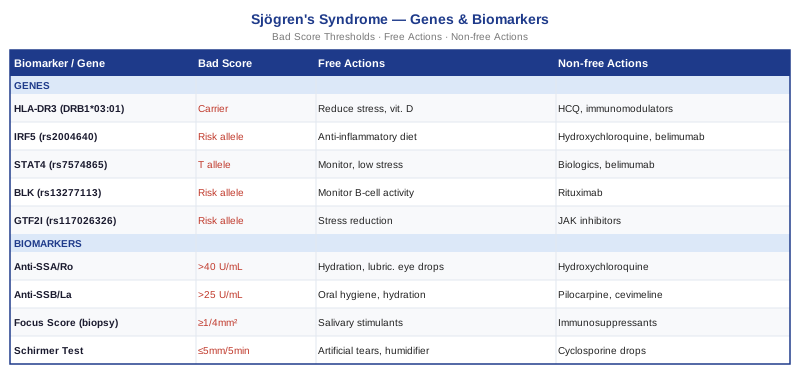
Understanding biomarkers gives you a live readout of immune activity, but the genetic dimension tells a different story: it explains why certain individuals generate these immune patterns in the first place, and which biological pathways are most likely to be chronically overactivated. The genetics section below builds on everything above by pointing to the upstream drivers.
The Genetic Blueprint Behind Sjögren's: 5 Key Genes Worth Understanding
Genetic risk in Sjögren's syndrome is not deterministic. Carrying a risk variant does not mean you will develop severe disease — it means your immune system is wired in a particular way that, under the right (or wrong) environmental conditions, can amplify toward autoimmunity. Understanding your genetic vulnerabilities helps target the interventions most likely to counteract your specific immune tendencies. Consumer genetic testing (23andMe, AncestryDNA) can reveal some HLA and SNP data; clinical genetic panels offer more complete information where available.
HLA-DRB1/HLA-DQA1 — The Immune Recognition Blueprint
What this gene does. The human leukocyte antigen (HLA) region on chromosome 6 contains the strongest genetic associations with Sjögren's syndrome. HLA-DRB1*03:01 (also known as HLA-DR3), together with the extended 8.1 ancestral haplotype (HLA-A1-B8-DR3-DQ2), confers the greatest individual-level genetic risk. These variants shape how T cells recognize self-versus-foreign antigens — specifically, they create a context where immune tolerance to SSA/Ro and SSB/La proteins is more easily broken, explaining why anti-SSA and anti-SSB antibodies cluster so strongly in HLA-DR3-positive individuals. This genetic architecture is shared with lupus, celiac disease, and type 1 diabetes.
If the gene is bad, the plan without supplements. HLA risk cannot be modified — the sequence is fixed. What can be modified is the environmental context that determines whether genetic vulnerability becomes clinical disease. Triggers for HLA-mediated autoimmune activation include: chronic viral infections (particularly EBV), UV radiation exposure, cigarette smoking, and poor sleep. Prioritize infection management, maintain rigorous sun protection, eliminate smoking completely, and optimize sleep architecture (targeting slow-wave and REM sleep specifically, since these phases drive immune memory consolidation). Regular rheumatology follow-up with annual autoantibody monitoring allows early detection before organ damage accumulates.
If the gene is bad, the plan with supplements or equipment. Vitamin D3 (2000–5000 IU daily with K2) is the single most evidence-backed supplement for modulating HLA-related immune dysregulation — it promotes Treg development and reduces the antigen-presenting efficiency of HLA-DR3-expressing cells. Cycling: continuous; monitor levels every 6 months. Side effects: hypercalcemia at doses above 5000 IU without monitoring. Omega-3 EPA+DHA (2–3 g daily) reduces the inflammatory milieu that HLA-driven T cell activation operates within. Cycling: continuous with a 4-week break every 6 months. Side effects: anticoagulant effect above 3 g.
IRF5 — The Interferon Amplifier
What this gene does. IRF5 (Interferon Regulatory Factor 5) is one of the most consistently replicated non-HLA risk genes in Sjögren's syndrome, as well as in lupus and rheumatoid arthritis. Risk variants in IRF5 — particularly in the rs2070197 and rs10488631 haplotype blocks — increase IRF5 expression and activity, driving excessive type I interferon (IFN-α and IFN-β) production. Type I interferons are central to the pathophysiology of Sjögren's: they activate dendritic cells, promote the survival of autoreactive B cells, and establish the "interferon signature" seen in blood transcriptomics of most Sjögren's patients. High IRF5 activity means the interferon pathway is chronically overactive, making the immune system persistently primed for self-attack.
If the gene is bad, the plan without supplements. Reduce the external triggers that amplify interferon output: UV radiation (a potent type I interferon inducer — use SPF 50+ daily), cigarette smoke (activates innate immune sensors that feed IRF5), and unmanaged viral infections (viruses trigger IRF5 directly). Annual influenza vaccination and, where appropriate, antiviral management of chronic EBV or CMV reactivation are clinically relevant. JAK inhibitors, which block interferon signaling downstream of IRF5, are an emerging therapeutic direction for IRF5-high Sjögren's patients — discuss with your rheumatologist.
If the gene is bad, the plan with supplements or equipment. N-acetylcysteine (NAC, 600 mg twice daily) reduces oxidative stress that feeds innate immune sensor activation and has indirect interferon-dampening properties. Cycling: 8–12 weeks on, 4 weeks off. Side effects: mild GI effects; avoid in patients with active asthma at high doses. Melatonin (0.5–1 mg, 30 minutes before bed) has documented immunomodulatory effects including modulation of type I interferon output. Cycling: continuous at low doses (0.5 mg) is generally safe; higher doses may cause morning grogginess. Green tea extract (EGCG, 400 mg standardized extract daily) has antiviral and interferon-modulating properties in preclinical research. Side effects: GI upset on empty stomach; avoid in liver disease.
STAT4 — The Cytokine Signal Relay
What this gene does. STAT4 (Signal Transducer and Activator of Transcription 4) mediates the intracellular signaling of IL-12, IL-23, and type I interferons — all major drivers of inflammatory immune responses. The rs7574865 T allele is the most studied Sjögren's-associated STAT4 risk variant. This same variant confers risk for lupus, rheumatoid arthritis, and type 1 diabetes, suggesting it sits at a pivotal intersection of autoimmune genetic architecture. In practical terms, STAT4 risk variants bias the immune system toward a Th1 phenotype (characterized by IFN-γ and IL-12 dominance), which amplifies tissue-destructive T cell responses in the salivary and lacrimal glands.
If the gene is bad, the plan without supplements. A Th1-dominant immune profile is partially modifiable through diet and lifestyle. A Mediterranean dietary pattern rich in polyphenols, fiber, and omega-3 fatty acids consistently shifts the Th1/Th2 balance toward less inflammatory profiles. Regular moderate aerobic exercise (150 minutes/week) has well-documented immune regulatory effects including Treg promotion. Stress reduction matters: chronic psychological stress promotes corticotropin-releasing hormone pathways that amplify Th1 responses — structured stress management (MBSR, yoga, adequate rest) is biologically relevant, not merely supportive.
If the gene is bad, the plan with supplements or equipment. Omega-3 fatty acids (EPA+DHA, 2–3 g daily) shift eicosanoid balance away from pro-inflammatory arachidonic acid derivatives, effectively dampening the downstream effects of Th1 cytokine dominance. Cycling: continuous with 4-week breaks every 6 months. Vitamin D3 (target: 50–60 ng/mL) promotes Tregs and counteracts Th1 bias — this is the most biologically direct supplement intervention for STAT4 risk carriers. Curcumin with piperine (1000 mg + 10 mg, twice daily with food) inhibits STAT4 downstream signaling through JAK-STAT pathway modulation. Cycling: 8 weeks on, 3 weeks off. Side effects: GI upset; modest anticoagulant effect.
BLK — The B Cell Signaling Regulator
What this gene does. BLK (B Lymphocyte Kinase) is a tyrosine kinase critical for B cell receptor signaling and the establishment of B cell tolerance — the process by which self-reactive B cells are eliminated before they can produce autoantibodies. Risk variants in BLK (particularly rs13277113 and rs2736340) reduce BLK expression, impairing the self-tolerance checkpoint and allowing autoreactive B cells to survive, proliferate, and produce anti-SSA and anti-SSB antibodies. The BLK–BANK1 genetic locus is among the most replicated in Sjögren's GWAS analyses. Given the central role of B cell hyperactivation in lymphoma risk in Sjögren's, BLK risk carries downstream consequences for more than just antibody production.
If the gene is bad, the plan without supplements. Reducing chronic B cell activation pressure is the non-pharmacological priority for BLK risk carriers: a low-AGE diet (minimizing charred, fried, and ultra-processed foods reduces glycation-driven B cell receptor cross-linking), tight glycemic control, and elimination of smoking (a direct B cell activator). Hydroxychloroquine, the most widely used disease-modifying drug in Sjögren's, has B cell regulatory effects and should be actively discussed with a rheumatologist in BLK risk-positive patients with serological activity.
If the gene is bad, the plan with supplements or equipment. EGCG from green tea extract (400 mg standardized, once daily with food) has demonstrated inhibition of B cell over-activation in vitro and modest clinical effects in some autoimmune models. Cycling: 10 weeks on, 4 weeks off. Side effects: GI upset on empty stomach; avoid in hepatic insufficiency. Boswellia serrata extract (400 mg standardized to 65% boswellic acids, twice daily) reduces NF-κB-driven inflammatory signaling that sustains B cell survival in autoimmune contexts. Cycling: 8 weeks on, 3 weeks off. Side effects: mild GI effects; generally well tolerated. Low-dose naltrexone (LDN, 1.5–4.5 mg nightly, prescription required) is increasingly used off-label in autoimmune conditions for its documented modulation of B cell and microglial activation — evidence for Sjögren's specifically is still emerging.
TNFAIP3 (A20) — The NF-κB Brake
What this gene does. TNFAIP3 encodes A20, a ubiquitin-editing enzyme that functions as a critical negative regulator of NF-κB — the master inflammatory transcription factor. When A20 works properly, it terminates NF-κB signaling after it has done its job, restoring immune homeostasis. Risk variants in TNFAIP3 (including rs7749323 and rs2230926) reduce A20 activity, meaning NF-κB signaling continues longer and at higher amplitude than it should. The result is chronic, low-grade inflammatory activation across multiple immune cell types — a background of persistent immune readiness that makes tissue-destructive autoimmunity more likely and harder to resolve. TNFAIP3 risk variants are shared across lupus, rheumatoid arthritis, celiac disease, and inflammatory bowel disease.
If the gene is bad, the plan without supplements. Every chronic NF-κB activator in the environment becomes more impactful when A20 function is already reduced. The practical priority list: eliminate dietary refined sugar and trans fats (both activate NF-κB through toll-like receptors), address chronic psychological stress (which activates NF-κB through glucocorticoid receptor-independent pathways with chronic exposure), prioritize sleep (sleep deprivation is one of the most potent NF-κB activators known), and treat any occult chronic infections (bacterial biofilms, periodontal disease, SIBO). Physical exercise at moderate intensity paradoxically reduces NF-κB signaling over time by inducing anti-inflammatory adaptations.
If the gene is bad, the plan with supplements or equipment. Curcumin (1000–1500 mg with piperine twice daily) is the most evidence-backed supplement for directly inhibiting NF-κB — it interferes with IKK complex phosphorylation, the same step that A20 regulates. This makes curcumin particularly well-targeted for TNFAIP3 risk carriers. Cycling: 8 weeks on, 3–4 weeks off. Side effects: GI effects at high doses; modest anticoagulant. Berberine (500 mg twice daily with food) has complementary NF-κB inhibitory properties plus benefits for glycemic control that reduce a key NF-κB co-activator (hyperglycemia). Cycling: 8 weeks on, 4 weeks off. Side effects: GI upset; contraindicated in pregnancy. Resveratrol (500 mg daily) modulates SIRT1, which in turn deacetylates and inactivates NF-κB subunits — a mechanistically distinct complement to curcumin. Cycling: 8 weeks on, 3 weeks off. Side effects: GI upset; anticoagulant at higher doses.
The Book That May Shift How You Approach Sjögren's Syndrome
The Autoimmune Fix by Tom O'Bryan (2016) is one of the more clinically grounded books on autoimmune disease root causes, drawing on published research across gut permeability, dietary triggers, and systemic immune dysregulation. O'Bryan makes a case that most conventional autoimmune treatment stops at symptom suppression while ignoring the upstream triggers that keep the immune system in a state of chronic alarm. For Sjögren's patients, several of his core arguments map directly onto the disease biology covered in this article.
1. Autoimmunity Follows a Three-Stage Process
O'Bryan describes autoimmune disease not as a binary — either you have it or you don't — but as a spectrum that progresses through silent autoimmunity (positive antibodies, no symptoms), reactive autoimmunity (antibodies plus functional changes), and full autoimmune disease. For Sjögren's patients, this means the years before diagnosis were not medically irrelevant — they were years when intervention could have slowed or even prevented progression.
2. Intestinal Permeability Is a Consistent Upstream Factor
The research of Alessio Fasano, extensively cited by O'Bryan, established that zonulin-mediated opening of intestinal tight junctions (leaky gut) precedes and may drive many autoimmune conditions. When bacterial lipopolysaccharides (LPS) pass the gut barrier into systemic circulation, they activate toll-like receptor 4 — a potent NF-κB activator. For TNFAIP3 and BLK risk carriers, this translates into amplified inflammatory signaling that their genetics cannot adequately brake.
3. Gluten Is Not Just a Celiac Problem
O'Bryan presents evidence that non-celiac gluten sensitivity can drive systemic immune activation in genetically susceptible individuals. The HLA-DQ2 allele — which is part of the 8.1 haplotype carrying HLA-DR3 Sjögren's risk — is the primary celiac HLA marker. Sjögren's patients with this HLA profile may benefit from a therapeutic gluten elimination trial even in the absence of overt celiac disease, a hypothesis supported by some observational data showing autoantibody reduction after elimination.
4. Molecular Mimicry Links Infections to Autoimmune Triggers
When viruses or bacteria share protein sequences with self-antigens, immune responses trained against the pathogen can cross-react with host tissue — a process called molecular mimicry. EBV's nuclear antigen (EBNA-1) shares sequence similarity with SSA/Ro protein, a finding that helps explain why EBV reactivation consistently correlates with Sjögren's flares. O'Bryan's framework includes antiviral strategies and infection surveillance as first-line autoimmune interventions.
5. The Oral Microbiome Is a Direct Disease Modifier
Sjögren's syndrome changes the oral microbiome profoundly — salivary hypofunction alters oral pH, reduces antimicrobial peptide levels, and selects for dysbiotic bacteria. But the relationship is bidirectional: oral dysbiosis activates systemic inflammatory pathways that in turn worsen glandular inflammation. O'Bryan's emphasis on the oral-gut-immune axis is particularly relevant here, making oral hygiene and microbiome support not cosmetic issues but genuine disease management tools.
6. Dairy May Be a Covert Immune Trigger in Susceptible Individuals
Casein A1 in conventional cow's milk generates the peptide beta-casomorphin-7 during digestion, which has been shown to increase intestinal permeability and promote immune responses in susceptible individuals. O'Bryan recommends an A2-only dairy approach or elimination trial as part of autoimmune dietary protocols — a step that costs nothing but requires six to eight weeks of consistent implementation to assess.
7. Toxic Load Adds Cumulative Immune Burden
Organophosphate pesticides, heavy metals (particularly mercury from dental amalgam and dietary fish), and synthetic chemicals in personal care products all activate innate immune sensors at low chronic doses. In someone with TNFAIP3, IRF5, or STAT4 risk variants — where the inflammatory brakes are already weaker than average — this cumulative toxic load is not trivial. O'Bryan advocates systematic toxic load reduction as a measurable intervention, not a lifestyle preference.
8. The 3-Week Elimination Protocol Is the Diagnostic Starting Point
O'Bryan's core clinical tool is a structured 3-week elimination of the seven most common dietary immune triggers (gluten, dairy, corn, soy, eggs, peanuts, sugar). He argues that subjective improvement within three weeks constitutes meaningful diagnostic information — if symptoms substantially improve, you have identified a dietary driver. For Sjögren's patients with active fatigue, joint pain, and brain fog, a structured elimination trial is a low-risk, high-information strategy.
9. The Gut Microbiome Is Upstream of Immune Regulation
Regulatory T cell populations — which suppress autoimmune attacks — are substantially shaped by gut microbial communities, particularly short-chain fatty acid producers such as Faecalibacterium prausnitzii and Akkermansia muciniphila. O'Bryan presents evidence that restoring microbial diversity through prebiotic fiber, probiotic supplementation, and dietary diversity is not complementary medicine — it is immunology.
10. The Order of Intervention Matters
O'Bryan's central challenge to conventional practice is sequencing: most physicians address symptoms while leaving triggers in place. His protocol — remove triggers first, heal the gut second, support immune regulation third, then use targeted supplementation — produces different outcomes than adding supplements to an unchanged inflammatory diet. For Sjögren's patients on hydroxychloroquine or biologics, integrating this upstream approach is not a replacement for medication but a parallel strategy that addresses what medications cannot.
Complementary and Lifestyle Approaches With Evidence for Sjögren's Syndrome
Conventional Sjögren's management and the biomarker and genetic strategies above address the disease from the inside out. The following modalities complement that work by addressing specific symptom domains — fatigue, immune regulation, glandular function, and gut health — with varying but meaningful levels of clinical evidence.
The Autoimmune Protocol (AIP) — Sarah Ballantyne
The Autoimmune Protocol, developed by Dr. Sarah Ballantyne (The Paleo Mom), is a structured elimination and reintroduction dietary framework designed specifically for autoimmune conditions. It removes foods with known potential to increase intestinal permeability or stimulate immune activation (grains, legumes, nightshades, dairy, eggs, nuts, seeds, refined sugars, alcohol), while emphasizing organ meats, colorful vegetables, fermented foods, and bone broth — all foods with documented roles in gut lining repair and microbiome restoration.
A small but rigorous pilot study published in 2017 (Konijeti et al., Inflammatory Bowel Diseases) found that the AIP diet produced significant clinical improvement in patients with inflammatory bowel disease within six weeks, with measurable reductions in inflammatory markers and endoscopic evidence of healing — providing the first peer-reviewed human clinical evidence for this dietary pattern. For Sjögren's specifically, there are case series and a growing body of observational evidence suggesting autoantibody reduction and symptom improvement in some patients, though large randomized trials have not yet been conducted.
To apply the AIP realistically in Sjögren's: commit to a full 8-week elimination phase before assessing response — the reintroduction phase, conducted one food at a time every 5–7 days, reveals which specific foods are problematic for your immune system. Work with a registered dietitian familiar with the protocol to ensure nutritional adequacy during elimination. The protocol is not a permanent diet — it is a diagnostic and therapeutic tool that most people eventually modify based on their individual reintroduction results.
Mindfulness-Based Stress Reduction (MBSR)
MBSR is an 8-week structured program — developed by Jon Kabat-Zinn at the University of Massachusetts — combining mindfulness meditation, body scanning, and gentle yoga. It is among the best-studied mind-body interventions in clinical medicine. Its relevance to Sjögren's extends beyond emotional well-being: chronic psychological stress drives NF-κB activation, increases corticotropin-releasing hormone (a direct promoter of mast cell and immune activation), and impairs regulatory T cell function — all directly relevant pathways in Sjögren's biology.
A randomized controlled trial of MBSR in patients with systemic lupus erythematosus (another anti-Ro-associated autoimmune disease) demonstrated significant reductions in pain, fatigue, and psychological distress, with concurrent improvements in immune regulatory markers. In Sjögren's specifically, fatigue is the symptom patients most commonly rate as most disabling — and fatigue responds more consistently to mind-body interventions than to most pharmacological approaches. The review by Bower et al. (2014) in Psychosomatic Medicine documented immune and neuroendocrine changes following mindfulness training across autoimmune populations.
The practical protocol: enroll in a formal 8-week MBSR course (available online through certified instructors) or use structured MBSR apps (Insight Timer, MBSR online programs). The evidence supports formal training over self-directed app use for clinical outcomes. After completing the structured program, a daily 20-minute practice is sufficient to maintain the neuroimmunological benefits. Contraindications are minimal; patients with severe anxiety or trauma histories should inform instructors in advance.
Low-Level Laser Therapy (LLLT) / Photobiomodulation for Salivary Gland Function
Low-level laser therapy, also called photobiomodulation, applies low-intensity red and near-infrared light directly to tissue to stimulate cellular energy production, reduce oxidative stress, and promote tissue repair. In Sjögren's syndrome, the most investigated application is salivary gland stimulation: photobiomodulation to the parotid and submandibular gland regions has shown the ability to partially restore salivary flow in patients with radiation-induced and autoimmune dry mouth.
A published randomized controlled trial by Simões et al. (2010) in the journal Photomedicine and Laser Surgery demonstrated that LLLT applied to salivary gland regions in Sjögren's patients significantly improved unstimulated salivary flow rates and reduced oral dryness complaints compared to sham treatment. A subsequent systematic review confirmed these findings across multiple small trials. The proposed mechanism involves mitochondrial cytochrome c oxidase stimulation in acinar cells, increasing ATP production in glandular tissue that is energy-depleted by autoimmune attack.
Practical application: sessions of 2–3 minutes per gland region (parotid, submandibular), twice weekly, using a 660–830 nm wavelength device at 50–100 mW/cm². Most LLLT devices available to consumers operate in this range; clinical application by a trained physiotherapist or dentist familiar with photobiomodulation is the recommended starting point. The treatment appears safest when applied without photosensitizing medications; discuss with your care team if on drugs with known photosensitizing effects.
Microbiome-Directed Therapies
The gut-oral microbiome connection in Sjögren's syndrome is an area of genuinely exciting research. Sjögren's patients demonstrate consistent gut dysbiosis: reduced Faecalibacterium prausnitzii (a key short-chain fatty acid producer and Treg inducer) and increased Enterococcus and other pro-inflammatory taxa. Separately, the oral microbiome is profoundly altered by salivary hypofunction — and oral bacteria do not stay in the mouth. They aspirate into the lungs, translocate across a compromised gut lining, and activate systemic innate immune sensors. Correcting gut and oral microbial ecosystems is therefore not peripheral to Sjögren's management — it operates directly on the same immune pathways.
A 2023 study published in Annals of the Rheumatic Diseases profiled the gut microbiome of Sjögren's patients and identified specific taxa associated with disease activity scores, providing the strongest human evidence yet for a direct gut microbiome–Sjögren's link. Probiotic strains with evidence for autoimmune immune regulation include Lactobacillus rhamnosus GG, Bifidobacterium longum, and multi-strain combinations including Lactobacillus plantarum.
Practical application: diversify dietary fiber sources aggressively (the evidence supports 30+ different plant foods per week as a microbiome diversity target), add a multi-strain probiotic (10–50 billion CFU daily, containing both Lactobacillus and Bifidobacterium species), and consider prebiotic supplementation with inulin or partially hydrolyzed guar gum. For oral microbiome restoration: use xylitol products (which selectively impair cariogenic bacteria), consider oil pulling with coconut oil (20 minutes daily — evidence limited but no harm), and work with a periodontist to treat any active periodontal disease, which is a consistent driver of systemic inflammatory burden in Sjögren's.
Tai Chi for Fatigue and Immune Regulation
Tai chi is a slow, meditative movement practice originating in traditional Chinese medicine, characterized by flowing postures, controlled breathing, and mental focus. Its physiological effects — reduced cortisol, improved parasympathetic tone, enhanced natural killer cell activity, and reduced pro-inflammatory cytokines — make it an unusually well-matched intervention for autoimmune fatigue, which responds poorly to stimulants but consistently improves with parasympathetic activation and low-intensity movement.
A meta-analysis of 40 randomized controlled trials (Field, 2016, Complementary Therapies in Clinical Practice) found tai chi consistently reduced fatigue, improved sleep quality, and reduced self-reported pain across chronic illness populations. For Sjögren's specifically, fatigue is rated by patients as the most impactful and least adequately treated symptom — and tai chi addresses both the fatigue itself (through gentle movement) and its upstream drivers (through cortisol reduction and improved sleep regulation). One small RCT in Sjögren's patients found improvements in fatigue visual analogue scale scores after 8 weeks of twice-weekly tai chi sessions.
Practical application for Sjögren's: begin with a beginner Yang-style tai chi program — 20–30 minutes, two to three times per week. Classes are available online (YouTube, structured courses) and in-person at community centers. The evidence supports consistent practice over intensive short-term participation; most benefits in fatigue and immune markers are measurable after 8–12 weeks of regular practice. The movement intensity is low enough to be appropriate even during mild-to-moderate disease flares, unlike more intense exercise forms.
Conclusion
Sjögren's syndrome is complex, but it is not opaque. The seven biomarkers covered in this article give you a concrete, measurable framework for understanding where the disease is active, how serious the risk profile is, and which modifiable factors are most worth targeting right now. The five genes provide a deeper explanatory layer — not to create fatalism about genetic risk, but to focus interventions on the specific immune pathways most likely to be overactivated in your particular case. Combined, biomarker tracking and genetic awareness allow for far more precise self-management than symptom-based approaches alone.
The most useful next step is a practical one: bring this article to your next rheumatology appointment, review which biomarkers are already being tracked and which ones are not, and ask for a more complete panel if gaps exist. Add vitamin D, hsCRP, beta-2 microglobulin, and complement C3/C4 to your standard monitoring if they are not already included. Start with the dietary and lifestyle changes that cost nothing — sleep optimization, anti-inflammatory eating, moderate exercise, stress management — before adding supplements. Measure, adjust, and repeat. Better data always leads to better decisions.
Autoimmune: Inflammatory Conditions Connective Tissue Conditions
Cancer & Oncology: Blood Cancer