This article contains AI generated content.
· UpdatedSlipped Capital Femoral Epiphysis - 4 Genes And 6 Biomarkers To Track
Introduction
An adolescent experiencing sudden hip, groin, or knee pain, or a parent watching their child develop a pronounced limp, faces a confusing and stressful ordeal. Slipped Capital Femoral Epiphysis (SCFE) is a serious orthopedic condition where the head of the femur slips at the growth plate, primarily during growth spurts. It is a critical diagnosis that typically requires urgent surgical pinning to stabilize the joint. Yet, once the surgery is complete, or when trying to understand the systemic causes, families often find themselves lost in a sea of questions about the future.
Standard medical advice is often too broad, focusing almost exclusively on mechanical stabilization and post-operative physical therapy. While surgery is absolutely critical to stabilize the joint and prevent further slippage, it does not address the underlying metabolic, hormonal, or genetic factors that may have weakened the physis (growth plate) in the first place. Without investigating these systemic drivers, such as subclinical thyroid dysfunction, growth hormone spikes, or nutrient deficiencies, patients and parents are left wondering if the other hip is at risk, or how to optimize long-term bone healing.
This article takes a deeper, more comprehensive approach, bridging the gap between acute orthopedic intervention and systemic biology. By looking beyond the mechanical slip, we examine the underlying hormonal pathways, genetic susceptibilities, and metabolic markers that govern bone integrity and growth plate stability. Our goal is to provide a science-aware, actionable guide that helps you understand what is happening inside the body.
There is grounded hope. By identifying and tracking specific biological markers, understanding genetic risks, and optimizing endocrine health, you can make informed decisions that support postoperative recovery, protect the contralateral hip, and promote robust skeletal development. In the sections that follow, we will present concrete strategies: tracking six crucial biomarkers, understanding four candidate genes, applying key insights from neurobiology, and integrating evidence-based complementary physical therapies to help pave the way toward complete recovery and long-term joint health.
Summary
Understanding Slipped Capital Femoral Epiphysis requires looking beyond the mechanical slip to the systemic environment of the adolescent body. This article outlines the essential pathways of bone maturation and joint integrity. We detail six vital biomarkers to track—including Vitamin D, thyroid stimulating hormone, growth hormone, alkaline phosphatase, parathyroid hormone, and leptin—alongside four key candidate genes (*COL2A1*, *VDR*, *GH1/GHR*, and *THRA/THRB*) that influence physical vulnerability. Furthermore, we summarize the endocrine optimization protocols discussed by neurobiologist Andrew Huberman and explore four complementary physical and metabolic modalities—mindfulness meditation, progressive muscle relaxation, modified yoga, and microbiome-directed therapies—supported by clinical trials. The diagram below maps these genetic, hormonal, and physical interactions to help you navigate a comprehensive path to recovery.
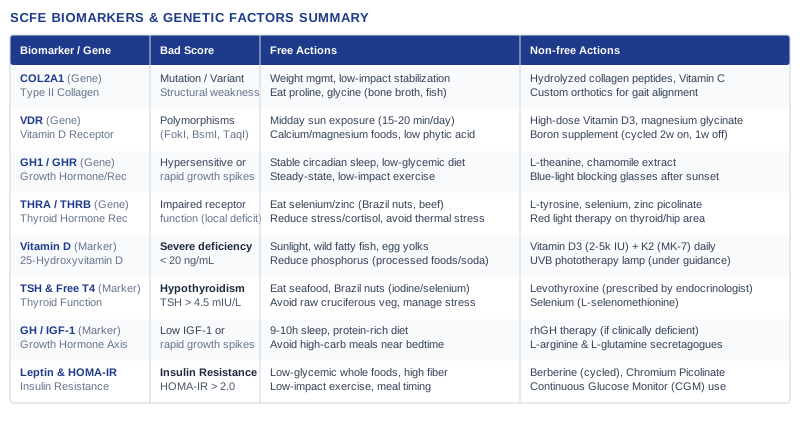
Biomarkers to Track
While the immediate correction of a hip slip is mechanical, the structural integrity of the epiphyseal growth plate is governed by systemic biochemistry. By tracking specific metabolic and endocrine biomarkers, you can identify hidden physiological imbalances that weaken bone structure, helping you optimize joint healing and protect the contralateral hip.
1. Vitamin D (25-Hydroxyvitamin D)
Vitamin D is critical for calcium and phosphate absorption, which are the primary building blocks of bone mineralization. Within the growth plate, Vitamin D regulates chondrocyte proliferation and hypertrophy. A deficiency leads to a weakened, widened physis, making it susceptible to shear forces during pubertal growth spurts. A large-scale national database study published in 2025 demonstrated that patients with Vitamin D deficiency have a 2.8 times higher risk of developing SCFE compared to those with sufficient levels study on vitamin D and SCFE (relative risk of 2.8). Low levels of this biomarker indicate metabolic bone weakness and subclinical rickets-like changes, which can predispose the contralateral hip to a similar slip.
How to measure it
This biomarker is measured via a standard venous blood draw for 25-hydroxyvitamin D [25(OH)D]. The test is widely available and typically costs between $30 and $100 depending on insurance coverage and the lab provider. For pediatric patients recovering from SCFE, optimal blood levels should be maintained between 40 and 60 ng/mL, which is higher than the standard laboratory minimum of 30 ng/mL.If the score is bad, the plan without supplements
Without supplements, the primary focus is on safe, sensible sunlight exposure and targeted dietary changes. Expose the arms, legs, and back to midday sunlight for 10 to 15 minutes daily (adjusting for skin phototype and latitude) to trigger cutaneous synthesis of Vitamin D. Incorporate wild-caught fatty fish (such as salmon, mackerel, and sardines), cod liver oil, and pasteurized egg yolks from pasture-raised chickens into the daily diet. It is also important to reduce dietary phosphorus intake—found in carbonated sodas and highly processed foods—as excess phosphorus impairs bone mineralization and accelerates calcium loss.If the score is bad, the plan with supplements or equipment
When serum levels are severely deficient (under 20 ng/mL), targeted supplementation is necessary. Supplement daily with Vitamin D3 (cholecalciferol) at a dosage of 2,000 to 5,000 IU, combined with Vitamin K2 (as menaquinone-7, 100 to 200 mcg daily) to ensure calcium is directed into the bone matrix rather than soft tissues. A high-quality ultraviolet B (UVB) phototherapy lamp can be used as medical equipment under dermatological guidance, especially during winter months or at high latitudes. Frequency / Cycling / Side Effects: Take the supplements daily with a meal containing healthy fats for 8 to 12 weeks, followed by a repeat blood test. If levels reach the target range of 40–60 ng/mL, transition to a maintenance dose of 1,000 IU daily. Side effects of excessive Vitamin D intake include hypercalcemia (high blood calcium), which can cause nausea, muscle weakness, and kidney stones. Regular monitoring is essential to avoid toxicity.2. Thyroid Stimulating Hormone (TSH) and Free Thyroxine (Free T4)
Thyroid hormones are crucial for normal epiphyseal fusion, skeletal maturation, and endochondral ossification. Hypothyroidism is the most common endocrine disorder associated with atypical SCFE, representing a significant percentage of cases in patients with underlying endocrinopathies endocrine disorders and SCFE. In hypothyroidism, the physis becomes structurally weak and disorganized, predisposing it to mechanical failure under normal body weight. Elevated TSH combined with low Free T4 levels reveals primary hypothyroidism, which requires immediate medical evaluation, as untreated thyroid deficiency compromises bone healing post-surgery and increases the risk of contralateral slips.
How to measure it
A standard venous blood panel measuring TSH and Free T4. The cost of this panel ranges from $40 to $120. Standard reference ranges vary by age, but for adolescents, a TSH of 0.45 to 4.5 mIU/L and Free T4 of 0.82 to 1.77 ng/dL are typical. A TSH above 4.5 mIU/L with a low Free T4 suggests hypothyroidism.If the score is bad, the plan without supplements
If the score is subclinical or borderline (mildly elevated TSH with normal Free T4), non-supplement interventions focus on dietary modifications to support thyroid health. Ensure adequate dietary intake of iodine and selenium by consuming Brazil nuts (1-2 per day), seafood, and iodized salt in moderation. Eliminate environmental goitrogens, such as raw cruciferous vegetables (broccoli, cabbage, kale) in large quantities, as they can interfere with thyroid hormone synthesis. Focus on reducing physical and emotional stress, which elevates cortisol and impairs the conversion of T4 to T3.If the score is bad, the plan with supplements or equipment
For clinical hypothyroidism, the primary medical treatment is levothyroxine (synthetic T4), prescribed by an endocrinologist. The dosage is typically calculated based on body weight (usually 1.0 to 1.6 mcg/kg daily for adolescents). Additionally, selenium (as L-selenomethionine, 100 to 200 mcg daily) can support peripheral conversion of T4 to T3. Frequency / Cycling / Side Effects: Levothyroxine is taken daily in the morning on an empty stomach, at least 30 to 60 minutes before breakfast. It must not be taken with calcium or iron supplements, which inhibit absorption. It is not cycled; it is a long-term treatment that is titrated based on follow-up blood tests every 6 to 8 weeks. Side effects of overtreatment can cause symptoms of hyperthyroidism, such as rapid heart rate, anxiety, heat intolerance, and bone loss. Undertreatment leads to persistent fatigue, weight gain, and delayed bone healing.3. Growth Hormone (GH) and Insulin-Like Growth Factor 1 (IGF-1)
Growth hormone (GH) and its downstream mediator, Insulin-like Growth Factor 1 (IGF-1), are the primary drivers of childhood skeletal growth. Abnormalities in this axis—either growth hormone deficiency or rapid, uncoordinated growth hormone spikes—alter the mechanical strength of the growth plate. SCFE is heavily associated with rapid longitudinal growth and endocrine conditions like hypopituitarism where GH is deficient or growth hormone treatment is initiated, causing a sudden widening of the physis before it can mineralize. Measuring these markers reveals whether the growth plate is maturing at a stable, structurally safe rate.
How to measure it
Since GH is secreted in pulses, a single GH measurement is often unreliable. Instead, serum Insulin-like Growth Factor 1 (IGF-1) is measured, as it reflects integrated growth hormone activity over time. The cost of an IGF-1 test ranges from $50 to $150. Reference ranges are highly dependent on age, sex, and pubertal stage.If the score is bad, the plan without supplements
If IGF-1 is low due to poor lifestyle or nutrition, optimize sleep and exercise. Growth hormone is primarily secreted during deep slow-wave sleep. Ensure the adolescent gets 9 to 10 hours of quality sleep, maintaining a consistent sleep schedule and avoiding blue light exposure before bed. Implement resistance exercise or high-intensity interval training (adapted to safe physical boundaries after orthopedic recovery) to stimulate natural GH release. Eat a protein-rich diet and avoid high-carbohydrate meals close to bedtime, as insulin spikes suppress GH secretion.If the score is bad, the plan with supplements or equipment
If low IGF-1 is due to diagnosed growth hormone deficiency, recombinant human growth hormone (rhGH) therapy may be prescribed by a pediatric endocrinologist. Note that patients receiving rhGH therapy are at a higher risk for SCFE and must be monitored closely for hip pain. For subclinical support, natural secretagogues like L-arginine (1.5 to 3 grams daily) and L-glutamine (2 to 5 grams daily) can be used cautiously. Frequency / Cycling / Side Effects: rhGH is administered via daily subcutaneous injections, usually in the evening. Natural amino acid supplements can be cycled: taken daily for 5 days a week, with a 2-day break, for up to 8 weeks before reassessment. rhGH therapy requires close monitoring; side effects include joint pain, fluid retention, and potentially triggering or worsening SCFE. Natural secretagogues can cause mild digestive upset or nausea if taken in high doses.4. Alkaline Phosphatase (ALP)
Alkaline phosphatase is an enzyme produced by osteoblasts (bone-forming cells) and chondrocytes in the growth plate. It is a marker of bone turnover and active growth. In adolescents, ALP is naturally elevated during the growth spurt. However, abnormally low or disproportionately elevated ALP can signal bone mineralization disorders, renal osteodystrophy, or rickets-like conditions, which increase susceptibility to SCFE. Measuring this enzyme reveals whether the adolescent is depositing bone minerals at an adequate rate to support the mechanical loads placed on the hip joints.
How to measure it
A routine liver and bone panel blood test measuring serum Alkaline Phosphatase. The cost ranges from $20 to $50. Pediatric ranges are significantly higher than adult ranges (typically 100 to 350 U/L during puberty). A value significantly outside the age-adjusted range warrants further investigation.If the score is bad, the plan without supplements
To optimize bone turnover naturally, focus on mechanical stimulation and dietary minerals. Engage in weight-bearing physical activity within the limits permitted by the orthopedic surgeon (e.g., swimming, guided physical therapy). Consume a diet rich in zinc and magnesium, which are essential cofactors for alkaline phosphatase. Good sources include pumpkin seeds, almonds, dark leafy greens, and grass-fed beef. Eliminate refined sugars and trans fats, which induce systemic inflammation and impair osteoblast function.If the score is bad, the plan with supplements or equipment
Supplementation with magnesium glycinate (200 to 400 mg daily) and zinc picolinate (15 to 30 mg daily) can help optimize osteoblast activity and ALP function. Additionally, low-intensity pulsed ultrasound (LIPUS) devices can be utilized as equipment under physical therapy supervision to stimulate local bone healing and osteoblast activity at the surgical site. Frequency / Cycling / Side Effects: Take magnesium and zinc daily with food. Zinc should be balanced with a small dose of copper (1 to 2 mg) if taken for more than 4 weeks to prevent copper deficiency. Cycle zinc supplementation by taking it for 8 weeks, then pausing for 2 weeks. High doses of magnesium can cause diarrhea and abdominal cramping. Excess zinc can cause nausea, metallic taste, and copper depletion.5. Parathyroid Hormone (PTH)
Parathyroid hormone regulates serum calcium and phosphorus levels by acting on bone, kidneys, and intestines. Elevated PTH (hyperparathyroidism) causes bone resorption, drawing calcium out of the bones and weakening the growth plate. Conversely, low PTH can impair bone remodeling. Chronic kidney disease or calcium/Vitamin D deficiency can trigger secondary hyperparathyroidism, a known predisposing factor for SCFE. Measuring PTH helps detect systemic bone resorption and metabolic dysfunction that weakens the physical integrity of the hip joint.
How to measure it
A fasting blood test measuring intact PTH (iPTH). The cost range is $50 to $130. The normal range is typically 10 to 65 pg/mL. It is crucial to measure serum calcium and Vitamin D concurrently to interpret PTH levels accurately.If the score is bad, the plan without supplements
If PTH is elevated due to dietary calcium deficiency, focus on calcium-rich foods. Include high-quality dairy (yogurt, kefir, grass-fed milk), sardines with bones, almonds, and leafy greens. Ensure adequate hydration to support kidney function and calcium excretion. Avoid caffeine and carbonated soft drinks, which increase urinary calcium loss. Manage stress, as high cortisol levels interfere with calcium absorption in the gut.If the score is bad, the plan with supplements or equipment
If secondary hyperparathyroidism is present, supplement with calcium citrate (500 to 1,000 mg daily in divided doses) and Vitamin D3 (as detailed above). Calcium citrate is preferred over carbonate as it is better absorbed without food. Use of weight-bearing loading equipment, such as a vibration platform (whole-body vibration therapy) at low frequencies (20-30 Hz) under medical supervision, can help stimulate bone density and normalize PTH signaling. Frequency / Cycling / Side Effects: Divide calcium doses (no more than 500 mg per dose) and take them with meals. Do not cycle calcium; take it daily until PTH levels normalize. Whole-body vibration therapy can be performed for 10 minutes, 3 to 4 times a week. Excessive calcium supplementation can cause constipation, bloating, and increase the risk of vascular calcification or kidney stones if Vitamin K2 is deficient. Monitor serum calcium regularly.6. Leptin and HOMA-IR (Insulin Resistance Markers)
Obesity is the single most significant mechanical risk factor for SCFE. Excess weight increases the shear stress on the growth plate. Biologically, obesity leads to elevated levels of leptin (a hormone secreted by fat cells) and insulin resistance. High leptin levels accelerate skeletal maturation and affect chondrocyte proliferation, while insulin resistance and chronic low-grade inflammation weaken the structural matrix of the physis. Monitoring these biomarkers reveals metabolic syndrome and systemic low-grade inflammation, helping you design an effective plan to reduce the physical load on the hip joints.
How to measure it
Leptin is measured via a fasting serum test (cost $50 to $120). HOMA-IR (Homeostatic Model Assessment for Insulin Resistance) is calculated using fasting glucose and fasting insulin levels (cost $30 to $80). A HOMA-IR score greater than 2.0 indicates insulin resistance.If the score is bad, the plan without supplements
The non-supplement plan is built around structured dietary changes and low-impact mechanical activities. Implement a low-glycemic, whole-foods diet emphasizing fiber, lean proteins, and healthy fats (avocados, olive oil). Eliminate processed carbohydrates, high-fructose corn syrup, and sugary beverages to improve insulin sensitivity. Introduce daily low-impact activities that do not overload the hip joint, such as swimming or stationary cycling, to promote weight loss and reduce mechanical load. Ensure consistent meal timing and consider time-restricted feeding (e.g., a 10-hour eating window) if appropriate for the adolescent.If the score is bad, the plan with supplements or equipment
Supplementation with Berberine (500 mg, 2 to 3 times daily before meals) or Chromium Picolinate (200 to 400 mcg daily) can improve insulin sensitivity and lower leptin levels. Alpha-Lipoic Acid (ALA, 300 to 600 mg daily) can also support glucose metabolism. Equipment such as a continuous glucose monitor (CGM) can be incredibly useful to track glycemic variability and educate the patient on which foods trigger insulin spikes. Frequency / Cycling / Side Effects: Berberine is highly effective but should be cycled: take it daily for 8 to 12 weeks, followed by a 2- to 4-week pause to prevent alteration of the gut microbiome. Chromium and ALA can be taken daily without cycling. Berberine can cause gastrointestinal side effects such as cramping, diarrhea, or constipation. It may also interact with medications metabolized by the liver. Chromium is generally safe but can cause mild headaches in rare cases.While tracking these dynamic biomarkers offers a real-time window into your current metabolic and endocrine status, understanding the genetic blueprint that shapes bone development provides a deeper layer of personalized insight.
Genetics and Epigenetics Research
While environmental and endocrine factors play major roles in SCFE, recent genetic and epigenetic studies suggest that an individual’s underlying genetic architecture dictates how resilient the growth plate is to mechanical and metabolic stress. By identifying variations in key candidate genes, you can implement tailored strategies to compensate for inherited vulnerabilities.
1. COL2A1 (Type II Collagen Gene)
The *COL2A1* gene encodes the alpha-1 chain of type II collagen, which is the primary structural collagen found in articular cartilage and the cartilaginous matrix of the growth plate. Type II collagen provides the tensile strength and structural framework that allows the physis to resist shear forces. Genetic studies have identified that mutations or polymorphisms in *COL2A1* can lead to structural weakness in this matrix. In families with a history of SCFE, variations in this gene have been linked to early chondrocyte degeneration and mechanical instability of the physis, meaning even normal physical loads can cause the epiphysis to slip.
If the gene is bad, the plan without supplements
The non-supplement strategy focuses on strict weight management to minimize load on the fragile type II collagen matrix. Incorporate low-impact joint stabilization exercises (such as isometric hip abductor and adductor strengthening) under the guidance of a physical therapist to build muscular support around the hip. Consume foods rich in proline, glycine, and lysine—such as bone broth, chicken, and fish—to supply the amino acids necessary for endogenous collagen synthesis. Avoid activities that place high torsional stress or impact loads on the hips, such as running or jumping.If the score is bad, the plan with supplements or equipment
Supplement with hydrolyzed type II collagen (1,000 to 2,000 mg daily) and Vitamin C (500 to 1,000 mg daily as ascorbic acid, which is a critical cofactor for collagen hydroxylation). High-quality collagen peptides support matrix integrity. Equipment like custom orthotics or shoe inserts can be used to optimize gait alignment and reduce unilateral mechanical strain on the hip joint. Frequency / Cycling / Side Effects: Take collagen and Vitamin C daily. There is no need to cycle collagen peptides, as they are nutritional building blocks. Vitamin C can be taken daily. Collagen supplements are generally well-tolerated, but some individuals may experience mild digestive fullness or a lingering taste. Vitamin C in high doses (above 2,000 mg) can cause loose stools or abdominal discomfort.2. VDR (Vitamin D Receptor Gene)
The *VDR* gene encodes the intracellular receptor that binds active Vitamin D, initiating transcription of genes involved in calcium absorption and bone mineralization. Polymorphisms in the *VDR* gene (such as FokI, BsmI, or TaqI) can reduce receptor sensitivity or expression. Even with adequate circulating Vitamin D levels, a compromised receptor leads to poor bone mineral density and a weakened growth plate. This makes the bone matrix more susceptible to microfractures and physical deformation, predisposing the hip to a slip.
If the gene is bad, the plan without supplements
Optimize natural Vitamin D synthesis through regular, safe solar exposure (15-20 minutes daily). Focus on a diet high in bioavailable calcium (dairy, low-oxalate greens, and bone-in fish) and magnesium-rich foods to maximize the efficiency of the available receptors. Minimize consumption of phytic acid (found in raw grains and legumes) and oxalates (found in spinach and beet greens), which bind calcium and reduce its bioavailability.If the score is bad, the plan with supplements or equipment
Supplement with high-dose Vitamin D3 (3,000 to 5,000 IU daily) to saturate the VDR receptors, along with magnesium glycinate (300 mg daily) to support the conversion of Vitamin D to its active form. Boron (3 mg daily) can also be added, as it extends the half-life of Vitamin D and active estrogen in the body. Frequency / Cycling / Side Effects: Take daily with a fat-containing meal for optimal absorption. Cycle boron: take it daily for 2 weeks, then pause for 1 week to avoid hormonal adaptation. Regular testing is crucial; high-dose Vitamin D can lead to hypercalcemia if not balanced. Boron may slightly alter hormone levels, so monitor for any changes in adolescents.3. GH1 and GHR (Growth Hormone & Receptor Genes)
The *GH1* gene produces growth hormone, and the *GHR* gene encodes the receptor. Genetic variations that cause rapid spikes in growth hormone release or hypersensitive receptors can lead to sudden growth spurts. During these spurts, the physis widens rapidly, but mineralization lags behind. This creates a temporary window of extreme mechanical vulnerability in the hip joint. Compensating for these variations requires managing the metabolic signals that trigger growth surges.
If the gene is bad, the plan without supplements
Focus on maintaining stable insulin levels, as insulin synergizes with growth hormone to increase IGF-1. Implement a low-glycemic diet with no refined sugars. Establish a strict circadian rhythm: ensure the adolescent goes to bed and wakes up at the same time every day. This consistency regulates the natural, pulsatile secretion of growth hormone, preventing abnormal, destabilizing spikes. Engage in steady-state, low-impact exercise rather than high-intensity explosive training, which causes large, acute growth hormone surges.If the score is bad, the plan with supplements or equipment
Supplement with L-theanine (100 to 200 mg before bed) and chamomile extract to support deep, stable slow-wave sleep, which promotes a balanced growth hormone profile. Equipment such as blue-light blocking glasses should be worn after sunset to optimize melatonin production and endocrine stability. Frequency / Cycling / Side Effects: Use the sleep hygiene equipment daily. L-theanine can be taken nightly for up to 12 weeks, followed by a 1-week break. L-theanine is highly safe, though some individuals may report vivid dreams or mild morning drowsiness.4. THRA and THRB (Thyroid Hormone Receptor Genes)
These genes encode the alpha and beta receptors for thyroid hormone. Receptors in the growth plate are responsible for mediating thyroid hormone's roles in chondrocyte differentiation and bone mineralization. Impaired receptor function (due to genetic variations) acts like local hypothyroidism in the bone, leading to a widened, disorganized growth plate that is mechanically weak, even if serum thyroid levels are technically in the normal range.
If the gene is bad, the plan without supplements
Consume foods high in selenium (Brazil nuts, eggs, sunflower seeds) and zinc (beef, pumpkin seeds) to facilitate local receptor sensitivity. Reduce chronic stress and cortisol levels, as high cortisol downregulates thyroid hormone receptors and impairs the peripheral conversion of T4 to T3. Focus on moderate-temperature environments, as extreme cold or heat stress can cause rapid fluctuations in thyroid receptor activation.If the score is bad, the plan with supplements or equipment
Supplement with L-tyrosine (500 mg daily), selenium (100 mcg daily as L-selenomethionine), and zinc picolinate (15 mg daily) to support thyroid hormone production and receptor binding. Red light therapy (photobiomodulation) using a targeted device on the thyroid gland or hip area can be explored to support cellular energy (ATP) production and receptor responsiveness. Frequency / Cycling / Side Effects: Take L-tyrosine in the morning on an empty stomach. Cycle it: 5 days on, 2 days off, for 8 weeks. Take zinc and selenium daily with food. L-tyrosine can cause mild headaches or restlessness in sensitive individuals, and should not be used if the patient is taking thyroid hormone replacement therapy (levothyroxine) without doctor approval.Understanding these genetic sensitivities highlights the critical role that systemic regulation plays in growth plate health. To further explore how we can influence these hormonal systems, we can look to the practical protocols detailed by neurobiologist Andrew Huberman.
Summary of the Huberman Lab Podcast on Metabolism and Hormones
In Episode 17 of the Huberman Lab Podcast, titled "How to Control Your Metabolism by Thyroid & Growth Hormones", neurobiologist Andrew Huberman provides a comprehensive breakdown of the endocrine systems that govern cellular energy, tissue repair, and skeletal growth. By understanding these biological levers, families managing SCFE recovery can implement evidence-based protocols to optimize the systemic environment for bone healing.
1. The Interplay Between Thyroid Hormones and Bone Growth
Huberman emphasizes that thyroid hormones (T3 and T4) act as the master regulators of metabolic rate and tissue development. In the skeletal system, they govern the rate at which cartilage cells in the epiphyseal growth plate differentiate into osteoblasts and form hard bone. A lack of these hormones delays this maturation process, leaving the growth plate in a widened, cartilaginous, and structurally weak state. For adolescents prone to SCFE, maintaining optimal thyroid hormone levels is essential to ensure the femoral head fuses securely to the neck of the femur.2. Growth Hormone's Role in Tissue Repair and Physical Integrity
Growth hormone (GH) and its downstream mediator, IGF-1, are critical for physical regeneration and repair. GH stimulates chondrocyte division in the growth plate, which is necessary for longitudinal bone growth. However, Huberman warns that sudden spikes or uncoordinated pulses of growth hormone can cause rapid growth plate widening. In pediatric orthopedic recovery, the goal is a stable, controlled release of growth hormone that facilitates bone healing without causing structural instability.3. The Importance of Selenium and Iodine for Thyroid Function
The thyroid gland cannot produce T4 and T3 without specific mineral cofactors. Huberman notes that iodine is a primary structural component of thyroid hormones, while selenium is required for the deiodinase enzymes that convert inactive T4 into active T3 in peripheral tissues, including bone. A deficiency in either mineral leads to subclinical hypothyroidism, weakening the mechanical strength of the physis. Consuming selenium-rich foods like Brazil nuts is a simple, highly effective way to support this pathway.4. How L-Tyrosine Supports Thyroid Hormone Synthesis
L-tyrosine is an amino acid that serves as the direct precursor to thyroid hormones (as well as neurotransmitters like dopamine). Huberman explains that the thyroid gland combines L-tyrosine with iodine to form T4. For individuals looking to support natural thyroid output, ensuring adequate L-tyrosine intake through protein-rich foods or targeted supplementation can prevent hormonal bottlenecks, promoting healthier bone growth and joint recovery.5. Temperature Regulation and Thyroid Axis Performance
The thyroid gland is highly sensitive to temperature. Cold exposure stimulates the thyroid axis to increase metabolic rate and heat production, which can temporarily boost thyroid hormone output. Conversely, chronic thermal stress or poor adaptation can disrupt hormone stability. Huberman discusses how deliberate, brief exposure to cold can stimulate thyroid activity, but notes that this must be balanced carefully to avoid metabolic exhaustion, particularly in recovering patients.6. Natural Sleep Optimization to Maximize Nighttime Growth Hormone Pulses
The vast majority of natural growth hormone release occurs in pulsatile waves during deep, slow-wave sleep. Huberman outlines sleep hygiene protocols to maximize these natural pulses: maintaining a dark, cool room, avoiding eating large meals (especially carbohydrates) within 2-3 hours of sleeping to prevent insulin spikes, and keeping a consistent sleep schedule. Optimizing these deep sleep cycles is vital for repairing the surgical site in SCFE.7. The Impact of Intense Exercise and Temperature Therapy on Growth Hormone
Physical exercise, particularly high-intensity resistance training, is a potent stimulator of growth hormone release. Additionally, deliberate heat exposure (like sauna use) has been shown to temporarily elevate growth hormone levels. Huberman explains that these stressors trigger a survival-like adaptation response, prompting the pituitary gland to release GH. While intense exercise must be modified post-SCFE surgery, gentle resistance training within safe parameters can still harness this effect.8. How Insulin Sensitivity Regulates Growth Hormone Release
Insulin and growth hormone have an inverse relationship; high levels of circulating insulin suppress the pituitary's release of growth hormone. Huberman explains that maintaining high insulin sensitivity through a low-glycemic diet and physical activity allows the body to release growth hormone more efficiently when needed. In adolescents with obesity-related insulin resistance, reversing this metabolic state is crucial to restore normal growth hormone physiology and support bone strength.9. Light Exposure and Circadian Rhythms as Endocrine Controllers
Viewing bright sunlight in the morning is a cornerstone of Huberman's protocols. Morning light exposure triggers the release of cortisol, setting a healthy circadian timer that culminates in melatonin release at night. Melatonin is essential for deep sleep, which in turn drives optimal growth hormone and thyroid function. Preventing nighttime light exposure, especially blue light from screens, is key to maintaining this delicate endocrine balance.10. The Dangers of Unregulated Peptide and Secretagogue Use
Huberman advises caution regarding the use of growth hormone secretagogues (like peptides) or synthetic hormones. While these substances are popular in fitness and longevity circles, they can cause unpredictable, supra-physiological hormone levels. In adolescents, these compound spikes can cause rapid, unsafe growth plate changes, potentially triggering or worsening hip slips. Any hormonal therapy must be strictly managed by a qualified endocrinologist.While optimizing metabolic and endocrine pathways through systemic protocols is fundamental, integrating targeted physical and mind-body therapies can further enhance the recovery process and provide localized support for hip health.
Complementary and Alternative Approaches
Integrating evidence-based complementary modalities can significantly support the rehabilitation phase of SCFE. When applied cautiously under orthopedic supervision, these approaches help manage postoperative discomfort, improve joint mobility, and reduce systemic metabolic stress.
Mindfulness Meditation / MBSR
Mindfulness-Based Stress Reduction (MBSR) is a structured cognitive intervention designed to cultivate present-moment awareness and downregulate sympathetic nervous system activity. For adolescents recovering from SCFE surgery, MBSR is highly relevant for managing postoperative pain, surgical anxiety, and the psychological impact of sudden physical restrictions. The stress associated with a major joint condition elevates cortisol, which can impair bone remodeling. By promoting physiological relaxation, mindfulness helps optimize the body's healing environment.
The standard MBSR protocol involves systematic mindfulness training, including guided body scans and breath awareness. A randomized controlled pilot study evaluating MBSR for pediatric chronic pain demonstrated that participants experienced significant improvements in pain-related self-efficacy pilot study on MBSR for pediatric pain. This indicates that mindfulness training helps adolescents restructure their cognitive and emotional response to pain, facilitating better adaptation during long recovery periods.
To apply this realistically, the patient should practice a 15-minute guided body scan meditation daily while lying flat on a comfortable, supportive surface in a neutral pelvic position. It is critical to avoid any physical yoga postures or movements within the program that exceed post-surgical weight-bearing restrictions. The focus must remain purely on cognitive relaxation and breathing exercises to ensure the physical hip joint is subjected to zero mechanical stress.
Progressive Muscle Relaxation (PMR)
Progressive Muscle Relaxation (PMR) is a somatic technique that involves systematically tensing and relaxing specific muscle groups. Following surgical pinning for SCFE, protective muscle guarding and spasms in the surrounding muscles (such as the quadriceps and glutes) are common. These spasms cause pain and place unwanted tension on the femoral neck. PMR helps patients identify muscle tension and consciously release it, which can reduce muscle spasms, lower anxiety, and improve sleep.
The clinical protocol for PMR involves tensing a specific muscle group for 5 to 7 seconds followed by a sudden release and 15 seconds of relaxation. A clinical study evaluating PMR in orthopedic recovery found that patients practicing PMR daily experienced statistically significant reductions in postoperative pain intensity and marked improvements in sleep quality compared to a control group study on progressive muscle relaxation after hip fractures. This highlights the utility of somatic relaxation as a non-pharmacological adjunct to standard post-surgical care.
For SCFE recovery, PMR must be modified to exclude the muscle groups directly crossing the hip joint (the thigh and hip muscles) during the early stages of bone healing. The patient should focus the tension phase solely on distal muscle groups, such as the hands, forearms, calves, and face, while keeping the upper leg and pelvic muscles completely relaxed. Practice the routine for 10 minutes before bedtime to help improve sleep quality.
Yoga (Adapted Chair Yoga)
Yoga is a mind-body practice that combines physical postures, breathing exercises, and meditation. During the late stage of SCFE rehabilitation—only after complete bone union is confirmed by the orthopedist—gentle, adapted yoga can help restore joint range of motion, improve pelvic alignment, and rebuild muscle strength. Extended immobilization can cause muscle atrophy and joint stiffness, which modified yoga can gently address.
Clinical protocols for joint rehabilitation focus on gentle, non-weight-bearing alignment exercises, often utilizing a chair for support. Studies funded by the National Institutes of Health (NIH) on adapted yoga for joint pain have shown that structured protocols significantly reduce pain and improve mobility. However, researchers emphasize that protocols must be tailored to the individual's joint restrictions to prevent excessive mechanical strain on stabilized bones.
For SCFE patients, extreme ranges of motion must be strictly avoided. The patient should practice modified chair yoga under the direct supervision of a physical therapist, avoiding deep hip flexion, wide abduction, or twisting (such as the pigeon pose). Keep sessions to 15 minutes, 2 times a week, focusing on core stability and neutral hip alignment. Immediately stop any movement that causes hip discomfort.
Microbiome-Directed Therapies
Microbiome-directed therapies involve using specific probiotics, prebiotics, and dietary changes to optimize gut bacteria. Obesity is the primary risk factor for SCFE, and it is associated with gut dysbiosis, which promotes systemic low-grade inflammation. This inflammation can weaken the growth plate matrix and delay post-surgical healing. Optimizing the gut microbiome helps reduce systemic inflammatory cytokines and improve insulin sensitivity.
The clinical protocol evaluated in the BIFI-OBESE trial utilized specific probiotic strains, specifically Bifidobacterium breve BR03 and B632, in children and adolescents with obesity and insulin resistance trial on B. breve in children with obesity. The randomized, double-blind, placebo-controlled study demonstrated that probiotic supplementation led to significant improvements in insulin sensitivity, reduced waist circumference, and improved metabolic health, directly targeting the systemic drivers of SCFE.
To apply this realistically, the patient should consume a daily probiotic supplement containing Bifidobacterium breve strains BR03 and B632 (or a high-quality pediatric broad-spectrum probiotic) for 8 to 12 weeks. Pair this with prebiotic-rich foods such as chicory root, oats, and bananas to support beneficial bacteria. Monitor gastrointestinal tolerance closely, and reduce the dosage if bloating occurs.
By combining these complementary somatic and metabolic approaches with targeted biomarker tracking, patients and their families can build a comprehensive framework for joint recovery and long-term skeletal health.
Conclusion
Managing Slipped Capital Femoral Epiphysis (SCFE) requires looking beyond immediate surgical stabilization to address the systemic biology that regulates bone strength and growth plate integrity. By proactively tracking key endocrine and metabolic biomarkers—such as thyroid function, Vitamin D, and insulin sensitivity—and understanding how genetic factors like type II collagen variations influence susceptibility, you can implement targeted lifestyle and nutritional adjustments that support healing and protect the contralateral hip. The next smart step is to work closely with a pediatric endocrinologist or orthopedic specialist to compile a comprehensive lab panel, review your nutritional status, and establish a customized, safe physical therapy routine that fosters complete recovery.