This article contains AI generated content.
· UpdatedSpinal Muscular Atrophy Genes and Biomarkers: 5 Genes and 7 Biomarkers to Track
Introduction
Living with spinal muscular atrophy — or caring for someone who does — means navigating a disease where the stakes are high, the science moves fast, and the gap between what specialists know and what gets communicated in a standard appointment can be significant. The diagnosis itself only answers part of the question. Knowing that SMN1 is deleted tells you what happened. It doesn't tell you why your child has a milder course than another child with the same mutation, or why a treatment works well in one patient and partially in another.
Generic medical summaries of SMA tend to stay at the surface: autosomal recessive, motor neuron disease, type 1 through 4, three FDA-approved treatments. That framing is not wrong, but it is incomplete in ways that matter practically. The genetic profile behind SMA includes modifier genes that substantially alter severity and treatment response — and most patients never hear them mentioned. Similarly, several biomarkers can now track disease activity and treatment effectiveness in real time, turning vague clinical impressions into measurable signals.
This article takes a more granular approach. It covers the five genes most relevant to understanding SMA at the individual level, followed by the seven biomarkers with the clearest clinical utility for ongoing monitoring. Neither section is designed to replace specialist care — they are designed to make that care more informed.
The science behind SMA has advanced faster in the past decade than in the previous forty years. Gene therapy, splice-switching medications, and real-time biomarker monitoring are all now part of standard or near-standard care. That progress only benefits patients who know what to ask for and what to track. Better information genuinely leads to better decisions — and this article is built around that premise.
The 5 Key Genes Shaping SMA Severity and Treatment Response
SMA is not a single-gene disease in its full expression. While the loss of SMN1 is the necessary cause, the actual severity of the condition — how early it appears, how fast it progresses, and how well current treatments work — is shaped by a small set of modifier genes. Understanding your genetic profile in full is now clinically actionable in ways it was not even a decade ago.
SMN1: The Primary Disease Gene
What it is and what a bad result means: The SMN1 gene on chromosome 5q13 encodes the full-length Survival Motor Neuron protein, which is required for the survival and maintenance of lower motor neurons. In approximately 95% of SMA cases, both copies of SMN1 are deleted. In the remaining 5%, one copy carries a point mutation that eliminates functional protein production. When SMN protein falls below the threshold needed for motor neuron homeostasis, progressive degeneration begins. Confirming a biallelic SMN1 loss or pathogenic variant is step one — but it does not determine the trajectory of the disease on its own.
If the gene is absent or mutated — the plan without supplements or treatments: Newborn screening now captures SMA in most high-income countries, creating pre-symptomatic treatment windows that simply did not exist before. If SMN1 loss is confirmed and treatment is not yet started, the immediate priorities are respiratory monitoring, nutritional support, and physical therapy. Positioning orthoses, airway clearance protocols, and non-invasive ventilation, when indicated, delay major complications and improve quality of life independent of pharmacological treatment. Respiratory function should be assessed every three to six months using forced vital capacity or, in younger children, cry-peak cough flow measurements.
If the gene is absent or mutated — the plan with treatment: Three disease-modifying therapies have changed the SMA prognosis substantially:
Nusinersen (Spinraza) is an antisense oligonucleotide delivered by intrathecal injection that modifies SMN2 splicing to produce more functional SMN protein. It is approved for all ages and all SMA types. After a loading series of four injections over two months, maintenance injections are given every four months. Major side effects are procedural (lumbar puncture complications) rather than pharmacological.
Onasemnogene abeparvovec (Zolgensma) is a one-time intravenous gene therapy delivering a functional SMN1 copy via AAV9 vector. Currently approved for children under 2 years of age. Acute liver toxicity is a known risk, managed with a corticosteroid taper beginning before infusion. The pre-treatment and post-treatment monitoring protocol is well-established at SMA centers.
Risdiplam (Evrysdi) is a daily oral small molecule that also corrects SMN2 splicing. It is approved for all ages, including adults, and offers the logistical advantage of home administration. It is teratogenic and requires contraception in women of childbearing potential. General tolerability is good.
None of these treatments restore already-lost motor neurons, but all three can stabilize function and, particularly when started pre-symptomatically, allow motor milestone attainment consistent with normal development in many patients. Treatment timing is the single largest modifiable variable in outcomes.
SMN2: The Most Important Modifier Gene
What it is: SMN2 is a near-identical paralog of SMN1, arising from an ancient chromosomal duplication. A single nucleotide difference at position +6 of exon 7 causes the majority of its transcripts to skip exon 7, producing a truncated protein that is rapidly degraded. Only 10–15% of SMN2 transcripts yield full-length, functional SMN protein. However, each additional copy of SMN2 raises this baseline slightly — and that cumulative effect is the most important genetic predictor of SMA severity.
What the copy number means clinically: One SMN2 copy is almost universally associated with SMA Type 1. Two copies typically correlate with Type 1 or 2. Three copies suggest Type 2 or 3. Four or more copies are associated with Type 3 or 4, often with onset in childhood or adulthood and preserved ambulation. This is a statistical correlation, not a deterministic rule — other modifier genes (described below) explain significant variation at the same copy number.
If copy number is low (1–2 copies) — the plan without pharmacological treatment: Aggressive respiratory support is the foundation of non-pharmacological care in low-copy-number SMA. Biannual spirometry and overnight oximetry starting in early infancy, proactive non-invasive ventilation before clinical symptoms of respiratory failure, and swallowing assessments to guide feeding decisions are all evidence-supported. Early involvement of a multidisciplinary SMA care team — neurology, pulmonology, nutrition, physiotherapy, orthopedics — reduces emergency interventions. The TREAT-NMD care guidelines, updated with data from post-approval treatment experience, remain the most comprehensive non-pharmacological reference for SMA care teams.
If copy number is low — the plan with treatment and additional support: All three approved therapies increase total SMN protein by leveraging the remaining SMN2 copies. The NURTURE trial, which enrolled pre-symptomatic infants before 6 weeks of age, demonstrated that children with 2 copies of SMN2 treated with nusinersen before symptom onset achieved motor milestones in the normal range in the majority of cases — a result that reframes what "low copy number" actually means when treatment starts early enough.
Several adjunctive approaches have biological rationale: - Methylation cofactors (B12 and methylfolate): SMN2 exon 7 skipping is influenced by epigenetic methylation patterns at the SMN2 locus. Adequate methylation cofactors may support optimal SMN2 expression, though direct human evidence is preliminary. Methylcobalamin 500–1000 mcg/day and methylfolate 400–800 mcg/day are safe and reasonable to discuss with the treating neurologist. - Valproic acid (VPA): Studied as an HDAC inhibitor that upregulates SMN2 expression, VPA showed inconsistent results in clinical trials (including the SMA CARNI-VAL trial) and is not currently recommended outside supervised research settings. Its anticonvulsant and teratogenic profile makes unsupervised use inadvisable.
NCALD: The Neuroprotective Modifier
What it is: Neurocalcin delta (NCALD) is a neuronal calcium sensor protein that was identified as a critical SMA modifier in a landmark 2017 study published in Science by Riessland and colleagues. The study found that SMA patients with an unusually mild phenotype — despite having only two SMN2 copies — had significantly lower NCALD expression compared to more severely affected patients with the same genetic background. In mouse and zebrafish models, genetic reduction of NCALD rescued motor neuron function independently of SMN protein levels, pointing to NCALD as a parallel therapeutic target.
What elevated NCALD expression means: Higher NCALD activity increases vulnerability to motor neuron degeneration when SMN protein is already limited. The mechanism involves NCALD's role in regulating endocytosis at the neuromuscular junction. When NCALD is high, endocytic recycling at motor neuron terminals is impaired, amplifying the damage from low SMN.
If NCALD expression is elevated — the plan without supplements: There is no currently validated clinical intervention to reduce NCALD expression directly in humans. However, neuronal calcium homeostasis is supported by general neuroprotective lifestyle factors: consistent aerobic movement within tolerated limits (aquatic activity avoids gravitational load while supporting circulation), sleep optimization (7–9 hours, regular schedule, darkness), and avoidance of excitotoxic exposures. For SMA patients, any exercise program must be carefully calibrated to functional capacity by a physiotherapist experienced in neuromuscular disease — overexertion can accelerate denervation rather than prevent it.
If NCALD is elevated — the plan with supplements or research-based support: No supplement is yet proven to reduce NCALD expression in humans. Research into NCALD-targeting compounds is ongoing at several SMA research centers; antisense oligonucleotides targeting NCALD are in preclinical development. This is an area to monitor through registries such as ClinicalTrials.gov using the search term "NCALD SMA." Calcium channel modulation, given NCALD's calcium-sensing role, is a theoretical but clinically premature avenue. Discussing NCALD modifier status with a specialist at a center actively participating in SMA translational research is the most practical step at this time.
PLS3: The Axonal Protective Modifier
What it is: Plastin 3 (PLS3) is an actin-bundling protein that was identified as an SMA modifier in a 2008 Science paper by Oprea and colleagues. Analyzing families with discordant SMA phenotypes — where one sibling was severely affected and another was unaffected or mildly affected despite identical SMN1/SMN2 genotypes — the study found that unaffected siblings had significantly higher PLS3 expression. PLS3 is encoded on the X chromosome, which contributes to the observed sex bias in modifier effects (females, with two X chromosomes, have more variability in PLS3 expression levels).
What low PLS3 means: Reduced PLS3 expression leaves axonal terminals and neuromuscular junctions more vulnerable to structural degradation in the context of low SMN protein. The protein is believed to stabilize the F-actin cytoskeleton at motor neuron presynaptic terminals, and its absence accelerates the structural failure that precedes denervation.
If PLS3 expression is low — the plan without supplements: Physical therapy targeting neuromuscular junction maintenance has the most direct relevance here. Aquatic physical therapy — where resistance exercise is possible with substantially reduced gravitational stress — has observational support for slowing motor function decline in SMA Types 2 and 3. Two to three sessions per week at a consistent intensity, with monitoring for post-exercise fatigue, is a realistic protocol. Consistency matters far more than intensity in this context. Passive range-of-motion exercises and daily stretching reduce contracture development independently of PLS3 status.
If PLS3 expression is low — the plan with supplements or treatment: No supplement directly modulates PLS3 transcription in humans with established evidence. However, several agents support the broader cellular environment PLS3 operates in:
- Vitamin D3: Emerging evidence supports neuroprotective effects of adequate vitamin D in motor neuron diseases. Target serum 25-OH vitamin D at 40–60 ng/mL. Many SMA patients, particularly those with limited outdoor mobility, are deficient. Supplement with 2000–4000 IU/day D3 with K2 (100 mcg MK-7) for co-regulation; recheck serum levels at 3 months. - Omega-3 fatty acids (EPA + DHA): Axonal membrane integrity is supported by adequate long-chain omega-3 content. Target 2–4g combined EPA + DHA daily with a meal. Safe for continuous daily use; monitor for anticoagulation interactions in surgical contexts. - Coenzyme Q10: Mitochondrial support; studied in related motor neuron diseases. 300–600 mg/day in divided doses with meals. Can be cycled (3 months on, 1 month off) if cost is a limiting factor.
ZPR1: The SMN Protein Stability Factor
What it is: Zinc finger protein ZPR1 (also known as ZNF259) is a protein that binds directly to the SMN protein complex and plays a role in SMN's localization to Cajal bodies, its stability, and its function in snRNP assembly. Studies in SMA models have shown that reducing ZPR1 expression worsens disease severity, while increasing it partially rescues the phenotype. The clinical implication is that even when treatments increase SMN protein production via SMN2 splicing correction, suboptimal ZPR1 activity could reduce how effectively that protein is used.
What low ZPR1 activity means: ZPR1 deficiency appears to destabilize the SMN complex even when SMN protein production is partially restored. This may help explain partial responders to approved SMA therapies — patients who show some improvement but plateau below expected levels. ZPR1 is a relatively newer research focus compared to PLS3 or NCALD, but its direct binding role with SMN makes it mechanistically significant.
If ZPR1 activity is low — the plan without supplements: ZPR1 contains functional zinc finger domains, which structurally depend on adequate cellular zinc for proper folding and function. Ensuring dietary zinc adequacy through whole foods — red meat, shellfish (especially oysters), pumpkin seeds, legumes, and fortified cereals — is a reasonable foundation. Sleep hygiene and stress management also support global zinc metabolism and gene expression fidelity. Zinc is an underappreciated micronutrient in neurological diseases and frequently depleted in patients with restricted dietary variety.
If ZPR1 activity is low — the plan with supplements: - Zinc bisglycinate or zinc citrate: 15–25 mg elemental zinc per day with food. Do not exceed 40 mg/day without medical supervision due to the risk of copper depletion at higher doses. Check zinc and copper levels every 6 months. - Copper balance: If supplementing zinc, pair with 1–2 mg elemental copper daily to prevent depletion. - HDAC inhibitors: In preclinical models, HDAC inhibition has been shown to increase both SMN2 and ZPR1 expression simultaneously, supporting a dual benefit. Clinical HDAC inhibitors (vorinostat, panobinostat) are not standard of care in SMA and carry significant side effect profiles. Avoid outside of supervised clinical trial contexts. - Note: The zinc-ZPR1 connection in humans with SMA is structurally supported but not yet proven in clinical trials. Frame this as a low-risk nutritional optimization rather than a targeted intervention until human data emerge.
With the genetic landscape now clearer, the next step is understanding which measurable signals in blood, CSF, and electrophysiology can help track what is actually happening over time.
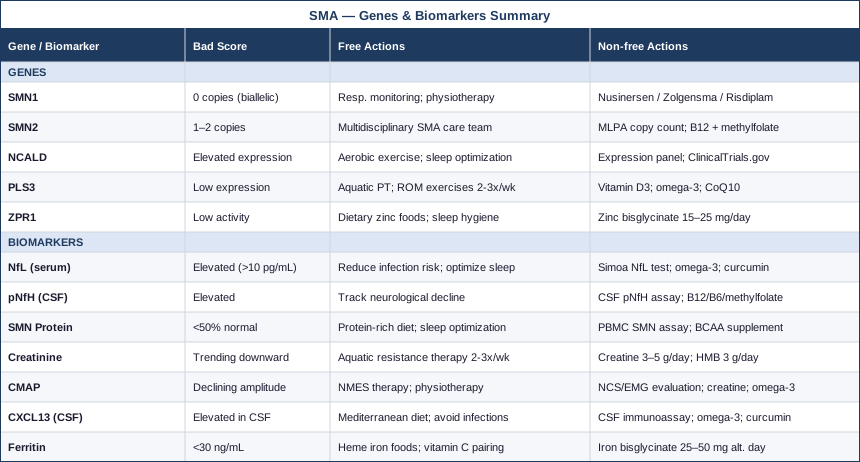
7 Biomarkers Worth Tracking in Spinal Muscular Atrophy
Genetics establishes the baseline; biomarkers track the trajectory. In SMA, the emergence of objective, quantifiable biomarkers has transformed both clinical trials and individual patient monitoring. These seven markers provide the most actionable information across disease monitoring, treatment response, and nutritional status.
1. Neurofilament Light Chain (NfL): The Frontline Neurodegeneration Signal
Why it matters: Neurofilament light chain is a structural protein released from neurons into the CSF and blood when axonal damage occurs. In SMA, elevated serum NfL directly reflects ongoing motor neuron degeneration. In treated patients, NfL drops rapidly with effective therapy — in some clinical trial datasets, the decline begins within weeks of nusinersen initiation. It is currently the most sensitive and practical blood-based biomarker for tracking SMA disease activity and treatment response.
How to measure it: Serum NfL is available at specialized neurological reference laboratories; Quanterix single-molecule array (Simoa) technology has made blood-based measurement feasible. Cost ranges from $150 to $350 USD depending on the institution and insurance coverage. Turnaround is typically 1–2 weeks. CSF NfL measurement, the gold standard, is performed during nusinersen lumbar puncture visits in many centers.
If NfL is elevated — the plan without supplements: Elevated NfL warrants immediate clinical communication. It may signal active disease progression, suboptimal treatment response, or an intercurrent illness accelerating neurodegeneration. Non-pharmacological steps include aggressively reducing infection risk (respiratory hygiene, up-to-date vaccinations), optimizing sleep quality, and temporarily reducing physical exertion demands while the clinical picture is reassessed.
If NfL is elevated — the plan with supplements or treatment: The primary response is pharmacological review with the treating neurologist. Adjunctively: - Omega-3 fatty acids (EPA + DHA): Anti-neuroinflammatory; 2–4g combined daily. Evidence from related neurological conditions supports their role in reducing neurofilament release. - Curcumin with piperine: Anti-inflammatory effects on CNS tissue have preclinical support; 500–1000 mg curcuminoid extract plus 10 mg piperine per day with a meal. Continuous use is reasonable; monitor for interactions with anticoagulants.
2. Phosphorylated Neurofilament Heavy Chain (pNfH): The Axonal Damage Companion
Why it matters: pNfH is a heavier neurofilament subunit released from large myelinated axons during degeneration. It is elevated in the CSF of SMA patients and has been used as a pharmacodynamic outcome measure in clinical trials for nusinersen (notably the ENDEAR and CHERISH trials). It tends to be more reflective of large motor axon degeneration and is particularly useful as a confirmatory marker alongside NfL.
How to measure it: Primarily measured in CSF via ELISA; blood-based pNfH measurement is less sensitive than NfL but available at some specialized centers. Cost: $200–$400 when included in a nusinersen-related CSF workup. Standalone serum testing is emerging but not yet widely standardized.
If pNfH is elevated — the plan without and with supplements: pNfH elevation follows the same clinical logic as NfL — it signals axonal stress and needs clinical review first. Nutritionally, adequate B12 (methylcobalamin, 500–1000 mcg/day), B6 (pyridoxal-5-phosphate form, 25–50 mg/day), and methylfolate (400–800 mcg/day) support myelin and axon maintenance pathways. Monitoring homocysteine as a downstream indicator of these pathways is useful; target under 10 µmol/L. These can be taken continuously without cycling.
3. SMN Protein Level: Measuring the Therapeutic Target Directly
Why it matters: Since SMA is fundamentally caused by insufficient SMN protein, measuring it directly gives a functional readout of whether treatments are achieving their intended molecular effect. SMN2 copy number predicts potential; SMN protein measurement tells you whether that potential is being realized, and whether a given treatment is working at the cellular level.
How to measure it: SMN protein is measured from peripheral blood mononuclear cells (PBMCs) using ELISA-based or mass spectrometry-based assays. This is currently more common in research and specialized clinical settings than in routine practice. Availability and cost vary significantly by center; it is increasingly offered as part of clinical trial monitoring protocols.
If SMN protein is low despite treatment — the plan without and with supplements: Low SMN protein in a treated patient is a signal for clinical review — it may indicate dosing, timing, or formulation issues. Baseline nutritional support for protein synthesis includes: - Protein intake: 1.2–1.6 g/kg/day of high-quality complete protein to support general cellular protein machinery. - Leucine-rich foods or BCAA supplementation: 5–10 g branched-chain amino acids before physical therapy sessions supports anabolic signaling. - Sleep quality: SMN protein expression follows circadian regulation; protecting 7–9 hours of quality sleep contributes to overall gene expression fidelity in a measurable way.
4. Serum Creatinine and Urinary Creatine: The Muscle Mass Proxy
Why it matters: Creatinine is the metabolic breakdown product of creatine phosphate in muscle. In SMA, progressive muscle denervation and atrophy lead to declining serum creatinine over time — making a falling creatinine trend a useful proxy for muscle mass loss. Urinary creatine (distinct from creatinine) elevation can also signal ongoing muscle catabolism. Because creatinine is measured in every standard metabolic panel, it is an accessible longitudinal marker.
How to measure it: Serum creatinine: included in basic metabolic panels; $20–$60 USD. 24-hour urinary creatine/creatinine ratio provides more nuance but requires urine collection; $50–$100 at most clinical labs. Trending creatinine values over months and years is more informative than any single measurement.
If creatinine is trending downward — the plan without supplements: A downward trend should trigger review of physical therapy intensity and nutritional status. Aquatic resistance therapy 2–3 times per week, nutritional support including total calorie adequacy (undernutrition is common in bulbar-involved SMA patients), and regular dietitian involvement to adapt intake to changing swallowing capacity are the primary non-supplement approaches.
If creatinine is trending downward — the plan with supplements: - Creatine monohydrate: 3–5 g/day without a loading phase. A Cochrane review on creatine in neuromuscular disease found a modest but consistent benefit in lean body mass and functional measures; the safety profile is excellent. Monitor renal creatinine levels (which will be mildly elevated by creatine supplementation — interpret in context). Continuous use is appropriate. - HMB (beta-hydroxy beta-methylbutyrate): Anti-catabolic metabolite of leucine; 3 g/day in divided doses. Studied in motor neuron diseases with modest evidence for attenuating lean mass loss. Can be taken continuously. - High-quality protein timing: Distributing protein intake across meals (rather than concentrated in one sitting) maximizes muscle protein synthesis signaling throughout the day.
5. Compound Muscle Action Potential (CMAP): The Electrophysiological Motor Unit Count
Why it matters: CMAP amplitude, measured during nerve conduction studies, reflects the total number of functional motor units — the combined output of surviving motor neurons and the muscle fibers they innervate. In SMA, CMAP declines as motor neurons are lost. It is one of the primary electrophysiological outcome measures used in clinical trials and provides a direct measurement of functional neuromuscular status that is not possible with blood tests alone.
How to measure it: CMAP is measured by a neurologist or physiatrist during a nerve conduction study (NCS), typically as part of a full electromyography (EMG) evaluation. Cost: $200–$600 depending on the extent of the study and clinical setting. Usually covered by insurance under neuromuscular evaluation codes. Frequency: annually in stable patients; more often in rapidly progressive or actively treated patients.
If CMAP amplitude is declining — the plan without and with supplements: Declining CMAP amplitude warrants urgent clinical review and should trigger reassessment of current treatment adequacy. Neuromuscular electrical stimulation (NMES) applied to target muscle groups is being studied at some centers as a means of slowing denervation-related atrophy. Nutritionally, the same stack as for declining creatinine applies: creatine monohydrate, omega-3s, and vitamin D optimization. In adult SMA Type 3 or 4, riluzole (FDA-approved for ALS) has been discussed in specialist settings as a potential neuroprotectant; this remains off-label for SMA and should only be considered under specialist guidance.
6. CXCL13 in CSF: The Neuroinflammation Marker
Why it matters: CXCL13 is a chemokine that is elevated in the cerebrospinal fluid during CNS inflammation and immune activation. It has been measured as a pharmacodynamic biomarker in SMA patients receiving intrathecal nusinersen, where it reflects the local inflammatory response to treatment and underlying neuroinflammation. Some patients show elevated CXCL13 at baseline, and reductions following treatment initiation have been observed in clinical datasets. It serves as an indicator of CNS immune environment rather than neurodegeneration per se.
How to measure it: CXCL13 measurement in CSF requires lumbar puncture and immunoassay analysis at a specialized laboratory. It is primarily available in research and clinical trial contexts at SMA centers; cost varies significantly. It is not a routine outpatient blood test.
If CXCL13 is elevated — the plan without and with supplements: CXCL13 elevation in SMA context is primarily addressed through optimization of existing pharmacological treatment. Anti-inflammatory lifestyle support — Mediterranean dietary pattern, 2–4g omega-3s daily, avoidance of pro-inflammatory dietary patterns (ultra-processed foods, refined carbohydrates, trans fats) — provides a sensible foundation. Curcumin with piperine as noted above. Minimizing respiratory infections through proactive airway management and vaccination reduces CNS inflammatory burden indirectly.
7. Serum Ferritin and Iron Status: The Overlooked Metabolic Foundation
Why it matters: Iron is essential for mitochondrial energy production, DNA synthesis, oxygen transport, and neuronal metabolism. Iron deficiency is common in SMA patients — particularly those with bulbar involvement, dysphagia, or restricted dietary variety — and it compounds the metabolic stress already placed on motor neurons. Low ferritin is associated with fatigue, impaired cognitive function, and reduced capacity to benefit from rehabilitation. This is one of the most correctable nutritional deficiencies in SMA and one of the most commonly overlooked.
How to measure it: Serum ferritin plus a full iron panel (serum iron, TIBC, transferrin saturation): standard blood test, $30–$80. Should be checked at minimum annually in all SMA patients. Target ferritin: 50–80 ng/mL; transferrin saturation 25–35%.
If ferritin is low (under 30 ng/mL) — the plan without supplements: Dietary iron from heme sources — red meat, organ meats, dark poultry — provides the most bioavailable form. For plant-based eating patterns, dark leafy greens (spinach, chard), lentils, and fortified cereals combined with vitamin C-rich foods at the same meal significantly improve non-heme iron absorption. Cooking acidic foods in cast iron cookware raises dietary iron content in a simple, low-cost way.
If ferritin is low — the plan with supplements: - Iron bisglycinate: 25–50 mg elemental iron every other day (alternate-day dosing has been shown to improve absorption by reducing hepcidin suppression; see research published in the Journal of Clinical Investigation). Take with vitamin C on an empty stomach for maximum absorption. Side effect: constipation, reduced with alternate-day schedule. Recheck ferritin at 3 months. Do not supplement if ferritin is above 80 ng/mL without clinical guidance.
Moving from what the science tells us about genetics and biomarkers, it is worth stepping back to look at what some of the most impactful SMA researchers and clinicians have found — insights that often take years to filter down into standard care.
What Cutting-Edge SMA Research Tells You That Standard Appointments Often Miss
The SMA research landscape has produced several findings in the past decade that challenge or substantially expand the conventional framing of the disease. Drawing from the published outputs of clinical trials, mechanistic research, and the work of investigators like Dr. Jerry Mendell at Nationwide Children's Hospital, Dr. Francesco Muntoni at Great Ormond Street, and the broader TREAT-NMD network, here are the ten most practically important things known that rarely make it into a typical appointment.
1. Pre-symptomatic treatment changes the game more than any treatment switch
The NURTURE trial data on pre-symptomatic nusinersen, and the STR1VE trial on pre-symptomatic Zolgensma, consistently show that treating before the first symptom appears produces dramatically superior outcomes compared to treating after. This is not incremental — in some pre-symptomatic cohorts, children with 2 SMN2 copies achieve normal motor milestones. The implication for newborn screening advocacy is direct.2. Biomarker-guided dosing is the future, not a standard yet
Current treatment protocols for nusinersen are fixed-interval dosing. However, serum NfL and other biomarkers suggest that individual treatment response varies widely. Several research teams are now proposing biomarker-guided titration. Patients who ask for NfL monitoring alongside their treatment visits are ahead of where standard protocols are currently.3. Motor neuron loss begins before symptoms appear
Pathology studies in SMA have shown that significant motor neuron degeneration — estimated at 50% or more in some Type 1 cases — occurs before clinically detectable weakness. This is why NfL elevation precedes motor milestone loss and why pre-symptomatic screening and treatment is so consequential.4. Phenotypic variability within genotypes is large and modifier-gene-dependent
Two patients with identical SMN1 deletion and identical SMN2 copy numbers can have significantly different disease trajectories. PLS3, NCALD, and ZPR1 account for some but not all of this variability. Requesting a full modifier gene panel at a specialized SMA center is now feasible and clinically relevant.5. Combination therapy is being actively investigated
Some SMA centers are now studying whether using two different treatment mechanisms simultaneously — for example, Zolgensma for gene replacement combined with risdiplam for ongoing SMN2 splicing correction — produces additive benefits. This is not yet standard of care but is an active area of inquiry that well-informed patients can ask about in the context of clinical trial eligibility.6. Nutritional status directly affects treatment outcomes
Undernutrition is common in SMA patients, particularly Types 1 and 2, and it independently worsens motor outcomes. Adequate caloric and protein intake is not a secondary consideration — it is a primary pillar of care. Specialized nutritional formulas, gastrostomy tubes when indicated, and regular dietitian involvement should be proactive, not reactive.7. Respiratory management prevents more hospitalizations than any other intervention
The most common cause of acute deterioration and death in SMA Types 1 and 2 is respiratory compromise during respiratory infections. Proactive non-invasive ventilation, cough-assist devices, airway clearance protocols, and flu vaccination prevent far more crises than reactive emergency management. Many families first encounter cough-assist devices during a hospitalization when they should have been using them for months before.8. Adult SMA is undermanaged
SMA Types 3 and 4 in adults are frequently managed by general neurologists without SMA-specific expertise. Adult SMA patients are eligible for all three approved treatments, but uptake is lower due to less established referral pathways. Adults with late-onset muscle weakness, elevated CPK, or ambulation difficulty should specifically ask about SMA testing and specialist referral.9. Sleep-disordered breathing often precedes recognizable daytime respiratory symptoms
Nocturnal hypoventilation in SMA is detectable by overnight oximetry and polysomnography before daytime symptoms develop. Treating sleep-disordered breathing proactively — with BiPAP or similar — improves sleep quality, cognitive function, and general disease trajectory. This is frequently missed in annual clinic reviews.10. SMA clinical trial registries matter
Enrolling in patient registries like the CureSMA patient registry and the Neuromuscular Disease Registry (TREAT-NMD) gives patients access to trial notifications and contributes data that helps accelerate the research that may directly benefit them. This is a direct action with no cost and meaningful scientific impact.Complementary Approaches with Clinical Relevance for SMA
The approved pharmacological therapies for SMA address the root molecular deficit. Several complementary approaches have meaningful evidence as adjuncts — supporting respiratory function, physical resilience, comfort, and quality of life. The four selected here have the best match between available evidence and the specific physiological challenges of SMA.
Breathing-Based Therapies
Respiratory compromise is the leading source of morbidity and mortality in SMA Types 1 and 2. Breathing-based interventions — including glossopharyngeal breathing, breath-stacking techniques, and diaphragmatic strengthening where applicable — are among the most clinically relevant non-pharmacological tools available. They address the mechanical vulnerability that SMA creates in the respiratory muscles.
The American Thoracic Society's 2004 and subsequently updated clinical practice guideline on respiratory management in SMA provides a structured, evidence-based framework for breathing support. Breath-stacking — a technique where a patient uses a bag-valve-mask or volume-cycled ventilator to sequentially stack delivered volumes above the spontaneous vital capacity — has been shown to increase peak cough flow and reduce the frequency of respiratory hospitalizations. This is one of the most evidence-supported non-pharmacological interventions in SMA specifically.
In practice, breath-stacking and manually assisted coughing can be taught by a respiratory physiotherapist with neuromuscular disease experience during a single training session and then practiced daily at home. The target is achieving a peak cough flow above 270 L/min, below which secretion clearance becomes inadequate. A Cough Assist device (mechanically assisted cough) can be prescribed for home use when manual techniques are insufficient. Frequency: daily airway clearance during respiratory infections; prophylactic use 1–2 times per week between infections is reasonable in Type 1 and 2 patients.
Aquatic and Adapted Physical Therapy
Maintaining motor function in SMA depends on keeping active motor units engaged without causing fatigue-mediated overwork injury. Water-based exercise removes the gravitational barrier that makes land-based resistance exercise difficult or impossible for many SMA patients, while still providing resistance, proprioceptive input, and cardiovascular benefit. A 2015 observational study published in Neuromuscular Disorders found that structured aquatic therapy in SMA Type 2 and 3 children was associated with maintained motor function and improved respiratory volumes over a 6-month program.
The protocol that has the most clinical support involves warm water (32–34°C), sessions of 30–45 minutes, two to three times per week, led by a physiotherapist trained in pediatric neuromuscular conditions. Activities include buoyancy-assisted movement, resistive swimming, and trunk stability work appropriate to functional level. The water temperature matters: cooler water increases muscle fatigue in neuromuscular conditions.
For families or adults at home, hydrotherapy with assistance can be practiced in a standard pool with appropriate safety equipment. The key caution is post-session fatigue monitoring: a rest period of 30–60 minutes post-session is standard, and any session leaving the patient more fatigued the following day should be reduced in intensity. Weekly tracking of a simple motor function score (such as timed hand function tests in seated patients) helps calibrate the program.
Massage Therapy
Neuromuscular diseases create secondary musculoskeletal complications — joint stiffness, postural compensation tension, and reduced peripheral circulation — that are largely independent of the primary motor neuron pathology. Massage therapy has specific clinical utility for managing these secondary effects, reducing pain, and supporting comfort and mobility in patients who cannot fully participate in active stretching.
A 2012 pilot trial in Pediatric Physical Therapy examined massage combined with passive range-of-motion exercises in children with neuromuscular disease and found improvements in passive range of motion and caregiver-reported quality of life. While the trial was small and the evidence is not definitive, the risk-benefit ratio for gentle massage therapy in SMA is favorable, and it is included in multidisciplinary care recommendations at several SMA expert centers.
In practice, sessions of 30–45 minutes focusing on hip flexors, shoulder girdle, and calf muscles are most useful in SMA, given the typical distribution of tightness. Frequency of once to twice per week is appropriate. The therapist must be experienced in neuromuscular conditions — deep tissue approaches and high-pressure techniques are contraindicated, as they can injure fragile muscle tissue. Light effleurage, petrissage, and passive joint mobilization should be the technique focus. Parents or caregivers can be trained in simplified daily massage techniques by the physiotherapy team.
Mindfulness Meditation and MBSR
SMA carries a significant psychological and existential burden — for patients themselves and for the families and caregivers surrounding them. Chronic neurological conditions are associated with elevated rates of anxiety, depression, and caregiver burnout, and SMA is no exception. Mindfulness-Based Stress Reduction (MBSR), an eight-week structured program developed by Jon Kabat-Zinn, has robust evidence for reducing anxiety and depression in chronic illness populations and has been adapted for individuals with physical limitations.
A 2019 meta-analysis in JAMA Internal Medicine examining MBSR across chronic disease populations found consistent reductions in anxiety and depression symptoms, with moderate effect sizes. While no trial has specifically targeted SMA patients with MBSR, the evidence base for chronic neurological conditions is sufficiently established that specialist SMA centers increasingly include psychological support as a standard care component. Mindfulness-based interventions are particularly accessible because they require no physical mobility — they can be practiced by patients at any functional level, including ventilator-dependent individuals.
For practical application, the standard MBSR program (8 weekly sessions, 2.5 hours each, plus daily home practice of 30–45 minutes) is the evidence-based format. Online versions of MBSR have validated outcomes comparable to in-person programs, which is significant given mobility limitations. For children with SMA, age-adapted mindfulness programs exist and have support from child health psychology research. Frequency: daily practice of 10–20 minutes of guided breathing or body-awareness meditation, scaled to capacity, represents a sustainable starting point.
Conclusion
Spinal muscular atrophy is genetically defined but not genetically fixed in its expression. The five modifier genes covered here — SMN1, SMN2, NCALD, PLS3, and ZPR1 — together explain a significant part of why disease severity and treatment response vary between individuals with the same basic diagnosis. The seven biomarkers — NfL, pNfH, SMN protein, creatinine, CMAP, CXCL13, and ferritin — provide objective, trackable signals that translate genetic risk into real-time clinical information.
None of this replaces a knowledgeable SMA specialist. But it does change what a patient or family can bring to an appointment, what questions are worth asking, and which numbers are worth monitoring over time. The practical next step is straightforward: review which of these biomarkers you have recently measured, identify any modifier gene testing that has not been done, and bring this framework to your next specialist consultation. More information, used well, leads to better decisions. That is the most reliable foundation available.
Neurological Respiratory Mental Health
Musculoskeletal: Muscle Conditions
Neurological: Nerve Conditions Movement Disorders Spinal Cord Conditions