This article contains AI generated content.
· UpdatedSpinal Tuberculosis Genes and Biomarkers — 8 Genes and 6 Biomarkers to Track
Why Tracking Your Biology Matters More Than You Might Think
Spinal tuberculosis — also called Pott's disease — is one of the most serious forms of extrapulmonary TB. It can take months or even years to diagnose, and when it finally is, you are handed a long antibiotic regimen and often very little else. Most advice stays at the surface level: take your medications, rest, eat well. That is not wrong, but it is incomplete.
What makes spinal TB particularly complex is that two people following the same treatment protocol can have very different outcomes. One recovers full spinal stability; another develops chronic neurological symptoms or lasting bone loss. The difference often comes down to immune response genetics, nutritional status, inflammatory burden, and how closely those factors are monitored throughout treatment.
Generic guidelines are built for populations, not individuals. They do not account for the fact that your vitamin D receptor gene may reduce your macrophage's ability to kill Mycobacterium tuberculosis, or that your baseline inflammation markers may predict whether you are heading toward full bone healing or toward a more complicated recovery. Knowing your specific biological picture changes what you do, how urgently, and in which order.
This article covers two complementary approaches. The first is a practical biomarker guide — six lab values that, tracked regularly, can tell you how active the disease process still is, whether treatment is working, and where your recovery stands. The second is a genetics and epigenetics overview — eight genes with meaningful human evidence linking them to TB susceptibility and immune defense — along with specific, actionable plans for each. Together, they give you a more honest and more useful map.
6 Biomarkers Worth Tracking Throughout Spinal TB Treatment and Recovery
These six markers are not exotic. Most are available through any standard lab panel, and several are already ordered by infectious disease specialists. What changes here is the interpretation: not just "normal or abnormal," but what each value means for your specific situation with spinal TB, what happens if it is chronically out of range, and what you can do about it.
1. Erythrocyte Sedimentation Rate (ESR)
ESR is one of the oldest and most reliable markers of systemic inflammation. In spinal TB, it is elevated in the vast majority of active cases — often significantly above 50 mm/h at diagnosis — and it tends to fall as treatment takes effect. It is not specific to TB, but its trajectory over treatment is clinically meaningful. A persistently elevated ESR despite months of antibiotics should prompt re-evaluation of the diagnosis, drug resistance testing, or assessment of treatment adherence.
How to measure it: Simple venous blood draw, ordered as part of any inflammation panel. Cost typically ranges from $10 to $30 out of pocket. Most physicians order it at diagnosis; ideally it should be retested every 4–8 weeks during active treatment.
If the score is bad — the plan without supplements: ESR elevation that is not improving with treatment requires clinical investigation first — drug sensitivity testing, imaging to assess abscess or disease extension, and a review of treatment adherence. Lifestyle factors that reduce chronic inflammation independently include sleep optimization (targeting 7–9 hours, which directly reduces IL-6 and fibrinogen that drive ESR), elimination of processed seed oils from the diet, and reducing refined carbohydrate load. Daily low-intensity movement — short walks, breathing exercises — supports lymphatic drainage and helps regulate the acute-phase response. None of these replace antibiotic therapy, but they reduce the inflammatory background that keeps ESR elevated even during effective treatment.
If the score is bad — the plan with supplements or equipment: Omega-3 fatty acids (EPA + DHA at 2–4 g/day combined) have robust evidence for reducing systemic inflammation markers including ESR; cycling is not strictly necessary, but a 12-week assessment period is reasonable before adjusting dose. Curcumin with piperine (500–1000 mg curcumin, 5–10 mg piperine, taken with a fat-containing meal) shows meaningful CRP and ESR reductions in inflammation trials at these doses. Avoid large doses of NSAIDs as a substitute — they suppress the ESR number without addressing the underlying cause, and some can interfere with bone healing. A far-infrared sauna (3–4 sessions/week, 20 minutes at 50–60°C) is a credible adjunct for systemic inflammation reduction in chronic infection recovery; monitor for dehydration. Side effects of omega-3 at high doses include mild GI upset and slight anticoagulant effect — relevant if you are on medications.
2. C-Reactive Protein (CRP)
CRP is a faster-moving, more specific inflammation marker than ESR. It rises and falls more sharply in response to actual infection activity, making it a better real-time signal. In active spinal TB, CRP is typically elevated above 10 mg/L. As treatment progresses, CRP should trend down within the first 4–8 weeks if the regimen is effective. High-sensitivity CRP (hs-CRP) adds precision at lower levels and is worth ordering during the consolidation and post-treatment phases when low-grade inflammation may persist.
How to measure it: Standard or high-sensitivity blood test. Standard CRP costs $15–40; hs-CRP costs $20–60. It should be tracked alongside ESR at regular intervals throughout treatment.
If the score is bad — the plan without supplements: An elevated CRP that plateaus during treatment is a signal — not necessarily of antibiotic failure, but potentially of ongoing bone destruction, secondary infection, or immune dysregulation. Dietary interventions with meaningful CRP impact include a Mediterranean-style diet pattern (whole foods, olive oil, fish, legumes, vegetables), which has strong meta-analytic support for CRP reduction in multiple inflammatory conditions. Cold exposure (brief cold showers ending in 1–2 minutes of cold water) stimulates norepinephrine release and mild anti-inflammatory adaptation over time — kept brief and avoided in cases of severe illness or hemodynamic instability.
If the score is bad — the plan with supplements or equipment: Vitamin D3 supplementation (discussed in detail in biomarker 3) directly reduces CRP in deficient individuals. Magnesium glycinate or malate (300–400 mg/day) has underappreciated anti-inflammatory effects and reduces CRP in several trials — reasonable for long-term use given that deficiency is common during antibiotic treatment. Berberine (500 mg twice daily with meals) has shown CRP-lowering effects in metabolic and inflammatory contexts; use it cautiously with TB medications as it may affect liver enzymes — liver panel monitoring is prudent. Cycle 8 weeks on, 4 weeks off to reduce hepatic load.
3. Vitamin D (25-OH Vitamin D)
This is arguably the single most important biomarker for anyone with tuberculosis, spinal or otherwise. Mycobacterium tuberculosis is killed in part by a vitamin D-dependent mechanism inside macrophages: vitamin D activates cathelicidin and defensin production, which directly destroy the bacterium. Epidemiological data consistently shows that TB incidence is higher in populations with vitamin D deficiency, and that deficiency predicts worse outcomes. In spinal TB specifically, vitamin D also governs bone remodeling, and the combination of active infection-driven bone destruction with poor vitamin D status creates a compounded vulnerability.
A landmark randomized trial published in The Lancet (Martineau et al., 2011) found that vitamin D supplementation accelerated sputum culture conversion in TB patients. The original trial (PMID 21764052) is one of the most cited nutrition-infection studies in the field.
How to measure it: A serum 25-OH vitamin D test, ordered as a standalone or as part of a bone health panel. Cost: $30–80 out of pocket. Target range for TB patients is generally considered to be 40–60 ng/mL (100–150 nmol/L), which is above the minimum sufficiency threshold of 30 ng/mL. Testing every 8–12 weeks during active supplementation is prudent.
If the score is bad — the plan without supplements: Sun exposure is the most effective free intervention: 15–30 minutes of midday skin exposure (arms and legs exposed) 4–5 times per week raises vitamin D meaningfully in lighter skin tones; darker skin tones require longer exposure. This is season and latitude dependent. Dietary sources — fatty fish (salmon, mackerel, sardines), egg yolks, beef liver — contribute modestly. If outdoor activity is limited due to bed rest during acute spinal TB, these dietary sources become more important. Weight-bearing exercise (even minimal, safe movement within medical guidance) also up-regulates VDR expression in bone and immune cells.
If the score is bad — the plan with supplements or equipment: Vitamin D3 at 4,000–6,000 IU/day with vitamin K2 (MK-7 form, 100–200 mcg/day) is a well-tolerated, evidence-based protocol for restoring levels in deficiency. Vitamin K2 is included to direct calcium appropriately to bone rather than soft tissue. Always take D3 with a fat-containing meal for optimal absorption. Retest at 8–12 weeks; adjust dose to reach the 40–60 ng/mL target. Do not exceed 10,000 IU/day without medical supervision — hypercalcemia is the main risk at very high doses. This intervention is low-cost, low-risk, and has direct biological relevance to both immune function and bone healing in spinal TB.
4. QuantiFERON-TB Gold / IGRA (Interferon-Gamma Release Assay)
The IGRA test — most commonly QuantiFERON-TB Gold — measures the immune system's interferon-gamma response to M. tuberculosis-specific antigens. It confirms TB infection more specifically than older skin tests, and it provides a window into T-cell immune competence relevant to TB defense. While it is typically used diagnostically, serial measurement during treatment can help assess immune activation trends. A positive result that shifts dramatically in magnitude over time may reflect treatment response or immune reconstitution.
How to measure it: Blood draw processed at a certified lab. Cost: $100–200 USD. It is less useful as a repeated treatment-monitoring tool than ESR and CRP, but useful at baseline and at key treatment milestones (typically at diagnosis, 6 months, and treatment completion).
If the score is persistently reactive — the plan without supplements: A persistently positive or high-magnitude IGRA during treatment suggests ongoing immune activation. The first priority is ensuring full treatment adherence and testing for drug resistance. Beyond that, immune optimization through sleep (the single most powerful immune regulator), stress reduction, and adequate protein intake (1.4–1.6 g/kg body weight/day) supports the T-cell response quality that the IGRA is measuring. Malnutrition consistently impairs IFN-γ production — nutritional rehabilitation is not secondary in spinal TB, it is central.
If the score is persistently reactive — the plan with supplements or equipment: Zinc (25–45 mg/day elemental zinc) is directly required for T-lymphocyte development and IFN-γ production. Zinc deficiency is common in TB patients and supplementation has been studied in TB contexts with positive immune outcomes. Cycle zinc use — 8 weeks on, 2 weeks off — and always balance with copper (2 mg/day, taken separately) to prevent copper depletion. Elderberry extract (600–900 mg standardized extract/day) modestly supports IFN-γ pathways; evidence is limited in TB specifically but it is low-risk. N-acetylcysteine (NAC, 600 mg twice daily) supports glutathione production, which is a key factor in macrophage-mediated TB killing. Side effects are generally mild (GI upset at high doses); reduce dose if needed.
5. Serum Albumin
Albumin is the most abundant protein in blood and a direct indicator of nutritional and metabolic status. In spinal TB, hypoalbuminemia (below 3.5 g/dL) is common because the disease itself drives a catabolic state — the body breaks down protein reserves to fuel the immune response. Low albumin correlates with worse clinical outcomes, slower bone healing, reduced antibiotic efficacy (since many drugs are albumin-bound), and increased risk of vertebral collapse. Peter Attia and other longevity-focused clinicians consistently list albumin as one of the most underappreciated clinical markers because it predicts vulnerability across virtually every disease category.
How to measure it: Part of the comprehensive metabolic panel (CMP), which costs $20–60. It is already ordered routinely in many hospital settings. Target: 4.0–5.0 g/dL. Values below 3.5 are clinically concerning in the context of active infection.
If the score is bad — the plan without supplements: The most direct intervention is protein intake. Spinal TB patients need at minimum 1.5–2.0 g of protein per kilogram of body weight per day to support immune function, tissue repair, and bone healing simultaneously. Animal protein sources (eggs, meat, fish, dairy) provide the most bioavailable complete amino acid profiles. Eggs are particularly cost-effective and nutritionally complete. Increasing meal frequency (4–5 smaller protein-containing meals per day rather than 2 large ones) improves albumin synthesis rate when appetite is impaired. Resistance exercise, even low-intensity (isometric exercises if spinal instability limits movement), stimulates albumin-related protein synthesis.
If the score is bad — the plan with supplements or equipment: Whey protein concentrate or isolate (20–30 g/serving, 1–2 times daily) is the most efficient supplement to raise albumin substrate availability; it is well-tolerated, evidence-based, and inexpensive. Branch-chain amino acids (BCAAs, 5–10 g/day) specifically stimulate albumin synthesis pathways in malnourished states. Essential amino acid (EAA) formulas are an alternative for those who cannot tolerate dairy. Oral nutritional supplements (ONS) like Ensure Clinical Strength or Fresubin are used clinically in hospitalized TB patients with severe hypoalbuminemia. No significant cycling is required for protein supplementation — consistency is more important than periodization in this context.
6. Alkaline Phosphatase (ALP)
ALP is an enzyme reflecting bone and liver metabolic activity. In spinal TB, elevated ALP is common because active osteomyelitis — infection and destruction of vertebral bone — triggers osteoblast activity as the body attempts to repair damaged vertebrae. Monitoring ALP over time is useful: it should gradually normalize as infection is controlled and bone healing progresses. Persistently elevated ALP in the later phases of treatment can indicate incomplete healing, ongoing bone remodeling, or in some cases drug-induced liver effects (rifampicin and isoniazid can elevate liver ALP).
How to measure it: Part of a liver function test (LFT) or comprehensive metabolic panel. Cost: $20–60. Normal range is approximately 44–147 U/L in adults, but TB patients often show values 2–3× above normal during active disease. Ideally measured at baseline and every 4–8 weeks during treatment.
If the score is bad — the plan without supplements: Elevated ALP driven by bone remodeling is partially self-correcting as TB treatment works. However, adequate calcium intake (1,000–1,200 mg/day from dietary sources: dairy, fortified plant milks, sardines with bones, leafy greens) is essential for bone mineralization during the healing phase. Weight-bearing activity — carefully cleared by your physician for spinal safety — stimulates bone formation and helps normalize ALP over time. If ALP elevation appears driven by liver stress from medications, reducing alcohol (to zero), increasing dietary choline (eggs, liver), and ensuring adequate B-vitamin intake supports liver enzyme normalization.
If the score is bad — the plan with supplements or equipment: Calcium-magnesium supplementation (500 mg calcium citrate + 250 mg magnesium twice daily) supports bone mineralization during healing. Vitamin K2 (as above, MK-7, 100–200 mcg/day) is essential for activating osteocalcin, the bone matrix protein that binds calcium into vertebral bone. Silica-rich supplements (bamboo extract, horsetail) have some evidence for bone matrix support; dose at 500–1,000 mg/day silica equivalent. Milk thistle (silymarin, 140 mg 3×/day) is specifically useful if liver-derived ALP elevation is present from antibiotic hepatotoxicity — it has strong evidence for hepatoprotection and is safe alongside most TB medications at standard doses.
8 Genes That Shape Your TB Vulnerability and Immune Response
Genetics do not determine destiny, but they can explain a great deal about why some people develop spinal TB from the same exposure event that leaves others unaffected, and why recovery timelines diverge so dramatically. The following eight genes have meaningful human evidence linking them to TB susceptibility, inflammatory response, and immune defense. Most genetic testing platforms (23andMe, AncestryDNA, or clinical genomics) can identify your variants.
1. VDR — Vitamin D Receptor Gene
What the gene does: VDR encodes the receptor through which vitamin D activates immune gene expression, including the production of cathelicidin — a natural antimicrobial peptide that directly kills M. tuberculosis inside macrophages. Four key polymorphisms — FokI (rs2228570), BsmI (rs1544410), TaqI (rs731236), and ApaI (rs7975232) — have been studied in multiple meta-analyses. The FokI ff genotype is the most consistently associated with increased TB risk across different populations in multiple published meta-analyses.
If the gene is bad — the plan without supplements: VDR expression is upregulated by consistent sun exposure (UVB directly increases VDR gene transcription beyond simply providing D3 substrate), resistance training (which increases VDR density in muscle and immune cells), and a diet rich in magnesium (which is a cofactor for VDR activation). Even if you carry a less active VDR variant, feeding the pathway aggressively — adequate magnesium, sun exposure, dietary D3 sources — partially compensates for reduced receptor efficiency.
If the gene is bad — the plan with supplements or equipment: Higher vitamin D3 dosing (5,000–8,000 IU/day) may be needed to achieve the same serum levels and immune activation that others reach at 2,000–3,000 IU/day. Vitamin K2 (MK-7, 200 mcg/day) always accompanies D3 supplementation. Magnesium glycinate (300–400 mg/day) is a required co-supplement since magnesium activates the VDR-ligand complex. Test 25-OH vitamin D every 8–12 weeks and aim for 50–70 ng/mL rather than the minimum sufficiency threshold. Long-term D3 supplementation at these doses is generally safe with regular testing; the main risk is hypercalcemia at extremely high doses.
2. TLR2 — Toll-Like Receptor 2
What the gene does: TLR2 is an innate immune receptor on macrophage surfaces that recognizes lipoproteins on the M. tuberculosis cell wall, triggering the initial immune response. The rs5743708 (Arg753Gln) variant significantly impairs this recognition and has been associated with increased TB susceptibility in populations across Asia and Europe. Carriers of certain TLR2 variants mount a slower and weaker initial macrophage response, allowing mycobacteria to establish themselves more easily.
If the gene is bad — the plan without supplements: TLR2 signaling is enhanced by a diet rich in prebiotics and diverse plant fibers — short-chain fatty acids produced by gut bacteria upregulate TLR2 expression on immune cells. Fermented foods (kimchi, kefir, sauerkraut) also directly stimulate innate immune calibration. Sleep is non-negotiable: sleep deprivation specifically impairs TLR signaling and reduces macrophage responsiveness within 24 hours. Reducing sugar intake reduces glycation-mediated TLR2 desensitization.
If the gene is bad — the plan with supplements or equipment: Beta-glucans (from oats or baker's yeast, 250–500 mg/day) are directly recognized by TLR2 and adjacent innate immune receptors, functioning as "training" stimuli that upregulate the pathway. This is one of the few supplement classes with direct TLR2 engagement. Cycle use (6 weeks on, 2 weeks off) to avoid receptor desensitization. Reishi mushroom extract (standardized to polysaccharides, 1,500–3,000 mg/day) works through similar pattern-recognition receptor pathways with growing evidence for innate immune support.
3. TLR4 — Toll-Like Receptor 4
What the gene does: TLR4 recognizes lipopolysaccharide components and plays a complementary role to TLR2 in detecting and responding to mycobacterial infection. Two key variants — rs4986790 (Asp299Gly) and rs4986791 (Thr399Ile) — are associated with reduced signaling and altered inflammatory responses in TB. Interestingly, TLR4 variants can influence both susceptibility to initial infection and the degree of tissue-damaging inflammation, meaning some variants may be simultaneously protective against immunopathology while being permissive to infection.
If the gene is bad — the plan without supplements: Omega-3-rich diets modulate TLR4 signaling — EPA and DHA incorporate into cell membranes near TLR4 and alter its lipid raft environment, influencing downstream signaling. Regular cold exposure (cold showers, cold water immersion) has been shown to modulate TLR4 via norepinephrine-driven pathways. Reducing saturated fat from industrial sources (which directly activate TLR4 through molecular mimicry) reduces unwanted TLR4 activation.
If the gene is bad — the plan with supplements or equipment: Fish oil (2–4 g EPA+DHA/day, taken with a fat-containing meal) is the primary intervention. Curcumin at 500–1,000 mg/day (with piperine) modulates TLR4 downstream signaling and has direct evidence in inflammatory and infection contexts. Both are reasonable for long-term use. No significant side effects at standard doses; fish oil at very high doses (>6 g/day) may reduce platelet aggregation.
4. NRAMP1 / SLC11A1 — Natural Resistance-Associated Macrophage Protein 1
What the gene does: NRAMP1 is one of the most historically studied TB susceptibility genes. It encodes a transporter on phagosome membranes in macrophages that pumps iron and manganese — nutrients that M. tuberculosis needs to replicate — out of the phagosome. Functional variants reduce this nutrient-stripping capacity, making it easier for mycobacteria to survive inside macrophages. The INT4 variant (rs17235416) is among the best-documented, with consistent associations in African, Asian, and European populations.
If the gene is bad — the plan without supplements: NRAMP1 activity is dependent on the availability of iron in the right compartments. Avoid excess dietary iron supplementation unless truly deficient — excess free iron paradoxically feeds intracellular bacteria. Maintain zinc and manganese intake through diet (pumpkin seeds, whole grains, shellfish), as these directly interact with NRAMP1 transport function. Full engagement with TB antibiotic therapy is the primary intervention here — NRAMP1 variants do not override effective drug treatment, but they explain why some people needed treatment in the first place.
If the gene is bad — the plan with supplements or equipment: Lactoferrin (200–600 mg/day) is a protein that sequesters free iron in the gut and blood, reducing the available iron pool that pathogens exploit. It has a reasonable evidence base for immune support without pushing iron into excess. Zinc (25–40 mg/day, with 2 mg copper) supports NRAMP1-related transport functions. Avoid iron supplements unless serum ferritin is below 30 ng/mL — in NRAMP1 variant carriers, excess iron should be avoided particularly during active infection phases.
5. TNF-α — Tumor Necrosis Factor Alpha Gene
What the gene does: TNF-α is a master regulator of the granuloma — the immune structure that walls off TB bacteria and prevents dissemination. The -308G>A polymorphism (rs1800629) in the TNF-α promoter region influences how much TNF-α is produced in response to mycobacterial infection. The A allele (high producer) is associated with more aggressive inflammation, which at first sounds beneficial but is a double-edged sword in spinal TB: excessive TNF-α accelerates vertebral bone destruction and increases the risk of abscesses and neurological complications. Low producers may contain the infection less efficiently initially.
If the gene is bad (high producer variant) — the plan without supplements: Anti-inflammatory diet practices are important here: Mediterranean-style eating, avoiding ultra-processed foods, reducing refined sugars. Managing psychological stress (which directly amplifies TNF-α via HPA axis activation) through structured stress reduction. Adequate sleep (7–9 hours in a cool, dark environment) significantly reduces TNF-α production at rest. Regular low-impact movement (walking, gentle yoga or stretching within spinal safety limits) also modulates TNF-α over time.
If the gene is bad (high producer variant) — the plan with supplements or equipment: Omega-3 fatty acids (EPA+DHA, 2–4 g/day) reduce TNF-α production via NF-κB pathway modulation — this is one of their most replicated mechanisms. Resveratrol (250–500 mg/day) inhibits NF-κB and has shown TNF-α modulating effects in several trials; cycle 8 weeks on, 4 weeks off given limited long-term data. Note: do not attempt to lower TNF-α to the point of impairing the protective granuloma — this requires physician guidance. TNF-α biologics used in autoimmune disease are a well-known TB reactivation risk precisely because they remove this protection.
6. IFNG — Interferon-Gamma Gene
What the gene does: IFN-γ is the cytokine that activates macrophages to destroy ingested mycobacteria. The +874 T/A polymorphism (rs2430561) determines IFN-γ production levels — the T allele is a high producer, and the A/A genotype produces significantly less IFN-γ. The A/A genotype is strongly associated with TB susceptibility and, in some studies, with more severe forms of the disease including extrapulmonary TB. The IGRA test actually measures IFN-γ release, and poor responders on IGRA may partly reflect this genetic variation.
If the gene is bad (A/A — low IFN-γ producer) — the plan without supplements: IFN-γ production is directly stimulated by physical exercise — even moderate-intensity aerobic exercise acutely boosts T-cell IFN-γ output. Within the constraints of spinal TB management, this means walking and progressively introducing safe aerobic activity as structural stability allows. Adequate sleep is essential: IFN-γ peaks during deep slow-wave sleep, and sleep deprivation measurably reduces its production. A protein-sufficient diet supports the T-helper cell function that drives IFN-γ production.
If the gene is bad (A/A) — the plan with supplements or equipment: Zinc and vitamin D (both discussed above) are most directly relevant — they are required cofactors for T-cell activation and IFN-γ secretion. Andrographis paniculata (400 mg extract, 2–3×/day for 6–8 week cycles) has evidence for upregulating T-cell IFN-γ responses in respiratory and immune challenge contexts; cycle it and avoid in pregnancy or with immunosuppressant medications. Medicinal mushroom extracts (lion's mane, turkey tail) show T-cell modulatory effects in preliminary human data. Consider these adjuncts, not replacements for antibiotic therapy.
7. IL-10 — Interleukin-10 Gene
What the gene does: IL-10 is the primary anti-inflammatory cytokine in TB — it dampens macrophage activity and limits the tissue damage caused by excessive immune responses. The -1082A/G polymorphism (rs1800896) affects IL-10 production levels. High IL-10 producers (G/G genotype) are more susceptible to TB because IL-10 suppresses the macrophage killing capacity needed to clear M. tuberculosis. In spinal TB, chronically high IL-10 also impairs bone healing by suppressing the inflammatory phase needed to initiate proper osteoblast activity.
If the gene is bad (high IL-10 producer) — the plan without supplements: Intermittent fasting (16:8 or alternate day approaches) modulates IL-10 production and shifts the cytokine balance toward better immune activation during the fasting phase — this is biologically relevant but should be pursued only during recovery, not during acute/active disease when caloric sufficiency is paramount. Exercise training reduces baseline IL-10 and improves the pro-inflammatory burst capacity of macrophages. Reducing chronic psychological stress is also important — cortisol directly induces IL-10 production as part of the anti-inflammatory stress response.
If the gene is bad — the plan with supplements or equipment: Astragalus extract (500–1,000 mg/day standardized extract) has documented effects on restoring T-helper 1/T-helper 2 balance and reducing excessive IL-10 skewing — relevant in TB immune recovery. Cycle 6–8 weeks, with 2-week breaks. Probiotics, particularly Lactobacillus rhamnosus GG and Bifidobacterium longum strains, modulate mucosal IL-10 and shift cytokine profiles in immune-dysregulated states — 10–20 billion CFU/day from a multi-strain formula is a reasonable starting point.
8. HLA-DRB1 — Human Leukocyte Antigen Class II
What the gene does: HLA-DRB1 encodes a major histocompatibility complex class II molecule responsible for presenting M. tuberculosis peptide antigens to T-helper cells — the critical step that activates specific acquired immunity. Certain HLA-DRB1 alleles (notably DRB1*04 and DRB1*15) have been associated with susceptibility or severity of TB in multiple populations. Because HLA determines how well your immune system "sees" and responds to the bacterium, allele variation directly affects disease trajectory. This gene is typically only tested in clinical genomics panels or research contexts.
If the gene is bad — the plan without supplements: HLA-DRB1 function depends on the protein processing machinery that generates TB peptide fragments — adequate proteasomal function, which declines with aging and oxidative stress. Maintaining cellular antioxidant capacity (through colorful plant foods, adequate sleep, exercise) supports antigen presentation machinery efficiency. The broader immune co-stimulatory environment is also relevant: chronic systemic inflammation reduces T-cell co-stimulation efficiency, so the same anti-inflammatory lifestyle interventions described throughout this article apply here.
If the gene is bad — the plan with supplements or equipment: Sulforaphane (from broccoli sprout extract, 30–100 mg/day sulforaphane equivalent) activates Nrf2, which supports cellular quality control and proteasomal function relevant to antigen presentation. N-acetylcysteine (600 mg twice daily) supports glutathione as the primary intracellular antioxidant that protects antigen-presenting cells. These are not direct HLA modulators, but they support the cellular environment in which HLA-mediated immunity functions best.
Summary Table: Genes and Biomarkers at a Glance
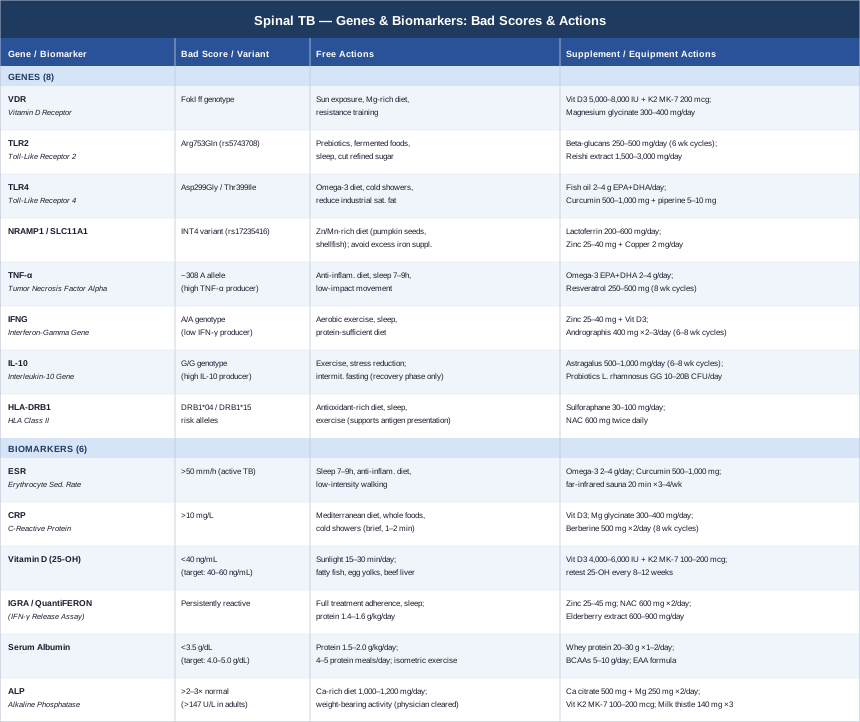
A Research Framework Worth Understanding: Vitamin D, Immunity, and Infectious Disease
Among all the nutritional and immunological research relevant to tuberculosis, the work surrounding vitamin D and antimicrobial immunity has the strongest convergence of mechanistic, epidemiological, and clinical trial evidence. Several researchers — most notably Dr. Adrian Martineau at Queen Mary University of London — have dedicated careers to this intersection, and the body of work is worth understanding in depth because it challenges the conventional view that antibiotics alone determine TB outcomes.
1. TB Macrophages Are Vitamin D-Dependent Killers
The macrophage's ability to kill M. tuberculosis is not purely an antibiotic effect. Macrophages produce their own antimicrobial peptide — cathelicidin — through a process that requires active vitamin D signaling via VDR. Without adequate vitamin D, this endogenous antibiotic system is significantly impaired. This is not a minor accessory pathway — it is one of the primary mechanisms of innate TB containment.
2. TB Patients Are Almost Universally Vitamin D Deficient
Studies across TB-endemic regions in Africa, South Asia, Southeast Asia, and even temperate countries consistently show that active TB patients have lower 25-OH vitamin D levels than matched controls. The direction of causality is partly bidirectional (sick people go outdoors less), but the persistence of low levels after resolution of illness and the independent association with TB risk before diagnosis point to deficiency as a genuine risk factor.
3. Supplementation Accelerates Sputum Culture Conversion
The Martineau et al. 2011 Lancet trial found that among patients with specific VDR genotypes (tt genotype of TaqI), vitamin D supplementation significantly accelerated the rate at which TB bacteria cleared from sputum during treatment. This gene-supplement interaction is a compelling example of pharmacogenomics — the supplement only worked in genetically receptive individuals. The published trial (PMID 21764052) remains a benchmark in nutrition-infectious disease research.
4. Bone Healing in Spinal TB Requires Active Vitamin D Signaling
Spinal TB is an osteodestructive disease. Vertebral bodies are eaten away by inflammatory granulomas and necrotic tissue. The healing process — bone formation by osteoblasts and matrix mineralization — is directly controlled by vitamin D signaling. Patients with persistently low vitamin D levels during the consolidation phase of treatment are more likely to show incomplete bone healing on imaging follow-up.
5. The Gut Microbiome Converts and Activates Vitamin D
A relatively recent discovery is that intestinal bacteria influence the conversion of inactive vitamin D to its active form, and that gut dysbiosis — extremely common in TB patients on multi-drug regimens — reduces this conversion. Probiotic supplementation during antibiotic treatment is not just about preventing diarrhea; it may support the microbial ecosystem needed for optimal vitamin D activation.
6. IFN-γ and Vitamin D Form a Mutual Amplification Loop
IFN-γ stimulates VDR expression on macrophages, and active vitamin D in turn amplifies IFN-γ-driven antimicrobial responses. This positive feedback loop means that individuals who are deficient in vitamin D have a blunted IFN-γ response, and those with genetic IFN-γ underproduction (IFNG A/A genotype) benefit even more from vitamin D optimization because it partially compensates for their lower IFN-γ baseline.
7. TNF-α and Vitamin D Balance Granuloma Integrity
Vitamin D modulates TNF-α production in a calibrating way — it reduces excessive TNF-α while preserving enough to maintain granuloma structure. This is particularly relevant for spinal TB patients on long antibiotic courses, where the granuloma-healing balance determines whether vertebral architecture recovers or continues to deteriorate.
8. Serum Albumin and Vitamin D Are Co-dependent
Approximately 85–90% of circulating vitamin D is bound to vitamin D binding protein (VDBP), and a smaller fraction is albumin-bound. Hypoalbuminemia — common in TB — reduces total measurable 25-OH vitamin D, meaning that malnourished TB patients can appear more deficient than they actually are on standard tests, or can have misleadingly normal vitamin D readings while their biologically active free fraction is dangerously low. This is a clinical nuance worth raising with your physician when interpreting vitamin D test results.
9. Magnesium Is the Hidden Bottleneck in the Vitamin D Pathway
Vitamin D conversion requires multiple enzymatic steps, almost all of which are magnesium-dependent. It is well established that you cannot optimally activate vitamin D without adequate magnesium. Many TB patients are magnesium-depleted because rifampicin and isoniazid impair absorption and increase renal excretion. Supplementing D3 without magnesium is a common and correctable mistake.
10. Tracking Both Vitamin D and Its Functional Indicators Matters
Do not rely solely on 25-OH vitamin D numbers. Track VDR-dependent outcomes: ALP (bone remodeling activity), albumin (nutritional substrate), and CRP (inflammation load) alongside vitamin D levels. An integrated picture — declining CRP, normalizing ALP, rising albumin, vitamin D in the 40–60 ng/mL range — is a much stronger signal of genuine recovery than any single marker in isolation.
Complementary Approaches with Evidence Relevant to Spinal TB
Standard antibiotic treatment is the foundation and should never be replaced by complementary interventions. The following approaches have meaningful human clinical evidence that can make them worthwhile adjuncts — primarily for managing the inflammation, pain, immune calibration, and rehabilitation aspects of spinal TB.
Yoga — With Critical Modifications
Yoga has a well-documented role in pain management, cortisol regulation, and immune function modulation. For spinal TB specifically, a conventional yoga practice is not appropriate during active or recently stabilized disease — deep twisting, forward folds, or unsupported spinal flexion are contraindicated when vertebral integrity is compromised. However, breath-focused, supine, and isometric yoga forms can be introduced under physiotherapy guidance during the recovery phase to restore paravertebral muscle strength, reduce stress-driven IL-10 elevation, and support lymphatic activity. A 2016 randomized controlled trial published in International Journal of Yoga found that yoga-based breathing and relaxation practices improved immunological parameters including CD4+ T-cell counts in pulmonary TB patients on treatment. While this was not spinal TB specifically, the immune and inflammatory mechanisms are shared.
Introduce yoga only after medical clearance and structural stability is confirmed on imaging. Begin with restorative or yin-style practices in supine positions, supervised by a physiotherapist familiar with spinal pathology. Gentle pranayama (diaphragmatic breathing, 10–15 minutes daily) can begin even during bed rest and carries no spinal risk.
Mindfulness Meditation and MBSR
Mindfulness-Based Stress Reduction (MBSR) is one of the most studied non-pharmacological interventions for chronic pain and immune regulation. In spinal TB, chronic back pain — which may persist well after bacterial clearance as vertebrae heal — is a major quality-of-life impairment that standard analgesics address inadequately over long timeframes. Elevated cortisol from chronic pain and anxiety directly promotes IL-10 skewing and suppresses protective IFN-γ responses. MBSR addresses this neuroimmune connection.
A meta-analysis of MBSR on inflammatory biomarkers found significant reductions in CRP and IL-6 with 8-week programs. The relevant literature consistently shows immune benefit beyond pain relief. For spinal TB patients, begin with a standard 8-week MBSR program (available online at no cost through platforms like Palouse Mindfulness) focusing on body scan practices, breathing anchors, and gentle movement sequences adapted for spinal pain. Thirty minutes daily is the evidence-supported dose.
Ayurvedic Herbal Support
Several Ayurvedic botanicals have preliminary to moderate human evidence for supporting immune function in TB and related infectious conditions. Tinospora cordifolia (Guduchi) has been studied in a small RCT alongside TB treatment and showed improvements in body weight, immune markers, and general wellness compared to placebo in TB patients. Withania somnifera (Ashwagandha) is well-documented for reducing cortisol, supporting T-cell function, and improving physical recovery in debilitating illness states — all relevant to long-course spinal TB recovery. Ocimum tenuiflorum (Holy Basil, Tulsi) has anti-mycobacterial activity in in vitro studies and is used in Ayurvedic TB supportive protocols, though direct human TB trials are limited.
To apply this practically: Tinospora cordifolia extract at 300 mg twice daily during the consolidation phase of TB treatment (after the intensive phase) is the most evidence-supported option. Ashwagandha at 300–600 mg of KSM-66 or Sensoril extract daily is appropriate for fatigue and stress management throughout recovery. Discuss these with your TB physician before starting — some Ayurvedic preparations have herb-drug interaction data that is incomplete, and quality sourcing matters. Avoid using multiple botanicals simultaneously without guidance.
Breathing-Based Therapies
Respiratory muscle strength and diaphragmatic efficiency are often impaired in TB patients, particularly those who had pulmonary co-involvement or who have been significantly bedridden. Breathing rehabilitation has a direct practical value beyond its anti-inflammatory effects. Techniques include diaphragmatic breathing training, pursed-lip breathing, and inspiratory muscle training (using a threshold device like a Threshold IMT trainer at 30% of maximal inspiratory pressure, 30 breaths/day, 5 days/week). These techniques improve oxygen delivery, reduce sympathetic nervous system activation, and have been shown in pulmonary rehabilitation studies to reduce systemic CRP and improve immune cell trafficking.
For spinal TB patients in bed rest, diaphragmatic breathing is one of the few exercises that can be performed without any risk to spinal integrity and carries benefits for preventing respiratory complications from prolonged immobility. Practice 10–15 minutes of slow deep breathing (4-second inhale, 6-second exhale) twice daily starting from the first days of hospitalization. Advance to inspiratory muscle training during the outpatient consolidation phase under physiotherapy guidance.
Microbiome-Directed Therapies
The gut microbiome has emerged as a significant mediator of TB treatment outcomes. TB medications — particularly rifampicin and isoniazid — cause measurable and persistent gut dysbiosis, reducing populations of beneficial bacteria that support VDR activation, short-chain fatty acid production, and systemic immune calibration. A dysbiotic gut during TB treatment reduces the absorptive efficiency of fat-soluble vitamins (A, D, E, K), impairs immune cell education, and increases systemic endotoxin levels that drive unnecessary inflammation.
A 2020 study in published TB-microbiome research demonstrated that adjunct probiotic supplementation reduced gut permeability markers and improved inflammatory cytokine profiles in TB patients. Practical application: a multi-strain probiotic (10–30 billion CFU/day including Lactobacillus rhamnosus GG, Bifidobacterium longum, and Lactobacillus acidophilus) taken 2 hours after TB medications to avoid antibiotic-probiotic collision. Continue through at least the full treatment course and for 3–6 months after. Add a daily prebiotic fiber source (partially hydrolyzed guar gum, 5 g/day, or chicory inulin) to feed the probiotic strains you are introducing.
Conclusion
Spinal tuberculosis is a disease that rewards precision. Knowing which biomarkers to track and how to interpret them turns months of passive waiting into an active, informed recovery process. Understanding the genetics behind your immune response gives you a rational basis for targeted supplementation and lifestyle choices — not guesswork. The six biomarkers covered here — ESR, CRP, vitamin D, IGRA, albumin, and ALP — give you a practical dashboard. The eight genes give you a deeper map of why your body responds the way it does. Neither replaces medical treatment, but both make medical treatment more effective.
The most actionable next step is to request a baseline panel including at minimum vitamin D, albumin, CRP, and ALP from your physician if these have not already been ordered. Discuss genetic testing options if you want a fuller picture of your immune architecture. Review your nutrition status honestly — protein intake, vitamin D levels, and gut health are modifiable and matter more than most treatment guidelines acknowledge. Then track, adjust, and stay engaged with your own recovery. The biology is workable, and the information is available.
Musculoskeletal: Bone Conditions Spine Conditions
Neurological: Spinal Cord Conditions
Autoimmune: Inflammatory Conditions
Infectious: Bacterial Infections