This article contains AI generated content.
· UpdatedSporotrichosis Arthritis — 7 Biomarkers And 5 Genes To Track
Introduction
Osteoarticular sporotrichosis sits in a diagnostic blind spot that costs patients months of effective treatment. The symptoms — joint pain, swelling, gradual loss of mobility — look almost identical to bacterial septic arthritis, gout, or early rheumatoid arthritis. Most people go through rheumatology consultations, anti-inflammatory drugs, and sometimes unnecessary joint procedures before anyone thinks to send a culture for fungi. By the time Sporothrix schenckii is confirmed, the joint has often been inflamed for six months to a year or longer, and the window for preventing structural damage has partially closed.
What makes this infection particularly complex is that it does not follow a predictable immune script. Most people exposed to Sporothrix never develop arthritis — the pathogen is contained at the skin level. Those who do develop articular disease are typically dealing with some form of immune vulnerability: a gap in antifungal defense pathways, a genetic variant that reduces recognition or response, or simply an immune system that has been consistently under-resourced through poor sleep, nutritional deficits, or chronic stress. Standard treatment addresses the infection; it does not address the underlying terrain.
Tracking specific biomarkers changes what you can do with this diagnosis. Seven markers — ranging from fungal-specific antibody titers to inflammatory indicators to direct joint fluid analysis — can tell you how actively the infection is driving inflammation, how well the immune system is responding, and whether treatment is working at the biological level, not just the symptomatic level. Knowing where each marker stands removes guesswork and gives the care team concrete data to act on.
This article covers both layers. The primary section walks through seven biomarkers in practical detail: what each one measures, how to get it tested, what an abnormal result suggests, and what can be done — with and without supplementation — to move it in the right direction. A following section covers five genes whose variants are most clinically relevant to understanding individual vulnerability to articular sporotrichosis. Better data consistently leads to better decisions, and that is the goal here.
Summary
This article covers two evidence-informed angles on sporotrichosis arthritis. The first — and most actionable — is a panel of 7 targeted biomarkers: anti-Sporothrix IgG/IgM antibodies, high-sensitivity CRP, IL-17A, CD4+ T-cell count and ratio, serum beta-glucan, ESR, and synovial fluid analysis. For each, you will find what it measures, current testing cost ranges, and two separate improvement plans — one without supplementation and one with specific supplements or equipment, including dosing, cycling, and side effects. A genetics section then covers five immune genes — CARD9, Dectin-1/CLEC7A, IL17A/IL17F, TLR4, and STAT3 — that may explain individual differences in who develops articular sporotrichosis and who does not. The article also includes a practical synthesis of Huberman Lab immune optimization science with ten directly applicable findings, and five complementary approaches — low-level laser therapy, mindfulness, microbiome-directed therapy, tai chi, and breathing practices — with specific protocols and supporting evidence.
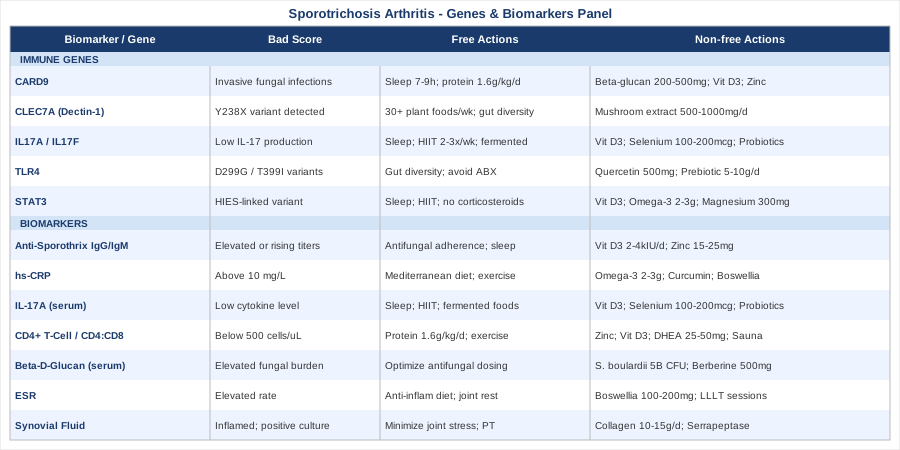
7 Biomarkers to Track in Sporotrichosis Arthritis
The following panel is designed to give a layered picture of what is happening: pathogen burden, immune competence, inflammatory activity at the systemic level, and local joint status. No single marker captures the full picture; together, they produce a coherent view that supports both diagnosis and treatment monitoring throughout what is typically a long treatment course.
1. Anti-Sporothrix IgG and IgM Antibodies
Why it matters
These antibodies are the most targeted immunological signal available for sporotrichosis. IgM rises within the first weeks of infection, signaling early immune engagement; IgG builds more slowly and reflects a sustained or chronic response. In articular sporotrichosis, IgG titers are particularly valuable: they rise with active disease and decline as antifungal therapy produces results. Serial measurements taken every 2–3 months during treatment offer a direct read on whether the immune system is gaining or losing ground against the infection.
ELISA-based testing using Sporothrix-specific antigens has substantially improved in sensitivity over the past two decades. Studies from hyperendemic regions in Brazil and Colombia have validated serological follow-up as a feasible and informative monitoring strategy even in settings where more advanced diagnostics are unavailable (PubMed: sporotrichosis serology monitoring). Persistently elevated or rising titers during treatment may suggest inadequate drug levels, treatment-resistant organisms, or underlying immune deficiency — all correctable with the right information.
How to measure it
Specialty blood draw sent to a mycology reference laboratory. Not available at routine diagnostic labs in all regions; may require referral to infectious disease or dermatology. Cost: $80–$200.
If the score is bad — the plan without supplements
Antifungal adherence is the first priority. Itraconazole requires consistent administration with a fatty meal to achieve therapeutic plasma concentrations; taking it with water only dramatically reduces bioavailability. Sleep 7–9 hours per night on a consistent schedule — even partial sleep deprivation measurably suppresses antifungal T-cell responses. Eliminate refined sugar from the diet, which blunts innate immune activity and may promote fungal persistence.
If the score is bad — the plan with supplements or equipment
Vitamin D3 (2,000–4,000 IU/day with vitamin K2 at 100 mcg) supports Th1 and Th17 pathways essential for antifungal clearance; cycle 90 days on, 2 weeks off, and recheck serum 25-OH-D levels targeting 50–70 ng/mL. Zinc (15–25 mg/day) supports T-cell maturation and macrophage activation; if used continuously for more than 8 weeks, add copper at 1–2 mg/day to prevent zinc-induced copper depletion; avoid zinc above 40 mg/day. Neither supplement replaces antifungal therapy — they support the immune conditions needed for it to work effectively.
2. High-Sensitivity CRP (hs-CRP)
Why it matters
High-sensitivity CRP is a rapid-response inflammatory marker produced by the liver in response to cytokine signaling. In articular sporotrichosis, it reflects both the systemic burden of active infection and the degree of joint inflammation simultaneously. Peter Attia consistently includes hs-CRP in his core biomarker panel for longitudinal health monitoring, noting that it captures low-grade inflammatory states that standard CRP misses. In this disease context, that same sensitivity makes it one of the most accessible tools for tracking treatment progress: a consistent, measurable decline over the first 6–10 weeks of antifungal therapy is a meaningful positive signal; stagnation or rise demands investigation.
In untreated or recently diagnosed articular sporotrichosis, hs-CRP is typically above 10 mg/L and can be considerably higher when joint involvement is significant. Monitoring it every 4–6 weeks during treatment provides actionable data without excessive testing burden.
How to measure it
Standard blood draw, available at any clinical laboratory. Request hs-CRP specifically rather than standard CRP for better resolution at lower levels. Cost: $10–$30. Can be added to any routine blood work order.
If the score is bad — the plan without supplements
A Mediterranean-pattern diet — high in oily fish, olive oil, leafy vegetables, and legumes, with minimal processed foods — has consistent clinical evidence for lowering hs-CRP. Moderate aerobic exercise (30 minutes, 4–5x/week) is anti-inflammatory when kept below high-intensity thresholds; avoid intense training during acute infection flares. Chronic sleep deprivation independently elevates CRP regardless of diet or exercise. Limit or eliminate alcohol, which directly drives hepatic CRP production.
If the score is bad — the plan with supplements or equipment
Omega-3 fatty acids (2–3 g combined EPA+DHA/day from a quality fish oil) have well-established evidence for reducing hs-CRP across inflammatory conditions; take daily with food; take a 4-week break every 6 months to reassess; avoid with anticoagulants without physician guidance. Curcumin with piperine (500–1,000 mg/day of a standardized BCM-95 or Longvida formulation) can further reduce CRP; cycle every 8 weeks with 2-week break; avoid combining with anticoagulants. Boswellia serrata AKBA extract (100–200 mg/day) adds complementary anti-inflammatory support; take daily with food.
3. Interleukin-17A (IL-17A)
Why it matters
IL-17A is the cytokine most directly implicated in host defense against fungal infections. Produced primarily by Th17 CD4+ T cells, it recruits neutrophils to fungal infection sites, reinforces epithelial and tissue barriers, and coordinates the early containment of Sporothrix before it can penetrate deep into joint tissue. When IL-17 signaling is deficient — whether from genetic variants, immune suppression, or nutritional depletion — fungal infections become both more likely and harder to clear.
The clinical evidence is compelling. Patients with genetic defects in IL-17 production or signaling show dramatically elevated rates of chronic mucocutaneous and deep fungal infections (PubMed: IL-17 deficiency and fungal susceptibility). While most cases of articular sporotrichosis do not involve frank IL-17 deficiency, measuring serum IL-17A in patients with recurrent, treatment-resistant, or severe disease can identify a correctable immune gap.
How to measure it
Specialty cytokine panel, ordered through immunology or rheumatology. Not available at standard labs in most regions. Cost: $150–$400, depending on the laboratory and panel breadth. May need to be requested as part of a Th17/Th1 immune function workup.
If the score is bad — the plan without supplements
Sleep quality is the single highest-impact intervention: IL-17 production follows circadian rhythms and is significantly blunted by even partial chronic sleep deprivation. High-intensity interval training (HIIT) 2–3x/week has documented effects on Th17 cell differentiation and cytokine production. Reduce chronic psychological stress — cortisol directly suppresses Th17 polarization. Maximize dietary diversity, particularly fermented foods, which seed gut Th17 priming.
If the score is bad — the plan with supplements or equipment
Vitamin D3 at serum levels of 50–70 ng/mL supports balanced Th17 activity; avoid excessive levels, which can paradoxically suppress IL-17 in some individuals. Selenium (100–200 mcg/day) supports T-cell polarization toward Th17; cycle every 12 weeks with 2-week break; strict upper limit of 400 mcg/day due to toxicity risk at higher doses. Multi-strain probiotics containing Lactobacillus rhamnosus GG and Bifidobacterium longum (at least 10 billion CFU/day) support gut-primed Th17 development with systemic antifungal implications; take daily; no cycling required; well tolerated.
4. CD4+ T-Cell Count and CD4/CD8 Ratio
Why it matters
The CD4+ T-cell count is the most direct available measure of adaptive immune competence. Articular and disseminated forms of sporotrichosis cluster heavily in people with impaired cell-mediated immunity — HIV infection, chronic corticosteroid use, hematological malignancies, and idiopathic CD4+ lymphopenia. A CD4 count below 500 cells/μL in the context of articular sporotrichosis is a meaningful clinical flag; below 200 cells/μL is a strong signal to test for HIV and evaluate for primary immunodeficiency.
The CD4/CD8 ratio adds a second dimension. Thomas Dayspring and others in precision medicine have noted that an inverted ratio — below 1.0 — reflects broader immune dysregulation and accelerated immune aging, even in HIV-negative individuals. In chronic fungal infections, this ratio can drift downward as CD8+ cytotoxic cells are chronically activated while CD4+ Th17 help cells are depleted. An inverted ratio alongside ongoing sporotrichosis arthritis is worth investigating, not just monitoring.
How to measure it
Flow cytometry, ordered as a lymphocyte subset panel. Standard hematology lab procedure. Cost: $100–$200. Results available in 24–48 hours.
If the score is bad — the plan without supplements
Investigate and address any underlying immunosuppressive cause first: screen for HIV, review current medications for T-cell-suppressive agents, and optimize nutritional status. Protein malnutrition directly reduces CD4 counts — ensure adequate protein intake of at least 1.6 g/kg/day. Consistent moderate exercise (30–45 minutes, 5x/week) has documented evidence for maintaining CD4 counts in immunocompromised individuals. Reduce or eliminate alcohol and tobacco.
If the score is bad — the plan with supplements or equipment
Zinc and vitamin D3 as above are foundational for T-cell maturation and function. DHEA (25–50 mg/day for adults over 40 with documented low DHEA-S levels) has some evidence for supporting immune CD4 function; requires physician oversight and serum DHEA-S testing before starting; cycle every 12 weeks with 2-week break; avoid in hormone-sensitive conditions. Infrared or traditional sauna (3–4x/week, 20 minutes per session) may support T-cell activity through heat shock protein induction; general immune benefits are well established, though evidence specific to fungal infections is preliminary; stay well hydrated and avoid during acute fever.
5. Serum (1→3)-β-D-Glucan
Why it matters
Beta-1,3-D-glucan is a structural polysaccharide found in the cell wall of Sporothrix and most other clinically relevant fungi. When detected in serum, it indicates that fungal material — from actively growing organisms or tissue breakdown — is entering systemic circulation. Unlike antibody titers, which reflect cumulative immune engagement, beta-glucan is a real-time indicator of fungal burden.
For treatment monitoring in articular sporotrichosis, this distinction is practically important: antibody titers can remain elevated for months after effective treatment because they reflect past immune activation, not current fungal activity. A declining beta-glucan level during treatment provides earlier confirmation that the fungal burden is genuinely decreasing. Persistent elevation despite antifungal therapy may suggest inadequate drug levels, antifungal resistance, or biofilm-protected organisms within joint tissue.
How to measure it
The Fungitell assay is the most widely used validated clinical test. Requires specialty laboratory processing. Cost: $100–$250. False positives occur with hemodialysis, certain intravenous medications, and bacteremia — note these potential confounders when interpreting results.
If the score is bad — the plan without supplements
The primary intervention is antifungal therapy optimization. Request therapeutic drug monitoring for itraconazole — subtherapeutic plasma levels are more common than expected and represent a correctable cause of treatment failure. Ensure treatment duration is adequate: articular sporotrichosis typically requires 12–24 months of continuous antifungal therapy, and premature discontinuation is a documented cause of relapse.
If the score is bad — the plan with supplements or equipment
Saccharomyces boulardii (5 billion CFU/day in divided doses with meals) competes with pathogenic fungi in the gut and may reduce systemic fungal burden as an adjunct to medical treatment; well tolerated; no cycling required. Berberine (500 mg, 2–3x/day with meals) has demonstrated antifungal activity in vitro against Sporothrix species; cycle every 8 weeks with 2-week break; discuss with prescribing physician before combining with itraconazole due to shared CYP3A4 metabolic pathways.
6. Erythrocyte Sedimentation Rate (ESR)
Why it matters
ESR measures the rate at which red blood cells settle through plasma — a reflection of circulating inflammatory proteins, particularly fibrinogen and immunoglobulins. It moves more slowly than CRP but captures a slightly different dimension of inflammatory load, making it a useful complement rather than a substitute for hs-CRP monitoring during treatment.
In articular sporotrichosis, ESR is reliably elevated during active disease and declines gradually with effective antifungal therapy. Tracking it alongside CRP provides a more complete picture: when both fall in parallel, it signals broad inflammatory resolution; when they diverge — CRP normalizing while ESR stays high — it may point to ongoing subacute inflammation or a concurrent process not captured by acute-phase CRP alone.
How to measure it
Standard blood test available at all clinical labs. Cost: $10–$25. Meaningful only when tracked serially over weeks to months.
If the score is bad — the plan without supplements
All anti-inflammatory diet and exercise interventions from the CRP section apply equally. For joint-specific management: alternate rest during acute flares with gentle active range-of-motion exercise as inflammation subsides; passive stretching and aquatic therapy are well tolerated even when the joint is reactive and reduce load without sacrificing mobility.
If the score is bad — the plan with supplements or equipment
Boswellia serrata standardized to AKBA (100–200 mg/day) has randomized trial evidence for reducing ESR specifically in inflammatory arthritis conditions; take daily with food; cycle every 12 weeks with 2-week break; well tolerated with minimal side effects. Low-level laser therapy (LLLT) applied to the affected joint has specific evidence for reducing ESR and synovial inflammation in arthritic presentations — the full protocol is described in the complementary therapies section below.
7. Synovial Fluid Analysis
Why it matters
Synovial fluid analysis is the only marker on this list that looks directly inside the affected joint. Where all other markers measure systemic or peripheral signals, arthrocentesis captures the local reality: what type and quantity of immune cells are present, whether crystals or organisms are identifiable, and — critically — whether Sporothrix can be cultured directly from the joint fluid.
In articular sporotrichosis, synovial fluid typically shows white cell counts in the inflammatory range (5,000–50,000 cells/μL), predominantly neutrophilic in acute phases and more mixed in chronic presentations. This profile overlaps considerably with bacterial septic arthritis and crystal arthropathy — which is precisely why fungal culture from synovial fluid is so diagnostically important. A positive Sporothrix culture not only confirms diagnosis but can guide antifungal sensitivity testing if the initial treatment response is inadequate.
How to measure it
Arthrocentesis performed by a physician (rheumatologist, orthopedic surgeon, or trained internist), with imaging guidance for smaller joints or minimal effusion. Cost: $300–$600 for procedure plus laboratory processing. Fungal cultures require 1–4 weeks for finalized results.
If the score is bad — the plan without supplements
Minimize unnecessary mechanical stress on the joint during active synovitis. Non-weight-bearing or partial weight-bearing activity maintains circulation and mobility without worsening inflammation. Work with a physical therapist experienced in infectious arthritis if available — the rehabilitation approach for fungal joint disease differs meaningfully from standard inflammatory arthritis protocols.
If the score is bad — the plan with supplements or equipment
Collagen peptides (10–15 g/day in divided doses) support cartilage matrix integrity in an inflamed joint; take consistently without cycling; no known side effects. Serrapeptase (120,000–250,000 IU/day taken on an empty stomach between meals) has some clinical evidence for reducing synovial inflammation and improving joint fluid quality; cycle every 6 weeks with 1-week break; contraindicated with anticoagulants.
Understanding the biomarker picture is one layer of the puzzle. The genetics section below addresses the next question: why does one person develop articular sporotrichosis while another with similar exposure clears it at the skin level?
The Immune Genes Behind Sporotrichosis Arthritis Susceptibility
Sporotrichosis arthritis does not happen by accident. While environmental exposure to Sporothrix schenckii is necessary, it is not sufficient — most people who encounter the pathogen never develop disease beyond a localized skin lesion. Those who progress to articular involvement typically have an immune vulnerability that allowed the fungus to migrate from skin into joint tissue and establish itself there. Understanding which genes contribute to that vulnerability helps explain individual disease patterns and points toward the most targeted supportive strategies.
The five genes below represent the most clinically meaningful genetic layer for antifungal immunity. Evidence quality varies — CARD9 has strong, well-replicated human data; others have more limited clinical studies. This distinction is noted throughout.
CARD9 — The Master Antifungal Signal Relay
CARD9 (Caspase Recruitment Domain-Containing Protein 9) is an intracellular adapter protein that connects pattern recognition receptors — particularly Dectin-1 — to the NF-κB signaling cascade and downstream antifungal immune responses. Loss-of-function mutations in CARD9 are the single most documented genetic cause of severe, recurrent, and invasive fungal infections in otherwise healthy humans. Homozygous or compound heterozygous carriers have a dramatically impaired ability to mount innate immune responses to fungi, and invasive infections with Candida, Aspergillus, Trichophyton, and dimorphic fungi like Sporothrix are well documented in this population.
Evidence strength: strong — multiple published case series, whole-exome sequencing studies, and mechanistic validation in human cells (PubMed: CARD9 and invasive fungal disease).
If the gene variant is unfavorable — the plan without supplements
Maximize all lifestyle inputs that support innate immunity: 7–9 hours of quality sleep nightly, protein-adequate diet (1.6–2 g/kg/day), consistent moderate exercise, and strict avoidance of additional immune suppressants including unnecessary antibiotics, corticosteroids, and alcohol. If confirmed loss-of-function CARD9 mutations are present, discuss antifungal prophylaxis options with an infectious disease specialist — this genetic context changes the risk calculus meaningfully.
If the gene variant is unfavorable — the plan with supplements or equipment
Yeast-derived beta-glucan supplements (200–500 mg/day) may prime upstream pattern recognition through Dectin-1 even with impaired downstream CARD9 signaling — evidence remains preliminary but is biologically plausible; take daily; no cycling required. Vitamin D3 at optimal levels and zinc (as above) remain foundational for all other innate immune pathways. Results from supplementation will be more limited than in individuals with intact CARD9 function, but these interventions reduce the overall burden on a compromised pathway.
CLEC7A (Dectin-1) — The Fungal Sensor
Dectin-1, encoded by CLEC7A, is the primary pattern recognition receptor for β-glucans on fungal cell walls. It is the molecular mechanism by which innate immune cells first detect Sporothrix and most other clinically relevant fungi. The well-characterized Y238X polymorphism introduces a premature stop codon, producing a truncated, nonfunctional receptor. This variant is present in approximately 3–7% of European-ancestry individuals and has been associated with impaired antifungal responses and increased susceptibility to invasive Candida infections.
Evidence strength: moderate — human genetic association studies support the link to fungal susceptibility; specific data for Sporothrix is extrapolated from mechanistically related fungi (PubMed: Dectin-1 variants and fungal disease).
If the gene variant is unfavorable — the plan without supplements
Gut microbiome diversity is particularly relevant here: gut-resident immune cells use Dectin-1 and alternative β-glucan receptors to train antifungal responses. A high-fiber diet with diverse plant sources — 30 or more different plant foods per week — maximizes this training signal through parallel immune sensing pathways. Include dietary β-glucan sources such as oats, shiitake mushrooms, and barley regularly.
If the gene variant is unfavorable — the plan with supplements or equipment
Medicinal mushroom extracts (shiitake or reishi, standardized to polysaccharide content, 500–1,000 mg/day) provide immune-active compounds that engage alternative pattern recognition receptors; take daily; no cycling required; generally well tolerated. A comprehensive stool microbiome analysis is worth considering to assess for commensal fungal dysbiosis, which may be amplified by impaired Dectin-1 detection at the gut level.
IL17A and IL17F — The Antifungal Cytokine Genes
These genes encode IL-17A and IL-17F, the cytokines at the core of antifungal tissue defense described in biomarker section 3 above. Multiple single nucleotide polymorphisms in both genes have been associated with reduced cytokine production capacity in population studies. The clinical consequence is not as dramatic as CARD9 loss-of-function — most carriers develop functional antifungal responses — but in high-exposure or high-burden scenarios, a reduced IL-17 production ceiling may shift the balance from containment toward persistence.
Importantly, IL17A/IL17F variants connect both susceptibility to infection and severity of joint inflammation: lower IL-17 signaling impairs Sporothrix clearance while simultaneously reducing capacity to regulate the neutrophilic joint inflammation driving articular damage.
Evidence strength: moderate for susceptibility; early for articular-specific effects.
If the gene variant is unfavorable — the plan without supplements
All lifestyle interventions that support Th17 cell function are especially important here — consistent sleep, HIIT exercise 2–3x/week, fermented food intake daily, and active stress management. These physiological inputs directly influence how close to the genetic production ceiling IL-17 levels can reach, regardless of the underlying variant.
If the gene variant is unfavorable — the plan with supplements or equipment
Vitamin D3 at optimal serum levels (50–70 ng/mL), selenium (100–200 mcg/day cycled every 12 weeks), and multi-strain probiotics (as detailed in biomarker section 3) apply directly. These interventions do not change the genetic variant but can maximize how much the existing IL-17 genes are able to produce.
TLR4 — The Innate Alarm System
Toll-Like Receptor 4 (TLR4) is a pattern recognition receptor on the surface of immune cells that detects microbial molecular patterns and initiates innate immune activation. While its primary characterized role is in recognizing bacterial lipopolysaccharide, TLR4 also participates in fungal pattern recognition and innate immune coordination. Two studied variants — D299G and T399I — reduce TLR4 signaling capacity and have been associated with increased susceptibility to various infections and altered inflammatory responses in human studies.
The contribution of TLR4 variants to sporotrichosis arthritis is likely modest compared to CARD9 or Dectin-1, but it may be additive when combined with other immune gene variants or when the overall immune system is nutritionally or hormonally depleted.
Evidence strength: early to moderate — well-characterized variants with broad infectious disease associations; limited data specific to Sporothrix.
If the gene variant is unfavorable — the plan without supplements
Gut microbiome diversity supports ongoing innate immune training via TLR4 and parallel pattern recognition pathways. Avoid practices that deplete gut microbial diversity: unnecessary antibiotics, low-fiber diets, and chronic proton pump inhibitor use. Include fermented foods daily and prioritize outdoor activity, which is associated with broader microbial exposure and innate immune training.
If the gene variant is unfavorable — the plan with supplements or equipment
Quercetin (500 mg/day) has evidence for modulating TLR4-associated inflammatory pathways and may fine-tune signaling downstream of impaired receptor function; cycle every 8 weeks with 2-week break; well tolerated. Prebiotic fiber such as inulin or FOS (5–10 g/day) supports gut microbial diversity that provides continuous innate immune training signals; take daily; may cause transient bloating in the first week, which typically resolves.
STAT3 — The Transcription Hub Connecting IL-17 and Antifungal Defense
STAT3 (Signal Transducer and Activator of Transcription 3) is the master transcription factor that translates IL-6, IL-17, and IL-22 receptor signals into gene expression programs inside immune cells. Dominant-negative mutations in STAT3 cause Hyper-IgE syndrome (HIES), a severe primary immunodeficiency characterized by dramatically elevated IgE, recurrent skin abscesses, eczema, and profound susceptibility to fungal infections — including cutaneous and deep tissue forms caused by dimorphic fungi like Sporothrix. Subclinical STAT3 variants that do not produce frank HIES may still reduce the efficiency of IL-17 and IL-22 antifungal signaling in ways that influence disease susceptibility at the margins.
Evidence strength: strong for severe mutations causing HIES; early to moderate for subclinical variants (PubMed: STAT3 and fungal susceptibility in HIES).
If the gene variant is unfavorable — the plan without supplements
The same Th17-supporting interventions (sleep, HIIT, gut diversity, stress reduction) apply, with amplified importance. Avoid NSAIDs and other agents that interfere with STAT3-mediated tissue repair signals in the joint when not strictly necessary. Glucocorticoid signaling directly inhibits STAT3 function — minimizing unnecessary corticosteroid exposure is particularly important for people with STAT3 variants.
If the gene variant is unfavorable — the plan with supplements or equipment
Vitamin D3, omega-3 fatty acids, and probiotics as detailed in the biomarker sections form the core stack. Magnesium glycinate (300–400 mg in the evening) supports cellular signaling fidelity and mitochondrial function, which influences STAT3 downstream pathway efficiency; take daily; well tolerated; reassess every 6 months. No documented severe side effects at this dose range.
The genetics and biomarker layers together explain the individual variability in sporotrichosis arthritis outcomes. The next section draws on Huberman Lab research to pull these insights into an integrated set of daily immune optimization practices.
Immune Optimization for Fungal Infections: 10 Research-Backed Insights from Huberman Lab
Andrew Huberman's podcast has produced extensive content on immune function, synthesizing mechanistic research on how sleep, exercise, light exposure, and stress interact with immune competence. Several episodes draw directly on published immunology literature with specific reference to cytokine cascades, T-cell biology, and inflammatory resolution — all directly relevant to managing articular sporotrichosis. What follows are ten of the most impactful takeaways, each with direct application to the immune vulnerabilities that underlie this condition.
1. Sleep Is the Most Powerful Immune Reset Available
A single night of partial sleep deprivation (under 6 hours) reduces natural killer cell activity by approximately 70% and impairs T-cell function significantly, according to studies Huberman cites. For someone managing fungal arthritis, this is not a marginal consideration — it directly affects the antifungal responses required to clear Sporothrix. The prescription: 7–9 hours of quality sleep, same schedule 7 days a week, with 10–30 minutes of bright morning light to anchor circadian timing.
2. Morning Sunlight Regulates Immune Timing
Early morning light exposure sets the circadian phase of the suprachiasmatic nucleus, which in turn regulates cortisol release timing and — downstream — immune cell activity cycles. Properly timed cortisol peaks in the early morning support immune readiness; dysregulated cortisol timing (as in shift workers or those with irregular schedules) suppresses antifungal immune responses. Practical application: 10–30 minutes of outdoor light within an hour of waking, without sunglasses.
3. Exercise Stimulates Immune Surveillance — but Dose Matters
Huberman discusses the well-documented J-curve relationship between exercise intensity and immune function: moderate exercise (150+ minutes per week at moderate intensity) increases immune surveillance and reduces infection risk, while extreme training loads suppress immunity transiently. For sporotrichosis arthritis patients, moderate aerobic activity — walking, cycling, aquatic exercise — is genuinely therapeutic from an immune standpoint, not just cardiovascular. Avoid extreme training volumes during active infection phases.
4. Cold Exposure Activates Innate Immunity
Brief cold exposure (cold showers of 1–3 minutes or cold water immersion 2–3x/week) triggers a norepinephrine surge that activates innate immune pathways and has documented anti-inflammatory effects. NK cell activity increases, and certain pro-inflammatory cytokines are transiently reduced. For joint inflammation, cold applied locally also provides direct anti-inflammatory benefit. Avoid cold immersion during acute infection phases accompanied by fever.
5. Chronic Stress Is Profoundly Immunosuppressive — Recovery Is the Variable
Chronic psychological stress drives sustained cortisol elevation that suppresses Th1 and Th17 immune function — exactly the arms of immunity most needed to fight fungal infections. Short-duration acute stress followed by recovery can actually strengthen immune competence. The key variable is recovery. Non-Sleep Deep Rest (NSDR / Yoga Nidra, 20–30 minutes) rapidly lowers stress hormones and restores immune balance, and is one of Huberman's most consistently recommended immune tools.
6. Vitamin D Is an Immune Regulator Masquerading as a Vitamin
Huberman emphasizes that vitamin D receptor is expressed on virtually every immune cell type, and its signaling directly modulates T-cell polarization, antifungal cytokine production, and inflammatory resolution. Deficiency below 30 ng/mL is associated with impaired innate and adaptive immune function. Testing serum 25-OH-D and supplementing to reach 50–70 ng/mL, combined with vitamin K2 and magnesium as co-factors, is one of the most frequently recommended interventions across Huberman's immune-focused content.
7. The Gut Microbiome Directly Programs Immune Cell Development
Gut microbial diversity is a primary determinant of immune education — particularly for Th17 cells, regulatory T cells, and IgA production. A microbiome depleted by antibiotic use (common in sporotrichosis patients who receive bacterial arthritis treatment before fungal diagnosis is established), low-fiber diets, or chronic stress loses the capacity to train antifungal immune responses effectively. Huberman recommends 1–2 servings of fermented foods daily, high-fiber diverse plant intake, and targeted probiotic use as the most evidence-backed microbiome interventions.
8. Social Connection and Perceived Safety Shift Immune Gene Expression
Research by Steve Cole and colleagues — cited on the podcast — shows that chronic social isolation and perceived threat drive sympathetic nervous system dominance that suppresses antiviral and antifungal gene expression programs. This is a documented shift in immune gene expression profiles, not a soft wellness claim. For people managing chronic infectious arthritis, which is socially and psychologically isolating, this finding supports the practical value of deliberate social engagement and practices that signal safety to the nervous system.
9. Breathwork Can Shift Immune Gene Expression Within Minutes
Slow diaphragmatic breathing and physiological sigh protocols (double nasal inhale followed by a complete exhale) activate the vagus nerve and shift the autonomic nervous system toward parasympathetic dominance. This measurably reduces pro-inflammatory cytokine production and supports the immune conditions favorable for tissue repair. A 5-minute morning breathing practice is sufficient to produce measurable autonomic and immune effects — one of the most accessible interventions on this list.
10. Protein Adequacy Is Non-Negotiable for T-Cell Maintenance
Huberman discusses research showing that protein intake at a minimum of 1.6 g/kg/day is essential for maintaining T-cell populations, and that prolonged inadequate protein intake directly reduces immune cell counts. For someone on long-duration antifungal therapy — often 12–24 months — maintaining protein adequacy through a potentially appetite-suppressing chronic infection is a non-optional foundation for any immune optimization effort. Distribute protein intake across 3–4 meals for optimal anabolic immune signaling.
With lifestyle and biological foundations established, there are also several complementary physical and mind-body modalities with meaningful clinical evidence for reducing joint inflammation and supporting immune regulation alongside antifungal treatment.
Complementary Approaches Worth Considering
The following modalities have clinical evidence supporting their use in conditions that overlap with sporotrichosis arthritis: joint inflammation, immune regulation, and pain management. None replace antifungal therapy. All carry a low side-effect profile and can be implemented alongside medical treatment without pharmacological interactions.
Low-Level Laser Therapy (LLLT) / Photobiomodulation
Low-level laser therapy uses specific wavelengths of light (typically 630–1,000 nm) to penetrate tissue and stimulate mitochondrial activity in cells at the treatment site. In joint inflammation, LLLT has been studied for its capacity to reduce synovial inflammatory markers, accelerate tissue repair, and decrease pain without systemic side effects. Its dual relevance to articular sporotrichosis lies in direct local anti-inflammatory effects on the affected joint and documented modulation of local immune cell activity and cytokine balance — including reductions in TNF-α and IL-6 at the tissue level.
A systematic review of LLLT for inflammatory arthritis published in Photomedicine and Laser Surgery found statistically significant reductions in pain, ESR, and clinical inflammation scores versus sham treatment in multiple randomized controlled trials. Near-infrared devices (808–830 nm) applied to the joint surface for 5–10 minutes per session showed the most consistent results (PubMed: LLLT and inflammatory arthritis).
For articular sporotrichosis specifically, a practical protocol is 3–5 sessions per week of 5–10 minutes per application point, covering the affected joint from multiple angles. Home devices are commercially available in the $300–$1,000 range for quality near-infrared units. LLLT is non-invasive with minimal reported side effects; avoid applying over active skin infection sites or open wounds in the treatment area.
Mindfulness-Based Stress Reduction (MBSR)
MBSR is an 8-week structured program that combines mindfulness meditation, body scanning, and gentle yoga with formal education on stress physiology. Its relevance to sporotrichosis arthritis operates through multiple pathways: it reduces chronic psychological stress (which directly suppresses the Th17 antifungal immune axis covered throughout this article), reduces pain perception, and improves treatment adherence in chronic infection contexts where fatigue and psychological distress are consistent barriers.
A meta-analysis published in Annals of Behavioral Medicine found MBSR produced significant improvements in pain and immune function markers in chronic musculoskeletal and inflammatory conditions. Separately, research on mindfulness practice documented measurable reductions in systemic IL-6 and TNF-α — inflammatory markers directly relevant to joint inflammation in sporotrichosis — after 8 weeks of consistent practice (PubMed: MBSR and inflammatory cytokines).
Access MBSR through in-person programs at hospitals or community centers (typical cost: $300–$600 for an 8-week course) or through free and low-cost online versions widely available. For articular sporotrichosis specifically, focus on body scan practices that help distinguish infection-driven pain from stress amplification, and maintain the practice during high-fatigue treatment phases — 10–15 minutes daily produces measurable immune and pain benefits, and consistency over session length is the primary driver of outcomes.
Microbiome-Directed Therapies
Microbiome-directed therapies — dietary interventions (prebiotic fiber, fermented foods), targeted probiotic supplementation, and comprehensive gut analysis — are relevant to sporotrichosis arthritis at a mechanistic level: the gut microbiome is the primary site of Th17 immune cell education, and many patients with articular sporotrichosis have received prolonged antibiotic courses before correct fungal diagnosis, directly depleting the gut diversity that underpins antifungal immune readiness.
Research published in Cell demonstrated that a high-fiber, fermented food dietary intervention significantly increased microbial diversity and reduced systemic inflammatory markers including IL-6 and CRP in adults over 10 weeks. A randomized trial in patients with inflammatory arthritis found that multi-strain probiotic supplementation (10 billion CFU/day for 8 weeks) reduced hs-CRP and improved disease activity scores versus placebo (PubMed: probiotics and inflammatory arthritis).
Start with dietary changes first: aim for 30 or more different plant foods per week, 1–2 servings of fermented foods daily, and minimize refined carbohydrates that selectively feed pathogenic gut fungi. Add a multi-strain probiotic (at least 30 billion CFU/day, diverse species) taken daily. For patients who have had multiple antibiotic courses, a comprehensive gut microbiome analysis can identify specific microbial gaps and allow more targeted interventions.
Tai Chi
Tai chi is a traditional Chinese mind-body practice combining slow, deliberate movements with regulated breathing and mental focus. It has been extensively studied in the context of arthritis and immune function. Its relevance to sporotrichosis arthritis is primarily its capacity to maintain and restore joint mobility with minimal mechanical stress — an important consideration during a treatment course of 12–24 months where joint integrity may be compromised and high-load exercise is contraindicated.
A systematic review of 21 randomized controlled trials published in the British Journal of Sports Medicine found tai chi significantly reduced pain and improved physical function in arthritis patients compared to control conditions. A separate controlled study found regular tai chi practice associated with higher NK cell counts and improved immune surveillance markers in older adults — a relevant finding given the immune competence deficits common in articular sporotrichosis patients (PubMed: tai chi and arthritis outcomes).
Tai chi is low-barrier to begin: classes are available through community centers, hospital arthritis programs, and online platforms. For articular sporotrichosis specifically, choose forms that avoid weight-bearing on severely affected joints — seated modifications exist for joint-limited individuals. Practice 30–60 minutes, 3–5x/week. The primary goal is joint lubrication, immune activation through consistent gentle movement, and lymphatic circulation support — not athletic performance.
Breathing-Based Therapies
Breathing-based therapies — including coherent breathing (5–6 breaths/minute), diaphragmatic breathing, and physiological sigh protocols — modulate the autonomic nervous system through vagal afferent pathways, shifting the immune environment toward conditions favorable for anti-inflammatory resolution and tissue repair. In sporotrichosis arthritis, where chronic infection triggers sustained sympathetic activation and elevated pro-inflammatory cytokines, deliberate breathing practices offer a direct, accessible way to interrupt that feedback loop.
A randomized trial published in NeuroImage found that coherent breathing (5.5 breaths/minute for 20 minutes) significantly reduced plasma IL-6 and other pro-inflammatory markers compared to normal breathing. Research on structured breathing protocols has validated the mechanism: slow exhalation-dominant breathing activates parasympathetic tone via the vagus nerve, directly reducing inflammatory cytokine signaling cascades (PubMed: breathing exercise and inflammatory cytokines).
A practical protocol for sporotrichosis arthritis: 10 minutes of coherent breathing (inhale 5–6 seconds, exhale 5–6 seconds) before sleep, and 5 minutes of physiological sigh breathing (two consecutive nasal inhales followed by a long complete exhale) upon waking. No equipment required, no side effects, and applicable at any point during treatment. For individuals with any respiratory complications, consult a physician before attempting forced hyperventilation variants; the coherent breathing protocol is appropriate for essentially all patients.
Conclusion
Sporotrichosis arthritis is manageable — but managing it well requires more than taking itraconazole and waiting. The seven biomarkers covered here provide a concrete, trackable picture of fungal burden, immune competence, and joint inflammation that turns treatment into a data-informed process. The five genetic markers add a layer of understanding that explains individual differences in susceptibility and response, and points toward specific targeted support strategies. The Huberman-informed lifestyle framework and complementary physical modalities round out an integrated approach that addresses what standard protocols leave on the table.
The clearest next step is to work with an infectious disease specialist or immunologist to establish a baseline biomarker panel — hs-CRP, ESR, CD4 lymphocyte counts, and where accessible, anti-Sporothrix serology and beta-glucan — and track it serially through the treatment course. Discuss IL-17A testing if the infection has been unusually severe, recurrent, or treatment-resistant. Genetics testing through panels covering CARD9 and CLEC7A is increasingly accessible and worth considering in cases of unexplained susceptibility or treatment failure.
Start the lifestyle and supplement strategies that fit the current situation. Sleep, nutrition, and moderate exercise are not optional add-ons — they are the biological terrain that determines how well everything else works. Better data leads to better decisions, and that remains the most reliable path forward.
Musculoskeletal: Joint Conditions
Skin: Infectious Skin Conditions
Autoimmune: Inflammatory Conditions
Infectious: Fungal Infections