This article contains AI generated content.
· UpdatedStiff-Person Syndrome Genes and Biomarkers — 5 Genes and 7 Biomarkers to Track
Introduction
Stiff-Person Syndrome sits in a strange place in medicine. It is rare enough that many neurologists encounter only a handful of cases in a career, yet for those living with it, the muscle rigidity, unpredictable spasms, and relentless anxiety can make ordinary life feel genuinely unmanageable. Most people spend years being misdiagnosed with anxiety disorders, fibromyalgia, or psychosomatic illness before the right test is finally ordered. That delay is not just frustrating — it often allows the underlying immune attack to progress further.
What makes SPS particularly interesting from a research perspective is that its biology is unusually well-defined compared to many autoimmune conditions. The central problem — antibodies attacking an enzyme that makes GABA, the brain's primary calming neurotransmitter — is measurable, trackable, and increasingly addressable. But most clinical conversations stop at diagnosis and symptom management, rarely extending into the monitoring approach that could help someone understand how their condition is behaving month to month.
Generic advice — "reduce stress," "eat better," "stay active" — is not wrong, but it lacks the precision that someone with SPS needs. The condition involves specific autoimmune mechanisms, neuroendocrine interactions, and metabolic comorbidities that respond to different interventions in very different ways. Understanding which biomarkers are elevated or depleted in your particular case is the difference between guessing and responding to actual data.
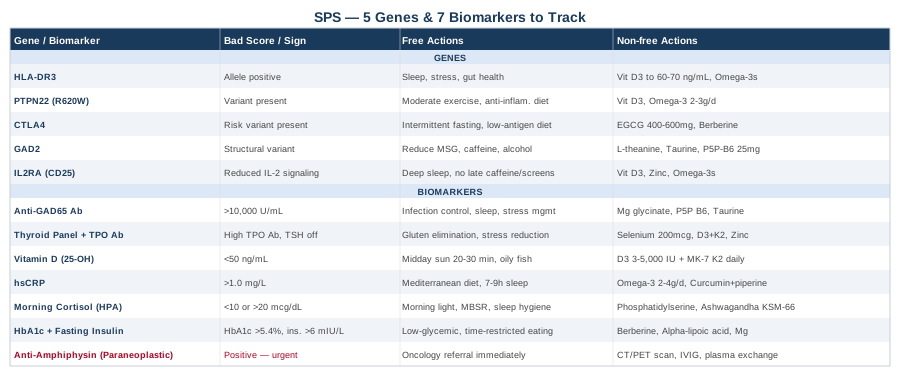
This article takes a more specific approach. It covers the seven biomarkers most worth tracking in SPS — including which lab tests to order, what the numbers actually mean, and what to do when they are outside an optimal range. It then covers the five genes most associated with SPS susceptibility, with practical interpretation for each. A section on nervous system research explores the GABA–stress–spasm connection in detail, and a final section covers complementary approaches backed by clinical evidence. Better information leads to better decisions — that is the quiet premise behind everything that follows.
Summary
This article covers 7 key biomarkers to track in Stiff-Person Syndrome — starting with the signature anti-GAD65 antibody but moving into thyroid markers, inflammation, cortisol, metabolic health, and a critical paraneoplastic screen. For each one, you will find how to measure it, what the numbers reveal, and concrete plans both with and without supplements to move them in the right direction. The article then explores 5 genes — including HLA-DR3, PTPN22, CTLA4, GAD2, and IL2RA — explaining what each one does to immune regulation and what you can actually do with that information. Beyond labs and genetics, a section distills the most important insights from nervous system research connecting GABA, stress, and autoimmunity. The article closes with four complementary modalities — including the Autoimmune Protocol, MBSR, biofeedback, and breathing-based therapy — that have meaningful clinical evidence specifically relevant to SPS. If you have been trying to understand not just what SPS is but how to measure and respond to it, this is where to start.
7 Key Biomarkers to Track in Stiff-Person Syndrome
Most biomarker conversations in SPS begin and end with anti-GAD65 antibodies, which makes sense — that single test is diagnostic for a majority of patients. But stopping there misses the broader immune and metabolic picture that shapes how SPS behaves day to day. These seven biomarkers together give a far more complete view of what is driving the condition and where the most meaningful interventions lie.
Biomarker 1: Anti-GAD65 Antibodies — The Diagnostic Anchor
Why it matters: Glutamic acid decarboxylase 65 (GAD65) is the enzyme responsible for converting glutamate into GABA. In classical SPS, the immune system generates antibodies against this enzyme, crippling GABA synthesis and leaving the nervous system in a state of unchecked excitatory signaling. This is the direct cause of muscle rigidity and spasms. Anti-GAD65 antibodies are detectable in 60–80% of SPS patients at very high titers — often 100 to 1,000 times higher than the low-level elevations seen in some people with Type 1 Diabetes or cerebellar ataxia.
How to measure it: Serum ELISA testing is the standard approach. Cost ranges from $150 to $350 depending on the lab. Some clinicians also test cerebrospinal fluid (CSF) for anti-GAD65, which is more sensitive for CNS-specific involvement but requires a lumbar puncture. Most specialty neurology centers offer this. Normal values vary by lab, but in SPS, titers are typically dramatically elevated — above 10,000 U/mL or >2,000 nmol/L in many cases.
If the titer is high — the plan without supplements: The foundational approach is reducing immune-activating triggers. This means aggressively managing infections (SPS flares frequently follow viral illness), eliminating known dietary triggers of systemic autoimmunity, stabilizing sleep, and reducing psychological stress — all of which can spike immune activity. Working with a neurologist to consider immunotherapy (IVIG, rituximab, or plasma exchange) is essential for high titers that correlate with clinical worsening.
If the titer is high — the plan with supplements or equipment: Several nutrients support GABAergic function without directly suppressing the immune response. Magnesium glycinate (300–400 mg/day) supports GABA receptor sensitivity and muscle relaxation — this is one of the most well-tolerated and evidence-adjacent supplements here. Vitamin B6 as pyridoxal-5-phosphate (P5P) (25–50 mg/day) is the direct enzymatic cofactor for GAD65; even when antibodies impair the enzyme, ensuring adequate cofactor levels may preserve residual GABA production. Taurine (500–1,000 mg/day) is an amino acid that modulates GABA-A receptors and has a calming effect on spinal interneurons. Cycle taurine 6 weeks on, 2 weeks off if using long-term. Side effects are minimal, but very high doses of B6 (above 100 mg/day) over time can cause peripheral neuropathy — stay within the stated range.
PubMed: anti-GAD65 and SPS treatment research
Biomarker 2: Thyroid Antibodies and Full Thyroid Panel — The Overlooked Overlap
Why it matters: SPS does not travel alone. Up to 30% of patients carry a concurrent autoimmune thyroid condition — most often Hashimoto's thyroiditis, occasionally Graves' disease. The same immune dysregulation that drives anti-GAD65 production can simultaneously target thyroid peroxidase (TPO). Thyroid dysfunction adds fatigue, mood disruption, and metabolic changes that compound SPS symptoms, and in many cases the thyroid condition goes unrecognized because the SPS diagnosis overshadows it.
How to measure it: A comprehensive thyroid panel includes TSH, free T3, free T4, TPO antibodies, and thyroglobulin antibodies. Cost ranges from $50 to $150 for the full panel. This is standard blood work that most GPs can order. Optimal TSH in the context of autoimmune thyroid disease is often considered closer to 1.0–2.0 mIU/L rather than the wider lab reference range.
If the score is bad — the plan without supplements: Gluten elimination is the most consistently supported dietary intervention for Hashimoto's — the structural similarity between gliadin peptides and thyroid antigens is well-established, and a significant subset of Hashimoto's patients show reduced TPO antibody titers on a strict gluten-free diet. Stress management and sleep optimization are essential, as cortisol directly suppresses TSH and thyroid conversion.
If the score is bad — the plan with supplements or equipment: Selenium 200 mcg/day is the best-studied micronutrient for Hashimoto's, with multiple randomized trials showing reduced TPO Ab titers. It also supports the conversion of T4 to active T3. Use selenomethionine form. Cycle with periodic breaks (3 months on, 2–4 weeks off) and do not exceed 400 mcg/day due to selenosis risk. Vitamin D3 + K2 at corrective doses and zinc (15–25 mg/day as zinc bisglycinate) support thyroid hormone production. Avoid high-dose iodine supplementation without testing, as it can worsen autoimmune thyroiditis in susceptible individuals.
PubMed: selenium and Hashimoto's randomized trials
Biomarker 3: Vitamin D (25-OH) — The Immune Modulator
Why it matters: Vitamin D is less a vitamin than a steroid hormone with receptors on virtually every immune cell. Deficiency impairs regulatory T cell (Treg) function — the immune population most responsible for preventing autoimmune attacks — and has been associated with nearly every autoimmune condition studied. In the context of SPS, low vitamin D does not cause the disease, but it removes a layer of immune braking that could otherwise limit the autoimmune drive.
How to measure it: The 25-OH vitamin D blood test costs $30–60 and is ordered routinely. For autoimmune conditions, an optimal range of 50–70 ng/mL (125–175 nmol/L) is commonly recommended by integrative medicine practitioners, compared to the standard lab cutoff of 30 ng/mL for sufficiency.
If the score is bad — the plan without supplements: 20–30 minutes of midday sun exposure on arms and legs generates 10,000–20,000 IU of vitamin D3 in fair-skinned individuals — more than supplements typically provide. This is the physiologically natural delivery route. Oily fish (salmon, sardines, mackerel) and egg yolks contribute meaningfully when consumed regularly.
If the score is bad — the plan with supplements or equipment: Vitamin D3 + MK-7 K2 is the standard protocol. For most deficient adults, 3,000–5,000 IU of D3 daily with 100–200 mcg of MK-7 will bring levels into optimal range within 3 months. Retest at that point. Taking D3 with a fatty meal improves absorption significantly. Side effects are uncommon at these doses but hypercalcemia is a real risk at very high doses (above 10,000 IU/day) taken long-term — test before supplementing heavily and retest after 3 months.
PubMed: vitamin D and regulatory T cells in autoimmune disease
Biomarker 4: High-Sensitivity CRP (hsCRP) — Reading the Inflammatory Baseline
Why it matters: High-sensitivity C-reactive protein reflects systemic, low-grade inflammation — the kind that quietly amplifies immune dysregulation over time. While SPS is primarily a CNS autoimmune condition, peripheral inflammation can worsen central sensitization, make spasms more frequent, and accelerate the immune activity underlying GAD65 antibody production. Chronically elevated hsCRP is also associated with worse outcomes in most autoimmune diseases. It is also one of the most affordable and widely available tests available.
How to measure it: Standard blood test, cost $15–40. Optimal: below 0.5 mg/L; acceptable below 1.0 mg/L. Elevated risk above 3.0 mg/L. Note that acute illness or injury will temporarily spike CRP — test when healthy.
If the score is bad — the plan without supplements: The anti-inflammatory dietary pattern most supported by evidence is the Mediterranean diet — high in polyphenols, olive oil, fish, and fiber. Seven to nine hours of quality sleep has a profound effect on inflammatory cytokines; sleep deprivation reliably raises CRP within days. Moderate aerobic exercise (150 minutes/week) reduces CRP, while excessive high-intensity training without recovery can raise it.
If the score is bad — the plan with supplements or equipment: Omega-3 fatty acids (EPA + DHA) at 2–4 g/day from high-quality fish oil are among the most studied anti-inflammatory supplements. This dose range is supported by multiple randomized trials. Cycle with 2-week breaks every 2–3 months, and note that doses above 3 g/day can mildly prolong bleeding time — relevant if you are on anticoagulants. Curcumin with piperine (500–1,000 mg curcuminoids/day) has evidence for CRP reduction in several inflammatory conditions. Cycle 6 weeks on, 2 weeks off. GI discomfort is the main side effect at higher doses.
Biomarker 5: Morning Cortisol and HPA Axis Markers — The Stress–Spasm Connection
Why it matters: Emotional stress is the single most commonly reported trigger for SPS spasms. This is not coincidental — cortisol directly modulates GABAergic tone in the brainstem and spinal cord. Acutely elevated cortisol shifts GABA:glutamate balance toward excitation, precisely the neurochemical state that drives stiffness and spasms. Over time, HPA axis dysregulation — whether toward chronic elevation or adrenal fatigue-pattern low cortisol — undermines the immune regulation that could slow the autoimmune process.
How to measure it: Morning serum cortisol (drawn between 7–9 AM, fasted) costs $40–80 and gives a useful snapshot. Optimal: 10–20 mcg/dL. For a more complete picture, the DUTCH Complete test (Dried Urine Test for Comprehensive Hormones) measures cortisol, cortisone, DHEA, sex hormones, and their metabolites across the day — cost $300–400 through integrative medicine providers. This is the standard recommendation by functional medicine clinicians who take HPA axis dysregulation seriously.
If the score is bad — the plan without supplements: Morning light exposure within 30 minutes of waking anchors the cortisol awakening response, which improves diurnal rhythm and prevents the flattened or reversed patterns associated with chronic stress. Structured 8-hour sleep with consistent timing is non-negotiable — cortisol rhythm is tightly coupled to circadian rhythm. Mindfulness-Based Stress Reduction (MBSR) has level-1 evidence for lowering cortisol in chronic illness populations.
If the score is bad — the plan with supplements or equipment: For elevated cortisol: Phosphatidylserine (200–400 mg/day) is one of the few supplements with randomized trial evidence for blunting excessive cortisol response — use for 4–6 weeks on, 2 weeks off. Ashwagandha KSM-66 (300–600 mg/day) reduces cortisol and anxiety in clinical trials, but it has thyroid-stimulating properties — monitor thyroid markers if using and be cautious if you have Graves' disease. For low cortisol patterns: adrenal support supplements should only be taken after ruling out true adrenal insufficiency with an endocrinologist, as supplementing adaptogenics in primary adrenal insufficiency is insufficient and potentially dangerous.
PubMed: phosphatidylserine and cortisol reduction
Biomarker 6: HbA1c and Fasting Insulin — Metabolic Health as Immune Substrate
Why it matters: SPS has the highest known comorbidity with Type 1 Diabetes of any autoimmune neurological condition — approximately 30–40% of SPS patients either have T1D or will develop it. Anti-GAD65 antibodies are also a preclinical biomarker for T1D, so the same immune attack targets both the pancreatic beta cells and the GABAergic neurons. Metabolic dysregulation — including insulin resistance, chronic hyperglycemia, and glucose variability — fuels neuroinflammation and worsens immune dysregulation. Even without T1D, suboptimal metabolic health undermines every other intervention.
How to measure it: HbA1c costs $30–60; fasting insulin costs $30–50. Both are standard blood tests. Optimal range: HbA1c below 5.4% (not just below 5.7%); fasting insulin below 6 mIU/L is genuinely optimal (the standard "normal" cutoff of <25 mIU/L misses early insulin resistance). For a more dynamic picture, some practitioners use continuous glucose monitors (CGM) — available over the counter from brands like Dexterity or Levels at $50–80 for a 14-day sensor.
If the score is bad — the plan without supplements: Low-glycemic eating (minimizing refined carbohydrates, prioritizing protein and fiber) directly reduces glucose variability. Time-restricted eating in an 8–10 hour window improves insulin sensitivity without caloric restriction. Resistance exercise 2–3 times per week — even light resistance work — significantly improves insulin sensitivity within days.
If the score is bad — the plan with supplements or equipment: Berberine (500 mg, 2–3 times daily with meals) has head-to-head data with metformin for glucose control. Cycle 8 weeks on, 2–4 weeks off to avoid GI adaptation and potential gut microbiome depletion. Do not combine with metformin without physician supervision. Alpha-lipoic acid (300–600 mg/day) supports mitochondrial glucose metabolism and reduces glycation. Magnesium glycinate (already recommended above) additionally improves insulin signaling.
Biomarker 7: Anti-Amphiphysin Antibodies and Paraneoplastic Panel — The Variant You Cannot Afford to Miss
Why it matters: A distinct subset of SPS is not primarily autoimmune in the classical sense — it is paraneoplastic, meaning the immune attack is a byproduct of the body trying to fight a tumor. The most common culprits are breast cancer and small cell lung cancer. Anti-amphiphysin antibodies are the signature marker of this SPS variant, and anti-GABA-A receptor antibodies cover additional cases. This variant can look clinically identical to classical SPS, but missing the underlying malignancy can be fatal.
How to measure it: A paraneoplastic autoantibody panel (which includes anti-amphiphysin, anti-Ri, anti-Hu, anti-Yo, and others) is available through specialty labs such as Mayo Clinic Laboratories, ARUP, or LabCorp. Cost ranges from $200 to $600. This testing is most critical for patients who do not respond to standard SPS therapy, for women over 40 with new-onset SPS, and for smokers with any SPS diagnosis.
If the result is positive — what to do: A positive anti-amphiphysin or paraneoplastic panel result is not a situation for supplement optimization — it requires urgent oncology evaluation. CT of the chest, abdomen, and pelvis, along with mammography and PET scan, are typically the immediate next steps. Treatment of the underlying malignancy often leads to partial or full SPS remission. Immunotherapy (IVIG, plasma exchange, corticosteroids) can provide symptomatic relief while oncologic treatment proceeds.
Supporting the immune system during treatment (with supplements): Antioxidant support — N-acetylcysteine (600 mg twice daily), vitamin C, vitamin E — may support tissue during the immune-oncologic process, but nothing here replaces oncology care. Always disclose any supplements to the oncologist, as some antioxidants can interfere with certain chemotherapy protocols.
PubMed: paraneoplastic SPS and anti-amphiphysin
Beyond what these biomarkers reveal about the current state of the condition, the underlying genetic architecture — the blueprint you were born with — shapes the probability of autoimmune attack in the first place. Understanding this layer adds important context, especially when trying to understand why some people are susceptible and others are not.
The Genetic Blueprint Behind Stiff-Person Syndrome
Genetics does not dictate fate in SPS — environmental triggers, gut health, cumulative stress load, and infectious history all matter enormously. But knowing which genetic variants are present helps explain why the immune system is dysregulated in the specific way it is, and what levers are available to push against those tendencies.
Gene 1: HLA-DRB1*03:01 (HLA-DR3) — The Strongest Risk Signal
What it is: The Human Leukocyte Antigen (HLA) system determines how the immune system distinguishes self from non-self. The DRB1*03:01 allele — commonly called HLA-DR3 — is the most consistently replicated genetic risk factor for SPS. Carriers of this allele show 3–5 times the baseline rate of anti-GAD65 antibody production. The same allele is also a major risk factor for Type 1 Diabetes, Graves' disease, and Sjögren's syndrome — all of which overlap with SPS.
Mechanism: HLA-DR3 presents GAD65-derived peptides to T helper cells in a way that preferentially activates autoreactive responses. The structural fit between this specific HLA molecule and GAD65 peptides may trigger an immune response that then expands into full-blown autoimmunity.
Testing: 23andMe and AncestryDNA provide limited HLA data, but dedicated HLA typing through specialty labs ($100–300) gives more accurate results. Some integrative and functional medicine panels include HLA typing.
If the allele is present — the plan without supplements: Focus on known immune trigger reduction: consistent gut microbiome health (since gut bacteria modulate HLA-antigen presentation), elimination of foods that drive systemic immune activation (gluten, highly processed foods), and aggressive sleep and stress management. Carrying the allele does not mean SPS is inevitable — reducing the environmental pressure on the immune system matters enormously.
If the allele is present — the plan with supplements: Vitamin D3 optimization (targeting 60–70 ng/mL) is the most important single supplemental intervention for someone with HLA-DR3, given D's direct role in modulating HLA-antigen presentation and Treg function. Omega-3s at 2–3 g/day round out general immune modulation support.
Gene 2: PTPN22 (R620W Variant, rs2476601) — The Autoimmune Risk Switch
What it is: PTPN22 encodes lymphoid phosphatase (LYP), a protein that acts as a brake on T cell activation. The R620W variant (rs2476601) is one of the most replicated autoimmune risk variants in human genetics — associated with rheumatoid arthritis, lupus, Type 1 Diabetes, Graves' disease, and autoimmune thyroiditis. Given SPS's overlap with these conditions, PTPN22 status is directly relevant.
Mechanism: The risk variant paradoxically creates an overactive brake on conventional T cell activation, which seems counterintuitive. The problem is that this same overactivity impairs regulatory T cell (Treg) development and function — the immune cells responsible for tolerance to self-antigens. Fewer functional Tregs means less checkpoint on autoreactive B and T cells.
Testing: The rs2476601 SNP is captured in 23andMe raw data and can be analyzed through platforms like Genetic Genie or Promethease.
If the variant is present — the plan without supplements: Strategies that upregulate Tregs: consistent moderate aerobic exercise (excessive high-intensity training suppresses Tregs acutely), restorative sleep, and an anti-inflammatory diet. Avoiding unnecessary antibiotic exposure preserves the gut microbiome diversity that feeds Treg development.
If the variant is present — the plan with supplements: Vitamin D3 is the most potent nutritional Treg upregulator — this overlaps with the HLA-DR3 recommendation and reinforces it. Omega-3s (EPA/DHA 2–3 g/day) and short-chain fatty acid precursors (resistant starch, fermented foods) support Treg induction in the gut.
Gene 3: CTLA4 (rs3087243 or rs231775) — The Immune Checkpoint
What it is: CTLA4 (Cytotoxic T-Lymphocyte Antigen 4) is a critical inhibitory receptor on T cells. It competes with CD28 for B7 ligands on antigen-presenting cells, effectively turning down the volume on T cell activation when engaged. CTLA4 variants associated with reduced expression or function increase risk for T1D, Hashimoto's, Graves', and conditions that overlap with SPS's autoimmune profile.
Mechanism: When CTLA4 signaling is diminished, T cells remain activated for longer after antigen exposure, are more likely to infiltrate peripheral tissues, and are less likely to be deleted or anergized when they encounter self-antigens.
Testing: rs3087243 and rs231775 are captured in 23andMe data. Both have been replicated in T1D and autoimmune thyroid disease GWAS studies.
If the variant is present — the plan without supplements: Intermittent fasting activates autophagy, which increases CTLA4 surface expression and has been shown to reduce T cell activation in early research. Anti-inflammatory eating patterns reduce the antigen load that provokes T cell responses in the first place.
If the variant is present — the plan with supplements: EGCG from green tea (400–600 mg standardized extract daily) modulates T cell activation pathways and has early evidence for CTLA4-related immune signaling. Cycle 6 weeks on, 2 weeks off. Berberine also shows emerging immune-regulatory effects beyond its well-known metabolic ones.
Gene 4: GAD2 (Glutamic Acid Decarboxylase 2) — The Autoantigen's Own Gene
What it is: GAD2 encodes the GAD65 protein — the very enzyme that SPS antibodies attack. Genetic variants in GAD2 may affect the protein's structure, expression level, or how its peptides are presented to the immune system, potentially influencing both susceptibility to autoimmunity and baseline GABA synthesis capacity. GAD2 variants have also been studied in relation to anxiety disorders — consistent with the enzyme's role in GABAergic tone.
Mechanism: Structural variants in GAD65 could make certain peptide sequences more immunogenic — a poor fit with the body's tolerance mechanisms — increasing the risk that the immune system will generate antibodies against it. Variants affecting expression levels could reduce GABA production even before autoimmunity develops.
Testing: Whole exome or genome sequencing ($200–500 through Nebula Genomics or similar platforms) captures GAD2 variants. Some commercial platforms include limited GAD2 SNP data.
If the variant is present — the plan without supplements: Prioritize dietary glutamate balance — the substrate for GAD65. Reduce high-dose MSG intake and exogenous glutamate sources. Limit caffeine and alcohol, both of which reduce GABA signaling acutely and chronically with regular use.
If the variant is present — the plan with supplements: Supporting GABA synthesis from the nutrient side: L-theanine (200–400 mg/day, from green tea or supplement form) promotes GABA and alpha-wave activity and is safe for long-term use. Taurine (500–1,000 mg/day) modulates GABA-A receptors. P5P (active B6) (25 mg/day) remains the direct GAD cofactor. Combine cautiously and recheck symptom burden — these are supportive, not therapeutic.
Gene 5: IL2RA (CD25 / Interleukin-2 Receptor Alpha) — Regulatory T Cell Signaling
What it is: IL2RA encodes CD25, the high-affinity component of the IL-2 receptor. IL-2 signaling is the primary survival signal for regulatory T cells (Tregs). Variants that reduce IL-2 receptor responsiveness impair Treg expansion and maintenance, removing one of the most important brakes on autoimmune activity. IL2RA variants have been associated with T1D, multiple sclerosis, and several other conditions that cluster with SPS.
Mechanism: Without adequate IL-2 receptor signaling, Tregs are less able to expand in response to antigen stimulation, are shorter-lived, and are less effective at suppressing effector T cells in tissues. This creates a permissive environment for autoimmune attack.
Testing: Whole exome or genome sequencing. Some IL2RA SNPs are present in 23andMe data.
If the variant is present — the plan without supplements: Deep sleep is critical — growth hormone and IL-2 secretion both peak during slow-wave sleep, and Tregs proliferate in this window. Any behavior that chronically disrupts sleep quality (late screens, caffeine after 1 PM, alcohol) directly suppresses Treg maintenance.
If the variant is present — the plan with supplements: Low-dose IL-2 therapy (ultra-low dose, below immunostimulatory thresholds) is an active research area for autoimmune disease and may selectively expand Tregs. This requires clinical trial enrollment or prescription. At the supplement level: vitamin D3 (VDR is strongly expressed on Tregs), zinc, and omega-3s support Treg function. These are modest interventions — the evidence is mechanistically plausible but not yet specifically tested in IL2RA variant carriers.
PubMed: IL2RA, Tregs, and autoimmune disease
With both the biomarker landscape and genetic risk factors mapped out, the next useful perspective comes from neuroscience — specifically, what current research tells us about the GABA system, stress, and how to support the nervous system when GABAergic tone is chronically impaired.
What Nervous System Research Says About GABA, Stress, and SPS Recovery
Andrew Huberman's Huberman Lab podcast — particularly episodes on GABAergic systems, the neurobiology of stress, and the immune-brain axis — synthesizes research directly relevant to SPS in a way that most clinical encounters never reach. While no episode specifically addresses SPS, the mechanistic overlap is deep and actionable. The following are the ten most impactful insights from this body of research, as they apply to Stiff-Person Syndrome.
1. GABA Is the Primary Inhibitory Neurotransmitter — and Its Deficit Is the Whole Problem in SPS
GABA's role is to quiet overexcited neural circuits. When GAD65 antibodies impair GABA synthesis, the entire nervous system shifts toward a hyperexcitable baseline. This is not an abstract concept — it is the direct mechanism behind spasms, stiffness, and even the anxiety and agoraphobia that characterize SPS. Normalizing GABA tone, even partially, through lifestyle and nutrition is mechanistically meaningful, not just general wellness advice.
2. Stress Causes Real-Time GABA:Glutamate Imbalance
Acute stress shifts central neurotransmitter balance toward glutamate (excitatory) and away from GABA (inhibitory) within minutes. In a healthy nervous system, this is temporary and adaptive. In SPS, where GABAergic reserve is already depleted, this acute shift can be the direct trigger for a spasm episode. This is the neurochemical explanation for why nearly every SPS patient reports stress as their primary flare trigger.
3. The Gut Contains GAD65-Expressing Bacteria That Make GABA
Several strains of gut bacteria — particularly Lactobacillus species — express GAD enzymes and produce GABA in the gut. Gut-derived GABA likely influences the enteric nervous system and may have some systemic effects. Gut health directly impacts central GABAergic tone through the gut-brain axis. A compromised microbiome removes a source of GABA production that the antibody-attacked neuronal GAD65 cannot compensate for.
4. Deep Sleep Is When GABA-Mediated Inhibition Is Highest
During slow-wave sleep, GABA-mediated inhibition in the cortex reaches its daily peak. Neural repair, immune reconstitution, and Treg proliferation all occur primarily during this window. Chronic sleep disruption — a common consequence of anxiety and pain in SPS — removes the period during which the nervous system most effectively resets. Protecting deep sleep is one of the highest-leverage interventions available.
5. Alcohol and Benzodiazepines Activate GABA Receptors — But Cause Downregulation
The reason benzodiazepines (diazepam, clonazepam) are the first-line treatment for SPS is that they directly enhance GABA-A receptor function, bypassing the depleted GABA signal. The same mechanism explains why some SPS patients self-medicate with alcohol. The critical insight from neuroscience is that chronic GABA receptor activation from external sources leads to receptor downregulation — the system compensates by reducing receptor sensitivity. This makes long-term benzodiazepine management in SPS genuinely complex and is why medical tapering and adjunctive approaches matter.
6. Cold Exposure Shifts Immune Phenotype and Norepinephrine
Cold water immersion raises norepinephrine 200–300% for extended periods and has been shown to shift immune cell populations in a way that may reduce inflammatory tone. While no SPS-specific study exists, the anti-inflammatory immune shift (toward lower IL-6, lower TNF-alpha) is relevant given SPS's inflammatory substrate. Starting with cold showers (30–90 seconds, working up to 2–3 minutes) is a realistic starting point. This should be approached cautiously by SPS patients given cold's potential to trigger muscle spasms in some cases — start gently.
7. The Physiological Sigh Is the Fastest Autonomic Reset Tool
A double inhale through the nose (two quick sniffs, filling the lungs fully) followed by a long, slow exhale through the mouth maximally deflates the alveoli and activates the vagal brake — shifting the autonomic nervous system toward parasympathetic tone within seconds. This works by mechanically activating stretch receptors in the lungs that trigger heart rate slowing. For SPS patients who feel a spasm building, this technique is accessible, immediate, and neurologically rational.
8. Non-Sleep Deep Rest (NSDR) May Restore GABA Tone
NSDR protocols — also called yoga nidra — are guided rest states that appear to increase striatal dopamine and may restore GABAergic tone after stress-depleting episodes. Multiple studies have shown these practices can accelerate cognitive recovery and reduce sympathetic activation. A 10–20 minute NSDR session after a stressful period may function as a partial GABA restoration window, accessible without any supplements or equipment.
9. Morning Light Anchors Cortisol — and Protects GABA from Chronic Suppression
Cortisol is the primary counter-regulatory signal to GABA. Anchoring the cortisol awakening response through morning light exposure (10–30 minutes of bright outdoor light within the first hour of waking) creates a well-defined cortisol peak followed by a natural decline — as opposed to the blunted, shifted, or dysregulated cortisol patterns seen in people with poor circadian anchoring. A stable cortisol curve means less chronic GABA suppression throughout the day.
10. Resistance Exercise Upregulates GABA Receptors
Regular resistance training — even at moderate intensity — upregulates GABA-A receptor density and has been associated with lower autoimmune activity markers in several studies. This is distinct from the anti-inflammatory effects of aerobic exercise. The practical implication for SPS patients: gentle resistance work (bands, light weights, bodyweight), performed consistently, may help restore receptor sensitivity even when GABA production is impaired. Start very conservatively given the risk of exercise-triggered spasm in active disease.
PubMed: exercise and GABA receptor expression
These insights from neuroscience and physiology research form a useful complement to the biomarker and genetic picture. What follows are additional evidence-supported approaches that work through different mechanisms and may offer meaningful relief or disease modulation in SPS specifically.
Complementary Approaches with Clinical Evidence
The Autoimmune Protocol (AIP) — Sarah Ballantyne
The Autoimmune Protocol, developed by immunologist and researcher Sarah Ballantyne and detailed in The Paleo Approach, is a structured dietary and lifestyle elimination protocol specifically designed for autoimmune conditions. It is directly applicable to SPS given its autoimmune pathophysiology. The protocol eliminates grains, legumes, dairy, eggs, nightshades, nuts, seeds, and processed foods during a strictelimination phase, then systematically reintroduces foods to identify individual triggers. The lifestyle component — sleep, stress management, light exposure, movement — mirrors much of what the biomarker and GABA research above recommends.
A randomized controlled pilot trial by Konijeti et al. (2017) tested AIP in inflammatory bowel disease and found significant improvements in inflammatory markers and disease activity scores within 6 weeks, with changes in gut microbiome composition. Konijeti et al., 2017: AIP in IBD — PubMed. While SPS-specific trials do not exist, the mechanistic basis — gut barrier repair, reduction of antigenic load, microbiome modulation, and inflammatory resolution — directly addresses the factors that maintain autoimmune drive.
To apply this realistically with SPS: begin with the strict elimination phase for 30–60 days, ideally working with a registered dietitian familiar with AIP. The reintroduction phase is critical — it prevents the protocol from becoming an unnecessarily restrictive permanent diet. Given that SPS patients often have high stress loads and medication-dependent symptom management, dietary change should be implemented gradually and should not displace medical care. The protocol's sleep and stress management components are as important as the dietary changes.
Mindfulness-Based Stress Reduction (MBSR)
MBSR is an 8-week structured program combining mindfulness meditation, body scan practices, and gentle yoga. Its relevance to SPS is direct: stress is the most consistently reported spasm trigger, and MBSR is one of the most rigorously studied interventions for modulating the stress response in chronic illness. By training the prefrontal cortex to better regulate amygdala activation, MBSR may help SPS patients interrupt the stress–spasm cycle at the neurological level.
A landmark randomized trial by Rosenzweig et al. (2010) demonstrated that MBSR significantly reduced pain, psychological distress, and improved quality of life across multiple chronic illness types. Rosenzweig et al., 2010: MBSR in chronic disease — PubMed. Additionally, studies have shown MBSR produces measurable reductions in inflammatory markers including IL-6 and CRP, which are directly relevant to the inflammatory biomarkers covered earlier in this article.
For SPS specifically: formal MBSR programs are available through hospitals and community health centers, and online versions (including Jon Kabat-Zinn's MBSR curriculum adapted for digital delivery) make this accessible. The body scan component can be particularly useful for SPS patients to develop awareness of pre-spasm tension buildup. Begin with 10 minutes daily and build toward the standard 45-minute formal practices. Consistency over several weeks matters more than session length.
Biofeedback — Training the Nervous System Directly
Biofeedback uses real-time physiological monitoring — typically of muscle electrical activity (EMG), skin conductance, or heart rate variability (HRV) — to train individuals to consciously modulate those signals. For SPS, EMG biofeedback is particularly relevant, as it allows patients to see when muscles are building toward spasm before it becomes uncontrollable, and to develop techniques for modulating that tension. HRV biofeedback trains autonomic regulation, which directly addresses the cortisol and stress-response dysregulation discussed in the biomarker section.
A systematic review by Nestoriuc and Martin (2007) found biofeedback superior to relaxation training for tension-type headache — a condition sharing autonomic dysregulation mechanisms with SPS. For autonomic conditions broadly, HRV biofeedback has strong evidence. Nestoriuc & Martin, 2007: biofeedback meta-analysis — PubMed. SPS-specific biofeedback trials are limited, but the mechanistic rationale for both EMG and HRV modalities is strong.
For practical application: begin with a clinical biofeedback therapist (look for practitioners certified by the Biofeedback Certification International Alliance, BCIA). After initial training, home devices for HRV biofeedback — including the HeartMath Inner Balance sensor ($130–200) or the Polar H10 with compatible apps — allow daily practice. Aim for 15–20 minutes daily. HRV biofeedback should be approached gently in active SPS phases — triggering a spasm during a session is counterproductive.
Breathing-Based Therapies — Vagal Activation and Autonomic Reset
Breathing is the only autonomic function that is simultaneously involuntary and voluntarily controllable — which makes it a uniquely accessible lever for shifting nervous system state. For SPS patients, where the vagal brake is often insufficient to counter sympathetic activation and stress-triggered spasms, structured breathing practices provide a real-time intervention that costs nothing and requires no prescription.
The evidence base for breathing interventions in anxiety, autonomic dysfunction, and chronic pain has grown substantially. A meta-analysis by Zaccaro et al. (2018) found that slow-paced breathing (4–6 breaths per minute) consistently increased HRV and shifted autonomic balance toward parasympathetic tone. Zaccaro et al., 2018: paced breathing and HRV — PubMed. The parasympathetic state is precisely the neurochemical environment that supports GABAergic signaling.
Practically for SPS: three breathing techniques are particularly applicable. First, the 4-7-8 technique (inhale 4 counts, hold 7, exhale 8) rapidly shifts toward parasympathetic tone. Second, box breathing (4-4-4-4) is used in high-stress professions for real-time calm. Third, the physiological sigh described earlier (double nasal inhale, long exhale) is the fastest acute reset. Practice one technique for 5–10 minutes daily at a consistent time, and use the physiological sigh specifically during pre-spasm tension buildup. Avoid breath-holding practices that significantly raise thoracic pressure without supervision — these can occasionally trigger spasms.
Conclusion
Stiff-Person Syndrome is a genuinely difficult condition — not because its mechanisms are mysterious, but because the precision monitoring it deserves is rarely applied in standard care. The seven biomarkers covered here give a coherent view of the immune, endocrine, and metabolic landscape that shapes how SPS behaves — from the anti-GAD65 antibody that defines the condition to the cortisol patterns that determine how reliably stress becomes a spasm trigger. The five genetic variants add context about why some people are susceptible and what their immune system is most likely to need in terms of support.
The practical message is this: get the labs, interpret them in the context of your symptoms, and use the available interventions — dietary, supplemental, movement-based, and mind-body — to address what is actually elevated or depleted in your specific case. None of this replaces neurological care, and anti-GAD65 titers that are climbing warrant serious medical intervention. But the space between medical visits is where most of your biology is determined.
A reasonable next step is to start with the most accessible biomarkers — vitamin D, hsCRP, HbA1c, and thyroid panel — and expand from there. Discuss anti-GAD65 monitoring frequency with your neurologist. If you have not yet had a paraneoplastic panel, ask about it. And consider sharing the GABA and stress research with your care team — the connection between cortisol management and spasm frequency is well-supported and often under-discussed in clinical encounters.
Musculoskeletal: Muscle Conditions
Neurological: Movement Disorders
Mental Health: Anxiety Disorders
Endocrine & Metabolic: Diabetes & Blood Sugar Thyroid Conditions