This article contains AI generated content.
· UpdatedStroke Genes Biomarkers - 5 Genes And 7 Biomarkers To Track
Introduction
Most people learn they are at risk for stroke when they already have high blood pressure or high cholesterol, two late-stage signals that something upstream went wrong years earlier. By the time a standard panel flags a problem, the vascular damage is often already underway. That delay is not inevitable. It happens because conventional screening rarely looks at the mechanisms that drive stroke risk in the first place.
Generic advice — eat less salt, exercise more, avoid stress — is not wrong, but it is incomplete. Two people can follow identical diets and end up with dramatically different stroke risk, because one of them carries a variant in MTHFR that impairs how they process homocysteine, or a naturally elevated Lp(a) that no diet will meaningfully lower. Generic advice does not account for that. Precision biology does.
This article takes a different approach. Instead of starting with symptoms or averages, it starts with the molecular signals you can actually measure and the genetic variants that quietly raise risk decades before a clinical event. These tools are not reserved for cardiologists. Many of them are available through standard labs, some for under fifty dollars.
Better information really does lead to better decisions here. If your Lp(a) is high, there are specific interventions. If your MTHFR is impaired, there is a precise nutritional fix. The article covers seven biomarkers you can track to get a sharper picture of your vascular health, followed by five key genes that shape stroke risk at the biological level, a deep look at what current longevity medicine has to say about preventing cardiovascular events, and a set of evidence-based complementary approaches that can support the whole picture.
Summary
This article reviews seven biomarkers — including Lp(a), homocysteine, ApoB, hs-CRP, fibrinogen, fasting insulin, and arterial stiffness — that provide a far more accurate picture of stroke risk than standard cholesterol panels. For each one, you will find what it means when the score is high, how to get it measured and at what cost, and what specific actions — with and without supplements — can bring it into range. You will also find a shorter deep-dive into five genetic variants — MTHFR, APOE ε4, Factor V Leiden, 9p21.3, and PCSK9 — that can silently amplify stroke risk, along with targeted plans for each. Beyond the lab work, the article includes a synthesis of Peter Attia's framework from Outlive applied to stroke prevention, and four complementary approaches — mindfulness, breathing therapy, tai chi, and biofeedback — with real clinical evidence behind them.
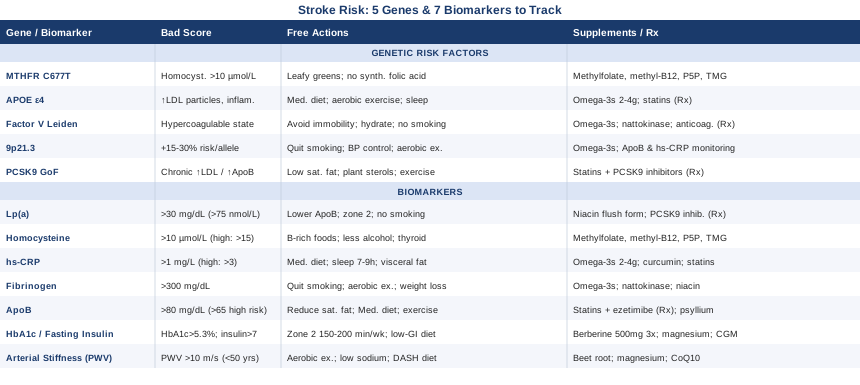
7 Biomarkers That Reveal Your Real Stroke Risk
Standard lipid panels were designed in an era when the medical community believed total cholesterol was the primary driver of cardiovascular disease. That model has been substantially revised. The seven biomarkers below reflect current understanding from researchers like Peter Attia, Thomas Dayspring, and Allan Sniderman, who have spent careers arguing that we measure the wrong things, too late, and act too cautiously when the numbers are bad.
Biomarker 1: Lipoprotein(a) — The Overlooked Genetic Risk Factor
Why it matters and what it reveals
Lipoprotein(a), or Lp(a), is a modified LDL particle with an extra protein called apolipoprotein(a) attached to it. This structure makes it uniquely dangerous: it promotes atherosclerosis through the same pathways as LDL, but it also interferes with clot dissolution, significantly raising the risk of both heart attack and ischemic stroke. Approximately 20% of the population carries genetically elevated Lp(a), and this elevation is almost entirely determined by genetics — not diet, not exercise, not lifestyle. Most people have never had it measured.
Allan Sniderman has repeatedly noted that Lp(a) is arguably the most important cardiovascular risk factor that is routinely ignored in primary care. Thomas Dayspring describes it as "the most atherogenic particle we know of." Research published in major cardiovascular journals has confirmed through Mendelian randomization studies that elevated Lp(a) causally increases stroke risk, independent of other lipid markers. See related studies on PubMed.
How to measure it
A single blood draw is all that is needed. Lp(a) is highly stable and only needs to be measured once or twice in a lifetime since it is largely genetically determined. Cost: $30–80 through direct-to-consumer labs or standard clinical labs. It is rarely included in a standard lipid panel, so you must request it explicitly. Optimal level: below 30 mg/dL (or below 75 nmol/L using the molar scale, which is more accurate).
If the score is bad: the plan without supplements
If your Lp(a) is elevated, dietary changes will not move the number significantly — this is a genetic reality worth accepting clearly. The most impactful non-supplement strategy is to aggressively lower ApoB and LDL-C to compensate: if Lp(a) is a fixed hazard, reducing the overall atherogenic particle burden is the lever you can pull. This means a low-saturated-fat dietary pattern (not necessarily very low fat overall), elimination of ultra-processed foods, regular aerobic exercise at zone 2 intensity for 150–200 minutes per week, and smoking cessation if applicable. Reducing overall vascular inflammation through these lifestyle measures helps blunt Lp(a)'s impact even when you cannot reduce Lp(a) itself.
If the score is bad: the plan with supplements or equipment
Niacin (nicotinic acid, flush form): the flush form of niacin at 500–2000 mg/day is the best-studied supplement that reduces Lp(a), with reductions of 20–30% in some studies. It requires a titration protocol — starting at 100 mg with a meal, increasing by 100 mg weekly to manage the flush response. The most common side effect is skin flushing (a prostaglandin-mediated reaction that reduces over time), and liver enzymes should be monitored with prolonged use. Cycle: continuous use is possible with regular monitoring. No-flush niacin (inositol hexanicotinate) does not have the same effect — only nicotinic acid works for Lp(a). PCSK9 inhibitors (evolocumab, alirocumab — prescription only) reduce Lp(a) by 20–30% as a secondary effect, making them relevant if you also have elevated LDL. Emerging RNA-based therapies (olpasiran, pelacarsen) are in late-stage trials specifically targeting Lp(a) and represent the most promising future intervention.
Biomarker 2: Homocysteine — The Silent Endothelial Toxin
Why it matters and what it reveals
Homocysteine is an amino acid produced during methionine metabolism. When elevated, it directly damages the endothelial lining of blood vessels, promotes oxidative stress, activates clotting pathways, and accelerates atherosclerosis. Elevated homocysteine is an independent risk factor for ischemic stroke, with a robust body of evidence supporting a causal relationship. Meta-analyses on PubMed consistently show that for each 5 µmol/L rise in homocysteine, stroke risk increases by approximately 20–30%.
Unlike Lp(a), homocysteine is highly modifiable. The primary drivers of elevation are B vitamin deficiencies (particularly B12, folate, and B6), MTHFR gene variants (covered in the genetics section below), kidney dysfunction, hypothyroidism, and high animal protein intake without adequate B vitamin compensation.
How to measure it
Standard blood test, fasting or non-fasting. Cost: $25–60 at most commercial labs. Optimal range: below 10 µmol/L. Borderline elevation: 10–15 µmol/L. High risk: above 15 µmol/L.
If the score is bad: the plan without supplements
Increase dietary sources of folate (dark leafy greens, legumes, asparagus), reduce alcohol consumption, reduce excessive animal protein, ensure adequate hydration, and address any underlying thyroid dysfunction. These measures can bring mild elevations (10–12 µmol/L) into range within 8–12 weeks.
If the score is bad: the plan with supplements or equipment
Methylfolate (not folic acid — see MTHFR section): 400–1000 mcg/day. Methylcobalamin B12: 1000 mcg/day sublingually. Pyridoxal-5-phosphate (P5P, active B6): 25–50 mg/day. Betaine (TMG): 1.5–3 g/day can independently lower homocysteine by donating methyl groups via the BHMT pathway — particularly useful in those who do not respond fully to B vitamins alone. Riboflavin (B2) at 400 mg/day is specifically helpful in MTHFR C677T homozygotes. Retest homocysteine after 8–12 weeks. Side effects are minimal at these doses; B6 above 100 mg/day long-term carries a neuropathy risk, so do not over-supplement.
Biomarker 3: High-Sensitivity CRP — Reading Vascular Inflammation
Why it matters and what it reveals
C-reactive protein, measured at high sensitivity (hs-CRP), is the most accessible marker of systemic inflammation. Chronic low-grade inflammation drives atherosclerotic plaque formation, destabilizes existing plaques, and promotes the clot formation that causes ischemic strokes. Epidemiological data has consistently shown that elevated hs-CRP predicts cardiovascular events independently of LDL cholesterol — a finding that underpinned the landmark JUPITER trial, which showed that lowering inflammation with a statin reduced cardiovascular events even in people with normal LDL.
How to measure it
Blood test, ideally drawn when you are not acutely ill (a cold or minor infection will temporarily spike CRP). Cost: $20–50. Risk stratification: below 1 mg/L is low, 1–3 mg/L is intermediate, above 3 mg/L is high cardiovascular risk (above 10 mg/L suggests active infection or inflammatory disease rather than chronic vascular risk).
If the score is bad: the plan without supplements
The lifestyle interventions with the strongest evidence for lowering hs-CRP are: Mediterranean dietary pattern (associated with 20–35% reduction in CRP in multiple trials), aerobic exercise at moderate-to-high intensity, sleep optimization (below 6 hours doubles inflammatory markers), body fat reduction (visceral adipose tissue is an independent CRP driver), and elimination of ultra-processed foods and refined carbohydrates. These changes can shift CRP substantially within 12 weeks.
If the score is bad: the plan with supplements or equipment
Omega-3 fatty acids (EPA+DHA): 2–4 g/day of combined EPA and DHA has consistent anti-inflammatory evidence. Use triglyceride-form fish oil or algae-based DHA+EPA; retest after 3 months. Curcumin with piperine: 500–1000 mg/day of a bioavailable curcumin formulation (such as BCM-95 or Meriva) has shown reductions in CRP in multiple small RCTs. Low-dose aspirin is sometimes recommended in high-risk individuals for its anti-inflammatory properties — discuss with your physician as benefits must be weighed against bleeding risk. Statins have dual action: they lower LDL and have independent anti-inflammatory effects, making them relevant when hs-CRP is elevated even with normal LDL.
Biomarker 4: Fibrinogen — The Clotting Risk Most Doctors Do Not Check
Why it matters and what it reveals
Fibrinogen is a plasma protein that converts to fibrin to form blood clots. Elevated fibrinogen both increases clotting tendency (raising the risk of ischemic stroke directly) and promotes atherosclerosis by increasing plasma viscosity and contributing to plaque formation. It is also a marker of systemic inflammation. Research consistently shows that fibrinogen levels in the upper range of normal or above are associated with significantly elevated stroke risk, yet it is rarely included in standard cardiac workups. See relevant research on PubMed.
How to measure it
Standard blood coagulation test. Cost: $30–60. Optimal: below 300 mg/dL. Values above 400 mg/dL represent meaningful elevation. Note that fibrinogen is an acute-phase reactant, so avoid measuring during illness.
If the score is bad: the plan without supplements
Smoking is the single most powerful modifiable driver of elevated fibrinogen — cessation alone can lower it by 15–20%. Regular moderate-to-vigorous aerobic exercise (brisk walking, cycling, swimming) consistently reduces fibrinogen levels over 8–12 weeks. Weight loss in people with visceral obesity, and reduction of alcohol intake above 2 drinks/day, also lower fibrinogen.
If the score is bad: the plan with supplements or equipment
Omega-3s (EPA+DHA, 2–4 g/day) lower both fibrinogen and platelet aggregation. Nattokinase (2000–4000 FU/day), an enzyme derived from fermented soybean, has early evidence for mild fibrinolytic activity — use with caution if on anticoagulants, and discuss with a physician. Niacin at therapeutic doses also reduces fibrinogen as a secondary effect. Vitamin E (mixed tocopherols, 200–400 IU/day) has modest evidence for platelet aggregation reduction; avoid high-dose isolated alpha-tocopherol long-term.
Biomarker 5: ApoB — The True Count of Dangerous Particles
Why it matters and what it reveals
ApoB (apolipoprotein B) is a protein that sits on the surface of every atherogenic lipoprotein particle — each LDL, VLDL, and IDL particle carries exactly one ApoB molecule. This means ApoB gives you an exact count of dangerous particles, which is what actually matters for stroke and heart attack risk. Two people can have identical LDL cholesterol levels but dramatically different particle counts; the one with more particles has more opportunities for arterial wall penetration. Allan Sniderman and Thomas Dayspring have been the most vocal advocates for replacing LDL-C with ApoB as the primary lipid risk metric, and the European Society of Cardiology now recommends ApoB as preferred in their guidelines.
How to measure it
Blood test; often not included in standard lipid panels — must be specifically ordered. Cost: $25–50. Optimal: below 80 mg/dL for moderate-risk individuals; below 65 mg/dL for high-risk individuals (those with existing cardiovascular disease, diabetes, or APOE ε4). LDL-P (LDL particle number, measured by NMR technology) gives equivalent information — Attia considers this the gold standard.
If the score is bad: the plan without supplements
Reducing dietary saturated fat (not total fat) is the most evidence-based dietary intervention for lowering ApoB. A Mediterranean dietary pattern or a low-carbohydrate diet with adequate fiber both reduce ApoB in clinical trials. High-intensity aerobic exercise and resistance training both reduce LDL particle number. Reducing body weight — particularly visceral fat — strongly lowers VLDL and ultimately ApoB.
If the score is bad: the plan with supplements or equipment
Statins (prescription) are the most powerful ApoB-lowering agents available and are often appropriate when lifestyle changes are insufficient. Ezetimibe (prescription) blocks intestinal cholesterol absorption and provides additive ApoB reduction to statins with fewer side effects. Psyllium husk: 5–10 g/day with water can lower LDL-C by 5–7% through bile acid sequestration — a useful supplement-level intervention. Plant sterols/stanols: 2–3 g/day (available in supplements or fortified foods) reduce LDL-C by 8–12% through competitive absorption inhibition. Berberine: 500 mg 2–3 times daily has modest LDL-lowering evidence, possibly via PCSK9 inhibition; consider cycling 8 weeks on, 4 weeks off due to limited long-term data.
Biomarker 6: HbA1c and Fasting Insulin — Metabolic Health as a Vascular Signal
Why it matters and what it reveals
Metabolic dysfunction is now understood to be a major driver of vascular disease. Elevated blood glucose damages the endothelium directly through glycation, while elevated insulin accelerates atherosclerosis through growth-promoting signaling. HbA1c reflects average blood glucose over the previous 2–3 months and provides a window into chronic glycemic stress. Fasting insulin is more sensitive — it can detect insulin resistance years before HbA1c begins to rise. The combination of the two is significantly more informative than either alone. Individuals with type 2 diabetes have a 2–4 times higher stroke risk than those without; but insulin resistance, well below the diabetic threshold, also elevates risk substantially. Research on PubMed confirms this gradient.
How to measure it
HbA1c: standard blood test, ~$15–40, included in many routine panels. Optimal: below 5.3%. Fasting insulin: blood test, fasting at least 8 hours, ~$25–50 — often not included in standard panels. Optimal: below 5–7 µIU/mL. HOMA-IR (calculated from fasting glucose and fasting insulin) below 1.5 indicates good insulin sensitivity.
If the score is bad: the plan without supplements
Zone 2 aerobic training (the intensity at which you can hold a conversation with mild effort) for 150–200 minutes per week is the single most powerful intervention for improving insulin sensitivity. It works by increasing mitochondrial density and GLUT4 transporter expression in muscle. Time-restricted eating (10–12 hour eating window) and a low-glycemic dietary pattern (emphasizing whole grains, vegetables, legumes, and quality proteins over refined carbohydrates) both significantly reduce HbA1c and fasting insulin. Post-meal walks (10–15 minutes) dramatically blunt glucose spikes.
If the score is bad: the plan with supplements or equipment
Berberine (500 mg 2–3x/day with meals) has meta-analytic evidence for HbA1c reduction comparable to low-dose metformin; cycle 8–12 weeks on, 4 weeks off. Inositol (myo-inositol): 2–4 g/day has evidence for improving insulin sensitivity in metabolic syndrome. Magnesium glycinate or malate: 300–400 mg/day — magnesium deficiency is highly prevalent in insulin-resistant individuals and repletion improves insulin sensitivity. Continuous glucose monitors (CGMs) such as Libre or Dexcom sensors (now available without prescription for short-term use in some markets) provide real-time feedback on how specific foods affect your glucose — the biofeedback loop alone has been shown to improve dietary choices and glucose control.
Biomarker 7: Arterial Stiffness / Pulse Wave Velocity — The Age of Your Vessels
Why it matters and what it reveals
Arterial stiffness — measured via pulse wave velocity (PWV) — is one of the most direct indicators of vascular aging and an independent predictor of stroke. As arteries stiffen, the pressure wave from each heartbeat travels faster through the body, creating excessive stress on the brain's smaller blood vessels. Carotid-femoral PWV is considered the gold standard measurement. Studies consistently show that increased arterial stiffness predicts stroke independent of blood pressure, age, and other conventional risk factors. See supporting literature on PubMed.
How to measure it
Carotid-femoral PWV measurement at specialized cardiovascular clinics or academic medical centers: $100–300. Some cardiologists include it in advanced cardiovascular evaluations. Approximations can be obtained from devices like the SphygmoCor system. Consumer-grade estimation is available through some blood pressure devices (Omron devices with arterial stiffness measurement) though accuracy is lower. Target: PWV below 10 m/s in individuals under 50; age-appropriate thresholds exist.
If the score is bad: the plan without supplements
Aerobic exercise is the most powerful reversible determinant of arterial stiffness — regular endurance training reduces PWV measurably within 12 weeks. Sodium reduction (below 2.3 g/day) reduces arterial stiffness independent of blood pressure. Caloric restriction and weight loss, particularly visceral fat, meaningfully reduce stiffness. A DASH dietary pattern (rich in potassium, magnesium, calcium) has direct evidence for arterial stiffness reduction beyond its blood pressure effects.
If the score is bad: the plan with supplements or equipment
Dietary nitrates (beet root juice: 70–140 mL/day, or 400 mg beet root extract): increases nitric oxide bioavailability, directly relaxing arterial walls. Evidence for PWV reduction in multiple small trials. Magnesium glycinate: 300–400 mg/day relaxes smooth muscle and has evidence for blood pressure and arterial compliance improvement. CoQ10: 200–400 mg/day (ubiquinol form for better absorption) improves endothelial function and has data for blood pressure reduction. Aged garlic extract: 600–1200 mg/day has modest evidence for arterial stiffness reduction in hypertensive individuals. Red light therapy / photobiomodulation: emerging evidence suggests infrared wavelengths increase nitric oxide release in blood vessel walls; preliminary but promising for endothelial health.
With these seven biomarkers tracked and addressed, the picture of your personal stroke risk sharpens dramatically. The next layer down is genetic — understanding which variants may be creating the upstream pressure on some of these numbers.
5 Key Genes That Quietly Shape Stroke Risk
Genetics is not destiny, but it is context. Knowing which variants you carry explains why certain biomarkers are stubbornly elevated despite good lifestyle habits, and it directs you toward the precise interventions that actually work for your biology rather than generic ones. Gary Brecka, who has popularized genetic testing in wellness contexts, has focused particularly on MTHFR and methylation as central to cardiovascular and neurological health. Ali Torkamani at the Scripps Research Institute has emphasized polygenic risk scores and how multi-gene assessments outperform single-variant testing for complex diseases like stroke.
Gene 1: MTHFR (C677T and A1298C) — The Methylation Gatekeeper
What it affects: The MTHFR enzyme converts folic acid to methylfolate, the active form needed to remethylate homocysteine back to methionine. The C677T variant (present in 40–60% of the population in heterozygous form, 10–15% homozygous) reduces enzyme function by 30–70%. The result: elevated homocysteine, reduced methylation capacity, and downstream effects on DNA repair, neurotransmitter synthesis, and cardiovascular health. MTHFR C677T homozygosity is one of the most common modifiable genetic contributors to elevated stroke risk. Meta-analysis data on PubMed.
If the gene is bad: the plan without supplements
Prioritize naturally methylated food sources: dark leafy greens (spinach, arugula, kale), eggs, beets, and liver — all rich in naturally occurring folates that do not require MTHFR conversion. Avoid foods fortified with synthetic folic acid (many cereals, bread products), as unconverted folic acid can build up in MTHFR variants and may mask deficiency. Eliminate alcohol, which depletes folate and B12.
If the gene is bad: the plan with supplements or equipment
Methylfolate (5-MTHF): 400–1000 mcg/day — this bypasses the impaired enzyme entirely. Methylcobalamin B12: 1000 mcg/day sublingual. P5P (pyridoxal-5-phosphate, active B6): 25–50 mg/day. Riboflavin (B2): 400 mg/day is specifically important in C677T homozygotes, where it acts as a cofactor for residual MTHFR activity. TMG (betaine): 1.5–3 g/day provides an alternative methylation pathway. Retest homocysteine 8–12 weeks after initiating supplementation. Note: in a small percentage of people, methylated B vitamins cause anxiety or overstimulation — if this occurs, reduce the dose and try hydroxocobalamin instead of methylcobalamin.
Gene 2: APOE ε4 — The Lipid and Inflammation Amplifier
What it affects: The APOE gene encodes a protein involved in lipid transport and clearance. The ε4 allele (present in approximately 25% of the population in heterozygous form) increases LDL particle number, raises Lp(a) in some studies, impairs clearance of oxidized lipids from arterial walls, and amplifies inflammatory responses. APOE ε4 carriers have meaningfully higher cardiovascular and stroke risk, as well as Alzheimer's risk. Importantly, APOE ε4's effects are strongly modified by diet — saturated fat intake has a larger LDL-raising effect in ε4 carriers than in other genotypes.
If the gene is bad: the plan without supplements
For APOE ε4 carriers, the Mediterranean diet has the strongest evidence for cardiovascular risk reduction — and specifically the version emphasizing olive oil, fish, legumes, and vegetables over red meat and dairy. Aerobic exercise is particularly important because APOE ε4 carriers show greater relative benefit from exercise on cognitive and vascular markers. Sleep quality matters disproportionately, as APOE ε4 impairs the glymphatic clearance of vascular and brain debris that occurs during deep sleep.
If the gene is bad: the plan with supplements or equipment
Omega-3s (EPA+DHA): 2–4 g/day are particularly well-supported in APOE ε4 carriers for LDL particle reduction and anti-inflammatory effects. Statins are often appropriate for APOE ε4 carriers even without classically elevated LDL-C, given the particle count dynamics — a discussion with a knowledgeable physician is essential here. Vitamin E (mixed tocopherols): some evidence specifically in APOE ε4 carriers for oxidative stress reduction; avoid isolated high-dose alpha-tocopherol.
Gene 3: Factor V Leiden (F5 R506Q) — Hypercoagulability
What it affects: Factor V Leiden is a mutation in the Factor V clotting protein that makes it resistant to inactivation by Protein C. This results in a hypercoagulable state — blood that clots more readily and that may not dissolve clots efficiently. Heterozygous carriers have a 4–7 times higher risk of venous thromboembolism; ischemic stroke risk is also elevated, particularly in women using hormonal contraception or during pregnancy. This is one of the most common inherited thrombophilias.
If the gene is bad: the plan without supplements
Avoid prolonged immobility (take walking breaks every 90 minutes if desk-bound), maintain adequate hydration, eliminate smoking (which compounds clotting risk dramatically), and discuss hormonal contraceptive use with your physician if you carry this variant. Regular moderate exercise reduces baseline clotting tendency.
If the gene is bad: the plan with supplements or equipment
Omega-3s: 2–4 g EPA+DHA/day reduce platelet aggregation. Nattokinase (2000–4000 FU/day) has preliminary evidence for mildly enhanced fibrinolysis — use only after discussing with a physician, especially if any anticoagulant therapy is present. For carriers with additional risk factors (prior clot, pregnancy), physician-supervised anticoagulation is the evidence-based approach. Compression garments during long-haul travel are a low-risk, practical measure.
Gene 4: 9p21.3 — The Most Replicated GWAS Locus for Vascular Disease
What it affects: The 9p21.3 locus — near the CDKN2A/CDKN2B tumor suppressor genes — is the most consistently replicated genetic association with coronary artery disease and ischemic stroke in genome-wide association studies. The mechanism involves effects on vascular smooth muscle cell proliferation and arterial wall biology. Carrying risk alleles at this locus increases stroke risk by approximately 15–30% per allele. Unlike MTHFR or APOE, there is no single-supplement fix — but the risk is substantially modifiable through lifestyle.
If the gene is bad: the plan without supplements
Aggressive cardiovascular risk factor management is the evidence-based approach for 9p21.3 risk carriers: smoking cessation (the most important single intervention), blood pressure control, low saturated fat diet, regular aerobic exercise, and regular cardiovascular monitoring. Studies suggest that 9p21.3 risk is significantly attenuated in people with good lifestyle scores — this gene responds more to lifestyle than most.
If the gene is bad: the plan with supplements or equipment
No specific supplement directly counteracts 9p21.3 biology. The focus here should be on reducing ApoB (statins if appropriate, omega-3s, dietary modification) and inflammation (omega-3s, hs-CRP monitoring). Regular arterial stiffness measurement and ApoB tracking are the most useful monitoring tools for this variant.
Gene 5: PCSK9 Gain-of-Function Variants — LDL Receptor Impairment
What it affects: PCSK9 is a protein that degrades LDL receptors on liver cells. Naturally occurring gain-of-function mutations reduce LDL receptor recycling, leading to chronically elevated LDL-C and ApoB. These individuals often present with familial hypercholesterolemia-like lipid profiles despite good diet. Loss-of-function mutations have the opposite effect — people with them have lifelong very low LDL and dramatically reduced cardiovascular risk. See related research.
If the gene is bad: the plan without supplements
Very low saturated fat diet, plant-forward dietary pattern, regular aerobic exercise, plant sterol intake (2–3 g/day through diet or supplements). These lifestyle measures have a ceiling effect in PCSK9 gain-of-function variants and will rarely normalize ApoB on their own.
If the gene is bad: the plan with supplements or equipment
Statins (prescription) are typically necessary and appropriate. PCSK9 inhibitors (evolocumab, alirocumab — injectable, biweekly or monthly, prescription) are specifically designed for this biology and can reduce LDL-C by 50–70% on top of statin therapy. Inclisiran (a newer RNA-based therapeutic, twice-yearly injection) is an emerging option with excellent tolerability. Psyllium husk and plant sterols provide modest additive effect as supplements.
The genetic and biomarker layers give you the upstream and downstream picture of your risk profile. To see how these pieces fit into a comprehensive longevity framework, the work of Peter Attia provides one of the most integrated frameworks available outside of academic medicine.
What Peter Attia's Framework in Outlive Reveals About Stroke Prevention
Peter Attia's Outlive: The Science and Art of Longevity (2023) is arguably the most evidence-dense longevity book written for a general audience in recent decades, drawing on hundreds of studies and Attia's clinical experience managing complex cardiovascular risk. His framework challenges nearly every default in conventional medicine, and his chapter on atherosclerosis and cardiovascular disease is directly applicable to stroke prevention. Here are the ten most impactful ideas from his framework for the person thinking about stroke risk.
1. LDL-C Is a Poor Proxy — ApoB Is the Real Number
Attia argues forcefully that LDL-C has been used as the primary metric primarily because it is easy to measure, not because it is the most accurate. ApoB counts every atherogenic particle and is the number that mechanistically drives plaque formation. He recommends knowing your ApoB the same way you know your blood pressure.
2. There Is No Safe Level of Atherogenic Exposure Over a Lifetime
Attia reframes cardiovascular risk as cumulative particle exposure over decades, not a threshold crossed at middle age. The implication: the earlier you lower ApoB and Lp(a), the less cumulative arterial damage accrues. Acting in your thirties is worth ten times more than acting in your fifties.
3. Insulin Resistance Is the Invisible Foundation of Most Vascular Disease
He presents extensive evidence that insulin resistance precedes and drives atherosclerosis, hypertension, and systemic inflammation. Fasting insulin and HOMA-IR, not HbA1c alone, are the early signals. His recommendation: treat insulin resistance as seriously as LDL.
4. Zone 2 Exercise Is a Non-Negotiable Medical Intervention
Attia defines zone 2 as the highest intensity at which you can hold a full conversation without laboring. He recommends 150–200 minutes per week minimum, noting its specific role in improving mitochondrial efficiency, insulin sensitivity, and — through blood pressure and metabolic effects — direct stroke risk reduction.
5. Sleep Is a Cardiovascular Drug
Insufficient or poor-quality sleep raises blood pressure, increases cortisol, impairs glucose metabolism, and promotes systemic inflammation — all stroke risk factors. Attia treats sleep optimization as seriously as pharmacological intervention, recommending sleep tracking and addressing sleep apnea aggressively, since uncontrolled apnea is one of the strongest modifiable stroke risk factors.
6. Lp(a) Should Be Measured Once by Age 30
Attia considers Lp(a) testing among the highest-yield single tests in preventive medicine. He is direct that elevated Lp(a) cannot be substantially lowered by lifestyle and that knowing early allows for more aggressive management of all other modifiable risk factors as compensation.
7. Blood Pressure Targets Should Be Lower Than Current Guidelines
Attia argues that the conventional threshold of 130/80 mmHg is too permissive, citing evidence that risk increases continuously with blood pressure above 110–115 systolic. He recommends targeting below 120 systolic in people with additional risk factors, and using arterial stiffness data to guide aggressiveness of treatment.
8. Statins Are Underused in Genuinely High-Risk Individuals and Overused as a Substitute for Lifestyle
Attia's nuanced position on statins is important: they are among the most evidence-supported tools in the vascular disease prevention toolkit and are often appropriate for people with elevated Lp(a), elevated ApoB despite lifestyle optimization, or APOE ε4 — but they are sometimes prescribed as a substitute for lifestyle change in people who would benefit more from metabolic intervention.
9. Strength Training Is Undervalued in Cardiovascular Prevention
Muscle mass is an independent predictor of longevity and metabolic health. Resistance training improves insulin sensitivity, lowers visceral fat, and contributes to blood pressure control. Attia recommends combining zone 2 cardio with structured strength training, not choosing between them.
10. Emotional Health Is a Biological Variable
Chronic psychological stress elevates cortisol, promotes inflammation, raises blood pressure, and increases fibrinogen — all direct stroke risk factors. Attia includes a full framework for psychological health not because it is soft but because the cardiovascular biology of stress is as well-documented as the biology of LDL. Addressing anxiety, trauma, and chronic stress is not optional in comprehensive stroke prevention.
Complementary Approaches With Clinical Evidence for Stroke Risk
The following approaches have meaningful human evidence relevant to stroke risk factors — primarily blood pressure, inflammation, and autonomic nervous system regulation. They are not substitutes for the biomarker and genetic interventions above, but they provide additive benefit through independent mechanisms.
Mindfulness Meditation and MBSR
Mindfulness-Based Stress Reduction (MBSR) is an 8-week structured program combining meditation, body scanning, and gentle movement. Its relevance to stroke risk lies primarily in blood pressure reduction and downstream effects on inflammation and cortisol. Chronic psychological stress is a well-established independent stroke risk factor, and MBSR addresses this pathway directly.
A meta-analysis of 12 randomized controlled trials found that MBSR reduced systolic blood pressure by an average of 4.26 mmHg and diastolic by 2.09 mmHg — modest but clinically meaningful reductions, comparable to low-dose antihypertensive medication. A 2019 RCT published in JAMA Internal Medicine demonstrated sustained blood pressure reductions at 12 months in participants who maintained practice. See MBSR and blood pressure studies.
Practical application: formal MBSR courses are available online (typically 8 weeks, 2–2.5 hours/week) through programs affiliated with the University of Massachusetts Medical School. Even informal daily practice of 10–20 minutes has shown blood pressure effects in compliant participants. For someone with elevated hs-CRP or fibrinogen linked to chronic stress, this is among the lowest-risk and most accessible interventions available.
Slow Breathing and Device-Guided Breathing Therapy
Breathing at 5–6 breaths per minute (slow paced breathing, or resonance frequency breathing) reliably activates the parasympathetic nervous system, lowers blood pressure, and improves heart rate variability — a marker of autonomic tone that is inversely correlated with stroke risk. This is a well-studied area with multiple RCTs.
The FDA-cleared RESPeRATE device was specifically studied for blood pressure reduction and showed mean reductions of 10–15 mmHg systolic in multiple trials. A 2008 meta-analysis confirmed device-guided breathing reduces blood pressure in hypertensive patients. The biological mechanisms include baroreflex sensitization and reduced peripheral vascular resistance. Supporting trial data on PubMed.
Practical protocol: use a guided breathing app or device (Respire, Inner Balance HRV device, or a simple metronome app) to breathe at 5.5 seconds in, 5.5 seconds out, for 15–20 minutes daily. Measurable blood pressure effects typically appear within 4–8 weeks of consistent practice. This is particularly relevant if arterial stiffness or blood pressure is a concern alongside elevated vascular biomarkers.
Tai Chi
Tai chi is a slow, controlled movement practice originating in Chinese martial tradition that combines balance training, mindful movement, and breath awareness. Its stroke relevance is twofold: it has documented blood pressure-lowering effects, and in post-stroke rehabilitation, it improves balance, gait, and reduces fall risk — a major concern in stroke survivors.
A large systematic review and meta-analysis of 35 RCTs (over 2800 participants) found that tai chi reduced systolic blood pressure by a mean of 9.1 mmHg and diastolic by 5.0 mmHg in hypertensive participants — effects comparable to moderate aerobic exercise. The mechanisms include parasympathetic activation, improved endothelial function, and reduced vascular resistance. Review the meta-analysis literature on PubMed.
For primary stroke prevention: 3–5 sessions per week of 45–60 minutes each. Chen-style and Yang-style are both well-studied. For post-stroke recovery, modified seated versions of tai chi have been validated for safety and efficacy in neurological rehabilitation settings. Evidence is solid; the barrier is primarily access to instruction, which is now readily available through online platforms.
Biofeedback
Biofeedback provides real-time physiological data — heart rate variability, skin conductance, blood pressure, or muscle tension — that allows the user to learn voluntary control over autonomic functions normally considered involuntary. HRV biofeedback is the most relevant modality for stroke risk, as it trains the autonomic nervous system toward parasympathetic dominance, directly counteracting the sympathetic overdrive that elevates blood pressure, promotes clotting, and drives inflammation.
Multiple RCTs have examined HRV biofeedback for hypertension. A 2012 meta-analysis in Hypertension found statistically significant blood pressure reductions with biofeedback compared to control conditions, particularly when combined with slow paced breathing. Device-based HRV biofeedback (using tools like the Inner Balance by HeartMath, or emWave2) gives users a practical, home-based protocol. Related biofeedback research on PubMed.
Practical application: a structured HRV biofeedback protocol typically involves 20-minute sessions, 3–5 times per week, using a validated device and coherence-score feedback. The Inner Balance clip and smartphone app provides accessible entry-level HRV biofeedback. Measurable improvements in HRV metrics typically appear within 4–6 weeks. This is particularly complementary for individuals whose elevated fibrinogen or hs-CRP is driven by chronic sympathetic nervous system activation.
Conclusion
Stroke is not a bolt from the blue. The vascular conditions that make a brain attack possible take years, sometimes decades, to develop through identifiable and measurable processes. Elevated Lp(a) in someone who has never had it tested, impaired methylation from an MTHFR variant never identified, rising ApoB on a standard panel that only shows total cholesterol — these are the actual stories of how stroke risk accumulates silently.
The tools described in this article — seven biomarkers, five genetic markers, and a set of evidence-based lifestyle and complementary strategies — give you a substantially better map than the one most people are handed. A better map does not guarantee a better outcome, but it makes better decisions possible.
The most practical next step is not to do everything at once. Start with what is measurable: get an Lp(a) test, an ApoB, a homocysteine, and a fasting insulin if you have not had them. Review your results against the ranges in this article. If a number is off, trace it to its most likely mechanism — genetic or lifestyle — and apply the most specific intervention available. If you carry risk variants, bring that information to a physician who understands preventive cardiology, not just reactive treatment. Measurement precedes management. Management reduces risk. That is the rational, grounded pathway forward.
Neurological: Brain Conditions
Cardiovascular: Blood Pressure Conditions Blood Vessel Conditions Vascular Conditions
Endocrine & Metabolic: Diabetes & Blood Sugar Metabolic Syndrome
Autoimmune: Inflammatory Conditions