This article contains AI generated content.
· UpdatedStrongyloides, Arthritis, Genes, and Biomarkers – 5 Genes and 7 Biomarkers to Track
Introduction
Most people who develop joint pain following a parasitic infection never connect the two. They receive a generic arthritis diagnosis, are handed an anti-inflammatory prescription, and are sent on their way. But for a subset of patients — particularly those with a history of travel to or residence in tropical and subtropical regions — the actual driver of joint inflammation is a microscopic roundworm called Strongyloides stercoralis. Unlike most parasites, Strongyloides is capable of auto-infection, meaning it can persist silently in the gut for decades without reexposure, quietly destabilizing the immune system the entire time.
What makes this situation genuinely complicated is that Strongyloides-related arthritis rarely looks like a textbook parasitic disease. There is often no fever, no obvious gastrointestinal crisis, no recent travel. The joint inflammation can appear weeks, months, or even years after initial infection, mediated by a chronic immune dysregulation that most clinicians are not looking for. Routine arthritis workups do not test for parasites. And most parasite screens do not include joint evaluation. The result is a diagnostic blind spot that leaves many people managing symptoms without ever addressing the root.
There is also a genetic dimension that makes the picture more individualized. Two people can carry the same level of Strongyloides infection, yet one develops aggressive reactive arthritis while the other has mild or no joint symptoms at all. The difference often comes down to specific gene variants that control how strongly and persistently the immune system responds to parasitic antigens. Understanding those variants — and knowing how to work around them — is genuinely useful information.
This article takes a two-pronged approach. The first and most actionable section focuses on seven measurable biomarkers that can help track infection burden, inflammatory status, and nutritional deficiencies known to amplify joint damage in this specific context. The second section covers five genes that shape individual susceptibility to both parasitic persistence and arthritis severity. Beyond those, you will find a podcast deep-dive on immune optimization, and a set of evidence-supported complementary approaches that can reduce joint burden while the underlying biological picture is being addressed. None of this replaces medical evaluation — Strongyloides absolutely requires confirmed diagnosis and treatment — but better information allows better conversations with the clinicians managing your care.
Summary
This article covers the overlap between Strongyloides stercoralis infection and arthritis from a precision health standpoint. The primary section identifies 7 key biomarkers — including absolute eosinophil count, total IgE, Strongyloides-specific IgG, hs-CRP, IL-6, ESR, and Vitamin D — explaining what each reveals, how to measure it, and what to do when the result is out of range, both with and without supplements. A secondary section covers 5 genetic variants (HLA-B27, IL-10, TNF-α, FOXP3, TLR4) that may explain why some people develop serious joint inflammation while others with the same infection do not. You will also find a curated summary of immune optimization insights from the Huberman Lab podcast, five complementary modalities with real clinical evidence, and a practical action plan. If you have been dealing with unexplained inflammatory arthritis — especially with any history of tropical exposure, eosinophilia, or recurrent gut issues — the biomarker and gene information here may be the missing piece in your evaluation.
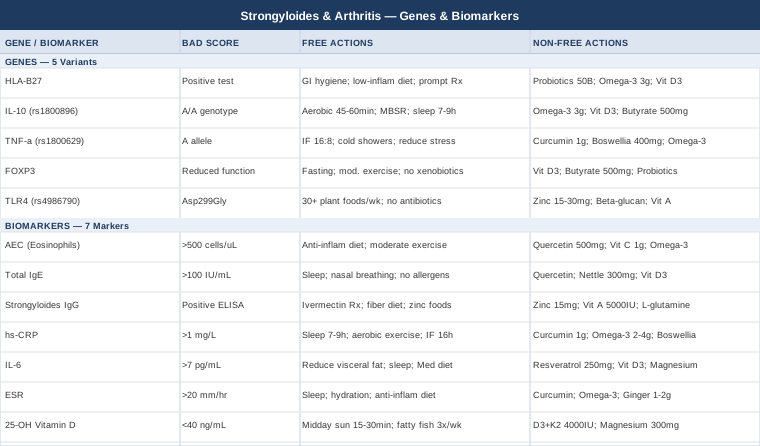
7 Biomarkers to Track When Strongyloides and Arthritis Intersect
Biomarker tracking is not about over-medicalization. It is about replacing guesswork with data. In the context of Strongyloides-related arthritis, a handful of lab values can collectively tell you whether active or persistent infection is likely, how severe the systemic inflammatory response is, and which nutritional deficiencies may be amplifying joint damage. The following seven biomarkers are the most diagnostically and therapeutically useful in this specific intersection. They span from parasite-specific markers to general inflammatory indices and immune modulators — each one contributing a different piece of the puzzle.
1. Absolute Eosinophil Count (AEC)
Why it matters: Eosinophils are white blood cells whose primary role is defense against parasites. In Strongyloides infection, eosinophil counts are elevated in the majority of immunocompetent patients — often persistently, even in chronic low-grade infections. When a patient presents with unexplained arthritis and an elevated eosinophil count, the combination should immediately raise the question of a helminth-driven mechanism. Chronic eosinophilia can itself contribute to tissue damage, including in synovial membranes, through release of toxic granule proteins like eosinophil cationic protein and major basic protein.
How to measure it
The AEC is part of a standard complete blood count (CBC) with differential. Cost: $20–$50 in most clinical settings, or available through direct-to-consumer labs. Normal range: 100–500 cells/μL. Mild elevation (500–1500) warrants investigation. Moderate elevation (1500–5000) in combination with joint symptoms makes Strongyloides (or another helminth) a priority diagnosis. Testing should be repeated after treatment to confirm resolution.
If the score is elevated: the plan without supplements
Eosinophilia driven by Strongyloides will not resolve without anti-parasitic treatment (typically ivermectin, prescribed by a physician following confirmed diagnosis). Non-pharmacological support includes an anti-inflammatory diet low in refined sugars and omega-6 rich seed oils, both of which are known to amplify eosinophilic responses. Removing common allergens (gluten, dairy) during investigation can also prevent confounding. Exercise at moderate intensity supports immune normalization, but high-intensity training can temporarily worsen eosinophilic inflammation.
If the score is elevated: the plan with supplements or equipment
Once the infection is being medically treated, supportive supplementation can help manage residual eosinophilic activity. Quercetin (500 mg twice daily with food) has demonstrated anti-eosinophilic properties through inhibition of eotaxin and IL-5 signaling in human cell studies. Cycling: 8 weeks on, 2 weeks off. Side effects: mild gastrointestinal upset, possible headache at doses above 1g. Vitamin C (1g daily) supports eosinophil regulation indirectly through antioxidant buffering of granule protein toxicity. Side effects: GI looseness above 2g. Omega-3 fatty acids (EPA + DHA, 2–3g daily) downregulate eotaxin and IL-5, the primary signals for eosinophil recruitment. Cycling: daily use is generally safe long-term; monitor blood thinning if on anticoagulants.
2. Total IgE
Why it matters: IgE is the immunoglobulin class most directly associated with helminth defense. In Strongyloides infection, total IgE is frequently elevated — sometimes markedly above 1000 IU/mL — reflecting a sustained Th2 immune response driven by the parasite. Chronically elevated IgE is not merely a diagnostic signal; it also skews the overall immune response toward Th2 dominance, which suppresses Th1 anti-tumor and antiviral immunity and can paradoxically allow the parasite to persist longer. In joint tissue, IgE-driven mast cell activation can contribute to synovial inflammation, particularly in patients who simultaneously have atopic conditions.
How to measure it
Total serum IgE is measured via a simple blood test, often included in allergy panels. Cost: $30–$80. Normal: below 100 IU/mL in adults. Values above 500 IU/mL in the absence of known severe atopy should prompt helminth workup. Some labs report in kU/L; values are numerically equivalent.
If the score is elevated: the plan without supplements
Addressing IgE elevation requires treating the underlying driver. While Strongyloides treatment is being managed medically, lifestyle interventions that shift the immune balance from Th2 toward Th1 are useful: regular moderate exercise, adequate sleep (7–9 hours per night), and elimination of chronic low-grade allergen exposures. Reducing dietary sugar and processed foods lowers mast cell reactivity. Nasal breathing rather than mouth breathing is a low-effort intervention that meaningfully reduces systemic allergic sensitization over time.
If the score is elevated: the plan with supplements or equipment
Quercetin at 500 mg twice daily (same as above) also inhibits IgE-mediated mast cell degranulation. Stinging nettle root extract (300–600 mg daily) has demonstrated IgE-reduction effects in small clinical trials. Cycling: 3 months on, 1 month off. Side effects: mild diuretic effect, possible GI upset. Vitamin D3 (2000–4000 IU daily with K2 100 mcg MK-7) suppresses Th2 skewing and IgE production via its role in dendritic cell regulation. Retest IgE at 3 and 6 months post-treatment to confirm trend.
3. Strongyloides-Specific IgG (ELISA Serology)
Why it matters: While eosinophil count and total IgE are sensitive but non-specific markers, Strongyloides-specific IgG measured by ELISA is the most practical confirmatory test outside of stool microscopy (which has poor sensitivity for chronic infection). A positive serology indicates current or very recent infection in immunocompetent individuals, since IgG titers decline following successful treatment. In arthritis patients with otherwise unexplained chronic inflammation and any epidemiological risk (travel to or birth in endemic regions), this test can be diagnostic.
How to measure it
Strongyloides serology (IgG ELISA) is available through most reference labs. Cost: $50–$150 depending on panel. Sensitivity is approximately 85–90%; specificity around 70–80% due to cross-reactivity with other helminths. A positive result in the clinical context of arthritis and eosinophilia should be treated as diagnostic pending stool confirmation. Titers typically fall to negative within 6–12 months of successful treatment with ivermectin, making serial serology useful for monitoring treatment response.
If the score is elevated: the plan without supplements
A positive serology requires medical treatment. Self-treatment is not appropriate. However, in parallel with prescribed anti-parasitic therapy, supporting intestinal barrier function can reduce ongoing larval translocation and immune stimulation: a whole-food diet high in prebiotic fiber, reduction of alcohol (which increases intestinal permeability), and ensuring adequate zinc intake through dietary sources (red meat, shellfish, legumes).
If the score is elevated: the plan with supplements or equipment
Zinc (15–30 mg elemental zinc daily, as glycinate or picolinate) supports both intestinal epithelial tight junctions and anti-parasitic Th1 immune responses. Cycling: use for 8–12 weeks, then reassess; long-term high-dose zinc depletes copper. Side effects: nausea on empty stomach; pair with copper 1–2 mg if using continuously. Vitamin A (5000 IU daily as retinol or mixed carotenoids) is critical for mucosal immunity in the gut and is frequently depleted in helminth-infected individuals. Side effects: avoid high-dose retinol in pregnancy. Post-treatment, L-glutamine (5g daily) supports intestinal lining repair. Cycling: 6–8 weeks typically sufficient for barrier repair phase.
4. High-Sensitivity CRP (hs-CRP)
Why it matters: C-reactive protein is the most widely used marker of systemic inflammation, but the standard CRP assay misses low-grade chronic inflammation. The high-sensitivity version (hs-CRP) detects values below 1 mg/L and provides granularity that matters both for cardiovascular risk and for tracking the resolution of arthritis-related inflammation. In the context of Strongyloides-driven arthritis, hs-CRP reflects the magnitude of systemic immune activation — and serves as a useful proxy for tracking whether treatment and lifestyle changes are actually reducing inflammatory burden. Peter Attia consistently recommends hs-CRP as a foundational panel item, noting that even modest chronic elevations (above 1 mg/L) significantly compound long-term disease risk.
How to measure it
Ordered as hs-CRP or high-sensitivity CRP. Cost: $20–$60. Optimal: below 1 mg/L. Low risk: 1–3 mg/L. High risk for ongoing inflammation: above 3 mg/L. Values above 10 mg/L suggest acute infection or significant flare. Ideally measured twice, 2 weeks apart, to rule out transient elevations from illness or intense exercise.
If the score is elevated: the plan without supplements
The most impactful non-supplemental CRP reducers are: sleep optimization (below 6 hours doubles CRP; consistent 7–9 hours reduces it significantly), visceral fat reduction through caloric deficit, elimination of ultra-processed foods, and regular moderate aerobic exercise (3–5 sessions per week at 60–70% max heart rate). Time-restricted eating (14–16 hour fasting window) has shown CRP reductions of 20–30% in controlled trials independently of caloric intake. Smoking cessation is the most potent single lifestyle CRP reducer in smokers.
If the score is elevated: the plan with supplements or equipment
Curcumin (phospholipid complex or nanoparticle form, 500–1000 mg twice daily with food; standard curcumin has poor bioavailability without formulation support) has the most consistent anti-CRP evidence of any supplement, with multiple randomized trials showing significant reductions in arthritis patients. Cycling: safe for continuous use at standard doses. Side effects: mild GI upset; avoid high doses with anticoagulants. Omega-3 EPA+DHA (2–4g daily) — see above. Boswellia serrata extract (400 mg three times daily, standardized to AKBA) has demonstrated CRP reduction specifically in inflammatory arthritis, with one well-cited randomized trial in knee osteoarthritis showing 50% pain reduction and CRP normalization over 8 weeks. Cycling: 12 weeks on, 4 weeks off to maintain sensitivity. Side effects: rare GI upset; generally well tolerated.
5. Interleukin-6 (IL-6)
Why it matters: IL-6 is the cytokine most directly associated with the acute phase response and with the joint damage pathway in inflammatory arthritis. It drives CRP production, promotes osteoclast activity (bone erosion), and is the target of pharmaceutical arthritis treatments like tocilizumab. In Strongyloides infection, IL-6 is elevated both as a direct response to larval tissue migration and as part of the immune complex-mediated joint inflammation. Tracking IL-6 provides a more mechanistic view of the inflammatory pathway than CRP alone, and can help distinguish active parasitic inflammation from other causes.
How to measure it
IL-6 is measured by serum immunoassay, available through most reference labs. Cost: $50–$150. Normal: typically below 7 pg/mL (lab-dependent). Elevated values in the setting of arthritis and possible helminth exposure are clinically significant even at modest levels (15–30 pg/mL). Some advanced testing panels (e.g., through labs like Cleveland HeartLab or Quest's advanced inflammation panels) include IL-6 alongside hs-CRP for a more complete inflammatory picture.
If the score is elevated: the plan without supplements
Visceral fat is the primary non-infectious driver of chronically elevated IL-6. Even moderate reductions in central adiposity — 5–10% of body weight in overweight individuals — produce significant IL-6 decreases. Regular aerobic exercise acutely elevates IL-6 (as a muscle-derived anti-inflammatory myokine) but reduces chronic baseline IL-6. Sleep optimization, stress reduction (cortisol drives IL-6 production), and a Mediterranean-style diet are the strongest lifestyle levers.
If the score is elevated: the plan with supplements or equipment
Resveratrol (250–500 mg daily, trans-resveratrol form for bioavailability) has shown IL-6 reduction in multiple human trials, including in patients with metabolic inflammation. Cycling: 3 months on, 1 month off recommended to avoid habituation. Side effects: possible interaction with blood thinners; mild GI effects. Vitamin D3 (as above) directly suppresses IL-6 transcription through nuclear VDR receptor signaling. Magnesium glycinate (300–400 mg daily) — magnesium deficiency (highly prevalent) amplifies IL-6 production and correcting it reduces inflammatory tone. Cycling: generally safe long-term. Side effects: loose stools at higher doses.
6. Erythrocyte Sedimentation Rate (ESR)
Why it matters: ESR is a non-specific but clinically useful marker of systemic inflammation, measuring how quickly red blood cells settle in a tube — a process accelerated by inflammatory proteins like fibrinogen. In arthritis management, ESR (alongside CRP) has been used for decades to track disease activity and treatment response. In Strongyloides-related arthritis, ESR elevation correlates with both the infectious burden and the secondary joint inflammation. Its value lies not in diagnosing the cause, but in providing a trend marker: as treatment and lifestyle interventions take effect, ESR should normalize. Thomas Dayspring and other leading preventive medicine clinicians advocate tracking ESR as part of complete inflammatory phenotyping.
How to measure it
ESR is one of the cheapest lab tests available. Cost: $10–$30. Normal: 0–15 mm/hr (men), 0–20 mm/hr (women), with slightly higher cutoffs in older adults. Serial measurement (every 4–8 weeks during active treatment) is more informative than a single value.
If the score is elevated: the plan without supplements
Because ESR responds to many of the same drivers as CRP, the same lifestyle levers apply: sleep, exercise, anti-inflammatory diet, stress management. Ensuring adequate hydration (dehydration artificially elevates ESR) is a simple confound to eliminate. Anemia also elevates ESR — addressing iron or B12 deficiency if present is an important parallel step.
If the score is elevated: the plan with supplements or equipment
Curcumin and Omega-3 (protocols as above) have both shown ESR reduction in arthritis trials. Adding Ginger extract (1–2g standardized extract daily) has shown synergistic anti-inflammatory effects alongside curcumin in rheumatoid arthritis, with ESR among the measured endpoints. Cycling: safe for continuous use at food-based doses. Side effects: rare GI sensitization; mild blood thinning effect.
7. 25-Hydroxyvitamin D
Why it matters: Vitamin D deficiency is not simply a bone health issue — it is a central immune system regulatory failure. The VDR (Vitamin D receptor) is expressed on virtually every immune cell, and Vitamin D's role in suppressing excessive inflammatory cytokine production (including IL-6, TNF-α, and IL-17) is now well-established. Critically for this topic, Vitamin D promotes FOXP3-expressing regulatory T cells, which are the primary immune brake on autoimmune and excessive post-infectious arthritis. Research consistently shows that helminth infections — including Strongyloides — are more common and more persistent in Vitamin D-deficient populations, and that deficiency significantly worsens the arthritis trajectory following parasitic exposure. Peter Attia recommends a target of 40–60 ng/mL as the functional optimum for immune health, well above the standard clinical cutoff of 20 ng/mL.
How to measure it
25-OH Vitamin D (calcidiol) blood test. Cost: $30–$80. Deficient: below 20 ng/mL. Insufficient: 20–29 ng/mL. Functional optimum for immune health: 40–60 ng/mL. Toxicity risk: above 150 ng/mL (practically rare with standard supplementation). Should be retested at 3 months after beginning supplementation to calibrate dose.
If the score is low: the plan without supplements
Direct midday sunlight exposure to arms and legs (without sunscreen) for 15–30 minutes daily produces 10,000–20,000 IU of Vitamin D in fair-skinned individuals. Dark-skinned individuals need 3–5x the exposure for equivalent synthesis. Fatty fish (salmon, sardines, mackerel) eaten 3–4 times weekly contributes meaningfully. Moving workouts outdoors during midday light has a dual benefit.
If the score is low: the plan with supplements or equipment
Vitamin D3 (cholecalciferol) paired with Vitamin K2 (MK-7 form, 100–200 mcg) — the K2 is essential to direct calcium appropriately and prevent arterial calcification at higher D3 doses. Starting dose for deficiency: 4000–6000 IU daily with a fat-containing meal; retest at 3 months and adjust. Maintenance once at target: 2000–4000 IU. Cycling: no cycling needed; monitor annually once stable. Side effects: hypercalcemia at very high chronic doses (above 10,000 IU without monitoring); K2 co-supplementation largely prevents this. Magnesium (glycinate, 300–400 mg daily) is a required cofactor for Vitamin D conversion — deficient magnesium blocks conversion to the active form regardless of supplementation dose. This is the most commonly overlooked reason for treatment failure.
5 Genes That May Be Shaping Your Response
Genetics does not determine outcome in Strongyloides-related arthritis — but it substantially shifts the odds. Two individuals can have identical infections, similar living conditions, and comparable treatment compliance, yet one develops significant reactive arthritis while the other has mild, transient joint symptoms. The following five genes help explain that variance. For each, the current scientific understanding is presented honestly: some have strong human evidence, others are based on earlier or mixed data, and that distinction matters for how seriously to weight each finding.
HLA-B27
What it affects: The human leukocyte antigen HLA-B27 is the most clinically established genetic risk factor for reactive arthritis — the inflammatory joint disease that classically follows infections including Salmonella, Chlamydia, and, less frequently discussed, parasitic infections including Strongyloides. HLA-B27 is present in roughly 8% of Western populations and 60–80% of reactive arthritis patients, a prevalence differential that is striking. The mechanism involves abnormal antigen presentation — the HLA-B27 protein presents parasitic peptides to cytotoxic T cells in a way that triggers cross-reactive autoimmunity against joint tissue. In Strongyloides specifically, early human case reports and small series have documented HLA-B27-positive patients developing seronegative polyarthritis following helminth exposure.
If the gene is positive: the plan without supplements
HLA-B27 cannot be modified, but its impact can be mitigated through reducing triggers. The most important: minimize gastrointestinal infection exposure (the trigger for reactive arthritis is often a gut dysbiosis event), maintain strict hygiene in endemic areas, and treat any confirmed parasitic or bacterial GI infection promptly without delay. A low-inflammation diet — Mediterranean-style, with minimal processed foods, adequate fiber, and daily fatty fish — reduces systemic immune activation at baseline. Avoid high-impact physical stress on joints during any active infection, as it can accelerate the reactive process.
If the gene is positive: the plan with supplements or equipment
Probiotics (multi-strain formulations including Lactobacillus rhamnosus GG and Bifidobacterium longum, 20–50 billion CFU daily) have shown benefit in reducing gut permeability and systemic immune activation in HLA-B27 transgenic models. Cycling: 3 months on, 1 month off. Side effects: initial bloating; rare SIBO exacerbation in predisposed individuals. Omega-3 EPA+DHA (3–4g daily) is particularly relevant here, as HLA-B27-positive individuals with arthritis showed significant improvement in clinical trials when supplemented. Vitamin D3 as above — HLA-B27-positive individuals have lower Vitamin D levels on average, and correction appears to reduce disease flare frequency.
IL-10 (rs1800896)
What it affects: Interleukin-10 is the immune system's primary anti-inflammatory cytokine. The rs1800896 SNP in the IL-10 promoter region determines whether an individual is a high, intermediate, or low producer of IL-10. Low producers (A/A genotype) have reduced capacity to dampen inflammatory cascades after pathogen clearance — meaning even after successful Strongyloides treatment, joint inflammation may persist longer than in high producers. Human studies in helminth-endemic populations have associated IL-10 low-producer genotypes with greater susceptibility to both persistent infection and post-infectious immune pathology. Evidence is moderate, primarily from observational studies; randomized gene-stratified trials are limited.
If the gene is unfavorable: the plan without supplements
Regular moderate-intensity aerobic exercise is one of the few lifestyle interventions with documented effects on IL-10 production — studies consistently show post-exercise IL-10 elevation, particularly from longer aerobic sessions (45–60 minutes at 60–70% max heart rate). Mindfulness-based practices (MBSR, daily meditation 20 minutes) have shown IL-10 elevation in human randomized trials. Sleep optimization is critical: sleep deprivation dramatically suppresses IL-10 production.
If the gene is unfavorable: the plan with supplements or equipment
Omega-3 fatty acids (3–4g EPA+DHA daily) have consistently elevated IL-10 in human intervention studies. Vitamin D3 supplementation to optimal serum levels (40–60 ng/mL) directly upregulates IL-10 gene expression through VDR binding. Butyrate (500–1000 mg sodium or calcium butyrate, or equivalent from high-fiber diet/resistant starch) supports colon-derived IL-10 production and has shown benefit in inflammatory bowel conditions with similar immune profiles. Cycling: butyrate supplements best used for 8–12 week courses during high inflammatory periods; dietary butyrate (cooked and cooled potatoes, green banana) can be maintained continuously. Side effects: mild GI adjustment in the first 1–2 weeks.
TNF-α (rs1800629)
What it affects: The rs1800629 polymorphism in the TNF-α gene promoter region produces high TNF-alpha expressors (A allele carriers). Tumor necrosis factor-alpha is the primary cytokine driving joint destruction in rheumatoid-pattern and reactive arthritis, and the target of the most powerful pharmaceutical arthritis treatments (biologics). Individuals with the A allele produce significantly more TNF-α in response to infectious stimuli, which may explain why some Strongyloides-exposed patients develop aggressive joint inflammation while others do not. Human evidence for this variant is moderately strong in general inflammatory arthritis; its specific role in helminth-triggered arthritis is inferred from broader mechanisms but not yet confirmed in dedicated trials.
If the gene is unfavorable: the plan without supplements
Intermittent fasting (16:8 or 5:2 protocols) has shown TNF-α reductions of 15–30% in human studies. Cold exposure (cold shower: 2–3 minutes of cold at the end of a warm shower, 5 days per week) activates catecholamine release which transiently suppresses TNF-α and appears to reduce chronic baseline levels with consistent practice. Stress reduction is critical: psychological stress is a potent TNF-α inducer via hypothalamic-pituitary-adrenal axis activation.
If the gene is unfavorable: the plan with supplements or equipment
Curcumin (bioavailable form, 500–1000 mg twice daily) is the best-studied natural TNF-α inhibitor, with multiple randomized trials in arthritis patients showing reductions comparable to early pharmaceutical doses. Boswellia serrata (400 mg AKBA-standardized, three times daily) specifically inhibits the 5-LOX pathway that amplifies TNF-α-driven joint inflammation. Cycling: 12 weeks on, 4 weeks off. Side effects: generally well tolerated; mild GI effects possible. Omega-3 EPA+DHA (3–4g daily) has direct TNF-α suppression effects established in human trials on rheumatoid arthritis, one of the most replicated findings in nutritional immunology.
FOXP3
What it affects: FOXP3 is the master transcription factor for regulatory T cells (Tregs) — the immune cells that put the brakes on excessive inflammation and prevent autoimmune escalation. Variants that reduce FOXP3 expression or function impair the body's ability to downregulate the inflammatory response after an infectious trigger like Strongyloides. Individuals with reduced FOXP3 activity may have a heightened tendency for infections to tip into autoimmune or persistent inflammatory arthritis. Critically, Strongyloides itself manipulates host Treg responses as a survival strategy — it induces Tregs to avoid immune clearance. In individuals with already-impaired FOXP3 function, this manipulation may leave them with a chaotically dysregulated immune state: neither clearing the parasite efficiently nor controlling the inflammatory response to it. Evidence is early-stage for specific FOXP3 SNPs but the broader Treg biology is well-established.
If the gene is unfavorable: the plan without supplements
Intermittent fasting has the strongest lifestyle evidence for Treg expansion — caloric restriction and fasting protocols consistently increase FOXP3+ Treg populations in human and animal studies. Regular moderate exercise (not excessive; overtraining suppresses Tregs) maintains Treg levels. Reducing xenobiotics (pesticide exposure, food additives, plastics in food containers) that impair Treg function through epigenetic mechanisms is increasingly supported in immunological literature.
If the gene is unfavorable: the plan with supplements or equipment
Vitamin D3 is the single most powerful nutritional promoter of FOXP3 expression — VDR signaling directly increases Treg differentiation. This makes achieving optimal Vitamin D levels especially critical for individuals with FOXP3 vulnerability. Short-chain fatty acid supplementation via butyrate (500–1000 mg daily or equivalent from dietary sources) is among the most established nutritional Treg inducers via HDAC inhibition. Probiotics (particularly Bifidobacterium strains) support colonic Treg induction. Cycling: all as noted in previous sections. Side effects: no significant concerns at standard doses.
TLR4 (rs4986790 / Asp299Gly)
What it affects: Toll-like receptor 4 is part of the innate immune pattern-recognition system. The rs4986790 variant (Asp299Gly) impairs TLR4 signaling in response to microbial and parasitic signals, meaning individuals with this variant mount a weaker initial innate immune response to Strongyloides — potentially allowing the parasite to establish more readily and persist longer before adaptive immunity catches up. Paradoxically, impaired early innate responses can lead to more dysregulated adaptive immune responses downstream, contributing to the arthritic component. This variant has been associated with increased susceptibility to several infectious diseases in human studies. Evidence specifically for Strongyloides-related arthritis is inferential, but the mechanistic logic is sound.
If the gene is unfavorable: the plan without supplements
Gut microbiome health is the most impactful non-supplemental lever for TLR4 function — a diverse, intact microbiome provides appropriate calibrating signals through TLR4 and other pattern receptors. High-fiber, diverse plant-food diet (30+ different plant foods per week) consistently improves microbiome diversity and TLR4 signaling calibration in human studies. Avoiding unnecessary antibiotics preserves microbiome integrity.
If the gene is unfavorable: the plan with supplements or equipment
Zinc (15–30 mg daily) is critical for TLR4 downstream signaling; zinc deficiency impairs TLR4 response even when the receptor itself is functional. Beta-glucan (500–1000 mg from oat or yeast sources) trains innate immunity through interactions with TLR4 and Dectin-1, a process called innate immune memory or trained immunity. Cycling: 12 weeks on, 4 weeks off to maintain responsiveness. Side effects: generally well tolerated; possible initial immune activation (mild transient fatigue in first week). Vitamin A (as mixed carotenoids, 5000 IU daily) supports TLR4 surface expression and mucosal immune barrier integrity. Side effects: avoid high-dose preformed retinol in pregnancy.
These biomarker and genetic strategies offer a foundation for more informed conversations with your clinician. The next section shifts to something broader — a well-known podcast that synthesizes much of this immune science into actionable daily practices.
The Huberman Lab Podcast on Immune Health: 10 Ideas Worth Your Attention
The Huberman Lab podcast episode titled "How the Immune System Works and How to Optimize It" (Episode 29, 2021) distills a substantial body of peer-reviewed research into practical immune optimization strategies. For someone navigating the intersection of parasitic infection and arthritis, many of the episode's core ideas are directly applicable. Below are the ten most impactful ideas from that episode and from Andrew Huberman's broader immune system content.
1. Sleep Is the Master Immune Regulator
Consistent 7–9 hours of sleep per night is not a performance luxury — it is when immune memory consolidation, cytokine recalibration, and T cell restoration occur. Sleep deprivation below 6 hours doubles circulating inflammatory markers within days.
2. Brief Cold Exposure Activates Catecholamines That Modulate Immunity
End-of-shower cold exposure (1–3 minutes) triggers adrenaline and noradrenaline release, which transiently suppress excessive innate immune activation. With regular practice, this appears to reduce baseline inflammatory tone. The key is briefness — prolonged cold immersion has different and more complex immune effects.
3. Nasal Breathing Has Direct Mucosal Immune Benefits
The nasal passages filter pathogens through mucociliary clearance and produce nitric oxide (a potent antimicrobial). Habitual mouth breathing bypasses this first-line defense. For someone with compromised gut immunity due to helminth exposure, protecting upper respiratory immunity matters more than usual.
4. Vitamin D3 Functions as an Immune Hormone, Not Just a Vitamin
Huberman emphasizes that Vitamin D regulates over 200 immune-relevant genes through nuclear receptor signaling. Deficiency is not merely suboptimal — it represents a fundamental impairment in immune regulatory capacity. Target range should be 40–60 ng/mL based on immunological function research, not the standard 20 ng/mL clinical cutoff.
5. The Gut Houses 70% of the Immune System
Gut-associated lymphoid tissue (GALT) is the largest immune organ in the body. Intestinal dysbiosis — consistently found in Strongyloides-infected individuals — directly impairs systemic immune regulation, worsening both parasite clearance and inflammatory resolution. Healing the gut is not optional in this context.
6. Chronic Stress Suppresses Adaptive Immunity While Amplifying Innate Inflammation
Cortisol at chronically elevated levels suppresses the CD4+ T cell response needed for parasite clearance and shifts immune activation toward the innate pro-inflammatory pattern that drives joint damage. Stress management is not peripheral to immune health — it is central to it.
7. Sunlight Has Immunomodulatory Effects Beyond Vitamin D
UV exposure has direct effects on skin immune cells (dermal dendritic cells) and systemic regulatory pathways, independent of Vitamin D synthesis. Morning light exposure also anchors the circadian rhythm, which regulates the timing of immune cell activity throughout the day.
8. Exercise Has a Hormetic Immune-Stimulating Effect
Moderate exercise (30–60 minutes, 4–5 days per week) increases NK cell activity, improves lymphocyte trafficking, and reduces chronic baseline inflammation. High-intensity training without adequate recovery does the opposite — transiently immunosuppressing the system. The distinction matters when managing active or recent infection.
9. Social Connection and Psychological Safety Are Measurable Immune Inputs
Loneliness chronically elevates IL-6 and CRP through neural pathways. Positive social engagement has measurable anti-inflammatory effects. This is not soft science — it has been demonstrated in multiple human longitudinal studies.
10. Circadian Rhythm Synchronization Maximizes Immune Cell Efficacy
Many immune functions — including neutrophil trafficking, NK cell activity, and antibody production — peak at specific times of day governed by circadian clocks. Irregular sleep timing, shift work, and late-night eating all desynchronize circadian immune function and reduce the body's capacity to respond appropriately to both infection and post-infectious inflammation.
Complementary Approaches with Meaningful Evidence
Conventional treatment for Strongyloides-related arthritis typically combines anti-parasitic medication with NSAIDs or DMARDs. The following five approaches have meaningful human clinical evidence for reducing the joint burden and systemic inflammation associated with this condition, and can be used alongside medical care with low risk.
Mindfulness-Based Stress Reduction (MBSR)
MBSR is an 8-week structured program combining sitting meditation, body scan, and mindful movement, developed by Jon Kabat-Zinn at the University of Massachusetts. Its relevance to Strongyloides-related arthritis lies in two pathways: stress reduction (cortisol-mediated amplification of joint inflammation) and direct immune modulation. Studies in rheumatoid arthritis have shown that MBSR reduces perceived pain, stiffness, and psychological distress. A key mechanism is increasing IL-10 and reducing TNF-α through modulation of the hypothalamic-pituitary-adrenal axis.
A meta-analysis published in Psychoneuroendocrinology (2016) confirmed that mindfulness-based interventions significantly reduce IL-6 and CRP in adults with chronic inflammatory conditions. The effect was most pronounced in participants who meditated daily for at least 20 minutes over 8 weeks.
To begin practically: use guided MBSR apps (Insight Timer, 10% Happier) for 20 minutes daily, 6 days per week. The body scan practice is particularly useful for people with joint pain, as it trains non-reactive attention to physical sensation without amplifying the stress response. Formal MBSR programs are available online and in clinical settings; even informal daily sitting practice produces measurable results within 4–8 weeks.
Tai Chi
Tai Chi is a Chinese martial art practiced as a slow, flowing movement sequence that combines weight shifting, joint mobilization, and breath coordination. For arthritis patients, it is particularly valuable because it provides gentle joint loading without the impact stress of conventional exercise, maintaining synovial fluid circulation and range of motion while reducing pain hypersensitivity through repetitive low-threat movement. In Strongyloides-related arthritis — where the inflammatory mechanism involves immune dysregulation rather than purely mechanical joint damage — Tai Chi's demonstrated anti-inflammatory effects make it doubly relevant.
A 2016 randomized controlled trial published in the Annals of Internal Medicine found that 12 weeks of twice-weekly Tai Chi was as effective as physical therapy for knee osteoarthritis on pain and functional outcomes. A separate systematic review of Tai Chi in rheumatoid arthritis found significant improvements in pain, tender joints, and patient-reported quality of life.
A practical starting protocol: 2–3 sessions per week of 30–45 minutes, either in a community class or following a structured video program (Yang-style 24-form is the most studied and widely taught). Avoid competitive intensity and focus on smooth, deliberate movement. Most people with moderate arthritis can begin at any level, as Tai Chi can be adapted for reduced range of motion.
Microbiome-Directed Therapies
Strongyloides persistently disrupts the gut microbiome — studies show reduced Bifidobacterium and Lactobacillus populations, increased intestinal permeability, and dysbiotic bacterial overgrowth in chronically infected individuals. This gut dysbiosis is not a bystander finding; it amplifies systemic immune dysregulation, increases joint inflammation through leaky gut-driven antigen translocation, and impairs the regulatory T cell populations needed to resolve post-infectious arthritis. Microbiome-directed therapies — including high-fiber diet, fermented foods, prebiotics, and targeted probiotics — are among the most relevant complementary approaches for this specific condition.
A randomized trial published by Stanford researchers in Cell (2021) demonstrated that a high-fermented food diet (yogurt, kefir, kimchi, kombucha) significantly increased microbiome diversity and measurably reduced 19 inflammatory proteins including IL-6, compared to a high-fiber diet alone. This suggests fermented foods are a priority microbiome intervention for inflammatory conditions.
For practical implementation: aim for 2–4 servings of diverse fermented foods daily (different types, not just one source), gradually increase prebiotic fiber (garlic, onions, leeks, oats, cooked and cooled potatoes), and consider a clinical-grade multi-strain probiotic for 3 months post-Strongyloides treatment to actively restore microbiome composition. Stool microbiome testing (available through labs like Viome or Genova) can personalize this approach but is not required to begin.
The Autoimmune Protocol (AIP)
The Autoimmune Protocol, developed and documented by Dr. Sarah Ballantyne (author of The Paleo Approach), is a structured elimination diet designed specifically for autoimmune and post-infectious inflammatory conditions. It removes dietary triggers of intestinal permeability and immune activation (grains, legumes, nightshades, dairy, eggs, nuts, seeds, alcohol) for 4–8 weeks, then systematically reintroduces foods to identify personal triggers. The relevance to Strongyloides-related arthritis is high: the post-infectious joint inflammation in this context has autoimmune-like characteristics (molecular mimicry, immune complex deposition), and the gut barrier impairment caused by helminth infection creates exactly the type of translocation-driven immune activation that AIP is designed to address.
The AIP has been studied in inflammatory bowel disease (a condition with gut-immune overlap similarities to helminth-related arthritis). A pilot study published in Inflammatory Bowel Diseases (2017) found that 73% of IBD patients achieved clinical remission after 6 weeks on the AIP, with significant reductions in hs-CRP and fecal calprotectin. Evidence specific to post-infectious arthritis is limited, but the mechanistic overlap is substantial. Ballantyne's approach is explicitly not a permanent diet — it is a diagnostic and therapeutic reset.
To apply it cautiously: begin with the 4-week elimination phase only after medical treatment for Strongyloides is underway (nutritional interventions are not a substitute for anti-parasitic therapy). Work with a dietitian familiar with AIP to prevent nutrient deficiencies during the elimination phase. The reintroduction phase is as important as elimination — it identifies specific triggers rather than imposing blanket permanent restriction.
Low-Level Laser Therapy (LLLT) / Photobiomodulation
Low-level laser therapy uses specific wavelengths of red and near-infrared light (typically 630–850 nm) to stimulate mitochondrial function in tissues, reduce local inflammatory mediators, and accelerate tissue repair. In joint applications, it reduces synovial inflammation, decreases IL-1β and TNF-α in the joint environment, and provides analgesic effects through effects on nociceptor sensitization. For arthritis patients dealing with persistent joint inflammation driven by immune dysregulation — as in post-Strongyloides reactive arthritis — LLLT offers a non-pharmacological way to reduce local joint inflammatory burden while systemic treatment proceeds.
A systematic review and meta-analysis published in Lancet (2009) found that LLLT reduced pain significantly in rheumatoid arthritis patients versus sham, with the benefit lasting up to 3 months post-treatment. The Cochrane review on LLLT for osteoarthritis confirmed clinically meaningful pain reductions. Evidence is moderate but consistent; the main limitation is variability in device parameters across studies.
Practically: clinical LLLT is available at physiotherapy and sports medicine centers. At-home devices using 850 nm near-infrared panels (Joovv, PlatinumLED, and similar) allow daily self-treatment at affected joints — 10–20 minutes per joint area, 5–6 days per week. Joint contraindications: avoid in areas with active infection or malignancy. Expected onset of benefit: 3–6 weeks of consistent use. This is an adjunct, not a replacement for treating the underlying infectious and immune dysregulation.
Conclusion
Strongyloides-related arthritis sits in an unusual diagnostic and therapeutic gap — not quite infectious medicine, not quite rheumatology, and rarely considered in the workup of unexplained chronic joint inflammation. The good news is that the biological pathway is increasingly understood: a persistent parasite triggers immune dysregulation, specific genetic variants amplify the response, and identifiable biomarkers can track both the infection burden and the resulting inflammation. That makes this a tractable problem for people willing to investigate rather than simply manage.
The most useful next step depends on where you are in the process. If Strongyloides has never been considered in your workup and you have any history of tropical exposure, begin with serology and a CBC with differential — two tests that together are inexpensive and highly informative. If treatment is already underway, shift attention to the inflammatory biomarkers (hs-CRP, IL-6, Vitamin D, ESR) and implement the lifestyle foundations — sleep, moderate exercise, gut-directed nutrition, and stress management — that give those biomarkers their best chance to normalize. If you have done the genetic testing, use those results not as a verdict but as a decision-making tool that helps you prioritize which supplements and practices are most relevant for your specific immune profile.
Above all, work with a physician who can integrate these perspectives — infectious disease, rheumatology, and functional medicine ideally in combination. The biomarker framework and genetic insights in this article are tools for better conversations, more targeted questions, and a more informed path forward.
Infectious Digestive Autoimmune
Musculoskeletal: Joint Conditions
Autoimmune: Inflammatory Conditions
Infectious: Parasitic Infections