This article contains AI generated content.
· UpdatedSubacute Bacterial Endocarditis — 6 Genes And 7 Biomarkers To Track
Introduction
Subacute bacterial endocarditis sits in an uncomfortable middle ground in medicine — serious enough to require weeks of intravenous antibiotics and close cardiac monitoring, yet frequently missed for months because its early presentation mirrors fatigue, low-grade fever, or an unresolved viral illness. If you have been through it, or are working to prevent a recurrence after a valve repair, a dental procedure, or a prior hospitalization, you already know that standard advice about antibiotic prophylaxis and echocardiograms goes only so far. The infection leaves marks — on the heart valves, on the immune system, and sometimes on long-term cardiovascular function — that deserve more individualized follow-up than most discharge summaries provide.
What medicine generally offers is a six-week antibiotic course, a follow-up echocardiogram, and instructions to tell your dentist. What it rarely provides is a map of why you were vulnerable in the first place, how your immune genetics shaped the severity of your response, or which biological signals to watch in the months and years that follow. Two people with the same pathogen and the same affected valve can have dramatically different outcomes, and a meaningful portion of that difference is written in their innate immune biology.
This article takes a more practical approach. It explores the genetic variants that shape how the innate immune system detects and responds to the bacteria behind most SBE cases, and the biomarkers that can give you and your cardiologist early, actionable signals about inflammation, cardiac stress, and immune activity. Neither route replaces conventional treatment or cardiology follow-up, but both are genuinely useful tools that narrow the gap between generic protocol and personalized care.
The goal is better information leading to smarter decisions — not miracle solutions, but concrete handles on a condition that medicine often treats as finished when the antibiotics are done. The biomarker section covers seven specific measurements worth tracking across the active infection, treatment, and recovery phases, with clear guidance on what each reveals and what to do when the numbers are off. The genetics section explores six immune-relevant variants and what they mean for susceptibility and long-term resilience. Further on, the framework from Peter Attia's Outlive is applied specifically to post-SBE cardiovascular health, and three complementary approaches with meaningful human evidence round out the picture.
Summary
This article covers 7 key biomarkers — including hs-CRP, procalcitonin, cardiac troponin, NT-proBNP, complement C3/C4, ESR, and the neutrophil-to-lymphocyte ratio — that provide concrete, trackable signals during and after subacute bacterial endocarditis. For each biomarker, you will find its optimal range, what an abnormal result actually means in this context, measurement cost, and specific action plans both with and without supplements, including dosing, cycling, and side effects.
The genetics section examines 6 immune genes — TLR2, TLR4, MBL2, IL6, FCGR2A, and NOD2 — that shape how the innate immune system recognizes the bacteria behind most SBE cases. Understanding your variants explains why your CRP and ESR behave as they do, and which immune pathways to support most urgently. The article also summarizes the ten most impactful ideas from Peter Attia's Outlive as they apply to post-SBE cardiovascular management, and covers three complementary approaches — microbiome restoration, mindfulness-based stress reduction, and breathing-based cardiac autonomic therapy — with genuine human clinical evidence behind each.
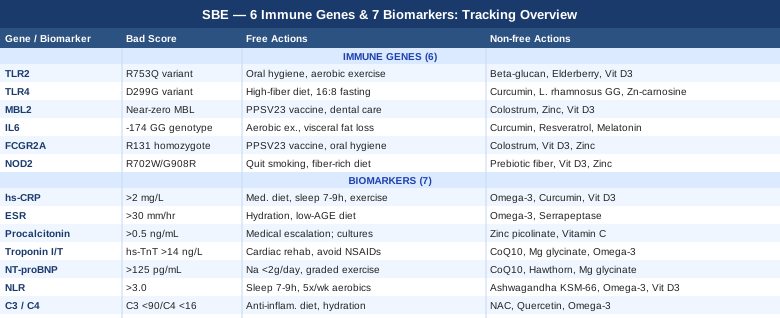
7 Biomarkers Worth Tracking in Subacute Bacterial Endocarditis
Biomarker tracking in SBE serves two purposes that are often conflated. The first is active disease monitoring — using markers like procalcitonin and troponin to determine whether the infection is responding to treatment and whether the heart is sustaining ongoing damage. The second is long-term surveillance — using markers like hs-CRP, NT-proBNP, and complement proteins to detect residual inflammation, valvular stress, and immune dysfunction months or years after the acute episode. Both phases matter, and different biomarkers serve each phase best. What follows covers all seven in the order of clinical urgency, beginning with the most universally useful.
1. High-Sensitivity C-Reactive Protein (hs-CRP)
Why it matters: hs-CRP is the most widely used marker of systemic inflammation and the one most directly tied to ongoing immune activation. In the SBE context, elevated hs-CRP during the acute phase confirms active infection-driven inflammation; persistently elevated hs-CRP after treatment completion is a red flag for residual vegetation activity, re-infection, or immune complex-mediated valve damage. Thomas Dayspring and Peter Attia have both emphasized hs-CRP as one of the essential cardiovascular inflammation markers — it independently predicts adverse cardiac events beyond traditional risk factors, making it doubly relevant in a population already carrying valve pathology.
What it reveals: hs-CRP reflects the intensity of the acute-phase response driven primarily by interleukin-6. Values above 10 mg/L during active SBE are common and expected. The meaningful signal comes from the trajectory: values that fail to normalize below 2 mg/L within 6–8 weeks of completing treatment may indicate incomplete eradication, early relapse, or ongoing immune complex-mediated valve inflammation — all scenarios requiring cardiological reassessment before they become structural emergencies.
How to measure it: Standard blood draw; always order high-sensitivity CRP specifically — standard CRP lacks precision below 5 mg/L. Cost: $10–30 at most reference labs, covered under most insurance when ordered for cardiovascular risk or infection monitoring. Optimal post-treatment target: below 1.0 mg/L.
If the score is bad, the plan without supplements: Address the root driver before lifestyle interventions. Confirm treatment completion with your cardiologist and schedule a repeat echocardiogram if hs-CRP remains above 3 mg/L at 8 weeks post-treatment. The lifestyle foundation for CRP reduction is well-established: Mediterranean diet consistently reduces hs-CRP by 20–30% in clinical trials; structured moderate aerobic exercise (150 minutes per week) reduces baseline CRP over 8–12 weeks; sleep optimization to 7–9 hours per night matters profoundly — sleep under 6 hours elevates CRP by 40–60% in controlled studies; smoking cessation removes one of the single biggest inflammatory drivers; and rigorous oral hygiene reduces the oral streptococcal burden that originally seeded SBE in most patients.
If the score is bad, the plan with supplements or equipment: — Omega-3 fatty acids (fish oil or algae-based EPA+DHA): 2–4g per day. Well-established anti-inflammatory effect with meta-analyses showing 10–25% hs-CRP reductions from elevated baselines. Frequency: daily, continuous. Re-test hs-CRP at 12 weeks. Side effects: fishy aftertaste, mild GI upset, theoretical bleeding-time prolongation above 4g per day — discuss with your cardiologist if you are on anticoagulants, which is common in the post-SBE setting. — Curcumin with piperine: 500–1000mg curcumin combined with 5–10mg piperine (black pepper extract for absorption). Multiple RCTs confirm CRP and IL-6 reductions. Cycle: continuous at 500mg or 3-month cycles at 1000mg. Side effects: mild GI upset at higher doses; potential pharmacokinetic interaction with warfarin and direct anticoagulants — timing matters. — Vitamin D3 (if 25-OH vitamin D is below 40 ng/mL): 2000–5000 IU daily. Vitamin D insufficiency is strongly associated with elevated CRP and impaired immune regulation; repletion consistently lowers baseline inflammation. Re-test 25-OH vitamin D at 3 months to adjust dose.
2. Erythrocyte Sedimentation Rate (ESR)
Why it matters: ESR has been used in infective endocarditis monitoring for decades and remains embedded in the modified Duke criteria workup. While less specific than hs-CRP, it provides a complementary picture of immune complex activity, fibrinogen elevation, and chronic inflammation. In SBE, elevated ESR can persist even after CRP normalizes — this discordance is clinically informative because it signals that fibrinogen elevation and immune complex activity are continuing even as the acute-phase response subsides.
What it reveals: During active SBE, ESR commonly exceeds 50–100 mm/hr. Normal normalization takes 4–12 weeks depending on pathogen and treatment adequacy. Persistently elevated ESR above 30 mm/hr at 3 months post-treatment is a signal worth acting on — it may reflect ongoing immune complex deposition on valve tissue, particularly in cases caused by Streptococcus viridans where immune-mediated mechanisms are prominent, or an undetected relapse.
How to measure it: Westergren method blood test, routinely ordered at most labs. Cost: $10–25. Normal: below 20 mm/hr in men under 50, below 30 mm/hr in women under 50 (age adjustment applies). Trends over serial measurements are more useful than single values.
If the score is bad, the plan without supplements: ESR is not independently modifiable in isolation — the priority is identifying the driver. Rule out relapse with repeat blood cultures if ESR remains elevated at 6–8 weeks. Increase hydration (adequate fluid intake directly reduces blood viscosity and can lower ESR by 5–10 mm/hr), reduce dietary advanced glycation end-products (well-done meat, processed foods) which drive fibrinogen elevation, and address any concurrent autoimmune activation that your cardiologist may suspect based on the clinical picture.
If the score is bad, the plan with supplements or equipment: — Serrapeptase (a proteolytic enzyme): 10–30mg on an empty stomach. Some functional medicine practitioners use it for supporting fibrinogen reduction and tissue recovery post-infection. Human evidence is limited and largely from small trials; use cautiously and not alongside anticoagulants. Cycle: 4–6 weeks maximum; reassess before continuing. — The omega-3 and vitamin D protocols from the CRP section apply here equally, as they address the underlying inflammatory milieu driving fibrinogen elevation.
3. Procalcitonin (PCT)
Why it matters: Procalcitonin is the most specific widely-available biomarker for bacterial infection. It is particularly valuable in SBE for two distinct reasons: differentiating bacterial from viral causes of fever during diagnosis, and monitoring antibiotic treatment response in real time. PCT rises sharply with bacterial infection and falls predictably when the infection is being controlled — making it a superior guide to antibiotic efficacy compared to CRP or ESR alone. Multiple published studies have confirmed PCT's utility in endocarditis monitoring and in identifying early treatment failure before clinical deterioration.
What it reveals: PCT below 0.1 ng/mL is normal. Values above 0.5 ng/mL suggest bacterial infection; above 2 ng/mL indicates significant bacteremia. In active SBE treatment, failure to see PCT declining by 30–50% within 72–96 hours of appropriate antibiotics is a warning signal that calls for repeat blood cultures, echocardiographic reassessment, and consideration of antibiotic spectrum adjustment.
How to measure it: Blood draw; order specifically as "procalcitonin." Cost: $30–60 at reference labs, available in most hospital-system labs. Serial testing provides the most actionable information: baseline at presentation, day 3–4, and week 2 of treatment give a trend picture that single values cannot.
If the score is bad, the plan without supplements: Elevated PCT in the context of SBE is a clinical action trigger, not a lifestyle intervention target. If PCT is not declining on treatment, escalate to your infectious disease specialist immediately. Post-treatment, if PCT remains above 0.25 ng/mL at 4 weeks, investigate for persistent bacteremia, undrained embolic abscess, or a focus of infection outside the heart.
If the score is bad, the plan with supplements or equipment: PCT normalization is primarily a medical management goal. Once in recovery, immune-supporting nutrients help maintain barrier defense and reduce risk of recurrent bacteremia: — Zinc picolinate: 15–30mg per day during the acute infection and for 2–4 weeks after. Zinc is essential for neutrophil function and pathogen clearance; deficiency is common in hospitalized patients post-antibiotics. Cycle: acute phase only; re-test serum zinc if supplementing beyond 4 weeks as high doses deplete copper. Take with food to reduce nausea. — Vitamin C: 500–1000mg twice daily during the acute infectious and early recovery phase. Supports neutrophil function and oxidative burst activity. Cycle: 4–6 weeks post-acute; taper rather than abrupt stop. Side effects: loose stools above 2g per day; well tolerated at 1g per day in most adults.
4. Cardiac Troponin I or T
Why it matters: Cardiac troponins are released when myocardial cells sustain damage. In SBE, troponin elevation occurs in up to 25–30% of cases and signals direct myocardial invasion by the infection, embolic coronary occlusion, or immune complex-mediated myocarditis. Elevated troponin during SBE treatment is independently associated with worse clinical outcomes, including higher in-hospital mortality and the need for emergency cardiac surgery. It is arguably the most consequential biomarker in the acute phase and one of the most underused in standard outpatient follow-up.
What it reveals: High-sensitivity troponin T (hs-TnT) below 14 ng/L is generally considered normal in most assays. Any elevation during SBE treatment should prompt immediate cardiac evaluation. Persistently elevated troponin after antibiotic completion suggests ongoing myocardial stress — often from residual valvular dysfunction, hemodynamic compromise, or a persistent embolic focus.
How to measure it: Blood draw; high-sensitivity assay (hs-TnT or hs-TnI) preferred over conventional assay for detection at lower values. Cost: $30–60. Should be measured at SBE presentation, at any clinical deterioration during treatment, and at treatment completion. Not always ordered at baseline by general internists — request it specifically.
If the score is bad, the plan without supplements: Elevated troponin in the context of SBE requires immediate cardiological communication — do not address this biomarker with lifestyle measures alone. After acute management, the focus shifts to structured cardiac rehabilitation: graded exercise beginning at very low intensity 6–8 weeks post-treatment (starting with 15–20 minute walks at conversational pace, increasing gradually), strict sodium restriction if valve dysfunction persists, avoidance of NSAIDs which impair myocardial healing, and repeat echocardiogram at 3 months with troponin re-measurement.
If the score is bad, the plan with supplements or equipment: — Coenzyme Q10 (CoQ10): 100–300mg per day with a fat-containing meal. Supports mitochondrial energy production in cardiomyocytes and has robust evidence in heart failure and post-myocardial injury settings. Cycle: continuous at 100–200mg; assess clinical response at 3 months. Side effects: minimal; mild GI symptoms in some patients. For best response, dose to a serum CoQ10 level above 2–3 µg/mL, which typically requires 200–300mg daily. — Magnesium glycinate: 200–400mg at bedtime. Magnesium depletion is common post-infection and following prolonged antibiotic treatment; it supports cardiac conduction stability and reduces ectopic beats. Cycle: ongoing, particularly where dietary intake from leafy greens and legumes is insufficient. Side effects: loose stools at doses above 400mg; glycinate form is better tolerated than magnesium oxide. — Omega-3 at 2–4g EPA+DHA per day: cardioprotective and anti-arrhythmic effects are well-established in post-myocardial damage and cardiac inflammation contexts.
5. NT-proBNP (N-Terminal Pro-B-Type Natriuretic Peptide)
Why it matters: NT-proBNP is released by the ventricles in response to wall stress from pressure or volume overload and is the gold-standard biomarker for cardiac dysfunction. In the SBE context, NT-proBNP is particularly valuable for detecting the hemodynamic consequences of valvular damage — specifically, whether a scarred mitral or aortic valve is forcing the heart to work abnormally hard in the absence of symptoms. It provides objective evidence of functional cardiac impairment before symptoms develop, making it ideal for long-term post-SBE surveillance. Peter Attia includes NT-proBNP among the essential cardiovascular biomarkers in his longevity monitoring framework.
What it reveals: NT-proBNP below 125 pg/mL is normal in adults under 75; age-specific thresholds apply above 75. Values above 300–400 pg/mL signal significant cardiac stress and warrant cardiological review. In post-SBE patients, trending NT-proBNP every 3–6 months for 2 years after treatment gives early warning of progressive valve dysfunction — one of the most common long-term complications of the condition.
How to measure it: Blood draw, ordered as "NT-proBNP" or "BNP." Cost: $40–70. Baseline measurement at end of treatment is strongly recommended; repeat at 3, 6, and 12 months. Insurance coverage varies; often covered when ordered for heart failure risk assessment or valvular disease monitoring.
If the score is bad, the plan without supplements: Elevated NT-proBNP post-SBE directs you back to your cardiologist for valve reassessment — surgical or interventional valve repair may be indicated if deterioration is progressive. Lifestyle: strict sodium restriction below 2g per day reduces volume overload; aerobic exercise graded by symptom tolerance (starting with 30-minute walks, 5 days per week) is cardioprotective rather than harmful when supervised; weight management reduces left ventricular preload; complete avoidance of alcohol removes a direct myocardial depressant.
If the score is bad, the plan with supplements or equipment: — CoQ10 at 200–300mg per day: multiple randomized trials have shown NT-proBNP reductions with CoQ10 supplementation in heart failure patients, with the Q-SYMBIO trial being the most cited landmark. Cycle: continuous; assess at 3–6 months. Side effects: minimal. — Hawthorn extract (Crataegus monogyna or laevigata): 900mg per day, standardized to oligomeric proanthocyanidins. A Cochrane systematic review found modest but consistent evidence for improving cardiac output and functional capacity in mild-moderate heart failure. Caution: hawthorn can interact with digoxin and may enhance the effects of cardiac medications — do not add without cardiologist review. Cycle: 3-month trials with objective reassessment. — Magnesium glycinate (200–400mg at night): reduces vascular resistance and cardiac mechanical stress; particularly relevant when NT-proBNP elevation is associated with hypertension.
6. Neutrophil-to-Lymphocyte Ratio (NLR)
Why it matters: The NLR is derived from a routine complete blood count — it costs nothing extra and is available at every standard follow-up appointment. Despite its simplicity, it is a powerful systemic stress and inflammatory marker: elevated NLR reflects a state where innate immunity is in overdrive while adaptive immunity is relatively suppressed. In the post-SBE context, persistently elevated NLR signals ongoing inflammatory burden or immunological imbalance that may be contributing to the above-normal hs-CRP and ESR values. Beyond the acute setting, a high NLR is a validated predictor of adverse cardiovascular events and all-cause mortality across large population studies.
What it reveals: NLR is the neutrophil count divided by the lymphocyte count from a differential CBC. Optimal range: 1.5–2.5. Values above 3–4 in a recovered post-SBE patient suggest residual inflammation, stress, or immune imbalance. Values consistently above 5 have been associated with adverse outcomes in multiple cardiovascular and infectious disease cohorts.
How to measure it: Calculated from a standard CBC with differential. Cost: $15–30, almost universally covered. Request it at every follow-up appointment — the CBC is already being drawn; the ratio is a free calculation. Most modern lab portals allow you to calculate it directly from the results.
If the score is bad, the plan without supplements: Elevated NLR responds powerfully to lifestyle modification. Sleep is the single biggest lever: sleep deprivation of even 1–2 hours per night raises NLR within days by elevating cortisol-driven neutrophilia. Structured aerobic exercise (30–45 minutes, 5 days per week) consistently reduces NLR over 4–8 weeks in published studies. Chronic psychological stress directly drives neutrophilia and lymphopenia through HPA axis activation — addressing it is not optional self-care but primary immune regulation. Elimination of ultra-processed foods and reduction of refined carbohydrates reduces the glycemic spikes that acutely elevate neutrophil counts.
If the score is bad, the plan with supplements or equipment: — Ashwagandha KSM-66: 300–600mg twice daily. A well-studied adaptogen with multiple RCTs showing cortisol reductions of 15–30%, directly normalizing the cortisol-driven NLR elevation. Cycle: 8–12 weeks on, then a 4-week break. Side effects: mild GI upset in some; rare thyroid stimulation — check TSH if supplementing for more than 3 months. — Omega-3 at 2–4g EPA+DHA per day: shifts immune cell phenotype toward lymphocyte-supportive states. Re-test NLR at 8 weeks. — Vitamin D3 (if deficient): lymphocyte normalization is one of the most consistent effects of vitamin D repletion in deficient populations; it directly supports the adaptive immune arm that low NLR reflects as suppressed.
7. Complement C3 and C4
Why it matters: The complement system is central to SBE pathophysiology in a way most post-treatment follow-up protocols ignore. Streptococcal and staphylococcal antigens form immune complexes with host antibodies that activate the complement cascade, consuming C3 and C4 in the process. Persistently depressed complement levels after treatment may signal ongoing immune complex disease — including immune complex nephritis, which occurs in a meaningful proportion of SBE cases and can silently damage kidney function over months if not detected. Monitoring complement gives you a window into a disease process that CRP and ESR do not capture clearly.
What it reveals: Normal ranges: C3 of 90–180 mg/dL and C4 of 16–47 mg/dL. Depression of both C3 and C4 simultaneously suggests classical pathway complement consumption — the pattern seen with immune complex disease. Isolated low C4 with normal C3 may indicate a C4 null allele (a genetic variant discussed in the next section) rather than active consumption. Normalization of complement levels during treatment is a positive sign of immune complex clearance.
How to measure it: Blood draw; order as "complement panel" or specifically "C3 and C4." Cost: $30–60. Most useful at SBE diagnosis, at 4 weeks into treatment, and at 3 months post-completion. Not routinely ordered by all cardiologists — ask for it specifically and explain the SBE context.
If the score is bad, the plan without supplements: Persistently low complement at 3 months post-treatment warrants nephrology referral to rule out ongoing immune complex nephritis. Dietary approach: anti-inflammatory diet reduces immune complex formation; adequate hydration (2–3 liters of water per day) supports renal complex clearance; alcohol elimination removes a direct complement activator; rigorous dental care continues to be essential as a source of ongoing streptococcal bacteremia that feeds immune complex formation.
If the score is bad, the plan with supplements or equipment: — N-Acetylcysteine (NAC): 600–1200mg per day. NAC supports glutathione production and has documented immune-regulatory effects that reduce complement over-activation in inflammatory and post-infectious states. Cycle: continuous at 600mg or 8-week cycles at 1200mg. Side effects: sulfur odor in urine, mild GI upset at higher doses; very rarely bronchospasm in asthmatics with sulfite sensitivity. — Quercetin: 500mg twice daily with food. Quercetin modulates complement pathway activation and has been shown to reduce immune complex-driven inflammation in early human studies. Cycle: 8-week courses; side effects are minimal at this dose but quercetin can interact with some antibiotics and immunosuppressant medications. — Omega-3 and vitamin D3 (as described in earlier sections) contribute to complement regulation through their broad immune-modulatory properties and deserve priority in any post-SBE anti-inflammatory protocol.
Moving from biomarkers to the genetic architecture beneath them, the next section explains why some people's immune systems never quite close the door on recurrent bacteremia — and what can be done about it.
Genetics and Epigenetics: 6 Genes That Shape Your Vulnerability to SBE
Understanding biomarker results gains real power when you understand the genetic terrain beneath them. The six genes below influence how the innate immune system detects bacteria, mounts a coordinated response, and clears infection — all of which determine whether a transient bacteremia becomes a devastating cardiac infection or is silently neutralized. The research on these specific variants and SBE susceptibility ranges from well-established (MBL2, FCGR2A) to emerging (NOD2), and the strength of evidence is noted throughout. Genetic testing for these variants is available through panels from companies including GeneDx, Invitae, and some academic medical centers, as well as through direct-to-consumer raw-data services analyzed by third-party interpretation tools.
Gene 1: TLR2 (Toll-Like Receptor 2)
What it affects: TLR2 encodes the receptor primarily responsible for recognizing gram-positive bacterial cell wall components — specifically lipoteichoic acid and peptidoglycan, the exact molecular patterns found on Streptococcus viridans and Staphylococcus aureus, the two most common SBE pathogens. Loss-of-function variants in TLR2, particularly the R753Q variant (rs5743708), reduce the speed and magnitude of the initial innate immune alarm in response to gram-positive bacteria. Human studies have associated TLR2 polymorphisms with increased susceptibility to staphylococcal bacteremia and septicemia. Evidence for direct SBE-specific association is strong in principle; large-scale endocarditis-specific cohort data remains limited and this is an active research area. The biological rationale is unambiguous.
If the gene is bad, the plan without supplements: The core compensatory strategy is reducing bacterial exposure to the bloodstream — the most important modifiable risk factor for anyone with impaired TLR2 sensing. This means meticulous oral hygiene (brushing twice daily, flossing daily — S. viridans is an oral commensal whose abundance directly correlates with bacteremia frequency), dental check-ups every 6 months, antibiotic prophylaxis before all dental procedures if you have any pre-existing valve abnormality (current AHA guidelines recommend amoxicillin 2g one hour before the procedure), prompt treatment of any skin or soft-tissue infection to prevent hematogenous spread, and avoidance of circumstances that compromise skin barrier integrity. Regular moderate aerobic exercise (30–45 minutes, 5 days per week) has been shown to upregulate TLR2 expression on circulating innate immune cells, providing a partial epigenetic compensation for the genetic deficit.
If the score is bad, the plan with supplements or equipment: — Beta-1,3/1,6-glucan: 200–500mg per day. Beta-glucans prime innate immune cells through the Dectin-1 receptor pathway, compensating for reduced TLR2 activity by upregulating downstream immune readiness independently. Cycle: continuous at lower doses or 3-month cycles at 500mg. Side effects: minimal; rare mild immune stimulation. — Elderberry extract (standardized to 15–20% anthocyanins): 600–1200mg per day. Primes innate immune activation via non-TLR pathways and has been shown to reduce the duration and severity of bacterial and viral respiratory episodes in multiple RCTs. Cycle: use seasonally or during high-exposure periods rather than continuously throughout the year. Side effects: mild GI effects at high doses. — Vitamin D3 (5000 IU per day if 25-OH vitamin D is below 40 ng/mL): directly induces cathelicidin and defensin production — the innate antimicrobial peptide response that operates in parallel to TLR signaling and compensates substantially when TLR2 is underperforming. Re-test 25-OH vitamin D at 3 months.
Gene 2: TLR4 (Toll-Like Receptor 4)
What it affects: TLR4 is the primary receptor for lipopolysaccharide (LPS) from gram-negative bacteria and a key driver of sterile vascular inflammation. While gram-positive organisms cause the majority of SBE, HACEK organisms and gram-negative pathogens account for a meaningful minority of cases. More broadly relevant to SBE, the D299G TLR4 variant (rs4986790) influences the inflammatory tone driven by gut-derived LPS — a continuous low-level signal from the microbiome that circulates to the liver and vascular endothelium. High circulating LPS from a dysbiotic gut creates chronic low-grade inflammation that impairs focused antibacterial responses and may prime the endocardium to respond pathologically when bacteremia does occur. This indirect pathway connects TLR4 to SBE vulnerability through gut-cardiovascular inflammatory crosstalk.
If the gene is bad, the plan without supplements: Gut microbiome optimization is the central intervention — specifically reducing gut LPS leakage. This requires: a high-fiber diet of 30+ grams per day from diverse plant sources, elimination of ultra-processed foods and industrial seed oils which disrupt tight junction integrity, reduction of refined sugar, generous intake of prebiotic foods (garlic, onion, leek, asparagus, green banana), and time-restricted eating (16:8 protocol) which has been shown in clinical trials to reduce circulating LPS by up to 20% through improved intestinal barrier function during the fasting window.
If the score is bad, the plan with supplements or equipment: — Curcumin at 500mg twice daily with meals and fat. Directly inhibits TLR4-NF-κB signaling, reducing inflammatory noise without blunting the acute antibacterial responses needed for infection control. Cycle: continuous. Interaction caution as noted above. — Lactobacillus rhamnosus GG (specific strain matters): 10–20 billion CFU per day. Among the best-studied probiotics for reducing gut permeability and LPS translocation in humans. Cycle: continuous or 3-month courses separated by food-based maintenance periods. Side effects: bloating in the first 1–2 weeks; resolves with continued use. — Zinc L-carnosine: 37.5mg twice daily between meals. Specifically repairs tight junctions in the intestinal epithelium through mucosal prostaglandin pathways, directly reducing LPS leakage at the source. Cycle: 8–12 weeks. Side effects: minimal when taken between meals on a regular schedule.
Gene 3: MBL2 (Mannose-Binding Lectin 2)
What it affects: MBL2 encodes mannose-binding lectin, a circulating pattern-recognition protein that acts as one of the very first defenders against bacterial invasion — coating bacteria for phagocytosis (opsonization) before specific antibodies are generated. This pre-antibody defense is critical during the first hours and days of any bacteremia. MBL2 is one of the most polymorphic immune genes in the human genome; variants at codons 52, 54, and 57 (among others) can reduce serum MBL levels to near-zero in homozygous carriers. MBL deficiency is one of the most studied genetic susceptibility factors for bacteremia and recurrent invasive bacterial disease in the entire human immune genetics literature — evidence from multiple large cohorts is consistent and strong. For SBE, where the initiating event is a transient bacteremia that escapes innate clearance and seeds the endocardium, impaired MBL function represents a directly relevant liability.
If the gene is bad, the plan without supplements: With reduced or absent MBL, the adaptive immune system must compensate for what the innate arm cannot do. Actionable priorities: vaccination optimization — ensure up-to-date pneumococcal vaccination (PPSV23 generates IgG2 responses against streptococcal polysaccharides, partially compensating for reduced opsonization); aggressive dental prophylaxis without exception; and a low threshold for antibiotic treatment of documented bacteremia. Establish an explicit protocol with your physician about antibiotic prophylaxis indications, broader than the minimal standard guidelines, given your genetic susceptibility.
If the score is bad, the plan with supplements or equipment: — Bovine colostrum: 1–2g per day, standardized. Colostrum provides exogenous immunoglobulins (IgG, IgA, IgM), lactoferrin, and immune growth factors that partially compensate for reduced innate opsonization by MBL. Evidence is limited in MBL-deficient humans specifically, but the biological rationale is sound. Cycle: continuous at 1g or 3-month courses. Side effects: minimal; dairy-derived — check for intolerance. — Zinc picolinate: 15–25mg per day. Zinc is required for MBL biosynthesis and function; any concurrent zinc deficiency (common post-antibiotics) compounds the genetic impairment. Re-test serum zinc at 8 weeks if supplementing. Cycle: continuous with monitoring. — Vitamin D3 (targeting 40–60 ng/mL serum level): cathelicidin antimicrobial peptide production is the most important backup defense mechanism when MBL is structurally absent, and it requires vitamin D as a non-negotiable cofactor. In MBL-deficient individuals, optimizing vitamin D to the upper normal range rather than just adequacy is particularly important. — N-acetylglucosamine: 500mg per day. Provides glycoprotein substrate that may support residual MBL production capacity. Human data is very limited; this is a reasonable theoretical addition at low cost. Cycle: 3-month trial with reassessment.
Gene 4: IL6 (Interleukin-6 Gene)
What it affects: The IL6 gene contains a well-studied promoter polymorphism at position -174 (G/C, rs1800795) that influences baseline and stimulated interleukin-6 production. The GG genotype (high IL-6 producer) is associated with more robust inflammatory responses to infection but also with greater collateral inflammatory damage — including higher chronic hs-CRP, more aggressive valve inflammation during SBE, and greater risk of post-SBE heart failure from inflammatory cardiomyopathy. The CC genotype may produce a blunted IL-6 response, which in some studies has been paradoxically associated with reduced systemic inflammatory containment of infection. Understanding which end of the spectrum you sit at explains a great deal about why your inflammatory biomarkers behave as they do and calibrates how aggressively the anti-inflammatory interventions in this article should be prioritized.
If the gene is bad, the plan without supplements: Aerobic exercise is the most powerful physiological modulator of IL-6 biology available without medication. Regular aerobic exercise acutely induces beneficial metabolic IL-6 from muscle while chronically reducing pathological IL-6 from visceral fat and activated immune cells — a dual effect on exactly the right targets. Aim for 150–300 minutes per week of moderate aerobic exercise. Visceral fat is the largest non-infectious source of chronic IL-6 production; achieving and sustaining a healthy body composition is the single most impactful long-term intervention for the high-IL-6 genotype. Chronic psychological stress directly drives IL-6 via HPA axis activation — stress reduction is not supplementary, it is mechanistically essential.
If the score is bad, the plan with supplements or equipment: — Curcumin at 500mg per day (continuous): specifically inhibits IL-6-driven NF-κB pathway activation. Most directly relevant for the GG (high IL-6) genotype where the transcriptional driver is operating at high baseline. — Resveratrol: 250–500mg per day with a fat-containing meal. Activates SIRT1 which downregulates NF-κB and IL-6 transcription through an independent pathway from curcumin. Cycle: 3-month courses are the norm in study designs; break between cycles. Side effects: mild estrogenic activity at higher doses; not recommended at doses above 500mg in hormone-sensitive conditions. — Melatonin (physiological dose): 0.5–1mg, 30 minutes before sleep. At low doses, melatonin has documented anti-IL-6 effects across multiple human trials through its role in immune circadian regulation. Cycle: nightly; consider 3-month reassessment periods. Side effects: morning grogginess if dose is too high — start at 0.5mg.
Gene 5: FCGR2A (Fc Gamma Receptor IIa)
What it affects: FCGR2A encodes the Fc gamma receptor IIa, which determines how efficiently neutrophils and macrophages bind antibody-coated bacteria for phagocytosis. The H131R polymorphism (rs1801274) creates a receptor with significantly lower affinity for the IgG2 antibody subclass (the R131 allele), and IgG2 is the dominant antibody response to polysaccharide antigens found on streptococcal cell surfaces. This means that streptococci coated with host antibodies are cleared less efficiently in R131 homozygotes. Multiple human studies have demonstrated that FCGR2A R131 homozygosity is associated with higher susceptibility to invasive streptococcal disease and bacteremia — directly applicable to the Streptococcus viridans-driven SBE that represents the majority of subacute cases.
If the gene is bad, the plan without supplements: Since this variant specifically impairs IgG2-dependent streptococcal clearance, vaccination strategies that generate IgG2-class antibodies are particularly important. Discuss pneumococcal polysaccharide vaccine (PPSV23) timing and optimization with your physician — this vaccine specifically elicits IgG2 responses. Maintain rigorous oral hygiene as the primary prevention of S. viridans bacteremia. Discuss with your cardiologist whether your specific valve pathology warrants a broader antibiotic prophylaxis protocol given this genetic susceptibility.
If the score is bad, the plan with supplements or equipment: — Colostrum (as described above): provides exogenous immunoglobulins that partially compensate for reduced endogenous phagocytic efficiency. — Vitamin D3 (targeting 40–60 ng/mL): directly enhances phagocytic capacity by upregulating Fc receptor expression on macrophages — a mechanism documented in several human studies that is particularly relevant when receptor affinity is constitutively impaired. — Zinc at 15–25mg per day: supports overall neutrophil phagocytic function and is a required cofactor for the downstream killing mechanisms that follow Fc receptor-mediated uptake. — Physical strategy: regular moderate aerobic exercise primes circulating monocytes and macrophages through training-induced epigenetic modifications, improving their baseline phagocytic efficiency independent of receptor genotype — a meaningful compensatory mechanism that requires no supplementation.
Gene 6: NOD2/CARD15
What it affects: NOD2 (also known as CARD15) is an intracellular pattern-recognition receptor that detects muramyl dipeptide — a component of all bacterial cell walls, gram-positive and gram-negative alike. Unlike TLRs which operate at cell surfaces, NOD2 operates intracellularly, providing a second line of bacterial detection inside epithelial and immune cells. Three major NOD2 variants (R702W, G908R, and 3020insC) are associated with reduced or absent muramyl dipeptide sensing, leading to impaired NF-κB activation and reduced intracellular bacterial containment. These variants are most recognized for their association with Crohn's disease, but the same impairment in intracellular bacterial sensing makes carriers more susceptible to persistent bacterial infections — a mechanism potentially relevant to SBE vegetation persistence and treatment-resistant cases. Evidence for direct SBE association is early-stage; the mechanistic link through intracellular bacterial containment is well-established.
If the gene is bad, the plan without supplements: Smoking cessation is non-negotiable — smoking severely impairs NOD2-dependent mucosal immunity and is among the strongest environmental suppressors of NOD2 function, compounding any genetic deficit through both direct mucosal damage and epigenetic modification of NOD2 promoters. A fiber-rich, plant-diverse diet supports the mucosal immune environment whose compensation for reduced intracellular sensing is most active. Avoid chronic NSAID use which disrupts mucosal integrity and reduces NOD2-dependent mucosal defense; this is particularly relevant in post-SBE patients who may be using NSAIDs for valve-related discomfort.
If the score is bad, the plan with supplements or equipment: — Prebiotic fiber supplement (inulin, FOS, or acacia fiber): 5–15g per day added to meals or beverages. Fermentation by gut bacteria produces short-chain fatty acids (SCFAs) — especially butyrate — that upregulate mucosal immunity through pathways that directly compensate for reduced NOD2 signaling in intestinal epithelial cells. Cycle: continuous. Side effects: GI gas in the first 1–2 weeks; start at 5g and increase gradually. — Vitamin D3 (as above): vitamin D directly regulates NOD2 gene expression in intestinal epithelial cells through vitamin D response elements in the NOD2 promoter — one of the few interventions with documented direct transcriptional effects on this gene. This makes vitamin D particularly important for NOD2 variant carriers. — Zinc at 15–25mg per day: required cofactor for NOD2-downstream NF-κB signaling. — Curcumin at a lower dose of 250–500mg per day: manages downstream inflammation without fully suppressing the NF-κB activation that NOD2 is attempting to produce — dosing balance is important here. Avoid very high curcumin doses (above 1g per day) in individuals with NOD2 loss-of-function variants, as over-suppression of an already-impaired pathway may be counterproductive.
With both biomarkers and genetics now mapped, it is useful to look at how these ideas connect to a broader framework for cardiovascular longevity — particularly one built on biomarker-driven, personalized medicine.
What Peter Attia's "Outlive" Teaches About SBE Prevention and Recovery
Outlive: The Science and Art of Longevity (2023) by Peter Attia is not a book about infective endocarditis — but it offers one of the most rigorous lay frameworks for cardiovascular health, inflammation biology, and biomarker-guided medicine available to non-specialists. Several of its core arguments apply directly to anyone navigating SBE risk, recovery, or recurrence prevention. Here are the ten most impactful ideas from Attia's framework applied specifically to this context.
1. Act on Biology Before the Event — Not After
Attia's central thesis is that modern medicine waits too long to intervene, acting on events rather than upstream biology. For SBE, this means tracking hs-CRP, NLR, complement levels, and NT-proBNP not just after an episode, but proactively — identifying adverse trends before they become structural emergencies. The biomarker framework in this article is exactly the kind of pre-event monitoring Attia advocates.
2. Inflammation Is the Substrate, Not Just a Symptom
Attia argues that chronic low-grade inflammation is the biological terrain in which cardiovascular disease develops. hs-CRP persistently above 2 mg/L in a recovered SBE patient is not a footnote — it is the most important modifiable signal, reflecting the inflamed endothelial milieu that allowed vegetations to form and that predicts future valve deterioration.
3. VO2 Max Is the Strongest Single Predictor of Longevity
Attia presents extensive data showing that cardiorespiratory fitness predicts all-cause mortality more powerfully than any individual biomarker. For post-SBE patients with valve damage, the instinct to avoid physical exertion is counterproductive after the acute phase. Supervised graded aerobic exercise, starting 6–8 weeks post-treatment, is protective and necessary — not dangerous.
4. Sleep Is the Foundation of Immune and Cardiovascular Repair
A full chapter of Outlive is devoted to sleep's role in immune function, CRP regulation, cardiac repair, and glucose metabolism. In the SBE context, chronic sleep below 7 hours impairs the immune regulation needed to clear residual inflammatory burden, maintain T-cell diversity, and normalize the NLR and hs-CRP described throughout this article.
5. ApoB Matters More Than Standard LDL for Endothelial Risk
Attia's emphasis on apolipoprotein B as the true atherogenic lipoprotein is relevant because SBE and atherosclerosis share the same risk territory: dysfunctional, inflamed endothelium. Post-SBE patients should track ApoB alongside their standard lipid panel; the cardiologist managing residual valve disease needs to be aware of coexisting atherogenic burden driving endothelial injury.
6. Zone 2 Training Is the Most Accessible Metabolic Intervention
Zone 2 aerobic exercise — the intensity at which conversation is possible but clearly effortful — drives mitochondrial biogenesis, reduces visceral fat, and lowers the chronic IL-6 elevation associated with IL6 promoter variants. Attia recommends a minimum of 3–4 hours per week as the metabolic foundation. This is the most achievable and impactful exercise target for most SBE recovery patients starting to rebuild fitness.
7. Emotional Health Is a Primary Cardiovascular Risk Factor
Attia dedicates an unexpectedly prominent chapter to psychological health as a direct driver of inflammation and cardiovascular outcomes. Chronic stress elevates cortisol, which raises NLR, CRP, and IL-6 through documented neuroimmune pathways. Addressing psychological well-being post-SBE is not supplementary self-care — it is mechanistically essential for the inflammatory biomarkers this article tracks.
8. Glucose Dysregulation Drives Endothelial Vulnerability
Attia presents compelling evidence that even non-diabetic glucose patterns — postprandial spikes, elevated fasting insulin — damage endothelial integrity and glycocalyx function. Damaged, glycated endothelium is the primary attachment surface for bacteria in SBE vegetations. Tracking fasting insulin (optimal below 6 µIU/mL) and using a continuous glucose monitor (CGM) for 2 weeks to identify metabolic patterns is among Attia's most actionable recommendations for anyone with cardiovascular vulnerability.
9. Protein Intake Is Systematically Underestimated in Clinical Populations
Attia recommends 1.6–2.2g of protein per kilogram of body weight daily for maintaining muscle mass, immune cell production, and physical resilience. Post-SBE patients who underwent weeks of hospitalization and IV antibiotic treatment commonly emerge with significant lean mass loss — inadequate protein intake perpetuates the immune impairment and cardiac muscle weakness that make recurrence more consequential.
10. Personalized Biomarker Tracking Is the Foundation of Meaningful Prevention
The unifying message of Outlive is that population averages are too imprecise and symptom-based medicine waits too long. The longitudinal biomarker approach in this article — tracking hs-CRP, NT-proBNP, NLR, complement, and troponin at structured intervals — is exactly the framework Attia advocates for anyone with established cardiovascular risk or a history of major cardiac events.
Complementary Approaches with Clinical Evidence
The three approaches below are not alternatives to antibiotics, anticoagulation, or cardiology follow-up. They are adjunctive modalities with meaningful human evidence for reducing inflammation, supporting immune recovery, and improving cardiac autonomic function during and after SBE treatment. Each should be discussed with your cardiologist before implementation, particularly in the early post-treatment period.
Microbiome-Directed Therapies
Six to eight weeks of high-dose intravenous antibiotics — the standard SBE treatment — inflicts substantial collateral damage on the gut microbiome. Dysbiosis following prolonged antibiotic exposure reduces microbial diversity, impairs short-chain fatty acid production, increases intestinal permeability, and elevates LPS translocation — all of which perpetuate the inflammatory state you are trying to resolve and directly relevant to the TLR4 and hs-CRP mechanisms described above. Microbiome restoration is therefore a primary anti-inflammatory target, not a peripheral wellness concern.
Research by Suez et al. (published in Cell, 2018) demonstrated that gut microbiome recovery after antibiotics is not automatic and can take 6–12 months without active intervention. A 2021 Stanford randomized controlled trial by Wastyk and colleagues (also in Cell) showed that high-fermented-food diets increase microbiome diversity and reduce inflammatory markers including IL-6 more effectively than a high-fiber diet alone in healthy adults. The practical evidence-based protocol combines: a plant-diverse diet (30 or more different plant species per week); targeted probiotic supplementation with Lactobacillus rhamnosus GG and Bifidobacterium longum at 20–50 billion CFU per day; and daily fermented foods (kefir, kimchi, or sauerkraut) beginning as early as possible during recovery.
Start probiotic supplementation during the final 1–2 weeks of antibiotics (taken at least 2 hours away from antibiotic dosing to minimize degradation). Add two or three servings of fermented foods to daily intake from the first week post-discharge. Continue a broad-spectrum probiotic (16+ strains, 20 billion CFU or more) for the first 3 months, then transition to food-based maintenance. This approach is low-risk, inexpensive ($20–40 per month), and targets the microbiome-inflammation axis that no component of standard SBE follow-up protocol currently addresses.
Mindfulness Meditation and MBSR
Mindfulness-Based Stress Reduction (MBSR) is an 8-week structured program combining body scan practice, sitting meditation, and gentle movement. Its relevance to SBE is immunological and mechanistic: chronic psychological stress activates the HPA axis and sympathetic nervous system, elevating cortisol which suppresses T-cell function, raises NLR, and increases IL-6. Post-SBE patients frequently carry substantial ongoing anxiety — fear of recurrence, distress about valve damage and potential future surgery — that can perpetuate an inflammatory phenotype even after bacteria are fully eradicated.
A meta-analysis by Black and Slavich (Annals of the New York Academy of Sciences, 2016) reviewed 20 randomized trials of mindfulness-based interventions and found consistent, statistically significant reductions in circulating CRP, IL-6, and cortisol. Effect sizes on inflammatory markers were modest but reproducible across diverse populations. The standard MBSR protocol is 8 weeks, approximately 2.5 hours per week of group or online sessions plus 45 minutes of daily home practice. Evidence-based digital MBSR programs are available through the UC San Diego Center for Mindfulness and through Insight Timer's structured courses.
Begin with 10–15 minutes of daily guided body scan meditation during the recovery period — this is achievable even during hospitalization. Pursue a formal 8-week MBSR course once you are 4–6 weeks post-discharge and energy levels permit. The evidence for immune benefit requires consistent daily practice; sporadic meditation does not replicate the study-level effects. MBSR is an immune-regulation tool that directly addresses a stress-inflammation pathway that no medication in the standard SBE protocol targets, which makes it a genuinely complementary rather than redundant addition.
Breathing-Based Therapies
Slow paced breathing at 5–6 breaths per minute activates the vagus nerve and shifts the autonomic nervous system toward parasympathetic dominance. Heart rate variability (HRV), a direct measure of vagal tone, is consistently reduced in patients following serious cardiac infections and in those with valvular dysfunction. Low HRV independently predicts adverse cardiovascular outcomes across multiple prospective studies. Breathing-based therapies are among the few non-pharmacological interventions with strong human evidence for improving HRV and reducing cardiac autonomic dysfunction — a persistent and largely ignored consequence of SBE.
Lehrer and colleagues published multiple controlled trials demonstrating that resonance frequency breathing (approximately 5.5 breaths per minute) reliably improves HRV and reduces sympathetic overactivation. A 2022 meta-analysis in Applied Psychophysiology and Biofeedback reviewed 38 clinical trials and found significant HRV improvements with slow paced breathing across cardiac, post-infectious, and general stress populations. The protocol: inhale for 5.5 seconds, exhale for 5.5 seconds, for 20 minutes twice daily. Resonance frequency biofeedback devices such as the Inner Balance by HeartMath provide real-time HRV feedback to optimize the practice ($100–200 one-time investment).
No equipment is required to start — time breaths with a phone metronome set to 11 beats per minute (one breath every two beats). Practice 10–20 minutes twice daily, morning and evening. This practice is suitable from the first week post-discharge and is one of the safest, most direct interventions for the autonomic imbalance that persists after serious cardiac infection. Discuss with your cardiologist before beginning if you have significant arrhythmia or an implanted device that may interact with measurement devices.
Conclusion
Subacute bacterial endocarditis is not a condition you complete a treatment course for and then set aside. The infection, the antibiotics, the valve injury, and the immune response leave measurable biological footprints that shape cardiovascular and immunological health for years afterward. The seven biomarkers in this article give you concrete, measurable handles on how your body is recovering and where vulnerabilities remain. The six genetic variants offer a framework for understanding why your immune system responded as it did, and which specific pathways to prioritize supporting long-term.
The most useful immediate step is not to implement everything at once, but to identify your highest-priority signal: bring two or three of these biomarkers — particularly hs-CRP, NT-proBNP, and NLR — to your next cardiology appointment, ask specifically whether complement C3 and C4 have been checked since treatment, and consider discussing genetic susceptibility testing with your physician if recurrence risk is a concern. Better information, applied consistently, is the most reliable path to a more resilient cardiac future.