This article contains AI generated content.
· UpdatedSweet's Syndrome — 6 Genes And 7 Biomarkers To Track
Introduction
Sweet's syndrome — medically known as acute febrile neutrophilic dermatosis — arrives without much warning. Tender, raised skin plaques appear alongside fever and a sudden spike in white blood cells, and most patients are quickly started on corticosteroids. That approach calms the storm, but it rarely explains what ignited it or why it tends to return. For a condition that affects people across a wide range of backgrounds and ages, the answers are rarely simple.
Most people with Sweet's syndrome receive standard inflammatory workup and a prescription. What they rarely receive is a deeper look into the cytokine environment sustaining the inflammation, the genetic predispositions that may be lowering their autoinflammatory threshold, or a monitoring protocol that catches early signals before the next visible flare. Standard care treats the episode; it does not typically map the biology beneath it.
This gap matters more than it might seem. Sweet's syndrome is associated with underlying conditions in roughly a third to half of cases — inflammatory bowel disease, hematologic malignancies, infections, and certain medications all have documented links. Without tracking the right biomarkers or exploring relevant genetic variants, these connections can go unnoticed for years while the patient cycles through flares and recovery.
Better information genuinely leads to better decisions. This article covers two distinct angles: a practical breakdown of 7 key biomarkers worth monitoring, with specific plans for when numbers are off — and a genetics section examining 6 gene variants that shape how vigorously the inflammatory system responds. Additional sections offer a research-informed framework for resetting your inflammatory baseline and complementary therapies with real evidence for this specific condition.
Summary
This article breaks Sweet's syndrome down into its most actionable components. The biomarker section reveals 7 specific measurements — from the absolute neutrophil count that confirms the diagnosis to emerging cytokine markers like IL-6 and CXCL8 that reveal what is driving inflammation at the molecular level. Each biomarker comes with a "what to do when the number is wrong" plan, covering lifestyle-first and supplement-supported approaches. The genetics section then examines 6 specific gene variants — IL1RN, MEFV, NLRP3, TNF, IL6, and CXCL8 — that can explain why your immune system reacts more intensely than most, with concrete and cycled protocols for each. Beyond the lab data, a section on 10 research-backed insights challenges the passive treatment model, and a complementary approaches section covers four evidence-supported modalities — including the full Autoimmune Protocol — that have genuine mechanistic relevance to this condition. If you want to move past corticosteroids and waiting, this is where to start.
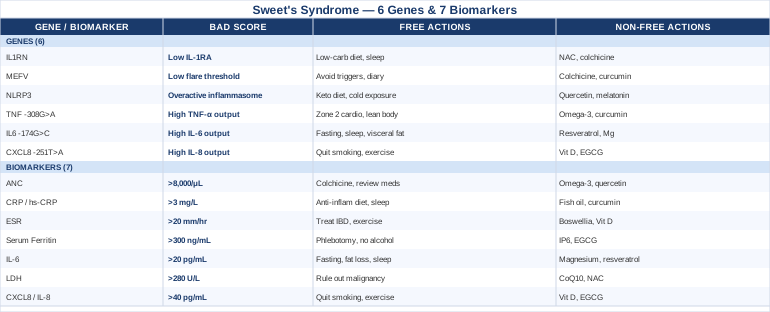
7 Biomarkers Worth Monitoring in Sweet's Syndrome
Understanding what is happening systemically in Sweet's syndrome requires looking beyond the skin. While a dermatologist's biopsy confirms the diagnosis, the bloodwork and emerging lab tests below tell you how active the condition is, whether an underlying disease is fueling it, and how your body's cytokine environment may be sustaining it between episodes. Tracking these over time builds a personal inflammatory map that no single visit to a physician can provide.
1. Absolute Neutrophil Count (ANC)
Why it matters
An elevated absolute neutrophil count is one of the four classic diagnostic criteria for Sweet's syndrome, with the threshold typically set above 8,000 cells per microliter during active episodes. Neutrophils are the foot soldiers of the innate immune system, and in Sweet's syndrome they accumulate abnormally in the dermis, recruited there by cytokine signals that should not be firing. Tracking the ANC over time tells you whether a flare is beginning, ongoing, or resolving — and serves as a rough proxy for how intensely the inflammatory cascade is active at any given moment.
How to measure it
The ANC is part of any complete blood count (CBC) with differential, a routine test at essentially every clinical laboratory. Cost: $20–45 USD in the United States, typically covered by most insurance. Results return within hours. For monitoring purposes, testing at baseline during remission and then at the onset of any skin or systemic symptom gives the most interpretable trend data.
If the count is elevated — the plan without supplements
The first step is identifying the underlying trigger. If the elevation accompanies an active Sweet's flare, corticosteroids (typically prednisone at 0.5–1 mg/kg/day) remain first-line and will normalize the count as the episode resolves. Colchicine (0.5–1.5 mg/day) is a well-documented steroid-sparing option for prevention and has a direct effect on neutrophil migration. Reviewing current medications is equally important — G-CSF, BRAF inhibitors, azathioprine, and certain antibiotics are documented Sweet's triggers. Remove the trigger and the neutrophil count often follows.
If the count is elevated — the plan with supplements or equipment
Omega-3 fatty acids (EPA + DHA, 2–4 g/day) modulate neutrophil function by shifting eicosanoid production toward less inflammatory pathways — this is not a replacement for medical treatment during an acute flare but may reduce baseline neutrophil reactivity between episodes. Quercetin (500–1,000 mg/day) has demonstrated neutrophil activation inhibition in cell studies, though human Sweet's-specific data are limited. Brief cold water immersion (10–15°C for 2–3 minutes daily) has been shown in controlled studies to modulate neutrophil counts and systemic cytokine profiles when practiced consistently. Cycle omega-3s continuously with re-testing at 3-month intervals; avoid quercetin during pregnancy; consult a physician before cold immersion with cardiovascular conditions.
2. C-Reactive Protein (CRP)
Why it matters
CRP is the most widely used acute-phase protein and one of the most sensitive real-time indicators of systemic inflammation. In Sweet's syndrome, CRP typically spikes dramatically during active disease — often exceeding 50–100 mg/L — and falls rapidly once inflammation is controlled. High-sensitivity CRP (hs-CRP) is more useful for monitoring between flares, detecting subclinical inflammation that precedes a visible episode. For someone managing recurrent Sweet's syndrome, hs-CRP is arguably the single most important between-episode biomarker.
How to measure it
Standard CRP costs $15–35 USD. High-sensitivity CRP costs $30–60 USD and provides more granular information in the sub-clinical range. Optimal hs-CRP is below 0.5 mg/L; below 1 mg/L is acceptable; above 3 mg/L warrants attention. Testing every 2–3 months during remission and at the first sign of any skin or systemic symptom builds a useful longitudinal record.
If CRP is elevated — the plan without supplements
Eliminate the most powerful dietary drivers of CRP: refined carbohydrates, industrial seed oils (sunflower, corn, soybean), ultra-processed foods, and excess sugar. Research consistently shows that a Mediterranean-style or anti-inflammatory dietary pattern can reduce CRP by 20–40% over 12 weeks. Sleep quality is a major, overlooked lever — chronic short sleep reliably elevates CRP. Regular moderate-intensity exercise (150+ minutes/week of brisk walking or similar) reduces CRP over time, though very high-intensity training can transiently raise it.
If CRP is elevated — the plan with supplements or equipment
Fish oil (EPA + DHA, 2–4 g/day) reduces CRP in multiple meta-analyses across inflammatory conditions. Curcumin in a bioavailable form — phosphatidylcholine-bound or piperine-enhanced — at 500–1,000 mg/day reduces CRP significantly in randomized trials. Magnesium glycinate or malate (300–400 mg/day) reduces CRP, particularly in those with deficient baseline intake. Cycle curcumin 8 weeks on, 2 weeks off; it may interact with anticoagulants at high doses. Fish oil at 3–4 g/day has a mild antiplatelet effect — relevant for anyone on blood thinners.
3. Erythrocyte Sedimentation Rate (ESR)
Why it matters
ESR is the second laboratory component of the diagnostic criteria for Sweet's syndrome — most protocols use a threshold of greater than 20 mm/hr. Unlike CRP, which responds within hours to inflammation changes, ESR changes more slowly and reflects a different dimension of the inflammatory response, mainly fibrinogen and acute-phase plasma proteins. Used alongside CRP, ESR captures both rapid and sustained inflammatory activity, and together they give a more complete picture of how much systemic burden the condition is generating.
How to measure it
ESR is simple and inexpensive at $15–30 USD, almost always ordered alongside CRP in an inflammatory panel. Testing at 6–8 week intervals during active periods and every 3 months during remission gives useful trend data. Interpreting ESR requires knowing that anemia, elevated fibrinogen from unrelated causes, and older age all independently raise ESR regardless of inflammatory activity.
If ESR is elevated — the plan without supplements
The lifestyle interventions that reduce CRP — anti-inflammatory diet, sleep optimization, moderate exercise, stress management — also reduce ESR, since both reflect the same underlying inflammatory process. One additional factor: if an underlying IBD is driving the Sweet's syndrome, working with a gastroenterologist to achieve mucosal healing produces measurable ESR reduction over months. Addressing anemia or significant plasma protein abnormalities is also important for correct interpretation.
If ESR is elevated — the plan with supplements or equipment
Boswellia serrata extract standardized for AKBA content (300–500 mg twice daily) has demonstrated ESR reduction in several randomized studies of inflammatory conditions. Vitamin D, targeting serum 25-OH-D levels of 50–70 ng/mL (typically 3,000–5,000 IU/day), reduces ESR in inflammatory contexts and broadly supports immune regulatory circuits. Check baseline 25-OH-D before supplementing; toxicity is uncommon below 10,000 IU/day in adults but testing every 3–4 months is prudent when supplementing.
4. Serum Ferritin
Why it matters
Ferritin is best known as an iron storage marker, but at elevated levels — particularly above 500–1,000 ng/mL — it behaves as an acute-phase reactant closely linked to macrophage activation and hyperinflammatory states. In severe or recurrent Sweet's syndrome, ferritin levels can climb significantly and may indicate a degree of systemic macrophage activation that extends beyond neutrophilic skin disease. Very high ferritin (above 10,000 ng/mL) is a hallmark of hemophagocytic lymphohistiocytosis (HLH), which overlaps clinically with severe Sweet's syndrome and warrants urgent investigation.
How to measure it
Serum ferritin is part of most iron panels and costs $20–45 USD. Interpret it alongside transferrin saturation, serum iron, and TIBC — ferritin can be artificially elevated by liver inflammation, metabolic syndrome, or alcohol use entirely independently of iron overload. Aim for ferritin below 150 ng/mL as a long-term target; levels above 300 ng/mL warrant investigation for cause.
If ferritin is elevated — the plan without supplements
Rule out hemochromatosis with HFE gene testing. Address liver inflammation and metabolic syndrome if present — these are among the most common non-malignant ferritin elevators. Reduce alcohol intake, which directly raises ferritin. In confirmed iron overload, blood donation or therapeutic phlebotomy is the most direct and evidence-supported intervention. Do not attempt to lower ferritin aggressively without first confirming whether the elevation is from iron excess or from active inflammation.
If ferritin is elevated — the plan with supplements or equipment
IP6 (inositol hexaphosphate, 1–2 g/day on an empty stomach) is a natural iron chelator that has shown modest ferritin-lowering in preliminary studies. EGCG from green tea (400–500 mg/day) has some iron-chelating properties. Avoid supplemental iron and vitamin C with iron-rich foods if ferritin is already elevated. Do not combine iron chelation approaches with anemia; verify iron status with a full panel before reducing ferritin supplements. EGCG: 8 weeks on, 4 weeks off; avoid at doses above 800 mg/day due to rare hepatotoxicity risk.
5. Interleukin-6 (IL-6)
Why it matters
IL-6 is a central orchestrator of the acute-phase response — it drives CRP production, promotes fever, sustains neutrophilic mobilization, and stimulates fibrinogen synthesis that raises ESR. In Sweet's syndrome, IL-6 is significantly elevated in both skin lesion tissue and serum during active disease. Tracking serum IL-6 provides a more mechanistic view of what is happening at the cytokine level than the indirect markers CRP and ESR can offer. For patients with recurrent or corticosteroid-dependent Sweet's syndrome, serum IL-6 may also inform decisions about advanced therapies like tocilizumab or JAK inhibitors.
How to measure it
Serum IL-6 is a specialty test available through reference labs including Quest Diagnostics and LabCorp in the United States. Cost: $150–400 USD; not always covered by standard insurance. Normal range is typically below 7 pg/mL; values above 20–30 pg/mL indicate active significant inflammation. Testing every 4–6 weeks during active disease and every 6–12 months as a baseline during remission is a reasonable protocol.
If IL-6 is elevated — the plan without supplements
Intermittent fasting — a consistent 16:8 window practiced over 8–12 weeks — has documented IL-6-lowering effects in clinical studies. Adipose tissue, particularly visceral fat, is a major IL-6 source; fat loss is not cosmetic here but directly reduces the cytokine output of metabolically active fat cells. Reducing dietary advanced glycation end-products (AGEs), formed in charred, fried, and ultra-processed foods, lowers IL-6 in controlled dietary studies. Poor sleep is one of the most reliable elevators of IL-6 — prioritizing 7–9 hours of quality sleep addresses this directly.
If IL-6 is elevated — the plan with supplements or equipment
Magnesium supplementation (300–400 mg/day as glycinate or citrate) reduces IL-6 in randomized trials. Resveratrol (250–500 mg/day with food) reduces IL-6 in human inflammatory studies. Probiotics containing Lactobacillus rhamnosus and Bifidobacterium longum strains have shown IL-6 reduction through gut-immune axis modulation. For refractory Sweet's syndrome with persistently elevated IL-6, the IL-6 receptor antagonist tocilizumab and JAK inhibitor tofacitinib have shown case-series efficacy — both require physician management. Resveratrol: cycle 8 weeks on, 4 weeks off; avoid with anticoagulants at higher doses.
6. Lactate Dehydrogenase (LDH)
Why it matters
Malignancy-associated Sweet's syndrome accounts for roughly 20–25% of all cases, with hematologic cancers — particularly acute myeloid leukemia (AML), myelodysplastic syndrome (MDS), and lymphomas — being the most common underlying drivers. LDH is a well-established screening marker for cellular turnover and hematologic malignancy, elevated when cells are dying or dividing abnormally rapidly. In a patient with Sweet's syndrome, a persistently elevated LDH warrants workup for an underlying blood cancer, especially if the skin condition is refractory to standard treatment or accompanied by cytopenias or constitutional symptoms.
How to measure it
LDH is included in most comprehensive metabolic panels at $15–35 USD. Normal range: 140–280 U/L depending on the lab. An isolated mild elevation does not automatically signal malignancy — intense exercise, hemolysis, liver disease, and pulmonary embolism all raise LDH — but in the context of Sweet's syndrome, elevations above the upper reference limit warrant investigation including a full CBC with peripheral smear and, if indicated, hematology referral.
If LDH is elevated — the plan without supplements
Do not attempt to manage elevated LDH through lifestyle alone before ruling out underlying malignancy — this requires proper medical evaluation. Once malignancy is excluded, identify and address the source: excessive high-intensity exercise (which acutely and substantially raises LDH), hepatic disease, hemolytic anemia, and dehydration are the most common benign causes. Addressing these upstream factors normalizes LDH without requiring supplementation.
If LDH is elevated — the plan with supplements or equipment
For non-malignant LDH elevation from mitochondrial or oxidative stress origins, CoQ10 (200–400 mg/day with food) supports mitochondrial energy efficiency and has an excellent safety profile. NAC (N-acetylcysteine, 600–1,200 mg/day) supports glutathione synthesis and reduces oxidative stress contributing to cellular turnover. These are supportive, not diagnostic, measures. Never use them as substitutes for medical workup when LDH is persistently elevated alongside Sweet's syndrome features.
7. CXCL8 / IL-8
Why it matters
CXCL8 — also called IL-8 — is the principal neutrophil chemoattractant in humans. It is the cytokine that physically recruits neutrophils from circulation into tissues, including the skin. In Sweet's syndrome, CXCL8 is dramatically elevated both in lesional tissue and in serum during active disease. Among all the biomarkers listed here, it is the most mechanistically direct: if you have Sweet's syndrome, IL-8 is at the center of the story. Tracking it over time gives a window into neutrophil recruitment activity that standard inflammatory markers alone cannot capture.
How to measure it
Serum CXCL8 is a specialty test available through academic and reference labs at $150–400 USD. It is not routinely ordered but can be requested through functional medicine physicians or academic dermatology centers. Normal range: below 30–40 pg/mL in most assays; values in active Sweet's syndrome can be 5–20 times above baseline. Testing during active disease and again after treatment provides a direct before-and-after look at the central recruitment driver.
If CXCL8 is elevated — the plan without supplements
Smoking cessation is the single most impactful non-supplement intervention for high CXCL8 — cigarette smoke is among the most potent CXCL8 inducers documented in human studies, and the effect is systemic, not just pulmonary. Regular moderate-intensity exercise reduces baseline CXCL8 in inflammatory conditions, while sedentary behavior raises it. An anti-inflammatory, nutrient-dense diet limits the formation of AGEs and oxidative stress products that drive CXCL8 transcription through NF-κB activation.
If CXCL8 is elevated — the plan with supplements or equipment
Vitamin D deficiency correlates strongly with elevated CXCL8 in immune cells and keratinocytes; correcting deficiency to 50–70 ng/mL (25-OH-D) reduces CXCL8 in several inflammatory contexts. Aged garlic extract (1,200 mg/day) has shown CXCL8-modulating effects in a small number of randomized trials. EGCG from green tea (400–600 mg/day) suppresses NF-κB-driven CXCL8 transcription in human cell studies. CXCR2 receptor antagonists (which block CXCL8 from recruiting neutrophils) are currently in clinical development for neutrophilic conditions and represent an emerging pharmacological option. Aged garlic: safe long-term, mild anticoagulant effect; EGCG: 8 weeks on, 4 weeks off.
Moving from what is measurable in the blood to what is encoded in your DNA opens a different layer of understanding — one that explains not just what is happening during a flare, but why your immune system is predisposed to respond this way in the first place.
What Your Genes May Reveal About Autoinflammatory Risk
Genetics does not determine destiny, but in autoinflammatory conditions like Sweet's syndrome, certain gene variants meaningfully alter the sensitivity of your inflammatory system. They can help explain why two people with similar triggers — an infection, a drug, a period of high stress — have completely different responses. Understanding these variants shifts the conversation from "this just happened" to "here is why my body is wired to react this way, and here is what I can modify."
The six variants below are the most evidence-relevant for Sweet's syndrome's known biological drivers. Testing for them is increasingly accessible through clinical genetic panels or direct-to-consumer services like 23andMe combined with third-party interpretation tools.
IL1RN — The Brake on the IL-1 Pathway
IL1RN encodes interleukin-1 receptor antagonist (IL-1RA), the natural blocker of IL-1β signaling. Every time IL-1β tries to bind its receptor and trigger downstream inflammation, IL-1RA competes for the same binding site without activating it. The VNTR polymorphism in intron 2 — particularly allele 2 (A2), associated with lower circulating IL-1RA — means your body has a weaker brake on IL-1β-driven inflammation. This matters profoundly for Sweet's syndrome because IL-1β is one of its primary upstream drivers. Lower IL-1RA means the IL-1β signal goes unchallenged, promoting neutrophil mobilization, fever, and skin inflammation with less restraint.
If the gene is a concern — the plan without supplements
The most important non-supplement strategy is reducing what activates IL-1β production in the first place. Minimizing processed fructose (which activates the NLRP3 inflammasome and drives IL-1β cleavage), eliminating trans fats, and protecting sleep (IL-1β production rises measurably with sleep deprivation) addresses the supply side of this imbalance. A ketogenic or very low-carbohydrate dietary approach is particularly relevant here: beta-hydroxybutyrate, produced in ketosis, directly inhibits NLRP3 inflammasome assembly and thereby reduces the amount of IL-1β available to overwhelm a reduced IL-1RA supply.
If the gene is a concern — the plan with supplements or equipment
At the pharmaceutical level, anakinra (recombinant IL-1RA) is a first-line treatment for refractory Sweet's syndrome and directly compensates for reduced endogenous IL-1RA — this requires physician management. At the supplement level, NAC (600 mg twice daily) reduces the oxidative stress that amplifies IL-1β processing. Colchicine (0.5–1.5 mg/day, physician-prescribed) inhibits IL-1β release by disrupting tubulin-dependent inflammasome activity in macrophages and is the most accessible pharmaceutical option. NAC: 8 weeks on, 2 weeks off; colchicine requires oversight for GI side effects and interactions with statins and certain antibiotics.
MEFV — The Pyrin Inflammasome Threshold
MEFV encodes pyrin, a protein that regulates a specific inflammasome pathway. Complete loss-of-function mutations cause familial Mediterranean fever (FMF), a hereditary periodic fever syndrome with characteristic recurrent autoinflammatory episodes. But heterozygous or partial variants — particularly M694V, M680I, and E148Q — are far more common in the general population and are increasingly recognized as raising the baseline autoinflammatory set point without producing overt FMF. Several case series have identified MEFV heterozygous carriers among Sweet's syndrome patients, particularly in populations with higher carrier frequencies (Mediterranean, Middle Eastern, Ashkenazi Jewish backgrounds). Carrying one pathogenic MEFV variant likely lowers the trigger threshold for autoinflammatory skin episodes.
If the gene is a concern — the plan without supplements
Colchicine is the standard of care in FMF and has extensive evidence in MEFV-associated autoinflammatory conditions; it directly suppresses pyrin-driven inflammation and reduces flare frequency. Identifying and consistently avoiding personal triggers — infections, physical trauma, emotional stress, and in some patients cold exposure — is especially important in MEFV carriers because their threshold is lower. Tracking flares with a simple symptom diary alongside CRP measurements can reveal trigger patterns that are not obvious without documentation.
If the gene is a concern — the plan with supplements or equipment
Anti-inflammatory botanicals with evidence in pyrin-related pathways include curcumin (500–1,000 mg/day bioavailable formulation) and boswellia AKBA-standardized extract (300–500 mg twice daily). Vitamin C (1–2 g/day) reduces neutrophil chemotaxis and may modestly blunt inflammatory episodes. Colchicine standard dosing: 0.5 mg once or twice daily; higher doses cause dose-dependent GI toxicity; interactions with clarithromycin and certain antifungals are important to check.
NLRP3 — The Inflammasome Core
NLRP3 encodes the central scaffold of the NLRP3 inflammasome — the molecular machine responsible for converting inactive pro-IL-1β into its secreted, biologically active form. Severe gain-of-function mutations cause Cryopyrin-Associated Periodic Syndromes (CAPS), rare but dramatic. More relevant to most Sweet's syndrome patients are subclinical polymorphisms (rs4612666, rs10754558) that increase NLRP3 expression or sensitivity, creating a more reactive inflammasome without producing overt CAPS. An overactive NLRP3 means more IL-1β is generated in response to the same stimulus — whether that is dietary sugar, uric acid crystals, oxidized lipids, or an infection. In someone already predisposed to autoinflammatory skin disease, this can meaningfully raise the likelihood and severity of neutrophilic episodes.
If the gene is a concern — the plan without supplements
The most direct lifestyle-level NLRP3 suppressors are carbohydrate restriction and time-restricted eating. Ketone bodies — specifically beta-hydroxybutyrate produced during fasting or ketogenic eating — are potent NLRP3 inhibitors through a non-metabolic mechanism published in Nature Medicine. This is one of the clearest mechanistic arguments for a ketogenic or very low-carbohydrate dietary approach in someone with autoinflammatory tendencies and a high-reactivity NLRP3 profile. Consistent practice of cold exposure (cold showers, cold water immersion) also reduces NLRP3 activation through norepinephrine-mediated mechanisms.
If the gene is a concern — the plan with supplements or equipment
Quercetin (500–1,000 mg/day) inhibits NLRP3 assembly in vitro and in animal models; human trials in autoinflammatory conditions are emerging. Melatonin (3–6 mg at bedtime) inhibits NLRP3 activation through antioxidant and receptor-mediated mechanisms and has a favorable safety profile. Exogenous ketone salts or esters can deliver beta-hydroxybutyrate directly and suppress NLRP3 without requiring strict dietary adherence, though the dietary approach provides additional benefits. Quercetin: 8 weeks on, 2 weeks off; melatonin is safe long-term at low doses (0.5–3 mg) though higher doses may affect morning cortisol over time — cycling 5 days on, 2 days off is reasonable.
TNF — The Amplifier
The TNF gene (-308G>A, rs1800629) encodes tumor necrosis factor-alpha. The A allele at this promoter position is associated with significantly higher TNF-alpha production in response to inflammatory stimuli. TNF-alpha amplifies virtually every downstream inflammatory signal — it promotes IL-1β production, activates NF-κB, sustains neutrophil survival, and enhances vascular permeability. In Sweet's syndrome, TNF-alpha is elevated in lesional tissue and functions as a powerful amplifier of the neutrophilic cascade once initiated. A allele carriers may mount exaggerated responses to infections, drugs, or other triggers, and may also be more prone to the systemic manifestations of the condition.
If the gene is a concern — the plan without supplements
Consistent moderate-intensity exercise has well-documented anti-TNF effects when practiced regularly — aerobic training at 60–70% of maximum heart rate for 45–60 minutes, four to five times per week, produces measurable TNF-alpha reductions over 12 weeks in inflammatory conditions. Caloric moderation and Mediterranean-style eating are the key dietary tools. Reducing visceral adiposity is particularly high-leverage here — visceral fat is the body's most metabolically active TNF-alpha secreting compartment, and even modest fat loss produces disproportionate reductions in circulating TNF.
If the gene is a concern — the plan with supplements or equipment
Omega-3 fatty acids (EPA + DHA, 3–4 g/day) reduce TNF-alpha production in multiple human randomized trials by competing with arachidonic acid for COX and LOX enzyme pathways. Curcumin (bioavailable form, 500–1,000 mg/day) inhibits NF-κB, the transcription factor responsible for TNF-alpha gene expression, and reduces circulating TNF in human inflammatory studies. For refractory Sweet's syndrome in high-TNF carriers, TNF blockers (adalimumab, infliximab, etanercept) have been described in case reports, particularly in IBD-associated disease. Omega-3s at 3–4 g/day: mild antiplatelet effect relevant for surgical planning and anticoagulant co-administration.
IL6 — The Acute Phase Driver
The IL6 gene (-174G>C, rs1800795) promoter polymorphism affects baseline IL-6 production. The G allele is associated with higher IL-6 expression; GG homozygotes produce significantly more IL-6 in response to inflammatory stimuli than CC carriers. Since IL-6 drives fever, CRP production, fibrinogen synthesis (raising ESR), and sustained neutrophil activity, this polymorphism directly feeds into several of the biomarker elevations described in the first section. Knowing you carry a high-IL-6 genotype means that the lifestyle and supplementation pillars in the IL-6 biomarker section are not optional wellness add-ons — they are structural necessities for maintaining baseline inflammatory control.
If the gene is a concern — the plan without supplements
The plan mirrors the IL-6 biomarker section: intermittent fasting, anti-inflammatory diet, visceral fat reduction, sleep optimization. The key added insight with knowing your IL6 genotype is that your system will reliably overshoot in the absence of these practices more than the average person's will. Consistency — not perfection — is the operational target for GG carriers.
If the gene is a concern — the plan with supplements or equipment
Resveratrol (250–500 mg/day with food) reduces IL-6 in human inflammatory studies. Magnesium glycinate (300–400 mg/day) reduces IL-6 in multiple randomized trials. Probiotics containing Lactobacillus rhamnosus GG and Bifidobacterium longum (10–25 billion CFU/day) reduce IL-6 through gut-immune axis modulation, a particularly useful adjunct for IBD-associated Sweet's syndrome. Resveratrol: 8 weeks on, 4 weeks off; probiotics continuous with periodic strain assessment.
CXCL8 / IL8 — The Neutrophil Signal
The CXCL8 gene (-251T>A, rs4073) promoter variant affects IL-8 transcription levels. The A allele is associated with higher IL-8 production, meaning neutrophil recruitment signals are louder in A-allele carriers when inflammation occurs. Since CXCL8 is the primary chemoattractant driving neutrophil migration into the dermis in Sweet's syndrome, this variant may explain why some individuals develop more extensive skin involvement, more frequent recurrences, or more intense lesions in response to the same trigger compared to others.
If the gene is a concern — the plan without supplements
Smoking cessation is the most impactful single intervention for high-CXCL8 carriers — tobacco smoke is among the most potent CXCL8 inducers in human studies, acting through NF-κB activation in both airway and dermal tissue. Regular aerobic exercise reduces baseline CXCL8. Eliminating AGE-forming cooking methods (deep frying, charring) and increasing antioxidant-rich vegetables reduces the oxidative stress burden that drives ongoing CXCL8 transcription.
If the gene is a concern — the plan with supplements or equipment
Correcting vitamin D deficiency to 50–70 ng/mL directly downregulates CXCL8 expression in keratinocytes and circulating immune cells — this is particularly relevant for a skin-based condition. EGCG (green tea extract, 400–600 mg/day) suppresses NF-κB-driven CXCL8 transcription in human cell studies and represents one of the most mechanistically specific supplement options for this variant. EGCG: 8 weeks on, 4 weeks off; avoid on an empty stomach; rare hepatotoxicity risk at doses above 800 mg/day — stay below that threshold.
With both biomarkers and genetics covered, the next question is whether there is a broader framework that ties these individual levers together into a coherent strategy for reducing the inflammatory baseline over time.
10 Research-Backed Insights That Change the Way You Approach Autoinflammatory Conditions
Dr. Peter Attia's longevity medicine framework — most extensively documented in his book Outlive and on his podcast The Drive — frames inflammation not as a disease state but as a signal: evidence that the immune system is responding to something it cannot resolve. His approach to chronic inflammatory conditions, combined with Dr. Rhonda Patrick's work on micronutrient effects on immune function, offers 10 specific insights that directly challenge the passive "treat and wait" model most Sweet's syndrome patients currently receive.
1. Inflammation Is a Spectrum, Not a Binary State
Sweet's syndrome represents the dramatic, visible peak of an inflammatory spectrum. Between flares, the same underlying pathways may be smoldering at a level too low to cause skin lesions but high enough to maintain elevated CRP and IL-6. Tracking biomarkers between flares is not a paranoid overcaution — it is when your intervention window is widest and your decisions have the most leverage.
2. The Gut-Immune Axis Is Not a Theory
Approximately 70% of immune cells reside in or communicate directly with the gut-associated lymphoid tissue. Dysbiosis — documented through stool microbiome testing — raises intestinal permeability, allowing microbial lipopolysaccharide (LPS) to enter circulation and chronically activate NLRP3 and NF-κB. In Sweet's syndrome patients with associated IBD, this connection is not coincidental — it is mechanistic.
3. Visceral Fat Is an Active Cytokine Source
Adipose tissue, particularly visceral fat, continuously secretes IL-6, TNF-alpha, and IL-8. A person carrying 10 extra kilograms of visceral fat has a measurably different cytokine baseline than a lean counterpart. Fat loss is not cosmetic in this context — it is the direct reduction of a cytokine-secreting organ. Attia tracks visceral adipose tissue specifically via DEXA scan as part of his standard patient assessment, not body weight alone.
4. Sleep Deprivation Activates Every Pathway That Matters Here
A single night of poor sleep (under 6 hours) raises IL-6, CRP, and TNF-alpha measurably the following morning. Chronic sleep debt is one of the most powerful and consistent drivers of autoinflammatory dysregulation in the published literature. No supplement protocol compensates for chronic sleep deprivation — it systematically undermines every other intervention simultaneously.
5. Zone 2 Cardio Is the Exercise Dose Most Relevant Here
Attia consistently emphasizes that zone 2 cardio — roughly 60–70% of maximum heart rate, sustainable conversation pace — performed for 45–60 minutes three to five times per week reduces IL-6, CRP, and neutrophil reactivity over 12+ weeks without the acute inflammatory spike that high-intensity training generates. This is the specific exercise dose most supported by the evidence for autoinflammatory conditions.
6. Micronutrient Deficiencies Are Structural Risk Factors
Dr. Rhonda Patrick's extensive work on micronutrient insufficiency consistently highlights vitamin D, magnesium, and omega-3 index as the three most common deficiencies that compromise immune regulation in the population. At insufficiency levels, these are not wellness supplements — their absence structurally disrupts the regulatory circuits that keep autoinflammatory responses proportionate.
7. The Ketone Body Is a Pharmacological Molecule
Beta-hydroxybutyrate, produced during fasting or ketogenic eating, directly inhibits NLRP3 inflammasome assembly through a receptor-independent mechanism — a finding published in Nature Medicine that reframes dietary carbohydrate restriction as a mechanistically specific anti-autoinflammatory strategy, not merely a general wellness approach. This is directly relevant to IL1RN and NLRP3 variant carriers.
8. Chronic Stress Produces Glucocorticoid Resistance
Psychological stress acutely raises cortisol, which in the short term suppresses inflammation. In chronic stress, however, glucocorticoid receptors in immune cells downregulate their sensitivity, and the net result is paradoxically elevated IL-6 and TNF-alpha despite high cortisol. Mind-body interventions are not optional adjuncts to an autoinflammatory protocol — they address a documented mechanistic failure mode.
9. Oral and Periodontal Health Affects Systemic Cytokines
Periodontal disease and dysbiotic oral bacteria — particularly Porphyromonas gingivalis — are documented systemic IL-6 and TNF-alpha elevators in multiple human studies. For patients with recurrent Sweet's syndrome, addressing oral hygiene and periodontal health is a small and underappreciated intervention with disproportionate systemic inflammatory consequences.
10. Measurement Creates What Treatment Alone Cannot
Attia frames medicine not as acute intervention alone but as ongoing measurement and course correction. For Sweet's syndrome, tracking hs-CRP, ANC, and ferritin between flares — not only during them — builds a personal inflammatory map that identifies triggers, validates interventions, and detects early signals before they become visible disease. Treatment without measurement is, at best, informed guessing.
Complementary Approaches With Real Evidence
The approaches below have meaningful human clinical evidence for conditions that share Sweet's syndrome's core biology — autoinflammatory, neutrophilic, and cytokine-driven. None replace medical care, but each addresses a real physiological lever that standard treatment typically leaves untouched.
Mindfulness Meditation and MBSR
Mindfulness-Based Stress Reduction (MBSR) is an 8-week structured program combining meditation, body scan, and gentle movement originally developed at the University of Massachusetts Medical School. For autoinflammatory conditions like Sweet's syndrome, its relevance lies in the documented pathway from chronic stress to cytokine dysregulation — specifically through HPA axis and sympathetic nervous system activation that sustains elevated IL-6, TNF-alpha, and CRP between flares. Stress is not a soft variable in autoinflammatory biology; it is a measurable cytokine input.
A meta-analysis published in Brain, Behavior, and Immunity by Creswell et al. pooled 20 randomized controlled trials of mindfulness-based interventions and found significant reductions in circulating CRP and IL-6 across inflammatory conditions. A study by Kaliman et al. in Psychoneuroendocrinology demonstrated that a single day of intensive mindfulness practice produced measurable changes in inflammatory gene expression, specifically in NF-κB-related pathways — the same transcription factor driving CXCL8, IL-6, and TNF-alpha in Sweet's syndrome. While no RCT has enrolled Sweet's syndrome patients specifically, the mechanistic overlap is precise and direct.
The studied dose in most RCTs is 30–45 minutes of daily practice during the 8-week program, with continued independent practice afterward. Seated meditation, body scan, and mindful movement are the three core components. Freely available MBSR programs based on the original Massachusetts curriculum are accessible online. For people with active skin involvement, body scan practices involving prolonged attention on affected areas may initially amplify physical awareness of discomfort and can be modified to a more neutral internal focus until lesions resolve.
The Autoimmune Protocol (AIP) by Sarah Ballantyne
The Autoimmune Protocol (AIP) is a dietary and lifestyle elimination-and-reintroduction framework developed by Dr. Sarah Ballantyne, PhD, specifically for immune-mediated inflammatory conditions. It removes foods hypothesized to contribute to intestinal permeability and immune dysregulation — grains, legumes, dairy, eggs, nightshades, nuts, seeds, refined oils, and alcohol — while emphasizing nutrient-dense whole foods, organ meats, fermented vegetables, and anti-inflammatory fats. Sweet's syndrome, while classified as autoinflammatory rather than strictly autoimmune, shares the core feature of dysregulated immune activation and elevated cytokines that the AIP directly targets through the gut-immune axis.
An open-label clinical trial by Konijeti et al. published in Inflammatory Bowel Diseases (2017) demonstrated significant clinical and endoscopic remission in IBD patients following a 6-week AIP dietary intervention — directly relevant given IBD's strong mechanistic and epidemiological association with Sweet's syndrome. The two conditions share the same neutrophilic, IL-1β-driven inflammatory tissue phenotype, making the IBD evidence transferable to the underlying biology. View the Konijeti et al. AIP trial (PubMed).
The AIP is structured as a 4–6 week strict elimination phase, followed by systematic reintroduction of one food at a time to identify personal inflammatory triggers. Ballantyne's protocol gives equal weight to the lifestyle pillars — sleep quality, stress management, movement, and social connection — alongside the dietary component. Starting during remission rather than during an active flare (when elevated systemic inflammation complicates dietary signal interpretation) is strongly recommended. Working with a registered dietitian familiar with elimination protocols significantly improves nutritional adequacy and long-term adherence.
Microbiome-Directed Therapies
The gut microbiome's influence on systemic immunity is now one of the most robustly documented areas in modern immunology. In conditions driven by IL-1β, IL-6, and neutrophilic pathways — precisely describing Sweet's syndrome — the composition of the gut microbial community directly affects the intensity of cytokine production. Dysbiosis increases intestinal permeability, allowing microbial lipopolysaccharide (LPS) to enter circulation and chronically activate NLRP3 and NF-κB. For Sweet's syndrome patients with concurrent IBD, this link is direct and clinically documented.
A landmark randomized controlled trial by Wastyk et al. published in Cell (2021) compared high-fiber and high-fermented-food diets over 10 weeks and found that the fermented food arm showed a significant decrease in 19 inflammatory proteins including IL-6 and TNF-alpha, alongside measurable increases in microbial diversity. This is the strongest evidence available that targeted dietary modulation of the microbiome produces cytokine changes directly relevant to autoinflammatory conditions — and the results were visible at the immune cell level, not merely in dietary questionnaires. View the Wastyk et al. fermented food trial (PubMed).
The practical protocol involves four parallel steps: eliminate major dysbiosis drivers (antibiotics except when medically necessary, artificial sweeteners, ultra-processed food, and excessive alcohol); increase dietary plant diversity to 30 or more different species per week; introduce one to two daily servings of fermented foods (yogurt, kefir, kimchi, sauerkraut, kombucha); and consider a targeted probiotic with documented anti-inflammatory evidence — Lactobacillus rhamnosus GG and Bifidobacterium longum have the strongest backing for cytokine reduction. Allow 8–12 weeks for meaningful microbiome reshaping before expecting measurable changes in inflammatory biomarkers.
Breathing-Based Therapies
Structured breathing practices — including slow resonance breathing (5–6 breaths per minute), the 4-7-8 technique, and cyclic hyperventilation-retention protocols — have a growing evidence base for modulating the autonomic nervous system and thereby influencing inflammatory cytokine profiles. In autoinflammatory conditions where chronic sympathetic nervous system activation sustains elevated IL-6, CRP, and CXCL8, correcting autonomic balance through daily breathing practice addresses a real and measurable physiological mechanism, not a vague relaxation benefit.
A randomized controlled study by Kox et al. published in Proceedings of the National Academy of Sciences (2014) demonstrated that subjects trained in the Wim Hof breathing and cold exposure method showed significantly reduced TNF-alpha, IL-6, and IL-8 / CXCL8 responses when experimentally challenged with endotoxin, compared to untrained controls. The breathing-trained group also reported significantly fewer flu-like symptoms. CXCL8 reduction is particularly relevant for Sweet's syndrome given its central role in neutrophil recruitment to the dermis. View the Kox et al. study (PubMed).
The practical protocol for daily use: 20–30 rounds of slow deep breathing followed by a controlled breath hold, performed each morning before eating (basic Wim Hof Method). For a milder and equally studied option, 5 minutes of resonance frequency breathing at 5–6 breaths per minute twice daily is sufficient to shift heart rate variability and reduce cortisol reactivity over 4–6 weeks. Cold exposure combined with breathing practice amplifies the cytokine-modulating effect. Start gradually with the breath-hold phases, and avoid practicing while driving, in water, or in any situation where a brief loss of consciousness would be dangerous. Those with a history of seizures, cardiovascular conditions, or pregnancy should consult a physician before beginning any breath-hold protocol.
Conclusion
Sweet's syndrome is not simply a skin condition. It is a window into a dysregulated inflammatory system with specific, identifiable upstream drivers — and that changes what is possible. The 7 biomarkers covered here give you a monitoring framework that extends beyond acute treatment to ongoing awareness: tracking neutrophil count, CRP, ferritin, IL-6, and CXCL8 between flares gives you real data to work with rather than waiting for the next visible episode. The 6 genetic variants add a further layer by explaining why your particular immune system may be wired toward this kind of response and what that means for your specific intervention priorities.
The most practical next step is straightforward: establish your baseline. A CBC with differential, hs-CRP, ESR, ferritin, and LDH can all be ordered in a single blood draw and will immediately reveal where your inflammatory vulnerabilities are concentrated. From there, the plans in this article provide structured, evidence-informed options that can be brought to a dermatologist with experience in neutrophilic dermatoses, a rheumatologist familiar with autoinflammatory conditions, or a functional medicine physician who can integrate biomarker monitoring with targeted lifestyle and supplement protocols. Better data leads to better decisions — and in a condition as specific as Sweet's syndrome, that gap between generic care and genuinely informed management is worth closing.
Cancer & Oncology Digestive Skin Autoimmune
Skin: Inflammatory Skin Conditions
Autoimmune: Inflammatory Conditions
Cancer & Oncology: Blood Cancer