This article contains AI generated content.
· UpdatedSynovial Lipoma Genes and Biomarkers — 5 Genes and 6 Biomarkers to Track
Introduction
If you have been told you have synovial lipoma — or lipoma arborescens, as it appears in radiology and surgical reports — the explanation you received was likely brief: a benign fatty mass has developed inside a joint, and surgery is the typical course of action. That answer closes the clinical conversation, but for many people it opens a different and more pressing question: why did this happen, and what, if anything, can be done about the internal environment that allowed it to develop in the first place?
What makes this condition particularly frustrating is that the standard medical response focuses almost entirely on mechanical management. The tissue is there, it causes swelling and limited mobility, and the logical next step is removal. But for people who have already had a synovectomy or who are watching early signs develop, the more useful question is: what metabolic, inflammatory, or genetic factors are silently sustaining this? Generic advice about eating well and reducing inflammation sounds reasonable but offers nothing precise enough to actually test, measure, or adjust in a meaningful way.
This article works differently. It focuses on specific, measurable signals — biomarkers you can request at a lab and genetic factors you can explore through testing — that together paint a clearer picture of why synovial tissue becomes lipomatous. These are not abstract research constructs; they are practical reference points for conversations with your physician, for interpreting your lab results, and for understanding which interventions are most likely to match your specific biology.
Better information does not guarantee a better outcome, but it consistently leads to more targeted decisions. What follows covers six key biomarkers to track — moving from inflammatory markers through metabolic and adipokine signals — followed by five genes associated with lipoma formation and synovial inflammation, the metabolic science from a book that may reframe how you think about fat accumulation entirely, and several evidence-supported complementary approaches for joint inflammation. Each section offers something concrete to take forward.
Summary
This article explores the biology behind synovial lipoma through two parallel lines of investigation. The first covers 6 measurable biomarkers — hs-CRP, IL-6, fasting insulin and HOMA-IR, triglycerides and TG:HDL ratio, adiponectin, and the leptin:adiponectin ratio — revealing the inflammatory and metabolic conditions in which this condition tends to develop. For each, you will find specific plans with and without supplements. The second examines 5 key genes — HMGA2, PPARG, FTO, TNFA, and IL6 — linked to lipoma formation, adipogenesis, and joint inflammation, with targeted approaches for each risk variant.
Beyond lab work, the article draws on Benjamin Bikman's Why We Get Sick for a look at why insulin resistance may be the overlooked metabolic driver behind ectopic fat accumulation. Three evidence-supported complementary modalities — photobiomodulation, mindfulness-based stress reduction, and microbiome-directed therapy — round out the picture with practical tools for reducing joint inflammation. Whether you are newly diagnosed, preparing for surgery, or trying to prevent recurrence, this article provides more precision than standard advice.
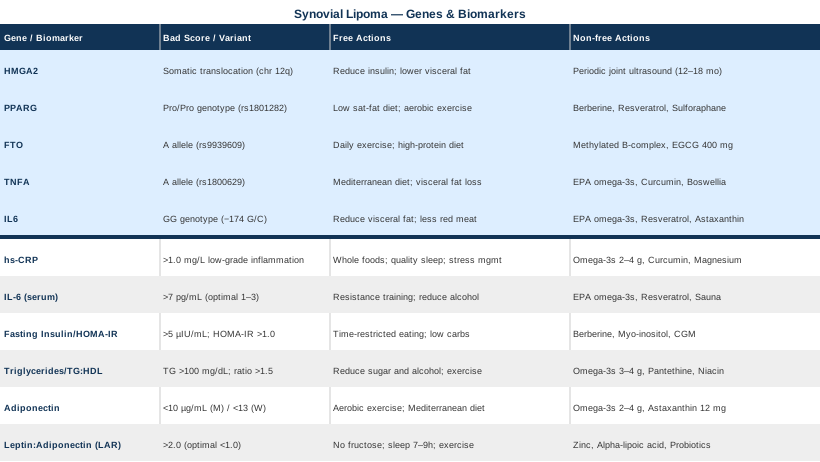
6 Biomarkers That May Help Explain — and Address — Synovial Lipoma
Most people diagnosed with synovial lipoma are never offered a metabolic workup. The typical clinical pathway goes straight from imaging to surgical consultation. Yet the internal environment in which fatty tissue proliferates within the synovium is not arbitrary — it reflects accumulated metabolic and inflammatory signals that preceded the diagnosis by years, sometimes decades. The six biomarkers below represent the most clinically relevant and measurable indicators for understanding those signals.
1. High-Sensitivity C-Reactive Protein (hs-CRP)
Why it matters for synovial lipoma
C-reactive protein is the most widely used marker of systemic inflammation, produced by the liver in response to inflammatory cytokines — particularly IL-6. Synovial lipoma is strongly associated with chronic joint inflammation, often co-existing with osteoarthritis or prior joint injury. A chronically inflamed synovial environment does not simply cause discomfort; it creates the biochemical conditions in which abnormal cellular proliferation — including lipomatous transformation — can occur over time. Elevated hs-CRP above 1.0 mg/L indicates low-grade inflammation; above 3.0 mg/L suggests a more significant and sustained inflammatory burden worth investigating.
How to measure it
Standard blood test available at any clinical lab. Cost: approximately $15–$50 without insurance; often included in comprehensive metabolic panels. Always request the high-sensitivity version (hs-CRP) rather than standard CRP, which lacks precision at the lower levels most relevant to chronic metabolic risk. Morning fasting samples are conventional.
If the score is bad — the plan without supplements
The most impactful single dietary change for reducing hs-CRP is eliminating ultra-processed foods and industrial seed oils (sunflower, soybean, corn, canola), which are consistently associated with elevated inflammatory markers in epidemiological and intervention studies. A Mediterranean-style dietary pattern — rich in olive oil, fatty fish, legumes, and vegetables — has demonstrated reliable CRP reduction in multiple randomized trials. Sleep quality matters independently: even one week of partial sleep deprivation raises CRP measurably in healthy adults. Chronic psychological stress sustains cortisol elevation, which in turn amplifies inflammatory signaling, making stress management a genuine therapeutic target rather than optional background advice.
If the score is bad — the plan with supplements or equipment
Omega-3 fatty acids (EPA+DHA): 2–4 g/day of combined EPA+DHA. This is among the most replicated supplement findings in inflammation research. Frequency: daily, ongoing. Side effects: GI discomfort at high doses; potential anticoagulant interaction above 3 g/day — discuss with a physician if taking blood thinners.
Curcumin (phytosome or phospholipid form): 500–1000 mg/day. Multiple randomized trials confirm CRP reduction in inflammatory conditions, but only with an absorbed form — standard curcumin powder has poor bioavailability. Cycle: 8–12 weeks on, 4 weeks off. Side effects: may enhance anticoagulant medications.
Magnesium glycinate: 300–400 mg at night. Magnesium deficiency is independently associated with elevated CRP. Frequency: daily. Side effects: loose stool at higher doses; reduce dose if needed.
2. Interleukin-6 (IL-6)
Why it matters for synovial lipoma
While CRP tells you inflammation is elevated, IL-6 is one of the primary signals driving it. This proinflammatory cytokine is produced abundantly by synovial fibroblasts, macrophages, and adipose tissue. What makes IL-6 particularly relevant to synovial lipoma is that it is also a potent driver of adipogenesis — it promotes the differentiation of preadipocytes into mature fat cells and stimulates lipid accumulation in tissues. This may directly contribute to the villous fatty proliferation seen in lipoma arborescens. Chronic elevation of IL-6 in and around the joint creates a self-reinforcing cycle: inflammation drives fat accumulation, and expanding fat tissue produces more IL-6.
How to measure it
Serum IL-6 is available through most clinical labs but requires a specific request — it is not included in standard panels. Cost: $50–$150 without insurance. Reference ranges vary by lab; most consider above 7 pg/mL elevated. Optimal is typically 1–3 pg/mL. IL-6 spikes acutely with exercise — request a morning fasting sample at least 24 hours after any strenuous activity for the most informative reading.
If the score is bad — the plan without supplements
Visceral adipose tissue is the largest chronic source of elevated IL-6 outside of active infection or autoimmune disease. Reducing visceral fat through sustained caloric deficit, dietary quality improvement, and consistent resistance training is the most evidence-based long-term intervention. Resistance training specifically — not just aerobic exercise — has shown chronic IL-6 reduction in longitudinal studies, distinct from the transient acute spike exercise causes. Reducing alcohol intake also consistently lowers IL-6 in intervention studies.
If the score is bad — the plan with supplements or equipment
EPA-dominant omega-3s: EPA specifically inhibits arachidonic acid pathways that feed IL-6 production. Protocol: 2–4 g/day combined EPA+DHA, with a higher EPA ratio preferred.
Resveratrol: 250–500 mg/day trans-resveratrol. Several human trials in metabolically compromised individuals report meaningful IL-6 reductions through NF-κB pathway inhibition. Cycle: 8 weeks on, 4 weeks off. Side effects: generally well tolerated; possible interaction with anticoagulants.
Sauna (infrared or Finnish): 3–4 sessions per week, 20 minutes at 80–100°C. Chronic sauna use has been associated with reduced inflammatory cytokines including IL-6 in multiple observational and intervention studies from Finnish and Japanese populations. Side effects: generally safe for healthy adults; avoid with unmanaged cardiovascular disease without physician clearance.
3. Fasting Insulin and HOMA-IR
Why it matters for synovial lipoma
Ectopic fat — fat appearing in locations where it does not normally belong, such as the synovial membrane — is one of the defining features of metabolic dysregulation. When cells throughout the body develop insulin resistance, the pancreas compensates by secreting more insulin. Chronically elevated insulin is itself a powerful adipogenic signal, driving fat storage in tissues that would not ordinarily accumulate it. HOMA-IR (Homeostatic Model Assessment of Insulin Resistance) provides a simple composite of fasting glucose and fasting insulin that reflects this process. Peter Attia considers fasting insulin one of the most underutilized single biomarkers in clinical medicine, noting that many patients with fasting insulin between 8–12 µIU/mL — technically within "normal" lab range — show clear metabolic dysfunction when assessed comprehensively. Optimal fasting insulin is below 5–6 µIU/mL; HOMA-IR below 1.0 reflects metabolic health.
How to measure it
Fasting insulin requires a specific blood draw after 8–12 hours of fasting. Cost: $30–$80 without insurance. Fasting glucose is almost always tested concurrently. HOMA-IR formula: (fasting insulin µIU/mL × fasting glucose mmol/L) ÷ 22.5. Many labs use a "normal" cutoff of below 2.9, but this reflects a population average rather than an optimal metabolic state. A value above 2.0 warrants attention; above 3.0 indicates clear insulin resistance.
If the score is bad — the plan without supplements
Time-restricted eating (eating within a 10–12 hour window) consistently reduces fasting insulin in human trials, even without caloric restriction. Reducing refined carbohydrates and added sugars produces the fastest improvement, often visible within 2–4 weeks. Resistance training improves insulin sensitivity through GLUT4 translocation in skeletal muscle — a mechanism distinct from weight loss and independent of it. Walking for 10 minutes after each meal measurably blunts postprandial insulin response and compounds its benefit over time.
If the score is bad — the plan with supplements or equipment
Berberine: 500 mg, 2–3 times per day with meals. Multiple randomized trials demonstrate insulin-sensitizing effects comparable to metformin in type 2 diabetes trials. Cycle: 8 weeks on, 4 weeks off (to prevent microbiome adaptation). Side effects: GI discomfort initially; do not combine with metformin without physician oversight.
Myo-inositol: 2–4 g/day. Strong human evidence for insulin sensitization in PCOS; emerging data in broader metabolic dysfunction. Side effects: minimal; mild GI discomfort at high doses.
Continuous glucose monitor (CGM): Not a supplement, but a practical tool. A 2-week CGM sensor provides a personalized map of glycemic responses to specific foods, stress, and sleep patterns, enabling highly targeted dietary adjustments. Cost: $50–$100 per sensor; available over-the-counter in many markets.
4. Fasting Triglycerides and the TG:HDL Ratio
Why it matters for synovial lipoma
Elevated triglycerides signal impaired lipid metabolism — the body is producing or failing to clear fat from the bloodstream efficiently. This is directly relevant to conditions involving ectopic fat accumulation, which is essentially what synovial lipoma represents at a joint-specific level. Thomas Dayspring and Allan Sniderman, two of the most respected voices in clinical lipidology, consider the TG:HDL ratio one of the most practically useful markers from a standard lipid panel for identifying insulin resistance and dysfunctional lipid handling. A TG:HDL ratio above 2.0 (in mg/dL units) or above 0.87 (in mmol/L units) strongly suggests the metabolic pattern that predisposes to abnormal fat deposition.
How to measure it
Standard lipid panel: $20–$60 without insurance, almost always covered with preventive care. Request fasting values — non-fasting triglycerides are less informative. Optimal fasting triglycerides: below 80–100 mg/dL. Optimal TG:HDL ratio: below 1.5 (in mg/dL units). Most labs flag triglycerides only above 150 mg/dL — this population-based threshold should not be mistaken for the optimal range.
If the score is bad — the plan without supplements
Sugar and alcohol drive triglyceride elevation more directly than dietary fat. Removing fructose sources — sugar-sweetened beverages, fruit juices, ultra-processed foods — produces the most rapid improvements, often within 2–4 weeks. Low-carbohydrate diets consistently lower triglycerides and raise HDL in controlled trials. Aerobic exercise at 150 or more minutes per week independently reduces fasting triglycerides.
If the score is bad — the plan with supplements or equipment
High-dose omega-3 (EPA+DHA): 3–4 g/day specifically and substantially reduces triglycerides. This is one of the strongest documented effects of omega-3 supplementation and is FDA-approved at prescription doses for severe hypertriglyceridemia.
Pantethine: 600–900 mg/day. A derivative of vitamin B5 with triglyceride-lowering evidence from multiple human trials. Side effects: minimal; generally well tolerated. Reassess lipid panel at 12 weeks.
Niacin (extended-release, physician-supervised): 500–1000 mg/day can significantly reduce triglycerides and raise HDL. Requires physician supervision and periodic liver enzyme monitoring. Side effects: flushing (reduced with extended-release formulation), possible liver enzyme elevation at higher doses.
5. Adiponectin
Why it matters for synovial lipoma
Adiponectin is produced by adipose tissue and has the counterintuitive property of decreasing as body fat increases — particularly as visceral fat expands. It is simultaneously anti-inflammatory, insulin-sensitizing, and a regulator of fatty acid oxidation. Low adiponectin means less of a key braking mechanism against both inflammation and fat accumulation — precisely the conditions most associated with synovial lipoma. Research has identified adiponectin receptors in synoviocytes, suggesting this adipokine plays a direct regulatory role in synovial tissue biology. Clinically, low adiponectin is a better predictor of metabolic syndrome risk than BMI alone. Optimal levels are above 10 µg/mL for men and above 13 µg/mL for women.
How to measure it
Adiponectin is not included in standard panels and requires a specific request. Available through functional medicine labs and specialty clinical labs. Cost: $50–$120 without insurance. Some advanced cardiovascular and metabolic panels include it. Well worth requesting in the context of any metabolic assessment when synovial lipoma is present.
If the score is bad — the plan without supplements
Aerobic exercise is the most reliable lifestyle factor for raising adiponectin — more consistent than weight loss alone. Multiple controlled studies show adiponectin increase with regular aerobic exercise independent of body weight change. A Mediterranean-style diet raises adiponectin in clinical trials. Any meaningful reduction in visceral fat will also raise it, so sustained dietary quality improvement combined with aerobic exercise is the most effective combination.
If the score is bad — the plan with supplements or equipment
Omega-3 fatty acids: Several randomized trials document significant adiponectin increase with 2–4 g/day EPA+DHA supplementation. This overlaps beneficially with the CRP and IL-6 protocols.
Astaxanthin: 12 mg/day. Small human trials show meaningful adiponectin elevation. Cycle: 8–12 weeks. Side effects: minimal; stool may slightly change color at high doses.
Cold water exposure post-exercise: Preliminary human data suggests cold exposure following aerobic activity potentiates the adiponectin-raising effect of exercise. 5–10 minutes at 15°C or colder, 3–4 times per week.
6. The Leptin:Adiponectin Ratio (LAR)
Why it matters for synovial lipoma
The leptin:adiponectin ratio is one of the most informative composite markers of adipose tissue dysfunction and chronic inflammatory risk. Leptin is pro-inflammatory and has been found elevated in the synovial fluid of inflamed joints — directly stimulating synovial fibroblast proliferation. Adiponectin opposes these effects. When leptin is high and adiponectin is low, as happens in central obesity and metabolic syndrome, the resulting imbalance creates a strongly pro-inflammatory and pro-adipogenic environment in joint tissue. LAR predicts metabolic syndrome risk better than either marker alone and is gaining traction among functional medicine clinicians as a practical composite indicator. Optimal LAR: below 1.0; above 2.0 suggests significant adipokine imbalance.
How to measure it
Requires measuring both leptin and adiponectin separately, then calculating the ratio. Combined panel cost: $80–$200. Some specialty metabolic panels include both. Leptin shows diurnal variation — morning fasting samples are most reproducible. Request both concurrently for consistent comparison between tests.
If the score is bad — the plan without supplements
Elevated leptin in the context of a high LAR often reflects leptin resistance — the brain has stopped responding to leptin's satiety signal, leptin continues rising, and inflammation worsens. The most evidence-based approach focuses on: eliminating fructose (which directly impairs leptin receptor signaling), increasing dietary fiber (which improves leptin sensitivity through gut microbiome pathways), optimizing sleep to 7–9 hours nightly (sleep deprivation raises leptin and worsens leptin sensitivity simultaneously), and sustained aerobic exercise 4–5 days per week.
If the score is bad — the plan with supplements or equipment
Zinc: 15–30 mg/day elemental zinc with 2 mg copper to prevent depletion. Some human data suggests zinc improves leptin sensitivity. Frequency: daily. Side effects: nausea if taken on empty stomach; avoid sustained doses above 40 mg/day without monitoring.
Alpha-lipoic acid (ALA): 300–600 mg/day. Human studies suggest leptin reduction in metabolically compromised individuals. Cycle: 8 weeks on, 4 weeks off. Side effects: mild GI discomfort; blood sugar-lowering effect possible — adjust if diabetic or taking hypoglycemics.
Multi-strain probiotic: 10–50 billion CFU/day. Gut dysbiosis is independently linked to leptin resistance; correcting it through probiotic supplementation may improve leptin sensitivity over 8–12 weeks. Run as 12-week courses with reassessment.
With a clearer metabolic and inflammatory picture from these six biomarkers, the next layer of understanding comes from the genetic side. These factors are not deterministic — carrying a risk variant does not make an outcome inevitable — but they can clarify why some people accumulate lipomatous tissue in synovial spaces while others exposed to similar metabolic conditions do not.
The Genetic Landscape: 5 Genes Linked to Synovial Lipoma and Soft-Tissue Fat Accumulation
Genetic research on synovial lipoma specifically remains limited because of the condition's rarity — most of the relevant literature covers conventional lipomas, with logical extrapolation to synovial subtypes. What follows reflects the best available evidence for lipoma-related genetics and the genes most relevant to synovial inflammation and ectopic lipid accumulation. Genetic testing via SNP arrays or whole exome sequencing can identify variants in most of these genes, but interpretation should always involve a physician or certified genetic counselor.
1. HMGA2 — The Structural Rearrangement Gene
What it does
HMGA2 (High Mobility Group AT-hook 2) is the most commonly rearranged gene in conventional lipomas, involved in approximately 50–70% of cases with cytogenetic abnormalities. Located on chromosome 12q14-15, rearrangements of HMGA2 — often translocations involving the LPP gene on chromosome 3q27 — are considered a key early event in lipoma development. HMGA2 codes for an architectural transcription factor that regulates chromatin structure and gene expression, including genes governing adipogenesis and cell proliferation. Structural variants rather than single-nucleotide polymorphisms are the primary concern here, typically identified through cytogenetic analysis or FISH testing of tumor tissue rather than standard consumer SNP testing. Evidence for HMGA2 involvement in synovial lipoma specifically is extrapolated from conventional lipoma data, given the rarity of the synovial form.
If the gene is implicated — the plan without supplements
HMGA2 rearrangements are typically somatic — occurring in the tumor tissue, not necessarily inherited. The clinical implication is primarily diagnostic: confirming the benign nature of lipomatous tissue and distinguishing it from atypical lipomatous tumors (which carry MDM2 and CDK4 amplifications instead). Lifestyle measures that reduce overall adipogenic signaling — lowering insulin levels, reducing visceral fat, consistent exercise — reduce the general environment in which proliferative adipogenic events might expand. No specific lifestyle intervention reverses an HMGA2 rearrangement, but addressing the metabolic context remains worthwhile.
If the gene is implicated — the plan with supplements or equipment
Research into HMGA2 inhibition is primarily pharmaceutical. No supplement has established direct evidence for modulating HMGA2 activity. The most practical evidence-based approach is surveillance: if HMGA2 rearrangement is confirmed in surgical tissue, periodic joint ultrasound (every 12–18 months) to monitor for recurrence is warranted. Addressing the broader metabolic and inflammatory environment through the biomarker-driven protocols above remains the most actionable indirect approach.
2. PPARG — The Master Switch for Fat Cell Creation
What it does
PPARG (Peroxisome Proliferator-Activated Receptor Gamma) is the most important transcription factor in adipogenesis — the process by which undifferentiated progenitor cells differentiate into fat cells. It is a nuclear receptor activated by fatty acids and their metabolites, orchestrating the gene expression program that creates adipocytes. The Pro12Ala polymorphism (rs1801282) is among the most studied variants: the Pro/Pro genotype (homozygous for the common allele) carries higher adipogenic potential and modestly elevated insulin resistance risk, while the Ala allele provides some protection. For synovial lipoma, PPARG activity in synoviocytes and local adipose progenitor cells is directly relevant — excess PPARG activation drives lipomatous transformation of synovial connective tissue.
If the gene is bad — the plan without supplements
The Pro/Pro genotype is associated with higher PPARG transcriptional activity and greater adipogenic potential. Reducing dietary fats that function as PPARG ligands — particularly trans fats and excess saturated fatty acids — may partially reduce PPARG activation in susceptible tissue. Cruciferous vegetables contain sulforaphane and indole compounds that modulate nuclear receptor activity including PPARG in early studies. Regular aerobic exercise activates competing transcriptional pathways (PGC-1α, AMPK) that counteract excessive PPARG-driven adipogenesis. Maintaining low visceral fat is the highest-leverage strategy.
If the gene is bad — the plan with supplements or equipment
Berberine: Acts as a partial PPARG inhibitor and insulin sensitizer. 500 mg, 2–3 times per day with meals. Human trials on metabolic outcomes are strong. Cycle: 8 weeks on, 4 off. Side effects: GI discomfort initially.
Resveratrol: Modulates PPARG activity and has shown adipogenesis-reducing effects in cellular and some human studies. 250–500 mg/day trans-resveratrol. Cycle: 8 weeks on, 4 off. Side effects: possible anticoagulant interaction.
Sulforaphane (broccoli sprout extract): 10–30 mg/day sulforaphane equivalent. Early evidence for PPARG modulation; also activates the Nrf2 anti-inflammatory pathway. Side effects: minimal; mild GI discomfort at high doses.
3. FTO — The Fat Mass and Obesity Gene
What it does
FTO (Fat Mass and Obesity Associated) was the first common genetic variant robustly linked to elevated BMI in large genome-wide association studies. The most studied variant, rs9939609, has the A allele associated with approximately 1.2–1.7 kg higher body weight per allele copy and a modest increase in fat mass, particularly visceral fat. FTO functions as an RNA demethylase, affecting how several metabolic genes — including those in leptin and energy balance pathways — are expressed. For synovial lipoma, the FTO connection is indirect but meaningful: higher visceral fat accumulation and metabolic dysregulation increase the systemic and local conditions (elevated insulin, leptin, and IL-6) that favor ectopic fat deposition in unusual tissue locations.
If the gene is bad — the plan without supplements
Gary Brecka and other functional medicine practitioners have highlighted FTO as a gene where consistent lifestyle intervention meaningfully overrides genetic predisposition. Importantly, physical activity appears to substantially attenuate the FTO effect — a meta-analysis of data from over 218,000 individuals found that regular physical activity reduced the genetic effect of FTO variants on BMI by approximately 30%. High-protein, lower-carbohydrate diets reduce the hyperphagia associated with FTO variants by improving leptin and satiety signaling. The FTO story is one of the clearest examples of a modifiable genetic risk.
If the gene is bad — the plan with supplements or equipment
Methylated B-vitamins (methylcobalamin, 5-MTHF, P5P): FTO functions as an RNA demethylase influencing m6A methylation. Supporting the broader methylation cycle with methylated B-vitamins is a common functional medicine approach for variants affecting methylation-adjacent pathways. Use a comprehensive methylated B-complex daily. Side effects: generally well tolerated; some individuals with COMT variants are sensitive to high-dose methylated B12.
EGCG (green tea extract): 400–800 mg/day standardized EGCG. Some evidence suggests EGCG interacts with FTO's enzymatic activity and has measurable metabolic benefits in human trials. Cycle: 8 weeks on, 4 off. Side effects: GI discomfort; do not take on an empty stomach.
4. TNFA — The Inflammatory Amplifier
What it does
The TNFA gene encodes Tumor Necrosis Factor alpha, one of the central proinflammatory cytokines in joint disease. TNF-α is produced abundantly by activated macrophages in the synovium and plays a key role in driving synovial inflammation across the spectrum of inflammatory joint conditions. Polymorphisms in the TNFA promoter region — particularly the G-308A variant (rs1800629) — affect baseline TNF-α production in response to inflammatory triggers. The A allele (high-producer variant) is associated with elevated TNF-α levels, a more vigorous systemic inflammatory response, and increased risk of inflammatory joint conditions. For synovial lipoma, the connection runs through the chronically inflamed synovial environment that predisposes to lipomatous transformation over time.
If the gene is bad — the plan without supplements
High-producer TNFA variants represent one of the clearest cases where dietary and lifestyle anti-inflammatory measures are genuinely meaningful at the gene expression level. Omega-3 fatty acids, particularly EPA, directly inhibit the arachidonic acid pathway that stimulates TNF-α production. A Mediterranean diet rich in polyphenols, olive oil, and fatty fish has shown consistent TNF-α reduction in controlled trials. Weight reduction — particularly visceral fat loss — reduces the macrophage activation that drives TNF-α secretion in both adipose and synovial tissue.
If the gene is bad — the plan with supplements or equipment
EPA-dominant omega-3s: 3–4 g/day EPA+DHA with a higher EPA ratio. This is the most evidence-supported supplement for TNF-α modulation. Frequency: daily.
Curcumin (high-absorption form): Multiple mechanisms of TNF-α inhibition are documented, including NF-κB pathway suppression. 500–1000 mg phytosome or liposomal form daily. Cycle: 8–12 weeks on, 4 weeks off.
Boswellia serrata extract: 300–500 mg/day of a standardized extract (65% boswellic acids). Several randomized trials in osteoarthritis report TNF-α reduction and joint pain improvement. Side effects: occasional GI discomfort. Cycle: 12 weeks on, 4 off.
5. IL6 Gene — Linking Inflammation Directly to Fat in the Joint
What it does
The IL6 gene encodes interleukin-6, the upstream driver of CRP production and one of the key adipogenic cytokines discussed throughout this article. Common polymorphisms in the IL6 promoter — particularly the -174 G/C variant (rs1800795) — affect baseline IL-6 production. The CC genotype is associated with lower IL-6 output, while the GG genotype tends toward higher baseline levels. High IL-6 producers face a compounded challenge relevant to synovial lipoma: more inflammatory signaling, more CRP elevation, and more direct stimulation of adipogenesis in joint tissue. Ali Torkamani and other genomic medicine specialists have highlighted IL6 polymorphisms as among the most practically relevant for inflammatory condition risk profiling.
If the gene is bad — the plan without supplements
GG genotype carriers benefit most from anti-inflammatory dietary patterns and body composition improvement, as visceral fat is the largest non-immune source of chronic IL-6. Reducing visceral fat through caloric deficit and consistent resistance training is the most powerful lifestyle intervention for high IL6 gene expressors. Limiting red and processed meat — both of which activate the inflammatory pathways that stimulate IL-6 production — has been specifically documented to reduce IL-6 levels in dietary intervention studies.
If the gene is bad — the plan with supplements or equipment
Omega-3s (high EPA): Same protocol as for TNFA. EPA inhibits the upstream arachidonic acid pathways that feed IL-6 production.
Resveratrol: Acts at multiple points to suppress IL-6 gene expression, including NF-κB pathway inhibition. 250–500 mg/day trans-resveratrol. Cycle: 8 weeks on, 4 off.
Astaxanthin: 12 mg/day. This potent marine carotenoid has documented IL-6 reducing effects in human trials. Cycle: 8–12 weeks. Side effects: minimal.
Understanding the genetic predispositions that may drive synovial lipoma is valuable — but those variants operate within a metabolic context that can itself be transformed. The book covered in the next section offers one of the most compelling frameworks for understanding how that context is created and, more importantly, how it can be changed.
Ten Things "Why We Get Sick" Reveals About Fat Accumulation and Metabolic Root Causes
Benjamin Bikman is a professor of cell biology and physiology at Brigham Young University, and Why We Get Sick (2020) is his accessible account of why insulin resistance may be the single most important driver of modern chronic disease. The book draws on hundreds of studies and challenges the mainstream tendency to treat the metabolic consequences of insulin resistance — including type 2 diabetes, fatty liver, cardiovascular disease, and ectopic fat accumulation — as separate conditions rather than expressions of a single underlying dysfunction. For anyone with synovial lipoma who has never been offered a metabolic explanation, the book has the potential to reframe everything.
1. Insulin resistance is far more common than most doctors acknowledge
Bikman opens with the statistic that approximately 88% of American adults are metabolically unhealthy by at least one standard measure. Insulin resistance is not a pre-diabetic condition for a minority — it is a pervasive background state that most people carry without knowing it. This reframes the question from "why did this happen to me specifically?" to "what underlying metabolic state have I been living in that made this possible?"
2. Insulin — not dietary fat — is the master switch for fat storage
The central argument of the book is that elevated insulin, not dietary fat intake, is what signals fat cells to store rather than release energy. When insulin is chronically elevated — as occurs in insulin resistance — the body is perpetually in storage mode. Ectopic fat accumulation in unusual tissue locations, including synovial membranes, is a downstream consequence of this systemic signaling state.
3. Ectopic fat is a symptom, not the primary problem
Fat appearing in places it does not belong — the liver, the pancreas, muscle tissue, and by extension unusual tissue locations — is not a local failure but a downstream expression of systemic metabolic dysfunction. For synovial lipoma, this framing is important: the joint may be a site where a whole-body metabolic problem is expressing itself locally.
4. Visceral fat drives inflammation more than any other fat depot
Visceral fat — unlike subcutaneous fat — produces substantial quantities of IL-6, TNF-α, and leptin. It is the metabolically active fat that most directly drives the inflammatory signals discussed throughout this article. Bikman dedicates considerable space to explaining why visceral fat reduction is the highest-leverage intervention in metabolic disease — more impactful than total weight loss, and more predictive of disease risk than BMI.
5. Fructose uniquely drives insulin resistance and triglyceride accumulation
Unlike glucose, which is metabolized by essentially all cells, fructose is processed almost exclusively by the liver. In excess, it overwhelms hepatic capacity, producing triglycerides (directly relevant to biomarker four in this article), promoting liver fat accumulation, and impairing insulin signaling. Bikman calls fructose — particularly from liquid sources — one of the most powerful dietary drivers of insulin resistance in the modern food supply.
6. Protein is the most metabolically protective macronutrient
Increasing dietary protein relative to refined carbohydrates is among the most practical interventions for reducing insulin demand and improving body composition. High protein intake increases satiety, preserves muscle mass during weight loss, and reduces the postprandial insulin response associated with high-carbohydrate meals. Bikman presents this not as a trend but as a metabolic necessity for anyone with documented insulin resistance.
7. Leptin resistance and insulin resistance travel together
The book devotes significant attention to the relationship between insulin resistance and leptin resistance, explaining that the two conditions reinforce each other in a compounding feedback loop. When leptin resistance is established, the brain can no longer detect excess fat stores, appetite remains elevated, fat accumulation continues, and systemic inflammation persists. This is precisely the condition in which the leptin:adiponectin ratio becomes a critical clinical signal.
8. Exercise improves metabolism through mechanisms completely independent of weight loss
One of the book's most practically important points: exercise improves insulin sensitivity through GLUT4 translocation in muscle — a mechanism wholly independent of body weight change. This means that even without measurable weight loss, consistent resistance training and aerobic activity meaningfully improve the metabolic markers most relevant to synovial lipoma risk.
9. Standard fasting glucose tests miss most cases of early insulin resistance
Bikman is critical of fasting glucose as a primary diagnostic tool. Most people develop years of compensatory hyperinsulinemia — the pancreas working harder and harder to overcome insulin resistance — before fasting glucose rises into the flagged range. Fasting insulin and HOMA-IR are far more informative early indicators, identifying the problem years before it becomes clinically visible through glucose alone.
10. The solution is dietary precision, not pharmaceutical management
The book closes with a case for carbohydrate reduction calibrated to the degree of insulin resistance, increased dietary protein, and time-restricted eating as the most evidence-based interventions for restoring insulin sensitivity. Bikman is explicit that this is not a universal low-carb prescription but a targeted approach: the degree of dietary adjustment should match the individual's documented metabolic burden — which is precisely why the biomarker panel this article describes is the logical starting point.
Complementary Approaches with Clinical Support for Joint Inflammation
The following modalities are not proposed as alternatives to medical management of synovial lipoma, which remains surgical when clinically indicated. They are included because each has human clinical evidence relevant to joint inflammation, synovial tissue health, or the metabolic and inflammatory processes discussed throughout this article.
Low-Level Laser Therapy / Photobiomodulation
Low-level laser therapy (LLLT) uses specific wavelengths of near-infrared or red light — typically 630–1000 nm — to stimulate cellular energy production through cytochrome c oxidase, reduce oxidative stress, and modulate inflammatory signaling at the tissue level. Its relevance to synovial joint conditions lies in both accessibility (joint tissue is well within transcutaneous light penetration range) and mechanism: multiple pathways documented in synovial inflammation models show dose-dependent anti-inflammatory responses to LLLT application.
A 2017 meta-analysis published in Lasers in Medical Science examining LLLT for knee osteoarthritis found statistically significant reductions in pain and functional improvement compared to sham treatment across included randomized controlled trials. Brosseau and colleagues, in work supported by the Ottawa Panel, similarly documented LLLT benefit for joint conditions in meta-analytic review. Evidence specific to synovial lipoma is absent given the condition's rarity, but the anti-inflammatory mechanism in synovial tissue is directly applicable.
In practice, LLLT for knee joint conditions is typically administered by physiotherapists or sports medicine clinicians using class IV or class IIIb devices. Standard protocols involve 3–5 sessions per week for 4–6 weeks, targeting the joint at 660–830 nm with doses of 4–8 J per treatment point. Home photobiomodulation panels (red at 660 nm and near-infrared at 850 nm) are now widely available at $150–$500 and may provide meaningful adjunctive benefit when used consistently at 10–20 minutes per session, 4–5 times per week. The evidence is stronger for professional-grade devices, but the home option offers a practical entry point with low risk.
Mindfulness-Based Stress Reduction (MBSR)
MBSR is an 8-week structured program developed by Jon Kabat-Zinn at the University of Massachusetts that combines meditation, body scan practice, and gentle mindful movement. Its relevance to synovial lipoma is indirect but meaningful: chronic psychological stress sustains cortisol elevation, which directly promotes systemic inflammation by elevating CRP and IL-6, amplifies pain perception, and impairs restorative sleep — compounding the metabolic dysfunction that this article links to synovial lipoma development. MBSR has one of the most robust evidence bases of any mind-body intervention for chronic pain and inflammatory conditions.
A landmark randomized controlled trial published in JAMA Internal Medicine (2016) demonstrated that MBSR produced clinically significant and durable improvements in chronic low back pain at 12-month follow-up, outperforming usual care. For inflammatory biomarkers specifically, a 2018 meta-analysis in Psychoneuroendocrinology documented significant reductions in circulating CRP and IL-6 with mindfulness-based interventions compared to controls — the precise markers this article identifies as most relevant to synovial lipoma's inflammatory environment.
A realistic starting point is an accredited 8-week MBSR program, available online through several certified providers including the University of Massachusetts Center for Mindfulness. The standard protocol involves 30–45 minutes of daily practice. For people managing joint-related pain alongside synovial lipoma, the body scan and gentle movement components are particularly relevant — they cultivate a non-reactive relationship with chronic discomfort, which reduces both the psychological burden and the cortisol-mediated inflammatory amplification that accompanies persistent pain.
Microbiome-Directed Therapies
The gut-joint axis is an area of rapidly growing research interest. The gut microbiome substantially influences systemic inflammatory tone through the production of short-chain fatty acids (SCFAs), regulation of intestinal permeability, and modulation of immune cell activity. Dysbiosis — an imbalance toward pro-inflammatory microbial species — is associated with elevated CRP, IL-6, and TNF-α: precisely the biomarkers most relevant to synovial lipoma. Evidence specifically linking gut microbiome composition to lipomatous joint conditions remains early, but the broader relationship between gut dysbiosis, systemic inflammation, and joint disease has been documented in multiple cohort studies across osteoarthritis and inflammatory arthritis populations.
A randomized controlled trial published in Gut (2022) demonstrated that dietary fiber supplementation with diverse plant foods significantly reduced circulating inflammatory markers including CRP, with microbiome composition as a partial mediating factor. A 2020 systematic review in Arthritis Research and Therapy examining probiotic supplementation in osteoarthritis found significant reduction in pain scores and inflammatory markers (CRP, IL-6) in pooled analysis across included trials. The evidence base remains heterogeneous, but the direction of effect is consistent and the risk of harm is low.
Practically, the most evidence-based foundation for microbiome-directed therapy is dietary: targeting 30 or more different plant foods per week (as supported by the British Gut Project research), incorporating fermented foods daily (yogurt, kefir, kimchi, sauerkraut), and reducing ultra-processed foods and antibiotic exposure that impair microbial diversity. Probiotic supplementation — multi-strain, 10–50 billion CFU/day — can be added as a 12-week targeted course when gut dysbiosis is suspected or when prior antibiotic courses have disrupted microbiome balance, with reassessment thereafter.
Conclusion
Synovial lipoma is a condition that medicine tends to treat as a purely structural problem, but the science points toward a richer picture involving chronic inflammation, metabolic dysfunction, and in some cases genetic predisposition. The six biomarkers covered here — hs-CRP, IL-6, fasting insulin, triglycerides, adiponectin, and the leptin:adiponectin ratio — give you a concrete starting point for understanding the internal environment that may have contributed to this condition's development and that may influence whether it progresses or recurs. The five genes — HMGA2, PPARG, FTO, TNFA, and IL6 — add another layer of context, particularly useful if you carry a strong metabolic or inflammatory tendency that standard tests have not yet explained.
None of this replaces surgical management when it is indicated, and none of it constitutes a reversal protocol. What it offers is precision: the ability to identify which specific biological factors apply to your situation, and to address them in a targeted, measurable way — which is a meaningfully different starting point than generic lifestyle advice. The next smart step is to request a targeted metabolic panel from your physician — fasting insulin, hs-CRP, IL-6, a full lipid panel with TG:HDL ratio, and adiponectin if available — and to discuss what those results reveal about your metabolic health. From there, the path forward becomes considerably clearer.
Musculoskeletal: Joint Conditions
Endocrine & Metabolic: Diabetes & Blood Sugar Metabolic Syndrome
Autoimmune: Inflammatory Conditions