This article contains AI generated content.
· UpdatedSynovial Sarcoma Genes And Biomarkers - 5 Genes And 6 Biomarkers To Track
Introduction
Synovial sarcoma is one of the most molecularly defined cancers in existence. Despite its name suggesting a synovial origin, it arises from a different cellular lineage entirely and most commonly affects adolescents and young adults. If you or someone close to you has received this diagnosis, the first thing worth knowing is that this tumor is unusual in one important way: nearly every case is driven by a single, identifiable genetic event. That specificity creates a different kind of clarity than most cancers offer.
The standard treatment conversation focuses on staging, surgical margins, and chemotherapy. That conversation is necessary. But there is a parallel layer of molecular biology that often goes undiscussed — one that includes epigenetic drivers, co-occurring gene alterations, and protein-level markers that help explain why two patients with identical stages can have very different outcomes, and why some tumors respond to certain therapies while others do not.
What research over the past decade has made increasingly clear is that the biology of synovial sarcoma is not static. The downstream effects of its defining genetic event involve epigenetic machinery — chromatin remodeling, polycomb repression, histone modification — that is by nature more dynamic than a fixed mutation. This opens a space, however narrow, for understanding what systemic factors influence disease progression and treatment sensitivity.
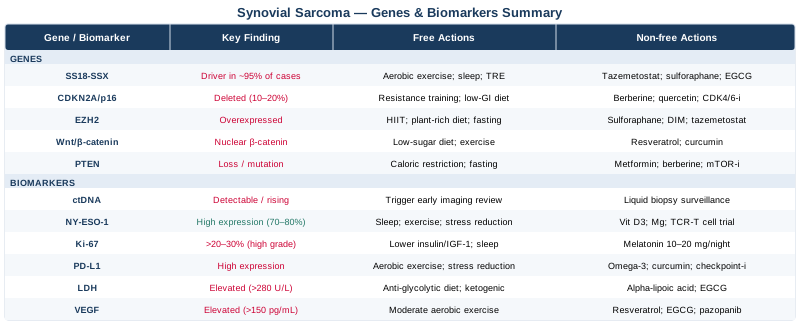
This article covers five of the most clinically relevant genes and epigenetic factors in synovial sarcoma, and six biomarkers that provide measurable information about disease activity and biology. For each one, the current evidence is described plainly, along with what lifestyle and supplemental approaches may support the body's response — always framed as adjuncts to, never replacements for, standard oncological care. The goal is not hope through oversimplification. It is better decisions through better information.
The Genetic and Epigenetic Architecture of Synovial Sarcoma
Understanding this cancer starts where its biology starts: at the chromosomal event that defines virtually every case. From there, the downstream epigenetic effects, co-occurring alterations, and signaling pathway dysregulations each add a layer of complexity — and a layer of potential intervention.
Gene 1: SS18-SSX — The Fusion Gene That Defines the Disease
The SS18-SSX fusion gene, generated by the chromosomal translocation t(X;18)(p11;q11), is present in approximately 95% of synovial sarcomas. In this rearrangement, the SS18 gene on chromosome 18 fuses with one of several SSX genes on the X chromosome — most commonly SSX1 or SSX2, and rarely SSX4. This is not merely a marker; it is the oncogenic driver of the disease.
The fusion protein integrates into the SWI/SNF chromatin remodeling complex and displaces a key subunit called BAF47 (SMARCB1). The consequence is a broad epigenetic reprogramming: differentiation-related genes are silenced, oncogenic programs are activated, and the polycomb repressive complex 2 (PRC2) — particularly its catalytic subunit EZH2 — becomes hyperactive. The SS18-SSX fusion also directly activates Wnt/beta-catenin target genes, creating a constitutive proliferative signal. The scientific literature on this mechanism is extensive and searchable at PubMed.
The SSX1 versus SSX2 subtype carries clinical nuance: SSX1 tumors tend to be biphasic (containing both epithelial and spindle cell components) while SSX2 tumors are more often monophasic. Some studies suggest SSX2 is associated with marginally better outcomes, though this finding is not entirely consistent across datasets. Knowing the variant remains worthwhile.
If the fusion gene is present: the plan without supplements
The SS18-SSX fusion is a somatic chromosomal event — not inherited, and not reversible by lifestyle interventions. However, the downstream effects of the fusion — EZH2 hyperactivation, Wnt pathway activation, SWI/SNF dysregulation — are epigenetically mediated, and external factors can modulate them.
Regular aerobic exercise (150–300 minutes per week of moderate-to-vigorous intensity, consistent with oncology society guidelines) has measurable effects on the epigenome, including changes in chromatin accessibility and reduction of epigenetic age in several studies. Exercise also lowers insulin and IGF-1 — both of which feed into signaling pathways co-activated in this tumor. Time-restricted eating, compressing food intake to an 8–10 hour window, reduces insulin signaling and limits the metabolic environment that cancer cells exploit. Sleep quality is an often-overlooked epigenetic regulator: circadian disruption alters methylation patterns and has been associated with worse cancer outcomes across tumor types. Targeting 7–9 hours of consolidated sleep is low-risk and meaningful.
These are daily behaviors with no cycling needed. No significant side effects exist when implemented with oncology team awareness, though exercise timing around chemotherapy infusions should be individualized.
If the fusion gene is present: the plan with supplements or equipment
Tazemetostat (Tazverik): This FDA-approved EZH2 inhibitor directly targets one of the primary downstream effectors of the SS18-SSX fusion protein. It is a pharmaceutical agent requiring oncologist prescription, and it is being investigated specifically in SS18-SSX-driven synovial sarcoma. Relevant trial data is available at PubMed. This is the most directly mechanistic intervention available.
Sulforaphane from broccoli sprout extract has demonstrated EZH2-modulating effects in preclinical cancer studies. Standardized formulations delivering 30–80 mg sulforaphane equivalent per day are the most studied. Side effects are generally mild (GI discomfort at higher doses). A suggested cycling pattern used by some integrative practitioners is 4–6 weeks on, 2 weeks off, though clinical evidence for specific cycling in humans is limited. It should not be taken without informing the oncology team.
EGCG (epigallocatechin gallate) from green tea extract has shown polycomb-modulating activity in early cancer studies. Doses of 400–800 mg/day EGCG have been explored in small trials. At high doses, liver enzyme elevation is a known risk; monitoring is advisable. It should not be taken close in time to certain chemotherapy agents without clearance.
Gene 2: CDKN2A/p16 — When the Cell Cycle Loses Its Brake
CDKN2A encodes two critical tumor suppressor proteins: p16(INK4a) and p14(ARF). The p16 protein inhibits CDK4 and CDK6, preventing uncontrolled progression through the cell cycle. When CDKN2A is deleted — which occurs in approximately 10–20% of synovial sarcomas — cells cycle without restraint, and tumors tend to behave more aggressively and respond less favorably to standard treatment. The p14/ARF protein encoded by the same locus stabilizes p53, so deletion of CDKN2A simultaneously destabilizes p53 function, compounding the effect. This makes CDKN2A status one of the most important secondary alterations to test for, and its prognostic relevance is documented at PubMed.
If CDKN2A is deleted: the plan without supplements
CDK4/6 inhibitors (palbociclib, ribociclib, abemaciclib) are FDA-approved for other CDK4/6-driven cancers and are being evaluated in sarcomas. When CDKN2A is deleted, this class of drugs becomes particularly relevant — and clinical trials are actively exploring this combination. This is an active conversation to have with the oncologist, especially for patients who have progressed on standard therapy.
From a lifestyle standpoint, reducing systemic insulin and IGF-1 signaling is mechanistically relevant because CDK4 activity is partly driven by growth factor signaling. Regular resistance training (2–3 sessions per week) alongside aerobic exercise maintains insulin sensitivity. A low-glycemic diet reduces postprandial insulin spikes, which in turn reduces the mitogenic signaling environment that makes CDK4 hyperactivity more consequential.
If CDKN2A is deleted: the plan with supplements or equipment
Berberine is a plant alkaloid that activates AMPK (a cellular energy sensor), improves insulin sensitivity, and has shown antiproliferative properties in CDK-dysregulated cancer models. Doses studied range from 500–1500 mg/day in divided doses. GI side effects (bloating, constipation) are common; liver enzyme monitoring is advisable with extended use. A cycling protocol of 8 weeks on, 4 weeks off is commonly used by integrative practitioners to preserve gut microbiome balance, though specific evidence for this cycle is limited in oncology.
Quercetin has demonstrated CDK4/6 inhibitory activity in preclinical studies. Bioavailability is low without a delivery vehicle; quercetin phytosome formulations or co-administration with bromelain improves absorption. Doses in human studies typically range from 500–1000 mg/day. It is generally well tolerated, though it may interact with certain chemotherapy agents — oncology team awareness is essential.
Gene 3: EZH2 — The Epigenetic Accelerator
EZH2 (Enhancer of Zeste Homolog 2) is the catalytic subunit of the polycomb repressive complex 2 (PRC2). It methylates histone H3 at lysine 27 (H3K27me3), silencing genes involved in differentiation and programmed cell death. In synovial sarcoma, EZH2 is not incidentally overexpressed — it is directly activated by the SS18-SSX fusion protein. When the fusion displaces BAF47 from the SWI/SNF complex, the normal antagonism of PRC2 is removed, and EZH2 runs unchecked, locking cells in a dedifferentiated, proliferative state.
This makes EZH2 one of the most therapeutically significant epigenetic targets in this cancer. Its relevance in synovial sarcoma is well-documented at PubMed, and it is also the mechanistic bridge that links the defining fusion gene to a druggable epigenetic target. EZH2 expression level correlates with disease aggressiveness and should be measured in comprehensive molecular profiling.
If EZH2 is overexpressed: the plan without supplements
High-intensity interval training (HIIT) has been shown in multiple studies to reduce EZH2 expression in non-cancer contexts, likely through its effects on AMPK and mTOR signaling pathways. For patients tolerating treatment, 2–3 supervised HIIT sessions per week — under oncology clearance — represent a low-risk strategy with a relevant biological rationale.
Intermittent fasting and caloric restriction suppress mTOR, which is upstream of EZH2 in several signaling cascades. A plant-rich diet high in cruciferous vegetables provides sulforaphane and indole-3-carbinol, both of which have demonstrated EZH2-modulating properties in cancer models. Direct synovial sarcoma evidence for these dietary interventions is lacking, but the mechanism is plausible and the risk is low.
If EZH2 is overexpressed: the plan with supplements or equipment
Sulforaphane is particularly relevant here given its direct EZH2 mechanism. Broccoli sprout extracts delivering 30–80 mg of standardized sulforaphane equivalents per day represent the most studied form. DIM (diindolylmethane), another cruciferous-derived compound, has shown EZH2-suppressive effects in cancer cell lines. Doses of 100–300 mg/day are commonly used; it is generally well tolerated, though it can affect estrogen metabolism and may require monitoring in hormone-sensitive contexts.
Tazemetostat, as noted in the SS18-SSX section, is the direct pharmacological tool here and represents an active discussion point for eligible patients with EZH2-overexpressing tumors.
Gene 4: The Wnt/Beta-Catenin Pathway — A Growth Signal That Persists
The Wnt/beta-catenin signaling pathway is a fundamental developmental pathway governing cell proliferation and fate. In synovial sarcoma, the SS18-SSX fusion protein directly activates Wnt target genes, creating a constitutive growth signal. Some tumors additionally show nuclear accumulation of beta-catenin protein (encoded by CTNNB1), which amplifies transcription of Wnt target genes including cyclin D1 and c-Myc. Nuclear beta-catenin expression in synovial sarcoma has been associated with more aggressive tumor behavior across multiple case series. The relevant research is searchable at PubMed.
Understanding CTNNB1 status helps clarify whether additional Wnt pathway-targeted therapies might be relevant and contributes to a more complete picture of the tumor's driving biology.
If Wnt/beta-catenin is overactive: the plan without supplements
Reducing dietary refined sugars and simple carbohydrates is the most mechanistically grounded dietary strategy in this context. Elevated insulin and high glucose conditions promote Wnt signaling through crosstalk with PI3K and EGFR pathways. A low-glycemic, whole-food diet creates a hormonal environment less permissive to Wnt-driven proliferation. This is not a cancer treatment; it is a metabolic background modification aligned with general oncology nutrition guidance.
Exercise continues to be relevant: both endurance and resistance training suppress Wnt signaling components in preclinical models through AMPK activation and improved insulin sensitivity. The convergence of multiple pathways on the benefits of exercise and metabolic health is not coincidental — these are upstream regulators.
If Wnt/beta-catenin is overactive: the plan with supplements or equipment
Resveratrol has demonstrated Wnt/beta-catenin suppressive activity across multiple cancer models. Trans-resveratrol in liposomal or micronized formulations (to address its notoriously poor bioavailability) at 500–1000 mg/day is the most studied range. Interactions with anticoagulant medications are possible at higher doses. Side effects at these doses are generally minimal.
Curcumin in highly bioavailable formulations (BCM-95, phytosomal, or nanoparticle forms) has shown beta-catenin suppressive activity in colorectal and other tumor models. Doses of 1000–2000 mg/day of the enhanced formulation are commonly studied. GI effects are possible; potential inhibition of certain cytochrome P450 enzymes means chemotherapy interaction must be reviewed with the oncologist before use.
Gene 5: PTEN Loss and PI3K/mTOR Pathway Activation
PTEN is a phosphatase that suppresses the PI3K/AKT/mTOR signaling axis, a pathway central to cell survival, growth, and metabolic reprogramming. PTEN loss or mutation occurs in a meaningful subset of synovial sarcomas and is thought to contribute to treatment resistance and more aggressive behavior. When PTEN is absent, the PI3K pathway runs unchecked, activating AKT and mTOR — which in turn drive protein synthesis, cell proliferation, and suppression of the cellular self-cleaning process of autophagy.
Critically, mTORC1 is also a key activator of EZH2, meaning PTEN loss amplifies the same polycomb hyperactivation already triggered by SS18-SSX. This convergence makes PTEN-deficient tumors particularly aggressive at the epigenetic level. Research on this interaction is available at PubMed. PTEN status should be part of comprehensive molecular profiling, as it may inform eligibility for mTOR inhibitor-based approaches.
If PTEN is lost or PI3K/mTOR is hyperactive: the plan without supplements
Caloric restriction and intermittent fasting are among the most potent non-pharmacological suppressors of mTORC1. This is mechanistically grounded: mTORC1 is a cellular nutrient sensor, and reducing amino acid and insulin availability directly inhibits its activity. Studies in oncology have explored 24–72 hour fasting protocols around chemotherapy, with evidence suggesting reduced normal cell toxicity and increased cancer cell sensitivity. These protocols require medical supervision and are not appropriate for all patients, particularly those already dealing with treatment-related weight loss.
Avoiding excessive leucine-rich protein intake during fasting windows helps prevent mTORC1 re-activation, without compromising the overall protein adequacy that oncology patients require for muscle preservation.
If PTEN is lost or PI3K/mTOR is hyperactive: the plan with supplements or equipment
Metformin (a biguanide, not a supplement but widely accessible and inexpensive) activates AMPK and suppresses mTOR. Several cancer centers are exploring its use as an adjunct in sarcoma and other solid tumors. Its safety profile is well-established. This is a specific conversation worth having with the oncologist for PTEN-deficient cases.
Berberine (discussed under CDKN2A) is doubly relevant in cases with both cell cycle dysregulation and PTEN loss, given its AMPK-activating, mTOR-suppressing mechanism. The same dosing and monitoring cautions apply: 500–1500 mg/day in divided doses, with liver monitoring and cycling as described.
mTOR inhibitors (everolimus, temsirolimus) as pharmaceutical agents have already shown modest activity in sarcoma. For PTEN-deficient tumors, they represent a pathway-specific strategy worth actively discussing with the oncology team.
The Biomarkers Worth Tracking in Synovial Sarcoma
Beyond the genes themselves, there are molecular markers measurable in tumor tissue, blood, and imaging that provide real-time data on disease activity, treatment response, and risk stratification. These six markers are among the most informative and actionable in the synovial sarcoma context.
Biomarker 1: SS18-SSX Fusion in Circulating Tumor DNA (ctDNA)
The SS18-SSX fusion creates a unique genetic sequence that can potentially be detected in the bloodstream through circulating tumor DNA (ctDNA) — a component of liquid biopsy technology. Because virtually every synovial sarcoma carries this fusion, it serves as both a highly specific diagnostic marker and a monitoring tool, enabling disease surveillance without repeated tissue biopsies. Relevant research is searchable at PubMed.
How to measure it
ctDNA liquid biopsy is available through reference laboratories including Foundation Medicine, Guardant Health, and academic medical centers. Cost ranges from approximately $1,500 to $5,000 per test depending on platform and coverage. Sensitivity for soft tissue sarcoma ctDNA is currently lower than for common epithelial tumors, but is improving as next-generation sequencing platforms evolve.
If ctDNA is detectable or rising: the plan without supplements
Rising ctDNA during or after treatment is typically a signal of disease recurrence or progression before it becomes visible on imaging — giving the clinical team an earlier intervention window. The primary response is to trigger earlier imaging reassessment and prompt oncology consultation. No lifestyle intervention reduces tumor-derived ctDNA; its value is as an early warning system that prompts medical action.
If ctDNA is detectable or rising: the plan with supplements or equipment
There is no supplement that reduces ctDNA from an active tumor. However, ctDNA monitoring's value lies in enabling earlier decisions about systemic therapy escalation, ablative procedures, or clinical trial enrollment — all actions made more effective by early detection. The investment in regular ctDNA monitoring may itself be the most impactful "intervention" for patients in active surveillance.
Biomarker 2: NY-ESO-1 Expression
NY-ESO-1 (New York Esophageal Squamous Cell Carcinoma 1) is a cancer-testis antigen normally restricted to germline tissues but aberrantly expressed in approximately 70–80% of synovial sarcomas — one of the highest rates of any solid tumor type. This makes synovial sarcoma uniquely positioned for NY-ESO-1-directed immunotherapy, including adoptive T-cell receptor-engineered cell therapies. The extensive clinical evidence for this marker is documented at PubMed.
How to measure it
NY-ESO-1 is measured by immunohistochemistry (IHC) on tumor biopsy tissue and is part of the standard molecular workup at sarcoma specialty centers. As a standalone IHC test, cost is approximately $100–$400; as part of a comprehensive molecular panel, it varies. This test should be requested at the time of initial biopsy if not already performed.
If NY-ESO-1 is highly expressed: the plan without supplements
High expression is, in a meaningful sense, a positive finding — it qualifies the patient for specific immunotherapy approaches, particularly TCR-T cell therapy trials. The non-pharmacological priority is supporting immune competence: adequate sleep, moderate exercise, and reducing chronic psychological stress all affect T-cell activity and NK cell function. These are not passive suggestions; in the context of immunotherapy, a well-functioning immune system is a direct treatment asset.
If NY-ESO-1 is highly expressed: the plan with supplements or equipment
Vitamin D3 (targeting serum 25(OH)D levels of 40–60 ng/mL) is associated with improved T-cell function and NK cell activity across multiple immune-oncology studies. Dose varies by baseline — typically 2,000–5,000 IU/day with periodic serum monitoring. Magnesium (glycinate or malate form, 200–400 mg/day) supports vitamin D activation and is frequently insufficient in standard diets. High NY-ESO-1 expression should immediately open a conversation about clinical trial eligibility for TCR-T cell therapy.
Biomarker 3: Ki-67 Proliferation Index
Ki-67 is a nuclear protein expressed exclusively in actively cycling cells, making it the standard clinical measure of tumor proliferative activity. In synovial sarcoma, a higher Ki-67 index consistently correlates with more aggressive tumor behavior, greater risk of metastasis, and worse prognosis. A Ki-67 above 20–30% typically indicates high-grade disease requiring intensified management. Its prognostic value is well established and searchable at PubMed.
How to measure it
Ki-67 is measured by IHC on biopsy or surgical specimen and is standard in soft tissue sarcoma pathology reporting. Cost is included in initial tumor workup; as a standalone IHC stain, it is typically $150–$350. It is reported as the percentage of tumor cells staining positive for the Ki-67 protein.
If Ki-67 is high: the plan without supplements
High Ki-67 is primarily a signal for more aggressive oncological management. Lifestyle-level support involves reducing the hormonal and metabolic drivers of cell cycling: lowering insulin and IGF-1 through exercise, time-restricted eating, and reduced simple carbohydrate intake decreases the mitogenic signaling that feeds CDK4/6-driven cell cycle entry. Sleep adequacy is relevant here too — growth hormone and IGF-1 peak with chronic sleep disruption, promoting cell proliferation.
If Ki-67 is high: the plan with supplements or equipment
Melatonin at pharmacological doses (10–20 mg before sleep, distinct from the physiological doses of 0.5–1 mg used for jet lag) has been studied in oncology for antiproliferative effects, including Ki-67 reduction in several tumor types. Evidence is preliminary for sarcoma specifically. Morning grogginess is the most common side effect at these doses. It should not be initiated without oncology discussion, and effects should be evaluated over 4–8 week periods.
Biomarker 4: PD-L1 Expression
PD-L1 (Programmed Death-Ligand 1) is expressed on tumor cells to suppress T-cell activity by binding to the PD-1 receptor — an immune evasion mechanism. In synovial sarcoma, PD-L1 expression is variable but present in a meaningful subset of cases. While checkpoint inhibitors have shown limited response in unselected sarcoma patients, PD-L1-positive tumors may benefit more from these agents, particularly when combined with NY-ESO-1-directed approaches. Ongoing immunotherapy research in this area is documented at PubMed.
How to measure it
PD-L1 is measured by IHC using validated companion diagnostic assays (22C3 or 28-8 antibody clones are the most commonly used). It is increasingly included in reflex molecular testing panels at major cancer centers. Standalone cost: $200–$500; often included in comprehensive genomic profiling at no additional charge.
If PD-L1 is high: the plan without supplements
High PD-L1 expression makes checkpoint inhibitor therapy a more viable discussion point in treatment planning. Non-pharmacologically, exercise has been shown in preclinical studies to increase intratumoral immune cell infiltration and may synergize with checkpoint therapy — supporting the case for maintaining moderate aerobic exercise during treatment where clinically feasible. Stress reduction also modulates PD-1/PD-L1 expression.
If PD-L1 is high: the plan with supplements or equipment
Omega-3 fatty acids (EPA+DHA, 2–4 g/day from pharmaceutical-grade fish oil) have anti-inflammatory effects and emerging evidence for modulating the tumor immune microenvironment in ways that may support checkpoint therapy. Blood-thinning effects are relevant at higher doses, particularly around surgical procedures. Curcumin has been shown in some cancer models to downregulate PD-L1 expression, suggesting theoretical synergy with checkpoint approaches — though direct clinical evidence in synovial sarcoma is not yet established. Oncology team awareness of all supplemental use is essential before checkpoint therapy begins.
Biomarker 5: Lactate Dehydrogenase (LDH)
LDH (Lactate Dehydrogenase) is an enzyme central to anaerobic glycolysis — the Warburg effect that characterizes cancer cell metabolism. Elevated serum LDH reflects both tumor burden and the metabolic intensity of the cancer. It is an established prognostic marker in multiple sarcoma types, including synovial sarcoma, and is incorporated into staging and risk stratification systems for advanced or metastatic disease.
How to measure it
LDH is a standard blood test available at any clinical laboratory. Cost: $15–$50 without insurance, often included in comprehensive metabolic panels. Normal range typically falls between 140–280 U/L, though lab-specific reference ranges vary. It should be measured at diagnosis and monitored longitudinally as a simple, inexpensive disease activity indicator.
If LDH is elevated: the plan without supplements
Elevated LDH in the context of synovial sarcoma first requires confirming it reflects disease activity rather than treatment-related muscle damage (chemotherapy can transiently raise LDH). When confirmed as tumor-related, anti-glycolytic metabolic strategies become relevant: ketogenic or very low-carbohydrate diets reduce glucose availability for the Warburg pathway, and preclinical data supports this in glucose-dependent tumors. These approaches must be implemented carefully in oncology patients requiring adequate caloric intake and managing treatment-related nausea; working with an oncology dietitian is advisable.
If LDH is elevated: the plan with supplements or equipment
Alpha-lipoic acid (ALA) (300–600 mg/day) has been studied for its ability to shift cellular metabolism toward oxidative phosphorylation and away from aerobic glycolysis in cancer models. It is generally well tolerated; high doses may cause GI effects and potential interactions with thyroid medication. EGCG from green tea extract also targets cellular glycolytic metabolism through multiple mechanisms. Both are supportive agents, not treatments, and their use requires oncology team awareness.
Biomarker 6: VEGF and Angiogenic Markers
VEGF (Vascular Endothelial Growth Factor) drives the formation of new blood vessels within and around the tumor — a process called angiogenesis essential for tumor growth beyond small dimensions. Synovial sarcomas are typically highly vascular tumors, and elevated VEGF levels correlate with tumor aggressiveness and metastatic potential. Anti-angiogenic agents such as pazopanib are already approved for soft tissue sarcoma, and VEGF pathway status can help inform decisions about their use. Research on angiogenesis and treatment in this tumor type is searchable at PubMed.
How to measure it
Serum VEGF-A can be measured by ELISA at reference laboratories. Normal serum VEGF-A is typically below 115–150 pg/mL, though ranges vary by assay. Cost: $100–$250 standalone. VEGF expression in tumor tissue can additionally be assessed by IHC and is often included in comprehensive molecular profiling reports.
If VEGF is elevated: the plan without supplements
Moderate aerobic exercise has a nuanced effect on tumor vasculature: in cancer contexts, it may normalize abnormal tumor vessels (rather than simply stimulating more growth), potentially improving drug delivery to the tumor. High-intensity exercise has been associated with reduced circulating VEGF in some cancer cohorts. Anti-angiogenic therapy (pazopanib, sunitinib) remains the primary clinical tool, and elevated serum VEGF strengthens the rationale for discussing these agents.
If VEGF is elevated: the plan with supplements or equipment
Resveratrol has demonstrated VEGF-suppressive properties in multiple tumor models through its effects on HIF-1α (the transcription factor driving VEGF expression under hypoxic conditions). Formulation and dosing considerations are as described in the Wnt pathway section. EGCG also inhibits VEGF receptor signaling through tyrosine kinase inhibition — the same general mechanism as pharmaceutical anti-angiogenics, though with far lower potency. These are supportive adjuncts, not anti-angiogenic therapies, and should be disclosed to the oncology team since pharmacological overlap with anti-angiogenic drugs requires careful coordination.
The Cancer Code: 10 Insights That Reframe How to Think About This Disease
The Cancer Code by Dr. Jason Fung (2020) synthesizes cancer biology research through a metabolic and evolutionary lens that is directly relevant to the epigenetic and metabolic themes running through this article. Fung draws extensively from peer-reviewed literature to build a case that complements, rather than replaces, conventional oncology. While not specific to synovial sarcoma, the framework it provides helps contextualize why metabolism, fasting, and epigenetics matter even in a cancer this genetically defined.
1. Cancer Is an Evolutionary Process, Not Just a Genetic Accident
Cancer cells do not randomly accumulate mutations — they undergo Darwinian selection within the body. The cells that survive and proliferate are those best adapted to the local environment. This reframes treatment strategy: rather than only trying to eliminate every cancer cell, reducing the selective pressure that favors aggressive cells (high glucose, chronic inflammation, hypoxia) changes the evolutionary terrain.
2. The Warburg Effect Is a Feature, Not a Bug
Cancer cells preferentially ferment glucose even when oxygen is available — aerobic glycolysis. Fung argues this is an adaptive survival strategy, not random metabolic dysfunction. This directly supports anti-glycolytic dietary strategies: time-restricted eating and low-glycemic diets reduce the glucose surplus that highly glycolytic tumors like synovial sarcoma exploit.
3. Insulin and IGF-1 Are the Most Powerful Growth Factors for Cancer
Chronically elevated insulin — from high-carbohydrate, high-frequency eating — provides a permissive hormonal environment for cancer growth. Fung reviews mechanistic and epidemiological evidence linking insulin resistance to cancer risk and progression. Lowering insulin through diet and fasting is not a fringe idea; it is grounded in the signaling biology of PI3K, mTOR, and CDK4 — all of which are relevant in synovial sarcoma.
4. Fasting Creates a Differential Stress Response
Short-term fasting before chemotherapy reduces normal cell toxicity while sensitizing cancer cells. Normal cells adapt to fasting by shifting to fat metabolism; many cancer cells cannot make this shift effectively. Fung reviews early clinical trial data supporting this approach, with the important caveat that it must be medically supervised, particularly in patients already managing treatment-related weight loss.
5. Visceral Fat Is a Hormonal and Inflammatory Engine
Excess visceral adipose tissue produces inflammatory cytokines, elevates insulin, and creates a systemic pro-growth environment. Fung's argument here is not about weight stigma — it is about the biochemical signals that visceral fat continuously broadcasts, all of which are upstream activators of pathways relevant to synovial sarcoma biology.
6. Epigenetic Changes Are Reversible
Unlike fixed genetic mutations, epigenetic drivers — methylation, acetylation, chromatin remodeling — are dynamically regulated. Fung argues this is one of the most hopeful aspects of the metabolic cancer framework. In synovial sarcoma, where EZH2 hyperactivation is epigenetic, this principle is directly applicable: the epigenetic landscape can shift in response to diet, exercise, fasting, and targeted compounds.
7. The Tumor Microenvironment Shapes Tumor Behavior
The immune cells, fibroblasts, blood vessels, and extracellular matrix surrounding a tumor collectively determine how aggressive it behaves. A pro-inflammatory, hypoxic, acidic microenvironment accelerates progression. Improving the microenvironment through systemic lifestyle changes — reducing chronic inflammation, improving oxygenation through exercise, normalizing metabolic signals — is a legitimate complementary strategy.
8. Reducing Meal Frequency Matters as Much as Reducing Calories
Time-restricted eating reduces total insulin exposure independently of caloric intake. Even without calorie restriction, compressing eating to an 8–10 hour window lowers fasting insulin, reduces inflammatory markers, and improves metabolic health — all documented in human intervention studies. This is one of the most practically accessible metabolic interventions.
9. Chemotherapy Resistance Is Partly a Metabolic Phenomenon
Fung explores evidence that metabolically robust cancer cells — those with high glucose availability and active PI3K/mTOR signaling — are more resistant to certain chemotherapy agents. Creating a metabolically unfavorable environment for the tumor, concurrent with treatment, may improve chemotherapy sensitivity. This is an emerging clinical hypothesis with preclinical support.
10. The Goal Is to Change the Terrain, Not Only to Kill the Tumor
Fung's concluding argument is that treating cancer as a chronic metabolic disease — in addition to an acute oncological emergency — may produce more durable outcomes. The goal of metabolic and epigenetic interventions is not to replace surgery, chemotherapy, or targeted therapy. It is to change the biological terrain on which the cancer exists, in ways that may reduce recurrence risk and improve treatment response.
Complementary Approaches Worth Considering
The following approaches do not treat synovial sarcoma directly. Their value lies in managing treatment side effects, supporting immune function, reducing psychological distress, and improving quality of life during and after oncological care — all of which meaningfully affect the overall treatment experience and, in some cases, clinical outcomes.
Mindfulness-Based Stress Reduction (MBSR)
MBSR is an 8-week structured program combining mindfulness meditation, body scanning, and mindful movement, developed by Jon Kabat-Zinn. Chronic psychological stress elevates cortisol, suppresses NK cell activity, promotes inflammatory cytokines, and impairs sleep. These are not merely subjective burdens — they have measurable downstream effects on immune competence and treatment tolerance. For young patients with synovial sarcoma, who often face this diagnosis in their twenties or thirties with significant life disruption, psychological burden is a genuine clinical variable.
A meta-analysis published in the Journal of Clinical Oncology and searchable at PubMed found significant reductions in anxiety, depression, and fatigue in cancer patients completing MBSR programs. Multiple randomized trials have confirmed improvements in sleep quality and cortisol normalization.
To apply MBSR realistically, seek a qualified instructor through programs offered at major cancer centers, which frequently include MBSR for patients. Apps such as Headspace or Insight Timer can supplement formal instruction. During treatment, even 10–15 minutes of daily practice has shown measurable stress reduction. The full 8-week program is the studied protocol; sustained practice beyond 8 weeks maintains benefits. No known adverse effects exist, though some patients experience temporary discomfort when sitting with difficult emotions — a skilled facilitator manages this well.
Microbiome-Directed Therapies
The gut microbiome plays a documented role in shaping systemic immune responses — including anti-tumor immunity. Research has shown that microbiome composition significantly predicts response to checkpoint immunotherapy (anti-PD-1/PD-L1 drugs), which is increasingly relevant to synovial sarcoma given its PD-L1 expression and active immunotherapy trial activity. Patients with greater microbiome diversity, particularly with higher levels of Akkermansia muciniphila and Faecalibacterium prausnitzii, have been found to respond better to checkpoint inhibitors across multiple tumor types. Relevant research is available at PubMed.
Chemotherapy and antibiotics — both common in the synovial sarcoma treatment landscape — are major disruptors of microbiome diversity. Post-treatment microbiome restoration is an area of active clinical investigation.
Practical microbiome support begins with diet: high dietary fiber (25–35 g/day from diverse plant sources), fermented foods (kefir, kimchi, sauerkraut, plain yogurt with live cultures), and avoidance of unnecessary antibiotics. Targeted probiotic supplementation with strains such as Lactobacillus rhamnosus GG has been studied in oncology, particularly for reducing chemotherapy-related diarrhea. During active treatment, strain selection and timing should be discussed with the oncologist, as immunocompromised patients require specific precautions. Fecal microbiota transplantation (FMT) to enhance immunotherapy response is currently in Phase I/II trials and represents a future direction worth monitoring.
Music Therapy
Music therapy, delivered by a board-certified music therapist in a clinical context, has a meaningful evidence base in oncology for reducing procedural anxiety, acute pain perception, treatment-related nausea, and emotional distress. For synovial sarcoma patients undergoing painful procedures, prolonged chemotherapy infusions, and complex surgeries, reducing anxiety and pain without additional pharmacological burden is clinically meaningful — and practically accessible.
A Cochrane review of music therapy in people with cancer, searchable at PubMed, found moderate evidence for anxiety reduction and small-to-moderate effects on pain, mood, and quality of life, with no adverse effects reported across included studies. The evidence base is heterogeneous in design, but the direction is consistently favorable.
Access to a certified music therapist during chemotherapy infusion sessions or pre-surgical periods represents the most studied application. Many large cancer centers offer this. In the absence of formal therapy, patient-selected, personally meaningful music during infusions has also shown benefits in reducing perceived pain and anxiety in controlled studies — making this one of the most accessible and entirely risk-free complementary tools available to any patient.
Taking the Next Smart Step
Synovial sarcoma is rare, but it is molecularly precise. The SS18-SSX fusion gene, the downstream EZH2 hyperactivation, the potential co-occurring loss of CDKN2A or PTEN, the NY-ESO-1 expression level — these are not abstractions. They are measurable, documentable features of each individual tumor that carry real implications for treatment selection, clinical trial eligibility, and the supportive strategies most worth pursuing. Understanding them gives patients and families something more useful than generic reassurance.
No supplement, fasting protocol, or complementary practice replaces surgery, chemotherapy, or targeted therapy. But the biology reviewed here makes clear that the metabolic environment, immune competence, epigenetic landscape, and tumor microenvironment are all modifiable — and that modifying them thoughtfully, in parallel with conventional care, is a legitimate and increasingly evidence-supported approach.
The most actionable next steps are to ensure comprehensive molecular profiling of the tumor at a sarcoma specialty center (including SS18-SSX variant, CDKN2A status, EZH2 expression, NY-ESO-1, PD-L1, and Ki-67); to track LDH longitudinally as a simple disease activity indicator; to discuss clinical trial eligibility for EZH2 inhibitor and NY-ESO-1-directed therapies; and to consider consultation with an integrative oncology team to implement supportive metabolic and lifestyle strategies under medical supervision. Better information creates more precise conversations — and in a disease this molecularly defined, that precision matters.