This article contains AI generated content.
· UpdatedSyphilitic Arthritis – 5 Genes And 6 Biomarkers To Track
Introduction
If you have been diagnosed with syphilitic arthritis — or suspect it — you already know that the standard conversation with most clinicians stops at "treat the infection and the joint symptoms will resolve." That is technically accurate, but it leaves a significant gap. Not everyone who develops syphilitic arthritis recovers joint function at the same speed or the same degree. The severity of joint involvement, the pace of recovery, and the risk of residual damage differ widely from person to person, and those differences are not random.
Syphilitic arthritis is a musculoskeletal complication of Treponema pallidum infection. It can emerge during secondary syphilis as a migratory polyarthritis, or in late/tertiary syphilis as a destructive, gummatous joint disease. What makes it particularly tricky is that joint involvement is often underrecognized — mistaken for reactive arthritis, lupus, or seronegative rheumatoid arthritis — and the inflammatory cascade it triggers does not always switch off cleanly when antibiotics clear the bacterium. The immune memory and the tissue damage it leaves behind are shaped, in part, by your individual biology.
Generic anti-inflammatory protocols and standard syphilis follow-up miss the individual variation that matters most: who is genetically primed to mount an aggressive joint-targeting immune response, and who still carries elevated inflammatory burden long after the infection itself is resolved. That is the question this article addresses.
What follows is a practical, evidence-aware breakdown of the tools that can give you a sharper picture. The biomarker section will show you which measurable values in blood and synovial fluid actually track what is happening in your joints, and what concrete steps you can take when those values are off. The genetics section will walk through the gene variants most relevant to syphilitic arthritis susceptibility and inflammatory severity — and what you can do about each one. Neither section promises cures. Both sections offer better information, and better information leads to better decisions.
Summary
What this article covers:
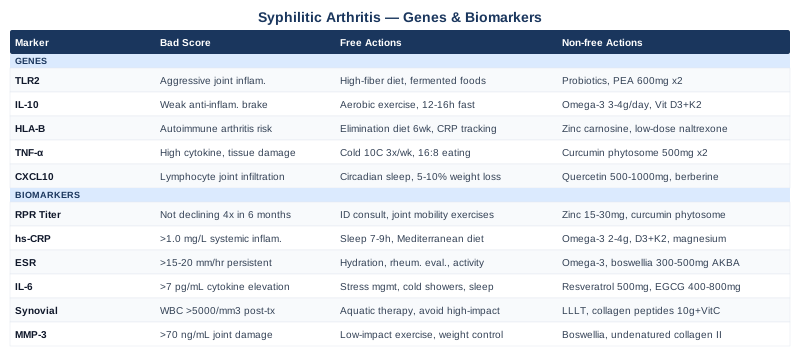
- 6 key biomarkers for monitoring syphilitic arthritis activity and joint recovery — including RPR titer, hs-CRP, ESR, IL-6, synovial fluid analysis, and MMP-3 — with cost ranges, measurement methods, and specific action plans for each - 5 genes most relevant to your individual risk and inflammatory response: TLR2, IL-10, HLA-B, TNF-α, and CXCL10 — with both supplement-free and supplement-supported recovery strategies - A distilled summary of one of Andrew Huberman's most impactful conversations on immune-driven inflammation — and what it means for persistent joint disease - Evidence-reviewed complementary approaches including mindfulness-based stress reduction, tai chi, massage therapy, Chinese herbal medicine, and microbiome-directed therapy - A closing framework that helps you decide where to focus first
If your doctors have cleared the infection but your joints are still fighting, this article explains why — and what to track next.
---
6 Biomarkers That Reveal What Is Actually Happening in Your Joints
Syphilitic arthritis sits at an unusual intersection: it is both an infectious disease and an immune-mediated joint condition. Once antibiotics clear Treponema pallidum, the infection is gone — but the inflammatory machinery it activated may stay elevated for months. The biomarkers below help you distinguish between residual infection, ongoing immune dysregulation, and structural joint damage. Together, they give you a dashboard that most standard syphilis follow-up does not provide.
Biomarker 1: RPR Titer (Rapid Plasma Reagin)
Why it matters: The RPR is the standard non-treponemal test used to gauge disease activity in syphilis. After successful antibiotic treatment, RPR titers should decline by fourfold within six months for primary/secondary syphilis, and within 12 to 24 months for late syphilis. Persistently elevated or non-declining RPR in the setting of ongoing joint symptoms suggests treatment failure, reinfection, or — less commonly — a serofast state where the antibody lingers despite microbial clearance. In the context of joint symptoms, a stalled RPR is a red flag that the infection may still be driving inflammation.
How to measure it: Standard serology panel ordered through any clinical laboratory. Cost: $15–$50 in the US depending on the lab. Titer results (e.g., 1:8, 1:16) matter more than a simple positive/negative result. Request quantitative titers at each follow-up, not just a binary result.
If the titer is not declining as expected — plan without supplements: Return to your infectious disease specialist. A non-declining titer after adequate penicillin therapy warrants repeat lumbar puncture to rule out neurosyphilis, re-evaluation of treatment adequacy (dose, route, duration), and testing for HIV co-infection, which substantially affects serological response. Daily joint mobility exercises, gentle range-of-motion work, and avoiding prolonged immobilization of affected joints help maintain function while the infectious question is resolved.
If the titer is not declining — plan with supplements or equipment: Before adding anything, confirm treatment adequacy. Once infectious disease is managed, some practitioners use zinc bisglycinate (15–30 mg/day with food, cycled 5 days on / 2 days off) to support immune regulation — zinc is essential for T-cell function and proper immune resolution. Curcumin phytosome (500–1000 mg twice daily with meals) has a reasonable anti-inflammatory evidence base for inflammatory arthritis generally. Neither replaces antibiotic retreatment. Avoid high-dose immune stimulants (echinacea, high-dose vitamin C megadosing) during active joint inflammation.
Biomarker 2: hs-CRP (High-Sensitivity C-Reactive Protein)
Why it matters: hs-CRP is the most clinically accessible measure of systemic inflammatory load. In syphilitic arthritis, elevated CRP reflects the ongoing immune activation that drives synovial inflammation, cartilage degradation, and joint pain. Peter Attia consistently emphasizes hs-CRP as a foundational metabolic and inflammatory marker — levels above 1.0 mg/L indicate meaningful systemic inflammation, and levels above 3.0 mg/L indicate high risk. In the context of infectious arthritis, hs-CRP is a useful proxy for how aggressively the immune system is reacting at the joint level.
How to measure it: Standard blood test. Cost: $15–$40. Request high-sensitivity CRP specifically — standard CRP is too crude for tracking subclinical or resolving inflammation. Optimal target post-treatment is below 0.5 mg/L. Test in a fasted state, and avoid testing within 72 hours of intense exercise, which transiently elevates CRP.
If hs-CRP remains elevated — plan without supplements: Sleep quality is the single most impactful non-pharmacological driver of CRP reduction. Seven to nine hours of consistent sleep, with a fixed wake time, measurably reduces inflammatory markers within weeks. Eliminating ultra-processed foods and refined carbohydrates (which sustain low-grade endotoxemia) is the second tier. A Mediterranean-style anti-inflammatory diet — olive oil, oily fish, colorful vegetables, legumes — has direct trial-level evidence for CRP reduction. Moderate-intensity aerobic exercise (150 minutes per week at zone 2 intensity) also reduces CRP through anti-inflammatory myokine release.
If hs-CRP remains elevated — plan with supplements or equipment: Omega-3 fatty acids (EPA + DHA, 2–4 g/day combined) have strong evidence for CRP and IL-6 reduction. Take with the largest meal of the day. Cycle is not required — this is a long-term supplement. Vitamin D3 deficiency (25-OH-D below 40 ng/mL) is independently associated with elevated CRP and arthritis severity; supplement to reach 50–70 ng/mL using D3 + K2. Magnesium glycinate (200–400 mg before bed) supports the sleep architecture that drives CRP normalization. Infrared sauna, if tolerated (3 sessions per week at 40–50°C for 20 minutes), has modest but real evidence for reducing inflammatory cytokine burden.
Biomarker 3: ESR (Erythrocyte Sedimentation Rate)
Why it matters: ESR is a slower-moving but complementary inflammation marker to CRP. While hs-CRP rises and falls within hours to days, ESR reflects a more sustained inflammatory burden. In syphilitic arthritis, ESR is particularly useful for tracking the trajectory of joint disease over weeks to months — it captures the persistence of inflammation that CRP may normalize before joint symptoms fully resolve. Elevated ESR in the setting of treated syphilis with persistent arthritis is a signal worth investigating further, as it may indicate unresolved synovitis, overlapping autoimmune activation, or — in rare cases — tertiary gummatous involvement.
How to measure it: Standard blood test, often bundled with a CBC. Cost: $10–$30. Normal ranges: men under 50, below 15 mm/hr; women under 50, below 20 mm/hr. Interpret ESR in context — it is elevated in many benign conditions including anemia and pregnancy. Use it in combination with CRP rather than in isolation.
If ESR is persistently elevated — plan without supplements: Hydration matters more here than most realize — dehydration artificially elevates ESR. More importantly, if ESR stays elevated 3–6 months after successful syphilis treatment, pursue rheumatological evaluation. Overlapping reactive arthritis (which shares clinical features with syphilitic arthritis) may explain persistent elevation. Graded physical activity — not complete rest — reduces chronic ESR elevation by improving vascular and lymphatic flow. Anti-inflammatory dietary strategies that address CRP will also gradually reduce ESR.
If ESR is persistently elevated — plan with supplements or equipment: The evidence for specific supplementation targeting ESR directly is weaker than for CRP. The most evidence-backed intervention remains omega-3s. Boswellia serrata extract (300–500 mg of standardized AKBA extract, twice daily with food) has reasonable human trial data for synovitis and inflammatory arthritis, with a favorable safety profile. Cycle: 8 weeks on, 4 weeks off. Possible GI discomfort in some individuals. Avoid if on anticoagulants.
Biomarker 4: IL-6 (Interleukin-6)
Why it matters: IL-6 is one of the most potent pro-inflammatory cytokines in joint disease. In syphilitic arthritis, Treponema pallidum outer membrane proteins directly stimulate IL-6 production through Toll-like receptor activation in synovial fibroblasts and macrophages. This is the molecular mechanism that connects the bacterium to the joint destruction cascade. Elevated IL-6 drives pannus formation, chondrocyte apoptosis, and bone erosion in chronic cases. Tracking IL-6 gives you a direct window into the cytokine environment that CRP and ESR only reflect indirectly — IL-6 is upstream of both.
How to measure it: Not part of standard panels — requires specific ordering. Cost: $50–$150. Results can vary significantly based on sample handling (IL-6 degrades rapidly). Reference ranges: serum IL-6 below 7 pg/mL in healthy adults. Some specialty labs offer high-sensitivity IL-6 panels. Interpretation must consider time of day, stress level, and recent exercise. Test in the morning in a fasted, rested state for most reliable results.
If IL-6 is elevated — plan without supplements: Chronic stress maintains IL-6 elevation through hypothalamic-pituitary-adrenal axis dysregulation — this is not metaphorical; it is measurable. A consistent stress management practice (MBSR, slow diaphragmatic breathing, 10 minutes twice daily) reduces IL-6 meaningfully in clinical trials. Cold exposure (cold showers progressing to 2–3 minutes at cold temperatures) has emerging evidence for reducing IL-6 via norepinephrine-mediated pathways. Adequate sleep — particularly deep sleep — is the most potent IL-6 suppressor available without any prescription.
If IL-6 is elevated — plan with supplements or equipment: Resveratrol (500 mg/day with fat-containing meal) has human evidence for IL-6 reduction at this dose. Cycle: 8 weeks on, 4 weeks off to prevent tolerance. Green tea extract (EGCG, 400–800 mg/day standardized) inhibits IL-6 signaling pathways in joint tissue. Avoid on empty stomach. Note: if IL-6 is severely elevated (above 30 pg/mL) in the context of active joint disease, this warrants rheumatological evaluation for possible biologic therapy — supplements are not an adequate substitute at that level.
Biomarker 5: Synovial Fluid Analysis
Why it matters: Blood biomarkers give you systemic signals — but they cannot distinguish between active synovitis, post-infectious joint remodeling, and secondary autoimmune activation at the joint level. Synovial fluid analysis, obtained by arthrocentesis (joint aspiration), is the only way to directly characterize what is happening inside the affected joint. In syphilitic arthritis, synovial fluid typically shows a moderately inflammatory picture (white cell count 5,000–50,000/mm³, predominantly mononuclear), distinguishable from septic arthritis (which shows higher WBC counts) and osteoarthritis (which shows lower counts). Culture of synovial fluid for T. pallidum is not clinically feasible, but the fluid analysis helps rule out co-existing infections and guides anti-inflammatory management.
How to measure it: Arthrocentesis performed by a rheumatologist or orthopedist under sterile conditions. Cost: $200–$800 depending on the joint, setting, and whether imaging guidance is used. Analysis includes: cell count and differential, glucose, protein, crystal analysis, Gram stain, and culture. Not appropriate for all joints — most feasible in knees, ankles, and wrists.
If synovial WBC count remains elevated post-treatment — plan without supplements: Confirmed persistent synovitis after effective antibiotic treatment should prompt rheumatological consultation. This pattern may represent post-infectious reactive synovitis driven by immune memory, not residual bacteria. In this scenario, targeted physical therapy — particularly aquatic therapy or pool-based exercise — reduces mechanical joint stress while maintaining mobility. Avoidance of high-impact activity on affected joints during active synovitis prevents accelerated cartilage loss.
If synovial WBC count remains elevated — plan with supplements or equipment: Low-level laser therapy (LLLT/photobiomodulation) applied to affected joints has credible human evidence for reducing synovitis and joint pain in inflammatory arthritis — more on this in the complementary approaches section. Collagen peptides (10–15 g/day of type II or hydrolyzed collagen with vitamin C 50 mg to enhance synthesis) support synovial membrane repair in post-inflammatory states. Evidence is modest but the safety profile is favorable. Compression therapy and contrast hydrotherapy (alternating hot/cold applications) support synovial fluid circulation and metabolic clearance.
Biomarker 6: MMP-3 (Matrix Metalloproteinase-3)
Why it matters: MMP-3, also known as stromelysin-1, is an enzyme that degrades collagen and proteoglycans in joint cartilage. It is considered one of the most reliable serum biomarkers for structural joint damage in inflammatory arthritis — not just inflammation, but actual tissue destruction. Thomas Dayspring and rheumatology researchers have increasingly advocated for including MMPs in arthritis monitoring panels because they capture a dimension that CRP and ESR miss entirely: the progressive loss of joint architecture. In syphilitic arthritis, spirochetal invasion triggers synovial fibroblast release of MMP-3, and elevated serum levels correlate with radiographic progression. Normal range: 17.3–59.7 ng/mL in women; 22.5–70.9 ng/mL in men.
How to measure it: Available through specialty labs (Quest Diagnostics, LabCorp in the US). Not included in standard inflammatory panels — must be specifically ordered, often as part of rheumatoid arthritis or inflammatory arthritis workup. Cost: $80–$200. Levels fluctuate more than CRP, so interpret trends (3–6 month intervals) rather than single values.
If MMP-3 is elevated — plan without supplements: Mechanical loading of cartilage — through appropriate, non-impact-based exercise — actually stimulates chondrocyte matrix synthesis and counteracts the MMP-3-driven degradation cycle. Swimming, cycling, and elliptical training are appropriate. Complete joint rest accelerates cartilage thinning. Weight normalization is relevant if overweight — each kilogram of excess weight adds roughly 4 kg of force to the knee joint, amplifying MMP-3 activation. Adequate dietary glycine (from bone broth, or glycine supplementation) directly supports collagen resynthesis.
If MMP-3 is elevated — plan with supplements or equipment: Doxycycline at sub-antimicrobial doses (20–40 mg twice daily, a different mechanism from its antibiotic use) has been studied specifically as an MMP inhibitor in inflammatory joint disease — this is a conversation for your rheumatologist, not a self-directed intervention. Among supplements with evidence: Boswellia serrata (as noted above) inhibits MMP activity in synovial tissue. Undenatured type II collagen (40 mcg/day — a lower dose than hydrolyzed collagen) has a specific tolerogenic mechanism shown in clinical trials to reduce joint destruction markers. Cycle is not required. Avoid NSAID overuse, which paradoxically impairs cartilage matrix synthesis over long periods.
---
The Genetic Architecture Behind Syphilitic Arthritis Severity
Two people can be infected with Treponema pallidum, receive the same antibiotic treatment, and have entirely different joint outcomes. One recovers fully within weeks; the other develops chronic synovitis that lingers for months. Genetics is a large part of that story. The five gene variants below are the most evidence-relevant for understanding why some individuals are more susceptible to developing arthritis during syphilis, and why resolution is slower in some people than others.
Gene 1: TLR2 (Toll-Like Receptor 2)
What it affects: TLR2 is the primary innate immune sensor for T. pallidum outer membrane lipoproteins. Polymorphisms in TLR2 — particularly Arg753Gln (rs5743708) and Arg677Trp — alter how powerfully and how broadly the innate immune system responds to spirochetal proteins. A hyper-responsive TLR2 variant drives more aggressive joint-targeting inflammation; a hypo-responsive variant may allow the bacterium to persist with less initial symptom but more occult tissue damage.
If the gene variant is unfavorable — plan without supplements: The most impactful non-supplement intervention is lifestyle-based TLR2 modulation. Gut microbiome diversity directly calibrates TLR2 signaling — a high-fiber, diverse plant-based diet reduces pathological TLR2 hyperactivation through short-chain fatty acid production. Fermented foods (kefir, kimchi, sauerkraut) taken daily for 10+ weeks have been shown in human trials to reduce systemic inflammatory tone through this same pathway. Sleep deprivation hyperactivates TLR2 pathways — prioritizing sleep is not optional.
If the variant is unfavorable — plan with supplements or equipment: Probiotics containing Lactobacillus rhamnosus and Bifidobacterium longum (multi-strain, 10–50 billion CFU/day) modulate TLR2 signaling by competitive exclusion and immune-regulatory signaling in the gut epithelium. Take with food for 8–12 weeks, then reassess. Palmitoylethanolamide (PEA, 600 mg twice daily) is a naturally occurring fatty acid amide that downregulates TLR2-mediated mast cell and macrophage activation. Human pain and inflammation trials support its use. Cycle: continuous use is generally well tolerated; reassess at 3 months.
Gene 2: IL-10 (Interleukin-10 Gene Variants)
What it affects: IL-10 is the body's primary anti-inflammatory cytokine brake. The IL-10 promoter polymorphisms at positions -1082 (A/G), -819 (C/T), and -592 (C/A) are well-studied determinants of how effectively the immune system down-regulates joint inflammation once an infectious trigger is cleared. Individuals carrying low-producer haplotypes (ATA/ATA) produce significantly less IL-10 in response to inflammatory stimuli, meaning the off-switch for their joint inflammation is weaker. This is a particularly relevant gene for people who note that their joint symptoms persist well after antibiotic treatment completion.
If IL-10 gene is a low-producer variant — plan without supplements: Behaviors that upregulate endogenous IL-10 production include moderate aerobic exercise (paradoxically, not vigorous exercise, which can transiently suppress IL-10), intermittent fasting (12–16 hour overnight fasts shift cytokine ratios toward IL-10 dominance), and stress reduction. Mindfulness-based stress reduction has measurable IL-10-upregulating effects in randomized trials — frequency: daily 20–30 minute practice, sustained over 8+ weeks before expecting measurable change.
If IL-10 gene is a low-producer variant — plan with supplements or equipment: Omega-3 fatty acids at higher doses (3–4 g EPA + DHA daily) specifically upregulate IL-10 production through PPAR-gamma activation. This is one of the best-supported supplement strategies for low IL-10 genotypes. Vitamin D3 supplementation to achieve serum 25-OH-D levels of 50–70 ng/mL directly induces IL-10 production in dendritic cells and T-regulatory cells. Combine D3 with K2 (100–200 mcg MK-7 form) to avoid arterial calcification risk. Melatonin at low physiological doses (0.5–3 mg before sleep) also increases IL-10 — this is a secondary benefit, not a primary reason to use it. Avoid prolonged high-dose corticosteroids, which paradoxically suppress IL-10 in chronic low-grade inflammatory states.
Gene 3: HLA-B Alleles
What it affects: Human leukocyte antigen B alleles govern how efficiently the immune system presents bacterial antigens to T-cells — a central step in determining whether joint-targeting autoimmune activity emerges after infection. While HLA-B27 is most famous for its association with reactive arthritis and ankylosing spondylitis, a broader range of HLA-B alleles shapes the immune microenvironment within joints during syphilitic infection. Specific HLA-B variants are associated with more severe or persistent inflammatory arthritis following bacterial infections, including spirochetal infections. HLA-B15 and B35 variants, in particular, appear in the literature for arthritis susceptibility in infectious disease contexts.
If HLA-B variant increases arthritis susceptibility — plan without supplements: HLA genotype cannot be modified — but its downstream effects can be managed. Individuals with arthritis-prone HLA-B variants benefit strongly from early and aggressive anti-inflammatory dietary interventions. An elimination approach for 6 weeks — removing gluten, dairy, nightshades, and legumes to reduce molecular mimicry triggers — is worth considering (a structured approach, not permanent restriction). Graded return of foods allows identification of individual triggers. Regular monitoring of joint symptoms and CRP rather than waiting for pain to become severe is the surveillance strategy.
If HLA-B variant is unfavorable — plan with supplements or equipment: No supplement changes your HLA type. What you can do is reduce the ligand load that activates HLA-mediated inflammatory cascades. Digestive enzymes (protease-rich blends with meals) reduce the pool of intact food antigens crossing the gut epithelium, decreasing molecular mimicry exposure. Zinc carnosine (75 mg twice daily for 8 weeks) repairs gut barrier integrity, limiting antigen translocation. Low-dose naltrexone (LDN, 1.5–4.5 mg at bedtime) is increasingly prescribed by integrative physicians for HLA-driven autoimmune and post-infectious conditions — it requires a prescription and physician oversight, but has a growing evidence base in chronic inflammatory arthritis conditions.
Gene 4: TNF-α (Tumor Necrosis Factor Alpha) Polymorphisms
What it affects: TNF-α is the central cytokine mediator of acute synovitis and is directly involved in the joint destruction seen in chronic inflammatory arthritis. The TNF-α promoter polymorphism at position -308 (G/A, rs1800629) is one of the most studied genetic variants in inflammatory disease. The -308A allele (the rarer variant) is a high-producer genotype — carriers show significantly elevated TNF-α production in response to infection, including bacterial lipopolysaccharide and lipoproteins. In syphilitic arthritis, this translates to more aggressive joint inflammation, greater tissue damage per unit of infection, and potentially slower resolution.
If TNF-α high-producer variant — plan without supplements: High-intensity interval training (HIIT) paradoxically suppresses TNF-α in recovery phases through epigenetic mechanisms on the TNF promoter — but vigorous exercise during active joint inflammation should be avoided. Cold thermotherapy (cold immersion 3x/week at 10–15°C for 5–10 minutes) significantly reduces TNF-α in human trials. This is accessible and low-cost. Caloric restriction and time-restricted eating windows of 16:8 reduce TNF-α through AMPK activation. Avoiding processed seed oils (high in pro-inflammatory omega-6 arachidonic acid) is consistently important for TNF-α -308A carriers.
If TNF-α high-producer variant — plan with supplements or equipment: Curcumin phytosome (Meriva form, 500 mg twice daily) specifically inhibits NF-κB, the transcription factor that drives TNF-α expression. This is the best-evidenced supplement for this specific gene pathway. Cycle: 12 weeks on, 4 weeks off. Occasional GI effects; take with fat-containing meal. Fish oil at doses above 3 g EPA + DHA/day directly suppresses TNF-α through competitive inhibition of arachidonic acid metabolism. Black seed oil (Nigella sativa) at 1–2 g/day has emerging but credible human evidence for TNF-α reduction in inflammatory conditions. Avoid long-term high-dose ibuprofen as a TNF management strategy — it masks the signal without addressing the gene-driven upstream mechanism.
Gene 5: CXCL10 / IP-10 (C-X-C Motif Chemokine Ligand 10)
What it affects: CXCL10, also known as IP-10 (interferon gamma-induced protein 10), is a chemokine that recruits activated T-cells and NK cells to sites of spirochetal infection — including joint tissue. It is significantly upregulated during T. pallidum infection and its promoter polymorphisms determine how strongly this recruitment signal fires. High-expressing CXCL10 variants drive more intense lymphocytic infiltration into synovial tissue, contributing to the mononuclear joint inflammation characteristic of syphilitic arthritis. Elevated serum CXCL10 levels have also been studied as a potential serological marker of active syphilis with tissue invasion.
If CXCL10 variant drives high expression — plan without supplements: CXCL10 upregulation is strongly driven by interferon-gamma, which is in turn driven by chronic stress, sleep fragmentation, and visceral adiposity. All three are modifiable. Chronotype-aligned sleep (going to bed in alignment with your circadian rhythm, not fighting it) is the single most powerful CXCL10 modulator that does not require any prescription or supplement. Weight loss of even 5–10% body weight in individuals with excess adiposity measurably reduces tissue levels of CXCL10 and related interferon-pathway chemokines.
If CXCL10 variant drives high expression — plan with supplements or equipment: Quercetin (500–1000 mg/day with vitamin C for enhanced absorption) inhibits CXCL10 production in immune cells through NF-κB and STAT1 pathway interference. Human data is emerging but the mechanistic evidence is robust. Cycle: 8 weeks on, 4 weeks off. Generally well tolerated. Berberine (500 mg three times daily with meals) has multiple human trials showing interferon pathway downregulation relevant to CXCL10. Do not combine with pharmaceutical immunosuppressants without physician oversight. Note: CXCL10 is also elevated in viral infections and liver disease — if persistently elevated, rule out hepatitis co-infection (which is clinically relevant given shared transmission routes with syphilis).
---
The Huberman Lab Framework That Reframes Post-Infectious Inflammation
The Huberman Lab podcast — specifically episodes featuring immunologist Dr. Jenna Macciochi and the series on inflammation, immune function, and recovery — offers one of the most accessible yet scientifically grounded frameworks for understanding why joint inflammation persists after an infection is technically cleared. The core insight that runs through this body of work is that the immune system does not simply turn off; it undergoes an active resolution phase that requires specific biological inputs — and many modern lifestyles systematically deprive the body of those inputs.
10 Key Takeaways Relevant to Syphilitic Arthritis
1. Inflammation resolution is an active process, not passive. The body doesn't just stop making inflammatory signals — it produces specialized pro-resolving mediators (SPMs) including resolvins and protectins. These are synthesized from EPA and DHA. Low omega-3 status means fewer SPMs, meaning inflammation resolution is literally slowed at the biochemical level.
2. Sleep is the single most impactful modulator of inflammatory cytokine balance. Deep slow-wave sleep drives growth hormone pulses that suppress IL-6 and TNF-α. A single night of poor sleep measurably elevates these markers the following day. This is not an exaggeration — it is the finding of multiple controlled lab studies.
3. The gut microbiome sets the immune baseline. Microbial diversity in the gut directly determines the ratio of pro- and anti-inflammatory cytokines at baseline. Post-antibiotic states (like after treating syphilis) often cause significant microbiome disruption — which may explain why some patients see worsened inflammatory symptoms after antibiotic courses that successfully clear the bacteria.
4. Cold exposure reliably suppresses inflammatory signaling. Cold water immersion (10–15°C for 2–4 minutes) produces sustained norepinephrine elevation that downregulates NF-κB-driven cytokine production. The timing matters: cold after exercise blunts the beneficial adaptation signal, so separate cold from training by 6+ hours.
5. Chronic stress maintains inflammatory set points at higher levels. The HPA axis, when dysregulated by chronic stress, produces cortisol patterns that paradoxically fail to suppress NF-κB — the opposite of what acute cortisol does. Chronic low-grade stress does not resolve inflammation; it sustains it. Physiological sigh (double inhale through nose, full exhale) practiced 5 times produces acute activation of the parasympathetic brake.
6. Moderate aerobic exercise is anti-inflammatory; extreme training is pro-inflammatory. Zone 2 training (conversation-pace aerobic effort, 150+ minutes/week) reduces systemic IL-6 and CRP through myokine release. Overtraining — particularly in states of ongoing inflammation — reverses this and spikes inflammatory markers. The dose-response curve is real and non-linear.
7. Vitamin D is a hormone, not just a vitamin. The Huberman framework consistently highlights that vitamin D receptor is present on virtually every immune cell, and that D deficiency impairs both innate and adaptive immune resolution. The target is 40–70 ng/mL serum 25-OH-D — not the conventionally accepted "normal" of 20+ ng/mL.
8. Social connection reduces inflammatory markers. Loneliness and social isolation measurably elevate IL-6 and TNF-α. Strong social connection downregulates these pathways through oxytocin and serotonergic mechanisms. This is not soft science — it has been replicated in prospective cohorts and intervention trials.
9. Light exposure at specific times resets circadian immune function. Morning sunlight exposure (10–20 minutes within 30–60 minutes of waking) entrains cortisol rhythms in a way that creates better daytime inflammatory suppression and nighttime immune resolution. Artificial blue light in the evening disrupts this and impairs IL-10 production during sleep.
10. Microbiome recovery after antibiotics requires active intervention. Passive recovery after a syphilis antibiotic course takes 3–6 months. Active intervention — diverse fiber, fermented foods, targeted probiotics — compresses that recovery to 4–6 weeks. For someone whose joint inflammation coincided with antibiotic treatment, microbiome recovery is a legitimate and underutilized therapeutic target.
---
Complementary Approaches With Meaningful Evidence for Inflammatory Joint Disease
The approaches below were selected because they have specific human clinical evidence relevant to inflammatory arthritis, immune regulation, or post-infectious joint recovery. None replace antibiotic treatment for syphilis itself or standard rheumatological care. They are best understood as adjuncts that address mechanisms — sleep disruption, systemic inflammation, joint mobility, immune calibration — that conventional treatment does not fully address.
Mindfulness-Based Stress Reduction (MBSR)
MBSR is an 8-week structured program developed by Jon Kabat-Zinn at the University of Massachusetts Medical School, combining formal meditation, body scan, and mindful movement. Its relevance to syphilitic arthritis lies in its measurable effects on the same cytokine pathways — IL-6, TNF-α, CRP — that drive synovitis. Chronic stress is not a psychological inconvenience in the context of inflammatory joint disease; it is a biological driver of the inflammatory cascade that keeps joints inflamed after infection is cleared.
A 2013 randomized controlled trial published in Brain, Behavior, and Immunity demonstrated that MBSR training significantly reduced inflammatory gene expression, including NF-κB-pathway genes, in peripheral blood mononuclear cells. The effect was not trivial — it was comparable in some biomarker domains to low-dose anti-inflammatory pharmacotherapy. A subsequent Cochrane-level systematic review confirmed that mind-body practices reduce CRP in chronic inflammatory conditions across multiple disease categories.
For syphilitic arthritis specifically, the most realistic application is: complete the standard 8-week MBSR course (available online through the UMass Center for Mindfulness or equivalent programs), then maintain a 20-minute daily sitting practice. Frequency matters more than duration — daily shorter sessions outperform occasional longer ones. In the first 4 weeks, focus on body scan practice to reduce sympathetic hyperactivation. Weeks 5–8, shift to mindful movement (yoga and walking meditation). Do not expect measurable biomarker change in under 6 weeks of consistent practice.
Tai Chi
Tai chi is a Chinese mind-body practice combining slow, controlled movements with breath regulation and meditative attention. Its relevance to syphilitic arthritis is both mechanical (joint mobility, proprioception, muscle activation without impact loading) and systemic (anti-inflammatory cytokine modulation through parasympathetic activation). It is particularly well suited to the recovery phase when affected joints remain painful but need graded loading to prevent cartilage atrophy and muscle loss around the joint.
A 2010 randomized controlled trial in the New England Journal of Medicine (Wang et al.) demonstrated significant improvements in pain, function, and quality of life in inflammatory joint disease with twice-weekly tai chi practice over 12 weeks. Multiple subsequent systematic reviews have confirmed its efficacy for arthritis pain and physical function. A 2018 meta-analysis specifically examined inflammatory markers in arthritis patients practicing tai chi and found statistically significant reductions in CRP and IL-6 compared to controls.
For syphilitic arthritis recovery, start with a beginner Yang-style tai chi class (in-person or video-based) at 2–3 sessions per week, each 30–45 minutes. During acute joint flares, reduce to gentle range-of-motion only. As joint symptoms stabilize, progress to daily 20-minute sessions. The anti-inflammatory benefit accrues over 12+ weeks — do not assess efficacy before that threshold. Contraindication: avoid vigorous tai chi during acute febrile illness or when joint effusion is large and unstable.
Massage Therapy
Manual massage therapy — particularly Swedish and myofascial release techniques — is relevant to syphilitic arthritis in two ways: it addresses the muscular guarding and secondary myofascial pain that develops around inflamed joints, and it improves lymphatic drainage from joint-adjacent tissue, reducing the accumulation of pro-inflammatory cytokines in the periarticular space. In post-infectious arthritis, where the joint itself is stabilizing but surrounding musculature has adapted to protect a painful joint, massage breaks that cycle and restores functional movement patterns.
A systematic review published in Pain Medicine (2015) covering 17 randomized trials found that massage therapy significantly reduced pain intensity and improved range of motion in multiple forms of inflammatory arthritis, with effect sizes comparable to those seen with NSAIDs for functional outcomes (though not for systemic inflammation markers). The most effect was seen with weekly 60-minute sessions of moderate-pressure effleurage and petrissage.
Apply cautiously: massage directly over actively inflamed joints (warm, swollen, effused) is contraindicated — work the surrounding musculature and distal tissue instead. As inflammation resolves, progressing to periarticular massage of the affected joint becomes appropriate. For syphilitic arthritis, 6–12 weekly sessions during the recovery phase, then monthly maintenance, is a reasonable protocol. Ensure your therapist is aware of your diagnosis — deep friction directly over joints with active synovitis can exacerbate inflammation.
Microbiome-Directed Therapies
The gut microbiome is increasingly recognized as a central regulator of systemic immune tone — not metaphorically, but through direct immunological mechanisms. Treponema pallidum treatment requires antibiotics (typically penicillin, or doxycycline in penicillin-allergic patients), and these antibiotics disrupt gut microbial ecology in ways that measurably shift the immune system toward a more pro-inflammatory baseline. Post-antibiotic dysbiosis reduces short-chain fatty acid (SCFA) production, which in turn reduces IL-10 and regulatory T-cell populations — the very immune elements responsible for resolving joint inflammation.
A 2021 randomized controlled trial in Cell (Wastyk et al.) demonstrated that a high-fermented-food diet (kefir, yogurt, kimchi, kombucha) over 10 weeks significantly increased microbiome diversity and reduced inflammatory markers including IL-6, IL-12, and IL-17 — a cytokine profile directly relevant to synovitis. A separate body of literature from rheumatology specifically links microbiome disruption to post-infectious arthritis persistence.
For syphilitic arthritis patients who received antibiotics, begin active microbiome restoration immediately after completing the antibiotic course: daily consumption of 2–4 servings of fermented foods (variety matters — rotate between kefir, sauerkraut, kimchi, miso), 30+ grams of dietary fiber from diverse plant sources (not psyllium alone — variety of fiber types feeds different microbial species), and a multi-strain probiotic containing Lactobacillus and Bifidobacterium species (10–50 billion CFU, taken with food, for 8 weeks minimum). Side effects: bloating in the first 1–2 weeks is common and self-limiting.
Low-Level Laser Therapy (Photobiomodulation)
Low-level laser therapy (LLLT), also called photobiomodulation, uses red and near-infrared light (typically 630–1000 nm wavelength) at low intensities to stimulate mitochondrial activity in target tissue, reduce oxidative stress, and modulate inflammatory cytokine production in synovial cells. For joint-targeted therapy, LLLT represents one of the few physical modalities with both mechanistic plausibility and meaningful human randomized trial evidence for reducing synovitis and pain in inflammatory arthritis — including post-infectious joint conditions.
A 2009 Cochrane systematic review (Brosseau et al.) of LLLT for rheumatoid arthritis found significant short-term reductions in pain and morning stiffness with no significant adverse effects. Subsequent trials in reactive arthritis and post-infectious joint conditions have reported similar outcomes. The proposed mechanism — reduction of synovial IL-1β and prostaglandin E2 production through cytochrome c oxidase activation — is well characterized in cell and animal studies and consistent with the human trial data.
For syphilitic arthritis, the most practical application is a consumer-grade photobiomodulation device (red 660 nm + near-infrared 850 nm panel) applied to affected joints at the following protocol: 5–10 cm distance from joint surface, 5–15 minutes per joint, 3–5 sessions per week for the first 6 weeks, then reducing to 3 sessions per week for maintenance. Avoid applying over joints with active infection or effusion — wait until the infectious phase is confirmed resolved. Consumer devices range from $150–$500. Clinical-grade devices used in physical therapy offices are stronger and may produce faster results. No significant safety concerns have emerged in controlled trials.
---
Conclusion
Syphilitic arthritis is treatable at its infectious root, but the inflammatory and structural consequences it leaves behind in joints do not automatically resolve on the same timeline as the bacteria. The biology of who develops joint involvement, how severe it becomes, and how completely it resolves is substantially determined by a set of measurable and, in some cases, modifiable factors — your biomarker profile, your genetic predispositions, your immune baseline, and your recovery environment.
The six biomarkers covered here — RPR titer, hs-CRP, ESR, IL-6, synovial fluid analysis, and MMP-3 — give you a concrete surveillance framework. The five gene variants — TLR2, IL-10, HLA-B, TNF-α, and CXCL10 — help explain why your response differs from someone else's and what targeted strategies map onto your biology. The complementary approaches give you non-pharmaceutical tools with credible human evidence for reducing the inflammatory burden that persists after the infection itself is gone.
The next smart step is not necessarily doing all of this at once. Start with what is most accessible: order hs-CRP, ESR, and a quantitative RPR titer at your next follow-up. Review your omega-3 intake and sleep quality — two levers with the broadest impact across nearly every mechanism discussed here. If joint symptoms persist 3–6 months after treatment completion, pursue rheumatological evaluation rather than waiting for the problem to self-resolve. Better questions lead to better answers. Bring these markers and these questions to your next clinical conversation.
Musculoskeletal: Joint Conditions
Autoimmune: Inflammatory Conditions
Infectious: Bacterial Infections Sexually Transmitted Infections