This article contains AI generated content.
· UpdatedSystemic Sclerosis: 6 Key Genes and 6 Biomarkers to Track
Introduction
Systemic sclerosis (SSc), commonly known as scleroderma, is one of the most biologically complex autoimmune conditions encountered in clinical practice. It attacks on three fronts simultaneously: the immune system mounts a misdirected inflammatory response, the blood vessels sustain progressive damage, and the connective tissue undergoes abnormal fibrosis. The result is a condition that looks genuinely different in almost every person who has it — some develop rapid, widespread skin thickening; others spend years with minimal external signs while fibrosis advances internally in the lungs, heart, or digestive tract.
What makes SSc particularly challenging to manage is that generic advice — reduce inflammation, manage stress, eat a healthier diet — is not wrong, but it is not enough. The research increasingly shows that specific genetic variants predispose individuals to different disease subtypes and complication profiles, and that certain measurable biomarkers shift months or years before serious organ damage is clinically apparent. Understanding which signals matter for your version of SSc is not just academic — it changes what you monitor, what you prioritize, and what questions are worth raising with your care team.
This article takes a more precise approach. Rather than offering general autoimmune management principles, it identifies the most clinically useful biomarkers for tracking SSc and the genetic variants most consistently linked to disease risk and behavior. For each, there are practical implications: how to measure them, what an unfavorable result means, and what can realistically be done — both with and without specialized interventions. A second section covers the genetics of SSc for those wanting a deeper layer of biological context.
The goal is grounded hope: not a cure, not a miracle protocol, but a sharper map of your own biology. Better information consistently leads to better decisions, earlier detection of complications, and more targeted conversations with specialists. Following the main biomarker and genetics sections, this article also covers a nutritional protocol with meaningful clinical reasoning behind it and complementary approaches that have actual human evidence in autoimmune and SSc-related contexts.
6 Biomarkers to Monitor in Systemic Sclerosis
Biomarkers in SSc serve two main functions: identifying disease subtype early and predicting complications before they become established. Some are measured once at diagnosis to define the underlying disease profile; others need to be tracked longitudinally because their trajectories carry prognostic weight. The six covered here represent the clearest and most actionable signals in the research literature.
1. Anti-Topoisomerase I (Anti-Scl-70)
Anti-Scl-70 antibodies target DNA topoisomerase I, an enzyme involved in DNA unwinding during replication and repair. Their presence is strongly associated with the diffuse cutaneous subtype of SSc and, more critically, with interstitial lung disease (ILD). Data from the EUSTAR (European Scleroderma Trials and Research) cohort — one of the largest SSc registries in the world — consistently shows that anti-Scl-70 positivity is among the strongest independent predictors of significant pulmonary fibrosis, independent of skin score or duration of disease.
A positive anti-Scl-70 does not merely confirm a diagnosis. It flags a higher-risk disease trajectory that warrants a more aggressive monitoring and intervention posture from the outset. Patients with this antibody have a substantially elevated likelihood of clinically significant ILD developing within the first five years, making early pulmonary surveillance a clinical priority rather than a precautionary measure.
How to measure it: Standard serum ELISA or line immunoassay, typically included in rheumatological autoantibody panels. Cost ranges from approximately $40 to $120 depending on the panel and laboratory. Results are reported as positive or negative, sometimes with a quantitative titer. Re-testing the titer at disease reassessment intervals is useful for tracking.
If anti-Scl-70 is positive: the plan without supplements
The most important free intervention is proactive pulmonary surveillance: annual high-resolution CT (HRCT) of the chest and regular pulmonary function testing, including forced vital capacity (FVC) and DLCO (diffusing capacity). These tests are the standard for detecting early ILD and monitoring its progression. Avoiding cigarette smoke entirely — including secondhand exposure — is non-negotiable, as smoking accelerates fibrotic progression by amplifying TGF-β signaling in the lung. Consistent aerobic exercise within tolerated limits maintains respiratory muscle function and slows functional decline even when structural changes are present. An anti-inflammatory dietary pattern — reducing ultra-processed foods, refined sugars, and seed oils — does not reverse antibody positivity but does measurably reduce the systemic inflammatory burden that drives disease activity.
If anti-Scl-70 is positive: the plan with supplements or medications
Mycophenolate mofetil and nintedanib are the two most evidence-supported pharmaceutical options for SSc-ILD. The SENSCIS trial (Distler O et al., NEJM 2019) demonstrated that nintedanib significantly slows the annual rate of FVC decline in SSc-ILD patients. Among supplements, N-acetylcysteine (NAC) has been studied as an adjunct antioxidant at 1,800 mg/day; evidence is mixed but tolerability is generally good. Omega-3 fatty acids (EPA + DHA, 2–3 g/day) reduce TLR-driven inflammatory signaling. All supplement additions should be discussed with the treating pulmonologist or rheumatologist given potential interactions with immunosuppressive therapy.
2. Anti-Centromere Antibodies (ACA)
Anti-centromere antibodies are the hallmark autoantibody of limited cutaneous SSc — formerly called CREST syndrome — and are present in approximately 20–40% of all SSc patients, concentrated in the limited subtype. They target proteins of the kinetochore and centromere region of chromosomes, and their detection strongly establishes disease subtype at diagnosis.
ACA positivity predicts a lower risk of severe pulmonary fibrosis compared to anti-Scl-70, but it carries a distinct and clinically significant risk: pulmonary arterial hypertension (PAH), which can develop silently over years or even decades after initial diagnosis. ACA is also strongly correlated with severity of Raynaud's phenomenon and with calcinosis cutis — two features that cause significant morbidity in daily life.
How to measure it: Indirect immunofluorescence or ELISA panels; cost approximately $40–$100. Typically part of the initial autoantibody screen when SSc is suspected. The specific speckled fluorescence pattern is distinctive and informative.
If ACA is positive: the plan without supplements
Cold protection is both free and essential: layered gloves, chemical hand warmers during cold months, battery-heated mittens, and behavioral avoidance of temperature extremes. These directly reduce the frequency and severity of vasospastic episodes that stress pulmonary and systemic vasculature. Annual echocardiogram and serial DLCO monitoring — the two most sensitive non-invasive screens for PAH — are standard of care for ACA-positive patients and should not be deferred. Gentle aerobic exercise (cycling, swimming in heated water) supports vascular endothelial health. Avoiding stimulants, particularly nicotine, is important given their vasoconstrictive effects.
If ACA is positive: the plan with supplements or devices
Calcium channel blockers (amlodipine, nifedipine) are first-line for Raynaud's phenomenon and are effective in reducing vasospastic episode frequency and severity. For confirmed PAH, endothelin receptor antagonists (ERAs) such as ambrisentan or macitentan are standard treatments that have demonstrated survival benefit. Far-infrared devices — heated gloves, far-infrared saunas at low temperature — have modest evidence for improving peripheral circulation in Raynaud's and are generally safe. Magnesium glycinate (200–400 mg/day) may support vascular smooth muscle relaxation; continuous use is acceptable with periodic monitoring. L-arginine supplementation (3–6 g/day in divided doses) has shown benefit for vascular endothelial function in small trials but evidence specific to SSc-PAH remains limited; cycling 8 weeks on, 2 weeks off is a reasonable approach.
3. Anti-RNA Polymerase III Antibodies
Anti-RNA Pol III is the third major SSc-specific autoantibody and carries a distinct and particularly urgent risk profile. It is strongly associated with rapidly progressive diffuse cutaneous disease and — most critically — with scleroderma renal crisis (SRC), a potentially life-threatening emergency involving malignant hypertension and acute kidney injury. It is also the autoantibody most consistently linked to cancer-associated SSc: a subset of anti-RNA Pol III positive patients have an underlying malignancy that may have triggered the autoimmune process through a mechanism of molecular mimicry.
How to measure it: ELISA testing; $50–$150. Critically, this antibody is not always included in standard autoantibody screens and may need to be specifically requested. Given its prognostic weight, it should be tested in any patient with new SSc diagnosis, particularly those with diffuse skin involvement.
If anti-RNA Pol III is positive: the plan without supplements
Daily home blood pressure monitoring is the most important free intervention — a home cuff costs under $30 and can detect the early hypertensive signal that precedes SRC. Patients should be instructed to contact their rheumatologist immediately if systolic BP rises 20 mmHg above baseline. Age-appropriate cancer screening according to published guidelines is warranted given the paraneoplastic association. Serial monitoring of serum creatinine and eGFR every 3–6 months allows early detection of renal changes. Consistent hydration and strict avoidance of NSAIDs — which compromise renal perfusion — are non-negotiable in this subgroup.
If anti-RNA Pol III is positive: the plan with medications
ACE inhibitors, particularly captopril, transformed the prognosis of scleroderma renal crisis after landmark work by Steen VD and Medsger TA established their effectiveness. They should be available as an emergency treatment plan agreed in advance with the treating rheumatologist. Beta-blockers should generally be avoided given their vasoconstrictive effects on Raynaud's and peripheral circulation. All new medication additions require coordination with the treating team given the complexity of SSc pharmacology.
4. NT-proBNP
N-terminal pro-brain natriuretic peptide (NT-proBNP) is the most accessible early biomarker for cardiac and pulmonary vascular stress in SSc. It is released by ventricular myocytes in response to increased wall tension — whether from pressure overload (as in PAH) or volume overload. In SSc, NT-proBNP rises in response to both PAH and cardiac fibrosis, often months before echocardiographic changes become unequivocal.
The clinical utility is in serial monitoring. An NT-proBNP above 125 pg/mL in a symptomatic SSc patient — or a rising trend over successive measurements even within the normal range — should prompt echocardiographic evaluation and discussion of right heart catheterization. Multiple studies have shown this threshold to be predictive of adverse pulmonary vascular outcomes in SSc, making it one of the most cost-effective surveillance tools available.
How to measure it: Simple serum blood test; $30–$80 at most clinical laboratories and widely available. Monitoring every 6–12 months is appropriate for at-risk patients, with more frequent testing if symptoms develop or previous levels were borderline.
If NT-proBNP is elevated: the plan without supplements
Reducing dietary sodium intake below 2,000 mg/day directly reduces cardiac preload and is the most evidence-supported dietary intervention for elevated BNP across all cardiovascular conditions. Supervised aerobic exercise at moderate intensity — 3–4 sessions per week, 30 minutes, guided by a cardiologist or exercise physiologist — has been shown in SSc trials to improve functional capacity without precipitating cardiac complications. Avoiding extreme cold exposure and dehydration prevents the vasospastic crises that impose acute right heart strain. Elevating the head of the bed 20–30 degrees if nocturnal breathlessness is present reduces preload and improves sleep quality.
If NT-proBNP is elevated: the plan with supplements or procedures
Confirmed PAH requires right heart catheterization for definitive diagnosis and treatment initiation. Approved therapies include PDE-5 inhibitors (sildenafil, tadalafil), ERAs (ambrisentan, macitentan), soluble guanylate cyclase stimulators (riociguat), and prostacyclin pathway agents for advanced cases. Coenzyme Q10 (200–300 mg/day, ubiquinol form for superior absorption) supports mitochondrial energy metabolism in cardiac tissue; evidence in SSc-specific PAH is limited but safety is favorable. Cycling: 12 weeks on, 2–4 weeks off. Magnesium glycinate at 200–400 mg/day provides adjunct vascular and cardiac muscle support.
5. High-Sensitivity C-Reactive Protein (hsCRP)
hsCRP is the most accessible general marker of systemic inflammation and, while non-specific to SSc, carries real prognostic value in this condition. Chronically elevated hsCRP in SSc correlates with joint inflammation, active skin disease, higher modified Rodnan skin scores, and — in several cohort analyses — greater likelihood of internal organ progression. Levels above 10 mg/L should trigger investigation for infection or an overlapping inflammatory arthritis. Persistently elevated levels in the 3–10 mg/L range reflect active inflammatory disease and represent a modifiable target.
Its greatest clinical value lies in trends rather than individual measurements. A baseline established at diagnosis, followed by measurements every 3–6 months, reveals whether the inflammatory burden is stable, worsening, or responding to interventions.
How to measure it: Widely available serum test; $15–$50. Often included in comprehensive metabolic panels. Specify "high-sensitivity" CRP when ordering, as standard CRP lacks sensitivity in the 1–10 mg/L range that matters most for cardiovascular and autoimmune risk stratification.
If hsCRP is elevated: the plan without supplements
A Mediterranean-pattern dietary approach — high in extra-virgin olive oil, fatty fish (3+ servings weekly), vegetables, legumes, and nuts; low in refined carbohydrates and seed oils — has the most robust human evidence for reducing hsCRP. Meta-analyses of Mediterranean diet trials consistently demonstrate 20–30% reductions in CRP over 3–6 months. Consistent sleep of 7–9 hours nightly reduces inflammatory cytokine output measurably. Moderate aerobic exercise (150 minutes per week at conversational intensity) has direct anti-inflammatory effects through multiple pathways including IL-6 and IL-10 modulation. Structured stress reduction — even 15–20 minutes of daily guided relaxation — reduces cortisol-driven inflammatory signaling.
If hsCRP is elevated: the plan with supplements
Omega-3 fatty acids (EPA + DHA, 2–4 g/day) have the most consistent evidence base for CRP reduction and are well tolerated at these doses; continuous use is acceptable with annual lipid panel review. Curcumin as a phospholipid complex (Meriva) or with piperine (500–1,000 mg/day) inhibits NF-κB directly — one of the central inflammatory transcription pathways in SSc; cycling 8 weeks on, 2 weeks off prevents tolerance. Vitamin D3 to maintain 25(OH)D levels in the 40–60 ng/mL range modulates inflammatory signaling and is frequently deficient in SSc patients; dose varies (2,000–5,000 IU/day) and should be guided by blood levels with physician oversight.
6. TGF-β1 (Transforming Growth Factor Beta-1)
TGF-β1 is the central molecular driver of fibrosis in SSc. It is the cytokine most responsible for activating fibroblasts, promoting excessive collagen deposition, and sustaining the fibrotic state across skin, lung, heart, and gastrointestinal tissue. Serum TGF-β1 levels are elevated in many SSc patients and correlate with both the modified Rodnan skin score and the extent of pulmonary fibrosis.
While TGF-β1 testing is not yet universally standard in rheumatology practice, it is increasingly available through specialty laboratories and is clinically informative for those wanting to track the activity of the fibrotic process directly. Rising TGF-β1 over sequential measurements can signal insufficient disease control even when clinical symptoms have not yet changed.
How to measure it: Serum ELISA assay; $80–$200, available through specialty labs such as Quest Diagnostics and LabCorp, and at some academic medical centers. Insurance coverage varies; this is more of an advanced self-monitoring option for motivated patients. Reference ranges vary by laboratory; trending over time matters more than individual absolute values.
If TGF-β1 is elevated: the plan without supplements
Exercise has direct anti-fibrotic effects through multiple pathways, including reduction of TGF-β1 pathway activation in connective tissue. Both aerobic and resistance exercise have demonstrated fibrosis-reducing effects in human studies of liver and pulmonary fibrosis, and the mechanisms are directly relevant to SSc. Maintaining a healthy body composition reduces adipose-derived TGF-β1 contribution. Daily diaphragmatic breathing exercises — 15–20 minutes, focused on gentle rib cage expansion — may reduce thoracic restriction and maintain lung compliance. Eliminating smoking entirely removes one of the most potent environmental TGF-β1 inducers.
If TGF-β1 is elevated: the plan with supplements or medications
Nintedanib (Ofev) works in part by blocking the TGF-β receptor tyrosine kinase signaling cascade and is FDA-approved for SSc-ILD. Pirfenidone, the other major anti-fibrotic drug, modulates TGF-β1 at multiple levels and is under investigation in SSc. Among supplements, quercetin (500–1,000 mg/day, taken with a fat-containing meal for absorption) has preclinical evidence for TGF-β inhibition through Smad pathway interference; cycling 12 weeks on, 2–4 weeks off. Resveratrol (250–500 mg/day, trans-resveratrol form) downregulates TGF-β1 in cellular studies; clinical evidence in SSc specifically is limited but safety at these doses is well established. Both should be discussed with treating physicians before combining with anti-fibrotic prescriptions.
With biomarkers establishing what is happening in the body right now, genetics adds the complementary layer: why a person may be predisposed to SSc in the first place, and why the disease behaves differently between individuals with the same diagnosis. The following section explores the six genetic variants most consistently implicated in SSc risk and disease characteristics.
The Genetic Architecture of Systemic Sclerosis
SSc has a complex polygenic basis. No single gene causes it, but several risk variants increase susceptibility meaningfully and influence which disease subtype and complications are most likely to emerge. Large genome-wide association studies (GWAS) conducted through international consortia — including the GARNET and Genetics versus ENvironment In Scleroderma Outcome (GENISOS) cohorts — have replicated a consistent set of risk loci across multiple ancestral backgrounds.
1. HLA-DQB1 / HLA-DRB1 (MHC Region)
The HLA region on chromosome 6 confers the strongest genetic risk for SSc of any single genomic locus. Specific alleles — including HLA-DQB1*03:01, HLA-DRB1*11:04, and HLA-DRB1*1104 — associate strongly with anti-Scl-70 positive diffuse SSc, while other HLA alleles track with ACA positivity and the limited subtype. The HLA region governs how the immune system distinguishes self from non-self, and certain variants appear to predispose antigen-presenting cells to presenting collagen and topoisomerase peptides as foreign, initiating and sustaining the autoimmune cascade.
If HLA risk alleles are present: the plan without supplements
HLA genotype cannot be changed, but its downstream immunological effects are modulatable. Minimizing environmental immune triggers — cigarette smoke, silica dust, organic solvents such as those found in some cleaning products and industrial settings — is particularly important for HLA-risk individuals, as these are known environmental co-factors in SSc onset. Optimizing circadian rhythm alignment (consistent sleep-wake timing, morning light exposure, evening light dimming) influences immune tolerance mechanisms through clock gene regulation. An anti-inflammatory diet reduces background activation of antigen-presenting cells and the cross-reactive T-cell responses that HLA variants can enable.
If HLA risk alleles are present: the plan with supplements
Vitamin D3 is especially relevant: 25(OH)D levels below 30 ng/mL are associated with impaired immune tolerance in HLA-susceptible individuals. Supplementing to the 40–60 ng/mL range (with physician oversight, monitoring calcium and PTH) appears to modulate HLA-driven dendritic cell and T-regulatory cell balance. Standard dosing: 2,000–5,000 IU/day with K2 (100 mcg MK-7), continuous use. Omega-3 fatty acids at 2–3 g/day (EPA + DHA) reduce the activation threshold of antigen-presenting cells in several human trials involving autoimmune-susceptible cohorts.
2. IRF5 (Interferon Regulatory Factor 5)
IRF5 encodes a transcription factor that directly regulates type I interferon production — a central pathological pathway in SSc. The risk haplotype centered on the rs2004640 T allele increases IRF5 expression and activity, contributing to the elevated interferon signature consistently observed in SSc blood. This signature — a pattern of interferon-stimulated gene overexpression — correlates with disease activity and is stronger in patients with anti-Scl-70 than in the general SSc population. IRF5 variants also associate with SSc risk across multiple ancestral backgrounds, making this one of the most robustly replicated non-HLA susceptibility loci.
If IRF5 risk variant is present: the plan without supplements
Dietary patterns that reduce TLR4 and TLR7 signaling — the toll-like receptor pathways that feed upstream of IRF5 — include eliminating refined sugars, reducing saturated fats from processed sources, and replacing seed oils with olive oil and fatty fish. TLR4 is directly activated by dietary lipopolysaccharide (LPS) and saturated fatty acids; reducing this dietary input has downstream effects on IRF5-mediated interferon output. Consistent sleep (7–9 hours) modulates the circadian rhythm of interferon production, which peaks in the early morning and is amplified by sleep disruption. Time-restricted eating (16:8 pattern) has shown effects on innate immune inflammatory signaling in metabolic studies and is a reasonable low-risk intervention.
If IRF5 risk variant is present: the plan with supplements
Hydroxychloroquine (Plaquenil, prescription), while used broadly in SSc for various indications, is particularly mechanistically relevant for IRF5-mediated disease — it inhibits endosomal TLR signaling, the upstream pathway that drives IRF5 activation. Omega-3 fatty acids (EPA/DHA, 2–3 g/day) dampen TLR4 signaling directly. Quercetin (500 mg/day with food) and resveratrol (250 mg/day) both show preclinical IRF5 pathway modulation effects. Cycling for these antioxidants: 12 weeks on, 2–4 weeks off.
3. STAT4 (Signal Transducer and Activator of Transcription 4)
STAT4 encodes a transcription factor downstream of IL-12 and IL-23 signaling — cytokines that drive Th1 and Th17 lymphocyte differentiation, both heavily implicated in SSc pathogenesis. The risk allele rs7574865 (T allele) has been replicated in multiple independent SSc cohorts and is particularly associated with anti-Scl-70 positive disease and pulmonary fibrosis. Importantly, STAT4 risk variants and IRF5 risk variants act additively to increase SSc susceptibility, suggesting that the combined interferon-IL-12 axis is a dominant disease-driving pathway in genetically predisposed individuals.
If STAT4 risk variant is present: the plan without supplements
Fermented foods — yogurt, kefir, kimchi, sauerkraut — rich in lactobacillus strains have been shown in clinical studies to downregulate Th1 polarization and reduce IL-12 production at the gut-immune interface. This is a direct free intervention targeting the upstream driver of STAT4 activation. Reducing caloric excess reduces mTOR signaling, which amplifies STAT4-driven inflammatory cascades. Moderate aerobic exercise shifts immune balance away from excessive Th1 and Th17 polarization toward regulatory T-cell responses.
If STAT4 risk variant is present: the plan with supplements
JAK inhibitors (tofacitinib, baricitinib) block STAT4 signaling directly and are currently under investigation in SSc with promising early phase data. These are prescription-only medications with significant immune suppression effects requiring careful monitoring. Probiotics containing Lactobacillus rhamnosus GG and Bifidobacterium longum strains show IL-12 modulating effects in human trials; continuous use is acceptable. Zinc (15–25 mg/day with food) supports healthy T-cell regulatory balance; cycling 8–10 weeks on, 2 weeks off to prevent copper displacement.
4. TNFSF4 (OX40 Ligand Gene)
TNFSF4 encodes OX40 ligand (OX40L), a T-cell co-stimulatory molecule that amplifies T-cell activation and prolongs T-cell survival. An upstream regulatory haplotype increases OX40L expression and has been associated with SSc, systemic lupus, and primary Sjögren's syndrome across multiple genetic studies. In SSc specifically, TNFSF4 risk haplotypes correlate with anti-Scl-70 positivity and more severe disease courses, consistent with the hypothesis that amplified T-cell co-stimulation sustains the chronic autoimmune response.
If TNFSF4 risk variant is present: the plan without supplements
OX40L is upregulated by UV radiation and by the inflammatory cytokine milieu of active autoimmune disease. Physical UV protection — protective clothing, SPF 30+ on exposed skin, avoiding peak UV hours between 10am and 3pm — is particularly relevant for TNFSF4-risk individuals. An anti-inflammatory dietary pattern reduces the chronic T-cell activation that amplifies OX40L co-stimulatory signaling. Stress reduction through structured relaxation practices reduces catecholamine-driven immune co-stimulation.
If TNFSF4 risk variant is present: the plan with supplements
Biologics targeting the OX40/OX40L axis are in clinical development but not yet widely available for SSc outside of trials. Currently, mycophenolate mofetil and azathioprine — both T-cell activation modulators — are the most clinically relevant prescription options for TNFSF4-driven disease activity. EGCG from green tea extract (400–600 mg/day standardized, with food) has shown T-cell co-stimulation suppression in preclinical studies through NF-κB pathway interference; cycling 8 weeks on, 2 weeks off, and avoiding use if liver enzyme abnormalities are present. Vitamin D3 at therapeutic levels modulates T-cell co-stimulatory responses.
5. PTPN22 (Protein Tyrosine Phosphatase Non-Receptor Type 22)
PTPN22 encodes a phosphatase that regulates the signaling threshold of both T-cell and B-cell receptors. The R620W variant (rs2476601, A allele) is one of the most extensively replicated autoimmune susceptibility variants in human genetics, appearing across SSc, rheumatoid arthritis, type 1 diabetes, lupus, and thyroid autoimmunity. The mechanistic effect is a reduction in the negative regulation of immune receptor signaling — effectively lowering the threshold at which autoreactive lymphocytes become activated, making it easier for the immune system to respond to self-antigens.
If PTPN22 R620W variant is present: the plan without supplements
Gut microbiome health is particularly relevant for PTPN22 risk individuals: a diverse microbiome supports regulatory T-cell (Treg) induction, which provides a direct brake on the autoreactive T and B cells that PTPN22 variants disinhibit. A high-fiber, plant-diverse diet providing 30+ different plant foods per week is the most evidence-supported free intervention for microbiome diversity. Avoiding unnecessary antibiotic courses and chronic NSAID use protects microbiome integrity. Reducing alcohol intake protects both the microbiome and intestinal barrier function.
If PTPN22 R620W variant is present: the plan with supplements
Multi-strain probiotics (minimum 10 billion CFU, including Lactobacillus acidophilus and Bifidobacterium bifidum) support Treg induction at the gut-immune interface; continuous use is acceptable. Prebiotic fiber (inulin, FOS, 5–10 g/day) enhances microbial diversity and SCFA production. Butyrate supplementation (sodium butyrate, 300–600 mg/day) has emerging evidence for immune regulation through Treg induction in gut epithelium; cycling 12 weeks on, 2–4 weeks off. Rituximab (anti-CD20 biologic, prescription) has shown clinical benefit in SSc patients with autoantibody-mediated disease and is particularly mechanistically relevant for PTPN22-driven B-cell activation.
6. CD247 (CD3 Zeta Chain)
CD247 encodes the zeta chain of the T-cell receptor (TCR) complex, which transduces the activation signal into T cells following antigen recognition. Risk variants in CD247 associated with SSc appear to reduce expression of this chain; paradoxically, this triggers compensatory upregulation of alternative signaling molecules (FcεRIγ and Syk), creating a chronically over-reactive T-cell phenotype that is difficult to maintain in tolerance. CD247 variants have been replicated in European and Asian SSc cohorts and contribute independently to genetic susceptibility.
If CD247 risk variant is present: the plan without supplements
Structured mind-body practices — daily meditation, breathwork, and yoga — reduce sympathetic nervous system activation, which has direct downstream effects on T-cell activation thresholds through adrenergic receptor signaling. Consistent circadian alignment (regular sleep-wake times, morning light exposure, limiting blue light after 8pm) modulates T-cell subset balance through clock gene regulation. Avoiding extreme training loads that trigger the immune suppression-reactivation cycle common in overtraining maintains stable T-cell homeostasis.
If CD247 risk variant is present: the plan with supplements
Ashwagandha (KSM-66 standardized extract, 300–600 mg/day) has human clinical evidence for reducing IL-6 and TNF-α through adaptogenic modulation of the hypothalamic-pituitary-adrenal axis; cycling 8 weeks on, 2 weeks off. Rhodiola rosea (200–400 mg/day standardized to 3% rosavins) modulates stress-immune pathway crosstalk; similar cycling pattern. Abatacept (prescription biologic) blocks T-cell co-stimulation through CD80/CD86 interference and has active clinical trials in SSc — particularly relevant for CD247-driven T-cell dysregulation.
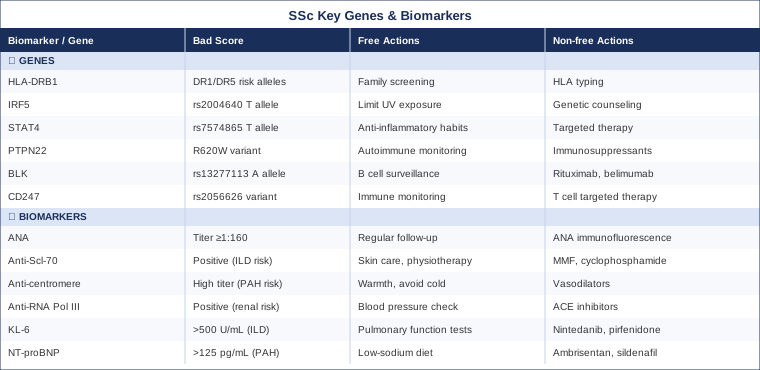
Quick Reference: Genes and Biomarkers at a Glance
The Wahls Protocol: Rethinking Autoimmune Disease from the Cell Outward
Dr. Terry Wahls is a professor of medicine at the University of Iowa who, in her fifties, reversed her own progressive multiple sclerosis using a structured nutritional and lifestyle protocol after years of conventional treatment failed to halt her decline. Her approach, detailed in The Wahls Protocol, is built on a central premise that challenges the standard management model: most autoimmune diseases share a common upstream driver in mitochondrial dysfunction and systemic micronutrient deficiency, and correcting these with precision nutrition changes the cellular environment that sustains autoimmune activity. Her protocols have been studied in clinical trials at the University of Iowa, primarily in MS, but the cellular biology principles apply directly to SSc and connective tissue autoimmune conditions.
1. The Mitochondria Frame Everything
Wahls argues that before autoimmune disease becomes clinically apparent, years of mitochondrial energy deficit weaken the cells — particularly immune cells and the tissues they attack. Restoring mitochondrial function through targeted nutrition is the foundation of her framework, not an add-on. SSc fibroblasts and immune cells show measurable mitochondrial dysfunction in biopsy and ex-vivo studies, making this insight directly applicable rather than theoretically borrowed.
2. Nine Cups of Plants Daily — With Precise Targets
Not all plant intake is equivalent in Wahls' model. She specifies three cups of leafy greens (for folate, B vitamins, and vitamin K needed for immune cell function), three cups of sulphur-rich vegetables (cabbage, broccoli, onions, garlic — for glutathione synthesis and methylation), and three cups of deeply pigmented produce (for polyphenols and antioxidants). This level of nutritional specificity distinguishes her approach from generic "eat more vegetables" recommendations.
3. Sulphur-Rich Vegetables and the Nrf2 Pathway
Cruciferous vegetables and alliums activate Nrf2 — the transcription factor that switches on the body's endogenous antioxidant enzyme systems, including superoxide dismutase, catalase, and glutathione peroxidase. In SSc, where oxidative stress drives both vascular injury and fibroblast activation, Nrf2 activation is a high-value molecular target. Wahls demonstrates that food-based Nrf2 activation is quantifiable and sustained — arguably more stable than supplement-based approaches. This is achievable entirely through diet.
4. The Omega-3 to Omega-6 Ratio Sets the Inflammatory Tone
The typical modern diet runs an omega-3 to omega-6 ratio of approximately 1:15 to 1:20 — far from the ancestral 1:1 to 1:4 ratio. Wahls makes the case that this inversion of the ratio is not merely a cardiovascular risk factor but a fundamental driver of inflammatory immune set point. Restoring the ratio through fatty fish (mackerel, sardines, wild salmon), reducing seed oils, and adding walnuts and flaxseed is one of the highest-leverage dietary shifts for autoimmune conditions.
5. Gluten, Casein, and Intestinal Permeability
Wahls eliminated gluten and casein as foundational steps, not optional ones. The mechanistic argument centers on gut permeability: in genetically susceptible individuals, these proteins — particularly gliadin's interaction with zonulin — increase intestinal permeability, allowing bacterial endotoxin (LPS) into systemic circulation, which drives TLR4 activation and systemic immune stimulation. Research in this area remains active and contested, but a well-executed elimination trial carries minimal risk and potentially significant signal value.
6. Thyroid Co-Morbidity Is Common — and Nutritionally Addressable
Thyroid autoimmunity co-occurs with SSc at a rate that is not coincidental. Wahls emphasizes adequate iodine (from seaweed), selenium (Brazil nuts, two per day), and tyrosine (from protein-rich foods) as the nutritional foundations of thyroid hormone synthesis. SSc patients with confirmed or borderline hypothyroidism should be aware that their nutritional requirements for thyroid support are elevated and often not met by standard dietary patterns.
7. Organ Meats as the Most Efficient Nutritional Medicine
For SSc patients with gut dysmotility — a common complication affecting absorption — the delivery vehicle for micronutrients matters considerably. Wahls argues that organ meats (particularly liver, heart, and kidney) contain 10–100 times the nutrient density of muscle meat, offering the most bioavailable forms of B vitamins, vitamin A, CoQ10, and zinc. Where supplement absorption is compromised by GI dysmotility, food-based delivery through organ meats represents a practical workaround worth considering.
8. Circadian Alignment as an Immune Regulator
Wahls integrates circadian rhythm optimization as a non-negotiable component — not a wellness bonus. Consistent sleep-wake timing, time-restricted eating aligned with daylight, and morning light exposure all modulate immune system clock gene expression (particularly CLOCK and BMAL1). Disrupted circadian rhythms amplify inflammatory cytokine production including IL-6 and TNF-α. For SSc patients, this is an entirely free lever with meaningful downstream effects on inflammatory tone.
9. Exercise Is Not Optional — It Is Cellular Medicine
In the Wahls framework, movement is a direct cellular intervention: aerobic exercise increases BDNF, reduces TGF-β signaling in connective tissue, improves mitochondrial biogenesis, and shifts immune balance toward regulatory phenotypes. Her clinical trials included structured exercise components as co-interventions alongside dietary changes, and outcomes were better in participants who engaged both. For SSc, where progressive physical deconditioning is a real secondary complication, this framing of exercise as medicine rather than lifestyle option is worth internalizing.
10. Toxin Reduction and the Detoxification Burden
Wahls draws attention to environmental toxic exposures — heavy metals, organochlorine pesticides, plasticizers like BPA and phthalates — that create continuous detoxification burden on hepatic and cellular pathways already under stress in autoimmune disease. Filtered water, choosing organic produce for the most pesticide-heavy crops (the EWG's Dirty Dozen list), and reducing plastic food container use are practical steps that reduce the total detoxification load without requiring significant financial investment.
Complementary Approaches with Clinical Evidence in Systemic Sclerosis
A growing number of non-pharmacological approaches have genuine clinical evidence for SSc and its most common complications — not just theoretical plausibility borrowed from other conditions. The following four have the most relevant human data.
The Autoimmune Protocol (AIP)
The Autoimmune Protocol, developed by Dr. Sarah Ballantyne and detailed in The Paleo Approach, is a structured elimination and reintroduction dietary protocol designed specifically for autoimmune conditions. It removes grains, legumes, dairy, eggs, nightshades, nuts, seeds, alcohol, and all processed foods during an elimination phase, while simultaneously emphasizing nutrient density, fermented foods, circadian alignment, stress management, and sleep optimization. The underlying rationale addresses gut permeability, microbiome dysbiosis, and dendritic cell activation — three mechanisms with direct relevance to SSc pathogenesis.
A published pilot trial by Abbott RD and colleagues in the Journal of Alternative and Complementary Medicine (2019) examined AIP in patients with inflammatory bowel disease and found significant improvements in clinical disease activity and quality of life scores. While large RCTs of AIP in SSc specifically do not yet exist, the mechanistic alignment is strong: reducing LPS-driven TLR4 activation, restoring microbiome diversity, and improving intestinal barrier integrity all target pathways central to SSc autoimmune amplification. The safety profile of a well-executed elimination diet, when supervised by a knowledgeable dietitian, is high.
To apply AIP practically for SSc: a full elimination phase typically lasts 30–90 days, followed by a methodical reintroduction of one food group at a time to identify personal triggers. Given the nutritional complexity and the real risk of inadvertently undereating in elimination phases, working with a dietitian experienced in AIP is strongly recommended — particularly for SSc patients with GI involvement, where nutrient absorption may already be compromised.
Mindfulness-Based Stress Reduction (MBSR)
MBSR is an 8-week structured program combining formal mindfulness meditation, body scan practices, and mindful movement, developed at the University of Massachusetts by Jon Kabat-Zinn. It has been studied extensively across chronic disease populations, with over 1,000 published clinical trials examining outcomes ranging from pain and fatigue to inflammatory biomarkers and psychological well-being.
In autoimmune and rheumatological contexts, MBSR has demonstrated measurable reductions in IL-6, TNF-α, and CRP in multiple randomized controlled trials. For SSc specifically, pilot data from mindfulness interventions in systemic sclerosis populations (including work published through the Scleroderma Patient-centered Intervention Network, SPIN) show significant improvements in emotional well-being, pain, and fatigue — outcomes that are both directly meaningful and associated with reduced disease flare frequency. Reducing chronic sympathetic nervous system activation — which elevates catecholamines that directly amplify T-cell and dendritic cell activity — provides a plausible biological mechanism for these benefits.
MBSR programs are available through hospital systems, community health centers, and digital platforms. A full program consists of approximately one 2.5-hour group session weekly for 8 weeks, plus a full-day retreat. For SSc patients with limited mobility or hand involvement, online formats and chair-adapted practices are widely available and equally effective. The commitment is real — MBSR works through practice, not passive exposure — but the investment-to-benefit ratio for SSc patients managing fatigue and pain is favorable.
Breathing-Based Therapies
Diaphragmatic and slow-paced breathing techniques — particularly resonance frequency breathing at 5–6 breaths per minute (coherent breathing) and pursed-lip breathing exercises — activate the parasympathetic nervous system through vagal afferent signaling. In SSc, autonomic dysfunction is a recognized pathological feature contributing to Raynaud's phenomenon, esophageal dysmotility, and altered heart rate variability. Targeted breathing practice addresses this directly.
Clinical research on respiratory physiotherapy in SSc — including studies examining respiratory muscle training and thoracic expansion exercises — has documented improvements in pulmonary function parameters, chest expansion, and respiratory muscle strength in SSc patients. The mechanistic rationale is straightforward: SSc-related skin and chest wall thickening restricts respiratory mechanics, and regular diaphragmatic work maintains what flexibility remains. Separately, slow-paced breathing reduces sympathetically mediated vasospasm, with implications for Raynaud's severity and frequency.
Practically, 15–20 minutes of diaphragmatic breathing daily — with a 5-second inhale, 5-second exhale rhythm — requires no equipment or cost to sustain. Initial guidance from a respiratory physiotherapist or through audio guidance tools (Insight Timer's coherent breathing guides, for example) helps establish correct technique. This integrates naturally with MBSR body scan practices. For SSc patients with confirmed pulmonary restriction, working with a physiotherapist to add specific thoracic mobility exercises adds meaningful benefit beyond breathing mechanics alone.
Microbiome-Directed Therapies
The gut microbiome of SSc patients is consistently and significantly dysbiotic. Multiple independent studies have documented reduced overall diversity, overgrowth of Prevotella and Fusobacterium species, and marked depletion of short-chain fatty acid (SCFA) producers including Faecalibacterium prausnitzii and Clostridiales — changes that correlate directly with SSc clinical activity scores, GI dysmotility severity, and immune activation markers. Small intestinal bacterial overgrowth (SIBO) is detected in a substantial proportion of SSc patients with GI involvement and is independently associated with malnutrition.
Research by Volkmann ER and colleagues at UCLA, published in Arthritis Research and Therapy, established that fecal microbiota composition in SSc patients differs significantly from controls and that microbiome-targeted interventions — including low-dose rotating antibiotic protocols for SIBO — can improve GI symptoms and nutritional status. This has moved from theoretical interest to clinical practice in specialized SSc centers.
Practical microbiome-directed approaches for SSc include: a high-fiber, plant-diverse diet providing 30+ different plant foods per week as the foundation for microbial diversity; multi-strain probiotics (particularly strains with evidence for Treg induction and gut barrier support); and for patients with confirmed SIBO through breath testing, rifaximin-based treatment protocols in discussion with a gastroenterologist. Fecal microbiota transplantation (FMT) remains investigational in SSc but is an area of active clinical research — worth monitoring for patients who have exhausted standard GI management options.
Conclusion
Systemic sclerosis is not a single, predictable disease — and its management should not be built on single, generic protocols. The biomarkers covered here offer a concrete, measurable framework for understanding where your disease stands right now and where it may be heading. The autoantibody profile established at diagnosis — anti-Scl-70, ACA, or anti-RNA Pol III — determines the baseline risk architecture. Serial tracking of NT-proBNP, hsCRP, and TGF-β1 adds the dynamic layer: is the disease active, stable, or responding to what you are doing?
The clearest next steps are also among the most affordable: confirm your autoantibody status if you have not already, establish a baseline NT-proBNP and hsCRP with your care team, and agree on a monitoring schedule for the complications most relevant to your subtype. Layer in the genetic context if you have access to genomic testing — it will not change the diagnosis, but it will meaningfully sharpen the conversation about which pathways to prioritize. Alongside that monitoring, the dietary, lifestyle, and evidence-backed complementary approaches covered here offer real-world levers — not miracles, but genuine tools.
Bring these findings to your rheumatologist, pulmonologist, and any specialists involved in your care. The value of this information is not in replacing that relationship but in strengthening it — so that your appointments are more specific, your monitoring is better targeted, and your decisions are made with a more complete picture of your own biology.
Cardiovascular Respiratory Skin Autoimmune
Respiratory: Lung Conditions
Skin: Inflammatory Skin Conditions
Autoimmune: Inflammatory Conditions Connective Tissue Conditions Autoimmune Skin Conditions
Urological: Kidney Conditions