This article contains AI generated content.
· UpdatedTelangiectatic Osteosarcoma Genes & Biomarkers — 6 Genes And 7 Biomarkers To Track
Introduction
Receiving a diagnosis of telangiectatic osteosarcoma — or trying to understand this disease on behalf of someone you love — places you in an unusual position. This is one of the rarest subtypes of an already rare cancer. Most available information treats osteosarcoma as a single entity, as if all variants were biologically interchangeable, while the telangiectatic subtype has a distinct architecture, a distinct molecular profile, and in many cases a clinical behavior that demands more targeted thinking. Generic advice about bone cancer leaves out the specific biology that actually drives this disease.
What makes this variant different goes well beyond its imaging appearance or histological features. Telangiectatic osteosarcoma is defined by large blood-filled cystic spaces, a highly vascular tumor microenvironment, and a pattern of genetic disruption that is not identical to conventional osteosarcoma. The vascular architecture is not incidental — it reflects active angiogenic signaling that is both a hallmark of this subtype and a legitimate therapeutic target. Understanding this biology opens a more useful conversation about what to track, what it means, and where intervention is plausible.
This article takes a different approach than most resources on osteosarcoma. Rather than covering bone cancer in broad terms, it maps the molecular features most specific and relevant to the telangiectatic variant — seven biomarkers that can be tracked with lab tests, and six genes that are frequently disrupted in this subtype. For each one, you will find a clear explanation of what it means when the number or the gene status is abnormal, and a practical discussion of what can realistically be done about it, both with and without supplements. You will also find insights from one of the most rigorous thinkers in longevity medicine, and a selection of complementary approaches with actual clinical evidence in cancer populations.
Better information does not guarantee better outcomes. But it does produce better questions, sharper conversations with your care team, and a clearer map of what is actually happening in your body. That combination meaningfully improves the quality of decisions available to you.
Summary
This article breaks down telangiectatic osteosarcoma into actionable biological information across four angles. The biomarker section covers seven lab values — including standard and more advanced options — each with an explanation of what it reveals, how to measure it and at what cost, and what you can realistically do when the result is out of range, with and without supplements. The genetics section profiles six genes most relevant to this specific subtype, including TP53, RB1, ATRX, MDM2, VEGFA, and DLG2, each with practical plans tied to the specific disruption. You will also find a synthesis of the ten most impactful ideas from Peter Attia's Outlive — framed around cancer monitoring and metabolic health — and five complementary modalities with genuine clinical evidence in oncology settings. Whether you are newly diagnosed, navigating active treatment, or in surveillance, this article gives you something specific and usable at each stage.
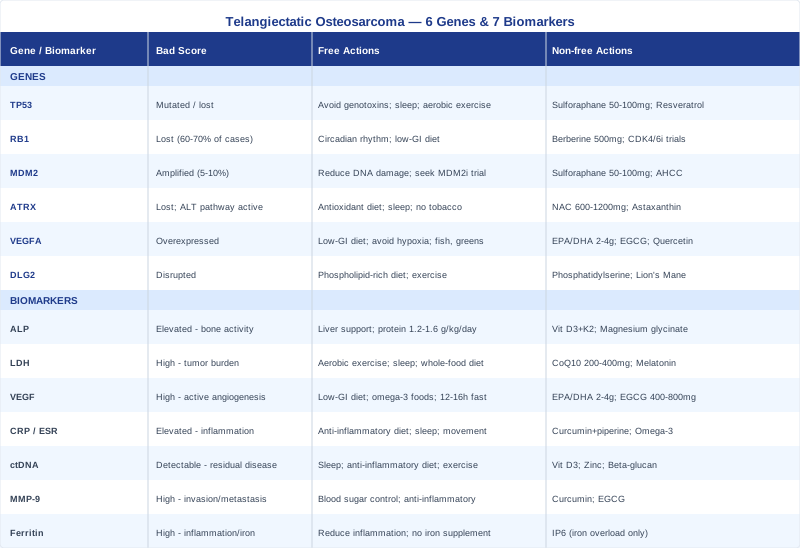
7 Biomarkers Worth Tracking in Telangiectatic Osteosarcoma
Standard oncology follow-up panels include a handful of routine labs. What they do not always provide is a contextual interpretation of those numbers through the lens of telangiectatic osteosarcoma's specific biology — its vascular nature, its tendency toward early hematogenous spread, and its particular metabolic characteristics. The seven biomarkers below were selected because each one reflects something real and specific about this disease, and because each one connects to a plausible intervention pathway.
1. Alkaline Phosphatase (ALP): The Bone Activity Signal
Alkaline phosphatase is an enzyme produced by osteoblasts — the cells responsible for bone formation. Because osteosarcoma tumors aberrantly activate osteoblastic pathways, ALP tends to be elevated at diagnosis and has been one of the most consistently studied prognostic markers in osteosarcoma for decades. In the telangiectatic variant, where the tumor produces less osteoid than conventional osteosarcoma, ALP may be less dramatically elevated but remains clinically informative. Multiple studies have shown that elevated pretreatment ALP correlates with worse outcomes, and normalization following chemotherapy is a favorable prognostic sign. A failing ALP normalization during induction chemotherapy should prompt a direct conversation about treatment response.
How to Measure It
ALP is part of a standard comprehensive metabolic panel (CMP), costing roughly $20–50 out of pocket. It is almost universally included in oncology monitoring panels. Reference range: generally 44–147 IU/L in adults, though laboratory ranges vary. More important than any single value is the trend — is ALP moving toward normal during treatment, or drifting upward? Request the raw number, not just "normal/abnormal," to track the trajectory over time.
If the Score Is Bad: The Plan Without Supplements
Elevated ALP in this context reflects active disease or incomplete treatment response — it is not primarily a lifestyle variable to manage independently. The most important action is ensuring your oncology team is factoring it into response assessment. Supporting liver health is also relevant since ALP is produced by both bone and liver: eliminating alcohol entirely, avoiding unnecessary medications metabolized by the liver, and staying well-hydrated all help distinguish tumor-derived from liver-derived elevation. Adequate protein intake — 1.2 to 1.6g per kilogram of body weight daily — supports tissue repair without fueling inflammatory pathways.
If the Score Is Bad: The Plan With Supplements or Equipment
Vitamin D3 with K2: Low vitamin D is associated with impaired bone homeostasis and poorer cancer outcomes across multiple studies. Supplementing at 2,000–4,000 IU/day of D3 with 100–200 mcg/day of K2 (MK-7 form) helps direct calcium appropriately and supports immune function. Test serum 25(OH)D first and target 50–70 ng/mL. Side effects: Hypercalcemia is rare at standard doses but possible with sustained high-dose use; annual retesting is adequate. Cycling: Daily continuous use at standard doses. Critical note: Always confirm with your oncologist before starting any supplement during active chemotherapy — interactions are real.
Magnesium glycinate: 300–400 mg elemental magnesium per day. Magnesium is involved in over 300 enzymatic processes and is commonly depleted by cisplatin-based chemotherapy — a backbone of osteosarcoma protocols. Side effects: Loose stools at higher doses; glycinate form is generally better tolerated. Cycling: Daily use; monitor serum magnesium at each oncology blood draw.
2. Lactate Dehydrogenase (LDH): The Tumor Burden Indicator
Lactate dehydrogenase is a general marker of cellular turnover and damage. In osteosarcoma, elevated serum LDH reflects rapid tumor cell proliferation and death, both of which release LDH into circulation. It has been shown in multiple prognostic analyses to be independently associated with worse overall survival in osteosarcoma. High LDH at diagnosis or rising LDH during treatment is a biological signal that warrants close clinical attention and discussion about treatment adequacy.
How to Measure It
LDH is part of a basic or comprehensive metabolic panel, costing $20–40. It is also sometimes included in specific cancer monitoring panels. Reference range: typically 140–280 U/L, though this varies by laboratory and method. Like ALP, the trend over time is more clinically informative than any single measurement.
If the Score Is Bad: The Plan Without Supplements
Elevated LDH during cancer treatment reflects disease activity rather than a primarily modifiable lifestyle factor. However, metabolic optimization meaningfully supports the body's ability to tolerate and respond to treatment. Gentle aerobic exercise — even 20–30 minute daily walks when tolerated — has been shown to reduce systemic inflammation and improve metabolic markers in cancer patients. Prioritizing 7–9 hours of sleep per night, and a whole-food diet low in refined carbohydrates and ultra-processed foods, reduces unnecessary metabolic stress on an already taxed system.
If the Score Is Bad: The Plan With Supplements or Equipment
Ubiquinol (CoQ10): 200–400 mg per day in divided doses with food. CoQ10 supports mitochondrial electron transport chain function and has evidence in cancer-related fatigue. Side effects: Generally well-tolerated; occasional GI upset. Cycling: Continuous use matches the evidence base. Critical caution: CoQ10 may modulate the activity of anthracyclines such as doxorubicin — a drug used in virtually all osteosarcoma chemotherapy regimens. Oncologist approval is non-negotiable before use.
Melatonin: 10–20 mg at bedtime. A growing body of research supports melatonin as a cancer care adjunct, with evidence of reduced chemotherapy-related side effects and some direct anti-proliferative activity in preclinical models. Side effects: Morning grogginess; reduce dose if this occurs (try 5–10 mg first). Cycling: Many studies use it continuously through treatment cycles; discuss this with your oncologist.
3. Vascular Endothelial Growth Factor (VEGF): The Most Subtype-Specific Marker
Of all the biomarkers relevant to osteosarcoma, VEGF is arguably the most specifically important for the telangiectatic variant. This subtype is pathologically defined by its rich vascular architecture — large blood-filled cystic spaces supported by extensive neovascularization. VEGF is the primary molecular driver of that angiogenesis. Elevated serum VEGF reflects active tumor-driven vascular growth and is associated with worse metastatic outcomes in osteosarcoma. Anti-VEGF agents — including sorafenib, apatinib, and regorafenib — have shown activity in relapsed osteosarcoma, making VEGF status directly relevant to treatment decisions.
How to Measure It
Serum VEGF can be measured at specialized clinical or research laboratories and is not universally available on standard panels — it must be specifically requested. Plasma VEGF is technically preferred over serum VEGF due to platelet-derived artifact in serum samples. Cost: $100–300 depending on the laboratory. This is a marker where a direct conversation with your oncologist or a molecular oncology specialist will clarify whether it is clinically actionable in your situation and whether it should be tracked at baseline and during treatment.
If the Score Is Bad: The Plan Without Supplements
A dietary pattern that systematically reduces angiogenic signaling is a rational approach. Refined sugars and high-glycemic foods drive insulin and IGF-1 — both of which directly upregulate VEGF expression — so reducing these is the primary lever. Increasing consumption of fatty fish, walnuts, and cruciferous vegetables provides omega-3 and anti-angiogenic phytochemical support. Prolonged overnight fasting intervals of 12–16 hours (when tolerated during treatment and with oncologist approval) may modestly reduce circulating growth factors. Maintaining a healthy body weight reduces adipose-derived inflammatory and angiogenic signaling.
If the Score Is Bad: The Plan With Supplements or Equipment
EPA/DHA omega-3 fatty acids: 2–4g per day of combined EPA + DHA (fish oil or algal oil). Omega-3s have documented anti-angiogenic and anti-inflammatory effects across multiple cancer-relevant studies. Side effects: Fishy aftertaste; refrigerating capsules reduces this. Monitor for increased bleeding time if on anticoagulants. Cycling: Daily continuous use.
EGCG (green tea extract): 400–800 mg per day of standardized EGCG extract. Multiple in-vitro and some human studies demonstrate EGCG's ability to inhibit VEGF signaling and angiogenesis. Side effects: Potential hepatotoxicity at very high doses; remain within recommended dose range and take with food. Cycling: 5 days on, 2 days off; monitor liver enzymes periodically. Caution: EGCG can affect the metabolism of certain chemotherapy drugs — oncologist review is required before use.
4. C-Reactive Protein (CRP) and Erythrocyte Sedimentation Rate (ESR): The Inflammation Index
Chronic systemic inflammation is both a driver of tumor progression and a consequence of the highly active tumor microenvironment characteristic of telangiectatic osteosarcoma. CRP and ESR are the two most accessible and affordable inflammatory markers available in standard clinical care. Elevated CRP in cancer patients correlates with worse survival across multiple tumor types, including bone sarcomas. Studies on CRP in osteosarcoma have identified meaningful prognostic associations, making this one of the simplest yet most informative additions to a monitoring panel.
How to Measure It
High-sensitivity CRP (hsCRP) is the preferred test: $20–40, routinely available from any general practitioner or outpatient lab. ESR is similarly inexpensive and often included in standard inflammatory panels. In cardiovascular medicine, hsCRP below 1.0 mg/L is considered low-risk; in the cancer context, any persistently elevated value — particularly if rising — warrants clinical attention. Both tests can be ordered at the same time and are informative together.
If the Score Is Bad: The Plan Without Supplements
An anti-inflammatory dietary pattern is the foundation: eliminate ultra-processed foods, refined carbohydrates, and seed oils high in omega-6 (soybean, corn, sunflower oils). Emphasize extra-virgin olive oil, fatty fish, dark berries, leafy greens, and legumes. Sleep quality is a critical and underappreciated lever — even a single night of poor sleep measurably elevates CRP. Establishing a consistent sleep schedule with a cool, dark room is not optional self-care; it has direct inflammatory consequences. Gentle movement — walking, adapted yoga — has well-documented anti-inflammatory effects even at low intensity.
If the Score Is Bad: The Plan With Supplements or Equipment
Curcumin with piperine or liposomal formulation: 1,000–2,000 mg per day of curcumin paired with 10–20 mg piperine, or use a BCM-95 or liposomal form for better bioavailability. Multiple clinical trials have demonstrated curcumin's anti-inflammatory effects. Side effects: GI upset at high doses; blood-thinning effect means it should be discontinued before any surgery (at least 2 weeks). Cycling: 6 weeks on, 2 weeks off. Caution: Curcumin affects CYP450 enzyme metabolism and may interact with several chemotherapy drugs; oncologist review is mandatory.
Omega-3 fatty acids: As above (2–4g EPA + DHA per day). Among the most consistently supported anti-inflammatory interventions in the clinical literature, with direct relevance to the tumor microenvironment in vascular tumors.
5. Circulating Tumor DNA (ctDNA): The Most Precise Tracker Available
Circulating tumor DNA — fragments of cancer cell DNA shed into the bloodstream — represents the most sensitive tool currently available for tracking minimal residual disease and early relapse in cancer. A growing body of research in osteosarcoma shows that ctDNA can detect residual disease after surgery, predict pulmonary metastasis earlier than conventional CT imaging, and reflect treatment response with a granularity that standard blood tests cannot match. For telangiectatic osteosarcoma, where hematogenous spread to the lungs is a dominant concern and where recurrence can be rapid, ctDNA offers a meaningful surveillance advantage. This field is evolving quickly — what is research-grade today may be routine clinical practice within a few years.
How to Measure It
ctDNA testing (liquid biopsy) is available through specialized commercial laboratories including Foundation Medicine (FoundationOne Liquid CDx) and Guardant Health (Guardant360). Cost ranges from $500–2,000+ depending on the panel and whether insurance covers it. It requires only a blood draw but must be processed at a specialized molecular laboratory. In many countries, insurance reimbursement for ctDNA testing in osteosarcoma is still evolving — some academic cancer centers offer access through research protocols at reduced or no cost. Ask your oncology team specifically whether this is available and trackable in your surveillance plan.
If the Score Is Bad: The Plan Without Supplements
Detectable or rising ctDNA is a clinical signal for your oncologist, not a direct lifestyle target. The most actionable response is an urgent conversation with your care team about what the finding means for your surveillance imaging schedule and treatment plan. At the behavioral level: everything that supports immune surveillance and reduces tumor proliferative pressure — adequate sleep, anti-inflammatory diet, moderate exercise — creates the best environment for your treatment to work.
If the Score Is Bad: The Plan With Supplements or Equipment
No supplement directly reduces ctDNA, which is a downstream consequence of tumor activity rather than a primary target. Supporting immune competence is the realistic goal: Vitamin D3 (2,000–4,000 IU/day; see ALP section), Zinc bisglycinate (15–30 mg/day with 1–2 mg copper added if using for more than 8 weeks to prevent copper depletion), and Beta-glucan (500 mg/day from oat bran or medicinal mushroom sources). Side effects: Zinc excess suppresses copper absorption — co-supplementation with copper is important with prolonged use. Cycling: Reassess every 12 weeks in context of oncology labs.
6. Matrix Metalloproteinase-9 (MMP-9): The Invasion Enzyme
Matrix metalloproteinase-9 (MMP-9) is an enzyme that degrades extracellular matrix proteins — the scaffolding that holds tissues together. In cancer, this degradation enables tumor cells to invade surrounding tissue and enter the bloodstream, making MMP-9 a central mediator of metastasis. The vascular invasion that characterizes telangiectatic osteosarcoma is precisely the mechanism through which MMP-9 facilitates early blood-borne spread. Research in osteosarcoma has found that elevated MMP-9 expression correlates with higher metastatic rates and worse prognosis, making it a biologically meaningful marker in this subtype.
How to Measure It
Serum or plasma MMP-9 can be measured by ELISA assay at specialized clinical or research laboratories. It is not yet standardized for routine clinical use and is not typically included in oncology panels. Cost varies widely: $100–400. For many patients, the most accessible measurement of MMP-9 status comes from immunohistochemical staining of the tumor biopsy specimen — this is more reliable than serum levels and may already be available from your diagnostic workup. Ask your pathologist or oncologist whether it was assessed.
If the Score Is Bad: The Plan Without Supplements
Systemic inflammation is a primary driver of MMP-9 expression, so reducing inflammatory signaling addresses this marker directly. The anti-inflammatory dietary and lifestyle strategies described for CRP above apply here. Particular attention to blood sugar stabilization is rational: insulin and IGF-1 directly upregulate MMP-9 expression, making meal composition — protein and fiber before carbohydrates, avoiding high-glycemic spikes — a meaningful dietary tool. Avoiding prolonged sedentary periods, even during treatment, is achievable with short walking breaks.
If the Score Is Bad: The Plan With Supplements or Equipment
Curcumin: Documented direct inhibitory effects on MMP-9 expression in preclinical studies; 1,000–2,000 mg/day with piperine or liposomal form. Side effects and cycling: as described under CRP.
EGCG: Also inhibits MMP-9 expression in vitro and in some animal models; 400–800 mg/day. Side effects and cycling: as described under VEGF. Oncologist review is essential before combining either supplement with active chemotherapy.
7. Serum Ferritin: The Often-Overlooked Inflammatory Marker
Ferritin is commonly understood as a measure of iron storage, but it is also an acute-phase reactant — it rises with inflammation, infection, and malignancy. Elevated ferritin in cancer patients reflects both iron metabolism disruption and the intensity of systemic inflammatory signaling. In bone sarcomas, elevated ferritin at diagnosis has been associated with higher tumor burden and worse prognosis in multiple studies across cancer types. Ferritin can also rise as a consequence of chemotherapy-related cell damage, so values must always be interpreted in the clinical context of where the patient is in their treatment cycle.
How to Measure It
Serum ferritin is an inexpensive and widely available test ($20–50), included in many iron panels but not always automatically part of oncology follow-up. Ask for it specifically if it is not on your regular monitoring panel. Reference range: 12–300 ng/mL for men, 12–150 ng/mL for women — but clinically, optimal levels in metabolically healthy adults are generally below 100 ng/mL. In the cancer context, values substantially above the reference range are worth flagging and trending.
If the Score Is Bad: The Plan Without Supplements
If ferritin is elevated in the context of active cancer or inflammation — rather than from iron overload — the primary strategy is reducing systemic inflammation rather than directly manipulating iron stores. All of the anti-inflammatory dietary strategies described under CRP apply. Critically: do not supplement with iron unless a documented deficiency exists and your oncologist has specifically recommended it. Iron supplementation in the presence of elevated ferritin and active malignancy is not appropriate without direct medical supervision, as excess iron can promote oxidative stress and tumor proliferation.
If the Score Is Bad: The Plan With Supplements or Equipment
If elevated ferritin is confirmed to reflect true iron overload (rather than inflammation-driven elevation), IP6 (inositol hexaphosphate) has evidence as a natural iron-binding agent: 4–8g per day on an empty stomach, in divided doses. Side effects: May reduce absorption of other minerals including calcium and zinc; take well away from meals and other supplements. Cycling: 12 weeks on, 4 weeks off; recheck ferritin and full iron panel at the end of each cycle. Oncologist review is essential before using any iron-modulating approach during active treatment.
The Genetic Landscape of Telangiectatic Osteosarcoma: 6 Key Genes
The genetics of telangiectatic osteosarcoma tell a coherent story about what fails at the cellular level — and in several cases, they point toward where intervention is biologically plausible. The six genes profiled below are either frequently disrupted in this specific subtype, well-characterized in osteosarcoma broadly with direct treatment implications, or both. Understanding them helps explain the tumor's behavior and informs a more targeted approach to lifestyle and supplementation.
An important caveat: meaningful genetic information about these genes in your tumor comes from somatic molecular profiling of tumor tissue — not from consumer ancestry or health genetics tests, which do not detect somatic mutations. Germline testing (for inherited cancer syndromes) is a separate and relevant conversation if family history suggests hereditary cancer predisposition. Work with a genetic counselor to interpret your specific results in context.
1. TP53: The Genome's Guardian — and the Most Common Target
TP53 encodes p53, the most studied tumor suppressor protein in cancer biology. In its healthy state, p53 monitors DNA damage, halts cell division when damage is detected, and triggers programmed cell death when damage is irreparable. In osteosarcoma, TP53 mutations or deletions are found in approximately 20–30% of cases — likely underestimating the true frequency given the extreme genomic instability of this cancer. In the telangiectatic variant, which features widespread chromosomal disruption, TP53 loss is a central event. Germline TP53 mutations are the defining feature of Li-Fraumeni syndrome, which carries a markedly elevated lifetime risk for osteosarcoma.
If the Gene Is Disrupted: The Plan Without Supplements
When p53 function is impaired, cells lose one of their primary checkpoints against DNA damage accumulation. The practical focus is reducing the DNA damage burden the system must manage. Minimize genotoxic exposures: tobacco smoke, alcohol, unnecessary ionizing radiation, and industrial chemicals all add to the burden. Circadian rhythm matters — p53 activity and DNA repair are both synchronized to the biological clock. Consistent sleep and wake times, morning light exposure, and minimizing artificial light at night all support this. Evidence consistently shows that aerobic exercise upregulates DNA repair pathway efficiency, even at modest intensities. If a germline TP53 mutation is identified, enroll in formal Li-Fraumeni syndrome surveillance (annual whole-body MRI, brain MRI, and other modality-specific screening as per current guidelines).
If the Gene Is Disrupted: The Plan With Supplements or Equipment
Sulforaphane (broccoli sprout extract): 50–100 mg per day. Sulforaphane potently activates Nrf2 — the master transcription factor of cellular antioxidant and detoxification responses — which partially compensates for the reduced oxidative damage control associated with p53 loss. Side effects: Mild GI effects possible; take with food. Cycling: 8 weeks on, 2–4 weeks off. Evidence level: Robust preclinical evidence; human trials in cancer are emerging but not yet definitive.
Resveratrol: 500 mg per day of trans-resveratrol (use cyclodextrin-complexed or liposomal form for bioavailability). Resveratrol activates SIRT1 and has demonstrated p53-adjacent tumor-suppressive effects in preclinical models. Side effects: High doses may affect estrogen metabolism; avoid with hormone-sensitive conditions. Cycling: 5 days on, 2 days off. Caution: Potential CYP3A4 interactions; oncologist review required during treatment.
2. RB1: The Cell Cycle Brake That Osteosarcoma Breaks
The retinoblastoma gene (RB1) encodes a protein that is the essential gatekeeper of the G1-to-S cell cycle checkpoint. In its active state, RB1 protein prevents cells from copying their DNA and dividing until conditions are right. Loss or inactivation of RB1 releases this brake, allowing cells to proliferate unchecked. RB1 disruption is found in approximately 60–70% of osteosarcomas, making it one of the most common molecular events in this cancer. In the telangiectatic variant, which can present with rapid growth and advanced disease, RB1 loss contributes to the proliferative drive that defines this subtype's aggressive behavior.
If the Gene Is Disrupted: The Plan Without Supplements
Cell cycle regulation and circadian biology are deeply intertwined — the molecular clock directly controls expression of CDK inhibitors that work in parallel with RB1. Disrupted circadian rhythm further impairs these compensatory checkpoints. Consistent sleep timing (same wake time every day including weekends), morning light exposure within one hour of waking, and avoiding blue light in the 2–3 hours before sleep all support circadian CDK inhibitor expression. A dietary pattern that minimizes insulin signaling and IGF-1 (low glycemic load, adequate protein, reduced refined carbohydrates) reduces the proliferative signaling pressure on cells with already-impaired RB1 checkpoints.
If the Gene Is Disrupted: The Plan With Supplements or Equipment
CDK4/6 inhibitors (palbociclib, ribociclib, abemaciclib) directly compensate for RB1 loss by slowing cell cycle progression at the G1 checkpoint; they are prescription medications under active investigation in osteosarcoma clinical trials and are not OTC options. For accessible approaches: Berberine: 500 mg, 2–3 times daily with meals. Berberine has demonstrated CDK inhibitory and AMPK-activating effects in preclinical cancer models, and improves insulin sensitivity, reducing the growth factor signaling that drives RB1-deficient proliferation. Side effects: GI discomfort, particularly at the start; begin with one dose daily and increase over 2 weeks. Cycling: 8 weeks on, 2 weeks off. Caution: Berberine has significant drug interaction potential, including with antibiotics and anticoagulants. Oncologist approval required.
3. MDM2: The Regulator That Silences TP53 Without Mutating It
MDM2 is an oncogene whose protein product directly binds and targets p53 for proteasomal degradation. When MDM2 is amplified — as occurs in approximately 5–10% of osteosarcomas — it continuously destroys p53, effectively eliminating p53 function even when the TP53 gene sequence is intact. This is an important distinction: a tumor with amplified MDM2 may look TP53-wild-type on mutation testing but still has functionally impaired p53. MDM2 amplification in osteosarcoma has been associated with a distinct subgroup, and awareness of this alteration is particularly relevant for clinical trial eligibility, since MDM2 inhibitors (nutlin-3 class agents, including idasanutlin) are in active clinical development for this exact molecular target.
If the Gene Is Amplified: The Plan Without Supplements
The lifestyle strategies for MDM2 amplification overlap closely with those for TP53 loss — since the end result is the same functional impairment. Reducing genotoxic exposures, optimizing sleep and circadian rhythm, and maintaining an anti-inflammatory diet all apply. The most clinically important action unique to MDM2 amplification is ensuring that your oncology team is aware of this finding and has considered clinical trial enrollment for MDM2 inhibitor studies — these represent potentially targeted therapy specifically for your molecular subtype.
If the Gene Is Amplified: The Plan With Supplements or Equipment
No OTC supplement reliably inhibits MDM2 amplification at a clinically meaningful level. Indirectly: Sulforaphane (50–100 mg/day, as described under TP53) may modulate the MDM2-p53 axis through Nrf2 and downstream pathway effects in some preclinical models. AHCC (Active Hexose Correlated Compound) from medicinal mushroom mycelium: 3g per day on an empty stomach. Evidence in cancer-adjacent contexts for immunomodulation and NK cell activation. Side effects: Mild GI effects possible. Cycling: 12-week cycles with labs assessment between cycles.
4. ATRX: The Chromatin Remodeler That Defines the Telangiectatic Subtype
ATRX encodes a chromatin remodeling protein essential for maintaining genomic stability at repetitive DNA sequences and telomeres. Loss of ATRX drives activation of the alternative lengthening of telomeres (ALT) pathway — a mechanism cancer cells use to maintain their telomeres without relying on telomerase, thereby enabling unlimited replication. Research has found ATRX loss to be particularly prevalent in the telangiectatic variant of osteosarcoma, to the point where it may be a defining molecular feature of this subtype. Genomic profiling of tumor tissue that includes ATRX status is diagnostically and prognostically informative.
If the Gene Is Disrupted: The Plan Without Supplements
ATRX loss cannot be directly corrected through lifestyle. However, reducing the oxidative stress burden on DNA is rationally supportable since ATRX loss impairs repair of oxidative DNA lesions. A high intake of deeply pigmented vegetables (rich in carotenoids, anthocyanins, and polyphenols), adequate antioxidant vitamins from food sources, and strict avoidance of tobacco smoke all reduce the oxidative load the genome must manage. Sleep optimization remains foundational — genomic surveillance and repair mechanisms are most active during sleep and in synchrony with circadian rhythms. Track clinical trial availability for ALT pathway inhibitors through your oncology team.
If the Gene Is Disrupted: The Plan With Supplements or Equipment
N-Acetylcysteine (NAC): 600–1,200 mg per day in divided doses. NAC is the primary precursor to glutathione — the cell's most abundant antioxidant — and replenishment of glutathione may partially offset oxidative DNA damage accumulation in ATRX-deficient cells. Side effects: Sulfurous odor; GI effects at high doses. Cycling: 8 weeks on, 2 weeks off. Critical caution: NAC may interfere with certain chemotherapy agents (particularly alkylating agents) by modulating reactive oxygen species that contribute to their mechanism of action. Oncologist approval is required before use during active chemotherapy.
Astaxanthin: 12–24 mg per day with a fatty meal for absorption. One of the most potent natural antioxidants known, with specific evidence for mitochondrial and nuclear DNA protection. Side effects: Orange-tinged stools at higher doses; harmless. Cycling: Continuous daily use is typical in the evidence base.
5. VEGFA: The Angiogenesis Engine at the Center of This Subtype
VEGFA is the gene encoding vascular endothelial growth factor A — the master regulator of angiogenesis. In telangiectatic osteosarcoma, VEGFA overexpression is not a peripheral finding; it is central to the biological identity of this tumor. The defining pathological feature of this subtype — its large blood-filled cavities and richly vascular stroma — is driven by VEGFA-mediated neovascularization. Studies on VEGFA in osteosarcoma consistently find strong associations between high VEGFA expression and both metastatic potential and worse overall survival. Critically, VEGFA is also the direct therapeutic target of anti-angiogenic drugs (sorafenib, apatinib, regorafenib) that have shown clinical activity in relapsed osteosarcoma — making this gene's status directly relevant to treatment decisions.
If the Gene Is Overexpressed: The Plan Without Supplements
The dietary anti-angiogenic strategies described under the VEGF biomarker section above apply directly here. Particular focus should be given to reducing insulin signaling (primary VEGFA upregulator), maintaining adequate tissue oxygenation through even low-intensity physical activity (hypoxia is one of the strongest triggers of VEGF upregulation), and incorporating anti-angiogenic foods systematically: green tea, cruciferous vegetables (broccoli, Brussels sprouts, kale), berries, turmeric, and omega-3-rich fish. These strategies do not replace anti-VEGF pharmacotherapy but may create a less supportive angiogenic environment.
If the Gene Is Overexpressed: The Plan With Supplements or Equipment
EPA/DHA and EGCG as described under the VEGF biomarker section (2–4g EPA+DHA daily; 400–800 mg EGCG daily). In addition: Quercetin: 500–1,000 mg per day. Quercetin has demonstrated VEGF inhibitory and anti-angiogenic effects in preclinical models, complementing omega-3 and EGCG strategies through a distinct mechanism. Side effects: Kidney stone risk at very high doses; maintain adequate hydration. Cycling: 6 weeks on, 2 weeks off. Caution: Quercetin is a significant CYP3A4 inhibitor and will affect metabolism of many medications including some chemotherapy drugs — oncologist review is mandatory.
6. DLG2: The Emerging Tumor Suppressor in Telangiectatic Osteosarcoma
DLG2 (Discs Large MAGUK Scaffold Protein 2) has emerged from large-scale genomic analyses as one of the more frequently altered genes specifically in osteosarcoma — with evidence suggesting particular relevance in the telangiectatic subtype. DLG2 functions as a scaffold protein regulating cell polarity, membrane-associated signaling complexes, and downstream tumor suppressor pathways. Its loss disrupts the normal architecture of cell-cell communication and promotes invasive, de-differentiated behavior. Research on DLG2 in osteosarcoma is still emerging relative to TP53 or RB1, but its frequent disruption is consistent enough to make it a relevant target of molecular profiling. No targeted therapies against DLG2 loss are yet approved.
If the Gene Is Disrupted: The Plan Without Supplements
DLG2 disruption compromises cell polarity and membrane-associated signaling — processes that depend on healthy lipid membrane composition and cell-cell adhesion. Supporting overall cell membrane integrity is a rational foundation: adequate intake of phospholipids (from eggs, grass-fed meats, sardines, and legumes), maintenance of healthy omega-3 to omega-6 ratios, and minimizing environmental disruptors of membrane signaling (tobacco, excess alcohol, persistent organic pollutants where avoidable). Regular physical activity — even at low intensity — supports tissue organization and cell adhesion molecule expression, partially offsetting the signaling disruption caused by DLG2 loss.
If the Gene Is Disrupted: The Plan With Supplements or Equipment
Phosphatidylserine: 400–800 mg per day. Phosphatidylserine is a phospholipid essential for membrane signaling integrity and cell-cell communication, supporting the structural scaffolding that DLG2 ordinarily helps organize. Side effects: Generally well-tolerated; mild GI effects occasionally. Cycling: Continuous use is typical.
Lion's Mane mushroom extract (Hericium erinaceus): 1,000–3,000 mg per day of standardized extract. Has emerging evidence for neurotrophin-related signaling support and modulation of cell signaling pathways, with a favorable safety profile. Side effects: Generally well-tolerated; rare mild GI effects. Cycling: 8 weeks on, 2 weeks off.
What Peter Attia's Outlive Teaches Us About Monitoring Cancer Actively
Peter Attia's 2023 book Outlive: The Science and Art of Longevity is not specifically about osteosarcoma. But it may be the most practically important book published in recent years about how thoughtful people should approach cancer — particularly in terms of surveillance, metabolic biology, and the proactive monitoring of biomarkers. Attia's framework challenges the conventional reactive model of cancer care and proposes something fundamentally different: aggressive, anticipatory engagement with your body's state rather than waiting for symptoms or failing treatment responses to prompt a change in approach.
1. Cancer Is Not One Disease — Generic Surveillance Fails Rare Subtypes
Attia opens his cancer chapter by noting that survival statistics look more encouraging than the reality for rare cancers because most improvements have come from a handful of common cancers with established early-detection tools. Rare, aggressive variants like telangiectatic osteosarcoma sit outside this progress. The lesson: do not assume that standard osteosarcoma follow-up protocols were optimized for your specific subtype. Ask your oncologist explicitly what surveillance additions are available for the telangiectatic variant.
2. Hyperinsulinemia Is a Cancer Promoter — Not Just a Metabolic Nuisance
Attia argues that chronically elevated insulin is one of the most underappreciated cancer-promoting conditions in modern oncology. High insulin drives both VEGF expression and IGF-1 — both central to telangiectatic osteosarcoma biology. He recommends every cancer patient know their fasting insulin (target below 6 µIU/mL), HOMA-IR (target below 1.5), and triglyceride-to-HDL ratio (target below 2:1). A metabolically hostile environment for the tumor is one worth creating deliberately.
3. Liquid Biopsies Will Transform Cancer Surveillance — Get Ahead of It
Attia gives substantial attention to multi-cancer early detection tests and circulating tumor DNA as technologies that will fundamentally change the surveillance landscape within the next decade. He argues that for aggressive cancers where recurrence is the primary threat to life, waiting for imaging evidence of recurrence is already a losing strategy. His recommendation: stay actively informed about available ctDNA testing for your specific cancer type and push your oncology team to incorporate it into your surveillance protocol.
4. Zone 2 Aerobic Exercise Is the Most Important Modifiable Variable
Attia has extensively written and spoken about Zone 2 aerobic training — the intensity at which you can hold a full conversation without breathlessness — as the most important exercise modality for longevity, metabolic health, and cancer-relevant biological parameters. Zone 2 exercise improves mitochondrial efficiency, reduces reactive oxygen species production, lowers insulin, reduces inflammatory cytokines, and improves immune surveillance capacity. Even 150 minutes per week of sustained walking during treatment is meaningfully beneficial.
5. Sleep Is Biological Medicine — Especially in Cancer
Attia argues with clinical force that sleep deprivation is one of the most consistent promoters of cancer biology — through its effects on immune surveillance, cortisol, inflammatory cytokines, and insulin sensitivity. He recommends treating sleep as non-negotiable medicine: 7–9 hours with consistent timing, a cool and dark room, and blue light avoidance 90 minutes before bed. For patients whose sleep is disrupted by pain or anxiety, pharmacological sleep support under physician supervision is justified.
6. Protein Intake Should Be Higher Than Most Guidelines Suggest
In the cancer treatment context, muscle mass loss is a major predictor of treatment tolerance and outcomes — and chemotherapy is highly catabolic. Attia recommends 1.6–2.2g of protein per kilogram of body weight per day to preserve lean mass during catabolic states. For osteosarcoma patients receiving aggressive multi-agent chemotherapy, reaching this target through food (meat, fish, eggs, legumes) and protein supplementation (whey or plant-based protein powder) may be one of the highest-value modifiable interventions available.
7. The Four Horsemen Share Root Causes — Treat Them Together
Attia's framework emphasizes that cardiovascular disease, cancer, metabolic disease, and neurodegenerative disease share upstream drivers — particularly insulin resistance, systemic inflammation, and oxidative stress. Osteosarcoma patients should not manage their cancer in isolation from metabolic health. Addressing all root causes creates a biological environment less permissive to disease progression.
8. Cardiotoxicity From Chemotherapy Demands Proactive Monitoring
Doxorubicin — an anthracycline central to osteosarcoma chemotherapy — carries well-documented cardiotoxic risk. Attia's emphasis on cardiovascular monitoring (ApoB, lipoprotein(a), echocardiography baseline and follow-up) is directly applicable. A baseline cardiac evaluation before anthracycline therapy and scheduled follow-up cardiac imaging should be part of any comprehensive osteosarcoma treatment plan.
9. You Must Be an Active Co-Investigator of Your Own Health
Attia's "Medicine 3.0" philosophy reframes the patient role from passive recipient of care to active co-investigator of their health status. For telangiectatic osteosarcoma — where the surveillance protocols were largely not designed with this specific subtype in mind — this means arriving at each oncology visit with prepared questions: about biomarker tracking, ctDNA availability, molecular profiling, and active clinical trials. This is not friction; it is the standard of care you deserve.
10. Emotional Wellbeing Is Biological, Not Philosophical
Attia dedicates meaningful attention to psychological health as a biological necessity, not a soft optional add-on. Chronic unresolved stress elevates cortisol and inflammatory cytokines, suppresses immune surveillance, disrupts sleep, and worsens insulin sensitivity — all of which create a more permissive tumor microenvironment. Addressing psychological distress through therapy, structured mindfulness practice, social connection, and pharmacological support if warranted is part of cancer management, not separate from it.
Complementary Approaches With Meaningful Clinical Evidence
The following modalities have genuine human clinical evidence in cancer populations and are relevant to the specific challenges of living with and treating telangiectatic osteosarcoma — particularly its effects on quality of life, pain, treatment tolerance, and anxiety management. None of these replace standard oncological treatment. All should be disclosed to your oncology team before starting.
Mindfulness Meditation and MBSR
Mindfulness-Based Stress Reduction (MBSR) is an 8-week structured training program developed by Jon Kabat-Zinn, using meditation, body scan, and mindful movement to cultivate non-reactive present-moment awareness. For cancer patients — particularly those navigating the uncertainty of a rare, aggressive diagnosis — the psychological burden is substantial. MBSR addresses this directly and systematically, not through reassurance or positive thinking, but through practiced changes in how the mind relates to distressing thoughts and sensations.
Multiple randomized controlled trials have demonstrated that MBSR significantly reduces anxiety, depression, sleep disturbance, and fatigue in cancer patients. A meta-analysis published in the Journal of Clinical Oncology confirmed significant improvements in psychological wellbeing across cancer types. Some studies additionally document normalization of cortisol patterns following MBSR — a finding with direct immune implications.
For osteosarcoma patients with mobility limitations due to bone involvement or surgical recovery, MBSR is fully accessible: seated and supine practices are core to the curriculum. The 8-week program (2.5 hours per week in group format plus daily home practice of 30–45 minutes) is available through hospital oncology departments, community health centers, and evidence-based online adaptations such as the Palouse Mindfulness program. Starting with 10 minutes of guided body scan practice daily is a realistic and sufficient entry point.
Music Therapy
Osteosarcoma predominantly affects children, adolescents, and young adults — a population for whom music is often deeply woven into identity and emotional regulation. Music therapy in oncology uses structured musical engagement (receptive listening, instrument improvisation, songwriting, lyric analysis) facilitated by a board-certified music therapist (MT-BC) to address pain, anxiety, procedural distress, and the isolation of hospitalization.
Randomized trials in pediatric and young adult oncology populations have found that music therapy significantly reduces procedural anxiety during blood draws, port accesses, and infusions; reduces perceived pain intensity; and improves mood and sense of control during hospitalization. A Cochrane systematic review on music interventions in cancer care confirmed beneficial effects across adult and pediatric cancer populations.
Ask whether your cancer center has a dedicated oncology music therapist — many NCI-designated cancer centers do. If not, self-directed receptive music therapy (listening to a consistent, personally meaningful playlist through headphones during chemotherapy infusions) is something any patient can implement independently. Building a consistent association between the playlist and calm by using it only during treatment helps establish a conditioned relaxation response over time.
Oncology Massage Therapy
Standard massage is not appropriate for all cancer patients without modification. Oncology massage is a specialized adaptation that uses adjusted techniques, appropriate pressure, and careful positioning to safely address cancer-related pain, treatment-induced nausea, anxiety, and fatigue. Pressure over tumor sites, recent surgical areas, ports, active lymph nodes, or areas of bone involvement is avoided by trained practitioners.
Controlled studies in oncology settings have demonstrated significant reductions in pain intensity, anxiety, nausea, and fatigue following oncology massage. Research published in the Journal of Pain and Symptom Management has found meaningful improvements across these outcomes in hospitalized cancer patients. For telangiectatic osteosarcoma patients with significant bone pain or post-surgical discomfort, oncology massage offers a non-pharmacological adjunct to pain management that can be integrated into the overall treatment plan.
Seek a therapist certified specifically in oncology massage (look for the Society for Oncology Massage credential or equivalent). Sessions of 45–60 minutes, 1–2 times per week, can be scheduled between treatment cycles. Communicate openly with the therapist about current symptoms, port placement, surgical sites, and where you are in your chemotherapy cycle — massage should be avoided during the nadir (lowest blood count point) after each cycle.
Breathing-Based Therapies
Controlled breathing practices have measurable and immediate physiological effects: they activate the parasympathetic nervous system through the vagal afferent pathway, reduce cortisol output, lower heart rate, modulate pain perception, and reduce inflammatory cytokine expression. For osteosarcoma patients managing anxiety about procedures, bone pain, and sleep disruption during treatment, structured breathing protocols are among the most accessible evidence-based tools available — requiring no equipment, no cost, and no particular physical capacity.
Research in cancer populations has shown that diaphragmatic breathing and slow paced breathing (6 breaths per minute) reduces anxiety and pain perception in oncology settings and normalizes autonomic nervous system tone. Some studies document reductions in inflammatory markers with regular slow breathing practice.
Two practical protocols: Box breathing (inhale 4 counts, hold 4, exhale 4, hold 4) for acute pre-procedural anxiety and pain management; 4-7-8 breathing (inhale 4 counts, hold 7, exhale slowly to 8) specifically for sleep onset. Practice for 5–10 minutes before each chemotherapy session and at bedtime. These techniques can be performed in any position, including lying flat — directly accessible for patients with limited mobility due to bone lesions or recent surgery.
Low-Level Laser Therapy for Oral Mucositis
Osteosarcoma treatment regimens typically include high-dose methotrexate, cisplatin, and doxorubicin — agents that carry significant risk of severe oral mucositis (painful inflammation and ulceration of the oral mucosa). Mucositis impairs nutrition, increases infection risk, causes severe pain, and in some cases delays chemotherapy delivery. Low-level laser therapy (LLLT), also called photobiomodulation, targets this specific complication and has the strongest evidence base of any complementary modality in this indication.
Multiple randomized controlled trials and meta-analyses have confirmed that intraoral LLLT — typically using 630–670nm wavelength at low power density — significantly reduces the severity, duration, and pain of oral mucositis in chemotherapy patients. The World Association for Laser Therapy and several oncology clinical guidelines now recognize LLLT as an evidence-based intervention for prevention and treatment of chemotherapy-induced mucositis.
Ask your cancer center's dental or oral medicine department whether intraoral LLLT is available as part of your chemotherapy supportive care. Many academic cancer centers offer this routinely or through a dental oncology clinic. Typically applied 2–3 times per week starting at the beginning of each high-dose chemotherapy cycle, sessions last 15–20 minutes and are entirely painless. Early initiation — before mucositis develops, not after — is clearly supported by the evidence and should be the goal.
Conclusion
Telangiectatic osteosarcoma is defined by its biology: a vascular, genetically unstable, and often aggressively spreading cancer that deserves a more specific approach than generic bone cancer information provides. The seven biomarkers and six genes covered in this article are not academic exercises — they map the mechanisms through which this disease operates and point toward where monitoring and intervention are biologically meaningful.
The most productive immediate step is a focused conversation with your oncology team: which of these markers are already being tracked in your care plan, which can be added, and whether molecular profiling of your tumor has included the genes discussed here. Bring specific questions. Ask about ctDNA availability, VEGF tracking, and whether MDM2, ATRX, or DLG2 were included in any molecular workup. Before introducing any supplement, ensure your oncologist is aware — drug interactions during multi-agent chemotherapy are real and serious, and no supplement is worth compromising treatment efficacy.
The goal throughout this article has been straightforward: give you a more accurate map of what is happening, so that the decisions available to you are better ones. That is the clearest form of progress.
Musculoskeletal: Bone Conditions
Cardiovascular: Vascular Conditions
Autoimmune: Inflammatory Conditions
Cancer & Oncology: Bone Cancer