This article contains AI generated content.
· UpdatedThromboangiitis Obliterans: 5 Genes And 6 Biomarkers To Track
Introduction
Thromboangiitis obliterans — known more commonly as Buerger's disease — is a condition that tends to arrive without much warning and with very little in the way of nuanced guidance. The diagnosis is devastating for many patients, particularly because it strikes young adults who did not expect serious vascular disease, and because the primary advice — stop smoking completely and immediately — is both essential and, on its own, insufficient for understanding what is happening at a biological level. Many patients who quit still experience flares. Many want to know more than the standard pathway offers.
Most of what is available online about this condition repeats the same surface-level information: tobacco cessation, wound care, avoid cold, consider surgery in severe cases. Very little of it speaks to the immunological and molecular dimensions that make TAO distinct from other peripheral vascular diseases. Buerger's disease is not simply a plumbing problem. It has a meaningful autoimmune component — anti-endothelial cell antibodies are found in the majority of patients — and it involves genetic predispositions to inflammation, hypercoagulability, and impaired vascular nitric oxide production that generic advice does nothing to address.
This article takes a more precise approach. It focuses on the measurable and, in many cases, modifiable biological variables that sit beneath the surface of TAO. Understanding which biomarkers track your disease activity and which genetic variants may shape your vulnerability does not replace your vascular specialist, but it gives you information that most patients simply never receive — information that can change the quality of the conversations you have with your medical team and the decisions you make about your own care.
The article is organized into four interconnected sections. The first — and most detailed — covers the six biomarkers most useful for tracking disease activity and vascular risk in TAO, each with a practical protocol for what to do if results are out of range. The second examines five genes consistently implicated in Buerger's disease research, with specific plans for each. The third draws on Peter Attia's landmark book Outlive for ten insights that challenge the way vascular disease is typically managed. The final section covers complementary approaches with meaningful human evidence for this specific condition.
Summary
This article covers everything the standard medical conversation about TAO leaves out.
In the biomarker section: you will find the six most clinically meaningful markers to track — including one that is found in up to 80% of TAO patients and is almost never tested, one that is directly correctable through targeted supplementation and has been found elevated in a meaningful proportion of Buerger's patients, and one largely genetic marker that amplifies thrombotic risk silently without appearing on any standard cholesterol panel.
In the genetics section: you will learn which five gene variants appear most consistently in the TAO literature, what each one does to the inflammatory, methylation, or coagulation systems, and — critically — what concrete, actionable steps can address each one with or without supplements.
Beyond that: ten underappreciated insights from one of the most evidence-dense books on vascular longevity published in recent years, plus five complementary therapies — including one autoimmune-specific dietary protocol and one photobiomodulation approach — each with real human clinical evidence relevant to TAO's specific pathophysiology.
If you want to understand your condition at a level that actually helps you make better decisions, this article is where to start.
6 Biomarkers to Track If You Have Thromboangiitis Obliterans
Standard blood panels rarely include the markers that are most informative for TAO. The six below are either directly linked to Buerger's disease pathogenesis in the published literature or are sufficiently relevant to vascular inflammation and thrombosis that tracking them can change clinical decisions. No single result should be interpreted in isolation, and every reading should be reviewed with a qualified specialist before acting on it.
Biomarker 1: High-Sensitivity CRP (hs-CRP)
Why it matters: C-reactive protein is produced by the liver in response to systemic inflammation. The high-sensitivity version of the test is calibrated specifically to detect low-grade inflammation that standard CRP testing misses. In TAO, the disease mechanism is driven by immune-mediated inflammation of vessel walls, and hs-CRP reflects the systemic intensity of that process. Persistent elevations above 3 mg/L are associated with worse vascular outcomes across the spectrum of arterial disease. For TAO specifically, flares correlate with spikes in this marker, making it useful both as a baseline risk indicator and as an ongoing monitoring tool for disease activity.
How to Measure It
A standard venous blood draw. The test is inexpensive and widely available in routine and cardiovascular panels. Out-of-pocket cost typically ranges from $15 to $50. Target range: below 1.0 mg/L is optimal; below 3.0 mg/L is acceptable. Consistent results above 3.0 mg/L in a clinically stable patient warrant investigation and systematic intervention. Test every 3 to 6 months when actively managing the inflammatory burden.
If the Score Is Bad: The Plan Without Supplements
The highest-leverage non-supplemental interventions for elevated hs-CRP are dietary and behavioral. A Mediterranean-pattern diet — built on olive oil, fatty fish, vegetables, legumes, and whole grains — consistently reduces hs-CRP across multiple randomized trials. Eliminating refined seed oils (soybean, sunflower, corn) and ultra-processed foods reduces the omega-6 to omega-3 ratio, directly modulating the inflammatory eicosanoid balance. Zone 2 aerobic exercise — sustained moderate effort where you can hold a conversation but feel the work — performed four to five times per week for 30 to 45 minutes is among the most powerful anti-inflammatory interventions available without any pharmaceutical. Improving sleep to 7 to 9 hours per night with consistent timing measurably reduces CRP over weeks. For TAO patients, complete and permanent tobacco cessation remains the single highest-leverage step, because cigarette smoke is a direct pro-inflammatory stimulus driving hs-CRP elevation through multiple mechanisms.
If the Score Is Bad: The Plan With Supplements or Equipment
Omega-3 fatty acids (EPA/DHA) at 2 to 4 grams per day carry some of the most consistent evidence for reducing hs-CRP. Use a high-quality, oxidation-tested fish oil or algae-derived omega-3. Dose daily with no cycling required; re-test hs-CRP at 8 to 12 weeks. Curcumin as a phytosome or formulated with piperine for bioavailability (500 to 1,000 mg per day) produces significant reductions in multiple inflammatory markers in clinical trials — avoid without physician input if on blood thinners. Vitamin D3 optimization targeting serum 25-OH vitamin D of 50 to 80 ng/mL — typically requiring 2,000 to 5,000 IU daily depending on baseline — is associated with meaningfully lower CRP levels. Always pair D3 with vitamin K2 (100 to 200 mcg MK-7 form) for cardiovascular safety. Magnesium glycinate at 300 to 400 mg at night supports anti-inflammatory pathways and addresses a deficiency that is broadly prevalent in the modern diet.
Biomarker 2: Homocysteine
Why it matters: Homocysteine is an amino acid produced during methionine metabolism. When elevated — typically defined as above 10 to 15 μmol/L — it directly damages endothelial cells, promotes platelet aggregation, and increases thrombotic risk. Multiple studies have documented elevated homocysteine in a meaningful proportion of TAO patients, and researchers have proposed that hyperhomocysteinemia may contribute to the disease's pathogenesis rather than merely reflect it. In a condition where endothelial damage is already severe and occlusive thrombosis is the core injury mechanism, elevated homocysteine is a compounding problem that is both measurable and largely correctable.
How to Measure It
A fasting blood draw is preferred, though some labs accept non-fasting samples. Cost ranges from $30 to $80 depending on the panel. Optimal range: below 7 to 8 μmol/L (some functional medicine practitioners target below 7). The conventional reference range of "below 15 μmol/L" is widely considered too permissive for individuals with existing vascular disease. Test every 3 to 6 months when actively intervening.
If the Score Is Bad: The Plan Without Supplements
Dietary adjustments can reduce homocysteine by 10 to 25% in many individuals. Increasing whole-food folate sources — dark leafy greens, liver, legumes, asparagus, avocado — is the foundational step. Moderate reduction of very high methionine loads (large daily quantities of red meat) decreases the substrate producing homocysteine. Alcohol elimination is important, as alcohol depletes B vitamins and impairs the methylation pathway function responsible for converting homocysteine back to methionine. Adequate hydration supports renal clearance of homocysteine metabolites. For patients with poor gut absorption, addressing underlying gut health is an upstream prerequisite.
If the Score Is Bad: The Plan With Supplements or Equipment
The methylation B vitamin trio is the core protocol: methylfolate (5-MTHF) at 400 to 800 mcg per day, methylcobalamin (B12) at 1,000 to 2,000 mcg per day, and pyridoxal-5-phosphate (P5P, activated B6) at 25 to 50 mg per day. This is the approach central to the gene-based health protocols promoted by practitioners including Gary Brecka, who has emphasized methylation support for individuals with MTHFR variants — a common genetic contributor to elevated homocysteine. Crucially: always use the methylated forms. Many people with MTHFR variants cannot efficiently convert standard folic acid or cyanocobalamin, making those forms either ineffective or counterproductive. Adding TMG (trimethylglycine) at 500 to 1,000 mg per day supports the secondary BHMT pathway for homocysteine recycling, providing an additional conversion route. Re-test homocysteine at 8 to 12 weeks. High-dose B6 above 100 mg/day over extended periods can cause peripheral neuropathy — stay within the recommended range.
Biomarker 3: Anti-Endothelial Cell Antibodies (AECA)
Why it matters: Anti-endothelial cell antibodies are immunoglobulins directed against antigens on the surface of vascular endothelial cells. Studies have found these antibodies in 60 to 80% of patients with active TAO — substantially higher than in healthy controls or in patients with other peripheral vascular diseases. Their presence confirms a meaningful autoimmune component to the condition: the immune system is actively contributing to vessel wall destruction. AECA levels may correlate with disease activity, potentially making them useful for monitoring flares — though this application is not yet standardized in routine clinical practice. They are among the most condition-specific markers available for TAO.
How to Measure It
AECA testing is not available through most standard commercial laboratories. It requires referral to a specialized rheumatology or immunology laboratory, typically at academic medical centers or centers specializing in vasculitis and autoimmune vascular disease. Cost ranges from $100 to $300 depending on the facility and the methodology used. You will likely need to specifically request this test — vascular surgeons and primary care physicians rarely order it proactively. Results are reported as positive/negative or with a quantitative titer.
If the Score Is Bad: The Plan Without Supplements
A positive AECA result shifts the management conversation toward immune modulation alongside standard vascular care. Tobacco cessation is the single most important non-supplemental response — tobacco-derived antigens are considered a primary trigger of the autoimmune endothelial response in genetically susceptible individuals. Following an anti-inflammatory dietary pattern (Mediterranean or Autoimmune Protocol style) reduces immune activation broadly. Managing psychological stress through consistent practices matters because cortisol dysregulation impairs T-regulatory cell function, which suppresses aberrant autoimmune responses. Adequate sleep (7 to 9 hours with consistent timing) supports immune homeostasis. Reducing environmental toxin exposure (pesticides, heavy metals, air pollution) decreases the overall antigenic burden driving AECA production.
If the Score Is Bad: The Plan With Supplements or Equipment
Vitamin D3 optimization is the highest-priority supplement for AECA-positive patients. Vitamin D functions as an immune modulator, supporting T-regulatory cell populations that suppress excessive autoimmune responses. Target serum 25-OH vitamin D of 60 to 80 ng/mL, always paired with K2 (MK-7) and magnesium for proper activation and cardiovascular safety. Omega-3 fatty acids at 3 to 4 g EPA/DHA daily shift immune balance toward a less inflammatory phenotype, reducing autoantibody production over time. A multi-strain probiotic (Lactobacillus and Bifidobacterium species, 10 to 50 billion CFU) supports the gut-immune axis — the gut produces roughly 70% of the body's immune cells, and intestinal permeability ("leaky gut") is increasingly linked to autoantibody production in vascular autoimmune conditions. Run for a minimum of 8 to 12 weeks before evaluating response. All approaches in this section benefit from coordination with a rheumatologist.
Biomarker 4: Fibrinogen
Why it matters: Fibrinogen is both a clotting protein and an acute-phase reactant — it rises during systemic inflammation alongside CRP. In TAO, where occlusive thrombosis and inflammatory vessel wall changes occur simultaneously, elevated fibrinogen worsens outcomes through two concurrent pathways: it increases blood viscosity and promotes platelet aggregation, making clot formation more likely in already-compromised vessels; and it signals ongoing systemic inflammation that perpetuates the disease cycle. Levels consistently above 400 mg/dL are associated with increased cardiovascular and thrombotic risk across large cohort studies. In a disease defined by small-vessel thrombosis, this marker deserves consistent monitoring.
How to Measure It
Fibrinogen is measured through a coagulation panel and is widely available in standard outpatient laboratory settings. Cost is typically $20 to $50. Optimal range: 200 to 400 mg/dL. Levels consistently above 400 mg/dL in a non-acutely ill patient signal chronic pro-inflammatory and pro-thrombotic burden requiring active management. Test every 3 to 6 months alongside hs-CRP.
If the Score Is Bad: The Plan Without Supplements
Aerobic exercise is one of the most effective non-pharmacological interventions for elevated fibrinogen. Regular moderate-intensity activity reduces fibrinogen by 10 to 20% over 8 to 12 weeks in multiple controlled studies. For TAO patients, this must be balanced against ischemia-induced pain during exertion — walking to comfortable tolerance, with physical therapy guidance if needed, is the appropriate starting framework. An anti-inflammatory dietary pattern (eliminating refined sugar, seed oils, and ultra-processed foods) lowers fibrinogen by reducing the systemic inflammatory signal driving liver production of this protein. Adequate daily hydration (2 to 2.5 liters minimum) reduces blood viscosity. Alcohol reduction is relevant, as chronic alcohol use elevates fibrinogen through hepatic activation pathways.
If the Score Is Bad: The Plan With Supplements or Equipment
Omega-3 fatty acids at 3 to 4 grams EPA/DHA per day reduce fibrinogen in multiple clinical trials. Nattokinase (2,000 FU per day) is a fibrinolytic enzyme derived from fermented soy with human clinical evidence for reducing fibrinogen and supporting fibrin breakdown. However, it carries a significant caution for TAO patients: it must not be used without direct physician oversight when any anticoagulant or antiplatelet medication is in the picture, as combined fibrinolytic activity can cause dangerous bleeding. If cleared by your physician, take it on an empty stomach (morning and evening) and cycle off for two weeks every three months. Vitamin C at 1 to 2 grams per day has modest, well-tolerated fibrinogen-lowering effects and is safe for most patients.
Biomarker 5: D-Dimer
Why it matters: D-dimer is a fibrin degradation product — a fragment generated when the body begins breaking down an existing blood clot. It functions as a real-time signal that thrombotic activity is occurring somewhere in the body right now. In TAO, episodes of thrombotic occlusion in small vessels may produce D-dimer elevations that precede or accompany ischemic symptoms. This makes it more useful as a monitoring and early-warning tool than as a baseline risk marker. A sudden elevation in a stable TAO patient warrants urgent medical evaluation — it may signal a new thrombotic event before clinical symptoms fully declare themselves.
How to Measure It
D-dimer is measured from a standard venous blood sample and is available in most outpatient, hospital, and emergency laboratory settings. Cost ranges from $30 to $80. Normal reference range: below 0.50 mg/L FEU (fibrinogen equivalent units), though reference ranges vary by laboratory and assay. Important context: D-dimer is not specific to TAO — it is elevated in deep vein thrombosis, pulmonary embolism, malignancy, pregnancy, post-surgery, and many acute inflammatory states. Interpretation always requires clinical context.
If the Score Is Bad: The Plan Without Supplements
An elevated D-dimer in a TAO patient should trigger a medical evaluation before any self-directed intervention to exclude acute thrombosis requiring immediate treatment. Once serious pathology is excluded, the focus shifts to reducing the underlying pro-thrombotic state. Improving circulation through supervised ambulation, using properly fitted compression stockings under medical guidance, and maintaining optimal hydration all reduce venous stasis and blood viscosity. Temperature management is particularly important in TAO — avoiding cold exposure that triggers vasospasm reduces the ischemic episodes that contribute to clot formation and subsequent fibrin degradation.
If the Score Is Bad: The Plan With Supplements or Equipment
This is an area for careful medical supervision. Fibrinolytic supplements like nattokinase and lumbrokinase have theoretical relevance for chronic low-level thrombosis but must never be self-initiated in TAO patients without physician oversight given the complexity of coagulation management in this condition. Omega-3 fatty acids at 2 to 3 g EPA/DHA daily have antiplatelet effects that are relatively safer for most patients and represent the most accessible starting point. Mixed tocopherol vitamin E at 200 to 400 IU per day has antiplatelet properties — do not combine with prescription anticoagulants without medical supervision. Infrared sauna use (15 to 20 minutes, three to four times per week) has emerging evidence for improving vascular function and reducing fibrinolytic markers in cardiovascular populations, though direct evidence in TAO is limited; discuss with your physician before starting.
Biomarker 6: Lipoprotein(a) — Lp(a)
Why it matters: Lipoprotein(a) is an LDL-like particle with an additional apolipoprotein(a) tail that gives it unique pro-thrombotic and pro-inflammatory properties. Levels are approximately 80 to 90% heritable and minimally responsive to most lifestyle interventions. While TAO is not classically atherosclerotic, Lp(a) promotes thrombosis, inhibits fibrinolysis, and generates oxidized phospholipids that drive endothelial inflammation — all mechanisms directly relevant to TAO pathogenesis. Elevated Lp(a) above 50 nmol/L may amplify risk in TAO patients even in the absence of classical atherosclerosis. Peter Attia has identified Lp(a) as one of the most consequential and under-tested cardiovascular risk amplifiers in contemporary medicine.
How to Measure It
Lp(a) is not captured by standard cholesterol panels — it requires a specific, explicit order. The nmol/L assay is preferred over mg/dL because different labs apply different conversion factors, making mg/dL results inconsistent across facilities. Cost ranges from $30 to $100 out of pocket. Risk thresholds: below 30 nmol/L is low risk; 30 to 75 nmol/L is intermediate; above 75 to 100 nmol/L represents elevated risk. Because Lp(a) is genetically determined and stable, testing once is sufficient unless a therapeutic intervention is being trialed.
If the Score Is Bad: The Plan Without Supplements
Because Lp(a) is largely genetically determined, lifestyle changes have modest direct impact on the value itself. The strategy is to reduce the total vascular risk environment in which Lp(a) operates. Minimizing trans fats and refined carbohydrates reduces the inflammatory milieu that amplifies Lp(a)'s harmful effects. A combination of Zone 2 aerobic exercise (three to four times per week) and high-intensity interval training (two to three sessions per week) improves cardiovascular protection broadly, partially compensating for elevated Lp(a) through improved vascular function and metabolic health. Maintaining low fasting insulin, stable glucose, and healthy body composition reduces the systemic oxidative stress that makes Lp(a)'s oxidized phospholipid content more damaging to the endothelium.
If the Score Is Bad: The Plan With Supplements or Equipment
Extended-release niacin at 500 to 2,000 mg per day is the most established supplement for lowering Lp(a), with reductions of 20 to 30% in some clinical trials. However, it carries significant side effects including flushing, potential hepatotoxicity at higher doses, and blood glucose elevation — physician supervision is required. Plant stanols and sterols at 2 to 3 g per day offer modest supporting effects. The most significant development for high Lp(a) is a new class of RNA-based pharmaceuticals — including pelacarsen and olpasiran — currently in late-stage clinical trials and capable of reducing Lp(a) by 80 to 90%. For patients with very high Lp(a) alongside TAO, a preventive cardiologist or lipidologist is the appropriate specialist to discuss these emerging options.
The Genetics of Buerger's Disease: 5 Variants That May Shape Your Risk
The genetic architecture of thromboangiitis obliterans is not fully mapped, but patterns have accumulated across decades of immunogenomics and vascular research. TAO does not follow simple Mendelian inheritance — it is a multifactorial condition where genetic predispositions interact with environmental triggers, principally tobacco. The five genetic areas below carry the most consistent human evidence for relevance to TAO, drawing on immunogenomics work and the framework of researchers like Ali Torkamani at the Scripps Research Institute, whose work on polygenic risk in complex vascular and immune conditions has advanced the field considerably.
Gene 1: HLA Complex (HLA-A9, HLA-B5, HLA-B54)
Human leukocyte antigen genes encode the proteins that present antigens to immune T cells — essentially determining how the immune system recognizes and responds to foreign or self-molecules. Specific HLA alleles, including HLA-A9, HLA-B5, and HLA-B54, have been found at significantly higher frequency in TAO patients compared to controls in multiple Asian, Middle Eastern, and European cohort studies. This genetic immune typing influences who develops Buerger's disease when exposed to tobacco antigens and other environmental triggers. The HLA association also partly explains why AECA develop in most TAO patients: particular HLA configurations appear to permit or encourage cross-reactive immune responses that target endothelial self-proteins.
If the Gene Is Unfavorable: The Plan Without Supplements
HLA variants cannot be changed, but the immune response they predispose toward can be modulated through environment and behavior. Tobacco cessation is non-negotiable — tobacco-derived antigens appear to be the primary environmental trigger activating the HLA-mediated autoimmune cascade in genetically susceptible individuals. Following a consistently anti-inflammatory dietary pattern (minimizing refined seed oils, sugar, and ultra-processed foods) reduces the background immune activation that allows HLA-driven responses to sustain themselves. Consistent sleep schedules, active stress management, and reducing environmental toxin exposure (pesticides, heavy metals, air pollution) lower the total antigenic burden that perpetuates immune activation.
If the Gene Is Unfavorable: The Plan With Supplements or Equipment
Vitamin D3 supplementation to achieve serum levels of 60 to 80 ng/mL is the most evidence-supported immune-modulating supplement for individuals with HLA-driven autoimmune predispositions. Vitamin D regulates multiple components of adaptive immunity, particularly T-regulatory cell populations responsible for suppressing aberrant immune responses. Pair with K2 (100 to 200 mcg MK-7) and magnesium for proper activation and vascular safety. Omega-3 fatty acids at 3 to 4 g EPA/DHA shift Th1/Th2 immune balance toward a less inflammatory configuration. A high-quality multi-strain probiotic (50 billion CFU, Lactobacillus and Bifidobacterium strains) supports gut-immune regulation, reducing systemic immune activation through the gut-immune axis. These are supportive measures — not substitutes for tobacco cessation, which remains the central intervention.
Gene 2: MTHFR (C677T and A1298C)
The MTHFR gene encodes the enzyme methylenetetrahydrofolate reductase, which converts dietary folate into the active form (5-methyltetrahydrofolate) needed for the methylation cycle. Common variants — particularly C677T, present in up to 40% of some populations, and A1298C — reduce enzyme efficiency by 30 to 70% depending on whether one or two copies are inherited. Reduced MTHFR function impairs the conversion of homocysteine back to methionine, leading to homocysteine accumulation with the endothelial-damaging consequences described in the biomarker section. MTHFR variants represent a biologically plausible contributor to TAO susceptibility and severity in tobacco-exposed individuals. Testing for these variants is now accessible through consumer genetic panels (23andMe, similar services) or clinical gene testing. Gary Brecka's work on methylation-based health protocols has brought significant mainstream attention to this pathway.
MTHFR gene reference (NCBI Gene)
If the Gene Is Unfavorable: The Plan Without Supplements
Diet is the primary adjustment. Prioritize whole-food folate sources — dark leafy greens, organ meat (particularly chicken liver), legumes, and avocado — rather than foods fortified with synthetic folic acid. Folic acid requires normal MTHFR function to be converted into the usable form; in individuals with reduced MTHFR activity, it can accumulate as unmetabolized folic acid, which may be counterproductive. Eliminating alcohol (which depletes B vitamins and impairs methylation) and minimizing heavily processed foods fortified with synthetic folic acid are important first steps. Supporting gut health to maximize nutrient absorption addresses the upstream problem. Reducing very high methionine loads (large daily quantities of red meat) moderates the substrate producing excess homocysteine.
If the Gene Is Unfavorable: The Plan With Supplements or Equipment
The protocol mirrors the elevated homocysteine intervention because MTHFR is often the genetic root cause. Use methylfolate (5-MTHF) at 400 to 1,000 mcg daily — not standard folic acid. Methylcobalamin B12 at 1,000 to 2,000 mcg daily — not cyanocobalamin. P5P (activated B6) at 25 to 50 mg daily. Add TMG (trimethylglycine) at 500 to 1,000 mg to support the BHMT pathway as an alternative homocysteine-recycling route. Frequency: daily, year-round. Monitor homocysteine every 3 to 6 months. Start TMG slowly, as some individuals find it mildly stimulating at first. Do not exceed 50 mg P5P daily for extended periods. Avoid high-dose unactivated B vitamins (standard folic acid, standard cyanocobalamin) — in MTHFR variants, these can worsen rather than improve the methylation picture.
Gene 3: NOS3 — Endothelial Nitric Oxide Synthase
The NOS3 gene encodes endothelial nitric oxide synthase, the primary enzyme producing nitric oxide in blood vessel walls. Nitric oxide is the body's central vasodilatory molecule — it relaxes smooth muscle in vessel walls, inhibits platelet aggregation, and protects the endothelium. Common NOS3 variants — particularly the Glu298Asp (rs1799983) variant and several promoter polymorphisms — reduce eNOS activity, resulting in lower baseline NO production. In a disease like TAO, where the fundamental problem is vascular occlusion and ischemia, impaired NO production is a compounding liability. Some research has found NOS3 variants overrepresented in TAO patients compared to controls, particularly in the setting of tobacco exposure, which additionally depletes NO bioavailability through direct oxidative inactivation.
NOS3 gene reference (NCBI Gene)
If the Gene Is Unfavorable: The Plan Without Supplements
Aerobic exercise is the most powerful upregulator of eNOS expression available without supplementation. Even when a genetic variant reduces enzyme efficiency, exercise-induced fluid shear stress on blood vessel walls drives compensatory eNOS upregulation — the body responds to regular cardiovascular demand by expressing more of the enzyme. Zone 2 training (four to five sessions per week) is particularly effective. Nasal breathing during exercise — rather than mouth breathing — enhances nitric oxide production because the nasal sinuses produce substantial NO that is inhaled into the lungs and distributed systemically. Dietary nitrate-rich foods — beets, arugula, spinach, celery — provide substrate for the alternative nitrate-nitrite-NO pathway, which bypasses the eNOS enzyme entirely and remains functional even with NOS3 variants.
If the Gene Is Unfavorable: The Plan With Supplements or Equipment
L-citrulline at 3 to 6 grams per day is preferred over L-arginine because it converts to arginine more efficiently in the kidneys and produces a more sustained elevation in plasma arginine — the substrate eNOS requires. L-citrulline also avoids the competitive gut transport dynamics that limit L-arginine's efficacy at higher doses. Take daily without cycling. Standardized beetroot concentrate or nitrate powder (providing 300 to 400 mg of nitrate per serving) supports the dietary nitrate-NO pathway as a practical daily addition. Do not combine L-citrulline or L-arginine with PDE5 inhibitors (such as sildenafil or tadalafil) without physician input — the combined vasodilatory effect can produce significant blood pressure drops. Side effects at the above doses are generally minimal.
Gene 4: Factor V Leiden (F5 R506Q)
Factor V Leiden is one of the most common inherited thrombophilias, affecting approximately 5% of individuals of European ancestry. The mutation makes Factor V resistant to inactivation by Protein C, leaving the coagulation cascade running longer than it should. The result is a persistently pro-thrombotic state. In TAO, where thrombotic occlusion of small vessels is already the core pathological mechanism, Factor V Leiden functions as a meaningful amplifier of an already-elevated baseline risk. Carrying this variant does not independently cause TAO, but in a patient who also smokes and may carry additional pro-thrombotic or pro-inflammatory variants, the combined effect is significant. It should be tested as part of a thrombophilia workup in any patient with confirmed TAO.
If the Gene Is Unfavorable: The Plan Without Supplements
Behavioral and mechanical strategies focus on reducing all additional thrombotic inputs. Avoid prolonged immobility — take active movement breaks every 60 to 90 minutes during sedentary periods and use properly fitted compression stockings during long travel. Maintain excellent hydration at all times, as dehydration increases blood viscosity substantially. Women carrying Factor V Leiden should discuss the significant additional thrombotic risk of estrogen-containing contraceptives with their physician — this is a non-negotiable conversation. Eliminate tobacco completely and permanently. Regular walking at tolerable intensity is one of the most effective strategies for reducing venous stasis and maintaining peripheral circulation.
If the Gene Is Unfavorable: The Plan With Supplements or Equipment
Supplement interventions here require the most careful medical supervision of any genetic variant in this article. Omega-3 fatty acids at 3 to 4 g EPA/DHA are the most accessible antiplatelet supplementation option and are relatively safe in this context as a starting point. Vitamin K2 (MK-7) at 100 to 200 mcg does not increase clotting risk — that concern applies to K1, which directly activates clotting factors — and supports vascular calcification prevention relevant in chronic vascular disease. Do not initiate nattokinase, high-dose vitamin E, or similar fibrinolytic supplements alongside prescription anticoagulants or antiplatelet agents without a physician-supervised protocol specifying dosing, timing, and monitoring to prevent excessive bleeding risk.
Gene 5: IL-1B — Interleukin-1 Beta
The IL1B gene encodes interleukin-1 beta, one of the most potent pro-inflammatory cytokines in the body. Common polymorphisms in IL-1B — and in the related IL1RN gene, which encodes the natural receptor antagonist that normally brakes IL-1B's activity — shift the cytokine balance toward excessive and prolonged inflammatory responses. In TAO, which involves immune cell infiltration of vessel walls and ongoing endothelial inflammation, IL-1B variants that amplify inflammatory output can worsen the severity of vessel wall destruction and lengthen the duration of inflammatory episodes. Research on related inflammatory vascular conditions, including vasculitis, has consistently linked IL-1B polymorphisms to more aggressive disease courses and poorer response to conservative management.
If the Gene Is Unfavorable: The Plan Without Supplements
Cold exposure — specifically brief cold showers (2 to 3 minutes cold at the end of a warm shower) — consistently reduces IL-1B transcription in clinical studies. For TAO patients, this requires an important caution: avoid direct cold immersion of affected limbs, which can trigger vasospasm and worsen ischemia. Discuss the approach and its parameters with your physician before starting. Time-restricted eating within an 8 to 10 hour daily window activates autophagy and reduces NLRP3 inflammasome activation — the molecular machinery that drives IL-1B production. Optimizing sleep (7 to 9 hours, consistent schedule), reducing chronic psychological stress, and following a Mediterranean-pattern diet low in refined sugar collectively reduce IL-1B signaling over weeks to months.
If the Gene Is Unfavorable: The Plan With Supplements or Equipment
Curcumin as a phytosome or with piperine at 500 to 1,000 mg per day directly inhibits NF-κB signaling — the master transcription factor upstream of IL-1B production — and has clinical trial evidence for reducing inflammatory markers in multiple chronic inflammatory conditions. Take with food; cycle two months on and two weeks off for long-term use. Boswellia serrata extract (boswellic acids) at 300 to 400 mg per day specifically inhibits 5-LOX inflammatory pathways and has clinical evidence in inflammatory conditions. Quercetin at 500 to 1,000 mg per day inhibits NLRP3 inflammasome activation directly, reducing IL-1B at a key regulatory point — best absorbed with bromelain. Omega-3 fatty acids at 3 to 4 g EPA/DHA reduce IL-1B at the transcriptional level through EPA-derived lipid mediators. Curcumin can cause loose stools at higher doses; otherwise, these combinations are generally well-tolerated at the doses described.
Ten Lessons From Outlive That May Change How You Approach Vascular Disease
Peter Attia's Outlive: The Science and Art of Longevity (2023) is not written specifically about TAO, but it contains some of the most rigorously developed thinking on vascular inflammation, biomarker-driven medicine, and longevity interventions available in popular science today. Attia draws on decades of clinical practice alongside an unusually thorough review of the research literature to challenge the standard-of-care thinking that leaves many patients under-informed. The following ten insights are among the most relevant for anyone managing a serious inflammatory vascular condition.
1. Your Standard Cholesterol Panel Is Missing Half the Story
Standard lipid panels measure total cholesterol, LDL-C, HDL-C, and triglycerides — but these numbers describe cholesterol content, not particle number or type. Attia argues that ApoB (apolipoprotein B) is a far more accurate predictor of vascular risk because it counts the total number of atherogenic particles in circulation, regardless of how much cholesterol each carries. For TAO patients who also carry broader cardiovascular risk, knowing your ApoB is meaningfully more informative than knowing your LDL-C alone.
2. Lipoprotein(a) Is the Silent Risk Factor Most Doctors Never Test For
Attia dedicates substantial attention to Lp(a), describing it as one of the most consequential undiagnosed cardiovascular risk amplifiers in modern medicine. Most people will never have it tested unless they specifically request it. For TAO patients, its pro-thrombotic and pro-inflammatory properties add directly to an already-elevated risk profile — and knowing your number changes the intensity of the management conversation.
3. Inflammation Is Not the Symptom — It Is the Mechanism
Attia reframes inflammation not as a downstream consequence of disease but as an active driver of vascular destruction. He cites the CANTOS trial — which demonstrated that directly targeting IL-1β with canakinumab reduced major cardiovascular events independently of lipid levels — as definitive evidence that inflammation management is a therapeutic target in its own right, not just a marker to note and disregard.
CANTOS Trial — Ridker et al., NEJM 2017
4. Zone 2 Cardio Is One of the Most Powerful Medicines in Existence
Zone 2 training — steady-state aerobic exercise at an intensity where you are breathing hard but can hold a conversation — performed for 3 to 4 hours per week is the most impactful lifestyle intervention for long-term vascular and metabolic health in Attia's framework. It improves mitochondrial function, reduces inflammatory markers, lowers triglycerides, and enhances endothelial function through shear-stress-mediated eNOS upregulation. For TAO patients with exercise tolerance, building toward this aerobic base within physical limits is a meaningful therapeutic goal.
5. VO2 Max Is the Single Strongest Predictor of Longevity We Have
Cardiorespiratory fitness as measured by VO2 max is a stronger predictor of all-cause mortality than any single biomarker or risk factor studied. Moving from the bottom performance quartile to above average reduces mortality risk more dramatically than eliminating smoking. For TAO patients whose exercise capacity is limited by ischemic symptoms, working with a vascular rehabilitation specialist to improve fitness safely within those limits is worth prioritizing explicitly.
6. Sleep Is Where Vascular Repair Actually Happens
Attia is explicit: chronic sleep deprivation elevates CRP, fibrinogen, IL-6, and cortisol — all markers directly relevant to TAO progression. Deep slow-wave sleep is when growth hormone is released and when the body's inflammatory set-point resets. Optimizing sleep architecture — consistent timing, cool room temperature, eliminating alcohol near bedtime, minimizing blue light exposure in the evening — represents a non-supplemental intervention with measurable effects on the inflammatory biomarkers that drive this condition.
7. Continuous Glucose Monitoring Reveals Inflammatory Chaos Invisible to Standard Testing
Even in people without diabetes, post-meal glucose spikes generate oxidative stress and inflammatory signaling that standard fasting glucose tests completely miss. Attia recommends CGM (continuous glucose monitoring) for anyone managing a serious chronic disease because the patterns it reveals — post-meal spikes, dawn phenomenon, reactive hypoglycemia — correlate directly with inflammatory output. For TAO patients, minimizing glucose spikes through lower glycemic index choices, increased fiber intake, and strategic meal sequencing reduces one contributor to the chronic inflammatory state.
8. Muscle Mass Is Metabolic Medicine, Not a Vanity Metric
Skeletal muscle is the largest glucose sink in the body. More muscle means better insulin sensitivity and less metabolic inflammation. Resistance training additionally releases anti-inflammatory myokines — including post-exercise IL-6 (which in this context has anti-inflammatory properties) and irisin — that protect the vascular endothelium. Two to three sessions per week of resistance training, even with modest weights and full range of motion, are achievable for most TAO patients and provide meaningful systemic metabolic and anti-inflammatory benefits.
9. Population-Based Risk Calculators Miss Too Many High-Risk Individuals
Standard cardiovascular risk calculators — Framingham, ACC/AHA ASCVD — were designed for average populations and routinely fail to capture high-risk individuals because they ignore Lp(a), ApoB, hs-CRP, and genetic variation. Attia argues there is no justification for relying on these blunt instruments when direct biomarker measurement is accessible and affordable. For TAO patients, the condition already flags you as high-risk; the question is how to characterize and address your specific biological risk profile with precision.
10. Metabolic Health Is the Foundation Everything Else Sits On
Attia's concept of metabolic health — characterized by stable glucose, low fasting insulin, healthy body composition, and mitochondrial efficiency — is the foundation of his longevity framework. Poor metabolic health amplifies every other risk factor, including inflammatory biomarkers, Lp(a)'s harm, and thrombotic tendency. Addressing it through dietary carbohydrate management, time-restricted eating, resistance training, and sleep optimization creates a systemic environment measurably less hospitable to disease progression.
Complementary Approaches With Clinical Evidence for TAO
Conventional management of TAO focuses on tobacco cessation, wound care, and in advanced cases pharmacological or surgical intervention. The following complementary approaches are included specifically because they carry meaningful human clinical evidence relevant to TAO's pathophysiology or symptom profile. None of these replace standard medical management, and all should be disclosed to your vascular specialist before starting.
Low-Level Laser Therapy — Photobiomodulation
Low-level laser therapy (LLLT), also called photobiomodulation, uses specific wavelengths of red or near-infrared light (typically 600 to 900 nm) to penetrate tissue and stimulate cellular energy production, reduce inflammation, and promote wound healing. In TAO, where chronic ischemia leads to tissue damage, non-healing ulcers, and significant local inflammation, photobiomodulation addresses several pathological mechanisms simultaneously. The mechanism involves stimulation of cytochrome c oxidase in mitochondria, increasing ATP production, reducing reactive oxygen species, and upregulating anti-inflammatory signaling pathways — effects particularly valuable in ischemic and inflamed tissue.
Human clinical evidence for LLLT in peripheral vascular ischemia and chronic wound healing is meaningful. Multiple randomized controlled trials have demonstrated accelerated wound healing, reduced pain, and improved microcirculation with photobiomodulation in chronic ischemic wounds and peripheral artery disease. A commonly studied protocol uses near-infrared wavelengths of 808 to 830 nm delivered at 50 to 200 mW/cm² for 10 to 20 minutes per session, three to five times per week over four to twelve weeks. Studies in peripheral arterial occlusive disease have documented improved pain-free walking distance and tissue perfusion metrics with regular treatment.
For TAO patients, LLLT is best applied by a trained physiotherapist or pain specialist who can position the device appropriately and avoid direct application over infected or actively open ulcers. Consumer near-infrared panels (660 to 850 nm) are available at $200 to $600 for home use but should be used under practitioner guidance, not as a substitute for supervised wound care. Evidence is strongest for wound healing acceleration; evidence for restoring vascular patency is more limited and should not be the basis for delaying surgical evaluation when needed.
The Autoimmune Protocol — AIP
The Autoimmune Protocol (AIP) is a dietary and lifestyle framework developed by Dr. Sarah Ballantyne, PhD, and detailed in her book The Paleo Approach. It is designed to reduce immune activation and heal gut-immune axis dysfunction in autoimmune conditions through systematic elimination of common immune triggers — grains, legumes, dairy, eggs, nightshades, nuts, seeds, alcohol, and NSAIDs — combined with a focus on nutrient density, sleep, stress regulation, and circadian biology. Given that TAO demonstrates clear autoimmune features (AECA present in the majority of patients, immune cell infiltration of vessel walls), the AIP framework has more direct biological relevance here than it would for purely mechanical vascular diseases.
Clinical evidence for the AIP in autoimmune conditions has grown meaningfully. A 2017 open-label trial published in Inflammatory Bowel Diseases documented significant reductions in inflammatory markers and clinical disease scores in Crohn's disease and ulcerative colitis patients following the protocol. A 2019 study in BMJ Open Gastroenterology replicated similar findings. While there are no TAO-specific AIP trials, the shared mechanisms of autoimmune vascular inflammation and gut-immune dysregulation provide a credible biological basis for applying this framework as an adjunct to standard care.
For TAO patients considering the AIP, the most realistic approach begins with the lifestyle components — sleep, stress management, circadian regularity — alongside gradual dietary shifts, rather than attempting the full elimination phase immediately without support. An AIP-trained nutritional therapy practitioner makes the process significantly more sustainable. Tracking inflammatory biomarkers (hs-CRP, AECA if accessible, IL-6) at baseline and at 12 weeks provides objective data on whether the intervention is shifting the biological picture. The AIP is not a cure for autoimmune vascular disease, but as an adjunct to tobacco cessation and conventional management, it may help reduce the immune activation that drives TAO progression.
Mindfulness-Based Stress Reduction — MBSR
MBSR is an eight-week structured program developed by Jon Kabat-Zinn that trains attention regulation through meditation, body scan practice, and mindful movement. Its relevance to TAO operates through two distinct biological pathways: pain management (TAO causes significant ischemic pain, rest pain, and neuropathic discomfort that is often inadequately controlled by conventional analgesia alone) and inflammatory modulation (chronic psychological stress elevates cortisol and increases pro-inflammatory cytokine production — including IL-1B, TNF-α, and fibrinogen — markers of direct relevance to TAO disease activity).
MBSR carries Level A evidence for chronic pain management from multiple randomized controlled trials and systematic reviews. For vascular and ischemic pain specifically, studies have found that mindfulness-based interventions significantly reduced pain intensity and improved quality of life in peripheral arterial disease patients. Mechanistically, MBSR reduces cortisol, lowers hs-CRP, and improves heart rate variability — all measurable shifts that translate to reduced physiological stress and lower inflammatory burden. The full 8-week program requires a commitment of roughly 45 minutes of daily practice plus weekly group sessions — a demanding but evidence-supported investment.
For patients unable to commit to the full formal program, guided body scan and breathing meditations of 10 to 15 minutes daily practiced consistently for 8 to 12 weeks show meaningful effects on pain perception and inflammatory markers in research settings. Apps including Insight Timer and Waking Up provide accessible, well-structured programs for independent practice. The goal is consistent practice, not perfection — even modest, regular engagement with MBSR techniques measurably shifts the autonomic and inflammatory balance over time.
Chinese Herbal Medicine
Traditional Chinese herbal medicine (CHM) has been used for centuries in treating conditions characterized as "blood stasis" — presentations that overlap substantially with peripheral vascular occlusive disease, including TAO. Several CHM compounds, particularly Salvia miltiorrhiza (Dan Shen) and Panax notoginseng (San Qi), have been studied in modern pharmacological research and found to have real, measurable mechanisms of action relevant to TAO: platelet inhibition, vasodilation, anti-inflammatory effects, and the promotion of angiogenesis in ischemic tissue.
Multi-center clinical trials in China have evaluated Dan Shen-containing formulas in TAO patients and documented improved peripheral blood flow, reduced pain scores, and reduced rates of amputation compared to conventional treatment alone. A systematic review of CHM in peripheral arterial occlusive disease identified multiple formulas with meaningful human evidence for symptom improvement and circulation enhancement. The most-studied active component is danshensu — a compound derived from Dan Shen that reduces platelet aggregation and promotes vasodilation through mechanisms with some similarity to aspirin, but with a different side-effect profile.
CHM for TAO is best pursued through a qualified practitioner of traditional Chinese medicine who can individualize formulas based on a complete constitutional assessment rather than through consumer supplements purchased without guidance. The evidence is most robust for professionally prescribed and prepared formulas. Dan Shen in particular interacts with warfarin and other anticoagulants — full disclosure to your vascular specialist before starting any herbal formula is essential and non-negotiable. This is an adjunctive option most appropriate for patients already achieving tobacco cessation and stable conventional management.
Biofeedback
Biofeedback is a therapeutic modality using real-time physiological monitoring — typically skin temperature, heart rate variability (HRV), or surface electromyography — to teach patients how to voluntarily influence bodily functions that are normally automatic. Its primary relevance to TAO focuses on vasomotor control (learning to increase peripheral blood flow to the hands and feet through thermal biofeedback training) and autonomic nervous system regulation (reducing sympathetic activation that causes vasospasm layered on top of fixed arterial obstruction). In TAO, sympathetic nervous system overactivation compounds ischemia by adding functional vasospasm to structural occlusion — a modifiable component of the ischemic picture.
Thermal (hand temperature) biofeedback has been studied in Raynaud's phenomenon — a condition sharing vasospastic features with TAO — with consistent evidence for improved peripheral circulation and reduced vasospastic episodes. Heart rate variability biofeedback has demonstrated reductions in hs-CRP and IL-6 in clinical studies of inflammatory chronic conditions, adding an anti-inflammatory dimension to the benefit profile. The standard protocol involves 6 to 12 sessions with a biofeedback-trained therapist, combined with daily home practice of 10 to 15 minutes using portable devices.
For TAO patients, thermal biofeedback is the most directly applicable form of treatment. Sessions should be conducted with a licensed biofeedback therapist (BCIA certification — Biofeedback Certification International Alliance — is the standard credential). Consumer HRV biofeedback devices, such as the HeartMath Inner Balance sensor paired with the HeartMath app, allow meaningful autonomic training at home for $100 to $200 and can complement professional sessions effectively. Biofeedback will not reverse fixed arterial occlusions, but it can meaningfully reduce the vasospastic overlay that worsens ischemia and may modulate the inflammatory stress response that sustains disease activity.
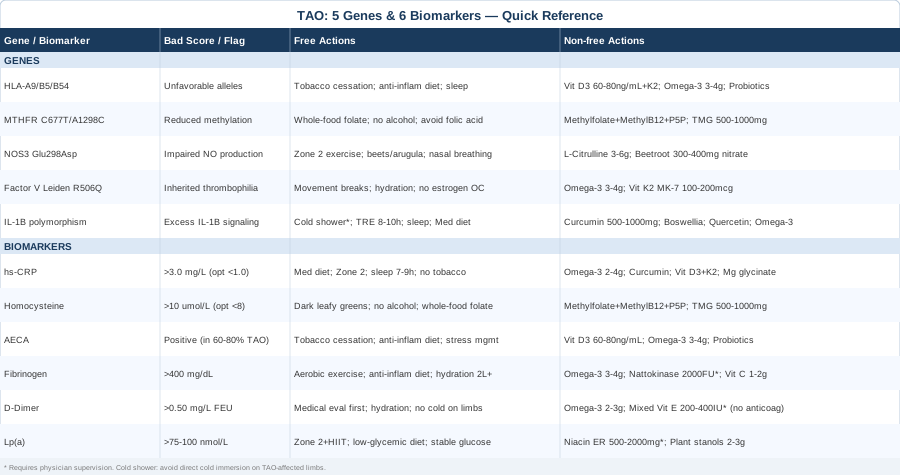
Conclusion
Thromboangiitis obliterans demands more than a single management strategy and a follow-up appointment. The most important step remains unchanged — complete and permanent tobacco cessation — but the evidence supports a broader approach that addresses the immunological, genetic, and metabolic dimensions shaping how the disease behaves in each individual.
Tracking the six biomarkers covered here provides a clearer biological picture of where the inflammatory and thrombotic burden sits and creates feedback loops for evaluating whether interventions are working. Understanding which genetic variants you carry — particularly MTHFR, NOS3, or Factor V Leiden — allows targeted rather than generic choices about supplementation and lifestyle adjustment. The complementary approaches described are not alternatives to standard care; they are additional layers that, chosen carefully and disclosed to your medical team, may contribute meaningfully to managing both systemic inflammation and the vasospastic features that worsen outcomes.
The most useful next step is not trying to do everything at once. Begin with an accessible blood panel — hs-CRP, homocysteine, fibrinogen, D-dimer, and Lp(a) — which is affordable and available, and which provides an immediate foundation for smarter decisions. If you have access to consumer or clinical genetic testing, assess your MTHFR and NOS3 status as a baseline. Bring this information to a physician willing to engage with it — ideally a vascular specialist, rheumatologist, or preventive medicine physician comfortable working at this level of detail. Better information does not guarantee better outcomes, but it reliably leads to better decisions.