This article contains AI generated content.
· UpdatedTibial Nerve Entrapment - 5 Genes And 6 Biomarkers To Track
Introduction
If you are living with burning, tingling, or numbness spreading through your foot and ankle, chances are you have already been told to rest, use orthotics, and perhaps try a cortisone injection. Some people improve. Many cycle through months of temporary relief before the symptoms return, without ever understanding why. That pattern rarely signals a wrong diagnosis. It usually signals an incomplete one.
Tibial nerve entrapment — most commonly presenting as tarsal tunnel syndrome when the nerve is compressed behind the medial malleolus — does not arise from mechanical stress alone. It sits at the intersection of metabolic health, systemic inflammation, myelin integrity, connective tissue quality, and local vascular supply. Standard assessments typically evaluate one of these factors. The others are left unexamined, which is often where the problem lives.
What the emerging science around peripheral nerve health makes increasingly clear is that two layers of information — your biomarkers and your genetic variants — can reveal which of these drivers is most active in your specific case. This is not precision medicine as a distant possibility. These are tests you can order today, results you can act on within weeks, and strategies with real mechanistic grounding for why they help.
This article covers both layers in depth. The primary section walks through six key biomarkers that your blood work can reveal about the health of your nerve's environment, with specific targets, cost ranges, and concrete correction plans. The genetics section then explores five gene variants with meaningful relevance to inflammation control, nerve repair capacity, and connective tissue quality. The final sections draw on cutting-edge neuroscience and clinically tested complementary approaches. Better information leads to better decisions — and for many people with tibial nerve entrapment, the decisions that matter most are ones no one has yet suggested.
Summary
This article examines tibial nerve entrapment through two evidence-informed lenses that most clinical assessments skip entirely. The first — and most immediately actionable — is a panel of six blood biomarkers: HbA1c and fasting insulin (metabolic drivers of nerve damage), high-sensitivity CRP (the inflammation signal), vitamin B12 with methylmalonic acid (myelin building blocks), homocysteine (a neurotoxic marker downstream of poor methylation), vitamin D (a direct regulator of Schwann cell activity), and a full thyroid panel (hypothyroidism is a direct, reversible cause of tarsal tunnel syndrome that is frequently missed). For each biomarker, you will find the optimal target range, the cost of testing, and a specific correction plan — both with and without supplements.
The second layer covers five genetic variants — MTHFR, BDNF Val66Met, TNF-α, VDR, and COL5A1 — that help explain why some people develop entrapment in the first place, why recovery is slow, and why the same protocol works differently for different people. Beyond these two core frameworks, the article summarizes the ten most impactful insights from neuroscience research on pain and nerve recovery that challenge current clinical thinking, and reviews four complementary modalities — photobiomodulation, massage therapy, yoga, and biofeedback — each with condition-relevant evidence and realistic application protocols.
If you have been stuck in a cycle of partial improvement and returning symptoms, what follows gives you a concrete next step: not more generic advice, but a shorter, smarter list of things worth measuring — and what to do about each one.
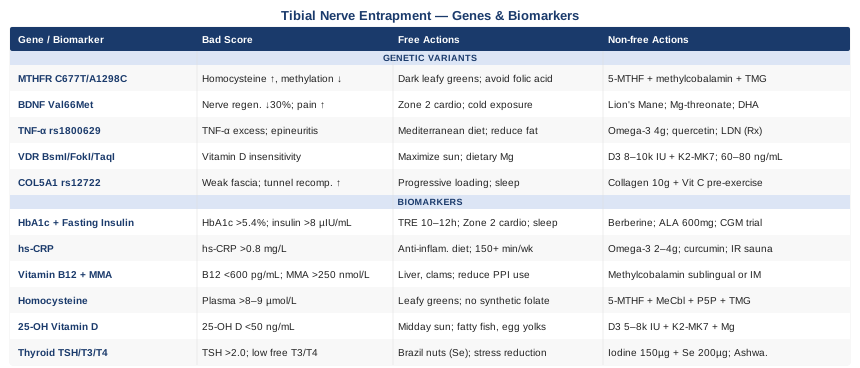
6 Biomarkers to Track If You Have Tibial Nerve Entrapment
The tibial nerve does not exist in isolation. It travels through a narrow tunnel surrounded by tendons, fascia, and vasculature that are exquisitely sensitive to your metabolic and inflammatory state. The six biomarkers below represent the most clinically relevant signals your blood work can provide about the health of that environment — and each one is something your care team can act on.
1. HbA1c and Fasting Insulin
Why it matters
Metabolic dysregulation is the single most underrecognized systemic driver of peripheral nerve vulnerability. Elevated blood glucose — even in the pre-diabetic range — impairs nerve conduction through multiple converging mechanisms: advanced glycation end products (AGEs) stiffen nerve sheaths, oxidative stress damages the microvascular supply to the nerve, and low-grade inflammation thickens the soft tissue lining of the tarsal tunnel itself. Sensory nerve deficits are measurable years before a formal diabetes diagnosis appears in clinical records.
What is less routinely checked is fasting insulin. Insulin resistance creates a proinflammatory and pro-fibrotic tissue environment before blood glucose is visibly elevated. The result is a tarsal tunnel that becomes progressively more hostile to nerve health — tighter, more inflamed, less vascularized — well before any standard metabolic warning is triggered.
How to measure it
HbA1c costs $15–40 and reflects average blood glucose over approximately three months. Fasting insulin runs $25–60 and is frequently omitted from standard panels; you may need to request it explicitly. Optimal targets are HbA1c below 5.4% and fasting insulin below 8 µIU/mL — not just within the conventional reference range, which is set for disease detection, not nerve-health optimization.
If the score is bad, the plan without supplements
Time-restricted eating (a 10–8 hour daily feeding window) reliably reduces fasting insulin without requiring caloric restriction in multiple human studies. Start with 12 hours and tighten gradually over 2–3 weeks. Replace ultra-processed carbohydrates with whole food sources to reduce postprandial glucose spikes and AGE production. Zone 2 cardio — steady aerobic exercise at 60–70% of maximum heart rate, 30–45 minutes, four to five times per week — directly improves peripheral insulin sensitivity and reduces nerve-compressing inflammation within weeks. Prioritizing 7–9 hours of quality sleep is non-negotiable: a single night of significant sleep deprivation raises fasting insulin measurably, and chronic sleep debt sustains insulin resistance regardless of dietary changes.
If the score is bad, the plan with supplements or equipment
Berberine (500 mg, two to three times daily with meals) has demonstrated insulin-sensitizing effects comparable to metformin in several randomized controlled trials; cycle 8 weeks on, 2–4 weeks off to prevent gut adaptation and monitor liver enzymes periodically. Alpha-lipoic acid (ALA) at 600 mg per day addresses both insulin sensitivity and oxidative nerve damage — it is used as a prescription treatment for diabetic neuropathy in Germany and has a strong safety record at standard doses; avoid in thiamine deficiency. Magnesium glycinate (300–400 mg at bedtime) improves insulin receptor signaling and is tolerated long-term; reduce dose if loose stools occur. For anyone serious about understanding their metabolic response, a two-week continuous glucose monitor trial (Libre Sense or equivalent, approximately $70–150) provides far more actionable data than a single HbA1c reading.
2. High-Sensitivity CRP (hs-CRP)
Why it matters
Systemic inflammation does not stay systemic. Elevated inflammatory cytokines — particularly TNF-α and IL-6, which hs-CRP tracks indirectly — directly irritate the epineurium (the nerve's outer connective tissue sheath) and contribute to edema within the tarsal tunnel. This is especially relevant in rheumatoid arthritis, the second most common cause of tarsal tunnel syndrome after metabolic disease, where hs-CRP is both a diagnostic marker and a target for treatment response monitoring.
Even in the absence of diagnosed inflammatory disease, hs-CRP above 1.0 mg/L indicates a tissue environment that is slow to heal and prone to compressive reinjury. For someone who keeps improving and relapsing, this is often the signal being missed.
How to measure it
The high-sensitivity form — not standard CRP — is what you need. It costs $15–35 at most labs. Optimal target is below 0.8 mg/L. Levels above 3 mg/L signal significant systemic inflammation; above 10 mg/L requires investigation for active infection or autoimmune flare.
If the score is bad, the plan without supplements
An anti-inflammatory dietary pattern — Mediterranean, whole-food-based, low in refined seed oils and ultra-processed foods — reduces hs-CRP by 20–35% in controlled dietary studies within 8–12 weeks. Eliminating refined omega-6 oils (soybean, corn, canola, sunflower) specifically reduces inflammatory signaling through the arachidonic acid pathway without requiring supplementation. Moderate exercise (150+ minutes per week) independently and consistently lowers hs-CRP; note that excessive high-intensity training without adequate recovery can paradoxically raise it. Even 30 additional minutes of sleep per night produces measurable reductions in inflammatory markers.
If the score is bad, the plan with supplements or equipment
Omega-3 fatty acids (EPA + DHA combined, 2–4 g/day) directly reduce TNF-α and IL-6 production and represent the most evidence-backed anti-inflammatory supplement available. At doses above 3 g/day, consult a physician if you are on anticoagulants; measure omega-3 index at baseline and target 8–12%. Curcumin with piperine (500 mg curcumin, 5 mg piperine, once or twice daily with a fatty meal) inhibits NF-κB-mediated inflammatory signaling; cycle 12 weeks with dietary changes, then reassess. Infrared sauna (3–4 sessions per week, 20 minutes per session) consistently reduces inflammatory markers in cardiovascular and metabolic studies, and improved microcirculation may benefit nerve vascularity directly. Home units run $500–2000; wellness studio sessions $50–150 per month.
3. Vitamin B12 and Methylmalonic Acid (MMA)
Why it matters
Vitamin B12 is not optional for nerve health — it is the direct raw material for myelin, the insulating sheath that enables fast, accurate tibial nerve conduction. When myelin degrades, the nerve becomes hyperexcitable, increasingly vulnerable to compression injury, and slower to regenerate after it occurs. The critical problem is that standard serum B12 testing is misleading: serum levels of 200–400 pg/mL appear "normal" while cellular B12 sufficiency is inadequate for optimal nerve maintenance.
Methylmalonic acid (MMA) is the functional correction. MMA accumulates when B12 is insufficient for cellular metabolism, and elevated MMA reveals deficiency even when serum B12 looks acceptable. This is the test that practitioners like Peter Attia and Thomas Dayspring emphasize for anyone presenting with neuropathic symptoms, and it is particularly important for patients on metformin — which blocks intrinsic factor-mediated B12 absorption in the gut.
How to measure it
Serum B12 costs $20–40. MMA (urine or serum) runs $50–100. The combination tells a far more complete story. Optimal serum B12 for nerve health is above 600–700 pg/mL — not the standard lab threshold of 200 pg/mL. MMA should be below 250 nmol/L.
If the score is bad, the plan without supplements
Animal products are the only dietary B12 sources with meaningful bioavailability. Beef liver (three ounces provides over 70 µg), clams, sardines, eggs, and beef are the densest food sources. Optimize stomach acid function, since B12 absorption requires adequate gastric acid and intrinsic factor: reducing unnecessary long-term PPI use and supporting digestion with a tablespoon of apple cider vinegar in water before protein-heavy meals can improve absorption substantially. Avoid chronic alcohol use, which significantly impairs B12 uptake.
If the score is bad, the plan with supplements or equipment
Methylcobalamin — not cyanocobalamin — is the neurologically active form and the appropriate supplement choice. Sublingual methylcobalamin (1–5 mg/day) bypasses many absorption barriers; intramuscular injections (1000 µg/week for 4 weeks, then monthly) work faster for established deficiency. There is no known toxicity at high doses. For anyone on long-term metformin, quarterly B12 monitoring and routine supplementation are now included in updated clinical guidelines. If pernicious anemia has been ruled out, high-dose sublingual B12 (1000–2000 µg daily) can compensate adequately for absorption deficits.
4. Homocysteine
Why it matters
Homocysteine is a sulfur-containing amino acid that accumulates when methylation is impaired. Elevated homocysteine is directly neurotoxic: it promotes oxidative stress in nerve tissue, disrupts the blood-nerve barrier, and triggers demyelination at concentrations that the standard reference range treats as "borderline." It is the downstream consequence of MTHFR gene variants (see the genetics section), B12 deficiency, and inadequate folate — meaning it is often the measurable signal of several compounding deficiencies operating simultaneously.
Research consistently links elevated homocysteine to worse outcomes in peripheral neuropathy and slower nerve recovery post-injury. Yet it remains one of the most consistently underordered blood tests on standard panels.
How to measure it
A fasting plasma homocysteine test costs $30–60. Optimal is below 8–9 µmol/L; above 15 µmol/L represents significant neural and vascular risk. Most labs flag values above 12 µmol/L, but functional medicine practitioners target below 9 µmol/L as a meaningful nerve-health threshold.
If the score is bad, the plan without supplements
Increase dietary methylfolate through fresh leafy greens daily — spinach, arugula, romaine, asparagus, and lentils are the highest sources. Avoid fortified foods containing synthetic folic acid: this form competes directly with active methylfolate at the receptor and can worsen methylation in those with MTHFR variants. Increase glycine-rich foods (bone broth, collagen, skin-on poultry) relative to high-methionine sources (processed meats) to balance the methylation cycle. Limit alcohol and excess coffee, both of which raise homocysteine through distinct metabolic pathways.
If the score is bad, the plan with supplements or equipment
The homocysteine-lowering triad combines three active-form B vitamins: methylfolate (5-MTHF) at 400–1000 µg/day (higher doses up to 5 mg for MTHFR C677T homozygotes, titrated upward slowly), methylcobalamin (1000–5000 µg/day sublingually), and pyridoxal-5-phosphate (P5P, active B6) at 25–50 mg/day. Do not exceed 100 mg/day of B6 long-term, as high doses can paradoxically produce peripheral neuropathy. Trimethylglycine (TMG) at 1–3 g/day provides an alternative methylation pathway that is useful when high-dose methylfolate causes overmethylation side effects (anxiety, insomnia, agitation). Recheck homocysteine after 8–12 weeks of supplementation; most individuals see a 25–40% reduction.
5. 25-OH Vitamin D
Why it matters
Vitamin D receptors (VDRs) are expressed in Schwann cells — the myelin-producing cells that wrap peripheral nerves including the tibial nerve. This means vitamin D is not merely a bone and immune health nutrient; it is a direct regulator of nerve repair, anti-inflammatory signaling at the nerve level, and pain threshold. Cross-sectional studies consistently associate low vitamin D with peripheral neuropathy, and prospective work in diabetic populations has shown that vitamin D supplementation improves nerve conduction velocity scores.
The threshold matters enormously here. Most labs flag deficiency below 20 ng/mL, but nerve health research — and practitioners like Peter Attia — argue that the meaningful optimization target is 50–70 ng/mL, which requires active supplementation for the large majority of people living above 35° latitude or working indoors.
How to measure it
Serum 25-OH vitamin D costs $30–60 and is one of the most practical routine tests available. Recheck at three months after beginning supplementation.
If the score is bad, the plan without supplements
Full-body midday sun exposure (15–30 minutes, significant skin surface area exposed without sunscreen) is the most efficient non-supplement source, but is not practically achievable at most latitudes in winter. The best dietary sources — fatty fish (salmon, mackerel, herring), egg yolks, and beef liver — contribute meaningfully but cannot reliably achieve optimal serum levels through food alone.
If the score is bad, the plan with supplements or equipment
Vitamin D3 with K2 (MK-7): D3 at 5000–8000 IU/day with K2-MK7 at 100–200 µg. The K2 component is not optional — it directs calcium metabolism appropriately and prevents soft tissue calcification when supplementing high-dose D3 long-term. Magnesium (300–400 mg/day as glycinate or malate) is required to convert vitamin D to its active form; without adequate magnesium, significant portions of vitamin D supplementation are metabolically wasted. Avoid sustained levels above 100 ng/mL (toxicity threshold). Recheck at 12 weeks and adjust dose to maintain 50–70 ng/mL.
6. Full Thyroid Panel (TSH, Free T3, Free T4)
Why it matters
Hypothyroidism is one of the few direct, reversible systemic causes of tarsal tunnel syndrome — yet it is frequently absent from the initial workup. When thyroid hormone is insufficient, glycosaminoglycan deposits accumulate in connective tissue, physically thickening the tissues within the tarsal tunnel and compressing the nerve from the inside. Studies examining patients with carpal tunnel syndrome — the wrist equivalent of tarsal tunnel — have found undiagnosed hypothyroidism in a clinically significant subset, with symptom resolution following thyroid treatment alone.
Beyond direct compression, thyroid insufficiency slows nerve conduction velocity independently of myelin status, reduces peripheral blood flow, and impairs tissue repair capacity. Even subclinical hypothyroidism — normal T4 with a mildly elevated TSH — produces measurable effects on nerve function.
How to measure it
A full thyroid panel — TSH, free T3, and free T4 — costs $60–150. Ordering TSH alone (the clinical default) misses the 10–20% of people who convert T4 to T3 poorly, including those with selenium deficiency or high reverse T3. Optimal ranges: TSH 1.0–2.0 µIU/mL, free T3 in the upper third of the reference range, free T4 at mid-range or above.
If the score is bad, the plan without supplements
Optimize dietary selenium — the key cofactor for T4-to-T3 conversion — through one to two Brazil nuts daily, tuna, sardines, or organ meats. Reduce goitrogenic foods in their raw form (cruciferous vegetables) if iodine status is borderline; cooking substantially reduces this effect. Manage chronic stress as a priority: cortisol directly suppresses thyroid receptor sensitivity and reduces T3 production. Avoiding over-training and prioritizing sleep are the two most impactful behavioral changes for subclinical thyroid dysfunction. Filtering fluoride and chlorine from drinking water may support thyroid function in those with borderline iodine intake, as both halogens compete with iodine at thyroid uptake sites.
If the score is bad, the plan with supplements or equipment
Iodine (150–300 µg/day) paired with selenium (200 µg/day as selenomethionine) addresses the most common nutritional cause of suboptimal thyroid function. Do not megadose iodine without testing; high doses can paradoxically suppress thyroid function in susceptible individuals. Ashwagandha (KSM-66 extract, 300–600 mg/day) has modest human evidence for improving TSH and reducing cortisol-driven thyroid suppression; cycle 8–12 weeks with 2–4 week breaks. If frank hypothyroidism is confirmed on labs, work with an endocrinologist: for some patients, combination T3/T4 therapy (desiccated thyroid or levothyroxine with liothyronine) produces better clinical outcomes than T4 monotherapy alone.
What Genetics Research Reveals About Tibial Nerve Vulnerability
Genetics will not determine whether you develop tibial nerve entrapment. They can, however, explain why your nerve heals the way it does, why some interventions work for you and fail others, and where your metabolic and structural weak points are concentrated. The five variants below are among the most clinically actionable for peripheral nerve health — each one affects a distinct pathway, and each one has a corresponding correction strategy.
Gene 1: MTHFR (C677T and A1298C)
What it does
The methylenetetrahydrofolate reductase (MTHFR) gene encodes the enzyme responsible for converting dietary folate into 5-methyltetrahydrofolate (5-MTHF) — the only form the body can use for the methylation cycle. Variants in this gene, particularly C677T and A1298C, reduce this conversion by 30–70% depending on whether one or two copies are affected. The downstream consequences are impaired myelin synthesis, elevated homocysteine (the neurotoxic byproduct), reduced production of neurotransmitters, and a generally hostile biochemical environment for peripheral nerve maintenance.
Approximately 40–60% of the population carries at least one MTHFR variant; roughly 10–15% are homozygous for C677T, making this the most prevalent actionable genetic finding in metabolic and nerve health. Gary Brecka, who has popularized genetic health assessment, considers MTHFR one of the most consequential variants for overall health optimization.
If the gene is bad, the plan without supplements
Prioritize dietary methylfolate aggressively: a large serving of fresh dark leafy greens daily (spinach, arugula, romaine) provides natural 5-MTHF without supplementation. Critically, avoid fortified foods containing synthetic folic acid — it competes directly with 5-MTHF at folate receptors and can worsen methylation outcomes in C677T carriers. Increase choline from eggs, liver, and muscle meat: choline feeds the BHMT pathway, an alternative methylation route that bypasses MTHFR entirely and can compensate substantially for reduced enzyme activity.
If the gene is bad, the plan with supplements or equipment
5-MTHF (methylfolate) directly supplemented (400–1000 µg/day as a starting dose; up to 5–15 mg/day under guidance for C677T homozygotes, titrated slowly) replaces the conversion that the enzyme cannot perform. Methylcobalamin (1000–5000 µg/day sublingually) works synergistically — the folate and B12 cycles are co-dependent. TMG (trimethylglycine) at 1–3 g/day provides betaine as an alternative methylation donor through the BHMT enzyme, and is particularly useful if high-dose methylfolate causes overmethylation symptoms (racing thoughts, anxiety, sleep disruption). Monitor plasma homocysteine every 8–12 weeks as the primary outcome marker; it should fall below 9 µmol/L with an adequate protocol.
Gene 2: BDNF Val66Met (rs6265)
What it does
Brain-derived neurotrophic factor (BDNF) is the primary growth-promoting hormone for neurons — including the sensory and motor fibers of the peripheral nervous system. The Val66Met variant reduces activity-dependent BDNF secretion by approximately 30%, impairing the nerve's intrinsic capacity to regenerate following compression injury. Peripheral nerves regenerate at roughly 1 mm per day under ideal conditions — a process that is directly dependent on BDNF signaling at every step. The Met allele doesn't stop regeneration; it slows it and raises the threshold required for a full recovery.
BDNF is also a central modulator of pain threshold and central sensitization. Lower BDNF signaling amplifies the persistence of pain even after the peripheral mechanical cause has been addressed — which may explain why some patients with resolved compression continue to experience significant symptoms.
If the gene is bad, the plan without supplements
Aerobic exercise is the single most potent natural BDNF stimulator available. Even a single session of moderate aerobic exercise raises serum BDNF measurably, and consistent Zone 2 training (30–45 minutes, four to five sessions per week) produces sustained upregulation. Cold exposure — cold water immersion (10–15°C) for two to three minutes, three to five times per week — triggers a robust norepinephrine and BDNF release; start with 30-second cold finishes to hot showers and build gradually. Intermittent fasting (16:8 or 18:6 schedule) activates BDNF through AMPK pathway signaling even in the absence of caloric restriction. Quality deep sleep is when BDNF synthesis peaks — treating sleep as active nerve repair time rather than passive recovery is the framing that makes the difference in behavior.
If the gene is bad, the plan with supplements or equipment
Lion's Mane mushroom extract (500–1000 mg, twice daily, standardized to hericenones and erinacines) stimulates nerve growth factor (NGF) — a BDNF analog — and represents the most promising natural nerve-support supplement with emerging human evidence. Magnesium L-threonate (1500–2000 mg/day in divided doses) crosses the blood-brain barrier and supports synaptic plasticity in a way other magnesium forms cannot. DHA omega-3 (at least 1–2 g/day) is required for nerve membrane fluidity and interacts directly with BDNF receptor signaling. Photobiomodulation applied over the tibial nerve pathway (detailed in the complementary section) has been shown in preclinical and early human work to increase local BDNF expression and promote Schwann cell activity.
Gene 3: TNF-α Promoter Variant (rs1800629)
What it does
Tumor necrosis factor-alpha (TNF-α) is a master proinflammatory cytokine involved in nerve sheath irritation, local edema, and pain sensitization. The rs1800629 A allele creates a high-producer phenotype: those carrying this variant generate substantially more TNF-α in response to the same inflammatory trigger. In tarsal tunnel syndrome, elevated TNF-α drives epineuritis — inflammation of the nerve's outer sheath — and increases tunnel swelling disproportionate to the mechanical compression present.
This variant is particularly relevant in individuals who appear to have a mild anatomical cause but disproportionate pain and slow response to conservative treatment. In those cases, the inflammatory amplification from a high-producer genotype may be doing more damage than the structural compression itself.
If the gene is bad, the plan without supplements
Adopt an anti-inflammatory dietary pattern: Mediterranean or whole-food-based eating patterns reduce TNF-α expression by 20–35% in human dietary intervention studies within 8–12 weeks. Reducing visceral adipose tissue is particularly impactful — fat cells are direct sources of TNF-α, and even modest reductions in body fat percentage produce measurable decreases in circulating cytokines. Time-restricted eating reduces TNF-α independently of caloric restriction in recent human studies.
If the gene is bad, the plan with supplements or equipment
Omega-3 EPA + DHA (3–4 g/day; EPA is most relevant here): EPA competes with arachidonic acid at COX-2 enzymes, directly reducing TNF-α production pathway activity. Measure omega-3 index and target 8–12%. Quercetin (500–1000 mg/day with food, as it requires dietary fat for absorption) inhibits TNF-α transcription in human cell studies; cycle 8 weeks on, 4 weeks off with low known risk. For clinically significant inflammatory conditions, low-dose naltrexone (LDN) at 1.5–4.5 mg/day (prescribed) modulates inflammatory cytokine production including TNF-α and has growing clinical use in inflammatory pain conditions — discuss with a knowledgeable prescriber.
Gene 4: VDR Polymorphisms (BsmI, FokI, TaqI)
What it does
The vitamin D receptor (VDR) gene controls how efficiently your cells respond to vitamin D once it is present. VDR polymorphisms — particularly BsmI, FokI, and TaqI variants — can significantly reduce the biological effectiveness of circulating vitamin D, even when serum 25-OH D looks adequate. Schwann cells, which produce and maintain myelin around the tibial nerve, are directly regulated by VDR activity. Those with low-function VDR variants may need substantially higher serum vitamin D levels than standard recommendations to achieve the same nerve-protective and anti-inflammatory effect.
If the gene is bad, the plan without supplements
Maximize consistent sun exposure to push serum 25-OH D levels toward the higher end of the safe range. Increase dietary magnesium — magnesium is an essential cofactor for VDR activation, and VDR function is further attenuated when magnesium is borderline. Address any co-existing gut inflammation that might impair fat-soluble vitamin absorption.
If the gene is bad, the plan with supplements or equipment
Target serum 25-OH D levels of 60–80 ng/mL rather than the standard 40–50 ng/mL, to compensate for reduced receptor sensitivity. This typically requires 8000–10000 IU/day of D3 under medical supervision with quarterly serum monitoring. Always pair with K2-MK7 (100–200 µg/day) for calcium homeostasis safety. Avoid interpreting serum D levels without also knowing VDR status — the combination determines actual biological vitamin D activity far more accurately than serum levels alone.
Gene 5: COL5A1 (rs12722)
What it does
Collagen type V alpha 1 (COL5A1) is a structural gene influencing the quality and mechanical properties of connective tissue — including the flexor retinaculum and surrounding fascia that form the structural walls of the tarsal tunnel. The rs12722 TT genotype is associated with altered collagen fiber structure, reduced tissue tensile strength, and greater susceptibility to mechanical stress-induced injury in tendons and ligaments.
For tibial nerve entrapment, COL5A1 variants may help explain why some people develop recurring tarsal tunnel syndrome despite adequate mechanical offloading: the tunnel's structural quality is intrinsically compromised, making it more prone to collapse, scarring, and recompression after any loading event.
If the gene is bad, the plan without supplements
Progressive loading protocols — not rest, not aggressive stretching — are the evidence-based approach for connective tissue remodeling. Low-to-moderate load, higher-repetition exercises (calf raises, eccentric tibialis loading, ankle proprioception work) stimulate collagen synthesis and remodeling over 12+ weeks. Sleep adequacy is critical: collagen synthesis peaks during overnight recovery, and sleep deprivation directly impairs the process. Minimize repetitive mechanical insults from occupational or footwear sources.
If the gene is bad, the plan with supplements or equipment
Collagen peptides (10–15 g/day) with vitamin C (200–500 mg) taken 30–60 minutes before the loading exercise that targets the ankle-foot region. This timing is not arbitrary — research by Keith Baar at UC Davis has shown that pre-exercise collagen ingestion, combined with vitamin C, significantly increases collagen synthesis in loaded tendons compared to taking collagen at other times. Vitamin C alone (500–1000 mg/day) is a standalone essential cofactor for collagen cross-linking; deficiency directly impairs connective tissue repair regardless of collagen protein intake. This is a 12–24 week remodeling intervention, not a quick symptomatic fix.
Neuroscience Insights That Change How We Think About Nerve Pain and Recovery
What the emerging neuroscience of pain and peripheral nerve health makes clear — through the work of Andrew Huberman, Lorimer Moseley, and a growing body of pain researchers — is that the framework most patients with nerve entrapment are given is incomplete in ways that matter. The following ten insights, drawn from peer-reviewed research and synthesized across multiple disciplines, challenge the standard narrative and offer a more complete picture of what recovery actually requires.
1. Pain Is a Protective Prediction, Not a Real-Time Tissue Readout
The nervous system produces pain as a protective output — a prediction about threat level, not an accurate readout of tissue damage in the moment. Research by Lorimer Moseley (frequently cited in Huberman's pain science discussions) demonstrates that pain can persist, intensify, and spread even after the original mechanical cause is resolved. This is central sensitization, and it is directly relevant to anyone whose tarsal tunnel symptoms persist long after the anatomical compression has been addressed. Understanding this does not make the pain less real. It means the treatment target must include the nervous system itself, not only the tunnel.
2. Acute Inflammation Is Necessary — Do Not Suppress It Entirely
Anti-inflammatory suppression in the acute phase of nerve compression may slow the recovery it intends to speed. Controlled inflammatory cycles — supported by adequate omega-3 intake, adequate sleep, and deliberate cold/heat contrast — produce better tissue healing outcomes than chronic NSAID use in several peripheral nerve injury studies. The clinical implication: strategic, time-limited anti-inflammatory intervention rather than constant pharmaceutical suppression.
3. Peripheral Nerves Regenerate — But Only Under the Right Conditions
Peripheral nerves regenerate at approximately 1 mm per day under ideal biochemical conditions. The tibial nerve path from the tarsal tunnel to the tip of the foot may span 40–60 cm, meaning full functional recovery after significant compression requires months of sustained support. BDNF, adequate B12, DHA, and deep sleep quality are the four most evidence-backed determinants of that regeneration rate. Deficiencies in any of them are not minor — they measurably slow the recovery clock.
4. Zone 2 Cardio Is Disproportionately Beneficial for Nerve Health
Zone 2 training — sustained aerobic activity at 60–70% of maximum heart rate — simultaneously increases BDNF, reduces inflammatory cytokines, improves microvascular circulation to peripheral nerves, and lowers insulin resistance. For someone with tibial nerve entrapment, even 30 minutes of low-impact cycling (which avoids direct foot loading) produces neurochemical benefits within a single session. It is among the highest-yield interventions available for nerve recovery and is underemphasized in standard rehabilitation protocols.
5. Cold Exposure Benefits Extend Beyond Local Inflammation
Cold water immersion triggers systemic norepinephrine and BDNF release — both of which support peripheral nerve repair and pain modulation. The critical caution for tibial nerve entrapment: cold applied directly over a compressed nerve can temporarily worsen symptoms. Apply cold immersion at the calf or thigh, not directly over the medial ankle in acute phases. A practical protocol: 2–3 minutes of cold exposure at 10–15°C, three to five times per week, with immersion at the mid-calf level.
6. Deep Sleep Is Active Nerve Repair Time
Peripheral nerve regeneration is a circadian-gated process. Multiple repair pathways — BDNF synthesis, myelin production, immune pruning of damaged nerve segments — peak during slow-wave (deep) sleep. Research suggests that a single night of poor sleep can reduce these repair processes by 40–60%. For anyone managing nerve entrapment recovery, treating sleep as the primary recovery intervention — not an afterthought — fundamentally changes what is possible.
7. Sensory Graded Re-Exposure Prevents Cortical Unmapping
The sensory cortex can "unmap" a body region surprisingly quickly when normal sensory input is absent — a process that actively sustains numbness and allodynia beyond the original peripheral cause. Sensory graded re-exposure — progressively reintroducing tactile stimulation to the affected foot distribution through varying textures, temperatures, and vibration — counteracts this cortical reorganization. It is one of the most underused rehabilitation tools for persistent tarsal tunnel symptoms and can be practiced daily at home with minimal equipment.
8. Cyclic Breathing Directly Raises Pain Threshold
Extended exhale breathing patterns — cyclic sighing — activate the parasympathetic nervous system and modulate the periaqueductal gray (PAG), the brain's primary endogenous pain-control region. Work published in Cell Reports Medicine demonstrated that five minutes of daily cyclic sighing produced more consistent autonomic benefit than other breathwork techniques across a range of outcome measures. For someone with nerve pain, this is a low-cost, daily nervous system recalibration with direct effects on pain tolerance.
9. Morning Sunlight Governs the Repair Hormone Cascade
The circadian clock, set primarily by morning light exposure through the retina, governs the daily timing of cortisol, growth hormone, and melatonin release — all three of which are relevant to peripheral nerve recovery. Ten to twenty minutes of outdoor morning light (without sunglasses) is the most upstream circadian intervention available. It costs nothing, has no side effects, and improves almost every downstream biological process relevant to nerve healing and pain modulation.
10. Perceived Safety and Social Connection Reduce Central Sensitization
Chronic pain drives neuroplastic expansion — the pain's territory tends to grow over time through central sensitization. Huberman's discussions of neuroscience research on social belonging and perceived psychological safety provide important context: isolated, chronically stressed individuals with nerve pain consistently show worse outcomes regardless of treatment quality. Actively managing psychological safety — through connection, structured movement, sleep, and cognitive reframing — is not adjunct to nerve recovery. For many people, it is one of the primary drivers.
Complementary Approaches with Evidence for Tibial Nerve Entrapment
The four approaches below have meaningful human clinical evidence relevant to peripheral nerve entrapment and are practical to integrate alongside conventional medical treatment. They work best as complements to the metabolic and genetic strategies above, not as replacements for addressing root causes.
Low-Level Laser Therapy (Photobiomodulation)
Low-level laser therapy (LLLT) — also called photobiomodulation — uses specific wavelengths of red and near-infrared light (typically 600–1000 nm) to stimulate mitochondrial energy production in target tissue. In peripheral nerve tissue, this translates to enhanced Schwann cell activity, increased ATP production in compressed neurons, local reduction of proinflammatory cytokines, and upregulation of BDNF. It is one of the few non-invasive physical interventions with a directly mechanistic rationale for nerve entrapment — not merely symptom relief, but a plausible pathway for genuine tissue-level improvement.
A randomized controlled trial examining LLLT in carpal tunnel syndrome — the upper-limb anatomical equivalent of tarsal tunnel syndrome — demonstrated significant improvements in nerve conduction velocity, pain scores, and functional capacity in the LLLT group at six-week follow-up compared to placebo. A systematic review published in Photomedicine and Laser Surgery found consistent positive effects on nerve conduction and sensory function across multiple peripheral nerve conditions. Evidence quality is moderate by conservative standards, and higher than most passive interventions in this category.
For tibial nerve entrapment, apply an LLLT device (808–830 nm, 50–200 mW) along the medial ankle directly over the tarsal tunnel and along the tibial nerve course in the posterior calf. Protocol: two to three minutes per site, three to five times per week, for a minimum of six to eight weeks. Home devices run $300–700; clinical sessions $30–80 each. Avoid directly over known malignancy, eyes, or thyroid gland. Results accumulate gradually — assess at eight weeks before adjusting protocol or frequency.
Massage Therapy
Manual soft tissue therapy applied to the medial ankle, plantar fascia, and posterior lower leg directly targets the structural components of the tarsal tunnel — the flexor retinaculum, abductor hallucis, and surrounding fascial layers. Massage reduces local edema, breaks down adhesions around the nerve sheath, supports lymphatic drainage, and increases blood flow to tissue that tends toward ischemia under chronic compression. It is most effective not as standalone treatment but as a mechanical complement to metabolic and structural interventions — particularly in cases where soft tissue fibrosis has contributed to secondary tunnel narrowing.
A clinical study in the Journal of Bodywork and Movement Therapies found that targeted deep tissue massage to the plantar foot and ankle significantly reduced neuropathic pain scores in patients with diabetic peripheral neuropathy over eight weeks. A systematic review of manual therapy for carpal tunnel syndrome demonstrated improved sensory function and grip strength, with the strongest effects in patients with mild-to-moderate compression severity.
A productive protocol: 45–60 minute sessions with specific attention to the posterior tibial nerve corridor (posterior lower leg, medial ankle, plantar arch), one to two times per week. Ask specifically for a therapist trained in neurodynamics: they will include tibial nerve gliding and tensioning maneuvers alongside fascial work, which is more targeted than general massage. Complement clinical sessions with two to five minutes of daily self-massage using a soft ball under the plantar arch. Avoid deep direct pressure over the medial ankle if acute inflammatory swelling is present; work the proximal nerve pathway first.
Yoga
Yoga addresses tibial nerve entrapment through several convergent mechanisms: it creates sustained, low-load ankle dorsiflexion that decompresses the tarsal tunnel from a structural angle; reduces systemic cortisol and proinflammatory cytokines through its parasympathetic activation effect; improves proprioceptive function in the lower leg; and trains the body to tolerate and move through edge-of-sensation ranges — a critical component of sensory graded re-exposure. Yin-style and restorative yoga are most relevant, as they create prolonged, gentle connective tissue loading that remodels fascia over time without aggravating acute nerve irritation.
A randomized trial found that an eight-week yoga intervention significantly reduced peripheral neuropathy scores in diabetic patients compared to usual care, including improvements in nerve conduction velocity outcomes. A meta-analysis of yoga for chronic musculoskeletal pain found consistent moderate-effect benefits for pain intensity and functional disability, with particularly strong effects for lower-limb conditions.
Useful starting postures: Virasana (Hero's Pose, kneeling with shins on the floor) gently stretches the tibial nerve pathway at the posterior knee and ankle; Supta Padangusthasana (Reclined Big Toe Pose with a strap) allows graded tibial nerve tensioning in a supported, controllable position. Begin with three to five minute holds at low tension, three times per week. Work to the edge of sensation, never into sharp tingling. A yin yoga class with a teacher familiar with therapeutic applications is a safer entry point than solo practice for anyone with active symptoms.
Biofeedback
Biofeedback uses real-time physiological monitoring to train conscious regulation of autonomic nervous system activity. For tibial nerve entrapment, the most relevant application is HRV (heart rate variability) biofeedback, which trains parasympathetic dominance, reduces central pain sensitization, and measurably raises pain tolerance threshold. Secondary applications include EMG biofeedback for retraining tibialis posterior and intrinsic foot muscle activation patterns that may be contributing to abnormal loading and compression.
A systematic review in Pain Medicine found that HRV biofeedback significantly reduced chronic pain intensity across multiple peripheral and central pain conditions, with particular efficacy for neuropathic pain presentations. EMG biofeedback for lower limb neuromuscular dysfunction has shown improvements in motor control and functional recovery in patients with peripheral nerve injury in rehabilitation settings.
HRV biofeedback can be started with consumer-grade tools: HeartMath Inner Balance or equivalent devices ($100–200) paired with a 20-minute resonance breathing session daily (approximately five to six breaths per minute). Eight weeks of consistent practice typically produces measurable increases in resting HRV and subjective reductions in pain perception. Clinical biofeedback with a trained practitioner ($80–150 per session) is more effective for acute presentations; six to ten sessions are typically sufficient to internalize the technique for ongoing independent use.
Conclusion
Tibial nerve entrapment does not respond uniformly to standard protocols because it does not arise from a single cause. The combination of six targeted biomarkers and five genetic variants described here gives you a practical framework for understanding your specific risk profile — whether the dominant driver is metabolic, inflammatory, myelin-related, or structural — and addressing it with the kind of precision that generic protocols cannot offer.
The most valuable immediate step is running the biomarker panel: HbA1c with fasting insulin, high-sensitivity CRP, B12 with methylmalonic acid, homocysteine, 25-OH vitamin D, and a full thyroid panel. Together, these tests cost under $250 at most labs. The answers they provide are more actionable than any number of general stretching protocols. If genetic testing is accessible through your healthcare provider or a direct-to-consumer service, MTHFR and BDNF are the two variants most likely to directly shape your supplementation and lifestyle choices.
Bring your results to a practitioner familiar with functional or metabolic medicine — not to replace orthopedic or neurological care, but to add a layer of biochemical insight that most specialists do not routinely assess. Better information leads to better decisions, and that is where lasting improvement consistently begins.
Neurological: Nerve Conditions
Endocrine & Metabolic: Diabetes & Blood Sugar Thyroid Conditions
Autoimmune: Inflammatory Conditions Connective Tissue Conditions