This article contains AI generated content.
· UpdatedTinea Corporis Genes And Biomarkers — 4 Genes And 6 Biomarkers To Track
Introduction
If you have dealt with ringworm more than once — or watched a single episode linger far longer than expected despite doing everything right — you know how disorienting that experience is. Tinea corporis is officially categorized as a simple, superficial fungal infection. For a meaningful subset of people, it is anything but simple. It returns after treatment, spreads despite hygiene, or resists antifungals that should be working. That pattern deserves a closer look than the standard explanation provides.
The conventional framing — "you picked up a fungus, use the cream, done" — does not account for why two people in the same household can have completely different responses to the same exposure. Skin immune defense is deeply personal, shaped by the genetic architecture of your immune system, your nutritional status, your inflammatory baseline, and how well your skin barrier actually functions. None of that nuance appears on the label of a tube of antifungal cream.
This article focuses on the biological underpinnings that are most actionable: which immune and skin-health biomarkers reveal real vulnerabilities to dermatophyte infection, and which genetic variants have been connected — with solid human clinical evidence — to recurrent or severe tinea corporis. Understanding either layer can help explain what is actually happening and point toward targeted, evidence-based responses rather than another round of empirical trial and error.
Better information rarely produces miracles, but it consistently produces better decisions. The sections below walk through the six most clinically useful biomarkers to measure and act on, followed by four gene variants with documented links to fungal susceptibility, a practical distillation of relevant podcast science on immune resilience, and three complementary approaches that have real clinical evidence behind them for fungal skin infections.
Summary
This article examines why some people are structurally more vulnerable to tinea corporis than others — and what specific biology is often behind that pattern. The core section identifies 6 immune and skin-health biomarkers (vitamin D, zinc, IgE, CBC differential, hsCRP, and IL-17A) with specific measurement approaches, optimal target ranges, and detailed correction plans with and without supplementation. The genetics section maps 4 gene variants — CARD9, filaggrin, IL17RA, and Dectin-1 — to concrete compensatory strategies, even for people without access to genetic testing. Beyond the science, the article includes a practical synthesis of the most relevant podcast research on immune resilience and skin defense, three complementary therapies (microbiome-directed strategies, photobiomodulation, and Chinese herbal preparations) with real clinical trial evidence, and a clear, grounded conclusion to help you identify your most useful next step.
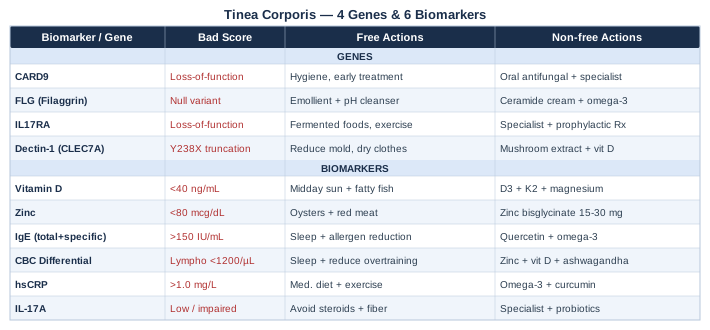
6 Biomarkers Worth Measuring If Tinea Corporis Keeps Returning
Most people who experience a single episode of tinea corporis never think beyond the prescription. But for those with recurrent infections, treatment resistance, or unusual spread, the immune environment is worth examining systematically. The six markers below are selected for a specific combination of qualities: each one is measurable in standard clinical settings, each one has a documented mechanism connecting it to dermatophyte susceptibility, and each one has a known pathway to improvement. This is not an exhaustive list — it is a prioritized one.
Biomarker 1 — Vitamin D (25-Hydroxyvitamin D)
Why it matters for tinea corporis: Vitamin D is not primarily a bone mineral. It functions as a steroid hormone that regulates over 200 immune genes, including the production of antimicrobial peptides — specifically cathelicidin (LL-37) and beta-defensins — that constitute the skin's first chemical defense against dermatophytes. Vitamin D also modulates the balance between Th1 and Th2 immune activity and supports keratinocyte function, which is central to maintaining a physically intact skin barrier. Peer-reviewed research consistently links low 25-OH-D levels to increased susceptibility to cutaneous infections, including fungal pathogens.
How to measure it: A serum 25-OH-D test is available at virtually any lab. Out-of-pocket cost ranges from $30 to $80; it is frequently covered by insurance with appropriate clinical justification. Clinicians such as Peter Attia target a functional range of 40–60 ng/mL (100–150 nmol/L) — considerably above the conventional "not deficient" threshold of 20 ng/mL, which is sufficient to prevent rickets but is not optimized for immune performance.
If the score is low — the plan without supplements: Fifteen to thirty minutes of midday sun exposure on the arms, legs, and back (adjusted for skin tone and latitude) generates meaningful vitamin D synthesis. Consistent daily exposure outperforms occasional long sessions. Increase dietary sources: fatty fish (salmon, mackerel, sardines), egg yolks, and beef liver. Reduce depletion factors: avoid excessive use of sunscreen during the exposure window you are using for synthesis; address obesity if present, as adipose tissue sequesters vitamin D; and review medications that deplete it (long-term proton pump inhibitors, corticosteroids, certain anticonvulsants).
If the score is low — the plan with supplements: Vitamin D3 paired with vitamin K2 (MK-7) is the standard evidence-based combination. D3 at 3,000–5,000 IU daily with 100–200 mcg K2 MK-7 is a typical correction protocol; retest at 90 days. At very low levels (below 20 ng/mL), short-term loading doses up to 10,000 IU daily for 6–8 weeks may be used under physician supervision. Magnesium (200–400 mg daily) is required for vitamin D activation and is depleted in a large share of the population — supplementing it improves conversion from storage to active hormone. Side effects: Vitamin D toxicity is rare below 10,000 IU daily long-term, but is real at very high doses and accompanied by hypercalcemia. K2 and magnesium have excellent safety profiles. Retest every 90 days while actively correcting.
Biomarker 2 — Serum Zinc (or RBC Zinc)
Why it matters: Zinc is a structural requirement for T-lymphocyte function, natural killer cell activity, and the production of thymulin, a thymic hormone governing T-cell maturation. It also plays a direct role in keratinocyte proliferation and differentiation, which underpins physical skin barrier integrity. Marginal zinc deficiency does not produce obvious symptoms but quietly impairs immune surveillance — making it easier for dermatophytes to establish and reestablish infection. This deficiency pattern is disproportionately common in people eating plant-heavy diets, older adults, and anyone with gut malabsorption.
How to measure it: Standard serum zinc is the most accessible measure ($30–70). RBC zinc is considered a more accurate indicator of intracellular stores but is less commonly ordered ($60–120). Functional practitioners target a serum range of 80–120 mcg/dL; many conventional labs flag deficiency only below 60–70 mcg/dL, which misses functional insufficiency that still affects immune performance.
If the score is low — the plan without supplements: Prioritize high-zinc foods: oysters are far and away the richest source, followed by red meat, pumpkin seeds, and hemp seeds. Legumes contain zinc but also phytates that reduce absorption — soaking, sprouting, or pairing with vitamin C helps. Reduce zinc competitors: high-dose iron supplements taken simultaneously, excess calcium, and unprocessed high-phytate grains all impair absorption.
If the score is low — the plan with supplements: Zinc bisglycinate or zinc picolinate are the best-absorbed forms: 15–30 mg elemental zinc daily with food reduces GI side effects. Do not exceed 40 mg daily long-term without supervision. Cycling: Zinc at therapeutic doses displaces copper over time. Beyond 8–12 weeks of supplementation, pair with 1–2 mg of copper daily, or cycle zinc five days on, two days off. Side effects: Nausea if taken without food, copper depletion at high doses, metallic taste. Avoid taking zinc within two hours of antibiotics or tetracyclines, which it chelates.
Biomarker 3 — Total IgE and Trichophyton-Specific IgE
Why it matters: Elevated total IgE reflects an atopic immune skewing — a Th2-dominant pattern that trades robust Th1 and Th17 anti-infectious responses for an allergy-prone state. In atopic individuals, the skin barrier is structurally compromised and Trichophyton-specific IgE is measurable, indicating genuine immune sensitization to the causative organism. This is clinically significant in two directions: it explains why some people's skin offers less innate resistance, and it explains why symptoms sometimes persist even after the active infection is cleared, as dermatophyte antigen continues to drive IgE-mediated reactivity. Allergists and clinical immunologists routinely use these panels to assess fungal sensitization.
How to measure it: Total serum IgE is a standard lab test ($40–100). Allergen-specific IgE panels — including Trichophyton-specific panels — can be ordered through immunology or allergy laboratories ($100–300 depending on the breadth of the panel). General reference: total IgE below 100 IU/mL is considered normal; values above 150–200 IU/mL suggest atopic background; values above 500 IU/mL warrant immunology evaluation.
If the score is high — the plan without supplements: Address the root causes of Th2 immune skewing. Reduce ultra-processed food, minimize chronic allergen exposures (dust mite, household mold, pet dander), and protect sleep aggressively — sleep deprivation measurably increases Th2 activity within 48 hours of onset. Identify and reduce fungal exposure in the environment: bathroom tile grout, gym changing rooms, damp footwear, and indoor air quality in humid climates all matter. Moderate-intensity aerobic exercise four to five times per week modestly shifts immune tone toward Th1 regulation over weeks of practice.
If the score is high — the plan with supplements: Quercetin (500 mg twice daily with food) has mast-cell stabilizing and IgE-modulating properties — the human evidence is early but the mechanism is sound. Omega-3 fatty acids (EPA+DHA, 2–4 g daily) consistently support Th1 immune balance and reduce IgE-mediated reactivity in atopic populations across multiple RCTs. Cycling/side effects: Omega-3 at these doses: retest lipids at 90 days (typically favorable — reduces triglycerides, increases HDL). Quercetin: no established cycling protocol; generally well-tolerated long-term. High-dose omega-3 has mild blood-thinning properties — relevant if taking anticoagulants.
Biomarker 4 — Complete Blood Count With Differential (Lymphocytes and Eosinophils)
Why it matters: The CBC with differential is one of the most cost-effective immune snapshots available, and two values within it are specifically informative for tinea corporis. Absolute lymphocyte count reflects the functional capacity of the adaptive immune system — persistent lymphopenia (below 1,000–1,200 cells/µL) indicates that T-cell immunity may be inadequate for clearing fungal pathogens efficiently, even when topical treatment is applied. Eosinophil count is elevated in allergic states and fungal sensitization — persistent eosinophilia (above 500 cells/µL) alongside recurrent tinea deserves further workup to distinguish atopic sensitization from parasitic infection or an underlying eosinophilic disorder.
How to measure it: Standard CBC with differential is ordered at any lab ($20–60) and is routinely covered by insurance as part of standard workup. It requires no special preparation.
If lymphocytes are persistently low — plan without supplements: Address the most common modifiable drivers: chronic sleep deprivation (the single largest cause of acquired lymphopenia in otherwise healthy individuals), severe caloric restriction, and overtraining syndrome — all measurably suppress lymphocyte counts. Resolving any of these alone often normalizes counts within weeks.
If lymphocytes are persistently low — plan with supplements: Vitamin D and zinc corrections (detailed above) directly support lymphocyte production and function. Ashwagandha (Withania somnifera, 300–600 mg standardized KSM-66 or Sensoril extract daily) has evidence for modest lymphocyte support under chronic stress — use in 8–12-week cycles; avoid during acute infection, pregnancy, or autoimmune flares.
If eosinophils are persistently elevated: Rule out parasitic infection first. If clear, return to the IgE evaluation and address Th2 skewing using the strategies above.
Biomarker 5 — High-Sensitivity C-Reactive Protein (hsCRP)
Why it matters: Chronic low-grade inflammation — reflected by elevated hsCRP — disrupts the coordinated immune response that clears fungal infections and degrades skin barrier integrity. When the immune system is chronically occupied with metabolic inflammation, gut dysbiosis, or unresolved systemic threats, it mounts a blunted and disorganized response to a new fungal insult. Peter Attia consistently frames hsCRP as one of the most important and underused routine markers in clinical practice, with relevance not just for cardiovascular risk but for immune competence broadly.
How to measure it: hsCRP is a standard blood test ($20–60) available at virtually any laboratory. Target: below 1.0 mg/L is considered optimal by functional medicine practitioners; above 3.0 mg/L indicates elevated chronic inflammation that warrants investigation into root cause.
If hsCRP is elevated — plan without supplements: A Mediterranean-style dietary pattern — high in extra-virgin olive oil, fatty fish three to four times weekly, abundant non-starchy vegetables, and low in refined carbohydrates — consistently reduces hsCRP by 20–40% in intervention trials. Aerobic exercise (150+ minutes per week of moderate intensity) reduces CRP independently of weight loss. Sleep optimization alone reduces CRP substantially — people averaging below 6 hours nightly show CRP elevations of 25–40% compared to adequate sleepers. Treating dental and gum inflammation (periodontitis) is a frequently overlooked lever, as it is one of the most consistent silent drivers of systemic CRP elevation.
If hsCRP is elevated — plan with supplements: Omega-3 fatty acids (EPA+DHA, 3–4 g daily) have the strongest supplement-category evidence for CRP reduction. Phosphatidylcholine-bound curcumin or BCM-95 curcumin (500–1,000 mg daily) demonstrates CRP reduction in multiple RCTs in inflammatory states. Side effects: Both have mild anticoagulant properties at high doses — relevant if on blood thinners. Both are generally well-tolerated long-term.
Biomarker 6 — Serum Interleukin-17A (IL-17A)
Why it matters: IL-17A is the central cytokine of the Th17 immune pathway, which is now understood to be the primary adaptive immune defense mechanism against dermatophytes at the skin surface. Evidence from patients with primary immunodeficiency diseases — including those with receptor-level mutations in the IL-17 signaling chain — clearly establishes that a deficient Th17 response leaves the skin structurally unable to clear dermatophyte infections. Critically, IL-17A activity is also transiently suppressed by corticosteroids, and the widespread clinical practice of applying topical steroids to an unrecognized tinea infection can create tinea incognita — a modified, treatment-resistant form — by precisely this mechanism.
How to measure it: Serum IL-17A measurement is primarily a research and specialty tool — it is not routinely ordered in standard clinical practice. Specialty immunology and academic medical centers may offer it ($100–300). For most people, clinical context and genetic assessment (see next section) are more practical than direct serum IL-17A measurement. The main clinical utility is in evaluating people with recurrent severe or deep infections being worked up for primary immunodeficiency.
If IL-17 signaling is suspected to be impaired — plan without supplements: Avoid unnecessary or prolonged systemic corticosteroid use, which directly suppresses Th17 differentiation. Never apply topical corticosteroids empirically to undiagnosed circular skin lesions — this mistake creates tinea incognita and is a major cause of treatment-resistant presentations. Support gut microbiome diversity through high-fiber and fermented foods; Th17 cell generation is heavily influenced by gut bacteria and the gut-skin immune axis is bidirectional. Cold water exposure and sustained moderate aerobic exercise have modest Th17-stimulating effects via cytokine crosstalk.
If IL-17 signaling is impaired — plan with supplements and specialist referral: Confirmed IL-17 receptor or pathway deficiency requires specialist immunology management — long-term prophylactic antifungal therapy is often indicated and is not a decision to make alone. As an adjunct, multi-strain oral probiotics (particularly Lactobacillus rhamnosus and Bifidobacterium longum) support Th17 differentiation via gut-immune crosstalk. No supplement directly replaces IL-17 receptor signaling — medical management is essential for confirmed deficiency.
With a concrete set of biomarkers to measure and act on, it is worth turning to the genetic layer — which helps explain, at a structural level, why some people's immune systems are predisposed to struggle with dermatophytes regardless of what they are exposed to.
The Genetic Layer — 4 Variants That Shape Dermatophyte Susceptibility
Genetics does not determine destiny, but it does set meaningful baseline tendencies. For tinea corporis, several gene variants have been identified — in real human clinical populations, not just cell cultures — that explain the most severe or recurrent presentations. Understanding them either through genetic testing or clinical pattern recognition allows for a more precise compensatory approach.
Gene 1 — CARD9 (Caspase Recruitment Domain-Containing Protein 9)
What it does: CARD9 encodes a critical signaling protein in the innate immune recognition of fungal pathogens. It sits downstream of the Dectin-1 and Dectin-2 fungal pattern-recognition receptors and is required to activate NF-κB and downstream Th17 immunity. Without functional CARD9, macrophages and neutrophils cannot properly respond to fungal cell wall components — particularly beta-glucans — and the entire antifungal immune cascade is blunted at its origin.
Human evidence: CARD9 loss-of-function mutations are the best-characterized single-gene cause of severe, invasive, or recurrent dermatophytosis in humans. Multiple case series and genetic cohort studies — concentrated particularly in families from North Africa and the Middle East, where consanguinity increases the likelihood of homozygous presentation — document that biallelic CARD9 mutations lead to deep dermatophytosis caused by Trichophyton violaceum or T. rubrum, with invasion into the dermis, lymph nodes, and occasionally the central nervous system. This represents the extreme end of the severity spectrum, but heterozygous variants (one impaired copy) may contribute to elevated susceptibility at a subtler level.
If the gene is impaired — plan without supplements: Meticulous antifungal hygiene becomes the first line of defense: avoid barefoot exposure in communal areas, use dedicated personal towels, treat footwear regularly with antifungal powder, and ensure all household contacts are examined and treated simultaneously. Minimize skin trauma and prolonged skin occlusion — both create entry points. Prioritize early treatment at the first sign of any new lesion; in people with CARD9 impairment, waiting allows deeper penetration that is much harder to clear.
If the gene is impaired — plan with supplements and medical support: Confirmed CARD9 deficiency requires infectious disease or immunology specialist management. Long-term suppressive antifungal therapy (typically oral terbinafine or itraconazole) is often recommended — this is a continuous, not cycled, medical intervention determined in specialist consultation. Beta-glucan supplements are theoretically plausible but do not bypass a broken CARD9 signaling chain; the evidence is insufficient for a confident recommendation here. Granulocyte-macrophage colony-stimulating factor (GM-CSF) has appeared in case reports of severe presentations but remains experimental. Frequency: Suppressive antifungal therapy in confirmed immunodeficiency is typically indefinite, not cycled, and requires regular monitoring of liver enzymes.
Gene 2 — FLG (Filaggrin)
What it does: Filaggrin is a structural protein essential for the outer epidermis — it cross-links keratin filaments to form the cornified envelope, and its proteolytic breakdown products constitute natural moisturizing factor, which maintains skin hydration, elasticity, and critically, the skin's acidic pH (approximately 4.5–5.5). The acidic mantle of healthy skin is inherently antifungal. Loss-of-function FLG variants — most notably R501X and 2282del4, which are common in European populations — produce a leaky, higher-pH skin barrier that is more permeable to fungal adhesion and invasion.
Human evidence: FLG null mutations are among the most thoroughly studied genetic risk factors in all of dermatology. They are strongly associated with atopic dermatitis and confer increased susceptibility to skin infections including dermatophytes. Population studies estimate heterozygous carriage of FLG null variants at approximately 8–10% of people of European descent, making this one of the more common actionable risk factors covered in this article.
If the gene is impaired — plan without supplements: Barrier-focused skincare becomes a non-negotiable daily practice. Apply an emollient (petrolatum, ceramide-dominant creams, or shea butter) to affected and adjacent skin twice daily — this physically compensates for the reduced filaggrin-driven moisture retention. Use lukewarm rather than hot showers; hot water strips residual barrier lipids even in genetically intact skin. Switch to pH-balanced cleansers (target pH 4.5–5.5) that preserve the acid mantle and create an unfavorable environment for dermatophytes. Wear breathable natural-fiber clothing — linen, cotton — to reduce the moisture accumulation that favors fungal growth.
If the gene is impaired — plan with supplements: Ceramide-dominant barrier repair formulations are the most evidence-backed topical intervention for FLG-variant skin — products built around ceramides, fatty acids, and cholesterol in the 3:1:1 ratio are preferred. Oral supplementation with evening primrose oil (gamma-linolenic acid, 2–4 g daily) or omega-3 EPA+DHA (2–3 g daily) has modest but consistent evidence for improving barrier function in atopic populations. Vitamin D supplementation is particularly relevant here: D3 upregulates filaggrin expression in keratinocytes, partially compensating for the genetic deficit through an epigenetic mechanism. Side effects: Evening primrose oil is generally safe at these doses; occasional GI upset. These are long-term strategies — sustained for months, not short-term courses.
Gene 3 — IL17RA and Related IL-17 Pathway Genes
What it does: IL17RA encodes the primary binding subunit of the receptor for IL-17A and IL-17F — the cytokines that drive antifungal skin immunity. Autosomal recessive loss-of-function mutations in IL17RA, IL17RC, or the downstream adapter ACT1 impair Th17 signaling at the receptor level, completely blocking the immune cell's ability to respond to IL-17 even when it is produced normally upstream. The clinical result is chronic mucocutaneous candidiasis and/or chronic recurrent dermatophytosis — infections involving the skin, nails, and mucous membranes that do not clear without long-term antifungal management.
Human evidence: These mutations are rare but precisely documented through primary immunodeficiency research. Puel and colleagues (New England Journal of Medicine, 2011) established IL17RA mutations as a genetic cause of chronic mucocutaneous candidiasis — the same IL-17 pathway that governs anti-Candida immunity also governs anti-dermatophyte skin defense, and the two clinical pictures overlap substantially. More recent immunodeficiency literature has broadened the clinical spectrum to include chronic recurrent tinea in affected individuals.
If the gene is impaired — plan without supplements: Avoid antibiotics unless clinically necessary — broad-spectrum antibiotics disrupt gut bacteria that support Th17 differentiation, compounding receptor-level weakness. Prioritize fermented foods (kefir, live-culture yogurt, kimchi, sauerkraut) consistently. Cold exposure and sustained aerobic exercise have modest downstream Th17-stimulating effects via cytokine crosstalk — not a fix, but a meaningful adjunct.
If the gene is impaired — plan with medical support: Confirmed IL17RA or pathway mutations require specialist immunology management. Prophylactic oral antifungal therapy is typically indicated and is continuous, not cycled. Multi-strain oral probiotics (particularly Lactobacillus rhamnosus GG and Bifidobacterium longum) support Th17 regulation via gut-immune crosstalk and are a safe adjunct. No supplement directly replaces receptor-level IL-17 signaling — medical management is the foundation.
Gene 4 — CLEC7A (Dectin-1)
What it does: CLEC7A encodes Dectin-1, the primary innate pattern-recognition receptor on macrophages, dendritic cells, and neutrophils that identifies beta-(1,3)-glucans in the fungal cell wall. Dectin-1 is the first alarm that initiates the innate immune response against dermatophytes; impaired receptor function delays or blunts that initial response, giving the fungus time to establish and replicate before adaptive immunity is recruited. A well-characterized single nucleotide polymorphism — Y238X (Tyr238X) — produces a truncated, non-functional receptor and has been associated with increased susceptibility to mucosal and cutaneous fungal infections in several human population studies.
Human evidence: The Dectin-1 Y238X variant is present in approximately 5–10% of people of European descent as a heterozygous variant. While most carriers do not experience overt immunodeficiency, population studies have found elevated rates of recurrent mucosal fungal infections in heterozygous carriers. Direct evidence for tinea corporis specifically is more limited than for candidal infections, but the mechanism is clear: Dectin-1 signaling is required upstream of CARD9 and the entire Th17 antifungal cascade — impairing it delays the immune response to any dermatophyte.
If the gene is impaired — plan without supplements: Environmental fungal reduction is more impactful here than in genetically intact individuals. Address household mold, use moisture-absorbing materials in damp areas, ensure good bathroom ventilation, and change into dry clothing promptly after exercise. Maintain adequate dietary beta-glucan intake from food sources (oats, barley, mushrooms) — while supplemental beta-glucan requires functional Dectin-1 to signal directly, food-based beta-glucan exposure also engages alternate innate pathways.
If the gene is impaired — plan with supplements: Medicinal mushroom extracts (lion's mane, reishi, shiitake at 500–1,000 mg daily) contain immunomodulatory compounds that engage multiple innate immune pathways beyond Dectin-1 alone — plausible adjunctive support. Vitamin D supplementation upregulates Dectin-1 expression on macrophages — a well-established mechanism that may partially compensate for reduced baseline receptor levels. Frequency: Medicinal mushroom extracts: ongoing, no established cycling protocol, generally safe long-term. Retest Dectin-1 function indirectly through clinical response rather than repeat genetic testing.
Understanding the genetics of fungal susceptibility opens a useful question: what behavioral and lifestyle strategies most directly reinforce the immune pathways that these genes influence? The next section draws from some of the most evidence-referenced science communication on exactly that.
Immune Resilience and Skin Defense — Key Insights From Evidence-Based Science Podcasts
Andrew Huberman and his guests have covered the biology of immune function, skin defense, inflammatory regulation, and the specific pathways relevant to dermatophyte susceptibility across numerous Huberman Lab episodes. The following ten insights are the most directly relevant to the biology discussed in this article — framed specifically for someone working to reduce tinea corporis vulnerability.
1. Sleep Is the Single Highest-Leverage Immune Tool Available
Even one night of less than six hours of sleep reduces natural killer cell activity by up to 70% and measurably suppresses CD4+ T-lymphocyte counts. Dermatophyte clearance depends on intact cellular immunity. Chronic sleep debt quietly dismantles the exact system that should be clearing ringworm — no supplement stack compensates for this.
2. Cold Exposure Activates Innate Immune Pathways Acutely
Brief cold water exposure (one to three minutes daily) produces acute norepinephrine release and activates innate immune cells. Practiced consistently over weeks, it shifts immune tone toward a more alert, Th1-biased state — modest in magnitude but real, and zero-cost.
3. Morning Sunlight Is Immune Regulation, Not a Wellness Trend
Consistent morning bright light exposure anchors circadian rhythms, which govern 24-hour oscillations in immune activity. Disrupted circadian timing — common in shift workers and people with irregular schedules — correlates with poorer infectious disease outcomes. Morning light is a foundation, not a nice-to-have.
4. Chronic Psychological Stress Suppresses Th17 Immunity Specifically
Chronically elevated cortisol suppresses IL-17 production and Th17 differentiation — the exact immune arm most critical for dermatophyte defense. Tools that reduce chronic cortisol (physiological sighs, regular moderate exercise, social connection, and structured relaxation) have documented downstream immune consequences. Acute stress is not the concern; chronic elevation is.
5. The Gut-Skin-Immune Axis Is Bidirectional and Clinically Relevant
Gut microbiome diversity directly influences peripheral immune cell populations, including Th17 cells. A dysbiotic gut reduces the Th17 pool available to patrol the skin. Thirty or more different plant foods per week, fermented foods, and avoiding unnecessary broad-spectrum antibiotics are repeatedly emphasized as the most accessible levers.
6. Exercise Dose Matters — Overtraining Suppresses Immunity
Moderate aerobic exercise (45–60 minutes, four to five days weekly) robustly enhances immune surveillance over time. Overtraining spikes cortisol and suppresses lymphocyte counts for 24–72 hours per session. In someone actively managing a recurrent infection, training volume deserves the same attention as diet.
7. Nasal Breathing Is Antifungal Infrastructure
The nasal passages produce nitric oxide, which has direct antifungal and antiviral properties and is entirely bypassed by chronic mouth breathing. Nasal breathing during sleep — supported by tape if necessary — is discussed as a structural advantage with documented physiological benefits beyond simple aesthetics.
8. Sauna Use Mimics the Fever Response to Infection
Regular sauna (four to five sessions weekly, 15–20 minutes at 80–100°C) activates heat shock proteins and increases white blood cell counts. The fever-mimicking mechanism is immunostimulatory in healthy individuals — relevant here as a low-cost immune upregulation tool when someone is not acutely ill.
9. Omega-3 Fatty Acids Are Foundational, Not Optional
EPA and DHA consistently shift immune tone away from Th2 skewing and chronic IgE-driven reactivity. Huberman frames omega-3 supplementation at 2–4 g daily as one of the most consistently evidence-backed nutritional interventions — not as a supplement fad but as a well-replicated finding across dozens of controlled trials.
10. Zinc and Vitamin D Are the Immune Floor
Huberman is consistent across multiple episodes: zinc and vitamin D are the two most commonly deficient nutrients in the general population with the highest immune-function consequences. He emphasizes getting levels tested rather than guessing, and correcting with food first wherever possible. Without addressing these two, other interventions build on a deficient foundation.
Complementary Approaches With Meaningful Clinical Evidence for Tinea Corporis
The following three modalities are selected from the approved list because each has real human clinical evidence relevant to dermatophyte infections — not just general anti-inflammatory properties or theoretical plausibility.
Microbiome-Directed Therapies
The skin is not sterile. It hosts a complex ecosystem of commensal bacteria — particularly Staphylococcus epidermidis and related species — that produce antifungal fatty acids, antimicrobial peptides, and pH-modulating metabolites that actively suppress dermatophyte colonization. When this resident community is disrupted by overuse of broad-spectrum antiseptic washes, systemic antibiotics, or high-pH soaps, dermatophytes gain a competitive ecological advantage. Research in this area is rapidly developing: a 2021 review indexed in PubMed (PMID 33803407) demonstrated that gut microbiome modulation through dietary fiber and probiotic intervention significantly alters skin immune tone and susceptibility to cutaneous infection, including fungal pathogens.
The practical application involves multiple concurrent strategies: increase dietary plant diversity toward 30 or more different plant foods per week; consume fermented foods daily (kefir, live-culture yogurt, kimchi, sauerkraut); consider a multi-strain oral probiotic containing Lactobacillus rhamnosus and Bifidobacterium strains taken 30 minutes before meals. Equally important: switch to pH-balanced skin cleansers (pH 4.5–5.5) to protect resident microbial communities on unaffected skin, and avoid using antifungal washes prophylactically on uninfected areas, which can disrupt protective commensals. This approach is adjunctive — it supports, rather than replaces, antifungal treatment during active infection.
Low-Level Laser Therapy and Photobiomodulation
Photobiomodulation (PBM) uses specific wavelengths of red and near-infrared light (typically 630–850 nm) to stimulate cellular energy production via cytochrome c oxidase, reduce local inflammation, and enhance immune cell function in irradiated tissue. For tinea corporis, the relevance is twofold: several wavelengths have demonstrated direct antifungal effects on dermatophyte species in controlled settings, and PBM has shown reproducible anti-inflammatory and barrier-repair effects in conditions with compromised skin integrity. A study published in Photodermatology, Photoimmunology and Photomedicine (2020) demonstrated antifungal activity of photodynamic protocols against Trichophyton species, with clinically significant reductions in fungal load in treated areas. Evidence is more robust for photodynamic therapy (which adds a photosensitizer) than for simple red-light PBM, but both approaches have a reasonable evidence base.
For clinical-grade photodynamic therapy, a dermatologist applies a photosensitizing agent to the lesion followed by activation with the appropriate light wavelength — typically one to three sessions. For home photobiomodulation with consumer-grade red/NIR panels, applying light to the affected area for 10–15 minutes daily is the standard protocol; results are more modest than clinical PDT but may support healing in treatment-resistant cases. Limit sessions to the prescribed duration — excessive exposure does not improve outcomes and may irritate already-inflamed skin. PBM is best positioned as an adjunct to, not a replacement for, antifungal treatment.
Chinese Herbal Medicine
Several Chinese herbal preparations have been evaluated in randomized controlled trials for superficial fungal skin infections. Preparations combining Sophora flavescens (ku shen), Cnidium monnieri (she chuang zi), and Cortex phellodendri (huang bai) have demonstrated antifungal activity against Trichophyton species in vitro and clinically meaningful response rates in small RCTs, with some trials showing efficacy comparable to clotrimazole for mild to moderate tinea. A systematic review of Chinese herbal interventions for tinea infections found several preparations with statistically significant clinical cure rates, though methodological quality across trials varied considerably — limiting the confidence of strong recommendations.
The practical approach is to use commercially prepared, standardized topical formulations from regulated suppliers — loose, unregulated preparations carry real contamination and dosing risks. Treatment duration in studied protocols is typically two to four weeks of twice-daily application. These preparations are most defensibly used as adjuncts to conventional antifungals or, in mild and early cases, as alternatives where conventional treatment is not tolerated — always with confirmation of the diagnosis before starting and monitoring for contact sensitization, which is a known risk with some botanical preparations.
Conclusion
Tinea corporis is common, but recurrent, treatment-resistant, or unusually severe tinea is telling you something more specific about your immune environment. The six biomarkers covered here — vitamin D, zinc, total IgE, CBC differential, hsCRP, and IL-17A — provide a practical roadmap to the most likely immune weaknesses in your case. The four genetic variants in CARD9, filaggrin, IL17RA, and Dectin-1 add a structural layer that explains why some people need to work harder and more consistently to maintain clear skin, regardless of what topical protocol they follow.
None of this requires a cutting-edge genomics lab to begin acting on. Start with the most accessible and highest-yield measurements: 25-OH-D, serum zinc, hsCRP, and a simple CBC with differential. Correct what you find. Address sleep, inflammatory load, gut microbiome diversity, and barrier-focused skincare in parallel — these are not peripheral lifestyle suggestions but directly evidence-based interventions targeting the biological pathways most relevant to dermatophyte defense.
If your tinea is recurrent, bilateral, unusually extensive, involves atypical locations, or resists standard oral antifungal courses, a joint consultation with both a dermatologist and a clinical immunologist is the smartest concrete next step. Arriving at that conversation with measured biomarkers — and possibly genetic context if testing is accessible — makes the conversation considerably more productive than arriving with symptoms alone.