This article contains AI generated content.
· UpdatedTinea Cruris: 5 Genes And 7 Biomarkers To Track
Introduction
Tinea cruris — commonly called jock itch — is a dermatophyte fungal infection of the groin, inner thighs, and perianal area. It is one of the most common superficial fungal infections worldwide. Yet for a significant number of people, it becomes a recurring cycle that antifungal creams interrupt temporarily but never resolve permanently. If you have treated the same infection multiple times, you have probably sensed that something about your biology keeps allowing it to return — and you are likely right.
The reason generic advice falls short is that it addresses the environment the fungus thrives in without addressing the host resistance that should prevent it from taking hold. Dermatophytes are everywhere. Most people are exposed and do not develop an infection. The difference lies in immune competence, skin barrier integrity, metabolic health, and — increasingly recognized in human genetics research — specific gene variants that alter how well the immune system detects and eliminates fungal pathogens.
This article takes a more precise approach. It focuses on what can be measured and what can be improved: the biomarkers that flag immune dysfunction or metabolic imbalance, and the genetic variants that research has linked to recurring or unusually severe dermatophyte infections. Neither a blood test nor a genetic panel is a cure — but knowing where the gaps are makes it possible to target them.
What follows is a structured framework covering the most clinically meaningful biomarkers to track, the genetics of antifungal immunity, a synthesis of the most actionable immune optimization science, and complementary approaches with genuine clinical evidence for this condition. The goal is not reassurance — it is precision.
Summary
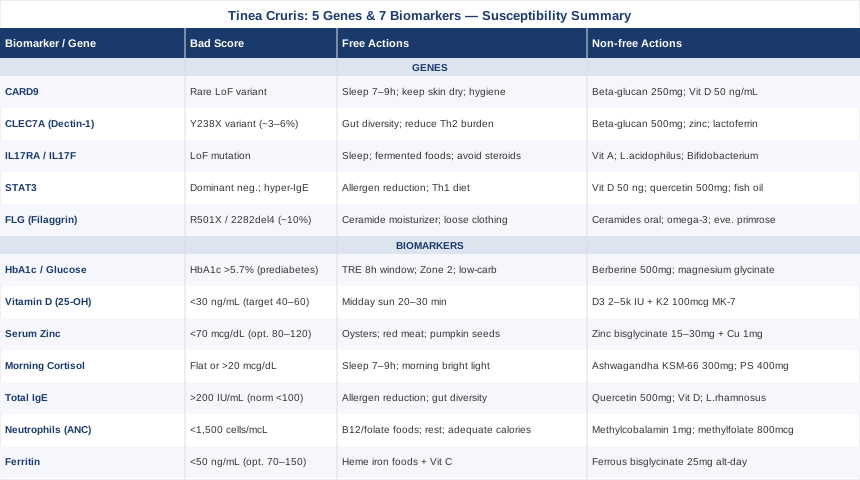
This article covers seven biomarkers — HbA1c, vitamin D, zinc, cortisol, total IgE, absolute neutrophil count, and ferritin — each of which can directly enable or suppress your body's ability to resist tinea cruris, along with specific ranges to target, measurement costs, and practical correction plans with and without supplements. It then moves to five genetic variants — CARD9, Dectin-1 (CLEC7A), IL-17RA, STAT3, and filaggrin (FLG) — that researchers have linked to recurrent or deep dermatophyte infections, with lifestyle and supplementation strategies for each. Beyond the biology, the article synthesizes the ten most actionable insights from the Huberman Lab immune framework, then covers four complementary modalities — photobiomodulation, microbiome-directed therapy, Chinese herbal medicine, and mindfulness-based stress reduction — with condition-relevant protocols and real study references. If tinea cruris keeps returning despite adequate treatment, at least one of these layers is contributing. This article gives you the tools to find out which one.
7 Biomarkers to Track for Tinea Cruris Susceptibility
Most people with recurring tinea cruris are told to keep the area dry, use antifungal powder, and wear breathable clothing. That advice is not wrong, but it is incomplete. Dermatophytes survive and replicate in a specific set of conditions that your internal biology either resists or enables. The biomarkers below are the most clinically meaningful proxies for that internal environment — chosen because each has a direct mechanism linking it to antifungal immune defense or skin barrier function, and each has an actionable correction path.
1. HbA1c and Fasting Glucose
Why it matters: Elevated blood glucose is one of the strongest known risk factors for recurrent dermatophyte infections. Fungal pathogens preferentially colonize glucose-rich environments, and hyperglycemia simultaneously impairs neutrophil chemotaxis, reduces complement activity, and disrupts skin integrity. People with undiagnosed or poorly controlled type 2 diabetes have dramatically higher rates of tinea cruris and frequently experience treatment failure with standard antifungal regimens because the metabolic driver goes unaddressed.
What it may reveal: HbA1c reflects average blood glucose over the preceding two to three months and can detect prediabetes and early diabetes even in people who feel otherwise healthy. Fasting glucose provides a snapshot. Together, they establish whether glucose metabolism is undermining your antifungal defenses.
How to measure it
Both tests are available from any standard blood panel. Cost ranges from $15 to $40 without insurance. Optimal HbA1c is below 5.4%; the 5.7–6.4% range indicates prediabetes; 6.5% and above meets the diagnostic threshold for diabetes. Fasting glucose should ideally be below 90 mg/dL for optimal metabolic health. A consumer-grade continuous glucose monitor (CGM) worn for two weeks provides far more granular data — including postprandial spikes that a single fasting reading misses — and costs approximately $50–$90.
If the score is bad, the plan without supplements
Time-restricted eating within an 8–10 hour daily window, elimination of refined carbohydrates and ultra-processed foods, and resistance training three times per week have each demonstrated meaningful HbA1c reductions in randomized trials. Zone 2 aerobic exercise — sustained low-intensity cardio at roughly 60–70% of maximum heart rate, 45–60 minutes per session, three to four times per week — improves skeletal muscle insulin sensitivity with particular efficiency. Walking 10–15 minutes after each main meal reduces postprandial glucose spikes measurably and requires no equipment.
If the score is bad, the plan with supplements
Berberine (500 mg, two to three times daily with meals) has demonstrated HbA1c-lowering effects comparable to metformin in multiple trials. Yin et al. (2008) documented significant reductions in HbA1c, fasting glucose, and postprandial glucose with berberine supplementation. Cycle: 8–12 weeks on, 4 weeks off. Common side effects are GI — reduced by starting at one tablet daily and increasing gradually. Magnesium glycinate (300–400 mg nightly) supports insulin sensitivity and is frequently depleted in people with elevated glucose. Ceylon cinnamon (1–3 g daily with meals) provides modest additional postprandial glucose modulation. These should complement dietary and exercise changes, not replace them.
2. 25-Hydroxyvitamin D
Why it matters: Vitamin D functions as a pleiotropic immune hormone rather than a simple micronutrient. Vitamin D receptors are expressed on virtually every immune cell type, including the macrophages and neutrophils that constitute the first line of skin defense against dermatophytes. Deficiency impairs production of cathelicidin and defensins — antimicrobial peptides synthesized in keratinocytes that directly kill fungal pathogens. Deficiency is extremely common and typically asymptomatic, making it a frequently missed contributor to recurring infections.
What it may reveal: Values below 20 ng/mL indicate deficiency; 20–29 ng/mL is insufficiency. Integrative practitioners including Peter Attia recommend targeting 40–60 ng/mL for optimal immune function — a range above what many conventional guidelines specify.
How to measure it
A 25-OH vitamin D blood test costs $30–$60 without insurance and is now included in many standard annual panels. Results are reliable and reproducible. Retest 90 days after starting supplementation to assess response.
If the score is bad, the plan without supplements
Full-body midday sun exposure for 15–30 minutes generates 10,000–20,000 IU of vitamin D3 in fair-skinned individuals. This is heavily latitude- and season-dependent; above 37° latitude, sunlight alone is inadequate from October through March. Fatty fish (salmon, sardines, mackerel), cod liver oil, and egg yolks provide modest dietary sources but are rarely sufficient to correct deficiency.
If the score is bad, the plan with supplements
Vitamin D3 at 2,000–5,000 IU daily for most deficient adults, paired with vitamin K2 (100–200 mcg MK-7 form) to ensure calcium is directed to bone rather than soft tissue. For severe deficiency (below 15 ng/mL), short-term loading under medical supervision may be appropriate. No cycling is needed at maintenance doses. Side effects are rare below 10,000 IU daily, but hypercalcemia risk exists at very high doses without monitoring. Retest at 90 days to confirm target range.
3. Serum Zinc
Why it matters: Zinc participates in more than 300 enzymatic processes, including many central to immune cell proliferation and skin barrier function. Low zinc impairs T-cell function, reduces natural killer cell activity, and weakens keratinocyte defenses — the specific mechanisms needed to resist dermatophyte invasion. Zinc also has direct antifungal properties; zinc pyrithione is used in topical antifungal preparations precisely because zinc ions inhibit fungal growth. People with low animal protein intake, high phytate diets, high sweat losses, and older adults are at greatest risk of marginal deficiency.
What it may reveal: Serum zinc below 70 mcg/dL suggests deficiency; optimal is typically 80–120 mcg/dL. Serum zinc is an imperfect proxy for total body zinc stores, but it is the most accessible measurement.
How to measure it
Serum zinc is available through standard labs for $30–$60. Plasma zinc is marginally more reliable than serum zinc — request it specifically if available. Test fasted in the morning, as food intake affects results.
If the score is bad, the plan without supplements
Oysters are by far the richest dietary zinc source (74 mg per 3-ounce serving). Red meat, pumpkin seeds, hemp seeds, and poultry are additional sources. Soaking and sprouting legumes and grains reduces phytate content and measurably improves zinc bioavailability. Avoiding excess iron supplementation is relevant because high-dose iron competes directly with zinc absorption.
If the score is bad, the plan with supplements
Zinc bisglycinate or zinc picolinate at 15–30 mg daily with food. Avoid zinc sulfate — poorly absorbed and GI-irritating. The upper tolerable limit is 40 mg daily long-term without monitoring. Chronic supplementation above this threshold suppresses copper absorption. Cycle: 3 months on, then 1 month off with reassessment. Pair with 1–2 mg copper if supplementing beyond three months. Avoid taking zinc within two hours of other mineral supplements.
4. Morning Cortisol
Why it matters: The cortisol awakening response — the sharp rise in cortisol in the first 20–30 minutes after waking — is a critical window that primes both metabolic and immune function for the day. Chronic psychological stress, poor sleep, and physical overtraining blunt this response or produce persistently elevated flat-line cortisol throughout the day. Both patterns suppress lymphocyte activity, impair neutrophil function, and alter skin barrier permeability — creating conditions favorable to fungal colonization. This mechanistic link explains why tinea cruris commonly flares during periods of high stress, inadequate sleep, or overtrained states.
What it may reveal: Optimal morning cortisol (measured at 8 AM, fasted) is roughly 10–20 mcg/dL. Persistently elevated levels signal chronic stress load. Persistently low levels may indicate adrenal insufficiency or HPA axis fatigue from prolonged stress. Both extremes compromise immunity.
How to measure it
A serum cortisol test costs $30–$70 through standard labs. For a more complete picture of the full diurnal cortisol curve, a 4-point salivary cortisol test — measured at waking, noon, afternoon, and evening — is available through specialty labs such as DUTCH or ZRT for $150–$250. The diurnal curve is more diagnostically informative than a single morning serum draw.
If the score is bad, the plan without supplements
Sleep is the primary cortisol curve regulator. Consistent wake times, 7–9 hours of sleep, and morning bright light exposure within 30 minutes of waking powerfully anchor the cortisol awakening response. Reducing alcohol, caffeine after noon, and late-night blue light exposure are foundational interventions. Zone 2 aerobic exercise reduces chronic cortisol despite acutely raising it. High-intensity overtraining chronically elevates cortisol — a critical consideration for athletes experiencing recurring tinea cruris.
If the score is bad, the plan with supplements
Ashwagandha root extract (300–600 mg KSM-66 or Sensoril standardized extract, taken at night) has demonstrated significant cortisol reduction in double-blind randomized trials. Chandrasekhar et al. (2012) showed a 27.9% reduction in morning serum cortisol with KSM-66 over 60 days. Cycle: 8 weeks on, 4 weeks off. Side effects include occasional GI upset; possible thyroid interaction at high doses. Phosphatidylserine (400 mg daily) blunts exercise-induced cortisol elevation. Magnesium glycinate (300–400 mg nightly) supports sleep quality and HPA axis regulation with a favorable safety profile.
5. Total IgE
Why it matters: Elevated total IgE can indicate an atopic predisposition — a tendency toward Th2-dominant immune responses. Th2 dominance reduces the Th1 and Th17 cellular immunity that constitutes the primary response against fungal pathogens. People with atopic dermatitis, asthma, or allergic rhinitis have elevated IgE and are disproportionately affected by recurrent tinea infections. This is not coincidental — the same immune skewing that drives atopy simultaneously reduces antifungal surveillance. Chronic parasitic exposure produces a similar pattern.
What it may reveal: Normal total IgE is below 100 IU/mL. Values above 200 IU/mL are consistently elevated and warrant investigation of atopic or parasitic causes. In people with both elevated IgE and recurring tinea cruris, the atopic immune phenotype is likely contributing to fungal susceptibility.
How to measure it
Total IgE costs $25–$60 from standard labs. If elevated, specific IgE panels or allergen testing can clarify the driver. This is often included in allergy workups.
If the score is bad, the plan without supplements
Reducing environmental allergen burden (dust mites, mold, pet dander), pursuing an elimination diet to identify food triggers, and improving gut microbiome diversity through whole-food dietary changes can shift Th1/Th2 balance over time. Cold exposure protocols (brief cold showers or immersion) are increasingly studied for immune modulation, though robust evidence for IgE reduction specifically remains limited. Avoiding antibiotic overuse preserves the gut microbiome Th1 priming environment.
If the score is bad, the plan with supplements
Quercetin (500 mg twice daily with food) stabilizes mast cells and reduces IgE-mediated immune activation. Vitamin D supplementation targeting 50–60 ng/mL supports Th1/Th2 rebalancing and is among the most evidence-supported immune modulators available. Probiotics — specifically Lactobacillus rhamnosus GG and Bifidobacterium longum — have demonstrated modest IgE-lowering effects in atopic individuals in randomized trials. Cycle probiotics continuously for 3 months, then reassess total IgE. Side effects are generally minimal.
6. Absolute Neutrophil Count
Why it matters: Neutrophils are the first responders of innate immunity. Their ability to migrate to sites of dermatophyte invasion and mount an oxidative burst against fungal cells is central to skin defense. Low absolute neutrophil count (neutropenia) — from chemotherapy, autoimmune conditions, nutritional deficiency, or medication side effects — dramatically raises susceptibility to fungal infections. Even functionally impaired neutrophils, as seen in diabetes, prolonged corticosteroid use, or zinc deficiency, increase infection risk without producing overt neutropenia in the count.
What it may reveal: The absolute neutrophil count (ANC) is part of a complete blood count (CBC) with differential. Optimal ANC is 1,800–7,700 cells/mcL. Values below 1,500 are clinically relevant and warrant investigation.
How to measure it
CBC with differential is among the least expensive and most informative panels available at $15–$40 without insurance. It should be part of any baseline health assessment and is frequently already ordered in annual bloodwork.
If the score is bad, the plan without supplements
When neutropenia is identified, determining the cause is the necessary first step — medication side effects, nutritional deficiency, autoimmune disease, or hematological pathology each require different responses. For nutritional causes, the priority nutrients are vitamin B12, folate, copper, and zinc. Adequate caloric intake is frequently overlooked in people who restrict food significantly. Chronic overtraining is a reversible cause in athletes.
If the score is bad, the plan with supplements
Methylcobalamin (vitamin B12, 1,000 mcg daily sublingually if deficient) and methylfolate (400–800 mcg daily) correct nutritional neutropenia when B12 or folate are the primary drivers. Copper (2 mg daily) is relevant if prolonged zinc supplementation has depleted copper stores. For functional neutrophil impairment driven by hyperglycemia, correcting HbA1c as described above is the most direct intervention. Persistent ANC below 1,500 without an obvious nutritional explanation requires medical evaluation.
7. Ferritin
Why it matters: Iron is essential for immune cell function, particularly lymphocyte proliferation and neutrophil killing capacity. Ferritin — the storage form of iron — is the most reliable marker of iron status. Both frank iron deficiency and elevated ferritin from chronic inflammation impair immune function through different mechanisms. Iron deficiency anemia reduces lymphocyte counts and impairs T-cell function. Elevated ferritin from chronic inflammatory states signals an immune dysregulation that can compound susceptibility to recurrent infections.
What it may reveal: Optimal ferritin for immune function is generally 50–100 ng/mL in women and 70–150 ng/mL in men (as cited by practitioners like Thomas Dayspring and Peter Attia). Below 30 ng/mL indicates deficiency; above 300 ng/mL warrants investigation for inflammatory conditions or hemochromatosis.
How to measure it
Serum ferritin with a full iron panel (serum iron, TIBC, and transferrin saturation) costs $30–$70 without insurance. Running it simultaneously with a CBC provides a complete picture of iron-immune status.
If the score is bad, the plan without supplements
For low ferritin: heme iron sources (red meat, organ meats, clams, oysters) are significantly better absorbed than non-heme plant sources. Consuming iron-rich foods alongside vitamin C-rich foods enhances absorption. Avoiding coffee and calcium within one hour of iron-rich meals is important. Resolving gastrointestinal blood loss — the most common cause of low ferritin in premenopausal women — is essential. For elevated ferritin: anti-inflammatory dietary patterns, reduction of alcohol, and treatment of underlying inflammatory conditions are the primary approaches.
If the score is bad, the plan with supplements
For deficiency: ferrous bisglycinate (25 mg elemental iron, taken every other day) is better absorbed and less GI-irritating than daily ferrous sulfate. Research on hepcidin dynamics — published by Moretti and colleagues — showed that alternate-day dosing produces equivalent or better iron absorption because daily dosing triggers hepcidin upregulation that suppresses the next dose. Pair with 500 mg vitamin C at the same time. Retest ferritin at 90 days. Do not self-treat with iron supplementation if ferritin is elevated — excess iron is pro-oxidant and pro-inflammatory.
With biomarkers establishing the functional picture of your immune environment, the next layer examines the genetic architecture that shaped that environment in the first place.
The Genetics of Dermatophyte Susceptibility
Most people who develop tinea cruris do not have a diagnosable immunodeficiency. But within the normal range of human genetic variation, specific variants meaningfully shift the odds of developing recurrent or difficult-to-treat dermatophyte infections. The five genes below represent the most scientifically documented and clinically relevant targets in this area — ranging from rare mutations with profound effects to common polymorphisms with subtler impact.
Gene 1: CARD9 — The Central Antifungal Signaling Hub
What the gene does: CARD9 encodes an adapter protein at the center of innate antifungal immunity. When immune cells detect fungal cell wall components through pattern recognition receptors, the signal routes through CARD9 to activate NF-κB and drive inflammatory and antifungal responses. Rare homozygous loss-of-function mutations in CARD9 cause a striking phenotype: deep, invasive, treatment-resistant dermatophyte infections. Lanternier et al. (2013) documented patients with complete CARD9 deficiency who developed severe dermatophytosis affecting not just skin and nails but hair follicles and the central nervous system — a clinical picture otherwise essentially unseen in immunocompetent individuals.
What it may affect: Complete loss-of-function causes profound vulnerability to dermatophytes and some Candida species. More common hypomorphic variants that reduce CARD9 activity partially may contribute to recurrent superficial infections; this is an active research area without definitive human prevalence data yet.
If the gene is bad, the plan without supplements
Individuals with CARD9 pathway insufficiency benefit most from eliminating modifiable immune suppressors: optimizing sleep to 7–9 hours consistently, maintaining HbA1c below 5.4%, minimizing corticosteroid use, and avoiding prolonged high-intensity exercise without adequate recovery. Environmental hygiene strategies — keeping skin reliably dry, changing clothing promptly after sweating, avoiding shared moist surfaces — become proportionally more important when genetic antifungal signaling is reduced. Documented CARD9 mutations with recurrent invasive infection warrant specialist review with an immunologist.
If the gene is bad, the plan with supplements
No supplement directly replaces CARD9 signaling. However, beta-glucan supplementation (250–500 mg daily from high-purity oat or yeast sources) stimulates Dectin-1 and other upstream pattern recognition receptors, potentially maximizing whatever CARD9 function remains. Evidence for this specific application is mechanistic rather than from clinical trials in CARD9-deficient patients. Vitamin D optimized to 50–60 ng/mL supports broader innate immune function independently of the CARD9 pathway. In documented severe CARD9 deficiency, GM-CSF (granulocyte-macrophage colony-stimulating factor) has been used in medical settings to compensate for antifungal signaling deficit — a prescription-only intervention. Cycle beta-glucan: 12 weeks continuously; reassess infection frequency.
Gene 2: CLEC7A (Dectin-1) — The Fungal Pattern Recognition Sensor
What the gene does: CLEC7A encodes Dectin-1, the primary receptor responsible for detecting beta-glucan in fungal cell walls. When Dectin-1 binds beta-glucan, it triggers the CARD9 cascade and drives antifungal cytokine production. A functional single-nucleotide polymorphism — the Y238X variant — produces a truncated, non-functional Dectin-1 protein. Carriers produce measurably less effective antifungal responses at the recognition step. The variant is found in approximately 3–6% of European populations in heterozygous form, making it considerably more common than CARD9 mutations.
What it may affect: Y238X has been associated with increased susceptibility to mucosal Candida infections and Aspergillus infection post-transplant. Its specific impact on dermatophyte susceptibility follows the same mechanistic logic — Dectin-1 also recognizes dermatophyte cell wall components — though direct clinical studies in tinea populations are limited.
If the gene is bad, the plan without supplements
Reducing Th2 immune skewing — by addressing elevated IgE, treating atopic conditions, and improving gut microbiome diversity — supports Th1 polarization that partially compensates for impaired fungal pattern recognition. The lifestyle interventions for cortisol normalization and sleep optimization (described in the biomarker section) also reduce the overall immune suppressive burden that makes partial Dectin-1 deficiency more consequential.
If the gene is bad, the plan with supplements
Beta-glucan is particularly relevant here: it trains innate immune cells through Complement Receptor 3 (CR3) and other Dectin-1-independent pathways, partially bypassing the Dectin-1 deficit. Dose: 250–500 mg daily from high-purity sources. Cycle: 12 weeks on, 4 weeks off. This is mechanistically plausible but has not been tested in human clinical trials specifically for CLEC7A Y238X carriers. Pair with optimized vitamin D and zinc for downstream immune cell function. Lactoferrin (300–600 mg daily) has independent antifungal properties that do not rely on Dectin-1 recognition; it is worth considering as an adjunct.
Gene 3: IL17RA and IL17F — The Th17 Antifungal Defense Layer
What the gene does: Interleukin-17 (IL-17) signaling is essential for skin and mucosal defense against fungal pathogens. Th17 T cells, after recognizing fungal antigens, produce IL-17, which drives keratinocytes to produce antimicrobial peptides and recruits neutrophils to sites of infection. Loss-of-function mutations in IL17RA (the receptor) or IL17F (the cytokine) cause chronic mucocutaneous fungal infections. Puel et al. (2011) documented this IL-17 pathway's central and non-redundant role in cutaneous antifungal immunity in humans.
What it may affect: Rare complete mutations cause chronic mucocutaneous Candida infections and dermatophytosis. More common genetic variation in IL-17 pathway components likely contributes to differential susceptibility at a population level, though population-level prevalence data for these variants and their effects in tinea specifically is an area of ongoing research.
If the gene is bad, the plan without supplements
Supporting Th17 differentiation through lifestyle: adequate sleep is critical because Th17 polarization is impaired by sleep deprivation. Fermented foods (yogurt, kefir, kimchi, sauerkraut) promote gut microbiota that drive intestinal Th17-supporting immune responses. Minimizing corticosteroid use is important because glucocorticoids directly suppress Th17 responses — even topical corticosteroids applied near fungal infection sites can worsen susceptibility.
If the gene is bad, the plan with supplements
Vitamin A (as retinol from animal foods, or beta-carotene converted in the gut) is an essential cofactor for Th17 cell differentiation. Vitamin A deficiency impairs Th17 responses; ensuring adequate intake from liver, eggs, and deeply colored vegetables is the first dietary intervention. Probiotic strains driving intestinal Th17 responses — including Lactobacillus acidophilus NCFM and specific Bifidobacterium species — may support systemic Th17 tone indirectly through gut-immune crosstalk. Evidence for these in IL17RA/IL17F variant carriers specifically is mechanistic; clinical trial data in this population is not yet available. These represent supportive strategies while awaiting more targeted options.
Gene 4: STAT3 — The Immune Transcription Master Switch
What the gene does: STAT3 is a transcription factor activated downstream of multiple cytokine receptors including those for IL-6, IL-22, and IL-17. Dominant negative mutations in STAT3 cause hyper-IgE syndrome (Job's syndrome), characterized by extremely elevated IgE, recurrent skin abscesses, eczema, and chronic fungal infections including persistent dermatophyte and Candida infections. The paradoxically elevated IgE in this syndrome results from severely impaired Th17 differentiation — STAT3 is required for Th17 generation from naive T cells — leaving antifungal defense compromised while Th2 immune responses remain active.
What it may affect: Full STAT3 dominant negative mutations cause hyper-IgE syndrome, a rare primary immunodeficiency. The clinical triad of very high IgE, recurrent skin infections, and recurrent fungal infections — even without a formal diagnosis — is a phenotype worth flagging when present together, as it suggests STAT3 pathway involvement.
If the gene is bad, the plan without supplements
For documented STAT3-related hyper-IgE syndrome, specialist immunological management is required. For milder STAT3 variation contributing to immune balance: minimizing atopic triggers, environmental allergen reduction, and dietary interventions shifting Th1/Th2 balance (as described in the IgE biomarker section) are the most accessible starting points.
If the gene is bad, the plan with supplements
Vitamin D (targeting 50–60 ng/mL) supports STAT3-mediated immune regulation. Quercetin (500 mg twice daily) modulates STAT3 activity and IgE production. Fish oil at 2–4 g EPA+DHA daily shifts eicosanoid balance toward anti-inflammatory profiles and may partially compensate for Th2 overactivation. Cycle fish oil 12 weeks on, then assess inflammatory markers and continue if tolerated and beneficial. Pharmacological STAT3 inhibitors exist in oncology but are not appropriate here.
Gene 5: FLG (Filaggrin) — The Skin Barrier Gate
What the gene does: Filaggrin is the protein encoded by FLG that forms the structural scaffold of the stratum corneum — the outermost skin layer. It is essential for maintaining the skin's natural moisturizing factor, water retention capacity, and its role as a physical barrier against environmental and microbial invasion. Loss-of-function mutations in FLG — particularly R501X and 2282del4, present in approximately 10% of European populations in heterozygous form — cause atopic dermatitis and measurably impair the skin barrier. A compromised barrier allows dermatophytes easier access to the keratin-rich stratum corneum they colonize, while simultaneously promoting the Th2-skewed immune environment that reduces antifungal Th17 responses.
What it may affect: FLG loss-of-function is among the strongest genetic risk factors for atopic dermatitis and is associated with higher rates of skin colonization by Staphylococcus aureus, Malassezia, and dermatophytes. The mechanism is dual — physical barrier failure plus Th2 skewing — making FLG variants particularly relevant to recurring tinea cruris in the context of eczema.
If the gene is bad, the plan without supplements
Consistent moisturization to compensate for impaired natural moisturizing factor production: apply an emollient — ceramide-containing formulations preferred — immediately after showering while skin remains slightly damp, to trap moisture before transepidermal water loss begins. Avoid harsh soaps, hot showers, and synthetic fabric friction in the groin area. Wear loose-fitting, natural-fiber clothing. These behavioral compensations directly address the physical mechanism of FLG deficiency and are not optional workarounds — they substitute for what the gene would normally provide.
If the gene is bad, the plan with supplements
Oral ceramides (from wheat extract, 30–60 mg daily) have shown promising results for improving skin barrier function and reducing transepidermal water loss in people with compromised barriers. Evening primrose oil (3–6 g daily, providing gamma-linolenic acid) supports skin lipid production and barrier repair from within. Omega-3 fatty acids (2–4 g EPA+DHA daily) reduce inflammatory skin barrier disruption. Cycle: assess skin condition at 12 weeks. Topical ceramide-containing barrier repair formulations (containing ceramides 1, 3, and 6-II) provide direct local supplementation of deficient structural components and are available over the counter. This topical approach is arguably more direct than oral ceramides for FLG-specific barrier failure and can be used concurrently.
Understanding your biomarker and genetic profile gives you a targeted map of vulnerability. The next section draws on one of the most evidence-grounded immune optimization frameworks available to translate that map into practical daily strategies.
The Huberman Lab Immune System Framework: 10 Insights for Antifungal Defense
The Huberman Lab podcast episodes covering immune function — particularly those addressing innate and adaptive immunity, stress, sleep, and lifestyle optimization — synthesize substantial peer-reviewed research into actionable protocols. The following ten insights are the most directly applicable for someone managing recurring tinea cruris, drawn from episodes in which Andrew Huberman interviews immunologists and synthesizes the mechanistic evidence.
1. The Cortisol Awakening Response Is a Daily Immune Prime
Morning cortisol is meant to spike sharply within 30–45 minutes of waking, then decline across the day. This spike is not just about energy — it primes immune surveillance for the day. Disrupting it through erratic wake times, alarm avoidance, or immediately viewing stressful content suppresses the cortisol awakening response and with it, the daily immune priming cycle. Morning outdoor light within 30–60 minutes of waking is one of the most powerful tools for anchoring this response.
2. Sleep Is When the Immune System Repairs
During deep non-REM sleep, cytokine production peaks, natural killer cell populations replenish, and immune memory consolidates. Chronic sleep deprivation below six hours per night measurably reduces natural killer cell activity and impairs Th1 antifungal responses. Seven to nine hours is not a recommendation — it is a biological requirement for functional immune competence.
3. Exercise Dose Matters More Than Intensity
Moderate exercise — Zone 2 aerobic and resistance training — enhances immune surveillance and reduces chronic inflammatory burden. Overtraining chronically elevates cortisol and suppresses NK cell counts for 24–72 hours after each excessive session. The practical rule: if training consistently leaves you feeling worse the next day rather than progressively stronger, immune suppression is likely occurring.
4. Nasal Breathing Produces Antifungal Nitric Oxide
Nasal breathing generates nitric oxide in the paranasal sinuses. Nitric oxide has documented antimicrobial and antifungal properties, and it reaches the respiratory mucosa through normal breathing patterns. Mouth breathing during sleep bypasses this mechanism entirely. Nasal breathing during exercise is also supported by Huberman as a trainable habit with systemic immune benefits.
5. Cold Exposure Mobilizes Immune Cells
Brief cold water immersion (2–3 minutes at 50–60°F, three times per week) drives norepinephrine release and stimulates immune cell mobilization into circulation. Evidence for chronic antifungal benefit specifically is limited, but the practice appears safe and is associated with reduced infection frequency in controlled observational studies. It is best positioned as a general immune resilience tool.
6. Gut Microbiome Integrity Determines Immune Polarization
Approximately 70% of immune cells reside in gut-associated lymphoid tissue. The gut microbiome determines much of the Th1/Th2/Th17 polarization that shapes antifungal and antibacterial immune capacity. Dietary diversity, fermented food consumption, and avoidance of unnecessary antibiotics preserve the microbiome training environment. A disrupted gut microbiome shifts immunity toward Th2 dominance — precisely the direction that impairs antifungal defense.
7. Heat Exposure as Immune Activation
Sauna sessions (15–20 minutes at 170–190°F, three to four times per week) stimulate heat shock proteins and modest immune activation. Separately, some dermatophytes demonstrate reduced growth at temperatures above 37°C — which is part of why tinea cruris affects the groin (cooler microenvironment) rather than core body surfaces. Regular sauna use does not directly treat tinea cruris but supports the overall immune tone that does.
8. Zinc and Vitamin D Are Non-Negotiable Foundations
Across multiple episodes, Huberman identifies zinc and vitamin D as the two micronutrients with the most consistent immune function evidence and the widest prevalence of deficiency in the modern population. Their combined correction — prioritized before any other supplement — provides the best return per intervention for immune competence. This consensus aligns with the biomarker data above.
9. Alcohol Disrupts Every Layer of Immune Defense
Even moderate alcohol consumption — two to three drinks daily — measurably impairs neutrophil function, degrades gut barrier integrity, disrupts sleep architecture, and shifts microbiome composition unfavorably. Each of these effects increases fungal infection susceptibility independently. Reducing or eliminating alcohol is among the highest-leverage behavioral changes for people with recurring infections.
10. Social Isolation Has a Measurable Immune Signature
Huberman references research by Cacioppo and colleagues showing that chronic loneliness produces a consistent gene expression pattern: upregulated pro-inflammatory signaling combined with downregulated antiviral and antifungal defense genes. Social connection is not a soft lifestyle variable in this framework — it has a quantifiable immune effect that is directly relevant to infection susceptibility.
The behavioral and supplemental framework above addresses what is happening inside the body. The following approaches address the condition from additional angles — each with specific clinical evidence.
Complementary Approaches With Clinical Evidence
Low-Level Laser Therapy / Photobiomodulation
Low-level laser therapy (LLLT) uses specific wavelengths of red (630–660 nm) and near-infrared (810–850 nm) light to stimulate mitochondrial cytochrome c oxidase, increase ATP production in cells, and modulate inflammatory signaling. In the context of fungal skin infections, photobiomodulation is being examined for direct antifungal effects: fungal mitochondria and cell membranes appear to absorb these wavelengths differently than human tissues, and multiple in vitro studies have documented inhibition of Trichophyton rubrum and T. mentagrophytes — the primary dermatophytes responsible for tinea cruris — with specific photobiomodulation parameters. Clinical trials have been conducted primarily for onychomycosis (nail fungus, caused by the same organisms), with promising results in small randomized studies.
A growing body of evidence supports photobiomodulation's antifungal mechanisms in vitro. For onychomycosis, a systematic review published in the Journal of Dermatological Treatment (2019) found meaningful clinical improvement rates with LLLT in small trials, comparable in some studies to topical antifungal treatment at shorter time horizons. Evidence for superficial tinea at other body sites is less developed but mechanistically consistent.
Practically: devices delivering 630–850 nm wavelengths at 10–50 mW/cm² can be applied to affected skin areas for 10–15 minutes per session, three to four times per week. Consumer-grade red light panels are available at $200–$600. This is best positioned as a supportive adjunct to antifungal treatment, not a standalone replacement. Avoid direct eye exposure. Use caution over broken skin without medical guidance. Results, where reported in trials, required consistent use over 8–12 weeks.
Microbiome-Directed Therapies
The skin hosts a diverse community of commensal microorganisms that actively resist pathogenic colonization through competitive exclusion, pH modulation, and production of antimicrobial substances. Staphylococcus epidermidis and other commensal skin bacteria produce bacteriocins and fatty acids that inhibit dermatophyte and Candida adhesion and growth. Disruption of this community — through antibiotics, alkaline soaps, or immune dysfunction — creates niches that opportunistic fungi exploit. This is one mechanistic reason tinea cruris frequently follows antibiotic courses or prolonged use of harsh personal care products.
Byrd et al. (2018) in Nature Reviews Microbiology documented the role of skin commensals in immune education and defense against fungal pathogens, establishing the theoretical basis for microbiome-directed skin therapy. Clinical application of skin probiotic preparations is an early but active research field.
Practical application: minimize soap use on non-soiled skin areas, using water-only cleansing where possible. Use pH-balanced cleansers (pH 4.5–5.5) rather than alkaline soaps that damage the commensal community and raise skin pH toward the range that favors dermatophyte growth. Oral probiotics with skin microbiome effects — including Lactobacillus reuteri DSM 17938 and L. rhamnosus GG — support immune regulation that indirectly benefits skin defense. Avoid unnecessary topical antibiotic use in the groin area, as bacterial community disruption consistently creates fungal colonization risk.
Chinese Herbal Medicine
Several traditional Chinese herbal compounds have demonstrated genuine in vitro antifungal activity against Trichophyton species, the primary pathogens in tinea cruris. Berberine (from Coptis chinensis) inhibits T. rubrum in vitro at concentrations achievable with oral supplementation. Sophora flavescens (ku shen) extracts, luteolin, and allicin from garlic preparations have similarly demonstrated minimum inhibitory concentrations against dermatophytes in laboratory conditions. Clinical trials examining Chinese herbal preparations for dermatomycoses have been conducted primarily in China, with several formulations demonstrating clinical equivalence to conventional antifungals in small trials.
A 2017 systematic review of Chinese herbal preparations for dermatomycoses found clinically meaningful outcomes in several included trials, though methodological heterogeneity and limited sample sizes require cautious interpretation. The evidence base is promising but not yet at the level of large, blinded, multicenter trials.
Practically: berberine is the most accessible and best-studied option, and its dual function — antifungal and glucose-lowering — makes it particularly relevant for anyone with both elevated HbA1c and recurring tinea (500 mg two to three times daily with meals; cycle 8–12 weeks on, 4 weeks off). Topical garlic preparations carry significant irritation risk at concentrated doses; diluted preparations only, and patch-test first. For more complex herbal protocols beyond berberine, a licensed practitioner in traditional Chinese medicine is advisable, as herb-drug interactions and dosing require professional expertise.
Mindfulness Meditation / MBSR
Mindfulness-Based Stress Reduction (MBSR) is an 8-week structured program originally developed at the University of Massachusetts Medical School. Its immune relevance in this context is direct: chronic psychological stress drives the cortisol elevation and Th2 skewing described throughout this article. MBSR is among the few behavioral interventions with randomized controlled trial evidence showing measurable effects on immune biomarkers rather than just subjective stress.
Davidson et al. (2003) published a randomized trial showing that MBSR participants demonstrated increased influenza antibody titers after vaccination compared to controls, along with measurable changes in brain electrical activity associated with positive affect and immune regulation. Subsequent research has confirmed cortisol reductions and shifts in inflammatory cytokine profiles in stressed populations who complete MBSR programs.
Practical application: the standard MBSR protocol involves approximately 45 minutes of daily formal practice — body scan, sitting meditation, or mindful movement — delivered over 8 weeks through a group or self-guided course. Online versions are available through the Center for Mindfulness at the University of Massachusetts at reduced cost. For people for whom 45 minutes is not currently realistic, 10–15 minutes of daily breath-focused practice using apps such as Insight Timer has shown measurable cortisol-lowering effects within 4–8 weeks in short-cycle studies. The critical variable is consistency across weeks, not duration per session.
Conclusion
Tinea cruris is rarely just a hygiene problem, and it is rarely just bad luck. When infections recur despite adequate treatment, it is because something about the internal environment — immune function, metabolic health, skin barrier integrity, or genetic susceptibility — is enabling them. This article has outlined the specific biomarkers and genetic variants that can reveal which of those factors are at play for you.
The most practical next step is a targeted blood panel: HbA1c, 25-OH vitamin D, serum zinc, ferritin, CBC with differential, morning cortisol, and total IgE. Identify which values are out of optimal range, then prioritize corrections by strength of evidence and ease of implementation. If your infections have been unusually severe, treatment-resistant, or deep, a conversation with a clinical immunologist about CARD9, Dectin-1, or IL-17 pathway testing is worth pursuing.
None of these factors make outcomes inevitable. They tell you where to look and what to address. Better information leads to better decisions — and in this case, that means fewer infections, better skin resilience, and a clearer path forward. Start with the two or three most relevant tests for your situation, make the changes that are within your reach, and reassess in 90 days.
Skin: Infectious Skin Conditions
Endocrine & Metabolic: Diabetes & Blood Sugar
Infectious: Fungal Infections