This article contains AI generated content.
· UpdatedTNF Receptor-Associated Periodic Syndrome - 5 Genes And 6 Biomarkers To Track
Introduction
Living with TNF Receptor-Associated Periodic Syndrome means living with uncertainty. Attacks arrive unpredictably — sometimes after an infection, sometimes after stress, sometimes for no apparent reason — and then vanish as completely as they came. The episodes of fever, severe abdominal pain, chest pain, skin rash, and eye inflammation that define TRAPS can last days to weeks, then remit fully, leaving a person caught between relief and dread of the next flare. Getting to a diagnosis often takes years, and many people reach it already carrying the hidden costs of uncontrolled chronic inflammation.
What makes TRAPS particularly difficult to navigate is how much it varies. Two people can carry the same TNFRSF1A gene mutation and have dramatically different disease courses — one with debilitating, frequent attacks; the other with mild, sporadic episodes. That variability is not random. It reflects differences in modifier genes, gut microbiome composition, inflammatory tone, lifestyle factors, and environmental triggers that interact with the primary genetic defect in ways that are only beginning to be mapped.
Generic advice to "reduce inflammation" — even well-meaning dietary and lifestyle guidance — falls short because it does not account for the specific biology of TRAPS. The condition involves a TNF receptor that fails to shed properly from the cell surface, causing prolonged intracellular TNF signaling and downstream activation of the IL-1β inflammasome. This is a precise mechanistic story. Understanding it makes clear which pathways deserve monitoring, and which interventions are worth serious attention.
Better information genuinely leads to better decisions. This article takes a practical approach to that principle through two lenses. The first and most immediately actionable is a set of 6 key biomarkers — specific, measurable markers that track disease activity, inflammatory burden, and early complication risk. The second examines the 5 most relevant genes shaping TRAPS biology, what each means for an individual's disease course, and what can be done when variants push things in the wrong direction. Beyond those two frameworks, the article also covers the autoimmune dietary protocol with the strongest published evidence, and complementary modalities that have meaningful human-trial support for inflammatory and autoinflammatory conditions.
Summary
This article covers 6 biomarkers and 5 genes that matter most in TRAPS — not as a theoretical overview, but with specific testing guidance, target ranges, and step-by-step plans when results are out of range.
The 6 biomarkers: Serum Amyloid A (the most critical long-term risk marker in TRAPS), high-sensitivity CRP (chronic inflammation tracking), ferritin (acute phase reactant and complication screen), IL-6 (direct cytokine driver of symptoms and organ risk), complete blood count with differential (attack pattern and complication surveillance), and urinary albumin-to-creatinine ratio (the single most important early detection test for AA amyloidosis — a progressive, potentially fatal TRAPS complication that most patients are never told to screen for).
The 5 genes: TNFRSF1A (the primary driver and mutation classification), IL1B (the inflammasome amplifier explaining severity differences between identical-mutation carriers), IL6 (the systemic amplifier driving SAA, CRP, and constitutional symptoms), NLRP3 (the inflammasome gate that sets attack threshold), and MEFV (the modifier and differential gene most relevant to Mediterranean and Middle Eastern populations). For each gene, the article follows the framework pioneered by researchers like Ali Torkamani in clinical genomics and popularized by Gary Brecka: identify the variant, understand its downstream effect, and build a concrete plan.
Beyond these two primary frameworks, you will find a detailed summary of the dietary and lifestyle evidence that is most relevant to TRAPS autoinflammatory biology, plus four complementary modalities with actual human trial data.
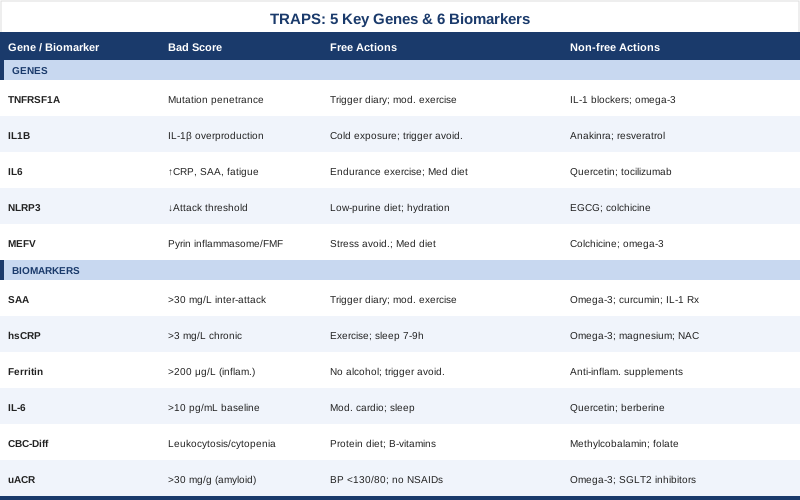
6 Biomarkers to Track for TRAPS
Monitoring biomarkers in TRAPS serves two distinct purposes: tracking real-time disease activity during and between attacks, and detecting long-term complications before they become irreversible. The most feared long-term complication of TRAPS is AA amyloidosis — a progressive deposition of amyloid protein fragments in the kidneys, liver, spleen, and gut that develops silently over years and can lead to organ failure. Several of the biomarkers below are aimed specifically at catching this early, when intervention is still meaningful.
1. Serum Amyloid A (SAA)
Why it matters
Serum Amyloid A is the single most clinically critical biomarker in TRAPS management — and one of the least consistently tested. SAA is an acute-phase protein produced by the liver in response to inflammatory cytokines, particularly IL-6 and TNF. During TRAPS attacks, SAA rises dramatically. But the real danger is not the transient peak during an attack — it is persistently elevated SAA between attacks, which is the primary driver of AA amyloidosis. SAA fragments aggregate over time and deposit in organs, initially the kidneys, causing progressive nephropathy. The cumulative inflammatory burden, measured via long-term SAA levels, is among the strongest predictors of amyloidosis risk in published TRAPS cohorts.
Precision medicine advocates consistently make the point that the gap between "normal" and "optimal" for inflammatory markers is vast — SAA is a clear example where waiting for symptoms is waiting too late.
How to measure it
SAA is measured from a blood draw (serum sample). It is not part of standard metabolic or inflammatory panels and must be specifically requested. Cost: approximately $50–$150 depending on the laboratory. Some academic medical centers offer high-sensitivity SAA assays. Ideally, SAA should be measured during an attack and at multiple stable inter-attack intervals to establish a personal baseline and trend.
Target: below 10 mg/L between attacks is generally considered safe in clinical practice. Chronic elevation above 30–50 mg/L between attacks is associated with progressively increasing amyloidosis risk.
If SAA is elevated — plan without supplements
The foundational non-pharmacological priority is identifying and consistently avoiding personal inflammatory triggers. Keep a detailed attack and exposure diary: log date, duration, severity, and potential precipitants — infections, temperature extremes, physical stress, sleep disruption, specific foods, emotional stress. Temperature change is a particularly well-documented TRAPS trigger that many patients do not initially recognize. Reducing attack frequency and severity through rigorous trigger avoidance directly reduces cumulative SAA exposure over time.
Regular moderate-intensity aerobic exercise (30–45 minutes, 4–5 days per week) has demonstrated consistent reductions in baseline inflammatory cytokine levels in autoinflammatory and immune-mediated conditions. Do not exercise at high intensity during active flares or prodromal symptoms. Anti-inflammatory dietary patterns — particularly Mediterranean-style eating with high vegetable diversity, fatty fish, olive oil, and minimal ultra-processed food — reduce baseline IL-6 and TNF output, the primary drivers of SAA production.
If SAA is elevated — plan with supplements or equipment
The most evidence-supported intervention for chronically elevated SAA in TRAPS is IL-1 blockade through prescription biologics — anakinra (typically 1–2 mg/kg/day subcutaneous injection) or canakinumab (150 mg subcutaneous every 8 weeks). These are the primary tools your rheumatologist should be discussing if SAA is persistently elevated between attacks. Work with your specialist to assess whether biologic therapy is indicated based on your SAA trend.
For supportive supplementation: Omega-3 fatty acids (EPA + DHA) at 2–4 g/day with meals have demonstrated modest anti-inflammatory effects through reduced IL-6 and TNF production in multiple human trials. Start at 2 g/day for 8–12 weeks and reassess with repeat SAA testing. Side effects: mild gastrointestinal discomfort at higher doses; check with your physician if taking anticoagulants. Curcumin standardized to 95% curcuminoids (BCM-95 or similar high-absorption form, 500 mg twice daily) has shown anti-IL-6 and anti-TNF activity in human clinical studies. Cycle: 12 weeks on, 4 weeks off. Side effects: rare; may interact with blood thinners. Vitamin D3 (2,000–4,000 IU daily with vitamin K2 100 mcg) — deficiency amplifies inflammatory cytokine production; target serum 25-OH-D between 40–60 ng/mL. Test before starting; retest at 3 months.
2. High-Sensitivity C-Reactive Protein (hsCRP)
Why it matters
hsCRP is the most widely used systemic inflammation marker, and its high-sensitivity version extends its utility into the range relevant for chronic low-grade inflammation monitoring. In TRAPS, CRP rises sharply during attacks and should return to baseline between them. Persistently elevated hsCRP between flares is a signal that the disease is not fully controlled and that subclinical inflammatory activity is ongoing. Beyond TRAPS activity itself, chronically elevated hsCRP independently predicts cardiovascular disease risk — a relevant consideration, as autoinflammatory diseases significantly elevate cardiovascular event rates compared to the general population.
How to measure it
hsCRP is a standard blood test available in virtually all clinical laboratories and included in many preventive health panels. Cost: $15–$60 in most settings. It should be measured during attacks as a reference, and at regular intervals between attacks (every 3–6 months in active disease). Testing both during and between flares helps distinguish attack-related CRP from chronic background elevation.
Target: below 1 mg/L between attacks is optimal from both a disease control and cardiovascular risk perspective. Between-attack values persistently above 3 mg/L indicate ongoing low-grade inflammation requiring investigation and intervention.
If hsCRP is elevated — plan without supplements
The lifestyle interventions with the strongest CRP-lowering evidence include regular moderate exercise (targeting at least 7,000 daily steps plus two resistance training sessions weekly), sleep optimization (7–9 hours; sleep deprivation directly elevates CRP even in healthy individuals), and Mediterranean-pattern dietary adherence. Even modest reductions in central adiposity produce measurable CRP reductions — waist circumference is a more sensitive predictor of visceral inflammatory fat than body weight alone.
If hsCRP is elevated — plan with supplements or equipment
Beyond omega-3s and curcumin (covered under SAA above), magnesium glycinate (300–400 mg in the evening) supports sleep quality and has indirect anti-inflammatory effects — low magnesium is associated with elevated CRP in population studies. N-acetylcysteine (NAC) (600 mg twice daily with food) supports glutathione production and has shown modest anti-inflammatory effects in human studies of inflammatory conditions. Cycle: 3 months on, 1 month off. Side effects: mild gastrointestinal discomfort; avoid with nitroglycerin.
3. Ferritin
Why it matters
Ferritin functions simultaneously as an iron storage protein and an acute-phase reactant, making it a useful dual-purpose biomarker in TRAPS. It rises significantly during attacks — sometimes dramatically so. Very high ferritin (above 500–1,000 µg/L) in the context of active systemic inflammation should raise clinical suspicion for macrophage activation syndrome (MAS), a rare but life-threatening complication of autoinflammatory diseases involving runaway immune cell activation. Between attacks, ferritin provides a window into baseline inflammatory tone and rules out iron deficiency anemia — which can complicate the fatigue picture in people with frequent TRAPS episodes.
How to measure it
Ferritin is a standard blood test available in all clinical laboratories. Cost: $15–$50. Test both during and between attacks for comparison. Context matters: ferritin should always be interpreted alongside serum iron, total iron-binding capacity, and transferrin saturation to distinguish inflammation-driven elevation from iron overload.
Target: between attacks, ferritin ideally sits in the lower half of normal (approximately 20–80 µg/L for most individuals). Persistently elevated ferritin above 200–300 µg/L between attacks warrants investigation into disease control and, if accompanied by cytopenias, urgent evaluation for MAS.
If ferritin is elevated — plan without supplements
First, rule out primary hemochromatosis (genetic iron overload), which is manageable with therapeutic phlebotomy if confirmed. For ferritin elevated purely by TRAPS-driven inflammation, the primary intervention is attack frequency reduction through trigger avoidance, lifestyle optimization, and — if warranted — medication escalation in collaboration with your rheumatologist. Alcohol independently elevates ferritin beyond its effect on liver function and should be avoided.
If ferritin is elevated — plan with supplements or equipment
If inflammation-driven, the anti-inflammatory supplement toolkit described under SAA applies. Critically: do not supplement iron based on ferritin alone. Iron supplementation is only appropriate when iron deficiency is confirmed through a full panel showing low serum iron, high TIBC, and low transferrin saturation — not elevated ferritin. Supplementing iron with high ferritin can worsen inflammation through oxidative mechanisms. If MAS is suspected based on rapidly rising ferritin, cytopenias, and clinical deterioration, this is a medical emergency requiring immediate hospitalization.
4. Interleukin-6 (IL-6)
Why it matters
IL-6 is a central cytokine in TRAPS pathophysiology and one of the most informative direct markers of disease biology. The dysfunctional TNFR1 receptor drives sustained TNF signaling, which upregulates IL-6 production in monocytes and macrophages. Elevated IL-6 then drives fever, fatigue, acute-phase protein production (CRP, SAA, ferritin), and constitutional symptoms. Measuring IL-6 directly provides mechanistic insight that CRP alone cannot — it tells you why the liver is producing acute-phase proteins, rather than simply confirming that it is. Chronically elevated IL-6 between attacks is responsible for much of the fatigue, mood disturbance, and cognitive fog that many TRAPS patients experience during nominally "quiet" periods.
How to measure it
IL-6 is measured from blood (serum or plasma) but is not part of standard inflammatory panels — it must be specifically requested. It is often run in academic medical centers, rheumatology specialty labs, or reference laboratories. Cost: $80–$200. Timing matters significantly: IL-6 peaks during and immediately after attacks, so testing during a flare provides the most clinically informative result. Between-attack levels establish a useful chronic inflammation baseline. Note that IL-6 has a short half-life; samples should be processed promptly.
Target: below 7 pg/mL in most laboratory reference ranges. Between-attack levels above 10–15 pg/mL suggest ongoing subclinical inflammatory activity.
If IL-6 is elevated — plan without supplements
The relationship between physical activity and IL-6 is nuanced. Acute high-intensity exercise transiently elevates IL-6 through muscle-derived myokine signaling. However, regular moderate aerobic exercise reduces chronic resting IL-6 levels over weeks to months — the key is consistency and moderate intensity. Aim for 150–200 minutes of moderate cardio weekly combined with twice-weekly resistance training. Caloric balance and body composition also matter: visceral adipose tissue is a substantial IL-6 source, and even modest reductions in central fat measurably lower resting IL-6. Sleep deprivation independently elevates IL-6 — prioritize 7–9 hours of consistent, high-quality sleep.
If IL-6 is elevated — plan with supplements or equipment
Quercetin (500 mg twice daily with a fat-containing meal) has demonstrated IL-6-lowering activity in multiple human trials across inflammatory conditions. Cycle: 12 weeks on, 4 weeks off. Side effects: generally well tolerated; rare headache or mild gastrointestinal discomfort. Berberine (500 mg twice daily with meals) modulates NF-κB signaling — a key pathway driving IL-6 transcription — and has shown clinical anti-inflammatory effects in human trials. Cycle: 8–12 weeks on, 4 weeks off. Do not combine with metformin without medical supervision; avoid during pregnancy. In refractory cases with dominant IL-6-driven features, tocilizumab (an IL-6 receptor antagonist) is a biologic option to discuss with your rheumatologist.
5. Complete Blood Count with Differential (CBC-Diff)
Why it matters
The CBC with differential is the most accessible high-yield test in TRAPS monitoring. During attacks, TRAPS characteristically produces leukocytosis (elevated total white blood cells) with neutrophilia — a pattern driven by IL-1β and IL-6 signaling on bone marrow. Tracking this pattern across multiple attacks helps confirm that a fever episode is TRAPS-related rather than an intercurrent bacterial infection, which is a critical clinical distinction because it directly affects whether antibiotics are needed. Serial CBC testing also screens for cytopenias that might indicate the development of macrophage activation syndrome, and monitors for bone marrow effects in patients on long-term biologic or immunosuppressive therapy.
How to measure it
CBC with differential is one of the most affordable blood tests available, included in essentially all clinical laboratories. Cost: $15–$40. Order both during attacks (ideally early in the episode) and at regular intervals between attacks — every 3–6 months in active disease, every 6–12 months in stable disease. Comparison of attack-phase versus inter-attack results builds a personal reference pattern.
If CBC findings are abnormal — plan without supplements
Persistent leukocytosis between attacks is most often a marker of inadequately controlled disease activity — the primary response is optimizing attack reduction through trigger avoidance and, where appropriate, discussing medication escalation with your rheumatologist. Anemia between attacks, common in chronic inflammatory disease, responds partially to optimizing dietary protein intake (1.2–1.6 g/kg body weight per day), consuming iron-rich foods appropriate to your iron status, and correcting vitamin B12 and folate status.
If CBC findings are abnormal — plan with supplements or equipment
For anemia of chronic disease in TRAPS: methylcobalamin B12 (1,000 mcg/day sublingual) and methylfolate (400–800 mcg/day) support red blood cell maturation and are preferable to synthetic cyanocobalamin and folic acid in individuals who may have MTHFR variants (common in the autoinflammatory population). Supplement iron only if deficiency is confirmed by serum ferritin below 20 µg/L with low transferrin saturation — do not supplement based on CBC alone. If cytopenias develop rapidly alongside very high ferritin, seek emergency evaluation for MAS.
6. Urinary Albumin-to-Creatinine Ratio (uACR)
Why it matters
Urinary ACR is the most important underutilized screening test in TRAPS. It is the primary early-detection biomarker for AA amyloidosis — the most feared long-term complication of TRAPS and a leading cause of premature death in inadequately managed hereditary periodic fever syndromes. Amyloid deposits in the kidney initially cause microalbuminuria — small but abnormal quantities of albumin leaking into the urine — before progressing to frank proteinuria, nephrotic syndrome, and eventually renal failure. Detecting microalbuminuria is the window of opportunity for intensifying treatment and potentially slowing or stopping progression. This test is non-invasive, inexpensive, and highly sensitive for early kidney amyloid deposition, yet it is not routinely ordered for TRAPS patients in many practices.
The principle of catching subclinical organ damage before symptoms appear — finding the signal before the function is irreversibly lost — is central to precision medicine-oriented approaches to monitoring chronic disease.
How to measure it
uACR is measured on a single random spot urine sample. No 24-hour urine collection is required. Cost: $15–$50. It should be tested every 6–12 months in all TRAPS patients, and more frequently (every 3–4 months) in those with chronically elevated SAA or known high-penetrance TNFRSF1A mutations.
Target: below 30 mg/g is normal. Values between 30–300 mg/g represent microalbuminuria — early kidney involvement requiring treatment optimization and nephrology discussion. Above 300 mg/g is macroalbuminuria — requires urgent nephrology referral.
If uACR is elevated — plan without supplements
The primary intervention is maximizing disease control to reduce SAA levels and thereby lower the amyloid precursor load depositing in the kidney. Blood pressure management below 130/80 mmHg is critical — even mild hypertension accelerates proteinuria progression independently of amyloid burden. Reduce sodium intake to below 2 g/day, maintain healthy body weight, and strictly avoid NSAIDs (nephrotoxic, and particularly problematic in a population already at elevated kidney risk). If uACR is elevated, contrast agents for imaging and nephrotoxic antibiotics (aminoglycosides) should be used only when medically necessary with careful monitoring.
If uACR is elevated — plan with supplements or equipment
No supplement specifically reverses established AA amyloid deposition. However, maximal SAA suppression through IL-1 blockade (anakinra or canakinumab as prescription biologics) is the only strategy with demonstrated evidence for slowing amyloidosis progression in TRAPS and related conditions. SGLT2 inhibitors (empagliflozin, dapagliflozin) are increasingly used in proteinuric kidney disease of various causes and may have a role in TRAPS-related nephropathy — discuss with your nephrologist if uACR is consistently above 30 mg/g. EPA/DHA omega-3 fatty acids at 3–4 g/day have demonstrated modest renoprotective effects in inflammatory nephropathy contexts in human trials. Avoid herbal supplements with known nephrotoxic potential, including compounds containing aristolochic acid and some traditional herbal formulations.
The Genetic Architecture of TRAPS: 5 Genes That Shape Your Course
Understanding TRAPS at the genetic level does more than explain how you got the condition. It explains why your disease looks the way it does, why your attacks have the frequency and severity they do, and why the same TNFRSF1A mutation can produce dramatically different outcomes in different people. The genetic analysis framework used in clinical genomics — understanding not just whether a variant is present, but what it does downstream and how it can be compensated for — is directly applicable here. The following five genes represent the most clinically actionable genetic landscape for a person living with TRAPS.
Gene 1: TNFRSF1A — The Primary Driver
What it does
TNFRSF1A encodes TNF Receptor Superfamily Member 1A (TNFR1), the receptor through which tumor necrosis factor alpha signals. In healthy individuals, after TNF binds, TNFR1 undergoes ectodomain shedding — a process where the extracellular receptor domain is cleaved from the cell surface, creating soluble decoy receptors that neutralize circulating TNF and dampen the inflammatory response. Mutations in TNFRSF1A associated with TRAPS impair this shedding. The receptor remains on the cell surface, where it continues signaling abnormally. Simultaneously, the loss of shed decoy receptors removes an important TNF buffer. The result is prolonged, dysregulated TNF and downstream IL-1β signaling that drives the characteristic periodic fever episodes.
Mutations are clinically stratified: high-penetrance mutations (typically cysteine-substituting variants in exons 2–4, such as C52F, T50M, C33Y) are strongly associated with severe, frequent attacks and high amyloidosis risk. Low-penetrance variants (P46L and R92Q) are more common in the general population, have variable expressivity, and may present atypically or be incidental findings. Your specific mutation classification materially affects prognosis and treatment intensity decisions.
If the gene is bad — plan without supplements
Work with a geneticist and a rheumatologist experienced in hereditary autoinflammatory diseases to classify your specific variant (high vs. low penetrance) and understand its implications for your monitoring schedule and treatment threshold. Maintain a rigorous attack diary — date, duration, severity, treatment response, and suspected triggers — to build a personal disease pattern over time. Trigger avoidance (temperature extremes, intense physical stress, certain vaccines given during active disease, intercurrent infections not managed promptly) is the primary non-pharmacological strategy. Regular moderate aerobic exercise between attacks reduces baseline TNF production; target 150+ minutes of moderate-intensity cardio per week, with rest during flares.
If the gene is bad — plan with supplements or equipment
For high-penetrance mutations, colchicine (often first-line, but frequently insufficient alone), NSAIDs for symptomatic attack relief, and escalation to IL-1 inhibitors represent the evidence-based treatment ladder. Anakinra (1–2 mg/kg/day subcutaneous) and canakinumab (150 mg every 8 weeks subcutaneous) are the two IL-1 blockers with the strongest evidence in TRAPS — both are prescription biologics requiring rheumatology management. For supportive supplementation: omega-3 fatty acids (EPA+DHA 2–4 g/day continuous), vitamin D3 targeting 40–60 ng/mL serum level, and curcumin BCM-95 (500 mg twice daily, 12 weeks on, 4 weeks off) provide a modest anti-inflammatory backdrop without drug interactions at standard doses.
Gene 2: IL1B — The Downstream Inflammasome Amplifier
What it does
IL1B encodes interleukin-1 beta, the key effector cytokine in TRAPS attacks. When TNFR1 signals abnormally, it primes and activates the NLRP3 inflammasome, which cleaves pro-IL-1β into active IL-1β — the molecule directly responsible for fever, pain, tissue inflammation, and most of the symptoms experienced during TRAPS episodes. Variants in the IL1B gene promoter region (particularly the −511C/T and −31T/C polymorphisms) influence how much IL-1β an individual produces in response to inflammasome activation. High-production IL1B genotypes may explain part of the severity difference seen between TRAPS carriers with identical TNFRSF1A mutations. Evidence linking IL1B variants specifically to TRAPS severity is currently limited to small cohort studies and inference from broader autoinflammatory research — this is important context when interpreting any genetic panel result. Nevertheless, knowing your IL1B production genotype is clinically useful, particularly for predicting responsiveness to IL-1 inhibitor therapy.
If the gene is bad — plan without supplements
IL1B high-production variants make the case for aggressive trigger avoidance and sustained lifestyle-based anti-inflammatory effort. There is growing evidence — primarily from studies of cold adaptation and autonomic regulation — that regular deliberate cold exposure (brief cold shower or immersion at 10–15°C for 3–5 minutes, 2–4 times per week) reduces baseline IL-1β over time through cold shock protein upregulation and vagal nerve activation. Start gradually, never during active flares, and discontinue if attacks increase in frequency. This should be considered an adjunct, not a primary strategy.
If the gene is bad — plan with supplements or equipment
Direct IL-1 blockade (anakinra or canakinumab) is precisely targeted at the IL1B pathway and remains the most evidence-supported intervention regardless of the specific IL1B variant. Supportive: resveratrol (200–500 mg/day with a fat-containing meal; trans-resveratrol form preferred) has shown modest IL-1β-modulating activity in human studies of inflammatory conditions. Cycle: 12 weeks on, 4 weeks off. Caution with anticoagulants. Boswellia serrata extract (standardized AKBA fraction, 100–200 mg/day) inhibits NF-κB signaling — the transcription factor driving IL-1β gene expression. Small human trials suggest modest clinical benefit in inflammatory conditions; generally well tolerated, mild gastrointestinal side effects possible.
Gene 3: IL6 — The Systemic Inflammation Amplifier
What it does
IL6 encodes interleukin-6, the cytokine that bridges local attack-phase inflammation with systemic consequences in TRAPS. Elevated IL-6 drives the liver to produce acute-phase proteins including CRP and SAA — the two biomarkers most directly linked to organ damage risk. IL-6 also mediates the fever, profound fatigue, and acute cognitive changes characteristic of TRAPS episodes. The IL6 −174G/C promoter polymorphism is a well-studied functional variant that influences constitutive and stimulated IL-6 production levels. The high-production G allele is common and clinically relevant: individuals carrying this variant who also have TRAPS are likely to have higher baseline CRP and SAA, more pronounced constitutional symptoms between attacks, and potentially accelerated amyloidosis risk if disease control is inadequate.
If the gene is bad — plan without supplements
Regular endurance exercise is one of the most potent non-pharmacological reducers of chronic resting IL-6. The mechanism is not anti-inflammatory cytokine suppression alone but also the increase in anti-inflammatory myokines (IL-10, IL-1 receptor antagonist) produced by exercising muscle. Target 4–5 sessions per week of moderate aerobic activity (brisk walking, cycling, swimming). Mediterranean dietary adherence reduces IL-6 through polyphenol content, reduced saturated fat, and high fiber — all of which independently reduce inflammatory cytokine production.
If the gene is bad — plan with supplements or equipment
Quercetin (500 mg twice daily with food) has the strongest supplement-level evidence for IL-6 reduction in human clinical trials, making it a logical first-choice add-on for IL6 high-production genotypes. Ginger extract (standardized, 500–1,000 mg/day) inhibits NF-κB and suppresses IL-6 expression in human cell and clinical studies. Cycle both 12 weeks on, 2–4 weeks off. In individuals with clearly IL-6-dominant disease features (high CRP and SAA, prominent constitutional symptoms, modest fevers rather than spiking temperatures), tocilizumab (IL-6 receptor antagonist) is a biologic escalation option to explore with your rheumatologist.
Gene 4: NLRP3 — The Inflammasome Gate
What it does
NLRP3 encodes a critical scaffolding protein of the NLRP3 inflammasome — the multiprotein complex that processes pro-IL-1β into its active, secreted form. In TRAPS, abnormal TNF receptor signaling constitutively primes the NLRP3 inflammasome into a sensitized state. Any subsequent "second signal" — an infection, elevated uric acid, cholesterol crystals, mechanical cell stress, or oxidative burst — can then trigger full inflammasome activation and an IL-1β release cascade. Common NLRP3 single-nucleotide polymorphisms (including Q705K) are associated with enhanced inflammasome sensitivity and have been implicated as disease modifiers in several autoinflammatory and inflammatory conditions in human genetic studies. An individual with TRAPS who also carries NLRP3 sensitizing variants may have a meaningfully lower threshold for attack initiation.
An important distinction: this discussion concerns common modifier polymorphisms, not gain-of-function NLRP3 mutations (which cause Cryopyrin-Associated Periodic Syndrome, or CAPS — a separate condition).
If the gene is bad — plan without supplements
Lifestyle factors that prime the NLRP3 inflammasome include elevated serum uric acid (from high-purine foods — organ meats, shellfish, alcohol), high fructose intake, sleep deprivation, sedentary behavior, and excess saturated fat. Uric acid above 6 mg/dL in the context of TRAPS functions as an independent low-level inflammasome activator worth managing through dietary purine reduction and increased hydration (targeting pale urine throughout the day). High-intensity exercise performed during prodromal attack symptoms can serve as a second inflammasome signal — recognize this pattern and avoid intense training when you feel a flare may be building.
If the gene is bad — plan with supplements or equipment
EGCG (green tea extract, 400–600 mg/day) has demonstrated NLRP3 inflammasome inhibitory activity in both human cell studies and several small clinical trials in inflammatory conditions. Cycle: 8–12 weeks on, 4 weeks off. Do not exceed 800 mg/day standardized EGCG — potential hepatotoxicity at very high doses. Tart cherry extract (480 mg/day, standardized) reduces serum uric acid in human trials and may reduce NLRP3 priming via the uric acid pathway; no meaningful side effects at standard doses. Colchicine (0.5–1.5 mg/day, prescription) directly inhibits NLRP3 inflammasome assembly and is the most established pharmacological tool for inflammasome suppression in periodic fever syndromes — discuss with your rheumatologist whether this applies to your situation.
Gene 5: MEFV — The Modifier and Differential
What it does
MEFV encodes pyrin, the protein mutated in Familial Mediterranean Fever (FMF) — a separate but closely related hereditary autoinflammatory condition. Heterozygous MEFV variants (E148Q, M694V/I, M680I, and others) are relatively common in Mediterranean, Middle Eastern, Armenian, and Sephardic Jewish populations — with carrier frequencies reaching 10–30% in some groups. In the context of TRAPS, MEFV variants serve two important roles. First, they complicate the differential diagnosis: some individuals carry pathogenic variants in both TNFRSF1A and MEFV, producing an overlapping or blended clinical picture that can mislead clinicians treating what they believe is "straightforward" TRAPS. Second, MEFV variants independently lower the threshold for pyrin inflammasome activation, potentially increasing attack frequency and severity in someone already carrying a TNFRSF1A mutation.
If the gene is bad — plan without supplements
MEFV-positive status in combination with TRAPS mutations should always prompt a detailed discussion with a specialist in hereditary autoinflammatory diseases — ideally one with experience in periodic fever syndrome overlap presentations. Treatment choices can differ: colchicine is the primary pharmacological treatment for FMF and retains some utility in TRAPS, particularly in patients with concurrent MEFV variants. This overlap is clinically actionable. Trigger avoidance is central, with particular attention to emotional and physical stress, as these are well-documented pyrin pathway activators.
If the gene is bad — plan with supplements or equipment
Colchicine (0.5–1.5 mg/day, prescription) is the first pharmacological consideration in individuals with concurrent MEFV variants and TRAPS. For dietary support, a Mediterranean-style eating pattern has specific mechanistic relevance here: the diet originating from the geographic regions where MEFV variants are most prevalent naturally reduces dietary purine and saturated fat load while providing high polyphenol content from olive oil, vegetables, herbs, and fruit. The supportive supplementation toolkit (omega-3s, vitamin D3, quercetin) applies here as well, with no specific modifications needed for MEFV variant status alone.
What Autoinflammatory Research Reveals That Most Doctors Have Not Yet Applied
Sarah Ballantyne, PhD, is a biomedical scientist who synthesized hundreds of peer-reviewed immunology and gastroenterology studies into a practical framework documented in her book The Paleo Approach and the associated Autoimmune Protocol (AIP). While no dedicated clinical trial has tested AIP specifically in TRAPS patients — the rarity of the condition makes such a trial practically impossible — the mechanistic rationale is compelling and the framework has been tested in human trials in related autoimmune and inflammatory conditions. Here are the ten most impactful evidence-based insights from this body of work as they apply to TRAPS biology.
1. Gut Permeability Is a Gateway for Systemic Inflammasome Activation
Ballantyne synthesizes evidence showing that increased intestinal permeability allows bacterial cell wall fragments (lipopolysaccharide, LPS) to leak into systemic circulation. LPS binds to Toll-like receptors on macrophages and monocytes, activating NF-κB and priming the NLRP3 inflammasome. In TRAPS, where the inflammasome is already constitutively sensitized, this priming can lower the threshold for triggering a full attack. Dietary drivers of increased gut permeability — chronic NSAID use (already relevant in TRAPS), alcohol, gluten in susceptible individuals, and ultra-processed food — directly fuel this cycle.
2. Elimination and Reintroduction Identifies Personal Immune Triggers
The AIP elimination phase removes grains, legumes, nightshades, eggs, dairy, nuts, seeds, refined sugars, alcohol, and NSAIDs for a minimum of 30 days (60–90 days in complex cases). Each of these food groups contains compounds — gliadins, saponins, agglutinins, protease inhibitors — that can directly activate intestinal immune cells or disrupt tight junction integrity. Systematic reintroduction (one food group per 5–7 days) then reveals which, if any, are personal triggers for immune activation. In TRAPS, where attack triggers are highly individual, this evidence-based personalization is genuinely useful.
3. Microbiome Diversity Is Directly Anti-Inflammatory
A diverse gut microbiome produces short-chain fatty acids (particularly butyrate from fiber fermentation) that strengthen the intestinal barrier, directly suppress NF-κB activity in intestinal immune cells, and promote regulatory T cell differentiation — the immune phenotype that restrains autoinflammatory activity. Ballantyne recommends 8–14 cups of varied vegetables daily, regular fermented food consumption, and strict avoidance of artificial sweeteners, which disrupt microbiome composition even at low doses.
4. Nutrient Deficiencies Impair Immune Regulation Specifically
Key immune-regulatory nutrients — vitamins A, D, K2, zinc, magnesium, and omega-3 fatty acids — are frequently below optimal levels in modern diets. Subclinical deficiencies in these nutrients impair regulatory T cell function and amplify Th17 immune dominance — the cellular phenotype associated with autoinflammatory flares. Organ meats (liver in particular), wild-caught fatty fish, shellfish, and colorful vegetables are the most nutrient-dense dietary sources of these regulators, and Ballantyne presents detailed evidence for prioritizing them over supplementation alone.
5. Sleep Disruption Is a Direct Cytokine Trigger
IL-1β and TNF follow circadian patterns with production peaks during sleep that are essential for immune memory and regulation. Chronic sleep disruption does not simply make people tired — it directly dysregulates the same cytokines that drive TRAPS attacks. Even one week of sleeping six hours instead of eight produces measurable increases in inflammatory markers in human studies. Consistent 7–9 hour sleep in a dark, cool environment with fixed sleep and wake times is not lifestyle advice — it is immunological management.
6. Chronic Stress Directly Activates the Autoinflammatory Pathway
Corticotropin-releasing hormone (CRH) released during chronic psychological stress directly activates mast cells, increases intestinal permeability, and triggers IL-1β and IL-6 release. For TRAPS patients, psychological stress is a recognized attack trigger with a clear mechanistic explanation — not a psychosomatic observation. Managing stress through deliberate recovery practices is not ancillary to TRAPS management; it is part of it.
7. Movement Is Anti-Inflammatory When Done Correctly
Regular low-to-moderate intensity movement improves regulatory T cell function, reduces visceral adiposity (a major IL-6 source), and reduces resting cytokine levels. High-intensity exercise, in contrast, produces tissue damage, oxidative stress, and cytokine spikes that prime the inflammasome. Ballantyne recommends walking, swimming, and gentle yoga as the primary movement foundation, with a clear warning against excessive high-intensity training in individuals with active autoinflammatory disease.
8. The Omega-6 to Omega-3 Ratio Shapes Inflammatory Tone at the Cell Membrane Level
Modern diets contain omega-6 to omega-3 ratios of 15–25:1; the ratio consistent with pre-industrial and ancestral populations was closer to 4:1. Excess omega-6 fatty acids (from seed and refined vegetable oils — sunflower, corn, soybean, canola) provide precursor substrate for pro-inflammatory eicosanoids that amplify IL-1β and TNF signaling at the cellular level. Replacing seed oils with olive oil, avocado oil, and animal fats, while significantly increasing EPA and DHA intake, is one of the most structurally impactful dietary shifts for any autoinflammatory condition.
9. Sunlight Provides Anti-Inflammatory Benefits That Vitamin D Pills Cannot Fully Replicate
Sunlight exposure generates photoproducts including melatonin precursors, endorphins, and nitric oxide in the skin beyond vitamin D synthesis. These compounds have independent anti-inflammatory and autonomic regulatory effects that supplemental vitamin D does not replicate. Regular outdoor sun exposure — 20–30 minutes of midday sun on large skin areas — provides a broader immune benefit than capsule supplementation alone, though both have roles.
10. Long-Term Restriction Without Reintroduction Creates New Problems
The elimination phase is a diagnostic and therapeutic tool, not a permanent state. Long-term unnecessary food restriction increases psychological stress, reduces dietary variety (and therefore microbiome diversity), and raises the risk of nutritional gaps. Ballantyne is explicit: systematic reintroduction to identify your specific triggers is the goal. The aim is the least restrictive diet that keeps inflammatory tone under adequate control — not indefinite elimination of entire food categories.
Complementary and Integrative Approaches With Human Evidence
Given TRAPS's rarity, large randomized controlled trials for complementary therapies do not exist for this specific condition. The evidence cited below draws on human studies in mechanistically related autoinflammatory, autoimmune, and chronic inflammatory conditions. Apply all modalities in communication with your medical team and as adjuncts to — not replacements for — evidence-based TRAPS treatment.
The Autoimmune Protocol (AIP)
The Autoimmune Protocol is a structured dietary and lifestyle elimination-and-reintroduction framework developed by Sarah Ballantyne, PhD, specifically for autoimmune and autoinflammatory conditions. It targets the three mechanistic pillars most relevant to TRAPS: gut barrier integrity, nutrient density for immune regulation, and identification of personal dietary immune triggers. Its relevance to TRAPS is direct — the protocol reduces dietary drivers of NLRP3 inflammasome priming, supports regulatory immune phenotype, and decreases the cumulative inflammatory burden that drives SAA production.
A pilot randomized controlled trial of AIP in inflammatory bowel disease — a distinct but autoinflammatory gut condition — published in Inflammatory Bowel Diseases (Konijeti et al.) demonstrated significant improvements in disease activity scores and patient-reported outcomes over an 11-week period. While the trial was small, the design was rigorous and the inflammatory condition involved overlapping pathological mechanisms with TRAPS. Evidence remains preliminary overall, but the mechanistic rationale and safety profile are strong.
Begin AIP during a stable inter-attack period, not during an active flare. Work with a registered dietitian experienced in elimination protocols to ensure adequate caloric and micronutrient intake throughout the elimination phase. Reintroduce foods systematically — one food group every 5–7 days with careful symptom monitoring — to identify personal triggers without unnecessary long-term restriction.
Mindfulness Meditation and MBSR
Mindfulness-Based Stress Reduction is an 8-week structured program combining meditation, body scanning, and gentle movement, originally developed by Jon Kabat-Zinn. Its direct relevance to TRAPS lies in the mechanistic link between psychological stress and autoinflammatory attack triggering: CRH released during chronic stress activates mast cells and macrophages, increases intestinal permeability, and raises baseline IL-1β and TNF. Many TRAPS patients identify stress as a consistent precipitant of flares, and MBSR addresses this pathway systematically.
In a randomized controlled trial of MBSR in patients with rheumatoid arthritis (a related immune-mediated inflammatory condition), participants showed significant reductions in disease activity scores and psychological distress compared to a control group after 8 weeks. Multiple human trials in inflammatory and autoimmune conditions have documented MBSR-associated reductions in IL-6 and CRP. Direct TRAPS evidence does not exist, but the underlying mechanism is well-established.
Begin with 10–15 minutes of daily guided mindfulness practice using accessible platforms (Insight Timer, MBSR.com, or equivalent), and build toward the full 8-week MBSR curriculum. The goal is reducing stress-related inflammasome priming and lowering personal attack threshold — not attack prevention per se. Even during mild flares, modified lying-down or seated breathing-focused practice is appropriate and may help manage pain and anxiety.
Microbiome-Directed Therapies
The gut microbiome is now understood to be a major regulator of systemic inflammatory tone through multiple mechanisms: SCFA production (butyrate suppresses NLRP3 inflammasome activation and strengthens intestinal tight junctions), microbial modulation of regulatory T cell differentiation, and bile acid metabolism affecting innate immune signaling. For TRAPS patients — who often receive multiple antibiotic courses for recurrent infections and attack-associated fevers — microbiome disruption (dysbiosis) is a genuine compounding factor that removes natural inflammasome restraint.
A systematic review of probiotic interventions in autoimmune and inflammatory conditions found consistent reductions in CRP and IL-6 across multiple disease categories with multi-strain probiotic supplementation. Evidence directly in TRAPS is absent due to the condition's rarity, but the mechanism is direct and the intervention is low-risk.
Focus on diet-first microbiome optimization: target 20 or more different plant foods per week, consume daily fermented foods (unsweetened live-culture yogurt, kefir, kimchi, sauerkraut), and prioritize prebiotic-rich foods (leeks, garlic, onions, green banana, cooked-and-cooled potatoes). If adding a probiotic supplement, select a multi-strain product including well-studied strains such as Lactobacillus acidophilus NCFM, Bifidobacterium lactis Bi-07, and Lactobacillus rhamnosus GG. Allow at least 8–12 weeks for meaningful microbiome shifts. Expect temporary bloating in the first 1–2 weeks; this typically resolves.
Breathing-Based Therapies
Controlled breathing practices — diaphragmatic breathing, extended-exhale breathing, box breathing, and coherence breathing at approximately 6 breaths per minute — activate the vagus nerve and shift autonomic balance toward parasympathetic dominance. The downstream result is activation of the "cholinergic anti-inflammatory pathway": vagal nerve stimulation suppresses macrophage production of TNF, IL-1β, and IL-6 through a direct neural-immune circuit. This is not a metaphor for relaxation — it is a documented anatomical pathway directly relevant to TNF-driven conditions like TRAPS.
A randomized controlled trial of slow breathing training (6 breaths per minute) in rheumatoid arthritis patients demonstrated significant reductions in pain, disease activity, and inflammatory biomarker levels after 12 weeks of daily practice. A separate human study published in Psychoneuroendocrinology documented measurable acute reductions in plasma IL-6 following a single session of extended-exhale breathing in healthy adults.
For TRAPS, begin with a simple extended-exhale protocol: inhale for 4 counts, hold for 2, exhale for 8 counts. Practice for 5–10 minutes each morning and build to 20 minutes daily. Consistent daily practice over 8–12 weeks is required to observe meaningful changes in baseline autonomic tone and inflammatory markers — single sessions are useful for acute stress management but insufficient for long-term benefit. During active attacks, this practice can serve as a tool for managing pain amplification and anxiety without interfering with prescribed medical treatment.
Conclusion
Living with TRAPS well means more than waiting for the next attack and treating it when it arrives. It means building a monitoring framework that tracks the things most likely to matter before they become emergencies — SAA and uACR above all others. It means understanding your specific genetic context well enough to know which downstream pathways deserve the most attention. And it means applying the lifestyle, dietary, and complementary interventions with the strongest mechanistic and clinical relevance, in partnership with the prescribed medical treatments that remain the foundation of care.
None of the strategies in this article replace IL-1 inhibition when it is clinically indicated, or the specialist oversight that TRAPS requires. But the gap between "adequately treated" and "optimally functioning" is real and navigable. Biomarker tracking, gene-informed supplementation, the Autoimmune Protocol, and vagal breathing practice all operate in that gap — quietly reducing the inflammatory burden that accumulates between attacks and shapes long-term outcomes.
The most valuable next step is specific: identify which of the six biomarkers you have never had tested, and ask your rheumatologist specifically about SAA monitoring and uACR screening at your next appointment. Those two tests alone could meaningfully change the trajectory of your long-term health.
Eye Skin Endocrine & Metabolic Autoimmune
Autoimmune: Inflammatory Conditions
Urological: Kidney Conditions