This article contains AI generated content.
· UpdatedToxic Epidermal Necrolysis Genes and Biomarkers - 5 Genes And 6 Biomarkers To Track
Introduction
If you or someone close to you has survived toxic epidermal necrolysis, you already know the standard medical directive: never take the triggering drug again. That advice is necessary but profoundly incomplete. TEN is one of the most severe drug hypersensitivity reactions in medicine, with a mortality rate between 25% and 35%, and it leaves many survivors with lasting complications affecting the skin, eyes, lungs, and immune function. What most patients are never told is that the reaction was partly encoded in their biology long before the first dose was taken.
The frustrating reality is that TEN does not happen to everyone who takes the same medication. Among millions of patients exposed to carbamazepine, allopurinol, or trimethoprim-sulfamethoxazole, a small subset carry specific genetic variants that prime their immune system to misidentify a drug metabolite as a threat, triggering a massive cytotoxic assault that destroys skin from the inside out. These variants are identifiable in advance through pharmacogenomic testing. They are not fringe science — they are encoded in FDA drug labeling and WHO prescribing guidelines.
Beyond genetics, there are measurable blood biomarkers that track the severity of an ongoing reaction, predict outcomes with validated accuracy, and guide clinical decisions in real time. For survivors in the recovery phase, some of these same markers can help monitor immune function, healing capacity, and the systemic consequences that TEN can leave behind for months.
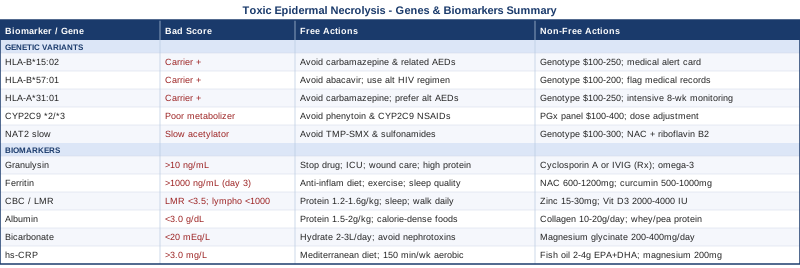
This article addresses both angles with enough practical depth to be genuinely useful. The core section covers six biomarkers that matter most in TEN — what they measure, how to get them tested, what results mean, and what to do when they fall outside the normal range. A second section examines the five genetic variants most strongly linked to drug-induced TEN risk, and how pharmacogenomic screening can inform safer prescribing going forward. Together, these approaches shift the conversation from reactive damage control to a more informed, preventive biology.
Summary
Toxic epidermal necrolysis is not a random event. Six measurable biomarkers — granulysin, serum ferritin, complete blood count, albumin, serum bicarbonate, and CRP — map the severity, trajectory, and recovery of TEN in ways that are clinically actionable right now. Five genetic variants, primarily in the HLA immune recognition system, explain why some individuals face catastrophic reactions to common medications while others never do. Pharmacogenomic testing for these variants is available, affordable, and already mandatory in several countries before specific drugs are prescribed. This article also covers what the emerging precision medicine research on TEN reveals about the immune mechanism, why the gut microbiome may play a role in immune modulation during recovery, and three complementary approaches with meaningful evidence for immune-mediated conditions. Better information does not eliminate risk — but it changes the quality of every medical conversation that follows.
6 Biomarkers to Track in Toxic Epidermal Necrolysis
Understanding where TEN leaves measurable traces in the bloodstream and tissues gives both clinicians and patients a more objective framework for tracking severity and recovery. These are not lifestyle optimization markers — they are clinical signals developed in the context of a serious immune-mediated emergency. Some are available at any local lab; others require specialized centers. All carry real prognostic or diagnostic weight.
Biomarker 1 — Granulysin: The Most Specific Marker of TEN Tissue Destruction
Why it matters
Granulysin is a small cationic cytotoxic protein released by cytotoxic T lymphocytes (CTLs) and natural killer cells. In normal immune responses, it helps neutralize infected or malignant cells. In TEN, it becomes the principal weapon destroying keratinocytes — the skin cells that die in mass during a reaction. Studies have confirmed that granulysin levels in TEN blister fluid are several hundred times higher than in blisters caused by burns, bullous pemphigoid, or other skin diseases. Critically, elevated serum granulysin appears early — sometimes within the first 24 hours — before clinical blistering becomes extensive.
A landmark study published in Nature Medicine by Chung et al. in 2008 established granulysin as the key mediator driving widespread keratinocyte death in SJS and TEN. When granulysin was injected into mouse skin, it reproduced TEN-like lesions. When it was blocked, skin damage was attenuated. This makes granulysin not just a severity marker but a mechanistic driver of the condition — a fact that has opened research into neutralizing it therapeutically.
How to measure it
Granulysin is measured by ELISA (enzyme-linked immunosorbent assay) in serum or blister fluid. It is not routinely available in general hospital labs and is primarily used in academic medical centers in Taiwan, Japan, France, and Germany where TEN research programs exist. Cost where available typically ranges from $200 to $500. Serum granulysin levels above 10 ng/mL correlate strongly with active SJS/TEN. For survivors inquiring about testing post-discharge, specialized dermatology or immunology centers attached to university hospitals are the most likely access point.
If the score is high, the plan without supplements
In the acute phase, elevated granulysin is a clinical signal to escalate care immediately — confirm drug withdrawal, transfer to a specialized burn or intensive care unit, and initiate wound care protocols. Post-acute recovery prioritizes skin barrier restoration, eye care (TEN damages conjunctival tissue in roughly 70% of cases), and vigilant monitoring for secondary infection. No oral intervention directly suppresses granulysin; the goal is removing the immune trigger and supporting the return to homeostasis. High-protein nutrition, adequate hydration, and light physical activity progressively introduced over weeks are the practical anchors of recovery.
If the score is high, the plan with supplements or equipment
No supplement specifically neutralizes granulysin in humans. What has been studied — with mixed but encouraging evidence — is cyclosporine A (a prescription immunosuppressant that blunts the CTL response) and intravenous immunoglobulin (IVIG), both of which require specialist supervision. During recovery, supporting natural killer cell regulation through consistent sleep (7–9 hours per night) and avoiding immune-stimulating supplements (high-dose echinacea, beta-glucan, medicinal mushrooms) is a practical, low-risk position given that the immune system has just been in pathological overdrive. Omega-3 fatty acids at 2–3 g/day of EPA+DHA have broad anti-inflammatory support and are reasonable to introduce 4–6 weeks post-discharge.
Biomarker 2 — Serum Ferritin: The Inflammation Signal That Predicts Outcome
Why it matters
Ferritin is widely known as an iron storage protein, but in severe inflammatory conditions it functions as an acute-phase reactant — rising sharply when the immune system is in a state of extreme activation, particularly during macrophage activation syndrome (MAS) and cytokine storm. In TEN, very high ferritin levels reflect systemic hyperinflammation. It is one of the parameters in SCORTEN — the Severity-of-Illness Score for Toxic Epidermal Necrolysis — the validated prognostic index used at hospital admission and at day 3. A SCORTEN of 5 or above carries a predicted mortality above 90%. Ferritin contributes to this score when it exceeds 1,000 ng/mL at day 3 post-admission.
Beyond prognosis, persistently elevated ferritin in the months after TEN signals that systemic inflammation has not fully resolved — a finding with real consequences for cardiovascular risk, fatigue, and immune reconstitution during recovery.
How to measure it
Serum ferritin is a standard blood test available at any clinical lab. Cost ranges from $15 to $50 out-of-pocket; it is part of standard admission bloodwork in hospital settings. Reference ranges vary slightly by sex and lab, but ferritin above 300 ng/mL is generally flagged as elevated, and above 1,000 ng/mL in the TEN context signals severe systemic inflammation. Monthly monitoring for three to six months after discharge is a reasonable follow-up protocol to track inflammation resolution.
If the score is high, the plan without supplements
Anti-inflammatory dietary strategies are the most accessible first step in the recovery phase. Reducing ultra-processed foods, refined sugars, seed oils, and alcohol — all of which drive IL-6 and ferritin elevation — is well-supported. A whole-foods, plant-rich diet with adequate lean protein and colorful vegetables provides polyphenols that downregulate inflammatory pathways. Consistent moderate exercise, once the skin barrier has sufficiently healed, helps lower chronic inflammation over time. Prioritize sleep quality: even two nights of poor sleep measurably elevates CRP and ferritin.
If the score is high, the plan with supplements or equipment
N-acetylcysteine (NAC) has modest evidence for reducing oxidative stress and supporting glutathione production, which may modulate ferroptosis-related pathways connected to ferritin dysregulation. Standard dosing: 600–1,200 mg/day taken with food. Avoid NAC in individuals with severe asthma. Curcumin (as a phospholipid complex for bioavailability, 500–1,000 mg/day) has anti-inflammatory properties that may assist in reducing persistent ferritin elevation; cycle 8 weeks on, 2 weeks off to reduce the risk of long-term interference with iron absorption. Confirm ferritin normalization with repeat testing at 6 and 12 weeks before reducing monitoring frequency.
Biomarker 3 — Complete Blood Count with Differential: Tracking the Immune Architecture
Why it matters
The complete blood count (CBC) with differential maps the full population of blood cells in detail. In TEN, two findings are most prognostically relevant. Lymphopenia — abnormally low lymphocyte count, often below 1,000 cells/µL — reflects the massive mobilization and depletion of cytotoxic T cells toward the skin, creating a window of immune vulnerability during which bacterial and fungal infections are life-threatening. Neutropenia (low neutrophil count) also worsens prognosis and signals that the bone marrow is under exceptional stress. Eosinophilia may be present early and can support the diagnosis of drug hypersensitivity when TEN is not yet clinically confirmed.
In the recovery phase, the lymphocyte-to-monocyte ratio (LMR) — easily calculated from a standard CBC — is an emerging index of immune balance. A low LMR in the weeks after TEN suggests persistent immune dysregulation that warrants monitoring and lifestyle support.
How to measure it
The CBC with differential is standard at any hospital or outpatient lab and costs $15–$50. It is monitored daily in the acute phase of TEN. During recovery, monthly monitoring for at least three to six months is clinically appropriate. The LMR is calculated by dividing the absolute lymphocyte count by the absolute monocyte count; a ratio below 3.5 is generally considered low. No additional cost is required since it is derived from existing CBC data.
If the score is abnormal, the plan without supplements
Protein is the primary lever: immune cells require amino acid precursors to rebuild. Target 1.2–1.6 g of protein per kilogram of body weight per day from whole food sources — eggs, lean meats, legumes, and dairy — throughout the recovery phase. Consistent, quality sleep (7–9 hours) is essential for lymphocyte regeneration and is one of the most evidence-supported immune recovery interventions available. Progressive, gentle physical activity — starting with walking 10–20 minutes daily and gradually increasing over 6–8 weeks — supports bone marrow output and immune cell trafficking without overstressing a depleted system.
If the score is abnormal, the plan with supplements or equipment
Zinc has documented roles in T-lymphocyte development and function. In adults with confirmed deficiency (serum zinc below 70 µg/dL), supplementation at 15–30 mg/day elemental zinc for 8 weeks can support lymphocyte recovery. Long-term zinc above 40 mg/day risks copper depletion — if continuing beyond 8 weeks, pair with a copper supplement (1–2 mg/day) or a balanced trace mineral formula. Vitamin D3 at 2,000–4,000 IU/day supports regulatory T-cell function and immune balance; test serum 25-OH vitamin D before supplementing and target a level of 40–60 ng/mL. Confirm CBC normalization with a follow-up test at 8 weeks.
Biomarker 4 — Serum Albumin and Total Protein: The Hidden Cost of Skin Loss
Why it matters
The skin is the body's largest organ, and in severe TEN, up to 100% of the skin surface area can separate. Each gram of lost skin carries with it protein, fluid, and electrolytes that must be replaced. Serum albumin reflects both nutritional status and the body's ability to maintain colloid osmotic pressure — keeping fluid in the vascular compartment rather than accumulating in tissues. Low albumin is directly associated with poor wound healing, increased infection risk, and worse TEN mortality. Total protein levels, combined with albumin, identify hypoproteinemia — a state where the body is catabolizing its own muscle and organ protein to fuel the immune response and repair process.
This is nearly universal in severe TEN and can persist for weeks into the recovery phase, even when patients appear to be eating adequately. Monitoring it objectively removes the guesswork.
How to measure it
Albumin and total protein are measured in a standard comprehensive metabolic panel (CMP), available at any lab for $20–$60. Normal serum albumin is 3.5–5.0 g/dL; in TEN, levels below 3.0 g/dL are common, and below 2.0 g/dL indicate severe deficiency requiring aggressive nutritional intervention. Prealbumin (transthyretin) is a more sensitive short-term marker of nutritional status, with a half-life of only two to three days (compared to albumin's 20-day half-life); it costs $30–$80 and is worth requesting separately during the first month of recovery to capture real-time nutritional status.
If the score is low, the plan without supplements
High-protein, high-calorie nutrition is the cornerstone intervention — mirroring what is used in burn units, which manage a closely analogous physiological challenge. Target 1.5–2.0 g of protein per kilogram of body weight per day. Oral nutritional supplementation with protein-rich formulas (30–40 g protein per serving) between meals helps bridge the gap when appetite is suppressed. Prioritize caloric density: avocado, nut butters, olive oil, and full-fat dairy add calories without high volume. Track prealbumin monthly to confirm that nutritional intervention is actually translating into protein repletion.
If the score is low, the plan with supplements or equipment
Collagen peptide supplements at 10–20 g/day have emerging evidence for supporting skin matrix repair and wound healing. They are well-tolerated and dissolve easily in liquids, making them practical for patients with reduced appetite. Whey protein isolate or pea protein at 20–30 g per serving, 2–3 times daily, provides rapidly absorbable amino acids during intensive recovery. Glutamine — an amino acid depleted during critical illness — at 10–20 g/day supports gut integrity and immune cell fuel; cycle 4 weeks on, 1 week off to avoid nitrogen imbalance. If albumin remains below 3.0 g/dL after 4 weeks of dietary intervention, discuss intravenous albumin supplementation or enteral nutrition with the clinical team.
Biomarker 5 — Serum Bicarbonate and Metabolic Panel: Organ Function Under Pressure
Why it matters
Serum bicarbonate is another SCORTEN parameter, for good reason. When it falls below 20 mEq/L, it signals metabolic acidosis — the kidneys and respiratory system are failing to maintain acid-base balance. In TEN, this can reflect renal impairment from drug toxicity, sepsis, or the sheer metabolic burden of massive tissue destruction. Blood urea nitrogen (BUN), also in SCORTEN, rises when the kidneys are under stress or when protein catabolism is excessive — or both simultaneously. Any deterioration in these values, especially between hospital admission and the 72-hour mark, significantly shifts the predicted mortality trajectory and should prompt immediate specialist review.
Even in the outpatient recovery phase, tracking BUN and creatinine identifies subclinical renal stress before it becomes a clinical problem.
How to measure it
All of these values are captured in the comprehensive metabolic panel (CMP), costing $20–$60 at any outpatient lab. In TEN's acute phase, the CMP is monitored at least daily. During the first three months of recovery, testing every 4 weeks is reasonable. Target serum bicarbonate: 22–28 mEq/L. Target BUN: below 20 mg/dL with adequate hydration. Creatinine above the upper limit of normal for body size warrants nephrology consultation, particularly if TEN was triggered by a nephrotoxic drug.
If the score is abnormal, the plan without supplements
In the acute setting, IV fluid resuscitation managed by the clinical team is the primary intervention. During recovery, consistent hydration — 2–3 liters of water daily, adjusted for body weight, activity level, and climate — supports renal clearance of metabolites. Avoiding nephrotoxic agents is non-negotiable: NSAIDs, aminoglycoside antibiotics, and contrast dyes should be used only when strictly necessary and with nephrology awareness. A low-sodium diet reduces renal workload in cases with persistent BUN elevation.
If the score is abnormal, the plan with supplements or equipment
Magnesium glycinate at 200–400 mg/day supports acid-base buffering and is frequently depleted in critical illness — it is one of the safest and most broadly useful supplements in the recovery phase. Potassium-rich foods (not unsupervised potassium supplements, which require careful dosing) — bananas, leafy greens, avocado, lentils — help normalize electrolyte balance during recovery. If mild persistent metabolic acidosis remains 6–8 weeks post-TEN, an integrative physician may consider supervised potassium bicarbonate supplementation (500–1,000 mg/day), but this requires ongoing lab monitoring and is not appropriate without clinical oversight.
Biomarker 6 — High-Sensitivity CRP and Interleukin-6: The Cytokine Footprint
Why it matters
C-reactive protein (CRP) is one of the most validated markers of systemic inflammation, produced by the liver in response to IL-6 and other pro-inflammatory cytokines released by macrophages and activated T cells. In TEN, CRP rises sharply during the active phase and often remains elevated for weeks into recovery. High-sensitivity CRP (hs-CRP) is particularly useful post-discharge for tracking residual inflammation — a state that, if persistent, increases long-term cardiovascular risk in TEN survivors. IL-6 itself is measurable in serum and directly correlates with disease severity; it is most useful in the acute hospital setting.
Tracking hs-CRP monthly for three to six months after discharge provides an objective, inexpensive measure of systemic recovery that few post-TEN protocols actually include. Elevated hs-CRP at three months post-discharge is a signal worth acting on.
How to measure it
Standard CRP: $15–$40 at any clinical lab. High-sensitivity CRP (hs-CRP): $20–$60, requires a specific test request separate from standard CRP — it is not automatically included in a standard CMP or metabolic panel. Normal hs-CRP for low cardiovascular risk: below 1.0 mg/L. Values above 3.0 mg/L indicate elevated systemic inflammation. IL-6 measurement costs $50–$150 and is most useful in acute hospital monitoring rather than outpatient follow-up, where hs-CRP provides adequate tracking at lower cost.
If the score is high, the plan without supplements
A Mediterranean-style dietary pattern — rich in oily fish, olive oil, colorful vegetables, legumes, and nuts, with minimal ultra-processed foods — has some of the strongest dietary evidence for reducing hs-CRP. Target 150 minutes per week of low-impact aerobic activity (walking, swimming, cycling) as physical capacity returns. Prioritize sleep as a clinical intervention: persistent sleep disruption maintains cortisol and IL-6 elevation in a feedback loop that keeps hs-CRP elevated. Stress reduction through any sustainable practice — structured breathing, time in nature, social reconnection — meaningfully reduces chronic IL-6 output.
If the score is high, the plan with supplements or equipment
Fish oil at 2–4 g/day of combined EPA+DHA has robust evidence for lowering hs-CRP and IL-6 in inflammatory conditions. This is one of the best-evidenced, safest, and most accessible anti-inflammatory supplements available. Use a triglyceride-form fish oil for better absorption; take with the largest meal. Magnesium at 200–400 mg/day (glycinate or malate form for tolerability) has documented anti-inflammatory effects and is frequently deficient after critical illness. Berberine at 500 mg twice daily has modest but real anti-inflammatory effects supported by randomized trials in metabolic conditions; avoid if on medications metabolized by CYP3A4 enzymes — a particularly important consideration for TEN survivors who are often managing multiple concurrent medications.
The Genetic Variants Behind TEN: 5 Key Pharmacogenomic Markers
The question of why TEN happens to some patients and not others begins in the genome — specifically in a cluster of immune recognition genes that determine how the body's cytotoxic T cells identify drug metabolites. These are not theoretical associations. Several of these variants are now subject to FDA labeling requirements and WHO screening recommendations. Knowing your pharmacogenomic profile before taking high-risk medications is one of the most practical steps any patient at personal or family history of severe drug reactions can take.
Gene 1 — HLA-B*15:02: Carbamazepine Risk in Asian Populations
HLA-B*15:02 is the most pharmacogenomically significant variant in TEN research. Carriers face a risk estimated at 1 in 10 of developing SJS or TEN when exposed to carbamazepine — a drug widely used for epilepsy, trigeminal neuralgia, and bipolar disorder. The risk is concentrated in individuals of Han Chinese, Thai, Malaysian, Vietnamese, and other Southeast Asian ancestry, where the allele carrier frequency is 6–8%. In Europeans, the allele is rare (below 0.1%), which explains the striking population specificity of the association.
Chung et al. (2004) in Nature first established this association in a Taiwanese cohort, and subsequent studies across multiple Asian populations confirmed that pre-treatment HLA-B*15:02 screening eliminates virtually all carbamazepine-induced SJS/TEN in carriers. The FDA subsequently added a boxed warning and screening recommendation to carbamazepine's prescribing information, and Taiwan has implemented mandatory pre-prescribing testing nationally.
If the gene variant is present, the plan without supplements
Carriers of HLA-B*15:02 should avoid carbamazepine and structurally related aromatic anticonvulsants including oxcarbazepine. Phenytoin and lamotrigine also carry elevated risk in HLA-B*15:02 carriers, though associations are less strong. Alternative anticonvulsants with lower SJS/TEN risk profiles include valproate, levetiracetam, and gabapentin — the appropriate choice depends on the specific neurological indication and should be confirmed with a neurologist. HLA-B*15:02 genotyping is available at most academic medical genetics labs and many pharmacogenomics services at a cost of $100–$250. Carry a medical alert card indicating this allele.
If the gene variant is present, the plan with supplements or equipment
No supplement changes an HLA allele. The intervention is prescriber communication, not biochemical modulation. Supporting general immune regulation through broadly beneficial lifestyle measures — maintaining serum vitamin D at 40–60 ng/mL, consistent sleep, and omega-3 fatty acids — may theoretically reduce baseline immune reactivity, but there is no TEN-specific evidence. The highest-value action is ensuring that every prescriber involved in the patient's care is aware of the allele before any aromatic anticonvulsant is considered.
Gene 2 — HLA-B*57:01: Abacavir Risk and the PREDICT-1 Evidence
HLA-B*57:01 carries a strong association with abacavir-induced drug hypersensitivity syndrome, which in severe cases can manifest as SJS/TEN. This allele is found in approximately 5–8% of European-ancestry individuals and at lower frequencies in other populations. The mechanism involves HLA-B*57:01 binding abacavir in its peptide-binding groove, altering the repertoire of peptides presented to T cells and triggering a pathological immune response that resembles an autoimmune attack.
The PREDICT-1 trial — a landmark double-blind randomized controlled study — demonstrated that prospective HLA-B*57:01 screening before abacavir initiation reduced the incidence of hypersensitivity reactions from approximately 8% to 0%. This is now standard of care in HIV medicine worldwide and represents one of the most successful pharmacogenomic implementation stories in clinical history.
If the gene variant is present, the plan without supplements
Avoid abacavir and abacavir-containing antiretroviral regimens (Triumeq, Epzicom, Kivexa). Alternative HIV regimens are widely available and equally effective — an infectious disease or HIV specialist should guide the substitution. Genetic testing for HLA-B*57:01 costs $100–$200 where offered as a standalone test and is now often included in routine pre-treatment HIV pharmacogenomics panels. Like HLA-B*15:02, this finding should be documented prominently in the medical record and carried on a medical alert card.
If the gene variant is present, the plan with supplements or equipment
No supplement modifies this allele. Beyond abacavir avoidance, general immune health maintenance through adequate sleep, balanced nutrition, and stress management is appropriate. HLA-B*57:01 does not appear to significantly increase risk from drugs outside the abacavir group, which limits the behavioral scope of this finding.
Gene 3 — HLA-A*31:01: Carbamazepine Risk in European and Japanese Populations
HLA-A*31:01 expands the carbamazepine risk story beyond Asian populations. Found in 2–5% of European-ancestry individuals and 8–9% of Japanese individuals, this allele has been associated with a 3 to 26-fold increased risk of carbamazepine-induced hypersensitivity — including not only SJS/TEN but also drug reaction with eosinophilia and systemic symptoms (DRESS) and maculopapular exanthema. Its impact appears broader in clinical phenotype than HLA-B*15:02's, though the absolute risk per carrier is somewhat lower.
European Medicines Agency guidance has acknowledged this association. The finding is particularly important for European and Japanese patients who might otherwise be considered lower-risk based on the absence of HLA-B*15:02.
If the gene variant is present, the plan without supplements
The same prescribing principle applies: consider safer anticonvulsant alternatives first. If carbamazepine is genuinely the optimal pharmacological choice for the specific indication, the prescribing physician should document the risk discussion, start at the lowest effective dose, and establish an intensive monitoring protocol for the first 8 weeks — the window during which the vast majority of SJS/TEN reactions emerge. Any skin rash, mucous membrane involvement, or fever during this period requires immediate specialist assessment.
If the gene variant is present, the plan with supplements or equipment
No supplement modifies HLA-A*31:01 risk. Practical actions: medical record flagging, prescriber notification, and a medical alert card. Patients with this allele may wish to request HLA typing reports as part of their personal health records to ensure consistent awareness across different healthcare providers.
Gene 4 — CYP2C9 Variants (*2, *3): Drug Accumulation Risk
CYP2C9 encodes a liver enzyme responsible for metabolizing several drugs associated with SJS/TEN, including phenytoin and some NSAIDs. CYP2C9*2 and CYP2C9*3 are loss-of-function variants that reduce metabolic clearance, leading to higher plasma drug concentrations than standard dosing anticipates. For phenytoin, CYP2C9*3 homozygous carriers can experience plasma levels 2–3 times higher than expected — a difference that increases both dose-dependent toxicity and, at the pharmacogenomic intersection, the immune exposure to reactive drug metabolites that may tip susceptible individuals toward SJS.
CPIC (Clinical Pharmacogenomics Implementation Consortium) guidelines already support CYP2C9-based dose adjustments for phenytoin in clinical practice. The evidence connecting CYP2C9 variants to TEN specifically is less definitive than the HLA associations, but the clinical relevance for drug management is substantial.
If the gene variant is present, the plan without supplements
For phenytoin: request a pharmacogenomics consultation before initiating therapy, or share CYP2C9 genotype data with the prescribing neurologist. CPIC guidelines are freely accessible and provide specific dose adjustment tables. For NSAIDs metabolized by CYP2C9 (ibuprofen, celecoxib, diclofenac): prefer alternatives (acetaminophen, naproxen, or non-pharmacological pain management) where possible. CYP2C9 genotyping is available through most pharmacogenomics panels at $100–$400, often covering multiple relevant drug-metabolism genes simultaneously.
If the gene variant is present, the plan with supplements or equipment
Some herbal compounds can induce CYP2C9 activity — St. John's Wort is a well-documented example — but this approach is not standardized, creates unpredictable drug interactions, and is not recommended without expert pharmacological supervision. More practically: avoid compounds that further inhibit CYP2C9 in slow metabolizers. Fluconazole, amiodarone, and miconazole are potent CYP2C9 inhibitors; their use in individuals already carrying low-function variants significantly amplifies drug accumulation risk. Inform every prescriber of the CYP2C9 genotype before any new medication is initiated.
Gene 5 — NAT2 Slow Acetylator Phenotype: Sulfonamide Risk
N-acetyltransferase 2 (NAT2) inactivates certain drugs through acetylation. Sulfonamide antibiotics — particularly trimethoprim-sulfamethoxazole (TMP-SMX), one of the most common TEN-triggering drugs in immunocompromised patients — are metabolized partly through this pathway. Individuals with NAT2 slow acetylator phenotype (carrying two low-activity alleles) accumulate higher concentrations of reactive sulfonamide hydroxylamine metabolites, which are directly implicated in drug hypersensitivity reactions including SJS/TEN. Approximately 50% of European-ancestry individuals and 10–20% of East Asian individuals carry the slow acetylator phenotype.
The association between NAT2 slow acetylation and sulfonamide hypersensitivity has been documented in HIV-positive patients on prophylactic TMP-SMX, where slow acetylators had significantly higher rates of hypersensitivity reactions than rapid acetylators.
If the gene variant is present, the plan without supplements
Avoid sulfonamide antibiotics where clinically alternatives exist. Many conditions routinely treated with TMP-SMX can be managed with other agents: nitrofurantoin for uncomplicated urinary tract infections, doxycycline for many respiratory infections, fosfomycin as another UTI alternative. If sulfonamide use cannot be avoided (for example, in Pneumocystis pneumonia prophylaxis in immunocompromised patients), inform the clinical team of the NAT2 status, discuss risk-benefit carefully, and consider a supervised desensitization protocol where appropriate. NAT2 genotyping is available through pharmacogenomics panels at $100–$300.
If the gene variant is present, the plan with supplements or equipment
N-acetylcysteine provides acetyl groups and has been theorized to support acetylation pathways, though clinical evidence for this mechanism in NAT2 slow acetylators specifically is limited. Adequate riboflavin (vitamin B2, 10–25 mg/day) supports NAT2 enzyme function as a cofactor. These are low-risk, broadly reasonable adjuncts. The primary intervention, however, is informing prescribers: the most important supplement here is information, not a capsule.
What the Research on TEN Is Actually Revealing: 10 Insights That Challenge Standard Prescribing
The story of TEN pharmacogenomics is one of the most successful precision medicine narratives in modern medicine — and most patients never hear it. Taiwan's national HLA-B*15:02 screening program, implemented in 2010, reduced carbamazepine-induced SJS/TEN by over 80% in a population of 23 million people. This is not a future promise of genetics. It happened. The following insights draw from the body of research that made this possible and extend it to what is now emerging globally.
1. TEN Is Largely Preventable in High-Risk Genetic Groups
In populations where the relevant HLA alleles are identified before prescribing, the incidence of drug-induced SJS/TEN from the associated medications approaches zero. The biology was always there; the gap was clinical implementation of the test. This represents one of the largest preventable mortality reductions achievable through a single genomic test in medicine.
2. The Immune Trigger Is a Mistaken Identity, Not a Dose Error
TEN is not caused by taking too much of a drug. It is caused by an immune system that recognizes a drug metabolite as a foreign pathogen, mounts a full cytotoxic attack, and destroys the body's largest organ in the process. Dose adjustment does not prevent this reaction in genetically susceptible individuals — drug avoidance does.
3. The Reaction Window Is Narrow but Predictable
Over 80% of SJS/TEN reactions occur within the first 8 weeks of drug initiation. This is not random — it corresponds to the time required for T-cell sensitization and clonal expansion in first-exposure reactions. Knowing this window allows clinicians to concentrate monitoring where it is actually needed, rather than spreading it indefinitely across years of treatment.
4. Standard Allergy Tests Miss TEN Risk Entirely
Conventional IgE-mediated allergy testing (skin prick tests, RAST panels) detects entirely different immune mechanisms from those driving TEN. A negative allergy test in a patient with TEN history provides no reassurance whatsoever about the risk from the same or structurally similar drugs. Pharmacogenomic HLA testing and delayed hypersensitivity patch testing are the relevant tools for this reaction type.
5. Multiple Drugs Can Activate the Same HLA Allele
HLA-B*15:02 confers elevated risk not only from carbamazepine but also from oxcarbazepine, lamotrigine, phenytoin, and possibly other aromatic compounds. A patient identified as HLA-B*15:02 positive cannot simply switch between these drugs and consider themselves safe. The prescribing restriction extends across the entire class of structurally related aromatic anticonvulsants.
6. Most Physicians Are Not Ordering These Tests
Despite FDA boxed warnings and WHO guidance, surveys in the United States and Europe consistently show that fewer than 30% of relevant prescriptions are preceded by pharmacogenomic screening. This is primarily a systems problem — lack of reimbursement, clinical workflow integration, and awareness — not a knowledge problem limited to individual physicians. Patients who know their own allele status can help close this gap by sharing it proactively.
7. The Same Genetic Architecture Explains DRESS and SJS/TEN
Drug reaction with eosinophilia and systemic symptoms (DRESS) and SJS/TEN share overlapping pharmacogenomic architecture. HLA-A*31:01, for example, increases risk of both phenotypes from carbamazepine. A patient who has experienced DRESS from a drug in the past may carry alleles that also elevate their TEN risk from the same or related drugs — an important consideration when reviewing personal drug reaction history.
8. Granulysin Could Become a Rapid Diagnostic Test
Current research is investigating rapid granulysin detection — potentially at the bedside — as a way to distinguish TEN from other blistering conditions in the first 24–48 hours, before clinical severity peaks. This could dramatically shorten the time to appropriate treatment escalation, the most critical prognostic variable in TEN management.
9. The Cytotoxic T-Cell Attack Is Amplified by Specific Drug-HLA-Peptide Triplets
The current understanding is that the reaction requires three simultaneous conditions: the right drug (or its metabolite), the right HLA allele, and a peptide repertoire that the drug alters. Changing any one of these three elements breaks the immune recognition chain. This "altered peptide repertoire" model explains why HLA screening is so effective — removing the HLA allele breaks the chain at its most stable point.
10. Genetic Counseling After TEN Has Meaningful Implications for Family Members
If a patient's TEN was associated with an identified HLA allele, first-degree family members have a 25–50% probability of sharing the allele, depending on inheritance pattern. This is a clinically significant consideration. Cascade pharmacogenomic testing — offering the relevant genetic test to siblings, parents, and children — can prevent additional reactions in families where TEN has already occurred. This is currently underutilized and underrecommended in standard post-TEN care.
Complementary Approaches During TEN Recovery
Toxic epidermal necrolysis is an acute medical emergency requiring specialist hospital care. The approaches described here apply specifically to the recovery phase — the weeks and months after the acute event — and to general immune health support in individuals at elevated pharmacogenomic risk. None of these modalities treat active TEN, and none replace medical supervision.
The Autoimmune Protocol and Dietary Immune Regulation
TEN involves an immune system in pathological overdrive — a cytotoxic T-cell response so severe that it destroys the body's own tissue. While TEN is technically a drug-induced hypersensitivity reaction rather than a classic autoimmune disease, its immune mechanism overlaps substantially with autoimmune processes. The Autoimmune Protocol (AIP) developed and popularized by Dr. Sarah Ballantyne — outlined in her book The Paleo Approach — is a structured elimination and reintroduction dietary framework designed to reduce systemic inflammation, support gut barrier integrity, and modulate immune activation. The protocol removes grains, legumes, dairy, eggs, nightshades, nuts, seeds, and refined sugars in a first phase, then systematically reintroduces foods to identify individual triggers.
Clinical studies on the AIP in inflammatory bowel disease have shown reductions in inflammatory biomarkers including CRP and fecal calprotectin. A 2017 pilot study in patients with IBD found that 73% achieved clinical remission on the AIP. The gut-immune axis is directly relevant here: the gut contains approximately 70% of the body's immune cells, and a disrupted intestinal barrier allows bacterial endotoxins to enter circulation and maintain systemic IL-6 and TNF-α elevation — the same cytokine environment that amplifies immune reactivity in hypersensitivity-prone individuals.
For TEN survivors, a modified AIP approach during recovery — prioritizing gut-nourishing foods (bone broth, cooked vegetables, fermented foods), removing processed food triggers, and reintroducing foods systematically — provides a structured, evidence-adjacent framework for reducing chronic immune activation. It is best implemented with nutritional guidance, particularly given the protein and calorie demands of post-TEN recovery. Begin no earlier than 4–6 weeks post-discharge, once oral intake is stable.
Microbiome-Directed Therapies and the Gut-Skin-Immune Axis
The gut microbiome is a central regulator of systemic immune tone. Dysbiosis — altered microbial composition — is associated with increased T-cell reactivity, reduced regulatory T-cell populations, and elevated pro-inflammatory cytokines. Patients who survive TEN have typically been exposed to high-dose antibiotics (for infection prevention and treatment), prolonged hospitalization, severe nutritional disruption, and significant psychological stress — all of which degrade microbial diversity. This creates a post-TEN microbiome environment that may perpetuate immune dysregulation and slow immune reconstitution.
Emerging research on skin immune conditions — including atopic dermatitis and psoriasis — consistently links gut dysbiosis to increased Th2 and Th17 immune polarization and reduced regulatory immune tone. While no clinical trial has specifically examined microbiome restoration in TEN survivors, the mechanistic rationale for gut-directed intervention during recovery is well-supported by immunological research on related conditions.
A practical microbiome recovery protocol for post-TEN patients: begin introducing fermented foods (plain yogurt with live cultures, kefir, kimchi, sauerkraut — starting with small portions) at 4–6 weeks post-discharge once GI function is normalized. Add a clinically studied probiotic containing Lactobacillus rhamnosus GG or Bifidobacterium longum at 10–20 billion CFU/day; continue for 8–12 weeks. Prebiotic fiber from cooked vegetables, oats, and legumes (reintroduced gradually) feeds beneficial bacteria. Avoid unnecessary antibiotics during this period whenever possible. Test gut microbiome diversity through a validated commercial gut microbiome assessment (cost $150–$300) to establish a baseline and track progress — though interpretation requires a clinician familiar with these panels.
Mindfulness Meditation and Stress Reduction During Immune Recovery
The psychological aftermath of surviving TEN is substantial. Many patients experience PTSD-like symptoms, anxiety about medications, and grief over permanent physical changes — scarring, vision changes, respiratory complications. Chronic psychological stress maintains elevated cortisol, which dysregulates immune function by suppressing T-regulatory cells and maintaining IL-6 elevation. This is not an abstract concern: in survivors of severe critical illness, psychological recovery and immune reconstitution are interdependent processes.
Mindfulness-Based Stress Reduction (MBSR) — an 8-week structured program developed by Jon Kabat-Zinn — has been studied in a wide range of immune-mediated and chronic conditions. A randomized trial published in Psychosomatic Medicine found that MBSR reduced inflammatory markers including IL-6 and CRP in stressed adults. Multiple meta-analyses have confirmed effects on cortisol, perceived stress, and measures of immune function including natural killer cell activity. The program's 8-week structure is practical for outpatient recovery settings.
For TEN survivors, the entry point to MBSR is low-barrier: apps including Insight Timer, Waking Up, or the UCSD Center for Mindfulness online program provide structured MBSR without requiring in-person attendance. Starting with 10–15 minutes of daily guided body-scan or breath-awareness meditation builds the practice before progressing to longer sessions. The goal is not relaxation as a luxury — it is reducing the physiological stress load that keeps inflammatory biomarkers elevated long after the acute event has resolved. Aim for daily practice for a minimum of 8 weeks before assessing impact on hs-CRP and subjective wellbeing.
Conclusion
Toxic epidermal necrolysis is one of medicine's most severe drug reactions, but it is also one of the best-understood from a pharmacogenomic standpoint. Five genetic variants — primarily in the HLA immune recognition system — explain a substantial portion of individual susceptibility to the most common triggering drugs. Six biomarkers provide an objective, measurable window into disease severity, organ function, and recovery trajectory. These tools do not belong only to researchers and specialists; they are available to any patient willing to have an informed conversation with a clinician who understands them.
The most actionable next step for anyone with a personal or family history of SJS or TEN is to pursue HLA pharmacogenomic typing and request a review of their medication history with a dermatologist or clinical immunologist experienced in drug hypersensitivity. For those in the recovery phase, tracking hs-CRP, albumin, and complete blood count monthly for the first six months turns recovery from a passive waiting process into something measurable and, where biomarkers are abnormal, actionable. The information exists. Using it is the next smart step.