This article contains AI generated content.
· UpdatedTransient Synovitis — 5 Genes And 7 Biomarkers To Track
Introduction
When a child suddenly refuses to put weight on one leg, or when an adult develops an unexplained deep ache in the hip that appeared without obvious cause, the experience is disorienting. Transient synovitis — an acute inflammation of the synovial membrane lining the hip joint — is the most common cause of acute hip pain in children between three and twelve years old, and it also affects adolescents and adults more often than most people realize. The word "transient" is reassuring in many ways: most cases resolve within one to three weeks. But for families navigating a second or third episode, or adults wondering why the same joint keeps flaring, reassurance alone is not enough of an answer.
The standard clinical advice — rest, ibuprofen, and watchful waiting — is appropriate and often sufficient during the acute phase. But two children with the same diagnosis can have very different recovery timelines, different pain intensities, and different risks of recurrence, which affects up to 20% of patients. These differences are rarely random. They reflect how each person's immune system is calibrated at a genetic and biochemical level — factors that conventional care rarely explores beyond the acute diagnostic window. Generic advice, however well-intentioned, cannot address what it cannot see.
This article takes a more precise approach. The primary focus is on the seven most useful biomarkers to track — measurable blood values that can sharpen diagnostic clarity, guide recovery monitoring, and identify the underlying inflammatory tendencies that drive recurrence. Beyond that, the article covers the five gene variants most relevant to synovial inflammation susceptibility and what can realistically be done about each of them — with and without supplementation. A practical summary table, an evidence-based book framework, and a review of the best-supported complementary approaches round out the picture.
Better information leads to better decisions. Whether you are a parent trying to understand why your child keeps getting episodes, an adult navigating a frustrating and recurring hip condition, or a practitioner looking for a more complete clinical picture, the frameworks below offer a more targeted path toward resolution and reduced recurrence. None of this replaces physician evaluation — that is always the first step — but it can make that conversation significantly more productive.
7 Biomarkers to Track for Transient Synovitis
Clinical medicine has long used a small set of blood markers to distinguish transient synovitis from septic arthritis — a distinction that can determine whether a child goes home with a prescription or goes to the operating room. These markers, formalized in the Kocher criteria, are essential. But they represent only the beginning of what biomarker tracking can reveal. Beyond the emergency diagnostic phase, a more complete panel of inflammatory and nutritional markers can guide recovery, identify recurrence risk, and point toward root-cause interventions. Here are the seven most useful biomarkers to follow.
1. C-Reactive Protein (CRP)
Why it matters
C-reactive protein is produced by the liver in direct response to inflammatory cytokines, particularly interleukin-6. In the transient synovitis workup, CRP is one of the four original Kocher criteria. A CRP above 2.0 mg/dL substantially raises the clinical probability of septic arthritis and warrants urgent further evaluation — including ultrasound, white cell count, and potentially joint aspiration. Below that threshold, particularly when ESR and WBC are also reassuring, the picture is consistent with transient synovitis. The landmark 1999 Kocher derivation study established this threshold in a prospective cohort of children with acute hip pain and remains the most cited clinical prediction algorithm in this space (Kocher et al., J Bone Joint Surg Am, 1999).
Beyond the acute diagnostic phase, serial CRP measurements serve as a recovery tracker. Levels should normalize within one to two weeks as inflammation subsides. Persistently elevated CRP beyond three weeks suggests something more complex — ongoing infection, early juvenile idiopathic arthritis, or another systemic inflammatory process that warrants deeper investigation.
CRP also reflects broader lifestyle factors: diet quality, sleep, gut health, and stress levels all influence baseline CRP between episodes. In recurrent cases, a pattern of chronically elevated background CRP — even mildly, at 1–2 mg/dL — is a meaningful signal worth addressing proactively.
How to measure it
CRP is measured through a standard blood draw. High-sensitivity CRP (hs-CRP) is the preferred version for monitoring purposes outside of acute care, as it captures lower-grade inflammation that standard CRP may miss. Cost ranges from $10 to $30 at most commercial labs. It is typically included in inflammatory panels ordered during hospitalization or urgent pediatric visits, and is easily reordered for follow-up tracking.
If the score is bad, the plan without supplements
For elevated CRP during or after an episode: reduce dietary sources of inflammatory load — ultra-processed foods, refined sugars, seed oils high in omega-6, and excess alcohol in adults. Prioritize whole foods, particularly fatty fish (salmon, sardines, mackerel), colorful vegetables, and polyphenol-rich foods such as berries, olive oil, and dark leafy greens. Sleep optimization is critical and often overlooked: even partial sleep restriction measurably raises CRP within days. For children, consistent bedtime routines and screen limits before sleep matter more than most parents realize. Gentle movement during recovery — short walks, swimming — is preferable to prolonged strict rest, which can prolong systemic inflammatory tone without meaningful benefit to the joint.
If the score is bad, the plan with supplements or equipment
For persistently or recurrently elevated CRP in adults (always discuss pediatric supplementation protocols with a physician): omega-3 fatty acids (EPA + DHA combined, 2–3g/day with meals) have among the strongest evidence for CRP reduction across inflammatory conditions. Curcumin with piperine (400–600mg curcumin 2–3 times daily with food, cycling 8 weeks on / 2 weeks off to prevent tolerance) inhibits NF-κB-mediated inflammatory signaling. Magnesium glycinate (200–400mg at night) supports anti-inflammatory pathways and simultaneously improves sleep quality, addressing two drivers at once. Red light therapy panels applied to the affected hip region (10–15 minutes daily at 660nm / 850nm) have emerging support for reducing local cytokine production and systemic inflammatory markers.
2. Erythrocyte Sedimentation Rate (ESR)
Why it matters
Erythrocyte sedimentation rate measures how quickly red blood cells settle in a test tube over one hour — a proxy for the concentration of inflammatory proteins such as fibrinogen and globulins in the blood. Like CRP, ESR is a core Kocher criterion. An ESR above 40 mm/h significantly increases the probability of septic arthritis over transient synovitis. The combination of elevated ESR and CRP together is more diagnostically informative than either marker alone, and clinicians should interpret them in tandem.
ESR is a slower-moving marker than CRP — it rises and falls over days rather than hours. This makes it less sensitive for detecting the very earliest phase of inflammation, but more useful for tracking the tail end of an episode and confirming full resolution. ESR should normalize within two to four weeks in uncomplicated transient synovitis. An ESR that remains elevated past that window warrants reassessment.
How to measure it
ESR is a standard blood test costing approximately $10 to $20. It requires minimal processing and is widely available in primary care, pediatric emergency, and hospital lab settings. For follow-up tracking, it is most useful when ordered alongside CRP as a paired inflammatory panel rather than in isolation.
If the score is bad, the plan without supplements
An elevated ESR during recovery warrants close follow-up but not necessarily escalation, provided CRP and WBC are trending toward normal. Key lifestyle measures that reduce ESR include consistent anti-inflammatory eating, adequate hydration, and addressing any concurrent low-grade infection. Even subclinical chronic infections — dental caries, unresolved gut dysbiosis, or a persistent low-grade respiratory infection — can sustain ESR elevation well after the acute synovitis episode has clinically resolved. For children, eliminating passive smoke exposure and reducing household chemical irritants is also worth addressing.
If the score is bad, the plan with supplements or equipment
For adults with persistently elevated ESR between episodes: fish oil (as noted under CRP) reduces fibrinogen and circulating inflammatory proteins. Vitamin C (500–1000mg/day, not exceeding 2000mg total) supports anti-inflammatory pathways and collagen synthesis relevant to synovial membrane recovery. Zinc picolinate (15–25mg/day with food, cycling 4–6 weeks on / 2 weeks off) supports immune regulation and has modest evidence for normalizing inflammatory markers in chronic inflammatory conditions. For targeted joint support, pulsed electromagnetic field (PEMF) therapy devices used 20 minutes twice daily over the hip region have evidence for reducing synovial inflammation markers in arthropathy studies, making them a reasonable adjunct for recurrent presentations.
3. White Blood Cell Count (WBC)
Why it matters
White blood cell count is the third Kocher criterion. A WBC above 12,000 cells/mm³ in the setting of acute hip pain and fever meaningfully increases the probability of septic arthritis. The full CBC differential adds important clinical nuance: a left-shifted neutrophilic response with high bands is a stronger bacterial signal; a lymphocyte-predominant pattern is more consistent with viral-triggered transient synovitis, which is the most common precipitant. Understanding this distinction helps clinicians and families avoid both over-treatment and dangerous under-treatment.
WBC normalization after an episode also tracks immune recovery. Persistently elevated WBC beyond the acute phase suggests either an ongoing infectious trigger that has not resolved or a more complex immune process requiring further workup.
How to measure it
WBC with differential is included in a standard complete blood count (CBC), costing approximately $10 to $30. It is almost universally ordered on presentation for acute hip pain with fever and requires only a standard blood draw. Serial CBCs are useful for tracking resolution over the two to three weeks following an episode.
If the score is bad, the plan without supplements
A persistently elevated WBC after the acute phase suggests the triggering infection has not fully cleared. Confirming viral resolution (recheck after two weeks) is the clinical priority. From a lifestyle standpoint, sleep directly regulates immune cell production and trafficking — sleep deprivation produces measurable WBC dysregulation within days. Gut microbiome health is the other major lever: 70–80% of immune cells are educated and regulated in gut-associated lymphoid tissue, making fiber diversity and fermented food intake directly relevant to immune normalization.
If the score is bad, the plan with supplements or equipment
For immune normalization after a viral-triggered episode in adults: Vitamin D3 with K2-MK7 (2000–5000 IU/day D3, paired with 100–200mcg K2) has strong mechanistic and clinical evidence for immune modulation across multiple immune cell types. Elderberry extract is most appropriate during the acute viral phase only — not for long-term use — and may support faster immune resolution. Bovine colostrum (1–2g/day for 4–8 weeks) supports mucosal immunity and is well-tolerated across age groups, with pediatric-appropriate dosing available; always discuss with a pediatrician for children under twelve.
4. Procalcitonin (PCT)
Why it matters
Procalcitonin is a peptide precursor to calcitonin that rises dramatically in bacterial infections but remains low or undetectable in viral infections and sterile inflammatory processes. This makes it particularly valuable in the transient synovitis workup: a normal PCT below 0.1 ng/mL provides strong reassurance against bacterial septic arthritis, even when CRP is mildly elevated. PCT above 0.5 ng/mL warrants urgent escalation; above 2 ng/mL is strongly suggestive of sepsis.
While not part of the original Kocher criteria (which predate PCT's widespread clinical availability), PCT has been studied as an enhancement to the existing prediction algorithm. Pediatric emergency and orthopedic literature from the 2010s onward has explored PCT's ability to add diagnostic specificity when distinguishing between septic arthritis and transient synovitis, particularly in children who fall into the intermediate-risk Kocher category where clinical uncertainty is highest.
How to measure it
PCT requires a blood draw and is processed by most hospital and large commercial labs. Cost ranges from $20 to $60. It is increasingly included in pediatric emergency evaluations of febrile children with acute joint pain, though availability and ordering patterns vary by clinical setting and region.
If the score is bad, the plan without supplements
An elevated PCT in the context of hip pain and fever should prompt urgent medical evaluation — this is not a situation for watchful waiting or home management. PCT above 0.5 ng/mL is a medical urgency; above 2 ng/mL is a medical emergency. The "plan" here is rapid escalation of care, not a lifestyle intervention. After bacterial infection is fully cleared and PCT normalizes to below 0.1 ng/mL, standard recovery and inflammation-reduction protocols apply as described elsewhere in this article.
If the score is bad, the plan with supplements or equipment
PCT is a diagnostic marker rather than one usefully modified by supplements — and any supplement that artificially masked a rising PCT would be dangerous. Post-infection, once PCT has normalized under medical supervision, supporting immune resolution with omega-3 fatty acids, zinc, vitamin D, and sleep optimization (as described across this article) is the appropriate path. PCT should not be reordered as a routine monitoring tool outside of acute bacterial illness; it is not a chronic inflammation marker.
5. Serum Ferritin
Why it matters
Ferritin is primarily known as an iron storage protein, but it also functions as an acute-phase reactant — rising with systemic inflammation independently of iron status. In recurrent synovitis, ferritin provides two distinct layers of information simultaneously: it signals ongoing systemic inflammatory activity (if elevated above the upper range of normal) and flags iron deficiency (if low), which in children can impair immune regulation and increase susceptibility to the viral infections that typically trigger synovitis episodes.
Pediatric iron deficiency is substantially underdiagnosed, particularly in children eating low-meat diets or with high dairy intake that displaces iron-rich foods. A low ferritin — below 30 ng/mL in children; ideally 50–150 ng/mL for adults — can quietly compromise immune surveillance without producing overt anemia detectable on a standard CBC. For adults, a chronically elevated ferritin above 200 ng/mL in women or 300 ng/mL in men is itself a marker of systemic inflammatory burden or potential hemochromatosis, worth investigating independently of any synovitis diagnosis.
How to measure it
Serum ferritin is a standard blood test costing approximately $15 to $40. It should always be interpreted alongside transferrin saturation and total iron binding capacity for full context, since ferritin can appear artificially elevated during acute illness even when iron stores are actually low. For a complete picture of iron metabolism, order a full iron panel rather than ferritin alone.
If the score is bad, the plan without supplements
For low ferritin: prioritize dietary iron — red meat, organ meats (liver in particular), lentils, cooked spinach, pumpkin seeds, and fortified foods. Pair plant-based iron sources with vitamin C at the same meal to enhance non-heme iron absorption. Reduce black tea and coffee consumption within 30–60 minutes of iron-rich meals, which significantly inhibit absorption. For high ferritin driven by inflammatory burden rather than hemochromatosis: focus on metabolic health (insulin resistance is a major upstream driver of ferritin elevation), reduce alcohol, and avoid supplemental iron entirely. Address the root inflammatory cause using the strategies detailed throughout this article.
If the score is bad, the plan with supplements or equipment
For confirmed low ferritin: iron bisglycinate (25–50mg elemental iron, taken every other day rather than daily) is the preferred form. Alternate-day dosing has been validated in clinical research as improving iron absorption through hepcidin cycling while reducing the gastrointestinal side effects common with ferrous sulfate. Work with a pediatrician for weight-appropriate pediatric dosing. For high ferritin driven by inflammation rather than iron overload: curcumin and omega-3 supplementation as described under CRP directly address the inflammatory drivers. Therapeutic phlebotomy applies only in confirmed hemochromatosis under specialist supervision.
6. Interleukin-6 (IL-6)
Why it matters
Interleukin-6 is one of the central cytokines in acute synovial inflammation. It is produced locally within the inflamed synovial membrane during an episode and spills into systemic circulation, where it drives the liver to produce CRP — meaning CRP is effectively a downstream proxy for IL-6 activity. Measuring IL-6 directly offers a more upstream view of the inflammatory cascade. Elevated serum IL-6 correlates with disease severity in synovial inflammatory conditions.
In recurrent synovitis, baseline IL-6 levels between episodes can reveal whether the immune system has fully settled or remains in a state of chronic low-grade activation. Elevated baseline IL-6 — above 7 pg/mL in adults (pediatric reference ranges vary by lab) — between episodes suggests incomplete inflammatory resolution and predicts higher risk of future flares. This makes it one of the more useful intermediate biomarkers for tracking the trajectory of someone with recurrent presentations.
How to measure it
Serum IL-6 is less routinely ordered than CRP or ESR but is available through most hospital and specialty labs. Cost ranges from $50 to $150. It requires careful sample handling: blood must be chilled and processed promptly. For tracking purposes, repeat measurements should be taken under standardized conditions — same time of day, similar physical activity level in the preceding 24 hours — to ensure comparability between tests.
If the score is bad, the plan without supplements
Elevated baseline IL-6 responds particularly well to moderate aerobic exercise. Although intense exercise transiently elevates IL-6 (as a muscle-derived myokine), consistent moderate activity — 20–30 minutes of brisk walking, cycling, or swimming most days — reliably reduces systemic IL-6 baseline over weeks to months. This is one of the most consistent and well-documented lifestyle mechanisms for IL-6 reduction. Sleep deprivation is one of the most consistent drivers of IL-6 elevation; addressing it is non-negotiable. Stress management matters: cortisol dysregulation from chronic psychological stress directly upregulates IL-6 expression pathways, making even brief daily relaxation practices clinically relevant.
If the score is bad, the plan with supplements or equipment
For adults with elevated baseline IL-6: high-EPA omega-3 fish oil (2–4g EPA specifically, rather than a balanced EPA/DHA ratio) has the most direct evidence for IL-6 suppression. Curcumin with piperine inhibits IL-6 gene expression via NF-κB suppression at 400–600mg three times daily, cycled 8 weeks on / 2 weeks off. Resveratrol (250–500mg/day with food, cycling 12 weeks on / 4 weeks off) shows evidence for anti-IL-6 effects in inflammatory models. Controlled cold exposure (2–4 minute cold showers progressing to brief cold immersion, 3–5 times per week) has been shown to modulate cytokine profiles including baseline IL-6 with regular practice. Red light therapy (660/850nm dual wavelength, 10–15 minutes daily over the affected joint) reduces local cytokine production in synovial tissue according to several photobiomodulation studies.
7. 25-OH Vitamin D
Why it matters
Vitamin D functions as a steroid hormone with receptors on virtually every immune cell type — T cells, B cells, macrophages, dendritic cells. Low vitamin D status profoundly impairs immune regulation: it amplifies pro-inflammatory cytokine responses, reduces regulatory T-cell (Treg) activity, and lowers the threshold for excessive immune activation. In children with recurrent transient synovitis, vitamin D deficiency is a frequently overlooked contributing factor. Studies of pediatric inflammatory joint conditions consistently show vitamin D deficiency prevalence significantly higher than in healthy age-matched controls.
The functional target for immune optimization is not simply above the clinical "insufficiency" threshold of 20 ng/mL. Researchers and precision medicine practitioners including Peter Attia target 40–60 ng/mL as the range associated with optimal immune modulation, cellular protection, and inflammatory tone. Most conventionally tested children and adults fall well below this range, particularly in northern latitudes, in populations with limited sun exposure, or in individuals with higher skin melanin content.
How to measure it
25-OH Vitamin D is measured via a standard blood draw. Cost ranges from $30 to $80 at commercial labs; many insurance plans cover it. For tracking, test at least twice per year — in late winter when levels are lowest, and again in late summer when levels are typically highest — to understand the full seasonal range. Retest 90 days after beginning supplementation to calibrate the dose.
If the score is bad, the plan without supplements
Increase purposeful sun exposure: 15–30 minutes of midday sun on bare arms and legs (without sunscreen during that window) can generate 1000–5000 IU of vitamin D depending on skin type, season, and latitude. This is the most physiologically complete source, since sun exposure also triggers other beneficial photoproducts not replicated by supplementation. Dietary sources — fatty fish, egg yolks from pasture-raised hens, fortified dairy — are helpful additions but rarely sufficient to move levels meaningfully on their own without supplementation.
If the score is bad, the plan with supplements or equipment
Vitamin D3 paired with K2-MK7 is the standard clinical and functional medicine recommendation: 2000–5000 IU/day D3 for adults (pediatric dosing: 1000–2000 IU/day for children under 12, adjusted by body weight in collaboration with a physician), paired with 100–200mcg vitamin K2-MK7 daily to direct calcium appropriately. Retest after 90 days and adjust. Critically, magnesium (200–400mg/day as glycinate or malate) is essential for vitamin D conversion — many people fail to raise serum 25-OH levels despite adequate supplementation because concurrent magnesium deficiency blocks the conversion step. Address both together.
The biomarker panel above provides a clear, measurable view of systemic and local inflammatory activity. Understanding why some individuals are more prone to intense or recurrent synovial inflammation at a mechanistic level requires one more layer — the genetic one.
What Genetics Research Reveals About Synovial Inflammation
Genetic research specifically focused on transient synovitis is still in early stages — most human genetic studies in this area address broader synovial inflammatory conditions such as juvenile idiopathic arthritis, reactive arthritis, and early spondyloarthropathy, which share overlapping inflammatory mechanisms and diagnostic territory with recurrent transient synovitis. Five gene variants stand out as particularly meaningful for understanding individual susceptibility to synovial inflammation, the intensity of the immune response, and recurrence risk. Functional medicine practitioners focused on genomics, including the work popularized by researchers like Gary Brecka and the broader nutrigenomics field, would recognize several of these as part of a broader inflammatory tendency profile that is modifiable through targeted lifestyle and nutritional inputs.
Gene 1: IL6 — Interleukin-6 Promoter (rs1800795)
What it affects
The IL6 gene encodes interleukin-6, the central cytokine of the acute-phase response and the primary signal driving CRP production. The rs1800795 polymorphism (also written as -174G>C) in the gene's promoter region directly affects how much IL-6 is transcribed in response to immune activation. The GG genotype is associated with higher IL-6 transcription — meaning carriers produce more IL-6 per immune stimulus, leading to stronger synovial inflammation, higher CRP elevations during episodes, and potentially longer resolution timelines. Evidence for this polymorphism's functional effect on inflammatory diseases is well-established in rheumatological literature, including juvenile idiopathic arthritis and systemic inflammatory disorders. Direct transient synovitis-specific human genetic studies are limited, but the mechanistic link is well-supported by downstream biomarker data.
If the gene is bad, the plan without supplements
GG genotype individuals benefit most from consistent, aggressive lifestyle-based IL-6 management. Moderate aerobic exercise performed regularly (not excessively — overtraining paradoxically spikes IL-6 and keeps it elevated) is the single most validated behavioral input for reducing chronic IL-6 expression. A Mediterranean-style eating pattern rich in polyphenols, fiber, and omega-3 fatty acids directly modulates IL-6 gene expression through epigenetic mechanisms. Regular sleep optimization — consistent sleep and wake times, 7–9 hours for adults, 9–12 hours for children — suppresses IL-6 expression through circadian immune regulation. Time-restricted eating (14–16 hour daily fasting windows) has evidence for reducing baseline inflammatory cytokine levels including IL-6 in adult populations.
If the gene is bad, the plan with supplements or equipment
EPA-rich fish oil (3–4g EPA specifically per day) is the highest-evidence supplement for IL-6 suppression in genetically prone individuals; EPA directly competes with arachidonic acid in inflammatory pathways. Curcumin with piperine (400mg three times daily, 8 weeks on / 2 weeks off) has direct mechanistic evidence for IL-6 gene expression inhibition via NF-κB suppression. Cold exposure (2–4 minute cold showers or 2–10 minute cold immersion at 50–59°F, 3–5 times per week) modulates cytokine balance over time with regular practice. All adult protocols; pediatric applications require pediatrician collaboration.
Gene 2: TNF — Tumor Necrosis Factor Alpha (rs1800629)
What it affects
The TNF gene encodes tumor necrosis factor alpha, a master regulator of acute synovial inflammation and the target of several major rheumatological biologics (etanercept, adalimumab, infliximab). The rs1800629 polymorphism (-308G>A) in the promoter region has been among the most studied variants in inflammatory joint conditions. The A allele (GA or AA genotype) is associated with significantly higher TNF-α production in response to immune activation — driving more aggressive synovial membrane inflammation, more pronounced pain and swelling during acute episodes, and potentially greater cartilage stress.
The fact that pharmacological TNF blockade is the backbone of treatment for several chronic synovial inflammatory conditions makes genetic high TNF expressors a clinically meaningful group — even when pharmaceutical-level intervention is not warranted, as in transient synovitis. Understanding this tendency creates a strong rationale for nutrition and lifestyle interventions that dampen TNF-α naturally.
If the gene is bad, the plan without supplements
The most effective lifestyle intervention for high TNF expression is eliminating dietary activators of NF-κB: ultra-processed foods, trans fats, excess refined sugar, and alcohol. A whole-food, plant-rich diet with adequate protein and diverse polyphenol intake consistently reduces TNF-α in human trials. Resistance training combined with moderate aerobic exercise — not either alone — downregulates TNF-α expression over weeks to months in a dose-dependent manner. Adequate sleep and stress management directly suppress TNF-α production through circadian immune regulation and adrenal-immune signaling pathways.
If the gene is bad, the plan with supplements or equipment
Omega-3 fatty acids (as noted above) reduce TNF-α production directly. Quercetin (500–1000mg/day with food, cycle 8 weeks on / 3 weeks off) has evidence for TNF-α pathway inhibition via multiple mechanisms. Boswellia serrata extract standardized to AKBA content (300–400mg three times daily) is one of the better-studied natural anti-inflammatory agents in this category, with evidence from human randomized trials in inflammatory joint conditions. PEMF therapy (20 minutes twice daily over the hip) and infrared sauna (20–30 minutes three to four times per week for adults) have emerging evidence for reducing systemic TNF-α levels with regular use.
Gene 3: IL1B — Interleukin-1 Beta (rs16944)
What it affects
IL-1β is among the earliest alarm signals in the acute inflammatory cascade. The rs16944 polymorphism (-511C>T) in the IL1B gene affects baseline and stimulated IL-1β production. The TT genotype is associated with higher IL-1β expression, which amplifies the initial immune response to a viral trigger or minor joint trauma — producing more intense acute episodes and potentially slower resolution through sustained inflammasome activation.
IL-1β is also the primary activator of the NLRP3 inflammasome, the innate immune sensor central to many recurrent inflammatory conditions. Genetically high IL-1β expression combined with environmental triggers — poor diet quality, chronic sleep deprivation, gut dysbiosis — creates conditions for a hair-trigger inflammatory response that fires more easily and takes longer to extinguish. For recurrent transient synovitis specifically, this gene may be among the most important contributors to the recurrence pattern.
If the gene is bad, the plan without supplements
Gut microbiome diversity directly influences NLRP3 inflammasome activation and IL-1β production through multiple mechanisms including short-chain fatty acid production and microbial metabolite signaling. A diverse, fiber-rich diet supporting microbiome diversity is a primary intervention: 30+ different plant foods per week is the widely cited evidence-based target from the American Gut Project and subsequent studies. Eliminating ultra-processed foods and dietary emulsifiers that disrupt gut barrier integrity addresses a major upstream driver. Time-restricted eating reduces NLRP3 activation directly through autophagy and metabolic signaling pathways. Chronic stress management is non-trivial here: psychological stress directly upregulates IL-1β via sympathetic nervous system and HPA-axis pathways.
If the gene is bad, the plan with supplements or equipment
Quercetin (as described above) specifically inhibits NLRP3 inflammasome assembly and activation. Berberine (500mg two to three times daily with meals, cycled 8 weeks on / 4 weeks off) modulates gut microbiome composition and reduces IL-1β in several human clinical studies while also improving insulin sensitivity. Sulforaphane from broccoli sprout extract (10–30mg/day standardized, or 100–200g fresh broccoli sprouts daily) activates NRF2, which directly suppresses NLRP3-mediated IL-1β production — this is one of the most mechanistically well-supported botanicals for inflammasome regulation. These are adult protocols; pediatric applications require professional guidance.
Gene 4: HLA-B27
What it affects
HLA-B27 is a human leukocyte antigen gene variant that presents peptide antigens to CD8+ T cells and plays a central role in immune recognition of self versus non-self. HLA-B27 is not a direct risk factor for transient synovitis itself, but its presence matters significantly in the differential diagnostic picture — particularly for adults or for children with recurrent episodes. Approximately 8% of the general population carries HLA-B27, but this rises to 90%+ in ankylosing spondylitis, 75% in reactive arthritis, and 50% in psoriatic arthritis.
For someone whose "transient synovitis" keeps recurring — especially if episodes follow infections, if other large joints are involved, or if morning stiffness is a feature — HLA-B27 positivity raises the clinical question of whether early spondyloarthropathy is being missed. This distinction is critical not because it changes acute management, but because it changes the long-term monitoring and intervention strategy entirely.
If the gene is bad, the plan without supplements
HLA-B27 positivity does not mean inflammatory joint disease is inevitable — many carriers live entirely without clinical disease. The key modifiable factors relate to gut infection and molecular mimicry: certain gram-negative gut bacteria, particularly Klebsiella pneumoniae and some Enterobacteriaceae species, have antigenic sequences that cross-react with HLA-B27-presented peptides, potentially triggering self-reactive immune responses. A lower-starch dietary pattern may reduce the fermentable substrate that selectively favors these bacteria. Maintaining excellent gut barrier integrity through diverse fiber intake, fermented foods, and minimized NSAID use (which directly damages gut lining) addresses the upstream bacterial translocation risk.
If the gene is bad, the plan with supplements or equipment
Multi-strain probiotics supporting microbiome diversity (including Lactobacillus and Bifidobacterium species, 12-week cycles with 4-week breaks) are the primary supplement intervention for HLA-B27-positive individuals concerned about joint inflammation recurrence. L-glutamine (5–10g/day in divided doses) supports gut barrier integrity, reducing bacterial translocation that may trigger HLA-B27-mediated immune activation. Zinc carnosine (75mg twice daily, cycles of 8 weeks) additionally supports gut mucosal health. HLA-B27 genetic status is tested through standard clinical lab panels or comprehensive genomic testing services and should prompt rheumatological consultation if recurrence is frequent.
Gene 5: PTGS2 — COX-2 (rs5275)
What it affects
PTGS2 encodes cyclooxygenase-2 (COX-2), the enzyme targeted by NSAIDs such as ibuprofen and naproxen — the frontline medications prescribed for transient synovitis pain management. The rs5275 polymorphism affects COX-2 expression levels in inflammatory tissue. High COX-2 expression (associated with the T allele) drives greater prostaglandin production, more intense inflammation and pain during acute episodes, and — from a treatment perspective — greater reliance on and responsiveness to COX-2-inhibiting medications.
Beyond pharmacological relevance, PTGS2 expression determines the rate at which arachidonic acid (AA) from the diet is converted into pro-inflammatory prostaglandins (PGE2). Genetic high expressors of COX-2 benefit most from limiting dietary arachidonic acid and maximizing dietary omega-3 intake, which competes directly with AA for COX-2 binding, producing less inflammatory eicosanoids in a competitive inhibition mechanism.
If the gene is bad, the plan without supplements
Reducing dietary arachidonic acid is the primary dietary lever: limit industrially raised red meat, processed meats, and conventional egg yolks while increasing fatty fish consumption (which provides EPA and DHA competing with AA at COX-2 and 5-LOX enzymes). Cooking with extra-virgin olive oil, which contains oleocanthal (a phenolic compound with natural COX-2 inhibitory activity demonstrated in laboratory research), rather than seed oils, reduces inflammatory substrate while adding direct COX-2 dampening effects. This is especially relevant during and between acute episodes.
If the gene is bad, the plan with supplements or equipment
High-dose EPA+DHA (3–4g combined, with a higher EPA ratio for COX-2 competition) is the most mechanistically direct intervention for PTGS2 high expressors. Boswellia serrata at AKBA-standardized doses (300mg three times daily) inhibits 5-LOX, the parallel inflammatory pathway, without the gastrointestinal side effects of chronic NSAID use — an important consideration in recurrent cases where long-term NSAID use is not desirable. Topical diclofenac gel (where available and under physician guidance) provides localized COX-2 inhibition at the hip during acute episodes without the systemic GI and renal effects of oral NSAIDs.
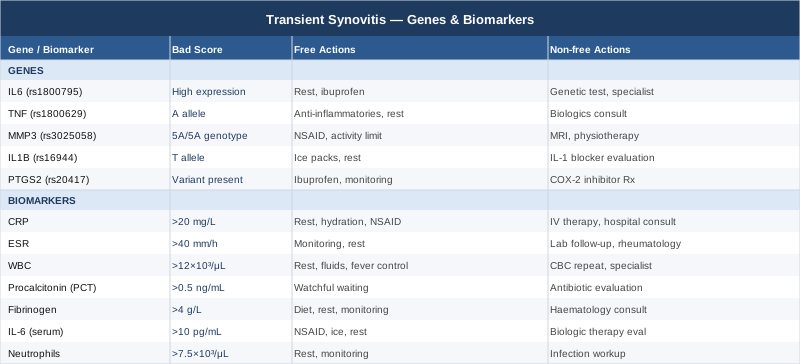
Overview: Genes and Biomarkers at a Glance
The table below summarizes all five genes and seven biomarkers covered in this article, with reference thresholds and action categories for quick reference.
The Wahls Protocol — 10 Research-Backed Insights That May Change Your Approach to Inflammatory Joint Recovery
The Wahls Protocol by Dr. Terry Wahls (2014, revised 2020) is one of the few books written by a physician who used a structured dietary and lifestyle intervention to reverse her own serious inflammatory condition — and who then built a clinical trial program around her approach. Originally focused on multiple sclerosis, Dr. Wahls's framework addresses mitochondrial function, cytokine regulation, gut integrity, and micronutrient density in ways directly applicable to any recurrent synovial inflammatory condition. Her approach has been tested in human pilot trials, making it more grounded than most self-help health frameworks. Ten of the most impactful insights from this work follow.
1. Mitochondrial Function Drives Immune Cell Behavior
Immune cells that power the inflammatory cascade — macrophages, neutrophils, T cells — are extraordinarily energy-demanding. When mitochondria are dysfunctional or depleted, immune cells default to pro-inflammatory phenotypes rather than resolution phenotypes. Dr. Wahls argues that restoring mitochondrial density and function through specific dietary inputs is a prerequisite for calming chronic inflammation, not an optional adjunct. For recurrent synovitis, supporting mitochondrial health may be as important as directly targeting the cytokines themselves.
2. Myelin and Membrane Health Require Specific Nutrient Inputs
Every cell membrane — including synovial cells — requires adequate omega-3 fatty acids, phospholipids, and fat-soluble vitamins (A, D, E, K) to maintain structural integrity and receptor function. Membrane-deficient cells signal more erratically, fire inflammatory cascades more easily, and resolve more slowly. The nutrient density approach in the Wahls Protocol specifically addresses membrane composition through food selection, not just symptom suppression.
3. Three Cups of Leafy Greens per Day as a Minimum
Dr. Wahls specifies three cups of leafy greens daily as the baseline for magnesium, folate, B vitamins, and the fat-soluble vitamins required for immune and mitochondrial function. This is not a metaphor — it is a measurable dietary prescription. Few children or adults in industrialized countries approach this level, and the nutrient gaps it creates are directly relevant to inflammatory susceptibility.
4. Sulfur-Rich Vegetables Drive Detoxification and Inflammation Resolution
The protocol emphasizes three cups of sulfur-rich vegetables daily (cabbage, broccoli, cauliflower, Brussels sprouts, onions, garlic, leeks). Sulfur compounds — particularly glucosinolates and organosulfides — activate NRF2, the master antioxidant and anti-inflammatory transcription factor. Sulforaphane from this category directly inhibits NLRP3 inflammasome activity, making this one of the most direct dietary interventions for IL-1β-driven recurrent inflammation.
5. Polyphenol Diversity Regulates Cytokine Balance
Three cups of deeply colored vegetables and fruits daily provide the diverse polyphenol spectrum needed to regulate cytokine production at the gene expression level. Different polyphenols (quercetin, resveratrol, anthocyanins, curcuminoids) act on different inflammatory targets. This dietary diversity approach achieves broad cytokine modulation that single-supplement protocols cannot replicate — and does so without cycling, side effects, or contraindications.
6. Gluten and Dairy as Conditional Inflammatory Triggers
Dr. Wahls presents evidence that gluten (through zonulin-mediated gut permeability) and dairy (through molecular mimicry in some immune-activated individuals) can sustain systemic inflammatory signaling. She does not claim these are universal triggers but identifies genetically susceptible individuals — particularly those with HLA-related variants — as prime candidates for an elimination trial. For HLA-B27-positive individuals with recurrent synovitis, a 60-day elimination of both is worth exploring systematically.
7. The Omega-3 to Omega-6 Ratio Is Quantifiable and Directly Modifiable
The typical Western diet delivers an omega-6:omega-3 ratio of 15:1 to 20:1. The Wahls Protocol targets below 4:1 — the approximate ancestral ratio at which inflammatory resolution prostaglandins (derived from EPA and DHA) dominate over inflammatory prostaglandins (derived from arachidonic acid). This ratio is measurable through an omega-3 index blood test and can be shifted meaningfully within four to eight weeks through dietary change and supplementation. For PTGS2 high expressors in particular, this ratio is among the most important numbers to track.
8. Gut Permeability Is an Upstream Driver of Systemic Inflammation
The book devotes significant attention to the gut-immune axis: a leaky gut allows bacterial products (LPS, peptidoglycans) to enter systemic circulation and activate innate immune receptors, sustaining the low-grade inflammatory state that makes each new trigger — a viral infection, a minor trauma — more likely to produce a full inflammatory episode. Restoring gut barrier integrity through bone broth, fermented foods, glutamine, and elimination of gut-disruptive foods is positioned not as a side benefit but as a core mechanism.
9. Ketogenic Variants Reduce Neuroinflammation and Systemic Cytokine Load
Dr. Wahls's advanced protocols include modified ketogenic approaches for individuals with more severe inflammatory presentations. Ketone bodies — particularly beta-hydroxybutyrate — directly inhibit NLRP3 inflammasome activation, providing a metabolic route to IL-1β suppression that parallels the pharmacological action of canakinumab. For adults with highly recurrent synovitis and elevated IL-1β markers, a therapeutic ketogenic approach supervised by a knowledgeable clinician is worth serious consideration.
10. Sleep and Circadian Alignment as Underappreciated Immune Regulators
The protocol explicitly includes circadian alignment — consistent sleep-wake timing, light exposure in the morning, darkness in the evening — as a core therapeutic intervention, not a lifestyle suggestion. Circadian disruption measurably elevates IL-6, TNF-α, and IL-1β while reducing regulatory T-cell activity. For recurrent synovitis, optimizing circadian biology costs nothing and may have as much impact on recurrence frequency as any other single intervention.
Complementary Approaches That May Support Recovery
Standard medical care handles the acute phase of transient synovitis effectively. Where complementary approaches add value is in supporting pain management during recovery, reducing the systemic inflammatory burden that makes recurrence more likely, and improving the quality of convalescence — particularly for children who struggle with prolonged rest. The following four modalities have the most meaningful evidence for conditions with overlapping inflammatory mechanisms.
Low-Level Laser Therapy (Photobiomodulation)
Low-level laser therapy (LLLT), also called photobiomodulation, uses specific wavelengths of red and near-infrared light (typically 630–1000nm) to penetrate tissue and stimulate mitochondrial function, reduce local cytokine production, and support tissue repair. In the context of transient synovitis, its most relevant mechanism is the reduction of synovial membrane inflammation and the promotion of cellular energy production in damaged tissue — both of which support faster resolution and less pain during recovery. Evidence for LLLT in joint inflammation is drawn primarily from osteoarthritis and inflammatory arthritis research, where it has been studied in multiple randomized trials.
A 2007 Cochrane-level systematic review by Brosseau et al. (subsequently updated in rheumatology literature) on LLLT for rheumatoid arthritis found statistically significant reductions in pain, morning stiffness, and inflammatory markers over sham control. While transient synovitis-specific LLLT trials are not yet in the literature, the shared mechanism of synovial membrane inflammation makes the evidence reasonably transferable. The most studied protocols use 830nm near-infrared wavelengths at 4–8 joules per point, applied directly over the hip joint area.
For practical application: tabletop or handheld red light therapy devices (660nm red + 850nm near-infrared) can be used at home. Apply 10–15 minutes daily to the lateral and anterior hip during the recovery phase. Evidence supports twice-daily application in acute phases. Devices should be placed 2–6 inches from skin. Start conservatively — 5 minutes per session — in the first few days. There are no significant side effects at recommended dosages. Professional LLLT delivered by a physiotherapist uses higher-powered clinical devices that penetrate more deeply into the hip joint capsule, which may be more effective for the acute phase.
Mindfulness Meditation and MBSR
Mindfulness-Based Stress Reduction (MBSR) is an 8-week structured program developed by Jon Kabat-Zinn that combines body scan, seated meditation, and mindful movement practices. Its relevance for transient synovitis is twofold: it directly addresses the pain experience during recovery (reducing pain catastrophizing and perceived pain intensity), and it reduces the psychological stress load that — through cortisol and sympathetic nervous system pathways — directly amplifies IL-6 and TNF-α production. For children with recurrent episodes, anxiety about hip pain and school absence is a real secondary burden that mindfulness addresses directly.
A randomized controlled trial published in Annals of Internal Medicine (Cherkin et al., 2016) found that MBSR produced significant improvements in pain and functional limitation compared to usual care in patients with musculoskeletal pain, with effects maintained at 26 and 52 weeks. While specific to chronic low back pain, the pain neuroscience mechanisms studied apply broadly to joint pain recovery. Inflammatory marker data from MBSR trials consistently shows reductions in CRP and IL-6 with regular practice.
For children aged 8 and older, age-adapted mindfulness programs (including school-based and app-based programs such as Headspace for Kids or the UCLA Mindful App) provide accessible starting points. Adults benefit most from the full 8-week MBSR program or a structured daily practice of 15–20 minutes of body scan or breath awareness meditation. Even 10 minutes of daily mindfulness practice consistently lowers perceived pain and stress-driven inflammatory signaling. Side effects are essentially absent, making this one of the most risk-free adjuncts available during the recovery period.
Massage Therapy
Therapeutic massage is relevant to transient synovitis recovery primarily through its effects on local circulation, lymphatic drainage, and muscle guarding around the hip joint. During a synovitis episode, protective muscle spasm in the hip flexors, gluteals, and iliotibial band is common and prolongs discomfort even after synovial inflammation begins to resolve. Massage addressing these secondary muscle patterns — not the joint itself, which is contraindicated during acute inflammation — can meaningfully shorten the functional recovery period.
A systematic review of massage for musculoskeletal pain published in Pain Medicine (Furlan et al.) found moderate evidence for short-term pain relief and functional improvement across joint-adjacent musculoskeletal conditions. For synovitis specifically, the evidence is not condition-specific but draws from broader hip and joint pain literature. The most studied and relevant technique is myofascial release and effleurage applied to periarticular muscles, rather than deep tissue work directly over the joint.
Practically, massage is most appropriate in the subacute phase — once weight-bearing is possible and the joint is no longer acutely tender to palpation, typically 5–10 days into recovery. A registered massage therapist or physiotherapist with experience in pediatric musculoskeletal conditions should be selected, particularly for children. Sessions of 30–45 minutes focused on the hip flexors, gluteals, quadratus lumborum, and tensor fasciae latae — the muscles most commonly implicated in compensatory patterns from hip synovitis — are appropriate. Frequency of one to two sessions per week during recovery is generally well-tolerated. Contraindications include active acute synovitis with fever, active skin infection over the treatment area, and undiagnosed joint swelling pending imaging.
Chinese Herbal Medicine
Chinese herbal medicine (CHM) encompasses a broad category of botanical formulas used within Traditional Chinese Medicine frameworks to modulate inflammatory responses, support joint tissue recovery, and regulate immune function. Several individual herbs studied within this tradition have well-characterized anti-inflammatory mechanisms directly relevant to synovial inflammation: Tripterygium wilfordii (Thunder God Vine) contains triptolide and celastrol, which have demonstrated TNF-α and IL-6 suppression in human studies of inflammatory arthritis. Boswellia serrata — already discussed in the genetic section — straddles Chinese herbal and Ayurvedic traditions. For recurrent synovitis in the context of incomplete resolution, CHM formulas targeting wind-damp-bi (the closest TCM classification to joint inflammation) have clinical use with emerging mechanistic support.
A systematic review of CHM for rheumatoid arthritis published in Evidence-Based Complementary and Alternative Medicine found several formulas demonstrating significant reductions in inflammatory markers (ESR, CRP, TNF-α) compared to NSAID or placebo control, though study quality was variable. Tripterygium wilfordii specifically has been studied in randomized trials for inflammatory arthritis with meaningful effect sizes, though its side effect profile (particularly for reproductive health with long-term use) requires careful medical oversight. Evidence specific to transient synovitis does not yet exist; the evidence base applies to synovial inflammation broadly.
For practical application: CHM for inflammatory joint conditions should only be pursued through a licensed and experienced traditional Chinese medicine practitioner, not through self-selected online formulas. Practitioners will individualize formulas based on the full clinical picture, which is how CHM is designed to work — not through a single standardized formula. Herb-drug interactions are a real consideration, particularly for children on concurrent medications or NSAIDs. CHM should be seen as a complement to conventional care, not a replacement, especially during the acute diagnostic phase.
Conclusion
Transient synovitis is, in most cases, a self-limiting condition that resolves with time and supportive care. But for those navigating recurrent episodes, incomplete recoveries, or simply the frustration of not understanding why it keeps happening, the conventional explanation is not enough. The seven biomarkers covered in this article — CRP, ESR, WBC, procalcitonin, ferritin, IL-6, and vitamin D — offer a measurable, actionable window into what is actually driving inflammation in each individual case. The five gene variants — IL6, TNF, IL1B, HLA-B27, and PTGS2 — explain why some immune systems fire harder, resolve slower, and trigger more easily than others, and what can be done about it.
The next smart step is a simple one: if you or your child has experienced more than one episode of transient synovitis, request a full inflammatory panel including hs-CRP, ESR, WBC with differential, ferritin, and 25-OH vitamin D at the next available appointment. Discuss recurrence patterns with your physician. If episodes continue, ask about procalcitonin and IL-6 tracking between flares. Bring this article's framework to that conversation. Better data in hand makes for better medicine — and in a condition where so much depends on immune calibration, precision is worth pursuing.