This article contains AI generated content.
Transverse Myelitis Genes And Biomarkers: 4 Genes And 7 Biomarkers To Track
Introduction
If you or someone you love has been diagnosed with transverse myelitis, you probably remember the strange speed of it. One week life is ordinary, and then a band of numbness, a heaviness in the legs, a bladder that no longer answers, and suddenly you are learning words like demyelination and longitudinally extensive lesion. What makes it harder is the uncertainty. Transverse myelitis is not one disease with one cause, and that means the follow-up conversation is rarely as clear as you want it to be.
Most general advice sounds reasonable and still leaves you stranded. "Manage inflammation." "Rest." "Follow up with neurology." None of that is wrong, but none of it tells you what to actually watch over the months and years that follow, or how to tell whether your particular version of this condition is quiet or building toward another attack. Broad advice is written for the average patient, and there is no average patient with transverse myelitis.
This article takes a more concrete path. Rather than repeating comfort, it looks at the measurable signals that clinicians and researchers are increasingly using to separate one kind of transverse myelitis from another, to gauge ongoing nerve injury, and to catch a relapse risk early. It also looks at the genetic background that shapes who is vulnerable and how the body handles inflammation and repair.
None of this is a cure, and no honest source should promise one. But better information genuinely leads to better decisions. We will walk through seven biomarkers worth tracking, the four genes that keep appearing in the research, a book-length nutritional strategy that challenges some conventional neurology, and a short set of complementary approaches with real human evidence. Each layer is meant to raise the odds that you and your medical team find the levers that matter for your body.
Summary
Transverse myelitis is often a symptom of something more specific, and the modern goal is to name that "something" precisely. This article shows how to do that through tracking. You will learn why two antibodies, AQP4-IgG and MOG-IgG, can completely change your diagnosis and long-term treatment, and why testing them wrong can lead to years of the wrong drugs. You will see how neurofilament light chain and GFAP act like a smoke detector for ongoing nerve and astrocyte damage, and how a simple spinal fluid test and a vitamin D level fit into the bigger picture.
From there we turn the lens inward to the genes that keep showing up, including the immune gene HLA-DRB1*15:01 and the vitamin D and methylation genes that quietly shape how well you regulate inflammation and repair myelin. For each one you get a practical plan, first without supplements, then with them, including frequency, cycling, and side effects.
Then comes a strategy that a lot of readers find eye-opening: a book by a physician who used food and micronutrients to change her own progressive neurological disease, distilled into ten concrete lessons. We finish with five complementary approaches that have genuine human trial evidence in demyelinating disease, and a calm plan for what to do next. The specific numbers, the exact plans, and the surprising nutritional lessons are all below.
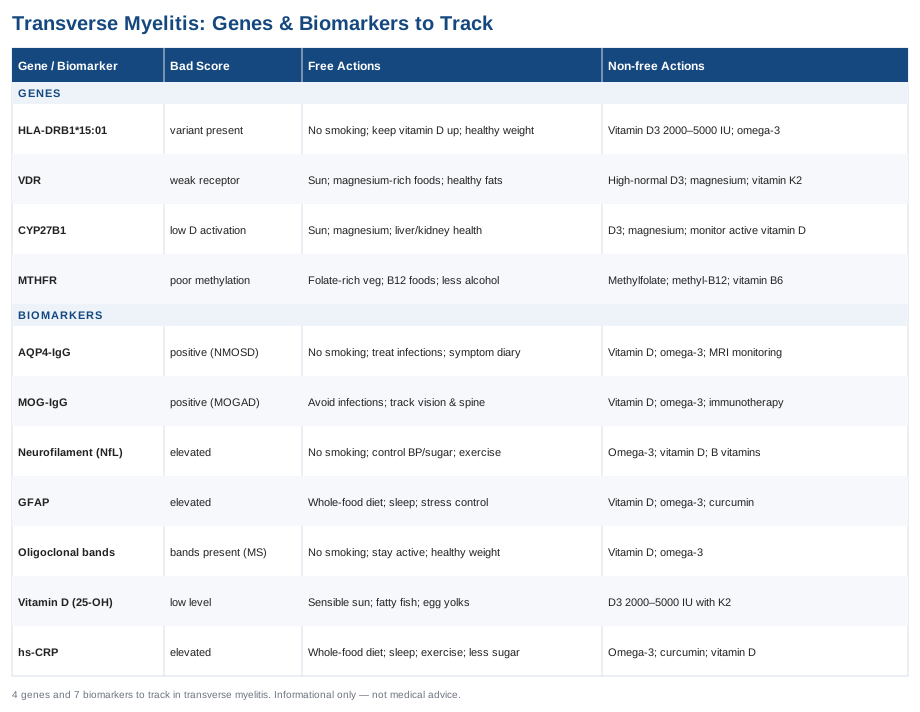
The 7 Biomarkers Worth Tracking In Transverse Myelitis
The single most useful idea in modern transverse myelitis care is that the diagnosis rarely stops at "transverse myelitis." That label describes inflammation across a segment of the spinal cord, but the cause underneath it can be an aquaporin-4 antibody disease, a MOG antibody disease, multiple sclerosis, a post-infectious event, or a truly idiopathic case. Each of those has a different relapse risk and a different best treatment, and biomarkers are how clinicians tell them apart and then keep watch over time. The seven below are ordered roughly from the most diagnostic to the most supportive.
1. AQP4-IgG (Aquaporin-4 Antibody)
Why it matters: Aquaporin-4 is a water channel that sits densely on astrocytes wrapped around the spinal cord. An antibody against it defines neuromyelitis optica spectrum disorder (NMOSD), a relapsing condition that classically causes long spinal cord lesions and optic nerve inflammation. Roughly 80 percent of NMOSD patients carry this antibody, and in recurrent or longitudinally extensive transverse myelitis the positivity rate climbs substantially, as documented in a study of anti-AQP4 antibody in idiopathic acute transverse myelitis. A positive result changes everything, because NMOSD requires long-term immune suppression and can be made worse by some MS drugs.
What it may reveal: A relapsing, antibody-driven disease that needs preventive treatment rather than watchful waiting.
How to measure it
Ask specifically for a serum cell-based assay for AQP4-IgG, which is far more accurate than older methods. In many systems it is covered when transverse myelitis is being worked up; out of pocket it typically runs from roughly 100 to 300 dollars/euros. Testing during or soon after an acute attack, before heavy steroids or plasma exchange fully clear antibodies, improves detection.
If the score is bad, the plan without supplements
A positive AQP4-IgG is not something you fix with lifestyle, and honesty matters here: this is a medical diagnosis requiring a neuroimmunology specialist. The non-supplement plan is about protecting the terrain: stop smoking, treat infections early because they can trigger relapses, prioritize sleep, and keep a symptom diary so a new attack is caught within hours rather than days. Attend every scheduled monitoring visit, because preventive therapy is what actually lowers relapse rate.
If the score is bad, the plan with supplements or equipment
Supplements do not treat NMOSD, and no one should let them replace prescribed therapy. As an adjunct, a maintained vitamin D level (discussed below) and omega-3 fatty acids are reasonable anti-inflammatory support. Useful "equipment" is really monitoring equipment: a home log, and in some cases a patient-facing MRI schedule agreed with your team. Frequency and cycling: antibody retesting is usually annual or when the picture changes, not monthly. Side effects: the main risk is complacency; treat a positive result as a lifelong watch item.
2. MOG-IgG (Myelin Oligodendrocyte Glycoprotein Antibody)
Why it matters: MOG-IgG defines a separate condition, MOG antibody-associated disease (MOGAD), that can look like transverse myelitis but behaves differently from both MS and AQP4 disease. It often responds well to steroids, sometimes follows a single-attack course, and is managed differently. Getting this antibody checked prevents years of the wrong label, as reviewed in work on antibodies to MOG in adults with inflammatory demyelinating disease and in broader reviews of serum and spinal fluid biomarkers in NMOSD and MOGAD.
What it may reveal: A distinct antibody disease with its own prognosis and treatment, sometimes monophasic, sometimes relapsing.
How to measure it
Again, request a serum live cell-based assay if available, or a fixed cell-based assay reported with a titer. Low borderline titers are less meaningful than high ones, so ask for the number, not just "positive." Cost is similar to AQP4 testing, roughly 100 to 300 dollars/euros if not covered.
If the score is bad, the plan without supplements
As with AQP4, a positive MOG result is a diagnosis, not a deficiency. The lifestyle plan focuses on infection avoidance and prompt treatment of new symptoms, since MOGAD relapses can follow infections. Track vision and spinal symptoms carefully, because MOGAD often affects the optic nerves too.
If the score is bad, the plan with supplements or equipment
Supportive supplements mirror the general anti-inflammatory approach: adequate vitamin D and omega-3s. The real tools are monitoring and, when your neurologist decides relapses warrant it, preventive immunotherapy. Frequency and cycling: MOG-IgG titers can be rechecked periodically because falling titers sometimes correlate with a lower relapse risk. Side effects: none from monitoring; the caution is over-treating a possibly monophasic disease, which is a conversation to have with a specialist.
3. Serum Neurofilament Light Chain (NfL)
Why it matters: Neurofilament light chain is a structural protein released into blood and spinal fluid when nerve axons are damaged. It behaves like a smoke detector for active neurological injury. In idiopathic transverse myelitis, serum NfL rises during acute attacks and settles in remission, as shown in a study of disease characteristics of idiopathic transverse myelitis with serum neuronal and astroglial damage biomarkers. Tracked over time, it can support the impression that a disease is active or quiet.
What it may reveal: Ongoing axonal damage, attack severity, and, in trends, whether treatment is calming things down.
How to measure it
Serum NfL uses ultrasensitive platforms and is increasingly available through specialty and commercial labs. Out of pocket it commonly ranges from about 100 to 250 dollars/euros. It is most informative as a personal trend, so measure at diagnosis, after an attack, and periodically in remission for comparison.
If the score is bad, the plan without supplements
A high NfL is a signal to look for the cause, not a target to massage down on its own. Non-supplement steps that support nerve health broadly include stopping smoking, controlling blood pressure and blood sugar, sleeping well, and staying physically active within your ability, since aerobic activity supports central nervous system resilience. Most importantly, an unexpectedly rising NfL warrants a call to your neurologist.
If the score is bad, the plan with supplements or equipment
There is no supplement proven to lower NfL directly, so be skeptical of anything sold on that claim. Reasonable supportive nutrients include omega-3 fatty acids (roughly 1 to 2 grams EPA/DHA daily), vitamin D to a healthy level, and B vitamins if you are deficient. Frequency and cycling: omega-3s are taken daily and do not need cycling; recheck NfL every 6 to 12 months or after events. Side effects: high-dose fish oil can thin blood and upset the stomach, so discuss it if you take anticoagulants.
4. GFAP (Glial Fibrillary Acidic Protein)
Why it matters: GFAP is released when astrocytes, the support cells that AQP4 antibodies attack, are damaged. Serum GFAP rises in acute transverse myelitis and is especially relevant to astrocyte-driven disease like AQP4-positive NMOSD, and it was measured alongside NfL in the same idiopathic transverse myelitis biomarker study. Serial neuronal-injury markers were also tracked meaningfully in a longitudinal analysis of injury biomarkers in antibody-associated transverse myelitis.
What it may reveal: Astrocyte injury, which helps distinguish astrocyte-predominant disease from primarily myelin-predominant disease.
How to measure it
Serum GFAP runs on the same ultrasensitive platforms as NfL and is often ordered together with it. Combined panels typically cost 150 to 350 dollars/euros out of pocket. Interpretation is best done by a neurologist alongside your antibody status.
If the score is bad, the plan without supplements
Like NfL, GFAP is a signal rather than a lifestyle target. The best non-supplement plan is the anti-inflammatory foundation: a whole-food diet low in ultra-processed products, good sleep, stress reduction, and prompt attention to any new neurological symptom so an active astrocyte process is treated early.
If the score is bad, the plan with supplements or equipment
Supportive supplements are the same anti-inflammatory basics rather than a GFAP-specific pill: vitamin D, omega-3s, and possibly curcumin (typically 500 to 1000 mg of a bioavailable form daily) as general inflammation support. Frequency and cycling: these are daily; some people cycle curcumin with breaks every few months. Side effects: curcumin can cause digestive upset and may interact with blood thinners.
5. Cerebrospinal Fluid Oligoclonal Bands And IgG Index
Why it matters: A lumbar puncture that examines spinal fluid for oligoclonal bands and an elevated IgG index reveals immune activity confined to the central nervous system. Persistent bands point strongly toward multiple sclerosis rather than a single-event or antibody-mediated myelitis, which reshapes both prognosis and treatment. Spinal fluid analysis remains one of the highest-yield tests in the transverse myelitis workup, complementing serum antibodies as discussed in the broader biomarker reviews for demyelinating disease.
What it may reveal: Whether the immune process lives inside the nervous system (favoring MS) versus a systemic antibody attacking it.
How to measure it
This requires a lumbar puncture done in a clinical setting, usually during the initial workup, with fluid sent for oligoclonal bands, IgG index, cell count and infection studies. It is typically covered as part of diagnosis; as a procedure it is not a self-order item.
If the score is bad, the plan without supplements
Positive bands suggesting MS point to disease-modifying therapy decisions that belong with a neurologist. The supporting lifestyle plan is the well-established MS foundation: do not smoke, stay active, maintain a healthy weight, prioritize sleep, and manage stress, all of which are associated with better long-term outcomes.
If the score is bad, the plan with supplements or equipment
The most evidence-linked supplement here is vitamin D, covered next. Omega-3s and a nutrient-dense diet round out the foundation. Frequency and cycling: the lumbar puncture is generally a one-time diagnostic test, not repeated for monitoring. Side effects: the procedure can cause a temporary headache; supplements carry only their usual mild risks.
6. Vitamin D (25-Hydroxyvitamin D)
Why it matters: Vitamin D is the most actionable biomarker on this list. Low levels are a recognized, modifiable risk factor associated with demyelinating disease, and vitamin D receptors sit on neurons, oligodendrocytes, astrocytes and immune cells. Reviews such as an update on vitamin D and multiple sclerosis and an analysis of vitamin D supplementation in multiple sclerosis describe both its immune-regulating role and the mixed but promising supplementation data.
What it may reveal: A correctable deficiency that influences immune regulation and possibly relapse risk.
How to measure it
A simple blood 25-hydroxyvitamin D test costs roughly 20 to 60 dollars/euros and is widely available, often bundled into routine panels. Aim to know your number rather than assume; many people with neurological conditions run low, especially those who avoid the sun.
If the score is bad, the plan without supplements
Sensible sun exposure is the natural route: short, regular midday sun on arms and legs without burning, adjusted for your skin type and climate. Dietary sources such as fatty fish, egg yolks and fortified foods help modestly. These alone rarely correct a significant deficiency, so this plan is a foundation rather than a full fix.
If the score is bad, the plan with supplements or equipment
Most people correct a deficiency with 2000 to 5000 IU of vitamin D3 daily, ideally taken with a fatty meal and often paired with vitamin K2. Frequency and cycling: take it daily and retest in about 8 to 12 weeks, then adjust; there is no need for dramatic cycling, but the dose should be titrated to your level, not fixed forever. Side effects: excessive dosing can raise calcium and cause harm, so avoid mega-doses without monitoring. The goal is a healthy, sufficient level, not the highest possible number.
7. hs-CRP (High-Sensitivity C-Reactive Protein)
Why it matters: High-sensitivity CRP is a general marker of systemic inflammation. It is not specific to transverse myelitis, but as a cheap, repeatable signal it helps you see the inflammatory background you can actually influence with lifestyle. A chronically elevated hs-CRP flags a body running hot, which is worth addressing in any autoimmune-flavored condition.
What it may reveal: Your baseline inflammatory load and how your diet, sleep, weight and stress are trending over time.
How to measure it
hs-CRP is inexpensive, often 10 to 40 dollars/euros, and available in most standard labs. Measure it when you are not acutely ill or injured, since infections and injuries temporarily spike it, and track the trend rather than a single value.
If the score is bad, the plan without supplements
The non-supplement plan is where hs-CRP shines because it responds to habits. Prioritize a whole-food diet rich in vegetables, fiber and fish; reduce ultra-processed foods, refined sugar and excess alcohol; improve sleep; move most days; and lose excess visceral fat if present. Chronic stress raises inflammation, so a regular relaxation practice matters here too.
If the score is bad, the plan with supplements or equipment
Evidence-reasonable options include omega-3 fatty acids (1 to 2 grams EPA/DHA daily), curcumin, and correcting vitamin D. Frequency and cycling: omega-3s and vitamin D are daily; curcumin can be cycled with periodic breaks. Side effects: fish oil can thin blood and cause reflux; curcumin can upset digestion. Retest hs-CRP every 3 to 6 months to see whether your changes are working.
The 4 Genes That Keep Appearing In The Research
Biomarkers tell you what is happening now; genes hint at the terrain you are working with. Transverse myelitis is not a simple inherited disease, and no single gene causes it. But several genes shape immune regulation, vitamin D handling and methylation, and they help explain why two people with similar exposures end up in very different places. Genetic testing through services popularized by figures like Ali Torkamani and Gary Brecka can surface these variants; the value is not in fear but in knowing where to compensate. If you want context on how to lean into or work around a genetic variant, this section gives a practical starting frame.
HLA-DRB1*15:01
What it may affect: This immune-system variant is the strongest known genetic association with multiple sclerosis and other demyelinating conditions, and it has been linked to markers of astrocyte damage in inflammatory myelitis. It influences how your immune system presents targets to itself, tilting some people toward autoimmunity against myelin.
If the gene is bad, the plan without supplements
You cannot change the gene, so the plan is to reduce the environmental triggers that interact with it: do not smoke, keep vitamin D sufficient through sensible sun and diet, maintain a healthy weight (especially avoiding obesity in adolescence and early adulthood), and treat infections promptly. These are the same levers repeatedly tied to demyelinating risk.
If the score is bad, the plan with supplements or equipment
Because low vitamin D interacts strongly with this genetic background, keeping vitamin D in a healthy range with 2000 to 5000 IU of D3 daily is the most defensible supplement move, alongside omega-3s. Frequency and cycling: daily, titrated to blood levels retested every few months. Side effects: over-supplementing vitamin D can raise calcium, so monitor rather than mega-dose.
VDR (Vitamin D Receptor)
What it may affect: VDR variants change how effectively your cells respond to the vitamin D you have. Someone with a less efficient receptor may need a higher blood level to get the same immune-regulating benefit, which is relevant given vitamin D's role in demyelinating disease.
If the gene is bad, the plan without supplements
Maximize the natural inputs the receptor depends on: regular sensible sun exposure, magnesium-rich foods (leafy greens, nuts, seeds) since magnesium is a cofactor for vitamin D metabolism, and adequate healthy fats to help absorption. Get your actual vitamin D level checked rather than assuming a standard dose is enough.
If the score is bad, the plan with supplements or equipment
Aim for the upper end of the healthy vitamin D range with D3, paired with magnesium (200 to 400 mg daily, often as glycinate or citrate) and vitamin K2. Frequency and cycling: daily; recheck vitamin D and adjust every 8 to 12 weeks at first. Side effects: too much magnesium loosens the bowels, and vitamin D still needs level monitoring to avoid excess calcium.
CYP27B1
What it may affect: This gene encodes the enzyme that activates vitamin D into its usable hormonal form. Less efficient variants mean you can have a decent 25-hydroxyvitamin D number but still under-produce the active form, which matters for immune regulation in demyelinating disease.
If the gene is bad, the plan without supplements
Support the whole vitamin D pathway rather than one step: sensible sun, adequate magnesium and healthy fats, good kidney and liver health (limit alcohol, stay hydrated), and a whole-food diet. Because activation is the bottleneck here, simply flooding with more raw vitamin D is not the whole answer.
If the score is bad, the plan with supplements or equipment
Keep 25-hydroxyvitamin D in a robust range with D3, ensure magnesium sufficiency (a required cofactor for the activating enzymes), and discuss with a physician whether monitoring active vitamin D is warranted in your case. Frequency and cycling: daily supplements, periodic blood monitoring. Side effects: the same calcium caution applies; this is a pathway to support carefully, not to overload.
MTHFR
What it may affect: MTHFR variants reduce the efficiency of methylation, the process that recycles homocysteine and supports the production of the methyl groups your nervous system uses for repair and regulation. Poor methylation can raise homocysteine, which is unfriendly to blood vessels and nerves.
If the gene is bad, the plan without supplements
Feed methylation through food: plenty of naturally folate-rich vegetables (dark leafy greens, legumes), adequate B12 sources, and limited alcohol, which depletes B vitamins. Reducing processed food and managing stress also supports the pathway. Consider checking homocysteine as a functional readout of how well methylation is running.
If the score is bad, the plan with supplements or equipment
If homocysteine is high or intake is poor, methylated B vitamins (methylfolate and methyl-B12) are the targeted move, often with vitamin B6. Frequency and cycling: daily, with homocysteine rechecked in a few months; some people find high-dose methylfolate over-activating and prefer lower doses or intermittent use. Side effects: methylfolate can cause irritability, anxiety or insomnia in sensitive people, so start low and adjust, and never use B12 to mask an untreated deficiency without medical guidance.
A Book That May Change How You Think About Neurological Recovery
If the biomarker and gene sections are about measurement, this one is about a lived experiment. The Wahls Protocol by Dr. Terry Wahls is worth reading for anyone facing a demyelinating condition, because Wahls is a physician who developed progressive multiple sclerosis, ended up in a reclining wheelchair, and then used an intensive nutritional and lifestyle strategy built on the research literature to dramatically improve her own function. Her work challenges the common assumption that diet is irrelevant to central nervous system disease. It is not a cure and she does not claim one, but the ten ideas below are worth knowing.
1. Your Brain Is Built From What You Eat
Wahls reframes myelin, neurotransmitters and mitochondria as physical structures made from nutrients, arguing that chronic micronutrient shortfalls quietly starve the machinery of repair. The practical takeaway is to treat food as raw material for the nervous system, not just calories.
2. Mitochondria Are Central
A core theme is that damaged, under-fueled mitochondria drive fatigue and neurological decline. Supporting them with the right cofactors, she argues, is a lever most conventional care overlooks.
3. Nine Cups Of Vegetables And Fruit A Day
Her signature target is a large daily volume of colorful produce split into leafy greens, sulfur-rich vegetables and deeply colored fruits and vegetables, chosen to flood the body with vitamins, minerals and polyphenols.
4. Sulfur-Rich Vegetables Matter
Cabbage, broccoli, onions, garlic and mushrooms are emphasized for supporting detoxification pathways and cellular health, a category most people under-eat.
5. Prioritize Bioavailable Nutrients From Animal Foods
Wahls stresses high-quality protein, organ meats and fatty fish as dense sources of B vitamins, omega-3s and minerals that support myelin and mitochondria, which pushes against purely plant-based defaults.
6. Remove Common Trigger Foods
Her protocol removes gluten, dairy and processed foods, framing them as frequent contributors to inflammation and autoimmune activity, an idea that overlaps with the autoimmune protocol discussed later.
7. Reduce The Toxic Load
She encourages attention to environmental exposures and detoxification support, arguing the modern chemical burden competes with a nervous system already under strain.
8. Move The Body You Have
Rather than waiting to feel better, Wahls advocates progressive movement and, in her own case, electrical stimulation of muscles, to preserve and rebuild function within current limits.
9. Manage Stress As A Physiological Input
Stress reduction, sleep and recovery are treated as non-negotiable biology, not soft extras, because chronic stress worsens inflammation and undermines repair.
10. Progress Is Measured And Personal
The overarching lesson is to track your own response and iterate, exactly the spirit of this article. Wahls treats each person as an experiment of one, using measurable function as feedback rather than waiting passively.
A fair caveat: much of the strongest evidence for the full protocol comes from smaller studies and Wahls' own trials rather than large multicenter randomized controlled trials, so it should complement, not replace, standard neurological care. Read it as a serious, science-aware framework to discuss with your clinician.
Complementary Approaches With Real Human Evidence
Beyond measurement and diet, several supportive practices have genuine human trial evidence in demyelinating and inflammatory neurological disease. Transverse myelitis itself is rare, so much of the direct evidence comes from multiple sclerosis and related conditions, which share the symptoms these approaches target, such as fatigue, spasticity, imbalance and distress. None of these treat the underlying myelitis, and each works best alongside medical care.
Yoga
Yoga combines gentle movement, breath control and attention, which maps well onto the fatigue, weakness and stiffness that follow spinal cord inflammation. Because transverse myelitis often leaves lasting deficits, a practice that rebuilds strength and body awareness at a manageable pace is appealing.
A well-known randomized controlled trial of yoga and exercise in multiple sclerosis found that six months of a weekly yoga class significantly improved fatigue compared with a waiting-list control group, with benefits similar to a conventional exercise class. Fatigue is one of the most disabling and least "visible" symptoms after myelitis, which makes this a meaningful target.
To apply it realistically, look for a teacher experienced with disability or neurological conditions, use chair-supported or adaptive variations for weakness or balance problems, and progress slowly. If you have significant sensory loss, be cautious with deep stretches and pressure, since you may not feel a warning signal; work with your physical therapist to set safe limits.
Mindfulness Meditation / MBSR
Mindfulness-based stress reduction teaches structured attention to the present moment, which helps with the anxiety, low mood and pain that frequently accompany a sudden neurological injury. It does not require physical ability, making it accessible even when mobility is limited.
A randomized clinical trial of MBSR for people with multiple sclerosis reported benefits for quality of life and psychological symptoms, with an intervention that included gentle yoga, breath work and body scans practiced regularly. For transverse myelitis, where the emotional shock is real, these mental-health gains are worth taking seriously.
Practically, an eight-week MBSR course, in person or online, is the standard format, with short daily home practice. Start with brief sessions if concentration is hard early on, and treat it as a skill that compounds over weeks rather than an instant fix. It pairs naturally with the stress-lowering goals behind hs-CRP.
Tai Chi
Tai chi is a slow, weight-shifting movement practice that trains balance, coordination and confidence, directly relevant when spinal cord damage has affected gait and stability. Its gentle pace suits people who are deconditioned or fearful of falling.
A randomized trial of a tai chi style practice in people with multiple sclerosis found improvements across multiple physical and functional measures, and systematic reviews describe better balance, gait and mood, though results are mixed and studies are small. That honesty matters: the signal is encouraging but not definitive.
To use it well, choose beginner or seated forms if standing balance is poor, practice near support, and prioritize consistency over intensity. Combining tai chi with a formal fall-prevention plan from your physical therapist is the safest way to translate class gains into daily life.
The Autoimmune Protocol (Sarah Ballantyne)
Because many cases of transverse myelitis are autoimmune in nature, the autoimmune protocol (AIP) popularized by Dr. Sarah Ballantyne deserves a mention. It is a structured elimination diet that removes commonly reactive foods such as grains, legumes, dairy, eggs, nightshades, nuts and seeds, then systematically reintroduces them to identify personal triggers while emphasizing nutrient-dense whole foods.
The strongest AIP evidence to date comes from other autoimmune conditions, such as inflammatory bowel disease and Hashimoto's thyroiditis, rather than transverse myelitis specifically, so its role here is supportive and hypothesis-driven rather than proven for the spinal cord itself. Still, its anti-inflammatory, whole-food foundation overlaps heavily with the dietary themes in the Wahls approach.
If you try it, treat it as a time-limited experiment of roughly a few weeks of elimination followed by careful reintroduction, ideally with a dietitian, and watch objective signals like hs-CRP and how you feel. Elimination diets can become overly restrictive, so the reintroduction phase is essential; the goal is a personalized, sustainable diet, not permanent deprivation.
Breathing-Based Therapies
Structured breathing practices train the autonomic nervous system, and they matter after transverse myelitis for two reasons: they help calm the stress physiology that feeds inflammation, and in higher spinal lesions they can support respiratory strength. Even simple slow-breathing routines are low-risk and widely accessible.
Slow diaphragmatic breathing and paced breathing techniques are commonly included within the mindfulness and yoga trials referenced above, where breath work forms part of interventions that improved fatigue and wellbeing in demyelinating disease. Standalone high-quality trials specific to transverse myelitis are limited, so the evidence here is best described as supportive and extrapolated.
Practically, a few minutes of slow breathing once or twice a day is a reasonable starting point, and it can be layered onto meditation or gentle movement. If your myelitis affected breathing muscles, work with a respiratory therapist before adding vigorous breath techniques, and stop anything that causes dizziness.
Conclusion
The most useful shift in thinking about transverse myelitis is to stop treating it as a single verdict and start treating it as a set of measurable, changeable signals. Two antibodies can redefine your diagnosis. Nerve and astrocyte markers can tell you whether the fire is active or out. Spinal fluid, vitamin D and a simple inflammation marker fill in the rest of the picture, and your genetic background hints at where to compensate. Layered on top, a serious nutritional strategy and a handful of evidence-backed supportive practices give you levers you can actually pull.
None of this replaces a skilled neurology team, and none of it is a promise of reversal. What it offers is leverage: the difference between waiting passively and participating intelligently in your own case. The next smart step is small and concrete. Pick one thing this week: request the antibody and biomarker tests you have not had, check your vitamin D, start a simple symptom log, or book the conversation with your clinician that turns this reading into a plan built around your body, not the average one.
Neurological: Nerve Conditions Spinal Cord Conditions
Autoimmune: Inflammatory Conditions