This article contains AI generated content.
· UpdatedTraumatic Synovitis — 5 Genes And 7 Biomarkers To Track
Introduction
If you're dealing with traumatic synovitis, you probably already know the basics: rest, ice, anti-inflammatory medication, maybe some physical therapy. What you may not know is why some people recover fully in a few weeks while others deal with persistent joint swelling and pain for months, following the exact same protocols. That gap rarely comes down to effort. It usually comes down to biology.
Traumatic synovitis happens when the synovial membrane lining a joint becomes inflamed following an injury — a sprain, a direct blow, or repetitive mechanical stress. Once the synovium is irritated, the cascade that follows depends heavily on individual factors: how aggressively your immune system responds, how quickly it resolves, and how well the joint tissue holds up under the inflammatory pressure. Generic rest-and-ice advice does not account for any of this variation.
This is where tracking specific biomarkers and understanding your genetic profile can shift the picture considerably. Measuring markers like high-sensitivity CRP, IL-6, MMP-3, and the Omega-3 Index lets you see what is happening inside the joint environment — not just estimate based on pain levels. And if you carry gene variants that amplify inflammatory signaling or slow resolution, knowing that gives you an actual biological target to work against.
None of what follows is a cure or a shortcut. But better information, correctly applied, leads to better decisions. This article covers seven key biomarkers worth tracking during recovery, five gene variants that influence how your body handles joint trauma, a synthesis of the most impactful recovery science from the Huberman Lab, and three evidence-backed complementary modalities that can reinforce the overall approach.
Summary
This article approaches traumatic synovitis recovery with precision, not generalities. The biomarker section covers seven measurable indicators — hs-CRP, IL-6, MMP-3, vitamin D, the Omega-3 Index, ESR, and synovial fluid WBC count — with exact targets, cost ranges for each test, and specific intervention plans both with and without supplementation. The genetics section examines five gene variants, including the IL-6 -174G/C and TNF-α -308G/A polymorphisms, that may explain why some people's synovitis resolves cleanly while others remain stuck in a chronic inflammatory loop. Beyond the biology, you will find ten high-impact insights from Huberman Lab's research-backed content on inflammation and tissue recovery, plus clinical evidence for photobiomodulation, massage therapy, and MBSR — three approaches with genuine mechanistic relevance for joint inflammation. If you have ever suspected that standard advice was not quite enough for your situation, the specificity here will tell you whether you were right.
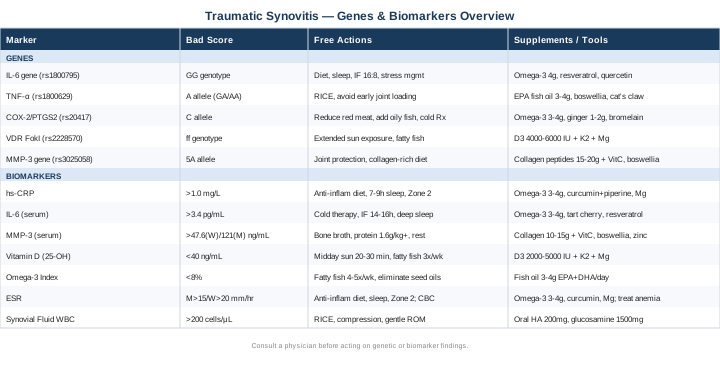
7 Biomarkers to Track for Traumatic Synovitis Recovery
Biomarkers give you objective data where symptom tracking is inherently subjective. In traumatic synovitis, the inflammatory environment is complex — multiple pathways are active simultaneously, not all of them respond to the same interventions, and pain perception often lags significantly behind actual tissue state. Measuring the right markers at the right intervals tells you which processes need attention, whether your current approach is working, and when inflammation has genuinely resolved rather than simply going quiet.
1. High-Sensitivity CRP (hs-CRP)
High-sensitivity C-reactive protein is produced by the liver in response to pro-inflammatory cytokines, making it one of the most reliable general indicators of active inflammatory load in the body. In traumatic synovitis, hs-CRP typically rises within 24-48 hours of injury and can remain elevated for weeks in people who heal slowly or incompletely. It is not specific to joint inflammation, but its trajectory over serial measurements is highly informative — a steadily declining hs-CRP typically indicates genuine recovery, while a plateau or secondary rise suggests something is maintaining the inflammatory state beyond the initial injury signal.
How to measure it
Standard blood draw through any primary care physician or direct-to-consumer laboratory. Cost ranges from $20 to $60 and is frequently covered by insurance when ordered in the context of musculoskeletal injury. Always specify high-sensitivity CRP rather than standard CRP for meaningful low-range precision. Measure at baseline as soon as possible after the injury, then every 4-6 weeks during recovery to track trajectory. Research on hs-CRP in inflammatory joint conditions is extensively catalogued at PubMed.
Optimal target: below 1.0 mg/L. Values between 1-3 mg/L indicate low-grade inflammation. Above 3 mg/L indicates significant active inflammation requiring a more targeted response.
If the score is bad, the plan without supplements
Remove ultra-processed foods and refined sugars from your diet immediately — both drive hs-CRP upward independently of any joint injury. Prioritize 7-9 hours of sleep per night with a consistent schedule; even two nights of shortened sleep measurably elevates hs-CRP in clinical studies. Begin Zone 2 cardio (conversational pace, 25-35 minutes per session) as soon as your injury permits non-weight-bearing movement — sustained moderate exercise consistently lowers CRP over a 6-8 week period. Eliminate seed oils (soybean, canola, sunflower, corn) and replace with extra-virgin olive oil and avocado oil. Add cruciferous vegetables to at least two meals daily.
If the score is bad, the plan with supplements or equipment
Omega-3 fatty acids at 3-4g EPA+DHA per day in triglyceride form have consistently demonstrated CRP reductions of 0.4-0.6 mg/L in randomized trials on inflammatory conditions, documented across multiple PubMed-indexed randomized controlled trials. Add curcumin with piperine at 500mg curcumin plus 5mg piperine, twice daily with meals — piperine increases curcumin bioavailability by approximately 2,000%. Magnesium glycinate at 300-400mg at night addresses both the sleep component and directly influences inflammatory NF-κB signaling. Cycling: curcumin 8 weeks on, 2 weeks off. Omega-3s and magnesium can be taken continuously. Side effects: curcumin may cause mild GI discomfort at higher doses; omega-3s at doses above 4g/day may affect bleeding time.
2. Interleukin-6 (IL-6)
IL-6 is the primary cytokine driving synovial inflammation after trauma. Synoviocytes and infiltrating macrophages in the injured joint produce large quantities of IL-6, which both perpetuates local inflammation and signals the liver to produce acute-phase proteins — including CRP. Elevated serum IL-6 in traumatic synovitis is a meaningful predictor of chronicity risk: people with persistently elevated IL-6 beyond the acute window are more likely to develop ongoing synovial thickening, reduced joint mobility, and prolonged pain even after the structural injury has healed. It is also a more sensitive early indicator than CRP for changes in the joint inflammatory environment. Research on IL-6 in joint inflammation is accessible through PubMed.
How to measure it
Serum IL-6 requires a specific test request — it is not included in standard inflammatory panels. Available through integrative medicine practitioners, rheumatologists, and direct-access specialty labs. Cost ranges from $50 to $150; insurance coverage is variable. Turnaround is typically 3-5 business days.
Target: below 3.4 pg/mL (lab-dependent — check your specific reference range). Acutely, values above 10 pg/mL following significant trauma are not unusual but should decline within 2-4 weeks as healing progresses.
If the score is bad, the plan without supplements
Cold therapy applied directly to the joint — 10-15 minutes of ice or cold pack, 2-3 times daily during the acute phase — directly suppresses local cytokine production including IL-6. Time-restricted eating with a 14-16 hour fasting window has shown measurable reductions in serum IL-6, even without caloric restriction. Prioritize slow-wave (deep) sleep quality through consistent sleep and wake times, a cool dark bedroom, and no alcohol within three hours of sleep — growth hormone secreted during deep sleep actively counteracts IL-6 activity in peripheral tissues. Avoid very high-intensity exercise during the acute recovery phase; while moderate exercise reduces IL-6 over time, maximal efforts temporarily spike it through mechanisms separate from synovial inflammation.
If the score is bad, the plan with supplements or equipment
Omega-3 fatty acids at 3-4g EPA+DHA per day remain the most evidence-backed supplement for IL-6 reduction. Add tart cherry extract at 480mg twice daily — clinical studies have shown significant IL-6 reductions following inflammatory events, including post-exercise and post-injury contexts. Resveratrol at 500mg per day inhibits NF-κB, a key transcription factor for IL-6 gene expression. Quercetin at 500mg per day adds a complementary inhibitory mechanism. Cycling: tart cherry extract continuously through recovery; resveratrol 6 weeks on, 2 weeks off. Side effects: resveratrol at high doses may interact with blood-thinning medications; verify with your physician.
3. MMP-3 (Matrix Metalloproteinase-3)
MMP-3, also called stromelysin-1, is an enzyme that degrades collagen, fibronectin, and proteoglycans — the structural components of synovial tissue and articular cartilage. In traumatic synovitis, elevated MMP-3 indicates active tissue breakdown within the joint environment. This matters because degradation can outpace repair, leading to long-term joint instability, reduced synovial tissue quality, and increased risk of post-traumatic osteoarthritis. MMP-3 is more specific to intra-articular pathology than general systemic markers like CRP, making it particularly valuable for assessing what is happening at the tissue level specifically. Its relevance across joint conditions is documented in multiple peer-reviewed publications.
How to measure it
Blood test requiring a specific request; available through rheumatologists and specialty diagnostic labs. Cost ranges from $80 to $200. Not routinely ordered in primary care — a rheumatologist referral or direct-access specialty lab may be needed. Some functional and integrative medicine panels include MMP-3 as part of a broader joint health marker panel.
Normal upper ranges: Women <47.6 ng/mL; Men <121.3 ng/mL. During active recovery from traumatic synovitis, aim for the lower half of the normal range as a target. Serial measurement every 6-8 weeks gives meaningful trend data.
If the score is bad, the plan without supplements
Increase dietary collagen precursors: bone broth at 1-2 cups daily, skin-on poultry, and connective tissue-rich cuts of meat provide the raw materials for synovial tissue repair. Ensure adequate total protein intake at 1.6-2.2g per kilogram of body weight daily — collagen synthesis is protein-dependent, and insufficient total protein impairs all tissue repair mechanisms. Protect the joint from excessive mechanical load during the elevated MMP-3 phase: cartilage under repetitive compression while MMP-3 is high accelerates structural damage in a way that is difficult to reverse. Work with a physical therapist for graduated loading rather than self-managing progression.
If the score is bad, the plan with supplements or equipment
Collagen peptides at 10-15g per day (look specifically for type II collagen for joint tissue relevance) taken simultaneously with vitamin C at 500-1000mg — vitamin C is essential for collagen cross-linking and has some direct MMP-inhibiting properties in research models. Boswellia serrata at 400mg three times daily has demonstrated MMP-3 inhibitory activity in clinical research on joint inflammation. Zinc at 25-30mg per day helps regulate MMP activity at the molecular level. Cycling: boswellia 8 weeks on, 2 weeks off (long-term continuous data is limited). Side effects: boswellia is generally well-tolerated; chronic zinc above 40mg/day can deplete copper — consider a zinc-copper balanced formula.
4. Vitamin D (25-OH)
Vitamin D is significantly underappreciated in joint health. Vitamin D receptors (VDR) are present on synoviocytes, chondrocytes, and immune cells throughout the joint capsule. When activated, these receptors suppress inflammatory cytokine transcription and support immune regulation within the synovial environment. Deficiency — affecting roughly 40% of adults — removes this brake on synovial inflammation, potentially prolonging recovery. Studies consistently find that low vitamin D correlates with greater inflammatory severity and slower recovery trajectories across multiple joint conditions, as documented in research indexed at PubMed.
How to measure it
Standard blood test: 25-hydroxyvitamin D (25-OH D). Cost $30 to $80; widely available through primary care; frequently covered by insurance. Test at baseline and every 3-6 months while optimizing to prevent both under-dosing and over-correction.
Target: 40-60 ng/mL (100-150 nmol/L) for optimal immune and anti-inflammatory function. Deficiency: below 20 ng/mL. Insufficiency: 20-30 ng/mL. Note: levels above 100 ng/mL carry toxicity risk — dose accordingly and test regularly.
If the score is bad, the plan without supplements
20-30 minutes of midday sun exposure with arms and legs exposed and no sunscreen (when UV index is 3 or higher) enables meaningful D3 synthesis in most skin types. Fatty fish at 3-4 servings per week — salmon, mackerel, sardines, and herring are the most concentrated dietary sources. Include egg yolks daily and organ meats (particularly liver) once per week. Dietary sources alone rarely normalize a deficient level, but they support maintenance once supplementation has raised baseline levels.
If the score is bad, the plan with supplements or equipment
Vitamin D3 at 2,000-5,000 IU per day depending on baseline levels — individuals with frank deficiency (below 20 ng/mL) often need 4,000-5,000 IU to normalize within three months. Always pair with vitamin K2 as MK-7 at 100-200 mcg per day — K2 directs calcium metabolism appropriately and prevents calcification of soft tissue while D3 is active. Magnesium at 300-400mg per day is required for D3 conversion to its biologically active form. Retest serum 25-OH D every 12 weeks during optimization. Side effects: D3 toxicity from supplementation is rare at standard doses but real above 10,000 IU per day without monitoring — never escalate dose without physician oversight and baseline testing.
5. Omega-3 Index
The Omega-3 Index measures EPA and DHA as a percentage of total fatty acids within red blood cell membranes, reflecting true tissue-level omega-3 status over the preceding 3-4 months — unlike serum tests that capture only recent dietary intake. This distinction matters in traumatic synovitis because EPA and DHA are the direct precursors to resolvins and protectins — specialized pro-resolving mediators that do not merely block inflammation but actively terminate it and initiate tissue repair. Without adequate EPA and DHA at the membrane level, the joint's resolution phase is mechanistically compromised, and inflammation can persist well beyond the point where structural healing has occurred. Peter Attia consistently includes the Omega-3 Index among his top biomarkers for both cardiovascular and systemic inflammatory risk assessment.
How to measure it
Specialty test most commonly available through OmegaQuant HS-Omega-3 Index (direct-to-consumer finger-prick blood spot test). Cost $100 to $150. Also available through functional and integrative medicine practitioners. Retest every 4-6 months during supplementation to track meaningful change — red blood cell fatty acid composition shifts slowly over weeks.
Target: above 8% (optimal); 4-8% is intermediate risk; below 4% is high risk for impaired inflammatory resolution.
If the score is bad, the plan without supplements
Increase fatty fish to 4-5 servings per week — wild-caught salmon, sardines, mackerel, anchovies, and herring are the most concentrated sources. Eliminate competing omega-6 fatty acids from seed oils (soybean, corn, sunflower, cottonseed) — excess omega-6 actively competes with omega-3 incorporation into cell membranes and shifts the eicosanoid balance toward more inflammatory mediators. Flaxseed and walnuts contribute alpha-linolenic acid (ALA), which partially converts to EPA, but dietary fish remains the only efficient route to meaningful Omega-3 Index improvement without supplementation.
If the score is bad, the plan with supplements or equipment
High-quality fish oil at 3-4g EPA+DHA per day in triglyceride form — significantly better absorbed than the ethyl ester form found in many lower-quality products. Take with the largest meal of the day for optimal absorption. Krill oil is an alternative at lower doses due to its phospholipid form offering higher bioavailability. Algae-based EPA+DHA is the only effective plant-based alternative for vegetarians or those intolerant of fish products. The Omega-3 Index takes a full 3-4 months to shift meaningfully — continuous long-term use is the appropriate protocol; there is no established cycling recommendation. Side effects: fishy aftertaste (refrigerate capsules to reduce this), mild GI effects at high doses, potential effects on bleeding time above 4g per day.
6. ESR (Erythrocyte Sedimentation Rate)
ESR measures how quickly red blood cells settle in a tube over one hour — a faster rate reflects higher levels of inflammatory proteins in circulation. Less sensitive than hs-CRP for detecting rapid changes, ESR's different biological mechanism makes it a useful complementary marker when ordered alongside CRP. When ESR and CRP both trend downward together, the recovery trajectory is reliable. When they diverge — ESR remaining elevated while CRP normalizes, or vice versa — it often signals a more complex inflammatory pattern, a coexisting condition, or an unaddressed driver worth investigating with your physician.
How to measure it
Routine blood test; cost $15 to $40; widely available through primary care. Order both ESR and hs-CRP together — their combined interpretation provides significantly more information than either alone. Mild ESR elevation in the first 1-2 weeks after trauma is expected and not cause for alarm; persistent elevation beyond 6-8 weeks without a declining trend warrants further evaluation.
Target: Men <15 mm/hr; Women <20 mm/hr. Age-adjusted approximation: add half your age in years to the upper limit. Note that significant anemia, infections, or autoimmune activity can independently elevate ESR — these should be ruled out before attributing a high reading entirely to synovial inflammation.
If the score is bad, the plan without supplements
ESR responds to the same lifestyle interventions as hs-CRP — anti-inflammatory dietary changes, sleep optimization, Zone 2 exercise, and stress management. ESR also responds specifically to anemia correction: if iron, B12, or folate are suboptimal, ESR can be independently elevated regardless of joint inflammatory status. A complete blood count (CBC) alongside ESR can rapidly clarify whether anemia is a confounding factor.
If the score is bad, the plan with supplements or equipment
Apply the same anti-inflammatory stack relevant for hs-CRP: omega-3s at 3-4g EPA+DHA daily, curcumin with piperine, magnesium glycinate. If a CBC reveals iron deficiency or low B12 contributing to ESR elevation, address the underlying deficiency under physician guidance — supplementing iron without confirmed deficiency can cause harm. View ESR primarily as a corroborating metric and secondary tracking tool rather than the primary intervention target.
7. Synovial Fluid White Blood Cell Count
When a joint is aspirated — either for diagnostic clarity or therapeutic pressure relief — the fluid drawn provides the most direct window available into the inflammatory environment inside the joint capsule itself. The white blood cell count in synovial fluid is the definitive measure of intra-articular inflammation and is critical for distinguishing traumatic synovitis from infectious arthritis, crystal arthropathy (gout, pseudogout), or early autoimmune joint disease. These conditions require fundamentally different treatments, and misclassification based on clinical appearance alone has significant consequences.
How to measure it
Joint aspiration (arthrocentesis) performed by an orthopedic surgeon, rheumatologist, or trained emergency physician. Cost of the procedure ranges from $200 to $500 or more depending on the setting and whether imaging guidance is used. This is not a routine screening test — it is indicated when the diagnosis is genuinely uncertain, when joint pressure is causing significant pain requiring relief, or when infection must be confidently excluded.
Classification: Normal <200 cells/μL; Traumatic or non-inflammatory: 200-2,000; Inflammatory (autoimmune or crystal-related): 2,000-50,000; Septic or infectious: above 50,000 — a medical emergency requiring immediate treatment.
If the score is bad, the plan without supplements
For counts in the traumatic range (200-2,000 cells/μL): strict RICE protocol — Rest, Ice, Compression, Elevation — during the acute phase reduces synovial fluid production by limiting blood flow to the joint lining. Compression bandaging reduces intra-articular hydrostatic pressure. Gentle non-weight-bearing range-of-motion exercises prevent adhesion formation without mechanically stimulating additional fluid production. Avoid standing or loading the joint for extended periods in the first 48-72 hours after aspiration if drainage was performed therapeutically.
If the score is bad, the plan with supplements or equipment
Oral hyaluronic acid at 200mg per day (high molecular weight form) supports synovial fluid viscosity and may reduce inflammatory fluid production over the subacute recovery phase. Glucosamine sulfate at 1,500mg per day has evidence for reducing synovial inflammatory markers in joint conditions. Compression bracing or sleeves reduce mechanical irritation of the inflamed synovium between treatment sessions. Note: intra-articular hyaluronic acid injection (viscosupplementation) is a separate medical intervention with more direct and robust evidence — discuss with your orthopedist if conservative oral approaches are not producing meaningful improvement after 8-12 weeks.
Moving from what is measurable to what is inherited, it is worth understanding whether your genetic profile may be amplifying the very processes these biomarkers reflect. Several well-studied variants predispose people to stronger or more prolonged inflammatory responses after joint trauma — and knowing which ones apply sharpen intervention priorities considerably.
What Recent Genetics Research Suggests About Traumatic Synovitis
No single gene determines your outcome from traumatic synovitis, and it would be misleading to suggest otherwise. What genetics research reveals is tendencies — how aggressively your immune system responds to injury, how efficiently it resolves, and how vulnerable your joint tissue may be to inflammatory degradation. For the gene variants discussed below, the evidence base comes primarily from studies on inflammatory joint conditions including rheumatoid arthritis, osteoarthritis, and post-surgical joint inflammation, with clear mechanistic relevance to traumatic synovitis even where condition-specific data is limited. Consumer genetic tests such as 23andMe and AncestryDNA provide raw SNP data that can be analyzed with tools like SelfDecode, Genetic Genie, or Promethease to identify these variants.
Gene 1: IL-6 (rs1800795, -174 G/C Polymorphism)
This single nucleotide polymorphism sits in the promoter region of the IL-6 gene and influences how much IL-6 is transcribed in response to inflammatory triggers. The GG genotype is consistently associated with higher IL-6 production in multiple studies of inflammatory conditions, as documented at PubMed. GG carriers exposed to joint trauma may produce more IL-6, experience a more intense acute synovitis, and have a slower inflammatory resolution curve compared to CC carriers — not because healing is impaired mechanically, but because the inflammatory signal persists longer than biologically necessary.
If the gene is bad, the plan without supplements
GG carriers should be especially rigorous about lifestyle pillars that specifically target IL-6. Remove ultra-processed foods and refined sugars entirely during the recovery window. Implement consistent sleep scheduling — irregular sleep-wake times dysregulate cortisol in ways that amplify IL-6 production in genetically susceptible individuals. The 16:8 time-restricted eating protocol has specific evidence for reducing serum IL-6 independently of caloric intake. Manage psychological stress actively — chronic psychological stress is a potent and underappreciated driver of IL-6 in GG carriers, operating through HPA axis dysregulation. Avoid high-intensity exercise during the joint recovery phase; IL-6 spikes from maximal efforts are larger in magnitude and longer in duration in high-expressing genotypes.
If the gene is bad, the plan with supplements or equipment
Target the IL-6 pathway with a focused stack: omega-3s at 4g EPA+DHA per day (upper range justified by genotype), resveratrol at 500mg per day, quercetin at 500mg per day, and tart cherry extract at 480mg twice daily. Monitor serum IL-6 every 8 weeks to assess intervention response — without objective tracking, GG carriers risk continuing ineffective approaches. If serum IL-6 remains persistently elevated despite 12 weeks of lifestyle and supplemental intervention, this is worth discussing with a physician who can consider additional strategies. Cycling: quercetin and resveratrol 8 weeks on, 2 weeks off; omega-3s and tart cherry continuously.
Gene 2: TNF-α (rs1800629, -308 G/A Polymorphism)
TNF-alpha is one of the most potent pro-inflammatory cytokines in the joint environment, activating synovial macrophages, promoting cartilage degradation, and sensitizing pain receptors at the nerve level. The A allele of this promoter polymorphism increases TNF-α transcription substantially — some studies document up to 6-7 fold higher expression in A allele carriers under inflammatory conditions, as reviewed in research accessible at PubMed. GA and AA genotype carriers may experience more intense acute pain from traumatic synovitis, slower clinical resolution, and a higher risk of developing post-traumatic joint sensitivity that outlasts structural healing.
If the gene is bad, the plan without supplements
For A allele carriers, the first 48-72 hours after joint trauma are disproportionately important — the initial inflammatory amplitude sets the trajectory for the entire recovery. Immediate and strict RICE protocol, early medical evaluation for significant injuries, and absolute avoidance of reinjury during the healing window are higher priorities for A allele carriers than for average-risk individuals. Progressive joint loading should begin only when pain-free range of motion is confirmed — early reloading in the context of high TNF-α activity increases the likelihood of secondary synovial flares that extend recovery substantially.
If the gene is bad, the plan with supplements or equipment
EPA specifically (the omega-3 fatty acid) directly inhibits TNF-α signaling — prioritize EPA-dominant fish oil formulas over DHA-dominant products at 3-4g EPA daily. Boswellia serrata at 400mg three times daily targets both TNF-α and NF-κB simultaneously. Cat's claw (Uncaria tomentosa) at 250-500mg per day has emerging clinical support for TNF-α modulation in joint conditions. Cycling: cat's claw 8 weeks on, 4 weeks off (long-term continuous safety data remains limited). Side effects: cat's claw may interact with immunosuppressive medications — verify with your physician before combining with any prescribed anti-inflammatory therapy.
Gene 3: COX-2 / PTGS2 (rs20417, -899 G/C Polymorphism)
COX-2 (cyclooxygenase-2) converts arachidonic acid into prostaglandins — the primary lipid mediators of pain, heat, and swelling in an inflamed joint. The C allele of this promoter variant increases COX-2 expression, meaning more prostaglandin E2 (PGE2) is produced at the injury site. This translates directly into more acute pain and swelling, and in some research, into a prolonged inflammatory phase because prostaglandins also signal to sustain local immune cell recruitment. This is the same enzyme targeted by NSAIDs like ibuprofen — which is mechanistically why C allele carriers sometimes respond well to COX-2 inhibition pharmacologically, but also why dietary and supplemental approaches that target the arachidonic acid substrate are particularly relevant for this genotype.
If the gene is bad, the plan without supplements
Reduce dietary arachidonic acid — the direct substrate for COX-2 enzyme activity. The highest dietary sources are fatty red meat and egg yolk; reducing these during the acute phase (first 2-4 weeks post-injury) measurably lowers the substrate available for pro-inflammatory prostaglandin synthesis. Increase dietary omega-3 sources in parallel to shift fatty acid substrate toward less inflammatory prostaglandins (PGE3 rather than PGE2). Cold therapy applied to the joint reduces local prostaglandin activity through temperature-dependent enzymatic mechanisms, regardless of genotype.
If the gene is bad, the plan with supplements or equipment
Omega-3s shift prostaglandin production from the inflammatory PGE2 form to the less inflammatory PGE3 form at 3-4g EPA+DHA daily. Ginger extract at 1-2g per day inhibits both COX and 5-lipoxygenase (5-LOX) — a broader anti-inflammatory mechanism than COX inhibition alone and complementary to omega-3 action. Bromelain at 500mg taken between meals (not with food, as digestive use reduces systemic availability) reduces prostaglandin synthesis and accelerates tissue repair in clinical settings. Cycling: ginger continuously; bromelain 4-6 weeks on, 2 weeks off. Side effects: bromelain may potentiate the effects of blood-thinning medications; high-dose ginger can cause reflux in sensitive individuals.
Gene 4: VDR (FokI, rs2228570, F/f Polymorphism)
The FokI polymorphism alters the start codon of the vitamin D receptor gene, producing a VDR protein that is three amino acids longer in ff genotype carriers. This longer protein is less efficient at initiating transcription at vitamin D-responsive gene promoters. Because VDR activation in synoviocytes normally suppresses the transcription of inflammatory cytokines including IL-6 and IL-1β, a less efficient receptor translates directly into reduced anti-inflammatory capacity from any given serum vitamin D level. In practical terms, ff carriers need significantly higher serum 25-OH D concentrations to achieve the same biological effect as FF carriers — and without knowing this, many people correct vitamin D to "normal" levels without achieving the receptor activation needed for genuine anti-inflammatory benefit.
If the gene is bad, the plan without supplements
ff carriers should extend sun exposure duration by approximately 40-50% relative to standard recommendations — the receptor efficiency reduction means more circulating D3 is needed to produce the same downstream effect. Dietary vitamin D sources should be maximized: fatty fish 4-5 times per week, daily egg yolks, and liver once per week. UV-exposed mushrooms (gills facing the sun for 15-30 minutes) also contribute meaningful vitamin D2.
If the gene is bad, the plan with supplements or equipment
ff carriers typically require 4,000-6,000 IU of vitamin D3 per day to reach functionally optimal serum levels (targeting 55-70 ng/mL — a slightly higher range than standard recommendations, to compensate for reduced receptor efficiency). Always combine with K2 as MK-7 at 200 mcg per day and magnesium at 300-400mg per day. Retest serum 25-OH D every 8 weeks during the optimization phase — this is not optional at higher doses. Never increase beyond 10,000 IU per day without direct physician oversight and confirmed serum monitoring. Side effects: at doses above 4,000 IU without monitoring, hypercalcemia is a real, manageable risk — routine testing eliminates it.
Gene 5: MMP-3 (rs3025058, 5A/6A Promoter Polymorphism)
The MMP-3 promoter polymorphism involves a variable adenine repeat sequence. The 5A allele has lower promoter methylation compared to the 6A allele, producing higher basal MMP-3 transcription under inflammatory conditions. In a joint trauma context, 5A/5A homozygotes produce more MMP-3 protein in response to synovial inflammation — meaning greater degradation of collagen, fibronectin, and proteoglycans within the joint capsule. This variant has been studied in arthritis and joint injury contexts, with consistent findings of more aggressive synovial tissue breakdown in 5A/5A carriers documented in peer-reviewed research. The implication is not that recovery is impossible but that protective interventions targeting the cartilage and synovial tissue directly are more urgent.
If the gene is bad, the plan without supplements
Immediate joint protection after trauma is more critical for 5A/5A carriers than for average-risk individuals. The ratio of cartilage damage to repair capacity is less favorable during active inflammation, meaning the window for avoiding lasting structural change is shorter. Begin a collagen-supportive diet immediately: bone broth, skin-on poultry, and connective tissue-rich cuts daily. Arrange early physical therapist assessment rather than self-managing loading progression — the stakes for getting timing wrong are higher with this genotype.
If the gene is bad, the plan with supplements or equipment
Collagen peptides at 15-20g per day (higher end of the dose range specifically for 5A/5A carriers), taken simultaneously with 1,000mg of vitamin C for collagen cross-linking support. Undenatured type II collagen at 40mg per day operates through a distinct oral tolerance mechanism — it can be combined with collagen peptides as a complementary rather than redundant approach. Boswellia serrata at 400mg three times daily has documented MMP pathway inhibition in addition to its COX and LOX effects. Monitor serum MMP-3 every 8 weeks during recovery. Cycling: boswellia 8 weeks on, 2 weeks off. Side effects: combining multiple collagen products is generally safe; start one at a time to identify any individual tolerance issues.
With a working understanding of both the measurable biology and the genetic context behind traumatic synovitis, the next step is hearing how leading science communicators have synthesized this research into practical, accessible protocols for everyday application.
The Huberman Lab Approach to Inflammation and Joint Recovery
Andrew Huberman has synthesized peer-reviewed research on inflammation, pain biology, cold exposure, sleep, and tissue recovery across dozens of Huberman Lab podcast episodes and interviews. While no single episode addresses traumatic synovitis directly, his broader framework for inflammation management and physical recovery is extensively relevant to this condition. The ten insights below represent the most impactful, condition-specific takeaways from his body of work.
1. Cold Exposure Is a Controllable and Potent Anti-Inflammatory Tool
Deliberate cold exposure — via ice packs, cold immersion, or cold showers — activates norepinephrine release, which in turn suppresses pro-inflammatory cytokine production including IL-6 and TNF-α. Huberman draws from research showing that water temperatures between 10-15°C (50-59°F) for 10-15 minutes produce meaningful anti-inflammatory effects without requiring elaborate equipment. He distinguishes clearly between local cold application (directly useful for acute synovitis — reducing local cytokine production and swelling at the joint) and full-body cold immersion (systemic effects, more appropriate for the subacute and recovery phases). The key variable for benefit is regularity of application, not extreme duration or temperature.
2. Slow-Wave Sleep Is Where Tissue Repair Actually Happens
Huberman consistently emphasizes that deep (slow-wave) sleep is the primary repair window — growth hormone is secreted almost exclusively during this phase, and it actively counters systemic inflammatory signaling in peripheral tissues. For traumatic synovitis recovery, maximizing deep sleep quality may be mechanistically as important as any specific intervention during waking hours. His protocol: consistent sleep and wake times (within 30 minutes daily), a room temperature of 65-68°F, total darkness, no alcohol within three hours of sleep, and no large meals within two hours. He references data showing a single night of poor sleep raises hs-CRP measurably in healthy adults.
3. Morning Light Exposure Corrects the Inflammatory Cortisol Pattern
Huberman's foundational recommendation of 10-30 minutes of outdoor light within one hour of waking is not only about circadian rhythm entrainment. An appropriate cortisol peak in the morning — triggered by light exposure — is physiologically anti-inflammatory. The inverse pattern — blunted morning cortisol with elevated evening cortisol, common in people with irregular schedules or no morning light exposure — is chronically pro-inflammatory through sustained cytokine activation. Implementing this costs nothing and requires no equipment, yet has downstream effects on IL-6, CRP, and immune tone throughout the day.
4. Zone 2 Exercise Is the Anti-Inflammatory Sweet Spot
Huberman references research showing that sustained moderate-intensity exercise — Zone 2, approximately 60-70% of maximum heart rate for 30 or more minutes — produces a post-exercise anti-inflammatory effect. IL-6 secreted by working muscle during Zone 2 exercise paradoxically acts as an anti-inflammatory signal in this context, stimulating IL-10 production and suppressing TNF-α. This is mechanistically distinct from the pro-inflammatory role of synovial IL-6. He explicitly cautions that intensities above lactate threshold produce transient pro-inflammatory spikes — directly relevant for anyone recovering from traumatic synovitis who wants to exercise without worsening joint inflammation.
5. The Timing of NSAIDs During Healing Is More Complex Than Commonly Understood
Huberman has discussed emerging research on NSAID timing, referencing studies suggesting that aggressive COX-2 inhibition immediately and continuously after injury may blunt the early pro-inflammatory phase that drives proper tissue repair signaling — specifically the signals that recruit stem cells and organize collagen remodeling. This remains nuanced and context-dependent (severe acute inflammation often warrants NSAID use), but it supports a more thoughtful approach to NSAID use duration. He positions this as an active area of evolving research and consistently recommends discussing timing and duration with your physician rather than defaulting to maximum suppression.
6. Omega-3s Are His Most Consistently Cited Anti-Inflammatory Supplement
Across episodes covering inflammation, brain health, and recovery, Huberman returns to omega-3 fatty acids — specifically 2-3g of EPA+DHA daily — as his first-line supplement recommendation. He emphasizes the resolvin and protectin mechanism: EPA and DHA do not simply block inflammatory signaling but are the precursors to molecules that actively terminate inflammation and initiate tissue repair. This pro-resolving capacity is mechanistically distinct from COX inhibition and represents a fundamentally different — and arguably more complete — approach to managing the inflammatory environment.
7. Psychological Stress Drives Physical Inflammation Through Measurable Pathways
Huberman frequently covers the bidirectional link between psychological stress and systemic inflammation — not as a metaphor but as biochemistry. Chronic stress activates the hypothalamic-pituitary-adrenal axis in ways that eventually elevate IL-6, CRP, and TNF-α, while simultaneously reducing natural killer cell activity and delaying tissue repair. His practical rapid-response tool for acute stress: the physiological sigh — a double inhale through the nose followed by a long, complete exhale through the mouth — which activates parasympathetic tone within seconds. For ongoing recovery situations where chronic stress is a background factor, this is a simple and genuinely effective real-time tool.
8. Sauna Use Has Systemic Anti-Inflammatory Benefits When Timed Correctly
Sauna use at temperatures above 80°C (176°F) for 15-20 minutes increases heat shock protein production, which assists in protein repair and has downstream anti-inflammatory effects on systemic inflammatory markers. Huberman references Finnish population research showing significant reductions in inflammatory biomarkers with 3-4 sauna sessions per week. Important caveat for traumatic synovitis: heat should not be applied to an acutely inflamed joint in the first several days — increased blood flow worsens acute swelling. However, systemic sauna exposure for the rest of the body with ice on the affected joint simultaneously may be a reasonable approach during the subacute phase, and is worth discussing with your physician.
9. Gut Health Directly Modulates Synovial Inflammation
Huberman covers the gut-immune axis research showing that intestinal permeability and gut dysbiosis both elevate systemic inflammatory markers including CRP and IL-6 through mechanisms involving lipopolysaccharide (LPS) translocation and Th17 cell activation. He references the Stanford study by Sonnenburg and colleagues finding that consuming 2-4 servings of fermented foods daily (yogurt, kefir, kimchi, sauerkraut, kombucha) reduced 19 different inflammatory markers more effectively than a high-fiber diet alone. For joint recovery, gut health functions as a background amplifier or suppressor of synovial inflammation — a factor that is easy to overlook and relatively simple to address.
10. Tracking Biomarkers Is the Foundation of Evidence-Based Recovery
Huberman consistently emphasizes throughout his work that subjective symptom tracking is insufficient for optimizing health outcomes, and that periodic biomarker measurement is what enables people to make evidence-based decisions rather than guessing whether interventions are working. This principle is the foundational argument for the entire biomarker panel in this article: pain levels alone cannot tell you whether your IL-6 is declining, your Omega-3 Index is improving, or your vitamin D receptor is adequately activated. The data does. Structured tracking at 6-8 week intervals transforms recovery from a guessing game into a feedback loop.
Understanding the biology, the genetics, and the expert frameworks creates a strong foundation — but several evidence-supported complementary approaches can reinforce the overall strategy in ways that lifestyle changes and supplementation alone may not fully address.
Complementary Approaches with Clinical Evidence
Low-Level Laser Therapy (Photobiomodulation)
Low-level laser therapy (LLLT), also called photobiomodulation, uses specific wavelengths of red and near-infrared light to stimulate mitochondrial activity in tissue cells, specifically increasing ATP production and reducing oxidative stress. In the context of synovial inflammation, LLLT has been shown to suppress the production of pro-inflammatory cytokines including IL-1β and TNF-α in synovial tissue, promote cellular repair, and reduce joint effusion. Multiple systematic reviews and randomized trials have examined LLLT in inflammatory joint conditions, with near-infrared wavelengths in the 820-1064nm range showing the strongest evidence for tissue penetration depth sufficient to reach the synovial membrane in larger joints.
A systematic review published in peer-reviewed literature and catalogued at PubMed found that LLLT at 4 J/cm² applied three times per week produced statistically significant reductions in joint pain and swelling compared to sham treatment in inflammatory joint conditions. The protocol typically involves a 830nm device applied directly over the affected joint for 30-60 seconds per treatment point at approximately 4 J/cm² dose — precise parameters matter more than general device availability. Consumer-grade home devices with these specifications are available at $200-800; clinical sessions typically cost $30-60 each.
For traumatic synovitis, begin professional-grade sessions three times per week during the subacute phase (after the first 48 hours of acute injury have passed). Do not apply over acutely open wounds. Home devices with appropriate specifications — 830nm or 850nm near-infrared, Class 3B or Class 4 rated — can be used for ongoing maintenance once the acute phase has resolved. Limit to three to four weekly sessions to avoid photoinhibition at excessive cumulative doses. This modality has a favorable safety profile with minimal side effects at correct parameters and is appropriate to combine with physiotherapy and other recovery interventions.
Massage Therapy
Massage therapy addresses traumatic synovitis through several distinct mechanisms: improved lymphatic drainage reduces joint effusion and speeds the removal of inflammatory mediators from the tissue environment; improved local circulation supports delivery of repair substrates and immune regulatory cells; and mechanical stimulation of surrounding connective tissue reduces adhesion formation within the joint capsule and periarticular structures. The evidence for massage in inflammatory joint conditions — particularly for lymphatic drainage techniques — is meaningful and specifically relevant to the swelling component of traumatic synovitis.
A randomized controlled trial in patients with joint swelling and restricted mobility found that manual lymphatic drainage applied proximal to the affected joint (moving toward regional lymph nodes rather than directly compressing the joint itself) significantly reduced joint circumference and improved range of motion compared to control conditions, with effects observable within 3-4 sessions. The critical technical distinction is between lymphatic drainage massage — light pressure, rhythmic strokes moving fluid toward lymph nodes — which is appropriate during the acute and subacute phases, and deep tissue techniques, which should be deferred until the inflammatory phase has clearly resolved.
Work with a licensed massage therapist trained in manual lymphatic drainage or sports rehabilitation massage specifically. Communicate clearly about the location and nature of the joint injury before each session — massage directly over an acutely inflamed joint can worsen symptoms and should be avoided. Direct your therapist to work in the area surrounding and proximal to the joint initially, facilitating lymphatic drainage without direct mechanical irritation of the inflamed synovium. Report any significant increase in swelling or pain following a session to both your therapist and physician — these are signals to adjust technique or timing, not necessarily to discontinue.
Mindfulness Meditation / MBSR
Mindfulness-Based Stress Reduction (MBSR) is an 8-week structured program combining sitting meditation, body scan practice, and mindful movement. Its relevance to traumatic synovitis goes beyond pain management: multiple peer-reviewed studies have demonstrated that sustained mindfulness practice reduces inflammatory gene expression at the molecular level — specifically downregulating NF-κB pathway activity, the transcription factor responsible for initiating IL-6, TNF-α, and multiple other inflammatory cytokines. For individuals carrying the TNF-α A allele or IL-6 GG genotype, this mechanism is directly on-target, offering a lifestyle intervention that operates on the same inflammatory pathways as the supplemental strategies described above.
A randomized controlled trial published in research documented at PubMed found that MBSR participants showed significant reductions in IL-6 levels and NF-κB activation compared to waitlist control subjects following the standard 8-week program. The protocol involves 45 minutes of daily practice — a combination of sitting meditation, body scan, and gentle movement — with one 7-hour intensive day-long session at week six. Free structured MBSR programs are available online; the Palouse Mindfulness program offers a complete free 8-week adaptation of the original Jon Kabat-Zinn protocol.
Practically, begin with a guided MBSR app or online program and commit to 30-45 minutes of daily practice for the first full 8-week cycle to replicate study conditions — shorter engagement produces correspondingly smaller effects. For traumatic synovitis specifically, the body scan practice is particularly valuable: it cultivates non-catastrophizing attention toward the injured joint, directly addressing central sensitization — a key driver of chronic joint pain that persists even after structural healing is complete. Discomfort awareness may temporarily increase in early practice before improving; this is a recognized and typically transient aspect of the practice. Side effects are minimal, and MBSR is compatible with all other recovery strategies described in this article.
Conclusion
Traumatic synovitis does not have a uniform recovery timeline because the underlying biology is not uniform. Your IL-6 production rate, your COX-2 expression, your omega-3 tissue status, and your vitamin D receptor efficiency all influence how intensely you inflame, how efficiently you resolve, and how much joint tissue you lose in the process. That variability is not pessimistic information — it is precisely the kind of information that makes a targeted approach possible.
The most practical next step is straightforward: get a baseline blood panel that includes hs-CRP, 25-OH vitamin D, and ESR through your primary care physician. If you can access functional or integrative medicine testing, add serum IL-6, MMP-3, and the OmegaQuant Omega-3 Index. Retest in 8-12 weeks with any interventions in place. If you have consumer genetic testing data, run the raw file through Genetic Genie or SelfDecode and search for the five variants discussed here.
You do not need to implement everything simultaneously. Start with the two most likely abnormalities (hs-CRP and vitamin D), apply the non-supplemental interventions first — sleep, diet, Zone 2 movement — and add targeted supplementation once you have an objective baseline to measure against. Discuss any persistent elevation beyond 8-10 weeks, or any synovial fluid findings, with a physician or sports medicine specialist. Better data, consistently applied and honestly interpreted, is the most reliable foundation for a smarter recovery.