This article contains AI generated content.
· UpdatedTropical Spastic Paraparesis: 6 Genes and 7 Biomarkers to Track
If you or someone you care about has been diagnosed with HTLV-1-associated myelopathy/tropical spastic paraparesis (HAM/TSP), you've probably already noticed a gap. The diagnosis explains the mechanism in broad strokes — a retrovirus, a chronic immune response, slow damage to the spinal cord — but it rarely tells you what to actually watch, measure, or ask your neurologist about next. Generic advice about "managing spasticity" or "staying active" isn't wrong, but it's built for the average case, and HAM/TSP doesn't have an average case. Progression rates vary enormously between individuals infected with the same virus, and a large part of that variation traces back to measurable, specific factors in the blood, the cerebrospinal fluid, and the genome.
This is a disease where the details matter more than usual. Two people with the same HTLV-1 infection can have wildly different trajectories depending on how much virus their immune system tolerates, how aggressively that immune system responds inside the spinal cord, and which inherited immune genes they happen to carry. That's not a reason for fatalism — it's the opposite. It means there are concrete, checkable numbers that correlate with how the disease behaves, and knowing them changes the quality of the conversation you can have with a specialist.
This article takes that more granular approach. Instead of general lifestyle tips, it walks through the specific biomarkers that HTLV-1 researchers actually use to track disease activity, the host genes that help explain why some carriers develop HAM/TSP and others don't, and what current evidence says can realistically be done in response to each one. It also looks at where mind-body and rehabilitation approaches fit in, and what a widely read book on immunology gets right about the kind of immune process driving this condition.
None of this replaces care from a neurologist or HTLV-1 specialist, and nothing here promises to reverse the disease — no supplement or protocol currently does that. But better information changes decisions. Knowing which biomarkers are worth asking your doctor to order, which genetic findings are solid versus preliminary, and which complementary approaches have actual human evidence behind them gives you a more precise map than "eat well and rest."
Summary
HAM/TSP is driven by a chronic, dysregulated immune response to HTLV-1 infection inside the central nervous system, and researchers now have a reasonably clear picture of which lab values track that process. Below, you'll find the seven biomarkers with the strongest human evidence — from HTLV-1 proviral load to neurofilament light chain — including how each is measured, what it costs, and what current research says (and doesn't say) about influencing it. You'll also find the six host genes, mostly immune-recognition genes like HLA-A*02 and HLA-B*5401, that appear to shift individual risk and disease severity, along with what that means if you happen to carry a higher-risk variant. Beyond the lab work, there's a look at what the science of T-cell immunity — as laid out in one of the most widely read immunology books of the last decade — reveals about why this disease behaves the way it does, plus an honest look at which complementary therapies (yoga, tai chi, qigong, biofeedback, massage) have real supporting data, and which don't yet, for a condition like this one.
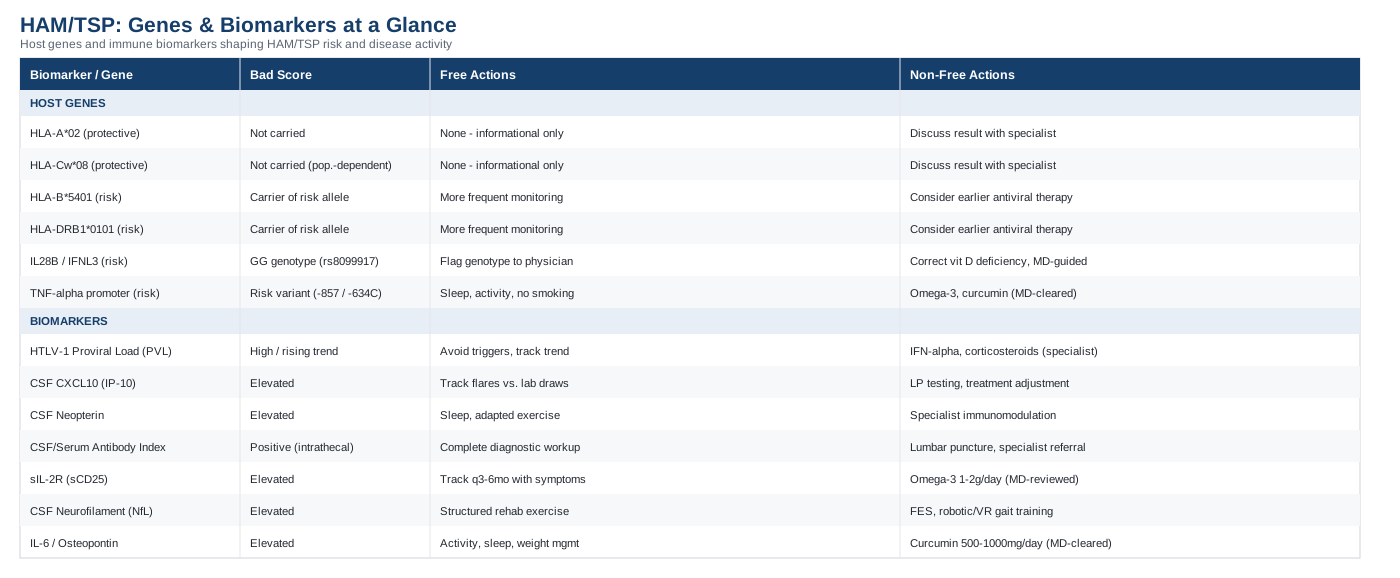
Understanding these markers is the foundation for everything else — the genetics help explain why the disease behaves differently between people, and the biomarkers are what you can actually track over time.
The 7 Biomarkers Worth Tracking in Tropical Spastic Paraparesis
HAM/TSP doesn't have a single diagnostic number the way, say, diabetes has HbA1c. But over the past two decades, HTLV-1 researchers — mostly working out of Japan, Brazil, and the UK's National Centre for Human Retrovirology — have built a reasonably consistent picture of which lab values move with disease activity and which predict a faster or slower course. These aren't tests every neurologist orders reflexively, so part of the value here is knowing what to ask for.
1. HTLV-1 Proviral Load (PVL)
Proviral load measures how much HTLV-1 DNA is integrated into your peripheral blood mononuclear cells (PBMCs) — essentially, how large the infected cell reservoir is. It's the single most studied HAM/TSP biomarker, and it matters because it's not static: a study following 100 HAM/TSP patients found that PVL tracked with disease progression over time, running consistently higher in patients whose disability was actively worsening than in those who were stable Olindo et al., 2005. Asymptomatic carriers tend to run lower PVL than HAM/TSP patients as a group, though there's overlap, which is why it's used alongside other markers rather than alone.
How to measure it
PVL is quantified by real-time PCR on DNA extracted from PBMCs, reported as copies per 100 (or 10,000) PBMCs. It isn't a routine commercial lab test in most countries — it's typically run at specialized HTLV-1 or retrovirology reference centers, sometimes only through a research protocol. Where available as a send-out test, expect a cost in the rough range of $150–$400 per draw, though many patients only get it measured through an academic HTLV-1 clinic or a clinical trial rather than paying out of pocket.
If proviral load is high: the plan without supplements
There is no lifestyle intervention proven to meaningfully lower HTLV-1 proviral load. This is worth saying plainly, because it's tempting to assume "immune-boosting" habits would help — they don't have evidence behind them here, and in a disease driven by an already overactive immune response, indiscriminately "boosting" immunity is not obviously a good idea. What does have a rationale: avoiding known immunosuppressive triggers (unmanaged chronic infections, excess alcohol, smoking) that could allow the infected cell pool to expand unchecked, and keeping up with regular monitoring so a rising trend is caught early rather than found retrospectively.
If proviral load is high: the plan with supplements or equipment
Medically, the interventions that have actually been studied for lowering PVL or clinical activity in HAM/TSP are pharmacological — interferon-alpha, corticosteroids, and in research settings, antiretroviral combinations — and these require specialist supervision, not supplement aisles. On the supportive side, there's no supplement shown to directly reduce PVL. What's reasonable to discuss with your care team is standard anti-inflammatory nutritional support (adequate omega-3 intake, vitamin D sufficiency) as background immune modulation, dosed conservatively (e.g., vitamin D to a lab-confirmed sufficient range rather than high-dose supplementation) and re-checked every 3–6 months, since excess vitamin D and immune-active supplements can have their own side effects (hypercalcemia, GI upset) and theoretical interactions with immunomodulating therapy.
2. CSF CXCL10 (IP-10)
CXCL10 is a chemokine that recruits activated T cells into inflamed tissue, and in HAM/TSP it's measured in the cerebrospinal fluid, where it appears to track disease activity even more tightly than blood PVL. A study comparing "deteriorating" HAM/TSP patients to stable ones found CSF CXCL10 (along with CXCL9 and neopterin) was significantly elevated in the deteriorating group, positioning it as a candidate prognostic marker for disease trajectory and, potentially, for gauging response to treatment Sato et al., 2013.
How to measure it
CXCL10 requires a lumbar puncture to obtain CSF, followed by ELISA-based quantification. This is not a routine outpatient test — it's used mainly in specialist HTLV-1 clinics and research studies. Costs are hard to generalize because the lumbar puncture itself (often $300–$1,000+ depending on setting and imaging guidance) dominates the expense; the CXCL10 assay itself, where available through a research lab, is a comparatively small add-on.
If CXCL10 is elevated: the plan without supplements
Because CXCL10 reflects active T-cell trafficking into the central nervous system, the most direct lever is disease-modifying medical treatment, not lifestyle change. Reasonable non-supplement steps include working with your neurologist to time repeat lumbar punctures around treatment changes (so the number reflects response, not noise), and tracking symptom flares alongside lab draws to build a personal pattern of what precedes a rise.
If CXCL10 is elevated: the plan with supplements or equipment
No supplement has trial evidence for lowering CSF CXCL10 in HAM/TSP specifically. General anti-inflammatory dietary patterns (higher omega-3 intake, limiting ultra-processed food) are reasonable adjuncts with a plausible, if indirect, mechanism, typically framed as daily habits rather than "cycled" supplements. Any supplement with immune-modulating claims should be reviewed with the treating physician first, given the risk of interfering with prescribed immunotherapy.
3. CSF Neopterin
Neopterin is released by activated macrophages and microglia, making it a marker of innate immune activation within the central nervous system rather than the T-cell-specific signal that CXCL10 represents. In the same study referenced above, CSF neopterin was also significantly higher in deteriorating HAM/TSP patients, reinforcing the idea that both arms of the immune response — innate and adaptive — are active during periods of worsening disease Sato et al., 2013.
How to measure it
Neopterin is measured in CSF (and sometimes serum or urine, though CSF is more specific here) via ELISA or HPLC. Like CXCL10, it's obtained through lumbar puncture and is mostly available through specialist or research labs; the assay cost alone, where offered independently, is typically modest (under $100), but it's rarely ordered as a stand-alone test outside research settings.
If neopterin is elevated: the plan without supplements
Since neopterin tracks macrophage/microglial activation, the practical response mirrors CXCL10: work with a specialist on medical management, and use serial measurements (when accessible) to see whether a treatment change is having the intended effect, rather than trying to move the number through home interventions.
If neopterin is elevated: the plan with supplements or equipment
There's no direct supplement fix. Sleep quality and consistent physical activity within tolerance are associated with lower systemic inflammatory tone in general neurology populations, so maintaining a regular sleep schedule and doing whatever seated or supported exercise is appropriate for your mobility level (discussed further in the rehabilitation section below) is a reasonable, low-risk adjunct — not a substitute for addressing the underlying immune activation medically.
4. Anti-HTLV-1 Antibody Titers and the CSF/Serum Antibody Index
Unlike the inflammatory markers above, this one is largely diagnostic rather than a day-to-day tracking tool. HAM/TSP diagnosis requires demonstrating that anti-HTLV-1 antibodies are being produced within the central nervous system itself (intrathecal synthesis), not just passively leaking in from the blood. This is captured by the CSF/serum antibody index, and a 2021 study comparing assay methods (particle agglutination, chemiluminescent immunoassay, chemiluminescent enzyme immunoassay) found that the choice of assay materially affects sensitivity for detecting this intrathecal antibody production, which matters for diagnostic accuracy Kodama et al., 2021.
How to measure it
This requires paired serum and CSF samples (again, via lumbar puncture), tested with a validated HTLV-1 antibody assay, with the index calculated from the ratio of CSF to serum antibody and total protein/albumin. It's typically done once for diagnostic confirmation rather than repeatedly. Cost is dominated by the lumbar puncture; the antibody assay itself is inexpensive relative to it (roughly $50–$150 per sample where billed separately).
If the antibody index is positive: the plan without supplements
Because this marker confirms a diagnosis rather than tracking a modifiable process day to day, the "plan" here isn't about changing the number — it's about making sure the diagnostic workup is complete and using the confirmed diagnosis to access appropriate specialist care, including registries or research studies for HTLV-1-associated disease where available.
If the antibody index is positive: the plan with supplements or equipment
There isn't one, and it would be misleading to invent one. This is one of the clearer examples in HAM/TSP of a lab value that's genuinely useful but not something to try to "optimize" — its value is in getting the diagnosis right so treatment decisions elsewhere on this list are correctly targeted.
5. Soluble IL-2 Receptor (sIL-2R / sCD25)
Soluble IL-2 receptor is shed by activated T cells and reflects overall T-cell activation. A study comparing HAM/TSP patients, asymptomatic HTLV-1 carriers, and controls found plasma sIL-2R was elevated in HAM/TSP with roughly 76% sensitivity for distinguishing it from the other groups, supporting its use as a relatively accessible serologic marker of neurologic disease activity in HTLV-1 infection Toledo-Cornell et al., 2014.
How to measure it
This is a blood draw, and unlike several markers above, sIL-2R is available through standard commercial reference labs (it's used clinically for conditions like lymphoma and sarcoidosis monitoring), typically costing $80–$150 depending on the lab and whether insurance covers it under an appropriate indication.
If sIL-2R is elevated: the plan without supplements
Elevated sIL-2R reflects systemic T-cell activation, so the most direct response is, again, coordinating with a specialist on whether immunomodulatory treatment is appropriate. Tracking it every few months alongside symptoms gives a rough sense of whether overall immune activation is trending up or down.
If sIL-2R is elevated: the plan with supplements or equipment
No supplement reliably lowers sIL-2R in this context. Where patients and physicians choose to add general anti-inflammatory support (omega-3s at doses around 1–2 g EPA/DHA daily, for instance), it should be treated as adjunctive, reassessed with a repeat blood draw at 3 months, and stopped if there's no measurable change or if GI side effects (common with high-dose fish oil) or bleeding risk becomes a concern, particularly if the patient is on other medications affecting coagulation.
6. CSF Neurofilament Light Chain (NfL)
NfL is a structural protein released when neurons and axons are damaged, and it's become one of the more useful general neurology biomarkers over the last decade. In HAM/TSP specifically, both CSF and plasma NfL are elevated and correlate with other inflammatory markers (CXCL10, neopterin) and CSF cell counts and protein — and the signal appears strongest earlier in the disease course, suggesting it may be most informative for catching active neuronal injury before extensive damage accumulates Rosadas et al., 2021.
How to measure it
NfL can be measured in both CSF and blood (plasma), with blood-based ultrasensitive assays (Simoa technology) making it increasingly accessible outside CSF collection. Blood NfL testing through specialty neurology labs typically runs $200–$400 and is becoming more available as it's adopted for multiple sclerosis monitoring, which may make it easier to access for HAM/TSP patients through a general neurologist even without an HTLV-1 specialist.
If NfL is elevated: the plan without supplements
Elevated NfL means active neuronal injury is occurring, which makes it one of the more actionable markers to bring to a treatment conversation — it's a reasonable trigger to discuss whether current management is adequately controlling disease activity. Non-supplement support includes structured physical rehabilitation (discussed in the therapies section) to preserve function in the areas still working, since NfL reflects ongoing damage but doesn't measure functional reserve.
If NfL is elevated: the plan with supplements or equipment
There's no supplement shown to lower NfL in HAM/TSP. Equipment-based approaches have more traction here, though indirectly: a systematic review of nonpharmacological interventions in HAM/TSP found studies supporting functional electrical stimulation, robotic or VR-assisted gait training, and structured exercise programs for maintaining motor function systematic review, 2024. These don't lower NfL itself, but they address the functional consequences of the neuronal injury it reflects — typically used 2–3 sessions per week under physiotherapist supervision, with fatigue and overuse muscle soreness as the main side effects to watch for.
7. CSF Inflammatory Cytokines: IL-6 and Osteopontin
Rounding out the panel, IL-6 and osteopontin both point to the same broader picture: HAM/TSP involves a sustained Th1/Th17-skewed inflammatory network. CSF and blood studies in HAM/TSP patients show elevated IFN-γ, TNF-α, IL-2, and IL-6 compared to carriers and controls, consistent with the Th1-driven neuroinflammation thought to damage the spinal cord Goncalves et al., 2008. Separately, osteopontin — a protein transcriptionally activated by the viral Tax protein — is increased in HAM/TSP patient cells and correlates with both Tax expression and IL-17 (Th17) responses, tying it to a specific, virus-driven inflammatory pathway Sarkis et al., 2013.
How to measure it
Both are measured by ELISA on blood or CSF samples. IL-6 is widely available through standard commercial labs ($50–$100). Osteopontin is less commercially standardized and is mostly run through research labs studying HTLV-1 or autoimmune conditions, so access may depend on being part of a study or an academic HTLV-1 program.
If IL-6/osteopontin are elevated: the plan without supplements
The same principle applies as with the other inflammatory markers: this reflects an active immune process best addressed through medical management. Non-supplement measures with a reasonable evidence base for lowering systemic IL-6 in general populations include regular moderate physical activity adapted to mobility level, adequate sleep, and weight management if relevant, none of which are HAM/TSP-specific but all of which have plausible mechanisms.
If IL-6/osteopontin are elevated: the plan with supplements or equipment
Curcumin and omega-3 fatty acids have general evidence for modestly lowering IL-6 in various inflammatory conditions, though not tested specifically in HAM/TSP. If used, curcumin is typically dosed around 500–1000 mg daily with a bioavailability enhancer (like piperine), taken with food, and reassessed at 8–12 weeks; mild GI upset is the most common side effect, and it can interact with anticoagulants, so it needs to be cleared with the prescribing physician first, particularly for anyone on interferon or corticosteroid therapy.
Genetics doesn't change from month to month the way these markers do, but it helps explain why two people with similar biomarker profiles can still have very different disease courses — which is where the next section picks up.
What Your Genes May Reveal About HAM/TSP Risk
The clearest genetic signal in HAM/TSP research comes from HLA genes — the immune system's "recognition" genes that determine how well T cells detect and control HTLV-1-infected cells. This isn't as widely known outside HTLV-1 research circles as, say, APOE is for Alzheimer's risk, but the evidence is comparably solid, built on cohort studies going back over two decades. There's also a smaller but genuine body of work on cytokine gene polymorphisms and viral epigenetic regulation that helps round out the picture.
1. HLA-A*02 (Protective)
Carrying the HLA-A*02 allele is associated with roughly half the odds of developing HAM/TSP and with a threefold lower HTLV-1 proviral load among carriers, an effect large enough that researchers estimated it prevents about 28% of potential HAM/TSP cases in the study population Jeffery et al., 1999, PNAS. Mechanistically, a later study found HBZ (a key viral protein) peptides bind more strongly to HLA-A*0201, which likely allows a more effective CD8+ T-cell response against infected cells MacNamara et al., 2010. A Brazilian cohort found a similar protective trend, though smaller and not statistically significant in that population, which is a useful reminder that these effect sizes vary somewhat by ethnicity and cohort GIPH cohort, 2009.
What it affects
This gene shapes how efficiently your CD8+ T cells recognize and kill HTLV-1-infected cells, which in turn keeps proviral load lower. Since you don't get to choose your HLA type, this section is informational rather than actionable — it helps interpret why your PVL and biomarker panel might run naturally lower or higher than another patient's, independent of anything you're doing.
2. HLA-Cw*08 (Protective)
HLA-Cw*08 shows a similar protective pattern to HLA-A*02 in the original Jeffery cohort and in the HBZ-binding mechanistic study, with stronger HBZ-peptide binding correlating with better viral control MacNamara et al., 2010. That said, this is one of the alleles where population variability shows up clearly — an Iranian cohort found Cw*08 was actually more frequent among HAM/TSP patients rather than carriers, the opposite direction from the original findings Iranian cohort, 2007. This inconsistency is a genuinely important caveat, not a footnote — it suggests that whatever protective mechanism exists interacts with other genetic or environmental factors that differ between populations.
What it affects
Same general category as HLA-A*02 — antigen presentation efficiency to CD8+ T cells. Given the population-dependent findings, this is best treated as a "possible contributing factor" rather than a reliable predictor on its own, especially outside the Japanese cohorts where it was first characterized.
3. HLA-B*5401 (Risk)
This is the clearest risk allele identified so far. Carriers show higher proviral load and increased HAM/TSP susceptibility, accounting for an estimated 17% of cases in the original cohort, and the effect appears to act at least partly independent of viral load itself Jeffery et al., 2000. The mechanistic follow-up found HBZ peptides bind this allele markedly more weakly than the protective alleles, offering a plausible explanation: weaker antigen presentation means less effective viral control MacNamara et al., 2010.
If you carry this variant: the plan without supplements
You can't change your HLA type, but knowing you carry a risk allele is a reasonable argument for closer biomarker monitoring — checking PVL and inflammatory markers on a more proactive schedule (e.g., every 6 months rather than annually) rather than waiting for symptoms to change, so that any acceleration in disease activity is caught early and discussed with a specialist promptly.
If you carry this variant: the plan with supplements or equipment
There's no supplement or device that compensates for reduced HLA-mediated viral control — this isn't a pathway that responds to over-the-counter intervention. The most defensible use of this information is deciding, with a specialist, whether more proactive antiviral or immunomodulatory management makes sense given the added genetic risk, rather than trying to self-manage it.
4. HLA-DRB1*0101 (Risk)
HLA-DRB1*0101 (part of the HLA class II system, which presents antigens to CD4+ helper T cells rather than CD8+ killer T cells) was identified as a susceptibility allele in the same cohort that established the A*02/Cw*08 protective effect Jeffery et al., 1999, and an Iranian study found a strong association (odds ratio 9.4) between DRB1*01 and HAM/TSP compared to asymptomatic carriers Iranian cohort, 2007.
If you carry this variant: the plan without supplements
As with HLA-B*5401, this is a fixed inherited trait. The practical response is the same: treat it as a reason to stay on top of monitoring rather than something to try to modify directly.
If you carry this variant: the plan with supplements or equipment
No intervention changes HLA-mediated antigen presentation. What's worth discussing with a specialist is whether the combination of this allele with other risk markers (elevated PVL, high CXCL10) shifts the risk-benefit calculation toward earlier or more aggressive treatment.
5. IL28B / IFNL3 (rs8099917, Risk)
IL28B (now often called IFNL3) encodes a type III interferon involved in antiviral defense, and it's better known for predicting response to interferon-based hepatitis C treatment. In HTLV-1 infection, the rs8099917 GG genotype was independently associated with HAM/TSP, with a substantial multivariate odds ratio of 7.61 after adjusting for age, sex, and proviral load Assone et al., 2014. This is a newer and smaller body of evidence than the HLA findings, so it should be treated as promising rather than definitive.
If you carry the GG genotype: the plan without supplements
Because IL28B affects interferon signaling and interferon-alpha is an actual treatment used in HAM/TSP, this genotype is worth explicitly mentioning to your treating physician — it may be relevant to how you respond to interferon-based therapy, which is a medical decision rather than a lifestyle one.
If you carry the GG genotype: the plan with supplements or equipment
Vitamin D has a documented interaction with interferon-pathway signaling in other viral disease contexts, which makes correcting a vitamin D deficiency (if present on a blood test) a reasonable, low-risk step — typically 1,000–2,000 IU daily for maintenance or higher short-term repletion doses under medical guidance, rechecked at 3 months, with toxicity risk being the main concern at sustained high doses. This is general supportive care, not a targeted fix for the IL28B variant itself.
6. TNF-alpha Promoter Polymorphism (Risk)
A study of tumor necrosis factor (TNF) and related gene polymorphisms found a significant difference at the TNF promoter position -857 between HAM patients and controls, along with signals at the TNF receptor 2 gene region, suggesting this pathway contributes to HAM susceptibility Nishimura et al., 2000. A separate Brazilian study found a related cytokine signal at the IL-6 promoter (-634C), independently associated with HAM/TSP risk (odds ratio 5.31) Gadelha et al., 2008 — both point toward inherited variation in baseline inflammatory tone as a contributing risk factor.
If you carry a risk variant: the plan without supplements
These variants suggest a genetically higher baseline inflammatory tendency, which makes general anti-inflammatory habits — regular sleep, adapted physical activity, and avoiding known inflammatory triggers like smoking — more relevant, even though none of these were tested specifically in people with this genotype.
If you carry a risk variant: the plan with supplements or equipment
Omega-3 fatty acids (roughly 1–2 g EPA/DHA daily) and, with physician approval, curcumin have general evidence for modulating TNF-alpha and IL-6 activity in other inflammatory conditions. These should be reassessed every 2–3 months via a follow-up inflammatory panel, cycled off if no benefit is seen, and cleared with the treating physician first given potential interactions with corticosteroids or interferon therapy — the main side effects being GI upset and, for high-dose fish oil, increased bleeding risk.
Genetics and lab values tell you what's happening biologically, but understanding why the immune system behaves this way in the first place — and why it's so hard to simply "turn down" — is where a closer look at T-cell immunology helps.
What "Immune" Reveals About Living With a T-Cell-Driven Disease
Philipp Dettmer's book Immune: A Journey Into the Mysterious System That Keeps You Alive isn't written about HAM/TSP, or even about HTLV-1. It's a broad, heavily-cited tour of how the immune system works. But HAM/TSP is fundamentally a T-cell disease — the spinal cord damage is largely collateral damage from an immune system that can't fully clear HTLV-1 and instead keeps fighting a low-grade, permanent battle inside the central nervous system. Understanding how that battle actually works, mechanistically, changes how the biomarkers above make sense. Here are ten of the book's central ideas most relevant to that picture.
1. Killer T Cells Are Precise, but Their Precision Has a Cost
CD8+ T cells (killer T cells) destroy infected cells one at a time, based on recognizing viral fragments displayed by HLA molecules — exactly the mechanism behind the HLA-A*02 and HLA-B*5401 findings above. The book frames this as the immune system's most surgical tool, but surgery performed constantly, for years, in the same tissue, causes damage even when it's working as intended.
2. Chronic Infections Push T Cells Toward Exhaustion
When T cells face an infection they can't clear, they don't stay at full strength indefinitely — they gradually become "exhausted," a distinct functional state with reduced killing capacity. This helps explain why HTLV-1 persists for life in nearly everyone infected: the immune system never wins outright, and in HAM/TSP, the fight simply relocates partly into the spinal cord.
3. Cytokines Are Signals, Not Just Damage Markers
IL-6, TNF-alpha, and interferons are usually described to patients as "inflammation markers," but the book's framing is more useful: they're the immune system's messaging network, coordinating which cells show up where. Elevated CXCL10 in HAM/TSP CSF isn't incidental tissue damage — it's the literal chemical signal recruiting more T cells into the spinal cord.
4. The Immune System Doesn't Have an "Off Switch" for Chronic Viruses
Once a virus like HTLV-1 integrates into the host genome, the immune system's usual playbook — detect, kill, resolve — doesn't have a clean ending. This is a useful mental model for why "boosting immunity" isn't the right goal in HAM/TSP; the immune system is already fully engaged, arguably too much so.
5. Regulatory T Cells Exist to Prevent Self-Damage — and Can Be Outnumbered
Regulatory T cells normally restrain immune responses to prevent autoimmune-style collateral damage. In chronic viral infections with a large, persistent antigen load, this restraint system can be overwhelmed, which maps onto why HAM/TSP inflammation becomes self-sustaining rather than self-limiting.
6. Antigen Presentation Quality Determines Everything Downstream
The book spends considerable time on how HLA molecules "present" pathogen fragments, because this single step determines whether the adaptive immune system mounts an effective response at all. This is precisely the mechanism behind the HBZ-HLA binding differences that separate protective from risk-associated HLA alleles in HAM/TSP.
7. Inflammation in One Tissue Reflects a Body-Wide Conversation
Immune signaling isn't compartmentalized the way symptoms are. Elevated peripheral blood markers (sIL-2R, IL-6) and elevated CSF markers (CXCL10, neopterin) in HAM/TSP are part of the same conversation, just sampled from different rooms — which is part of why tracking both blood and CSF markers gives a more complete picture than either alone.
8. The Immune System Ages, and That Changes the Calculus
Immune competence generally declines with age, affecting how well any given person's T cells can keep a chronic infection in check. This is a plausible contributor to why HAM/TSP more often becomes symptomatic in mid-life rather than immediately after infection, even though the infection itself may be decades old.
9. Fever and Inflammation Are Tools, Not Just Symptoms
The book reframes inflammatory responses as deliberate tools rather than malfunctions — which is a useful lens for interpreting a "bad" biomarker. An elevated CXCL10 isn't the disease malfunctioning; it's the immune system doing exactly what it's built to do, just in a context (a chronic, uneradicated infection) where that response causes lasting harm.
10. There Is No Universal Immune "Reset"
Perhaps the most important takeaway for anyone tempted by immune-boosting supplements: there's no legitimate mechanism to broadly "reset" or "supercharge" the immune system in a targeted, safe way. Real immunomodulation — the kind used in HAM/TSP treatment — is precise, drug-based, and monitored, which is exactly why the biomarker tracking above matters more than a supplement regimen.
That immunological picture also explains why physical and mind-body approaches for HAM/TSP tend to focus on managing consequences — spasticity, bladder dysfunction, fatigue — rather than the underlying viral-immune process itself.
Complementary Approaches Worth Discussing With Your Care Team
It's worth being direct about the evidence base here: a dedicated systematic review of nonpharmacological interventions in HAM/TSP found studies on exercise, physiotherapy, respiratory muscle training, and electrotherapy — but none of the mind-body approaches below have been studied in HAM/TSP patients specifically systematic review, 2024. What follows is evidence from spinal cord injury and multiple sclerosis, conditions that share HAM/TSP's core symptoms of spasticity and neurogenic bladder dysfunction, extrapolated with that limitation clearly in mind.
Yoga
Yoga combines postural work, controlled breathing, and gentle strengthening, which is relevant to HAM/TSP because spasticity, balance, and posture are among its most disabling features. Adapted forms (seated or supported postures) don't require full mobility, which matters for a progressive myelopathy.
A case report of a person with incomplete cervical spinal cord injury who completed 12 weeks of Hatha yoga showed improvements in balance, endurance, flexibility, posture, and strength, though no change in walking speed or overall quality of life case report, 2016. A broader systematic review of yoga, Ayurveda, and acupuncture in spinal cord injury also concluded yoga was safe and supportive, improving depression, stress, and quality of life across included studies systematic review, 2023.
Realistically, this means adapted, seated, or supported yoga two to three times a week, led by an instructor experienced with neurological mobility limitations, with a focus on flexibility and trunk control rather than advanced postures. Expect modest functional gains at best, not disease modification, and stop or modify any pose that increases spasticity or causes pain.
Tai Chi
Tai chi's slow, weight-shifting movements target balance and proprioception, both commonly impaired in HAM/TSP due to spinal cord involvement of sensory and motor pathways. It's low-impact enough to be adapted for reduced lower-limb strength.
A systematic review of ten studies in multiple sclerosis found tai chi improved quality of life and functional balance, though the authors noted the studies were methodologically limited (small sample sizes, inconsistent protocols) systematic review, 2017.
For someone with HAM/TSP, this would mean a modified, chair- or rail-supported tai chi practice two to three times weekly, ideally under supervision initially to ensure safety given impaired balance. Side effects are minimal, but falls risk should be assessed before starting an unsupervised practice.
Qigong
Qigong overlaps with tai chi in its slow, breath-coordinated movement but tends to be gentler and more accessible for people with more significant mobility limitations, which fits later-stage HAM/TSP where standing balance may be compromised.
A feasibility randomized trial in multiple sclerosis (20 participants, 10 weeks of community-based qigong versus a wait-list) found the intervention was feasible, with 60% retention and trends toward improved mental health, quality of life, and reduced fatigue and depression feasibility RCT, 2021.
Given the small trial size, this is best framed as a low-risk option for fatigue and mood support rather than a mobility intervention — two sessions a week, seated or standing with support as needed, with no notable side effects reported.
Biofeedback for Neurogenic Bladder
Neurogenic bladder dysfunction is one of the most common and quality-of-life-limiting features of HAM/TSP, arising from the same spinal cord pathways affected by the disease. Biofeedback-assisted pelvic floor training is a well-established approach for neurogenic bladder in other spinal cord conditions, making it the most directly relevant complementary approach on this list.
A randomized trial of 120 spinal cord injury patients compared bladder training plus pelvic-floor biofeedback with electrical stimulation against conventional treatment, finding a higher response rate (82% versus 62%), improved voiding frequency and capacity, reduced residual urine, and better quality of life in the biofeedback group RCT, 2024. A HAM/TSP-specific physiotherapy review also flagged biofeedback as a proposed (though not yet trial-tested in HAM/TSP) approach for urinary dysfunction review, 2015.
This is worth raising specifically with a urologist or pelvic floor physiotherapist if bladder symptoms are present — typically delivered as a structured clinical program (not a home gadget) over several weeks, with minimal side effects beyond initial treatment discomfort.
Massage Therapy
Massage is commonly used for muscle tension, pain, and fatigue in neurological conditions, all of which are relevant to HAM/TSP's symptom burden, even without direct evidence that it changes spasticity itself.
A pilot study in multiple sclerosis (weekly massage for six weeks) found significant improvements in fatigue and pain, though spasticity measured by the Modified Ashworth Scale didn't significantly change pilot study, 2017. A separate pilot trial in acute spinal cord injury rehabilitation found both light-touch and compression massage were safe, with mixed effects on pain pilot RCT, 2013.
Realistically, this is a reasonable option for fatigue and comfort, delivered weekly or biweekly by a therapist familiar with neurological conditions, avoiding deep pressure over areas of reduced sensation (common in myelopathy) to prevent unnoticed tissue injury.
Turning Numbers Into a Plan
The takeaway here isn't that any single biomarker or gene explains HAM/TSP, or that any supplement changes its course — none of the evidence supports that, and claiming otherwise would do more harm than good. What the evidence does support is that HAM/TSP has measurable, trackable dimensions: a proviral load and a set of CSF and blood markers that move with disease activity, a handful of HLA and cytokine genes that help explain individual variation in risk and severity, and a small set of complementary approaches with genuine, if extrapolated, support for managing specific symptoms like spasticity and bladder dysfunction.
None of this is a substitute for care from a neurologist or HTLV-1 specialist, and several of the most informative markers (CSF CXCL10, neopterin, the antibody index) require a lumbar puncture and access to a specialized center, which isn't realistic for everyone. But even partial access to this information — a proviral load trend, an sIL-2R level, knowledge of your HLA status if it's ever been tested — turns a vague diagnosis into a specific, trackable condition. The most useful next step is a practical one: bring this list to your next appointment, ask which of these markers are feasible to obtain given your access to care, and use them to build a monitoring rhythm with your physician rather than guessing at what "doing better" looks like.