This article contains AI generated content.
· UpdatedTurner Syndrome Genes and Biomarkers — 6 Genes and 7 Biomarkers to Track
Introduction
Living with Turner syndrome means navigating a health landscape where standard guidance consistently falls short. This is a condition that touches nearly every organ system — heart, bones, thyroid, liver, metabolism — yet many women receive care that is fragmented by specialty, leaving them to assemble the bigger picture themselves. The frustration of being told "everything looks normal" while experiencing fatigue, weight changes, or mood difficulties is a recurring theme, and it often points to monitoring that is simply not granular enough.
The core problem is that recommendations designed for the general female population do not map cleanly onto Turner syndrome physiology. Cardiovascular screening thresholds, hormone level targets, and bone density benchmarks need to be calibrated differently when one X chromosome is missing or structurally altered. A routine lipid check, a basic thyroid panel, or a standard blood pressure reading tells only a fragment of the story when the underlying biology operates under different constraints.
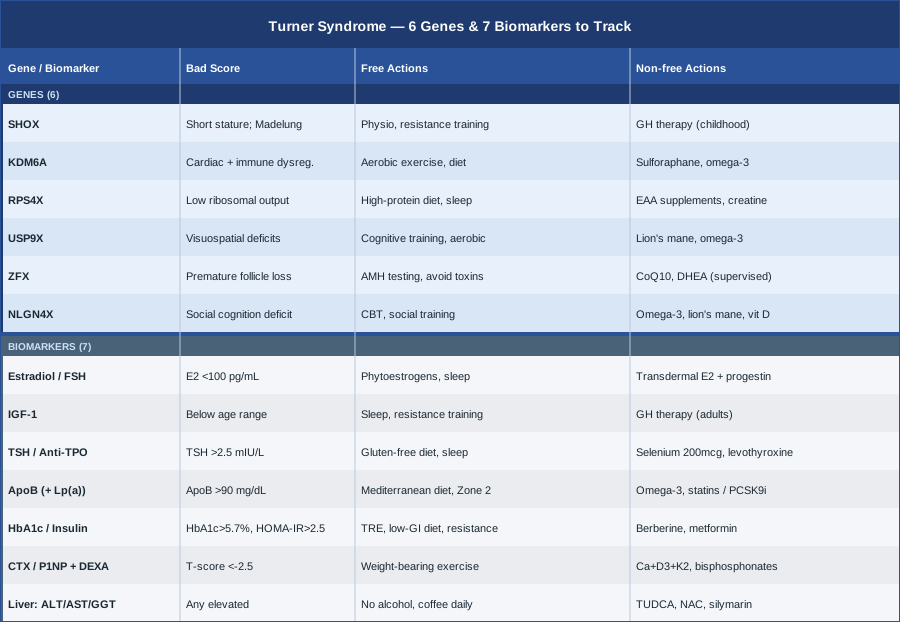
This article takes a more precise approach. The primary focus is on seven specific biomarkers that serve as early-warning signals for Turner syndrome's most serious long-term complications — chosen because they are measurable, actionable, and often under-monitored. A second section examines six key genes whose haploinsufficiency explains why these vulnerabilities exist, with practical plans for each. Additional sections draw on insights from longevity medicine and evidence-informed complementary modalities.
The goal here is not to replace a knowledgeable endocrinologist, cardiologist, or geneticist — it is to give you the information needed to walk into those appointments better prepared. Sharper questions, clearer priorities, and a more complete picture of your own biology lead to better decisions. That is the kind of grounded hope this article aims to deliver.
7 Biomarkers to Track in Turner Syndrome
In Turner syndrome, the stakes of inadequate monitoring are unusually high. Aortic dissection, osteoporosis, liver disease, and metabolic syndrome are not rare outliers — they are known complications that appear at meaningfully elevated rates throughout the lifespan. The good news is that each of these risks has measurable early signals. Tracking the right biomarkers gives you and your medical team the information needed to intervene well before problems become irreversible.
1. Estradiol and FSH: The Hormonal Foundation
Why it matters: Ovarian failure — or primary ovarian insufficiency — affects more than 90% of women with Turner syndrome. Without adequate estrogen from adolescence onward, the downstream consequences are substantial: accelerated bone loss, elevated cardiovascular risk, compromised cognitive function, and reduced quality of life. The consequences of inadequate hormone replacement accumulate over decades, which makes accurate monitoring essential rather than optional.
What it reveals: Serum estradiol (E2) reflects current estrogenic status. If you are on hormone replacement therapy, tracking E2 confirms that the dose is achieving therapeutic serum levels rather than simply crossing a nominal threshold on paper. FSH, which rises sharply in the absence of functioning ovarian tissue, confirms the degree of ovarian insufficiency and helps guide treatment decisions. For women with mosaic Turner syndrome who retain some ovarian function, these markers detect changes over time and help time fertility preservation decisions.
How to measure it: Both are standard serum blood tests, typically ordered together. Cost ranges from $30 to $80 depending on the setting. Testing in the morning and at a consistent point relative to any cycle (or consistently in the absence of a cycle) improves reliability. Target estradiol levels for premenopausal HRT are generally in the 100–200 pg/mL range, though this should be individualized with a physician experienced in Turner syndrome.
If the score is low — the plan without supplements: Dietary phytoestrogens — flaxseed, soy in moderate amounts, legumes — have modest estrogenic activity but cannot meaningfully substitute for adequate hormone replacement in Turner syndrome. Prioritizing sleep quality and stress reduction supports the broader hormonal environment. These measures are complementary and supportive, not primary.
If the score is low — the plan with HRT: Transdermal estradiol is preferred over oral forms for cardiovascular safety — bypassing first-pass hepatic metabolism lowers the risk of venous thromboembolism and avoids unfavorable effects on C-reactive protein and hepatic clotting factors. Progestin is added if the uterus is present. Doses should be titrated to therapeutic serum levels, not simply to the lowest tolerated dose. The 2017 international consensus guidelines by Gravholt et al. provide detailed, evidence-based HRT recommendations for Turner syndrome across the lifespan.
2. IGF-1: The Growth Hormone Axis Marker
Why it matters: Growth hormone therapy is a cornerstone of Turner syndrome management in childhood. But IGF-1 — the primary downstream mediator of GH action — remains important well beyond childhood. In adults with Turner syndrome, IGF-1 levels reflect overall GH axis function and influence muscle mass, bone density, metabolic health, and cardiovascular parameters. Monitoring IGF-1 ensures that the GH axis is functioning at a level consistent with healthy aging, and that any GH therapy in adulthood is dosed safely.
What it reveals: IGF-1 that is persistently below the age-adjusted reference range suggests suboptimal GH axis activity. This matters in Turner syndrome because low GH output correlates with worse body composition — greater relative visceral adiposity, lower lean mass — and with greater metabolic vulnerability over time. In adults who received childhood GH therapy, IGF-1 monitoring also informs whether continued or restarted adult dosing is appropriate.
How to measure it: A single fasting serum sample is sufficient. Cost is approximately $50 to $150 depending on the laboratory and insurance coverage. Results must be interpreted against age- and sex-matched reference ranges, as IGF-1 declines with age in the general population. Some endocrinologists recommend annual measurement in adults with Turner syndrome, particularly those on GH therapy.
If the score is low — the plan without supplements: Sleep is the primary natural driver of GH secretion — most GH pulses occur during the first hours of deep, slow-wave sleep. Prioritizing 7–9 hours of quality sleep, avoiding late evening caloric intake, and incorporating resistance training three to four times per week each support endogenous GH pulsatility. Protein intake at the upper range of evidence-based recommendations (1.6–2.2g/kg/day) provides the substrate for IGF-1-mediated tissue anabolism.
If the score is low — the plan with supplements or treatment: GH replacement therapy in adults with Turner syndrome is an area of active clinical discussion, with some endocrinologists prescribing it when IGF-1 is persistently low and clinical features justify it. GH secretagogue peptides (such as ipamorelin) are discussed in longevity medicine circles but lack robust clinical trial data in Turner syndrome and should only be considered under direct specialist supervision. Zinc at 15–25mg/day with meals can be supplemented when serum zinc is confirmed low, as zinc is a cofactor in IGF-1 receptor signaling.
3. TSH and Anti-TPO Antibodies: Catching Autoimmune Thyroid Disease Early
Why it matters: Autoimmune thyroid disease — primarily Hashimoto's thyroiditis — affects between 15% and 30% of women with Turner syndrome, a substantially higher prevalence than the general female population. Subclinical hypothyroidism can develop gradually over years and is easy to overlook without routine screening. In Turner syndrome, the consequences of untreated hypothyroidism compound existing cardiovascular, metabolic, bone, and cognitive risks in particularly significant ways.
What it reveals: TSH is the most sensitive marker for thyroid function status. A persistently elevated TSH, even within the high-normal range, warrants clinical attention. Anti-TPO antibodies indicate active autoimmune attack on thyroid tissue — their presence predicts future hypothyroidism risk even when TSH is still normal. Checking both simultaneously gives a more complete picture of thyroid health trajectory and allows earlier intervention.
How to measure it: Both are standard serum blood tests. TSH costs approximately $20–50; Anti-TPO antibodies add another $40–80. Annual thyroid screening is recommended across Turner syndrome consensus guidelines. A morning blood draw before eating is ideal for TSH measurement consistency.
If the score is abnormal — the plan without supplements: A low-gluten or gluten-free diet has evidence for reducing Anti-TPO antibody levels in Hashimoto's, particularly in those with coexisting celiac risk — which is itself elevated in Turner syndrome. Avoiding iodine excess (high-dose iodine supplements, very high-iodine seaweed) matters in autoimmune thyroid disease. Stress reduction and adequate sleep support immune regulation in ways that benefit the thyroid.
If the score is abnormal — the plan with supplements or medication: Selenium supplementation at 200mcg/day has the strongest nutritional evidence for reducing Anti-TPO antibody titers. A meta-analysis by Toulis et al. confirmed that selenium significantly reduces Anti-TPO levels in Hashimoto's thyroiditis. Selenomethionine or selenium yeast forms are preferred over selenite. Vitamin D deficiency, common in Turner syndrome, correlates with worse autoimmune thyroid markers and should be corrected to achieve serum levels of 40–60 ng/mL. If TSH is consistently above 2.5–3.0 mIU/L alongside symptoms, levothyroxine replacement is appropriate, safe, and well-established.
4. ApoB and the Lipid Panel: The True Cardiovascular Risk Signal
Why it matters: Cardiovascular disease is the leading cause of mortality in Turner syndrome. Structural heart defects — bicuspid aortic valve, coarctation of the aorta — account for some of this risk, but the atherogenic lipid environment contributes equally to long-term outcomes. Women with Turner syndrome tend toward a lipid profile that includes higher LDL-C, lower HDL-C, and elevated triglycerides — a pattern that accelerates atherosclerotic plaque development independent of structural cardiac issues.
What it reveals: ApoB (apolipoprotein B) is the structural protein carried on every atherogenic lipoprotein particle — LDL, VLDL, IDL, and Lp(a). Unlike LDL-C, which can appear deceptively normal in certain lipid patterns (particularly in small, dense LDL phenotypes), ApoB reflects the total particle burden capable of embedding in arterial walls. Cardiologists Thomas Dayspring and Allan Sniderman have long argued — and guidelines increasingly reflect — that ApoB is the superior cardiovascular risk marker. Lp(a) should also be checked at least once, as it is largely genetically determined, responds poorly to standard lipid-lowering therapies, and independently elevates aortic risk — especially relevant given Turner syndrome's existing aortic vulnerability.
How to measure it: ApoB is a standard serum test costing approximately $20–50. A full cardiovascular risk panel including ApoB, Lp(a), and a standard lipid panel runs $100–200 depending on the setting. Fasting for 10–12 hours before a complete panel is recommended. Annual or biannual measurement is reasonable given the baseline cardiovascular risk in Turner syndrome.
If the score is high — the plan without supplements: A Mediterranean dietary pattern consistently reduces LDL-C and ApoB while improving HDL function — this is one of the most replicated dietary findings in cardiovascular medicine. Zone 2 aerobic exercise (150–200 minutes weekly at a conversational pace) meaningfully improves lipid metabolism and reduces visceral adiposity. Reducing refined carbohydrates and added sugars lowers triglycerides and improves the overall atherogenic lipid profile.
If the score is high — the plan with supplements or medication: Omega-3 fatty acids at 2–4g/day of combined EPA+DHA reduce triglycerides substantially and have anti-inflammatory effects on the arterial wall. Berberine at 500mg two to three times daily with meals has LDL-lowering effects in multiple trials. If ApoB remains elevated despite sustained lifestyle optimization, statins or newer agents (PCSK9 inhibitors, bempedoic acid, inclisiran) are appropriate — the baseline cardiovascular risk in Turner syndrome justifies a lower threshold for initiating lipid-lowering therapy than in the general population.
5. HbA1c and Fasting Insulin: Tracking Metabolic Drift
Why it matters: Women with Turner syndrome face a two- to fourfold higher risk of type 2 diabetes compared to the general female population. The causes are multifactorial: GH therapy during childhood can induce insulin resistance, body composition in Turner syndrome trends toward greater relative visceral adiposity, and estrogen deficiency itself impairs insulin sensitivity. Catching metabolic dysfunction early — well before HbA1c reaches diagnostic thresholds — opens the window when reversal is most achievable.
What it reveals: HbA1c reflects average blood glucose over approximately three months. Fasting insulin, combined with fasting glucose, allows calculation of HOMA-IR — a practical, inexpensive measure of insulin resistance. A HOMA-IR above 2.5 suggests meaningful insulin resistance even when HbA1c remains normal. This combination captures the metabolic drift that routine glucose checks consistently miss.
How to measure it: HbA1c costs $20–50. Fasting insulin is $30–60 and requires at least 8 hours of fasting. HOMA-IR is calculated as: (fasting glucose in mg/dL × fasting insulin in μIU/mL) ÷ 405. Annual screening is appropriate in Turner syndrome, with more frequent monitoring if results trend upward or if there are additional metabolic risk factors.
If the score is high — the plan without supplements: Time-restricted eating within an 8–10 hour daily window reduces overall insulin secretion and improves insulin sensitivity in multiple clinical trials. Low-glycemic or low-carbohydrate dietary patterns meaningfully reduce HbA1c in prediabetes and early metabolic dysfunction. Resistance training is particularly impactful — it increases GLUT4 transporter expression in muscle tissue, enhancing glucose uptake independent of insulin signaling.
If the score is high — the plan with supplements or medication: Berberine at 500mg three times daily with meals activates AMPK — the same cellular pathway as metformin — with multiple trials showing HbA1c reductions of 0.5–1% in early-stage metabolic dysfunction. Magnesium glycinate at 300–400mg/day supports insulin receptor signaling; magnesium deficiency is strongly associated with insulin resistance. Myo-inositol at 4g/day has evidence in insulin-resistant states including polycystic ovary syndrome-adjacent conditions. If HbA1c exceeds 5.7% persistently alongside other risk factors, metformin is a safe and appropriate prescription option that also has hepatic benefits relevant to Turner syndrome.
6. Bone Turnover Markers and DEXA: Protecting the Skeleton
Why it matters: Skeletal fragility is one of the most serious long-term complications of Turner syndrome. Estrogen deficiency from early adolescence — or before — means that bone accumulation during the critical developmental window is compromised, and continued deficiency thereafter accelerates ongoing bone loss. Women with Turner syndrome have significantly lower bone mineral density than age-matched controls, and fracture rates are substantially elevated. This is a silent process — bone loss produces no symptoms until a fracture occurs.
What it reveals: DEXA scans quantify bone mineral density at the spine and hip, expressed as Z-scores (compared to age-matched peers) and T-scores (compared to peak bone mass). Bone turnover markers — specifically CTX (cross-linked C-telopeptide, a bone resorption marker) and P1NP (procollagen type 1 N-terminal propeptide, a bone formation marker) — give dynamic, real-time information about whether bone is currently being lost or built. Elevated CTX with low P1NP indicates active resorption without adequate new bone formation — a pattern that requires intervention.
How to measure it: DEXA scans cost $100–300 depending on setting and insurance. CTX and P1NP are each approximately $50–100. CTX is highly sensitive to recent eating and physical activity — blood must be drawn fasting in the morning, ideally without preceding exercise, for accurate results. In Turner syndrome, bone density assessment should begin in adolescence and be repeated every 2–3 years throughout adulthood.
If the score is low — the plan without supplements: Weight-bearing exercise — particularly resistance training — is the most potent non-pharmacological bone-building stimulus available. Standing and jumping exercises stimulate osteoblast activity more effectively than cycling or swimming. Eliminating alcohol and avoiding smoking are essential, as both suppress osteoblast function and accelerate bone turnover.
If the score is low — the plan with supplements or medication: Calcium 1000–1200mg/day (preferably from food sources, supplemented when diet is insufficient) and vitamin D3 at 2000–5000 IU/day — targeting serum 25-OH-D between 40–60 ng/mL — are foundational. Vitamin K2 in the MK-7 form at 100–200mcg/day directs calcium into bone rather than soft tissue by supporting carboxylation of osteocalcin. Magnesium at 300–400mg/day is a cofactor in bone mineralization. For clinically significant osteoporosis (T-score below −2.5), bisphosphonates or denosumab are effective prescription options with a strong evidence base.
7. Liver Enzymes (ALT, AST, GGT, ALP): An Underrecognized Signal
Why it matters: Elevated liver enzymes affect a substantial proportion of women with Turner syndrome — estimates range from 40% to 80% experiencing abnormal values at some point in their lives. The causes are distinct from those in the general population: congenital venous abnormalities causing portal hypertension, hepatic fibrosis, and a higher rate of non-alcoholic fatty liver disease (NAFLD) driven by insulin resistance and body composition changes. This dimension of Turner syndrome is frequently overlooked in routine care, yet it has meaningful long-term consequences.
What it reveals: ALT and AST reflect hepatocellular injury. GGT is a sensitive marker of oxidative stress and metabolic liver disease. ALP can reflect biliary involvement or, in younger women, bone turnover (distinguishable by fractionation if needed). A pattern of elevated GGT with mildly elevated ALT in Turner syndrome often suggests early metabolic liver disease rather than structural pathology — but persistent elevation warrants hepatic ultrasound or fibroscan to rule out portal hypertension or fibrosis.
How to measure it: Liver enzymes are included in any standard comprehensive metabolic panel (CMP), costing approximately $20–50. No special preparation is required beyond standard fasting. Annual measurement is appropriate in Turner syndrome, with imaging referral if values remain persistently elevated.
If the score is high — the plan without supplements: Completely eliminating alcohol is the most important step — even modest consumption is hepatotoxic in the context of existing liver vulnerability in Turner syndrome. A Mediterranean dietary pattern reduces hepatic fat accumulation. Regular coffee consumption — two to three cups daily — has robust and replicated hepatoprotective evidence, reducing liver enzyme levels and slowing progression to fibrosis in NAFLD. Regular aerobic exercise reduces hepatic steatosis independently of weight change.
If the score is high — the plan with supplements: TUDCA (tauroursodeoxycholic acid) at 500mg/day has evidence for supporting hepatocellular integrity and reducing liver enzyme levels in metabolic liver disease. N-acetylcysteine (NAC) at 600mg twice daily supports glutathione production and reduces hepatic oxidative stress. Silymarin (milk thistle extract) at 400–600mg/day has a long safety and evidence record for hepatoprotection, with modest but consistent effects in NAFLD. If liver enzymes remain persistently elevated despite lifestyle measures and targeted supplementation, referral to a hepatologist experienced with Turner syndrome — who will recognize the specific structural and venous etiologies — is appropriate.
With these seven biomarkers tracked regularly, you have a comprehensive early-warning system for the most common and serious complications in Turner syndrome. The genetics section below explains the biological basis of why these specific vulnerabilities exist.
6 Genes That Shape Turner Syndrome: What They Mean and What to Do
Turner syndrome is fundamentally a chromosomal condition, but the specific phenotype any individual experiences depends substantially on which genes from the second X chromosome are absent. Many of the features of Turner syndrome — short stature, cardiac defects, thyroid autoimmunity, neurological differences — can be traced to the haploinsufficiency of specific X-linked genes that escape normal X inactivation. Understanding these genes shifts the conversation from "this is just how it is" to "here is why, and here is what can be done about it."
Gene 1: SHOX — The Short Stature Driver
What it is: The Short Stature Homeobox gene (SHOX), located at Xp22.3 in the pseudoautosomal region, encodes a transcription factor that is critical for skeletal growth plate function and long bone development. In typical females, both X chromosomes contribute a SHOX copy. In Turner syndrome, having only one functional copy — haploinsufficiency — directly impairs growth velocity, contributes most of the height deficit, and causes structural skeletal features including Madelung deformity of the wrist.
What it affects: Growth velocity, final adult height, limb proportions, and skeletal architecture. SHOX haploinsufficiency is also the mechanism by which growth hormone therapy achieves its height gains — GH amplifies growth plate activity through the IGF-1 pathway in a way that partially compensates for reduced SHOX signaling.
If the gene is bad — the plan without supplements: Growth hormone therapy must begin early in childhood; once growth plates fuse, height gains are no longer achievable. For adults, the management shifts to the skeletal sequelae — physical therapy for symptomatic Madelung deformity, posture work, and resistance training that optimizes bone architecture within existing skeletal geometry.
If the gene is bad — the plan with treatment: Recombinant human GH therapy at 0.05–0.07mg/kg/day is the established treatment, ideally started before age 4–6 for maximum effect. IGF-1 monitoring guides safe dosing and prevents excess. Adequate zinc, vitamin D, and protein intake optimize the biological scaffold on which GH therapy works. Orthopedic evaluation for significant Madelung deformity is appropriate when functionally limiting.
Gene 2: KDM6A (UTX) — The Epigenetic Regulator
What it is: KDM6A, also known as UTX (Ubiquitously Transcribed Tetratricopeptide Repeat X Chromosome), is a histone H3 lysine 27 (H3K27) demethylase located at Xp11.3. This gene escapes X inactivation, meaning both X chromosomes normally express it. In Turner syndrome, reduced KDM6A activity impairs the chromatin remodeling programs that coordinate gene expression during embryonic development and ongoing tissue maintenance.
What it affects: KDM6A plays documented roles in cardiac development — its deficiency correlates with congenital heart defects — as well as neurological development and immune regulation. Its effects are mediated through epigenetic marks that can, in principle, be influenced by lifestyle factors known to modify histone methylation patterns.
If the gene is bad — the plan without supplements: Aerobic exercise has documented effects on histone modifications, including H3K27 methylation patterns, across multiple tissue types. A Mediterranean, anti-inflammatory dietary pattern supports the regulatory epigenetic environment. Minimizing alcohol and ultra-processed food consumption reduces epigenetic disruption through complementary oxidative stress pathways.
If the gene is bad — the plan with supplements: Sulforaphane — from broccoli sprouts or standardized supplements at 30–100mg/day — is among the most studied food-derived epigenetic modulators, supporting Nrf2 pathway activation and influencing chromatin remodeling indirectly. Research in Turner syndrome specifically is early-stage, but sulforaphane's safety profile and broader anti-inflammatory benefits make it a reasonable consideration. Omega-3 fatty acids at 2–4g EPA+DHA/day modulate inflammatory gene expression through epigenetic mechanisms and have strong safety and benefit profiles across multiple health domains.
Gene 3: RPS4X — Ribosomal Function and the Protein Economy
What it is: RPS4X encodes the X-linked isoform of ribosomal protein S4, a component of the 40S ribosomal subunit required for protein synthesis across essentially all cell types. Located at Xq13.1, it was among the first gene candidates proposed to explain the broader Turner syndrome phenotype — its haploinsufficiency reduces global translational efficiency in cells that depend on its expression.
What it affects: The consequences of reduced RPS4X expression are systemic and subtle — affecting cellular protein synthesis efficiency, response to metabolic stress, and potentially contributing to the non-reproductive features of Turner syndrome that don't trace easily to a single organ. It is a foundational cellular process, not an isolated organ effect.
If the gene is bad — the plan without supplements: Optimizing the conditions for protein synthesis is the practical response: adequate complete protein intake from whole food sources (1.6–2.2g/kg/day), consistent resistance training to drive mTOR-mediated anabolic signaling, and sufficient sleep — protein synthesis peaks during slow-wave sleep. Distributing protein evenly across three to four meals rather than concentrating it in one maximizes leucine-driven translation initiation across the day.
If the gene is bad — the plan with supplements: Essential amino acid (EAA) supplementation — particularly formulations high in leucine (2.5–3g leucine per dose) — provides the most direct substrate for ribosomal protein synthesis. Timing around resistance training sessions maximizes the anabolic signal. Creatine monohydrate at 3–5g/day supports cellular ATP availability, which is a direct cofactor in ribosomal translation efficiency and has a robust safety record across decades of research.
Gene 4: USP9X — Synaptic Health and Neurological Function
What it is: USP9X (Ubiquitin Specific Peptidase 9 X-linked), located at Xp11.4, is a deubiquitinating enzyme involved in protein quality control and synaptic development. It escapes X inactivation and plays critical roles in neurodevelopment. Reduced USP9X expression in Turner syndrome contributes to the neurological profile of the condition — including well-documented differences in visuospatial processing, executive function, and social cognition.
What it affects: Synaptic plasticity, protein homeostasis in neurons, and developmental organization of neural circuits. Women with Turner syndrome often demonstrate a specific neuropsychological profile — relative weaknesses in visuospatial processing and social information processing, alongside relative strengths in verbal domains — patterns consistent with USP9X's role in synaptic circuit development.
If the gene is bad — the plan without supplements: Cognitive training targeting visuospatial processing, mathematics, and executive function has evidence for neuroplasticity-driven improvement when started early. Structured occupational therapy in childhood and adolescence, alongside educational accommodations, addresses the most common functional impacts. Aerobic exercise is the most robustly supported non-pharmacological intervention for brain health — it stimulates BDNF expression and supports synaptic plasticity across the full lifespan.
If the gene is bad — the plan with supplements: Lion's mane mushroom (Hericium erinaceus) standardized for hericenones and erinacines stimulates nerve growth factor (NGF) production, with early human evidence for cognitive support. A typical dosing range is 500–1000mg/day of a standardized extract. Omega-3 fatty acids at 2–4g EPA+DHA/day support synaptic membrane composition and have the most consistent evidence base for neurological benefit across population groups. Magnesium L-threonate at 1500–2000mg/day penetrates the blood-brain barrier more effectively than other magnesium forms and shows early evidence for supporting synaptic density.
Gene 5: ZFX — Ovarian Reserve and Immune Modulation
What it is: ZFX (Zinc Finger Protein X-linked), located at Xp22.1, encodes a transcription factor expressed across many tissues that escapes X inactivation. ZFX has documented roles in germ cell maintenance, stem cell self-renewal, and lymphocyte development. In Turner syndrome, its haploinsufficiency is thought to contribute to the premature loss of ovarian follicles that underlies primary ovarian insufficiency, and may also contribute to the immune dysregulation seen in the condition.
What it affects: Primarily relevant to ovarian follicle pool maintenance — the reservoir that determines both reproductive potential and the duration of spontaneous hormonal function. ZFX's influence on lymphocyte development may also contribute to the elevated autoimmune burden in Turner syndrome, including the higher rates of thyroid disease and celiac.
If the gene is bad — the plan without supplements: For women with mosaic Turner syndrome who retain some ovarian function, protecting remaining follicles is a time-sensitive clinical priority. Ovarian reserve testing using AMH (anti-Müllerian hormone) and antral follicle count should begin early in adolescence or young adulthood. Fertility preservation — oocyte or embryo cryopreservation — should be discussed with a reproductive endocrinologist before ovarian reserve declines further. Avoiding environmental follicle toxins — heavy tobacco smoke exposure, certain pesticides, and excessive alcohol — is prudent.
If the gene is bad — the plan with supplements: Coenzyme Q10 at 600mg/day in divided doses has evidence for improving oocyte quality and mitochondrial function in ovarian tissue — relevant for women with mosaic Turner syndrome considering fertility preservation. DHEA at 25–75mg/day has been studied in poor ovarian responders as a way to support residual follicular activity, but evidence in Turner syndrome specifically is limited and its use requires physician supervision. These should be discussed with a reproductive endocrinologist before implementation.
Gene 6: NLGN4X — Social Cognition and Neural Connection
What it is: NLGN4X (Neuroligin 4 X-linked), located at Xp22.3, encodes a synaptic cell adhesion molecule critical for synapse formation — particularly in circuits involved in social cognition. It is expressed predominantly in the brain and escapes X inactivation. Its haploinsufficiency in Turner syndrome is relevant to the social cognitive differences documented across cohort studies — differences in emotional recognition, social inference, and reading of nonverbal cues.
What it affects: Social information processing, emotional recognition, and the neural networks underpinning social cognition. Women with Turner syndrome frequently describe social difficulty that has a neurobiological basis — NLGN4X is part of that explanation, and recognizing it as such changes the response from self-blame to targeted intervention.
If the gene is bad — the plan without supplements: Social cognitive training with a therapist familiar with Turner syndrome has evidence for improving targeted processing skills. Cognitive behavioral therapy (CBT) addresses the anxiety that frequently accompanies social cognitive differences in Turner syndrome. Structured social engagement — regular group activities with clear social contexts such as organized sports, clubs, or volunteer settings — builds social processing through repeated, lower-stakes practice. Reducing social isolation is simultaneously a treatment and a protective measure against depression.
If the gene is bad — the plan with supplements: The same neurological support protocol relevant to USP9X applies here: omega-3 EPA+DHA at 2–4g/day, lion's mane mushroom at 500–1000mg/day, and adequate vitamin D maintained at 40–60 ng/mL. No supplement has been shown to specifically restore NLGN4X-mediated synaptic function, but the broader synaptic support environment these compounds create is beneficial across neurological domains — and the safety profile of all three is favorable for long-term use.
Building on this genetic and biomarker foundation, the framework offered by longevity medicine adds an overarching structure for managing Turner syndrome across a full lifetime — one that is unusually well-matched to the condition's risk profile.
What Peter Attia's Outlive Gets Right for Turner Syndrome
Outlive: The Science and Art of Longevity (2023) by Peter Attia, MD is not written for Turner syndrome, but its framework maps onto the condition with unusual directness. Attia's core argument — that cardiovascular disease, metabolic dysfunction, cognitive decline, and cancer are detectable and addressable decades before they become clinically apparent — is not optional guidance for women with Turner syndrome. It is the operating philosophy that their elevated multi-system risk demands.
10 Key Insights from Outlive That Are Especially Relevant to Turner Syndrome
1. ApoB is the most important cardiovascular biomarker — not LDL-C. Attia makes a detailed, evidence-based case for ApoB over LDL-C as the primary cardiovascular risk target. Given Turner syndrome's compounded aortic and atherogenic risk, measuring ApoB annually and pursuing it aggressively is more protective than monitoring LDL-C alone.
2. Insulin resistance is the metabolic root problem, and it begins silently. Attia frames most metabolic disease as downstream of insulin resistance that began years earlier. In Turner syndrome, the elevated diabetes risk makes HOMA-IR tracking — not just HbA1c — essential for catching the problem at a stage when lifestyle intervention is still most effective.
3. Zone 2 cardio is the highest-leverage single exercise investment. Training at a conversational aerobic pace builds mitochondrial density, improves fat oxidation, and reduces visceral adiposity. Attia recommends 150–200 minutes per week as a floor. For Turner syndrome, this simultaneously addresses cardiovascular, metabolic, and bone health concerns — three priority risks in a single intervention.
4. Muscle mass and grip strength predict longevity more reliably than most biomarkers. Attia positions muscular strength as a primary longevity variable. In Turner syndrome, maintaining muscle mass counteracts the body composition trend toward greater relative fat mass, supports insulin sensitivity, and reduces fracture risk from falls in the context of lower bone density.
5. Sleep is not a lifestyle variable — it is a biological requirement. Attia treats inadequate sleep as a root cause of metabolic, hormonal, and cognitive dysfunction. In Turner syndrome, poor sleep worsens insulin resistance, reduces GH pulsatility critical for bone and body composition, and elevates inflammatory burden. Consistent 7–9 hours is not negotiable.
6. Emotional and psychological health is a primary health variable, not a secondary one. Attia devotes substantial space to psychological health, arguing that emotional dysfunction is as life-limiting as cardiovascular disease. The elevated rates of depression, anxiety, and social cognitive difficulty in Turner syndrome make this section of the book particularly relevant.
7. Protein intake recommendations are higher than conventional guidelines suggest. Attia recommends 1.6–2.2g of protein per kilogram of body weight daily and argues that most people are significantly under-eating protein, particularly as they age. In Turner syndrome, adequate protein supports muscle retention, IGF-1 signaling, and bone matrix construction — all areas of elevated concern.
8. Standard lipid-lowering thresholds are too conservative for high-risk individuals. Attia argues that waiting for ApoB or LDL-C to reach conventional "treatment thresholds" wastes decades of preventive opportunity. Women with Turner syndrome are by definition elevated-risk individuals — a lower threshold for considering lipid-lowering intervention is clinically justified.
9. Bone density assessment should begin far earlier than standard population guidelines suggest. The recommendation to begin DEXA screening at age 65 in average-risk women is irrelevant to Turner syndrome. DEXA should begin in adolescence, be repeated regularly throughout adulthood, and be paired with bone turnover markers for a dynamic picture.
10. Transdermal estrogen started early in women with premature ovarian insufficiency is broadly protective. Attia's analysis of the Women's Health Initiative and subsequent data supports the position that transdermal estradiol, initiated early in women with POI, is protective for cardiovascular health, bone density, and cognitive function. This directly reinforces the importance of not delaying or chronically under-dosing HRT in Turner syndrome.
Complementary Approaches With Clinical Evidence
The biomarkers and genetic framework above form the foundation of a Turner syndrome management strategy. The following evidence-informed modalities each address specific aspects of the condition — none replaces conventional medical care, but each adds value that laboratory values alone cannot fully capture.
Mindfulness Meditation and MBSR
Women with Turner syndrome face significantly elevated rates of anxiety, depression, and social cognitive challenges — documented consistently across population studies. Mindfulness-Based Stress Reduction (MBSR), the 8-week structured program developed by Jon Kabat-Zinn, has one of the strongest evidence bases among behavioral interventions for reducing anxiety and depressive symptoms in chronic health conditions. Multiple meta-analyses confirm moderate-to-large effect sizes for mindfulness-based interventions on anxiety and depression in adults with chronic illness — a population phenotype that overlaps substantially with adult Turner syndrome.
The MBSR protocol involves approximately 45 minutes of daily guided practice — including body scan, seated meditation, and mindful movement — combined with weekly group instruction sessions. The group format carries a specific advantage for women with Turner syndrome: it provides a structured social environment that simultaneously supports the social engagement that benefits NLGN4X-related social cognition challenges. Research by Gravholt and colleagues has documented elevated psychological distress in Turner syndrome, underscoring why structured mental health interventions belong in routine care plans.
Practically, MBSR is available through hospital-affiliated programs, online platforms, and mindfulness apps such as Insight Timer and Waking Up. Beginning with 10–15 minutes of daily practice and building gradually over four to six weeks is realistic. The structured group program format is preferable to self-directed practice alone, particularly for women who are new to mindfulness. Even modest practice — three to four sessions per week — produces measurable reductions in cortisol, anxiety, and inflammatory markers over eight to twelve weeks.
Yoga
Bone health and cardiovascular function are the two most pressing long-term physical concerns in Turner syndrome, and yoga addresses both through complementary mechanisms. Weight-bearing yoga postures — standing poses, balance sequences, mild inversions — load the skeleton in ways that stimulate osteoblast activity and support bone mineral density. A randomized controlled trial published in Topics in Geriatric Rehabilitation demonstrated that a 12-minute daily yoga routine significantly improved bone mineral density at the spine and femur over two years in adults with established low bone density. While the population in that study was older adults, the osteogenic mechanisms are not age-dependent.
Yoga also supports cardiovascular function through parasympathetic nervous system activation, blood pressure reduction, and improvements in arterial stiffness — all directly relevant to Turner syndrome's cardiac risk profile. Iyengar yoga, which emphasizes structural alignment using blocks, straps, and supports, is particularly well-suited when there are skeletal differences or concerns about joint stability common in Turner syndrome.
Two to three sessions per week of 45–60 minutes provides meaningful benefit when maintained consistently. Beginners benefit from working with a live instructor rather than video-only instruction, particularly in the context of Turner syndrome's skeletal differences — alignment cues that prevent strain or injury require an experienced eye to deliver well. Prioritizing standing and weight-bearing postures over primarily restorative or seated sequences maximizes bone-building benefit.
Biofeedback
Cardiovascular autonomic dysfunction — impaired heart rate variability and baroreflex sensitivity — is documented in Turner syndrome independent of structural heart disease. Heart rate variability (HRV) biofeedback trains individuals to breathe at their physiological resonance frequency, typically around 0.1 Hz or six breaths per minute, which maximally amplifies heart rate oscillations and strengthens baroreflex function. Randomized trials in hypertensive populations have shown that structured HRV biofeedback training reduces systolic blood pressure by clinically meaningful amounts over 8–12 weeks of consistent practice.
In Turner syndrome, where blood pressure management is critical for reducing aortic wall stress — given the elevated risk of aortic dilation and dissection — HRV biofeedback is a particularly targeted tool. It is measurable, progress is trackable, and home practice is feasible with consumer-grade equipment. The Polar H10 chest strap paired with HRV apps (Elite HRV, HeartMath Inner Balance) provides accurate and affordable real-time feedback. The standard research protocol involves 20-minute daily sessions, five times per week.
Biofeedback should be positioned as a stress management and autonomic support tool — not a substitute for antihypertensive medication if blood pressure is clinically elevated. For women with Turner syndrome managing borderline or high-normal blood pressure where the clinical decision to start medication has not yet been made, a structured biofeedback program alongside dietary and exercise optimization is a well-supported first-line behavioral addition with no meaningful side-effect risk.
Breathing-Based Therapies
Slow, diaphragmatic breathing at five to six breath cycles per minute consistently reduces sympathetic nervous system tone, lowers blood pressure, and improves baroreflex sensitivity in cardiovascular and anxiety populations. This is directly relevant to both the cardiovascular risk profile and the elevated anxiety rates in Turner syndrome. The physiological mechanism overlaps with biofeedback but is completely equipment-free, making it more accessible as a daily practice anchor.
Coherent Breathing — 5.5 breaths per minute with equal duration inhale and exhale — has been studied in anxiety and cardiovascular populations. Research published in Frontiers in Human Neuroscience demonstrated reductions in anxiety symptoms and autonomic imbalance with structured slow breathing practice over eight weeks. For cardiovascular support in Turner syndrome, the benefits operate both directly (blood pressure reduction through parasympathetic activation) and indirectly (cortisol reduction from anxiety lowering the chronic inflammatory burden on the arterial wall).
A practical starting protocol is 10 minutes daily — inhaling for 5.5 seconds and exhaling for 5.5 seconds — using a free timer app for pacing. Building to 20 minutes daily maximizes cardiovascular and anxiety benefit. This practice integrates easily into existing mindfulness or yoga routines or can be practiced independently before sleep, when parasympathetic activation is both easiest to achieve and most physiologically valuable.
Microbiome-Directed Therapies
The elevated liver enzyme burden in Turner syndrome — combined with insulin resistance, autoimmune susceptibility, and a higher rate of celiac disease — creates a gut-liver axis that is often under-supported in conventional care. Emerging research has clarified that gut microbiome composition directly influences hepatic inflammation, lipid metabolism, and immune regulation through multiple pathways. A 2022 review in Nature Reviews Gastroenterology and Hepatology outlined the bidirectional relationship between gut dysbiosis and non-alcoholic fatty liver disease — a pattern particularly relevant to Turner syndrome's liver risk profile.
Practical microbiome-directed strategies are accessible and affordable: increasing dietary fiber to 30–40g/day from vegetables, legumes, whole grains, and resistant starch; incorporating fermented foods (yogurt, kefir, kimchi, sauerkraut) daily; and considering targeted probiotic supplementation. Lactobacillus rhamnosus and Bifidobacterium longum strains have the most replicated evidence for gut-liver axis support and immune modulation in clinical trials. In the context of Turner syndrome, the celiac overlap also makes attention to the microbiome particularly relevant — dysbiosis and intestinal permeability are known features of celiac-adjacent immune states.
For women with Turner syndrome and persistently elevated liver enzymes without identified structural cause, a structured 8–12 week trial of microbiome support — high-fiber dietary pattern combined with daily fermented foods and a quality multi-strain probiotic — is worth undertaking as a low-risk, high-leverage intervention before considering more aggressive hepatic management. The broader metabolic benefits — improved insulin sensitivity and reduced systemic inflammation — extend well beyond the liver and align with other Turner syndrome health priorities.
Conclusion
Turner syndrome is not a single problem with a single solution. It is a multi-system condition shaped by chromosomal biology, modified by specific gene haploinsufficiencies, and influenced daily by the decisions that support or undermine each affected system. The most useful shift any woman with Turner syndrome can make is from generic management to precise, proactive monitoring — knowing which biomarkers matter, tracking them at appropriate intervals, and having a clear response plan when results drift in the wrong direction.
The seven biomarkers covered here — estradiol and FSH, IGF-1, thyroid markers, ApoB, metabolic markers, bone turnover and density, and liver enzymes — provide an early-warning system for the complications most likely to determine long-term health and quality of life. The six genes explain the biological basis of these vulnerabilities and, in several cases, point toward specific compensatory strategies that are practical and accessible today. The complementary modalities and longevity medicine framework add layers that address the psychological, musculoskeletal, and cardiovascular dimensions that no laboratory panel fully captures.
If you have not had a comprehensive biomarker panel in the last year, that is the first priority. If your HRT dosing has not been calibrated to actual serum estradiol levels, that is the second. And if you are not yet connected with an endocrinologist or Turner syndrome specialist experienced in adult care, finding one is worth the effort. Better information, consistently applied and regularly updated, changes outcomes — measurably and cumulatively over time.
Women's Health Cardiovascular Mental Health Endocrine & Metabolic
Musculoskeletal: Bone Conditions
Digestive: Liver & Gallbladder Conditions
Endocrine & Metabolic: Diabetes & Blood Sugar Thyroid Conditions
Women's Health: Hormonal Conditions