This article contains AI generated content.
· UpdatedTyphoid Arthritis: 4 Genes And 6 Biomarkers To Track
Introduction
Typhoid fever tends to be treated as an acute crisis with a clear beginning and end — infection, treatment, recovery. But for a meaningful subset of people, the resolution of the fever is not the end of the story. Weeks later, sometimes without obvious warning, joints begin to swell and ache. Not because the bacteria are still present, but because the immune system has shifted into a reactive mode. Reactive arthritis following typhoid is a genuine and often underrecognized complication that can persist for months when not managed carefully, and that gets surprisingly little attention in patient-facing resources.
Part of the difficulty is that standard post-typhoid care often ends when the infection resolves. The joint symptoms that follow are treated generically — rest, anti-inflammatories, watchful waiting. That works for some people. For others, especially those with specific immune profiles, it misses the underlying biology driving the inflammation forward rather than letting it wind down.
Not everyone is equally at risk, and not everyone responds the same way to standard care. Individual differences in immune genetics, inflammatory signaling, and gut barrier integrity all shape the trajectory. A person carrying the HLA-B27 genetic variant faces a meaningfully different disease course than someone without it. Tracking the right biomarkers from the start can help identify what type of inflammation is present, how active it is, and whether the immune response is resolving or escalating toward something more systemic.
This article does not offer a cure or a treatment prescription. What it does offer is a clearer framework for understanding the biology behind typhoid arthritis — specific enough to inform real decisions. The first section, the most detailed one, covers six biomarkers worth tracking regularly: what each reveals, how to test affordably, and what actions are supported by evidence when results fall outside healthy ranges. A shorter section then covers four genetic markers that shape individual susceptibility and treatment response. A strategy drawn from Andrew Huberman's synthesis of immune and inflammatory physiology, and five evidence-backed complementary approaches, complete the picture.
Summary
What this article covers: Six trackable biomarkers — hs-CRP, ESR, HLA-B27, IL-6, ferritin, and ANA — that reveal how active and how persistent your immune response is after typhoid arthritis. For each one, you will find specific plans for bringing it back into range: concrete lifestyle interventions first, then targeted supplementation with dosing, cycling, and side effects. The genetics section covers four key variants (HLA-B27, TNFA rs1800629, IL-1B rs16944, PTPN22 rs2476601) and explains what each means practically. Beyond the lab data, there is a structured strategy drawn from Andrew Huberman's research on cold exposure, circadian timing, and immune regulation, plus five evidence-backed complementary approaches — including the full Autoimmune Protocol framework, Tai Chi, mindfulness, photobiomodulation, and gut-directed hypnotherapy. If you have been managing post-typhoid joint symptoms without a clear monitoring plan, this article is built to provide one.
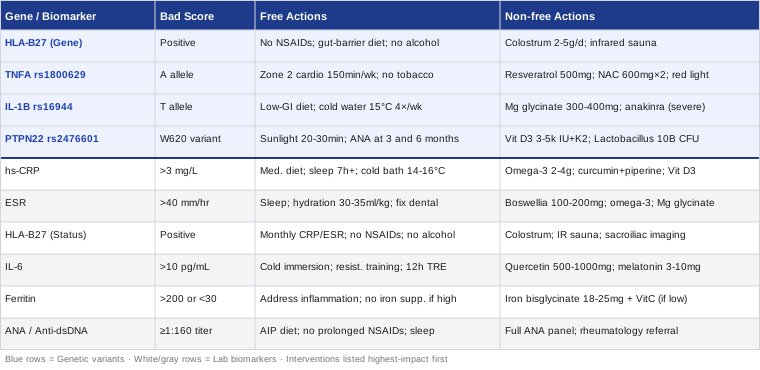
6 Biomarkers Worth Tracking in Typhoid Arthritis
Tracking inflammation in reactive arthritis is not a one-and-done exercise. The immune response unfolds over weeks to months, and different markers reveal different aspects of what is happening. Some respond quickly to changes in diet, sleep, or cold exposure. Others shift slowly and give a picture of longer-term immune activation. Combining a handful of well-chosen tests provides a far more accurate picture than any single result — and gives you something concrete to bring to every follow-up appointment.
Biomarker 1: High-Sensitivity C-Reactive Protein (hs-CRP)
Why it matters
CRP is produced by the liver in response to inflammatory signals — primarily IL-6, which itself rises sharply in reactive arthritis. The high-sensitivity version of the test (hs-CRP) measures lower concentrations than standard CRP and is more useful for detecting subclinical inflammation that ordinary panels would miss. In typhoid arthritis, hs-CRP is one of the first markers to rise after infection, and it is among the most reliable tools for tracking whether inflammation is increasing, stable, or beginning to resolve.
Persistently elevated hs-CRP — even at moderately raised levels of 3–10 mg/L — correlates with ongoing synovial inflammation and a higher likelihood of prolonged symptoms. An hs-CRP that keeps returning above 3 mg/L despite recovery from the acute infection is a signal worth addressing, not waiting out.
How to measure it
hs-CRP is a standard blood test available through most laboratories and general practitioners. Cost without insurance: $15 to $50 in most countries; included in many functional medicine panels. Optimal range is below 1.0 mg/L. Values of 1.0–3.0 mg/L indicate moderate risk; above 3.0 mg/L indicates elevated systemic inflammation. During active arthritis, testing every 4–6 weeks is reasonable to track the trajectory. Once stable for two consecutive readings, every three months is adequate.
If hs-CRP is elevated — plan without supplements
The most powerful non-supplement interventions for lowering hs-CRP are also the most foundational. A Mediterranean-style diet — high in oily fish, olive oil, vegetables, legumes, and low in ultra-processed food and refined carbohydrates — consistently reduces CRP in clinical trials within 8–12 weeks. Sleep quality matters equally: even partial sleep deprivation (under 6 hours) measurably raises CRP within 72 hours. Zone 2 aerobic exercise performed 4–5 days per week (brisk walking, cycling at a conversational pace) reduces baseline CRP over 8–12 weeks. Importantly, high-intensity training during active joint inflammation can transiently worsen inflammatory markers — intensity should be kept moderate until CRP stabilizes.
Cold water immersion — 10–15 minutes at 14–16°C, 3–4 times per week — has demonstrated short-term anti-inflammatory effects in human trials by suppressing NF-kB activity, which drives CRP production. Reducing chronic psychological stress is equally relevant: sustained activation of the HPA axis maintains elevated inflammatory signaling independently of diet or exercise.
If hs-CRP is elevated — plan with supplements or equipment
Omega-3 fatty acids (EPA+DHA) are the most robustly supported supplement for reducing CRP in inflammatory conditions. Dose: 2–4g of combined EPA+DHA per day with meals. At doses above 3g, mild anticoagulant effects occur — mention to your physician if you are taking blood thinners. No strict cycling required; a 4-week break every 6 months is reasonable.
Curcumin with piperine: 500mg of a standardized curcumin extract combined with 5mg piperine, taken with a meal containing fat. Multiple randomized trials confirm CRP reductions in arthritis patients. Cycle: 8 weeks on, 2 weeks off. Potential side effects at high doses include GI upset; avoid with gallstones or bile duct obstruction.
Vitamin D3: if serum 25-OH-D falls below 40 ng/mL, supplementing to achieve 50–70 ng/mL is associated with reduced inflammatory markers. Standard dose: 2000–5000 IU/day with 100–200mcg vitamin K2 (MK-7 form). Test before supplementing and retest after 8 weeks.
Biomarker 2: Erythrocyte Sedimentation Rate (ESR)
Why it matters
ESR measures how quickly red blood cells settle to the bottom of a test tube — a broader, slower signal of systemic inflammation than CRP. While CRP rises and falls over hours to days, ESR responds over days to weeks, making it more useful for tracking the longer arc of immune activity. In reactive arthritis, elevated ESR persisting beyond six weeks signals ongoing immune activation that is not self-resolving. ESR above 40 mm/hr combined with elevated CRP is a meaningful indicator of active synovitis.
Because ESR is nonspecific, it is most useful interpreted alongside CRP and clinical symptoms rather than in isolation. Together, these two markers provide a more complete picture than either alone — CRP reflects acute intensity, ESR reflects chronic load.
How to measure it
ESR is one of the most affordable inflammatory tests available. Cost: $10 to $30. Normal range: men under 15 mm/hr, women under 20 mm/hr, with slightly higher normal values after age 50. Test in the morning before significant physical activity, as strenuous exercise transiently elevates ESR.
If ESR is elevated — plan without supplements
The lifestyle interventions that lower CRP also lower ESR, with a time lag of 2–4 weeks before changes become visible. Sleep optimization and reduction of sedentary behavior are the most impactful levers. One commonly overlooked driver of persistently elevated ESR is a low-grade chronic infection elsewhere in the body — dental sources (periodontitis, root canal infections) or urinary tract inflammation. Addressing these sources can meaningfully lower ESR when other interventions plateau.
Hydration also affects readings: significant dehydration artifically elevates ESR. Consistent daily hydration (30–35 ml per kg of body weight) is part of the baseline.
If ESR is elevated — plan with supplements or equipment
Boswellia serrata (AKBA fraction): 100–200mg of a standardized extract (65% boswellic acids) twice daily. Clinical evidence supports reductions in inflammatory markers in arthritis patients, with one randomized trial showing significant reductions in ESR specifically in osteoarthritis. Cycle: 12 weeks on, 4 weeks off. Side effects: occasional GI discomfort; generally well tolerated. The same omega-3 and vitamin D3 protocol described for hs-CRP applies directly here.
Magnesium glycinate: 300–400mg before bed addresses a common deficiency that contributes to background inflammation. Check serum or red blood cell magnesium before adding this — low magnesium activates the NLRP3 inflammasome, which drives multiple inflammatory cytokines including those that elevate ESR.
Biomarker 3: HLA-B27 Status
Why it matters
HLA-B27 is technically a genetic test rather than a conventional blood biomarker, but it earns a central place here because its presence fundamentally changes what typhoid arthritis looks like and how aggressively it should be monitored. Approximately 80–90% of reactive arthritis cases following enteric infections occur in individuals who carry the HLA-B27 antigen. HLA-B27 positive individuals who develop post-typhoid joint inflammation face a significantly higher risk of symptom persistence, recurrence, and eventual progression toward ankylosing spondylitis or other spondyloarthropathies.
The mechanism involves molecular mimicry: peptide sequences in Salmonella typhi proteins share structural similarities with HLA-B27 itself, triggering an immune cross-reaction that targets joint tissue — particularly sacroiliac and spinal joints. Knowing whether you carry this marker changes every other clinical decision downstream.
How to measure it
HLA-B27 testing requires a blood sample analyzed by flow cytometry or PCR. Cost: $50 to $150 depending on the laboratory. Ordered by a rheumatologist or general practitioner; this is a one-time test — results do not change. A positive result does not mean severe arthritis is inevitable; it means risk is meaningfully higher and monitoring should be proportionally more attentive.
If HLA-B27 is positive — practical implications
A positive result changes the monitoring schedule significantly. Monthly hs-CRP and ESR testing during the first year is warranted. Annual imaging of the sacroiliac joints — X-ray first, MRI if X-ray is inconclusive — is appropriate if morning spinal stiffness or back pain persists. Referral to a rheumatologist should not wait until symptoms become severe; early involvement prevents unnecessary joint damage.
From a lifestyle standpoint, gut health becomes a primary concern, not a background recommendation. Salmonella typhi directly targets intestinal epithelial cells and disrupts barrier integrity; HLA-B27-positive individuals appear more susceptible to microbiome-driven inflammatory flares. Sustained avoidance of gut-disruptive inputs — alcohol, prolonged NSAID use, ultra-processed foods — is foundational. Probiotic support and dietary diversity directly support microbiome recovery in this context.
Biomarker 4: Interleukin-6 (IL-6)
Why it matters
IL-6 is one of the central cytokines driving the entire inflammatory cascade in reactive arthritis. When Salmonella typhi activates the immune system, IL-6 rises sharply — it promotes fever, activates the acute phase response (which produces CRP), and drives joint inflammation by activating synovial fibroblasts. In the post-acute phase, persistently elevated IL-6 signals ongoing immune dysregulation rather than a response that is winding down.
Clinically, IL-6 has gained prominence because it is the direct target of biologic therapies such as tocilizumab in severe inflammatory arthritis. Understanding whether IL-6 is a driving force in your particular inflammation opens the door to more targeted options if conservative therapy fails — and it is increasingly available as a direct-to-consumer functional test.
How to measure it
Serum IL-6 testing is less commonly ordered by standard physicians but is widely available through functional medicine practitioners and reference labs. Cost: $50 to $200. Reference range: generally below 7 pg/mL. Values above 10 pg/mL in a non-acutely infected individual warrant attention. Test fasted and in the morning for best reproducibility.
If IL-6 is elevated — plan without supplements
Cold water immersion has the most specific evidence for reducing IL-6 among non-pharmacological interventions. A protocol of 10–15 minutes at 14–16°C, 3–4 times per week, consistently reduces circulating IL-6 in human studies over 4–8 weeks. Resistance training — 3 sessions per week at moderate intensity — reduces baseline IL-6 over time despite a transient post-exercise rise; the net effect over weeks is clearly anti-inflammatory. Time-restricted eating (a 12-hour eating window maintained consistently) modestly reduces IL-6 by activating AMPK and suppressing NF-kB, the master switch for inflammatory gene expression.
If IL-6 is elevated — plan with supplements or equipment
Quercetin: 500–1000mg per day in divided doses, taken with a small amount of fat to improve absorption. Multiple randomized trials demonstrate reductions in IL-6 and related cytokines with quercetin supplementation. Cycle: 8–10 weeks on, 3 weeks off. Generally well tolerated; monitor for potential interaction with thyroid medications or immunosuppressants.
Melatonin at doses of 3–10mg taken before sleep demonstrates direct immunomodulatory effects including IL-6 suppression in human clinical trials — this is distinct from its role as a sleep aid. Start at 1mg and titrate gradually to minimize morning grogginess. Discuss with a physician before using if you are on corticosteroids or immunosuppressive therapies, as interactions are possible.
Biomarker 5: Ferritin
Why it matters
Ferritin is widely known as an iron storage protein, but it also functions as an acute phase reactant — rising in response to systemic inflammation independently of iron status. In typhoid arthritis, ferritin serves a dual role. On the low end, depleted ferritin signals inadequate iron reserves, which impairs immune function and recovery capacity. On the high end — particularly values above 400 ng/mL in adults without a known iron storage disorder — persistently elevated ferritin reflects macrophage activation and active systemic inflammation.
Peter Attia has emphasized ferritin as one of the most commonly misread markers in standard medicine. High-normal values (200–400 ng/mL) are frequently dismissed as within range, even when they signal ongoing immune activation in someone recovering from an inflammatory condition.
How to measure it
Ferritin is included in most standard iron panels. Cost: $15 to $40. Optimal functional range: 30–150 ng/mL in most adults for iron stores. As an inflammation indicator, values consistently above 200 ng/mL warrant investigation. Test fasted; recent illness or intense exercise can transiently spike ferritin independent of iron or inflammatory status.
If ferritin is high (above 200 ng/mL, inflammation signal) — plan without supplements
When high ferritin reflects active inflammation rather than iron overload or hemochromatosis, the primary approach is addressing the inflammatory drivers already described — sleep, diet quality, cold exposure, and gut health. Avoid supplemental iron in this scenario; adding iron when ferritin is elevated from inflammation can worsen oxidative stress. Confirm true iron overload is not present before any intervention by reviewing full iron studies alongside ferritin.
If ferritin is low (below 30 ng/mL) — plan with supplements
Low ferritin alongside post-infectious immune stress impairs both energy production and immune response significantly. Supplement with iron bisglycinate (a gentler form than ferrous sulfate) at 18–25mg per day taken with vitamin C on an empty stomach, away from other supplements. Retest after 8 weeks. Side effects: iron bisglycinate causes significantly less constipation than ferrous sulfate; still monitor. Discuss iron supplementation with your physician if you are male or postmenopausal — low ferritin in those groups warrants investigating a cause rather than simply supplementing.
Biomarker 6: Antinuclear Antibodies (ANA) and Anti-dsDNA
Why it matters
While typhoid arthritis is classified as reactive rather than systemic autoimmune, prolonged or poorly managed reactive arthritis can, in a subset of cases, evolve toward or unmask a systemic autoimmune condition such as lupus (SLE) or undifferentiated connective tissue disease. The ANA panel and anti-double-stranded DNA (anti-dsDNA) antibodies are screening tools for this possibility — not a diagnosis in themselves, but an early warning system.
Testing ANA is not about assuming the worst. It is about being appropriately watchful when joint inflammation persists beyond three months post-infection, particularly in HLA-B27-positive individuals or those with accompanying systemic symptoms like fatigue, skin changes, or oral ulcers. A positive ANA at a meaningful titer (1:160 or above) combined with these features should prompt a rheumatology referral without delay.
How to measure it
ANA testing via indirect immunofluorescence is the standard method. Cost: $30 to $100 for the basic ANA titer; a full ANA panel with anti-dsDNA and ENA (extractable nuclear antigen) adds $80 to $200. Recommended timing: at the 3-month and 6-month marks post-typhoid arthritis onset, especially in HLA-B27-positive individuals. A low-level positive (1:40 titer) is common in healthy individuals and should not be over-interpreted in isolation.
If ANA is positive at meaningful titer — next steps
A positive ANA is a referral trigger, not a standalone action threshold. Work with a rheumatologist to complete the full panel and correlate with clinical presentation. From a practical standpoint, a meaningful ANA elevates the urgency of the Autoimmune Protocol and gut barrier repair interventions described later in this article. Minimize immune challenges during this period: avoid alcohol, do not use NSAIDs for extended periods (they worsen gut permeability), and prioritize consistent sleep and stress regulation.
With these six markers established as a monitoring framework, the natural next question is why some individuals respond so differently to the same infection — and that answer lives in genetics.
The Genetic Side: 4 Genes That Shape Your Risk
Biomarkers tell you where you are right now. Genes tell you something about why you ended up there and where the risk landscape slopes. While no genetic variant determines an outcome, understanding the four variants below explains a large portion of individual differences in susceptibility, severity, and treatment response in post-infectious reactive arthritis.
Gene 1: HLA-B27 (Human Leukocyte Antigen B27)
What it does
HLA-B27 encodes a cell-surface protein that presents peptide fragments to T cells as part of normal immune surveillance. The problem in reactive arthritis is that certain HLA-B27 subtypes present bacterial peptides in a way that triggers cross-reactive immune attacks on joint tissue. The gene-disease association is among the strongest in all of rheumatology — HLA-B27 positivity confers roughly a 50-fold increased risk of reactive arthritis following enteric or genitourinary infections compared to HLA-B27-negative individuals.
Multiple studies have confirmed this association specifically for Salmonella-triggered arthritis. Beyond reactive arthritis, HLA-B27-positive individuals who experience repeated episodes are at elevated risk for ankylosing spondylitis — a chronic inflammatory disease of the spine and sacroiliac joints.
If HLA-B27 is positive — plan without supplements
Gut barrier integrity is the single most important non-supplement strategy for HLA-B27-positive individuals. After typhoid infection, the gut epithelium is disrupted, and bacterial antigens leaking through the gut wall can repeatedly restimulate the cross-reactive immune response. Avoid NSAIDs as a default pain management strategy — they worsen intestinal permeability directly. Emphasize a high-fiber, prebiotic-rich diet (garlic, leeks, chicory root, green banana) to support microbiome recovery. Limit alcohol completely during the recovery phase.
Learn to recognize early joint warning signs — morning stiffness lasting more than 30 minutes, new heel pain, or eye redness (anterior uveitis is associated with HLA-B27 and warrants immediate ophthalmology assessment). Early recognition prevents escalation.
If HLA-B27 is positive — plan with supplements or equipment
Bovine colostrum: 2–5g daily on an empty stomach for 8 weeks, then 4 weeks off. Colostrum supports gut barrier repair through IgG and growth factors that reduce intestinal permeability — the upstream driver of ongoing antigen exposure in HLA-B27-mediated arthritis. Evidence from gut permeability trials is positive; specific reactive arthritis data is limited but mechanistically well-supported.
Infrared sauna: 20 minutes at 55–65°C, 3–4 times per week. Several small human studies in inflammatory arthritis populations show reductions in joint pain, morning stiffness, and inflammatory markers. Heat shock protein induction suppresses inflammatory signaling at the cellular level. An entry-level home infrared sauna costs $400–$1200; many gyms and physiotherapy clinics offer access.
Gene 2: TNFA Gene — rs1800629 Polymorphism
What it does
The TNFA gene encodes tumor necrosis factor-alpha, a master pro-inflammatory cytokine. The rs1800629 A allele (also documented as the -308G>A polymorphism) significantly increases transcription of TNF-alpha in response to immune stimulation. Carriers of this variant produce elevated baseline TNF-alpha when their immune system encounters bacterial antigens — amplifying the synovial inflammatory response in reactive arthritis and making resolution slower and less complete.
This polymorphism has been linked to more severe and prolonged disease in reactive arthritis and related spondyloarthropathies in human genetic studies. It also partially explains why some individuals respond exceptionally well to TNF-inhibitor biologics when conventional therapy fails.
If this gene variant is present — plan without supplements
Moderate-intensity aerobic exercise is one of the strongest non-pharmacological downregulators of TNF-alpha over time. Specifically, 150–200 minutes per week of zone 2 cardio sustained over 12 weeks reduces circulating TNF-alpha significantly in human trials. The key is consistency, not intensity — high-intensity sessions transiently spike TNF-alpha, while sustained moderate effort gradually lowers the baseline.
Avoid tobacco completely. Smoking dramatically amplifies TNF-alpha production and has an outsized effect in genetically high expressers carrying this variant. If smoking cessation is a barrier, this genetic finding provides a concrete mechanistic reason to prioritize it.
If this gene variant is present — plan with supplements or equipment
Resveratrol: 500mg per day with a meal. Resveratrol inhibits NF-kB, the transcription factor that drives TNF-alpha production. Evidence in human inflammatory conditions is moderate; cycle 10 weeks on, 4 weeks off. N-acetylcysteine (NAC): 600mg twice daily reduces the oxidative stress that amplifies TNF-alpha signaling, particularly in genetically high-expressing individuals. Side effects: mild GI discomfort; avoid concurrent use with nitroglycerin medications.
Photobiomodulation (red light therapy): devices delivering 660nm and 850nm wavelengths applied to affected joints for 15–20 minutes, 4–5 times per week. Multiple randomized trials demonstrate local and systemic reductions in TNF-alpha in inflammatory arthritis. Consumer-grade combination panels are available for $150–$400.
Gene 3: IL-1B Gene — rs16944 Polymorphism
What it does
The IL-1B gene encodes interleukin-1 beta, a cytokine that amplifies joint inflammation by directly stimulating cartilage degradation and synovial tissue expansion. The rs16944 T allele is associated with significantly higher IL-1B production in response to inflammatory triggers. In reactive arthritis, elevated IL-1B activity contributes to a more destructive joint phenotype — explaining why some individuals experience meaningful cartilage damage from what appears to be a relatively brief reactive episode.
IL-1B acts upstream of many other inflammatory cytokines, making it a critical node. Its activation through the NLRP3 inflammasome — which is sensitive to dietary signals including glucose spikes — means that this genetic variant creates a direct link between diet quality and joint inflammation intensity.
If this gene variant is present — plan without supplements
A low-glycemic diet is a direct molecular intervention for the IL-1B rs16944 variant. Rapid glucose spikes powerfully stimulate NLRP3 inflammasome activation and downstream IL-1B production. Replacing refined carbohydrates with low-glycemic alternatives (legumes, root vegetables, whole grains in moderate portions) addresses this directly. Cold exposure specifically suppresses NLRP3 activation — cold showers or water immersion at 15°C for 10 minutes, 4 times per week, have evidence for this mechanism in human studies.
If this gene variant is present — plan with supplements or equipment
Magnesium glycinate or malate: 300–400mg before bed. Magnesium deficiency directly activates the NLRP3 inflammasome — correcting it is a foundational step for anyone with the IL-1B risk variant. Confirm deficiency with a red blood cell magnesium test (more accurate than serum magnesium). Side effects: loose stool at high doses; glycinate form is gentler.
For severe cases unresponsive to conservative care and carrying this variant, anakinra (a biologic IL-1 receptor antagonist) is a targeted biologic option worth discussing with a rheumatologist. It is not a first-line recommendation but knowing the genetic context makes this a more precise clinical conversation.
Gene 4: PTPN22 — rs2476601 Polymorphism
What it does
PTPN22 encodes a phosphatase that regulates T cell and B cell activation thresholds. The rs2476601 W620 variant creates a gain-of-function alteration that disrupts T cell receptor signaling — paradoxically leading to both impaired clearance of infected cells and a tendency toward autoimmune activation. This variant is one of the most significant shared genetic risk factors across multiple autoimmune conditions, including rheumatoid arthritis, lupus, and type 1 diabetes.
In the context of post-typhoid reactive arthritis, PTPN22 rs2476601 may contribute to the immune dysregulation that prevents the inflammatory response from fully resolving — where the immune system continues activating against self-tissue even after the bacterial trigger is gone. Its presence raises the clinical index of suspicion for eventual evolution toward a more systemic autoimmune condition.
If this gene variant is present — plan without supplements
Monitoring for systemic autoimmune evolution becomes more important here than in the general reactive arthritis population. Schedule ANA and anti-CCP testing at 3 and 6 months, and pursue rheumatology follow-up proactively rather than reactively. Vitamin D optimization is specifically relevant to PTPN22 — vitamin D directly modulates T regulatory cell function through pathways that partially overlap with PTPN22's effects on immune activation thresholds. Prioritize sun exposure (20–30 minutes midday, several times per week on larger skin areas) and test serum 25-OH-D before adjusting.
If this gene variant is present — plan with supplements or equipment
Vitamin D3: 3000–5000 IU per day with 100mcg MK-7 vitamin K2, targeting serum 25-OH-D of 50–70 ng/mL. Retest at 8 weeks while titrating. Probiotics supporting T-regulatory cell balance — specifically Lactobacillus plantarum and Lactobacillus acidophilus — have emerging human evidence for immune modulation in autoimmune-adjacent conditions. Dose: 10–20 billion CFU per day, cycling 8 weeks on, 4 weeks off to prevent microbiome habituation.
Understanding genetic risk creates a more precise framework for applying everything else in this article. The next section brings those two threads — biomarker monitoring and genetic risk — into a unified practical strategy, drawing from one of the most comprehensive lay-accessible sources on immune regulation.
What Huberman's Work on Cold, Heat, and Immune Function Reveals
Andrew Huberman, professor of neurobiology and ophthalmology at Stanford, has synthesized a large volume of published immune research through his Huberman Lab podcast. No single episode covers reactive arthritis specifically, but his framework for optimizing immune function through deliberate thermal stress, circadian alignment, gut health, and stress physiology maps directly onto what the evidence base for post-typhoid joint management supports. Here are ten of the most impactful takeaways.
1. Cold Exposure Generates One of the Most Potent Accessible Anti-Inflammatory Signals Available
Cold water immersion at 11–15°C triggers a norepinephrine spike of 200–300% above baseline. Norepinephrine directly suppresses NF-kB activity and downstream cytokine production including IL-6 and TNF-alpha. Huberman's recommended dose: 3–4 sessions per week of 10–15 minutes to maintain benefit without the response fully adapting. Morning exposure provides the additional benefit of reinforcing the cortisol awakening response, which sets immune timing for the day.
2. Morning Sunlight Is Not Optional — It Directly Regulates Immune Circadian Timing
The cortisol peak triggered by correctly timed morning light is not simply a stress response — it is a primary regulator of immune surveillance timing. Cortisol mobilizes immune cells, sharpens pathogen recognition, and gates the inflammatory response to the first half of the day, when immune activation is most productive. Disrupted circadian rhythm (from irregular sleep, late-night light exposure, or shift work) consistently correlates with elevated CRP and impaired immune resolution — relevant for anyone managing chronic reactive arthritis.
3. Sleep Depth, Not Just Duration, Determines Inflammatory Resolution Rate
During slow-wave (deep non-REM) sleep, glymphatic clearance removes inflammatory metabolites, anti-inflammatory cytokine IL-10 peaks, and damaged immune cells are cleared. Huberman highlights that alcohol consumption — even moderate — suppresses slow-wave sleep and measurably raises morning CRP within 72 hours. For managing active joint inflammation, protecting sleep architecture is as important as any supplement.
4. Sauna Activates Heat Shock Proteins That Directly Suppress Inflammatory Signaling
Repeated sauna sessions at 80–100°C for 20 minutes, 3–4 times per week, induce heat shock proteins (HSPs) that help refold misfolded proteins and suppress NF-kB-driven inflammatory gene expression. Finnish cohort data associates regular sauna use with significantly reduced cardiovascular and systemic inflammatory markers over years. For individuals with joint inflammation, protocols starting at lower temperatures (60–70°C) and gradually increasing are more appropriate than jumping to maximum heat.
5. Nasal Breathing Produces Anti-Inflammatory Nitric Oxide at Scale
Nasal breathing generates nitric oxide in the paranasal sinuses — a molecule with direct vasodilatory and anti-inflammatory properties. Chronic mouth breathing bypasses this production entirely. Huberman recommends nasal breathing training during exercise and, when no contraindications are present, mouth taping during sleep as a zero-cost intervention that meaningfully improves vascular and immune function over weeks. For individuals with reactive arthritis, this is a low-effort, high-ratio intervention.
6. Time-Restricted Eating Downregulates the Inflammatory Machinery at the Molecular Level
A 12–16 hour overnight fasting window activates AMPK and suppresses mTOR and NF-kB — two master regulators of inflammatory gene expression. Huberman emphasizes consistency over duration: an irregular fasting schedule loses most of the benefit because the metabolic and inflammatory effects depend on circadian timing alignment. A consistent 10-hour eating window (e.g., 8am to 6pm) maintained daily provides more benefit than occasional extended fasts.
7. High-Intensity Exercise Should Be Held Back During Active Inflammatory Flares
While regular moderate exercise reliably lowers baseline inflammatory markers, training above lactate threshold during active joint inflammation temporarily spikes IL-6, TNF-alpha, and cortisol — potentially worsening joint symptoms and delaying resolution. Huberman's guidance aligns with the clinical evidence: stay in zone 2 (conversation-pace cardio) until CRP and ESR have normalized across two consecutive tests, then reintroduce intensity progressively. Resistance training at moderate loads is generally better tolerated during active inflammation than high-intensity cardio.
8. Fermented Foods Outperform Probiotic Supplements for Reducing Systemic IL-6
In a Stanford study led by Dr. Justin Sonnenburg and referenced by Huberman, participants consuming 6 servings of fermented foods daily for 10 weeks showed significant increases in microbiome diversity and measurable reductions in 19 inflammatory markers including IL-6. The effect was substantially stronger than a high-fiber diet alone. For post-typhoid arthritis, where gut disruption is the upstream driver, this finding has direct practical relevance. Kefir, kimchi, natto, yogurt with live cultures, and kombucha qualify; start slowly if gut symptoms are present.
9. Physiological Sighs Provide Real-Time Downregulation of the Stress-Inflammation Axis
Chronic psychological stress maintains elevated CRH and cortisol, which drive mast cell degranulation and pro-inflammatory cytokine release independently of infection. Huberman's laboratory validated the physiological sigh — a double inhale through the nose followed by an extended exhale through the mouth — as the fastest real-time method for downregulating autonomic stress. Five cycles reduces measured sympathetic tone within minutes. For someone managing chronic joint pain alongside the psychological stress of a prolonged illness, this is a practical accessible tool with a plausible mechanism.
10. Supplements Matter Less Than the Foundational Three Deficiencies Most People Have
Omega-3s, vitamin D, and magnesium are the three nutrients most commonly deficient in modern populations and most directly linked to inflammatory regulation. Huberman repeatedly frames supplementation as working on top of, not instead of, these foundations. No targeted anti-inflammatory supplement compensates for depleted omega-3 to omega-6 ratio, vitamin D below 40 ng/mL, or chronic magnesium deficiency. Test and correct these three before building a more complex protocol.
With the biological picture established, the next step is identifying which evidence-backed physical and mind-body approaches can complement this framework in daily life.
Complementary Approaches With Real Evidence
The five modalities below were selected specifically for their human clinical evidence and their mechanistic relevance to immune-mediated joint inflammation. Each addresses a different aspect of the recovery picture — from gut-immune repair to pain management to local tissue healing.
The Autoimmune Protocol (AIP) — Sarah Ballantyne
The Autoimmune Protocol, developed by Dr. Sarah Ballantyne and detailed in The Paleo Approach, is a comprehensive elimination and lifestyle framework designed for autoimmune and immune-mediated inflammatory conditions. Its central premise is that gut barrier dysfunction — intestinal permeability allowing bacterial antigens and undigested proteins into circulation — drives the immune dysregulation underlying reactive and autoimmune arthritis. After Salmonella typhi infection, which directly targets the intestinal epithelium, gut permeability is not a theoretical concern but an established post-infectious reality.
The elimination phase removes grains, legumes, dairy, nightshades, eggs, nuts, seeds, alcohol, NSAIDs, and food additives for a minimum of 30–60 days. Simultaneously, it emphasizes organ meats, oily fish, fermented vegetables, bone broth (rich in glycine and collagen for gut lining repair), leafy greens, and quality animal and plant fats. Sleep, stress management, and gentle movement are treated as non-optional pillars alongside dietary changes. The reintroduction phase is equally structured — foods are reintroduced one at a time over days to identify individual triggers.
A 2017 pilot study published in Inflammatory Bowel Diseases (Konijeti et al.) demonstrated significant clinical remission in IBD patients following the AIP protocol, with documented reductions in fecal calprotectin and inflammatory markers. No AIP trial exists specifically for typhoid arthritis, but the mechanistic overlap — gut permeability, cytokine dysregulation, immune cross-reactivity — strongly supports application here. Practical approach: commit fully to the 6-week elimination phase, track hs-CRP and ESR before and after, and reintroduce systematically while monitoring joint symptoms.
Tai Chi
Tai chi is a low-impact mind-body practice combining slow, flowing movements with controlled breathing and meditative focus. For post-typhoid reactive arthritis, its relevance spans three intersecting mechanisms: gentle joint mobilization without inflammatory loading, cortisol reduction through meditative qualities, and improvements in proprioception and joint stability during a recovery phase when muscle tone and coordination may be diminished from reduced activity.
A 2016 systematic review covering 43 trials and published in Annals of Internal Medicine (Wang et al.) found that tai chi significantly improved pain and physical function in osteoarthritis and rheumatoid arthritis patients, with a safety profile superior to conventional exercise programs in populations with active joint involvement. A specific beginner protocol: three 45-minute sessions per week of yang-style tai chi, starting with in-person instruction or a validated video program. Sessions should never reproduce or worsen joint pain; any movement that does should be modified or deferred.
For someone in early reactive arthritis, even 15-minute daily sessions focused on wrist, knee, and ankle mobility forms can maintain joint range of motion without the inflammatory cost of conventional exercise. Progress to full sessions as CRP and joint swelling normalize over 6–8 weeks.
Mindfulness-Based Stress Reduction (MBSR)
MBSR, the structured 8-week program developed by Jon Kabat-Zinn, is one of the most rigorously studied mind-body interventions in medicine. Its relevance to typhoid arthritis is both direct — inflammatory regulation through sympathetic downregulation — and indirect, through improved pain perception, treatment adherence, and sleep quality. Chronic pain from reactive arthritis activates central sensitization, a state where the central nervous system amplifies pain signals disproportionately to tissue damage, and mindfulness practice has specific evidence for interrupting this cycle.
A randomized controlled trial published in Arthritis Care and Research (Zautra et al., 2008) demonstrated that mindfulness meditation significantly reduced pain and disease activity in rheumatoid arthritis patients compared to an active control. Notably, IL-6 levels were also reduced in the mindfulness group. The mechanism appears to involve reduced sympathetic nervous system activity and downstream modulation of inflammatory signaling through the HPA and autonomic axes.
A practical approach: complete a structured 8-week MBSR program using a validated platform (several offer free or low-cost access). The body scan meditation and mindful movement practices are particularly relevant for joint pain. Thirty minutes daily is the evidence-supported dose; consistent 10–15 minute practices show measurable reductions in pain intensity within 4–6 weeks.
Low-Level Laser Therapy (Photobiomodulation)
Photobiomodulation (PBM) uses red and near-infrared light at wavelengths of 630–850nm applied directly to tissues to stimulate mitochondrial function, reduce local inflammation, and accelerate tissue repair. For reactive arthritis, PBM applied to inflamed joints demonstrates meaningful reductions in pain and swelling in multiple randomized trials — with a safety profile substantially better than NSAIDs or corticosteroids used chronically.
A meta-analysis reviewed in the Cochrane database (Brosseau et al.) covering low-level laser therapy in rheumatoid arthritis found significant improvements in pain, morning stiffness, and functional disability compared to sham treatment. The mechanism involves cytochrome c oxidase stimulation, reduced prostaglandin E2 production, and local suppression of TNF-alpha in synovial tissue. For home use, consumer-grade combination panels delivering both 660nm and 850nm wavelengths cost $150–$400 and can deliver relevant doses to accessible joints (knees, wrists, ankles, feet).
Protocol: 10–20 minutes per affected joint, 4–5 times per week, at device-specified distance (typically 15–30cm). Measurable effects emerge over 4–6 weeks of consistent use. Direct eye exposure should be avoided; otherwise, side effects at appropriate home-use doses are minimal. For deeper joints or spinal involvement, clinical-grade devices administered by a physiotherapist provide greater tissue penetration.
Gut-Directed Hypnotherapy
Given that typhoid arthritis originates from a gut infection that disrupts intestinal barrier integrity, gut function is not a peripheral concern but a central one in recovery. Gut-directed hypnotherapy — a specialized form of clinical hypnosis using relaxation and gut-specific guided imagery — reduces gut permeability markers, visceral hypersensitivity, and inflammatory immune activity at the intestinal level. Its strongest evidence base is in functional gastrointestinal disorders, but the underlying mechanisms — downregulation of enteric nervous system hyperreactivity, improvement of mucosal barrier function, and reduction of mast cell degranulation — apply directly to post-infectious gut dysfunction.
Landmark trials by Professor Peter Whorwell at the University of Manchester established gut-directed hypnotherapy as a clinically effective intervention for gut-immune dysfunction. More recently, studies in inflammatory bowel disease patients have documented reductions in IL-6 and mucosal inflammatory markers following hypnotherapy courses. For someone recovering from typhoid with ongoing gut symptoms — bloating, altered motility, food sensitivities alongside joint symptoms — this intervention addresses the gut-driven immune activation that may be sustaining joint inflammation.
A practical approach: a structured 12-session course with a certified clinical hypnotherapist (sessions typically 45–60 minutes, weekly). Self-hypnosis audio programs based on the validated Manchester protocol are also available and have shown efficacy in independent trials. Side effects are essentially absent; engagement and consistency are the main determinants of outcome.
Conclusion
Typhoid arthritis does not resolve simply because the infection has been cleared. For a meaningful subset of individuals — particularly those who are HLA-B27 positive, carry pro-inflammatory genetic variants, or experienced significant gut damage during the acute illness — the immune response continues long after the bacteria are gone. Tracking the right biomarkers makes that invisible process visible and actionable. Elevated hs-CRP at month three, persistently raised ESR, or a positive ANA at six months are not reasons for alarm by themselves — they are data points that can direct more targeted interventions and prompt the right conversations with a rheumatologist before damage accumulates.
The most important next step is not to overhaul your diet overnight or buy a supplement stack. It is to measure what is actually happening. A baseline hs-CRP, ESR, and ferritin can be ordered with a standard blood draw. HLA-B27 testing, if not done, is a one-time investment that changes every monitoring decision downstream. Bring those results to your physician with specific questions: Is this trending toward resolution? Do the numbers warrant a rheumatology referral? Should imaging be considered?
The lifestyle interventions and complementary strategies in this article are not replacements for that conversation — they are powerful complements to it, with the strongest available evidence base outside of prescription therapy. Better information, consistently applied, leads to better decisions. That is the most honest promise this subject allows.
Musculoskeletal: Joint Conditions Spine Conditions
Autoimmune: Inflammatory Conditions
Infectious: Bacterial Infections