This article contains AI generated content.
· UpdatedUndifferentiated Connective Tissue Disease - 6 Genes and 7 Biomarkers to Track
Introduction
Living with undifferentiated connective tissue disease means living in a diagnostic in-between. Your body is clearly doing something, your symptoms are real, your tests are abnormal — yet no rheumatologist can hand you a clean diagnosis. That ambiguity is not a failure of medicine to understand you; it is actually a recognized condition, one that affects an estimated one to three percent of women in their reproductive years and a smaller but meaningful proportion of men and older adults.
The frustration is legitimate. Rheumatology appointments tend to focus on whether you meet classification criteria for a specific disease — lupus, Sjögren's syndrome, systemic sclerosis. When you do not, management can feel vague. "Watch and wait" is a real clinical recommendation, but it feels like abandonment when nobody explains what to watch for and why it matters.
What often gets missed in standard care is that UCTD is not a single entity. Some patients remain stable for decades; others evolve toward a defined connective tissue disease within three to five years. The difference often lies in specific biological signals — autoantibodies, complement levels, inflammatory markers, and genetic variants — that are already present and measurable, long before evolution occurs.
This article takes a more granular approach. The first section covers the seven most clinically meaningful biomarkers to track, with concrete action plans for each one. The second section digs into six genetic variants most associated with autoimmune connective tissue diseases and what targeted steps may help modulate them. Beyond that, a condensed summary of one of the most evidence-informed books on functional autoimmune management offers a broader framework — and five complementary approaches with genuine clinical backing round out the picture. Better information does not replace a rheumatologist, but it fundamentally changes the quality of the conversation you can have with one.
Summary
This article covers 7 biomarkers and 6 genetic variants that matter most if you have undifferentiated connective tissue disease. The biomarker section goes beyond the standard ANA test — into complement levels, specific autoantibodies that predict which direction UCTD is heading, inflammatory markers that respond to lifestyle changes, and vitamin D, which functions almost like an immune hormone in autoimmune disease. Each biomarker comes with cost estimates, interpretation guidance, and a concrete action plan both with and without supplementation. The genetics section explains which immune-pathway genes make the disease more likely to stay active — and what can be done about it at the lifestyle and supplement level, since genetic risk is a modifiable probability, not a fixed outcome. Beyond biomarkers and genes, you will find a condensed summary of The Autoimmune Solution by Amy Myers MD — one of the most evidence-informed books on functional approaches to autoimmunity — along with five complementary therapies with real clinical data, including the Autoimmune Protocol developed by Sarah Ballantyne. If you have been wondering why standard care feels incomplete, the following sections are where the picture starts to become specific.
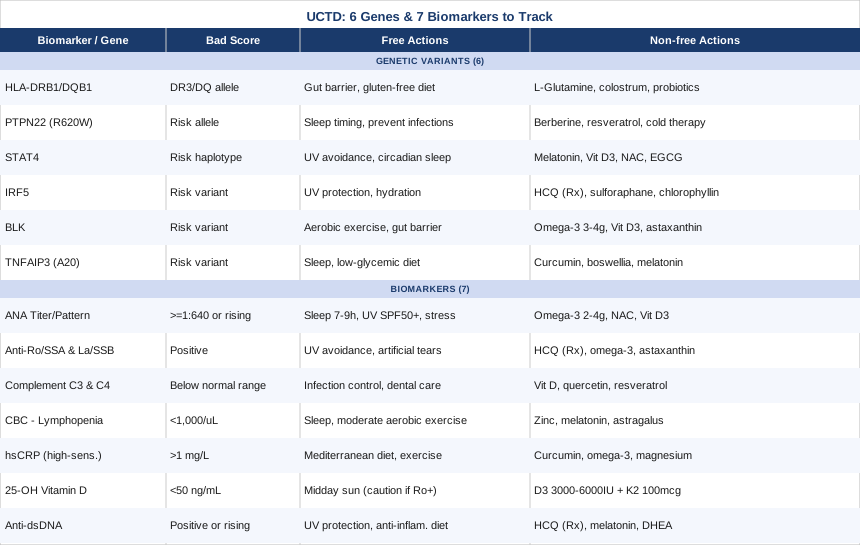
7 Biomarkers to Track When You Have UCTD
Most rheumatologists run an ANA panel and a few inflammatory markers. That is a reasonable starting point, but it misses the depth that would actually let you and your doctor track disease trajectory and make proactive decisions. The seven biomarkers below are the most clinically informative in UCTD — both for understanding where you are now and for predicting where the disease may go.
1. Antinuclear Antibody Titer and Pattern
The ANA is the gateway test for UCTD and most autoimmune connective tissue diseases. A positive ANA at a titer of 1:160 or higher is one of the defining features of UCTD. But the number alone tells you less than most patients realize. The pattern matters as much as the titer. A homogeneous or diffuse pattern correlates with anti-dsDNA antibodies and a higher risk of SLE evolution. A speckled pattern is the most common in UCTD and is associated with anti-Ro, anti-La, anti-Sm, and anti-U1 RNP antibodies. A nucleolar pattern raises the question of systemic sclerosis.
The titer also matters for prognosis. Data from longitudinal UCTD cohorts consistently show that persistently high titers — especially at 1:640 or above — are associated with a higher probability of evolving into a defined CTD. A titer that spontaneously falls over time is generally a reassuring sign.
How to measure it
ANA testing is done by immunofluorescence on HEp-2 cells, which is the gold standard. ELISA-based ANA panels are cheaper but less sensitive and should not be used for diagnostic purposes. A standard immunofluorescence ANA test costs $25 to $75 in most laboratory settings. Retesting every 6 to 12 months is reasonable in established UCTD.
If the ANA titer is persistently high — the plan without supplements
High and rising ANA titers are best addressed at the source: reducing the immune triggers that drive autoantibody production. Prioritize sleep quality (7 to 9 hours is the consistent signal in immune function research), UV protection (sunlight is a well-established trigger in ANA-positive patients; SPF 50+ on exposed skin daily is not optional), and stress reduction. The connection between psychological stress and ANA levels is well-documented — cortisol dysregulation shifts immune balance toward antibody-producing responses. An anti-inflammatory whole-food diet pattern and elimination of ultra-processed foods and refined seed oils is supported by mechanistic evidence even if direct ANA-lowering trials in UCTD remain limited.
If the ANA titer is persistently high — the plan with supplements or equipment
No supplement directly suppresses ANA production, but several reduce the upstream immune dysregulation that drives it. Omega-3 fatty acids (EPA plus DHA, 2 to 4 grams per day from fish oil or algae oil) have demonstrated anti-inflammatory and immunomodulatory effects in SLE and related conditions — start at 2 g/day with food, no cycling needed, monitor for easy bruising at higher doses. Vitamin D3 with K2 is arguably the most important single supplement for immune regulation in autoimmune disease and is covered in depth below. N-acetylcysteine (NAC) at 600 mg twice daily has been studied in lupus for reducing oxidative stress and T cell activation — cycle 8 weeks on and 2 weeks off; monitor for mild nausea at higher doses. Low-level laser therapy has emerging immunomodulatory evidence and is discussed in the complementary therapies section.
2. Anti-Ro/SSA and Anti-La/SSB Antibodies
Anti-Ro/SSA is the single most common autoantibody in UCTD, present in up to 40 to 50 percent of patients. Anti-La/SSB usually accompanies anti-Ro and is more specific to Sjögren's syndrome. Together, they are clinically important for several reasons: they predict a higher risk of photosensitivity and the skin damage that comes with unprotected sun exposure, they are associated with neonatal lupus and congenital heart block in pregnancies, and their presence shifts the probability of evolution toward Sjögren's syndrome or SLE.
Importantly, anti-Ro/SSA positivity is not just a diagnostic curiosity — it is a signal to actively manage triggers and monitor for early sicca symptoms, such as dry eyes and dry mouth, that may precede a full Sjögren's diagnosis by years.
How to measure it
Anti-Ro/SSA and anti-La/SSB are typically measured by ELISA or multiplex immunoassay and are part of most standard extractable nuclear antigen (ENA) panels. Cost ranges from $50 to $150 for a full ENA panel. Once positive, these antibodies often remain positive for life and do not need frequent retesting unless clinical context changes. Monitoring is better done through symptoms and clinical assessment.
If anti-Ro/SSA is positive — the plan without supplements
Anti-Ro/SSA drives photosensitivity at the cellular level — UV light activates Ro antigens, amplifies autoantibody binding, and triggers local inflammation. Strict UV avoidance is the highest-priority behavioral intervention: SPF 50+ broad-spectrum sunscreen daily, UV-protective clothing (UPF 50+ fabric), and UV window film at home and in vehicles. For dry eye symptoms, preservative-free artificial tears three to six times per day and the 20-20-20 screen rule are first-line. For dry mouth, xylitol-containing rinses, adequate hydration, and consistent dental care reduce long-term complications significantly.
If anti-Ro/SSA is positive — the plan with supplements or equipment
Hydroxychloroquine, a prescription antimalarial, is the most evidence-supported pharmacological intervention in anti-Ro/SSA-positive UCTD — it reduces flares, may lower conversion to SLE, and has a favorable safety profile at standard doses of 5 mg per kilogram or less per day. Discuss this with your rheumatologist. Among supplements, omega-3 fatty acids (2 to 4 g/day EPA plus DHA) reduce T cell activation in autoantibody-positive disease and have RCT-level evidence for improving tear film quality in dry eye. Astaxanthin (4 to 12 mg per day with food) has demonstrated free radical scavenging effects that may buffer UV-triggered autoantigen exposure — no formal cycling needed, and side effects are minimal.
3. Complement C3 and C4
Complement proteins C3 and C4 are part of the innate immune system's first-response machinery, but in autoimmune disease they become consumed when immune complexes activate the complement cascade. Low C3 and C4 levels are a marker of ongoing disease activity, not a bystander finding. In UCTD, persistently low complement levels — particularly alongside high ANA titers and positive anti-dsDNA — significantly raise the probability of eventual evolution to SLE.
Complement consumption also causes direct tissue damage. Immune complexes deposited in the kidneys, skin, and joints activate complement locally, producing the inflammation that drives clinical symptoms. Tracking C3 and C4 over time gives you and your rheumatologist a real-time window into disease activity that symptoms alone cannot provide.
How to measure it
C3 and C4 are measured in serum by nephelometry or turbidimetry and are part of most lupus monitoring panels. Together they cost $30 to $80. Normal ranges are approximately C3: 90 to 180 mg/dL and C4: 16 to 47 mg/dL, though lab-specific reference ranges vary. Testing every 3 to 6 months in active UCTD is reasonable; annually in stable, quiescent disease.
If complement is low — the plan without supplements
Low complement reflects ongoing immune complex formation and consumption. The priority is reducing the immune burden driving complex formation. Address infections promptly — low-grade infections including dental disease and gut dysbiosis are documented flare triggers in autoimmune CTD. Maintaining UV protection and managing sleep and stress rigorously reduce the antigen load that sustains immune complex deposition. A regular dental hygiene schedule and screening for common chronic infections is worth discussing with your physician if complements remain persistently low without clear explanation.
If complement is low — the plan with supplements or equipment
Vitamin D has direct effects on complement regulation through its action on immune cell gene expression — correcting deficiency should be an early priority. Among supplements with immune-modulating properties, quercetin (500 mg twice daily with food) and resveratrol (200 to 400 mg per day) have shown complement-related immune modulation in early human and mechanistic studies — cycle 8 to 12 weeks on and 2 to 4 weeks off. Low-dose naltrexone (LDN) at 1.5 to 4.5 mg per night is an off-label prescription approach used in functional medicine for autoimmune disease, with preliminary evidence for immunomodulatory effects — requires a prescription and should only be used under physician supervision.
4. Complete Blood Count with Differential
Abnormalities in the CBC are among the formal classification criteria for connective tissue diseases including SLE. In UCTD, lymphopenia (low lymphocyte count, typically below 1,000 cells per microliter) and leukopenia (total white cell count below 4,000 cells per microliter) are the most common findings and carry clinical meaning. Thrombocytopenia and hemolytic anemia, while less common in early UCTD, signal higher disease activity and a greater probability of CTD evolution.
The differential matters because lymphopenia in UCTD often reflects T regulatory cell depletion — the very immune cells responsible for keeping autoimmunity in check. Tracking the trajectory of these values over time is more informative than any single reading.
How to measure it
A complete blood count with differential is among the least expensive and most informative laboratory tests available. Cost ranges from $15 to $50. It should be ordered at baseline and repeated every 3 to 6 months in active UCTD. If you are on hydroxychloroquine or other medications, regular CBC monitoring may already be part of your routine care.
If the CBC shows lymphopenia — the plan without supplements
Persistent lymphopenia in UCTD is often driven by type I interferon signaling, which is upregulated in many connective tissue diseases. Sleep is the most powerful non-pharmacological lever for lymphocyte restoration — deep sleep stages release growth hormone and cytokines that support lymphocyte production. Moderate-intensity aerobic exercise (150 minutes per week) is supported by evidence for immune cell maintenance; very high-intensity training without adequate recovery can suppress lymphocyte counts. Chronic stress-induced cortisol redistributes lymphocytes out of circulation — consistent stress management practice has measurable effects on CBC differentials over weeks to months.
If the CBC shows lymphopenia — the plan with supplements or equipment
Zinc (15 to 30 mg elemental zinc per day with food) is essential for lymphocyte development; deficiency is common in autoimmune disease and directly worsens lymphopenia — use 8-week cycles, then reassess levels, as high-dose zinc long-term depletes copper. Astragalus root extract (standardized to polysaccharide content, 200 to 400 mg per day) has shown immune-stimulating effects in small clinical studies specifically including T lymphocyte counts — cycle 4 to 6 weeks on and 2 weeks off; use with caution in very active autoimmune disease as immune stimulation could theoretically amplify flares. Melatonin at physiological doses (0.5 to 3 mg at bedtime) has documented lymphocyte-supporting effects through thymic and bone marrow signaling — no cycling needed at these doses.
5. High-Sensitivity C-Reactive Protein
CRP is a classic inflammation marker, but the standard assay misses the low-grade chronic inflammation that is highly relevant in autoimmune CTD. High-sensitivity CRP (hsCRP) detects inflammation at concentrations below 3 mg/L, which is exactly the range relevant to UCTD activity and cardiovascular risk. This matters because patients with UCTD and related CTDs carry a significantly elevated cardiovascular risk — not from traditional risk factors alone, but from systemic inflammation that drives endothelial dysfunction and accelerated atherosclerosis.
A persistently elevated hsCRP above 1 mg/L, and especially above 3 mg/L, in UCTD suggests ongoing disease activity and signals that current lifestyle or medical management is insufficient. It is an actionable finding, not just a monitoring number.
How to measure it
hsCRP is a single blood test costing $15 to $40. It is not the same as the standard CRP test — specifically request the high-sensitivity version. Ideal values are below 0.5 mg/L; values above 3 mg/L represent high cardiovascular risk and active systemic inflammation. Test at baseline and every 3 to 6 months, or more frequently when making dietary or lifestyle changes to track response.
If hsCRP is elevated — the plan without supplements
Diet is the most powerful and direct lever for hsCRP. The Mediterranean diet pattern — high in vegetables, legumes, whole grains, olive oil, and fatty fish — reduces hsCRP by 20 to 30 percent in published trials. Eliminating ultra-processed foods, refined sugars, and trans fats is equally critical. Regular moderate aerobic exercise (at least 150 minutes per week) has consistent hsCRP-lowering effects across populations. Sleep below 6 hours per night doubles CRP in most studies. Addressing gut health is also relevant — dysbiosis elevates systemic CRP through translocation of bacterial lipopolysaccharide across a permeable gut epithelium.
If hsCRP is elevated — the plan with supplements or equipment
Curcumin in bioavailable form (phytosome formulation or with piperine, 500 to 1,000 mg per day) is one of the most studied anti-inflammatory supplements, with multiple RCTs showing hsCRP reduction — take with food for 8 weeks, then 2 weeks off before restarting. Omega-3 fatty acids (3 to 4 g/day EPA plus DHA) reduce hsCRP through prostaglandin modulation; use pharmaceutical-grade fish oil with third-party oxidation testing. Magnesium glycinate (300 to 400 mg each evening) is frequently deficient in autoimmune patients and has documented hsCRP-lowering effects — take nightly, no cycling needed, well-tolerated. Infrared sauna sessions (20 to 30 minutes, 3 to 4 times per week) have emerging evidence for CRP reduction through heat shock protein induction and autonomic regulation — ensure adequate hydration and avoid during acute flares.
6. 25-OH Vitamin D
Vitamin D functions less like a vitamin and more like a master regulator of the immune system. The vitamin D receptor is expressed on virtually every immune cell type, and sufficient vitamin D levels shift immune balance toward tolerance — reducing the self-reactive immune activation that drives autoimmune disease. Deficiency is nearly universal in UCTD and related CTDs: multiple studies show that lower 25-OH vitamin D levels correlate with higher disease activity, more autoantibodies, and a greater risk of CTD evolution.
Supplementation is not a cure and does not replace medical management, but it is one of the most evidence-supported adjunct interventions available in autoimmune disease — particularly given how consistently deficiency is found in this population.
How to measure it
25-OH vitamin D (calcidiol) is measured in serum and costs $30 to $80, though prices vary widely by country and provider. Optimal levels in autoimmune disease are generally considered to be 50 to 80 ng/mL (125 to 200 nmol/L) by functional medicine practitioners — notably higher than the conventional "sufficient" cutoff of 20 ng/mL. Test at baseline, then 3 months after beginning supplementation, then every 6 months once stable.
If vitamin D is below 50 ng/mL — the plan without supplements
Sensible midday sun exposure (15 to 30 minutes on arms and legs during summer) can raise vitamin D levels, but this is complicated by photosensitivity in anti-Ro/SSA-positive patients, who must weigh UV exposure against flare risk. Dietary sources including fatty fish, egg yolks, and fortified foods contribute modestly but are generally insufficient to reach optimal levels in UCTD patients, meaning the supplement route is almost always necessary.
If vitamin D is below 50 ng/mL — the plan with supplements or equipment
Vitamin D3 (cholecalciferol), not D2, is the preferred form. Dosing to achieve 50 to 80 ng/mL typically requires 3,000 to 6,000 IU per day for most adults, though individual requirements vary substantially by weight, gut absorption, and genetic vitamin D receptor variants. Always co-administer vitamin K2 in MK-7 form at 100 to 200 mcg per day to ensure calcium is directed to bone rather than arterial tissue. Take both with the largest meal of the day for maximum fat-soluble absorption. No cycling is needed — this is a daily maintenance intervention. Monitor levels every 6 months to avoid excess repletion above 100 ng/mL. Note that magnesium is needed to convert vitamin D to its active form; if magnesium is deficient, supplementation may be less effective, reinforcing the case for magnesium glycinate described above.
7. Anti-dsDNA Antibodies
Anti-double-stranded DNA antibodies are among the most specific markers for systemic lupus erythematosus. In UCTD, their presence is a red flag for future evolution to SLE. Unlike some other autoantibodies, anti-dsDNA levels fluctuate with disease activity — they rise during flares and fall during remission, making them useful for both prognostic assessment and ongoing monitoring.
Research from longitudinal UCTD cohorts consistently identifies anti-dsDNA positivity as one of the strongest predictors of UCTD-to-SLE evolution. If your anti-dsDNA is positive and rising, it warrants close rheumatological follow-up and a more aggressive approach to triggering factors.
How to measure it
Anti-dsDNA is measured by the Farr assay (most sensitive) or ELISA and is part of most standard lupus panels. Cost ranges from $30 to $100. Testing every 6 months in stable UCTD is standard; every 3 months if anti-dsDNA is positive and you are monitoring for SLE evolution.
If anti-dsDNA is positive or rising — the plan without supplements
UV radiation is a direct trigger for anti-dsDNA elevation in susceptible patients — it activates DNA antigen exposure on skin cells, driving antibody production. UV protection as described above is non-negotiable. Equally important are anti-inflammatory diet, adequate sleep, stress management, and avoiding known immune triggers. Alfalfa sprouts and echinacea are specifically contraindicated in positive-ANA patients, as they can stimulate immune activity. Estrogen load is worth discussing with your physician if you are on hormonal contraception — estrogen promotes the immune profile that drives anti-dsDNA production.
If anti-dsDNA is positive or rising — the plan with supplements or equipment
Hydroxychloroquine is the evidence-supported pharmacological intervention here and remains the cornerstone of UCTD management in anti-dsDNA-positive patients. Among non-prescription options, DHEA has shown effects on SLE biomarkers including anti-dsDNA in clinical trials; lower doses of 25 to 50 mg are more commonly used in practice and require monitoring of hormone levels under physician guidance. Melatonin (0.5 to 3 mg at bedtime) has immunoregulatory effects documented in lupus models and some human studies — continuous use at physiological doses; avoid pharmacological doses above 10 mg unless specifically directed.
6 Genetic Variants That Shape UCTD Risk and Trajectory
Now that the biomarker picture is clear, understanding the genetic variants that explain why some people with UCTD have more active disease — and which specific immune pathways deserve the most targeted support — adds another layer of actionable information. Genetic testing for these variants is available through direct-to-consumer platforms (23andMe data can be processed through tools like Genetic Genie) or through clinical genetic testing ordered by a physician. The interpretive framework used by researchers such as Ali Torkamani at Scripps Research, and popularized in functional medicine by practitioners like Gary Brecka, frames genetic risk as a modifiable probability — not a fixed outcome.
1. HLA-DRB1 and HLA-DQB1
The human leukocyte antigen system is the immune system's identity machinery — it presents peptide fragments to T cells to trigger or suppress immune responses. HLA-DRB1 and HLA-DQB1 are the dominant genetic risk loci for most autoimmune connective tissue diseases. The HLA-DRB1*03:01 allele (commonly called DR3) is strongly associated with SLE, Sjögren's syndrome, and UCTD evolution. HLA-DQB1*05:01 and related alleles increase the risk of sicca-type evolution in anti-Ro/SSA-positive patients.
The mechanism is well-understood: specific HLA variants preferentially present self-peptides to autoreactive T cells, skewing the immune response toward self-attack. This is one of the most replicated findings in autoimmune genetics.
If the variant is present — the plan without supplements
You cannot change your HLA type, but you can reduce the self-peptide load these variants present to T cells. The most impactful intervention is gut barrier integrity — a leaky gut allows bacterial peptides that structurally mimic self-antigens (molecular mimicry) to enter circulation, where they are bound by HLA molecules and trigger cross-reactive immune responses. An anti-inflammatory whole-food diet, rich in fermented foods and fiber-dense vegetables, is the primary behavioral strategy. Eliminating gluten in HLA-DR3-positive individuals is particularly relevant: DR3 is also a celiac disease risk allele, and subclinical gluten sensitivity in this genotype may amplify systemic immune activation even without gastrointestinal symptoms.
If the variant is present — the plan with supplements or equipment
L-glutamine (5 to 10 g per day in water on an empty stomach) supports enterocyte repair and gut barrier function — daily for 8-week cycles, then reassess. Bovine colostrum (1 to 2 g per day) contains growth factors and immunoglobulins that support mucosal immunity — continuous use is reasonable; no significant side effects. Sodium butyrate or tributyrin (300 to 600 mg per day) feeds colonocytes and upregulates tight junction protein expression — cycle 6 to 8 weeks. Lactobacillus rhamnosus GG and Bifidobacterium longum probiotic strains have evidence for improving gut barrier function and modulating HLA-associated autoimmune responses in mechanistic studies.
2. PTPN22 (R620W Variant)
PTPN22 encodes protein tyrosine phosphatase non-receptor type 22, an enzyme that acts as a brake on T cell activation. The R620W variant (rs2476601) reduces this braking function, allowing T cells to fire with less stimulation than normal. This lowers the threshold for autoimmune activation across multiple conditions and is a confirmed risk factor for lupus, RA, Sjögren's syndrome, and UCTD.
Studies estimate that carriers of the risk allele have an odds ratio of approximately 1.7 to 2.0 for developing autoimmune CTD compared to non-carriers. Many carriers never develop disease — but the immune system runs on a shorter fuse and is more susceptible to environmental triggers.
If the variant is present — the plan without supplements
Because PTPN22 lowers the T cell activation threshold, reducing the volume and intensity of immune triggers is especially important. Infection prevention is critical — routine vaccinations per your rheumatologist's guidance, good hygiene practices, and prompt treatment of minor infections prevent the disproportionate T cell responses that this variant predisposes to. Circadian consistency — regular sleep-wake timing, not just sleep quantity — is now understood to modulate T cell activation rhythms directly. Irregular sleep disrupts circadian clocks in T cells, amplifying the hyperresponsiveness that PTPN22 risk variants create.
If the variant is present — the plan with supplements or equipment
Berberine (500 mg two to three times daily with meals) modulates T cell activation through AMPK signaling pathways and has anti-inflammatory effects in autoimmune models — use in 8-week cycles with 4 weeks off; monitor for GI side effects. Resveratrol (200 to 400 mg per day in the morning, combined with piperine for bioavailability) has shown T cell regulatory effects in preclinical and some human studies — 8-week cycles. Cold thermogenesis — cold showers ending with 2 to 3 minutes of cold water at 15 to 18°C — has documented effects on regulatory T cell populations and anti-inflammatory cytokine profiles. Start with 30-second cold exposures and build gradually; daily practice is appropriate.
3. STAT4
STAT4 (signal transducer and activator of transcription 4) is a transcription factor in the interferon and IL-12 signaling pathways that drives the differentiation of T helper 1 cells, which produce interferon-gamma and promote cell-mediated autoimmunity. The STAT4 risk haplotype (rs7574865) is associated with SLE, Sjögren's syndrome, systemic sclerosis, and UCTD — particularly in patients with anti-Ro/SSA antibodies and high interferon activity.
Multiple replication studies across ethnic groups have confirmed STAT4 as one of the most robust non-HLA genetic risk factors for lupus and related diseases. The interferon signature — elevated type I interferon gene expression in peripheral blood — is one of the hallmarks of SLE and is directly amplified by STAT4 risk variants.
If the variant is present — the plan without supplements
STAT4 overactivation is driven by type I interferon and IL-12 signaling. Reducing interferon triggers is the key behavioral strategy: aggressive UV avoidance (UV radiation is a potent type I interferon inducer), managing viral infections promptly, and maintaining circadian regularity (interferon genes are under circadian control and are amplified by sleep disruption). A low-lectin dietary trial, where foods high in agglutinins are eliminated, is sometimes explored in functional medicine circles for its theoretical effect on gut-interferon crosstalk — though direct human evidence in STAT4 variant carriers remains limited.
If the variant is present — the plan with supplements or equipment
Melatonin (0.5 to 3 mg at bedtime) directly modulates STAT4 pathway activity and type I interferon signaling in autoimmune models — continuous low-dose use is well-supported. Vitamin D3 is among the most evidence-backed supplements for interferon pathway modulation through VDR signaling — essential for STAT4 risk carriers. NAC (600 to 1,200 mg per day) inhibits type I interferon signaling through glutathione-mediated redox effects — cycle 8 weeks on and 2 weeks off; mild GI upset at higher doses. Green tea extract standardized for EGCG (400 to 600 mg per day) has documented STAT pathway inhibition in cell studies and modest human immunomodulatory effects — cycle 8 weeks; monitor liver enzymes at higher doses.
4. IRF5 (Interferon Regulatory Factor 5)
IRF5 is a transcription factor that directly regulates type I interferon gene expression. Risk variants in IRF5 are among the most consistently replicated genetic associations with SLE and are also found at elevated frequency in UCTD patients positive for anti-Ro/SSA. When IRF5 is in its risk configuration, the interferon pathway is constitutively more active — the immune system is primed to respond to self-antigens as if they were viral threats.
Clinically, IRF5 risk carriers tend to have higher autoantibody titers, more prominent systemic symptoms, and a greater probability of evolving from UCTD toward SLE or mixed connective tissue disease. Testing for this variant adds prognostic value when combined with anti-Ro/SSA and complement results.
If the variant is present — the plan without supplements
IRF5 overexpression is downstream of toll-like receptor activation, particularly TLR7 and TLR9, which respond to self-nucleic acids released from damaged cells. Minimizing TLR stimulation means aggressive UV protection (UV-damaged DNA is a direct TLR9 activator), managing stress (which potentiates TLR signaling through neuroendocrine pathways), and supporting clearance of cell-free DNA through adequate hydration and kidney support. A very low-carbohydrate dietary approach is also worth considering for IRF5 variant carriers — ketone bodies have direct suppressive effects on the NLRP3 inflammasome, which cross-talks with IRF5 activity, though direct human evidence for this specific pathway remains mostly preclinical.
If the variant is present — the plan with supplements or equipment
Hydroxychloroquine (prescription) directly inhibits TLR7 and TLR9 signaling, which reduces IRF5 activation at the source — the most mechanistically targeted intervention available for this genetic profile. Among supplements, sulforaphane from broccoli sprout extract (30 to 60 mg per day or 1 to 2 cups of fresh broccoli sprouts daily) induces NRF2, which has documented inhibitory effects on interferon-stimulated gene expression — cycle 4 to 6 weeks on and 2 weeks off. Chlorophyllin (100 to 200 mg per day with food) has shown TLR inhibitory effects in early studies — daily use, minimal side effects. Photobiomodulation targeting systemic inflammation has preliminary evidence for interferon pathway modulation and is covered in the complementary section.
5. BLK (B Lymphocyte Kinase)
BLK encodes a tyrosine kinase expressed in B cells that plays a role in B cell receptor signaling and development. Risk variants in BLK reduce its expression, impairing the normal process by which self-reactive B cells are eliminated during early development — a process called central tolerance. When central tolerance is impaired, B cells that should be deleted survive and enter the periphery, where they can produce autoantibodies including anti-Ro/SSA and anti-dsDNA.
BLK risk variants are associated with SLE and Sjögren's syndrome and are particularly relevant in UCTD presentations characterized by multiple positive autoantibodies and elevated immunoglobulin levels.
If the variant is present — the plan without supplements
The core behavioral strategy for BLK risk carriers is reducing B cell stimulation through environmental and dietary inputs. B cells are stimulated by infections — especially Epstein-Barr virus, which is nearly universally implicated in genetically susceptible autoimmune CTD patients — dietary antigens crossing the gut barrier, and sustained systemic inflammation. All gut barrier interventions described under HLA-DRB1 apply here. Additionally, moderate-intensity aerobic exercise (30 to 45 minutes of cardio, 4 to 5 times per week) has documented effects on B regulatory cell populations and is one of the most accessible immune-modulating behavioral interventions.
If the variant is present — the plan with supplements or equipment
Omega-3 fatty acids at higher doses (3 to 4 g per day EPA plus DHA) specifically downregulate B cell-activating factor (BAFF) production, which is the primary survival signal for autoreactive B cells — continuous daily use; monitor for bleeding tendency at high doses. Vitamin D3 has direct effects on B cell tolerance through VDR signaling, supporting the apoptosis of autoreactive B cells — this further reinforces its position as the single most important supplement in UCTD management. Astaxanthin (8 to 12 mg per day with food) has shown B cell regulatory effects in small human studies — continuous use, no significant side effects.
6. TNFAIP3 (A20)
TNFAIP3 encodes A20, a ubiquitin-editing enzyme that is a master negative regulator of the NF-κB signaling pathway. NF-κB controls the production of almost every major pro-inflammatory cytokine — TNF-alpha, IL-6, IL-1 beta — and is the central switch for inflammation. When TNFAIP3 carries loss-of-function variants, A20 activity is reduced, NF-κB remains chronically active, and systemic inflammation becomes self-sustaining.
This is one of the more actionable genetic findings in UCTD because NF-κB inhibition is a well-studied target both pharmacologically and nutritionally. Multiple supplements already known to benefit autoimmune conditions work at least partly through this pathway.
If the variant is present — the plan without supplements
NF-κB is exquisitely sensitive to lifestyle inputs. Sleep deprivation activates NF-κB within 24 hours — and restoring sleep normalizes it. Refined carbohydrates and high-glycemic foods trigger NF-κB through advanced glycation end products and direct glucose-driven oxidative stress. A diet high in omega-6 relative to omega-3 fatty acids promotes NF-κB activity through arachidonic acid pathways. Psychological stress activates NF-κB through cortisol and catecholamine signaling. For TNFAIP3 variant carriers, getting each of these right is especially high-leverage — the impaired A20 brake means the inflammatory accelerator responds more to these inputs than in a typical genetic background.
If the variant is present — the plan with supplements or equipment
Curcumin in bioavailable form (500 to 1,000 mg per day) is one of the best-studied natural NF-κB inhibitors, with over 50 human clinical trials demonstrating anti-inflammatory effects — 8 weeks on and 2 weeks off. Boswellia serrata extract (400 to 600 mg per day standardized to 65% boswellic acids) inhibits NF-κB and leukotriene synthesis independently of curcumin and combines well with it — cycle 6 to 8 weeks; GI side effects are uncommon at standard doses. Melatonin has direct NF-κB inhibitory effects at physiological doses, reinforcing its value across multiple UCTD genetic profiles. Red light therapy panels (630 to 850 nm, 10 to 20 minutes daily) have documented NF-κB inhibitory effects in multiple human studies — daily use is safe, well-tolerated, and accessible through consumer-grade full-body panels.
The Autoimmune Solution: 10 Things That May Change How You Think About UCTD
The Autoimmune Solution by Amy Myers, MD (2015) is written by a functional medicine physician who was herself diagnosed with Graves' disease and found her way beyond conventional immunosuppression. The book draws on hundreds of studies and clinical cases to argue that autoimmune diseases are primarily driven by four factors — leaky gut, infections, toxins, and stress — and that targeting these root causes can significantly reduce disease activity even in confirmed autoimmune conditions. It challenges the immunosuppression-first framework of conventional rheumatology not by dismissing it, but by arguing that management without addressing root causes is biologically incomplete.
1. The Gut Is Where Autoimmunity Often Starts
Myers draws heavily on the work of gastroenterologist Alessio Fasano to argue that increased intestinal permeability is a prerequisite for autoimmune disease development in genetically susceptible individuals. Undigested proteins and bacterial fragments crossing the gut barrier create the sustained immune activation that drives autoantibody production. Restoring gut integrity is not peripheral — it may be the highest-leverage single intervention available.
2. Gluten Is Disproportionately Problematic for Autoimmune-Prone Individuals
Gliadin in wheat triggers the release of zonulin, the primary regulator of intestinal tight junction permeability, even in people without celiac disease. Myers recommends complete gluten elimination for autoimmune patients, not just reduction. For HLA-DR3 carriers — a shared risk allele for both celiac and autoimmune CTD — this is especially relevant.
3. Molecular Mimicry Connects Your Gut Bacteria to Your Autoantibodies
Certain bacterial and viral proteins structurally resemble self-proteins. When the immune system mounts a response to these pathogens, it can generate antibodies that cross-react with human tissue. Specific pathogens are repeatedly implicated in autoimmune CTD: Epstein-Barr virus and lupus, Klebsiella and ankylosing spondylitis. Screening your infection history is a legitimate part of a thorough UCTD workup.
4. The Autoimmune Spectrum Exists Long Before Diagnosis
Myers describes a continuum from general immune imbalance to positive autoantibodies without symptoms to full autoimmune disease. UCTD sits in the middle of this spectrum. The earlier root causes are addressed, the greater the probability of remaining in the earlier, more manageable stages — which is precisely why UCTD, despite its diagnostic ambiguity, is actually an ideal moment to intervene.
5. Stress Is Mechanistic, Not Metaphorical
Cortisol and catecholamines have documented, specific effects on immune gene expression. Chronic stress shifts immune balance from regulatory to inflammatory — the exact direction harmful in UCTD. Myers makes the case that stress management is not self-care softness but a biochemical requirement for autoimmune patients, supported by psychoneuroimmunology research that is now well-established.
6. Toxin Load Is Often Overlooked
Heavy metals including mercury, lead, and arsenic, along with mold toxins and pesticide residues, all have documented pro-inflammatory and immune-activating effects. Myers dedicates a substantial section to reducing environmental toxin exposure — filtered water, organic produce for high-pesticide crops, and judicious handling of mercury dental amalgam — as a frequently underaddressed piece of the autoimmune picture.
7. The Thyroid Connection Is Clinically Significant
Thyroid dysfunction, particularly Hashimoto's thyroiditis, co-exists with UCTD and related CTDs at rates far above chance. Myers argues that undiagnosed or undertreated thyroid disease amplifies autoimmune activity system-wide. Requesting a comprehensive thyroid panel — TSH, free T3, free T4, anti-TPO, and anti-thyroglobulin — alongside standard UCTD workup is practical advice worth discussing with your physician.
8. Sequence the Interventions Deliberately
The Myers Way is structured in four pillars in order of leverage: gut repair first, then infection and toxin identification, then dietary optimization, then stress management. Myers argues that attempting lifestyle changes without addressing gut integrity first is why many patients see limited results. Order matters, and trying everything simultaneously without this hierarchy is less effective than a staged approach.
9. Medications and Root-Cause Work Are Not Mutually Exclusive
Myers is explicit that she is not anti-medication. Hydroxychloroquine, NSAIDs, and steroids are appropriate and sometimes necessary. Her argument is that medications manage the downstream manifestations while root-cause interventions can change the biological environment that keeps the immune system activated. The most effective approaches she describes combine both.
10. Partial Recovery Is Clinically Meaningful
The most grounding insight in the book: autoimmune patients do not need to achieve complete remission to experience significant improvement. Reducing ANA titers, normalizing complement levels, improving fatigue and joint symptoms — these partial outcomes are clinically meaningful and achievable through consistent root-cause work. Setting trackable, realistic goals motivates continued effort in a condition where progress is often gradual.
Complementary Approaches With Meaningful Clinical Evidence for UCTD
The following five modalities have the strongest evidence base for systemic autoimmune conditions. None replace rheumatological care — they serve as evidence-informed adjuncts that address aspects of the disease that medication alone does not fully cover.
The Autoimmune Protocol — Sarah Ballantyne
The Autoimmune Protocol (AIP), developed by Dr. Sarah Ballantyne in The Paleo Approach and updated in The Autoimmune Protocol, is a structured dietary elimination approach designed to reduce immune activation by removing the most common dietary triggers — grains, legumes, dairy, eggs, nightshades, nuts, seeds, alcohol, and all refined foods — while emphasizing nutrient-dense animal proteins, organ meats, fermented vegetables, and a wide variety of plant foods. For UCTD, it addresses the leaky gut, nutrient insufficiency, and dietary antigen burden that collectively sustain the immune activation underlying positive autoantibodies and systemic inflammation. It is the most comprehensive and evidence-informed dietary framework specifically designed for autoimmune conditions.
A 2017 pilot study by Konijeti and colleagues published in Inflammatory Bowel Diseases — the first prospective study of the AIP in a clinical autoimmune context — found significant improvements in clinical disease activity and mucosal healing after 6 weeks. While direct UCTD trials do not yet exist, the underlying mechanisms (restored gut permeability, reduced dietary antigen load, improved micronutrient density) are directly applicable to CTD. Observational data in Hashimoto's and multiple other autoimmune conditions consistently show reductions in autoantibody titers and inflammatory markers following AIP adoption.
For UCTD, a practical starting point is a 60-day strict elimination phase with baseline biomarker tracking (hsCRP, ANA titer, complement levels, CBC). Reintroduction is then performed one food group at a time every 5 to 7 days, noting symptom changes. Working with a registered dietitian familiar with autoimmune protocols reduces the risk of nutritional gaps, particularly in calcium, iodine, and B vitamins. Long-term, the goal is the least restrictive version of the diet that maintains biomarker improvement.
Mindfulness Meditation and MBSR
Mindfulness-based stress reduction (MBSR), developed by Jon Kabat-Zinn, is an 8-week structured program combining mindfulness meditation, body scan techniques, and gentle yoga. In UCTD, its relevance is both direct — through documented effects on inflammatory cytokine levels, cortisol regulation, and autonomic nervous system balance — and indirect, through improving sleep quality and psychological resilience that are consistently impaired in autoimmune disease. The mind-body connection in autoimmunity is not metaphorical; it is mechanistically established through psychoneuroimmunology, the field that maps how psychological states translate into measurable immune changes.
A randomized controlled trial in autoimmune patients found that MBSR significantly reduced cortisol levels, improved sleep quality, and modulated pro-inflammatory cytokine profiles including IL-6 — one of the primary cytokines driving UCTD symptoms. Meta-analyses of MBSR in rheumatic conditions have found consistent reductions in pain, fatigue, and psychological distress, with some studies showing reductions in inflammatory markers. The most consistently observed effect in autoimmune cohorts is suppression of the IL-6 and TNF-alpha axis.
For UCTD, the most practical approach is completing the standard 8-week MBSR program — available in-person or online through certified instructors — then maintaining a daily practice of 15 to 20 minutes. The physiological benefits appear to require consistency; occasional practice is substantially less effective than daily maintenance. The investment of under 20 minutes per day places this among the highest-leverage non-pharmacological interventions for autoimmune disease.
Yoga
Specific styles of yoga — particularly restorative, Yin, and gentle Hatha — stimulate the parasympathetic nervous system and reduce the autonomic imbalance (sympathetic dominance) that amplifies systemic inflammation in autoimmune disease. For UCTD patients with joint involvement or chronic fatigue, appropriately modified yoga also supports muscle stabilization and proprioception without overloading affected joints. The combination of physical, breathing, and meditative components makes it uniquely suited to the multisystem nature of UCTD.
A study reviewed in Frontiers in Immunology (Buric et al., 2017) demonstrated that mind-body practices including yoga produce measurable changes in immune gene expression, particularly in NF-κB pathway genes — a finding directly relevant to the TNFAIP3 variant discussed above. A separate RCT in lupus patients found that 8 weeks of yoga practice significantly reduced fatigue scores and improved quality-of-life measures compared to a waitlist control group, suggesting effects that extend beyond relaxation into measurable immune and functional outcomes.
For UCTD, begin with restorative or Yin yoga (3 sessions per week, 45 to 60 minutes), as these are the least likely to trigger joint inflammation and most effective at parasympathetic activation. Avoid hot yoga — heat can trigger flares in anti-Ro/SSA-positive patients. Progress to more active styles only when symptom burden is low and with guidance from an instructor familiar with autoimmune considerations. Consistent frequency matters more than session intensity.
Microbiome-Directed Therapies
The gut microbiome is now understood to be a central modulator of systemic immunity, and dysbiosis — an imbalanced gut microbial community — is consistently found in patients with SLE, Sjögren's syndrome, systemic sclerosis, and UCTD. Multiple studies have identified specific patterns in autoimmune CTD: reduced microbial diversity, reduced abundance of butyrate-producing bacteria such as Faecalibacterium prausnitzii, and increased abundance of species associated with lipopolysaccharide production and gut permeability. Restoring microbiome balance is one of the most direct ways to reduce the intestinal permeability that drives chronic immune activation.
A 2020 study in Annals of the Rheumatic Diseases found that patients with SLE had significantly reduced gut microbial diversity and that greater dysbiosis correlated with higher disease activity scores. Supplementation with specific multi-strain probiotics including Lactobacillus acidophilus, Bifidobacterium bifidum, and Lactobacillus casei has shown reductions in inflammatory markers and modest improvements in autoantibody profiles in small RCTs in lupus and rheumatoid arthritis.
For UCTD, a practical microbiome-directed approach combines three layers: a diverse, high-fiber diet rich in fermentable prebiotics (garlic, onion, leeks, chicory, green banana), a high-quality multi-strain probiotic (10 to 50 billion CFUs daily, taken consistently for at least 90 days before assessing response), and reduction of microbiome-damaging exposures — unnecessary antibiotics, regular NSAID use, and artificial sweeteners. Advanced microbiome testing through services such as Genova GI Effects can identify specific imbalances and guide more targeted probiotic selection.
Low-Level Laser Therapy (Photobiomodulation)
Low-level laser therapy (LLLT), also called photobiomodulation, uses red and near-infrared light (630 to 850 nm) to stimulate mitochondrial energy production via cytochrome c oxidase, reduce oxidative stress, and suppress inflammatory signaling. For UCTD, it is relevant because mitochondrial dysfunction is increasingly documented in autoimmune disease; LLLT has documented anti-inflammatory effects including suppression of NF-κB; and it has specific applications for joint pain, oral mucosal dryness in sicca-type presentations, and skin manifestations. Crucially, photobiomodulation uses wavelengths entirely outside the UV range, making it safe for anti-Ro/SSA-positive patients who cannot tolerate conventional UV-based therapies.
Systematic reviews of LLLT in inflammatory joint conditions have found significant reductions in pain and inflammatory markers with consistent results across multiple RCTs. For oral dryness in Sjögren's-like UCTD presentations, separate RCTs have found intraoral LLLT significantly improved salivary flow rate and mucosal health scores compared to sham treatment.
For UCTD, practical application can involve either clinical LLLT administered by a physiotherapist or integrative medicine physician, or a consumer-grade full-body or targeted red light panel (brands such as Joovv, Mito, or Rouge in the 660/850 nm range). A standard starting protocol is 10 to 20 minutes per session at 20 to 30 cm distance, targeting affected joints or over the torso for systemic effect. Begin every other day and increase to daily as tolerated. Avoid active rash sites during acute flares. Side effects are minimal — mild transient fatigue after initial sessions is common and resolves within days.
Conclusion
UCTD does not require resignation. The combination of specific biomarker tracking, genetic awareness, and targeted lifestyle and supplement strategies gives you something far more actionable than a standard "watch and wait" recommendation. The seven biomarkers covered here — from ANA titer to complement levels to vitamin D — provide a real-time window into disease activity and trajectory. The six genetic variants offer a blueprint for understanding which biological pathways are under the greatest pressure in your specific case, and what targeted interventions may help modulate them.
The complementary strategies add root-cause interventions that a standard rheumatology appointment rarely has time to address — from gut repair and dietary protocols to stress physiology and photobiomodulation. None of these replace medical management; they work alongside it to address the factors that keep the immune system in a state of chronic activation.
The most useful next step is practical: run the baseline labs, bring the results to your rheumatologist, and start with the highest-leverage behavioral foundations — sleep, UV protection, anti-inflammatory diet, and vitamin D correction — before layering in supplements. Complexity added gradually is far more sustainable, and far more informative, than attempting everything at once.