This article contains AI generated content.
· UpdatedUrticaria Genes And Biomarkers — 6 Genes And 7 Biomarkers To Track
Introduction
If you have been dealing with urticaria for more than a few weeks — whether it is sudden welts after a meal, relentless nighttime flares, or hives that seem to appear without any obvious cause — you already know how frustrating it can be to get a useful answer. Most clinical encounters end with an antihistamine prescription and a vague recommendation to avoid known triggers. That is sometimes enough. For many people, it is not, because something measurable and specific is driving the reaction underneath the surface.
Chronic urticaria affects roughly 1% of the population at any given time, and in approximately half of those cases, no identifiable external allergen is ever confirmed. The standard label for this is chronic idiopathic urticaria — which is medical shorthand for "we don't know why." That label is not entirely dishonest, but it often signals the end of the diagnostic conversation rather than the beginning of a more useful one.
What newer research consistently shows is that a significant subset of urticaria cases is shaped by measurable biological imbalances: inflammatory signaling that runs too hot, an immune system that has mistakenly turned on its own tissue, coagulation pathways that are overactivated, or genetic variants that make it harder to clear histamine or regulate mast cell firing. None of these requires exotic testing. Many of the most informative markers can be ordered through standard lab panels.
This article approaches the problem from two complementary angles. The first focuses on seven blood biomarkers that can reveal whether inflammation, autoimmunity, coagulation dysregulation, or thyroid imbalance is part of your picture — with specific action plans for each. The second covers six genetic variants that influence how your immune system handles mast cell activation and histamine clearance. Both perspectives are grounded in published research and point toward real, modifiable targets. That is a very different and more actionable starting point than "idiopathic."
Summary
This article maps the measurable biological signals that separate common chronic urticaria from cases with specific, addressable root causes. You will find out which seven blood markers most reliably reveal whether inflammation, autoimmunity, coagulation activation, or thyroid dysregulation is driving your hives — including tests that most dermatologists do not order by default. You will also learn about six genetic variants that explain why some people's mast cells fire too easily, why histamine builds up faster than the body can clear it, and why standard antihistamines only partially control symptoms in some patients. Beyond the biology: a summary of the research on mast cell activation syndrome that challenges how most physicians currently frame chronic urticaria, plus five evidence-supported complementary strategies — from specific probiotic protocols to breathing-based vagal nerve activation — that can meaningfully reduce flare frequency. If you have been told your urticaria is idiopathic and that antihistamines are your only option, the information ahead offers a more specific and actionable picture.
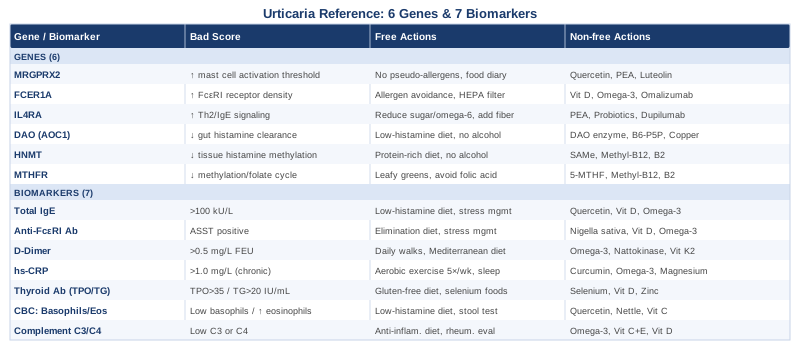
7 Biomarkers to Monitor When Living With Urticaria
The biomarkers below are not randomly selected. They map onto the four main biological mechanisms that research consistently links to chronic urticaria: IgE-mediated allergy, autoimmune mast cell activation, coagulation cascade involvement, and systemic inflammation. Testing all seven gives a reasonably complete picture of which mechanism — or combination of mechanisms — is at work in a given case.
1. Total IgE and Allergen-Specific IgE
IgE is the antibody that sits on the surface of mast cells and basophils. When it binds to a matching allergen, it pulls the trigger for histamine release. Measuring total IgE indicates whether baseline immune tone is elevated; measuring specific IgE identifies which allergens, if any, are responsible. In chronic spontaneous urticaria, total IgE is elevated in approximately 40 to 60 percent of patients — even when no single allergen can be pinpointed. High total IgE without specific sensitization is a clinically useful signal: it suggests mast cells are primed for overreaction even in the absence of a direct allergen encounter. European urticaria guideline working groups have highlighted total IgE as a key baseline for monitoring disease activity and predicting biologic treatment response.
Beyond its diagnostic role, elevated IgE predicts whether omalizumab — the anti-IgE biologic — will be effective. Patients with higher baseline IgE respond better to IgE-blocking therapy, making this marker simultaneously diagnostic and therapeutically informative.
How to Measure It
Total IgE is ordered as part of an allergy panel or standalone serum test. Cost ranges from $20 to $60 through most commercial labs. Specific IgE (ImmunoCAP or RAST) panels run $100 to $400 depending on how many allergens are tested. Both require a standard blood draw. Total IgE above 100 kU/L in adults is generally considered elevated, though reference ranges vary slightly by lab.
If the Score Is Bad: The Plan Without Supplements
If total IgE is persistently elevated without a confirmed allergen cause, the most impactful non-supplement steps are: removing the most common histamine liberators from the diet — alcohol, fermented foods, aged cheeses, canned fish, tomatoes, spinach, and strawberries — and keeping a detailed food and symptom diary for at least four weeks to uncover patterns. Chronic stress raises IgE through regulatory T cell suppression via elevated cortisol; structured daily stress reduction, even 15 minutes of intentional relaxation, changes this over weeks. Consistent sleep quality targeting 7 to 9 hours per night reduces IgE-mediated reactivity through its immune regulatory effect. If specific allergens are confirmed, allergen immunotherapy via subcutaneous or sublingual routes can progressively desensitize the immune response over 3 to 5 years.
If the Score Is Bad: The Plan With Supplements or Equipment
Quercetin is the most studied natural mast cell stabilizer. At 500 mg twice daily with food, it inhibits mast cell degranulation and IgE-mediated histamine release. Cycle: 8 weeks on, 2 weeks off. Side effects are minimal at this dose; avoid during pregnancy. Vitamin D at 2,000 to 4,000 IU daily consistently reduces total IgE in deficient populations and supports regulatory T cell function — check serum 25-OH-D first and target 40 to 60 ng/mL. Omega-3 fatty acids as EPA and DHA combined at 2 to 3 g daily shift prostaglandin balance away from pro-allergic E2 toward the less inflammatory E3 series; take with food to reduce gastrointestinal side effects and no cycling is required. For severe IgE-mediated urticaria, omalizumab (prescription anti-IgE biologic) produces near-complete remission in 60 to 70 percent of CSU patients within 12 weeks and is the most direct pharmacological option when natural approaches are insufficient.
2. Anti-FcεRI and Anti-IgE Autoantibodies
In approximately 35 to 45 percent of chronic spontaneous urticaria cases, the immune system generates autoantibodies that directly attack mast cells — either by binding the high-affinity IgE receptor (anti-FcεRI) or by binding IgE itself (anti-IgE). When these autoantibodies dock onto mast cells, they directly trigger histamine release without any allergen present. This subtype is classified as type IIb autoimmune urticaria and represents one of the most important mechanistic discoveries in the field. Patients with this pattern tend to have more severe disease, respond less reliably to standard antihistamines, and often need treatment approaches that address the immune dysregulation more broadly.
How to Measure It
The most accessible method is the autologous serum skin test (ASST) — a test performed in a clinic where a small amount of the patient's own blood serum is injected intradermally and observed for a wheal-and-flare response over 30 minutes. A positive result indicates the presence of activating autoantibodies. Cost: roughly $50 to $100 in most dermatology or allergy settings. Laboratory ELISA for anti-FcεRI IgG is more specific but less widely available and runs $150 to $300. The basophil activation test (BAT) is a newer, more sensitive method used primarily in academic and research centers.
If the Score Is Bad: The Plan Without Supplements
A positive autoimmune urticaria result shifts the clinical conversation meaningfully. The first non-pharmacological priority is identifying and addressing any co-existing autoimmune conditions — thyroid autoimmunity, lupus, and celiac disease share immune pathways with autoimmune urticaria. An elimination diet removing gluten, dairy, and other common immune-activating foods for 6 to 8 weeks is a reasonable and low-risk trial. Psychological stress directly activates autoimmune mechanisms through the HPA axis, making structured stress management especially important in this subtype. Vigilant infection prevention also matters, since acute infections consistently precipitate flares in autoimmune urticaria through immune activation.
If the Score Is Bad: The Plan With Supplements or Equipment
Nigella sativa (black seed oil) has been studied in a randomized controlled trial for chronic urticaria with significant symptom reduction reported at a clinical dose of 500 mg twice daily for 8 weeks. Published data on PubMed supports this use. Vitamin D deficiency is independently associated with autoimmune urticaria severity; supplementing to achieve serum levels of 50 to 60 ng/mL can reduce autoantibody activity over 3 to 6 months. Omega-3 fatty acids at 3 to 4 g EPA+DHA daily reduce pro-inflammatory cytokine production and support immune tolerance — this is a long-term strategy requiring a minimum of 3 months to evaluate. For more severe autoimmune urticaria, prescription options including hydroxychloroquine and low-dose cyclosporine require physician oversight but are well-established second-line treatments in this subtype.
3. D-Dimer
D-dimer is a fragment produced when blood clots are broken down. Its elevated presence in the bloodstream signals that the coagulation system is being activated somewhere in the body. In chronic urticaria, researchers have consistently found elevated D-dimer in patients with more severe and refractory disease — a finding that initially seemed counterintuitive until the mechanism was clarified. Mast cells, when activated, release tissue factor, which initiates coagulation. Thrombin produced downstream then further activates mast cells — creating a self-reinforcing feedback loop that perpetuates urticarial flares. Multiple studies, particularly from researchers in Italy, have shown that D-dimer levels correlate with urticaria activity scores and normalize when urticaria enters remission, making this marker both diagnostic and useful for tracking treatment response.
How to Measure It
D-dimer is a standard blood test available at virtually any commercial laboratory. Cost: $30 to $80. Values above 0.5 mg/L FEU are considered elevated in non-pregnant adults, though reference ranges vary by assay. D-dimer is non-specific — infections, surgery, pregnancy, and malignancy can all elevate it — so clinical context is essential when interpreting results.
If the Score Is Bad: The Plan Without Supplements
If D-dimer is persistently elevated in the context of urticaria, the first step is ruling out other causes — deep vein thrombosis, pulmonary embolism, and occult malignancy — with physician guidance. Once excluded, the elevation likely reflects mast cell-driven coagulation activation. The most impactful lifestyle interventions are: daily gentle movement (30 minutes of walking consistently), weight management since obesity independently elevates D-dimer, a Mediterranean-style anti-inflammatory diet, elimination of alcohol which promotes both inflammation and coagulation dysregulation, and evaluation for sleep apnea if suspected, since intermittent hypoxia independently drives D-dimer elevation.
If the Score Is Bad: The Plan With Supplements or Equipment
Omega-3 fatty acids at 2 to 4 g EPA+DHA daily have a mild anti-thrombotic effect and reduce tissue factor expression in activated mast cells; long-term use with no cycling required. Nattokinase at 2,000 to 4,000 FU daily is a fibrinolytic enzyme used in some clinical contexts for elevated D-dimer, though direct evidence in urticaria is limited to case series; cycle 12 weeks on, 4 weeks off and avoid with anticoagulant medications. Vitamin K2 as MK-7 at 100 mcg daily supports appropriate coagulation regulation and works synergistically with omega-3 — do not confuse with Vitamin K1. In severe refractory urticaria with clearly elevated D-dimer, some specialists have used short courses of tranexamic acid or low-molecular-weight heparin, both requiring prescription and physician management.
4. High-Sensitivity C-Reactive Protein (hs-CRP)
CRP is the liver's primary acute-phase protein — it rises in response to inflammatory cytokines, particularly IL-6 and TNF-alpha. The high-sensitivity version (hs-CRP) detects low-grade chronic inflammation that a standard CRP test would miss entirely. In chronic urticaria, hs-CRP is elevated in a significant proportion of patients even during apparent remission periods, indicating a state of baseline inflammatory activation persisting beneath the surface. Peter Attia has extensively discussed hs-CRP as one of the most actionable biomarkers across metabolic and inflammatory conditions, noting that its elevation predicts poor response to first-line treatments and justifies a more aggressive search for root causes. In urticaria specifically, elevated hs-CRP predicts worse disease severity and diminished response to standard antihistamine monotherapy.
How to Measure It
hs-CRP is a standard blood test frequently included in cardiovascular risk panels. Cost: $20 to $50. Target values: below 1.0 mg/L indicates low inflammatory risk, 1.0 to 3.0 mg/L is intermediate, and above 3.0 mg/L is elevated. In active urticaria, values above 5 mg/L are not uncommon. Test during a clinically stable period for a meaningful baseline — acute infection dramatically inflates results and makes interpretation unreliable.
If the Score Is Bad: The Plan Without Supplements
Consistent aerobic exercise — 30 minutes of moderate-intensity activity five days per week — reduces hs-CRP by an average of 30 to 40 percent over 3 months and is the strongest lifestyle-based intervention with randomized trial evidence. A Mediterranean dietary pattern (extra virgin olive oil, fatty fish at least twice weekly, abundant vegetables, legumes, and minimal processed foods) consistently reduces hs-CRP. Poor sleep quality is a major independent driver of hs-CRP elevation; prioritizing 7 to 9 hours with consistent timing is non-negotiable. Each kilogram of fat mass lost reduces hs-CRP by approximately 0.13 mg/L. Eliminating alcohol and tobacco if applicable produces further reductions.
If the Score Is Bad: The Plan With Supplements or Equipment
Curcumin as a high-bioavailability extract (BCM-95 or Longvida form) at 500 to 1,000 mg daily with piperine reduces hs-CRP in multiple randomized trials; cycle 12 weeks on, 4 weeks off and monitor for GI tolerance at higher doses. Omega-3 fatty acids at 3 to 4 g EPA+DHA daily reduce IL-6 and TNF-alpha, lowering hs-CRP over 8 to 12 weeks of consistent use. Magnesium glycinate at 300 to 400 mg daily at night addresses the highly prevalent deficiency independently associated with elevated inflammatory markers; long-term use is safe without cycling. Resveratrol as trans-resveratrol at 100 to 500 mg daily has demonstrated hs-CRP-reducing effects in three randomized trials when taken with food; cycle 8 weeks on, 2 weeks off.
5. Thyroid Antibodies (TPO-Ab, TG-Ab) and TSH
The association between thyroid autoimmunity and chronic urticaria was first documented in the 1980s and has since been replicated across dozens of studies. Approximately 25 to 30 percent of patients with chronic spontaneous urticaria carry elevated anti-thyroid antibodies — anti-thyroid peroxidase or anti-thyroglobulin — compared to roughly 5 percent in the general population. This is a striking overrepresentation that strongly suggests a shared autoimmune mechanism. Critically, urticaria severity in these patients often does not correlate with actual thyroid function — many have normal TSH despite positive antibodies, implying that the antibodies themselves, or the broader immune activation they reflect, drive mast cell dysfunction rather than the thyroid abnormality per se. Published meta-analyses support routine thyroid antibody testing in all patients with chronic urticaria.
How to Measure It
TSH, free T4, anti-TPO antibodies, and anti-thyroglobulin antibodies (TG-Ab) can be ordered together as a full thyroid autoimmunity panel. Cost: $50 to $150 for the complete panel. TPO-Ab above 35 IU/mL and TG-Ab above 20 IU/mL are generally considered elevated. Request antibody tests specifically — they are sometimes omitted from basic thyroid panels that only include TSH and T4.
If the Score Is Bad: The Plan Without Supplements
For elevated thyroid antibodies in the context of urticaria, a strict gluten-free diet is the most consistently supported dietary intervention — multiple studies show it reduces TPO antibody titers and urticaria severity over 3 to 6 months, particularly in patients with coexisting celiac disease or non-celiac gluten sensitivity. Even without confirmed celiac disease, a 12-week gluten-free trial is reasonable given the low risk. Selenium-rich food sources (one to two Brazil nuts daily provide approximately the therapeutic selenium dose), iodine moderation since excess iodine can worsen Hashimoto's activity, stress management, and evaluation for other coexisting autoimmune conditions including celiac disease and lupus are all clinically relevant steps.
If the Score Is Bad: The Plan With Supplements or Equipment
Selenium as selenomethionine at 200 mcg daily has the strongest evidence base — multiple randomized trials show reductions in TPO antibodies of 30 to 50 percent over 3 to 6 months along with improved thyroid-related quality of life metrics. Do not exceed 400 mcg daily; cycle at 3 months on and 1 month off as a precaution. Myo-inositol combined with selenium at 600 mg myo-inositol plus 83 mcg selenium twice daily was shown in an Italian randomized controlled trial to reduce TPO-Ab and normalize TSH more effectively than selenium alone in subclinical autoimmune hypothyroidism. Vitamin D targeting 50 to 60 ng/mL serum level has been associated with reduced thyroid antibody titers in observational studies and supports the regulatory T cell function that suppresses autoimmune activity. Zinc as zinc bisglycinate or picolinate at 15 to 30 mg daily supports thyroid hormone conversion and immune balance; take with food and avoid exceeding 40 mg daily without monitoring copper levels.
6. Complete Blood Count With Differential — Basophils and Eosinophils
A complete blood count (CBC) with differential is among the cheapest and most information-dense tests available for urticaria patients. Two specific cell lines matter most here. Basophils — the circulating relatives of tissue mast cells — are often depleted in the peripheral blood of patients with active chronic urticaria because they have migrated into skin tissue and already discharged their histamine stores. Persistent low basophil counts in a symptomatic patient signal ongoing systemic mast cell and basophil activation, even when IgE tests are unremarkable. Eosinophils, on the other hand, may be elevated in urticaria driven by parasitic infection, eosinophilic esophagitis, or adverse drug reactions — findings that redirect the diagnostic and treatment priority substantially. The basophil count also informs treatment selection: the basophil activation test (BAT), a specialized extension of standard CBC findings, has emerged as one of the stronger tools for identifying autoimmune urticaria and predicting omalizumab responsiveness.
How to Measure It
CBC with differential is available at any commercial laboratory for $15 to $50. Normal basophil count ranges from 20 to 100 cells/µL (0.5 to 1 percent of white blood cells). Values below 10 to 15 cells/µL in a symptomatic patient are clinically meaningful. Eosinophil counts above 500 cells/µL warrant further investigation. Comparing values between active disease periods and remission adds considerably to the interpretive value.
If the Score Is Bad: The Plan Without Supplements
If eosinophils are elevated, rule out parasitic infection through stool ova and parasite testing and serologies for Toxocara and Strongyloides before attributing the finding to urticaria alone. Eliminating known food allergens and transitioning to a whole-food, minimally processed diet reduces eosinophilic activation. For low basophils suggesting active ongoing degranulation, the lifestyle goal is reducing overall mast cell burden: low-histamine diet, heat avoidance, stress reduction, and moderating physical exertion during active flares while maintaining consistent gentle movement between episodes.
If the Score Is Bad: The Plan With Supplements or Equipment
Quercetin at 500 mg twice daily reduces eosinophil-driven inflammation by inhibiting IL-5 and eotaxin signaling — two of the key eosinophil-activating cytokines. Stinging nettle extract (Urtica dioica, 300 mg freeze-dried twice daily) has small randomized trial evidence for reducing urticaria frequency through histamine release inhibition and may also attenuate eosinophilic activation. Vitamin C at 1 g twice daily acts as a natural antihistamine by enhancing the degradation rate of histamine through histaminase enzyme activation; safe for long-term use with GI tolerance as the primary limiting factor at higher doses. For severe eosinophilia with urticaria unresponsive to these measures, specialist referral for anti-IL-5 biologic therapy is warranted.
7. Complement Levels — C3, C4, and CH50
The complement system is an arm of innate immunity that amplifies immune responses and assists in pathogen clearance. In a clinically important subset of urticaria patients — particularly those whose welts last longer than 24 hours, have a purpuric or bruised appearance, or are accompanied by joint pain and fever — complement consumption occurs, reflected by low C3 and C4. This pattern is a critical diagnostic signal pointing toward urticarial vasculitis, a condition where blood vessel inflammation underlies and accompanies the skin involvement. Hypocomplementemic urticarial vasculitis syndrome (HUVS) is a distinct diagnosis requiring different treatment from standard urticaria. Published diagnostic reviews consistently recommend complement testing in any urticaria presentation that is atypical, refractory, or accompanied by systemic symptoms.
How to Measure It
C3, C4, and CH50 (total hemolytic complement) form a standard panel available at most commercial laboratories. Cost: $50 to $150. Normal C3 is approximately 90 to 180 mg/dL; normal C4 is 16 to 47 mg/dL. Low C4 with normal C3 suggests either hereditary C4 deficiency or early autoimmune activation. Both C3 and C4 low together indicates active complement consumption seen in lupus, active vasculitis, or HUVS. CH50 below 30 percent of the reference range indicates significant pathway dysfunction warranting rheumatological evaluation.
If the Score Is Bad: The Plan Without Supplements
Low complement combined with urticaria warrants rheumatological referral to exclude lupus, anti-phospholipid antibody syndrome, and urticarial vasculitis before any self-management is attempted — this combination is a flag for further medical investigation, not an isolated supplement target. In the context of confirmed autoimmune urticaria or HUVS, lifestyle measures overlap substantially with those for other autoimmune conditions: anti-inflammatory diet, minimizing unprotected UV exposure (which activates complement in some patients), and vigilant management of acute infections that deplete complement.
If the Score Is Bad: The Plan With Supplements or Equipment
Once serious underlying causes have been medically excluded, supportive options include omega-3 fatty acids at 3 to 4 g EPA+DHA daily, which reduce complement activation through modulation of arachidonic acid metabolism. Antioxidant combination support — Vitamin C at 1 to 2 g daily and Vitamin E at 400 IU daily together — reduces oxidative stress that drives complement consumption in autoimmune states. Vitamin D optimization to 50 to 60 ng/mL supports complement regulatory proteins and is relevant across all autoimmune mechanisms. For confirmed HUVS or autoimmune urticaria with low complement, dapsone and hydroxychloroquine are established specialist-prescribed options.
Having established the measurable blood markers most relevant to urticaria, the next layer of the picture is genetic — because understanding why your biological background makes you more vulnerable to mast cell overactivation or histamine accumulation can explain treatment resistance and point toward more targeted solutions.
The Genetic Side of Urticaria — 6 Genes That May Explain Your Pattern
Genetics does not determine destiny in urticaria, but it sets the background level of sensitivity that determines how much of an environmental or dietary load is needed to trigger a flare. The six genes below influence how mast cells fire, how efficiently the body clears histamine, and how the immune system is calibrated toward or away from allergic and autoimmune responses. Understanding your genetic profile through consumer tests (23andMe, AncestryDNA processed through tools like Genetic Genie) or clinical pharmacogenomic panels can transform a generically prescribed protocol into one that is specific to how your individual biology operates.
Ali Torkamani, Director of Precision Medicine at Scripps Research, has emphasized that genetic variants in immune pathway genes can quantitatively predict responsiveness to specific therapeutic approaches — a concept actively reshaping how inflammatory conditions are personalized. Gary Brecka, who has popularized genetic-based wellness frameworks widely, consistently highlights histamine metabolism genes — DAO, HNMT, and MTHFR — as underappreciated root causes in anyone dealing with chronic histamine-driven conditions including urticaria, identifying them as leverage points that standard allergy treatment never addresses.
1. MRGPRX2 — The Mast Cell Threshold Gene
MRGPRX2 encodes a G protein-coupled receptor expressed on mast cells that responds to a wide variety of stimuli beyond IgE — including certain drugs (fluoroquinolone antibiotics, opioids, neuromuscular blocking agents, codeine), neuropeptides like substance P and CGRP, and basic secretagogues including alcohol and certain food additives. Gain-of-function variants in MRGPRX2 appear to lower the activation threshold of mast cells, making them fire more readily even without allergen-IgE interaction. Emerging evidence suggests these variants contribute to chronic idiopathic urticaria and explain why many patients react to drugs and foods in ways that standard allergy testing cannot capture.
If the Gene Is Bad: The Plan Without Supplements
The practical priority with hyperreactive MRGPRX2 is identifying and eliminating pseudo-allergen triggers — substances that activate mast cells directly without involving IgE. Primary offenders include azo dyes (tartrazine, sunset yellow), benzoate and sorbate preservatives, NSAIDs including aspirin and ibuprofen, alcohol in any form, fermented foods, and specific antibiotics. The oligoantigenic low-pseudo-allergen diet developed in German dermatological practice — 3 to 4 weeks of strict avoidance followed by systematic reintroduction — is the most targeted dietary tool for this variant. Physical triggers (heat, pressure, cold, vibration) should also be systematically tracked and minimized where possible.
If the Score Is Bad: The Plan With Supplements or Equipment
Quercetin at 500 to 1,000 mg twice daily directly stabilizes mast cells and inhibits MRGPRX2-mediated degranulation in in vitro studies; cycle 8 weeks on, 2 weeks off. PEA (Palmitoylethanolamide) at 600 mg twice daily is a naturally occurring fatty acid amide that downregulates mast cell activation through PPAR-alpha receptors; 12-week protocols are standard in mast cell activation syndrome contexts with no required cycling. Luteolin at 100 to 200 mg daily, preferably in a phospholipid complex for absorption (Neuroprotek formulation studied by Dr. Theoharides at Tufts University), provides additional mast cell stabilization through a complementary mechanism. Cromolyn sodium in oral form (prescription or OTC depending on country) provides direct mast cell stabilization when taken before meals.
2. FCER1A — The IgE Receptor Sensitivity Gene
FCER1A encodes the alpha subunit of FcεRI, the high-affinity receptor for IgE expressed on mast cell and basophil surfaces. Variants in this gene — particularly the rs2251746 polymorphism in the promoter region — are associated with higher surface expression of FcεRI, which amplifies the mast cell response to any given IgE concentration. More receptors on the mast cell surface means greater sensitivity to allergen exposure, even when total IgE is only modestly elevated. Populations carrying sensitizing FCER1A variants consistently show higher serum IgE levels and more severe allergic phenotypes in population-based studies.
If the Gene Is Bad: The Plan Without Supplements
Higher FcεRI expression means even low levels of allergen-specific IgE can trigger a significant mast cell response. The practical implication is that allergen avoidance matters more than average: environmental controls including HEPA filtration, frequent washing of bedding in hot water, and removing highly allergenic foods even when RAST results show only low-positive specific IgE are worth implementing. Allergen immunotherapy — which over 3 to 5 years demonstrably downregulates FcεRI surface expression — is particularly well-suited to this genetic profile when a specific allergen can be identified as a meaningful trigger.
If the Score Is Bad: The Plan With Supplements or Equipment
Vitamin D at therapeutic doses targeting 50 to 60 ng/mL serum level has been shown in clinical studies to downregulate FcεRI surface expression on basophils — a mechanistically specific benefit directly matched to this variant. Omega-3 fatty acids at 3 g EPA+DHA daily reduce basophil sensitivity to IgE crosslinking. Quercetin combined with luteolin at 500 mg plus 100 mg daily provides partial receptor-level stabilization as a more accessible alternative to prescription biologics. Omalizumab (anti-IgE, prescription biologic) is particularly well-targeted to this mechanism: by removing free IgE from circulation, it rapidly reduces functional FcεRI density on mast cells even without changing gene expression, and represents the most direct pharmacological option.
3. IL4RA — The Th2 Amplifier
IL4RA encodes the alpha chain of the IL-4 receptor, which also mediates IL-13 signaling. Both IL-4 and IL-13 are Th2 cytokines that promote IgE synthesis, mast cell development, and the general allergic immune tone. The Q576R variant (rs1801275) — a common functional polymorphism present in approximately 20 to 30 percent of atopic individuals — alters receptor signaling to produce an amplified response to IL-4 and IL-13, effectively turning up the volume on the entire allergic cascade. Carriers consistently show stronger IgE responses, more severe atopic disease, and greater benefit from therapies that target this pathway. The IL4RA Q576R variant also predicts enhanced response to dupilumab, making genetic testing here directly actionable from a therapeutic perspective.
If the Gene Is Bad: The Plan Without Supplements
An IL4RA Q576R variant means the Th2 immune arm runs consistently hotter than baseline. Dietary and lifestyle strategies that reduce Th2 skewing are particularly relevant: increasing dietary Th1-supporting nutrients through cold-water fish, zinc-rich foods, and moderate protein intake; reducing Th2 provocateurs including high sugar intake, excess omega-6 seed oils (soy, sunflower, canola), and highly processed foods. Strengthening gut barrier function through dietary fiber, fermented foods (if histamine-tolerant), and reduction of dysbiosis drivers shifts the immune system away from Th2 dominance at the epithelial interface. Consistent moderate aerobic exercise promotes Th1/Th2 immune balance through regulatory T cell induction.
If the Score Is Bad: The Plan With Supplements or Equipment
PEA (Palmitoylethanolamide) at 600 mg twice daily for 12 or more weeks reduces Th2-mediated cytokine production through PPAR-alpha and is an ideal choice for IL4RA variants because it acts upstream of the cytokine signaling this variant amplifies. Probiotic combination with Lactobacillus rhamnosus GG and Bifidobacterium longum strains at 10 to 20 billion CFU daily for at least 12 weeks shifts immune balance toward Th1 and T-regulatory phenotypes. Vitamin A as retinyl palmitate at 5,000 to 10,000 IU daily supports regulatory T cell induction and Th2 suppression — cycle with breaks after 3 months and do not exceed 15,000 IU daily long-term. Dupilumab (prescription biologic blocking IL-4Rα directly) is the most mechanistically specific pharmacological match to this variant and is now approved for chronic spontaneous urticaria in adults.
4. DAO (AOC1) — The Gut Histamine Clearance Gene
Diamine oxidase (DAO), encoded by the AOC1 gene, is the primary enzyme responsible for breaking down ingested histamine in the intestinal lining before it enters systemic circulation. Variants that reduce DAO activity — particularly the C47T and rs1049742 polymorphisms — mean dietary histamine from fermented foods, leftovers, alcohol, cured meats, and aged cheeses is not efficiently degraded, allowing a histamine load to spill into circulation and drive symptoms including urticaria, flushing, headache, rhinitis, and palpitations. This is the biochemical basis of histamine intolerance — a condition affecting an estimated 1 to 3 percent of the population that is frequently mislabeled as a food allergy.
Gary Brecka has specifically highlighted DAO variants as an underrecognized root cause of multiple inflammatory conditions, noting that patients labeled "allergic to wine" or "intolerant of aged cheese" consistently test normal on IgE allergy panels precisely because the mechanism is enzymatic deficiency rather than antibody-mediated hypersensitivity.
If the Gene Is Bad: The Plan Without Supplements
A strict low-histamine diet is the foundational intervention, and the specifics matter considerably. Foods to eliminate completely: all fermented and aged foods (kombucha, kefir, sauerkraut, wine, beer, vinegar-based products), cured meats and smoked fish, aged cheeses, leftovers stored more than 24 hours (histamine rises as bacteria degrade protein even under refrigeration), tomatoes, spinach, eggplant, avocado, strawberries, and canned fish. Freshly prepared, unprocessed food eaten within hours of cooking is the safest approach. A detailed food-symptom diary with timing typically reveals the pattern within 2 weeks. Alcohol in any form is both a rich histamine source and the most potent DAO inhibitor and must be eliminated completely during any trial period.
If the Score Is Bad: The Plan With Supplements or Equipment
DAO enzyme supplementation (available as Histamine Block, DAOsin, or similar brands) taken 15 minutes before histamine-containing meals provides direct enzymatic replacement at the gut level — dose: 1 to 2 capsules per meal containing potential histamine triggers. This is a management tool, not a cure. Vitamin B6 as pyridoxal-5-phosphate (P5P) at 10 to 25 mg daily is a required cofactor for DAO enzyme activity; the P5P form bypasses the conversion step that standard B6 (pyridoxine) requires. Copper glycinate at 1 to 2 mg daily is the second essential DAO cofactor — especially important if zinc supplementation is ongoing since zinc and copper compete for absorption. Vitamin C at 500 to 1,000 mg between meals enhances DAO activity. The full DAO cofactor stack — P5P, copper, and Vitamin C — used daily as a long-term foundational protocol, combined with strict dietary management, addresses the variant at every accessible intervention point.
5. HNMT — The Tissue Histamine Clearance Gene
While DAO handles histamine at the intestinal level, histamine N-methyltransferase (HNMT) is the primary route for degrading histamine once it has entered systemic circulation and penetrated tissues. HNMT degrades histamine through methylation, requiring SAMe (S-adenosylmethionine) as the methyl donor. The Thr105Ile variant (rs1050891) reduces HNMT enzymatic activity by 30 to 50 percent compared to the wild-type. When combined with a co-existing DAO variant — which is common and often co-inherited in urticaria populations — this creates a compounding deficit affecting both gut-level and systemic histamine clearance simultaneously, explaining many treatment-resistant presentations.
If the Gene Is Bad: The Plan Without Supplements
HNMT works inside cells using methylation, so supporting overall methylation capacity is the foundational non-supplement approach. Adequate protein intake ensures methionine availability for SAMe production. Leafy green vegetables provide dietary folate needed for methionine cycle function. Minimizing methylation-depleting factors — alcohol in particular, which directly suppresses methylation enzyme activity — is non-negotiable. Reducing the dietary histamine load through a low-histamine diet (as described for DAO) reduces the demand placed on HNMT even when the enzyme's activity is diminished.
If the Score Is Bad: The Plan With Supplements or Equipment
SAMe (S-Adenosylmethionine) at 400 to 800 mg daily on an empty stomach is the direct methyl donor for HNMT and the most mechanistically targeted supplement for this variant; cycle 8 weeks on, 2 weeks off. Some individuals experience increased anxiety or irritability at higher doses — start at 200 mg and titrate up over two weeks. Methylcobalamin (methyl-B12) at 1,000 to 5,000 mcg sublingually daily supports the methionine cycle that regenerates SAMe from homocysteine. Riboflavin (B2) at 100 mg daily is an upstream cofactor in the methylation cycle that is rarely addressed and often overlooked. These three together — SAMe, methyl-B12, and B2 — form a targeted HNMT support stack that works at the biochemical level of the variant's limitation.
6. MTHFR — Methylation, Histamine, and the Foundation Beneath It All
Methylenetetrahydrofolate reductase (MTHFR) converts dietary folate to 5-methyltetrahydrofolate (5-MTHF), the active form that drives the methionine cycle — which in turn produces SAMe, which is the methyl donor used by HNMT to degrade systemic histamine. The C677T variant (rs1801133) reduces MTHFR enzyme activity by approximately 70 percent in homozygotes and 30 percent in heterozygotes. The A1298C variant has a milder but still meaningful functional impact. Combined with DAO and HNMT variants — which frequently appear together — a C677T homozygous MTHFR profile creates a compounding histamine clearance deficit that can explain why some urticaria patients cycle through treatments for years without durable improvement.
Gary Brecka has described MTHFR as the most consistently overlooked genetic factor in histamine-related conditions. Patients who have "tried everything" for chronic urticaria, including dietary changes and multiple antihistamine combinations, and still cycle through flares, often have an unaddressed methylation bottleneck at the MTHFR level that neither conventional allergy nor dermatology visits typically explore.
If the Gene Is Bad: The Plan Without Supplements
Folate-rich whole foods are the first pillar: dark leafy greens (spinach, arugula, romaine), asparagus, avocado, lentils, and liver provide naturally occurring reduced folate that requires less enzymatic conversion than the synthetic folic acid found in supplements and fortified foods. Critically: avoiding all folic acid supplements and folic-acid-fortified foods is essential in confirmed C677T homozygotes — synthetic folic acid competes with 5-MTHF at cellular receptors and can worsen the bottleneck rather than resolve it. Eliminating alcohol, which directly inhibits MTHFR activity, is foundational. Adequate dietary protein ensures methionine availability for SAMe synthesis.
If the Score Is Bad: The Plan With Supplements or Equipment
5-MTHF (methylfolate) at 400 to 1,000 mcg daily bypasses the defective enzyme by providing the active folate form directly; start at 400 mcg and titrate up gradually as some individuals experience a startup reaction (irritability, joint aches) as methylation ramps up. Methylcobalamin at 1,000 to 5,000 mcg sublingually daily works synergistically and is essential. Riboflavin (B2) at 100 mg daily is a cofactor for MTHFR itself and is frequently omitted from standard methylation protocols. Zinc and magnesium glycinate at 15 to 30 mg and 300 to 400 mg respectively support the broader enzymatic environment. Avoid folic acid and cyanocobalamin (synthetic B12) in confirmed C677T homozygotes. Monitor homocysteine levels every 3 to 6 months — target below 10 µmol/L as an indirect, practical marker of methylation adequacy.
This genetic picture connects naturally to a broader framework — one that has been developed in parallel with conventional allergy medicine and explains many of the treatment gaps that genetic testing alone cannot fully address.
A Book That May Change How You Understand Urticaria: Lessons From Mast Cell Activation Research
What "Never Bet Against Occam" Reveals About Chronic Hives
Never Bet Against Occam: Mast Cell Activation Disease and the Modern Epidemics of Chronic Illness and Medical Complexity by Dr. Lawrence B. Afrin, a hematologist-oncologist who spent decades treating complex mast cell patients at the University of Minnesota, presents a compelling framework for understanding why millions of people experience chronic multisystem inflammatory conditions — including urticaria — that conventional medicine labels as idiopathic or functional. Published in 2016, it draws on hundreds of clinical cases and a growing body of peer-reviewed literature on mast cell activation syndrome (MCAS), arguing that disordered mast cell behavior exists on a far broader spectrum than medicine has historically recognized. The book's core challenge to conventional allergy care is simple and radical: that mast cell problems are not rare and they are not simple, and that urticaria in the middle of this spectrum is common, underdiagnosed, and highly treatable once properly identified.
1. Urticaria Is Almost Always a Mast Cell Story
Mast cells reside in every tissue but are most densely concentrated in the skin, gut, and airways — exactly the organs most commonly affected in mast cell activation syndrome. When mast cells malfunction, they degranulate inappropriately and chronically, releasing histamine, tryptase, prostaglandins, leukotrienes, and dozens of other mediators. Afrin's clinical evidence points to disordered mast cell behavior as the central driver of chronic urticaria across virtually all categories, not just the autoimmune or IgE-mediated subtypes.
2. The Trigger Bucket — Why Some Days Are Fine and Others Are Catastrophic
Afrin describes a bucket model: each person's mast cells have an activation threshold. Below that threshold, individual triggers produce no visible symptoms. Above it, flares occur. The same glass of wine that was fine six months ago now triggers a full-body outbreak because other bucket-filling factors — chronic stress, recent infection, poor sleep, hormonal shift — have raised the baseline. Identifying and reducing the total load across all contributing triggers simultaneously is as important as identifying any single cause, which is why single-elimination approaches so often disappoint.
3. IgE-Negative Does Not Mean Mast-Cell-Normal
This is arguably the most practically important clinical insight in the book: the majority of MCAS presentations involve normal or only mildly elevated IgE. The mast cell dysfunction operates through non-IgE pathways — MRGPRX2, autoantibody-mediated activation, intrinsic hyperreactivity from somatic mutations. Patients who have been reassured after a normal standard allergy workup deserve a second, more nuanced look at their mast cell profile rather than a lifetime prescription of antihistamines.
4. Standard Tryptase Testing Misses Most MCAS
Serum tryptase is only robustly elevated in systemic mastocytosis, where mast cell mass is enormously increased. In the far more common functional MCAS, basal tryptase typically sits within the normal reference range of 5 to 15 ng/mL. Tryptase measured within 30 to 60 minutes of an acute episode and compared to a personal resting baseline is more informative than a single resting measurement, and 24-hour urine histamine plus its metabolite N-methylhistamine — tests capturing mast cell output over a full day — are more sensitive markers of ongoing mast cell activation than serum tryptase alone.
5. The Layered Treatment Ladder That Standard Care Often Skips
The most actionable clinical contribution of this literature for urticaria patients is the treatment ladder that extends well beyond the H1 antihistamine that most patients are given and sent home with. The full sequence: Layer 1 is a non-sedating H1 antihistamine at up to four times standard dosing. Layer 2 adds an H2 antihistamine covering stomach mast cells. Layer 3 adds a leukotriene receptor antagonist such as montelukast. Layer 4 adds mast cell stabilizers, specifically cromolyn sodium or ketotifen. Layer 5 introduces omalizumab. Most urticaria patients are offered only Layer 1. Layers 2 through 4 are inexpensive, generally well-tolerated, and have been transformative in many treatment-resistant cases when introduced systematically.
6. The Gut-Mast Cell Axis — Your Skin Hives May Live in Your Gut
Mast cells in the gut wall are in continuous bidirectional communication with the gut microbiome. Dysbiosis — an imbalanced gut bacterial population — chronically activates intestinal mast cells, which release mediators that sensitize mast cells throughout the body, including the skin. Afrin's clinical observations align with published microbiome data showing that gut composition differences in CSU patients are measurable and correlate with disease severity. Addressing gut dysbiosis is not an alternative to treating the urticaria directly — it is part of treating the urticaria directly.
7. Vitamin D Is Non-Negotiable in Mast Cell Disease
Afrin reports that the substantial majority of his MCAS patients are markedly Vitamin D deficient, and that correcting this deficiency — targeting serum 25-OH-D consistently above 50 ng/mL — produces reliable improvements in baseline mast cell reactivity that no other single supplement replicates. Mast cells express Vitamin D receptors, and Vitamin D directly downregulates mast cell degranulation through VDR-mediated gene regulation. Given the low cost, low risk, and high biological plausibility of optimizing Vitamin D, Afrin considers it a foundational non-negotiable intervention, not an optional adjunct.
8. Genetic Variants in Mast Cell Regulators Are Surprisingly Common
Afrin's clinical experience, supported by emerging genomic research, suggests that most MCAS patients carry a constellation of heterogeneous variants in mast cell regulatory genes — particularly in the KIT gene signaling pathway — that are individually small in effect but collectively shift mast cell reactivity meaningfully. These are distinct from the D816V KIT mutation of systemic mastocytosis and are subtler patterns detectable through next-generation sequencing. The practical implication is that MCAS is not a rare genetic disease — it is a common expression of widespread genetic variation in mast cell regulatory networks.
9. Environmental Mast Cell Triggers Are More Numerous Than Allergens
Conventional allergy medicine focuses on environmental and food allergens. MCAS-informed practice expands this dramatically: mast cells can be directly triggered by heat, cold, vibration, pressure, fragrances, cleaning products, certain medications, electromagnetic fields (in the most sensitive patients), emotional distress, and hormonal fluctuations — none of which will show up on a standard allergy panel. Systematic environmental reduction — not just dietary restriction — is often the key that unlocks improvement in patients who have tried "every elimination diet" without durable results.
10. Patience and Individual Experimentation Define Success More Than Any Protocol
The most practically important message in this literature: no two MCAS or urticaria presentations are identical, and what resolves urticaria in one patient may trigger it in another — including otherwise beneficial supplements. Starting with one change at a time, tracking outcomes systematically, and thinking like a careful scientist rather than a patient trying a new product is not just a preference but a clinical necessity for navigating this spectrum. Afrin advocates strongly for patients becoming the primary investigator of their own condition, with physicians as consultants rather than the sole source of solutions.
Beyond the biological framework established above, there are several evidence-supported complementary approaches that can meaningfully contribute to urticaria management — not as replacements for medical evaluation but as additions to a comprehensive, individualized strategy.
Complementary Approaches With Clinical Evidence for Urticaria
Mindfulness-Based Stress Reduction (MBSR)
Psychological stress is one of the most reliably documented urticaria triggers, with the mechanism thoroughly established: activation of the HPA axis raises cortisol, increases sympathetic nervous system tone, and directly stimulates mast cells through corticotropin-releasing hormone (CRH) receptors expressed on their surface. MBSR — an 8-week structured program of meditation, body scan, and gentle yoga developed by Jon Kabat-Zinn — is the best-studied non-pharmacological approach for modulating this stress-immune interface.
A body of controlled research demonstrates that MBSR reduces inflammatory cytokines including IL-6 and TNF-alpha in stress-reactive individuals, with evidence of reduced IgE-mediated immune reactivity following sustained mindfulness training. In chronic urticaria specifically, pilot data from dermatology clinics indicates that patients completing structured MBSR programs report meaningful reductions in flare frequency and urticaria activity scores over 8 to 12 weeks.
In practice: seek a certified MBSR instructor or follow the 8-week program from the Center for Mindfulness at UMass Medical School, which offers online options. The studied protocol involves 20 to 45 minutes of daily practice. The first 8 weeks are the critical commitment — neurological and immunological effects require consistent practice before they consolidate, and most people who discontinue do so during weeks 3 and 4 when the novelty fades.
Microbiome-Directed Therapies
The gut-skin axis is a documented biological pathway, not a metaphor. The gut lining contains approximately 70 percent of the body's immune cells, and the composition of the gut microbiome directly shapes mast cell reactivity, T-regulatory cell function, and the Th1/Th2 immune balance. In chronic urticaria, altered gut microbiome composition has been documented in multiple studies, with significantly different ratios of Firmicutes to Bacteroidetes in CSU patients compared to controls — a pattern that normalizes in patients who achieve remission.
A published randomized controlled trial found that Lactobacillus rhamnosus GG supplementation alongside standard antihistamine therapy produced significantly greater reductions in urticaria activity scores compared to antihistamine therapy alone. Fecal microbiota transplant has produced complete urticaria remission in isolated case reports, pointing to the strength of the microbiome-urticaria connection.
Practically, a combination probiotic including Lactobacillus rhamnosus GG, Lactobacillus acidophilus, and Bifidobacterium longum at 20 to 50 billion CFU daily for a minimum of 12 weeks is a reasonable and low-risk starting protocol. Prebiotic fiber support — inulin, partially hydrolyzed guar gum, or green banana resistant starch at 5 to 10 g daily — feeds the probiotic colonies introduced. Eliminating processed foods, excess sugar, and artificial sweeteners removes the most damaging dysbiosis-promoting inputs. This is a 3 to 6 month commitment; the effect size in urticaria is modest but the benefit-to-risk ratio is among the highest of any complementary approach.
The Autoimmune Protocol (AIP) — Sarah Ballantyne's Framework
Given that urticaria is frequently autoimmune in origin — with anti-FcεRI antibodies, anti-thyroid antibodies, and ANA present in a substantial proportion of CSU patients — the Autoimmune Protocol (AIP) developed by Dr. Sarah Ballantyne is directly relevant. AIP is a structured elimination diet that removes potential immune triggers including grains, legumes, dairy, eggs, nightshades, nuts, seeds, and all processed foods, while emphasizing nutrient-dense whole foods that support gut barrier integrity, reduce intestinal permeability, and modulate regulatory immune function.
The AIP has been studied in randomized trials in inflammatory bowel disease and Hashimoto's thyroiditis, showing significant reductions in inflammatory markers and autoantibody titers over 10 to 12 weeks. The biological mechanisms — gut barrier healing, reduced immune exposure to food-derived antigens, and reduction in molecular mimicry between food proteins and human tissue antigens — are directly relevant to the autoimmune urticaria subtype. Dr. Ballantyne specifically documents skin conditions including urticaria as conditions that frequently improve during AIP, consistent with its gut-immune mechanism of action.
Practically: the elimination phase requires 4 to 8 weeks minimum, followed by systematic one-food-at-a-time reintroduction over subsequent months. This is a diagnostic and healing protocol, not a permanent restriction. Urticaria patients with elevated autoimmune markers — positive ASST, anti-TPO, or ANA — are the most likely candidates for meaningful benefit. Supervision from a registered dietitian familiar with AIP is strongly recommended to ensure nutritional completeness, particularly for patients already on dietary restrictions.
Breathing-Based Therapies and Vagal Nerve Activation
The vagus nerve is the primary anti-inflammatory nerve in the body. Vagal activation directly inhibits mast cell degranulation through the cholinergic anti-inflammatory reflex — a well-characterized pathway in which acetylcholine suppresses mast cell and macrophage mediator release. Chronic stress suppresses vagal tone, which disinhibits mast cell firing and contributes to the systemic inflammatory state documented in chronic urticaria. Slow-paced breathing at 4.5 to 6 cycles per minute is among the most reliable, accessible methods for increasing heart rate variability (HRV) as a measurable proxy of vagal tone.
A meta-analysis of breathing-based vagal activation interventions confirmed significant increases in HRV and reductions in inflammatory cytokines with as little as 10 to 15 minutes of resonant breathing per day. A pilot study of diaphragmatic breathing training over 8 weeks in urticaria patients showed a 25 percent reduction in urticaria activity scores — though the sample was small and the study was uncontrolled, the biological mechanism is sound.
Practically: box breathing (inhale 4 seconds, hold 4 seconds, exhale 4 seconds, hold 4 seconds) or resonant frequency breathing at 5.5 breath cycles per minute practiced for 10 to 20 minutes daily produces measurable HRV increases within 4 weeks. Free apps including BreathPacer and breathing tools in Insight Timer guide the pace. A biofeedback device such as HeartMath Inner Balance provides real-time HRV feedback that substantially improves adherence and allows objective tracking of vagal tone improvement over time.
Chinese Herbal Medicine — Yu Ping Feng San
Traditional Chinese Medicine has specific formulations for urticaria patterns classified as "wind-heat" and "wind-cold" that map, at least partially, onto identifiable immunological mechanisms. The best-studied formula for chronic urticaria is Yu Ping Feng San — Jade Windscreen Powder — a combination of Astragalus membranaceus, Atractylodes macrocephala, and Saposhnikovia divaricata root. Astragalus in particular carries well-documented immunomodulatory activity in peer-reviewed pharmacology research, including reduction of Th2 cytokines and direct inhibition of mast cell degranulation.
A randomized controlled trial found that Yu Ping Feng San combined with standard antihistamine therapy produced significantly greater improvements in urticaria activity scores and patient quality of life scores compared to antihistamine therapy alone at 8 weeks of treatment. A systematic review of TCM approaches to CSU identified multiple positive RCTs, though study quality and blinding varied considerably across the literature.
In practice: Yu Ping Feng San is available as capsules or granules from certified TCM pharmacies. Dosing typically follows the manufacturer's recommendation or a licensed TCM practitioner's guidance — usually 5 to 10 g of granules daily in divided doses. Quality control is a meaningful practical concern: source only from certified manufacturers that test for heavy metals, mycotoxins, and pesticides. Inform both your dermatologist and TCM practitioner of all medications being taken, as some herbal components can interact with anticoagulants and immunosuppressants.
Conclusion
Chronic urticaria rarely has a single cause and rarely responds fully to a single intervention. But the information laid out across these sections makes a strong case that it is not intractable — it is mappable. Knowing whether your D-dimer is elevated, whether your thyroid is generating autoantibodies, whether your mast cells have a genetic hair trigger through MRGPRX2 variants, or whether your histamine clearance through DAO and MTHFR is operating at half capacity transforms a diagnosis of exclusion into a set of specific targets with specific, actionable responses.
The practical next step is not to implement everything at once. Choose the two or three biomarkers that feel most relevant to your clinical picture and get them tested, ideally during a period of moderate disease activity rather than full remission or severe flare. Share those results with a physician who is familiar with mast cell disorders, functional allergy, or integrative medicine. Build a protocol that addresses your specific pattern — whether that points toward selenium and thyroid antibody reduction, methylfolate and MTHFR correction, quercetin and mast cell stabilization, or a structured MBSR course for vagal tone and stress-immune modulation.
Better biological information does not guarantee a resolution. But it substantially improves the probability of identifying the right lever to engage — and that shifts the odds meaningfully in your favor.
Skin: Inflammatory Skin Conditions
Endocrine & Metabolic: Thyroid Conditions
Autoimmune: Inflammatory Conditions Autoimmune Skin Conditions