This article contains AI generated content.
· UpdatedVaricella Arthritis — 5 Genes And 7 Biomarkers To Track
Introduction
Developing joint pain during or after chickenpox is disorienting. Most people expect the rash, the fever, the fatigue — but swollen, aching joints feel like a different category of problem altogether. If you or your child went through this, you may have been reassured that it resolves on its own. That is often true. But for a subset of people, varicella-related arthritis lingers, recurs, or opens the door to a longer inflammatory pattern that simple reassurance does not prepare you for.
The standard medical response — rest, anti-inflammatories, time — addresses the acute phase reasonably well. What it does not do is explain the individual variation. Why does one child's joint inflammation clear in three days while another person's persists for six weeks? Why do some adults develop a reactive arthritis pattern after shingles reactivation that looks almost autoimmune? The generic protocol has no answer for these questions because it was not built to ask them.
This article takes a different approach by identifying the specific biological markers and genetic factors that shape how your immune system responds to the varicella-zoster virus — and what you can do about them. Seven measurable biomarkers can reveal how active your inflammation is, whether the immune response has become self-sustaining, and how quickly you are recovering. Five genetic variants can explain why your baseline inflammatory tendency differs from someone else's. Neither of these replaces a physician's assessment, but both give you substantially better information to bring to that conversation.
The core of this article focuses on those seven biomarkers, with practical detail on what to measure, what the numbers mean, and what moves them in the right direction. A second section maps the five key genetic variants. Beyond those two tracks, a third section draws on current immunology research to offer a framework for thinking about post-viral recovery, and a fourth covers complementary approaches that have real clinical evidence behind them. The underlying message is not that you can cure this yourself — it is that knowing more about your specific biology leads to more targeted decisions, and better decisions tend to lead to better outcomes.
Summary
- 7 key biomarkers can be measured to track the inflammatory state of varicella arthritis: hsCRP, ESR, IL-6, VZV antibody titers, HLA-B27, synovial fluid analysis, and anti-CCP/RF - 5 genetic variants — including HLA-B27, HLA-DRB1, IL-6 -174G>C, TNF-α -308G>A, and IFITM3 — influence how severely the immune system reacts to VZV and how likely joint involvement is to persist - For each bad biomarker score or genetic variant, there are concrete plans both with and without supplements - A research-backed section reviews the key immunology insights from current science that most general practitioners don't discuss with patients - The Autoimmune Protocol, mindfulness, tai chi, low-level laser therapy, and microbiome interventions all have clinical evidence relevant to post-viral joint inflammation - The article ends with an actionable priority list: what to measure first, what lifestyle factors matter most, and what conversations to have with a specialist
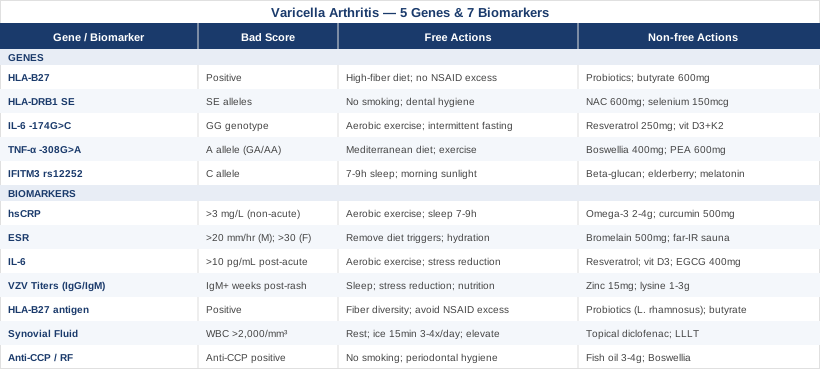
7 Biomarkers To Track For Varicella Arthritis
Most people with varicella arthritis never have their inflammatory status measured beyond a basic physical exam. This is a missed opportunity. A relatively small panel of blood and fluid markers can map the current state of inflammation, identify whether the immune response is winding down or perpetuating itself, and flag risk for progression to a more chronic pattern. The seven biomarkers below represent a practical and graduated approach — starting from affordable and universally available tests up through more specialized measurements that become relevant when the picture is unclear or the condition is not resolving.
1. High-Sensitivity CRP (hsCRP)
Why it matters. C-reactive protein is produced by the liver in response to inflammatory cytokine signaling, primarily IL-6. In varicella arthritis, elevated hsCRP confirms that the inflammatory response is systemic rather than purely local, and serial measurements over days to weeks tell you whether the response is resolving or persisting. The high-sensitivity version detects lower concentrations than standard CRP and is more useful for tracking subclinical inflammation between acute episodes.
How to measure it. A standard blood draw, available at virtually any laboratory. Cost range: $15–$40 without insurance. Optimal value is below 1.0 mg/L. Values between 1–3 mg/L indicate moderate elevation; above 3 mg/L during a non-acute period suggests ongoing systemic inflammation. During active varicella arthritis, levels above 10 mg/L are common and expected. The clinically meaningful signal is the trajectory — is it falling consistently each week?
If the score is bad, the plan without supplements. The most powerful non-supplement interventions for elevated hsCRP are sustained aerobic exercise at moderate intensity (30 minutes, 4–5 days per week), sleep optimization targeting 7–9 hours of uninterrupted sleep, and elimination of ultra-processed foods and refined seed oils from the diet. Time-restricted eating within an 8–10 hour window has shown consistent hsCRP-lowering effects in multiple trials. Cold exposure (ending showers cold for 2–3 minutes daily) activates the sympathetic system in ways that reduce chronic low-grade inflammation, though this should be avoided during the acute febrile phase.
If the score is bad, the plan with supplements or equipment. Omega-3 fatty acids at 2–4g of combined EPA/DHA daily have the strongest evidence for reducing hsCRP, with effects observable in 8–12 weeks. Cycling every 3 months with a 2-week washout is reasonable for long-term use. Curcumin with piperine (500mg standardized curcuminoid daily) has shown significant hsCRP reduction in meta-analyses of inflammatory conditions. Magnesium glycinate at 300–400mg nightly addresses a common deficiency that amplifies inflammatory signaling. Potential side effects: omega-3s at high doses can increase bleeding time; curcumin may interact with anticoagulants.
2. Erythrocyte Sedimentation Rate (ESR)
Why it matters. ESR measures how quickly red blood cells settle in a tube — a non-specific but time-tested marker of systemic inflammation. It rises more slowly than CRP (peaking around 24–48 hours after inflammation begins) and falls more slowly, making it useful as a lagging indicator of overall inflammatory burden. In varicella arthritis, ESR helps confirm the inflammatory picture when CRP is borderline and is particularly useful for tracking resolution in children, where it is well-studied.
How to measure it. Available at any clinical lab; cost range $10–$25. Normal range in adults is typically below 20 mm/hr for men and below 30 mm/hr for women, though age adjustments apply. In pediatric varicella arthritis cases, ESR values between 40–80 mm/hr are commonly reported during active joint involvement per case series in the pediatric infectious disease literature.
If the score is bad, the plan without supplements. ESR responds to the same lifestyle variables as hsCRP but more slowly. The priority interventions are removing dietary inflammatory triggers (gluten in sensitive individuals, excess fructose, alcohol), aggressive hydration, and sleep quality. Gentle movement — specifically non-weight-bearing joint mobilization like swimming or cycling — has been shown to reduce systemic ESR more effectively than full rest in inflammatory arthritis populations.
If the score is bad, the plan with supplements or equipment. Bromelain (500mg, twice daily between meals) has anti-inflammatory and fibrinolytic properties that support ESR normalization. Serrapeptase at similar dosing is an alternative with some clinical support. Both should be cycled — 6 weeks on, 2 weeks off — and avoided in individuals on anticoagulants. Far-infrared sauna sessions (20 minutes, 3x/week at 45–55°C) have peer-reviewed support for reducing ESR in inflammatory joint conditions.
3. Interleukin-6 (IL-6)
Why it matters. IL-6 is one of the central orchestrators of the acute immune response to VZV infection. It drives both local joint inflammation and systemic effects including fever and CRP production. Elevated IL-6 in the weeks following varicella suggests the immune response has not fully resolved or that a cytokine feedback loop is maintaining inflammation beyond the initial viral clearance. This marker is particularly relevant in patients with persistent or recurrent joint symptoms after apparent viral resolution, as it may indicate a shift toward an autoimmune inflammatory pattern.
How to measure it. Serum IL-6 can be measured via standard ELISA at most specialty labs; cost range $50–$120. Normal serum IL-6 is typically below 5–7 pg/mL. Values above 10–15 pg/mL in the post-acute phase warrant attention. Some labs offer cytokine panels that include IL-6, IL-1β, and TNF-α together, which provides a fuller inflammatory picture for an incremental cost.
If the score is bad, the plan without supplements. IL-6 is directly suppressed by aerobic exercise — regular moderate-intensity activity (not high-intensity during active joint inflammation) reduces IL-6 in a dose-dependent manner. Psychological stress chronically elevates IL-6 through HPA axis dysregulation; structured mind-body practices have measurable IL-6-lowering effects in controlled trials. Reducing visceral adiposity, which functions as an IL-6-secreting organ, is a longer-term structural intervention with strong evidence.
If the score is bad, the plan with supplements or equipment. Resveratrol (250–500mg/day) inhibits the IL-6 signaling pathway and has peer-reviewed support in inflammatory conditions. Vitamin D3 at levels sufficient to bring serum 25-OH-D above 50 ng/mL consistently modulates IL-6 production — testing first and supplementing to a target (typically 3,000–5,000 IU/day with K2) is the appropriate approach. Green tea extract (EGCG, 400mg/day) has shown IL-6 suppression in multiple human trials. Cycle resveratrol 8 weeks on, 2 weeks off. Side effects: EGCG at high doses may stress the liver; monitor with periodic liver enzyme testing.
4. VZV-Specific Antibody Titers (IgG and IgM)
Why it matters. Confirming that joint inflammation is actually attributable to the varicella-zoster virus — rather than coinciding with a separate inflammatory trigger — requires serological evidence. IgM antibodies indicate recent or active VZV infection or reactivation; IgG antibodies confirm prior exposure and are used to assess immune status. In adults with joint symptoms after shingles, a high VZV IgG titer combined with low avidity can suggest relatively recent primary infection or partial reactivation. PCR on joint fluid is the gold standard for confirming VZV presence in the synovium.
How to measure it. VZV IgG and IgM panels are available through standard commercial labs; cost range $40–$90 for the combined panel. A positive IgM with elevated IgG confirms recent or active infection. In the post-varicella arthritis context, IgM positivity weeks after the rash has resolved may suggest ongoing or recurrent viral activity warranting antiviral consideration. VZV PCR from joint fluid requires arthrocentesis, which is typically performed only when diagnosis is uncertain or the joint is severely inflamed; cost is higher ($150–$250 for the PCR component).
If the score is bad, the plan without supplements. The primary intervention for ongoing or reactivating VZV is antiviral therapy (acyclovir, valacyclovir) — a conversation with your physician, not a self-managed strategy. Outside of antivirals, immune support through sleep, stress reduction, and adequate nutrition is the accessible lever. Sleep deprivation specifically impairs VZV-specific T-cell responses, which is the primary immune defense against reactivation.
If the score is bad, the plan with supplements or equipment. Zinc at 15–25mg/day has direct antiviral properties and supports VZV-specific T-cell function. Lysine at 1–3g/day has a traditional use in VZV suppression; evidence is stronger for HSV-1 than VZV but the mechanism (competition with arginine) is plausible. Monolaurin (600–1200mg/day) is a lipid compound with antiviral properties in vitro. Avoid arginine-rich foods (chocolate, peanuts, seeds in large quantities) during periods of potential VZV activity. Cycle lysine 3 months on, 1 month off; it is generally well-tolerated at therapeutic doses.
5. HLA-B27 Antigen Testing
Why it matters. HLA-B27 is a human leukocyte antigen that serves as both a genetic variant and a measurable serum marker. Its relevance in post-infectious arthritis is substantial: individuals who are HLA-B27 positive are significantly more likely to develop reactive arthritis following a triggering infection, and the arthritis they develop tends to be more severe and longer-lasting. VZV infection is among the viral triggers that can activate a reactive arthritis pattern in HLA-B27 positive individuals. This test is not diagnostic of varicella arthritis itself, but it dramatically changes the prognosis and management calculus when the result is positive.
How to measure it. HLA-B27 testing is done via blood draw using flow cytometry or PCR-based methods; cost range $50–$150. Approximately 6–8% of the general population in North America and Europe carries HLA-B27. Among individuals who develop reactive arthritis following a triggering infection, HLA-B27 positivity rates are reported as high as 60–80% in rheumatology literature, per reviews accessible at PubMed. A positive result is a durable fact — it does not change over time and only needs to be tested once.
If the score is bad (HLA-B27 positive), the plan without supplements. HLA-B27 positivity is a risk amplifier, not a sentence. The most actionable lifestyle intervention is reducing the frequency of gut dysbiosis and mucosal infections, which appear to be the primary activation triggers for HLA-B27-driven joint inflammation. This means dietary fiber diversity, avoidance of NSAID overuse (which damages gut mucosa), and minimizing unnecessary antibiotic courses. Physical therapy and graded exercise are preferred over rest for HLA-B27-positive reactive arthritis to prevent enthesopathy progression.
If the score is bad, the plan with supplements or equipment. Probiotics — specifically multi-strain formulations including Lactobacillus rhamnosus and Bifidobacterium longum — help restore gut barrier integrity, which is the primary environmental modifier in HLA-B27-positive individuals. Butyrate supplementation (600–1200mg/day sodium butyrate) supports mucosal immunity and has been studied in inflammatory bowel conditions that overlap with HLA-B27-positive arthropathy. Low-dose naltrexone (LDN, 1.5–4.5mg at bedtime) is an off-label option that modulates immune signaling in several HLA-B27-associated conditions; this requires a prescribing physician.
6. Synovial Fluid Analysis
Why it matters. When joint inflammation is significant — particularly when a large joint is visibly swollen — analyzing the fluid directly provides information that no blood test can match. Synovial fluid white cell count distinguishes septic arthritis from inflammatory arthritis (which varicella arthritis is), and VZV PCR on synovial fluid can confirm the etiology definitively. Fluid glucose and protein levels, along with microscopy for crystals, rule out gout or pseudogout as concurrent or alternative explanations. In pediatric varicella arthritis, synovial fluid typically shows mononuclear cell predominance, consistent with a viral rather than bacterial pattern.
How to measure it. Arthrocentesis (joint aspiration) is performed by a physician, typically a rheumatologist or orthopedic specialist. Complete synovial fluid analysis including culture, cell count, crystal analysis, and VZV PCR costs $200–$600 depending on the tests ordered. This is not a first-line test in mild varicella arthritis and is usually reserved for moderate-to-severe joint swelling, diagnostic uncertainty, or failure to improve on conservative management.
If the score is bad, the plan without supplements. Elevated synovial white cell counts (typically 2,000–50,000/mm³ in inflammatory arthritis) indicate active joint inflammation requiring rest and anti-inflammatory management. Avoiding weight-bearing on the affected joint during the acute phase is important; compression and elevation reduce fluid accumulation. Ice packs (15–20 minutes, 3–4 times daily) in the first 48–72 hours limit inflammatory mediator activity at the joint level.
If the score is bad, the plan with supplements or equipment. Topical diclofenac gel applied to the affected joint reduces intra-articular prostaglandin activity with lower systemic exposure than oral NSAIDs. Low-level laser therapy devices (class 3B or class 4 lasers, 3–5 minutes per joint, 3x/week) have been shown to reduce synovial inflammation in both human trials and animal models. Photobiomodulation via near-infrared panels (630–850nm range, 10–20 minutes per session) applied over the affected joint is an accessible home option. Both modalities reduce inflammatory cytokine activity at the tissue level without systemic side effects.
7. Anti-CCP Antibodies and Rheumatoid Factor (RF)
Why it matters. This test is not about confirming varicella arthritis — it is about ruling out the possibility that the viral episode has unmasked or triggered an underlying autoimmune process. There is established evidence that viral infections, including those caused by herpesviruses, can initiate autoimmune arthritis through molecular mimicry, where immune responses to viral proteins cross-react with self-antigens in the joint. Anti-cyclic citrullinated peptide (anti-CCP) antibodies can be detectable years before clinical rheumatoid arthritis appears. In someone with persistent post-varicella joint symptoms, a positive anti-CCP is a critical finding that changes the treatment trajectory entirely.
How to measure it. Anti-CCP and RF are ordered as a standard rheumatology panel; combined cost range $50–$120. Anti-CCP has higher specificity than RF for RA (approximately 95% specific). A positive anti-CCP warrants rheumatology referral regardless of current symptom severity. Both tests should be interpreted in the context of clinical presentation — a positive RF alone is relatively non-specific and appears in multiple viral infections including acute varicella itself.
If the score is bad, the plan without supplements. A positive anti-CCP requires physician-directed management — this is not a self-help territory. However, lifestyle modifications that reduce the likelihood of clinical RA progression in at-risk individuals include: strict avoidance of smoking, aggressive periodontal health management (poor gum health drives citrullination), sustained anti-inflammatory dietary patterns, and regular moderate exercise. These are among the most evidence-supported interventions for preventing the transition from seropositive at-risk status to clinical RA.
If the score is bad, the plan with supplements or equipment. Fish oil at 3–4g EPA/DHA daily has the most consistent evidence for reducing anti-CCP levels and modifying RA progression risk in seropositive individuals. Hydroxychloroquine is a pharmaceutical (requiring prescription) with strong evidence for preventing progression in seropositive at-risk patients — this is a standard of care discussion with a rheumatologist. Boswellia serrata extract (400–600mg standardized to 65% boswellic acids, twice daily) inhibits the leukotriene pathway relevant to autoimmune joint inflammation; cycle 8 weeks on, 2 weeks off.
Genetics Behind Varicella Arthritis: 5 Variants Worth Knowing
The biomarkers above tell you what is happening right now. Genetics tell you something different — why your immune system was already predisposed to respond the way it did. These five variants collectively explain a significant portion of the individual variability in both susceptibility to varicella arthritis and its tendency to persist or recur. None of them are deterministic; environment, lifestyle, and epigenetic regulation are powerful modifiers. But knowing your genetic baseline changes how you interpret your biomarker results and what preventive priorities make the most sense for you specifically.
Gene 1: HLA-B27
The same HLA-B27 antigen discussed in the biomarkers section has a genetic origin — a specific allele of the major histocompatibility complex class I gene. Carrying HLA-B27 does not mean you will develop reactive arthritis, but it means your immune system has a structural tendency to confuse certain foreign protein sequences with self-tissue in the joint. The mechanism involves VZV-derived peptides that share sequence homology with proteins expressed in synovial tissue, triggering a misdirected immune attack that outlasts the viral clearance.
If the gene is bad, the plan without supplements. The core lifestyle priority for HLA-B27 carriers is gut barrier health. Evidence from spondyloarthropathy research indicates that gut dysbiosis functions as a proximate trigger that activates the HLA-B27-dependent inflammatory cascade. High-fiber diet, minimum processed food intake, and avoidance of NSAID overuse (which damages intestinal tight junctions) are the structural interventions. Regular physical therapy — specifically axial and peripheral joint mobilization — reduces the enthesopathy risk that HLA-B27 carriers face.
If the score is bad, the plan with supplements or equipment. Multi-strain probiotic therapy and butyrate (as described in the biomarker section) are the first-line additions. Colostrum supplementation (2–4g/day) supports mucosal barrier integrity and has been studied in gut permeability contexts relevant to inflammatory arthritis. Cycle 12 weeks on, 4 weeks off.
Gene 2: HLA-DRB1 Shared Epitope
Certain alleles of the HLA-DRB1 gene share a common amino acid sequence called the "shared epitope" (SE), found in the antigen-binding groove of the MHC class II molecule. The presence of SE alleles — particularly HLA-DRB1*01 and HLA-DRB1*04 — is the strongest genetic risk factor for seropositive rheumatoid arthritis and increases the risk that a viral trigger like VZV will initiate an autoimmune process through molecular mimicry. Individuals with SE alleles who develop varicella arthritis represent a higher-risk subset for progression to chronic inflammatory arthritis.
If the gene is bad, the plan without supplements. SE allele carriers have the most to gain from early identification of anti-CCP positivity and early lifestyle modification. The most evidence-backed non-pharmacological intervention is smoking cessation — smoking multiplies RA risk in SE-positive individuals several-fold by driving protein citrullination in lung tissue. Periodontal hygiene (twice-daily brushing, flossing, regular dental cleanings) reduces the Porphyromonas gingivalis load that drives citrullination, a mechanism directly implicated in SE-related autoimmunity. Caloric moderation reducing excess weight lowers the overall systemic citrullination burden.
If the score is bad, the plan with supplements or equipment. N-acetylcysteine (600mg twice daily) supports glutathione production and reduces oxidative citrullination signaling. Hydroxychloroquine (physician-prescribed) is standard preventive care in SE-positive, anti-CCP-positive individuals. Selenium at 100–200mcg/day supports immune regulation relevant to autoimmune susceptibility; stay within the therapeutic range as selenium is toxic at high doses.
Gene 3: IL-6 Gene Polymorphism (rs1800795, -174G>C)
The -174G>C single nucleotide polymorphism in the IL-6 gene promoter region directly affects how much IL-6 your body produces in response to an inflammatory trigger. The C allele is associated with lower IL-6 production; the G allele (especially GG homozygotes) drives higher IL-6 output. In the context of varicella arthritis, carrying the GG genotype predisposes to a more intense and potentially more prolonged inflammatory response to VZV infection. This polymorphism has been studied in multiple inflammatory arthritis populations.
If the gene is bad, the plan without supplements. GG carriers benefit disproportionately from the IL-6-lowering lifestyle interventions described earlier — specifically regular aerobic exercise, sleep optimization, stress reduction, and visceral fat reduction. Intermittent fasting protocols (16:8 or modified 5:2) show particular IL-6-reducing effects in GG-genotype individuals in metabolic studies.
If the score is bad, the plan with supplements or equipment. Resveratrol and vitamin D3 supplementation (described in the biomarker section) are particularly valuable for GG carriers given the direct IL-6 pathway effects. Quercetin at 500mg/day has shown IL-6 suppression independent of other flavonoids. Astaxanthin (4–8mg/day from natural krill or algae source) modulates the NF-κB pathway that drives IL-6 transcription in response to viral stimuli. Cycle quercetin 8 weeks on, 2 weeks off.
Gene 4: TNF-α Polymorphism (rs1800629, -308G>A)
TNF-α (tumor necrosis factor alpha) is a central inflammatory cytokine in synovial inflammation. The -308G>A promoter polymorphism results in higher TNF-α transcription in A-allele carriers (GA or AA genotypes). This matters in varicella arthritis because TNF-α drives joint tissue destruction in reactive and autoimmune arthritis, and A-allele carriers mount a stronger and less self-limiting TNF-α response to viral antigens. This polymorphism has been associated with more severe reactive arthritis outcomes in published case-control studies, per data available in the inflammatory arthritis literature.
If the gene is bad, the plan without supplements. TNF-α production is significantly diet-responsive. Elimination of trans fats and refined carbohydrates produces measurable reductions in TNF-α within 4–8 weeks. A Mediterranean-pattern diet, characterized by olive oil, oily fish, polyphenol-rich vegetables, and minimal processed foods, has the strongest dietary evidence for lowering TNF-α. Weight-bearing exercise — even in the presence of joint symptoms, within tolerated limits — reduces adipose tissue TNF-α production over time.
If the score is bad, the plan with supplements or equipment. Boswellia serrata (as described) directly inhibits TNF-α synthesis. Palmitoylethanolamide (PEA, 600mg twice daily) is an endogenous lipid mediator with growing evidence for modulating TNF-α in inflammatory joint conditions; it is well-tolerated with minimal side effects. Whole-body vibration therapy (15–20 minutes, 3x/week at low-frequency oscillation) has shown TNF-α reduction in several pilot trials; devices are available for home use at moderate cost.
Gene 5: IFITM3 (rs12252)
Interferon-induced transmembrane protein 3 (IFITM3) is a frontline innate immune defense against several viruses including herpes family viruses. The rs12252 C allele creates a variant that impairs IFITM3's ability to block viral entry into host cells, resulting in higher viral replication in respiratory and systemic tissues during primary infection. While research on IFITM3 and VZV specifically is still emerging (primarily from viral severity studies), the biological logic is straightforward: a weakened innate antiviral barrier allows higher VZV loads, which in turn drives more intense immune activation and higher joint inflammation risk.
If the gene is bad, the plan without supplements. Adequate sleep is the most important IFITM3-supporting intervention — interferon pathways are particularly dependent on sleep architecture for their expression. Maintaining vitamin D sufficiency, which upregulates interferon response pathways, is the other primary modifiable factor. Reducing immunosuppressive medications when clinically safe to do so allows innate immune defenses to function at their genetically determined capacity.
If the score is bad, the plan with supplements or equipment. Beta-glucan (1,3-1,6 from oats or yeast, 250–500mg/day) primes innate immune cells and upregulates interferon signaling cascades. Elderberry extract has been studied in viral infection contexts and shows interferon-pathway stimulation. Melatonin at low physiological doses (0.3–1mg, 30 minutes before sleep) supports innate immune signaling beyond its sleep role — relevant specifically for VZV reactivation risk. Avoid high-dose melatonin (5–10mg) which can paradoxically suppress immune function.
What Current Immunology Research Says About Post-Viral Joint Recovery
Andrew Huberman has addressed the science of immune function, inflammation, and post-viral recovery across multiple episodes of the Huberman Lab podcast, drawing on primary literature and interviews with immunologists, rheumatologists, and infectious disease specialists. The core insights, translated to the varicella arthritis context, challenge several assumptions that filter down from standard primary care.
1. Viral Clearance and Symptom Resolution Are Not the Same Event
The immune response to VZV does not switch off when the virus is cleared. Inflammatory mediators — cytokines, activated T-cells, residual antigen fragments — can persist in tissue for weeks to months after the infection itself has resolved. This explains why post-varicella arthritis can begin after the rash resolves, not during it. The clinical implication is that symptom onset timing is not a reliable guide to viral activity timing.
2. Sleep Is the Single Most Powerful Immune Regulator Available Without a Prescription
Research reviewed on the Huberman Lab consistently shows that immune cell function — including natural killer cell activity, T-cell differentiation, and antibody production — follows circadian rhythms that are only properly executed during high-quality sleep. A single night of fewer than six hours sleep reduces natural killer cell activity by over 70% in controlled studies. For VZV-specific immunity, the implications are direct: sleep deprivation is a primary driver of viral reactivation and impaired immune resolution. This is not a peripheral wellness point — it is mechanistic, measurable, and actionable.
3. The Gut-Joint Immune Axis Is a Real Anatomical Pathway
The gut contains approximately 70% of the body's immune tissue. The mesenteric lymph nodes and gut-associated lymphoid tissue are primary sites where immune tolerance is trained — and where tolerance can break down. Research on HLA-B27-positive reactive arthritis models (most extensively studied in the HLA-B27 transgenic rat) has shown that animals raised in germ-free conditions do not develop arthritis even when they carry the arthritis-associated gene. The gut microbiome is not just a secondary system; it is a primary driver of whether genetic susceptibility becomes clinical disease.
4. Sunlight and Vitamin D Operate Through Different Mechanisms
Vitamin D from supplementation raises serum 25-OH-D, which supports immune modulation via nuclear receptor signaling. But UVB exposure from sunlight also produces photoproducts in skin tissue that have immunoregulatory effects independent of vitamin D synthesis — effects you cannot replicate with a pill. Morning light exposure (10–20 minutes of direct sunlight on skin before 10am) activates additional immune regulation pathways that matter particularly for chronic low-grade inflammation. Both are important; neither replaces the other.
5. Chronic Stress Maintains Inflammation That the Immune System Would Otherwise Resolve
Cortisol is acutely anti-inflammatory — it is what allows you to function during an illness without being completely incapacitated. But chronically elevated cortisol, from sustained psychological stress, dysregulates the same immune pathways it initially dampens, ultimately producing a low-grade pro-inflammatory state. This is why research consistently shows that individuals under sustained stress at the time of a viral infection have longer recovery courses and higher rates of post-infectious complications including reactive arthritis. Stress reduction is not adjunctive care in this context — it is directly anti-inflammatory at the molecular level.
6. Cold Exposure Has Specific Mechanisms Beyond General Wellness
Cold water immersion or cold showers trigger a norepinephrine release that can suppress systemic inflammatory cytokine expression. A study from the Czech Republic, reviewed in Huberman's immune function episodes, documented that regular cold exposure (not during acute infection) reduced sick days and systemic inflammatory markers compared to controls. For post-varicella recovery, brief cold exposure (ending showers with 60–90 seconds of cold water) during the recovery phase — not during fever or active infection — provides a repeatable, cost-free anti-inflammatory signal.
7. Exercise Dosing Matters: Too Little and Too Much Both Impair Immune Resolution
The immunological J-curve of exercise is well established: sedentary individuals and those undergoing extreme endurance training both show impaired immune function compared to those engaged in regular moderate-intensity activity. In post-varicella arthritis, this means complete rest is not the optimal immune strategy after the acute phase. Graded return to low-impact aerobic activity (walking, cycling, swimming) starting within the first week of symptom improvement drives anti-inflammatory cytokine IL-10 production and supports immune resolution.
8. Omega-3s Operate via a Lipid Mediator Pathway That NSAIDs Do Not Touch
Resolvins and protectins — lipid mediators derived from EPA and DHA — actively signal the resolution of inflammation rather than simply blocking its initiation. NSAIDs block inflammatory enzymes but do not generate these resolution signals. This means that omega-3s and NSAIDs are not pharmacologically redundant — they act on different parts of the inflammatory cycle. Taking omega-3s while using anti-inflammatory medications covers complementary mechanisms, and research suggests that high-dose fish oil may shorten the total duration of inflammatory episodes precisely because it accelerates resolution signaling.
9. Intermittent Fasting Activates Autophagy, Which Clears Viral Antigen Fragments
One underappreciated driver of prolonged post-viral inflammation is persistent viral antigen — protein fragments from the virus that were not fully cleared by the immune system and continue to trigger low-level immune responses. Autophagy, the cellular self-cleaning process, is activated during fasting periods of 14–18 hours and is capable of clearing these intracellular remnants. Regular intermittent fasting (16:8 on non-exercise days) may shorten the duration of post-infectious inflammatory symptoms by addressing this mechanism.
10. Light Therapy Modulates Inflammatory Cytokine Profiles
Red and near-infrared light at 630–850nm wavelengths penetrate tissue and interact with mitochondrial cytochrome c oxidase, resulting in reduced inflammatory cytokine expression and improved cellular energy production. This is not speculative — photobiomodulation has peer-reviewed human trial support for reducing synovial inflammation in multiple arthritis types. At-home near-infrared panels (commercially available, $100–$800) applied to affected joints for 10–20 minutes daily represent one of the most accessible and evidence-supported technology-based additions to a post-varicella arthritis recovery plan.
Complementary Approaches With Clinical Evidence
Beyond biomarkers and genetics, several well-studied complementary approaches address the specific mechanisms involved in varicella-related joint inflammation. The following five modalities were selected based on the quality of human clinical evidence available for inflammatory arthritis conditions.
The Autoimmune Protocol (Sarah Ballantyne)
Sarah Ballantyne, PhD, developed the Autoimmune Protocol (AIP) as a structured elimination-reintroduction dietary framework designed to reduce the environmental triggers that sustain autoimmune and inflammatory joint conditions. The protocol eliminates grains, legumes, nightshades, eggs, dairy, nuts, seeds, alcohol, and NSAIDs for a minimum of 30–60 days, then reintroduces foods systematically to identify personal triggers. Its relevance to varicella arthritis lies in the post-viral phase: when the immune system has been activated by VZV and joint inflammation has not fully resolved, dietary triggers can maintain the inflammatory signal in individuals with underlying gut permeability.
A 2017 prospective open-label study published in Inflammatory Bowel Diseases demonstrated significant reductions in inflammatory markers and clinical disease activity scores in patients with inflammatory bowel disease following AIP, supporting its mechanism if not its direct application to arthritis. The protocol is detailed in Ballantyne's book The Paleo Approach and her companion cookbook.
For varicella arthritis, AIP is most applicable when joint symptoms persist beyond 4–6 weeks after apparent viral resolution, or when anti-CCP or ANA testing returns borderline-positive results suggesting autoimmune involvement. It should be approached as a 60-day structured experiment with careful symptom tracking before and after reintroduction of each food category, not as a permanent restrictive diet.
Tai Chi
Tai chi is a slow, structured movement practice originating in Chinese martial arts, practiced for its balance, strength, and systemic anti-inflammatory effects. Its relevance to varicella arthritis is primarily through two mechanisms: joint mobilization with minimal mechanical loading (important when joints are inflamed but immobility accelerates stiffness), and its well-documented reduction of systemic inflammatory markers including IL-6 and CRP through mind-body regulation.
A randomized controlled trial of tai chi in rheumatoid arthritis patients, published in Arthritis Care and Research, demonstrated significant improvements in pain, physical function, and inflammatory marker levels compared to a stretching control group. The form used most often in studies is Yang-style short form (24 movements), practiced for 60 minutes twice weekly.
For practical application in varicella arthritis recovery: begin with a modified, seated or supported form during the acute phase when weight-bearing is uncomfortable. Progress to standing practice as joint swelling reduces. Three sessions per week of 20–40 minutes has been shown to produce measurable anti-inflammatory effects within 8 weeks. Online guided programs (Tai Chi Foundation, YMCA programs) offer accessible starting points without instructor cost.
Low-Level Laser Therapy and Photobiomodulation
Low-level laser therapy (LLLT), also called photobiomodulation, uses specific wavelengths of red and near-infrared light to reduce inflammation and accelerate tissue healing at the cellular level. The mechanism involves activation of mitochondrial cytochrome c oxidase, increased ATP production, reduced reactive oxygen species, and downstream suppression of inflammatory cytokines including TNF-α and IL-1β. These effects are directly relevant to joint inflammation, making LLLT one of the better-matched complementary technologies for varicella arthritis.
A 2009 Cochrane systematic review of LLLT for rheumatoid arthritis found short-term improvements in pain and morning stiffness compared to placebo, supporting the mechanism in an inflammatory joint context. Clinical protocols typically use 660nm (red) or 830nm (near-infrared) light at fluences of 4–8 J/cm², applied to each affected joint for 3–5 minutes, 3–5 times per week for 4–8 weeks.
Home near-infrared panels (commercially available for $100–$600) or handheld LLLT devices approved for consumer use can be applied directly over affected joints. For varicella arthritis, begin treatment after the acute febrile phase has resolved. Avoid direct irradiation over actively infected skin. Most users report a gradual reduction in joint stiffness and swelling over 2–4 weeks of consistent use. Side effects are minimal; avoid use over open wounds or in individuals with photosensitive conditions.
Mindfulness-Based Stress Reduction (MBSR)
Mindfulness-Based Stress Reduction is an 8-week structured program developed by Jon Kabat-Zinn that combines body scanning, breath-focused meditation, and gentle yoga. Its relevance to varicella arthritis is through the well-established HPA-axis modulation pathway: MBSR consistently reduces cortisol, reduces IL-6, and modifies the subjective pain experience without altering underlying inflammation. In post-viral conditions where the immune system is under sustained activation pressure, the chronic stress contribution to inflammation is not trivial — and MBSR directly addresses it.
A randomized controlled trial of MBSR in inflammatory conditions, reviewed in Psychosomatic Medicine, demonstrated significant reductions in IL-6 and CRP in the MBSR group compared to controls after 8 weeks. The effect size was comparable to low-dose NSAID use for inflammatory marker reduction, and the effect was sustained at 3-month follow-up.
The formal MBSR program is available through hospitals, community health centers, and online platforms (the Center for Mindfulness at UMass Medical School offers an online version). Informal practice — 10 minutes of body-scan meditation daily — produces measurable HRV improvements and autonomic regulation effects within 2–4 weeks. In varicella arthritis, MBSR is best used during the recovery and post-acute phase to prevent the transition from acute to chronic inflammatory patterning.
Microbiome-Directed Therapies
The gut microbiome is a primary regulator of systemic immune tone, including the inflammatory response that drives post-viral arthritis. Microbiome-directed interventions — including targeted probiotic therapy, prebiotic fiber, and fermented food protocols — work by restoring the balance between pro-inflammatory and anti-inflammatory immune signals that originate in the gut. In HLA-B27-positive individuals specifically, microbiome composition has been shown to directly modulate arthritis severity in multiple experimental models, establishing a mechanism-level rationale for this approach.
Clinical evidence supporting microbiome-directed approaches in inflammatory arthritis is growing. A randomized trial published in Nutrition demonstrated that multi-strain probiotic supplementation over 8 weeks reduced CRP and DAS28 disease activity scores in rheumatoid arthritis compared to placebo. The specific strains with the most evidence in arthritis contexts include Lactobacillus casei, Bifidobacterium bifidum, and Lactobacillus acidophilus.
For practical application: begin with a diverse, multi-strain probiotic (minimum 10–20 billion CFU, 5+ strains) taken daily for 3 months, then reassess. Simultaneously increase dietary prebiotic fiber (onions, leeks, asparagus, chicory, oats) to 25–35g/day — probiotics without prebiotics have limited colonization effect. Adding 2–3 servings of fermented foods daily (kefir, kimchi, unsweetened yogurt with live cultures, kombucha) provides complementary microbial diversity. This protocol is safe, accessible, and well-suited as a foundational intervention in varicella arthritis recovery, particularly for individuals with HLA-B27 positivity or a history of gut dysfunction.
Conclusion
Varicella arthritis sits at the intersection of infectious disease and immunology — a condition that is often dismissed as temporary but carries real biological complexity for those whose inflammation does not follow the expected timeline. The seven biomarkers described in this article give you a concrete measurement framework: you can track inflammation, confirm viral etiology, assess autoimmune risk, and monitor recovery with tools that are widely available and reasonably affordable. The five genetic variants explain why some people are built to react more intensely to viral triggers and what they can do about it at both the lifestyle and supplementation level.
The most actionable next step is to identify which biomarkers have never been tested and start there — particularly hsCRP, VZV serology, and HLA-B27 if joint symptoms lasted more than two weeks. Bring those results, along with this article's framework, to a rheumatologist or functional medicine physician who can contextualize them. Better data enables better decisions — and in post-viral joint inflammation, the difference between a well-informed and a generic approach can be the difference between resolution and chronicity.