This article contains AI generated content.
Varicose Veins: 5 Genes And 6 Biomarkers To Track
Introduction
You have probably already heard the standard list: lose weight, avoid standing too long, wear compression stockings, elevate your legs at the end of the day. None of that is wrong, but if you have followed it for months or years and your veins have still gotten more prominent, more achy, or more visible, you already know that generic advice runs out of explanatory power fairly quickly. It tells you what to do in general, not what is actually happening in your own veins.
That gap exists because varicose veins are not one condition with one cause. Some people develop them mostly because of weak valve architecture they inherited. Others develop them because of chronic low-grade inflammation, a clotting tendency, or connective tissue that stretches more than it should under venous pressure. Two people with the same visible bulging veins on their calves can have very different underlying biology, which is exactly why the same stockings-and-walking advice helps one person a great deal and barely moves the needle for another.
This article takes a more specific approach. Instead of stopping at general lifestyle tips, it looks at the actual genes that recent research has linked to varicose vein risk, and at the blood and imaging markers that can tell you, right now, whether inflammation, clotting activity, or vein wall dysfunction are contributing to what you see in the mirror. Genes describe a predisposition you were born with; biomarkers describe what your body is doing today, which is often more useful because it can change.
None of this amounts to a cure, and no gene or blood test replaces a proper vascular exam. But better information tends to produce better decisions, and that is the honest promise here: a way to see more clearly which of the drivers behind varicose veins apply to you, so that whatever you do next, whether that is compression, exercise, targeted supplementation, or a referral for evaluation, is chosen instead of guessed.
Summary
Genetics research over the past decade, including a genome-wide study of more than 810,000 people, has linked varicose vein risk to specific genes involved in vein valve formation, connective tissue strength, and cell-to-cell communication in the vessel wall, including FOXC2, EFEMP1, and MTHFR. At the same time, everyday blood tests such as D-dimer, hs-CRP, and homocysteine, alongside a simple ultrasound measurement called venous reflux time, can reveal whether inflammation, clotting activity, or valve failure are actively driving your symptoms right now. This article walks through six biomarkers worth tracking first, since they are the most actionable, then covers what the five best-studied genes suggest and how to work around each one, followed by a set of practical lessons drawn from a widely read longevity book and a short review of which complementary approaches actually have human evidence behind them for vein health.
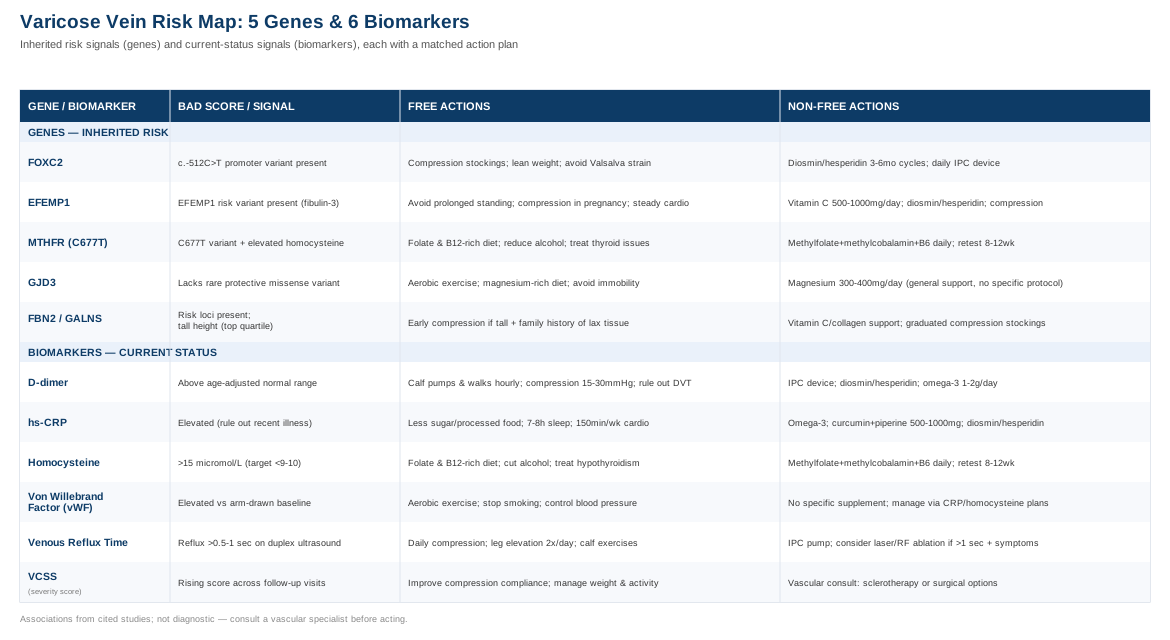
6 Biomarkers That Actually Tell You What's Driving Your Varicose Veins
Genes tell you what you were born with. Biomarkers tell you what is happening in your body this year, which is why they are the more practical starting point for most people. The six markers below combine cheap, widely available blood tests with two low-cost functional measurements that vascular specialists already rely on. Together they cover the three biological processes that drive most varicose vein progression: clotting activity, inflammation, and mechanical valve failure.
1. D-dimer
D-dimer is a fragment released when the body breaks down small blood clots. In people with uncomplicated primary varicose veins, D-dimer is frequently elevated even without a diagnosed deep vein thrombosis: one study found more than half of people with primary varicose veins had D-dimer above the normal age-adjusted range, and levels drawn directly from varicose veins are consistently higher than blood drawn from the arm in the same patient, pointing to ongoing low-level clot formation and breakdown inside the diseased vein itself (Factors affecting D-dimer levels in patients with uncomplicated primary varicose veins). A persistently high D-dimer in someone with varicose veins is a signal that the vein segment is not just cosmetically abnormal, it is mechanically stressed enough to be forming and dissolving small thrombi.
How to measure it
D-dimer is a standard blood draw available through almost any primary care provider or direct-to-consumer lab. Expect to pay roughly 20 to 50 USD out of pocket if ordered without insurance, or nothing beyond a normal visit co-pay if a physician orders it because of leg swelling, pain, or suspected clot. It is a fasting-optional test with results usually back within a day.
If D-dimer is high: the plan without supplements
Increase calf muscle pump activity: short walks every 45 to 60 minutes if you sit for work, ankle pumps and calf raises done in sets of 15 to 20 several times a day, and daily lower-body movement of at least 30 minutes. Wear graduated compression stockings (15 to 20 mmHg for mild cases, 20 to 30 mmHg if advised by a clinician) during the day, removing them at night. If D-dimer is significantly elevated or accompanied by swelling, warmth, or pain in one leg, this needs a same-week medical evaluation to rule out deep vein thrombosis before doing anything else; that is a discussion for a doctor, not a supplement plan.
If D-dimer is high: the plan with supplements or equipment
Once thrombosis has been ruled out, an intermittent pneumatic compression device (used 20 to 30 minutes once or twice daily) can meaningfully reduce venous stasis in the calves. Micronized purified flavonoid fraction (diosmin/hesperidin, typically 500 mg twice daily) has trial support for reducing venous symptoms and has a plausible, though not definitive, effect on the low-grade clot turnover behind elevated D-dimer. Omega-3 fatty acids (1 to 2 g EPA/DHA daily) are sometimes used for their mild effect on blood viscosity; check with a physician first if you are on any anticoagulant or antiplatelet medication, since combining them increases bleeding risk. Recheck D-dimer after 8 to 12 weeks rather than weekly, since it fluctuates and short-interval retesting mostly adds noise.
2. High-Sensitivity C-Reactive Protein (hs-CRP)
Chronic venous disease has a real inflammatory component, not just a mechanical one. Blood drawn directly from varicose veins shows significantly higher hs-CRP, interleukin-6, D-dimer, and von Willebrand factor compared with blood drawn from the arm of the same person, and reviews of venous disease pathophysiology now treat inflammation as a central driver of vein wall remodeling and valve damage rather than a side effect of it (Pathophysiological mechanisms of chronic venous disease, The role of endothelial dysfunction and inflammation in chronic venous disease). A high systemic hs-CRP in someone with early varicose veins suggests the vein walls are in an active inflammatory remodeling phase, which is when intervention tends to do the most good.
How to measure it
hs-CRP is a routine, inexpensive blood test, typically 15 to 40 USD without insurance, run alongside a standard metabolic or cardiovascular panel. No special fasting is required. Because CRP rises with any infection or recent injury, it is worth rechecking if your result is unexpectedly high and you had a cold, dental work, or an intense workout in the prior week.
If hs-CRP is high: the plan without supplements
Address the biggest inflammatory levers first: reduce ultra-processed food and added sugar intake, aim for 7 to 8 hours of sleep, and build in 150 minutes a week of moderate cardiovascular activity, which lowers systemic CRP over 8 to 12 weeks in most people. Weight loss, if relevant, has one of the largest effect sizes on both CRP and venous pressure, since excess abdominal weight directly raises intra-abdominal pressure and worsens venous return.
If hs-CRP is high: the plan with supplements or equipment
Omega-3 fatty acids (1 to 2 g daily) and curcumin with piperine (500 to 1000 mg daily) both have reasonable trial evidence for lowering hs-CRP over 8 to 12 week cycles; cycle off for 2 to 4 weeks every few months rather than taking continuously, and stop curcumin at least a week before any planned surgery since it has mild antiplatelet activity. Diosmin/hesperidin (500 mg twice daily) again overlaps here, since its main documented mechanism is reducing leukocyte adhesion and inflammatory signaling in the vein wall. Recheck hs-CRP no sooner than 8 weeks after starting any of these.
3. Homocysteine
Serum homocysteine rises with impaired methylation, most commonly due to the common MTHFR C677T variant, and it is independently associated with more severe chronic venous disease: one study found homocysteine tracked with clinical grade 4 to 6 disease (the more advanced end of the spectrum, including skin changes and ulceration) even after adjusting for age, diabetes, and other standard risk factors (Serum homocysteine is associated with the severity of primary chronic venous disease). Elevated homocysteine damages endothelial cells and increases oxidative stress in the vein wall, which is a plausible mechanism for why it correlates with worse disease rather than just riding along with it.
How to measure it
A fasting blood draw, typically 30 to 60 USD out of pocket. Levels above roughly 15 micromol/L are generally considered elevated; many functional-medicine-oriented clinicians prefer to see levels under 9 to 10.
If homocysteine is high: the plan without supplements
Increase dietary folate (leafy greens, legumes, liver) and vitamin B12 (eggs, fish, dairy, or fortified foods if you eat a mostly plant-based diet), since dietary insufficiency is a common and correctable contributor even in people without a genetic variant. Reduce alcohol intake, which depletes folate, and address any untreated hypothyroidism, which independently raises homocysteine.
If homocysteine is high: the plan with supplements or equipment
A B-complex supplement providing methylfolate (400 to 800 mcg) rather than folic acid, methylcobalamin B12 (500 to 1000 mcg), and B6 (25 to 50 mg) is the standard approach, particularly useful if you know or suspect an MTHFR variant, since methylated forms bypass the enzyme step that variant impairs. Take it daily for 8 to 12 weeks, then retest; homocysteine-lowering supplementation is generally well tolerated, though very high B6 doses over long periods (above 100 mg daily for months) have been linked to peripheral neuropathy, so stick to standard combination-product doses rather than megadosing B6 alone.
4. Von Willebrand Factor (vWF)
Von Willebrand factor is released by activated or damaged endothelial cells and is part of the clotting cascade. Like D-dimer and hs-CRP, vWF is measurably higher in blood drawn from varicose veins than from the arm, marking the vein wall as an active site of endothelial activation rather than a passive, purely mechanical problem (Pathophysiological mechanisms of chronic venous disease). It is a less commonly ordered test than D-dimer or CRP, which makes it more useful as a second-line marker: if D-dimer and hs-CRP are both borderline, an elevated vWF adds confidence that endothelial dysfunction, not lab noise, is the explanation.
How to measure it
This requires a specific request to a physician or a specialty lab, since it is not part of routine panels; cost runs roughly 60 to 120 USD and is more often covered when ordered by a hematologist or vascular specialist investigating a bleeding or clotting question.
If vWF is high: the plan without supplements
The same endothelial-protective habits apply here as with CRP: regular aerobic exercise, not smoking (smoking is one of the strongest known drivers of endothelial activation), and blood pressure control, since hypertension mechanically stresses the endothelium and raises vWF release.
If vWF is high: the plan with supplements or equipment
There is no well-established supplement protocol specifically for lowering vWF, and given its role in normal clotting, this is a marker better managed through the underlying inflammatory and vascular drivers already addressed under hs-CRP and homocysteine above rather than targeted directly. If vWF is markedly elevated, particularly alongside a personal or family history of clotting or bleeding disorders, that is a reason for a hematology referral rather than a self-directed supplement plan.
5. Venous Reflux Time (Duplex Ultrasound)
This is the single most direct biomarker of valve failure, and it is a functional measurement rather than a blood test. A duplex ultrasound measures how long blood flows backward (refluxes) in a vein after a calf squeeze or Valsalva maneuver is released; healthy valves close within a fraction of a second, while incompetent valves allow reflux to continue. Research comparing peak reflux velocity and reflux time found that a reflux duration beyond roughly 0.5 to 1 second in the superficial veins reliably distinguishes diseased from healthy veins, and this measurement is now central to the current clinical practice guidelines for evaluating varicose veins (Quantification of superficial venous reflux by duplex ultrasound).
How to measure it
A venous duplex ultrasound is performed by a vascular lab or ultrasound technician, typically 200 to 600 USD without insurance, though it is frequently covered when ordered by a physician evaluating symptomatic varicose veins. It is painless, takes 30 to 45 minutes, and requires standing during part of the exam so gravity can reveal reflux that would not show up lying down.
If reflux time is prolonged: the plan without supplements
Reflux itself cannot be reversed by lifestyle changes since it reflects a mechanically failed valve, but symptom progression can be slowed: consistent daytime compression stockings, leg elevation above heart level for 15 to 20 minutes twice daily, avoiding prolonged static standing, and calf-strengthening exercise to improve the muscle pump that partially compensates for a leaky valve.
If reflux time is prolonged: the plan with supplements or equipment
This is the one biomarker on this list where equipment matters more than supplements. An intermittent pneumatic compression pump used daily can meaningfully reduce symptoms while a treatment decision is being made. Beyond that, prolonged and clinically significant reflux (generally above 1 second in a truncal vein, especially with symptoms) is usually a discussion about procedural options such as endovenous laser or radiofrequency ablation with a vascular specialist rather than a supplement or device you manage yourself; venoactive supplements like diosmin/hesperidin or horse chestnut extract can reduce symptoms in the meantime but do not correct the underlying reflux.
6. Venous Clinical Severity Score (VCSS)
VCSS is not a lab value but a validated 10-item clinical scoring system, covering pain, varicosity extent, edema, skin pigmentation, inflammation, and healed or active ulceration, each scored 0 to 3. It was specifically designed and validated as an objective way to track chronic venous disease severity over time, and it correlates strongly with independent measures like the CEAP clinical classification (Evaluating chronic venous disease with a new venous severity scoring system). Its main value is longitudinal: a single hs-CRP or D-dimer reading is a snapshot, but a VCSS tracked every few months tells you whether your overall trajectory is improving, stable, or worsening, independent of any single biomarker.
How to measure it
VCSS is normally scored during a visit with a vascular specialist or phlebologist, at no separate cost beyond the visit itself. Several validated versions of the scoring checklist are also used in self-tracking by patient advocacy groups, which makes it realistic to log at home between clinical visits if you want a consistent number to watch.
If VCSS is trending worse: the plan without supplements
Treat a rising VCSS as a trigger to re-examine the basics: compression compliance (most people underuse stockings, wearing them a few days a week rather than daily), weight trend, activity level, and whether long-haul flights or prolonged sitting have increased. Re-score every 3 months rather than weekly, since venous symptoms fluctuate with heat, activity, and menstrual cycle in ways that make short-interval comparisons unreliable.
If VCSS is trending worse: the plan with supplements or equipment
A worsening VCSS despite consistent compression and activity is the clearest signal on this entire list that the case has moved past what supplements or home equipment can address, and it is the point at which a vascular surgery or phlebology consult for ablation, sclerotherapy, or surgical options becomes the appropriate next step rather than another supplement cycle.
What Your Genes May Already Be Telling You
Biomarkers show what your veins are doing today; genetics explains part of why some people need to work harder than others to keep the same result. Researchers like Ali Torkamani, who has published extensively on how much common disease risk is explained by inherited variants rather than lifestyle, and Gary Brecka, who popularized using consumer genetic data to flag actionable variants before symptoms appear, both make the same basic point: a variant is not a diagnosis, it is a nudge in one direction that can usually be compensated for once you know it exists. The five genes below are the ones with the most consistent human evidence for varicose vein risk.
FOXC2
FOXC2 is a master regulator of venous valve formation during development. A specific promoter variant, c.-512C>T, increases FOXC2 expression and is significantly more common in people with chronic venous disease than in healthy controls, with laboratory work showing the variant drives higher transcriptional activity and shifts venous endothelial cells toward an arterial-like gene expression pattern (Forkhead box C2 promoter variant c.-512C>T is associated with increased susceptibility to chronic venous diseases). Carrying this variant is associated with structurally different, less durable vein valves from early in life.
If the gene is unfavorable, the plan without supplements centers on never giving weak valves more pressure than necessary: consistent compression stockings from a younger age than you might otherwise consider, maintaining a lean body weight since abdominal pressure transmits directly to leg veins, and avoiding heavy resistance training with breath-holding (Valsalva) without a controlled breathing pattern, since spikes in intra-abdominal pressure are harder on already-weak valves.
If the score is unfavorable, the plan with supplements or equipment adds micronized purified flavonoid fraction (diosmin/hesperidin, 500 mg twice daily, taken in 3 to 6 month cycles) which has the best trial support of any oral venoactive compound for valve-related symptoms, plus an intermittent pneumatic compression device for daily use if symptoms are already present. There is no supplement that corrects valve architecture itself; equipment and compression manage the consequence, they do not reverse the cause.
EFEMP1
EFEMP1 encodes fibulin-3, a structural protein in the extracellular matrix that gives elastic tissue, including vein walls, its tensile strength. It emerged as a genome-wide significant locus for varicose veins and has since been independently replicated in a separate population, strengthening the case that it is a real, reproducible risk factor rather than a statistical artifact (Replication study identifies EFEMP1 association with varicose vein predisposition). Variants here point toward a vein wall that stretches more under pressure than it should.
Without supplements, the priority is minimizing sustained mechanical stretch on the vein wall: avoiding prolonged standing without movement breaks, using compression during pregnancy if applicable (pregnancy dramatically raises venous pressure and is a common trigger for first-time varicose veins in people with this kind of connective tissue predisposition), and keeping consistent, moderate cardiovascular activity rather than sporadic intense training that causes large pressure swings.
With supplements or equipment, vitamin C (500 to 1000 mg daily) supports collagen synthesis and is a reasonable, low-risk addition given the structural nature of this variant's effect, alongside the same diosmin/hesperidin protocol described above. Graduated compression stockings are more directly useful here than for FOXC2 carriers, since the problem is wall elasticity rather than valve closure, and external compression directly substitutes for the missing structural support.
MTHFR (C677T)
The MTHFR C677T variant reduces the efficiency of the enzyme that processes folate into its active form, which raises homocysteine when dietary folate and B12 intake are not high enough to compensate. Its geographic prevalence pattern tracks with varicose vein disease distribution, and it appears more frequently in people with varicose veins and superficial venous thrombosis than in the general population (Incidence of the MTHFR polymorphisms in patients with varicose veins). This is the one gene on this list with a very direct, well-understood biomarker link: if you carry this variant, homocysteine (biomarker 3 above) is the number to watch.
Without supplements, this comes down to diet: consistent intake of folate-rich vegetables, legumes, and either B12-rich animal foods or fortified alternatives, since this variant only becomes a practical problem when dietary intake is marginal.
With supplements, methylated B-vitamins (methylfolate and methylcobalamin, as detailed under the homocysteine biomarker above) are the direct, well-supported fix, taken daily and reassessed via a homocysteine blood test after 8 to 12 weeks rather than assumed to be working.
GJD3
GJD3 encodes a connexin, a protein that forms gap junctions allowing smooth muscle cells in the vein wall to coordinate their contraction. A large genome-wide study identified a missense variant in GJD3 that is protective against varicose veins and notably enriched in the Finnish population, one of the more unusual and specific findings in this field since most genetic variants raise risk rather than lower it (Genome-wide association study of varicose veins identifies a protective missense variant in GJD3). Practically, this means the useful question is not "do I have a bad GJD3 variant" for most people, since the protective variant is rare and population-specific, but rather that this gene confirms smooth muscle coordination in the vein wall is a genuine, independent contributor to risk alongside valve and matrix genes.
Since most people do not carry the protective variant rather than carrying a specifically harmful one, the practical response is the same general smooth-muscle-supportive approach used for vascular health broadly: regular aerobic exercise, adequate magnesium intake (300 to 400 mg daily, since magnesium is directly involved in vascular smooth muscle relaxation and contraction), and avoiding prolonged immobility, without a distinct "high-risk" supplement protocol specific to this gene given the current evidence.
FBN2 / GALNS Loci
A large UK Biobank study using machine learning to identify varicose vein risk factors also found genetic loci near FBN2 and GALNS, genes otherwise known for their roles in a Marfan-like connective tissue disorder and a skeletal dysplasia, respectively (Clinical and genetic determinants of varicose veins). The same study found height itself was an independent risk factor, with the tallest quarter of people having substantially higher varicose vein risk than the shortest quarter, a finding that fits neatly with a connective-tissue-laxity explanation: taller frames put more sustained hydrostatic pressure on leg veins over a longer column of blood.
Without supplements, if you are tall and have a family history of varicose veins or connective tissue looseness (easy joint hypermobility, stretch marks unrelated to weight change), earlier and more consistent use of compression during long periods of standing or sitting is a reasonable precaution rather than something to wait on until veins are already visible.
With supplements or equipment, the same vitamin C and collagen-support approach used for EFEMP1 applies, since both point to extracellular matrix strength; there is no specialized protocol validated specifically for FBN2 or GALNS variants in the context of vein health, and compression remains the best-evidenced mechanical countermeasure.
What Peter Attia's Outlive Gets Right About Preventing Vascular Problems Before They Progress
Peter Attia's book Outlive is not written about varicose veins specifically, but its central argument, that most people wait for a diagnosis before acting instead of tracking the biomarkers that predict one, maps directly onto venous disease. Varicose veins are rarely sudden; they progress over years through the exact inflammatory and mechanical pathways covered above, which makes Attia's "marginal decade" framing unusually applicable. Here are the ten ideas from that approach most worth translating into how you manage vein health.
1. Medicine 3.0 means acting on trend lines, not waiting for a diagnosis
Attia's core critique of reactive medicine is that it waits for disease to become undeniable before intervening. Applied here, that means tracking D-dimer, hs-CRP, and VCSS over years rather than waiting until veins are painful, discolored, or ulcerated before getting an ultrasound.
2. Zone 2 cardio is a vascular intervention, not just a fitness one
Attia emphasizes low-intensity aerobic training (roughly 30 to 45 minutes, 3 to 4 times a week, at an intensity where conversation is possible but effortful) for its effect on mitochondrial density and metabolic health. For venous return specifically, this steady, sustained calf muscle activation is one of the most consistently effective non-medical ways to reduce venous pooling.
3. Strength training protects the muscle pump you'll rely on for decades
The calf and lower-leg muscles function as a secondary pump pushing venous blood back to the heart; losing muscle mass with age (sarcopenia) is one reason venous symptoms often worsen after 50 even without new valve damage. Attia's emphasis on preserving strength into old age has a direct, mechanical payoff for venous return.
4. The "four horsemen" framework applies to vein health too
Attia organizes chronic disease risk around cardiovascular disease, cancer, neurodegeneration, and metabolic dysfunction. Chronic venous disease shares risk drivers with the cardiovascular horseman specifically, inflammation, endothelial dysfunction, and clotting tendency, which is why the biomarker panel above overlaps so heavily with standard cardiovascular risk markers.
5. Stability and mobility work matters more as you age
Attia's "centenarian decathlon" concept, training now for the physical tasks you want to still perform decades from now, applies well to venous health since prolonged immobility (long flights, bed rest, sedentary desk work) is one of the strongest and most modifiable risk factors for both varicose veins and deep vein thrombosis.
6. Sleep is a vascular variable, not just a recovery variable
Poor sleep raises systemic inflammation and CRP, one of the biomarkers directly relevant to vein wall remodeling covered above. Attia treats sleep as foundational infrastructure rather than a lifestyle nicety, and the inflammatory link to venous disease supports treating it the same way here.
7. Apolipoprotein B and metabolic markers correlate with broader vascular risk
While Attia's ApoB focus is primarily about atherosclerosis, the broader point, that standard lipid panels miss a lot of what matters, mirrors the situation with venous disease: a normal general checkup can miss elevated D-dimer, homocysteine, or vWF entirely unless specifically ordered.
8. Rapamycin and other geroprotective interventions remain unproven for this use
Attia is notably cautious about experimental longevity drugs despite his own interest in them, consistently flagging insufficient human trial data. The same caution applies to any supplement claim around vein health; venoactive flavonoids have real trial support, but many marketed "vein health" supplements do not, and the same skepticism Attia applies to unproven longevity interventions is worth applying here.
9. Emotional health affects physical outcomes through consistent behavior
Attia argues that mental health is not separate from physical longevity because it determines whether someone actually sticks with the exercise, sleep, and diet changes that produce results. Vein health protocols fail most often not because compression stockings do not work, but because people stop wearing them after a few weeks.
10. Track a small number of markers consistently rather than everything sporadically
Perhaps Attia's most transferable idea: pick a focused panel and retest it on a fixed schedule rather than ordering everything once and never again. The six biomarkers above are deliberately chosen to be that kind of small, trackable panel for vein health specifically.
Complementary Approaches Worth Considering
Beyond biomarkers, genetics, and standard medical care, a small number of complementary approaches have real human evidence specifically for chronic venous disease. The list of commonly marketed "natural remedies" for varicose veins is long, but most lack condition-specific trials; the three below are the ones that do have direct supporting research.
Massage Therapy (Manual Lymphatic Drainage)
Manual lymphatic drainage is a light, rhythmic massage technique designed to move fluid through lymphatic and superficial venous channels, and it is relevant to varicose veins because chronic venous disease frequently involves fluid retention and swelling alongside the visible vein changes, not just the veins themselves.
A randomized controlled trial of manual lymphatic drainage in chronic venous disease found that sessions performed twice weekly over two to four weeks significantly reduced leg volume and improved quality of life compared with no treatment, including in patients being prepared for venous surgery (Manual lymphatic drainage improves the quality of life in patients with chronic venous disease: a randomized controlled trial).
Realistically, this works best as an adjunct rather than a primary treatment: sessions with a trained lymphatic drainage therapist once or twice a week for a month, particularly if swelling is a prominent symptom, combined with continued compression stocking use rather than in place of it. It will not correct valve reflux or reduce visible varicosities on its own.
Low-Level Laser Therapy (Photobiomodulation)
Low-level laser therapy uses light at wavelengths that stimulate mitochondrial activity in skin and superficial tissue, and it has been studied specifically as an adjuvant for venous leg lesions, which are one of the more advanced complications of untreated chronic venous disease.
A study using low-level laser therapy as an adjuvant treatment for phlebostatic (venous-origin) skin lesions found it helped with pain reduction and supported healing when combined with standard wound care (Use of low-level laser therapy as an adjuvant therapy for phlebostatic lesions); it is worth being clear that this evidence is specifically for venous skin lesions and ulcers, not for reducing the appearance of varicose veins themselves, which is a distinct question with much thinner evidence.
If you already have venous skin changes or a slow-healing area on the lower leg, this is worth raising with a wound care specialist as an adjunct to standard compression and wound management, typically administered in-clinic several times a week over a period of weeks; it is not something to self-administer with a consumer red-light device in place of medical wound care.
Yoga
Yoga, particularly poses that elevate the legs above the heart such as legs-up-the-wall and gentle inversions, is frequently recommended for venous symptoms on the plausible mechanical logic that gravity-assisted drainage reduces venous pooling, and a recent small clinical study of a structured 12-week yoga program reported improvements in venous symptoms and lower-limb circulation in practitioners.
That said, the overall evidence base here is genuinely thin: a careful review of the literature found close to no rigorous trials specifically testing yoga against varicose vein outcomes, so this should be understood as a plausible, low-risk adjunct rather than a proven intervention.
Realistically, incorporating 10 to 15 minutes of gentle leg elevation poses most days, alongside (not instead of) compression and the biomarker-driven steps above, is a reasonable, essentially risk-free addition, but it should not replace compression, exercise, or a vascular evaluation if reflux time or VCSS indicate meaningful disease.
Conclusion
Varicose veins are driven by a mix of inherited valve and connective tissue architecture, ongoing inflammation, and clotting activity, and each of those drivers now has a specific, checkable marker: FOXC2, EFEMP1, MTHFR, GJD3, and the FBN2/GALNS loci for what you were born with; D-dimer, hs-CRP, homocysteine, von Willebrand factor, venous reflux time, and VCSS for what is happening right now. None of these numbers replace a vascular exam, and none of them promise a reversal of established varicose veins, but together they turn a vague, cosmetic-sounding complaint into a specific, trackable set of biological processes you can actually act on.
The most useful next step is rarely to do everything at once. Pick two or three biomarkers from the list above that you have not checked before, get them measured, and if any come back elevated, start with the non-supplement plan for eight to twelve weeks before adding anything else, then retest. If reflux time or VCSS point to meaningful valve failure, treat that as your cue to talk to a vascular specialist about procedural options rather than continuing to manage it alone.
Cardiovascular: Blood Vessel Conditions Vascular Conditions
Autoimmune: Inflammatory Conditions