This article contains AI generated content.
· UpdatedViral Exanthem - 5 Genes And 6 Biomarkers To Track
Introduction
If you or someone you care for has developed a widespread rash during or after a viral illness, the experience is often more confusing than the diagnosis suggests. "It should clear up on its own" is technically accurate in most cases, but it doesn't explain why some people recover in a few days while others deal with prolonged skin involvement, persistent fatigue, or recurring flares. That gap between reassurance and explanation is where most people get stuck.
Viral exanthem is a broad diagnostic category covering skin rashes caused by viral infections — from childhood classics like roseola, rubella, and varicella to adult presentations involving Epstein-Barr virus (EBV), cytomegalovirus (CMV), HHV-6, or parvovirus B19. What these conditions share is a common mechanism: your immune system is generating a response, and that response is manifesting on your skin. The problem is that no two immune systems respond identically to the same viral trigger.
That variability has a biological basis. Specific gene variants influence how quickly your innate immune system detects viral invaders and how robustly it produces the interferon signals that restrict viral replication. Specific blood biomarkers, tracked at the right moments, reveal whether inflammation is following a normal resolution curve or beginning to overshoot. Neither a suboptimal gene variant nor an elevated inflammatory marker is a fixed sentence — but both are signals worth knowing.
This article takes two complementary approaches to help you read those signals clearly. The first — covered in depth first — examines six key biomarkers available through standard blood testing, giving you a concrete, data-driven window into how your body is handling the illness. The second explores five gene variants with meaningful human evidence connecting them to viral susceptibility and immune response quality. Beyond those two frameworks, there is also a summary of one of the most research-backed books on immune optimization, and five evidence-supported complementary approaches with practical application protocols. Together, these perspectives shift the conversation from passive waiting to informed, active recovery.
Summary
This article covers 6 blood biomarkers and 5 gene variants that matter when viral exanthem strikes — and what to actually do when any of them are unfavorable. The biomarker section tracks CBC differential, hsCRP, IL-6, 25-OH vitamin D, ferritin, and virus-specific antibody serology. Each one tells a different part of the immune story: some measure acute viral burden, others reveal the depth of systemic inflammation, and one confirms the specific virus driving the rash. For every abnormal result, there are concrete plans — both with and without supplements — including dosing, cycling, and side effects.
The genetics section examines five variants — HLA-B, IFITM3, TLR3, IL-4, and IRF7 — that help explain why identical viral exposures produce dramatically different outcomes in different people. These aren't deterministic, but they are actionable. The article also summarizes The Immunity Fix by DiNicolantonio and Land, a study-dense book with 10 counterintuitive insights that challenge conventional immune advice. Finally, five complementary modalities — including photobiomodulation, microbiome therapy, and mindfulness — are evaluated for their real-world evidence and practical protocols.
If you've been told your rash will simply resolve, this article offers a more informed framework. Not a cure protocol, but a smarter map for understanding what is happening and what you can do about it.
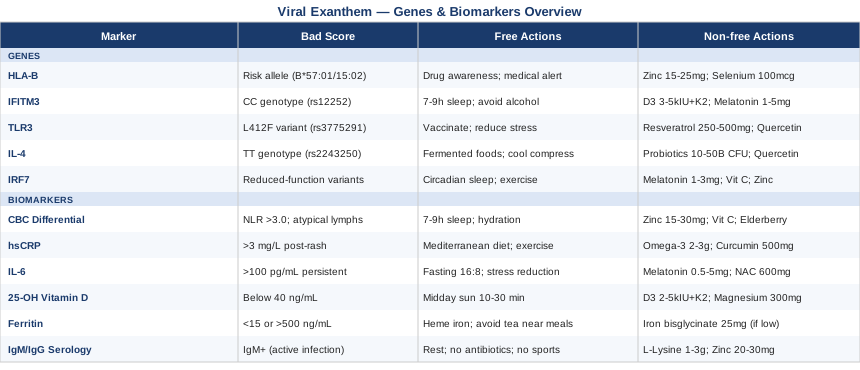
6 Biomarkers Worth Tracking When a Viral Rash Appears
Tracking biomarkers during and after a viral exanthem is not about over-medicalizing what is often a self-limited condition. It is about having a real-time read on what your immune system is doing, catching outliers before they become complications, and building a personal baseline that gives future illness context. The six markers below represent the most clinically informative and accessible options — ranging from inexpensive routine panels to more specialized inflammatory testing — and each one is paired with actionable plans for when the result is suboptimal.
Biomarker 1: Complete Blood Count with Differential
Why it matters. The CBC with differential is the most foundational tool for evaluating viral illness. Viral infections produce characteristic shifts in white blood cell populations: a relative lymphocytosis (increased lymphocytes compared to neutrophils), often with atypical or reactive lymphocytes visible under a microscope. In EBV-associated mononucleosis — one of the most common causes of exanthem in adolescents and adults — atypical lymphocytes can represent 10–30% of the white cell count and are a hallmark diagnostic finding.
Beyond the lymphocyte/neutrophil split, the neutrophil-to-lymphocyte ratio (NLR) has emerged as a clinically useful index of immune stress. An NLR above 3.0 in adults is increasingly correlated with more severe systemic illness and suboptimal viral outcomes. Thrombocytopenia (low platelets) accompanying the exanthem — seen with parvovirus B19 and dengue — is an additional CBC finding that warrants prompt clinical attention. A basic CBC also captures hemoglobin levels relevant to the post-viral fatigue picture.
How to measure it. Standard blood draw, orderable through any primary care provider, urgent care, or direct-to-consumer lab service. Cost: $15 to $40 when ordered independently, often included in routine annual panels. Results return within 24 hours in most settings.
If the CBC differential is abnormal — the plan without supplements
When the CBC shows significant lymphocytosis with atypical forms, or an NLR that remains elevated well past the acute phase, the primary lifestyle levers are:
Sleep duration and quality are the most impactful interventions. Cytokine production, lymphocyte trafficking, and NK cell activity all peak during slow-wave sleep. Targeting 7.5 to 9 hours consistently accelerates immune normalization faster than any supplement. Hydration and caloric adequacy matter especially when fever has been present — dehydration reduces lymphocyte circulation efficiency. Monitor for signs of bacterial superinfection (returning fever, localized purulent lesions) since viral exanthem transiently disrupts the skin barrier.
If the CBC differential is abnormal — the plan with supplements
Zinc (elemental): 15–30 mg/day taken with food. Zinc is essential for thymulin (a thymus-derived hormone), lymphocyte proliferation, and NK cell cytotoxicity. Evidence across multiple human trials for acute viral illness is solid. Cycle during active illness and taper to 8–12 mg/day maintenance afterward to avoid copper displacement — side effects at higher doses include nausea on an empty stomach and, over months, copper deficiency if uncycled. Vitamin C: 500–1000 mg twice daily during active illness supports both neutrophil and lymphocyte function; well-tolerated at these doses. Elderberry extract (600–900 mg/day) during acute illness has modest RCT evidence for shortening duration of certain viral respiratory illnesses; evidence specific to exanthem is limited — discontinue after resolution.
Biomarker 2: High-Sensitivity C-Reactive Protein (hsCRP)
Why it matters. C-reactive protein is an acute-phase protein produced by the liver primarily in response to IL-6 signaling, making it a downstream proxy for systemic immune activation. In viral exanthem, hsCRP serves two distinct purposes: it gauges how vigorous the inflammatory response is at peak illness, and it tracks the resolution curve afterward. A CRP that remains elevated two or more weeks after the rash has visibly faded may indicate incomplete viral clearance, a secondary complication, or an underlying tendency toward dysregulated inflammation.
The distinction between standard CRP and high-sensitivity CRP (hsCRP) matters here. Standard CRP has a detection floor around 3–5 mg/dL; hsCRP detects levels as low as 0.1 mg/L and is far more informative for tracking the gradual return to baseline. In cardiovascular risk medicine, the target hsCRP is below 1.0 mg/L. During active viral illness, values above 10 mg/L are common and expected. A sustained value above 3 mg/L several weeks after resolution warrants follow-up with a physician. Values above 100 mg/L in the setting of viral illness raise concern for bacterial co-infection or a disproportionate immune response.
How to measure it. Standard blood test available at any clinical lab or direct-to-consumer service. Cost: $20 to $60. Testing both at peak illness and 2–4 weeks after rash resolution provides a meaningful before-and-after comparison.
If hsCRP remains elevated — the plan without supplements
The most effective non-supplement strategies for reducing sustained hsCRP are dietary: eliminating ultra-processed foods, refined sugars, and refined seed oils for at least 4 weeks consistently reduces CRP in intervention trials. A Mediterranean-pattern diet (olive oil, fatty fish, legumes, leafy greens, nuts, berries) is associated with meaningfully lower hsCRP across multiple RCTs. Moderate aerobic exercise (3–5 sessions per week at a conversational pace) reduces CRP over weeks, though vigorous exercise should wait until acute symptoms fully resolve. Sleep extension — even one additional hour per night in habitually short sleepers — produces measurable CRP reductions within weeks.
If hsCRP remains elevated — the plan with supplements
Omega-3 fatty acids (EPA + DHA combined): 2–3 g/day with food. This is the most evidence-backed supplement for reducing hsCRP, with multiple meta-analyses confirming effect in inflammatory states. Take with the largest meal of the day; high-quality triglyceride-form fish oil minimizes fishy aftertaste. At doses above 3 g/day, consult a physician if on anticoagulants. Curcumin with piperine: 500–1000 mg curcumin + 5–10 mg piperine daily. Curcumin modulates NF-κB, a central driver of inflammatory cytokine transcription; piperine improves absorption by up to 20-fold. Cycle 8–12 weeks on, 2–4 weeks off; may affect iron absorption with prolonged use. Resveratrol: 100–500 mg/day with food, via SIRT1 and NF-κB anti-inflammatory pathways; evidence is preliminary but growing. Avoid combining with grapefruit products.
Biomarker 3: Interleukin-6 (IL-6)
Why it matters. Interleukin-6 is both a necessary orchestrator of the initial antiviral immune response and — when chronically elevated — a marker of immune dysregulation and a precursor to cytokine storm in severe cases. In viral exanthem specifically, IL-6 is frequently elevated with HHV-6 reactivation, EBV-related illness, and parvovirus B19 infection. Very high IL-6 (above 100 pg/mL outside controlled clinical settings) can suggest ongoing viral replication or a disproportionate host response requiring medical evaluation.
Because IL-6 is the primary driver of CRP synthesis by the liver, tracking both simultaneously gives a more complete picture. If CRP is elevated but IL-6 has normalized, the inflammation is likely resolving. If IL-6 remains high alongside CRP, active immune signaling continues. This distinction is relevant for deciding when to introduce anti-inflammatory nutritional interventions versus waiting for natural resolution.
How to measure it. Serum or plasma IL-6 via a specialized lab — not included in routine panels. Cost: $50 to $150 depending on provider; available through LabCorp, Quest Diagnostics, and many functional medicine labs. IL-6 has a short half-life and fluctuates within hours, so morning draws before activity are most consistent.
If IL-6 remains persistently elevated — the plan without supplements
Time-restricted eating or intermittent fasting (16:8 or 14:10 schedule) has shown measurable reductions in IL-6 in multiple human studies, primarily through autophagy induction and reduced adipokine signaling. A 12-hour overnight fast is a comfortable starting point for those new to this approach. Sauna or heat exposure (15–20 minutes at 70–80°C, 2–3 times per week) activates heat shock proteins that help modulate cytokine balance, but this should be deferred until after the acute febrile phase. Stress reduction via structured techniques matters directly here: psychological stress chronically elevates IL-6 through cortisol and sympathetic nervous system dysregulation.
If IL-6 remains persistently elevated — the plan with supplements
Melatonin: 0.5–5 mg at bedtime. Melatonin has direct anti-inflammatory properties beyond sleep regulation, suppressing IL-6 and NF-κB signaling through multiple pathways. Evidence from infectious disease and critical care literature is meaningful. Start at 0.5 mg to assess tolerance; higher doses (3–5 mg) are used strategically during acute illness. Side effect: vivid dreams at higher doses in some individuals. Cycle on during illness periods and taper during recovery. N-Acetylcysteine (NAC): 600 mg twice daily. NAC replenishes cellular glutathione and directly reduces oxidative-stress-driven IL-6 production. Evidence is strongest in respiratory viral illness; take on a semi-empty stomach. Avoid if on nitrates. Quercetin: 500–1000 mg/day with bromelain for absorption. Quercetin inhibits IL-6 secretion via NLRP3 inflammasome modulation. Cycle 8 weeks on, 2 weeks off; low side effect profile at standard doses.
Biomarker 4: 25-Hydroxyvitamin D
Why it matters. Vitamin D functions more as an immune-regulating hormone than a simple vitamin. Virtually every immune cell — T cells, B cells, NK cells, macrophages, and dendritic cells — expresses the vitamin D receptor (VDR). Deficiency below 20 ng/mL is consistently associated with increased viral susceptibility, prolonged illness duration, and in some studies, more pronounced cutaneous inflammatory responses during viral exanthem. The mechanism is not mysterious: vitamin D drives antimicrobial peptide production (cathelicidin), modulates the Th1/Th2 cytokine balance, and restrains the excessive inflammatory responses that prolong skin involvement.
A landmark 2017 meta-analysis by Martineau et al. in the BMJ, covering 25 RCTs and over 11,000 participants, demonstrated that vitamin D supplementation significantly reduced acute respiratory infection risk — with the largest benefit seen in individuals who were deficient at baseline. While this study focused on respiratory infections, the immunological mechanisms — improved innate defense, reduced cytokine dysregulation, enhanced barrier function — apply directly to viral illnesses with cutaneous manifestations. For immune optimization rather than just deficiency correction, researchers including Dr. Rhonda Patrick and Dr. Michael Holick suggest targeting 40–60 ng/mL rather than the conventional floor of 20 ng/mL.
How to measure it. Standard 25-OH vitamin D blood test at virtually any lab or direct-to-consumer service. Cost: $40 to $80. Test twice per year (late summer and late winter) to capture seasonal variation and calibrate supplementation accordingly.
If vitamin D is below 40 ng/mL — the plan without supplements
Midday sun exposure — 10 to 30 minutes on arms, legs, and torso between 10 a.m. and 3 p.m. — produces meaningful vitamin D synthesis, depending on latitude, skin tone, and season. Darker skin tones require longer exposure for equivalent synthesis. Avoid applying sunscreen during the first 15–20 minutes of the vitamin D synthesis window. Dietary contributions from fatty fish (salmon, sardines), egg yolks, and UV-treated mushrooms are real but insufficient alone for correcting significant deficiency.
If vitamin D is below 40 ng/mL — the plan with supplements
Vitamin D3: 2000–5000 IU/day, always combined with Vitamin K2 (MK-7 form): 90–200 mcg/day. K2 ensures that calcium mobilized by D3 is directed toward bones rather than arterial walls — relevant at higher supplementation doses. Retest 25-OH D at 3 months to confirm level and adjust. Toxicity occurs only with sustained doses above 10,000 IU/day without monitoring. If severely deficient (below 20 ng/mL): a supervised loading protocol of 10,000 IU/day for 4–8 weeks followed by maintenance dosing is sometimes appropriate under physician guidance. Also add Magnesium glycinate: 300–400 mg/day — magnesium is required for vitamin D activation and is commonly sub-optimal in Western diets; without it, supplemented D3 converts less efficiently to its active hormonal form.
Biomarker 5: Ferritin
Why it matters. Ferritin is commonly understood as an iron storage protein, but during viral illness it also functions as an acute-phase reactant — the liver produces more of it in response to systemic inflammation regardless of actual iron stores. This dual nature makes interpretation context-dependent. Very low ferritin (below 12–15 ng/mL) is associated with impaired lymphocyte proliferation and prolonged post-viral fatigue. Moderately elevated ferritin (100–400 ng/mL) during active illness typically reflects appropriate immune activation and resolves with the underlying infection.
At the high end, markedly elevated ferritin above 500 ng/mL in the context of viral exanthem, fever, cytopenias, and systemic symptoms raises the rare but serious concern of hemophagocytic lymphohistiocytosis (HLH) — a dangerous self-sustaining immune activation loop that is underdiagnosed and warrants urgent evaluation. Having a pre-illness ferritin baseline is therefore genuinely useful for contextualizing any elevated value during acute infection.
How to measure it. Standard blood test, $20 to $50, routinely available. Note: ferritin is independently elevated by recent alcohol intake, obesity, and liver stress even without infection — factor these into interpretation. Optimal immune ferritin in the absence of acute illness generally lies in the 30–80 ng/mL range.
If ferritin is low (below 15 ng/mL) — the plan without supplements
Increase dietary heme iron through red meat and poultry. For vegetarians, pair legumes, lentils, and spinach with vitamin C sources to enhance non-heme iron absorption. Avoid tea and coffee within 1 hour of iron-rich meals — tannins substantially reduce absorption. Investigate the underlying cause: heavy menstrual blood loss, chronic low-grade GI inflammation, and poor dietary iron intake are the three most common drivers in adults.
If ferritin is low — the plan with supplements
Iron bisglycinate: 25 mg/day on an empty stomach. Better tolerated than ferrous sulfate, with fewer gastrointestinal side effects. Retest ferritin at 3 months. Critical caution: never supplement iron without confirmed deficiency — excess iron is pro-oxidative and actively feeds certain bacterial and some viral pathogens. Lactoferrin: 200–300 mg/day is a useful alternative when ferritin is borderline low-normal during illness recovery; lactoferrin regulates iron availability to immune cells, has direct antimicrobial properties, and avoids the pro-oxidative risks of direct iron supplementation.
If ferritin is very high (above 500 ng/mL) — the plan
Do not supplement iron. Reduce alcohol intake, which independently elevates ferritin by impeding iron storage regulation. Very high ferritin in the setting of active viral illness and systemic symptoms requires prompt physician evaluation — it is a downstream marker requiring investigation of the underlying driver, not a standalone treatable lab value.
Biomarker 6: Virus-Specific IgM and IgG Antibody Serology
Why it matters. When a viral exanthem develops, naming the specific causative virus carries real clinical weight — not just academic interest. EBV-related exanthem can be misidentified as a drug hypersensitivity reaction, and vice versa, with the classic example being the widespread morbilliform rash that appears when ampicillin or amoxicillin is given to a patient with undiagnosed infectious mononucleosis. Parvovirus B19 carries aplastic crisis risk in individuals with hemolytic anemias. HHV-6 and HHV-7 have reactivation patterns and CNS complication profiles distinct from EBV. CMV can present with a mono-like exanthem and requires different management.
IgM antibodies indicate recent or active infection (typically appearing within 1–2 weeks of exposure). IgG antibodies indicate prior infection and immunological memory. In adults with recurring unexplained rashes, serology testing for EBV (VCA IgM/IgG, EA-D, EBNA IgG), CMV IgM/IgG, HHV-6, and parvovirus B19 provides the diagnostic specificity that clinical examination and CBC alone cannot.
How to measure it. Serology panels for specific viruses are available through most clinical labs and some direct-to-consumer platforms. Individual virus panels: $50 to $200. Comprehensive EBV panels (VCA IgM, VCA IgG, EBNA IgG) run approximately $80–120. Most primary care physicians can order these on request.
If active infection is confirmed (IgM positive) — the plan without supplements
Rest, hydration, and avoidance of activities that increase complication risk — most critically, contact sports and heavy exertion when EBV is confirmed (splenomegaly and splenic rupture risk are real in the first 3–4 weeks). Avoid aspirin in pediatric patients with any suspected viral illness (Reye's syndrome risk). Avoid unnecessary antibiotics — they do not treat viral illness and are a leading cause of drug-induced rashes that complicate the diagnostic picture. Follow physician guidance for any antiviral prescriptions (acyclovir, valacyclovir for varicella in immunocompromised individuals; no routine antivirals for most common exanthem viruses).
If active infection is confirmed — the plan with supplements
For herpesviruses (EBV, HHV-6, VZV): L-Lysine 1000–3000 mg/day during active illness. Lysine competes with arginine, which herpesviruses require for replication. Well-tolerated at standard doses; very high chronic doses may affect calcium metabolism. Discontinue after acute phase resolution. Zinc: 20–30 mg/day as above. Vitamin C: 1000–2000 mg/day in divided doses for immune support during active infection. Higher-dose IV vitamin C is used in some clinical integrative settings but requires medical supervision and specific indications.
---
Having established what the blood can reveal, it is worth going one layer deeper — into the genetic variations that help explain why two people exposed to the same virus can have dramatically different skin and immune responses.
What Your Genes May Reveal About Viral Rash Susceptibility
Genetics does not dictate outcome, but it does distribute risk unevenly. The five variants below represent areas where human evidence is most compelling — either through population-level association studies, Mendelian susceptibility findings, or strong mechanistic validation in human cell studies. Genetic testing through platforms such as 23andMe, AncestryDNA, SelfDecode, or StrateGene provides access to most of these SNPs. For clinical interpretation, a qualified functional medicine physician or genetic counselor is the appropriate resource.
Gene 1: HLA-B (Human Leukocyte Antigen B)
What it affects. The HLA system is the immune system's antigen-presentation platform — it displays peptide fragments of viral proteins on the surface of infected cells so that cytotoxic T cells can identify and eliminate them. Different HLA-B alleles present different peptide sequences with varying affinity, making some HLA profiles more effective at generating cytotoxic T-cell responses to specific viruses. Beyond direct viral defense, certain HLA-B alleles carry strong pharmacogenomic associations with drug hypersensitivity reactions that can closely mimic or co-occur with viral exanthem. HLA-B*57:01 is a strong predictor of hypersensitivity to abacavir; HLA-B*15:02 predicts Stevens-Johnson syndrome risk with carbamazepine. These associations are among the strongest genetic effects in all of pharmacogenomics.
If the HLA-B variant increases drug hypersensitivity risk — the plan without supplements
The most impactful intervention here is pharmacogenomic awareness before starting new medications. If you carry HLA-B*57:01 or HLA-B*15:02, ensuring your prescribing physicians know this before initiating high-risk drugs can prevent a potentially life-threatening cutaneous drug reaction from being misidentified as a viral rash. A medical alert record (worn bracelet or electronic health record flag) is a practical implementation. During viral illness specifically: avoid unnecessary medications, particularly antibiotics and anticonvulsants, unless clearly indicated — the overlap between viral rash and drug-induced skin reaction is clinically meaningful.
If the HLA-B profile reduces T-cell response efficiency — the plan with supplements
Zinc: 15–25 mg/day with food. Zinc directly supports thymus function, thymulin production, and the downstream T-cell maturation processes that HLA antigen presentation initiates. This is a functional substrate optimization, not a genetic correction. Selenium: 100–200 mcg/day as selenomethionine. Selenium is a required cofactor for glutathione peroxidase enzymes and supports both NK cell and cytotoxic T-cell function. Do not exceed 400 mcg/day — selenium toxicity is real and includes neurological effects. A practical alternative: 1–2 Brazil nuts daily (approximately 100–200 mcg selenium). Cycle supplemental selenium at 8–12 weeks on with breaks.
Gene 2: IFITM3 (rs12252 — C Allele)
What it affects. IFITM3 (Interferon-Induced Transmembrane Protein 3) is a cellular defense protein that restricts viral fusion and entry into cells when activated by interferon signaling — essentially blocking enveloped viruses at the cell membrane before replication begins. The rs12252-C variant produces a truncated isoform with significantly impaired viral restriction activity. A landmark 2012 Nature study by Everitt et al. demonstrated that CC genotype carriers were significantly overrepresented among patients requiring ICU care for severe influenza, establishing this variant as a bona fide human susceptibility factor. Because the restriction mechanism applies broadly to enveloped viruses — including HHV-6, EBV, and CMV — the relevance to viral exanthem is mechanistically direct, even where exanthem-specific studies are lacking.
If the IFITM3 variant is unfavorable (CC genotype) — the plan without supplements
Sleep is the most evidence-supported IFITM3 optimizer available without supplementation. Type I interferon production — which is what induces IFITM3 expression in the first place — is largely generated during sleep. Chronic sleep debt functionally depresses IFITM3 expression regardless of genotype, meaning that for CC carriers, consistent 7.5–9 hour sleep is non-negotiable rather than optional. Avoid alcohol and smoking, both of which independently suppress interferon signaling pathways. Stay current on relevant vaccines; since IFITM3 impairment increases viral severity risk, pre-exposure adaptive immunity partially compensates where innate restriction is weakened.
If the IFITM3 variant is unfavorable — the plan with supplements
Vitamin D3: 3000–5000 IU/day + K2. Vitamin D activates VDR-mediated pathways that upregulate interferon signaling, which in turn drives IFITM3 expression. Maintain 25-OH D at 50–60 ng/mL. Melatonin: 1–5 mg at bedtime. Melatonin independently induces type I interferon production and activates antiviral gene expression programs in human immune cells. At physiological doses (0.5–3 mg), it synchronizes circadian-immune coupling; at pharmacological doses (5–10 mg), it adds direct antiviral signaling. Cycle the higher range during illness and high-exposure seasonal periods. NAC: 600 mg twice daily — glutathione depletion directly impairs interferon signaling efficiency; NAC restores this substrate. Take with food to minimize nausea.
Gene 3: TLR3 (rs3775291 — Loss-of-Function Variant)
What it affects. TLR3 (Toll-Like Receptor 3) is a pattern recognition receptor that detects double-stranded RNA — a molecular signature produced during the replication of most DNA and RNA viruses. TLR3 activation triggers one of the earliest innate immune alarms, initiating interferon production within hours of viral detection. The rs3775291 variant (L412F) results in reduced TLR3 signaling, meaning carriers may detect viral infections more slowly and mount a delayed initial response. The human evidence for clinical significance is strongest in herpes simplex virus encephalitis, where TLR3 deficiency has been identified as a Mendelian susceptibility factor in severe pediatric cases (Zhang et al., Science, 2007). For the broader range of exanthem-causing viruses, the mechanistic relevance is well-grounded.
If the TLR3 variant is unfavorable — the plan without supplements
Vaccination strategy takes on proportionally greater importance when innate detection is slower — adaptive immunity provides the compensatory rapid-response layer. Ensure all relevant vaccines are current: varicella, MMR (measles, mumps, rubella), and influenza are most directly relevant to exanthem-causing viruses. Minimize periods of compounded immunosuppression — avoid prolonged high-dose corticosteroids when alternatives exist. Chronic psychological stress measurably reduces TLR3 expression in peripheral blood mononuclear cells, compounding genetic impairment.
If the TLR3 variant is unfavorable — the plan with supplements
Resveratrol: 250–500 mg/day with food. Resveratrol upregulates TLR3 expression and enhances downstream interferon responses in cellular studies, with limited but directionally consistent human evidence. Consistent daily intake over weeks is more effective than acute high doses. Avoid with grapefruit. Cycle 12 weeks on, 2–4 weeks off. Quercetin: 500–1000 mg/day with bromelain for absorption — modulates TLR signaling cascades and has direct antiviral properties against multiple RNA viruses relevant to exanthem. Vitamin D3 + K2 (as above) — VDR activation and TLR3 signaling pathways intersect at the interferon regulatory level, making adequate vitamin D a foundational support across multiple genetic variants.
Gene 4: IL-4 (rs2243250 — T Allele / TT Genotype)
What it affects. IL-4 is the primary driver of Th2 (Type 2 helper T cell) immune polarization — it promotes B-cell class switching to IgE, activates mast cells and eosinophils, and suppresses Th1 antiviral responses when overexpressed. The rs2243250 T allele in the IL-4 gene promoter is associated with increased IL-4 transcription and a stronger Th2 skew of the immune response. In the context of viral exanthem, excessive Th2 activity can prolong cutaneous inflammation, intensify pruritus, and promote eosinophilic skin infiltration that extends rash duration beyond what the viral clearance timeline would predict.
This variant is most clinically relevant for individuals who also carry personal or family history of atopic dermatitis, asthma, or allergic rhinitis — conditions already reflecting Th2 dominance. The TT genotype may partially explain why a viral rash in these individuals seems unusually prolonged or intensely itchy.
If the IL-4 gene promotes excessive Th2 activity — the plan without supplements
Dietary modification to support Th1/Th2 balance: a diet rich in fermented foods, diverse plant fibers, and prebiotic vegetables supports gut microbial compositions that naturally promote Th1 (antiviral) immune activity over Th2 excess. Reduce added sugars and, if personally reactive, dairy products. Reduce allergen sensitization during active viral illness — the compromised skin barrier during exanthem creates a window for new allergen sensitization through the skin, stacking further Th2 activation on top of the genetic tendency. Cool compresses or cold water on pruritic rash areas (10–15 minutes, 2–3 times daily) physically reduce mast cell degranulation without systemic immunosuppression.
If the IL-4 gene is unfavorable — the plan with supplements
Probiotics (Lactobacillus rhamnosus GG or Bifidobacterium longum strains): 10–50 billion CFU/day. Extensively studied in atopic dermatitis — which shares IL-4-mediated Th2 mechanisms — probiotics shift gut immune signaling toward regulatory and Th1 activity. Minimum 8-week commitment to observe meaningful effects. Vitamin D3 + K2 (as above) — vitamin D suppresses Th2 cytokine overproduction and supports regulatory T cell (Treg) expansion, which restrains both Th1 and Th2 excess. Quercetin: 500 mg twice daily — quercetin is a natural mast cell stabilizer and inhibits IL-4 receptor downstream signaling. Minimal side effects at standard doses; cycle 8 weeks on, 2 weeks off.
Gene 5: IRF7 (Variants Reducing Interferon Regulatory Activity)
What it affects. IRF7 (Interferon Regulatory Factor 7) is widely described as the "master regulator" of type I interferon production — the antiviral cytokine system that coordinates the early genomic response to viral infection. Loss-of-function IRF7 mutations were established as a direct cause of life-threatening influenza in children by Zhang et al. (Science, 2015), cementing IRF7's role as a non-redundant human antiviral defense factor. More common IRF7 pathway variants influence the speed and magnitude of interferon responses to viral challenge across a wide spectrum of pathogens.
Critically, IRF7 expression is circadian-regulated — it cycles with the biological clock and peaks at specific times of day. This means that circadian disruption (shift work, chronic late sleep, irregular schedules) is functionally equivalent to a genetic IRF7 impairment in its effects on antiviral interferon production. The lifestyle implications are therefore as important as the genetic ones.
If the IRF7 pathway is suboptimal — the plan without supplements
Circadian alignment is the most impactful single intervention. Consistent sleep and wake times, morning bright light exposure (10–30 minutes within 1 hour of waking), and reducing blue-spectrum artificial light after sunset all improve IRF7 expression rhythms within 2–4 weeks. Even one night of partial sleep deprivation measurably reduces IRF7 expression in peripheral blood cells in human studies — for individuals carrying IRF7 variants, sleep debt is a compounded liability. Regular moderate aerobic exercise (3–5 days per week) upregulates systemic interferon pathway activity; excessive training volume has the opposite effect.
If the IRF7 pathway is suboptimal — the plan with supplements
Melatonin: 1–3 mg at bedtime (physiological range). Melatonin is structurally and functionally intertwined with IRF7 activity — it directly stimulates interferon regulatory programs and has antiviral properties demonstrated across multiple virus families in cell-based and limited human studies. Use consistently rather than acutely; 8–12 weeks of nightly low-dose melatonin improves circadian-immune synchrony and IRF7 pathway timing. Vitamin C: 500–1000 mg twice daily — cofactor in immune signaling and supports interferon production efficiency. Evidence is broad and consistent. Zinc: 15–25 mg/day with food — zinc deficiency directly impairs interferon regulatory factor activation. Repletion in deficient individuals restores normal IRF expression patterns.
---
With a clearer picture of both the blood markers and the genetic landscape, it is worth looking at how these pieces fit into a comprehensive immune-optimization framework — and one research-dense book gets remarkably close to a useful, actionable answer.
The Immunity Fix: What One Research-Based Book Gets Right About Viral Defense
The Immunity Fix by Dr. James DiNicolantonio and Siim Land (2021) is one of the more rigorously referenced popular books on immune optimization, drawing on hundreds of peer-reviewed studies to build practical protocols for antiviral defense. It does not address viral exanthem by name, but many of its core arguments speak directly to the biology covered above — and several of its conclusions challenge mainstream clinical assumptions in ways worth understanding.
1. Zinc deficiency is far more prevalent than clinical thresholds suggest
DiNicolantonio and Land argue that serum zinc testing consistently underestimates whole-body zinc status, and that meaningful functional deficiency is common in the elderly, vegetarians, and individuals on high-carbohydrate diets that impair zinc absorption. Their recommendation: test and optimize, targeting the upper end of the normal serum range (90–130 mcg/dL), not just avoiding deficiency. This connects directly to every gene variant and biomarker in this article that involves T-cell and interferon function.
2. Vitamin D thresholds were set for bone health, not immune function
The conventional deficiency cutoff of 20 ng/mL was established based on rickets prevention and bone mineralization data — not immune outcomes. DiNicolantonio and Land, echoing researchers like Rhonda Patrick and Michael Holick, argue that 40–60 ng/mL is the appropriate immune target. The supplementation protocol they describe — D3 paired with K2 — mirrors what is outlined above for Biomarker 4 and Genes 2 through 5.
3. Melatonin is an anti-infective molecule, not just a sleep aid
This is one of the book's most counterintuitive arguments, and it is backed by substantive data. Melatonin inhibits viral replication, reduces cytokine storm risk, protects against oxidative immune damage, and has been studied in sepsis and viral pneumonia clinical contexts with meaningful results. The practical implication: melatonin used during active viral illness is a distinct strategy from its use as a nightly sleep supplement, and the two purposes can be served simultaneously.
4. NAC restores the cellular defense substrate that viral illness depletes
Glutathione — the master intracellular antioxidant — is systematically depleted during viral infections as cells undergo oxidative stress. NAC restores glutathione and directly improves the redox environment in which interferon signaling and immune cell function operate. The 600 mg twice-daily protocol the authors describe matches what is used in the best-designed human trials and aligns with what is recommended under Biomarker 3 (IL-6) and Gene 2 (IFITM3) in this article.
5. Magnesium deficiency silently undermines multiple immune processes
Magnesium is required for ATP production (the energy currency immune cells run on), for vitamin D activation (without which supplemented D3 remains largely inert), and for several enzymatic steps in immune signaling. The authors identify sub-optimal magnesium status as common in Western diets and recommend magnesium glycinate or malate (300–400 mg/day) taken in the evening — forms that are better tolerated and more bioavailable than magnesium oxide.
6. Iron balance matters more than iron levels
The book devotes careful attention to the two-sided iron problem: too little impairs lymphocyte proliferation and immune energy metabolism; too much feeds oxidative stress and actively supports the growth of several pathogens. The practical takeaway — never supplement iron without confirmed deficiency, use ferritin as the primary monitoring tool, and consider lactoferrin as a regulated approach during viral recovery — matches the Biomarker 5 section precisely.
7. Sleep is the immune system's operating window, not just a recovery period
This is the book's most consistently reinforced message. Cytokine memory consolidation, lymphocyte migration, NK cell replenishment, and interferon regulatory factor cycling all occur primarily during sleep. No supplement stack compensates for habitual sleep below 7 hours. Multiple large cohort studies show dose-response relationships between sleep duration and viral illness susceptibility — the authors present this data and connect it mechanistically to the same interferon pathways implicated by IFITM3 and IRF7 variants.
8. Autophagy via fasting clears latent viral reservoirs
Intermittent fasting (16:8 pattern) and occasional extended fasts activate autophagy — the cellular self-cleaning process that degrades intracellular viral particles and dysfunctional immune components. This is particularly relevant for herpesviruses (EBV, HHV-6, VZV) that establish latency in immune cells and can reactivate during periods of immune stress, producing recurrent exanthem. The authors describe periodic fasting as one of the few evidence-supported strategies for reducing the latent viral burden in these cell populations.
9. Cold exposure trains immune resilience through hormesis
Brief cold exposure — cold showers, ice baths, or whole-body cold-water immersion — activates norepinephrine release, stimulates mitochondrial biogenesis, and produces a hormetic stress response that over time strengthens immune adaptability. DiNicolantonio and Land summarize the Wim Hof method research and the limited but directionally consistent data on cold-mediated NK cell activation. This is positioned not as a treatment for active viral illness but as a resilience-building practice during recovery and between illness episodes.
10. Polyphenols function as immune educators, not just antioxidants
The book's final insight — and one that changes how the supplement recommendations above should be understood — is that quercetin, resveratrol, and curcumin do not simply neutralize reactive oxygen species. They signal through pattern recognition receptor pathways, activate SIRT1 and NF-κB regulatory circuits, and over time train immune cells to respond with greater precision and less excess. This reframes polyphenol supplementation from a passive antioxidant strategy to an active immune-calibration practice, consistent with the TLR3, IL-4, and IRF7 compensation protocols described in the genetics section.
---
Complementary Approaches That May Support Recovery
Beyond biomarkers, genetics, and nutritional intervention, several evidence-supported complementary modalities deserve attention for their potential role in managing skin inflammation, immune dysregulation, and systemic stress during viral exanthem recovery.
1. Mindfulness Meditation and MBSR
Mindfulness-Based Stress Reduction (MBSR) is a structured 8-week program developed by Jon Kabat-Zinn that has accumulated meaningful clinical evidence for immune and inflammatory outcomes. Its relevance to viral exanthem is twofold: chronic psychological stress suppresses antiviral immunity through cortisol-mediated dampening of NK cell activity and interferon production — precisely the pathways implicated in IFITM3 and IRF7 function — and elevated stress amplifies the subjective severity of skin symptoms through neuroinflammatory mechanisms. A randomized controlled trial by Creswell et al. (2016) found that MBSR significantly reduced systemic inflammatory markers in stressed adults, with magnitude comparable to aerobic exercise interventions.
The standard MBSR protocol involves 45-minute daily home practice, 2.5-hour weekly group sessions over 8 weeks, and a full-day intensive retreat in week 6. Apps including Waking Up and Insight Timer provide accessible entry points for those unable to attend formal programs, with 20-minute body scan and breath-awareness sessions as effective abbreviated alternatives.
A realistic application during and after viral exanthem: a daily 20-minute mindfulness practice (body scan or focused breath awareness) during the acute illness phase and continuing for 6–8 weeks afterward. Evidence for modifying acute viral illness is modest; evidence for reducing stress-triggered herpesvirus reactivation — a major cause of recurring exanthem — is more directly supported by human studies.
2. Microbiome-Directed Therapies
The gut-skin axis is an increasingly documented immunological pathway with direct relevance to viral exanthem. The gut microbiome contains a substantial portion of the body's immune cells and significantly influences systemic Th1/Th2 cytokine balance — the same balance that the IL-4 variant (Gene 4) can disrupt. Dysbiosis is associated with heightened inflammatory skin responses, and emerging data from the Frontiers in Immunology literature links gut microbial diversity to more robust innate antiviral immune responses. Diverse microbiomes produce more effective interferon signaling, better regulatory T-cell development, and more balanced cytokine production during viral challenge.
The most evidence-backed practical approach combines several elements: a high-fiber diet (targeting 30+ g/day from diverse plant sources), daily intake of fermented foods (yogurt, kefir, kimchi, kombucha), and multi-strain probiotic supplementation including Lactobacillus rhamnosus GG and Bifidobacterium longum strains at 10–50 billion CFU/day.
During active viral exanthem specifically, avoid unnecessary antibiotics (which significantly disrupt the microbiome at a moment when immune balance already matters), and consider maintaining the prebiotic + probiotic combination starting early in illness and continuing for at least 4–6 weeks after rash resolution. The evidence specific to viral exanthem is extrapolated primarily from atopic dermatitis and respiratory viral immunity trials rather than exanthem-specific RCTs, so this should be understood as a supportive rather than primary intervention.
3. Low-Level Laser Therapy and Photobiomodulation
Photobiomodulation (PBM) uses specific wavelengths of red and near-infrared light (typically 630–850 nm) to stimulate mitochondrial cytochrome c oxidase activity, reduce local inflammation, and accelerate tissue healing. It is FDA-cleared for pain management and wound healing applications, and has growing clinical evidence in inflammatory skin conditions. For viral exanthem, PBM's primary relevance is accelerating resolution of post-acute cutaneous inflammation, reducing lingering pruritus, and minimizing post-inflammatory hyperpigmentation. A 2019 systematic review in Photobiomodulation, Photomedicine, and Laser Surgery found significant evidence for PBM reducing erythema and accelerating healing in multiple inflammatory dermatological conditions. Specifically for herpes labialis (a herpesvirus-induced skin condition sharing mechanisms with HHV-related exanthem), several RCTs demonstrated reduced healing time and decreased recurrence frequency with regular low-level laser treatment.
Handheld red and near-infrared devices have become accessible for home use at a range of price points. A practical protocol for post-exanthem skin inflammation: 3–5 minute exposures per target area at 15–30 cm distance, 630–850 nm wavelength, 10–15 sessions over 3 weeks.
Avoid applying PBM to actively blistering, open, or acutely erupting lesions — wait for the acute phase to stabilize before beginning sessions. PBM is an adjunct to, not a replacement for, standard medical care, and should not delay evaluation for severe or rapidly progressing presentations.
4. Chinese Herbal Medicine
Several herbs within the Chinese pharmacopeia have documented antiviral and anti-inflammatory properties with human clinical evidence that makes them meaningful in the context of viral exanthem. Andrographis paniculata (Chuanxin Lian) has been evaluated in multiple randomized trials for acute febrile viral illness, with meta-analyses showing reduced duration and symptom severity compared to placebo. The mechanism involves upregulation of interferon pathways and direct inhibition of viral replication — pathways directly relevant to the TLR3 and IRF7 gene variants discussed above. Classical formula Yin Qiao San (Silver Flower and Forsythia Powder) is traditionally indicated for early-stage febrile illness with skin manifestations and has been included in several pilot RCTs examining immune effects in upper respiratory illness with cutaneous involvement.
A 2020 review of Chinese herbal medicine for viral illness found that several preparations outperformed placebo for duration and inflammatory marker reduction, though methodological quality across studies was variable. For viral exanthem specifically, most data is extrapolated from related febrile illnesses rather than exanthem-primary trials.
A realistic application: Andrographis standardized extract at 300–400 mg three times daily during acute illness, for up to 5–7 days, represents the most evidence-supported individual herb option. Formula-based approaches should be managed by a licensed practitioner in traditional Chinese medicine to match the specific presentation. Contraindications: pregnancy, anticoagulant medications, and immunosuppressant drug regimens — discuss with a physician before use.
5. Breathing-Based Therapies
Controlled breathing practices — diaphragmatic breathing, box breathing, and resonance frequency breathing (approximately 6 breaths per minute, also called cardiac coherence breathing) — activate vagal nerve tone, shift autonomic balance toward parasympathetic dominance, and measurably suppress inflammatory cytokine production. The mechanism is directly relevant: vagal activation suppresses NF-κB signaling and reduces IL-6 and TNF-alpha production — the same inflammatory mediators tracked by hsCRP and serum IL-6 in the biomarker section. A 2018 RCT published in Psychoneuroendocrinology demonstrated that 15 minutes of slow resonance breathing daily (6 breaths per minute) significantly reduced IL-6 and systemic inflammatory markers over 8 weeks in a controlled human cohort.
These effects accumulate over weeks rather than producing immediate acute changes, making breathing practices a recovery and resilience tool rather than an acute intervention.
A practical protocol during viral exanthem recovery: 10–15 minutes of slow diaphragmatic breathing at 6 breaths per minute, performed twice daily (morning and pre-sleep). No equipment is required, though pacing apps (BreathPacer, Inner Balance) assist with timing and feedback. This approach is particularly relevant for reducing recurrence risk in individuals with stress-sensitive herpesvirus reactivation patterns — a major driver of recurring viral exanthem in adults.
---
Conclusion
Viral exanthem sits in an uncomfortable diagnostic space: common enough to be treated as routine, complex enough that its causes, severity, and resolution timelines vary dramatically between individuals. The six biomarkers explored here — CBC differential, hsCRP, IL-6, vitamin D, ferritin, and viral serology — provide a practical, accessible monitoring framework that most people can pursue through existing healthcare providers or direct-to-consumer lab services. The five genetic variants — HLA-B, IFITM3, TLR3, IL-4, and IRF7 — add a layer of explanation for why identical viral exposures produce such different outcomes in different people, and for each variant, the plans outlined above offer genuinely actionable compensation strategies.
None of this replaces urgent medical care for serious presentations — high persistent fever, mucous membrane involvement, rapidly spreading or painful rash, or any sign of systemic collapse requires prompt clinical evaluation. What this framework provides is a more informed baseline: better questions for your physician, a clearer picture of your personal immune landscape, and evidence-supported strategies for both acute recovery and long-term resilience.
The most practical next step, if you have not taken it yet: establish a pre-illness baseline. A 25-OH vitamin D level, an hsCRP, and a CBC cost under $100 combined through direct-to-consumer testing, and knowing where you start makes every subsequent measurement meaningful. Resilience is built in the quiet periods between illnesses — and better information, used well, consistently leads to better decisions.
Skin: Inflammatory Skin Conditions Infectious Skin Conditions
Autoimmune: Inflammatory Conditions
Infectious: Viral Infections