This article contains AI generated content.
· UpdatedVitamin B12 Deficiency - 4 Genes And 6 Biomarkers To Track
Introduction
Living with chronic, unexplained fatigue, persistent brain fog, or a strange tingling in your hands and feet can feel incredibly isolating. You might describe these sensations to others, only to be met with well-meaning but ultimately hollow advice about getting more sleep or managing your stress levels. For many who suspect or have been told they suffer from a vitamin B12 deficiency, the path to feeling normal again seems blocked by standard medical protocols that focus solely on surface-level blood counts.
Generic health advice often suggests simply eating more red meat or taking a standard over-the-counter multivitamin to resolve your symptoms. However, this broad-brush approach completely ignores the highly complex, multi-step pathway required for your body to absorb, transport, and utilize cobalamin at a cellular level. B12 metabolism is not a simple equation of intake matching output; it is a delicate cascade involving gastric acid, specialized binding proteins, intestinal receptors, transport molecules, and intracellular enzymes. If any single link in this physiological chain is compromised, you can suffer from functional B12 starvation even if you eat meat daily.
This article takes a deeper, scientifically grounded look at your B12 status by analyzing the biological markers that reflect your real-time physiological health and the genetic blueprint that shapes your baseline vulnerabilities. By separating your B12 assessment into distinct, trackable biomarkers and clear genetic pre-dispositions, we can move past guesswork and build a precise diagnostic picture. Understanding how your body handles B12 is the first step toward tailoring a strategy that actually works for your unique biology.
There is grounded hope that by measuring the right biomarkers and identifying genetic vulnerabilities, you can construct a personalized roadmap to restore your cellular health and reverse functional deficiency. In the sections below, we will explore six critical biomarkers that show exactly how B12 is behaving in your tissues, and four key genes that dictate your absorption and transport efficiency. Armed with this high-resolution data, you can collaborate with your healthcare provider to implement targeted interventions that address the root cause of your symptoms.
Summary
This article provides a comprehensive guide to understanding and reversing vitamin B12 deficiency by examining the critical intersection of functional biomarkers and genetic predispositions. Rather than relying on standard total serum B12 tests, which often miss early-stage or functional deficiencies, we outline six essential biomarkers—including Active B12 (Holotranscobalamin) and Methylmalonic Acid (MMA)—that reveal whether cobalamin is actually reaching your cells. By tracking these biomarkers, readers can identify subtle cellular starvation before permanent neurological damage or megaloblastic anemia occurs.
Additionally, we demystify the genetic factors that govern how your body processes B12. We examine four key genes (FUT2, GIF, TCN2, and MTR/MTRR) that control everything from your gut microbiome's impact on absorption to the efficiency of B12 transport proteins in your blood. For each biomarker and gene, we provide concrete, actionable plans to optimize your health with and without supplements, including detailed dosing protocols, cycling strategies, and potential side effects. Finally, the article incorporates clinical insights from pioneering medical literature and evidence-based complementary modalities like diaphragmatic breathing and microbiome-directed therapies.
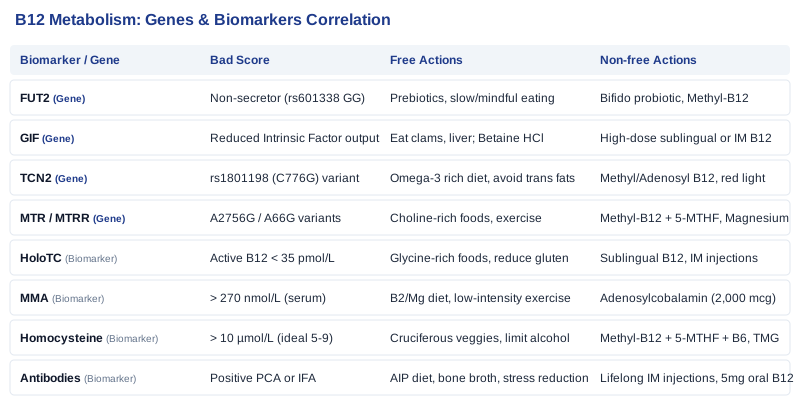
Between your daily diet and your cellular energy production lies a complex physiological pathway. To understand why your symptoms persist despite normal blood tests, we must look closely at the specific biomarkers that track this journey.
Navigating the Labs: Six Essential Biomarkers to Monitor and Optimize
To determine your true vitamin B12 status, you must look beyond basic screening. The six biomarkers detailed below provide a comprehensive, functional look at how cobalamin is cleared from your blood, transported through your circulation, and utilized within your cells. By understanding these markers, you can design a targeted plan to correct any deficiencies.
1. Serum Vitamin B12 (Total Cobalamin)
Serum Vitamin B12 measures the total concentration of cobalamin circulating in your blood. While it is the most common screening test for B12 deficiency, it has significant diagnostic limitations. Approximately 80% to 90% of the B12 measured in this test is bound to haptocorrin, an inactive transport protein that cannot deliver B12 to your tissues. Only the remaining 10% to 20% bound to transcobalamin II is active. Consequently, a patient can have a normal or even high-normal total serum B12 level while their cells are actively starving for the nutrient, a condition known as functional B12 deficiency.
How to measure it
This is a standard blood draw (serum cobalamin) that can be ordered by any physician or purchased directly through online laboratory portals. It is highly affordable, with a typical cost range of $20 to $40. While standard reference ranges often flag values below 200 pg/mL as deficient, consensus guidelines, such as those reviewed in PMC11052601, suggest that functional deficiency can occur at levels up to 450 pg/mL.
If the score is bad, the plan without supplements
If your serum B12 is borderline or low, focus on increasing dietary intake of highly bioavailable B12 sources. Pasture-raised beef liver, wild-caught mackerel, sardines, grass-fed beef, and pasture-raised eggs are excellent choices. To maximize the absorption of B12 from food, you must optimize your stomach acid levels, which are required to cleave B12 from animal proteins. Avoid using proton pump inhibitors (PPIs) or H2 blockers, chew your food thoroughly to stimulate saliva production (which contains haptocorrin), and consider consuming a tablespoon of raw apple cider vinegar in water immediately before meals.
If the score is bad, the plan with supplements or equipment
If your total serum B12 is below 450 pg/mL and you are experiencing symptoms, initiate a high-dose sublingual methylcobalamin protocol. Take 1,000 mcg to 2,000 mcg daily of sublingual methylcobalamin lozenges, allowing them to dissolve fully under the tongue for 5 to 10 minutes to maximize mucosal absorption. Cycle this dosage: take it daily for 12 weeks to saturate your body's tissues, then reduce to a maintenance dose of 1,000 mcg twice per week. Monitor for side effects such as mild acne, mild anxiety, or palpitations, which can sometimes occur from rapid methyl group introduction; if these manifest, switch to an equal dose of sublingual hydroxocobalamin.
2. Holotranscobalamin (Active B12)
Holotranscobalamin (HoloTC) represents the specific fraction of circulating vitamin B12 that is bound to the transport protein transcobalamin II. This complex is the only form of B12 that can bind to cellular receptors and enter the cells to perform metabolic work. Because HoloTC has a short half-life, it is the earliest and most sensitive marker of B12 depletion, dropping long before total serum B12 levels decline or cellular markers like methylmalonic acid (MMA) begin to rise. Measuring HoloTC is the most reliable way to catch a developing deficiency at the subclinical stage.
How to measure it
HoloTC is measured via a specialized serum blood test. It is not always included in standard annual physical panels, so you may need to request it specifically or obtain it through a functional medicine laboratory. The cost range for a standalone HoloTC test is typically $70 to $120. A value below 35 pmol/L is highly indicative of B12 depletion, while values between 35 and 50 pmol/L represent a borderline state requiring intervention.
If the score is bad, the plan without supplements
Low HoloTC indicates that your body is struggling to package absorbed B12 onto its active carrier proteins. To support this transport system naturally, you must address gut health and mucosal inflammation, as transcobalamin II is synthesized in part by the vascular endothelial cells and intestinal mucosa. Eliminate inflammatory foods, particularly refined vegetable oils and gluten, which can irritate the gut lining. Consume glycine-rich foods like bone broth and slow-cooked meats, which support endothelial repair and mucosal barrier function, ensuring optimal transport protein synthesis.
If the score is bad, the plan with supplements or equipment
To restore active transport levels, supplement with a combination of sublingual methylcobalamin and adenosylcobalamin (1,000 mcg of each daily). The sublingual route bypasses the gastric phase of absorption, delivering active cobalamin directly to vascular receptors. For individuals with severe absorption issues (such as Crohn's disease or a history of gastric bypass), work with a healthcare professional to administer 1,000 mcg of intramuscular (IM) hydroxocobalamin once per week for 4 weeks, followed by monthly maintenance. Potential side effects include rare, temporary muscle cramping due to shifting potassium levels; support this by eating potassium-rich foods like avocados and bananas.
3. Methylmalonic Acid (MMA)
Methylmalonic Acid (MMA) is the gold standard functional biomarker for vitamin B12 status. Within your cells' mitochondria, B12 acts as a mandatory cofactor (in the form of adenosylcobalamin) for the enzyme methylmalonyl-CoA mutase, which converts methylmalonyl-CoA into succinyl-CoA. When cellular levels of B12 are insufficient, this enzymatic reaction stalls, causing methylmalonyl-CoA to accumulate. The excess is hydrolyzed into MMA, which enters the bloodstream and is excreted in the urine. An elevated MMA level is a highly specific indicator of true cellular B12 starvation.
How to measure it
MMA can be measured via a serum blood test or a urine test (uMMA). The urine test is often preferred by functional medicine practitioners as it integrates cellular waste over several hours, though both methods are highly accurate. The cost range for an MMA test is typically $80 to $150. A serum MMA level above 270 nmol/L or a urine MMA level above 2.0 mmol/mol creatinine indicates a functional cellular B12 deficiency, regardless of what your total serum B12 test shows.
If the score is bad, the plan without supplements
When MMA is high, your mitochondria are struggling to produce energy efficiently. Support mitochondrial function naturally by ensuring your diet is rich in key cofactors such as riboflavin (vitamin B2), found in almonds and mushrooms, and magnesium, found in dark leafy greens. Reduce your intake of refined sugars and processed carbohydrates, which place high metabolic demands on your mitochondria. Focus on low-intensity, aerobic physical activity (such as daily walking) to stimulate mitochondrial biogenesis and improve cellular energy pathways without causing oxidative stress.
If the score is bad, the plan with supplements or equipment
An elevated MMA indicates a specific need for mitochondrial B12. Supplement with sublingual adenosylcobalamin (also known as dibencozide) at a dose of 2,000 mcg daily, taken in the morning. Adenosylcobalamin directly populates the mitochondrial pool, helping to clear accumulated MMA. Pair this with 1,000 mcg of sublingual methylcobalamin to support the cytosol. Cycle this protocol: take daily for 3 months, then re-test your MMA levels. Side effects can include temporary hyper-alertness or mild sleep disruption; if this occurs, take the supplement before noon.
4. Homocysteine
Homocysteine is a sulfur-containing amino acid produced during the metabolism of methionine. Within the cytosol of your cells, B12 (as methylcobalamin) works in tandem with methylfolate to run the methionine synthase enzyme, which converts toxic homocysteine back into beneficial methionine. If B12 or folate levels are low, this recycling pathway fails, causing homocysteine to accumulate. Elevated homocysteine is a sensitive marker of methylation dysfunction and is associated with systemic inflammation, endothelial damage, cardiovascular disease, and cognitive decline.
How to measure it
Homocysteine is measured through a standard fasting plasma blood draw. The test is widely available and should be included in any basic cardiovascular or metabolic screening. The cost range is typically $30 to $60. While traditional labs list normal levels up to 15 umol/L, functional medicine guidelines recommend keeping homocysteine between 5 and 9 umol/L. Levels above 10 umol/L indicate methylation impairment.
If the score is bad, the plan without supplements
To lower homocysteine without supplements, increase your intake of dietary methyl donors. Eat eggs and pasture-raised meats, which are rich in choline, as the liver can use choline to recycle homocysteine via an alternative pathway. Consume plenty of raw and lightly steamed cruciferous vegetables to provide natural folates. Limit your intake of alcohol and coffee, which can impair B-vitamin metabolism and raise homocysteine levels. Manage stress, as chronic high cortisol depletes your body's methyl reserves.
If the score is bad, the plan with supplements or equipment
If your homocysteine is elevated, take a targeted methylation support supplement. The optimal formula contains 1,000 mcg of methylcobalamin, 800 mcg of L-methylfolate (5-MTHF), and 25 mg of pyridoxal-5-phosphate (active B6) daily. If your level is above 15 umol/L, add 1,000 mg of Trimethylglycine (TMG) daily to activate the liver's alternative pathway. Cycle this protocol: take for 5 days, followed by 2 days off, for 8 weeks before retesting. Side effects can include headaches or irritability (a sign of rapid remethylation); if this occurs, reduce the methylfolate dose.
5. Mean Corpuscular Volume (MCV)
Mean Corpuscular Volume (MCV) is a measure of the average size of your red blood cells. Vitamin B12 and folate are essential cofactors for DNA synthesis during the creation of new red blood cells in the bone marrow. When B12 is deficient, developing red blood cells cannot divide properly, resulting in abnormally large, fragile cells (macrocytosis, indicated by an elevated MCV). This is the hallmark feature of megaloblastic anemia. However, you can have a functional B12 deficiency with a normal MCV if you have a co-existing iron deficiency, which causes small red blood cells.
How to measure it
MCV is standardly measured as part of a Complete Blood Count (CBC). A CBC is one of the most common and inexpensive blood tests, costing between $10 and $30. An MCV value above 100 fL indicates macrocytosis and strongly suggests a B12 or folate deficiency. An optimal, healthy range is between 85 and 92 fL.
If the score is bad, the plan without supplements
If your MCV is high, your bone marrow lacks the nutrients required for normal cell division. Ensure your diet contains adequate amounts of natural iron, copper, and vitamin A, which are essential for red blood cell development. Eat grass-fed beef liver, wild shellfish, and orange vegetables. Avoid alcohol completely, as it acts as a direct bone marrow toxin and can cause red blood cells to swell independently of B12 levels. Focus on staying well-hydrated to support healthy blood volume and circulation.
If the score is bad, the plan with supplements or equipment
To correct macrocytosis, take 2,000 mcg of sublingual methylcobalamin paired with 800 mcg of folinic acid or L-methylfolate daily. Because red blood cells have a lifespan of 120 days, you must maintain this protocol consistently for 4 months to allow the bone marrow to replace the macrocytic cells with normal-sized ones. If a high red cell distribution width (RDW) suggests a co-existing iron deficiency, add 25 mg of iron bisglycinate taken every other day. Re-evaluate with a CBC after 4 months. Side effects of resolving macrocytosis can include temporary mild fatigue as erythropoiesis normalizes.
6. Gastric Parietal Cell and Intrinsic Factor Antibodies
This biomarker panel looks for autoimmune antibodies that target either the stomach's acid-producing parietal cells or the intrinsic factor (IF) protein itself. Parietal cells secrete hydrochloric acid and intrinsic factor, which are essential for B12 cleavage and binding. If these cells or proteins are destroyed by your immune system, you will develop Pernicious Anemia—a severe, chronic condition where your body is completely unable to absorb B12 through standard digestive pathways, regardless of how much B12 you eat.
How to measure it
This requires a blood test to check for Parietal Cell Antibodies (PCA) and Intrinsic Factor Antibodies (IFA). The cost range for this panel is $100 to $200. A positive result for either antibody confirms an autoimmune basis for your B12 deficiency, meaning oral supplements at standard doses will not be effective.
If the score is bad, the plan without supplements
A positive antibody test indicates that your body is mounting an autoimmune response against your gastric lining. To address this, implement a strict autoimmune-friendly lifestyle to reduce systemic inflammation. Follow the Autoimmune Protocol (AIP) diet, removing common triggers such as grains, dairy, nightshades, and processed foods. Focus on healing the gut barrier by consuming bone broth, collagen peptides, and fermented foods if tolerated. Manage physical and emotional stress, which are well-known triggers for autoimmune flares.
If the score is bad, the plan with supplements or equipment
If you test positive for these antibodies, you cannot absorb B12 through standard oral pathways. The standard medical treatment is lifelong intramuscular (IM) B12 injections. The typical protocol is 1,000 mcg of hydroxocobalamin injected daily for 10 days, followed by weekly injections for a month, and monthly injections thereafter for life. Alternatively, you can use a high-dose sublingual methylcobalamin supplement (5,000 mcg daily), as 1% to 2% of this massive dose will pass into the bloodstream via passive diffusion, bypassing the need for intrinsic factor. Side effects of injections are usually limited to mild pain or swelling at the injection site.
While biomarkers tell us what is happening in your body right now, your genetic code determines your baseline susceptibility to B12 issues. Let's look at how your genes shape this pathway.
The Genomic Blueprint: Genetic Variants Influencing B12 Utilization
Your DNA contains specific instructions for creating the enzymes and transport proteins that manage B12. Genetic variations, or Single Nucleotide Polymorphisms (SNPs), can significantly alter the efficiency of this system. By understanding these genetic predispositions, you can tailor your lifestyle and supplement plan to compensate for your body's natural weaknesses.
1. FUT2 (Fucosyltransferase 2)
The FUT2 gene controls your "secretor status," which determines whether you secrete blood group antigens into your bodily fluids and mucosal linings, including the gut. Non-secretors (those with homozygous SNPs in rs601338 or rs492602) have a altered gut mucosal lining, which leads to lower levels of beneficial Bifidobacteria. This change in the microbiome can affect haptocorrin glycosylation and lower total B12 absorption. Consequently, non-secretors frequently have lower baseline serum B12 levels.
If the gene is bad, the plan without supplements
If you carry the FUT2 non-secretor variant, prioritize gut health to support B12 absorption. Eat a diet rich in prebiotic fibers, such as chicory root, Jerusalem artichoke, dandelion greens, and raw garlic, which help feed beneficial gut bacteria. Avoid alcohol, NSAIDs, and processed foods that can irritate the gut lining. Practice slow, mindful eating to ensure adequate salivary haptocorrin is mixed with your food, protecting B12 during digestion.
If the gene is bad, the plan with supplements or equipment
FUT2 non-secretors typically have lower total serum B12 but normal levels of active B12 (HoloTC). To support this genetic bottleneck, take a moderate dose of sublingual methylcobalamin (1,000 mcg) 3 times per week. Additionally, take a high-quality, bifidobacteria-focused probiotic (minimum 15 billion CFU) daily to support gut microbiome diversity. Cycle your probiotic strains every 8 weeks to maintain a balanced gut ecosystem.
2. GIF (Gastric Intrinsic Factor)
The GIF gene provides instructions for making intrinsic factor (IF), the specialized glycoprotein secreted by the stomach's parietal cells. IF must bind to cobalamin in the small intestine to protect it from digestive enzymes and allow it to bind to cubilin receptors in the terminal ileum. Genetic variants in the GIF gene can reduce the production of intrinsic factor or alter its structure, impairing its ability to bind B12 and leading to chronic malabsorption.
If the gene is bad, the plan without supplements
If your GIF gene has reduced activity, maximize passive absorption pathways by consuming highly bioavailable, pre-cleaved sources of B12, such as steamed oysters and clams, wild salmon, and pasture-raised beef liver. Support overall digestion by taking a betaine HCl supplement with meals to ensure proteins are fully broken down, releasing bound cobalamin so it can be absorbed.
If the gene is bad, the plan with supplements or equipment
To overcome a genetic lack of intrinsic factor, use high-dose sublingual methylcobalamin (3,000 mcg to 5,000 mcg daily). The massive concentration gradient allows a small percentage of B12 to enter the blood through passive diffusion, bypassing the need for intrinsic factor. Alternatively, use a prescription B12 nasal spray (500 mcg weekly) or receive monthly IM hydroxocobalamin injections (1,000 mcg). Monitor for side effects such as mild anxiety, and adjust the dose based on follow-up MMA tests.
3. TCN2 (Transcobalamin 2)
The TCN2 gene encodes transcobalamin II, the primary transport protein that binds B12 in the bloodstream and delivers it to cells throughout the body. A common polymorphism in this gene, rs1801198 (known as C776G), replaces the amino acid proline with arginine. This variation reduces the binding affinity and stability of the transcobalamin II protein, impairing its ability to deliver B12 to cells and potentially causing functional cellular deficiency even when serum B12 levels appear normal.
If the gene is bad, the plan without supplements
To support cellular uptake if you have the TCN2 variant, focus on maintaining cell membrane fluidity. Consume a diet rich in omega-3 fatty acids from wild-caught cold-water fish (salmon, mackerel, sardines), walnuts, and chia seeds. Avoid trans fats and oxidized cooking oils, which can make cell membranes rigid and impair the function of transcobalamin receptors.
If the gene is bad, the plan with supplements or equipment
To compensate for the reduced binding affinity of TCN2, maintain high circulating levels of active B12 to saturate transport proteins. Take a sublingual combination of 1,000 mcg methylcobalamin and 1,000 mcg adenosylcobalamin daily. You may also use a home red light therapy panel (660nm and 850nm wavelengths) for 10 minutes daily on the abdomen to support gut blood flow and cellular energy production. Cycle the supplement by taking a 1-week break every 8 weeks.
4. MTR and MTRR (Methionine Synthase and Reductase)
The MTR gene codes for methionine synthase, the enzyme that uses methylcobalamin to recycle homocysteine into methionine. The MTRR gene codes for methionine synthase reductase, which regenerates the B12 cofactor when it becomes oxidized. Common polymorphisms in these genes (such as MTR A2756G and MTRR A66G) can impair this recycling process, leading to elevated homocysteine levels and folate trapping, which affects both DNA synthesis and methylation throughout the body.
If the gene is bad, the plan without supplements
If you have variants in MTR or MTRR, support your methylation cycle by consuming choline-rich foods like egg yolks, beef liver, and sunflower lecithin. Avoid alcohol, refined sugars, and environmental toxins, which can deplete your body's methyl donors and increase oxidative stress. Engage in regular, moderate exercise to support cardiovascular health and help manage homocysteine levels naturally.
If the gene is bad, the plan with supplements or equipment
To support these enzymatic pathways, take a daily supplement containing 1,000 mcg of methylcobalamin and 400 mcg of L-methylfolate (5-MTHF) in the morning. Ensure you also take magnesium glycinate (200 mg to 400 mg) at night and riboflavin-5-phosphate (10 mg to 25 mg) daily, as these serve as essential cofactors for the methylation enzymes. Cycle the methyl donors: take them for 5 days followed by 2 days off to prevent methyl receptor down-regulation. If side effects like irritability or anxiety occur, reduce the methylfolate dose.
Now that we have mapped both the biomarkers and the genetic influences, we can look at the clinical evidence and screening strategies identified by medical pioneers who have challenged standard practices.
Rethinking the B12 Paradigm: Clinical Insights from "Could It Be B12?"
In their book Could It Be B12? An Epidemic of Misdiagnoses, Sally M. Pacholok, RN, BSN, and Jeffrey J. Stuart, DO, challenge current medical guidelines on B12 deficiency. Drawing on clinical studies and case histories, they outline the diagnostic errors, misdiagnoses, and treatment delays that can lead to permanent neurological damage. Below are ten key insights from their work.
1. The Critical Failure of Standard Reference Ranges
Pacholok and Stuart argue that standard reference ranges for serum B12 (typically 200 to 900 pg/mL) are set too low to protect patients from neurological damage. They present evidence showing that many patients with B12 levels between 200 and 450 pg/mL suffer from severe neurological and psychiatric symptoms. They recommend raising the lower limit of normal to at least 450 pg/mL to ensure early detection and prevent permanent damage to the nervous system.
2. Neurological Symptoms Precede Hematological Changes
A common diagnostic misconception is that B12 deficiency always presents with anemia (indicated by large red blood cells). The authors demonstrate that up to 30% of patients with B12-related nerve damage have completely normal red blood cell sizes and counts. Relying on the absence of macrocytic anemia to rule out B12 deficiency is a diagnostic error that can delay necessary treatment.
3. Misdiagnosis as Multiple Sclerosis (MS) and Dementia
Because B12 is required to maintain the myelin sheath that insulates nerves, deficiency can cause demyelination that mimics the symptoms of Multiple Sclerosis (MS). The authors document cases where patients diagnosed with MS, Alzheimer's disease, senile dementia, or diabetic neuropathy actually suffered from correctable B12 malabsorption. They emphasize the need to screen for B12 deficiency in anyone presenting with neurological decline.
4. The Silent Threat to Infants and Children
B12 deficiency in pregnant or lactating mothers (especially those following vegan or vegetarian diets, or with undiagnosed pernicious anemia) can lead to B12 deficiency in their infants. In babies, this deficiency can cause developmental delays, failure to thrive, muscle weakness, and brain shrinkage. The authors state that pediatric B12 deficiency is a medical emergency that requires immediate treatment to prevent permanent developmental damage.
5. High-Risk Populations Often Overlooked
While vegans and vegetarians are well-known to be at risk, the authors highlight other vulnerable groups that are frequently missed. These include elderly individuals (due to age-related loss of stomach acid), patients who have undergone gastric bypass or ileal resection, and individuals taking metformin for diabetes or acid-blocking medications (PPIs) long-term, both of which impair B12 absorption.
6. The Danger of Nitrous Oxide Exposure
Nitrous oxide (laughing gas), commonly used in dental procedures and general anesthesia, oxidizes and permanently deactivates the cobalamin molecule. In individuals with borderline or undiagnosed B12 deficiency, exposure to nitrous oxide can trigger rapid, severe neurological decline (subacute combined degeneration of the spinal cord). The authors advise testing B12 levels before any procedure involving nitrous oxide.
7. Bypassing Receptors via Mass Action (High-Dose Oral Therapy)
Although active B12 absorption requires intrinsic factor and specialized receptors in the ileum, approximately 1% to 2% of any oral dose is absorbed passively through the gut wall via simple diffusion. The authors explain that massive oral doses (such as 2,000 mcg to 5,000 mcg daily) can successfully bypass absorption defects, offering an alternative to injections for some patients.
8. High-Dose Injections for Neurological Symptoms
For patients presenting with neurological symptoms (such as numbness, tingling, balance issues, or cognitive decline), the authors advocate for immediate, aggressive intramuscular (IM) B12 injections. Waiting to see if oral supplements work is risky; neurological damage can become permanent if not treated quickly with direct tissue delivery to bypass the digestive tract entirely.
9. The Critical Window of Recovery
Nerve tissue has a limited capacity to regenerate. The authors emphasize that if a functional B12 deficiency is left untreated for more than 6 to 12 months, the demyelination of the spinal cord and peripheral nerves can become irreversible. Early, aggressive treatment is critical to maximize the chance of full recovery.
10. The Necessity of Functional Screening (MMA and Homocysteine)
Because serum B12 is an unreliable marker on its own, the authors state that any patient with suspected deficiency should receive MMA and homocysteine testing. These functional markers rise when cells are deficient in B12, providing an accurate, cellular-level diagnosis even when serum B12 levels appear normal or borderline.
While understanding these clinical warnings is essential, integrating supportive lifestyle and somatic practices can further aid your recovery. Let's explore some evidence-based complementary approaches.
Evidence-Based Supportive Modalities for Nervous and Gut Health
To support your B12 recovery plan, you can incorporate evidence-based complementary modalities. The four approaches detailed below focus on improving gut function (to support absorption) and calming the nervous system (to help manage neuropathic symptoms).
Microbiome-directed therapies
Microbiome-directed therapies, including specific probiotics and prebiotics, can help support B12 status and absorption. Because B12 absorption occurs in the terminal ileum, intestinal inflammation and microbial dysbiosis can impair the mucosal receptors (cubilin) responsible for uptake. Furthermore, certain bacterial species in the gut consume B12, while others can synthesize it, making the balance of your microbiome an important factor in cobalamin bioavailability.
A meta-analysis of randomized controlled trials published in PMC13302781 evaluated the impact of probiotic supplementation on micronutrient levels. The researchers found that probiotic supplementation was associated with a statistically significant increase in circulating vitamin B12 levels and a concurrent reduction in homocysteine. This suggests that modulating gut microbiota can help support B12 absorption and metabolic utilization in the host.
To apply this protocol, select a high-quality probiotic containing strains like Bifidobacterium infantis and Lactobacillus rhamnosus at a potency of 10 to 20 billion CFU daily. Take the probiotic with a meal containing healthy fats and prebiotic fibers, such as chicory root or acacia gum, to support bacterial colonization. Monitor for initial side effects like mild bloating or gas, and cycle the probiotic by taking it for 8 to 12 weeks, followed by a 4-week break.
Mindfulness meditation / MBSR
Mindfulness meditation and Mindfulness-Based Stress Reduction (MBSR) can serve as supportive therapies for B12 deficiency. Chronic psychological stress activates the sympathetic nervous system, which can reduce gastric acid secretion, pepsin production, and intestinal motility—all of which are required to cleave B12 from dietary protein and absorb it. Additionally, mindfulness can help manage the chronic neuropathic pain and anxiety that frequently accompany cellular B12 depletion.
A randomized clinical trial published in PMC7403206 investigated the impact of mindfulness meditation and progressive muscle relaxation on neuropathic pain, fatigue, and quality of life. The study showed significant reductions in pain severity and fatigue, demonstrating that mindfulness can help modulate central pain processing and reduce systemic stress.
To incorporate this practice, dedicate 15 to 20 minutes each morning to a seated mindfulness meditation, focusing on breath awareness and non-judgmental observation of bodily sensations. If neuropathic tingling or pain arises, redirect your attention to the sensation without resistance, which can help retrain the nervous system's response to pain signals. Practice this daily for a minimum of 8 weeks, and consult a qualified MBSR instructor if you experience heightened emotional distress.
Progressive muscle relaxation
Progressive muscle relaxation (PMR) is a somatic technique that involves tensing and releasing muscle groups to help manage physical tension and support autonomic balance. In B12 deficiency, the nervous system can enter a hyper-excitable state due to demyelination, leading to painful muscle spasms, tingling (paresthesia), and fatigue. PMR helps support parasympathetic activity, lower sympathetic tone, and manage the perception of neuropathic pain.
The PMR protocol involves tensing specific muscle groups for 5 to 7 seconds, followed by a sudden release and 15 seconds of focused relaxation before moving to the next group. In the clinical trial published in PMC7403206, PMR was evaluated alongside mindfulness meditation. The results confirmed that patients practicing PMR experienced significant improvements in neuropathic pain scores, sleep quality, and physical fatigue compared to the control group.
Practice PMR in a quiet, dark room while lying down comfortably on your back. Begin at your toes, tensing them tightly, then releasing, and gradually work your way up to your calves, thighs, abdomen, chest, hands, arms, shoulders, and face. Perform this 20-minute sequence daily, preferably in the evening before sleep. Avoid tensing any area that has active cramping or severe nerve pain, and stop the practice if you experience sharp, localized pain.
Breathing-based therapies
Breathing-based therapies, specifically slow diaphragmatic breathing, can help support B12 status through autonomic regulation. Deep diaphragmatic breathing stimulates the vagus nerve, which runs from the brainstem to the digestive tract. Increased vagal tone supports the parasympathetic state, stimulating the release of hydrochloric acid (HCl) in the stomach and intrinsic factor in the duodenum, which are essential for dietary B12 absorption.
This technique utilizes slow, rhythmic nasal breathing at a rate of 5 to 6 breaths per minute, emphasizing a prolonged exhalation. A systematic review published in PMC6137615 detailed the psycho-physiological correlates of slow breathing, demonstrating that it significantly increases heart rate variability (HRV), enhances vagal activity, and lowers cortisol. This autonomic shift supports the digestive environment required for nutrient extraction.
To apply this therapy, sit upright in a comfortable position and place one hand on your chest and the other on your abdomen. Inhale deeply through your nose for 4 seconds, allowing your abdomen to expand while keeping your chest still, then exhale slowly through your nose for 6 seconds. Practice this sequence for 10 minutes twice daily, particularly 15 minutes before major meals. Perform this gently and avoid holding your breath if you feel lightheaded.
Taking the Next Step Toward Cellular Recovery
Vitamin B12 deficiency is a complex physiological challenge, not a simple dietary lack. By tracking critical functional biomarkers like MMA and HoloTC, and understanding your genetic predispositions through genes like FUT2 and TCN2, you can move past standard, surface-level testing. The clinical insights from experts like Pacholok and Stuart remind us of the importance of early detection and functional testing, while supportive somatic practices can help optimize the gut environment and manage symptoms.
The next smart step is to work with a qualified healthcare professional to order a comprehensive functional B12 panel, including MMA, HoloTC, and homocysteine. Use this baseline data to construct a personalized protocol that addresses your specific absorption, transport, and cellular utilization needs. By taking control of your biological data, you can build a targeted roadmap to restore your cellular health and energy.