This article contains AI generated content.
· UpdatedWest Nile Virus Arthritis Genes Biomarkers - 5 Genes And 6 Biomarkers To Track
Introduction
West Nile Virus is often described as a disease that comes and goes — a brief fever, maybe a rash, and then life returns to normal. That description is accurate for the majority of people who contract it. But for a significant subset of survivors, the aftermath is far more complicated. Persistent joint pain, fatigue that refuses to follow a recovery curve, and a body that seems locked in a state of low-grade inflammation — these are real experiences reported by West Nile survivors, and they do not appear in most standard clinical guidance. If you have been living with this pattern, you are not imagining it.
The frustration of seeking answers for post-WNV joint symptoms in a conventional medical setting is real. Most practitioners default to general anti-inflammatory advice or a wait-and-see approach, both of which are reasonable starting points but rarely enough. What is often missing is a deeper look at why some individuals develop lasting arthritis after WNV while others do not. The answer, increasingly, lies in individual biology — in specific genes that shape immune response and viral clearance, and in measurable biological signals that can track whether the body is actively resolving or silently stalling.
This article takes that more precise approach. It does not offer a cure or promise easy answers. What it does offer is a framework for understanding your own biology in the context of post-WNV joint disease. Two people with identical WNV infections can have completely different outcomes, and understanding the variables that drive those differences — genetic variants in immune receptor genes, inflammatory biomarkers that reveal what is actually happening in the blood — gives you and your healthcare providers a much more informative starting point.
You will find two core technical sections here: a deep dive into the six most actionable biomarkers for post-WNV arthritis, and a genetics section covering the five most relevant gene variants based on current research. Beyond those, you will find a summary of Andrew Huberman's immune and inflammation framework applied to this context, plus five evidence-based complementary modalities worth considering. Better information does not guarantee better outcomes, but it reliably leads to better decisions.
Summary
This article maps the biology behind West Nile Virus-associated arthritis through two lenses: what your blood can tell you right now, and what your DNA may have already written about your susceptibility. The six biomarkers covered — including hsCRP, IL-6, WNV serology, complement C3/C4, ESR, and anti-CCP — each reveal a different layer of the inflammatory picture, from acute viral response to possible autoimmune transition. For each, you will find not just what the test means but what to actually do when the number is off, with and without supplements. The genetics section examines five variants — CCR5, OAS1, TLR3, IFITM3, and HLA-B27 — that influence how efficiently your immune system fights WNV at the cellular level and why some people's joints stay inflamed long after the virus is gone. The article also covers Andrew Huberman's evidence-based immune recovery framework distilled into ten actionable points, plus five complementary modalities — including tai chi, photobiomodulation, and microbiome-directed therapy — that have meaningful clinical support for inflammatory joint conditions. If you have been managing post-WNV joint pain without a clear biological map, this article is designed to give you one.
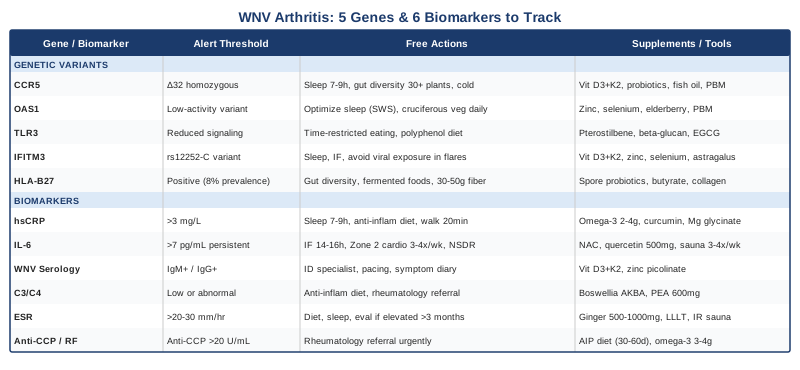
6 Biomarkers to Track When West Nile Virus Triggers Joint Pain
Biomarkers are measurable biological signals. They do not provide a complete picture on their own, but they tell you something concrete and actionable: whether inflammation is still active, how the immune system has responded to the virus, and whether joint tissue faces ongoing risk. The six biomarkers below were selected specifically for their relevance to WNV-associated arthritis, their clinical availability across most healthcare systems, and the degree to which the results genuinely change management decisions. They range from inexpensive standard blood tests to more specialized panels, and for each there are real steps — both with and without supplements — that map to the specific finding.
Biomarker 1: High-Sensitivity C-Reactive Protein (hsCRP)
Why it matters and what it reveals. C-reactive protein is a liver-produced acute-phase protein that rises rapidly in response to systemic inflammation. The high-sensitivity version detects even low-grade chronic inflammation that standard CRP testing misses entirely. In the context of post-WNV arthritis, a persistently elevated hsCRP months after infection is a strong indicator that systemic inflammation has not resolved — even when symptoms have partially improved. The most informative use of hsCRP here is longitudinal: a baseline followed by retesting every 6–8 weeks creates a trajectory that is far more meaningful than any single value. An hsCRP above 3 mg/L indicates elevated systemic inflammatory risk; above 10 mg/L suggests active chronic or subacute inflammation warranting investigation.
How to measure it. hsCRP is available at virtually any standard laboratory as part of a cardiovascular risk panel or as a standalone test. It requires a simple venous blood draw, and results are typically available within 24–48 hours. In the US, out-of-pocket cost ranges from $15–$40; it is generally covered by insurance when ordered for cardiovascular risk or inflammatory workup. In European healthcare systems, it is usually included in basic inflammatory panels at minimal or no cost.
If the score is bad, the plan without supplements
Focus on the most evidence-supported anti-inflammatory lifestyle shifts. Sleep quality comes first: 7–9 hours of consolidated sleep measurably reduces circulating inflammatory cytokines, and a single week of sleep restriction raises CRP in healthy adults. Dietary shift away from refined carbohydrates and ultra-processed seed oils reduces the substrate for inflammatory signaling. Low-impact daily movement — 20–30 minutes of walking — lowers hsCRP consistently over 8–12 weeks in human trials. Brief cold exposure (1–2 minutes cold water at the end of a shower) has demonstrated modest anti-inflammatory effects in small studies. Eliminating or sharply reducing alcohol is high-leverage: alcohol directly stimulates hepatic CRP production and disrupts sleep architecture simultaneously.
If the score is bad, the plan with supplements or equipment
Omega-3 fatty acids (EPA+DHA, 2–4g daily) from a molecularly distilled fish oil have the strongest and most consistent human evidence for reducing hsCRP, with effects appearing after 6–8 weeks of consistent use. Take daily with a fatty meal. Curcumin with piperine (500–1000mg standardized curcumin extract plus 5–10mg piperine) has shown hsCRP-lowering effects in multiple RCTs across inflammatory conditions; cycle every 3 months as long-term data beyond 6 months is limited. Magnesium glycinate (300–400mg before bed) simultaneously supports systemic inflammation reduction and sleep quality — start low if you are prone to loose stools. For equipment, a whole-body vibration platform (10 minutes daily at 25–50Hz) has shown preliminary inflammatory marker reductions in sedentary adults.
Biomarker 2: Interleukin-6 (IL-6)
Why it matters and what it reveals. IL-6 is one of the key pro-inflammatory cytokines directly activated by WNV infection, and it is a primary driver of the acute-phase response that elevates CRP — meaning it sits one level upstream in the causal chain. In some individuals, IL-6 signaling does not return to baseline after viral clearance, and persistently elevated IL-6 is directly linked to ongoing joint inflammation, cartilage-degrading enzyme activation, and the systemic fatigue that post-WNV patients frequently describe. Normal serum IL-6 in healthy adults is typically below 7 pg/mL. Levels persistently above this threshold after infection suggest the immune system has not fully recalibrated. Research indexed at PubMed on post-viral IL-6 and joint inflammation consistently supports its role as a driver of reactive and post-infectious arthritis.
How to measure it. IL-6 serum testing is available through specialized and reference laboratories (Quest, LabCorp, and equivalents in Europe). It is less commonly ordered in routine care, so you may need to specifically request it or use a direct-to-consumer lab service. A rheumatologist or functional medicine physician can include it in a cytokine panel. Cost in the US ranges from $50–$150 out of pocket. Results are available within 24–72 hours depending on the lab.
If the score is bad, the plan without supplements
Intermittent fasting using a 14–16 hour overnight eating window consistently lowers IL-6 in human studies, with effects apparent within 4–8 weeks of regular practice. Moderate aerobic exercise — not excessive training — at 3–4 sessions per week lasting 30–40 minutes is one of the most reliable non-pharmacological tools for IL-6 normalization; overtraining paradoxically spikes it. Consolidated sleep (7–9 hours) is critical: IL-6 follows diurnal regulation and chronic sleep deprivation directly elevates baseline levels. Reducing chronic psychological stress through structured rest periods — even 10–15 minutes of non-sleep deep rest (NSDR) daily — measurably reduces cortisol-driven IL-6 elevation over time.
If the score is bad, the plan with supplements or equipment
N-acetylcysteine (NAC, 600–1200mg daily) has shown anti-inflammatory cytokine effects in human studies in post-viral and pulmonary inflammatory contexts; it also supports glutathione production. Use a 5-days-on, 2-days-off cycling approach for long-term use; generally well-tolerated at these doses. Quercetin (500mg daily with a fatty meal) inhibits IL-6 production at the transcription level in human cell studies and has shown effects in several inflammatory trials; combine with bromelain for enhanced absorption. Sauna use — 15–20 minutes at 170–195°F, three to four times per week — is associated with reductions in circulating IL-6 in regular users, with Finnish cohort data supporting broad anti-inflammatory benefits at population scale.
Biomarker 3: West Nile Virus-Specific Serology (IgM and IgG Antibodies)
Why it matters and what it reveals. If WNV infection has not been formally confirmed, serology is the first diagnostic step — and a necessary anchor for attributing joint symptoms to WNV rather than another trigger. WNV-specific IgM antibodies appear within 3–8 days of infection and can persist for 30–90 days, sometimes significantly longer. IgG antibodies develop shortly after and remain detectable for years, confirming prior exposure. In post-WNV arthritis specifically, a positive IgM alongside persistent joint symptoms months after acute illness is diagnostically meaningful — it may indicate prolonged immune activation from persistent viral antigen. The CDC's West Nile Virus resource page notes that WNV IgM has been detected in some individuals more than a year after infection, which carries direct implications for how long immune dysregulation may persist.
How to measure it. WNV serology (IgM and IgG) is available at most major reference labs and is typically ordered by a physician. A simple blood draw is required. In the US, cost ranges from $50–$200 depending on whether both antibody classes are ordered together. It is generally covered by insurance when there is a clinical indication — suspected or known WNV exposure with ongoing neurological or rheumatological symptoms. Some state health departments also provide WNV testing directly.
If the score is bad, the plan without supplements
A confirmed WNV serology result changes the clinical framing significantly. Work with an infectious disease specialist or rheumatologist to formally document the infection and evaluate for post-WNV syndrome. Pacing activity to avoid post-exertional malaise — the pattern where pushing through fatigue causes symptom flares — is a core behavioral principle borrowed from post-viral recovery frameworks that applies directly here. Tracking a detailed symptom diary alongside repeated biomarker testing over months creates a longitudinal picture that is far more actionable than any isolated data point.
If the score is bad, the plan with supplements or equipment
There is no supplement that alters WNV antibody status — nor is there a need to target it directly. The goal at this stage is immune system normalization. Vitamin D3 (2000–4000 IU daily with K2) supports immune regulation broadly; deficiency is associated with dysregulated cytokine responses to infection, and a 25-OH vitamin D test should accompany this decision (target 50–70 ng/mL). Zinc picolinate (15–25mg daily with food, 5 days on / 2 days off) supports antiviral immune function and is frequently depleted during and after acute infections; the cycling prevents copper interference over the long term.
Biomarker 4: Complement C3 and C4
Why it matters and what it reveals. The complement system is a branch of innate immunity that tags and helps destroy pathogens — including viruses. WNV activates complement pathways acutely, and in some individuals, dysregulated post-infection complement activity may contribute to sustained joint inflammation and tissue damage. The pattern of C3 and C4 levels carries diagnostic significance: low C3/C4 suggests complement consumption by immune complexes (more characteristic of autoimmune conditions like lupus-related arthritis); elevated or normal C3/C4 with symptoms is more consistent with reactive or post-infectious arthritis where complement is being activated but not overwhelmed. This distinction is clinically important because the two conditions require very different management paths. Normal reference ranges: C3 approximately 90–180 mg/dL; C4 approximately 16–47 mg/dL.
How to measure it. Complement C3 and C4 testing is standard and included in most rheumatological panels. It can be ordered by a general practitioner or specialist from any major laboratory. Cost in the US ranges from $30–$80 for both together; typically covered by insurance when ordered with an inflammatory or joint disease indication. Turnaround is 24–48 hours.
If the score is bad, the plan without supplements
Abnormal complement levels with joint symptoms warrant formal medical evaluation before any self-directed intervention. If C3/C4 are low alongside joint symptoms, an autoimmune workup (ANA, anti-dsDNA, RF, anti-CCP) is the appropriate next step, and a rheumatology referral should not be deferred. If complement is elevated or showing activation-pattern abnormality, the lifestyle-based anti-inflammatory approaches already described under hsCRP and IL-6 apply directly: Mediterranean-style diet high in polyphenols and omega-3 fats, consistent sleep, and regular moderate movement. Tracking complement alongside hsCRP monthly provides a fuller inflammatory map.
If the score is bad, the plan with supplements or equipment
Boswellia serrata extract (AKBA fraction, 100–200mg daily) has demonstrated complement pathway modulation and joint anti-inflammatory effects in human studies, including in knee osteoarthritis and inflammatory arthritis; cycle every 3 months with a 2-week break; avoid in pregnancy. Palmitoylethanolamide (PEA, 600mg twice daily) is an endocannabinoid system modulator with anti-inflammatory effects documented in joint tissue and early human trials for chronic joint pain of inflammatory origin; well-tolerated with a favorable long-term safety profile in available literature. Both can be combined safely with the omega-3 and curcumin stack described under hsCRP.
Biomarker 5: Erythrocyte Sedimentation Rate (ESR)
Why it matters and what it reveals. ESR is one of the oldest, most reproducible markers of systemic inflammation. It measures how rapidly red blood cells settle in a tube — faster settling reflects higher concentrations of inflammatory proteins (particularly fibrinogen and immunoglobulins) in circulation. In post-WNV joint disease, a persistently elevated ESR — above 20–30 mm/hr in adults (with age and sex adjustments) — confirms that symptoms reflect genuine inflammatory activity rather than purely mechanical or degenerative joint pain. ESR also provides complementary information to hsCRP: they do not always move in parallel, and when they diverge, that divergence carries diagnostic meaning. ESR is slower to rise and fall than CRP, making it a better marker for chronic, sustained inflammation rather than acute flares.
How to measure it. ESR is one of the least expensive inflammatory tests available — typically $10–$30 in the US, often included in standard inflammatory or complete blood count panels. Available at any laboratory; widely covered by insurance. It requires a simple blood draw and results are available within hours at most labs.
If the score is bad, the plan without supplements
The same core lifestyle framework applies as for hsCRP: anti-inflammatory diet, regular moderate movement, optimized sleep, and structured stress reduction. However, a persistently elevated ESR alongside joint symptoms for more than 3 months should prompt formal medical evaluation to rule out other inflammatory conditions — rheumatoid arthritis, vasculitis, or occult infection. Self-management without a diagnostic foundation is not appropriate in this setting. Document your ESR trajectory with repeated testing every 6–8 weeks.
If the score is bad, the plan with supplements or equipment
Ginger extract (500–1000mg standardized gingerol extract daily) has shown ESR-reducing effects in RCTs in inflammatory arthritis populations; take with food to minimize gastric irritation; cycle after 3 months. Low-level laser therapy (LLLT) applied to affected joints has clinical trial support for reducing ESR in arthritis conditions — covered in detail in the complementary therapies section. Infrared sauna (20–30 minutes at 120–140°F, three times per week) has preliminary evidence for ESR reduction in autoimmune and inflammatory arthritis; the mechanism involves heat shock protein upregulation and improved lymphatic clearance of inflammatory proteins.
Biomarker 6: Anti-CCP Antibodies and Rheumatoid Factor (RF)
Why it matters and what it reveals. Anti-cyclic citrullinated peptide (anti-CCP) antibodies and rheumatoid factor (RF) are primarily markers of rheumatoid arthritis, not WNV. They are included here for a critical diagnostic reason: WNV infection is a known trigger capable of initiating or unmasking autoimmune arthritis in genetically susceptible individuals. Distinguishing true post-WNV reactive arthritis from newly triggered RA is not an academic exercise — the two conditions require completely different management approaches, and conflating them can result in significant harm or missed opportunity. A positive anti-CCP (typically above 20 U/mL) in someone with post-WNV joint symptoms suggests the virus may have initiated an autoimmune cascade now operating independently of the virus. Anti-CCP is highly specific for RA. Negative anti-CCP with negative or weakly positive RF is more consistent with reactive or post-infectious arthritis, which tends to have a better natural history and responds differently to treatment.
How to measure it. Anti-CCP and RF are standard components of any formal arthritis workup. Available at all major labs; typically $40–$100 each in the US; widely covered by insurance when ordered for persistent joint pain. A rheumatologist will typically include these alongside ANA, complement, ESR, and hsCRP in a comprehensive inflammatory joint panel.
If the score is bad, the plan without supplements
A positive anti-CCP result requires prompt medical management — rheumatology referral is essential and should not be delayed. Early intervention in seropositive inflammatory arthritis significantly reduces the risk of progressive joint damage and disability. The lifestyle anti-inflammatory foundation remains important but is insufficient as a standalone response. If anti-CCP is negative but RF is mildly elevated, continue monitoring with repeat testing at 3–6 months alongside clinical symptom tracking.
If the score is bad, the plan with supplements or equipment
In the context of a confirmed autoimmune trigger, the Autoimmune Protocol (AIP) dietary framework — developed by Sarah Ballantyne, Ph.D. — can serve as a meaningful adjunct to medical treatment. This approach eliminates grains, legumes, dairy, nightshades, eggs, nuts, seeds, and all processed foods for a minimum of 30–60 days, followed by systematic reintroduction. Growing clinical evidence, including in RA and other autoimmune conditions, supports AIP as a complementary strategy that may reduce inflammatory activity and medication requirements. Omega-3 fatty acids (3–4g EPA+DHA daily) have demonstrated modest anti-inflammatory effects even in seropositive RA in human trials; discuss with your rheumatologist given their antiplatelet properties at higher doses.
The Genetic Side of WNV Arthritis: 5 Variants That May Shape Your Risk
Genetics does not determine your fate after a WNV infection, but it defines the terrain. Two people infected with the same viral strain can have radically different immune responses, joint outcomes, and recovery timelines — and part of that difference is encoded in their DNA. The five genes below represent the strongest evidence-supported variants in the context of WNV immunity and post-viral inflammatory arthritis, drawing on the precision genomics framework advocated by researchers like Ali Torkamani at Scripps Research, who has championed individualized genomic interpretation for clinical decision-making. Consumer genomic platforms (23andMe, AncestryDNA) combined with third-party interpretation tools can identify most of these variants; whole-genome sequencing, increasingly available for $200–$400, provides the most comprehensive picture.
Gene 1: CCR5 (C-C Chemokine Receptor Type 5)
What it affects. CCR5 is a chemokine receptor expressed on T cells and macrophages that plays a central role in directing immune trafficking to sites of infection. The CCR5-Δ32 deletion variant — a 32-base-pair deletion that disrupts receptor function — is well-known for its protective role against HIV (where CCR5 serves as a co-receptor for viral entry). Paradoxically, research has demonstrated that CCR5-Δ32 homozygosity is associated with increased susceptibility to symptomatic and severe WNV infection — likely because CCR5 is needed to direct T cell responses that clear WNV from the central nervous system and peripheral tissues. For arthritis specifically, CCR5 directs T cell infiltration into joint synovial tissue, so abnormal CCR5 expression may result in impaired joint immune resolution after WNV.
If the gene is bad, the plan without supplements
Prioritize gut microbiome health (the gut-joint axis directly modulates T cell phenotype differentiation) through dietary diversity — 30+ different plant foods per week — and regular fermented food consumption. Consistent 7–9 hours of sleep is essential for T cell homeostasis; immune cell trafficking follows circadian rhythms that depend on sleep architecture. Avoid intense exercise during active joint symptom periods, as this can worsen joint infiltration in the context of CCR5 dysfunction. Cold thermogenesis (30–90 seconds cold water at the end of a shower, 3–4 times per week) supports immune cell regulation through sympathetic nervous system activation.
If the score is bad, the plan with supplements or equipment
Vitamin D3 (2000–5000 IU daily with K2, targeting 50–70 ng/mL serum 25-OH D3) is the single most important supplement for T cell balance in CCR5-variant individuals — it directly regulates regulatory T cell (Treg) development. Targeted probiotic strains (Lactobacillus rhamnosus GG and Bifidobacterium longum) — not just any commercial probiotic — support Treg development from the gut-immune axis; daily use with effects developing over 4–8 weeks. Fish oil (EPA+DHA, 2–3g daily) shifts T cell phenotypes toward regulatory states; combine with vitamin D3 for additive immune-regulatory effect. Photobiomodulation (near-infrared light, 850nm, 10–15 minutes over affected joints, 3–5 times per week) supports tissue-level anti-inflammatory signaling without global immune suppression.
Gene 2: OAS1 (2'-5' Oligoadenylate Synthetase 1)
What it affects. OAS1 is part of the interferon-response system — the body's first-line antiviral cellular defense. When activated by double-stranded RNA (the molecular signature of replicating viruses like WNV), OAS1 triggers the RNase L pathway to degrade viral RNA. Genetic variants in OAS1 that reduce enzyme activity or alter isoform splicing result in less efficient viral clearance. A landmark human study (Yakub et al., published in The Journal of Infectious Diseases) demonstrated that specific OAS1 polymorphisms are associated with higher risk of WNV infection and more severe disease outcomes. For joint disease, the implication is direct: less efficient viral clearance means more viral antigen persistence in peripheral tissues including joint synovium, sustaining immune activation and inflammation long after the acute phase.
If the gene is bad, the plan without supplements
Sleep architecture optimization is the single highest-leverage intervention: the vast majority of interferon-α and interferon-β release — the signaling pathway OAS1 depends on — occurs during slow-wave sleep. This means consistent sleep and wake times, a dark and cool room (65–67°F), and elimination of blue light exposure for 2 hours before sleep. Include cruciferous vegetables daily (broccoli, Brussels sprouts, kale) — sulforaphane in these foods activates Nrf2 pathways that interface directly with antiviral innate immune gene expression. Avoid ultra-processed foods, which suppress interferon signaling pathways demonstrably in human cell and epidemiological studies.
If the score is bad, the plan with supplements or equipment
Zinc picolinate (15–25mg daily, 5 days on / 2 days off) is essential for OAS1 enzyme activity and broader interferon-pathway function. Selenium as selenomethionine (100–200mcg daily) is a critical co-factor for antiviral immune enzymes; do not exceed 400mcg daily due to toxicity risk; 1–2 Brazil nuts daily is a natural food-based alternative. Elderberry extract (500mg standardized to flavonoids) has shown interferon pathway activation in human cell studies and some clinical trials; use in 2-week cycles during symptom flares rather than continuously, to avoid theoretical immune over-stimulation. Photobiomodulation (810–850nm, 10–15 minutes over joints, 4–5 times per week) has early evidence for supporting innate immune function at the tissue level and reducing viral-related inflammation.
Gene 3: TLR3 (Toll-Like Receptor 3)
What it affects. Toll-like receptor 3 (TLR3) detects double-stranded viral RNA and is a critical initiator of the innate antiviral immune response. TLR3 variants that reduce signaling efficiency lead to delayed or blunted early immune responses to WNV, potentially resulting in higher viral loads during acute infection and greater viral antigen deposition in peripheral tissues — including the synovial lining of joints. What makes TLR3 particularly relevant for arthritis is that TLR3 is expressed in synovial fibroblasts — the cells that line joint spaces. When TLR3 in synovial fibroblasts is activated by viral RNA remnants, it can trigger local joint inflammation directly, independently of the systemic immune response. Research published in PubMed on TLR3 synovial inflammation supports this local mechanism.
If the gene is bad, the plan without supplements
Time-restricted eating (eating within an 8–10 hour window daily) has shown modest TLR3 pathway modulation in animal models and is consistent with human data on metabolic immune regulation. Daily physical movement — even low-intensity walking — supports pattern recognition receptor expression in circulating immune cells. Cold exposure (30–90 seconds cold water daily) has shown TLR pathway modulation through sympathetic nervous system activation in human studies. A polyphenol-rich dietary pattern (berries, olive oil, dark chocolate) supports TLR pathway regulation broadly.
If the score is bad, the plan with supplements or equipment
Resveratrol as pterostilbene (250–500mg daily of a high-bioavailability form) — pterostilbene is substantially better absorbed than standard resveratrol — modulates TLR3 downstream signaling and has joint anti-inflammatory effects in human studies; take with a fatty meal; cycle 8 weeks on / 2 weeks off. Yeast-derived beta-glucan (250–500mg daily) primes innate immune cells through TLR pathways; clinical evidence exists for reduced viral illness frequency in healthy adults and is well-tolerated long-term. EGCG from green tea extract (400–600mg daily) has shown TLR3-related anti-inflammatory effects in human cell studies; take away from iron supplementation as it inhibits iron absorption.
Gene 4: IFITM3 (Interferon-Induced Transmembrane Protein 3)
What it affects. IFITM3 is an interferon-induced protein that acts as a cellular gatekeeper — it traps enveloped viruses (including flaviviruses like WNV) in endosomes, preventing them from releasing their genetic material into the cell cytoplasm. A genetic variant in IFITM3 (rs12252-C) produces a truncated, less functional protein with reduced antiviral gating ability. This variant has been associated with increased susceptibility to several enveloped viruses. While direct WNV-IFITM3 human association studies are still limited in number, the mechanistic case is strong given IFITM3's established role against flaviviruses in cell and animal models. Less effective viral restriction at the cell membrane level means more viral replication during the initial infection window, greater immune activation burden, and potentially more inflammatory antigen deposition in joint tissues.
If the gene is bad, the plan without supplements
All sleep-optimization, time-restricted eating, and cruciferous vegetable approaches from the OAS1 section apply here with equal force, since IFITM3 expression is interferon-inducible from the same upstream pathways. A specific addition for IFITM3-variant individuals: minimize secondary viral exposure during active joint symptom periods. Even common respiratory viruses can significantly worsen the inflammatory burden in individuals with compromised antiviral restriction at the cell level. This means hand hygiene discipline, avoiding crowded indoor settings during flares, and staying current on influenza and COVID-19 vaccinations to reduce the total viral burden on an already-strained innate immune system.
If the score is bad, the plan with supplements or equipment
The interferon-support stack — vitamin D3 + K2, zinc picolinate, selenium — is the foundational first priority for IFITM3-variant individuals, as IFITM3 expression depends on intact interferon signaling that these nutrients directly support. Astragalus root extract (500mg standardized polysaccharide extract daily) has multiple human studies supporting broad antiviral immune enhancement; use in 8-week cycles with 2-week breaks. Deglycyrrhizinated licorice root (DGL, 1–2g daily during active symptom periods) has shown interferon-stimulating and antiviral effects in cell studies and some human trials; use DGL specifically to avoid the blood pressure and aldosterone effects of standard licorice; not recommended for continuous long-term use.
Gene 5: HLA-B27 and HLA Class II Variants
What it affects. Human Leukocyte Antigen genes are the most polymorphic in the human genome and are central to how the immune system distinguishes self from non-self and mounts antigen-specific responses. HLA-B27 is present in approximately 8% of Northern European populations and is the genetic variant most strongly associated with reactive and post-infectious arthritis — the type most directly relevant to post-WNV joint disease. Viral infections are recognized triggers for reactive arthritis in HLA-B27-positive individuals, and while most HLA-B27 research has involved bacterial triggers, viral-triggered reactive arthritis in HLA-B27-positive individuals is well-documented in case series and observational studies. HLA class II variants (particularly HLA-DR4 and HLA-DRB1 shared epitope alleles) influence the risk of transitioning from reactive to rheumatoid arthritis following viral immune activation and shape the overall inflammatory phenotype of the post-infectious response. The gut microbiome is a particularly important environmental modulator of HLA-B27-driven joint inflammation — the gut-joint axis is mechanistically well-established in this context.
If the gene is bad, the plan without supplements
For HLA-B27-positive individuals with post-WNV joint symptoms, gut microbiome optimization through diet is the highest-leverage non-supplement intervention. This means: dietary fiber from diverse sources (targeting 30–50g per day from varied plant foods), regular consumption of fermented foods with live cultures (kefir, kimchi, sauerkraut, live-culture yogurt), and elimination of gut-permeability-increasing factors including refined sugar, excessive alcohol, and ultra-processed foods. Regular monitoring with a rheumatologist for sacroiliac joint involvement is appropriate for symptomatic HLA-B27-positive individuals — early detection of spondyloarthritis significantly changes both prognosis and treatment options.
If the score is bad, the plan with supplements or equipment
Spore-based probiotics (Bacillus coagulans, Bacillus clausii) have shown gut epithelial barrier support and modulation of arthritis-relevant immune pathways in human trials; daily use with minimum 8-week assessment period. Sodium butyrate or tributyrin (500–1000mg daily) supports gut barrier integrity by feeding colonocytes and reducing intestinal permeability — a key driver of HLA-B27-mediated systemic joint inflammation via the gut-joint axis. Hydrolyzed collagen peptides (10–15g daily in liquid) support both gut lining repair and joint cartilage matrix; a pragmatic dual-benefit supplement for this context. Low-level laser therapy applied to sacroiliac and spinal joints has early evidence in spondyloarthropathy — covered in the complementary therapies section below.
Andrew Huberman's Immune and Inflammation Framework: 10 Things That May Change How You Approach Recovery
The Huberman Lab podcast has covered immune function, post-viral recovery, inflammation biology, and longevity interventions across dozens of episodes, with expert guests citing hundreds of peer-reviewed studies. No episode addresses WNV arthritis specifically — but the principles Dr. Andrew Huberman (Stanford neuroscientist) discusses for optimizing immune regulation are directly applicable. The following ten insights are the most relevant to managing post-viral inflammatory joint conditions, distilled from multiple episodes and the supporting literature they reference.
1. Sleep Is Not Rest — It Is the Primary Immune Reset Mechanism
Huberman returns to sleep repeatedly not as a lifestyle preference but as a physiological imperative for immune function. During slow-wave sleep, lymphatic clearance of inflammatory debris accelerates, interferon production peaks, and cytokine profiles shift toward anti-inflammatory states. For post-WNV arthritis, the implication is immediate: a single week of sleep restriction raises CRP measurably in healthy adults. Optimizing sleep architecture — not just duration but quality and timing — is the foundational step, not a secondary consideration.
2. Morning Sunlight Synchronizes the Immune Circadian Clock
Huberman's core daily protocol — 10–30 minutes of outdoor light exposure within an hour of waking — is grounded in the biology of the suprachiasmatic nucleus, which controls circadian-dependent immune timing. Cytokine release patterns, NK cell activity levels, and T cell trafficking all follow circadian rhythms. Disrupted light exposure disrupts immune timing, worsening chronic inflammatory states. This is a genuinely free, low-effort intervention with strong mechanistic support.
3. Deliberate Cold Exposure Produces Measurable Anti-Inflammatory Effects
Cold immersion (1–3 minutes at 50–60°F water, 3–4 times per week) activates norepinephrine release, which carries documented anti-inflammatory properties in human studies. Huberman cites research showing that regular deliberate cold exposure produces measurable reductions in systemic inflammatory markers over time. For joint inflammation specifically, this is an adjunct, not a replacement for targeted treatment — but the physiological rationale is credible and the practical barrier is low.
4. Nasal Breathing Delivers Antiviral Nitric Oxide to Circulation
Nitric oxide — produced in the nasal passages and dramatically amplified by nasal breathing compared to mouth breathing — has direct antiviral and vasodilatory anti-inflammatory properties. Huberman discusses research showing that consistent nasal breathing during rest and sleep increases nitric oxide delivery to the lungs and systemic circulation, supporting both respiratory immune defense and vascular inflammation control. Taping the mouth shut during sleep (with medical tape) is Huberman's evidence-referenced approach for maintaining nasal breathing at night.
5. Zone 2 Cardio Is the Exercise Sweet Spot for Chronic Inflammation
Huberman distinguishes high-intensity exercise — which transiently spikes IL-6 and other pro-inflammatory cytokines — from Zone 2 cardio (sustained moderate aerobic work at 60–70% max heart rate, where conversation remains possible). Zone 2, performed for 30–45 minutes three to four times per week, consistently reduces systemic inflammation over time and supports immune cell surveillance. For post-WNV joint inflammation, low-impact Zone 2 options — swimming, cycling, elliptical — deliver the same immune benefit without mechanical joint loading.
6. Sauna Use Mimics and Amplifies the Fever Response
Huberman has reviewed the Finnish epidemiological data with Dr. Rhonda Patrick in detail: regular sauna use (4+ times per week) reduces all-cause mortality and systemic inflammatory markers at population scale. The proposed mechanisms include heat shock protein upregulation, which supports immune cell protein quality control and reduces inflammatory cytokine signaling. For post-viral arthritis, 15–20 minutes at 170°F, three times per week, represents a physiologically sound adjunct with cumulative benefit — not a cure, but a meaningfully anti-inflammatory stress.
7. Gut Health Is Not Separate From Joint Inflammation
Multiple Huberman episodes on the gut-brain and gut-immune axes highlight the bidirectional relationship between microbiome composition and systemic inflammatory regulation. Dysbiosis drives systemic inflammation — including in joints — through multiple pathways including increased intestinal permeability, altered short-chain fatty acid production, and dysregulated T cell differentiation. Practical recommendations: 30+ different plant foods per week for microbiome diversity, daily fermented foods with live cultures, and adequate soluble fiber to feed commensal bacteria.
8. Chronic Stress Actively Suppresses Antiviral Immunity
Huberman explains in detail how sustained cortisol elevation — the hallmark of chronic psychological stress — directly suppresses NK cell activity, reduces interferon production, and impairs the clearance of viral antigens from tissues. For post-WNV individuals whose joints may harbor viral remnants driving inflammation, chronic stress is not just unpleasant — it is an active immunological impediment to recovery. Huberman's structured tools include cyclic physiological sighing (double inhale through the nose, long exhale through the mouth, repeated 5 minutes) and NSDR (non-sleep deep rest, 10–20 minutes of body scan relaxation), both with measurable cortisol and autonomic effects.
9. Omega-3s Resolve Inflammation Rather Than Just Suppressing It
Huberman highlights a critical mechanistic distinction — between suppressing inflammation (the mechanism of NSAIDs) and actively resolving it (the mechanism of specialized pro-resolving mediators derived from omega-3 fatty acids). EPA and DHA are precursors to resolvins and protectins — lipid mediators that actively switch off inflammatory pathways and facilitate tissue repair. This distinction helps explain why adequate omega-3 supplementation (2–4g EPA+DHA daily) goes beyond simple anti-inflammatory suppression and why it is particularly relevant in chronic post-viral inflammatory contexts where the resolution phase may be impaired.
10. Photobiomodulation Over Joints Supports Tissue-Level Repair
Huberman has discussed photobiomodulation (PBM, also called red/near-infrared light therapy) with expert guests in the context of tissue repair, mitochondrial function, and anti-inflammatory signaling. The mechanism — activation of cytochrome C oxidase in mitochondria by 660nm and 850nm light — is well-established biophysically. For joint inflammation, devices emitting these wavelengths applied directly to affected joints for 10–15 minutes per session, four to five times per week, have preliminary but increasingly credible clinical evidence for reducing joint inflammatory markers and supporting cartilage integrity. Huberman notes this as one of the few biophysical tools with both a robust mechanism and growing clinical data.
Complementary and Alternative Approaches Worth Considering
Beyond biomarkers, genetics, and systemic lifestyle interventions, there are several complementary modalities with meaningful clinical evidence for inflammatory joint conditions related to viral and post-infectious triggers. The five below were selected for the strength of their human evidence in arthritis or post-viral recovery contexts, and for their realistic applicability.
Tai Chi
Tai chi is a slow, flowing movement practice rooted in Chinese martial tradition that combines balance, coordination, and breath control. Its relevance to post-WNV arthritis lies in its dual action: it promotes joint mobility and muscle strength without the mechanical impact load that worsens inflamed joints, while simultaneously reducing cortisol and pro-inflammatory cytokines through its meditative movement structure. For people with post-viral fatigue alongside joint pain, tai chi's low-intensity, pacing-friendly format is a particular advantage over most exercise modalities.
A 2016 randomized controlled trial published in Annals of Internal Medicine compared tai chi to physical therapy in knee osteoarthritis and found that tai chi produced equivalent or superior pain reduction and physical function improvements, with a favorable safety profile and higher long-term adherence. While this study focused on osteoarthritis rather than post-infectious arthritis, the joint mobility and anti-inflammatory mechanisms are directly transferable.
Practically, a beginner tai chi program (Yang-style 24-form is the most widely taught) can be started through local community classes, dedicated apps, or YouTube instruction. Three to five sessions per week of 20–30 minutes each represents a reasonable starting protocol. Begin gently during active joint flares — range of motion moves only — and progress to fuller forms as symptoms allow. No equipment is required, making this one of the most accessible options on this list.
Mindfulness Meditation and MBSR
Mindfulness-Based Stress Reduction (MBSR) is an 8-week structured program developed by Jon Kabat-Zinn that combines meditation, body scan, and mindful movement. Its relevance to post-WNV arthritis is primarily through two mechanisms: cortisol reduction (which directly lowers IL-6 and other inflammatory cytokines, as described in the biomarker sections above) and pain perception modulation through altered central nervous system processing of inflammatory pain signals. Chronic pain from inflammatory arthritis has a significant neurological component — central sensitization — that meditation practices address in ways that anti-inflammatory interventions alone do not.
A meta-analysis published in Pain Medicine examining mindfulness-based interventions in inflammatory arthritis found significant reductions in pain intensity, psychological distress, and self-reported disability, with moderate effects on fatigue. While studies in WNV-specific arthritis do not exist, the mechanisms — cortisol reduction and pain modulation — apply across inflammatory arthritis etiologies. Evidence is mixed for objective inflammatory marker reduction but more consistent for pain and quality-of-life outcomes.
Practically, a formal 8-week MBSR program (offered online through programs affiliated with university medical centers and through apps like Insight Timer or Waking Up) is the most evidence-aligned approach. Daily practice of 20–45 minutes during the 8-week program, followed by maintenance practice of 15–20 minutes daily, is the protocol from the original research. For those with post-WNV fatigue, pacing is critical — shorter daily sessions are preferable to longer occasional ones.
Low-Level Laser Therapy and Photobiomodulation
Low-level laser therapy (LLLT), also called photobiomodulation (PBM), uses specific wavelengths of red (630–670nm) and near-infrared (780–950nm) light at non-thermal intensities to stimulate cellular energy production, reduce inflammation, and support tissue repair. In joint tissues specifically, PBM has shown ability to reduce synovial inflammation, decrease inflammatory cytokine expression, and support cartilage matrix integrity in human studies — making it one of the few physical modalities with a direct joint-level mechanistic target relevant to post-infectious arthritis.
A Cochrane systematic review of LLLT for rheumatoid arthritis found significant short-term reductions in pain and morning stiffness compared to placebo, with a favorable safety profile and no serious adverse effects reported. While evidence for post-WNV arthritis specifically does not exist, the inflammatory joint mechanisms addressed by LLLT are shared across reactive and inflammatory arthritis etiologies. The limitation is that evidence for long-term effects and optimal treatment parameters is still evolving.
Practically, LLLT can be received through physiotherapy clinics, sports medicine practices, or delivered at home using consumer-grade PBM devices emitting 660nm and 850nm wavelengths at 100–200mW/cm² power density. Treatment protocols from clinical trials typically involve 10–15 minutes per joint area, five times per week, for a minimum of 4 weeks. For home devices, look for FDA-cleared or CE-marked devices with published irradiance specifications. Avoid direct eye exposure regardless of device; the therapy is otherwise safe for home use.
Massage Therapy
Massage therapy — specifically Swedish and deep tissue massage applied to peri-articular muscles around affected joints — is relevant to post-WNV arthritis through several mechanisms: it reduces muscle guarding and compensatory tension patterns that develop around painful joints, improves local lymphatic drainage of inflammatory mediators, and activates the parasympathetic nervous system in ways that measurably reduce cortisol and inflammatory cytokine production. For post-WNV patients dealing with both joint pain and the systemic fatigue that accompanies chronic inflammation, massage addresses both the physical and the neurological components of the symptom burden.
A randomized trial published in Complementary Therapies in Clinical Practice found that twice-weekly Swedish massage over 8 weeks produced significant reductions in pain intensity, grip strength improvement, and range of motion gains in RA patients. Evidence quality in post-infectious arthritis specifically is limited, but the safety profile of therapeutic massage is high and the symptom-management rationale is clear across inflammatory joint conditions.
Practically, work with a registered massage therapist familiar with inflammatory conditions — important because deep pressure directly on acutely inflamed joints can worsen symptoms during flares. During active flares, restrict massage to peri-articular areas and avoid direct joint pressure. During low-symptom periods, regular sessions (once weekly initially) targeting affected limb musculature and the paraspinal muscles support both local pain management and systemic parasympathetic tone. Communicate your WNV history and current symptom status at every session.
Microbiome-Directed Therapies
Microbiome-directed therapy encompasses dietary, prebiotic, and probiotic interventions designed to modify gut bacterial community composition in ways that reduce systemic inflammatory drive. As discussed in the genetics section (particularly for HLA-B27 carriers) and the biomarker section, the gut-joint axis is mechanistically well-established: gut dysbiosis increases intestinal permeability, allows bacterial antigens to enter circulation, and drives systemic inflammatory cytokine production that manifests in joints. This relationship is not hypothetical — it is documented in spondyloarthritis, reactive arthritis, and RA research.
A systematic review published in Frontiers in Immunology on gut microbiome and arthritis found consistent associations between gut dysbiosis and inflammatory joint disease severity, and preliminary evidence that prebiotic and probiotic interventions can reduce arthritis-relevant inflammatory markers including CRP and IL-6. The strongest evidence is for dietary diversity and fermented food approaches rather than for any specific commercial probiotic, though targeted strains (Lactobacillus casei, Bifidobacterium bifidum) have shown modest clinical benefits in RA trials.
Practically, a microbiome-directed protocol for post-WNV arthritis involves three tiers: dietary diversity (35+ different plant food types per week, tracking variety not just volume), daily fermented food intake (2–3 servings of live-culture products), and targeted probiotic supplementation with multi-strain formulas emphasizing Lactobacillus and Bifidobacterium species alongside spore-based strains for resilience. Prebiotic supplementation (partially hydrolyzed guar gum, 5–10g daily, or inulin/FOS from food sources) feeds commensal bacteria without the selective pressure that single-strain probiotics impose. This tier-based approach, sustained for at least 12 weeks before assessment, is more likely to produce meaningful microbiome shifts than any single intervention.
Conclusion
Post-West Nile Virus arthritis is real, underrecognized, and more biologically specific than the generic advice most patients receive. The six biomarkers covered here — hsCRP, IL-6, WNV serology, complement C3/C4, ESR, and anti-CCP — give you a concrete framework for tracking what is actually happening in your body, at a cost and accessibility level that is realistic for most people. The five genetic variants — CCR5, OAS1, TLR3, IFITM3, and HLA-B27 — help explain why your response to the same infection may be different from someone else's, and they point toward specific compensatory strategies rather than one-size-fits-all advice.
The next smart step is not to try everything at once. Start with the biomarker panel most relevant to your current symptoms — hsCRP, ESR, and WNV serology if unconfirmed are the highest-priority first tests. Share the results and this framework with your rheumatologist or physician, and consider whether genetic testing adds clarity to your specific presentation. Progress in understanding your own biology is the most direct path toward making decisions that actually fit your situation.