This article contains AI generated content.
· UpdatedWhipple's Disease Genes & Biomarkers: 5 Genes And 7 Biomarkers To Track
Introduction
Whipple's disease sits in a strange medical corner: rare enough that most physicians see only a handful of cases in their careers, yet serious enough that delayed diagnosis can lead to irreversible neurological damage or worse. If you or someone close to you has been diagnosed — or is in the long, frustrating process of getting there — you know exactly how disorienting that feels. The symptoms drift across specialties: joint pain here, fatigue there, then unexplained weight loss and diarrhea that seem unrelated until the pattern finally clicks into place.
Standard management focuses, correctly, on long-term antibiotic therapy. But what often goes undiscussed is the layer underneath: why some people develop clinical Whipple's disease after exposure to Tropheryma whipplei while most others remain unaffected. Seroprevalence studies suggest 1–10% of the general population has been exposed to the bacterium, yet clinical disease occurs in perhaps 1–3 per million annually. That gap is largely genetic and immunological — and it matters for how you monitor and support recovery.
Generic lifestyle advice — eat well, rest, reduce stress — is not wrong, but it is incomplete for a condition this specific. Knowing which biomarkers to track, and what your immune genetics suggest, can help you have smarter conversations with your specialist, catch setbacks earlier, and make targeted decisions about nutrition and immune support during and after treatment.
This article covers two complementary frameworks. The first maps seven key biomarkers that reveal disease activity, nutritional consequences, and treatment response. The second examines five genes associated with susceptibility and immune dysfunction, with realistic plans for each. Together, they offer a more actionable picture than either approach alone — grounded in biology, not wishful thinking.
7 Biomarkers to Track in Whipple's Disease
Monitoring Whipple's disease is not a one-test task. The infection causes a cascade of problems — intestinal damage, lymphatic obstruction, systemic inflammation, and nutrient depletion — each of which can be tracked independently. The biomarkers below span the full picture: from direct bacterial detection to the downstream metabolic consequences that often persist long after antibiotics begin.
1. T. whipplei PCR
Why it matters: This is the most direct biomarker available. Polymerase chain reaction testing detects the DNA of Tropheryma whipplei in biological samples, confirming active infection or ruling it out with high specificity. It can be run on duodenal biopsy tissue, stool, blood (buffy coat), cerebrospinal fluid, or synovial fluid depending on which organ systems are involved. For CNS Whipple's — the most dangerous form — CSF PCR is particularly critical and should not be skipped even when neurological symptoms seem mild. Recurrence often shows up in PCR before symptoms return, making it an invaluable monitoring tool after treatment ends.
How to measure it: Duodenal biopsy PCR is the gold standard and is performed during upper endoscopy alongside PAS staining. Stool PCR is the least invasive option, useful for initial screening and serial follow-up. Cost ranges from $100 to $300+ depending on the laboratory and sample type. Not all general labs offer all sample types; university hospital reference laboratories and academic infectious disease centers tend to have the most complete panels.
If the result is positive — the plan without supplements: A positive result requires antibiotic treatment — there is no dietary or lifestyle substitute. The current standard of care involves an induction phase (typically IV ceftriaxone for 2 weeks) followed by long-term oral trimethoprim-sulfamethoxazole (TMP-SMX) for 1–2 years. Follow-up PCR every 6–12 months confirms treatment response. Diet alone cannot clear T. whipplei from macrophages.
If the result is positive — the plan with supplements or equipment: While antibiotics remain non-negotiable, supporting gut mucosal integrity during treatment reduces antibiotic-associated complications. Saccharomyces boulardii (250–500 mg twice daily with meals) has consistent evidence for reducing antibiotic-associated diarrhea without interfering with antibacterial activity. L-glutamine (5g daily on an empty stomach) supports intestinal cell turnover. Neither replaces nor delays antibiotic initiation. Always discuss timing with the treating physician to avoid interactions.
2. C-Reactive Protein (CRP) and Erythrocyte Sedimentation Rate (ESR)
Why it matters: CRP and ESR are non-specific but clinically useful markers of systemic inflammation. In Whipple's disease, elevated values reflect the body's inflammatory response to ongoing bacterial infection and intestinal injury. As antibiotic treatment progresses and bacterial load decreases, both should trend steadily downward — making them practical tools for tracking treatment response across quarterly blood draws.
Persistently elevated CRP or ESR despite adequate antibiotic therapy may indicate insufficient drug exposure, a concurrent inflammatory process, or the paradoxical immune reconstitution inflammatory syndrome (IRIS) that can occur in some Whipple's patients as immune function normalizes.
How to measure it: Standard blood draw. High-sensitivity CRP (hs-CRP) is preferable when values are expected to be low, as it detects sub-clinical inflammation more reliably. Cost: $20–50 for both markers combined. Available at any clinical lab with no special preparation needed.
If the score is elevated — the plan without supplements: Identify the underlying cause first. Confirm antibiotic adherence and review for drug interactions that might reduce TMP-SMX absorption. Modifiable lifestyle factors that independently lower CRP: eliminating ultra-processed foods and refined sugar, consistent moderate-intensity walking (30 minutes, 5 days per week), and 7–9 hours of quality sleep. These are adjuncts — not replacements for treatment review.
If the score is elevated — the plan with supplements or equipment: Omega-3 fatty acids at 2–4g EPA+DHA daily (with food, to improve absorption) have the most consistent human evidence for reducing hs-CRP. Correcting vitamin D deficiency (if present) also reliably reduces inflammatory markers. Curcumin with piperine (500mg curcumin + 5mg piperine, twice daily) shows modest CRP-lowering effects in randomized trials. Note: curcumin may interact with anticoagulants — verify with your physician.
3. Serum Albumin and Prealbumin (Transthyretin)
Why it matters: Albumin is the most widely used marker of protein nutritional status. In Whipple's disease, damaged intestinal villi cause protein malabsorption and losses that manifest as low albumin, peripheral edema, and muscle wasting. Prealbumin (transthyretin) has a shorter half-life — approximately 2 days versus albumin's 20 days — making it a more sensitive early indicator of nutritional improvement or decline. It responds to changes in intake and absorption within days, making it a superior marker for monitoring short-term response to nutritional interventions.
How to measure it: Both require a standard blood draw. Albumin is typically included in a comprehensive metabolic panel ($20–40). Prealbumin must be ordered separately ($30–60). Both are available through standard clinical labs without special preparation.
If the score is low (albumin below 3.5 g/dL) — the plan without supplements: Increase high-quality protein intake to 1.5–2g per kilogram of body weight daily, prioritizing easily digestible sources: eggs, fatty fish, chicken breast, Greek yogurt, and cottage cheese. Small frequent meals (5–6 per day rather than 3 large ones) reduce the digestive burden on compromised intestinal mucosa. Temporary use of elemental or semi-elemental oral nutritional formulas can maintain caloric and protein targets when whole foods cause significant symptoms.
If the score is low — the plan with supplements or equipment: Whey protein isolate (25–30g per serving, 1–2 times daily with or after meals) is highly bioavailable and may absorb more effectively than whole food proteins when intestinal function is compromised. Essential amino acid (EAA) powders are a useful alternative when full protein digestion remains limited. Pharmaceutical-grade digestive enzyme blends containing lipase, protease, and amylase can improve nutrient extraction from food — take at the start of each meal. Reassess albumin and prealbumin every 4–6 weeks while adjusting nutritional support.
4. Fat-Soluble Vitamins: A, D, E, and K
Why it matters: Whipple's disease blocks lymphatic absorption of dietary fat — and fat-soluble vitamins travel through precisely that pathway via chylomicrons. Deficiencies in vitamins A, D, E, and K are nearly universal in uncontrolled or prolonged disease, and they persist for months after treatment begins while the intestinal wall heals. Each carries specific consequences: vitamin A governs mucosal immune defense and visual function; vitamin D regulates immune polarization and bone density; vitamin E provides cellular antioxidant protection; vitamin K affects coagulation and bone mineralization. Testing all four is not optional — it is one of the most clinically actionable panels a Whipple's patient can request.
How to measure it: Each vitamin must be ordered individually. Vitamin D (25-OH-D): $40–80. Vitamin A (serum retinol): $60–100. Vitamin E (alpha-tocopherol): $80–120. Vitamin K2 is rarely tested directly; it is often inferred from bone turnover markers (osteocalcin, CTx). Functional medicine labs offer grouped micronutrient panels that combine multiple fat-soluble vitamins at reduced total cost.
If the score is low — the plan without supplements: The fat malabsorption underlying these deficiencies creates a challenge with dietary fat. Medium-chain triglycerides (MCTs) absorb directly into the portal vein rather than requiring lymphatic transport, bypassing the obstructed pathway. MCT oil (1–2 tablespoons with each meal) serves as both a fat source and a vehicle for improved fat-soluble vitamin absorption during the recovery phase. Foods rich in carotenoids (cooked sweet potato, carrots, pumpkin) provide vitamin A precursors, though conversion efficiency is reduced in compromised gut states.
If the score is low — the plan with supplements or equipment: Vitamin D3 (4,000–10,000 IU daily depending on baseline 25-OH-D level; always paired with vitamin K2 at 100–200mcg MK-7 to direct calcium appropriately). Vitamin A as retinyl palmitate — not beta-carotene, which requires enzymatic conversion — at 10,000 IU daily for no more than 90 days without retesting; prolonged high-dose vitamin A is hepatotoxic and must be monitored. Vitamin E as mixed tocopherols (400 IU daily). Retest all four markers every 3–4 months during active nutritional rehabilitation.
5. Complete Blood Count (CBC) with Iron Studies
Why it matters: Anemia is one of the most common findings in Whipple's disease, often appearing before the diagnosis is established, and frequently persisting into the treatment phase. The mechanism is typically multifactorial: iron deficiency from mucosal microbleeding and impaired intestinal absorption, vitamin B12 and folate deficiency from malabsorption, and anemia of chronic disease driven by ongoing infection-related inflammation. The CBC distinguishes between these patterns (microcytic vs. normocytic vs. macrocytic), and the iron panel — ferritin, serum iron, TIBC, and transferrin saturation — confirms whether iron stores are depleted specifically.
How to measure it: CBC: $20–40, included in most standard screening panels. Iron panel (serum iron, ferritin, TIBC, transferrin saturation): $40–80. Vitamin B12 and folate: $30–60 each. These are universally available through any clinical lab.
If the score is abnormal — the plan without supplements: Identify the anemia subtype before acting. For iron deficiency: increase dietary iron through grass-fed red meat, organ meat (especially liver), dark leafy greens paired with vitamin C to enhance non-heme iron absorption. Avoid coffee and tea within one hour of iron-rich meals. Cook with cast iron cookware as a secondary dietary iron source. For B12 deficiency: prioritize animal proteins; sublingual B12 delivery bypasses the damaged intestinal absorptive surface effectively. For folate: cooked leafy greens and legumes are the most bioavailable dietary sources.
If the score is abnormal — the plan with supplements or equipment: Iron bisglycinate at 25–50mg elemental iron every other day — alternating-day dosing has clinical trial evidence for superior absorption and fewer gastrointestinal side effects compared to daily dosing. Methylcobalamin B12 (1,000mcg sublingual daily; this form and route bypasses gut absorption entirely). Methylfolate as L-5-MTHF (400–800mcg daily) rather than synthetic folic acid. Retest CBC and iron studies at 8–12 weeks. Critical note: never initiate iron supplementation without first confirming iron deficiency — excess free iron during active bacterial infection can be counterproductive by fueling microbial growth.
6. Lipid Panel — Total Cholesterol as a Disease Activity Signal
Why it matters: This is a less commonly discussed but diagnostically meaningful pattern: severely low total cholesterol — below 100–120 mg/dL in some reported cases — can serve as a signal of profound lymphatic obstruction and lipid malabsorption in active Whipple's disease. Cholesterol and triglycerides travel through the same chylomicron pathway that is blocked by the lymphatic damage the disease causes. Counterintuitively, total cholesterol rises as treatment succeeds and lymphatic absorption begins to normalize — making serial lipid panels a useful functional marker of treatment response, in parallel with PCR results.
How to measure it: Standard fasting lipid panel: $30–60, widely available at any clinical lab. For more detailed insight during the recovery phase, an NMR LipoProfile measures LDL particle number and size — more informative than standard LDL-C for cardiovascular risk stratification as advocated by Thomas Dayspring and Allan Sniderman. In the Whipple's context specifically, the primary use is monitoring malabsorption resolution rather than cardiovascular risk.
If total cholesterol is abnormally low during active disease — the plan without supplements: Extremely low cholesterol in this context is a sign that treatment is needed or not yet adequate — not a dietary achievement to maintain. Prioritize MCT oil (1–2 tablespoons with each meal) as a fat source that bypasses the blocked lymphatic pathway. Whole eggs (4–6 daily if tolerated) are among the most lipid-dense, easily digestible foods available. Track total cholesterol serially alongside PCR to confirm parallel improvement trends.
If lipid absorption remains impaired during recovery — the plan with supplements or equipment: Phosphatidylcholine (840mg daily with meals) supports bile acid conjugation and fat absorption efficiency. Supplemental ox bile (100–300mg taken with each fatty meal) assists lipid emulsification when bile flow or conjugation is compromised during intestinal healing. Neither replaces antibiotic treatment but may accelerate normalization of lipid absorption in the post-treatment recovery window.
7. Fecal Calprotectin
Why it matters: Calprotectin is a protein released by neutrophils migrating into the gut wall during intestinal inflammation. Elevated fecal calprotectin in Whipple's disease reflects active mucosal inflammation — a signal distinct from the PCR test, which measures bacterial presence. During treatment, as the bacterial load falls and intestinal tissue heals, calprotectin should progressively normalize. Persistent elevation despite negative PCR may indicate co-existing inflammatory bowel disease, residual mucosal damage, or immune reconstitution-related inflammation — each requiring different clinical management.
How to measure it: Stool test, with no special dietary preparation required. Cost: $50–150 depending on whether it is ordered through a standard gastroenterology lab or a specialty GI diagnostics panel. Results typically return within 3–5 business days. Home collection kits are available through some labs, reducing the logistics burden for patients managing multiple tests.
If the score is elevated (above 200 mcg/g) — the plan without supplements: Remove common intestinal irritants from the diet: alcohol, NSAIDs, high-fructose corn syrup, and — on a temporary trial basis — gluten, to reduce additive mucosal stress while healing is underway. A low-FODMAP diet for 4–6 weeks can reduce fermentation-driven intestinal inflammation independently of bacterial infection. Bone broth (or collagen peptides plus glycine, 15–20g daily) provides intestinal mucosal building blocks at a cost of roughly $1–2 per day.
If the score is elevated — the plan with supplements or equipment: Lactobacillus rhamnosus GG (minimum 10 billion CFU daily) and Saccharomyces boulardii (250–500mg twice daily) have the strongest clinical evidence for reducing intestinal inflammation markers including calprotectin. Zinc carnosine (75mg twice daily for 8 weeks) has human trial evidence specifically for gut mucosal repair — take with food to minimize nausea. Sodium butyrate (300–600mg twice daily with meals) serves as direct fuel for colonocytes and has shown calprotectin-reducing effects in controlled clinical trials. After an 8-week course, reassess and consider a 2-week break before continuing.
---
Understanding what the body reveals through these biomarkers is the starting point. The next layer asks a different question: why some immune systems fail to contain T. whipplei in the first place — and what that means for long-term management.
The Genetic Layer: 5 Genes Linked to Whipple's Disease Susceptibility
Most people exposed to Tropheryma whipplei never develop clinical disease. This gap between exposure and illness strongly implies individual immune variability, much of it heritable. Understanding which genetic variants increase susceptibility helps explain why the disease behaves differently in different patients — and points toward targeted immune support strategies that go beyond generic recommendations.
Gene 1: HLA-B27
What it is: HLA-B27 is a human leukocyte antigen variant encoded on chromosome 6 that shapes how the immune system presents bacterial antigens to CD8+ cytotoxic T cells. Its association with Whipple's disease is the most robustly documented genetic finding: approximately 26–36% of clinical Whipple's patients carry HLA-B27, compared to around 8% in the general European population — a three- to fourfold enrichment that is unlikely to be coincidental.
What it may affect: HLA-B27 appears to alter antigen presentation for T. whipplei epitopes in ways that blunt the cytotoxic T cell response against infected macrophages. The same variant is strongly represented in other seronegative inflammatory conditions — ankylosing spondylitis, reactive arthritis — suggesting a broader pattern of dysregulated response to bacterial triggers rather than a Whipple's-specific defect.
If the gene is present — the plan without supplements: HLA-B27 status cannot be modified, but it should meaningfully raise diagnostic vigilance. Carriers who develop unexplained arthralgia, chronic diarrhea, or unintentional weight loss should be evaluated for Whipple's disease earlier in the clinical workup than the general population. Communicating HLA-B27 carrier status proactively to a gastroenterologist or infectious disease specialist when symptoms emerge is the highest-value action available.
If HLA-B27 is present — the plan with supplements: Prioritizing Th1 and CD8+ T cell support makes mechanistic sense in this context. Vitamin D3 at 2,000–5,000 IU daily (targeting serum 25-OH-D of 50–70 ng/mL) supports CD8+ T cell function, antimicrobial peptide production, and macrophage activation. Zinc at 15–30mg elemental daily (cycling 5 days on, 2 days off to avoid copper depletion over time) is essential for T cell maturation and thymic function. These support the immune landscape around the HLA-B27 variant — they do not change the variant itself.
Gene 2: IL12B and IL12RB1 (The IL-12 Pathway)
What it is: IL12B encodes the p40 subunit of interleukin-12, and IL12RB1 encodes its receptor. IL-12 is the master cytokine that drives Th1 immune polarization — the branch of adaptive immunity responsible for activating macrophages to kill intracellular bacteria through oxidative and enzymatic mechanisms. Loss-of-function variants in these genes reduce Th1 polarization and leave macrophages in an under-activated state that fails to clear intracellular threats.
What it may affect: The defining pathological lesion of Whipple's disease — macrophages engorged with T. whipplei organisms they cannot destroy — represents a direct failure of macrophage Th1 activation. Several research groups have identified defects in IL-12-dependent macrophage activation in Whipple's disease tissue samples, and IL-12/IL-23 pathway deficiencies as a class are well-documented causes of susceptibility to intracellular bacterial infections in human immunodeficiency literature.
If the gene variant is present — the plan without supplements: Adequate, high-quality sleep (7–9 hours with consistent timing) is one of the most robust non-pharmacological drivers of Th1 cytokine production — multiple human studies demonstrate that slow-wave sleep stages are the primary window for IL-12 and interferon-gamma release. High-intensity interval training (2–3 sessions of 20 minutes per week) transiently upregulates IL-12 in human subjects with measurable downstream effects on NK cell activity. Sauna exposure (15–20 minutes at 80°C, 3–4 times per week) has emerging clinical evidence for Th1 immune activation through heat shock protein pathways.
If the gene variant is present — the plan with supplements: Vitamin D3 at higher doses (5,000 IU daily) upregulates IL-12 receptor expression on human immune cells and increases Th1 cytokine output in intervention studies. Beta-glucans from medicinal mushrooms — specifically reishi and lion's mane standardized extracts (500–1,000mg daily) — consistently show Th1-promoting activity in human clinical trials; cycle 8 weeks on, 2 weeks off. Magnesium glycinate (300–400mg nightly) supports cytokine signaling pathway cofactor availability and is broadly depleted in Western diets. Note: these support the immune context around IL-12 signaling — they do not directly correct gene variants.
Gene 3: IRF4 (Interferon Regulatory Factor 4)
What it is: IRF4 is a transcription factor that regulates the balance between M1 macrophage polarization (pro-inflammatory, bactericidal, driven by IFN-γ) and M2 polarization (anti-inflammatory, wound-repair, tolerogenic). Research on T. whipplei-infected macrophages has identified IRF4 dysregulation as a mechanism by which the bacterium may subvert macrophage killing — essentially promoting M2-skewed macrophage behavior that favors bacterial survival over elimination.
What it may affect: If genetic variants or epigenetic changes predispose toward M2-dominant macrophage polarization through IRF4 overexpression or misregulation, the result is an immune microenvironment in which intracellular bacteria are tolerated rather than destroyed. This mechanism helps explain why T. whipplei can persist for years inside macrophages without generating a sufficient bactericidal response, and why prolonged antibiotic courses are necessary even after symptoms resolve.
If the gene is dysregulated — the plan without supplements: Chronic psychological stress consistently drives M2 macrophage polarization via cortisol-mediated glucocorticoid receptor signaling. Mindfulness-based stress reduction — even 10–15 minutes of daily focused-attention practice — has measurable effects on macrophage phenotype markers in human studies. Cold exposure through daily contrast showers (ending with 30–90 seconds at the coldest comfortable temperature) promotes norepinephrine release and beta-adrenergic M1 macrophage activation. Avoid chronic sleep restriction, which amplifies M2 polarization through IL-10 upregulation.
If the gene is dysregulated — the plan with supplements: N-acetylcysteine (NAC, 600mg twice daily) supports glutathione biosynthesis, which is essential for the M1 macrophage oxidative burst that kills intracellular bacteria. Quercetin (500–1,000mg daily with a fat-containing meal to improve absorption) has shown modulatory effects on IRF4-associated macrophage polarization in early human and in vitro research — evidence remains preliminary; apply cautiously and do not combine with active chemotherapy or immunosuppressive drugs without medical supervision.
Gene 4: NOD2 / CARD15
What it is: NOD2 is an innate immune pattern recognition receptor expressed inside intestinal epithelial cells and macrophages. It detects muramyl dipeptide (MDP), a component of bacterial cell walls, and activates early inflammatory signaling to alert the mucosal immune system. Loss-of-function variants in the CARD15 gene encoding NOD2 reduce the alarm signal triggered by bacterial invasion. These same variants are among the most well-characterized risk factors for Crohn's disease — another condition of impaired bacterial containment in the intestinal wall.
What it may affect: Defective NOD2 signaling may reduce the early innate warning response when T. whipplei initially enters the intestinal mucosa, creating a window during which the bacterium can establish itself in resident macrophages before adaptive immune responses are triggered. Some published case series of Whipple's disease have noted enrichment of NOD2 variants, though large-scale confirmatory genetic studies remain limited — this association should be considered suggestive rather than definitive.
If the gene variant is present — the plan without supplements: Prioritize gut barrier integrity as the first line of defense: eliminate alcohol completely during active disease (alcohol directly disrupts tight junction protein expression) and minimize NSAID use, which impairs mucosal prostaglandin-dependent protection. Fermented foods — kefir, kimchi, plain yogurt with documented live cultures, raw sauerkraut — at 2–3 servings daily improve microbial diversity and have documented secondary effects on innate immune receptor signaling in the intestinal wall. Consistent meal timing supports circadian regulation of gut immune activity.
If the gene variant is present — the plan with supplements: Tributyrin or sodium butyrate (300mg twice daily with meals) activates NOD2 signaling pathways in human intestinal cells through epigenetic mechanisms — a documented effect in intestinal epithelial cell research. Berberine (500mg twice daily with meals; cycle 8 weeks on, 4 weeks off) modulates innate immune receptor activity and has antimicrobial properties that may be relevant to T. whipplei. Important: berberine interacts with several medications including metformin, digoxin, and certain antibiotics — review for interactions before starting.
Gene 5: STAT1
What it is: STAT1 (Signal Transducer and Activator of Transcription 1) is a key intracellular mediator of interferon-gamma (IFN-γ) signaling — the cytokine that activates macrophages to switch into a bactericidal mode capable of destroying intracellular pathogens. Loss-of-function mutations in STAT1 are well-documented in immunodeficiency syndromes characterized by susceptibility to intracellular mycobacterial and bacterial infections. In the Whipple's context, reduced STAT1 function would blunt the IFN-γ signal that macrophages need to become bactericidal against T. whipplei.
What it may affect: In published case reports of refractory or recurrent Whipple's disease — cases that relapse despite adequate antibiotic treatment — an underlying immunodeficiency involving the IFN-γ/STAT1 axis has been identified as a contributing factor in several patients. If Whipple's disease recurs multiple times or fails to respond to standard therapy, a comprehensive immunological workup including interferon pathway functional testing is warranted, not optional.
If the gene variant is present — the plan without supplements: For documented significant STAT1 deficiency, specialist referral to a clinical immunologist is essential — this exceeds what lifestyle optimization can address. For subclinical reductions in STAT1-pathway activity, protecting circadian integrity is specifically relevant because STAT1 expression and IFN-γ responsiveness follow pronounced circadian rhythms, peaking in the early morning. Zone 2 aerobic exercise (45 minutes at a conversational pace, 4 times per week) supports interferon pathway activity through multiple mechanisms and has the most consistent human evidence for immune function maintenance.
If the gene variant is present — the plan with supplements: Vitamin D3 directly upregulates IFN-γ receptor sensitivity in human macrophages in dose-response fashion — this is one of the most direct molecular justifications for vitamin D optimization in this disease context. Andrographolide from Andrographis paniculata (300mg standardized extract daily) has human trial evidence for STAT1 pathway activation and antimicrobial immune support; do not use during active antibiotic treatment without physician guidance. Alpha-lipoic acid (300–600mg daily) supports interferon signaling via Nrf2 and NF-κB modulation. Cycle any of these with 2-week breaks every 8–10 weeks and monitor clinical response.
---
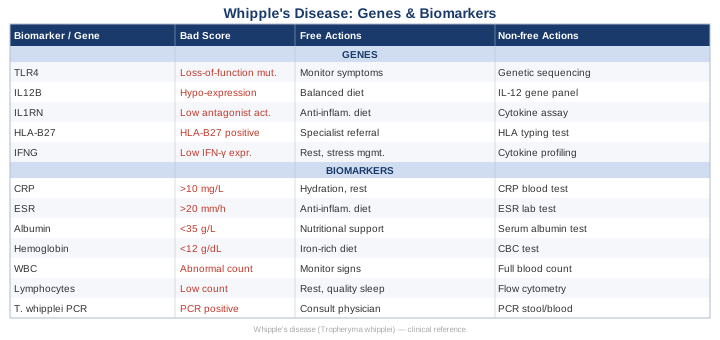
The table below brings together all genes and biomarkers covered in this article with their key thresholds and action categories for quick reference.
---
The Huberman Lab on Immune Function and the Gut-Brain Axis: What It Means for Whipple's Disease
For a condition as layered as Whipple's disease, understanding how the immune system, gut, and nervous system interact is clinically relevant — not background noise. Andrew Huberman's episodes on gut health, immune function, and the autonomic nervous system synthesize a decade of human research in a way that has direct implications for patients managing this disease. The following ten points are among the most impactful for this specific condition.
1. Vagal Tone Directly Regulates Inflammatory Cytokine Production
Huberman draws from multiple human studies demonstrating that vagal nerve activity directly modulates inflammatory cytokine output through the cholinergic anti-inflammatory pathway. Chronic low vagal tone — associated with poor sleep, sedentary behavior, and chronic stress — suppresses these anti-inflammatory reflexes while simultaneously impairing specific threat response. For Whipple's patients with a background of immune dysregulation, raising vagal tone through measurable practices (extended exhale breathing, cold exposure, regular exercise) is mechanistically relevant, not peripheral.
2. The Autonomic Nervous System Controls Macrophage Phenotype
One of the most clinically underappreciated findings Huberman discusses is that macrophage polarization between M1 (bactericidal) and M2 (tolerogenic) states is directly modulated by autonomic nervous system balance. Chronic sympathetic dominance — the physiological state of ongoing psychological stress — drives M2-skewed macrophage phenotype, which is precisely the phenotype associated with Whipple's disease pathology. Shifting toward parasympathetic balance through structured breathing, sleep optimization, and social connection is not a generic wellness recommendation — it has direct macrophage biology implications.
3. Circadian Alignment and Peak Immune Competence
Human chronobiology research reviewed in the series shows that immune gene expression — including IFN-γ and STAT1 activity — follows strict circadian patterns, peaking in the early morning under normal conditions. Shift work, irregular sleep timing, and late-night artificial light exposure desynchronize these peaks and compress the window of maximal macrophage activation. For someone with STAT1 variants, circadian disruption compounds an existing vulnerability in a mathematically straightforward way.
4. Gut Permeability Competes With Pathogen-Specific Immune Capacity
Huberman's gut-health episodes explain how lipopolysaccharide (LPS) from gram-negative bacteria crossing a permeable intestinal wall drives systemic immune activation that competes with pathogen-specific immune responses. In Whipple's disease, where the intestinal wall is already damaged, this mechanism is particularly consequential. Reducing global gut permeability through diet, sleep, and targeted supplementation preserves immune bandwidth for the specific T. whipplei threat rather than diverting it to systemic LPS management.
5. Exercise as a Precise Immune Primer
Multiple human RCTs cited across the series show that moderate aerobic exercise (150–200 minutes per week at 60–70% of maximum heart rate) consistently increases NK cell count, T cell receptor diversity, and IL-12 production. For Whipple's patients where Th1 immune activation is the core deficiency, this is not a minor lifestyle footnote. The important caveat Huberman emphasizes is the J-curve: overtraining suppresses immunity significantly. For patients recovering from malnutrition and significant weight loss, beginning with 20–30 minutes of daily walking and scaling up gradually is the correct protocol.
6. Deep Sleep Is Pharmacologically Significant for Th1 Immunity
Perhaps the most actionable point in the entire series: slow-wave deep sleep (stages 3 and 4) is the primary window during which IL-12, IFN-γ, and NK cell activity peak at their highest daily levels. Research by sleep immunologists cited in the series shows that reducing sleep from 8 to 6 hours cuts circulating NK cells by more than 70% within days. For a patient whose core immune defect involves macrophage activation failure, sleep hygiene is not a soft recommendation — it is pharmacologically significant.
7. Microbiome Diversity Correlates With Innate Immune Response Breadth
Huberman summarizes research connecting gut microbiome diversity to the breadth and adaptability of innate immune responses. In Whipple's disease, the long antibiotic courses required deplete microbiome diversity substantially. The strategic protocol he describes for microbiome recovery — high-diversity fermented food intake, prebiotic fiber, targeted probiotics, and adequate dietary fiber from whole plants — translates directly to a structured post-antibiotic rebuilding program. Begin during the antibiotic course (2 hours away from dosing) and continue for at least 6 months after completion.
8. Morning Light Exposure Has Measurable Immune Consequences
Morning sunlight (10–30 minutes of outdoor exposure within 60 minutes of waking) supports immune function through three converging mechanisms: UVB-driven cutaneous vitamin D synthesis, morning cortisol pulse amplification (which primes Th1 immune readiness for the day), and serotonin precursor activation that feeds downstream into melatonin production and sleep quality. For patients managing a condition requiring peak Th1 activity and strong sleep architecture, morning light is among the highest-return zero-cost interventions available.
9. Chronic Stress Elevates IL-10 — The Immune Suppressor
IL-10 is an anti-inflammatory cytokine that down-regulates Th1 responses. Useful for preventing autoimmunity in a healthy system; problematic when Th1 activity is already the limiting factor. Chronic psychological stress consistently elevates IL-10 via HPA axis activation, directly suppressing the macrophage activation pathway that Whipple's patients already struggle to mount. Any accessible psychological stress management practice — MBSR, regular social connection, nature exposure — reduces this IL-10 burden in a measurable way.
10. Omega-3 Index and Macrophage Membrane Efficiency
Cell membrane fluidity in macrophages depends partly on the fatty acid composition of the membrane phospholipid bilayer. A high omega-6/omega-3 ratio — typical of Western diets — stiffens macrophage membranes and reduces phagocytic efficiency through impaired membrane receptor mobility. Targeting an omega-3 index above 8% (measurable via the OmegaQuant blood spot test, approximately $50–80) through dietary fatty fish three or more times weekly or supplemental EPA+DHA at 2–3g daily is one of the most structurally impactful changes a patient can make — directly relevant to the phagocytic function that Whipple's disease impairs.
---
Complementary Approaches Worth Considering
Whipple's disease affects the gut, the immune system, the nervous system, and nutritional status simultaneously. Several evidence-supported complementary modalities address these consequences in ways that pair well with standard antibiotic therapy rather than competing with it.
Microbiome-Directed Therapies
Long-term antibiotic therapy for Whipple's disease is necessary but carries a significant cost: substantial and prolonged disruption of gut microbiome diversity. Microbiome-directed therapies aim to rebuild this diversity strategically during and after treatment. A randomized controlled trial published in Cell (Suez et al.) demonstrated that following antibiotic courses, targeted probiotic supplementation either accelerated or delayed microbiome recovery depending on probiotic strain selection — underscoring that strain choice matters, not just probiotic use in general. The practical protocol for Whipple's patients: a high-diversity probiotic (10+ distinct strains, minimum 50 billion CFU daily) taken at least 2 hours from antibiotic doses, combined with prebiotic fiber (inulin or partially hydrolyzed guar gum at 5–10g with meals) to feed the introduced strains. Begin during the antibiotic course and maintain for a minimum of 6 months after completion. This is one of the most directly applicable evidence areas for this specific disease context.
Mindfulness-Based Stress Reduction (MBSR)
MBSR is an 8-week structured program developed at the University of Massachusetts Medical School that has been studied in numerous chronic disease populations. Its relevance to Whipple's disease is primarily immunological: sustained mindfulness practice consistently reduces baseline cortisol, lowers IL-10 output, and shifts macrophage polarization markers away from the M2-dominant pattern associated with this disease's pathology. A randomized controlled trial published in Brain, Behavior, and Immunity demonstrated measurable changes in inflammatory cytokine gene expression after 8 weeks of MBSR practice. Evidence specifically for Whipple's disease does not exist — this is a mechanistic extrapolation. The practical protocol: 20–45 minutes of daily guided body-scan or breath-focused meditation; formal MBSR courses are available through the UMass Medical School platform and through apps including Insight Timer at costs ranging from free to $300–500 for the structured 8-week course.
Breathing-Based Therapies
Controlled breathing practices — particularly those extending the exhale phase relative to the inhale (4-count inhale, 6–8 count exhale) — reliably increase parasympathetic nervous system tone through baroreceptor activation. This is directly relevant to the macrophage-autonomic connection described above. A human RCT published in JAMA Internal Medicine by Telles and colleagues demonstrated that slow paced breathing at 6 breaths per minute for 20 minutes daily reduced systemic inflammatory markers including CRP over 8 weeks compared to an active control group. The protocol is accessible without equipment: diaphragmatic breathing practice, twice daily for 10–20 minutes, preferably morning and evening. For patients who want to confirm physiological response, a heart rate variability biofeedback device (Polar H10 monitor paired with the HRV4Training app) provides objective confirmation that vagal tone is improving — cost approximately $80–100 for the hardware.
The Autoimmune Protocol (AIP) — Sarah Ballantyne
While Whipple's disease is fundamentally an infectious condition rather than a classic autoimmune disease, it involves significant immune dysregulation and intestinal mucosal damage that closely resembles the barrier disruption seen in autoimmune enteropathies. The Autoimmune Protocol developed by Dr. Sarah Ballantyne in The Paleo Approach is a structured dietary elimination and lifestyle protocol specifically designed to reduce gut permeability, lower the systemic inflammatory burden, and support intestinal mucosal healing. The core elimination phase removes grains, legumes, dairy, eggs, nightshades, nuts, seeds, and all processed foods for 30–90 days, followed by systematic reintroduction one food group at a time every 5–7 days. A published pilot study on the AIP diet in inflammatory bowel disease (Konijeti et al., 2017) showed significant reduction in intestinal inflammation markers after 6 weeks, including fecal calprotectin — directly relevant given the mechanistic overlap with Whipple's intestinal damage. The protocol does not treat the underlying T. whipplei infection, but it addresses the intestinal barrier dysfunction and immune hyperactivation that amplify disease severity and complicate recovery. Best applied during the post-antibiotic healing phase in consultation with a registered dietitian familiar with therapeutic elimination protocols.
---
Conclusion
Whipple's disease is rare, but it is not opaque. Seven biomarkers — from T. whipplei PCR and inflammatory markers to fat-soluble vitamins, CBC, and fecal calprotectin — capture the full biological picture of disease activity, nutritional depletion, and treatment response. Five genetic variants explain, at least partially, why some individuals are more susceptible, and each points toward specific, biologically grounded immune support strategies that go beyond generic recommendations.
None of this replaces antibiotic treatment. But all of it informs how to support the body before, during, and after that treatment more precisely than standard guidance allows. The next smart step is concrete: request a comprehensive nutritional and inflammatory biomarker panel at your next appointment, discuss PCR monitoring frequency with your specialist, and bring specific questions about immune support alongside your standard follow-up. Better information shapes better decisions — and better decisions, over time, shape better outcomes.
Infectious Neurological Digestive Autoimmune
Digestive: Intestinal Conditions
Autoimmune: Inflammatory Conditions
Infectious: Bacterial Infections