This article contains AI generated content.
· UpdatedWilson's Disease — 4 Genes And 7 Biomarkers To Track
Introduction
Wilson's disease sits in a frustrating middle zone for many people who receive the diagnosis — or suspect they might have it. The condition is rare enough that most general practitioners see only a handful of cases in their careers, yet common enough that delayed diagnosis is well-documented in the medical literature. Copper accumulates silently for years before causing the liver damage, neurological symptoms, or psychiatric shifts that finally prompt the right blood test. By the time the diagnosis arrives, the conversation often jumps straight to D-penicillamine or zinc therapy, with little room to understand why monitoring continues to matter, or what numbers to watch beyond the standard annual check-in.
Generic copper-reduction advice — "avoid shellfish, avoid chocolate, take your medication" — is necessary but rarely sufficient on its own. The disease varies enormously from person to person: two siblings carrying identical ATP7B mutations may have dramatically different disease timelines, different organ involvement, and different responses to chelation therapy. That variability has a biological explanation, and understanding it changes what you track and how aggressively you act at each follow-up visit.
This article takes a more granular approach. It looks at the genetic architecture that drives Wilson's disease beyond the single primary mutation, and it identifies the specific biomarkers that give you the clearest picture of copper burden, liver stress, and treatment response. Some of these markers are already on standard panels; others are underused in routine practice but are available at most reference labs without special authorization.
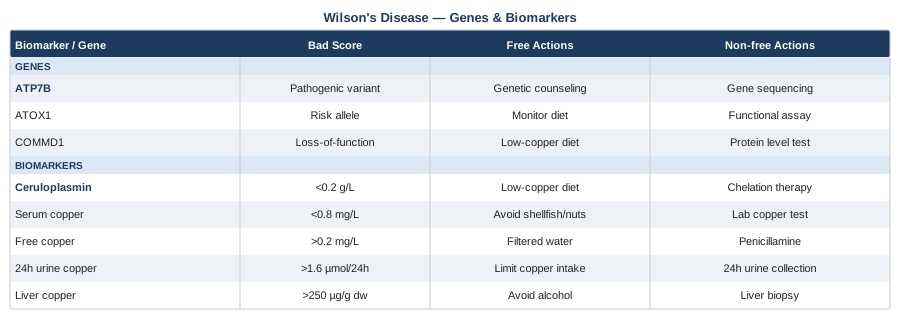
Better information does not replace medical supervision — Wilson's disease requires it — but it does make you a more informed participant in your own care. What follows covers seven trackable biomarkers in detail, followed by a closer look at the four genes most relevant to disease expression and copper metabolism. Each section ends with practical steps, both with and without targeted supplements or equipment, so you can move from data to action.
7 Biomarkers Worth Tracking Closely
Tracking copper metabolism in Wilson's disease is not a one-number exercise. Ceruloplasmin alone misses too much; liver enzymes alone do not tell you about copper load. The picture that actually guides clinical decisions — and that gives you real-time feedback on whether treatment is working — comes from reading several markers together, at the right intervals, with the right interpretation.
1. Serum Ceruloplasmin
Ceruloplasmin is the copper-carrying protein synthesized in the liver. In Wilson's disease, mutations in the ATP7B gene impair the liver's ability to incorporate copper into ceruloplasmin and excrete it into bile. The result is low ceruloplasmin in roughly 80–90% of patients. It is the most commonly used screening marker and the one most general practitioners will order first.
The limitation is real: approximately 5–15% of Wilson's disease patients have normal ceruloplasmin levels, particularly those with significant hepatic inflammation, because ceruloplasmin is an acute-phase reactant. It can appear falsely elevated during infections, pregnancy, or active inflammatory states. Conversely, it can appear low in other liver diseases, malnutrition, or nephrotic syndrome unrelated to Wilson's disease.
Normal reference range: 20–35 mg/dL. A result below 10 mg/dL is strongly suspicious for Wilson's disease in the right clinical context.
How to Measure It
A standard serum ceruloplasmin is drawn as a fasting morning sample. It is available at virtually every clinical lab and costs $20–$60 out of pocket, or is typically covered under diagnostic workup for liver disease. Most hepatology centers recheck it every 6–12 months during treatment to confirm that copper metabolism is normalizing.
If the Score Is Bad — The Plan Without Supplements
A low ceruloplasmin combined with symptoms warrants prompt referral to a hepatologist or neurologist familiar with Wilson's disease. On its own, no lifestyle intervention corrects low ceruloplasmin — the protein level is a consequence of copper incorporation failure. Dietary copper reduction (limiting liver, shellfish, nuts, and mushrooms) helps reduce the incoming copper load and should start immediately while awaiting formal diagnosis confirmation.
If the Score Is Bad — The Plan With Supplements or Equipment
Zinc supplementation (typically 25–50 mg elemental zinc three times daily, taken separately from food) is approved by the FDA for maintenance therapy in Wilson's disease. Zinc induces intestinal metallothionein, which binds dietary copper and prevents absorption. It does not remove accumulated copper rapidly — that requires chelation — but it reliably reduces ongoing copper input. Cycling is not recommended; zinc is taken continuously under medical supervision. Side effects include gastric irritation (reduced by taking it away from meals) and potential copper depletion in caregivers if they inadvertently share supplements. Monitor serum zinc at 6 months to avoid over-supplementation. See the NIH Wilson Disease overview for treatment context.
2. 24-Hour Urine Copper
This is arguably the most clinically informative single test in Wilson's disease monitoring. Because Wilson's disease impairs biliary copper excretion, urinary copper — reflecting the kidney's compensatory route — rises substantially. A 24-hour urine copper above 100 micrograms per day in a symptomatic adult is one of the Leipzig diagnostic criteria used to confirm the diagnosis. During chelation therapy with D-penicillamine or trientine, this number rises sharply (as copper is mobilized and excreted), then should fall over months to below 100 mcg/day as the total copper burden decreases.
Target during treatment: below 100 mcg/day suggests adequate copper depletion. Levels persistently above 200 mcg/day during treatment may indicate poor adherence or inadequate dosing.
How to Measure It
The test requires a full 24-hour urine collection in an acid-washed container. It costs approximately $40–$120 at most labs. Accuracy depends heavily on correct, complete collection — a common source of error. Most hepatologists order this every 3–6 months during the initial treatment phase, then annually once stable.
If the Score Is Bad — The Plan Without Supplements
A persistently elevated 24-hour urine copper despite adequate treatment requires a medication adherence review before any other intervention. Incomplete absorption of chelators (especially if taken with meals, calcium, or zinc) is a frequent culprit. Chelators must be taken 30–60 minutes before or two hours after food. Additionally, a dietary copper audit — reviewing hidden copper sources such as copper water pipes, organ meats, and high-copper supplements — often reveals correctable inputs.
If the Score Is Bad — The Plan With Supplements or Equipment
Molybdenum-based compounds (tetrathiomolybdate) are being investigated as an alternative chelator for neurological Wilson's disease, with early trials showing rapid neurological stabilization and a different mechanism than penicillamine. It is not yet widely available outside research settings but has published human trial data. Frequency: administered three times daily with meals and three times daily between meals in clinical protocols. Side effects include bone marrow suppression at high doses. This is not a self-administered supplement strategy — it belongs in specialist hands.
3. Non-Ceruloplasmin-Bound (Free) Serum Copper
Total serum copper alone is a noisy number. Most copper in healthy blood is safely bound to ceruloplasmin. What matters in Wilson's disease is the free copper — the fraction circulating unbound, capable of generating oxidative damage, entering cells indiscriminately, and depositing in the brain, liver, kidneys, and cornea. Free copper is calculated rather than directly measured: Free copper (mcg/dL) = Total serum copper − (3 × ceruloplasmin in mg/dL).
Normal free copper: under 15 mcg/dL. Values above 25 mcg/dL in an untreated patient with low ceruloplasmin are highly suggestive of Wilson's disease.
How to Measure It
Both total serum copper and ceruloplasmin are ordered together. Total serum copper costs $20–$50. The calculation is done manually or automatically by some lab systems. Some reference laboratories now offer direct free copper measurement using ultrafiltration, which is more accurate but costs $80–$150 and is available at major academic centers.
If the Score Is Bad — The Plan Without Supplements
Elevated free copper is primarily addressed through chelation or zinc therapy prescribed by a physician. Independent of medication, antioxidant-rich foods (colorful vegetables, polyphenol-rich teas, and olive oil) may reduce the oxidative burden from free copper, though no controlled trial in Wilson's disease specifically has quantified this effect. Avoid high-dose vitamin C, which can mobilize copper and has caused acute hemolysis in Wilson's disease patients.
If the Score Is Bad — The Plan With Supplements or Equipment
N-acetylcysteine (NAC) has been used in the acute liver failure setting of Wilson's disease to reduce oxidative hepatocyte injury from free copper. A case series published in pediatric hepatology literature supports its use as a bridge to transplant or definitive chelation. Dosing in acute settings: IV administration at 150 mg/kg over 15 minutes followed by continuous infusion — this is not oral supplementation at standard doses and requires hospital-level management. For stable patients, oral NAC (600 mg twice daily) is sometimes used adjunctively but lacks strong trial evidence for this indication. Cycling: continuous during acute phase, with reassessment at 4–6 weeks.
4. ALT and AST (Liver Transaminases)
Alanine aminotransferase (ALT) and aspartate aminotransferase (AST) leak into the bloodstream when hepatocytes are damaged. In Wilson's disease, copper accumulation causes direct cellular injury; elevated ALT and AST often appear before symptoms do, making them early warning signals. A characteristic pattern in acute Wilson's disease liver failure is a relatively low ALT (often below 2,000 IU/L despite severe liver failure), paired with elevated bilirubin and a falling alkaline phosphatase — a combination that should immediately raise suspicion for Wilson's disease.
Target during treatment: ALT and AST should trend toward normal over 6–18 months of adequate chelation. Persistent elevation despite treatment suggests ongoing copper toxicity, medication failure, or concurrent liver disease.
How to Measure It
A standard comprehensive metabolic panel (CMP) includes both. Out-of-pocket cost: $20–$50. Available at every lab. Most Wilson's disease patients have this measured every 3–6 months during active treatment, then every 6–12 months during maintenance.
If the Score Is Bad — The Plan Without Supplements
Avoid hepatotoxic substances: alcohol (even in moderate quantities), acetaminophen at standard doses, NSAIDs taken chronically, and herbal supplements with hepatotoxic potential (kava, germander, comfrey). Fasting triglycerides should also be addressed, as metabolic liver disease can compound Wilson's disease-related hepatic stress. Exercise at moderate intensity has shown benefit for general liver health in NAFLD trials and is reasonable here as supportive care.
If the Score Is Bad — The Plan With Supplements or Equipment
Silymarin (milk thistle extract, 420–840 mg/day standardized to 70–80% silymarin) has antioxidant and anti-inflammatory properties and has been studied in toxic hepatitis models. Evidence in Wilson's disease specifically is limited to case reports and animal studies, but its safety profile is good and it is sometimes used adjunctively by hepatologists. Frequency: continuous, reassess at 3 months. Side effects: mild GI symptoms; avoid in patients allergic to the Asteraceae plant family.
5. Serum Alkaline Phosphatase (ALP)
Alkaline phosphatase is usually elevated in liver disease — which makes its behavior in Wilson's disease paradoxical and diagnostically important. In acute Wilson's disease with liver failure, ALP is characteristically low or normal. This is because copper inhibits ALP activity directly, and because the rapid hemolysis that accompanies acute copper release consumes ALP. A low ALP in the context of acute liver failure and hemolytic anemia is a red flag pattern that should prompt urgent Wilson's disease testing.
Target during stable treatment: ALP should normalize as liver function recovers. Persistent low ALP during apparent stability may indicate ongoing subclinical copper toxicity.
How to Measure It
Included in most CMP panels. No additional cost beyond the standard panel. Because ALP has bone and liver isoforms, a low total ALP in an adult without bone disease strengthens the Wilson's disease signal further.
If the Score Is Bad — The Plan Without Supplements
A low ALP in acute liver failure should accelerate specialist referral, not prompt self-management. In the stable patient, rising ALP toward normal is a positive treatment sign. Vitamin D adequacy (serum 25-OH-D above 40 ng/mL) supports bone isoform activity and overall liver health, and is worth checking in parallel.
If the Score Is Bad — The Plan With Supplements or Equipment
No supplement corrects copper-mediated ALP suppression. Resolution depends on reducing copper burden through chelation or zinc therapy. Magnesium glycinate (200–400 mg at night) is sometimes used to support enzymatic activity broadly and improves sleep, with a good safety profile, but no direct evidence for ALP correction in Wilson's disease.
6. Hemolysis Markers (LDH, Haptoglobin, Indirect Bilirubin)
Coombs-negative hemolytic anemia is a hallmark presentation of acute Wilson's disease. When copper floods the bloodstream rapidly — triggered by infection, surgery, or medication change — it oxidizes red blood cell membranes and causes sudden hemolysis. This is often the first dramatic presentation, and the Coombs-negative pattern (distinguishing it from autoimmune hemolysis) combined with liver disease should trigger immediate Wilson's disease testing. Even in stable patients, subclinical hemolysis can occur and contributes to fatigue, anemia, and accelerated iron turnover.
Key markers: Lactate dehydrogenase (LDH) elevated above 300 U/L, haptoglobin suppressed (below 25 mg/dL), and indirect bilirubin rising — taken together, this triad signals active hemolysis.
How to Measure It
LDH is on most CMP or hepatic panels. Haptoglobin is a separate add-on test ($20–$60). Indirect bilirubin is derived from total and direct bilirubin. A complete blood count (CBC) showing a low hemoglobin and elevated reticulocyte count completes the picture. These should be part of the standard Wilson's disease monitoring panel, particularly in patients who report fatigue or have had recent stressors.
If the Score Is Bad — The Plan Without Supplements
Avoid triggers: infections, dehydration, and hemolytic drugs (dapsone, primaquine, nitrofurantoin). During a hemolytic episode, rest and hydration are supportive measures while urgent specialist review is arranged. Red meat should be moderated, as iron absorption increases during hemolysis and excess iron can worsen hepatic oxidative stress alongside copper.
If the Score Is Bad — The Plan With Supplements or Equipment
Folate (400–800 mcg daily) and B12 (500–1000 mcg daily) support erythropoiesis during periods of hemolysis-related red cell turnover. Iron supplementation should only be used if frank deficiency is confirmed by ferritin and iron studies — iron excess is genuinely harmful in Wilson's disease given the oxidative load. Vitamin E (400 IU/day as mixed tocopherols) has antioxidant effects on red cell membranes and has been studied in hemolytic anemias; evidence in Wilson's disease is limited to animal models, but the safety profile at moderate doses is acceptable. Cycle every 3 months with a 2-week break.
7. Hepatic Copper Content (Liver Biopsy Quantification)
While not a blood test, hepatic copper quantification from a liver biopsy remains the gold-standard measure of actual copper storage in the organ where disease begins. A hepatic copper concentration above 250 mcg per gram dry weight confirms Wilson's disease in the right clinical setting. It also provides the most accurate baseline for assessing treatment progress over years. Not every patient requires a repeat biopsy, but those with diagnostic uncertainty, treatment failure, or consideration of stopping chelation after years of therapy often benefit from it.
Target: below 50 mcg/g dry weight after years of successful chelation is considered disease control. Values between 50–250 mcg/g in a treated patient suggest continued, if reduced, copper burden.
How to Measure It
Percutaneous liver biopsy performed by a gastroenterologist or interventional radiologist, with the copper quantification sent to a specialized pathology lab. Cost: $1,500–$4,000 depending on facility and insurance coverage. Some academic centers are developing non-invasive alternatives using magnetic resonance spectroscopy to estimate hepatic copper, though these are not yet in routine clinical use.
If the Score Is Bad — The Plan Without Supplements
High residual hepatic copper after years of treatment is primarily a medication adherence and dose-optimization problem. A thorough review with the treating hepatologist — covering timing of chelator administration relative to meals, drug interactions, and dietary copper sources — typically reveals correctable factors. Gut health matters here too: intestinal permeability may affect how much copper bypasses normal absorption controls.
If the Score Is Bad — The Plan With Supplements or Equipment
Trientine (TETA) and D-penicillamine remain the main prescribed chelators for copper depletion in Wilson's disease. For patients who do not tolerate either, tetrathiomolybdate-based drugs (bis-choline tetrathiomolybdate, WTX101/ALXN1840) are in late-stage trials with promising results for reducing hepatic copper concentration. A Phase 2 trial published in 2020 demonstrated significant hepatic copper reduction with WTX101 vs. standard of care. Frequency and cycling: these are prescribed, continuous therapies — not over-the-counter options.
The Genetic Architecture Behind Wilson's Disease
Understanding the genes involved does not change the diagnosis — Wilson's disease is confirmed through clinical criteria and biomarkers — but it does explain variability in disease onset, severity, and organ preference. It also points toward modifier pathways where supportive interventions may have a measurable effect.
Gene 1: ATP7B — The Causal Gene
Every case of Wilson's disease traces back to a mutation in ATP7B, the gene encoding a copper-transporting P-type ATPase in the liver. More than 900 variants have been catalogued. The most common mutation in European populations is p.His1069Gln (H1069Q), affecting roughly 50–80% of European patients. Other populations carry different predominant mutations: p.Arg778Leu is common in East Asia.
The functional consequence is impaired copper export from hepatocytes — into bile for elimination, and into ceruloplasmin for circulation. Copper accumulates first in the liver, then spills into the bloodstream and deposits in the brain (especially the basal ganglia and thalamus), kidneys, cornea, and occasionally the heart and bones. The specific mutation type correlates loosely with age of onset and organ preference, but not reliably enough to predict individual disease course.
If the Gene Is Affected — The Plan Without Supplements
Genetic testing for ATP7B mutations (a blood-based gene panel costing $200–$600, often covered when Wilson's disease is suspected) is the starting point. Siblings of confirmed Wilson's disease patients should be tested even if asymptomatic — disease is treatable and preventable if caught before damage accumulates. Dietary copper restriction and monitoring of liver enzymes annually from childhood are warranted in confirmed mutation carriers, even before symptoms develop.
If the Gene Is Affected — The Plan With Supplements or Equipment
Gene therapy for Wilson's disease is in early clinical development. An AAV-based approach targeting hepatic ATP7B expression has shown efficacy in animal models and entered Phase 1/2 human trials. This is not yet a clinical option, but it represents a plausible future alternative to lifelong chelation. For now, pharmacological treatment with zinc or chelators remains the standard. Zinc acetate (50 mg elemental zinc three times daily) is FDA-approved for maintenance and works by blocking intestinal copper absorption rather than correcting the underlying gene defect. Monitor with 24-hour urine copper and serum zinc every 6 months.
Gene 2: ATOX1 — The Copper Chaperone
ATOX1 (antioxidant protein 1) is a small cytoplasmic copper chaperone that delivers copper directly to ATP7B within the hepatocyte. Without ATOX1 acting as the handoff protein, ATP7B has difficulty receiving copper for incorporation into ceruloplasmin or export to bile. Variants in ATOX1 that reduce its function can theoretically worsen the copper retention seen when ATP7B itself is already compromised. Research on ATOX1 variants as disease modifiers in Wilson's disease patients is still at an early stage — mostly animal and in vitro data — but the biological logic is sound.
If the Gene Score Is Suboptimal — The Plan Without Supplements
Since ATOX1 variants are modifier factors rather than disease causes, they do not change the fundamental treatment approach. However, reducing the incoming copper load (through dietary restriction and zinc maintenance therapy) makes the ATOX1-ATP7B handoff less critical, since there is less copper requiring export. This is the strongest indirect lever available.
If the Gene Score Is Suboptimal — The Plan With Supplements or Equipment
Glutathione supports ATOX1 function: ATOX1 binds copper via a conserved MXCXXC motif that depends on reducing conditions. Oral liposomal glutathione (250–500 mg daily) or its precursors (NAC 600 mg twice daily, or glycine + N-acetylcysteine combinations) may support intracellular redox conditions that favor proper copper chaperone function. Evidence is mechanistic and indirect. Frequency: continuous. Side effects: NAC can cause nausea at higher doses; take with food.
Gene 3: MT1A/MT2A — The Metallothionein Buffer
Metallothionein proteins (encoded primarily by MT1A and MT2A on chromosome 16) act as intracellular buffers that sequester excess metals — including copper — and neutralize their oxidative potential. In the intestine, metallothionein induction by zinc is the mechanism by which zinc therapy prevents dietary copper absorption. In the liver, metallothionein provides a temporary holding compartment for copper before it overwhelms the cell's export capacity. Variants that reduce metallothionein expression or responsiveness may accelerate copper toxicity in Wilson's disease patients who already have impaired ATP7B-mediated export.
If the Gene Score Is Suboptimal — The Plan Without Supplements
Metallothionein expression is induced by several dietary and environmental factors: zinc, hormetic stressors (moderate exercise, intermittent fasting), and cold exposure. Regular aerobic exercise at moderate intensity 4–5 days per week has been shown to upregulate metallothionein expression in hepatic tissue in animal studies. While direct human data in Wilson's disease is limited, the risk-benefit ratio is clearly favorable.
If the Gene Score Is Suboptimal — The Plan With Supplements or Equipment
Zinc is the most potent pharmacological inducer of metallothionein available. Beyond its prescribed use in Wilson's disease, zinc timing matters for metallothionein induction: taken 30 minutes before meals, it maximally induces intestinal metallothionein in enterocytes before copper-containing food arrives. Selenium (100–200 mcg daily as selenomethionine) also upregulates metallothionein expression through Nrf2 pathway activation and supports copper sequestration. Do not exceed 400 mcg selenium daily — toxicity risk is real. Cycle selenium: 8 weeks on, 2 weeks off. Monitor with serum selenium at 6 months.
Gene 4: COMMD1 — The Trafficking Regulator
COMMD1 (copper metabolism MURR1 domain-containing protein 1) was first identified in Bedlington terriers with hereditary copper toxicosis — a canine analog of Wilson's disease. In humans, COMMD1 interacts with ATP7B and plays a role in directing the protein to the correct intracellular location (the trans-Golgi network and later the canalicular membrane) where copper export into bile occurs. When COMMD1 function is disrupted, ATP7B mislocalizes and copper export efficiency drops even when the ATP7B protein itself is structurally intact. COMMD1 variants have been investigated as genetic modifiers that explain some of the variability in Wilson's disease severity among patients with the same ATP7B mutation. Evidence in human Wilson's disease is preliminary — mostly candidate gene studies — but it represents a biologically plausible modifier pathway.
If the Gene Score Is Suboptimal — The Plan Without Supplements
COMMD1 function depends on a properly organized intracellular trafficking network. Avoiding factors that disrupt vesicular trafficking — chronic alcohol use, high fructose intake, and extreme caloric restriction — supports the cellular infrastructure on which COMMD1 operates. Adequate sleep (7–9 hours) has documented effects on hepatic autophagy and organelle quality control, providing indirect support.
If the Gene Score Is Suboptimal — The Plan With Supplements or Equipment
Ursodeoxycholic acid (UDCA, 10–15 mg/kg/day) is used in various cholestatic liver diseases and has been studied in Wilson's disease as an adjunct to chelation. Its primary mechanism is to improve bile flow and hepatocyte membrane stability — both of which support the canalicular copper export that COMMD1 helps regulate. Evidence in Wilson's disease is mixed at the individual level but supportive in the context of cholestatic complications. This is a prescription medication requiring hepatologist guidance, not a self-directed supplement.
Key Insights From Research That May Change Your Approach
The Huberman Lab podcast episode on liver health and metabolism, combined with research from scientists like Valter Longo on fasting-mimicking diets and hepatic regeneration, points toward a set of principles increasingly relevant to Wilson's disease management that most gastroenterologists do not discuss during the standard 20-minute clinic visit.
1. Time-Restricted Eating May Reduce Hepatic Copper Load
Animal studies show that daily fasting windows of 14–16 hours increase hepatic autophagy — the cellular recycling process that breaks down copper-laden organelles and allows for their reconstitution. In Wilson's disease mouse models, intermittent fasting improved hepatic copper clearance beyond what chelation alone achieved. Human data is not yet available, but the mechanism is plausible and the risk of adding a 14:10 eating window to standard treatment is low.
2. The Circadian Clock Controls Copper Metabolism
Copper transporter expression, including ATP7B, follows a circadian rhythm. Studies in rodents show that hepatic copper export is highest during the active phase and lowest during sleep. Taking chelators or zinc at consistent times — ideally timed to the active phase — may optimize their effect. Most patients take medications at random times around meals; aligning with biological rhythms is a simple, cost-free refinement.
3. Gut Microbiome Diversity Affects Copper Bioavailability
Research published in 2021 in Cell Host and Microbe demonstrated that specific gut bacteria regulate luminal copper through binding, reduction, and competition with transport proteins. Dysbiosis — a disrupted microbiome community — can increase copper absorption. High-fiber, plant-diverse diets increase the short-chain fatty acid-producing bacteria that compete with copper transport. This is not a cure, but it is a modifiable variable that acts on the same pathway as zinc therapy through a different mechanism.
4. Copper and the Blood-Brain Barrier — A Two-Stage Problem
Neurological Wilson's disease is not simply copper depositing in the brain. The blood-brain barrier has its own copper transport machinery, and neurological damage involves both direct copper toxicity and secondary neuroinflammation. Omega-3 fatty acids (EPA+DHA, 2–3 g/day from fish oil) have demonstrated neuroinflammation-reducing effects in multiple neurological conditions and carry a strong safety profile. No Wilson's disease-specific trial exists, but the anti-inflammatory rationale is sound and guidelines for neurological Wilson's disease do not prohibit omega-3 supplementation.
5. Magnesium Deficiency Worsens Oxidative Stress From Copper
Magnesium is a cofactor for superoxide dismutase (SOD) and glutathione peroxidase — both critical antioxidant enzymes dealing with copper-generated reactive oxygen species. Magnesium deficiency is common in the general population and may be exacerbated by chelation therapy (D-penicillamine in particular chelates magnesium alongside copper). Checking serum magnesium at each blood draw and supplementing with magnesium glycinate (200–400 mg at bedtime) is a low-risk, high-plausibility intervention.
6. Vitamin D Status Predicts Liver Disease Severity
Lower vitamin D levels correlate with more severe liver fibrosis across multiple liver diseases, including Wilson's disease cohorts in observational studies. Vitamin D receptors on hepatic stellate cells modulate fibrosis progression, and vitamin D deficiency is nearly universal in patients with chronic liver disease. Optimizing 25-OH-D to 40–60 ng/mL through supplementation (2,000–4,000 IU daily) and safe sun exposure is simple and directly relevant.
7. Neurological Wilson's Disease Responds to Thiamine Support
Thiamine (vitamin B1) plays a role in basal ganglia function and is affected by copper toxicity in the basal ganglia circuitry. High-dose thiamine (600–1,800 mg/day as thiamine HCl or benfotiamine) has been used in other basal ganglia disorders with neurological benefit. The evidence in Wilson's disease specifically is anecdotal, but the mechanism is biologically relevant and safety at these doses is well-established.
8. NAC as a Rescue Therapy in Acute Presentations
In pediatric acute liver failure from Wilson's disease, intravenous NAC has been used successfully as a bridge to transplant or definitive chelation. A case series published in the Journal of Pediatric Gastroenterology supported this use. The principle is that NAC replenishes glutathione stores depleted by copper-mediated oxidative injury, buying time for copper removal to take effect.
9. Exercise Reduces Hepatic Steatosis That Compounds Wilson's Disease Damage
Many Wilson's disease patients develop concurrent metabolic liver disease — a second hit on an already stressed liver. Structured aerobic exercise (150 minutes/week of moderate-intensity activity) has the strongest evidence base of any lifestyle intervention for reducing hepatic steatosis and improving ALT. This is not Wilson's disease-specific, but the benefit is directly applicable to patients with co-existing metabolic risk.
10. Copper Dysregulation Affects Thyroid and Adrenal Function
Copper is a cofactor for thyroid peroxidase and several adrenal enzymes. Patients with long-standing Wilson's disease occasionally present with secondary hypothyroidism or adrenal insufficiency that is not recognized as copper-related. Checking TSH, free T4, and morning cortisol annually provides a broader metabolic snapshot and may explain fatigue or weight changes that are not accounted for by liver or neurological status alone.
Complementary Approaches Worth Considering
Several evidence-informed complementary modalities have meaningful human data for conditions that overlap with Wilson's disease — specifically neurological symptoms, liver stress, and oxidative injury. Each should be considered additive to, not a replacement for, standard medical treatment.
Mindfulness Meditation and MBSR
Wilson's disease carries a significant psychiatric burden: anxiety, depression, and personality changes are well-documented in neurological presentations, and the stress of a chronic, monitored condition adds psychological weight even in hepatic presentations. Mindfulness-Based Stress Reduction (MBSR) is an 8-week structured program developed at the University of Massachusetts that has been tested in chronic illness populations. A meta-analysis published in JAMA Internal Medicine (2014) found significant reductions in anxiety, depression, and pain across chronic conditions. For Wilson's disease patients, particularly those with neuropsychiatric symptoms, MBSR offers a low-risk, evidence-backed tool for managing the psychological dimension of the disease. The practical application is attending an 8-week MBSR course (available online or in-person at most hospital wellness centers) or using validated apps like Insight Timer or the Palouse Mindfulness free online program. Sessions of 20–45 minutes daily are the protocol. No contraindications exist for Wilson's disease patients at any stage.
Breathing-Based Therapies
Diaphragmatic breathing techniques — including slow breathing at 5–6 breaths per minute (resonance frequency breathing) — reduce sympathetic nervous system activation and lower markers of systemic inflammation. For Wilson's disease patients experiencing tremor, rigidity, or dysautonomia from basal ganglia involvement, breathing practices offer a non-pharmacological way to modulate neurological symptoms. A randomized controlled trial published in Frontiers in Human Neuroscience (2017) demonstrated that slow breathing interventions significantly reduced anxiety and improved heart rate variability in chronic illness patients. A practical protocol: 5 minutes of 5-second inhale / 5-second exhale breathing twice daily, best performed before chelator medication (which requires a calm, fasted state). The HeartMath Inner Balance sensor ($150) provides biofeedback to guide this practice if real-time feedback helps with adherence.
Microbiome-Directed Therapies
As noted earlier in the genetics section, gut microbiome composition directly influences copper bioavailability. Beyond general dietary fiber recommendations, specific probiotic strains — including Lactobacillus rhamnosus GG and Bifidobacterium longum — have been studied in hepatic encephalopathy, a complication with overlapping mechanisms to neurological Wilson's disease. A randomized trial in patients with minimal hepatic encephalopathy demonstrated cognitive improvement with probiotic supplementation over 60 days. For Wilson's disease, the practical application is a high-quality multi-strain probiotic (10–50 billion CFU daily) alongside a diverse, plant-rich diet (30+ plant varieties per week). This supports the gut barrier, reduces endotoxin-mediated hepatic inflammation, and modulates the intestinal environment in which copper absorption occurs. Fermented foods (kefir, kimchi, plain yogurt) provide live cultures at low cost. No cycling is necessary — continuous use is appropriate and safe.
Yoga
Yoga addresses multiple symptom domains relevant to Wilson's disease: motor coordination, muscle rigidity, proprioception, and anxiety. For patients with neurological Wilson's disease who experience tremor or dystonia, gentle yoga styles (Hatha, restorative, or chair yoga) maintain joint mobility and neuromuscular coordination without the fall risk of vigorous exercise. A randomized controlled trial in patients with Parkinson's disease — a condition with basal ganglia pathology analogous to that seen in neurological Wilson's disease — found significant improvements in balance, tremor, and quality of life after 8 weeks of yoga (45-minute sessions, 3 times weekly). A similar protocol applied cautiously to neurological Wilson's disease patients is clinically reasonable. The key caution: avoid hot yoga, as dehydration concentrates copper in the bloodstream temporarily; avoid inversions if hepatic disease has produced varices.
Low-Level Laser Therapy / Photobiomodulation
Photobiomodulation (PBM) using near-infrared light (630–850 nm wavelengths) has documented neuroprotective effects in animal models of neurodegeneration, primarily through mitochondrial stimulation via cytochrome c oxidase. For Wilson's disease patients with neurological involvement, PBM represents a non-invasive experimental adjunct aimed at supporting neuronal energy metabolism in copper-damaged cells. A pilot clinical trial published in Photomedicine and Laser Surgery (2016) found cognitive and functional improvements with transcranial PBM in patients with mild cognitive impairment. Evidence in Wilson's disease specifically does not yet exist. For patients interested in exploring this, a home-use device (such as the Vielight Neuro Gamma, approximately $1,700) delivers transcranial near-infrared light in 20-minute sessions. Evidence level is preliminary — use only as an adjunct with realistic expectations, and inform your neurologist.
Conclusion
Wilson's disease is one of the few genetic conditions where the right intervention — started early enough and monitored closely enough — genuinely prevents most of the damage the mutation would otherwise cause. The biomarkers covered here (ceruloplasmin, 24-hour urine copper, free copper, liver enzymes, alkaline phosphatase, hemolysis markers, and hepatic copper content) give you a real-time picture of copper burden and treatment response that a single annual visit cannot provide. The genes — particularly ATP7B and its functional partners ATOX1, MT1A, and COMMD1 — explain why two patients with the same diagnosis follow such different trajectories, and they point toward modifier pathways where dietary, lifestyle, and targeted supplementation choices can meaningfully shift outcomes.
The next smart step is to review which of these biomarkers you are currently tracking and how often, then discuss with your hepatologist or neurologist whether the gaps in your monitoring panel should be addressed. Bring this framework to that conversation — not as a challenge to their expertise, but as a starting point for a more specific discussion about what your numbers mean and what levers you have left to pull.
Neurological Mental Health Endocrine & Metabolic
Neurological: Brain Conditions Movement Disorders
Digestive: Liver & Gallbladder Conditions