This article contains AI generated content.
· UpdatedZika Virus Arthritis — 6 Biomarkers and 4 Genes to Track
Introduction
If you've had Zika and your joints have never quite returned to normal, you're not imagining it. Post-Zika arthritis is a documented, frustrating condition that can persist for months or years after the initial infection. Aching, stiff, or swollen joints—often dismissed by healthcare providers as residual fatigue or stress—can stem directly from how your immune system responded to the virus and whether it ever fully stood down.
Most follow-up care after Zika focuses on the acute phase and leaves long-term joint issues without a real roadmap. Standard recommendations—rest, anti-inflammatory medications, time—work for some people. But for those with underlying genetic predispositions to exaggerated inflammatory responses, or without the right biomarkers being monitored, that approach rarely tells the full story. It treats the pain without investigating its source.
What actually helps is understanding what is happening at the biological level: which inflammatory markers remain elevated, whether the immune response has become self-perpetuating, and how your own genetic profile may be shaping the severity and duration of your symptoms. This is not about over-medicalizing a manageable condition—it is about having better information to make more targeted decisions.
This article takes a more grounded look at the biology of Zika-related arthritis. The first section walks through six specific biomarkers you can track over time to assess inflammation, joint stress, and immune activity—an approach championed by precision medicine specialists like Peter Attia and Thomas Dayspring for monitoring chronic disease. The second section covers four genes that may influence how your body responds to Zika and handles ongoing joint inflammation. Beyond that, you will find a synthesis of Dr. Terry Wahls' evidence-based protocol for autoimmune conditions, and a set of complementary therapies supported by clinical evidence.
Summary
Post-Zika arthritis is underdiagnosed and under-monitored. This article identifies the 6 most actionable biomarkers to track—including hsCRP, IL-6, Zika serology, platelet count, ESR, and TNF-alpha—and explains exactly what each one reveals, how to measure it cost-effectively, and what to do when a result comes back off. It then covers 4 genes—AXL, HLA-B, IFITM3, and IRF3—that may explain why some people develop chronic arthritis after Zika while others recover in weeks. You will also find a detailed look at Dr. Terry Wahls' autoimmune reversal framework and five complementary modalities with real clinical evidence. Whether you are still in the subacute phase or dealing with months of unexplained joint pain post-Zika, this article provides a concrete, layered plan at every level.
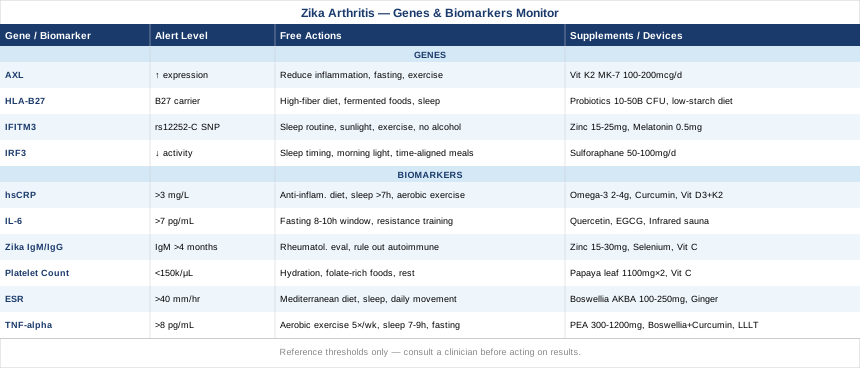
6 Biomarkers to Track in Zika Virus Arthritis
Joint symptoms following Zika infection exist on a wide spectrum. Some people experience brief arthralgia that resolves within a few weeks. Others—as documented even in the original 2009 Yap Island outbreak by Duffy et al.—develop more persistent and diffuse joint involvement that can last months. Tracking the right biomarkers is the difference between waiting passively and understanding what your immune system is actually doing.
The six markers below cover acute and chronic inflammation, immune activity, disease severity, and joint-specific damage risk. Most are accessible through standard blood draws; a few require specialty cytokine panels. Together they give you a working map of where post-Zika joint disease currently sits in your body.
Biomarker 1: High-Sensitivity CRP (hsCRP)
Why it matters: C-reactive protein is the frontline marker of systemic inflammation. In post-Zika arthritis, an elevated hsCRP confirms that joint symptoms are being driven by active biological inflammation—not simply pain sensitization or deconditioning. The high-sensitivity version is specifically important because it detects low-grade chronic inflammation that standard CRP misses.
Persistently elevated hsCRP beyond three months post-infection suggests the immune system has not returned to baseline. This pattern is associated with worse long-term joint outcomes in reactive and post-viral arthritis broadly, and it is a signal that intervention—dietary, lifestyle, or medical—may be warranted rather than continued watchful waiting.
How to measure it: A standard blood draw available at virtually any clinical laboratory. Standard CRP costs $10–25; hsCRP typically runs $20–50. Optimal range: below 1.0 mg/L. Values between 1 and 3 mg/L indicate mild ongoing inflammation; above 3 mg/L reflects active inflammatory activity that warrants a clinical review.
If the score is bad — without supplements: The most impactful non-supplement intervention for elevated hsCRP is a comprehensive anti-inflammatory dietary shift. Remove refined seed oils, ultra-processed foods, and refined sugars. Prioritize fatty fish three to four times per week, extra-virgin olive oil, colorful vegetables, and adequate protein (targeting 1.6g/kg body weight daily). Sleep quality is not optional here: hsCRP rises significantly with less than 6.5 hours per night. Consistent moderate-intensity aerobic exercise five days per week—walking, cycling, swimming—reliably lowers hsCRP over 8–12 weeks in people with inflammatory conditions.
If the score is bad — with supplements or equipment: Omega-3 fatty acids (EPA/DHA): 2–4g combined EPA+DHA daily from high-quality fish oil or algae-based sources. Cycling is not required; continuous use is safe and appropriate. Monitor bleeding time if on anticoagulants. Curcumin with piperine: 500–1,000mg curcumin daily paired with black pepper extract for bioavailability. Human RCTs in reactive and rheumatoid arthritis show CRP reduction comparable in some cases to standard NSAIDs. Run 8-week cycles and retest. GI discomfort is possible; avoid at high doses during pregnancy. Vitamin D3 with K2: If serum 25-OH vitamin D is below 40 ng/mL, supplementing 2,000–5,000 IU D3 alongside 100–200mcg K2 (MK-7 form) reduces CRP in deficient individuals. Retest after 3 months.
Biomarker 2: Interleukin-6 (IL-6)
Why it matters: IL-6 sits upstream of CRP—it drives the signaling cascade that produces CRP, stimulates joint-lining cells (synoviocytes), and promotes cartilage breakdown. In post-Zika arthritis, IL-6 often remains elevated even after other acute markers normalize, indicating that the inflammatory machinery is still running even when surface symptoms temporarily improve.
IL-6 is also the direct target of the drug tocilizumab—used in severe rheumatoid arthritis and COVID-related cytokine storm—which underlines its clinical significance. Understanding its level helps determine how much upstream inflammatory drive remains in the system, which shapes both prognosis and the aggressiveness of intervention needed.
How to measure it: IL-6 requires a specific cytokine panel, not a standard blood panel. Major commercial labs offer it. Cost: $50–150 depending on provider. Reference range is typically below 7 pg/mL; functional medicine practitioners often target below 2–3 pg/mL as genuinely optimal.
If the score is bad — without supplements: Time-restricted eating within an 8–10 hour window consistently reduces fasting IL-6 in human studies. Resistance training three times per week activates myokine release—particularly IL-10 and IL-1Ra—that directly counteracts IL-6 signaling. Reducing visceral fat through sustained caloric adjustment and daily activity is one of the most reliable long-term strategies since adipose tissue is a major IL-6 source. Cold water immersion (15°C for 5–10 minutes, three to four times per week) shows modest but consistent IL-6 reduction across multiple controlled studies.
If the score is bad — with supplements or equipment: Quercetin: 500–1,000mg daily in two divided doses. Quercetin inhibits IL-6 production via NF-κB pathway suppression. Human RCT evidence is present though most robust evidence remains in vitro and animal models. Cycle 8 weeks on, 2 weeks off. Generally well tolerated; possible interaction with fluoroquinolone antibiotics. EGCG (green tea extract): 400–800mg standardized EGCG daily. Reduces IL-6 and related pro-inflammatory cytokines; human trials in metabolic and inflammatory conditions support its use. Continuous use at moderate doses is acceptable. Take with food to avoid gastric irritation; accounts for meaningful caffeine load at higher doses. Infrared sauna: 20–30 minute sessions three to four times per week. Heat stress mimics exercise-like anti-inflammatory effects including IL-6 reduction over time. Finnish population research and Japanese sauna studies support repeated whole-body hyperthermia for long-term inflammatory marker improvement. Dehydration is the primary risk; avoid during active infection or if cardiac status is uncertain.
Biomarker 3: Zika Serology — IgM and IgG Antibodies
Why it matters: This marker serves a different function than the others—it confirms and characterizes the viral etiology of joint symptoms. Post-Zika arthritis can look clinically identical to reactive arthritis from other causes, dengue-associated joint disease, or early-onset rheumatoid arthritis. Without serology, treatment decisions are made in the dark.
Zika IgM appears within days of infection and typically clears within 2–3 months. Zika IgG persists for years and confirms prior infection. If IgM remains positive beyond four months—or if IgG levels are notably elevated alongside continued joint inflammation—this suggests either a prolonged immune response or autoimmune triggering that warrants rheumatological evaluation. Cross-reactivity with dengue is an important technical limitation: a specialist familiar with arboviral disease should interpret the results, especially in endemic or travel-exposure contexts.
How to measure it: During the first week of infection, PCR testing for viral RNA is the gold standard. After that, serology via ELISA (IgM and IgG) is the method of choice. Confirmatory testing via plaque reduction neutralization test (PRNT) may be needed when dengue co-exposure is possible. Total panel cost: $100–300. Many public health laboratories and travel medicine clinics offer Zika serology.
If the score is bad — without supplements: There is no approved antiviral treatment for Zika in the post-acute phase. Confirmed Zika seropositivity with persistent joint symptoms shifts the clinical priority toward managing immune dysregulation. Work with an infectious disease physician or rheumatologist to rule out secondary autoimmune triggering—conditions like reactive arthritis, undifferentiated inflammatory arthritis, or in rare cases lupus-like syndromes. Avoid initiating immunosuppressive medications until a full evaluation is complete.
If the score is bad — with supplements or equipment: Supporting innate antiviral immune memory involves nutritional adequacy more than supplementation. Zinc: 15–30mg daily (bisglycinate form preferred for absorption) supports T-cell and NK cell activity relevant to keeping viral residue in check. Add 1–2mg copper to zinc if using for more than 8 weeks continuously. Selenium: 100–200mcg as selenomethionine daily; selenoprotein support is important for antiviral immunity. Continuous dosing at moderate levels is safe for most adults. Vitamin C: 500–1,000mg twice daily. Broadly supports immune function and antioxidant defense. Well tolerated; high doses can cause GI upset.
Biomarker 4: Platelet Count
Why it matters: Zika virus reliably causes thrombocytopenia—a reduction in platelet count—as part of its acute phase presentation. This distinguishes it from most other arthritis-causing conditions and provides an objective severity marker that confirms the viral cause of joint symptoms. During recovery, the trajectory of platelet count normalization reflects how well the body is resolving the acute phase.
If platelet count remains persistently below normal weeks or months after the initial infection, this may indicate ongoing immune disruption, an undetected co-infection, or a secondary condition requiring evaluation. It is also practically relevant for guiding decisions about NSAIDs and other antiplatelet medications during the acute phase.
How to measure it: Included in any standard complete blood count (CBC)—one of the least expensive clinical tests available. Cost: $20–50. Normal range: 150,000–400,000 platelets/μL. During active Zika, counts commonly drop to 80,000–100,000/μL; values below 50,000/μL typically require clinical management.
If the score is bad — without supplements: Adequate hydration maintains blood viscosity and supports platelet function. Avoid alcohol, which independently suppresses bone marrow output. Dietary folate (dark leafy greens, lentils, chickpeas) and vitamin B12 from animal sources support bone marrow platelet production; deficiency in either can independently suppress platelet count and may compound Zika-related thrombocytopenia. Physical rest during acute thrombocytopenia reduces trauma and bleeding risk.
If the score is bad — with supplements or equipment: Papaya leaf extract: A randomized controlled trial in dengue—a closely related flavivirus to Zika—showed significant platelet count improvement with standardized papaya leaf extract at 1,100mg twice daily during the acute phase. This is the most condition-specific intervention in this category. Use during the acute phase only; side effects are minimal and primarily GI. Vitamin C: 1,000–2,000mg daily supports platelet function and vascular integrity. Folate (methylfolate) + B12: Supplement only if confirmed deficient; add 400–800mcg methylfolate and 500–1,000mcg methylcobalamin if blood levels are suboptimal.
Biomarker 5: Erythrocyte Sedimentation Rate (ESR)
Why it matters: ESR is the slower-moving complement to CRP. It measures how quickly red blood cells settle in a test tube and responds over days to weeks rather than hours—making it specifically useful for tracking the chronicity of joint inflammation over time. An elevated ESR alongside normalizing CRP can indicate that joint inflammation is still smoldering at a low level—biologically active but no longer in an acute flare state.
Peter Attia's early-detection framework for inflammatory conditions consistently includes paired CRP and ESR monitoring because the two markers are biologically distinct and give complementary information. For post-Zika arthritis where symptoms may wax and wane, the ESR trajectory over months provides the clearest picture of whether the overall inflammatory burden is trending in the right direction.
How to measure it: Standard blood test, typically $10–20. Normal: men below 15 mm/hour, women below 20 mm/hour. Values above 40–50 mm/hour indicate active inflammation warranting investigation; values above 100 mm/hour are a red flag that requires urgent evaluation for serious infection, autoimmune disease, or malignancy.
If the score is bad — without supplements: Because ESR reflects chronic rather than acute inflammation, the most effective non-supplement interventions are long-term lifestyle commitments: sustained adherence to a Mediterranean-style dietary pattern, stress reduction through structured practice (not simply wishing stress away—see complementary approaches later in this article), 7–9 hours of high-quality sleep, and consistent low-to-moderate-intensity daily movement. Chronic dental infections, sinus infections, and gut dysbiosis sustain ESR at low levels that medication won't fully resolve without addressing the underlying source.
If the score is bad — with supplements or equipment: Boswellia serrata (AKBA standardized extract): 100–250mg two to three times daily. Specifically inhibits 5-lipoxygenase, a key inflammatory pathway particularly active in joint inflammation. Human RCTs in osteoarthritis and rheumatoid arthritis show measurable ESR reduction over 8–12 weeks. Cycle: 8 weeks on, 2 weeks off. Mild GI effects possible; avoid in pregnancy. Ginger extract: 250–500mg standardized daily extract. Anti-inflammatory effects on multiple pathways including COX-2 and lipoxygenase; small human trials show ESR reduction in patients with inflammatory joint disease. Generally well tolerated; may potentiate anticoagulants at high doses.
Biomarker 6: TNF-alpha (Tumor Necrosis Factor Alpha)
Why it matters: TNF-alpha is the cytokine most closely tied to structural joint damage. It is the primary driver of bone erosion and cartilage destruction in multiple forms of chronic arthritis—rheumatoid, psoriatic, and reactive—and is the target of some of the most powerful biologic drugs in rheumatology (etanercept, adalimumab, infliximab). In post-Zika arthritis, elevated TNF-alpha suggests the immune response has moved from simple post-infectious inflammation toward a state that can permanently alter joint architecture if sustained.
This marker is especially important for Zika patients whose joint symptoms have persisted longer than three months or whose joints show visible swelling rather than only subjective pain.
How to measure it: Requires a specialty cytokine panel—not part of standard lab work. Available through functional medicine, integrative, or rheumatology clinics. Cost: $100–200 depending on the provider panel. Reference range: below 8.1 pg/mL (lab-dependent). Values above 15–20 pg/mL in the context of ongoing joint symptoms are clinically meaningful.
If the score is bad — without supplements: Regular moderate-intensity aerobic exercise is one of very few non-pharmacological interventions with strong, replicated evidence for reducing TNF-alpha. Multiple meta-analyses show consistent TNF-alpha reduction with 8 or more weeks of structured aerobic training in inflammatory arthritis populations—the effect is comparable in magnitude to some pharmaceutical interventions. Target 30–45 minutes of walking, cycling, or swimming five days per week. Poor sleep acutely elevates TNF-alpha; prioritizing 7–9 hours of consolidated sleep is not optional. Intermittent fasting independently reduces TNF-alpha in human trials, separate from any weight-loss effect.
If the score is bad — with supplements or equipment: Palmitoylethanolamide (PEA): 300–1,200mg daily in divided doses. PEA modulates mast cell and immune cell activation through PPAR-alpha and indirectly reduces TNF-alpha signaling while providing meaningful joint pain relief. Multiple human clinical trials support its use in chronic pain with inflammatory components. Can be used long-term; reassess every 3 months. Very well tolerated. Boswellia + curcumin combination: Synergistic TNF-alpha inhibition demonstrated across multiple human trials at the doses noted above in Biomarkers 1 and 5. The combination is more effective than either compound alone. Low-level laser therapy (LLLT) / photobiomodulation: 830nm or 904nm laser applied to affected joints, two to three sessions per week over a four to six week course. Multiple RCTs in arthritis demonstrate local reduction in TNF-alpha expression, measurable pain reduction, and improved function. Available at physiotherapy and sports medicine clinics ($50–100/session) or via at-home devices ($150–400). Cycling: four to six week courses with two to four week rest intervals.
What the Latest Genetics Research Reveals About Zika Arthritis
Understanding why some people develop chronic arthritis after Zika while others recover completely within a few weeks is partly a genetic question. Your immune system's ability to detect and clear the virus, the strength of your inflammatory response once triggered, and your joints' vulnerability to immune attack are all shaped by your genetic makeup. Four genes stand out as particularly relevant based on current research into flavivirus infections and post-viral arthritis mechanisms.
This section is inherently more preliminary than the biomarker section. Direct GWAS (genome-wide association studies) specifically linking these genes to Zika arthritis severity are limited—the research base for Zika is younger than for other viral arthritides. Where evidence is early or indirect, this is noted clearly.
Gene 1: AXL — The Viral Entry Gate Into Joint Tissue
What it is: AXL is a receptor tyrosine kinase that serves as one of Zika virus's primary cellular entry receptors. It is expressed on numerous cell types—including synovial fibroblasts, the cells that line joint cavities—which provides a direct biological mechanism for Zika's tropism toward joint tissue.
Why it matters: Individuals with elevated or more broadly expressed AXL in synovial tissue may be predisposed to more pronounced joint involvement after Zika infection, because the virus can enter and replicate within joint-lining cells more readily. Research on AXL as a Zika entry receptor has been conducted primarily in cell culture and animal models; direct human genetic association with arthritis severity is still emerging. The evidence base is early but the mechanism is plausible and biologically coherent.
If the gene is bad — without supplements: AXL expression increases in response to chronic inflammation, high insulin, and oxidative stress—meaning that the same lifestyle factors that drive elevated CRP and IL-6 also feed AXL activity. Addressing systemic inflammation through the biomarker strategies above is the most direct lever available. Prolonged fasting (16–18 hours) and caloric restriction reduce AXL expression in several cell types in preclinical models. Exercise also downregulates AXL in metabolically active tissues.
If the gene is bad — with supplements or equipment: Vitamin K2 in the MK-7 form (100–200mcg daily) activates Gas6—AXL's primary natural ligand—in a way that shifts AXL signaling toward anti-inflammatory rather than pro-inflammatory outcomes. The relationship is biochemically complex and research is early, but K2 is broadly safe and has additional benefits for vascular and bone health at these doses. Combine with D3 for synergy. Side effects: minimal; exercise caution with anticoagulant medications.
Gene 2: HLA-B — The Autoimmune Amplifier
What it is: HLA (Human Leukocyte Antigen) genes encode cell-surface proteins responsible for presenting antigens to immune cells. They are arguably the most important genetic determinants of autoimmune susceptibility. HLA-B27 is the most studied variant in arthritis—carrying HLA-B27 increases risk of reactive arthritis, ankylosing spondylitis, and related conditions dramatically compared to the general population.
Why it matters for Zika: Post-Zika arthritis shares clinical features with reactive arthritis—asymmetric joint distribution, lower-limb predominance, onset following an infectious trigger. HLA-B27-positive individuals who contract Zika are likely at substantially elevated risk of developing prolonged or structurally progressive arthritis, because their immune system is primed to generate cross-reactive responses that attack joint tissue when triggered by infection. No Zika-specific GWAS exists yet, but the reactive arthritis literature is unambiguous on this connection with HLA-B27, and cross-reactivity with other arboviruses has been observed.
If the gene is bad — without supplements: HLA-B27 status cannot be changed, but its inflammatory consequences can be modulated significantly through the gut. Research on HLA-B27-associated arthritis consistently implicates gut dysbiosis as an amplifying factor: a disrupted microbiome creates the systemic inflammatory environment that drives cross-reactive immune attacks on joint tissue. A high-fiber, diverse diet, regular consumption of fermented foods (yogurt, kefir, sauerkraut, kimchi), avoidance of unnecessary antibiotics, and removing gut-injurious medications (chronic NSAIDs, PPIs) are the most impactful strategies. Daily moderate movement and adequate sleep complete the anti-inflammatory foundation.
If the gene is bad — with supplements or equipment: Probiotics: Multi-strain preparations including Lactobacillus rhamnosus GG and Bifidobacterium longum strains (10–50 billion CFU daily) are the most evidence-supported supplement intervention for HLA-B27 carriers with inflammatory arthritis. Continuous use; reassess strain composition every six months. Initial mild GI adjustment is common. Low-starch dietary protocol: Based on research by Alan Ebringer at King's College London, a low-starch diet reduces substrates that feed Klebsiella pneumoniae—a bacterium that shares molecular mimicry with HLA-B27 and is believed to amplify autoimmune arthritis in carriers. The evidence is most established in ankylosing spondylitis but is mechanistically applicable to any HLA-B27 carrier with reactive arthritis.
Gene 3: IFITM3 — The Antiviral Gatekeeper
What it is: IFITM3 (Interferon-Induced Transmembrane Protein 3) is an innate immune restriction factor that physically blocks viral entry at the cell membrane. It is part of the earliest antiviral defensive layer—expressed after interferon signaling and critical for limiting the spread of enveloped viruses, including flaviviruses such as Zika, dengue, and West Nile.
Why it matters: The SNP rs12252-C in IFITM3 is associated with significantly reduced antiviral restriction function. Everitt et al. demonstrated in Nature (2012) that this variant was associated with severe influenza outcomes in humans, and subsequent research has extended the finding to other viral infections. In the context of Zika, individuals carrying this variant may clear the virus from joint tissue more slowly—extending the window during which viral antigen drives synovial inflammation. This is mechanistically plausible but direct Zika-specific IFITM3 data in humans is limited; the extrapolation from flavivirus research is reasonable.
If the gene is bad — without supplements: IFITM3 expression is under direct circadian and interferon control. Consistent sleep timing, morning sunlight exposure to anchor the circadian rhythm, and stress reduction (chronically elevated cortisol suppresses interferon signaling) are the primary levers. Regular aerobic exercise upregulates interferon-stimulated genes including IFITM proteins in multiple studies. Avoiding chronic alcohol consumption is important—alcohol specifically suppresses IFITM3 expression in respiratory and epithelial cells.
If the gene is bad — with supplements or equipment: Zinc: A critical cofactor for interferon signaling; deficiency impairs IFITM function downstream. 15–25mg zinc bisglycinate daily in cycles of 8 weeks; add 1–2mg copper to balance. Melatonin (low-dose): 0.5–1mg taken 30 minutes before sleep. Melatonin upregulates IFITM3 and other interferon-stimulated genes in human cell research. This is early and largely mechanistic evidence, but the intervention is low-risk at these doses. Avoid doses above 1–2mg without clinical guidance; higher doses can disrupt sleep architecture rather than improve it.
Gene 4: IRF3 — The Interferon Master Switch
What it is: IRF3 (Interferon Regulatory Factor 3) is the central transcription factor that activates type I interferon production in response to viral RNA detection. When pattern recognition receptors in the cell detect Zika's RNA, IRF3 is the primary switch that triggers the antiviral alarm and initiates the innate immune response.
Why it matters: Functional variants that reduce IRF3 activity may lead to a delayed or blunted interferon response to Zika—allowing more extensive viral replication and dissemination to joint tissue before adaptive immunity engages. This prolongs the window during which Zika antigen can be present in synovial tissue, directly extending the inflammatory arthritis phase. Animal models using IRF3-knockout subjects consistently show dramatically more severe flaviviral infection outcomes. Direct human genetic evidence connecting IRF3 variants to Zika arthritis specifically is not yet established, but the biological logic is strong and consistent with broader antiviral immunity research.
If the gene is bad — without supplements: IRF3 activation is highest when the circadian system is functioning correctly. Research consistently shows that shift workers and individuals with disrupted sleep-wake patterns have blunted IRF3-mediated interferon responses. The practical interventions are: strict sleep timing consistency (within 30 minutes of the same sleep and wake time daily), morning light exposure within 30–60 minutes of waking, time-aligned meals (eating within daylight hours supports circadian immune gene expression), and reduction of blue light exposure in the two hours before bed.
If the gene is bad — with supplements or equipment: Sulforaphane (broccoli sprout extract): 50–100mg standardized sulforaphane daily. Activating the NRF2 pathway through sulforaphane supports interferon signaling including IRF3 downstream pathway effects, and reduces the oxidative stress environment that impairs innate immune function. Human trials confirm immune modulation benefits. Cycle 6–8 weeks on, 2 weeks off. Primary side effect is a characteristic garlic-like odor; GI sensitivity in a minority of users.
The Wahls Protocol: 10 Insights That May Reframe How You Approach Post-Zika Arthritis
Dr. Terry Wahls, a clinical professor of medicine at the University of Iowa, reversed her own progressive multiple sclerosis using a nutritional and lifestyle protocol she developed after conventional treatment stopped working. The condition she battled is an autoimmune disease—as is, in critical respects, post-Zika arthritis in its chronic form. The immune system, once primed to attack after a viral trigger, does not automatically stand down. What Wahls' work demonstrates—and what her published clinical trial supports—is that the immune environment can be meaningfully altered through targeted nutritional and lifestyle inputs. Her protocol is documented in The Wahls Protocol (originally published 2014; updated 2020) and supported by a peer-reviewed feasibility trial.
The ten most impactful insights from her framework for someone with post-viral arthritis:
1. Mitochondrial Function Is Central to Immune Regulation
Immune cells require enormous amounts of energy to function properly. Compromised mitochondria produce less ATP and more reactive oxygen species—driving the kind of low-grade inflammatory dysfunction that characterizes chronic post-viral arthritis. Supporting mitochondria through targeted micronutrients (CoQ10, B vitamins, magnesium) and removing mitochondrial inhibitors (processed foods, environmental toxins) changes the immune environment fundamentally.
2. Nine Cups of Produce per Day, Organized by Color
Wahls prescribes three cups per day of each of three categories: leafy greens (kale, spinach, chard—rich in B vitamins and antioxidants), sulfur-rich vegetables (cabbage, broccoli, onion, garlic—essential for glutathione production and detoxification), and deeply colored produce (beets, carrots, peppers, berries—for polyphenols and antioxidants). This is not a general "eat more vegetables" recommendation—it is a specific nutrient delivery system targeting the exact micronutrient gaps that drive immune dysregulation.
3. Glutathione Is Non-Negotiable for Immune Modulation
Sulfur-containing foods support glutathione synthesis—the body's master antioxidant and a critical regulator of T-cell function. Post-viral immune dysregulation is accompanied by oxidative stress that depletes glutathione reserves. The dietary approach (sulfur vegetables plus quality protein) is more sustainable than direct glutathione supplementation, which is poorly absorbed orally.
4. Omega-3 Rich Animal Proteins Reduce Neuroinflammation and Joint Inflammation Together
Wahls prioritizes fatty fish (salmon, sardines, mackerel), grass-fed meats, and organ meats as regular dietary staples. The omega-3 to omega-6 ratio in these foods directly counteracts the inflammatory lipid environment produced by a standard Western diet—an environment that keeps post-viral arthritis smoldering long after it should have resolved.
5. Eliminating Gluten and Dairy Creates the Inflammatory Baseline Reset
In the first phase of the Wahls Protocol, gluten and all dairy are completely removed for a minimum of three months. Both proteins can trigger molecular mimicry in genetically susceptible individuals—particularly HLA-B27 carriers—where immune antibodies generated against dietary proteins cross-react with joint tissue. The elimination is not indefinite but serves as a diagnostic and therapeutic reset.
6. Gut Barrier Integrity Is the Prerequisite for Everything Else
Wahls repeatedly returns to intestinal permeability as the anatomical site where autoimmunity begins. When the gut barrier is compromised—by infections like Zika, by antibiotics, by NSAIDs, by stress—bacterial fragments and dietary antigens enter the bloodstream and continuously stimulate immune activation. Healing the gut through bone broth, fermented foods, and removal of gut-disrupting inputs is described not as complementary but as foundational.
7. Intense Exercise Is Therapeutic, Not Optional
Wahls is emphatic that appropriate-intensity exercise—not gentle movement but effort that raises heart rate substantially—activates anti-inflammatory myokines and supports neurological and immune resilience. For post-Zika arthritis, this maps directly to the TNF-alpha and IL-6 reduction data discussed in the biomarker section. The key qualifier is "appropriate-intensity"—exercise should not be pushed through a flare, but passive rest during remission periods is counterproductive.
8. Toxic Exposure Reduction Is Underestimated by Conventional Medicine
Pesticide residues, plasticizers (particularly BPA and phthalates), and environmental heavy metals chronically burden the detoxification systems that immune health depends on. Wahls dedicates significant protocol space to reducing body burden—filtered water, organic produce for the "dirty dozen," minimizing plastic food storage, and switching to non-toxic household products. These are not headline interventions, but their cumulative effect on systemic inflammation is measurable.
9. Light, Nature, and Social Connection Have Biochemical Consequences
This is one of the places where Wahls most directly challenges the reductive pharmacological model of autoimmune disease. Time outdoors in natural light regulates vitamin D, circadian rhythms, and neuroimmune signaling through pathways that no supplement fully replicates. Regular time in nature measurably reduces cortisol and inflammatory cytokines. Social connection activates oxytocin—which directly inhibits pro-inflammatory cytokine production. These are not lifestyle indulgences; they are immune modulators.
10. The Protocol Works Best as a Whole System, Not Cherry-Picked Parts
The clinical trial Wahls published—a feasibility study on progressive MS patients following her protocol—showed meaningful symptom improvement across participants. The finding that is most often missed: the outcome was attributed to the combined protocol, not to any single intervention. Picking out the omega-3s while keeping a high-starch, low-vegetable diet reproduces none of the protocol's logic. For post-Zika arthritis, this means committing to the system for a minimum of three months before evaluating outcomes.
Complementary Approaches to Manage Zika Virus Arthritis
The approaches below each have meaningful human clinical evidence for arthritis-related conditions. None are replacements for medical evaluation, and none claim to reverse Zika infection. They are practical additions to the biomarker and nutrition strategies above—particularly for managing pain, preserving joint function, and reducing the chronic inflammatory burden that sustains post-viral arthritis.
Yoga
Yoga combines controlled movement, breath regulation, and balance work in a way that is uniquely suited to inflammatory joint conditions. For post-Zika arthritis specifically, it addresses two simultaneous problems: preserving range of motion in affected joints without loading them excessively, and reducing stress-driven inflammatory cytokine production through parasympathetic nervous system activation.
Evidence: A systematic review by Cramer et al. (2013) examined yoga for musculoskeletal conditions including rheumatoid and osteoarthritis, finding consistent improvements in pain, stiffness, and physical function across multiple RCTs. Iyengar yoga—a props-supported style that accommodates joint limitations—has the strongest evidence base for arthritis patients.
How to apply it: Begin with two to three Iyengar or restorative yoga sessions per week, ideally in a class with a teacher experienced in working with inflammatory arthritis. Avoid hot yoga during active flares; favor gentle, hold-based poses that maintain joint mobility without compression. Consistent 8–12 week practice is needed before functional changes are measurable.
Mindfulness Meditation and MBSR
Mindfulness-based stress reduction (MBSR)—the structured 8-week program developed by Jon Kabat-Zinn—works on the chronic pain of arthritis through two distinct pathways: cortical remodeling of pain perception, and direct biochemical reduction in stress-driven inflammatory cytokine production. Chronic pain from joint disease changes how the brain processes sensory signals; MBSR works at this neurological level, not just the symptomatic one.
Evidence: A meta-analysis by Grossman et al. (2004) showed significant improvement in pain, physical function, and psychological well-being across MBSR programs in populations with chronic medical conditions including arthritis. Subsequent RCTs have confirmed MBSR-associated reductions in CRP and IL-6 in inflammatory conditions—making it relevant to the biomarker tracking described earlier in this article.
How to apply it: The formal MBSR program involves 2.5-hour weekly group sessions for 8 weeks plus a one-day intensive; programs are available through hospitals, wellness centers, and online platforms. Daily 20–45 minute home practice between sessions is integral to the protocol. Informal, self-guided mindfulness practice without the structured program shows smaller but still measurable benefits for arthritis pain.
The Autoimmune Protocol (AIP) from Sarah Ballantyne
The Autoimmune Protocol, developed and popularized by Dr. Sarah Ballantyne, Ph.D. in her book The Paleo Approach, is a structured elimination-and-reintroduction dietary and lifestyle framework targeting the gut-immune interface. It removes all foods with documented potential to increase intestinal permeability or trigger immune reactivity—grains, legumes, dairy, eggs, nightshades, nuts, seeds, alcohol—and replaces them with nutrient-dense whole foods while simultaneously addressing sleep, stress, and movement.
Evidence: A clinical feasibility trial by Konijeti et al. (2017) demonstrated significant improvement in disease activity scores and quality of life in patients with inflammatory bowel disease following the AIP—providing the first human trial data for a protocol with strong theoretical relevance to all autoimmune-overlap conditions including post-Zika arthritis. The HLA-B27-gut-inflammation link described earlier in this article makes AIP particularly mechanistically relevant for Zika arthritis in genetically susceptible individuals.
How to apply it: The elimination phase lasts a minimum of 30–60 days—ideally 60–90 days before reintroduction begins. Foods are reintroduced one at a time with a 5–7 day monitoring window between each. Attempting to follow AIP without the reintroduction phase misses critical information about individual trigger foods. Ballantyne's website and book contain detailed food lists, meal plans, and the evidence base for each included and excluded food category.
Low-Level Laser Therapy (Photobiomodulation)
Low-level laser therapy (LLLT) uses specific wavelengths of light (typically 630–1,000nm) at non-thermal power levels to reduce inflammation, stimulate tissue repair, and decrease pain at the cellular level. The mechanism involves mitochondrial photoacceptors absorbing light and increasing ATP production, which drives anti-inflammatory and tissue-remodeling pathways in synovial and periarticular tissue.
Evidence: A Cochrane systematic review by Brosseau et al. examined LLLT for rheumatoid arthritis and found significant reductions in pain, morning stiffness, and functional limitation compared to sham treatment, with the effect strongest at wavelengths around 830nm applied directly to affected joints. This is one of the better-evidenced physical modalities for joint inflammation specifically.
How to apply it: Professional-grade LLLT devices are used in physiotherapy, sports medicine, and some rheumatology clinics—typical cost $50–100 per session. At-home photobiomodulation panels and handhelds in the 630–850nm range are now available for $150–400 and can be applied to affected joints for 10–20 minutes per session, three to four times per week. Use protocols consistent with device specifications; avoid use over areas of active infection or malignancy.
Microbiome-Directed Therapies
The connection between the gut microbiome and joint inflammation is well-established in rheumatology—often called the gut-joint axis. Post-viral infections including Zika can disrupt gut microbiome composition directly through systemic immune activation and indirectly through antibiotic use during treatment, creating a dysbiotic environment that sustains systemic inflammation and amplifies the autoimmune response in joints.
Evidence: Research in rheumatoid arthritis and reactive arthritis consistently shows reduced bacterial diversity in patients compared to healthy controls, with specific enrichment of Prevotella copri and depletion of protective commensals. Probiotic RCTs in RA have shown improvement in inflammatory markers including CRP, IL-6, and TNF-alpha—directly relevant to the biomarker tracking in this article. A study by Vaghef-Mehrabany et al. (2014) demonstrated significant CRP and TNF-alpha reduction in RA patients supplementing with Lactobacillus casei for 8 weeks.
How to apply it: A multi-strain probiotic containing Lactobacillus rhamnosus GG, Bifidobacterium longum, and Lactobacillus casei (20–50 billion CFU daily) provides the strongest documented benefit for inflammatory conditions. Prebiotic fiber from vegetables, legumes, and resistant starch feeds these strains. Regular consumption of fermented foods (kefir, kimchi, sauerkraut, live-culture yogurt) provides additional microbial diversity. Avoid unnecessary antibiotics, proton pump inhibitors, and chronic NSAIDs which directly damage the mucosal microbiome.
Conclusion
Post-Zika arthritis is a real biological condition, not a vague post-illness malaise. The joint symptoms that persist weeks or months after Zika infection reflect measurable immune activity—elevated cytokines, disrupted inflammatory signaling, and in some cases a self-perpetuating immune response shaped by genetic factors. The good news is that these processes can be measured, characterized, and meaningfully addressed.
The most useful next step for anyone dealing with post-Zika joint symptoms is to start with the biomarkers: get hsCRP, IL-6, ESR, and a CBC with platelet count drawn as a baseline. If symptoms have persisted beyond two months, add TNF-alpha and Zika serology. These numbers tell you what is actually happening—and what to prioritize. From there, the dietary, lifestyle, and supplementation approaches in this article provide concrete, evidence-grounded starting points tailored to what your specific results show.
If joint symptoms are severe, progressive, or not improving after six months, work with a rheumatologist who is familiar with post-viral arthritis. Tracking your own biomarkers over time makes that conversation more informed and more useful for both of you.