This article contains AI generated content.
· UpdatedFabella Syndrome — 7 Biomarkers and 5 Genes To Track
Introduction
Persistent pain at the back of the knee that does not match any clean diagnosis is genuinely disorienting. Fabella syndrome is one of those conditions that falls through the cracks of standard orthopaedic workups — the fabella, a small sesamoid bone embedded in the lateral head of the gastrocnemius muscle, is present in roughly 10 to 40 percent of people and its prevalence has actually been rising over the past 150 years, possibly linked to increases in average height and body mass. When it causes symptoms — posterolateral knee pain, nerve irritation, bursitis, or cartilage wear at the posterior femoral condyle — it is often misidentified as a meniscal problem, a popliteal cyst, or simply labelled vague posterior knee pain. That misidentification means most people receive treatment aimed at the wrong target.
Generic management — rest, anti-inflammatory medication, maybe a corticosteroid injection — rarely resolves the issue durably. That is because fabella syndrome is not purely a structural problem. The biology of the joint tissue surrounding the fabella matters as much as the bone itself. The level of systemic inflammation, the rate of cartilage degradation, the quality of connective tissue, the status of bone metabolism — all of these shape how the fabella behaves, how much pain it generates, and how readily the joint recovers. Without tracking the relevant biological markers, treatment remains an educated guess.
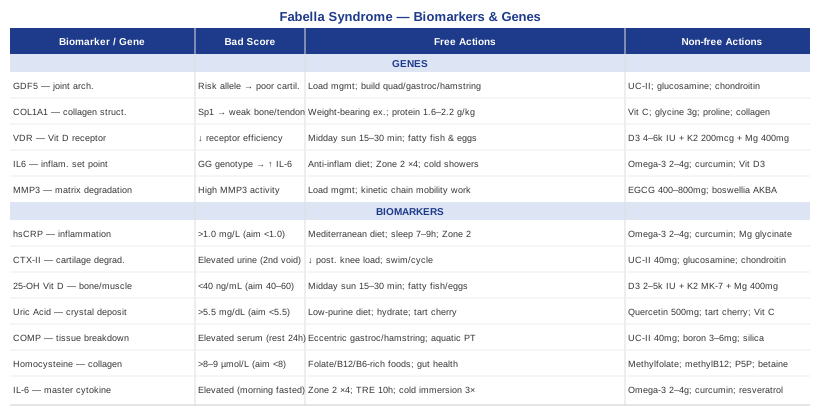
This article takes a more precise approach. The first major section identifies seven biomarkers that are directly relevant to the tissue biology involved in fabella syndrome, explaining what each measures, how to test it, and what to do when results are suboptimal. The second section examines five genetic variants that influence joint architecture, inflammatory tendency, and tissue degradation rates — explaining what each means practically and how to compensate. Additional sections cover research-backed insights from Andrew Huberman's work on joint health and recovery, plus four evidence-supported complementary modalities for knee pain and tissue repair.
There are no miracle claims here. But better biological data — gathered thoughtfully and interpreted clearly — genuinely changes what decisions are available to you.
7 Biomarkers Worth Tracking If You Have Fabella Syndrome
Imaging shows structure; biomarkers show biology. An MRI can confirm the fabella is present and irritating surrounding tissue, but it tells you nothing about the inflammatory environment that amplifies that irritation, the rate at which cartilage at the contact surface is breaking down, or whether your vitamin D status is leaving the joint biologically vulnerable. The seven markers below were chosen for their direct relevance to bone quality, cartilage integrity, connective tissue health, and systemic inflammation — the four tissue systems most implicated in fabella syndrome.
1. High-Sensitivity C-Reactive Protein (hsCRP)
Why It Matters
hsCRP is produced by the liver in response to inflammatory signals from throughout the body. In fabella syndrome, local bursitis or cartilage irritation generates pro-inflammatory cytokines that elevate systemic CRP, and existing high CRP in turn amplifies local pain sensitization and slows tissue repair. A person with an hsCRP of 4.0 mg/L experiences more intense and more persistent pain from the same structural stimulus than someone at 0.8 mg/L. The target for optimal joint health is below 1.0 mg/L — the range standard labs flag as normal extends far higher and is not an appropriate target for musculoskeletal recovery.
How to Measure It
Standard blood draw at any clinic or laboratory. Cost: $20 to $60, often covered by insurance when ordered as part of a cardiovascular or inflammatory workup. Home finger-prick tests (Everlywell, imaware) provide a reasonable estimate at around $50. Request the high-sensitivity variant specifically — standard CRP lacks the resolution needed at low concentrations. Fasting is not strictly required but improves consistency across repeat tests.
If the Score Is Bad, the Plan Without Supplements
A Mediterranean-style diet consistently reduces hsCRP in clinical trials. The practical translation: replace refined carbohydrates and seed oils with olive oil, fatty fish, leafy vegetables, legumes, and whole grains. Reducing ultra-processed food exposure typically has more impact than adding specific foods. Sleep is equally critical — inadequate or fragmented sleep drives hsCRP measurably within 48 hours. Aim for 7 to 9 hours with consistent timing. Zone 2 cardiovascular exercise (30 to 45 minutes at a pace where you can hold a conversation, four to five times per week) has strong and consistent evidence for reducing inflammatory cytokines over four to eight weeks of regular practice. Excess body weight — particularly visceral fat — is an active producer of pro-inflammatory signaling; even modest weight reduction produces meaningful hsCRP reductions.
If the Score Is Bad, the Plan With Supplements or Equipment
Omega-3 fatty acids at 2 to 4 grams of combined EPA and DHA daily are among the most evidence-backed anti-inflammatory interventions available. Take with meals for absorption and to reduce GI discomfort. Curcumin (standardized to 95% curcuminoids, 500 to 1000 mg twice daily with piperine for absorption) inhibits NF-κB signaling and consistently reduces hsCRP in meta-analyses. Cycle curcumin: eight weeks on, two weeks off. Magnesium glycinate (300 to 400 mg at night) supports sleep quality, which independently reduces inflammatory markers. Side effects: omega-3 can cause fishy breath or loose stools at higher doses; do not exceed 4 g without medical guidance. Curcumin may cause mild GI upset and should be used cautiously alongside blood thinners.
2. CTX-II (Urinary C-Telopeptide of Type II Collagen)
Why It Matters
CTX-II is a degradation fragment of type II collagen, the structural protein that makes up articular cartilage. When cartilage breaks down — including at the contact surface between the fabella and the posterior femoral condyle — CTX-II is released into urine. This makes it a highly cartilage-specific degradation marker, often detectable before structural changes appear on imaging. Tracking CTX-II over time tells you whether cartilage is in a net destructive or reparative state, and whether lifestyle changes or supplementation are actually slowing breakdown. For fabella syndrome, this is one of the most tissue-relevant markers available.
How to Measure It
Urine sample, typically the second morning void after discarding the first. Specialty laboratory testing is required. Cost: $80 to $150. Not routinely ordered in primary care — request it through a rheumatologist, sports medicine physician, or a direct-to-consumer lab platform such as Vibrant America or Genova Diagnostics. COMP and CTX-II are sometimes bundled in joint health specialty panels.
If the Score Is Bad, the Plan Without Supplements
Reduce mechanical loading on the posterior knee. Avoid deep knee flexion under load — heavy squats, leg press with deep range, and prolonged stair climbing when CTX-II is elevated. Swimming and cycling maintain cardiovascular fitness and build relevant muscle without adding compressive load. Gait modification with a physical therapist can redistribute force away from the posterolateral knee compartment. Body weight management has measurable impact: each kilogram of weight loss removes approximately four kilograms of force from each knee step, directly reducing cartilage compression at the fabella interface. Eccentric gastrocnemius strengthening improves shock absorption and reduces peak forces at the sesamoid contact point.
If the Score Is Bad, the Plan With Supplements or Equipment
Undenatured type II collagen (UC-II, 40 mg daily on an empty stomach) is the most cartilage-specific collagen form, working through immune tolerance mechanisms rather than simple structural provision — distinct from hydrolyzed collagen peptides. Glucosamine sulfate (1500 mg daily) and chondroitin sulfate (1200 mg daily) have the longest track record in cartilage research; allow a minimum three-month trial before assessing response. Collagen peptides (10 g hydrolyzed collagen with 50 mg vitamin C, taken 30 to 60 minutes before exercise) stimulate collagen synthesis in tendons and cartilage based on timing studies demonstrating superior incorporation during post-exercise blood flow. Glucosamine and chondroitin can be taken continuously. Side effects: glucosamine from shellfish may not suit those with severe shellfish allergy; the sulfate form carries lower risk.
3. 25-OH Vitamin D
Why It Matters
Vitamin D is far more than a calcium transport mechanism. Its receptor is expressed in skeletal muscle, bone, cartilage, and immune cells, making it directly relevant to every tissue type involved in fabella syndrome. Low vitamin D weakens the gastrocnemius and popliteal muscles that govern tension on the fabella, increases local inflammatory signaling in the joint, and is broadly associated with greater musculoskeletal pain intensity. Peter Attia consistently targets 40 to 60 ng/mL as the optimal range — the lab's conventional lower threshold of 20 ng/mL reflects the minimum to prevent rickets, not the level needed for optimal musculoskeletal function. Many people with chronic joint pain are testing in the low-normal range and are never told this distinction matters.
How to Measure It
Serum blood test: 25-hydroxyvitamin D. Cost: $30 to $80. Widely available and frequently covered by insurance. Home testing kits are reliable. Retest every 90 days when adjusting supplementation to confirm dose adequacy.
If the Score Is Bad, the Plan Without Supplements
Midday sun exposure on large skin surfaces (arms, back, legs) for 15 to 30 minutes, adjusted for skin tone and latitude. Darker skin tones require significantly longer exposure to produce equivalent vitamin D. Dietary sources — fatty fish, egg yolks, and liver — are modest contributors. In northern latitudes or with limited sun access, lifestyle alone is rarely sufficient to reach optimal serum levels.
If the Score Is Bad, the Plan With Supplements or Equipment
Vitamin D3 (2000 to 5000 IU daily, taken with a fat-containing meal) is the standard form. Always pair with vitamin K2 MK-7 (90 to 200 mcg daily) to direct calcium appropriately into bone rather than soft tissue. Magnesium (glycinate or malate, 300 to 400 mg daily) is required for vitamin D metabolism — deficiency in magnesium blunts the vitamin D response. Target serum levels of 50 to 60 ng/mL and confirm with testing rather than estimating by dose. Take continuously; adjust dose by result. Side effects: vitamin D toxicity is rare but possible at sustained very high doses — monitor serum calcium if using above 5000 IU daily, and do not exceed 10,000 IU without physician guidance.
4. Serum Uric Acid
Why It Matters
Most people associate uric acid with gout, but chronic hyperuricemia causes low-grade joint and soft tissue inflammation even without the classic painful flare. Uric acid microcrystals can deposit in bursae and tendon sheaths — precisely the structures surrounding the fabella — and at high concentrations uric acid acts as a pro-oxidant that impairs tissue repair. Standard laboratory upper limits of 7.0 mg/dL still allow subtle crystal deposition in sensitive structures. A more conservative target for joint health is below 5.5 mg/dL, with some clinicians targeting below 5.0.
How to Measure It
Standard blood panel, inexpensive and widely available. Cost: $15 to $40. No fasting is strictly required, but avoid unusually meat-heavy meals for 24 hours before testing to prevent transient spikes. Can be included in a basic metabolic panel request.
If the Score Is Bad, the Plan Without Supplements
Dietary modification is the highest-leverage intervention. Reduce purine-rich foods: organ meats, shellfish, anchovies, sardines, and large portions of red meat. Eliminating high-fructose corn syrup is equally important — fructose drives uric acid production through a purine-independent metabolic pathway that is often overlooked. Reduce alcohol, particularly beer. Optimal hydration (2 to 3 liters of water daily) promotes renal uric acid excretion. Whole tart cherries or tart cherry juice (240 ml twice daily) has consistent modest evidence for reducing serum uric acid in clinical trials.
If the Score Is Bad, the Plan With Supplements or Equipment
Tart cherry extract (480 to 500 mg twice daily) concentrates the anthocyanins responsible for uric acid reduction. Quercetin (500 to 1000 mg daily with meals) inhibits xanthine oxidase, the enzyme that produces uric acid, and has shown reductions in serum levels across multiple trials. Vitamin C (500 to 1000 mg daily) modestly increases renal uric acid excretion. Cycle quercetin: eight weeks on, two weeks off. Side effects: quercetin at high doses may interact with medications metabolized by the CYP3A4 enzyme; begin at the lower end and escalate gradually.
5. COMP (Cartilage Oligomeric Matrix Protein)
Why It Matters
COMP is a structural glycoprotein found in articular cartilage, tendons, and ligaments. When joint tissues are mechanically stressed or degrading, COMP fragments are released into the bloodstream. Elevated serum COMP functions as an early warning signal — it reflects active connective tissue breakdown before structural changes appear on MRI. For fabella syndrome, where the sesamoid articulates with posterior femoral condyle cartilage and is suspended within the lateral gastrocnemius tendon, elevated COMP can be an early indicator of accelerating tissue loss that warrants intervention even when imaging appears normal. It also makes an excellent response marker when tracking the effect of treatment changes.
How to Measure It
Serum blood test through specialty labs. Cost: $100 to $200. Not routinely ordered in primary care; available through rheumatology specialists, sports medicine labs, or direct-to-consumer platforms. Important note: COMP rises significantly after strenuous exercise — collect samples at least 24 hours after any vigorous activity for accurate baseline measurement.
If the Score Is Bad, the Plan Without Supplements
Avoid repetitive high-impact loading on the posterior knee during active tissue breakdown phases. Eccentric strengthening of the gastrocnemius and hamstrings — performed slowly, with body weight only initially — improves load distribution across the joint and reduces peak stress at the fabella-cartilage interface. Physical therapy with movement pattern correction addresses the biomechanical contributors: anterior pelvic tilt, limited hip extension, and poor ankle dorsiflexion all increase posterior knee loading. Aquatic physical therapy is an appropriate option during flare periods when land-based exercise drives markers higher.
If the Score Is Bad, the Plan With Supplements or Equipment
UC-II collagen (40 mg daily) and boron (3 to 6 mg daily from boron glycinate or dietary sources such as prunes, raisins, and almonds) support cartilage matrix synthesis and proteoglycan production. Boron has shown cartilage-protective effects in joint research and is consistently deficient in Western diets. Silica (from bamboo extract or horsetail, 50 to 100 mg daily) supports the structural integrity of connective tissue matrix, including the tendons anchoring the fabella. Boron at evidence-based doses (3 to 6 mg) can be taken continuously; avoid exceeding 20 mg per day. Side effects: boron toxicity is dose-dependent; horsetail extract has mild diuretic properties.
6. Homocysteine
Why It Matters
Elevated homocysteine impairs collagen cross-linking — the biochemical process that gives bone matrix and connective tissue their tensile strength. In fabella syndrome, poor collagen quality means the tendon embedding the fabella bears mechanical loads less efficiently, and the structural integrity of the fabella's bone matrix is compromised. Homocysteine is also a downstream marker of methylation capacity — the cellular process influenced by several of the genetic variants discussed later. The optimal target is below 8 to 9 µmol/L. Standard labs only flag elevation above 15, which is already significantly problematic for connective tissue health.
How to Measure It
Fasting serum blood test. Cost: $30 to $70. Not routinely included in standard panels; request it specifically. Comprehensive health monitoring platforms such as Function Health or InsideTracker include it in their panels. Testing fasted gives the most reliable baseline.
If the Score Is Bad, the Plan Without Supplements
Increase dietary folate (dark leafy greens, lentils, asparagus), B12 (meat, fish, dairy, eggs), and B6 (poultry, fish, potatoes). Reduce excessive methionine load from very high meat consumption, which generates homocysteine as a metabolic byproduct. Address gut health — hypochlorhydria (low stomach acid, common with age or with proton pump inhibitor use) significantly impairs B12 absorption from food. Fermented foods and dietary fibre diversity support the gut environment needed for effective B vitamin absorption.
If the Score Is Bad, the Plan With Supplements or Equipment
The critical distinction: use methylated B vitamins, not unmethylated forms. Unmetabolized folic acid does not work adequately for people with MTHFR variants (detailed in the genetics section below). The core protocol: methylfolate (400 to 800 mcg), methylcobalamin or adenosylcobalamin (500 to 1000 mcg), and B6 as P5P (25 to 50 mg). This typically reduces homocysteine within six to twelve weeks. Betaine (trimethylglycine) (500 to 2000 mg daily) provides an alternative methylation route and is a useful addition when homocysteine is significantly elevated. Take continuously; retest at six and twelve weeks. Side effects: high-dose B6 as pyridoxine above 200 mg long-term can cause peripheral neuropathy — the P5P form is meaningfully safer. High-dose folate can mask B12 deficiency; always test both.
7. Interleukin-6 (IL-6)
Why It Matters
Interleukin-6 is an upstream master cytokine that drives joint inflammation, central pain sensitization, and tissue catabolism simultaneously. In fabella syndrome, whether the primary irritation comes from bursitis, peroneal nerve compression, or cartilage contact stress, elevated IL-6 maintains the inflammatory state long after the mechanical trigger is addressed. Chronically elevated IL-6 also inhibits the anabolic signalling needed for tissue repair, creating a self-perpetuating cycle. Tracking IL-6 alongside hsCRP gives a more complete picture: hsCRP reflects the downstream result while IL-6 reveals the driver. Understanding both is more informative than either alone.
How to Measure It
Serum blood test through specialty panels. Cost: $60 to $120. Not routinely ordered; request through a functional medicine or sports medicine specialist, or access via direct-to-consumer platforms. High-sensitivity IL-6 assays provide the best resolution at low concentrations. Collect samples in the morning in a rested state for the most consistent comparisons across repeat tests.
If the Score Is Bad, the Plan Without Supplements
Zone 2 cardiovascular training (four to five sessions per week, 30 to 45 minutes) is the single most consistent lifestyle intervention for reducing IL-6 across clinical evidence. Time-restricted eating (eating within a 10-hour window, for example 8 am to 6 pm) has shown meaningful reductions in IL-6 in multiple randomised trials. Cold water immersion (10 to 15 minutes at 14 to 15°C, two to three times per week) activates anti-inflammatory pathways — but avoid directly after resistance training, as it may blunt muscle adaptation. Sleep extension and stress reduction complete the picture; chronic psychological stress drives IL-6 through sustained cortisol dysregulation.
If the Score Is Bad, the Plan With Supplements or Equipment
Omega-3 fatty acids (EPA+DHA, 2 to 4 g daily) directly modulate eicosanoid pathways that feed IL-6 production. Curcumin with piperine (500 to 1000 mg twice daily) inhibits NF-κB, the upstream transcription switch for IL-6 gene expression. Resveratrol (250 to 500 mg daily with a meal) has more modest but emerging evidence for IL-6 reduction via SIRT1 activation. Infrared sauna (20 to 30 minutes at 60 to 70°C, two to four times per week) has shown anti-inflammatory effects including cytokine reduction in multiple Scandinavian studies and is one of the more accessible heat-based tools for home use. Cycle curcumin (eight weeks on, two weeks off); omega-3 and infrared sauna can be used continuously. Side effects: resveratrol at high doses may interact with blood thinners; infrared sauna requires caution in people with cardiovascular conditions.
The biomarkers above reveal what is happening in your joint biology right now. Genetics take you one level deeper — they explain why some people develop more severe symptoms from the same structural finding, why certain interventions work better for some individuals than others, and where your inherent biological vulnerabilities lie.
The Genetic Side of Fabella Syndrome: 5 Variants Worth Knowing About
Direct genetic research on fabella syndrome specifically is limited — this is an understudied and recently re-appreciated condition. However, the genetics of joint architecture, cartilage integrity, bone quality, and inflammatory regulation are well-documented in osteoarthritis, connective tissue, and musculoskeletal research, and they are fully relevant to how the fabella behaves in an individual body. The five variants below draw on work by genomics researchers including Ali Torkamani at Scripps Research Institute and the clinically popularised genetic health framework of Gary Brecka, both of whom emphasise that individual genetic variants create meaningful differences in how the same environmental exposures play out biologically.
Consumer genomics tests (23andMe, AncestryDNA) provide raw data that can be uploaded to interpretation platforms such as Genetic Genie, SelfDecode, or Rhonda Patrick's FoundMyFitness report for SNP-level analysis.
GDF5 — The Joint Architecture Gene
GDF5 (Growth Differentiation Factor 5) is one of the most studied genes in musculoskeletal research. The rs143384 variant is strongly and repeatedly associated with osteoarthritis susceptibility across multiple genome-wide association studies and affects joint morphology, cartilage properties, and accessory bone development. People carrying the risk allele tend to have altered joint geometry and lower baseline cartilage quality — factors that directly influence how the fabella stresses its surrounding tissue. If you carry the GDF5 risk variant, your sesamoid bone is operating in a biologically less resilient joint environment.
If the Gene Is Bad, the Plan Without Supplements
Prioritise lifelong posterior knee load management. Avoid repetitive impact sports without proper footwear and movement quality. Gait analysis and potential orthotics can meaningfully reduce mechanical stress on the posterolateral knee compartment. Build and maintain muscle mass in the quadriceps, hamstrings, and gastrocnemius — muscle is the most effective shock absorber available. Reduce body weight to your healthiest sustainable range, as each kilogram removed reduces knee joint force by approximately four kilograms per step.
If the Score Is Bad, the Plan With Supplements or Equipment
Type II collagen (UC-II, 40 mg daily), glucosamine sulfate (1500 mg daily), and chondroitin sulfate (1200 mg daily) are particularly justified for GDF5 risk carriers as a long-term cartilage support strategy. A minimum three-month trial is required before assessing response. Low-level laser therapy (see complementary section) offers a non-pharmaceutical adjunct for maintaining cartilage health over time.
COL1A1 — The Collagen Structure Gene
COL1A1 encodes the alpha-1 chain of type I collagen, the dominant structural protein in bone, tendons, and ligaments. The Sp1 binding site polymorphism (rs1800012) is associated with reduced collagen density and altered biomechanical properties in both bone tissue and tendon. Since the fabella is a sesamoid bone embedded within the lateral gastrocnemius tendon, this variant affects both the structural quality of the bone itself and the tendon system it relies on for load transmission. Carriers may notice that tendons and ligaments throughout the body are relatively less robust — ankle sprains, shin splints, and joint hypermobility are common co-presentations.
If the Gene Is Bad, the Plan Without Supplements
Weight-bearing exercise — walking, hiking, and body-weight training — is the primary stimulus for collagen synthesis and bone remodelling, and it partially compensates for the structural deficit caused by this variant. Prioritise adequate dietary protein (1.6 to 2.2 g per kilogram of body weight) to provide the amino acid building blocks for collagen production. Increase dietary vitamin C (citrus fruits, bell peppers, kiwi, berries), which is rate-limiting for collagen hydroxylation and synthesis.
If the Score Is Bad, the Plan With Supplements or Equipment
Vitamin C (500 to 1000 mg daily), glycine (3 to 5 g daily — the most abundant amino acid in collagen), and proline (1 to 2 g daily) support collagen synthesis at the precursor level. Taking hydrolyzed collagen peptides (10 g) with 50 mg vitamin C 30 to 60 minutes before exercise has demonstrated benefits for tendon and cartilage collagen synthesis in clinical research — the exercise-induced blood flow carries precursors to target tissue during peak availability. Continuous use is appropriate. Side effects: high-dose vitamin C can cause GI distress; glycine is very well tolerated at these doses.
VDR — The Vitamin D Receptor Gene
VDR encodes the receptor through which all vitamin D biological effects are exerted in cells. Common polymorphisms — FokI, BsmI, TaqI, and ApaI variants — affect receptor efficiency and signal strength. If your VDR variant reduces receptor sensitivity, you may need significantly higher circulating 25-OH vitamin D levels to achieve the same downstream benefits in bone metabolism, muscle function, and immune modulation. Gary Brecka has brought this concept into popular health discourse, and academic research supports the core premise: people with less efficient VDR variants have a higher biological requirement for vitamin D to achieve equivalent physiological function. The standard "normal" range is not a universal standard — it is an average, not a target.
If the Gene Is Bad, the Plan Without Supplements
Maximise safe sun exposure — VDR-variant carriers have a greater physiological need for sunlight-derived vitamin D. Prioritise vitamin-D-rich foods (fatty fish, egg yolks, fortified dairy). Understand that lifestyle measures alone are almost certainly insufficient to reach optimal serum levels for less efficient VDR variants.
If the Score Is Bad, the Plan With Supplements or Equipment
Target serum levels of 55 to 65 ng/mL (test-and-adjust approach) with vitamin D3 doses typically between 4000 and 6000 IU daily, always paired with K2 MK-7 (200 mcg daily) and magnesium (glycinate or malate, 300 to 400 mg daily). The co-nutrients are as important as the vitamin D — a chain breaks at its weakest link. Retest every 90 days until stable. Continuous use; adjust dose by result, not by symptom. Side effects: calcium monitoring is advisable at higher doses; do not exceed 10,000 IU without physician guidance.
IL6 — The Inflammatory Set Point Gene
The IL6 gene promoter variant rs1800795 (-174 G/C) influences baseline interleukin-6 production. The GG genotype is associated with higher IL-6 output and a more exaggerated systemic inflammatory response to mechanical stress and injury. For fabella syndrome, this means GG carriers may develop more intense and more persistent pain responses from the same degree of structural irritation that a CC carrier experiences only mildly. Ali Torkamani's precision genomics work provides useful framing here: inflammation has a genetically determined set point that can be modulated by lifestyle and supplementation but cannot be fully overridden without understanding the individual baseline.
If the Gene Is Bad, the Plan Without Supplements
Anti-inflammatory dietary patterns, consistent sleep, and stress management are especially high-leverage for GG carriers — these are not optional lifestyle suggestions but biological necessities given the elevated inflammatory baseline. Zone 2 cardiovascular exercise consistently downregulates inflammatory gene expression over time, including IL-6 pathway signalling. Brief cold water immersion (cold showers or short cold baths, three to four times per week) can acutely modulate the inflammatory response.
If the Score Is Bad, the Plan With Supplements or Equipment
Omega-3 fatty acids and curcumin (detailed in the biomarker section) are particularly justified for IL6 GG carriers — these directly suppress NF-κB, the transcription factor driving IL-6 gene expression. Vitamin D optimisation adds another layer: vitamin D downregulates inflammatory cytokine production through VDR-mediated signalling in immune cells. Consider a long-term foundational stack of omega-3, curcumin, and optimised vitamin D3 for GG carriers.
MMP3 — The Tissue Degradation Gene
MMP3 (Matrix Metalloproteinase 3) encodes an enzyme that degrades extracellular matrix components in joints, including type II collagen, cartilage proteoglycans, and fibronectin. The rs679620 polymorphism influences MMP3 activity level. Higher MMP3 activity accelerates cartilage degradation at the contact surface between the fabella and the posterior femoral condyle — exactly the site where fabella syndrome generates damage over time. This variant's consequences are most visible in people who combine the risk genotype with high mechanical loading and poor anti-inflammatory habits.
If the Gene Is Bad, the Plan Without Supplements
Load management remains the primary tool: reduce repetitive posterior knee compression, build surrounding muscle strength for better shock absorption, and maintain healthy body weight. Poor hip and ankle mobility routinely drives compensatory posterior knee loading — addressing the full kinetic chain through mobility work and physical therapy is important. Movement pattern correction is a higher priority for MMP3 risk-variant carriers than for those with average degradation enzyme activity.
If the Score Is Bad, the Plan With Supplements or Equipment
Green tea extract (EGCG-standardised, 400 to 800 mg daily with food) has shown MMP-3 inhibitory properties in both in vitro and in vivo joint research. Boswellia serrata (standardised to 30% AKBA, 300 to 400 mg twice daily) inhibits 5-lipoxygenase, which drives the inflammatory cascade that upregulates MMP-3. Cycle boswellia: eight weeks on, two weeks off. Collagen peptides with vitamin C before exercise (as detailed above) support matrix rebuilding concurrent with MMP-3 inhibition. Side effects: EGCG on an empty stomach causes nausea in many people; high doses above 800 mg are potentially hepatotoxic — stay within evidence-based ranges and always take with food.
Understanding your biomarkers and genetic profile creates a precise map of your vulnerabilities. The next question is what to do with that map day to day — and that is where research-backed protocols from practitioners who systematically synthesise the science become genuinely useful.
Joint Health and Recovery: 10 Insights From the Huberman Lab
Andrew Huberman's podcast is one of the most rigorous lay summaries of primary research available on musculoskeletal health, inflammation biology, pain neuroscience, and recovery protocols. While not fabella-syndrome-specific, his synthesis across multiple episodes on these topics is directly applicable. What follows are the ten most impactful insights relevant to this condition.
1. Collagen Synthesis Timing Is Not Optional
Research from Keith Baar and colleagues at UC Davis — discussed at length by Huberman — shows that taking 10 grams of hydrolyzed collagen with 50 mg vitamin C thirty to sixty minutes before exercise dramatically increases collagen synthesis in tendons and cartilage compared to the same intake at other times. Post-ingestion blood flow during exercise carries amino acid precursors directly to mechanically active tissue. For fabella syndrome, a 10-minute light walk or mobility session after taking collagen-C is a practical daily implementation.
2. Zone 2 Training Is the Biological Foundation
Zone 2 cardiovascular exercise — at an intensity low enough to hold a full conversation — is Huberman's most consistently emphasised tool for whole-body health. For joint conditions, it reduces systemic inflammatory cytokines, improves mitochondrial density in muscles surrounding the knee, enhances tissue oxygenation, and promotes a catabolic-to-anabolic hormonal shift — all without the compressive loading of high-intensity training. The target is 150 to 180 minutes per week across three to five sessions. For fabella syndrome, cycling or swimming are ideal modalities.
3. EPA and DHA Dosing Matters More Than Most People Realise
Huberman draws on eicosanoid research to explain that omega-3s actively compete with arachidonic acid in cellular membranes to produce less pro-inflammatory signalling molecules. At doses below 1.5 grams of combined EPA and DHA per day, this competitive effect is minimal. The threshold for meaningful anti-inflammatory benefit is closer to 2 to 3 grams of EPA+DHA daily. He also recommends the triglyceride form over ethyl ester for superior absorption and bioavailability.
4. Sleep Is the Primary Tissue Repair Window
Growth hormone secretion — which drives connective tissue repair, bone remodelling, and anti-inflammatory signalling — is overwhelmingly concentrated in the first few hours of sleep. Chronic sleep restriction, fragmented sleep, or poor sleep timing blunts this release and drives hsCRP and IL-6 measurably upward. Morning outdoor light exposure (10 to 30 minutes within an hour of waking) stabilises the circadian rhythm that anchors sleep quality. For joint recovery, sleep is not complementary to treatment — it is the primary recovery mechanism.
5. Cold Has a Specific and Limited Role in Joint Recovery
Huberman draws a critical distinction: cold water immersion is appropriate for pain and inflammation management (useful during fabella flares) but should not be applied immediately after resistance or rehabilitative exercise (it blunts the adaptation signal). Cold applied 6 or more hours after exercise, or on non-exercise days, captures anti-inflammatory benefits without interfering with the training adaptation that strengthens muscles around the joint. This timing distinction is frequently missed in casual cold plunge advice.
6. Chronic Pain Involves Central Sensitisation — Not Just Tissue Damage
Huberman has covered pain neuroscience research showing that persistent pain involves central sensitisation — an amplification of pain signals at the level of the spinal cord and brain, occurring independently of ongoing tissue damage. For fabella syndrome sufferers with chronic posterior knee pain, this means that how you think about and respond to the pain genuinely affects its intensity. Catastrophisation increases pain perception; graded exposure to movement within tolerable limits progressively recalibrates the pain response. Avoiding movement entirely can perpetuate the sensitised state.
7. Vitamin D and Magnesium Work as a System
Huberman cites research consistently showing that vitamin D cannot be properly converted and utilised without adequate magnesium — a mineral chronically deficient in Western populations due to soil depletion and low whole-food consumption. He aligns with Peter Attia in targeting 40 to 60 ng/mL serum 25-OH vitamin D rather than the laboratory minimum. Testing, not supplementing blindly, is the correct approach: the dose needed to reach optimal levels varies threefold between individuals based on baseline, body composition, and — as noted in the genetics section — VDR efficiency.
8. Heat Exposure Has Meaningful Anti-Inflammatory Effects
Finnish cohort research cited by Huberman links regular sauna use (four to seven sessions per week, 20 minutes at 80°C) to significant reductions in systemic inflammatory markers and improvements in musculoskeletal health over years of practice. Infrared saunas operating at lower temperatures (60 to 70°C) are a widely accessible alternative with overlapping physiological effects including cortisol modulation, heat shock protein induction, and IL-6 reduction. Regular heat exposure, used consistently over weeks, contributes meaningfully to the inflammatory marker targets discussed in the biomarker section.
9. Breathing Directly Modulates Pain Intensity
Slow, deliberate breathing with an extended exhale activates the parasympathetic nervous system, which directly downregulates the central sensitisation that amplifies chronic pain. Huberman specifically highlights the physiological sigh (a double inhale through the nose followed by a long, full exhale through the mouth) as the fastest way to shift autonomic tone during a pain episode. Two to five minutes of this pattern during acute fabella pain can measurably reduce perceived intensity — this is not anecdotal; it is supported by pain neuroscience and autonomic physiology research.
10. Muscle Mass Is the Most Durable Joint Protection Available
Huberman returns repeatedly to the message that skeletal muscle is not just for performance — it is the primary protector of joint health, and its reduction with age or disuse directly correlates with joint degeneration outcomes. For fabella syndrome specifically, the gastrocnemius and hamstrings that determine the mechanical environment of the posterior knee must be strengthened progressively, even when — especially when — the joint is symptomatic. Resistance training two to three times per week, maintained consistently over years, is the single most durable structural intervention available.
Additional Approaches Worth Exploring
Low-Level Laser Therapy (Photobiomodulation)
Low-level laser therapy uses specific wavelengths of red and near-infrared light (typically 630 to 1000 nm) to penetrate tissue and stimulate cellular energy production through cytochrome c oxidase in mitochondria. For fabella syndrome, this is relevant because it targets the posterolateral knee soft tissue — the bursa, tendons, and cartilage surrounding the fabella — without heat or mechanical pressure. At the cellular level it reduces reactive oxygen species, downregulates pro-inflammatory cytokines including IL-6, and may promote cartilage and connective tissue matrix repair. It is particularly attractive as an adjunct when other physical interventions are too painful to tolerate.
A systematic review and meta-analysis published in The Lancet by Bjordal and colleagues found statistically significant short-term pain relief for knee osteoarthritis with LLLT. Cochrane reviews of LLLT for musculoskeletal conditions have found consistent short-term benefit for pain and function, though effect sizes vary with device wavelength, power, and treatment duration. Evidence specifically for fabella syndrome does not exist, but the tissue overlap with posterior knee soft tissue conditions is high.
Practically, seek a physiotherapist or sports medicine clinic with a class 3B or class 4 laser device. A typical protocol is six to twelve sessions of ten to fifteen minutes each, targeting the posterolateral knee at the fabella site. Home devices (handheld red/near-infrared panels or pads, 660 nm plus 850 nm) are an accessible option for maintenance between professional sessions. Begin with three sessions per week; reduce frequency once symptoms stabilise. No serious side effects; avoid directing light toward the eyes.
Massage Therapy
Massage therapy applied to the posterior knee and calf region is directly relevant for fabella syndrome because the fabella sits within the lateral head of the gastrocnemius — a muscle that is frequently hypertonic and overloaded in people with altered knee mechanics, chronic knee pain, or desk-heavy lifestyles. Chronic gastrocnemius tension increases the compressive load on the fabella, can irritate the posterior knee bursa, and may contribute to peroneal nerve tension — all central features of fabella syndrome symptomatology. Soft tissue work addresses this upstream muscular contributor that no amount of medication or injection can resolve.
A randomised controlled trial published in Journal of General Internal Medicine by Sherman and colleagues found that massage therapy significantly outperformed usual care for knee osteoarthritis in reducing pain and improving physical function at eight weeks and six months. While not fabella-syndrome-specific, the posterior knee muscles, popliteal bursae, and tibial nerve structures — all relevant in this condition — are fully accessible and addressable through targeted soft tissue therapy.
Practically, seek a licensed massage therapist experienced in sports medicine or orthopaedic rehabilitation. Request specific attention to the posterior knee, popliteal fossa, lateral gastrocnemius, and popliteus muscle — and ensure the therapist is aware of any peroneal nerve sensitivity before working in that region. Myofascial release and trigger point therapy are particularly useful techniques. Weekly sessions during symptomatic periods, with monthly maintenance thereafter. Avoid deep pressure during acute bursitis flares — gentle effleurage is the appropriate technique then.
Tai Chi
Tai chi is a slow, controlled movement practice that builds joint-friendly strength, proprioception, and neuromuscular coordination simultaneously. Its relevance to fabella syndrome is multidimensional: it improves knee joint stability through progressive weight-shifting challenges, strengthens the muscles surrounding the posterior knee without compressive loading, and has consistent evidence for reducing chronic musculoskeletal pain across populations. Importantly, it also trains the slow, deliberate movement patterns that reduce impact loading — a direct benefit for sesamoid bones that are sensitive to compressive force.
A landmark 2016 randomised trial published in the Annals of Internal Medicine by Wang and colleagues found that 12 weeks of tai chi produced outcomes equivalent to physical therapy for knee osteoarthritis pain and function at both 12 and 52 weeks. Given that knee osteoarthritis significantly overlaps with the tissue damage patterns seen in advanced fabella syndrome, this evidence is directly applicable.
Practically: begin with a beginner-level Yang style tai chi class (in-person or video-based). Practice 30 minutes per day, five to six days per week, for a minimum of twelve weeks before assessing response. Focus on maintaining knee alignment during weight shifts and avoiding inward knee collapse. Benefits accumulate with consistent practice over months; the twelve-week mark is generally where clinically meaningful pain and function improvements become consistent in the research.
Biofeedback
Biofeedback uses electronic monitoring to help individuals develop awareness and voluntary control of physiological processes that are ordinarily unconscious. For fabella syndrome, it is relevant in two complementary ways: electromyographic (EMG) biofeedback identifies abnormal muscle firing patterns in the gastrocnemius, popliteus, and hamstrings that increase fabella stress and can be corrected through real-time feedback; and heart rate variability (HRV) biofeedback modulates autonomic nervous system tone, reducing the central sensitisation that amplifies and sustains chronic pain.
Cochrane-level evidence supports HRV biofeedback for chronic pain management, with multiple randomised trials demonstrating reductions in pain intensity and disability. EMG biofeedback has been used in knee rehabilitation research to improve muscular coordination and reduce compensatory loading patterns that perpetuate joint stress. Evidence for biofeedback is more robust as an adjunct to rehabilitation than as a standalone intervention.
Practically: HRV biofeedback can be practiced at home using accessible devices such as the HeartMath Inner Balance sensor or a Polar chest strap with a compatible HRV app. The standard protocol is six to twenty minutes of paced breathing at five to six breath cycles per minute, practiced daily for eight to twelve weeks. EMG biofeedback for movement pattern retraining is best conducted under clinical supervision to correctly identify which muscle patterns are contributing to fabella loading. A course of twelve to twenty sessions is the evidence-supported minimum for chronic pain applications.
Conclusion
Fabella syndrome sits at the intersection of structural mechanics and individual biology — which is exactly why a standard clinical approach so often falls short. The seven biomarkers covered here give you an objective view into the biological environment your joint is operating in: how inflamed it is, how fast cartilage is degrading, whether bone and connective tissue have the nutrients they need, and how actively IL-6 is amplifying your pain experience. The five genetic variants add the longer view, explaining why your joint responds differently than someone else's to the same mechanical load and the same intervention.
The most productive first step is not a complete overhaul. Choose one or two biomarkers to test this month, identify the most relevant risk factor in your profile, and begin with the simplest, highest-leverage lifestyle change that addresses it. If you do not yet have an accurate structural diagnosis confirmed by imaging, that comes first — fabella syndrome is definitively identified on weight-bearing X-ray or MRI, and other posterior knee pathology must be ruled out. From there, bring your biomarker data to a sports medicine physician or rheumatologist who can integrate structural and biological findings into a coherent treatment plan. Precise information, used well, consistently leads to better decisions than general advice applied broadly.
Musculoskeletal: Bone Conditions Joint Conditions Muscle Conditions Tendon & Ligament Conditions
Neurological: Nerve Conditions
Autoimmune: Inflammatory Conditions Connective Tissue Conditions