This article contains AI generated content.
· UpdatedFriedreich's Ataxia: 3 Genes and 6 Biomarkers to Track
Introduction
Living with Friedreich's ataxia — or supporting someone who does — means navigating a condition where the body's most fundamental energy machinery is under attack. It is not simply about coordination or balance. It is about the mitochondria, the iron, the oxidative stress accumulating silently in neurons and heart muscle over years. The frustration many people describe is not just physical. It is the feeling of being handed a diagnosis and a list of symptoms with very little to do about it.
Generic health advice rarely addresses what is actually happening in FA. Recommendations designed for the average person — "exercise more, eat well, reduce stress" — are not wrong, but they miss the specific mechanisms driving the condition. FA has a defined genetic root, traceable molecular pathways, and measurable markers in the blood that can tell you a great deal about where things stand and what levers might be worth pulling.
This article does not promise a cure. What it does offer is a more precise map: the genes most relevant to FA progression, the biomarkers worth tracking, and what the current evidence suggests about influencing each. Small, evidence-informed steps taken consistently can meaningfully change the trajectory of a progressive condition, especially when targeted at the right biological targets.
There are two main directions here. The first — and the one developed in most depth — focuses on six biomarkers that FA patients and their clinicians can actually measure, monitor, and influence over time. The second, shorter section covers the three key genes most relevant to FA, what their variants mean in practice, and what compensatory strategies exist. A summary table, a look at a research approach that challenges conventional thinking, and a section on complementary modalities round out the picture.
6 Biomarkers Worth Tracking in Friedreich's Ataxia
Most FA patients have regular cardiac and neurological monitoring. What is less common is systematic tracking of the molecular and metabolic signals that sit upstream of those clinical outcomes. These six biomarkers are not exhaustive, but they represent the most actionable combination — each one reveals something specific about FA's core pathology and each one can be moved.
1. Frataxin Protein Levels
Why it matters: Frataxin is the protein encoded by the FXN gene and its deficiency is the direct cause of FA. The lower the frataxin level, the more severe the mitochondrial iron-sulfur cluster assembly defect and the greater the downstream oxidative damage. Frataxin levels correlate with disease severity and with age of onset — patients with some residual frataxin function tend to have slower progression. Tracking frataxin levels over time gives a real signal about whether any intervention is helping at the source.
How to measure it: Frataxin is measured in dried blood spots or whole blood via a validated ELISA-based immunoassay. This test is now available through specialized neuromuscular labs and is used in several ongoing FA clinical trials. Cost typically ranges from $150 to $500 depending on the laboratory and whether insurance covers it. The development of reliable frataxin bioassays has been a major step forward in FA clinical management. A healthy control range is approximately 4–10 ng/mL in blood; FA patients typically fall below 2 ng/mL.
If frataxin levels are critically low — the plan without supplements: Aerobic exercise activates AMPK and PGC-1α, both of which have been shown to modestly increase frataxin expression. A protocol of 30–40 minutes of moderate-intensity aerobic activity (cycling preferred over activities requiring precise coordination), three to four times per week, is the evidence-supported starting point. Heat exposure through sauna (if cardiac status allows) may also stimulate mitochondrial biogenesis pathways. Reducing alcohol entirely is non-negotiable — alcohol directly suppresses frataxin expression.
If frataxin levels are low — the plan with supplements or equipment: Several compounds have shown ability to influence frataxin expression or compensate for its loss: - Nicotinamide (Vitamin B3/NAD+ precursor): Shown in a published human trial to increase frataxin mRNA levels. The NIAGEN or NMN forms are more bioavailable. A typical protocol is 500–1000 mg of NR (nicotinamide riboside) daily. No cycling required; monitor liver enzymes if using high doses long term. - HDAC inhibitors (research context): Compounds like RG2833 work by removing the epigenetic silencing on the FXN gene. This is currently clinical-trial-stage but worth monitoring via clinicaltrials.gov. - Omaveloxolone (Skyclarys): FDA-approved in 2023 as an NRF2 activator; it doesn't raise frataxin but compensates for its loss through antioxidant pathway activation. Prescription only; 150 mg daily dose used in trials.
2. 8-OHdG — Oxidative DNA Damage Marker
Why it matters: The frataxin deficiency in FA leads to uncontrolled mitochondrial iron accumulation and a massive increase in free radical production through the Fenton reaction. This oxidative stress causes DNA damage throughout the body but particularly in dorsal root ganglia neurons and cardiomyocytes. 8-hydroxy-2'-deoxyguanosine (8-OHdG) is a widely validated marker of oxidative DNA damage and is reliably elevated in FA patients. Reducing 8-OHdG means reducing one of the primary drivers of neurodegeneration and cardiac injury.
How to measure it: 8-OHdG is measured from a first-morning urine sample and expressed as a ratio to creatinine. Some specialty labs also measure it in plasma. Cost is approximately $50–$150. Normal reference ranges vary by lab, but values above 15 ng/mg creatinine in urine are generally considered elevated. Repeat every 3–6 months when actively intervening.
If 8-OHdG is high — the plan without supplements: Dietary changes drive the largest movement in oxidative stress markers. A whole-food Mediterranean-style diet rich in polyphenols (berries, olive oil, leafy greens, cruciferous vegetables) consistently reduces 8-OHdG in human studies. Eliminating processed seed oils and reducing refined carbohydrate load removes two major pro-oxidant inputs. Prioritizing sleep — particularly deep sleep, where cellular antioxidant recycling peaks — is underrated here. Aim for 7.5–9 hours consistently.
If 8-OHdG is high — the plan with supplements or equipment: - CoQ10 / Idebenone: Both reduce mitochondrial oxidative stress in FA cells. Idebenone (a more water-soluble CoQ10 analogue) at 450–900 mg/day has been tested in FA clinical trials. - Vitamin E (tocotrienol form): Shown to reduce lipid peroxidation; 200–400 IU/day. Use mixed tocotrienols, not just alpha-tocopherol. - Sulforaphane (from broccoli sprout extract): Potent NRF2 activator that upregulates the cell's own antioxidant enzymes (SOD, catalase, glutathione). 20–40 mg/day of standardized sulforaphane. No cycling needed; long-term use is well tolerated. - Photobiomodulation (red/near-infrared light therapy): Emerging evidence shows LLLT reduces mitochondrial ROS and supports ATP production. Devices in the 630–850 nm range; 10–20 minutes daily to the torso or affected limbs.
3. Serum Ferritin and Transferrin Saturation
Why it matters: Frataxin normally regulates mitochondrial iron export. When frataxin is deficient, iron accumulates inside mitochondria and drives the Fenton reaction — converting hydrogen peroxide into the highly destructive hydroxyl radical. But serum ferritin and transferrin saturation tell you about the systemic iron load that feeds this process. High ferritin (above ~150 ng/mL in men, ~100 ng/mL in women) or elevated transferrin saturation (above 45%) means the body is carrying iron that can migrate into the wrong compartments. Thomas Dayspring and other lipid/metabolic specialists have noted that most clinicians underestimate how much elevated iron load contributes to oxidative tissue damage.
How to measure it: This is a standard blood panel — ferritin, serum iron, TIBC, and calculated transferrin saturation. Cost is $20–$60 through most labs, and it is often included in routine metabolic panels. Measure fasting and ideally not during acute inflammation, which can falsely elevate ferritin.
If iron markers are elevated — the plan without supplements: Reducing dietary iron loading is the first lever. This means avoiding heme iron supplements, cooking in cast iron (which leaches iron into food), and limiting red meat to 2–3 servings per week. Donating blood (if medically eligible) is a highly effective, completely free method of lowering ferritin — one unit of blood removes approximately 200–250 mg of iron. Regular blood donation has been associated with lower oxidative stress markers in several observational studies.
If iron markers are elevated — the plan with supplements or equipment: - IP6 (Inositol hexaphosphate): A natural iron chelator found in rice bran and legumes; can reduce serum ferritin when taken separately from meals. 1–2 g/day on an empty stomach. Cycling: 5 days on, 2 days off. - Curcumin: Has mild iron-chelating properties in addition to its anti-inflammatory effects. 500–1000 mg with piperine, twice daily. Side effect: can cause GI discomfort at high doses. - Green tea (EGCG): Reduces non-heme iron absorption when consumed with meals. 400–600 mg EGCG equivalent daily. Do not take with iron supplements or iron-heavy meals.
4. HbA1c and Fasting Glucose
Why it matters: Diabetes or insulin resistance develops in approximately 30–40% of FA patients over the course of the disease. The pancreatic beta cells require functional iron-sulfur clusters in their mitochondria for insulin secretion — when frataxin is deficient, these cells are particularly vulnerable. Elevated HbA1c not only signals metabolic dysfunction but independently accelerates neurological and cardiac damage through advanced glycation end-products (AGEs) and increased oxidative stress. Peter Attia consistently argues that keeping HbA1c below 5.3% and fasting glucose below 90 mg/dL represents the meaningful target range for metabolically healthy individuals — for FA patients, this matters even more.
How to measure it: HbA1c is a standard blood test, ~$15–$30. Fasting glucose is included in most basic metabolic panels. Continuous glucose monitors (CGMs) such as Dexcom or Libre provide much richer data for 2–4 weeks and cost approximately $75–$150 for the sensor. For FA patients, a CGM trial once per year to understand glucose variability patterns is particularly valuable.
If HbA1c is above 5.6% — the plan without supplements: Time-restricted eating (a 10–12 hour eating window) consistently lowers fasting glucose and insulin in human trials. Removing liquid calories (juice, soda) and refined carbohydrates is the single highest-impact dietary change. After-meal walks of 10–15 minutes dramatically blunt postprandial glucose spikes — this has been validated in CGM studies and is accessible even for patients with moderate ataxia using a walker or stationary bike.
If HbA1c is elevated — the plan with supplements or equipment: - Berberine: Shown in meta-analyses to reduce HbA1c comparably to metformin. 500 mg with meals, 2–3 times daily. Cycle 8 weeks on, 2 weeks off. Side effects: GI discomfort, especially initially. - Magnesium glycinate or malate: Magnesium deficiency impairs insulin sensitivity. 200–400 mg at night. Well tolerated long term. - Alpha-lipoic acid: An antioxidant with documented glucose-lowering effects and particular relevance in FA due to its mitochondrial location. 300–600 mg/day, ideally R-ALA form. Note: ALA also chelates iron slightly — a dual benefit in FA.
5. NT-proBNP and High-Sensitivity Cardiac Troponin
Why it matters: Hypertrophic cardiomyopathy is the leading cause of death in FA, occurring in 80–90% of patients. NT-proBNP (N-terminal pro-B-type natriuretic peptide) is the most sensitive blood marker for cardiac stress and early ventricular dysfunction — it rises before echocardiographic changes become visible. High-sensitivity troponin I detects myocardial cell injury with exceptional sensitivity. These two markers together give an early warning system for cardiac deterioration between cardiology appointments.
How to measure it: NT-proBNP: ~$50–$100, widely available. High-sensitivity troponin I: ~$50–$80. Values should be interpreted in context — NT-proBNP above 125 pg/mL in patients under 75 warrants attention; hs-troponin I above 6 ng/L in women or 10 ng/L in men indicates subclinical myocardial stress. Ideally baseline these early and track every 6–12 months.
If cardiac markers are elevated — the plan without supplements: Reducing cardiac workload without eliminating activity is the goal. This means avoiding isometric exercises (heavy lifting, breath-holding under exertion), which disproportionately stress a hypertrophied ventricle. Emphasize low-impact aerobic activity — swimming, recumbent cycling, or arm ergometry — which provides cardiovascular conditioning without the afterload spike of resistance training. Strict sodium management (below 2g/day) reduces preload. Good sleep posture (slight elevation of head) reduces nocturnal cardiac stress.
If cardiac markers are elevated — the plan with supplements or equipment: - CoQ10 (ubiquinol form): The heart has the highest CoQ10 requirement of any organ. 300–600 mg/day of ubiquinol (more bioavailable than ubiquinone). Long-term use is safe. No cycling required. - Magnesium taurate: Specifically supports cardiac electrical stability and reduces arrhythmia risk. 200–400 mg/day. - Omega-3 fatty acids (EPA/DHA): 2–4 g/day of combined EPA+DHA reduces cardiac inflammation and is one of Peter Attia's core cardiovascular recommendations. Use triglyceride-form fish oil for best absorption. - Cardiac monitoring wearable (KardiaMobile or similar): FDA-cleared single-lead ECG device (~$99) that can detect arrhythmias between cardiology visits. FA patients have elevated risk of arrhythmia.
6. CoQ10 Plasma Levels
Why it matters: Mitochondrial function in FA is compromised at the level of iron-sulfur cluster-containing components of the electron transport chain (complexes I, II, and III). CoQ10 sits at the hub of this chain, shuttling electrons between these complexes. FA patients consistently show reduced CoQ10 levels relative to controls. Beyond just measuring whether supplementation is working, CoQ10 levels serve as a proxy for overall mitochondrial energy production capacity. Researchers including Michio Kaku and those associated with the work of the FARA research consortium have highlighted CoQ10 as a core functional marker.
How to measure it: CoQ10 plasma measurement requires a specialized lipid panel add-on. Cost is approximately $100–$200. Optimal plasma CoQ10 in healthy adults is typically 0.8–1.5 µg/mL; FA patients and those on statins often fall below this range. The test should be done in the morning, fasting, and ideally 24 hours after the last CoQ10 dose to measure baseline levels.
If CoQ10 is low — the plan without supplements: Dietary sources of CoQ10 include heart muscle (beef heart, chicken heart), sardines, mackerel, and peanuts. A diet regularly incorporating these foods can raise CoQ10 modestly. Eliminating statins if medically possible (FA patients generally have a different cardiac risk profile than the general population) removes a major CoQ10-depleting factor — worth discussing explicitly with the cardiologist.
If CoQ10 is low — the plan with supplements: - Ubiquinol (reduced CoQ10): Far better absorbed than ubiquinone (oxidized form). 200–600 mg/day with a fat-containing meal. Ideally divided into two doses. No cycling required; long-term safety is well established. Monitor levels at 3 months to confirm absorption. - Idebenone: A synthetic CoQ10 analogue that penetrates the blood-brain barrier more effectively. 450–900 mg/day in divided doses. Used in FA clinical trials. May cause nausea at higher doses. - PQQ (pyrroloquinoline quinone): Stimulates mitochondrial biogenesis and works synergistically with CoQ10. 10–20 mg/day. Well tolerated; combine with CoQ10 for amplified effect.
The Genetic Layer: 3 Key Genes in Friedreich's Ataxia
Understanding the genetics behind FA is not just academic. Knowing which genes are involved and how variants modulate the disease helps explain why some patients progress faster, why symptoms vary, and why some people respond to specific interventions better than others. For anyone doing genetic testing (through services like 23andMe, AncestryDNA, or clinical sequencing), these three genes are the most important to understand in an FA context.
Gene 1: FXN — The Frataxin Gene
What it does and why it goes wrong: The FXN gene on chromosome 9q21 encodes frataxin, a small mitochondrial protein critical for iron-sulfur cluster (ISC) assembly. In approximately 96% of FA cases, a GAA trinucleotide repeat expansion in intron 1 of this gene causes epigenetic silencing — specifically, heterochromatin formation that prevents the gene from being transcribed. The longer the repeat expansion on the shorter allele, the earlier the disease onset and the faster the progression. Most affected individuals carry 600–1000+ GAA repeats (normal is below 33).
If the FXN repeat expansion is confirmed — the plan without supplements: Aerobic exercise consistently activates PGC-1α, which modestly increases frataxin expression in both animal models and early human work. A minimum effective dose appears to be 150 minutes per week of moderate-intensity exercise. Hyperbaric oxygen therapy (HBOT) has been explored for its ability to support mitochondrial function; small pilot data exists, though access and cost remain barriers. Avoiding alcohol and smoking is non-negotiable — both suppress frataxin at the epigenetic level.
If the FXN gene is confirmed pathogenic — the plan with supplements or equipment: - Nicotinamide (NAD+ precursors): A human trial published in JAMA Neurology demonstrated that nicotinamide (a form of B3) at doses of 2–6 g/day increased frataxin mRNA in FA patients. This is one of the most direct interventions available. Side effects include flushing (use flush-free form) and potential liver stress at high doses — monitor liver enzymes. - HDAC inhibitors (experimental): The GAA expansion causes silencing partly through histone deacetylation. HDAC inhibitor compounds like BET151 and RG2833 are in early clinical trials for FA. Not yet available outside trials; monitor FARA's research pipeline. - Omaveloxolone (Skyclarys, prescription): FDA-approved NRF2 activator that compensates downstream for frataxin deficiency. 150 mg/day. Does not restore frataxin but reduces the oxidative damage caused by its absence.
Gene 2: NFE2L2 (NRF2) — The Master Antioxidant Regulator
What it does and why it matters in FA: NFE2L2 encodes NRF2, the transcription factor that activates hundreds of cytoprotective genes — glutathione synthesis, heme oxygenase-1, superoxide dismutase, and catalase among them. In FA, when mitochondrial oxidative stress explodes due to frataxin deficiency, NRF2 is supposed to mount the counterattack. But common SNPs in NFE2L2 (particularly rs35652124 and rs6721961) reduce baseline NRF2 activity. FA patients who also carry these variants show accelerated disease progression in several studies. Omaveloxolone works precisely by activating NRF2 — which tells you how critical this pathway is.
If NRF2 variants are present — the plan without supplements: Several lifestyle factors powerfully activate NRF2. Exercise — particularly high-intensity interval training — is among the strongest known NRF2 activators in humans. Intermittent fasting activates NRF2 through autophagy induction. Cold exposure (cold showers, 2–3 minutes at end of each shower) activates NRF2 via transient oxidative stress — a hormetic effect. These approaches work together and can be layered.
If NRF2 is genetically impaired — the plan with supplements: - Sulforaphane: The most potent dietary NRF2 activator known. Broccoli sprout extract standardized to 20–40 mg sulforaphane/day. Rhonda Patrick (FoundMyFitness) has published extensively on this compound's neurological protective effects. No cycling required; long-term safety well established. - Quercetin + EGCG combination: Both activate NRF2 and inhibit KEAP1 (NRF2's suppressor). 500 mg quercetin + 400 mg EGCG daily. Take with meals. - Resveratrol: Activates SIRT1 and NRF2; 250–500 mg/day. Cycling: 5 days on, 2 days off to prevent receptor desensitization.
Gene 3: ISCU — Iron-Sulfur Cluster Assembly Scaffold
What it does and why it matters in FA: ISCU encodes the mitochondrial protein that acts as the primary scaffold for iron-sulfur cluster assembly — the very process that frataxin supports. Variants in ISCU (particularly those causing exon 4 skipping) can independently cause a condition resembling FA, and more commonly, functional ISCU polymorphisms compound the iron-sulfur cluster assembly deficiency seen in FA by reducing the scaffold's efficiency. When both frataxin and ISCU function are suboptimal, the ISC assembly bottleneck becomes more severe, accelerating mitochondrial dysfunction.
If ISCU has functional variants — the plan without supplements: Mitochondrial biogenesis strategies are the most direct non-supplement lever here. Cold thermogenesis (deliberate cold exposure, 3–5 minutes in cold water, 3–4 times/week) is one of the most powerful stimuli for mitochondrial biogenesis in skeletal muscle. PGC-1α activation through aerobic exercise (zone 2 training, 45–60 minutes at a conversational pace, 4x/week) is the other cornerstone. Reducing sedentary time through planned movement breaks every 30–45 minutes supports mitochondrial turnover.
If ISCU function is compromised — the plan with supplements: - NAD+ precursors (NMN or NR): Support the entire mitochondrial repair and biogenesis machinery. 300–500 mg NMN or 250–500 mg NR daily. Well tolerated; no cycling required. - Alpha-ketoglutarate (AKG): A TCA cycle intermediate that supports mitochondrial function and has shown longevity-related effects in human studies. 1–3 g/day. Low side-effect profile. - Cysteine-containing supplements (N-acetylcysteine): Cysteine is a key substrate for iron-sulfur cluster assembly. NAC at 600–1200 mg/day also supports glutathione synthesis — a dual benefit. Cycle 8 weeks on, 2 weeks off.
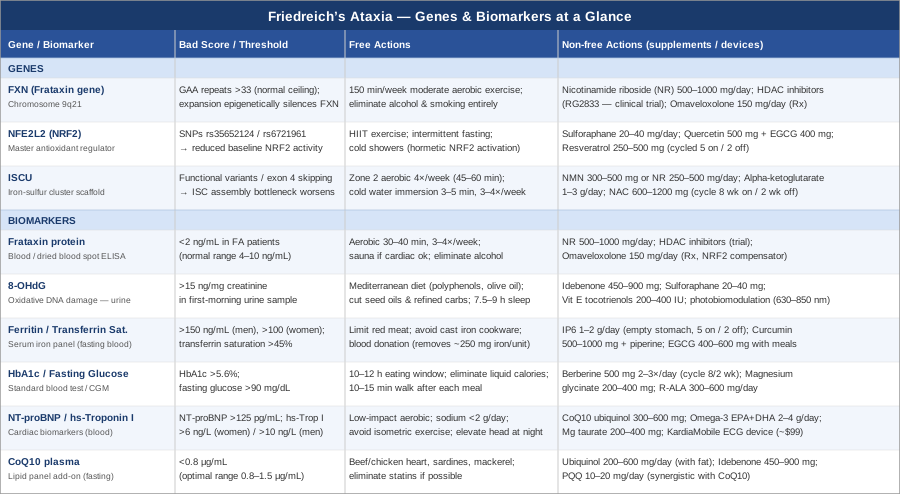
Summary Table: Genes and Biomarkers at a Glance
The Mitochondrial Research Approach That Challenges Current FA Thinking
Most neurologists managing FA focus on symptomatic care — physical therapy, cardiology monitoring, endocrinology for diabetes. That is appropriate and necessary. But a parallel body of research, largely emerging from mitochondrial biology and epigenetics labs, suggests that the disease's upstream drivers are far more addressable than the standard clinical narrative implies.
The most relevant synthesis comes from work done by researchers associated with Rhonda Patrick (FoundMyFitness) and the broader mitochondrial medicine community, particularly through her podcasts and published work connecting NRF2 activation, NAD+ biology, and mitochondrial iron metabolism. Here are the ten most actionable insights from this body of work.
1. Frataxin Deficiency Is an Epigenetic Problem, Not Just a Genetic One
The GAA repeat expansion does not destroy the FXN gene — it silences it. This is a critical distinction. Epigenetic silencing is, in principle, reversible. HDAC inhibitors, nicotinamide, and even exercise work by modifying the chromatin environment around the FXN gene. This means the gene is still there and still intact; the therapeutic goal is reawakening it.
2. NRF2 Is the Most Important Single Switch in FA
Rhonda Patrick has repeatedly emphasized that NRF2 activation does not just scavenge free radicals — it upregulates 200+ cytoprotective genes simultaneously. For FA patients, where ROS production is chronically elevated, NRF2 is the most leveraged target available outside of frataxin itself. Sulforaphane from broccoli sprouts is the most potent dietary NRF2 activator known, with human bioavailability data supporting daily use.
3. Mitochondrial Biogenesis Can Be Stimulated Even in FA
Zone 2 aerobic exercise — sustained moderate-intensity cardio — specifically drives mitochondrial biogenesis through PGC-1α. FA patients can and should engage in modified aerobic exercise. Even 30 minutes of recumbent cycling three times per week has been shown to improve functional capacity and reduce oxidative stress markers. The body continues making new mitochondria; the goal is to outpace the dysfunction.
4. NAD+ Depletion Accelerates Every Aspect of FA Pathology
Frataxin deficiency impairs the electron transport chain, which in turn produces excess reactive oxygen species, which depletes NAD+ through PARP activation. NAD+ is essential for SIRT1 and SIRT3 activity — both of which regulate mitochondrial health and frataxin expression. Supplementing NAD+ precursors breaks this vicious cycle at a critical junction.
5. Iron Management Is As Important as Antioxidant Therapy
Most FA antioxidant protocols ignore iron. But the Fenton reaction — the catastrophic meeting of excess iron with hydrogen peroxide — is what makes ROS production in FA so destructive. Lowering systemic iron load through dietary adjustment, blood donation, or gentle chelation removes the fuel source. Antioxidants alone, without iron management, are fighting the fire without cutting off the oxygen supply.
6. Heat Stress Activates Protective Pathways Relevant to FA
Regular sauna use (4x/week, 20 minutes at ~80°C) has been shown in Finnish epidemiological studies to reduce cardiovascular mortality and support neurological health. Heat shock proteins (particularly HSP70 and HSP27) stabilize misfolded or dysfunctional proteins in mitochondria. For FA patients whose cardiac status allows sauna use, this is an underutilized hormetic tool.
7. The Gut Microbiome Modulates Neuroinflammation in Neurodegenerative Conditions
Emerging work links gut dysbiosis to accelerated neurodegeneration through the gut-brain axis. FA patients, who often have reduced mobility and altered eating patterns, are at risk for dysbiosis. Short-chain fatty acid production by gut bacteria (particularly butyrate) directly influences neuroinflammation and mitochondrial function in neurons. High-fiber diets and targeted probiotics are low-risk, potentially meaningful interventions.
8. Sleep Quality Is a Primary Variable, Not Secondary
During deep sleep (NREM stages 3–4), the glymphatic system clears metabolic waste from the brain, mitochondrial antioxidant recycling peaks, and growth hormone — which supports mitochondrial repair — is released. FA patients with poor sleep quality have measurably higher inflammatory markers. Sleep architecture tracking (via Oura ring, WHOOP, or similar) allows targeted intervention before clinical deterioration.
9. Glucose Variability Predicts Cardiac and Neurological Outcomes Better Than HbA1c Alone
A single HbA1c measurement misses day-to-day glucose spikes that drive AGE formation and oxidative stress. Peter Attia consistently advocates for CGM-based glucose variability monitoring in high-risk individuals. For FA patients — who have both elevated diabetes risk and heightened sensitivity to oxidative damage — knowing that a particular meal causes a 60-point glucose spike is actionable in a way that a quarterly HbA1c is not.
10. Targeting Multiple Pathways Simultaneously Is More Effective Than Single-Target Approaches
No single supplement or intervention has reversed FA. But the combination of NRF2 activation + NAD+ support + iron management + mitochondrial biogenesis + glucose control creates a multi-pathway approach that addresses FA's core pathology from several angles simultaneously. This is the direction the most sophisticated FA clinical trials are now moving — combination strategies rather than single-agent approaches.
Complementary Approaches with Meaningful Evidence
Yoga
Yoga incorporates balance training, core strengthening, and breath control — three domains that are directly compromised in FA. For a condition where cerebellar ataxia progressively undermines postural stability, supervised yoga offers a structured way to maintain proprioceptive function and reduce fall risk. Unlike generic stretching, yoga's emphasis on controlled transitions and mindful weight shifting trains exactly the neuromuscular coordination that FA patients need to preserve.
A 2016 randomized pilot study in cerebellar ataxia patients found that an adapted yoga protocol twice weekly over 10 weeks significantly improved Berg Balance Scale scores and self-reported fatigue. While specific FA-only yoga trials are limited, the cerebellar ataxia data is the most analogous available and supports this as a high-priority modality. Yoga also activates the vagal nerve through slow breathing, which may reduce the autonomic dysregulation that contributes to FA cardiac symptoms.
Realistic application: Seek a yoga instructor with experience in neurological conditions or adaptive yoga. Chair yoga is an excellent starting point for patients with moderate ataxia. Prioritize standing balance poses (Warrior I, tree pose with wall support), slow spinal rotation, and diaphragmatic breath work. Two to three sessions per week of 30–45 minutes is a sustainable protocol. Avoid inversions if there is any cardiac concern.
Tai Chi
Tai chi's slow, deliberate movements and continuous weight transfers make it one of the best-studied movement therapies for balance and fall prevention in neurological conditions. Its relevance to FA lies in the fact that it trains exactly the anticipatory postural adjustments that cerebellar disease disrupts. Unlike conventional physical therapy, tai chi also incorporates a meditative attention component that may support the neural focus needed to compensate for cerebellar sensory integration loss.
A meta-analysis published in PubMed (2014) covering randomized controlled trials in balance-impaired neurological populations found tai chi significantly outperformed usual care for balance confidence and fall frequency. In Parkinson's disease — which shares some cerebellar-pathway pathology with FA — a landmark NEJM trial demonstrated superiority over resistance training and stretching for balance outcomes. FA-specific evidence is limited but the mechanistic rationale is strong.
Realistic application: Yang-style tai chi (the most common form) is most studied. Look for group classes specifically for neurological patients or aging populations, where the instructor understands modified protocols. Start with seated or wall-assisted forms. Three sessions per week, 30–45 minutes each, with daily 10-minute practice of a short form at home. Expect 8–12 weeks before balance improvements become noticeable.
Biofeedback
Biofeedback addresses a core problem in FA: the brain is not receiving accurate proprioceptive signals about body position, so postural corrections come too late or are too large. Balance biofeedback systems — which provide real-time visual or auditory feedback about center of pressure — give the nervous system a substitute sensory channel. The evidence base for balance biofeedback in ataxia specifically is more developed than for most complementary modalities.
A 2019 trial in hereditary ataxia patients (including Friedreich's) using trunk stabilization biofeedback showed significant improvements in trunk control and walking stability after 4 weeks. EMG-based biofeedback for postural muscles has also been studied in cerebellar conditions. The underlying principle — giving the nervous system precise, real-time error signals it can learn from — is well supported by neuroplasticity research.
Realistic application: Clinical biofeedback for balance is available through specialized neurological rehabilitation centers. Force-plate balance platforms (like the Biodex or NeuroCom) are the gold standard. For home use, lower-cost options include Nintendo Wii Balance Board-based programs and pressure-sensitive insoles (Moticon, Novel) that give real-time feedback during walking. Three sessions per week for 6–8 weeks is typical for initial benefit; ongoing maintenance training is needed to sustain gains.
Music Therapy
Rhythmic auditory stimulation (RAS) — a form of music therapy using auditory rhythm to entrain movement — is particularly relevant for FA because the cerebellum is the brain's primary rhythm synchronizer. When cerebellar function is impaired, patients lose their internal timing reference for movement. External auditory rhythm provides a substitute pacemaker, helping patients synchronize gait and limb movements more effectively. Beyond gait, music therapy addresses the psychological burden of FA, which is substantial and often inadequately treated.
A 2015 study in patients with cerebellar ataxia found that RAS-based gait training (using a metronome beat matched to the patient's natural walking speed, then gradually adjusted) significantly improved stride regularity and walking speed compared to conventional gait training. Music therapy for mood and quality of life in neurodegenerative conditions has strong support from systematic reviews.
Realistic application: Work with a neurologic music therapist (credentialed NMT) for formal RAS training. For daily use, apps like MetroTimer or the GEMS (Gait and Exercise Motivation using Sound) system can provide rhythmic auditory cues during walking practice. Even listening to music with a strong, consistent beat during exercise has been shown to improve movement regularity. Aim for 20–30 minutes daily. Music therapy for emotional support can be done in group or individual format, weekly or biweekly.
Breathing-Based Therapies
FA affects respiratory muscle coordination and can reduce vital capacity over time, particularly in patients with significant trunk muscle involvement. Breathing exercises serve a double function: maintaining respiratory capacity and activating the parasympathetic nervous system through vagal stimulation. Given FA's cardiac component — including arrhythmia risk — improving heart rate variability through controlled breathing has specific cardiovascular relevance beyond the neurological benefits.
Diaphragmatic breathing training has been shown in a 2018 RCT in hereditary ataxia patients to improve respiratory muscle strength and reduce self-reported fatigue. The 4-7-8 breathing protocol and coherent breathing (5 breaths per minute) are the best-studied for autonomic regulation and heart rate variability improvement in clinical populations.
Realistic application: Begin with diaphragmatic breathing practice: lying supine, one hand on chest, one on abdomen. Inhale 4 counts expanding the abdomen, exhale 6 counts. Practice 10 minutes daily. For HRV improvement, coherent breathing (inhale 5 counts, exhale 5 counts, no pause) is the protocol most directly linked to parasympathetic activation — the HeartMath app provides real-time HRV feedback. Respiratory muscle training devices (Threshold IMT, PowerBreathe) can be added 3–4 times per week at 30% of maximal inspiratory pressure.
Conclusion
Friedreich's ataxia has a defined molecular cause and traceable biological consequences — and that clarity, while it does not make the condition less serious, does make it more actionable than many neurological diagnoses. Tracking frataxin levels, oxidative stress markers, cardiac biomarkers, and metabolic health gives you a real-time picture of where the disease process stands. Understanding the three key genes provides the framework for why certain interventions target the root rather than just the symptoms.
None of this replaces neurological and cardiac care. But informed patients who track the right numbers, apply evidence-based supportive strategies, and discuss emerging options with their clinical team are in a fundamentally stronger position. The next smart step is choosing one biomarker to establish a baseline, one lifestyle change to implement consistently, and one conversation to have with a specialist who is familiar with the current FA research landscape.
Neurological: Nerve Conditions Movement Disorders
Cardiovascular: Heart Conditions Heart Rhythm Conditions
Endocrine & Metabolic: Diabetes & Blood Sugar