This article contains AI generated content.
· UpdatedGranulomatosis with Polyangiitis Genes and Biomarkers: 7 Biomarkers and 5 Genes to Track
Introduction
Granulomatosis with polyangiitis (GPA) — formerly called Wegener's granulomatosis — is among the most confounding autoimmune diagnoses a person can receive. It attacks small and medium blood vessels through a combination of necrotizing granulomatous inflammation and vasculitis, typically beginning in the upper respiratory tract before involving the lungs and kidneys. The variability between patients is striking: two people with identical diagnoses can follow completely different disease trajectories, respond to the same treatments differently, and relapse at entirely different intervals. That variability has a biological explanation — and it matters for how you manage the condition.
Most information available to GPA patients centers on diagnosis and the standard induction and maintenance regimen. This is necessary, but it leaves out a significant layer of practical knowledge: which biological signals to watch between appointments, what early warning signs look like in lab results before symptoms return, and what individual factors — genetic, nutritional, immune — may be tipping the balance toward or away from remission. Generic advice about stress reduction and healthy eating, while not wrong, does nothing specific for a disease this precise.
This article takes a different approach. Rather than covering what every other GPA overview already addresses, it focuses on two concrete, evidence-grounded layers of information: the specific biomarkers most informative for GPA disease activity and organ function, and the genetic variants with the strongest evidence for shaping individual risk and disease behavior. Understanding these layers does not replace rheumatology oversight — GPA is serious and requires specialist management — but it changes the quality of that oversight by making you a more informed participant in your own care.
The realistic hope this article offers is not remission through lifestyle alone. It is better biological situational awareness — earlier detection of trouble, more targeted strategies for reducing systemic inflammation, and clearer conversations with your care team about what your individual biology is doing. That is achievable, and the evidence behind it is real.
Summary
Here is what this article covers and why it matters if you have or are monitoring GPA:
7 Biomarkers: PR3-ANCA, MPO-ANCA, eGFR and creatinine, CRP and ESR, complete blood count with differential, urinalysis with microscopy, and alpha-1 antitrypsin. For each: why it matters specifically in GPA, how to measure it with cost ranges, and concrete action plans — with and without supplements — for when values trend in the wrong direction.
5 Genes: HLA-DPB1*04:01, SERPINA1, PTPN22, PRTN3, and IRF5. For each: what the gene does, what an unfavorable variant means for GPA risk and disease behavior, and targeted supplement and lifestyle protocols to compensate — with cycling schedules and side-effect notes where relevant.
A root-cause framework summarizing the most impactful ideas from a functional medicine approach to autoimmune disease — ten insights that conventional appointments rarely address and that change how you think about why GPA develops and persists.
Complementary approaches grounded in clinical evidence: the Autoimmune Protocol, nasal irrigation for the ENT involvement so characteristic of GPA, mindfulness for the stress-immune axis, breathwork for respiratory health, and emerging microbiome-directed strategies now supported by ANCA vasculitis research.
If you have been managing GPA reactively and want a more complete picture of your biology between clinic visits, this is the roadmap.
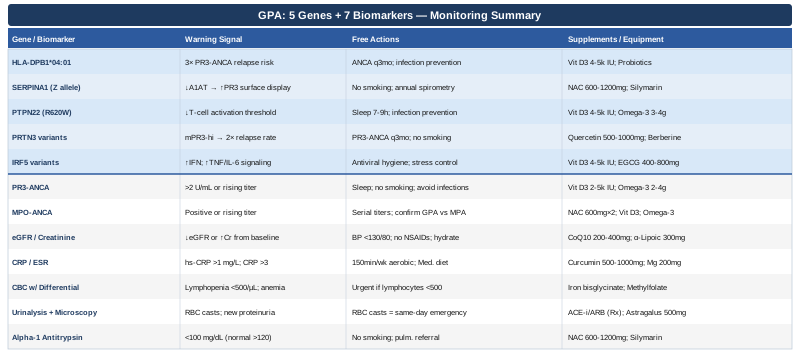
7 Biomarkers to Track in Granulomatosis with Polyangiitis
Standard GPA monitoring typically includes ANCA testing, a metabolic panel, and urinalysis — a reasonable baseline but one that delivers value only if values are tracked as trends over time and interpreted with disease-specific context. Each of the following seven biomarkers offers a distinct window into GPA activity, organ function, or upstream biological vulnerability that directly affects how the disease behaves in individual patients.
1. PR3-ANCA (Anti-Proteinase 3)
Why it matters: PR3-ANCA is the primary immunological marker of GPA. These antibodies target proteinase 3 (PR3), a serine protease stored in neutrophil granules that is aberrantly expressed on neutrophil surfaces in susceptible individuals. PR3-ANCA is detected in approximately 80–90% of patients with active generalized GPA, making it both a diagnostic cornerstone and a disease activity signal worth tracking longitudinally.
Serial PR3-ANCA monitoring provides prognostic information that single readings cannot. Persistently positive or rising titers during clinical remission are associated with approximately double the relapse risk compared to patients who achieve serological remission. The research literature on PR3-ANCA as a relapse predictor is not entirely uniform — some patients maintain elevated titers without clinical flare — which makes the direction of change more informative than any single absolute value. A titer rising from personal baseline is more clinically meaningful than a titer that sits stably outside the laboratory normal range.
How to measure it: PR3-ANCA is measured via ELISA or chemiluminescence immunoassay (CLIA) from a standard blood draw, with results reported in U/mL or IU/mL. Most laboratories define negative as below 2 U/mL. Cost range: $100–$250. Typical monitoring frequency: every 3–6 months in remission; monthly during treatment tapering or suspected flare.
If the score is bad, the plan without supplements: Establish a documented personal baseline early in remission — this reference point matters more than population norms. A rising value from that baseline warrants prompt contact with your rheumatologist even without new symptoms, as titer rises can precede clinical flare by weeks to months. Prioritize sleep (7–9 hours consistently reduces neutrophil activation and pro-inflammatory cytokine output), eliminate smoking entirely (associated with GPA flares across multiple cohort studies), and reduce infection risk aggressively, since infections are the most established trigger for ANCA vasculitis relapses through neutrophil activation.
If the score is bad, the plan with supplements or equipment: Vitamin D3 at 2,000–5,000 IU/day with vitamin K2 at 100–200 mcg/day: low 25-OH vitamin D correlates with higher ANCA titers and more active autoimmune disease; target 50–70 ng/mL serum level. Test before supplementing and recheck every 6 months. Omega-3 fatty acids (EPA+DHA) at 2–4 g/day: consistent anti-inflammatory effect via multiple pathways relevant to neutrophil and T cell dysregulation; requires 8–12 weeks sustained use before reassessment. No cycling required for either; at 4g/day omega-3, discuss with your rheumatologist if you are on anticoagulants due to mild antiplatelet effect.
2. MPO-ANCA (Anti-Myeloperoxidase)
Why it matters: While PR3-ANCA is the dominant antibody in GPA, MPO-ANCA is present in approximately 5–10% of GPA cases, and some patients carry both. The distinction matters beyond classification: a landmark genetic study published in the New England Journal of Medicine established that PR3-ANCA and MPO-ANCA disease represent genetically and clinically distinct subtypes that share a vasculitis phenotype but differ substantially in their disease biology, relapse risk profiles, and treatment response characteristics. PR3-ANCA GPA carries higher relapse rates; MPO-ANCA cases tend toward more renal-dominant presentation and different maintenance therapy dynamics.
Knowing your ANCA specificity from the outset is not a minor detail — it should actively inform your rheumatologist's maintenance therapy choices and your personal monitoring approach. It also sets more accurate expectations about disease trajectory, which matters for long-term planning.
How to measure it: Measured simultaneously with PR3-ANCA in a standard ANCA panel blood test. Cost: $120–$280 for the combined panel. Annual monitoring in stable remission; more frequently during treatment changes or new symptoms.
If the score is bad, the plan without supplements: MPO-ANCA positivity in a GPA patient should prompt an explicit discussion with your rheumatologist about whether the clinical picture aligns with GPA versus microscopic polyangiitis (MPA), since MPO-ANCA more commonly occurs in MPA. This distinction carries management implications. Establish serial titer documentation and track direction over time.
If the score is bad, the plan with supplements or equipment: The anti-inflammatory baseline stack for PR3-ANCA (vitamin D3, omega-3) applies here as well. Additionally, N-acetylcysteine (NAC) at 600 mg twice daily is worth considering: NAC supports glutathione synthesis and reduces reactive oxygen species generated by myeloperoxidase — a mechanism directly relevant to MPO-ANCA–mediated tissue injury. Start at 600 mg once daily, increase to twice daily after 2 weeks if tolerated. Take with food to minimize nausea. No cycling required at standard doses.
3. eGFR and Serum Creatinine
Why it matters: Renal involvement in GPA occurs in approximately 70–80% of patients over the course of the disease and is the primary driver of long-term morbidity. Pauci-immune glomerulonephritis — the characteristic GPA renal lesion — can progress from microscopic hematuria and mild proteinuria to dialysis-requiring kidney failure in weeks without adequate treatment. Estimated glomerular filtration rate (eGFR) and serum creatinine provide the most widely accessible longitudinal measure of renal function.
What makes this particularly important is the asymmetry built into creatinine as a biomarker: serum creatinine can remain within the laboratory normal range until roughly 50% of renal function is already lost. This means that a creatinine moving from 0.9 to 1.2 mg/dL — both technically normal — may represent a clinically meaningful decline if it reflects a 25% drop from personal baseline. In GPA, personal trajectory matters far more than population reference ranges.
How to measure it: Included in the comprehensive metabolic panel (CMP). Cost: $25–$60. Every 3 months during active treatment; every 6 months in stable remission without prior renal disease. More frequently during any medication taper, new symptoms, or concurrent illness.
If the score is bad, the plan without supplements: A creatinine rising from personal baseline, or an eGFR declining by more than 5 mL/min/1.73m² over 3 months, warrants urgent rheumatology and nephrology evaluation. Beyond medical management: maintain blood pressure consistently below 130/80 mmHg (the most robustly evidence-supported lifestyle intervention for slowing chronic kidney disease progression); limit dietary sodium below 2g/day; stay well-hydrated; avoid NSAIDs entirely; and discuss pre-hydration protocols with your nephrologist before contrast-enhanced imaging.
If the score is bad, the plan with supplements or equipment: Ubiquinol (CoQ10) at 200–400 mg/day supports mitochondrial function in renal tubular cells, studied in CKD contexts for oxidative protection. Alpha-lipoic acid at 300–600 mg/day reduces oxidative stress relevant to neutrophil-driven renal injury in GPA nephritis. A validated home blood pressure cuff ($30–$80) used daily provides longitudinal BP data that office visits cannot capture; log readings and share trends with your nephrologist. No cycling required for CoQ10 or alpha-lipoic acid; avoid high-dose vitamin C (above 1g/day) when eGFR is below 45 due to oxalate accumulation risk in impaired kidneys.
4. CRP and ESR (Inflammatory Markers)
Why it matters: C-reactive protein (CRP) and erythrocyte sedimentation rate (ESR) are general systemic inflammation markers that serve two distinct clinical roles in GPA. First, they track disease activity — both typically rise with active vasculitis and fall with successful immunosuppression. Second, they help clinicians distinguish disease flares from infections in immunosuppressed patients, a critical distinction since immunosuppressed GPA patients are at high risk for bacterial and fungal infections that can produce symptoms indistinguishable from a disease flare. CRP rises within hours of an inflammatory stimulus; ESR changes more slowly over days — making the two markers complementary rather than redundant.
High-sensitivity CRP (hs-CRP) in apparent clinical remission carries an additional significance in GPA: patients with this condition have consistently elevated rates of cardiovascular events, and persistently elevated hs-CRP is an established independent cardiovascular risk marker. Monitoring hs-CRP in GPA remission therefore serves dual purposes — vasculitis surveillance and cardiovascular risk stratification — giving it more informational value than its generic reputation suggests.
How to measure it: Standard CRP: $10–$30. High-sensitivity CRP (hs-CRP): $20–$50. ESR: $10–$25. All from routine blood draws. Optimal hs-CRP target: below 1.0 mg/L. Standard CRP target: below 3 mg/L.
If the score is bad, the plan without supplements: Elevated CRP in an otherwise asymptomatic GPA patient during apparent remission requires ruling out subclinical infection before attributing it to vasculitis activity — the two presentations can be identical. Anti-inflammatory lifestyle with the strongest population-level evidence: 150 minutes per week of moderate aerobic exercise consistently reduces CRP by 20–30% over 8–12 weeks; Mediterranean dietary pattern (high olive oil, vegetables, legumes, fatty fish) reduces hs-CRP across multiple randomized controlled trials; 7–9 hours of consistent sleep and active stress management reduce pro-inflammatory cytokine baseline.
If the score is bad, the plan with supplements or equipment: Liposomal curcumin or curcumin with piperine at 500–1,000 mg/day: multiple meta-analyses confirm meaningful CRP reduction at 8–12 weeks of sustained use; can cycle 8 weeks on, 2–4 weeks off; mild interaction with anticoagulants at higher doses — verify with your physician. Magnesium glycinate at 200–400 mg nightly: supports anti-inflammatory signaling and is frequently deficient in autoimmune patients; continuous use; reduce dose if loose stools occur. Resveratrol at 150–500 mg/day may reduce NF-κB inflammatory signaling; evidence is promising but mixed in human trials; safe at standard doses with no cycling required.
5. Complete Blood Count (CBC) with Differential
Why it matters: The CBC with differential provides a hematological snapshot that is directly informative in GPA across several dimensions simultaneously. Normocytic anemia of chronic disease is nearly universal in active GPA and correlates loosely with disease activity level. Lymphopenia — a low absolute lymphocyte count — is both a consequence of immunosuppressive therapy (particularly cyclophosphamide) and a risk marker for opportunistic infection; severe lymphopenia below 500 cells/µL places patients at significant risk for Pneumocystis jirovecii pneumonia (PCP), for which trimethoprim-sulfamethoxazole prophylaxis should be prescribed. The differential also helps distinguish GPA from closely related conditions: eosinophilia would raise concern for eosinophilic granulomatosis with polyangiitis (EGPA), a related but distinct diagnosis.
Thrombocytosis (elevated platelets) is frequently seen with systemic inflammation in GPA and can be a signal of active disease. Neutrophilia may indicate active vasculitis, corticosteroid effect, or infection — context-dependent interpretation is essential.
How to measure it: Standard blood draw. Cost: $15–$40. Every 4–8 weeks during active treatment; every 3–6 months in stable remission. Always review the differential, not just the total WBC.
If the score is bad, the plan without supplements: Lymphopenia below 500 cells/µL during immunosuppressive treatment requires same-day contact with your rheumatologist regarding PCP prophylaxis and infection risk reduction strategies. Anemia in GPA typically improves with disease control — dietary support (iron-rich foods, folate, B12) addresses the nutritional side, but disease-level anemia requires disease-level management first. Monitor for symptoms of significant anemia (fatigue, exertional dyspnea, palpitations) and report them promptly.
If the score is bad, the plan with supplements or equipment: Iron bisglycinate at 25–36 mg/day — but only after confirming iron deficiency via serum ferritin and iron saturation, since excess iron is pro-inflammatory and can worsen tissue damage in vasculitis. Methylfolate (5-MTHF) at 400–800 mcg/day and methylcobalamin B12 at 500–1,000 mcg/day are particularly important for patients on methotrexate, which depletes folate — discuss timing with your rheumatologist before supplementing during active methotrexate dosing. No cycling required; recheck ferritin after 8–12 weeks of iron supplementation.
6. Urinalysis with Microscopy
Why it matters: Of all the monitoring tools available in GPA, urinalysis with microscopic examination is arguably the most underused. Red blood cell (RBC) casts in the urine are pathognomonic for active glomerulonephritis — the nephritis pattern characteristic of GPA renal involvement. Dysmorphic red cells and granular casts are similarly significant. Critically, urine microscopy can detect active renal vasculitis before serum creatinine has risen above the laboratory reference range, making it a genuinely earlier warning system. Persistent proteinuria, even in the absence of cellular casts, signals glomerular membrane damage and is independently prognostic for long-term renal function.
At a practical level, urine dipstick testing for protein and blood can be done at home for pennies per test, providing ongoing between-appointment surveillance that no other monitoring tool replicates at its price point.
How to measure it: Standard urinalysis with microscopy at a laboratory: $30–$60. Monthly during active disease; every 3–6 months in remission without prior renal involvement. Home urine dipstick strips ($15–$25 for 50-strip boxes): test every 2–4 weeks for protein and blood if renal involvement is present or suspected. Log readings in a simple spreadsheet to track trends over time rather than interpreting isolated readings.
If the score is bad, the plan without supplements: RBC casts in the urine represent a medical emergency — same-day or next-day contact with a rheumatologist or nephrologist is required. New proteinuria warrants urgent evaluation even without cellular casts. In the meantime: maintain excellent hydration, document symptoms meticulously to support the clinical picture, and avoid all nephrotoxic medications including NSAIDs and herbal formulations of uncertain composition.
If the score is bad, the plan with supplements or equipment: Persistent proteinuria without active sediment may benefit from ACE inhibitor or ARB therapy (prescription only) — both are consistently shown in multiple RCTs to reduce proteinuria and slow CKD progression through reducing glomerular capillary pressure. As a supportive adjunct, Astragalus membranaceus aqueous extract at 500–1,500 mg/day has early clinical evidence for renoprotective effects in proteinuric kidney disease; a number of small RCTs in IgA nephropathy — which shares pathological features with GPA nephritis — show reduced proteinuria. Evidence is preliminary. Inform your nephrologist before adding. Absolutely avoid any herbal formulation that may contain aristolochic acid, which is directly nephrotoxic.
7. Alpha-1 Antitrypsin (A1AT) Level
Why it matters: Alpha-1 antitrypsin is the body's primary physiological inhibitor of proteinase 3 — the exact enzyme that PR3-ANCA antibodies target in GPA. This relationship is not incidental. Multiple cohort studies in ANCA vasculitis have found a statistically significant enrichment of the SERPINA1 Z allele in PR3-ANCA GPA patients compared to healthy controls. The Z allele produces a structurally abnormal A1AT protein that accumulates in hepatocytes rather than being secreted into circulation, resulting in lower serum A1AT levels and reduced PR3 inhibition. When PR3 is less regulated, more of it is displayed on neutrophil surfaces — creating conditions that may favor the development of anti-PR3 autoimmunity in genetically susceptible individuals.
A1AT testing is not yet routine in standard GPA monitoring, but it is worth requesting — particularly in patients with early-onset disease, family history of lung disease, concurrent COPD or emphysema, or persistently elevated PR3-ANCA titers despite adequate immunosuppression. For patients who carry the ZZ or MZ genotype, the biological implications extend beyond GPA: the combination of A1AT deficiency with pulmonary inflammation dramatically increases emphysema risk.
How to measure it: Serum A1AT level: $50–$150. A1AT phenotyping or full SERPINA1 genotyping: $100–$300. Normal serum level: above 100–120 mg/dL. Clinically significant deficiency is below 80 mg/dL. This test is not part of routine GPA monitoring but is accessible and informative; request it at your next scheduled blood draw.
If the score is bad, the plan without supplements: Confirmed A1AT deficiency (especially ZZ or MZ genotype) should be shared with both your rheumatologist and a pulmonologist familiar with A1AT deficiency. Absolute avoidance of smoking is the most protective single action — no other intervention has as large an effect on preserving lung function in A1AT deficiency. Annual spirometry tracks lung function before symptoms develop. Reduce occupational dust and fume exposure where possible.
If the score is bad, the plan with supplements or equipment: No oral supplement replaces circulating A1AT protein at clinically meaningful levels, but NAC at 600–1,200 mg/day reduces hepatocyte oxidative stress that worsens misfolded Z-A1AT accumulation; take with meals. Silymarin (milk thistle extract) at 140–420 mg/day provides hepatoprotective support that may reduce liver stress from A1AT protein accumulation; safe for long-term continuous use. Home spirometry devices ($30–$60 for consumer peak flow meters; $150–$300 for personal spirometers with app connectivity) allow between-appointment tracking of respiratory function. For confirmed ZZ genotype with declining pulmonary function and serum A1AT below 80 mg/dL, intravenous A1AT augmentation therapy is the established medical replacement strategy — a referral for a pulmonologist who specializes in A1AT deficiency, not a supplement conversation.
Understanding what these biomarkers reveal is one layer of the picture. The genetics underlying why certain individuals are more vulnerable to GPA in the first place — and what can be done about unfavorable variants — adds another layer that biomarkers alone cannot provide.
The Genetics of GPA: 5 Key Variants That Shape Your Risk
Genetics does not determine destiny in GPA, but it shapes the biological terrain on which the disease develops, behaves, and responds to intervention. The genetic architecture of ANCA-associated vasculitis has been substantially clarified by genome-wide association studies, particularly a landmark study published in the New England Journal of Medicine by Lyons et al. (2012) that demonstrated PR3-ANCA and MPO-ANCA disease to be genetically distinct conditions — a finding that fundamentally changed how researchers and clinicians think about ANCA vasculitis classification.
For each of the five variants below, the structure is consistent: what the gene does, what an unfavorable variant means for GPA, and what compensatory strategies — with and without supplements — are supported by the evidence. Genetic testing through direct-to-consumer platforms (23andMe, AncestryDNA) or clinical panels can identify most of these variants; interpretation benefits from a genetic counselor or an autoimmune-focused physician.
Gene 1: HLA-DPB1*04:01 — The Primary Risk Allele
What it does: Human leukocyte antigen (HLA) genes encode proteins that present antigen peptides to T cells, effectively governing what the immune system identifies as self versus foreign. HLA-DPB1*04:01 is the most strongly associated genetic risk factor for PR3-ANCA vasculitis identified through GWAS, increasing risk approximately threefold in carriers. The proposed mechanism is that this HLA allele presents PR3-derived peptides to CD4+ T cells in a way that primes an anti-PR3 autoimmune response, breaking the self-tolerance that ordinarily prevents ANCA formation.
How to test: HLA class II typing from a blood or saliva sample through specialized immunogenetics laboratories or included in clinical autoimmune genetic panels. Cost: $200–$500. Some research-grade gene panels include partial HLA typing.
If the gene is bad, the plan without supplements: HLA alleles cannot be modified by any intervention. Their value lies entirely in informing monitoring intensity and treatment decisions. HLA-DPB1*04:01 carriers with GPA should maintain more frequent monitoring — PR3-ANCA every 3 months rather than every 6 months in remission — and a lower threshold for seeking evaluation with any new respiratory or systemic symptom. Discuss with your rheumatologist whether a longer maintenance therapy duration is appropriate given this genetic risk profile. Aggressive infection prevention is especially important, since infections are the most established trigger for relapse and HLA-DPB1*04:01 carriers may have a lower threshold for immune dysregulation when that trigger fires.
If the gene is bad, the plan with supplements or equipment: Because HLA-DPB1*04:01 risk operates through antigen presentation and T cell priming, strategies that support regulatory T cell (Treg) development and suppress effector T cell overactivation are most mechanistically relevant. Vitamin D3 at 4,000–5,000 IU/day robustly supports Treg differentiation and suppresses Th17 inflammatory activity — vitamin D has direct evidence for modulating T cell subset balance in autoimmune conditions; test and target 50–70 ng/mL serum 25-OH vitamin D. Probiotic supplementation targeting Lactobacillus rhamnosus and Bifidobacterium longum strains at 25–50 billion CFU/day may support gut-associated immune regulation and Treg induction; evidence is emerging rather than definitive. No cycling required for either; recheck vitamin D every 6 months at supplementation doses above 3,000 IU.
Gene 2: SERPINA1 (Z Allele) — The Alpha-1 Antitrypsin Connection
What it does: SERPINA1 encodes alpha-1 antitrypsin, the principal physiological inhibitor of both proteinase 3 and neutrophil elastase. The Z allele produces a misfolded A1AT protein that polymerizes and accumulates in hepatocytes rather than entering circulation, resulting in low serum A1AT levels and reduced PR3 regulatory capacity. When A1AT is deficient, PR3 is less tightly controlled — more of it is displayed on neutrophil surfaces, and the immunological conditions favoring PR3 autoimmunity become easier to fulfill. Multiple case-control studies in ANCA vasculitis have found statistically significant enrichment of the Z allele in PR3-ANCA GPA patients, suggesting this is a biologically meaningful risk factor, not a statistical artifact.
How to test: SERPINA1 genotyping for the Z allele (rs28929474) is included in 23andMe and AncestryDNA raw data outputs. Clinical A1AT phenotyping and genotyping is available through most major reference laboratories. Cost: included in consumer panels at $70–$200; standalone clinical testing at $100–$300.
If the gene is bad, the plan without supplements: Absolute smoking avoidance is the most protective action — no other intervention compares for lung preservation in A1AT deficiency. Annual spirometry tracks pulmonary function before symptoms develop. Reduce occupational dust and fume exposure. Ensure both your rheumatologist and a pulmonologist are aware of confirmed Z allele status, as it affects long-term monitoring strategy and eligibility for A1AT augmentation therapy if pulmonary involvement progresses.
If the gene is bad, the plan with supplements or equipment: NAC at 600–1,200 mg/day reduces hepatocyte oxidative stress that worsens Z-A1AT protein misfolding and polymerization; take with meals. Silymarin (standardized milk thistle extract) at 140–420 mg/day provides hepatoprotective support; safe for continuous long-term use. Whey protein at 20–30g/day broadly supports hepatic protein synthesis. For confirmed ZZ genotype with declining FEV1 and serum A1AT below 80 mg/dL, intravenous A1AT augmentation therapy (Prolastin-C, Aralast NP) is the established medical replacement approach — a pulmonologist referral, not a supplement substitution.
Gene 3: PTPN22 (R620W Variant) — The T Cell Activation Threshold
What it does: PTPN22 encodes a protein tyrosine phosphatase that functions as a negative regulator of T cell receptor (TCR) signaling — a brake on T cell activation. The R620W variant (rs2476601) impairs this braking function, lowering the threshold at which T cells respond to stimulation. This variant has one of the broadest autoimmune risk association profiles of any known genetic variant: it is significantly enriched in type 1 diabetes, rheumatoid arthritis, systemic lupus erythematosus, Hashimoto's thyroiditis, and ANCA-associated vasculitis including GPA. The shared mechanism — a lower T cell activation threshold — makes it more likely that T cells will respond to self-antigens like PR3 in susceptible individuals, contributing to the autoimmune breakdown underlying ANCA formation.
How to test: rs2476601 is included in 23andMe and AncestryDNA reports; it appears in raw data downloads under that identifier. Cost: included in consumer panels.
If the gene is bad, the plan without supplements: PTPN22 R620W lowers the T cell activation threshold — meaning any factor that keeps T cells chronically stimulated becomes more biologically meaningful for carriers. Aggressive infection prevention is the highest-priority action (infections chronically activate T cells). Consistent sleep (sleep deprivation downregulates regulatory T cell function while upregulating effector T cell activity). Active stress management (psychological stress directly activates T cell responses via cortisol and sympathetic nervous system pathways). These are not vague wellness suggestions — they address specific mechanisms relevant to a known genetic vulnerability.
If the gene is bad, the plan with supplements or equipment: Vitamin D3 at 4,000–5,000 IU/day is the most evidence-supported intervention: vitamin D promotes Treg differentiation and suppresses Th1/Th17 overactivation — precisely the imbalance that PTPN22 R620W worsens; target 50–70 ng/mL serum level. Omega-3 (EPA+DHA) at 3–4g/day: reduces TCR signaling amplitude through effects on membrane fluidity — a mechanism particularly relevant to a gene that lowers the signaling threshold. Low-dose melatonin at 0.5–1 mg 30 minutes before sleep shifts immune balance toward Treg-dominant states during the nocturnal immune regulation window; nightly use is preferred; no cycling required at low doses. Monitor vitamin D levels every 6 months at doses above 3,000 IU.
Gene 4: PRTN3 Variants — The Antigen Burden Gene
What it does: PRTN3 is the gene encoding proteinase 3 itself — the direct autoantigen targeted by PR3-ANCA antibodies in GPA. Variants in and near the PRTN3 locus are independently associated with GPA susceptibility in GWAS data and appear to operate through an important mechanism: they influence the proportion of neutrophils that display PR3 on their outer membrane surface. This is known as membrane PR3 (mPR3) expression, and individuals are divided into phenotypically high (mPR3-hi) and low (mPR3-lo) expressers. The mPR3-hi phenotype means more PR3 antigen is available to the immune system at baseline — and multiple GPA cohort studies have found that mPR3-hi patients have approximately twice the relapse rate compared to mPR3-lo patients. This is one of the more practically applicable genetic findings in GPA.
How to test: PRTN3 locus variants can be identified through direct-to-consumer whole genome sequencing panels (Nebula Genomics, Sequencing.com). Cost: $200–$500. Membrane PR3 expression phenotyping by flow cytometry is primarily a research tool not widely available clinically but may be accessible through vasculitis specialist centers.
If the gene is bad, the plan without supplements: For patients with evidence of the mPR3-hi phenotype, a more conservative approach to maintenance therapy duration is warranted — extended maintenance rather than stopping at the minimum threshold. Minimize neutrophil degranulation triggers: infections (the most powerful), smoking (directly stimulates neutrophil activation and PR3 release), and excessive alcohol. More frequent PR3-ANCA monitoring — every 3 months in remission rather than every 6 — is appropriate given the elevated relapse risk.
If the gene is bad, the plan with supplements or equipment: Low-dose colchicine at 0.5 mg/day (prescription): reduces neutrophil degranulation and inflammatory signaling; has excellent long-term safety profile at low doses and is worth discussing with your rheumatologist as an adjunct. Quercetin at 500–1,000 mg/day: reduces neutrophil activation and NF-κB signaling in in vitro and animal studies; human evidence is limited but safety profile is good; continuous use without cycling needed. Berberine at 500 mg twice daily: reduces PRTN3 transcription and neutrophil activation in preclinical models and broadly lowers inflammatory cytokines; cycle 8 weeks on, 4 weeks off to avoid tolerance; check interactions with your current immunosuppressant regimen before starting.
Gene 5: IRF5 Variants — The Interferon Amplifier
What it does: Interferon Regulatory Factor 5 (IRF5) is a transcription factor that drives the production of type I interferons (IFN-α, IFN-β) and pro-inflammatory cytokines including TNF-α, IL-6, and IL-12. High-expression IRF5 variants are associated with a wide range of autoimmune conditions — systemic lupus erythematosus, rheumatoid arthritis, inflammatory bowel disease, and ANCA-associated vasculitis — via a shared mechanism: tipping the immune balance toward a more inflammatory, interferon-dominant state. In GPA specifically, elevated type I interferon activity has been documented in active disease, and interferon pathways contribute to the B cell and plasma cell dysregulation that sustains ANCA antibody production. IRF5 risk variants are not GPA-specific, but they amplify the inflammatory environment that allows GPA to persist and relapse.
How to test: IRF5 polymorphisms (including rs2004640 and related haplotypes) are included in 23andMe and AncestryDNA raw data outputs. Cost: included in consumer panels.
If the gene is bad, the plan without supplements: Type I interferon pathways are strongly activated by viral infections (via Toll-like receptors detecting viral nucleic acids) and by ultraviolet light. This does not mean avoiding sunlight — vitamin D synthesis from UV has net anti-inflammatory benefits that generally outweigh the IRF5 concern — but it does mean managing excessive UV exposure and addressing viral infection risk seriously. Maintain rigorous antiviral hygiene during respiratory virus seasons. Stress management is directly relevant: cortisol dysregulation interacts with interferon signaling in complex ways, and chronic stress is a recognized driver of type I IFN activity upregulation.
If the gene is bad, the plan with supplements or equipment: Vitamin D3 at 4,000–5,000 IU/day: vitamin D directly suppresses IRF5 expression and downstream interferon production in immune cells — this is one of the more mechanistically specific connections between vitamin D supplementation and a known genetic risk variant. EGCG (green tea extract) at 400–800 mg/day: inhibits TLR-mediated IFN regulatory pathway activation and NF-κB signaling in multiple immune cell types; safe at standard doses with continuous use; reduce if caffeine-sensitive; monitor liver enzymes at high doses above 800 mg/day. Hydroxychloroquine (prescription): inhibits TLR7/9 activation and type I interferon production — the precise pathway IRF5 amplifies; commonly prescribed in lupus for this mechanism and occasionally used off-label in other interferon-driven autoimmune conditions. Discuss with your rheumatologist.
Both the biomarker layer and the genetics layer point toward the same upstream question: why does the immune system fail to regulate itself appropriately in GPA? A root-cause framework offers a useful conceptual map for answering that question.
What Amy Myers' Autoimmune Research Gets Right About GPA
The Autoimmune Solution by Amy Myers, MD, draws on a broad body of literature in immunology, gastroenterology, and environmental medicine to propose that autoimmune diseases — including vasculitis conditions — arise not from immune dysfunction in isolation but from the convergence of several upstream biological triggers. Whether or not you adopt the full protocol, the conceptual framework is useful for understanding why GPA develops in some people and not others who share the same genetic risk. Here are the ten most impactful ideas it brings together.
1. Autoimmunity Exists on a Spectrum Before Diagnosis
Autoimmune disease does not switch on overnight. Myers draws on research showing a years-long pre-clinical phase during which autoantibodies are detectable and tissue damage accumulates before symptoms meet diagnostic criteria. For GPA, this is directly supported by studies finding PR3-ANCA in stored blood samples taken years before clinical diagnosis. The implication is that earlier intervention — when the immune dysregulation is less established — is more effective than waiting for organ-threatening disease to develop.
2. Intestinal Permeability Is a Prerequisite, Not a Side Effect
Myers synthesizes the work of gastroenterologist Dr. Alessio Fasano, whose research demonstrated that zonulin-mediated intestinal tight junction dysfunction — "leaky gut" — allows microbial antigens and food proteins to cross into systemic circulation, where they provoke immune responses that can cross-react with self-proteins. In ANCA vasculitis, gut microbial dysbiosis has been documented in active disease by multiple research groups, adding biological plausibility to this mechanism in GPA specifically.
3. Gluten Drives Intestinal Permeability in Genetically Susceptible Individuals
Gliadin (the main immunogenic protein in wheat) directly triggers zonulin release and tight junction opening in susceptible individuals regardless of celiac disease status. Myers argues that removing gluten reduces the chronic intestinal permeability that allows immune-stimulating antigens to enter circulation — a relevant proposition for patients with HLA variants (like those common in GPA) that confer heightened immune reactivity to certain peptides.
4. Infections Are Triggers, Not Causes
Viral and bacterial infections trigger autoimmune disease through molecular mimicry — when microbial protein sequences resemble self-proteins closely enough that antibodies generated against the pathogen also attack host tissue. For GPA, the link between Staphylococcus aureus nasal carriage and relapse risk is among the best-documented infection-autoimmunity relationships in any autoimmune condition. Trimethoprim-sulfamethoxazole prophylaxis reduces relapse in GPA partly by targeting this specific trigger. Myers frames infection prevention not as a fear-based strategy but as a logical part of autoimmune management.
5. The Toxic Burden Matters More Than Any Single Toxin
Heavy metals, mold mycotoxins, persistent organic pollutants, and endocrine disruptors do not individually cause autoimmune disease in most people, but they accumulate in a "toxic burden" that impairs immunoregulation, disrupts gut barrier function, and amplifies the inflammatory signaling that underlies vasculitis. Myers recommends systematic reduction of environmental toxin exposure as a sustained background strategy — filtered water, reduced plastic use, addressed mold exposure — rather than dramatic "detox" protocols.
6. The Thyroid-Autoimmune Axis Is Underappreciated
Autoimmune thyroid conditions (Hashimoto's, Graves') co-occur with other autoimmune diseases at significantly elevated rates, partly because of shared genetic risk (including PTPN22 R620W) and partly because thyroid dysfunction impairs immune regulation. Myers argues that treating subclinical thyroid dysfunction — often dismissed with TSH in the low-normal range — removes a significant immune dysregulation driver that perpetuates other autoimmune conditions.
7. Stress Disrupts Immune Regulation Through Multiple Pathways
Chronic psychological stress elevates cortisol, disrupts the gut microbiome, activates the HPA axis, and alters T cell subset balance toward effector (Th1/Th17) dominance and away from regulatory (Treg) activity. Myers synthesizes evidence that stress management is not complementary fluff but a mechanistically relevant intervention for autoimmune conditions — particularly relevant for PTPN22 R620W carriers where the T cell activation threshold is already lower than average.
8. The Autoimmune Protocol Diet Reduces Antibody Titers in Human Trials
The most clinically direct finding Myers draws on: pilot studies in inflammatory bowel disease using the AIP dietary protocol demonstrated measurable reductions in systemic inflammatory markers and disease activity within 6 weeks. While direct GPA trials do not exist, the overlap in inflammatory mechanisms between AIP-responsive conditions and ANCA vasculitis makes this evidence suggestive rather than merely theoretical.
9. Nutrient Deficiencies Are Universal in Autoimmune Disease
Myers reviews evidence that vitamin D, magnesium, omega-3 fatty acids, zinc, and selenium are consistently deficient in people with active autoimmune disease — not as a cause of every case, but as a near-universal co-factor that amplifies existing immune dysregulation. Correcting these deficiencies does not cure autoimmune disease, but evidence suggests it reduces disease severity, lowers relapse frequency, and improves treatment response.
10. Healing Is a Protocol, Not a Prescription
The central challenge Myers identifies is that conventional medicine offers a prescription (immunosuppression) while root-cause medicine requires a protocol — a sustained, multi-factor intervention that addresses gut health, infections, toxin load, nutrients, stress, and sleep simultaneously. No single intervention is sufficient. This framing is directly useful for GPA patients who want to understand why lifestyle changes alone do not work (they address only one or two factors when several are operating together) and why a comprehensive approach is more likely to extend remission than any single supplement.
Complementary Approaches Worth Considering
Several evidence-supported modalities are relevant to GPA's combination of systemic autoimmune activity, upper respiratory involvement, and the psychological burden of managing a rare, relapsing disease. The following approaches are selected for meaningful human clinical evidence — not for theoretical plausibility alone.
The Autoimmune Protocol (Sarah Ballantyne)
The Autoimmune Protocol (AIP), developed by Dr. Sarah Ballantyne and described in The Paleo Approach, is a dietary and lifestyle protocol designed specifically to reduce intestinal permeability, modulate immune dysregulation, and resolve nutritional deficiencies common in autoimmune conditions. It removes foods associated with gut barrier disruption (grains, legumes, dairy, eggs, nightshades, nuts, seeds, alcohol) while emphasizing nutrient-dense whole foods that support mucosal immunity and Treg function. The protocol is grounded in hundreds of peer-reviewed studies on gut-immune interaction, and Ballantyne's academic background (she holds a PhD in biophysics) ensures the citations are substantive rather than selective.
A pilot study published in Inflammatory Bowel Diseases (Konijeti et al., 2017) demonstrated that the AIP diet produced clinical remission in 73% of IBD participants within 6 weeks, with measurable reductions in inflammatory biomarkers. While direct GPA trials do not exist, the shared mechanisms — intestinal permeability, microbial antigen translocation, dysregulated T cell activity — provide genuine biological rationale for AIP relevance in vasculitis.
For GPA patients, implementation is best approached in two phases: a 4–8 week strict elimination phase followed by a structured reintroduction phase to identify individual food triggers. The lifestyle components (sleep optimization, stress management, gentle daily movement) are as integral as the dietary changes — Ballantyne emphasizes that no single element is sufficient without the others. Work with a functional medicine dietitian experienced with AIP for supervised implementation, particularly during active immunosuppressive treatment where nutritional needs are elevated.
Saline Nasal Irrigation
Saline nasal irrigation — delivering isotonic or hypertonic saline directly into the nasal cavity via neti pot, squeeze bottle, or powered irrigator — is directly and specifically relevant to GPA, where the upper respiratory tract (sinuses, nasal passages) is involved in the majority of patients. GPA upper airway disease produces chronic crusting, mucosal damage, epistaxis, and nasal septal perforation in severe cases, partly through the direct tissue damage of granulomatous inflammation and partly through the secondary infections that colonize damaged nasal mucosa — particularly Staphylococcus aureus, which is independently associated with GPA relapse.
A Cochrane review of saline nasal irrigation for chronic rhinosinusitis — the condition most studied, and one with overlapping pathology to GPA nasal disease — found consistent evidence that daily irrigation reduces symptom burden, decreases bacterial colonization, and improves mucociliary clearance. In GPA specifically, ear-nose-throat guidelines from major vasculitis centers recommend regular nasal irrigation as a standard supportive measure for upper airway involvement.
Use isotonic or hypertonic saline (commercially available sachets, $10–$20 per box of 30 packets, or DIY with pharmaceutical-grade sodium chloride and sodium bicarbonate) with a squeeze bottle or powered device. Irrigate once or twice daily. Use distilled, boiled-and-cooled, or filtered water — never unfiltered tap water, which carries risk of amebic contamination. Discuss frequency with your ENT if you have significant septal perforation or active nasal bleeding.
Mindfulness-Based Stress Reduction (MBSR)
MBSR — the standardized 8-week program developed by Dr. Jon Kabat-Zinn involving mindfulness meditation, body scan, and gentle yoga — is among the most rigorously studied mind-body interventions for chronic illness. Its relevance to GPA operates through two established pathways: the stress-autoimmunity axis (chronic stress elevates pro-inflammatory cytokines, disrupts T cell regulation, and is a documented trigger for autoimmune flares) and the direct anti-inflammatory effect of sustained mindfulness practice on inflammatory biomarkers.
A meta-analysis published in Brain, Behavior, and Immunity found that mindfulness-based interventions reduced CRP and IL-6 levels in participants with chronic inflammatory conditions. A randomized trial in rheumatoid arthritis — the autoimmune condition with the most overlapping pathophysiology to GPA — found that MBSR reduced disease activity scores and fatigue at 6-month follow-up compared to controls.
MBSR is practical and accessible: the full program runs 8 weeks with weekly 2.5-hour group sessions and 45 minutes of daily home practice; online versions offer equivalent structure with greater scheduling flexibility. Apps including Insight Timer and the MBSR recording sets by the University of Massachusetts Center for Mindfulness provide accessible starting points. The aim is sustained practice — 20–45 minutes daily — not occasional use. Evidence suggests minimum 8 weeks of consistent practice is required before meaningful biological effects emerge.
Breathing-Based Therapies
Breathing-based interventions — including diaphragmatic breathing training, slow-paced breathing (5–6 breaths per minute), and CO2-tolerance protocols — are directly relevant to GPA for two reasons: the pulmonary involvement common in GPA (infiltrates, nodules, bronchial stenosis) creates real-world breathing mechanics impairment, and dysfunctional breathing patterns that develop in response to pulmonary disease amplify autonomic nervous system dysregulation and systemic inflammatory signaling. Chronic hyperventilation, in particular, is both a consequence of respiratory disease and an independent driver of sympathetic nervous system activation and pro-inflammatory cytokine upregulation.
A randomized controlled trial in pulmonary sarcoidosis — a granulomatous lung condition with pathological similarities to GPA pulmonary disease — found that supervised breathing retraining improved exercise tolerance, dyspnea scores, and quality of life after 12 weeks compared to usual care. Slow-paced breathing at 5–6 breaths per minute has been shown in multiple RCTs to increase heart rate variability (a marker of parasympathetic tone) and reduce IL-6 and CRP in participants with chronic inflammatory conditions.
Begin with 5–10 minutes of diaphragmatic breathing practice twice daily (inhale for 4 counts, exhale for 6–8 counts) before progressing to slow-paced breathing training. Physiotherapy-guided inspiratory muscle training may be appropriate for GPA patients with subglottic stenosis or residual lung function impairment — request a referral to a respiratory physiotherapist with experience in connective tissue or autoimmune lung disease. Avoid Wim Hof–style hyperventilation protocols, which can cause cardiovascular stress and are inappropriate in active vasculitis.
Microbiome-Directed Therapies
The gut microbiome has moved from a peripheral interest in autoimmune research to a central mechanism, with multiple studies now documenting characteristic dysbiosis patterns in ANCA vasculitis patients. A study published in the Journal of the American Society of Nephrology found that patients with active ANCA vasculitis had distinct gut microbiome profiles compared to both healthy controls and patients in remission, with notable reductions in butyrate-producing bacteria. Butyrate is a short-chain fatty acid that directly supports intestinal barrier integrity and Treg differentiation — two mechanisms directly relevant to the gut-immune axis theory of GPA pathogenesis.
Microbiome-directed therapeutic strategies with the most evidence in autoimmune inflammatory disease include dietary fiber interventions (increasing prebiotic substrates for butyrate-producing bacteria), targeted probiotic supplementation, and fermented food protocols. A randomized trial in Stanford (Wastyk et al., 2021, Cell) compared a high-fiber diet to a high-fermented-food diet in healthy adults and found that fermented foods — yogurt, kefir, kombucha, kimchi — significantly increased microbiome diversity and reduced systemic inflammatory markers including IL-17A and IL-6 within 10 weeks.
For GPA patients, start with dietary foundations before adding supplements: aim for 30g+ of dietary fiber per day from diverse plant sources (this supports the widest range of butyrate-producing bacteria), and introduce 1–2 servings of fermented foods daily if tolerated. If probiotic supplementation is added, multi-strain formulations targeting Lactobacillus and Bifidobacterium species at 25–50 billion CFU/day have the most evidence; introduce gradually to minimize bloating. Butyrate supplementation (sodium or calcium butyrate, 300–600 mg twice daily) can be considered if dietary approaches are insufficient; evidence in autoimmune conditions is early but mechanistically coherent. Discuss any major microbiome intervention with your rheumatologist, particularly during active treatment phases.
Conclusion
Granulomatosis with polyangiitis is a disease that demands precision — in monitoring, in treatment, and in the lifestyle and nutritional strategies used to support remission between medical appointments. The seven biomarkers covered in this article are not an exhaustive list of everything worth testing; they are the most directly informative for GPA disease activity, organ function, and biological vulnerability. The five genetic variants are not destiny; they are context — information that can sharpen monitoring intensity, guide supplement selection, and clarify why some patients are more relapse-prone than others.
None of this replaces a rheumatologist's care. What it does is make that care more productive. A patient who arrives at an appointment with documented PR3-ANCA trends, a home blood pressure log, urine dipstick readings, and an understanding of their SERPINA1 genotype is having a different — and more useful — conversation than one who waits for symptoms to return before the picture becomes clear.
The next smart step is not to implement everything at once. It is to identify which biomarkers you are not currently tracking and ask your physician to add them to your next panel. Check whether your genetic data (if you have it) includes any of the five variants discussed here. Begin with the interventions with the strongest evidence and the most direct relevance to your specific GPA presentation. Measure, track, adjust. Better information, consistently applied, is how people with complex autoimmune conditions take meaningful control of their trajectory.
Cardiovascular: Vascular Conditions
Respiratory: Lung Conditions
Autoimmune: Inflammatory Conditions
Ear, Nose & Throat: Nose & Sinus Conditions
Urological: Kidney Conditions