This article contains AI generated content.
· UpdatedHyperimmunoglobulin E Syndrome - 5 Genes And 7 Biomarkers To Track
Introduction
Hyperimmunoglobulin E syndrome is one of those conditions that tends to frustrate people for years before a name is finally attached to it. The combination of recurrent skin infections, pneumonias that leave permanent holes in the lungs, eczema that never quite responds to standard treatment, and a laboratory value that seems almost impossibly high — IgE levels ten or even a hundred times above normal — does not fit neatly into any single specialty. Dermatologists treat the skin. Pulmonologists treat the lungs. Infectious disease specialists manage the infections. And yet, underneath all of these surface-level problems, there is almost always a single defective gene doing most of the damage.
What makes HIES particularly difficult to navigate is that the word "syndrome" covers at least five distinct genetic conditions that look similar on the surface but behave quite differently inside the body. A person with a STAT3 mutation and a person with a DOCK8 mutation will both have elevated IgE and recurrent infections, but their immune system failures, their long-term risks, and the interventions most likely to help them are genuinely different. Generic advice about "boosting immunity" is not only useless here — it can be counterproductive when the problem is not a weak immune system, but a misdirected one.
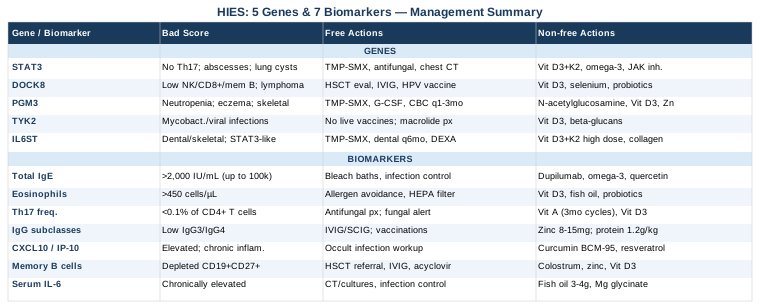
This article takes a more precise approach. The first major section walks through the five genes most commonly implicated in HIES — what each one does, what breaks when it mutates, and what a practical management plan looks like both with and without supplements or specialized interventions. The second section covers seven biomarkers that clinicians and informed patients can use to track immune function, disease activity, and treatment response over time. Beyond those two frameworks, there is also a look at what current research on immune system regulation suggests for daily habits, and at complementary approaches that have at least some human clinical evidence behind them.
Better information does not guarantee better outcomes in a condition this complex, but it does make better decisions more possible. Understanding the specific gene involved, tracking the right numbers, and knowing which interventions target which mechanisms gives patients and their care teams a far sharper set of tools than they typically receive.
Summary
Hyperimmunoglobulin E syndrome is not one disease — it is at least five, each driven by a different gene, each with its own immune failure pattern, its own clinical risks, and its own management logic. This article identifies the five most important genes (STAT3, DOCK8, PGM3, TYK2, and IL6ST), explains what breaks when each one mutates, and provides specific action plans — both with and without supplements — for each. It then covers the seven biomarkers most worth tracking: from the obvious (total serum IgE) to the underused (Th17 cell frequency, CXCL10, circulating memory B cells). You will also find a summary of what current immune research suggests about daily practices that genuinely matter, plus five complementary approaches with real human clinical evidence. The goal is not to replace medical care but to make that care more targeted and informed.
5 Key Genes Behind Hyperimmunoglobulin E Syndrome — And What To Do About Each
Understanding HIES at the genetic level is not an academic exercise. Which gene is mutated determines the infection pattern, the cancer risk, the likelihood of benefit from bone marrow transplant, the role of IgE replacement therapy, and the supplements or interventions most likely to help downstream. The framework popularized by researchers like Ali Torkamani at Scripps Research — using genetic identity to guide precision intervention — applies here, though HIES genes represent rare pathological mutations rather than common polymorphisms. The logic of targeting the downstream consequences of a known genetic defect remains the same.
STAT3 — The Most Common Cause of HIES
STAT3 (Signal Transducer and Activator of Transcription 3) is the gene responsible for autosomal dominant HIES, the most recognized and best-studied form. Located on chromosome 17q21, STAT3 encodes a transcription factor that sits at a critical junction in cytokine signaling. Heterozygous loss-of-function mutations — most of them de novo, meaning they appear spontaneously rather than being inherited — disrupt this signaling in a dominant-negative fashion. The mutant protein actively interferes with the normal copy, amplifying the damage beyond what a simple 50% reduction in function would cause.
The consequences are wide-ranging. STAT3 is essential for Th17 cell differentiation — the T cell subset responsible for defending mucosal surfaces and skin against bacteria and fungi. Patients with STAT3-HIES have almost no circulating Th17 cells, which explains the characteristic susceptibility to Staphylococcus aureus skin abscesses and Aspergillus pneumonias. STAT3 also regulates bone remodeling, connective tissue integrity, and lung epithelial maintenance. Skeletal fragility (pathological fractures, scoliosis), retained primary teeth, joint hyperlaxity, and pneumatoceles — the air-filled lung cysts that develop after severe pneumonias — all trace back to disrupted STAT3 signaling in non-immune tissues. The landmark 2007 NEJM paper by Holland and colleagues established the genetic basis of this form.
If the STAT3 gene is mutated — plan without supplements
The foundational management for STAT3-HIES is prophylactic antimicrobial therapy and aggressive infection surveillance. Trimethoprim-sulfamethoxazole (TMP-SMX) one double-strength tablet daily or three times weekly provides broad coverage against S. aureus and Pneumocystis jirovecii. Antifungal prophylaxis with itraconazole or voriconazole is often added given the pneumatocele risk from Aspergillus. Chest CT every 1-2 years monitors lung architecture. Orthopedic evaluation with DEXA scanning addresses fracture risk. Dental monitoring for retained primary teeth is important, as failure to extract them on schedule accelerates jaw abnormalities. Physical therapy targeting core stability and posture reduces scoliosis progression. These are lifelong commitments with ongoing specialist coordination — frequency: semi-annual pulmonary review, annual orthopedic review, dental review every 6-12 months.
If the STAT3 gene is mutated — plan with supplements or equipment
STAT3 regulates the vitamin D receptor, and frank vitamin D deficiency is common in HIES patients, compounding skeletal fragility. Vitamin D3 at 2,000–4,000 IU daily with paired vitamin K2 (MK-7, 100–200 mcg daily) supports calcium metabolism without excessive arterial calcification risk. Calcium intake of 1,000–1,200 mg per day through food and if needed supplementation is appropriate. Omega-3 fatty acids (2–4g EPA+DHA daily from fish oil or algae-based sources) modulate inflammatory cytokine production downstream of the Th17 deficiency and have a reasonable safety profile; they can be cycled 3 months on/1 month off, though long-term use is acceptable. Emerging clinical evidence supports JAK inhibitors such as baricitinib or ruxolitinib for reducing eczematous and allergic manifestations driven by IL-4/IL-13 signaling (pathways separate from the STAT3 loss-of-function); these are prescription medications, not supplements, but they represent a targeted approach for patients with refractory skin disease. Side effects of JAK inhibitors include increased infection susceptibility, elevated cholesterol, and rare thromboembolic events — close monitoring is required. Cycling is not appropriate for JAK inhibitors; they require continuous use with quarterly labs.
DOCK8 — The Gene That Determines Whether Lymphocytes Survive
DOCK8 (Dedicator of Cytokinesis 8) causes an autosomal recessive form of HIES that is mechanistically distinct from the STAT3 form. Located on chromosome 9p24.3, DOCK8 encodes a guanine nucleotide exchange factor that allows lymphocytes to migrate through tight tissue spaces — specifically the narrow interstitial channels in skin and mucosal barriers. Without functional DOCK8, lymphocytes that enter tissues cannot navigate effectively and undergo a form of mechanical cell death called cytothripsis. The result is progressive loss of CD8+ T cells, NK cells, and memory B cells — and with that loss, mounting vulnerability to viral skin infections (herpes simplex, molluscum contagiosum, HPV), bacterial sinopulmonary infections, and food allergies. As Zhang and colleagues documented in NEJM 2009, DOCK8 deficiency also carries a markedly elevated risk of malignancy, particularly lymphomas and HPV-driven squamous cell carcinomas of the skin and cervix.
If the DOCK8 gene is mutated — plan without supplements
The only curative intervention for DOCK8 deficiency is hematopoietic stem cell transplantation (HSCT), and this option should be discussed early, especially in children with severe phenotypes. Pre-transplant management focuses on preventing infections and malignancy. IVIG replacement at 400–600 mg/kg every 3–4 weeks maintains IgG levels and partially compensates for the antibody memory deficit. Prophylactic antivirals (acyclovir or valacyclovir) reduce herpetic skin disease burden. HPV vaccination is recommended and more urgent in DOCK8 deficiency than in the general population. Dermatological surveillance for malignant transformation of HPV lesions requires examination every 6-12 months. Strict sun protection (SPF 50+, protective clothing) reduces UV-related cancer risk in HPV-compromised skin. Frequency of IVIG infusions: every 3-4 weeks ongoing until HSCT or throughout life if transplant is not pursued.
If the DOCK8 gene is mutated — plan with supplements or equipment
Vitamin D3 (2,000–4,000 IU daily) supports NK cell cytotoxicity and antiviral T cell function — both of which are compromised in DOCK8 deficiency. Maintain serum 25-OH vitamin D between 40-60 ng/mL. Selenium (100–200 mcg daily) has documented antiviral properties via upregulation of glutathione peroxidase; it should be cycled 2-3 months on and 1 month off to avoid toxicity (selenosis manifests as hair loss, brittle nails, and neurological symptoms at chronic doses above 400 mcg). A diverse, multi-strain probiotic (10+ strains, 10–50 billion CFU daily) supports gut barrier integrity and mucosal immunity, which are particularly relevant in DOCK8 deficiency where gut infections are common. Prebiotics (inulin, FOS, 5-10g daily with food) further support this. Note: pre-HSCT, immunosuppressive supplements should be discussed with the transplant team.
PGM3 — The Glycosylation Gene
PGM3 (Phosphoglucomutase 3) encodes an enzyme critical for synthesizing uridine diphosphate-N-acetylglucosamine (UDP-GlcNAc), a sugar molecule used in the glycosylation of proteins across the immune system. Located on chromosome 6q14.1, biallelic loss-of-function mutations in PGM3 impair this glycosylation process in neutrophils, reducing their ability to exit the bone marrow in adequate numbers and function properly at sites of infection. The result is a distinct immunodeficiency characterized by eczema, elevated IgE, recurrent bacterial skin and pulmonary infections, neutropenia, and often skeletal dysplasia and neurocognitive features not seen in the STAT3 form. Th17 differentiation is also impaired, as this T cell lineage depends on glycosylated receptor signaling.
If the PGM3 gene is mutated — plan without supplements
Management centers on infection prophylaxis and neutropenia monitoring. TMP-SMX prophylaxis is standard. G-CSF (granulocyte colony-stimulating factor) can be used to stimulate neutrophil production during severe neutropenic episodes or prior to surgical procedures. CBC with differential every 1-3 months monitors neutrophil trajectory. For severe cases with bone marrow failure, HSCT is an option. Skin care protocols — emollients twice daily, topical calcineurin inhibitors for eczematous flares — reduce infectious portals of entry. Neurological assessment is warranted given reports of cognitive involvement; educational support planning may be appropriate.
If the PGM3 gene is mutated — plan with supplements or equipment
The most mechanistically targeted supplement here is N-acetylglucosamine (GlcNAc), the precursor that PGM3 normally helps channel into protein glycosylation pathways. Supplemental GlcNAc (500–1,000 mg daily) has been studied in inflammatory bowel disease with some evidence of mucosal benefit, and the rationale for PGM3 deficiency is logical, though direct human evidence in HIES patients remains absent as of this writing. It should be considered experimental and discussed with an immunologist. Cycling 2 months on/1 month off is reasonable. Vitamin D3 (2,000–4,000 IU daily) is again warranted. Riboflavin (B2) and zinc support neutrophil function and have a reasonable safety profile at standard doses (zinc 8-15 mg daily; excessive zinc at >40 mg competes with copper absorption and should be avoided). Side effects are minimal at these doses.
TYK2 — The Rare Cytokine Signaling Defect
TYK2 (Tyrosine Kinase 2) is a member of the JAK family of kinases located on chromosome 19p13.2. Biallelic loss-of-function mutations in TYK2 impair signaling for a broad set of cytokines including interferon-alpha/beta, IL-6, IL-10, IL-12, and IL-23. The clinical consequence is a pattern of unusual infections — Mycobacterium species, Salmonella, and severe viral infections — combined with elevated IgE and sometimes eczema. Crucially, de novo gain-of-function TYK2 variants do the opposite: they drive autoimmune diseases such as psoriasis, multiple sclerosis, and lupus. This clinical duality makes TYK2 one of the more complex gene-drug interactions in immunology.
If the TYK2 gene is mutated — plan without supplements
Live attenuated vaccines — including BCG — are contraindicated due to the risk of disseminated mycobacterial disease. Prophylaxis against non-tuberculous mycobacteria (usually with azithromycin or clarithromycin) is often appropriate. When active mycobacterial infection occurs, interferon-gamma (IFN-γ) therapy can partially substitute for the impaired IFN-alpha/beta signaling downstream of TYK2. Regular pulmonary imaging and mycobacterial cultures guide treatment decisions. Frequency: clinical review every 3-6 months.
If the TYK2 gene is mutated — plan with supplements or equipment
Evidence for supplement-based compensation in TYK2 deficiency is sparse, given how rare this mutation is. Vitamin D3 at 2,000–4,000 IU daily supports innate antimicrobial defense through cathelicidin upregulation, which is relevant when interferon pathways are compromised. Mushroom-derived beta-glucans (from Lentinula edodes or Grifola frondosa) have some evidence for stimulating innate immune pathways independent of JAK-STAT signaling. Dose: 500–1,000 mg of standardized beta-glucan extract daily; cycle 3 months on/1 month off; side effects are minimal but quality control varies significantly between products. Any intervention that could further suppress JAK-STAT signaling should be avoided.
IL6ST (gp130) — The Cytokine Co-Receptor
IL6ST, located on chromosome 5q11, encodes gp130 — the shared signaling subunit for a family of cytokines that includes IL-6, IL-11, IL-27, leukemia inhibitory factor (LIF), and oncostatin M. Heterozygous mutations in IL6ST cause an autosomal dominant HIES phenotype that closely resembles STAT3-HIES, which is unsurprising given that gp130 sits directly upstream of STAT3 in the IL-6 signaling cascade. Patients have retained primary teeth, skeletal fragility, eczema, elevated IgE, and reduced Th17 cells. The distinguishing feature is that IL6ST-HIES patients also show impaired IL-11 signaling, which produces particularly severe dental and skeletal abnormalities not always seen in STAT3-HIES.
If the IL6ST gene is mutated — plan without supplements
Management mirrors STAT3-HIES closely: prophylactic TMP-SMX, antifungal prophylaxis, dental monitoring with early extraction of retained primary teeth, DEXA scanning, and pulmonary CT surveillance. Orthopedic coordination for scoliosis and fracture prevention is appropriate from early childhood. Frequency: dental assessment every 6 months beginning in early childhood; annual imaging review.
If the IL6ST gene is mutated — plan with supplements or equipment
Because gp130 mediates both IL-6 and IL-11 signaling, bone metabolism is impaired through multiple pathways. Vitamin D3 (3,000–5,000 IU daily) with vitamin K2 MK-7 (200 mcg daily) and calcium (from food-first, supplemented to 1,200 mg total daily) is the foundational skeletal support regimen. Collagen peptides (10 g daily) may support connective tissue in the context of IL-11 signaling impairment. Omega-3 fatty acids (2–3g EPA+DHA daily) offer systemic anti-inflammatory benefit. Cycling omega-3 is not necessary but fish oil quality matters — look for third-party tested products (IFOS certified). Topical corticosteroids and emollients manage eczema; there is emerging rationale for dupilumab (IL-4/IL-13 blockade) for refractory skin disease, as in STAT3-HIES.
7 Biomarkers Worth Tracking in HIES
Genetic testing identifies which form of HIES a patient has. Biomarkers answer a different question: how is the immune system actually functioning right now, and is that function getting better or worse over time? For a condition as complex as HIES, seven measurements stand out as consistently informative, actionable, and available through either standard or specialized laboratories.
1. Total Serum IgE
Total serum IgE is the cardinal biomarker of HIES and the one that typically triggers the first serious diagnostic workup. Normal values in adults are below 100 IU/mL. In HIES, levels routinely exceed 2,000 IU/mL and often reach 10,000–100,000 IU/mL. The number itself does not predict clinical severity linearly — some patients with very high IgE have fewer infections than expected — but it confirms immune dysregulation and helps with initial diagnosis. In DOCK8 deficiency, total IgE fluctuates more over time than in STAT3-HIES and can occasionally fall to near-normal in some patients, making serial measurement important.
How to measure it
Total serum IgE is measured by immunoassay (ELISA or ImmunoCAP technology) from a standard venous blood draw. It is available at virtually all reference laboratories. Cost range: $30–$80 at commercial labs (Quest, LabCorp); often covered by insurance in an immunodeficiency diagnostic context. Measure at baseline and every 6–12 months to track trends.
If the score is high — the plan without supplements
Total IgE is a consequence of the genetic defect, not a cause, so it cannot be "treated" in isolation. Management targets the underlying driver: optimized infection prevention (prophylactic antibiotics, antifungals) reduces antigenic stimulation that perpetuates IgE production. Effective eczema treatment — regular emollients, avoiding S. aureus skin colonization with dilute bleach baths (0.005% sodium hypochlorite, 2-3 times per week) — reduces the skin barrier disruption that drives IgE class switching.
If the score is high — the plan with supplements or equipment
Dupilumab (a biologic targeting IL-4Rα) significantly reduces total IgE in patients with atopic conditions and has been used off-label in HIES with eczema. It is a prescription biologic requiring injection every 2 weeks, with a favorable safety profile but high cost. Omega-3 fatty acids modulate the Th2 immune environment that promotes IgE synthesis; 2–4g EPA+DHA daily is the standard dose. Vitamin D deficiency promotes Th2 skewing, so correcting vitamin D to 40-60 ng/mL is mechanistically relevant. Quercetin (500 mg twice daily) has mast cell-stabilizing properties and modest evidence for reducing IgE-mediated responses; cycle 3 months on/1 month off; generally well-tolerated, rare GI upset.
2. Absolute Eosinophil Count
Eosinophilia — typically defined as more than 450 cells/µL — is present in the majority of HIES patients and reflects the same Th2-skewed immune environment that drives elevated IgE. Like IgE, eosinophil counts in HIES can be dramatically elevated (>3,000 cells/µL in some cases). Persistent eosinophilia at very high levels warrants monitoring for end-organ involvement, particularly eosinophilic myocarditis and pulmonary eosinophilia, though these are more characteristic of hypereosinophilic syndrome than HIES specifically.
How to measure it
The absolute eosinophil count comes from a standard complete blood count (CBC) with differential, one of the most accessible and inexpensive tests in medicine. Cost: $20–$50 at any commercial lab. Measurement should be done at least annually, more frequently during active infection or treatment changes.
If the count is elevated — the plan without supplements
Reducing antigenic stimulation through infection control and eczema management typically brings eosinophils toward the high-normal range. Identifying and avoiding specific allergen triggers (via IgE panel testing) can reduce the allergic drive to eosinophilia. Environmental control — HEPA filtration, mite-proof bedding, pet avoidance if sensitized — reduces the aeroallergen burden contributing to ongoing Th2 activation.
If the count is elevated — the plan with supplements or equipment
Vitamin D supplementation (2,000–4,000 IU daily) shifts immune polarization toward Th1 and Treg phenotypes, reducing Th2-driven eosinophil recruitment. Fish oil (2–4g EPA+DHA daily) has modest direct evidence for reducing eosinophil activation. Probiotics (particularly Lactobacillus rhamnosus GG and Bifidobacterium species) modulate gut-associated immune responses and have some evidence for reducing atopic eosinophilia in children; standard dose 10–20 billion CFU daily ongoing with quarterly reassessment.
3. Th17 Cell Frequency
This is the most diagnostically specific biomarker for STAT3-HIES and represents an area where standard immunology panels fall short. Th17 cells — CD4+ T cells that produce IL-17A — are the immune subset most dependent on functional STAT3 signaling for their differentiation. In STAT3-HIES, circulating Th17 cells often make up less than 0.1% of CD4+ T cells, compared to approximately 1–4% in healthy individuals. The measurement of Th17 frequency not only supports the diagnosis but also tracks residual immune function and may help gauge treatment response to interventions targeting Th17 differentiation.
How to measure it
Th17 cells are quantified by flow cytometry from peripheral blood, with intracellular cytokine staining for IL-17A after stimulation. This is a send-out test available at academic medical centers and specialty reference labs (e.g., ARUP, Mayo Medical Laboratories). Cost: $200–$500 depending on the panel. Not covered by all insurance plans. Measurement is most informative at diagnosis, after changes to immune-modulating treatment, and annually for monitoring.
If Th17 frequency is very low — the plan without supplements
Very low Th17 frequency in the context of STAT3 or IL6ST mutation is a fixed consequence of the genetic defect and cannot be "normalized" through lifestyle intervention alone. The clinical response is to compensate for the Th17 gap through antimicrobial prophylaxis and aggressive infection treatment. Ensuring high clinical suspicion for Aspergillus and other fungal infections is essential when Th17 levels are severely depleted.
If Th17 frequency is low — the plan with supplements or equipment
Vitamin A (retinol and retinoic acid) is a cofactor in Th17 differentiation. Adequate dietary vitamin A or beta-carotene is relevant; supplementation with 5,000–10,000 IU vitamin A (as retinol) for defined short periods (no more than 3 months at a time due to hepatotoxicity risk) may modestly support the Th17 pathway. Vitamin D at higher doses (5,000 IU daily with monitoring) may help rebalance T cell polarization in patients with severe deficiency. These are supportive measures only — they will not restore Th17 frequency to normal in a patient with a STAT3 dominant-negative mutation.
4. IgG Subclasses
Total IgG is often normal in HIES, which can falsely reassure clinicians about antibody-mediated immune function. What matters more is the distribution across IgG subclasses. IgG subclass deficiencies — particularly IgG3 and IgG4 — occur in a subset of HIES patients and impair specific antibody responses to polysaccharide antigens (relevant for Streptococcus pneumoniae and Haemophilus influenzae) and explain why some HIES patients continue to have bacterial respiratory infections despite seemingly adequate total IgG. In DOCK8 deficiency, memory B cell loss leads to progressive failure of specific antibody maintenance.
How to measure it
IgG subclasses (IgG1 through IgG4) are measured by nephelometry or immunoturbidimetry from a venous blood draw. Cost: $100–$200 at commercial labs; generally covered when ordered in the context of immunodeficiency evaluation. Post-vaccination antibody titers (checking IgG responses to pneumococcal and tetanus vaccines 4-6 weeks after vaccination) provide functional context for the subclass results.
If subclass levels are low — the plan without supplements
Clinically significant IgG subclass deficiency with documented poor vaccine responses is an indication for IVIG or SCIG (subcutaneous immunoglobulin) replacement. Target trough IgG levels above 600–800 mg/dL, or higher if recurrent sinopulmonary infections persist. Vaccination with pneumococcal (both PCV15/20 and PPSV23), meningococcal, and Hib vaccines should be completed and antibody titers checked afterward. Annual influenza vaccination is appropriate.
If subclass levels are low — the plan with supplements or equipment
Immunoglobulin replacement is the definitive intervention. There are no supplements that restore IgG subclass levels. Zinc (8-15 mg daily) supports B cell development and has some evidence for supporting antibody production at moderate doses; it should not exceed 40 mg daily without monitoring for copper deficiency. Ensuring adequate protein intake (at least 1.2-1.6 g/kg/day) is foundational, as immunoglobulins are proteins and chronic malnutrition impairs antibody production.
5. CXCL10 (IP-10)
CXCL10, also known as IP-10 (interferon-gamma-induced protein 10), is a chemokine released in response to interferon-gamma and is elevated in conditions of chronic T cell activation and interferon pathway activity. In HIES patients — particularly those with DOCK8 deficiency — elevated CXCL10 reflects ongoing immune activation and correlates with disease severity and infection burden. Researchers including Thomas Dayspring and others in precision medicine have emphasized that inflammatory biomarkers like CXCL10 often reveal active immune stress before clinical symptoms escalate, making it a valuable monitoring tool.
How to measure it
CXCL10 is measured by ELISA from serum and is available as a send-out test at specialized reference labs. Cost: $100–$250 depending on the laboratory. It is not part of standard immunological panels and may require specific ordering. Baseline measurement followed by monitoring every 6–12 months provides trend data; sharp elevations during apparent wellness may predict impending infectious complications.
If CXCL10 is elevated — the plan without supplements
Elevated CXCL10 in HIES context usually reflects ongoing infection or subclinical immune activation. The clinical response is to investigate for occult infections — particularly viral (EBV reactivation, CMV, herpes simplex) and mycobacterial — and to ensure antimicrobial prophylaxis is optimized. Reducing non-infectious immune stimulation (allergen avoidance, eczema control) also lowers the background CXCL10 drive.
If CXCL10 is elevated — the plan with supplements or equipment
Curcumin (500–1,000 mg of bioavailable form, such as BCM-95 or Meriva, twice daily) has documented inhibitory effects on CXCL10 production in inflammatory contexts; cycle 3 months on/1 month off; side effects are minimal at standard doses but rare GI upset occurs; high doses may interact with anticoagulants. Resveratrol (250–500 mg daily) also reduces CXCL10 in experimental models and has a reasonable safety profile; cycle 3 months on/1 month off. Neither replaces treatment of underlying infection.
6. Circulating Memory B Cells (CD19+CD27+)
Memory B cells are the long-lived repository of immune memory that allows rapid antibody responses upon re-exposure to pathogens or vaccine antigens. In DOCK8 deficiency, the inability of B cells to migrate through tissue effectively leads to progressive and severe depletion of the memory B cell compartment. Measuring CD19+CD27+ memory B cell frequency by flow cytometry provides a direct window into this progressive loss and is one of the best laboratory predictors of which DOCK8 patients will benefit most urgently from HSCT. This measurement is less informative in STAT3-HIES, where memory B cells are typically preserved.
How to measure it
Memory B cell enumeration requires flow cytometry from fresh peripheral blood, typically performed at academic medical centers or reference labs. Cost: $200–$500 as part of a lymphocyte subset panel. Frequency of measurement: every 6-12 months in DOCK8 deficiency, or following any significant infectious illness, to track trajectory.
If memory B cells are severely depleted — the plan without supplements
Severe memory B cell depletion in DOCK8 deficiency is one of the strongest clinical indicators for referral to an HSCT center. No non-transplant intervention restores memory B cell populations in DOCK8 deficiency. In the interim, IVIG replacement compensates for the humoral immune gap, and hyperimmune globulin preparations (specific for varicella or CMV) can be used during exposures to relevant viruses. Aggressive antiviral prophylaxis (acyclovir daily) is standard.
If memory B cells are low — the plan with supplements or equipment
Supporting B cell function at the margins is possible through ensuring adequate zinc and vitamin D — both essential cofactors for B cell differentiation and class switching. Colostrum supplementation (providing immunoglobulins and growth factors at the gut mucosal level) may add a layer of passive mucosal protection; dose: 1–2g daily of first-milking colostrum; generally well-tolerated; cycle 3 months on/1 month off. These are supportive measures — they do not reverse memory B cell loss but may partially compensate for its functional consequences.
7. Serum IL-6
IL-6 is a pleiotropic cytokine with roles in acute phase response, B cell differentiation, Th17 generation, and bone metabolism. In HIES — particularly in the context of STAT3 and IL6ST mutations — IL-6 signaling is structurally impaired despite the cytokine itself sometimes being elevated as a compensatory response. Serial serum IL-6 measurement reflects systemic inflammatory burden and provides context for other biomarkers. Persistently elevated IL-6 in HIES correlates with active infection, progressive organ involvement, and worse metabolic outcomes including bone loss.
How to measure it
IL-6 is measured by high-sensitivity ELISA or electrochemiluminescence from serum. It is available at commercial reference labs and many hospital labs. Cost: $50–$150. IL-6 is acutely reactive and rises rapidly with infection or tissue injury, so results should be interpreted in the context of clinical state. Serial measurements under stable conditions are more informative than single values.
If IL-6 is chronically elevated — the plan without supplements
Chronic IL-6 elevation requires investigation for persistent infectious drivers — particularly S. aureus skin colonization, subclinical sinopulmonary infection, and occult abscesses, which may not always present with obvious symptoms in HIES patients given their altered inflammatory response. CT imaging and cultures guide decisions. Optimizing infection control typically reduces background IL-6 over weeks.
If IL-6 is chronically elevated — the plan with supplements or equipment
Fish oil at 3–4g EPA+DHA daily reduces IL-6 production through competitive eicosanoid pathways and is among the best-documented supplement interventions for chronic low-grade IL-6 elevation. Magnesium glycinate (200–400 mg at night) modulates NF-κB activity and has some evidence for reducing inflammatory cytokines at adequate doses; well-tolerated, with only loose stools as a dose-limiting side effect. Monitoring IL-6 every 6 months provides feedback on whether infection control and anti-inflammatory measures are working.
What the Research on Immune Resilience Tells You — An Andrew Huberman Deep Dive for HIES Patients
Andrew Huberman's podcast, Huberman Lab, has devoted significant attention to the science of immune function, stress, sleep, and behavioral practices that demonstrably alter immune biology. While no episode addresses HIES specifically — it is too rare a condition for popular science coverage — the underlying mechanisms Huberman and his research guests discuss are directly relevant to how HIES patients can optimize immune function within the constraints of their genetic defect. What follows draws from the research discussed across his immune system, sleep, and stress biology episodes, filtered through what matters most for a patient with a primary immunodeficiency.
1. Sleep Duration Is an Immune Non-Negotiable
Huberman consistently returns to the finding that sleep below 6 hours per night reduces NK cell activity by up to 70% and impairs cytotoxic T cell responses. For HIES patients — whose NK and CD8+ T cell compartments are already under strain, particularly in DOCK8 deficiency — chronic sleep restriction compounds an already compromised antiviral immune response. The research is unambiguous: prioritizing 7–9 hours of consolidated sleep is not optional wellness advice; it is a genuine immune intervention.
2. Morning Light Exposure Sets the Clock That Controls Immunity
Circadian biology governs the rhythmic secretion of cortisol, melatonin, and inflammatory cytokines. Huberman discusses research showing that 10–30 minutes of outdoor light exposure within 30-60 minutes of waking anchors circadian timing and regulates the cortisol awakening response — a brief, healthy morning cortisol peak that primes immune surveillance for the day. HIES patients with disrupted sleep from recurrent infections and itch-scratch cycles benefit particularly from this low-cost behavioral reset.
3. Chronic Stress Suppresses the Th1 Arm — Which HIES Patients Cannot Afford to Lose
Sustained psychological stress shifts immune polarization toward Th2 (allergic, inflammatory) and suppresses Th1 (antiviral, intracellular pathogen) responses — a pattern that mirrors and amplifies the baseline Th2 skew already present in HIES. Huberman's episodes on the stress-immunity axis reference work by Firdaus Dhabhar showing that brief acute stress (exercise, cold exposure) enhances immune deployment, while chronic unresolved stress impairs it. The practical implication: managing psychological stress through evidence-based practices is literally immune medicine in this population.
4. Cold Exposure Has a Measurable Impact on NK Cell Activity
Brief cold water immersion (2-4 minutes at 14°C, 1-3 times per week) acutely increases circulating NK cell counts and NK cell cytotoxicity, as documented in multiple Scandinavian studies cited across Huberman's content. For DOCK8 patients with reduced NK cell numbers, this is not a cure — but cold exposure represents a zero-cost, repeatable stimulus for mobilizing available NK cells. Patients should start with short durations and consult their immunologist before adding this if they have open skin lesions.
5. Exercise Has a Dose-Response Relationship With Immune Function
Moderate aerobic exercise (30-60 minutes at 60-70% of max heart rate, 4-5 days per week) increases lymphocyte trafficking, improves NK cell activity, and reduces systemic inflammatory markers including IL-6 and CRP. At the same time, very high-intensity training (marathon training, extreme endurance without recovery) can produce a transient open window of immune suppression. HIES patients should calibrate exercise at the moderate end and prioritize recovery, particularly avoiding hard training when in the early recovery phase after an infection.
6. Sauna Use Mimics Some of the Molecular Responses of Fever
Regular sauna use (15-20 minutes at 80-90°C, 3-4 times per week) activates heat shock proteins and increases immune cell mobilization, including T cell trafficking to lymph nodes. Huberman has referenced Finnish epidemiological data associating regular sauna use with reduced respiratory infection frequency. For HIES patients without significant pulmonary compromise, this is an accessible practice worth considering. Those with significant bronchiectasis or impaired lung function should check with their pulmonologist.
7. The Gut-Immune Axis Is Not a Marketing Claim — It Is Anatomy
Approximately 70% of immune cells reside in or around the gut. Huberman and his guests (including Peter Attia and other experts) consistently emphasize that microbiome diversity — measured by the number of distinct bacterial species — correlates with immune tolerance and responsiveness. HIES patients, who take frequent antibiotics, are at high risk of gut dysbiosis. Deliberately rebuilding microbiome diversity through fermented foods (2-4 servings of kimchi, yogurt, kefir, or sauerkraut daily, per the Sonnenburg lab data Huberman often cites) is one of the most actionable immune-supporting practices in this population.
8. Deliberate Breathing Changes Immune Cell Trafficking in Real Time
Cyclic physiological sighing (two inhales through the nose followed by a long exhale through the mouth, practiced for 5 minutes) reduces anxiety, lowers cortisol, and acutely reduces inflammatory markers. Huberman has covered research from Jack Feldman's lab at UCLA showing that this simple practice changes autonomic balance within minutes. For HIES patients who carry chronic stress from disease management burdens, this is a zero-cost daily practice with genuine neuroimmune relevance.
9. Social Connection Is as Immunologically Important as Lifestyle Habits
Loneliness — which correlates with elevated CXCL10, IL-6, and NF-κB inflammatory gene expression — compounds immune dysregulation in exactly the ways that matter for HIES patients. Research by Steve Cole, cited extensively in Huberman's loneliness episode, shows that chronic social isolation upregulates proinflammatory gene expression and downregulates antiviral gene expression at the transcriptome level. Maintaining genuine social engagement is not soft advice; it is measurably immunological.
10. Foundational Nutrition Determines the Baseline From Which Everything Else Operates
Huberman regularly returns to the finding that nutritional status determines immune ceiling. Adequate protein (1.2–1.6 g/kg/day), zinc (8-15 mg daily from food), selenium (55–100 mcg daily from food; a single Brazil nut provides approximately 70 mcg), and vitamin D are the foundational nutritional requirements for immune competence. In HIES patients who have poor appetite during infectious exacerbations or who avoid foods due to allergies, nutritional assessment with a clinical dietitian is genuinely productive rather than merely adjunctive.
Complementary Approaches With Clinical Evidence
For a condition as medically complex as HIES, complementary approaches should be understood as adjunctive — useful for managing symptoms, supporting immune resilience, and improving quality of life, not as alternatives to genetic diagnosis, prophylactic antibiotics, or IVIG replacement. The following five modalities have at least some meaningful human clinical evidence and are the most plausible matches for the specific challenges HIES patients face.
The Autoimmune Protocol (AIP) — Dietary Framework for Immune Modulation
The Autoimmune Protocol, developed and extensively detailed by research scientist Sarah Ballantyne in The Paleo Approach, is a structured elimination diet designed to reduce intestinal permeability, reduce systemic inflammation, and rebalance immune polarization. While HIES is a primary immunodeficiency rather than an autoimmune disease in the classical sense, it shares immune dysregulation features — elevated inflammatory cytokines, gut barrier compromise from frequent antibiotic use, and the Th2-dominant environment that drives eczema and allergies — that the AIP specifically targets.
The protocol eliminates gluten, dairy, grains, legumes, nightshades, eggs, nuts, seeds, alcohol, and all processed foods for a minimum of 30-90 days, then reintroduces foods systematically to identify triggers. Ballantyne cites studies on intestinal permeability (including the leaky gut research of Alessio Fasano), the microbiome, and dietary modulation of inflammatory cytokines. The emphasis on nutrient density — organ meats, vegetables, fermented foods, omega-3-rich fish — addresses the nutritional gaps common in HIES patients.
For HIES patients, the AIP is most relevant during periods of stable disease, not during active infections when caloric sufficiency takes precedence over dietary restriction. The identification of specific food allergen triggers through the reintroduction phase is particularly useful given the high rate of IgE-mediated food allergy in DOCK8 deficiency. Supervision by a registered dietitian is recommended, especially for children.
Microbiome-Directed Therapies
The gut microbiome in HIES patients is frequently disrupted by repeated courses of broad-spectrum antibiotics. This dysbiosis is not merely an inconvenience — it directly impairs the gut-associated lymphoid tissue (GALT) that generates much of the body's mucosal immune activity. Research on microbiome-directed interventions in primary immunodeficiencies is still early, but human studies in related conditions (common variable immunodeficiency, atopic dermatitis) suggest that targeted microbiome restoration can reduce infection frequency and improve gut barrier function.
A 2022 clinical study published in Cell demonstrated that high-fiber diets and fermented food consumption (not probiotic pills alone) consistently and durably increased microbiome diversity and reduced inflammatory markers, including IL-6, in adult participants. The most effective microbiome-directed approach combines: fermented foods (2-4 servings daily), high prebiotic fiber (25-40g daily from vegetables, legumes, and whole food sources), and targeted probiotic strains based on stool analysis results.
For HIES patients, stool microbiome analysis (available through companies like Genova Diagnostics or Biomesight) can identify specific deficiencies in key commensals (Akkermansia muciniphila, Faecalibacterium prausnitzii, Bifidobacterium species) and guide targeted probiotic supplementation. Antibiotic regimens should be followed by deliberate microbiome rebuilding protocols whenever clinically appropriate. This does not replace prophylactic antibiotics when they are medically indicated.
Mindfulness Meditation and MBSR
Mindfulness-Based Stress Reduction (MBSR) is an 8-week structured program developed by Jon Kabat-Zinn at UMass Medical School. Its immunological relevance comes from demonstrated effects on inflammatory markers, cortisol regulation, and T cell function. For HIES patients — who face the chronic psychological stress of a rare, complex, lifelong disease — the burden of anxiety and anticipatory fear about infections is clinically relevant and demonstrably immunosuppressive.
A well-cited study by Davidson and colleagues found that MBSR training produced greater antibody titers in response to influenza vaccination compared to controls, alongside measurable changes in frontal brain activity. Separately, MBSR has been shown to reduce IL-6 and cortisol in chronically stressed individuals. The standard protocol is 8 weeks of weekly 2.5-hour group sessions plus daily 45-minute home practice — accessible through hospitals, apps (Insight Timer, Waking Up), and online programs.
For HIES patients, MBSR is best framed as a long-term practice rather than a short-term treatment. The stress-immunity connection in HIES is not trivial: anticipatory anxiety about infections, skin appearance, and social limitations drives cortisol patterns that compound Th2 skewing. A regular 15-20 minute daily practice is a realistic minimum that produces meaningful nervous system and neuroimmune benefits over 6-8 weeks of consistent use.
Saline Nasal Irrigation
Recurrent sinusitis is one of the most common and debilitating chronic manifestations of HIES across all genetic subtypes. Chronic sinusitis in HIES reflects the underlying immune failure — pathogens that would be cleared quickly in healthy individuals establish persistent niches in the sinus mucosa, leading to cycles of antibiotic treatment, temporary improvement, and recurrence. Saline nasal irrigation addresses this by mechanically clearing pathogens, biofilms, and inflammatory mediators from the nasal and sinus passages.
A randomized controlled trial of nasal irrigation in chronic rhinosinusitis demonstrated significant improvements in symptom scores and reduced antibiotic use over 6 months. High-volume, low-pressure irrigation (Neti pot or squeeze bottle with 240-480mL of isotonic saline) is more effective than nasal sprays. Using isotonic or hypertonic saline (0.9% or 1.8% NaCl in distilled or previously boiled water) twice daily during acute sinusitis and once daily for maintenance is a standard protocol.
For HIES patients, nasal irrigation is particularly relevant as a way to reduce antibiotic exposure between courses — by keeping sinus passages cleaner and reducing biofilm load. The critical safety note is to use only sterile, distilled, or properly boiled water; tap water (which may contain Naegleria fowleri or Acanthamoeba amoebae) must never be used for nasal irrigation in any patient, and particularly not in immunocompromised individuals.
Breathing-Based Therapies
Chronic lung disease — pneumonias, pneumatoceles, bronchiectasis — is one of the most serious long-term complications of HIES, particularly in the STAT3 form. Breathing-based therapies such as airway clearance techniques, pursed-lip breathing training, and diaphragmatic breathing exercises directly address the pulmonary consequences of recurrent infections and are a recommended component of respiratory management in bronchiectasis guidelines.
Active cycle of breathing technique (ACBT) — combining breathing control, thoracic expansion exercises, and forced expiratory technique — has evidence from controlled trials in bronchiectasis for reducing sputum retention and improving lung function. Published guidelines from the European Respiratory Society support its use in non-cystic fibrosis bronchiectasis, a phenotype mechanistically similar to what develops in HIES lungs. Oscillatory positive expiratory pressure devices (flutter valves, Aerobika devices, Acapella) add mechanical airway clearance to the breathing cycle and are available without prescription.
For HIES patients with established pulmonary disease, a formal assessment by a chest physiotherapist is the most appropriate starting point. A typical protocol involves 15-20 minutes of airway clearance twice daily during stable periods and 3-4 times daily during exacerbations. Salt therapy (halotherapy in a salt room or dry salt inhaler) has limited but emerging evidence for mucociliary clearance and may be a useful addition, though the quality of clinical evidence remains lower than for conventional airway clearance.
Conclusion
Hyperimmunoglobulin E syndrome is genuinely complex, but complexity does not have to mean helplessness. Understanding which gene is responsible for the immune failure changes everything about the management plan — from the decision about bone marrow transplant to the choice of prophylactic antibiotic to the specific supplements most likely to address the downstream consequences. Tracking the right seven biomarkers over time transforms what might otherwise be a reactive, crisis-driven medical experience into something more proactive and measurable.
The immune resilience practices discussed in this article — sleep, circadian timing, stress management, exercise, microbiome support — are not soft alternatives to real medicine. In a condition where the immune system is already working with a structural handicap, every percentage point of functional immune capacity that can be preserved or optimized through evidence-based habits genuinely matters. Complementary approaches, applied appropriately and alongside standard medical care, fill in dimensions of the condition that medication alone does not reach.
The most important next step is not to try everything at once. It is to confirm the genetic diagnosis if not yet done, review the seven biomarkers with an immunologist who specializes in primary immunodeficiencies, and then build a tiered plan that addresses the most urgent gaps first. HIES is managed best as a long game — one where the right information, tracked consistently, leads to better decisions over time.
Musculoskeletal: Bone Conditions
Respiratory: Lung Conditions Allergic Respiratory Conditions
Skin: Inflammatory Skin Conditions Infectious Skin Conditions
Autoimmune: Inflammatory Conditions
Infectious: Bacterial Infections Viral Infections Fungal Infections
Ear, Nose & Throat: Nose & Sinus Conditions