This article contains AI generated content.
· UpdatedPost-Vaccination Arthritis — 5 Genes and 7 Biomarkers to Track
Introduction
Joint pain and stiffness appearing days or weeks after a vaccine tend to provoke one of two unhelpful responses: either they get dismissed as coincidence, or they generate alarm that outpaces the available evidence. Neither helps the person dealing with swollen knuckles, stiff ankles, or aching wrists weeks after a shot. Post-vaccination arthritis is documented across the medical literature — reported after influenza, hepatitis B, and rubella vaccines, and increasingly discussed following COVID-19 mRNA vaccines — and it ranges from brief, self-limiting discomfort to prolonged inflammatory arthritis requiring rheumatological evaluation.
What makes this particularly difficult to navigate is how poorly it maps onto existing frameworks. The reaction is rare enough that many physicians have limited experience with it, but common enough that communities of affected people have formed online, comparing notes and dealing with dismissal. Standard advice — NSAIDs, rest, wait for spontaneous resolution — may help some, but it explains nothing. It doesn't address why inflammation resolves in days for some people and persists for months in others. And it doesn't begin to answer why the same vaccine that produces nothing in most people triggers a significant immunological cascade in a small but real subset.
Most of the answer lies in individual biology. Genetic variants govern how the immune system calibrates its response to adjuvants and foreign proteins. Nutritional status — particularly vitamin D — regulates immune balance at multiple checkpoints. The gut microbiome shapes systemic inflammatory tone. The baseline inflammatory state of the immune system determines how much stimulus it takes before dysregulation follows. Generic protocols that ignore these factors produce inconsistent outcomes because they're not actually targeting the relevant variables.
This article is structured around that premise. The first section covers seven blood-based biomarkers that can be measured, tracked over time, and connected directly to specific interventions — both with and without supplements. The second section explores five genetic variants that explain much of the individual variation in susceptibility and severity, and offers practical plans for each risk profile. Beyond those, there are evidence-based complementary approaches, a functional medicine book worth knowing, and a framework for recovery that doesn't rely on guesswork.
Summary
This article examines 7 measurable biomarkers and 5 genetic variants most relevant to post-vaccination arthritis — what each one reveals, how to measure it, what it costs, and what to do if the result is out of range. The biomarker panel includes both accessible first-line tests (hs-CRP, ESR, ferritin, vitamin D) and more targeted markers that distinguish transient reactive arthritis from triggered autoimmune disease (anti-CCP, IL-6, HLA-B27). The genetic section explores why HLA-B27 makes reactive arthritis far more likely, why PTPN22 lowers the threshold for autoreactive immune responses, how STAT4 amplifies interferon signaling after immune activation, and why MTHFR variants — popularized in precision medicine by Gary Brecka — compromise the methylation and antioxidant capacity needed to resolve inflammation.
Beyond biology, the article includes a 10-point breakdown of Healing Arthritis by Susan Blum, MD — a functional medicine physician whose gut-first framework for resolving chronic joint inflammation challenges conventional rheumatology's strictly suppressive approach. Five complementary modalities with documented human evidence follow, including the Autoimmune Protocol developed by Sarah Ballantyne. Whether you are tracking an active flare, trying to understand why you reacted when others did not, or working to build a better conversation with a rheumatologist, the information here is designed to be useful — specific enough to act on, grounded enough to trust.
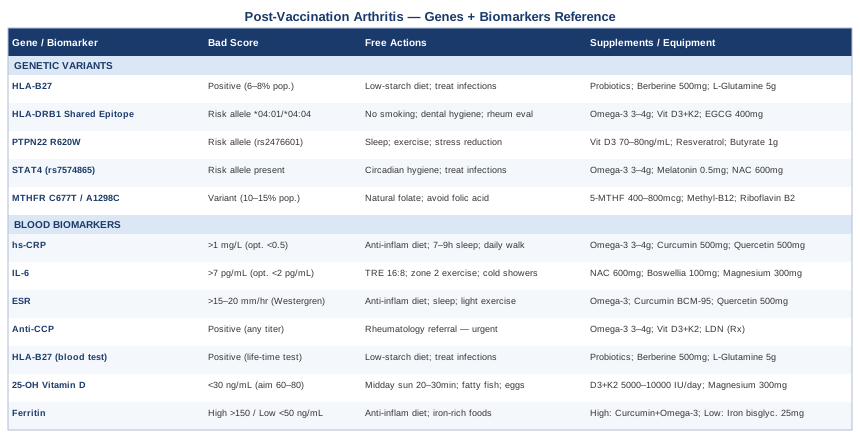
7 Biomarkers That Reveal What Is Happening in Your Joints
The value of tracking biomarkers in post-vaccination arthritis is not just diagnostic — it is longitudinal. A single measurement tells you where you are today. A series of measurements tracked over six to twelve weeks tells you whether inflammation is resolving, plateauing, or worsening, and whether a given intervention is actually moving the needle. The seven markers below represent the most clinically informative panel for this condition. Each one captures something distinct, and together they cover inflammation intensity, immune trajectory, joint disease differentiation, and nutritional status.
1. High-Sensitivity C-Reactive Protein (hs-CRP)
Why It Matters and What It Reveals
C-reactive protein is produced by the liver in response to inflammatory cytokines — primarily IL-6 — within hours of immune activation. It remains elevated as long as inflammation persists and falls quickly once it resolves, making it one of the most responsive real-time signals available. The high-sensitivity version of the test detects lower concentrations than standard CRP, which matters when tracking subclinical or resolving inflammation that would otherwise appear normal on a conventional panel.
Peter Attia, whose evidence-driven approach to preventive medicine includes consistent biomarker tracking, considers hs-CRP one of his core panel markers. His optimal target is below 0.5 mg/L. Values persistently above 1 mg/L indicate the immune system has not returned to baseline. Values above 3 mg/L signal active systemic inflammatory pathology warranting investigation. In post-vaccination arthritis, a baseline hs-CRP taken at the onset of symptoms, followed by measurements every four to six weeks, creates the clearest objective picture of recovery trajectory.
How to Measure It
Available through any standard physician order, or directly through Quest Diagnostics, LabCorp, or direct-to-consumer platforms. Cost range: $15–$50 USD out of pocket, often covered by insurance when ordered for documented inflammatory symptoms. Results are typically returned within one to three business days.
If the Score Is Bad — The Plan Without Supplements
The first priority is identifying and removing whatever is sustaining immune activation. For most people, this involves several simultaneous changes:
Shift to a whole-food anti-inflammatory dietary pattern — Mediterranean or similar — for at least eight to twelve weeks. Eliminate refined seed oils (canola, soybean, sunflower), processed sugar, and ultra-processed foods, which provide the substrate for arachidonic acid-driven inflammation. Sleep is a non-negotiable variable: sleep deprivation is a direct driver of hs-CRP elevation, and seven to nine hours per night is not optional during an inflammatory episode. Light daily physical activity — thirty minutes of walking — consistently reduces hs-CRP in inflammatory conditions without stressing compromised joints. Finally, rule out secondary drivers: untreated dental or gum infection, occult gut dysbiosis, and chronic low-grade viral reactivation can independently sustain CRP elevation long after the vaccine trigger has resolved.
If the Score Is Bad — The Plan With Supplements or Equipment
Omega-3 fatty acids (EPA/DHA): 3–4g/day of combined EPA+DHA from pharmaceutical-grade fish oil. Continuous use — no cycling required. Monitor for blood-thinning effects if combined with anticoagulants. Mild GI effects at high doses resolve with food-based timing.
Curcumin (phospholipid complex or BCM-95 form): 500–1000mg/day. Can be taken continuously or cycled (six weeks on, two weeks off) to monitor individual response. The phospholipid or BCM-95 forms absorb meaningfully better than standard curcumin powder. Avoid with active gallbladder disease; mild GI effects in a minority.
Quercetin: 500mg twice daily. Mast cell-stabilizing, broadly anti-inflammatory. Well-tolerated for continuous use. Some interaction with fluoroquinolone antibiotics.
Infrared sauna: Three to four sessions per week, fifteen to twenty minutes each. Emerging evidence supports heat stress-induced upregulation of anti-inflammatory heat shock proteins and reduction of systemic inflammatory markers. Begin cautiously during active joint flare — avoid if acute joint swelling is severe.
2. Interleukin-6 (IL-6)
Why It Matters and What It Reveals
IL-6 sits upstream of CRP — it's the cytokine that signals the liver to produce it. But measuring IL-6 directly adds significant information: IL-6 is itself a primary driver of synovial hyperplasia (the inflammatory tissue expansion that characterizes active arthritis), systemic fatigue, and cognitive symptoms. The clinical relevance of this cytokine is underscored by the fact that tocilizumab, an IL-6 receptor blocker, is a first-line biologic for rheumatoid arthritis.
In post-vaccination arthritis, elevated IL-6 indicates the immune response has moved beyond localized injection-site reactivity into systemic cytokine signaling — a meaningful escalation. IL-6 elevated in conjunction with high CRP points toward a more aggressive inflammatory phenotype and warrants more intensive intervention and closer monitoring than elevated CRP alone.
How to Measure It
Available through most major labs, generally requiring a physician order. Cost range: $50–$150 USD out of pocket. Reference ranges vary by lab; most consider values above 7 pg/mL elevated. Functional medicine practitioners typically target below 2 pg/mL for optimal immune balance. Because IL-6 fluctuates more rapidly than CRP, two measurements two to four weeks apart give a more reliable picture than a single point.
If the Score Is Bad — The Plan Without Supplements
Time-restricted eating (16:8 or similar pattern) reduces inflammatory cytokine production including IL-6 through multiple mechanisms, without requiring caloric restriction — only compression of the eating window. Moderate-intensity aerobic exercise (zone 2 training, thirty to forty-five minutes, four to five days per week) consistently reduces circulating IL-6 over eight to twelve weeks in people with chronic inflammatory conditions; high-intensity exercise during active flares worsens IL-6 acutely and should be avoided. Cold exposure — cold showers two to three minutes long — transiently reduces IL-6 while increasing anti-inflammatory IL-10; begin gradually and avoid during severe joint inflammation. Addressing visceral adipose tissue matters here: adipocytes are a primary source of IL-6 independent of any vaccination trigger.
If the Score Is Bad — The Plan With Supplements or Equipment
N-Acetyl Cysteine (NAC): 600–1800mg/day. A glutathione precursor with documented IL-6-lowering effects in inflammatory conditions. Cycle: five days on, two days off — or four to six week cycles with two-week breaks, to avoid blunting endogenous antioxidant stimulation. Avoid at high doses alongside nitroglycerin.
Boswellia serrata (5-LOXIN or AKBA-standardized extract): 100–200mg/day of the concentrated active fraction. Inhibits 5-lipoxygenase and the leukotriene cascade that runs parallel to the IL-6-CRP pathway. Continuous use is well-tolerated. Mild GI effects in a minority.
Magnesium glycinate or threonate: 300–400mg/day at night. Magnesium deficiency independently amplifies inflammatory cytokine production including IL-6. Secondary benefit: improved sleep quality, which itself reduces IL-6.
3. Erythrocyte Sedimentation Rate (ESR)
Why It Matters and What It Reveals
ESR measures how quickly red blood cells fall through plasma — a process that accelerates when certain inflammatory proteins are elevated. It's a simpler, older marker than CRP, but it captures a slightly different dimension of the inflammatory process and changes more slowly, making it useful for tracking week-to-week recovery trends when CRP fluctuations are difficult to interpret.
The combination of ESR and CRP is more informative than either alone. Both elevated together confirms active systemic inflammation. ESR elevated with normal CRP may suggest a different type of inflammatory process — certain paraproteinemias, temporal arteritis, or chronic infection. ESR normalizing while CRP remains elevated may indicate ongoing liver-driven acute-phase response without red cell changes — a pattern worth noting when tracking recovery from post-vaccination arthritis.
How to Measure It
Inexpensive and universally available. Cost range: $10–$30 USD. Normal values vary by age and sex; most labs using the Westergren method set upper limits at approximately 15 mm/hr for men and 20 mm/hr for women under fifty, with higher acceptable values in older adults.
If the Score Is Bad — The Plan Without Supplements
The same anti-inflammatory lifestyle modifications that reduce hs-CRP — dietary quality, sleep, light exercise, elimination of secondary triggers — apply directly. ESR tends to lag behind CRP in response to interventions; a meaningful downward trend over four to eight weeks is a positive signal even if absolute values remain above the reference range. Don't expect ESR to normalize on the same timeline as CRP.
If the Score Is Bad — The Plan With Supplements or Equipment
The omega-3, curcumin, and quercetin protocols that reduce CRP will similarly reduce ESR over the same timeline. There are no interventions known to selectively reduce ESR independently of their effect on systemic inflammation — the target is always the inflammatory process itself.
4. Anti-CCP Antibodies (Anti-Cyclic Citrullinated Peptide)
Why It Matters and What It Reveals
Anti-CCP antibodies are produced against citrullinated proteins — a post-translational modification that occurs under inflammatory stress, when the enzyme PAD converts arginine residues to citrulline in proteins. These antibodies are highly specific for rheumatoid arthritis and can appear in the blood years before clinical RA develops.
The critical question in post-vaccination arthritis is whether joint inflammation represents a transient reactive arthritis — which typically resolves without disease-modifying treatment — or a triggered, new-onset rheumatoid arthritis — which requires early treatment to prevent irreversible structural joint damage. Anti-CCP positivity, especially at moderate to high titers, strongly points toward the latter. Anti-CCP negativity in someone with recent-onset inflammatory arthritis after vaccination points toward reactive arthritis or ASIA (Autoimmune/Inflammatory Syndrome Induced by Adjuvants), both of which carry different management implications and generally more favorable prognoses.
How to Measure It
Requires a physician order; it is part of standard rheumatology evaluation. Cost range: $50–$200 USD out of pocket. Results are reported as negative, weak positive, moderate positive, or high positive. If negative at initial presentation with symptoms persisting beyond three months, retesting may catch delayed antibody development that occurs in a subset of patients.
If the Score Is Bad — The Plan Without Supplements
Anti-CCP positivity does not trigger a supplement protocol — it triggers a rheumatology referral. This is one area where biomarker findings directly necessitate specialist evaluation. Early treatment with DMARDs in anti-CCP-positive RA significantly reduces long-term joint damage compared to delayed treatment. Lifestyle changes are valid complements to, not replacements for, medical care in this situation.
If the Score Is Bad — The Plan With Supplements or Equipment
While awaiting or alongside specialist evaluation:
Omega-3 fatty acids: 3–4g EPA+DHA/day. Multiple studies show omega-3 supplementation reduces disease activity scores in established RA and may reduce NSAID requirements. Continuous use.
Vitamin D3 + K2: Optimize 25-OH vitamin D to 60–80 ng/mL. Vitamin D receptor signaling suppresses autoreactive T-cell activity and is particularly relevant in anti-CCP-positive autoimmune trajectories.
Low-dose naltrexone (LDN): 1.5–4.5mg at night, prescribed by a physician. Used off-label in autoimmune conditions; early evidence is encouraging for immune modulation through toll-like receptor 4 antagonism and endorphin upregulation. This requires a prescription and physician oversight — it is not a self-administered supplement.
5. HLA-B27 (Blood Test)
Why It Matters and What It Reveals
HLA-B27 is a genetic marker, but it is ordered as a blood test — via flow cytometry or PCR-based assay — and functions as a rheumatological diagnostic biomarker. HLA-B27 is present in approximately 6–8% of the Western general population, but in individuals with reactive arthritis it is positive in roughly 50–80% of cases. That asymmetry defines its clinical significance.
Knowing HLA-B27 status reshapes the entire picture of post-vaccination joint disease. A positive result doesn't confirm a diagnosis, but it places the person in a biologically distinct group: one with a genetically-mediated predisposition to reactive arthritis, spondyloarthropathy, and axial inflammation that would have manifested in response to any sufficient immune trigger — vaccination or otherwise. It reframes the reaction from a random event to a biologically predictable expression of a particular immune architecture.
How to Measure It
Standard flow cytometry or PCR test, typically ordered by a rheumatologist or primary care physician investigating inflammatory arthritis. Cost range: $100–$300 USD out of pocket; often covered under insurance for documented arthritis workup. This is a once-in-a-lifetime test — HLA type does not change.
If the Score Is Bad — The Plan Without Supplements
HLA-B27 positivity is not a score to fix — it is a risk profile to manage proactively. Klebsiella pneumoniae and certain other gram-negative gut bacteria have structural peptide similarity to HLA-B27 molecules, which may sustain joint inflammation through molecular mimicry long after the initial vaccine trigger has resolved. This is the basis of Dr. Alan Ebringer's low-starch dietary hypothesis for HLA-B27-positive spondyloarthropathy: reducing dietary starch limits colonic fermentation by Klebsiella and related organisms, potentially reducing this ongoing molecular mimicry stimulus.
Beyond diet: treat urinary and gastrointestinal infections promptly rather than waiting for spontaneous resolution; monitor for sacroiliac and spinal symptoms (axial involvement distinguishes spondyloarthropathy from peripheral reactive arthritis); and maintain regular, gentle joint mobility exercises.
If the Score Is Bad — The Plan With Supplements or Equipment
Targeted probiotic therapy: Lactobacillus casei and Bifidobacterium bifidum combinations to displace pathogenic gram-negative gut colonizers. Start at low doses and build over four to six weeks. Continuous use appropriate for HLA-B27-positive individuals with recurrent reactive arthritis.
Berberine: 500mg two to three times daily with meals. Broad-spectrum antimicrobial activity targeting gram-negative gut bacteria including Klebsiella. Cycle: eight to ten weeks on, four weeks off. May lower blood glucose — use caution with diabetes medications. GI effects (loose stool, cramping) are common initially and usually resolve within the first week.
L-Glutamine: 5–10g/day to support intestinal barrier integrity and reduce gut permeability. Continuous use, generally well-tolerated across all populations.
6. 25-OH Vitamin D
Why It Matters and What It Reveals
Vitamin D is not simply a bone-health nutrient. The vitamin D receptor (VDR) is expressed on virtually every immune cell type, and vitamin D signaling regulates the balance between pro-inflammatory and regulatory immune responses at multiple levels — including the induction of regulatory T cells (Tregs) that suppress autoreactive immune activity. Deficiency, which affects an estimated 40–50% of Western populations, is associated with increased autoimmune risk, more severe inflammatory episodes, and reduced Treg activity.
In post-vaccination arthritis, vitamin D deficiency may be a contributing factor to why some people develop a dysregulated inflammatory response while others do not. Studies in rheumatoid arthritis and spondyloarthropathy consistently show that lower vitamin D levels correlate with higher disease activity scores. Optimizing vitamin D does not cure post-vaccination arthritis, but it removes a modifiable immune-regulatory deficit that may be prolonging the inflammatory response.
How to Measure It
Standard blood test: 25-hydroxyvitamin D (25-OH D3). Cost range: $30–$80 USD out of pocket; often covered by insurance. Functional medicine targets are typically 60–80 ng/mL (150–200 nmol/L) — higher than many conventional lab reference ranges, which start at 30 ng/mL as "sufficient." Test every three to six months when actively supplementing to avoid overcorrection.
If the Score Is Bad — The Plan Without Supplements
Midday sunlight exposure on large skin surface areas — arms, legs, and back — for twenty to thirty minutes daily when latitude and season permit. Effectiveness varies significantly by skin tone (darker skin produces vitamin D more slowly), age (production decreases with age), body fat percentage (vitamin D is fat-soluble and sequestered in adipose tissue), and geographic latitude. For most people in northern latitudes or with limited sun exposure, diet and sunlight alone will not restore clinical deficiency to functional ranges.
Dietary sources — wild-caught fatty fish, egg yolks, beef liver — provide modest contributions but are insufficient as sole correction strategies for significant deficiency.
If the Score Is Bad — The Plan With Supplements or Equipment
Vitamin D3 + K2 (MK-7 form): Standard correction doses range from 5,000 to 10,000 IU/day of D3, with 100–200mcg of MK-7 menaquinone. The K2 is essential to direct calcium into bone rather than soft tissue — do not supplement D3 long-term without K2. Monitor 25-OH D levels every three months until stable at the target range, then shift to maintenance.
Magnesium glycinate: 300–400mg/day. Magnesium is required for the enzymatic conversion of vitamin D into its active form (calcitriol). Without adequate magnesium, vitamin D supplementation has limited immune effect regardless of dose. This is frequently overlooked.
Side effects to monitor: vitamin D toxicity produces hypercalcemia (excessive thirst, frequent urination, nausea, confusion). This is very unlikely below 10,000 IU/day in deficient individuals, but testing eliminates guesswork.
7. Ferritin
Why It Matters and What It Reveals
Ferritin is best known as an iron storage protein, but it is also an acute-phase reactant: levels rise during active inflammation independent of iron status, as the liver increases ferritin production in response to the same inflammatory signals that elevate CRP. This dual function makes ferritin informative but occasionally misinterpreted. In post-vaccination arthritis, elevated ferritin alongside elevated CRP and ESR confirms active systemic inflammation and adds signal about inflammatory burden. Very high ferritin — above 500 ng/mL — in an inflammatory context warrants evaluation for more serious conditions, including macrophage activation syndrome or adult-onset Still's disease, both of which can present in post-vaccination inflammatory illness.
Peter Attia includes ferritin in his standard tracking panel alongside CRP, noting that it captures a dimension of inflammatory state that CRP alone does not. His target range is approximately 50–150 ng/mL for men and 30–100 ng/mL for premenopausal women, understanding that values at either extreme carry distinct clinical implications.
How to Measure It
Included in many standard iron panels. Cost range: $20–$50 USD. Widely available and inexpensive.
If the Score Is Bad — The Plan Without Supplements
If ferritin is elevated due to active inflammation — which in post-vaccination arthritis is the most common reason — the primary intervention is reducing systemic inflammation through the dietary, sleep, and lifestyle approaches already described. Ferritin will decrease as inflammation resolves; it is a consequence, not a cause.
If ferritin is low — which can occur in inflammatory states due to hepcidin-mediated iron sequestration — prioritize iron-rich whole foods: grass-fed red meat, liver, oysters, and dark leafy greens with vitamin C to enhance non-heme iron absorption. Avoid coffee and black tea within two hours of meals, as they inhibit iron absorption significantly.
If the Score Is Bad — The Plan With Supplements or Equipment
For low ferritin: iron bisglycinate at 25–50mg elemental iron is the most tolerable oral form, producing less GI discomfort than ferrous sulfate. Take with vitamin C, away from calcium, zinc, and coffee. Cycle: eight to twelve weeks, then retest. Avoid supplementing beyond documented deficiency — iron excess has its own inflammatory consequences.
For elevated ferritin due to inflammation: the curcumin, quercetin, and omega-3 interventions described above will gradually reduce ferritin as they address its underlying inflammatory source.
Tracking these seven biomarkers together — not in isolation — creates a layered picture of what is happening and whether interventions are working. The pattern across multiple markers is always more informative than any single value, and the trajectory over time is what actually guides decision-making.
The 5 Genetic Variants Behind Individual Susceptibility
Biomarkers tell you where you are. Genes tell you why you got there. The five variants below account for a substantial portion of the individual variation in post-vaccination arthritis susceptibility and trajectory. Understanding your genetic profile doesn't change what has already happened, but it does change how intelligently you can manage what comes next — and it allows you to identify risk modifiers that are genuinely targetable.
Direct-to-consumer genetic testing provides raw data that can be analyzed through third-party platforms (Genetic Genie, Promethease, SelfDecode) for most of these variants. HLA typing specifically is more accurately done through dedicated immunogenetics testing rather than standard consumer panels.
Gene 1: HLA-B27 — The Reactive Arthritis Gate
What It Affects
HLA-B27 encodes a cell-surface protein that the immune system uses to display fragments of intracellular proteins for T-cell surveillance. The B27 variant has a structural feature that makes it susceptible to molecular mimicry: peptides from certain gram-negative bacteria — particularly Klebsiella pneumoniae, Chlamydia trachomatis, and Yersinia species — resemble HLA-B27-presented fragments closely enough that an immune response initially directed at the pathogen redirects against the body's own joint tissue.
After vaccination, a similar cross-reactive mechanism may be triggered in some cases: the immune activation provoked by adjuvants and vaccine antigens primes T-cell populations that, in HLA-B27-positive individuals, may include autoreactive clones targeting synovial tissue. HLA-B27 remains the single most powerful genetic predictor of reactive arthritis and spondyloarthropathy risk — present in 6–8% of the general population, but in 50–80% of reactive arthritis cases.
If the Gene Is Bad — The Plan Without Supplements
Maintain a low-starch dietary pattern — reducing fermentable carbohydrates limits the colonic overgrowth of starch-fermenting gram-negative organisms that sustain molecular mimicry. This is the core of the dietary approach developed by rheumatologist Dr. Alan Ebringer based on his Klebsiella-B27 hypothesis.
Treat infections promptly: urinary tract infections and GI infections should not be left to resolve spontaneously in HLA-B27-positive individuals, as they can trigger or sustain reactive arthritis episodes. Monitor for axial symptoms — sacroiliac pain, morning back stiffness — which distinguish spondyloarthropathy from peripheral reactive arthritis and alter both prognosis and treatment. Maintain regular joint mobility exercises even between symptomatic episodes.
If the Gene Is Bad — The Plan With Supplements or Equipment
Targeted probiotic therapy: Lactobacillus casei and Bifidobacterium bifidum to competitively displace gram-negative colonizers. Start low and build over four to six weeks; expect some initial GI adjustment. Continuous use appropriate.
Berberine: 500mg two to three times daily with meals. Gram-negative antimicrobial activity with particular relevance to the Klebsiella hypothesis. Cycle eight to ten weeks on, four weeks off. Monitor blood glucose; GI effects common in the first week.
L-Glutamine: 5–10g/day for intestinal barrier support. The integrity of the gut lining directly affects how much gram-negative bacterial material translocates into systemic circulation and potentially sustains joint inflammation. Continuous use.
Gene 2: HLA-DRB1 Shared Epitope — The Rheumatoid Arthritis Susceptibility Allele
What It Affects
Certain alleles of HLA-DRB1 — primarily *04:01, *04:04, *04:05, and *01:01 — encode a shared amino acid sequence in the antigen-binding groove of the MHC class II molecule, known as the shared epitope. This sequence is the strongest genetic predictor of rheumatoid arthritis risk and severity known. Carrying one shared epitope allele roughly triples RA risk; carrying two alleles increases risk by seven to fifteen fold depending on additional genetic and environmental context.
In post-vaccination arthritis, the shared epitope is relevant because it predisposes individuals toward an autoimmune trajectory rather than a self-limiting reactive arthritis trajectory. Vaccination, like smoking, periodontal infection, and gut dysbiosis, can serve as an environmental trigger that initiates citrullination and anti-CCP antibody production in individuals who carry the genetic predisposition — a mechanism well-established in autoimmune research and increasingly studied in the vaccine-related context.
If the Gene Is Bad — The Plan Without Supplements
If you carry the shared epitope and have developed post-vaccination joint inflammation, early rheumatology evaluation and anti-CCP testing become the top priority. Shared epitope knowledge is most actionable precisely because early treatment in anti-CCP-positive RA dramatically reduces long-term joint damage.
Smoking is the most powerful modifiable environmental risk multiplier for shared epitope carriers — it dramatically increases protein citrullination and anti-CCP antibody production. Cessation is the highest-yield single intervention. Periodontal disease driven by Porphyromonas gingivalis — which expresses a bacterial PAD enzyme that citrullinates human proteins — is a documented environmental trigger for RA in shared epitope carriers. Rigorous dental hygiene and regular professional cleaning are genuinely relevant here, not incidental.
If the Gene Is Bad — The Plan With Supplements or Equipment
Omega-3 fatty acids: 3–4g EPA+DHA/day. The most evidence-supported nutritional intervention for RA disease activity; relevant for shared epitope carriers at any stage of immune activation. Continuous use.
Vitamin D3 + K2: Target 60–80 ng/mL of 25-OH vitamin D. Vitamin D receptor signaling directly suppresses autoreactive T-cell populations and is particularly important in HLA-driven autoimmune risk contexts.
EGCG (green tea extract): 400–800mg/day of standardized epigallocatechin gallate. Inhibits synovial fibroblast proliferation and reduces inflammatory cytokine production in RA models and preliminary human studies. Cycle six to eight weeks on, two weeks off. Avoid on an empty stomach; monitor liver enzymes with extended high-dose use.
Gene 3: PTPN22 (rs2476601) — The Autoimmune Threshold Gene
What It Affects
PTPN22 encodes lymphoid tyrosine phosphatase (LYP), a regulatory protein that acts as a brake on immune cell activation. The R620W variant produces a hyperactive form of LYP that, paradoxically, lowers the threshold for autoreactive immune cell activation — making it easier for self-reactive T and B cells to escape the normal suppression mechanisms that prevent autoimmune disease. This variant was identified as a significant risk factor across multiple autoimmune conditions including rheumatoid arthritis, type 1 diabetes, systemic lupus erythematosus, and thyroid autoimmunity, as documented in foundational immunogenetics research (Bottini et al., Nature Genetics, 2004).
In the context of post-vaccination arthritis, PTPN22 R620W is a plausible explanation for why certain individuals mount an autoimmune-like response to a vaccine — the regulatory brake that normally prevents self-reactive cells from surviving and proliferating is less effective, meaning immune stimulation carries a higher risk of autoreactive spillover.
If the Gene Is Bad — The Plan Without Supplements
Focus on all practices that support regulatory T-cell (Treg) function, since this is the population most directly compromised by PTPN22 R620W impairment. Consistent sleep schedule (same bedtime and wake time daily) preserves circadian immune regulation and Treg activity. Moderate exercise, five days per week, supports Treg populations better than sedentary behavior or high-intensity training. Chronic psychological stress via sustained cortisol elevation directly suppresses Treg induction — stress reduction through any consistent practice (meditation, nature exposure, social connection) is mechanistically relevant, not metaphorical.
Avoid unnecessary immune stimulation where controllable. Space out required vaccinations when possible in consultation with a physician.
If the Gene Is Bad — The Plan With Supplements or Equipment
Vitamin D3: Particularly critical for PTPN22 risk allele carriers, since vitamin D directly induces Treg production via the VDR pathway. Target 70–80 ng/mL. Combine with K2 and magnesium as described.
Resveratrol (trans-resveratrol): 250–500mg/day. Supports Treg induction and modulates NF-κB inflammatory signaling. Cycle: eight weeks on, four weeks off. Avoid high doses with anticoagulants; may interact with CYP450 liver enzymes.
Sodium or calcium butyrate: 1–2g/day. Butyrate supports intestinal barrier integrity and drives Treg induction in the intestinal immune compartment through HDAC inhibition. Continuous use; generally well-tolerated. Mild GI effects initially.
Gene 4: STAT4 (rs7574865) — The Interferon Amplifier
What It Affects
STAT4 is a transcription factor that transduces signals from IL-12 and type I interferons — cytokines central to both antiviral innate immunity and autoimmune pathology. The rs7574865 risk allele increases STAT4 expression and amplifies downstream interferon signaling, which significantly raises susceptibility to rheumatoid arthritis and systemic lupus erythematosus. This was established in a landmark publication in the New England Journal of Medicine by Remmers et al. in 2007 (PMID 17804836).
In post-vaccination arthritis, this variant matters because vaccines that activate innate immune pathways — particularly mRNA vaccines via TLR7/8 signaling, or adjuvanted vaccines via NLRP3 activation — may produce a disproportionate interferon response in STAT4 risk allele carriers. Sustained interferon signaling drives the kind of prolonged immune activation that underlies arthritis persisting weeks to months beyond the vaccine event.
If the Gene Is Bad — The Plan Without Supplements
Circadian rhythm integrity directly regulates type I interferon cycling. Sleeping in a dark environment (no light exposure during sleep), maintaining consistent wake times, and minimizing blue light exposure in the two hours before bed are all documented influences on immune-circadian coupling. Address any untreated chronic infections, which provide an ongoing interferon-stimulating signal that compounds STAT4-amplified responses.
If the Gene Is Bad — The Plan With Supplements or Equipment
Omega-3 fatty acids: EPA specifically reduces IFN-α production and downstream STAT signaling. 3–4g EPA+DHA/day, continuous use.
Low-dose melatonin: 0.5–1mg taken thirty minutes before sleep. Physiological-range dosing — not the 5–10mg doses commonly sold — regulates circadian-immune coupling and has documented immunomodulatory effects relevant to interferon signaling. Avoid pharmacological doses (5mg+) which may paradoxically stimulate immune pathways.
NAC: 600–1200mg/day. Antioxidant buffering of the oxidative stress generated by IFN-amplified immune activation. Cycle as described above (five days on, two off, or four to six week cycles).
Gene 5: MTHFR (C677T and A1298C) — The Methylation Foundation
What It Affects
MTHFR encodes methylenetetrahydrofolate reductase, the enzyme responsible for converting dietary folate into its biologically active form (5-methyltetrahydrofolate, or 5-MTHF). This active form is essential for the methylation cycle — the biochemical pathway governing gene expression, neurotransmitter synthesis, DNA repair, and homocysteine metabolism. MTHFR variants, particularly C677T and A1298C, are among the most prevalent polymorphisms in the human genome: the C677T homozygous TT genotype appears in 10–15% of European populations.
Gary Brecka, a human biologist who has brought precision supplement protocols based on genetic variants into mainstream health culture, consistently identifies MTHFR as one of the highest-impact common genetic variants in inflammatory and autoimmune conditions. The mechanisms are multiple: impaired methylation reduces glutathione synthesis (the primary endogenous antioxidant), elevates homocysteine (a direct inflammatory molecule), impairs immune gene regulation via epigenetic methylation deficits, and reduces the body's capacity to resolve rather than sustain inflammatory states. In post-vaccination arthritis, MTHFR variants may not directly cause the condition but they can impair the resolution mechanisms that should bring inflammation back to baseline.
If the Gene Is Bad — The Plan Without Supplements
Prioritize dietary natural folate over synthetic folic acid: dark leafy greens (spinach, kale, romaine), asparagus, avocado, broccoli, and legumes. Natural folate is metabolized differently than synthetic folic acid and bypasses some of the MTHFR conversion bottleneck. Remove synthetic folic acid sources — most standard multivitamins and fortified processed foods — as unmetabolized synthetic folic acid in MTHFR variant carriers may compete with natural folate at receptor sites.
Support choline intake (eggs, liver) and riboflavin (B2), both of which support MTHFR enzyme activity even in variant carriers and are commonly underconsumed.
If the Gene Is Bad — The Plan With Supplements or Equipment
L-Methylfolate (5-MTHF): 400–800mcg/day for heterozygous carriers; up to 1–5mg/day for homozygous TT carriers, under physician guidance. This is Brecka's foundational recommendation for MTHFR carriers — the pre-converted, active form of folate that the MTHFR enzyme is supposed to produce. Start low: some people with long-standing methylation deficiency experience "methyl flooding" effects (anxiety, irritability, vivid dreams) when initiating, which typically resolve within one to two weeks or with dose adjustment. Continuous use once tolerated.
Methylcobalamin (methyl-B12): 1000mcg/day sublingual or from a methylated complex supplement. Works synergistically with 5-MTHF to support the methylation cycle. Standard cyanocobalamin does not adequately substitute for MTHFR carriers. Continuous use.
Riboflavin (B2): 200–400mg/day. Riboflavin is the direct enzymatic cofactor for MTHFR — supplementation can meaningfully increase MTHFR activity even in variant carriers, regardless of genotype. Well-tolerated; urine will turn bright yellow (harmless). Continuous use.
The pattern that emerges across these five genes is consistent: post-vaccination arthritis is not random. It is, in a significant subset of cases, the biologically predictable expression of specific immune architectures encountering a potent immune stimulus. Understanding which of these variants are relevant to you gives every subsequent decision — from dietary choices to specialist consultations — a more precise foundation.
What Healing Arthritis by Susan Blum Gets Right About Chronic Joint Inflammation
Healing Arthritis by Susan Blum, MD is a 2017 functional medicine guide written by a physician and chronic illness patient who developed rheumatoid arthritis herself and recovered through the approaches she describes. The book stands out because it is unusually well-referenced, honest about the limits of its approach, and deeply specific about mechanism — not vague about "inflammation" in the way much popular health writing tends to be. Ten of its most clinically important claims are summarized below, each of which has direct relevance to post-vaccination arthritis.
1. The Gut Is Where Arthritis Begins
Blum's foundational argument is that intestinal hyperpermeability — leaky gut — is the upstream event that allows immune system miseducation to occur. When tight junction proteins in the gut lining loosen, bacterial lipopolysaccharides (LPS) and undigested food antigens enter systemic circulation, driving chronic immune activation and creating the conditions for autoimmune cross-reactivity. She argues that treating arthritis without healing the gut addresses only downstream consequences. This framework aligns with the emerging science on the gut-joint axis and is particularly relevant to the HLA-B27-positive reactive arthritis pattern.
2. Your Microbiome Has a Fingerprint That Predicts Joint Risk
Blum cites the growing body of microbiome research showing that specific microbial imbalances — particularly overgrowth of Prevotella copri (identified in new-onset RA by Scher et al.) and depletion of Faecalibacterium prausnitzii (a primary butyrate producer) — are not coincidental but mechanistically linked to joint inflammation. She emphasizes that identifying and addressing these imbalances through targeted probiotics, prebiotics, and dietary change is a realistic therapeutic strategy, not merely theoretical.
3. Food Sensitivities Are Not the Same as Food Allergies
Standard allergy testing misses a category of immune reactions that Blum considers highly relevant to chronic arthritis: delayed-type hypersensitivity reactions to gluten, dairy, corn, eggs, and nightshades, mediated by IgG rather than IgE. These reactions do not cause anaphylaxis — they cause low-grade systemic inflammation that is nearly invisible in isolation but significant in aggregate. Her two-phase elimination protocol — removing all major culprits for three weeks, then systematically reintroducing them one at a time — is the only reliable way to identify individual food triggers, and it remains the gold standard for this purpose.
4. Stress Hormones Directly Modulate Immune Function
Chronic psychological stress produces sustained cortisol elevation that initially suppresses immune responses (explaining why stress relieves flares short-term) but ultimately leads to glucocorticoid resistance in immune cells, paradoxically amplifying downstream inflammation. Blum is precise about this: it is not that stress "weakens" the immune system in a vague sense, but that the HPA axis dysregulation that accompanies chronic stress creates immune dysregulation that worsens autoimmune activity over time. This makes stress management a biochemically grounded intervention, not a lifestyle suggestion.
5. Molecular Mimicry Explains Why the Immune System Attacks the Wrong Target
Blum presents molecular mimicry — the mechanism by which immune responses against microbial proteins cross-react with structurally similar self-proteins — as central to understanding reactive and post-infectious arthritis. This is directly relevant to post-vaccination arthritis: if vaccination generates immune responses that cross-react with joint proteins due to structural similarity between vaccine antigens and synovial tissue components, the result is joint inflammation that persists well beyond the vaccine stimulus itself. Understanding this mechanism helps explain why symptom management alone is insufficient.
6. The Three-Supplement Foundation She Returns to Again and Again
Across different arthritis presentations and genetic profiles, Blum repeatedly returns to the same three nutritional interventions as foundational: high-dose omega-3 fatty acids (3–4g EPA+DHA/day), vitamin D3 optimization to 60–80 ng/mL, and bioavailable curcumin. She is explicit about dosing, forms, and realistic timelines — noting that omega-3s take eight to twelve weeks to meaningfully shift inflammatory status, that most people require 5,000–8,000 IU/day of D3 to reach functional ranges, and that standard curcumin powder has negligible bioavailability without phospholipid or pepper extract enhancement.
7. Hidden Viral Reactivation Is Overlooked in Chronic Arthritis
One of the book's more challenging claims is that Epstein-Barr virus (EBV) reactivation — a phenomenon that occurs in a significant proportion of adults under immune stress — is an underdiagnosed driver of chronic inflammatory arthritis. EBV DNA has been detected in synovial tissue of RA patients, and EBV antigens share structural similarity with certain human proteins through molecular mimicry. Blum recommends testing viral antibody panels (VCA IgG, EA IgG, EBNA) in patients with chronic arthritis, particularly those whose disease onset followed a period of stress or immune challenge. This is an area where her recommendations outpace current mainstream rheumatology consensus, but the mechanistic reasoning is plausible.
8. Th17 Cells Are the Primary Drivers of Synovial Inflammation
Blum dedicates significant attention to the Th17 T-cell subset — a pro-inflammatory immune cell population that is dramatically elevated in RA and other inflammatory arthritides. Th17 cells produce IL-17, which drives synovial inflammation, bone erosion, and tissue destruction. The key insight she offers is that Th17/Treg balance — not simply total inflammation levels — determines whether the immune system resolves or sustains joint inflammation. Interventions that shift this balance (vitamin D, omega-3s, probiotics, low-starch diet) are working on a more precise mechanism than general anti-inflammatory approaches.
9. Healing the Gut Before Treating the Joints
Blum's clinical sequencing is counterintuitive to most rheumatology workflows: she argues that beginning with gut healing — before or alongside DMARD therapy — produces better long-term outcomes than treating joint inflammation pharmacologically while ignoring intestinal permeability. Her protocol starts with a four-week elimination diet, then adds gut-repair supplements (L-glutamine, zinc carnosine, collagen peptides), and only then addresses systemic immune modulation. In post-vaccination arthritis specifically, where the condition may be self-limiting if inflammatory drivers are properly addressed, this sequence is especially worth considering.
10. Conventional Rheumatology Suppresses; Functional Medicine Aims to Resolve
Blum is careful not to dismiss conventional rheumatology — she uses DMARDs and biologics in her practice and considers them essential when structural joint damage is threatened. But she draws a clear distinction between suppression and resolution. Methotrexate, for instance, reduces disease activity while it is taken but does not address the upstream triggers that sustain it. Her framework asks a different question: what is keeping immune activation going, and can those sources be removed? This is a question most rheumatological frameworks do not systematically pursue, and it is precisely where the biomarker and genetics approach described in this article becomes clinically useful.
Complementary Approaches with Documented Evidence
The approaches below have human clinical evidence supporting their use in inflammatory arthritis and related autoimmune conditions. They are complements to, not replacements for, medical care — and for any individual, the choice of which to pursue should be guided by symptom pattern, practical accessibility, and honest assessment of the evidence.
The Autoimmune Protocol (Sarah Ballantyne)
The Autoimmune Protocol (AIP), developed by Dr. Sarah Ballantyne in The Paleo Approach (2014), is a structured elimination and reintroduction dietary protocol specifically designed for autoimmune conditions. It removes foods hypothesized to compromise intestinal barrier integrity or contribute to immune dysregulation — including grains, legumes, dairy, eggs, nightshades, nuts, seeds, alcohol, and NSAIDs — while emphasizing nutrient-dense whole foods and gut-supportive practices. For post-vaccination arthritis specifically, AIP is relevant because it directly targets the gut-joint axis, intestinal permeability, and the food-mediated immune triggers that may sustain inflammation beyond the initial vaccine event.
A 2017 prospective cohort study published in Inflammatory Bowel Diseases found that an AIP-based dietary intervention significantly reduced clinical disease activity in Crohn's disease and ulcerative colitis patients, with improvements correlating to reduced intestinal inflammation markers. While this study addressed IBD rather than arthritis directly, the mechanistic overlap — gut permeability, Th17/Treg imbalance, inflammatory cytokine production — makes the findings relevant. Ballantyne's framework has also been applied in clinical case series on RA and other autoimmune arthritides with reported benefit, though large randomized trials specific to post-vaccination arthritis do not yet exist.
The practical protocol involves a six-week strict elimination phase followed by systematic single-food reintroductions every five to seven days. This requires planning and commitment but is achievable without supervision for most adults. The most common mistake is rushing reintroductions; moving too quickly prevents identification of individual triggers. Ballantyne's materials include detailed reintroduction sequencing that makes the process manageable. This protocol pairs directly with the HLA-B27 gut-health recommendations and the L-Glutamine, butyrate, and probiotic interventions described in the genetics section above.
Mindfulness Meditation and MBSR
Mindfulness-Based Stress Reduction (MBSR), the eight-week protocol developed by Jon Kabat-Zinn at the University of Massachusetts Medical School, has been studied in rheumatic conditions with consistent evidence of benefit in pain experience, psychological distress, and disease perception. The mechanism is not merely psychological: sustained mindfulness practice reduces cortisol pulsatility, decreases NF-κB-mediated pro-inflammatory gene expression, and preserves regulatory T-cell activity — all of which are directly relevant to the immune dysregulation pattern in post-vaccination arthritis.
In a study by Pradhan et al. published in Arthritis & Rheumatism (2007), a randomized controlled trial of MBSR in rheumatoid arthritis patients demonstrated significant reductions in psychological distress and depressive symptoms, with a trend toward reduced disease activity at six-month follow-up. While this study focused on RA rather than post-vaccination arthritis specifically, the overlap in underlying inflammatory mechanisms makes the findings applicable.
The protocol consists of eight weekly group sessions (approximately two and a half hours each) plus a full-day retreat and home practice of forty-five minutes daily. App-based alternatives (Insight Timer, Headspace, Waking Up) offer practical starting points for those without access to formal MBSR programs. Realistic expectations: MBSR does not produce dramatic acute anti-inflammatory effects in days — the documented benefits emerge over eight to twelve weeks of consistent practice and appear to be sustained with ongoing practice. For individuals experiencing the anxiety, frustration, and helplessness that often accompany prolonged post-vaccination illness, MBSR addresses a psychoneuroimmunological dimension that no supplement or biomarker protocol touches.
Tai Chi
Tai chi is a slow, flowing movement practice originating in Chinese martial arts, practiced at low intensity with consistent rhythmic breathing and focused attention. Its relevance to inflammatory arthritis lies in several overlapping mechanisms: it maintains joint mobility without the mechanical stress of conventional exercise, reduces cortisol and sympathetic nervous system activation, improves balance and proprioception, and appears to modulate inflammatory cytokine profiles in directions consistent with reduced disease activity.
A systematic review by Lee et al. published in Rheumatology (2007) evaluated controlled trials of tai chi in rheumatoid arthritis and related conditions, finding consistent evidence of benefit in physical function, walking speed, range of motion, and patient-reported pain — with no adverse effects documented across included trials. A subsequent analysis of tai chi in inflammatory arthritis populations supported these findings and noted that twelve-week programs produced the most reliable functional improvements.
For post-vaccination arthritis, tai chi is most appropriate in the subacute phase — once acute joint swelling is stabilizing — rather than during the most severe period of active flare. Starting with three twenty-minute sessions per week of beginner-level instruction (widely available online through established teachers) and building to daily practice is a realistic entry point. The mindfulness and breathing components provide an additional layer of autonomic regulation that complements the physical joint benefits.
Low-Level Laser Therapy (Photobiomodulation)
Low-level laser therapy (LLLT), also called photobiomodulation, applies specific wavelengths of near-infrared and red light to tissue at doses insufficient to heat the tissue but sufficient to stimulate cellular energy production (ATP synthesis via cytochrome c oxidase), reduce oxidative stress, and modulate inflammatory cytokine production. In arthritis research, LLLT has been studied as a pain-reducing and inflammation-reducing intervention for both osteoarthritis and inflammatory arthritis.
A Cochrane systematic review by Brosseau et al. evaluated LLLT for rheumatoid arthritis and found significant short-term reductions in pain and morning stiffness compared to placebo, with the most consistent effects at wavelengths of 780–860nm and doses between 0.2 and 9.6 joules per point. The review noted that effects were most pronounced in the short term (four weeks) and diminished somewhat at follow-up, suggesting that ongoing treatment may be needed for sustained benefit rather than a single treatment course.
Practically, LLLT can be applied through clinical physiotherapy devices or increasingly through high-quality consumer-grade devices (PlatinumLED, Joovv, and similar). Devices should deliver at minimum 660nm red and 850nm near-infrared wavelengths at adequate power density. For affected joints, typical protocols involve three to five sessions per week of ten to twenty minutes per area. Contraindications include active cancer, over the thyroid gland, and during pregnancy. Evidence is sufficient to make LLLT a reasonable adjunct for joint pain and inflammation in post-vaccination arthritis, with low risk and reasonable accessibility.
Microbiome-Directed Therapies
The gut microbiome's role in inflammatory arthritis is now supported by a body of human evidence robust enough to warrant clinical consideration. Studies including the landmark work by Scher et al. on Prevotella copri in new-onset RA have established that specific microbial imbalances — not just generalized dysbiosis — correlate with arthritis susceptibility and disease activity. The mechanism involves both microbial translocation (bacterial products crossing a permeable gut lining into systemic circulation) and direct immune training effects — the gut microbiome shapes the systemic immune repertoire through continuous microbial antigen exposure.
Microbiome-directed interventions with human evidence include: targeted probiotic supplementation (particularly strains with documented anti-inflammatory effects: Lactobacillus casei Shirota, Lactobacillus rhamnosus GG, Bifidobacterium bifidum), prebiotic fiber to support beneficial short-chain fatty acid producers, elimination of emulsifiers and artificial sweeteners that disrupt microbial communities, and fermented food integration (kimchi, kefir, sauerkraut). Fecal microbiota transplant (FMT) in arthritis is under investigation but not yet an established clinical option outside of research settings.
For post-vaccination arthritis specifically, the most accessible and immediately actionable microbiome intervention is a combination of: high-fiber whole food dietary pattern, targeted probiotic supplementation at therapeutic doses (at least ten billion CFU/day of multi-strain formulations), and prebiotic foods (garlic, onion, leeks, asparagus, green banana). Timeline for measurable effects on systemic inflammatory markers: four to eight weeks minimum. This intervention integrates naturally with the gut-healing approach described in both the HLA-B27 genetics section and the Sarah Ballantyne AIP protocol, and can be pursued in parallel with any of the other modalities described here.
Conclusion
Post-vaccination arthritis is a genuine, biologically grounded condition — not psychosomatic, not coincidental, and not identical from one person to the next. The individual variation in who develops it, how severe it is, and how long it lasts is not random. It reflects the specific combination of genetic risk factors — HLA type, PTPN22 status, STAT4 amplification, methylation capacity — interacting with nutritional status, gut microbiome composition, and the baseline inflammatory state of the immune system at the time of vaccination.
The seven biomarkers described in this article give you a way to measure what is actually happening and track whether it is changing. The five genetic variants give you a way to understand why you responded the way you did and what specific biological targets are worth prioritizing. The functional medicine framework from Susan Blum, the complementary approaches with documented human evidence, and the practical supplement protocols with cycling and side-effect guidance are all there to translate that understanding into action.
The clearest next step is the most useful one given where you currently are: if you haven't yet measured hs-CRP, IL-6, anti-CCP, and vitamin D, those tests are the most accessible starting point. If you have results already and don't know what to do with them, bring this framework to a rheumatologist or functional medicine physician who can help contextualize your specific pattern. And if you have been dismissed or told to simply wait, understanding your own biomarkers and genetic context puts you in a much stronger position to advocate for the evaluation you actually need.
Digestive Endocrine & Metabolic Autoimmune
Musculoskeletal: Joint Conditions
Autoimmune: Inflammatory Conditions