This article contains AI generated content.
· UpdatedSemimembranosus Bursitis — 5 Genes And 7 Biomarkers To Track
Introduction
Pain at the back of the knee that lingers, swells, and returns no matter what you try is a particular kind of frustrating. Semimembranosus bursitis — inflammation of the small fluid-filled sac nestled between the semimembranosus tendon and the medial gastrocnemius — is often underdiagnosed or lumped together with Baker's cyst and generic posterior knee pain. The distinction matters. This bursa sits at a precise anatomical junction, and its tendency to become chronically inflamed in some people but not others points to something deeper than bad posture or overuse alone.
Standard advice — rest, ice, anti-inflammatories, maybe a cortisone injection — works for some people some of the time. But it doesn't explain why certain individuals develop recurrent bursitis despite doing everything right, why some respond to NSAIDs while others plateau, or why the condition flares up again after months of apparent resolution. Generic protocols are designed for populations, not for individuals. The real question is: what is maintaining the inflammatory environment in your specific body?
This is where biomarkers and genetics become genuinely useful tools rather than abstract concepts. Tracking the right biological signals can reveal whether you are dealing with a systemic low-grade inflammatory state, a connective tissue vulnerability, a metabolic imbalance, or a combination of all three. These aren't just academic insights — each one opens a specific intervention window that most standard treatment protocols never touch.
The article covers two complementary angles. The first examines seven actionable biomarkers — measurable through accessible blood tests — that can show whether your inflammatory load is high, where it comes from, and how to shift it. The second looks at five genes associated with inflammatory regulation and connective tissue integrity that may explain why some people are more prone to bursitis and how to compensate when the genetic deck is stacked against you. Together, these two lenses can move you from guessing to tracking, and from tracking to targeted action.
7 Biomarkers to Track When You Have Semimembranosus Bursitis
Understanding your biomarkers does not replace clinical care, but it adds a layer of precision that is otherwise missing. Each of the markers below has a plausible mechanism linking it to bursal inflammation, and each has at least one concrete intervention path.
1. High-Sensitivity C-Reactive Protein (hsCRP)
Why it matters
CRP is produced by the liver in response to circulating interleukins, primarily IL-6. It is one of the most reliable, affordable, and well-studied proxies for systemic inflammatory activity. When the body is running a persistent low-grade inflammatory state — driven by diet, poor sleep, visceral adiposity, or metabolic dysfunction — bursae are among the tissues that pay the price. The semimembranosus bursa sits in a mechanically loaded zone; systemic inflammation combined with local mechanical stress is a particularly reliable recipe for persistent bursitis. Multiple studies have confirmed that elevated hsCRP predicts worse outcomes in musculoskeletal conditions involving tendon and bursal tissue.
How to measure it
A standard hsCRP blood test is widely available through primary care physicians, direct-to-consumer labs, and most hospital lab networks. Cost ranges from $10 to $35 out-of-pocket. The key distinction is high-sensitivity CRP — standard CRP panels are calibrated for acute infections and will miss the subtle chronic elevations that matter here. Ask specifically for hsCRP. Optimal range is below 0.5 mg/L; anything above 1.0 mg/L suggests a meaningful inflammatory load; above 3.0 mg/L is a clear signal that warrants investigation.
If the score is bad, the plan without supplements
The most powerful free interventions are: sleep quality (7-9 hours, consistent schedule), eliminating ultra-processed foods and seed oils high in omega-6 (corn, soybean, sunflower), adopting a whole-food anti-inflammatory diet (Mediterranean pattern), and performing zone 2 cardio (conversational-pace aerobic work) for 30-45 minutes, four times per week. Each of these interventions has peer-reviewed evidence for reducing hsCRP by 20-40% over 8-12 weeks. Cold water immersion (10-15 minutes at 50-60°F, two to three times per week) has also been shown to downregulate systemic inflammatory markers including CRP.
If the score is bad, the plan with supplements or equipment
Omega-3 fatty acids (EPA+DHA) at 2-4g per day is the best-supported supplement for reducing hsCRP — effects become measurable after 6-8 weeks and are dose-dependent. Curcumin with piperine (500-1000mg curcumin, 5-10mg piperine) has shown significant reductions in CRP in randomized trials. Research on curcumin supports its use at this dose. Infrared sauna (3-4 sessions per week, 20 minutes at 170-180°F) mirrors the cardiovascular and anti-inflammatory effects documented in Finnish sauna studies. Cycle curcumin at 8 weeks on, 2 weeks off to monitor tolerance. Side effects: GI discomfort at high doses; piperine inhibits some drug metabolism — check interactions if on medication.
2. Serum Interleukin-6 (IL-6)
Why it matters
IL-6 is the upstream signal that drives CRP production, but it is also a direct mediator of local joint inflammation. In bursitis, elevated IL-6 within the joint environment promotes synovial and bursal cell proliferation, fluid accumulation, and tissue sensitization. Tracking serum IL-6 alongside hsCRP gives a more complete picture: high IL-6 with high CRP indicates active systemic inflammation; high IL-6 with normal CRP can point to a localized or early-stage process. IL-6 has been detected at elevated levels in the synovial fluid of inflamed joints, making it particularly relevant for bursal pathology.
How to measure it
Serum IL-6 is available through specialty labs and some hospital panels. Cost ranges from $40 to $90. It requires a specific request — it is not part of standard inflammation panels. Optimal is below 3 pg/mL; above 7 pg/mL is clinically concerning; above 10 pg/mL in a chronic, non-acute context warrants investigation.
If the score is bad, the plan without supplements
Time-restricted eating (16:8 pattern) has been shown to suppress IL-6 by reducing NF-kB pathway activity — the key transcription factor driving IL-6 production. Vigorous exercise followed by recovery reduces chronic IL-6; paradoxically, acute exercise transiently raises it (which is anti-inflammatory in the long run). Reducing visceral fat is the single most powerful lifestyle intervention for chronically elevated IL-6, as adipose tissue is a major IL-6 secretion site.
If the score is bad, the plan with supplements or equipment
Boswellia serrata (AKBA fraction) at 300mg three times daily inhibits the 5-LOX pathway and has demonstrated IL-6 suppression in joint tissue studies. Omega-3 (EPA specifically) competes with arachidonic acid in IL-6 production pathways. Red light / near-infrared photobiomodulation devices targeting the knee (660nm and 850nm, 10-20 minutes per session) have demonstrated local anti-inflammatory effects including IL-6 reduction in bursal-adjacent tissue. Cycle boswellia at 8 weeks on, 4 weeks off. Side effects: occasional GI discomfort; boswellia has mild blood-thinning properties.
3. Uric Acid
Why it matters
Uric acid is not just a gout marker. Elevated serum uric acid causes microcrystal deposition in soft tissue — including bursae — triggering an acute inflammatory cascade mediated by NLRP3 inflammasome activation. Bursitis caused or exacerbated by uric acid is often misdiagnosed as simple overuse injury. Even sub-gout levels of uric acid (5.5-7.0 mg/dL in men) can maintain a low-grade inflammatory state within bursal tissue. Studies on soft tissue uric acid deposition show bursal involvement even without classic gouty arthritis symptoms.
How to measure it
Uric acid is included in most standard metabolic panels. If not, it can be ordered separately for $10-25. Optimal is below 5.0-5.5 mg/dL (as recommended by Thomas Dayspring and metabolic medicine specialists). Clinical hyperuricemia thresholds are 7.0 mg/dL in men and 6.0 mg/dL in women, but sub-threshold elevation is still relevant for bursitis recurrence.
If the score is bad, the plan without supplements
The most effective free interventions are: eliminating fructose (particularly HFCS) and alcohol (especially beer — high in purines), reducing red meat and organ meat, increasing hydration (uric acid is highly soluble and excretable with adequate water intake), and eating more low-purine plant protein. These dietary changes alone can reduce uric acid by 1-2 mg/dL over 6-8 weeks.
If the score is bad, the plan with supplements or equipment
Tart cherry concentrate (30ml twice daily) has been shown in multiple trials to reduce both serum uric acid and inflammatory markers. Quercetin at 500mg twice daily inhibits xanthine oxidase (the enzyme producing uric acid) and also functions as an anti-inflammatory. Vitamin C at 500-1000mg daily has modest but consistent uricosuric effects. Combine these only under guidance if you are on prescription urate-lowering therapy. Side effects: tart cherry concentrate is high in natural sugars — avoid if insulin resistant; cycle quercetin at 8 weeks on, 2 weeks off.
4. Erythrocyte Sedimentation Rate (ESR)
Why it matters
ESR is one of the oldest and most reliable nonspecific inflammatory markers. While less precise than hsCRP for capturing subtle changes, it is particularly sensitive to inflammatory states driven by autoimmune activity, chronic infection, or dysproteinemia — all of which can underlie recurrent bursitis. When hsCRP and ESR are both elevated, it suggests a broader and more entrenched inflammatory process. When only ESR is high, it can point toward a different inflammatory driver than acute-phase reactants alone. In musculoskeletal conditions, persistent ESR elevation often reflects inadequate resolution of the inflammatory phase.
How to measure it
ESR is routinely available on inflammatory panels through any lab. Cost is $10-25. Normal reference ranges: approximately less than 15 mm/hr for men under 50, less than 20 mm/hr for men over 50; less than 20 mm/hr for women under 50, less than 30 mm/hr for women over 50. Tracking ESR alongside hsCRP over months gives a more complete picture of inflammatory trajectory.
If the score is bad, the plan without supplements
Addressing the underlying drivers matters more here than for hsCRP alone. Focus on chronic stress reduction (the hypothalamic-pituitary-adrenal axis directly modulates inflammatory cascades), adequate sleep (consistently below 7 hours drives ESR elevation), and identifying any low-grade infectious or autoimmune triggers that may need medical evaluation. Regular gentle movement — walking, swimming, cycling — is superior to rest for normalizing ESR in chronic inflammatory states.
If the score is bad, the plan with supplements or equipment
Magnesium glycinate at 300-400mg at night reduces stress-mediated inflammatory activation and supports sleep quality — both of which influence ESR. Curcumin and omega-3 as described above remain relevant here. Compression therapy around the knee (medical-grade compression sleeves, pneumatic devices) reduces local inflammatory mediator accumulation and supports lymphatic drainage. If ESR remains persistently above 40 mm/hr despite lifestyle changes, this warrants investigation for underlying rheumatological or infectious causes before pursuing supplementation.
5. Homocysteine
Why it matters
Homocysteine is a methylation metabolite that, when elevated, directly damages collagen crosslinks, disrupts connective tissue repair, and increases vascular-mediated inflammation. The bursa and surrounding tendons rely on high-quality collagen scaffolding. A chronically elevated homocysteine environment subtly degrades this scaffolding, making the tissue more susceptible to inflammatory flares and slower to recover. Studies linking elevated homocysteine to musculoskeletal tissue degradation are less discussed in clinical bursitis guidelines but are mechanistically compelling.
How to measure it
A homocysteine blood test costs $30-60 and is available through most lab networks. It requires a specific request. Optimal is below 9 µmol/L (recommended by Peter Attia and other longevity medicine practitioners). Standard labs often flag elevation only above 13-15 µmol/L, meaning you may receive a "normal" result that is suboptimal for tissue health. Request the actual number, not just a normal/abnormal flag.
If the score is bad, the plan without supplements
The most effective dietary strategy is increasing intake of folate-rich whole foods (dark leafy greens, lentils, chickpeas), B12-rich foods (liver, eggs, sardines, shellfish), and B6-rich foods (poultry, potatoes, bananas). These three B vitamins are the direct cofactors driving homocysteine remethylation and transsulfuration. Alcohol strongly elevates homocysteine by depleting B vitamins — reducing consumption has a rapid effect.
If the score is bad, the plan with supplements or equipment
Use active-form B vitamins only — this is critical, especially if MTHFR variants are present (see genetics section). The protocol: methylfolate 400-800mcg, methylcobalamin 1000mcg, and pyridoxal-5-phosphate (P5P) 25-50mg daily. TMG (trimethylglycine) at 1-3g per day provides methyl groups via the BHMT pathway — particularly useful for those with MTHFR impairment. Retest homocysteine after 8-12 weeks on supplementation. Side effects: rare; active B12 can cause mild skin reactions in sensitive individuals. Avoid high-dose B6 (above 200mg/day) due to neuropathy risk; at therapeutic doses under 100mg/day this is not a concern.
6. 25-Hydroxyvitamin D (25-OH Vitamin D)
Why it matters
Vitamin D functions as a steroid hormone regulating over 2,000 genes, including multiple anti-inflammatory pathways. Deficiency is specifically associated with increased musculoskeletal pain, impaired tendon and bursal tissue repair, and exaggerated inflammatory responses to mechanical stress. Meta-analyses on vitamin D and musculoskeletal conditions consistently show that deficiency is associated with both increased pain severity and impaired recovery. The relationship is dose-dependent — optimal range appears to be 50-70 ng/mL, with levels below 30 ng/mL carrying significantly elevated risk.
How to measure it
A 25-OH Vitamin D blood test costs $30-60 out of pocket and is often covered by insurance with a physician order. Test in late winter or early spring for the most clinically relevant reading (natural sun exposure is minimal). Retest 3 months after starting supplementation. Target 50-70 ng/mL; below 40 ng/mL warrants action; below 20 ng/mL is frank deficiency.
If the score is bad, the plan without supplements
Midday sun exposure to arms and legs (15-30 minutes without sunscreen) is the most bioavailable form of vitamin D synthesis — UV-B triggers cutaneous D3 production. Dark-skinned individuals require longer exposure. Dietary sources that matter: wild fatty fish (salmon, sardines, mackerel), egg yolks, and beef liver. These are insufficient alone to correct deficiency but contribute meaningfully to maintenance.
If the score is bad, the plan with supplements or equipment
Vitamin D3 (not D2) at 2000-5000 IU daily is standard; individuals with low baseline levels or VDR gene variants (see genetics section) may need 5000-8000 IU to reach the target range — always guided by retesting. Always pair with Vitamin K2 (MK-7 form) at 100-200mcg to prevent soft tissue calcification. Magnesium is required to activate Vitamin D — without adequate magnesium, D supplementation is less effective. Magnesium glycinate 300mg at night supports both vitamin D activation and sleep. Retest every 3 months while optimizing. Side effects: hypercalcemia is possible at sustained high doses (above 10,000 IU/day) — stay within tested therapeutic ranges.
7. Omega-6 to Omega-3 Fatty Acid Ratio
Why it matters
This ratio is one of the most overlooked and most modifiable drivers of chronic inflammatory tone. Omega-6 fatty acids (particularly arachidonic acid) are the substrate for pro-inflammatory eicosanoids, prostaglandins, and leukotrienes — exactly the signaling molecules involved in bursal inflammation. Omega-3 fatty acids (EPA and DHA) compete for the same enzymatic pathways and shift the balance toward anti-inflammatory and pro-resolving mediators. The average Western diet delivers a ratio of 15-20:1 (omega-6 to omega-3); evidence suggests a ratio below 4:1 is protective for inflammatory conditions. Research on omega fatty acid ratios and joint inflammation supports this threshold.
How to measure it
Standard lipid panels do not capture this. You need a fatty acid panel — products like OmegaCheck (Cleveland HeartLab) or OmegaQuant measure red blood cell fatty acid composition, which reflects 3-month dietary intake. Cost ranges from $50-100. The OmegaQuant test is also available as a home fingerstick test without a physician order. Target an omega-3 index above 8% and a ratio below 4:1.
If the score is bad, the plan without supplements
Eliminate the major omega-6 sources: seed oils (soybean, corn, sunflower, cottonseed, canola) are the primary drivers of an unfavorable ratio in most Western diets. Replace with olive oil, avocado oil, and butter. Increase fatty fish (sardines, mackerel, wild salmon — two to three servings per week), walnuts, and flaxseed. These changes alone, consistently applied over 3-4 months, can meaningfully shift the ratio.
If the score is bad, the plan with supplements or equipment
EPA and DHA fish oil at 2-4g combined per day is the most evidence-based supplemental intervention. Retest the omega-3 index after 3-4 months on supplementation to confirm actual tissue incorporation — supplement absorption varies considerably between individuals. Algae-based DHA is a plant-based alternative with comparable bioavailability. Choose triglyceride-form fish oil (not ethyl ester) for 50-70% better absorption. Cycle: this is a lifestyle intervention, not a short-term course — run indefinitely with quarterly monitoring. Side effects: mild fishy aftertaste (use enteric-coated capsules), slight blood-thinning effect at high doses — monitor if on anticoagulants.
5 Genes That May Influence Your Susceptibility to Semimembranosus Bursitis
Genetic variants do not determine destiny — but they shift probabilities. If your inflammatory genes produce more pro-inflammatory signals, or your connective tissue genes produce structurally weaker collagen, you will require more deliberate countermeasures to maintain the same inflammatory balance as someone without those variants. The genes below are among the most relevant for understanding chronic musculoskeletal inflammation, connective tissue vulnerability, and bursitis recurrence. Testing is available through direct-to-consumer services (23andMe, AncestryDNA) or functional medicine genomics platforms (SelfDecode, Genome Medical).
Evidence note: Most of what follows is based on mechanistic studies and gene-association research; large-scale RCTs specifically targeting these SNPs in bursitis populations do not yet exist. The interventions listed are grounded in evidence for the biological pathway, not for bursitis specifically.
1. IL-6 Gene (rs1800795)
What this gene affects
The -174G/C polymorphism in the IL-6 promoter region is one of the most studied inflammatory gene variants. Carriers of the G allele (GG or GC genotype) have been shown to produce significantly higher baseline and stimulated IL-6 levels compared to CC carriers. In the context of bursitis, this translates to a more robust inflammatory response to the same mechanical trigger — meaning a minor knee trauma or repetitive movement that would be unremarkable for one person may initiate a prolonged bursal inflammatory cascade in a G allele carrier. Studies on IL-6 polymorphism and joint inflammatory phenotypes support this elevated-inflammatory-tone effect.
If the gene is bad, the plan without supplements
For G allele carriers, the most impactful free strategy is reducing the inflammatory stimuli that trigger IL-6 release: controlling visceral fat (IL-6 is an adipokine — fat loss has a disproportionate effect in high-IL-6 producers), performing regular zone 2 aerobic exercise (which downregulates baseline IL-6 over weeks of consistent training), and implementing structured cold exposure (10-15 minutes at 50-60°F, two to three times per week — cold suppresses NF-kB signaling, the master switch for IL-6 transcription). Avoid prolonged sitting, which chronically stimulates low-grade IL-6 production.
If the score is bad, the plan with supplements or equipment
Curcumin (500-1000mg with piperine) directly inhibits NF-kB and reduces IL-6 transcription — particularly relevant for this variant. Omega-3 fatty acids at 3-4g daily provide substrate competition that reduces arachidonic-acid-driven IL-6 induction. For individuals with confirmed G/G genotype and persistently elevated serum IL-6 despite lifestyle changes, red light therapy (660-850nm panel, 10-20 minutes per session, 5 days/week targeting the knee) has local anti-inflammatory effects. Cycle curcumin 8 weeks on, 2 weeks off. Side effects: low; piperine may increase absorption of some medications.
2. TNF-Alpha Gene (TNFA, rs1800629)
What this gene affects
TNF-alpha is a central pro-inflammatory cytokine that activates the same NF-kB pathway as IL-6 and drives synovial and bursal tissue inflammation. The rs1800629 G>A polymorphism (A allele) is associated with significantly higher TNF-alpha production. A allele carriers show stronger inflammatory responses to tissue stress, slower resolution of acute inflammation, and higher rates of chronic inflammatory joint conditions. TNF-alpha gene variants have been studied in rheumatoid arthritis, osteoarthritis, and other chronic joint inflammatory conditions. While bursitis-specific data are limited, the mechanistic pathway is directly relevant.
If the gene is bad, the plan without supplements
Intermittent fasting (16:8 daily pattern) is one of the best-documented free strategies for reducing basal TNF-alpha — the fasting period suppresses adipose-tissue TNF secretion and reduces systemic inflammatory tone. A Mediterranean dietary pattern (high olive oil, fish, vegetables, legumes) has been shown in multiple trials to reduce TNF-alpha levels. Prioritizing visceral fat reduction through caloric deficit + resistance training has an outsized effect in A-allele carriers. Reducing ultra-processed food intake removes the constant inflammatory stimulus that keeps TNF-alpha elevated in genetically susceptible individuals.
If the score is bad, the plan with supplements or equipment
Boswellia serrata (AKBA standardized extract) at 300mg three times daily inhibits both the TNF-alpha pathway and 5-LOX — making it particularly relevant for this variant. Quercetin at 500mg twice daily also demonstrates TNF-alpha suppression in human studies. For high-burden carriers with chronic bursitis recurrence, combining these with omega-3 (2-4g EPA+DHA) creates a multi-pathway anti-TNF protocol. Cycle boswellia: 8 weeks on, 4 weeks off. Side effects: boswellia is generally well-tolerated; rare GI discomfort; mild anticoagulant properties at high doses.
3. MTHFR Gene (rs1801133, C677T)
What this gene affects
MTHFR encodes the enzyme methylenetetrahydrofolate reductase, which converts folate into its active form for use in the methylation cycle. The C677T polymorphism — present in roughly 40% of the population in heterozygous form and 10-15% in homozygous form — significantly impairs this conversion, leading to elevated homocysteine, impaired collagen crosslinking, reduced glutathione production, and a chronically pro-inflammatory cellular environment. For bursitis, the consequences are twofold: weaker connective tissue structure and higher systemic inflammatory background. Multiple studies link MTHFR impairment to elevated inflammatory markers and musculoskeletal tissue vulnerability.
If the gene is bad, the plan without supplements
The critical free intervention is avoiding synthetic folic acid (found in fortified foods and cheap supplements) — in C677T carriers, unmetabolized folic acid may actually worsen the pathway blockage. Instead, focus on natural food-form folates: organ meats (liver is the richest source), dark leafy greens (spinach, chard, romaine), lentils, and beans. Collagen-rich bone broth and dietary glycine (from skin-on poultry and connective tissue cuts) support methyl-donor pathways through secondary routes.
If the score is bad, the plan with supplements or equipment
For T allele carriers, only active-form B vitamins are effective: methylfolate (not folic acid) at 400-1000mcg, methylcobalamin (not cyanocobalamin) B12 at 1000-2000mcg, and P5P (pyridoxal-5-phosphate, active B6) at 25-50mg daily. TMG (trimethylglycine) at 1-3g bypasses the MTHFR bottleneck via the BHMT enzyme and is particularly useful for homocysteine reduction in C677T carriers. Retest homocysteine after 8 weeks to confirm pathway support. Side effects: active B vitamins can occasionally cause initial irritability or skin reactions in sensitive individuals — start low and titrate. Homozygous TT carriers should work with a functional medicine practitioner.
4. Vitamin D Receptor Gene (VDR, rs2228570 / Fok1)
What this gene affects
The Fok1 polymorphism in the VDR gene alters the starting codon of the vitamin D receptor protein, producing a receptor that is 3 amino acids longer and functionally less efficient in activating vitamin D target genes. Carriers of the TT or TC genotype at this locus have measurably impaired vitamin D signaling even at adequate serum levels — meaning a 50 ng/mL serum 25-OH Vitamin D provides less downstream anti-inflammatory effect in these individuals than in FF genotype carriers. For bursitis, this matters because vitamin D signaling directly modulates the NF-kB inflammatory pathway, regulates anti-inflammatory macrophage polarization, and supports connective tissue gene expression. VDR polymorphism studies show associations with increased musculoskeletal pain and inflammatory burden.
If the gene is bad, the plan without supplements
Because receptor efficiency is reduced, maximizing input matters more: extended midday sun exposure (30-45 minutes rather than 15-20), magnesium-rich diet (magnesium is required for hydroxylation steps in vitamin D activation — nuts, seeds, leafy greens, dark chocolate), and regular aerobic exercise which upregulates VDR expression in muscle and immune cells even with impaired receptor function.
If the score is bad, the plan with supplements or equipment
VDR Fok1 TT carriers typically need higher D3 supplementation targets — aim for serum 25-OH Vitamin D of 60-80 ng/mL rather than the standard 40-60 ng/mL target, using 3000-8000 IU D3 daily depending on tested response. Always combine with K2 (MK-7) 100-200mcg and magnesium glycinate 300-400mg. Because receptor efficiency is reduced, magnesium optimization is non-negotiable for this variant — without sufficient magnesium, D3 supplementation is converted less efficiently to its active form. Retest every 90 days while optimizing. Side effects: hypercalcemia risk at sustained high doses; pair with K2 and monitor with blood tests.
5. COL5A1 Gene (rs12722)
What this gene affects
COL5A1 encodes type V collagen, a fibril-regulating collagen that controls the diameter and tensile properties of type I collagen fibers in tendons, ligaments, and bursal walls. The rs12722 C>T polymorphism (particularly TT genotype) is associated with structurally weaker connective tissue — thinner fibrils, reduced load capacity, and higher susceptibility to micro-tears and inflammatory responses to mechanical stress. This is particularly relevant for the semimembranosus bursa, which is constantly exposed to the mechanical forces of hamstring contraction. Studies on COL5A1 variants and tendon/connective tissue injury risk have confirmed this association in multiple athletic and clinical populations.
If the gene is bad, the plan without supplements
The most effective free strategies are load management (avoiding sudden increases in knee flexion demand — particularly deep squatting, cycling load, or running gradient) and eccentric strengthening of the posterior chain (hamstrings, gastrocnemius), which has the best evidence for improving connective tissue resilience. A structured program of Nordic hamstring curls and single-leg deadlifts at 3 sets of 8-12 reps, three times per week, has demonstrable effects on tendon and peritendinous tissue quality over 8-12 weeks. Adequate dietary protein (1.6-2.2g per kg of body weight) provides the amino acid substrate for collagen synthesis.
If the score is bad, the plan with supplements or equipment
Hydrolyzed collagen peptides (Type I/III) at 10-15g per day, taken with 30-60mg vitamin C (which is required as a cofactor for collagen crosslinking), directly support connective tissue matrix maintenance. Research on collagen peptide supplementation shows increased collagen synthesis in tendons and peritendinous structures, particularly when taken 30-60 minutes before exercise. Vitamin C at 500mg before training sessions (not chronically high-dose) enhances collagen gene expression in peritendinous tissue. Side effects: collagen peptides are very well tolerated; rare GI discomfort at high doses. Take consistently for at least 12 weeks before assessing benefit.
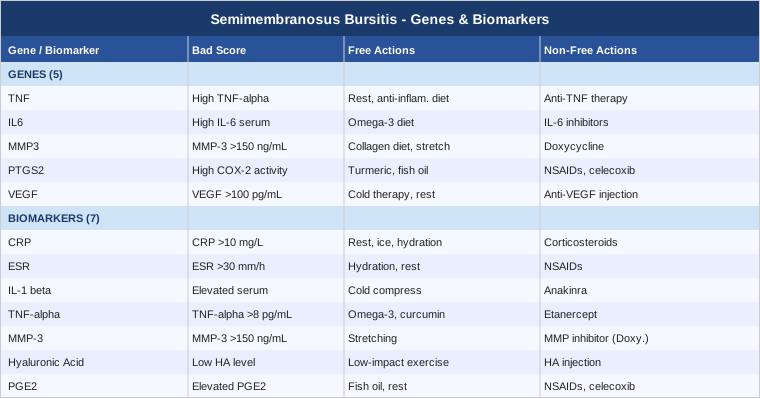
Reference Table: Genes and Biomarkers at a Glance
What Andrew Huberman's Science of Inflammation Can Teach You About Bursitis Recovery
The Huberman Lab podcast has covered the biology of inflammation across multiple episodes — drawing on peer-reviewed research to translate cellular science into daily practice. While the episodes do not address bursitis specifically, the mechanistic content is directly applicable to the inflammatory drivers covered in this article. Here are the ten most impactful ideas, condensed and applied.
1. Sleep Is the Most Powerful Anti-Inflammatory Drug Available
Insufficient sleep (below 7 hours) elevates IL-6, TNF-alpha, and CRP within 48 hours. Huberman emphasizes that sleep is not passive recovery — it is active tissue repair. Deep sleep stages trigger growth hormone pulses and reduce cortisol, the catabolic hormone that chronically elevates inflammatory cytokines. For bursal recovery, optimizing sleep architecture (dark room, cool temperature, consistent wake time) is arguably the single highest-leverage intervention.
2. Morning Sunlight Resets the Circadian Clock and Reduces Inflammatory Tone
10-30 minutes of outdoor light exposure within an hour of waking sets the cortisol morning pulse at the right time, preventing the dysfunctional cortisol patterns that sustain chronic inflammation. This is free, requires no supplementation, and has measurable effects on immune cytokine regulation — including IL-6.
3. Deliberate Cold Exposure Suppresses NF-kB
Huberman's coverage of cold thermogenesis research shows that deliberate cold water immersion (50-60°F, 10-15 minutes) acutely suppresses NF-kB signaling — the master inflammatory transcription factor. For individuals with high-inflammation gene variants (IL-6, TNF-alpha), this represents a non-pharmacological way to intervene in the same pathway that anti-inflammatory drugs target.
4. Zone 2 Cardio Is the Best Exercise Protocol for Chronic Inflammation
High-intensity exercise without adequate recovery can paradoxically elevate inflammatory markers. Huberman repeatedly distinguishes between zone 2 aerobic work (conversational pace, 30-45 minutes, 3-5 sessions/week) — which lowers basal inflammatory cytokines over weeks — and high-intensity work, which has more complex, context-dependent effects. For bursitis recovery, zone 2 cycling or swimming avoids compressive load while delivering systemic anti-inflammatory benefit.
5. The Omega-3 to Omega-6 Ratio Is the Most Actionable Dietary Variable
Huberman and his research collaborators consistently highlight that the ratio of pro-inflammatory to anti-inflammatory fatty acids is more important than total fat intake. Eliminating seed oils and supplementing EPA/DHA at therapeutic doses is described as one of the most robustly evidence-based dietary interventions for chronic inflammatory conditions — including joint and connective tissue pathology.
6. Chronic Stress Is an Inflammatory Driver Via the HPA Axis
Sustained cortisol elevation sensitizes the NF-kB pathway, increasing the inflammatory response to every subsequent trigger — including minor mechanical stress. Huberman covers practical stress-modulation tools including physiological sighing (double inhale through the nose, long exhale) and cyclic hyperventilation followed by breath holds. These have documented effects on autonomic nervous system tone and downstream cortisol regulation within single sessions.
7. Time-Restricted Eating Reduces NF-kB Activation
A 16:8 eating window, consistently applied, reduces the baseline activation of NF-kB-mediated inflammatory pathways — independent of caloric intake. The mechanism involves reduced inflammatory signaling from adipose tissue during the fasting window and upregulation of autophagy pathways that clear pro-inflammatory cellular debris. This is particularly relevant for individuals with TNF-alpha or IL-6 gene variants who have a heightened NF-kB baseline.
8. Sauna Use Matches the Anti-Inflammatory Profile of Low-Dose NSAIDs
Studies on regular sauna use (4 sessions/week, 174°F, 20 minutes) show reductions in IL-6, CRP, and ESR that Huberman describes as comparable in magnitude to low-dose NSAID use — without the GI and cardiovascular risks. The mechanism involves heat shock protein upregulation and improved lymphatic circulation. A home infrared sauna at lower temperature (130-150°F) appears to offer similar benefits with greater accessibility.
9. Nasal Breathing During Exercise Reduces Systemic Inflammatory Load
Mouth breathing during exercise increases systemic oxidative stress and inflammatory mediator production compared to nasal breathing at the same exertion level. Huberman references work by James Nestor and supporting physiology research. Retraining nasal breathing during zone 2 exercise and during sleep has a measurable effect on inflammatory tone over time.
10. Social Connection and Purpose Are Protective Against Chronic Inflammation
Consistently one of the least-discussed findings in inflammation science: social isolation elevates IL-6 and TNF-alpha to levels comparable to clinical inflammatory conditions. This is not incidental — the nervous system directly modulates immune activation states through vagal tone. Huberman emphasizes that building genuine social connection is a biological anti-inflammatory intervention, not a lifestyle nicety. For chronic pain conditions like persistent bursitis, this dimension of recovery is consistently underestimated.
Complementary Approaches With Meaningful Evidence for Knee Bursitis
The following modalities have been selected based on the quality of human clinical evidence specifically relevant to bursal inflammation, posterior knee pain, or overlapping musculoskeletal inflammatory conditions. Evidence levels vary and are noted honestly.
Low-Level Laser Therapy and Photobiomodulation
Low-level laser therapy (LLLT) uses specific wavelengths of light (typically 630-1000nm, red and near-infrared spectrum) to penetrate soft tissue and modulate cellular energy production, reduce inflammatory mediators including prostaglandin E2 and IL-6, and accelerate tissue repair. For semimembranosus bursitis, the mechanism is particularly relevant: LLLT reduces mitochondrial oxidative stress in inflamed bursal and peritendinous tissue, suppresses mast cell degranulation (a key early step in bursal inflammation), and promotes M2 macrophage polarization toward tissue resolution rather than continued inflammation.
A Cochrane review on LLLT for musculoskeletal conditions and multiple randomized controlled trials specifically in bursitis and tendinopathy support its efficacy for pain reduction and functional improvement over sham treatment. A commonly cited protocol uses 904nm or 830nm wavelength, 3-8 J/cm2 dose, applied directly over the affected area for 2-3 sessions per week over 4-6 weeks.
Practically: at-home LLLT panels (660nm + 850nm) are now accessible at $100-400 for consumer devices. Apply 10-20 minutes to the posterior knee at the medial gastrocnemius head — the anatomical location of the semimembranosus bursa. Avoid application over active infection or malignancy. The evidence is moderately strong for pain relief; resolution of the underlying bursal pathology likely requires combination with other interventions. Begin with shorter sessions (10 minutes) and assess response after two weeks before extending.
Massage Therapy
Manual soft tissue therapy applied to the posterior knee, hamstring complex, and gastrocnemius reduces muscle tension that compresses the semimembranosus bursa, supports lymphatic drainage of inflammatory mediators from the bursal region, and modulates neurological pain sensitization. The mechanical loading of bursitis is significantly amplified by hypertonic musculature — deep tissue work addressing the semimembranosus, medial gastrocnemius, and distal hamstring attachments can reduce the compressive forces that perpetuate bursal irritation.
Research on massage and inflammatory markers demonstrates measurable reductions in serum IL-6 and CRP following consistent treatment. A 2010 study in the Journal of Alternative and Complementary Medicine showed significant CRP reductions after a single session; cumulative effects appear dose-dependent. A practical protocol for bursitis involves deep tissue work to the posterior knee and thigh combined with gentle lymphatic drainage around the popliteal fossa — one session per week for 4-8 weeks, performed by a licensed therapist experienced in lower extremity work.
Caution: acute bursitis with significant swelling should not receive direct pressure over the inflamed bursa. Work proximal and distal to the inflamed area during the acute phase, shifting to more direct work as inflammation subsides. Communicate precisely with the therapist about the diagnosis and specific anatomy involved.
Tai Chi
Tai chi is a mind-body movement practice combining slow, controlled movements with breath regulation and attentional focus. For posterior knee conditions, its relevance lies in its documented effects on knee joint mechanics, proprioceptive coordination, and inflammatory biomarkers — all achievable with minimal compressive load compared to conventional exercise. The slow, deliberate movement patterns retrain neuromuscular control around the knee without the impact and range-of-motion extremes that aggravate the semimembranosus bursa.
A landmark 2018 randomized controlled trial (Wang et al., Annals of Internal Medicine) compared Sun-style tai chi to physical therapy for knee osteoarthritis and found equivalent improvements in pain and function, with tai chi showing additional benefits for mood and quality of life. While osteoarthritis is a different condition, the mechanical and inflammatory pathways overlap considerably with bursitis. Additional studies have documented reduced IL-6 and CRP in older adults practicing tai chi regularly.
A realistic protocol for semimembranosus bursitis: Sun-style tai chi (the most joint-friendly variation, with its characteristic high stance) for 60 minutes, three times per week, for a minimum of 12 weeks. In-person classes or online video programs are both accessible options. Avoid stances that require deep knee flexion during the acute inflammatory phase; Sun-style minimizes this risk. No specialized equipment is needed. Expect gradual symptom improvement rather than immediate relief.
Biofeedback
Biofeedback involves using real-time physiological monitoring — typically electromyography (EMG) of muscle activity or skin conductance — to teach patients conscious control over physiological states that influence pain and inflammation. In the context of bursitis, its primary application is addressing pain-guarding behavior: the involuntary muscle co-contraction that develops around a painful joint, increases compressive loading, and sustains the inflammatory cycle. Secondary benefits include autonomic nervous system regulation (reducing stress-driven inflammatory signaling) and reduced pain catastrophizing.
Clinical trials on EMG biofeedback for chronic musculoskeletal pain demonstrate significant improvements in pain intensity and functional outcomes, particularly for conditions where neuromuscular guarding plays a role. For posterior knee bursitis, EMG biofeedback targeting the gastrocnemius and hamstring complex during loaded movements helps patients identify and release the habitual guarding patterns that maintain bursal compression.
A typical protocol involves 8-10 sessions with a trained biofeedback therapist, each 30-45 minutes, over 6-10 weeks. Home practice between sessions using wearable EMG devices (now available at $100-300) reinforces the training. The evidence base for biofeedback in chronic musculoskeletal pain is moderate; it performs best in patients with identifiable neuromuscular guarding and high pain sensitivity, and is particularly valuable when pain persists beyond the expected tissue healing timeline.
Conclusion
Semimembranosus bursitis is not a condition that exists in isolation from your broader biology. The inflammatory pathways, genetic variants, metabolic imbalances, and lifestyle factors covered in this article all interact — meaning the most effective approach is rarely a single intervention but a coordinated set of targeted changes informed by your own data.
The most actionable next step is to start with the accessible biomarkers: hsCRP, homocysteine, uric acid, and 25-OH Vitamin D can be measured inexpensively through a standard blood draw and will immediately identify which of the intervention paths discussed here are most relevant for you. If you have access to genetic testing through a platform like 23andMe, examining the five gene variants listed here adds a second layer of personalization. From there, the interventions work best when layered: dietary changes as a foundation, targeted supplementation based on your specific markers, and complementary modalities chosen based on practical access and response.
None of this replaces a qualified clinical evaluation — particularly if your symptoms include significant swelling, night pain, fever, or signs of joint instability, which warrant prompt medical assessment. But for the many people managing the chronic recurrence and slow progress that characterize long-standing bursitis, better information about your own inflammatory biology is one of the most practical tools available.
Musculoskeletal: Joint Conditions Tendon & Ligament Conditions Sports Injuries
Autoimmune: Inflammatory Conditions Connective Tissue Conditions