This article contains AI generated content.
· UpdatedSeptic Bursitis of Knee Genes and Biomarkers — 6 Genes and 7 Biomarkers to Track
Introduction
Septic bursitis of the knee is one of those conditions that looks deceptively simple on the surface. A swollen, red, painful bursa caused by a bacterial infection — the treatment seems obvious: drain it, give antibiotics, rest. And yet, a significant number of people experience recurrences, incomplete recovery, or persistent inflammation long after the infection is technically resolved. If that sounds familiar, you already know that the standard explanation — "it was just bad luck" or "you were exposed to bacteria" — does not tell the whole story.
The truth is that susceptibility to septic bursitis, the severity of your body's inflammatory response, and the speed of recovery are all shaped by factors that are measurable and, to a meaningful degree, modifiable. Your immune system is not a uniform shield — it is a highly individual biological system influenced by genetics, nutritional status, metabolic health, and real-time inflammation markers that vary from person to person.
Generic wound care advice and a standard antibiotic course address the immediate crisis but rarely address the underlying biology. If you are someone who gets this condition more than once, or who notices that your recovery looks different from other people's, there is likely something more specific going on — and understanding it is the first step toward actually changing it.
This article takes a more useful approach. It looks at the specific blood markers that can track your infection and recovery in real time, and at the genetic factors that explain why your immune system responds the way it does. Neither lens offers a cure, but both offer something more valuable: a clearer picture of your individual biology. Better information, applied carefully alongside conventional medical care, consistently leads to better decisions.
Summary
This article examines septic bursitis of the knee through two evidence-based lenses. The first — and most immediately actionable — covers 7 biomarkers: measurable blood and fluid markers that can confirm the diagnosis, track the severity of your bacterial infection, guide how long antibiotics are needed, and monitor whether inflammation is truly resolving. For each marker, you will find clear guidance on what to do if your result comes back abnormal, both with and without supplements or equipment. The second lens covers 6 genes — immune system variants that explain why some people develop septic bursitis more easily, why their infections tend to be more severe, and what practical steps can partially compensate for those genetic tendencies. Beyond these two strategies, you will also find a section summarizing the most relevant insights from Andrew Huberman's immune system podcast series, and a review of complementary approaches — including low-level laser therapy and mindfulness — that have at least some clinical support for musculoskeletal infection and recovery. If you have ever wanted to understand your knee infection more deeply than the diagnosis alone allows, this article is built for you.
7 Biomarkers to Track for Septic Bursitis of the Knee
Understanding septic bursitis through measurable laboratory markers shifts you from passive patient to active participant in your care. Each of the following biomarkers captures a different biological dimension: from confirming that bacteria are driving your inflammation, to assessing how efficiently your immune system is clearing the infection, to identifying underlying metabolic vulnerabilities that set the stage for recurrence. These are not exotic or experimental tests — most are available through any standard laboratory, and together they offer a far more complete picture than clinical appearance alone.
Biomarker 1: C-Reactive Protein (CRP)
Why it matters
C-reactive protein is produced by the liver within hours of a significant inflammatory stimulus, making it one of the fastest-responding markers of bacterial infection available in routine blood testing. In the context of septic bursitis, CRP is your clearest window into how actively your body is reacting to the bacterial invasion. A very high CRP — commonly exceeding 50 to 100 mg/L in active septic bursitis — confirms major tissue inflammation. A CRP that falls steadily after starting antibiotics is one of the best signs that treatment is working. A CRP that plateaus or rises again is a signal that something is wrong: incomplete drainage, antibiotic resistance, or an expanding infection.
Physicians following evidence-based musculoskeletal infection protocols typically track CRP every 48 to 72 hours during the acute phase. Serial measurements are more informative than a single result. A CRP that halves within 48 hours of appropriate treatment is reassuring; one that barely moves warrants reassessment of the entire treatment strategy.
How to measure it
Standard CRP or high-sensitivity CRP (hs-CRP) is measured through a basic blood draw. Standard CRP is sufficient for acute monitoring; hs-CRP is more relevant for detecting chronic low-grade inflammation during recovery. Cost: $10 to $40 depending on your laboratory and insurance. Results are typically available within 24 hours, or within hours at hospital settings.
Normal range: standard CRP under 10 mg/L. In active septic bursitis, expect values 5 to 20 times that. In recovery, values should return toward baseline within 4 to 6 weeks.
If the score is bad, the plan without supplements
A persistently high or rising CRP during treatment means the infection is not under control. The clinical priority is ensuring the bacterial source is fully addressed: confirming that your antibiotic is appropriate for the identified organism, assessing whether the bursa needs additional aspiration or surgical drainage, and eliminating ongoing mechanical trauma to the knee. Adequate rest with the leg elevated above heart level (20 to 30 minutes, three times per day) reduces mechanical inflammation. Avoid non-steroidal anti-inflammatory drugs during active bacterial infection unless specifically directed by your physician — they can mask fever and suppress early warning signs of worsening sepsis.
Deep sleep is often overlooked in this context. The immune system's most efficient tissue repair occurs during slow-wave sleep, and sleep deprivation measurably impairs the neutrophil function that drives bacterial killing. Prioritizing 8 to 9 hours during active infection is not a minor point — it is a legitimate treatment adjunct.
If the score is bad, the plan with supplements or equipment
Once the acute bacterial phase is confirmed to be controlled and CRP begins its downward trend, certain anti-inflammatory supports can be introduced during recovery — always after discussing with your physician. Omega-3 fatty acids (EPA + DHA combined, 2 to 4 grams per day, taken with a meal to reduce GI discomfort) have robust evidence across multiple randomized trials for reducing systemic CRP in inflammatory conditions. A standard recovery cycle is 8 to 12 weeks. Curcumin with piperine (500 to 1000 mg per day) has modest evidence for CRP reduction in musculoskeletal inflammation and is typically cycled for 8 weeks on, followed by 4 weeks off. A compression sleeve on the knee, combined with ice application for 15 to 20 minutes after any activity, mechanically supports fluid clearance and reduces inflammatory signaling in peribursal tissue during the recovery phase.
Biomarker 2: White Blood Cell Count with Differential (WBC-Diff)
Why it matters
The complete blood count with differential is one of the most direct windows into your immune system's active response to bacterial infection. In septic bursitis, the peripheral WBC count is frequently elevated (leukocytosis), and the differential — the breakdown by cell type — is as informative as the total count. A left shift, meaning the presence of increased immature neutrophils (bands) in circulation, is a classic and reliable indicator of active bacterial infection. The body is essentially mobilizing reserves.
It is worth knowing that not everyone with septic bursitis will show dramatically elevated peripheral WBC. Immunocompromised individuals, diabetics, and those on certain medications may have a misleadingly normal WBC despite active infection. This is why bursal fluid analysis (covered in Biomarker 5) is always more specific than peripheral blood counts alone.
Serial WBC measurements during treatment — every 48 to 72 hours — provide a dynamic picture of whether the immune response is escalating, stable, or resolving.
How to measure it
A complete blood count with differential (CBC-Diff) is included in most standard metabolic panels. Cost: $15 to $50. Results are available within hours at any clinical laboratory or hospital. This test should be part of every initial evaluation of suspected septic bursitis and repeated during treatment until resolution is confirmed.
If the score is bad, the plan without supplements
A persistently elevated or rising neutrophil count during treatment suggests ongoing bacterial activity. Before adjusting supplements, the medical response must be reviewed: antibiotic adequacy, drainage completeness, and the possibility of bacteremic spread (bacteria entering the bloodstream from the infected bursa). Sleep, as noted above, is where neutrophil replenishment and function is at its peak — chronic sleep deprivation measurably reduces both neutrophil count and killing efficiency. Alcohol impairs neutrophil chemotaxis even in otherwise healthy individuals and should be avoided during the entire treatment period.
If the score is bad, the plan with supplements or equipment
During the recovery phase, once the acute bacterial load is confirmed to be controlled, supporting immune restoration becomes the priority. Zinc (25 to 40 mg per day for 4 to 8 weeks, then cycled off or reduced to a maintenance 15 mg per day) supports both neutrophil function and wound healing and is one of the most evidence-backed minerals for immune support. Vitamin D3, if a deficiency is confirmed through a separate 25-OH Vitamin D test, is essential — immune cells from macrophages to T cells depend on vitamin D signaling. A common repletion dose is 2000 to 5000 IU per day, adjusted to bloodwork targeting serum levels of 50 to 80 ng/mL. Photobiomodulation devices (660 to 850 nm near-infrared, applied to the knee area for 10 to 15 minutes per session, 4 to 5 times per week) have emerging evidence for supporting tissue repair and immune cell activity in post-infectious musculoskeletal conditions.
Biomarker 3: Erythrocyte Sedimentation Rate (ESR)
Why it matters
ESR measures how quickly red blood cells settle in a tube, which reflects the concentration of inflammatory proteins — particularly fibrinogen — in the bloodstream. It is less specific than CRP and responds more slowly, rising and falling over days to weeks rather than hours. This slower kinetics makes ESR poorly suited for tracking rapid changes in acute infection but highly valuable for monitoring longer-term trends during recovery.
The combination of CRP and ESR tells a more complete story than either alone. CRP responds quickly and tells you about right now; ESR reflects the cumulative inflammatory burden over the past several days to weeks. If CRP normalizes but ESR remains persistently elevated four to six weeks after completing antibiotics, this is a meaningful signal — it may indicate smoldering occult infection, post-infectious synovitis, or early formation of a chronic bursitis that requires a different management approach.
How to measure it
ESR is a simple, inexpensive test — often part of the same inflammatory panel as CRP. Cost: $10 to $35. Normal values are age and sex dependent; labs provide reference ranges. A practical recovery benchmark: ESR should return to within or near normal range within 4 to 8 weeks of successfully treated septic bursitis. Persistent elevation beyond this window warrants medical reassessment.
If the score is bad, the plan without supplements
Persistent ESR elevation after apparent clinical recovery means the inflammatory process has not fully resolved, even if the bursa looks better externally. Do not assume resolution is complete based on reduced swelling and pain alone. Return to your physician for reassessment, including possibly repeating bursal fluid analysis. Gentle progressive movement — walking, non-weight-bearing cycling — supports vascular flow and reduces stasis-driven inflammation, but avoid compressive loading of the knee until confirmed appropriate by your medical team.
If the score is bad, the plan with supplements or equipment
Fibrinogen — the main driver of elevated ESR — is significantly influenced by dietary patterns. A Mediterranean-style diet, characterized by high olive oil, fish, vegetables, legumes, and low processed food intake, has well-documented effects on fibrinogen and other inflammatory markers in multiple large cohort studies. Omega-3 supplementation (as above, 2 to 4 g EPA + DHA per day) directly reduces fibrinogen production. Regular aerobic exercise — 30 to 45 minutes, five days per week — is one of the most consistent ESR-lowering interventions available and should form the backbone of any recovery protocol once the acute infection has been controlled. Nattokinase (2000 FU per day, in 8-week cycles) has preliminary evidence for fibrinogen reduction in cardiovascular inflammation literature; its application to post-bursitis ESR normalization is speculative but mechanistically plausible and carries low risk.
Biomarker 4: Procalcitonin (PCT)
Why it matters
Procalcitonin has become one of the most clinically valuable markers for distinguishing bacterial infection from other causes of inflammation — precisely because it is not significantly elevated in viral infections, autoimmune flares, or sterile (non-infectious) inflammation. In the context of knee bursitis, this matters enormously: distinguishing septic bursitis from non-infectious bursitis (caused by gout, pseudogout, trauma, or repetitive mechanical stress) changes the entire treatment plan. A PCT above 0.5 ng/mL in the context of a swollen knee bursa is a strong signal toward bacterial etiology and pushes toward aggressive antibiotic therapy.
Beyond initial diagnosis, PCT has an increasingly recognized role in guiding antibiotic duration. Serial PCT measurements showing a rapid decline — greater than 80% drop from peak within the first 4 days of antibiotic treatment — indicate effective bacterial clearance and support shorter treatment courses. This matters clinically: shorter antibiotic courses reduce side effects, preserve the gut microbiome, and slow the development of antibiotic resistance. Infectious disease guidelines in Europe have increasingly incorporated PCT-guided antibiotic stewardship protocols for musculoskeletal infections.
How to measure it
A single blood draw; results available within 2 to 4 hours at most hospital laboratories. Cost: $30 to $80. Procalcitonin is not yet universally ordered for outpatient septic bursitis, but it is increasingly available and worth specifically requesting, particularly if the diagnosis is ambiguous or if previous antibiotic courses were not clearly effective.
If the score is bad, the plan without supplements
An elevated PCT in the setting of knee bursitis confirms bacterial infection and mandates prompt antibiotic treatment — this is not a situation where watchful waiting is appropriate. Beyond medication, the most effective intervention for driving rapid PCT normalization is mechanical source control: aspiration or drainage of the infected bursa dramatically reduces the bacterial load that is driving systemic PCT elevation. Clinical data consistently shows that PCT falls faster when source control accompanies antibiotics compared to antibiotics alone.
If the score is bad, the plan with supplements or equipment
No supplement replaces antibiotics when PCT is acutely elevated. However, specific adjuncts can support the immune system's efficiency during the treatment period. Vitamin C (1 to 2 grams per day orally during outpatient treatment, or intravenously in hospitalized patients per some ICU protocols) supports neutrophil oxidative burst — the primary mechanism by which neutrophils kill bacteria. Probiotics (multi-strain formulas containing Lactobacillus rhamnosus GG and Bifidobacterium longum, 10 to 50 billion CFU per day) taken 2 hours apart from antibiotic doses help preserve gut microbiome integrity during treatment, which in turn supports systemic immune regulation. This is particularly important for anyone on courses longer than 7 to 10 days.
Biomarker 5: Bursal Fluid Analysis (Cell Count, Culture, and Glucose)
Why it matters
If there is one test that most directly answers the question "is this infected?", it is aspiration and analysis of the bursal fluid itself. When the bursa is aspirated by needle, the fluid collected can be sent for cell count, Gram stain, culture, glucose level, and lactate. This combination provides diagnostic specificity that no blood test can match. A bursal fluid white blood cell count above 2,000 cells per microliter with predominantly neutrophils is strongly indicative of septic bursitis in most clinical guidelines. A positive culture confirms the causative organism — most commonly Staphylococcus aureus, which accounts for approximately 80% of septic bursitis cases according to the NCBI StatPearls review on septic bursitis — and guides targeted antibiotic selection.
Fluid glucose is also diagnostically valuable: in bacterial infection, bacteria consume glucose rapidly, so a significantly lower bursal fluid glucose relative to concurrent serum glucose (a ratio below 0.5) is a strong indicator of active infection. Fluid lactate is an emerging marker — elevated lactate within the bursal fluid reflects anaerobic bacterial metabolism and correlates with the severity of infection.
How to measure it
Performed by a physician at the clinical visit through needle aspiration. Cost including laboratory analysis: $100 to $400. Cell count results are available within hours; culture results take 24 to 72 hours. This is not a self-ordered test, but it should be specifically requested if your diagnosis is clinically ambiguous or if you have a prior episode of bursitis and want to distinguish recurrence from relapse of infection. Physicians who see many bursitis cases sometimes default to empirical antibiotic treatment without aspiration — advocating for bursal fluid analysis gives you the most precise diagnostic information available.
If the score is bad, the plan without supplements
A positive culture changes the entire management strategy. The identified organism guides antibiotic selection — and empirical choices based on clinical suspicion alone may not cover the specific strain causing your infection. Many guidelines for septic bursitis recommend repeated aspiration every 24 to 48 hours until the bursa no longer re-accumulates infected fluid. During this period, immobilization of the knee combined with strict elevation — the leg above heart level for 20 to 30 minutes, three times per day — reduces new fluid accumulation and supports drainage. Avoid bearing weight on the knee during the acute drainage phase.
If the score is bad, the plan with supplements or equipment
Post-drainage recovery is where physical adjuncts become most useful. Compression bandaging — applied firmly but not tightly enough to restrict circulation — supports fluid reabsorption between drainage sessions. Manual lymphatic drainage, performed by a trained therapist using Vodder technique protocols, accelerates clearance of inflammatory debris from peribursal tissue and has clinical evidence for reducing post-infectious fluid accumulation in soft tissue compartments. This is particularly relevant for individuals whose bursae have a tendency to re-swell after aspiration, which may indicate impaired local lymphatic function. Sessions of 30 to 45 minutes, two to three times per week during recovery, are a reasonable protocol.
Biomarker 6: Interleukin-6 (IL-6)
Why it matters
IL-6 is a central cytokine orchestrator — when bacteria are detected, macrophages and other innate immune cells flood the infected tissue with IL-6, which then signals the liver to produce CRP, fibrinogen, and the other acute-phase reactants you have already read about. Elevated IL-6 is therefore biologically upstream of several of the biomarkers above. In the context of septic bursitis, high IL-6 levels reflect the intensity of the innate immune response and may predict which patients are at higher risk of developing systemic complications such as bacteremia — bacteria entering the bloodstream from the bursal infection.
IL-6 is also directly relevant to the genetics section that follows. Polymorphisms in the IL-6 gene affect how much IL-6 an individual produces in response to the same bacterial stimulus — a key biological variable that partly explains why one person with septic bursitis develops mild localized disease while another with the same bacterial exposure develops a severe systemic response.
How to measure it
IL-6 is not part of a standard routine panel but can be ordered as part of a cytokine panel at academic medical centers or through specialty functional medicine laboratories. Cost: $50 to $150. It is most useful in acute illness, in patients with recurrent or unusually severe presentations, or as part of a post-recovery assessment when other markers have normalized but symptoms persist.
If the score is bad, the plan without supplements
During active bacterial infection, elevated IL-6 is not the enemy — it is the body doing exactly what it should do. The goal during this phase is not to suppress IL-6 but to treat the underlying bacterial cause that is driving it. Post-infection, persistently elevated IL-6 beyond four to six weeks after apparent resolution can indicate post-infectious synovitis, occult residual infection, or metabolic conditions (particularly obesity and insulin resistance) that chronically maintain elevated IL-6 as a baseline. If IL-6 remains elevated after confirmed bacterial clearance, a comprehensive metabolic evaluation is warranted. Reducing visceral adiposity through caloric awareness and progressive exercise is the most evidence-based non-pharmacological intervention for chronic IL-6 elevation — adipose tissue is itself a major IL-6 source.
If the score is bad, the plan with supplements or equipment
In the recovery phase, chronic IL-6 suppression through lifestyle-first strategies is both safe and effective. Time-restricted eating (a 16:8 pattern — eating within an 8-hour window — practiced 5 days per week) has shown IL-6-lowering effects in multiple metabolic studies through its effects on insulin sensitivity and adipose tissue inflammation. Cold water immersion (10 to 15 minutes in 10 to 15°C water, three to four times per week) suppresses post-exercise IL-6 spikes and has systemic anti-inflammatory effects through norepinephrine and PGC-1α-mediated pathways — though avoid cold exposure directly on the infected joint during acute infection. Tart cherry extract (480 mg per day of standardized extract) has modest evidence for reducing musculoskeletal inflammatory markers including IL-6 in exercise recovery research, and its anti-inflammatory mechanisms are relevant to post-bursitis recovery.
Biomarker 7: Serum Glucose and HbA1c
Why it matters
Elevated blood glucose may be the most systematically underappreciated risk factor in recurrent septic bursitis. Diabetes and pre-diabetes substantially increase susceptibility to bacterial skin and soft tissue infections through multiple overlapping mechanisms. Elevated glucose impairs neutrophil chemotaxis — their ability to migrate rapidly to an infection site. It reduces the oxidative burst by which neutrophils kill bacteria. It promotes biofilm formation by Staphylococcus aureus, making the bacteria physically harder to clear with antibiotics. And it impairs wound healing in the peribursal skin, creating a prolonged portal of entry. In clinical practice, evaluating glucose status in any patient with septic bursitis — especially recurrent episodes — is now considered standard of care in many infectious disease frameworks.
HbA1c reflects average blood glucose over the preceding two to three months and is far more informative than a single fasting glucose measurement for assessing chronic glycemic control. Many people with pre-diabetes have normal fasting glucose but elevated HbA1c — the standard fasting glucose test alone misses them.
How to measure it
Fasting glucose and HbA1c are available at any standard laboratory. Cost: $15 to $50 combined. Normal fasting glucose: under 100 mg/dL. Pre-diabetes: 100 to 125 mg/dL. Diabetes: above 126 mg/dL. Normal HbA1c: under 5.7%. Pre-diabetes: 5.7% to 6.4%. Diabetes: 6.5% and above. If you have had recurrent septic bursitis and have never checked HbA1c, doing so should be a priority — this is frequently the missing piece.
If the score is bad, the plan without supplements
Reducing blood glucose through dietary change is the most powerful lifestyle intervention available and has a direct, mechanistic link to reducing bacterial infection susceptibility. Reducing refined carbohydrates, eliminating sugar-sweetened beverages, and increasing dietary fiber (targeting 30 grams per day from whole food sources) can lower HbA1c by 0.5 to 1.5 percentage points within 3 months in motivated individuals. Physical activity — even 150 minutes of brisk walking per week — is the second most powerful tool for improving insulin sensitivity and lowering fasting glucose. A continuous glucose monitor (CGM) such as a Dexcom G7 or Abbott FreeStyle Libre, now available without prescription in many countries, provides real-time feedback on how specific foods affect your glucose and dramatically accelerates the pace of dietary optimization.
If the score is bad, the plan with supplements or equipment
Berberine (500 mg, two to three times per day with meals, cycled in 8-week blocks with 4-week breaks) has glucose-lowering effects comparable to low-dose metformin in several head-to-head clinical trials and is one of the most evidence-backed supplements for pre-diabetic glucose management. Magnesium glycinate (300 to 400 mg per day) supports insulin sensitivity, particularly in individuals with confirmed low magnesium — a common finding in people with elevated glucose. Inositol (Myo-inositol, 2 grams twice daily) has evidence for improving insulin sensitivity in metabolic dysfunction. Always discuss any supplement protocol with your physician if you are already taking glucose-lowering medications, to avoid hypoglycemia.
The CGM deserves specific mention as an equipment adjunct: it transforms glucose management from abstract advice into a concrete feedback loop. Seeing your glucose spike to 180 mg/dL after white bread, versus staying flat after oats, makes dietary optimization feel immediate and personal rather than theoretical.
The Genetic Factors Behind Your Susceptibility to Septic Bursitis
The biomarkers above tell you where your body stands today. Genetics offers a different and complementary kind of insight: why your immune system is wired the way it is — and which specific biological tendencies may explain patterns you have noticed, such as frequent skin infections, unusually intense inflammatory responses, or slow recovery from bacterial illness. This is not genetic determinism. Most of the variants discussed below have only moderate effect sizes, and lifestyle, nutrition, and medical treatment remain the dominant variables. But knowing your tendencies allows you to compensate more intelligently.
The following six genes have the most clinically meaningful connection to septic bursitis susceptibility and severity. Testing for specific variants is available through direct-to-consumer genetic platforms (Ancestry, 23andMe) or through specialized clinical genetics panels, with raw data interpretable through tools like Genetic Genie or Rhonda Patrick's FoundMyFitness Genetics.
Gene 1: TLR2 — The First Alarm for Staphylococcus
Toll-like Receptor 2 is a pattern recognition receptor expressed on the surface of macrophages and other innate immune cells. Its job is to detect conserved surface molecules on Gram-positive bacteria — most critically, the lipoteichoic acid and peptidoglycan components of Staphylococcus aureus cell walls. When TLR2 detects these molecules, it triggers a rapid inflammatory cascade that mobilizes the immune response to the infection site.
The Arg753Gln polymorphism (rs5743708) is a well-studied TLR2 variant in which a single amino acid change reduces the receptor's ability to detect and bind bacterial surface components. Individuals carrying this variant show delayed initial immune activation in the face of S. aureus infection — the bacteria effectively get a head start. Population studies have associated TLR2 variants with increased susceptibility to and severity of Staphylococcal skin and soft tissue infections.
If the gene is bad, the plan without supplements: The priority is behavioral: reducing the window of opportunity for bacterial inoculation through the skin. Any abrasion, cut, or skin break near the knee should be cleaned with antiseptic immediately and kept covered until fully healed. If your work involves kneeling on potentially contaminated surfaces — gardening, flooring, construction, plumbing — appropriate knee padding and protective gear worn consistently is a legitimate infection prevention strategy. Frequency: daily habit during high-risk occupational or recreational exposure, indefinitely.
If the gene is bad, the plan with supplements or equipment: Beta-glucans derived from Saccharomyces cerevisiae (250 to 500 mg per day) are established TLR2 and TLR4 pathway activators — they prime pattern recognition receptors for faster bacterial detection. This is a well-characterized immunological mechanism, not speculation. Cycle for 8 weeks on, 4 weeks off. Zinc (15 to 25 mg per day as a maintenance dose) supports TLR2 signaling efficiency and receptor expression. Daily morning sunlight exposure (15 to 20 minutes without burning) upregulates cutaneous innate immunity through multiple mechanisms, including TLR-mediated antimicrobial peptide production in skin keratinocytes.
Gene 2: TLR4 — The Gram-Negative Receptor and Gut Connection
TLR4 is the primary innate immune receptor for lipopolysaccharide (LPS), the outer membrane component of Gram-negative bacteria. It also plays a role in the inflammatory amplification cascade during S. aureus infection through secondary LPS-like signaling. The Asp299Gly polymorphism (rs4986790) is the most studied TLR4 variant, associated with reduced LPS responsiveness and increased susceptibility to Gram-negative bacterial infections. While Gram-negative organisms account for a minority of septic bursitis cases, they become significantly more relevant in immunocompromised individuals and in bursitis following specific injury mechanisms such as animal bites or contaminated water exposure.
Beyond direct bacterial detection, TLR4 has a poorly appreciated connection to gut health: a disrupted gut microbiome increases circulating LPS (intestinal endotoxemia), which chronically stimulates TLR4 in a low-grade manner, leading to receptor desensitization over time. This desensitization impairs the receptor's ability to respond adequately to an actual acute bacterial challenge.
If the gene is bad, the plan without supplements: Gut microbiome integrity directly affects TLR4 function through the endotoxemia mechanism. A dietary approach targeting 30 or more grams of diverse dietary fiber per day, combined with fermented foods (yogurt, kefir, sauerkraut, kimchi — one to two servings daily), consistently improves gut barrier function and reduces intestinal LPS leakage. Avoiding unnecessary antibiotics and reducing processed food consumption are the two most impactful negative-removal strategies.
If the gene is bad, the plan with supplements or equipment: Probiotics containing Lactobacillus rhamnosus GG and Bifidobacterium longum strains (10 to 50 billion CFU per day) support gut barrier integrity and reduce endotoxemia — directly relevant to TLR4 function. Quercetin (500 mg per day with meals, 8-week cycles) both supports gut barrier function and has demonstrated TLR4-modulating effects in inflammatory signaling research. L-glutamine (5 grams per day) is a well-established gut barrier support nutrient that reduces intestinal permeability and, by extension, circulating LPS.
Gene 3: IL-6 Promoter Polymorphism (-174G/C, rs1800795)
The IL-6 gene contains a well-studied promoter variant at position -174 that determines transcriptional efficiency — how much IL-6 protein is produced when the gene is activated by an immune stimulus. The G allele at this position is associated with higher IL-6 production, while the C allele produces lower amounts. Both represent opposite types of vulnerability. High IL-6 producers (GG genotype) may experience more intense inflammatory responses during septic bursitis — more tissue destruction, more pain, more post-infectious scarring and adhesion formation. Low producers (CC genotype) may mount a more muted response that allows bacterial infection to progress further before being contained.
This variant is relevant across many inflammatory and infectious conditions and is one of the most-studied immune-related SNPs in human genetics literature.
If the gene is bad (GG — high producer), the plan without supplements: Managing chronic IL-6 over-production involves lifestyle strategies that modulate the innate immune baseline. Caloric awareness and avoiding significant caloric excess are important — excess adipose tissue is itself a major IL-6 source. Regular moderate aerobic exercise (40 to 50 minutes, five days per week) consistently downregulates resting IL-6 production in the literature. Cold exposure — 2 to 3 minutes of cold at the end of a warm shower, daily — has documented IL-6-modulating effects through the PGC-1α pathway at a cost of essentially zero.
If the gene is bad, the plan with supplements or equipment: EPA and DHA (3 to 4 grams per day) consistently lower circulating IL-6 across multiple randomized trials in inflammatory conditions. Curcumin with piperine (1000 mg per day, 8-week cycles) inhibits NF-κB, the transcription factor that drives IL-6 gene transcription. For the CC (low producer) genotype, the focus shifts to supporting baseline immune vigilance rather than suppressing excess signaling — zinc and vitamin D recommendations from the biomarker section above apply here.
Gene 4: TNF-α Promoter Variant (-308G/A, rs1800629)
Tumor necrosis factor-alpha is a central proinflammatory cytokine that works in concert with IL-6 during the acute phase of bacterial infection — recruiting immune cells, inducing fever, and promoting tissue remodeling at the infection site. The -308A allele of the TNF-α promoter gene is associated with significantly higher TNF-α production in response to inflammatory stimuli. Multiple population studies have linked this variant to increased severity of Staphylococcal soft tissue infections, including abscess formation and invasive disease.
In the context of septic bursitis, elevated TNF-α means more rapid local tissue destruction during the acute infection phase, which may translate to larger bursae, more tissue damage, and greater risk of complications requiring surgical management rather than simple aspiration.
If the gene is bad, the plan without supplements: Regular moderate aerobic exercise is the most consistently evidence-backed behavioral intervention for reducing chronic resting TNF-α production — this is an adaptation that develops over weeks to months of consistent training. Chronic psychological stress is a major driver of TNF-α amplification through cortisol dysregulation; stress reduction practices (consistent sleep schedule, social connection, structured relaxation) represent legitimate immune management strategies. Sauna use (20 minutes at 80 to 100°C, four times per week) has been associated with reduced TNF-α and IL-6 in Finnish population studies and should be incorporated during the recovery phase (not during acute infection).
If the gene is bad, the plan with supplements or equipment: Boswellia serrata (300 to 500 mg per day of standardized AKBA extract) has TNF-α-inhibiting properties documented in musculoskeletal inflammation research, cycled for 6 weeks on and 2 weeks off. Vitamin D (targeting 50 to 80 ng/mL of 25-OH Vitamin D in blood) modulates TNF-α gene expression through the vitamin D receptor — a well-characterized immunological mechanism. Sauna combined with subsequent cold plunge (contrast therapy, practiced three to four times weekly) offers the dual benefit of TNF-α reduction and norepinephrine-mediated anti-inflammatory signaling.
Gene 5: MBL2 — The Most Common Hidden Immune Gap
Mannose-binding lectin is part of the lectin pathway of complement activation — one of the immune system's ancient early-warning networks that tags pathogens for destruction before specific antibodies have been generated. MBL circulates in blood and directly binds carbohydrate patterns on bacterial surfaces, activating complement and accelerating phagocytosis. MBL2 gene polymorphisms (particularly at codons 54 and 57) produce structurally abnormal MBL protein that fails to form the functional oligomers necessary for complement activation. The result is a silent immune gap at the lectin pathway level.
MBL2 deficiency is the most common primary immunodeficiency in humans, present in 5 to 10% of the population depending on ethnicity. It is rarely diagnosed because most affected individuals are not obviously immunodeficient — they simply have more frequent and occasionally more severe bacterial soft tissue infections, including recurrent bursitis, than expected. If you have had three or more episodes of septic bursitis without clear occupational or traumatic explanation, MBL2 testing is worth discussing with an immunologist.
If the gene is bad, the plan without supplements: MBL2 deficiency cannot be corrected through lifestyle, but its consequences can be partially mitigated by ensuring the other arms of innate immunity are maximally functional. Consistent sleep (7 to 9 hours, regular schedule) supports NK cell activity and phagocyte function — the adaptive and cellular branches of immunity can partially compensate for weak complement activation. Scrupulous wound care — antiseptic cleaning and proper covering of any skin break near the knee, within minutes of the injury — is the most practical compensatory strategy available.
If the gene is bad, the plan with supplements or equipment: Colostrum supplementation (1000 to 2000 mg per day of bovine colostrum standardized for IgG content) provides immunoglobulins and proline-rich polypeptides that can partially substitute for innate immune gaps — this is an adjunct with a reasonable safety profile and growing evidence in immunocompromised populations, though evidence specific to MBL2 deficiency is limited. Silver-impregnated wound dressings for any knee abrasion are a practical hardware intervention for individuals with suspected MBL deficiency — they provide antimicrobial protection at the wound site independent of complement function.
Gene 6: HLA Class I Alleles — T-Cell Clearance Efficiency
Human leukocyte antigen (HLA) molecules determine how efficiently your immune system presents bacterial peptide fragments to T cells — the adaptive immune force that mounts targeted, high-specificity attacks on specific pathogens and coordinates long-term immune memory. Variation in HLA-A and HLA-B alleles shapes how effectively your adaptive immune system recognizes, targets, and ultimately clears specific bacterial strains. While the specific HLA associations with S. aureus skin and soft tissue infections are less well characterized than HLA associations with autoimmune diseases, the broader principle is established: HLA variation influences the completeness and speed of adaptive immune clearance of bacterial infections.
Individuals with less effective HLA matching to specific bacterial peptides may clear septic bursitis less completely even with appropriate antibiotic courses, leaving residual bacterial antigen that drives post-infectious inflammation and potentially providing a nidus for relapse.
If the gene is bad, the plan without supplements: Completing full antibiotic courses as prescribed is especially important — partial courses leave residual bacteria that an already-compromised adaptive immune system may not independently clear. Maintaining current pneumococcal and influenza vaccinations is relevant because systemic viral infections temporarily suppress adaptive immunity, creating windows during which opportunistic bacterial infections are more likely. Avoiding immunosuppressant drugs (including high-dose corticosteroids) except when medically necessary prevents iatrogenic amplification of existing HLA-related immune gaps.
If the gene is bad, the plan with supplements or equipment: Astragalus root extract (500 mg per day of standardized extract) is used in integrative medicine to support T-cell function and adaptive immune priming, with mechanistic data relevant to adaptive immune support and the strongest evidence base in oncology immune recovery literature. Cycle for 8 weeks with 4 weeks off. Vitamin D (targeting 50 to 80 ng/mL) has a documented role in HLA-mediated antigen presentation efficiency — this is an active area of molecular immunology research — and remains one of the most universally applicable immune support interventions regardless of genetic background.
What the Andrew Huberman Immune System Series Gets Right
The Huberman Lab podcast has produced several episodes — most notably a detailed two-part series on the immune system featuring Dr. Roger Seheult of MedCram — that synthesize the science of immune function, infection response, and lifestyle interventions in an unusually practical and evidence-grounded way. While the content does not address septic bursitis specifically, its frameworks translate directly to the biology discussed throughout this article. Below are ten of the most impactful ideas from those discussions that apply to your situation.
1. Sleep Is Your Immune System's Most Critical Input
Deep slow-wave sleep is when the immune system most efficiently deploys, replenishes, and coordinates its cellular forces. Neutrophil counts peak in the early morning after deep sleep. Even one night of 4 to 5 hours measurably reduces NK cell activity and T-cell proliferative capacity. For anyone recovering from or trying to prevent septic bursitis, 7 to 9 hours of consistent, timed sleep is not a lifestyle suggestion — it is the highest-leverage immune intervention available.
2. Morning Sunlight Calibrates Immune Cell Deployment
Low-angle morning sunlight (within 30 to 60 minutes of waking, without sunglasses) synchronizes the circadian rhythms that govern the timing of immune cell mobilization. Properly timed circadian function improves the speed of neutrophil mobilization to infection sites — an effect invisible in the short term but meaningful for individuals prone to recurrent infections.
3. S. aureus Often Lives in Your Nose Before Infecting Your Knee
Seheult discusses nasal colonization by S. aureus as a key reservoir for recurrent soft tissue infections. Approximately 30% of the population carries S. aureus in their nasal passages asymptomatically, and self-inoculation via hand-to-nose-to-skin contact is a recognized transmission pathway. Nasal decolonization protocols (including mupirocin nasal ointment, prescribed by a physician) are a medically recognized strategy for preventing recurrent S. aureus skin infections in high-risk individuals.
4. Cold Exposure Trains Innate Immune Speed
Repeated cold water immersion creates hormetic immune stress that improves the speed and efficiency of innate immune response over time. Huberman cites studies showing increased norepinephrine (a direct anti-inflammatory signal) and improved neutrophil killing efficiency following regular cold exposure. For infection-prone individuals, 2 to 5 minutes in cold water three to four times per week represents a low-cost, accessible immune training strategy.
5. Overtraining Creates Infection Vulnerability Windows
High-volume exercise without adequate recovery creates an immune suppression window lasting 3 to 72 hours post-exercise. During this window, bacterial inoculation through skin breaks is more likely to establish itself as infection. This is particularly relevant for athletes and manual laborers whose knee is exposed to bacterial contamination regularly.
6. Skin Nitric Oxide Has Direct Antibacterial Properties
UVA-stimulated release of nitric oxide from skin has direct bacteriostatic effects in surface tissues — an underappreciated pathway by which outdoor activity and sunlight exposure support the skin's defense against S. aureus. This may partly explain seasonal variation in the incidence of skin and soft tissue infections.
7. Stress Directly Amplifies Your Inflammatory Cytokines
Chronic psychological stress activates the HPA axis, raising cortisol in a dysregulated pattern that amplifies production of both IL-6 and TNF-α. This is the biological mechanism through which chronically stressed individuals are measurably more susceptible to infections and experience more severe inflammatory responses when infections do occur. Stress reduction practices — NSDR (non-sleep deep rest), structured breathing, social connection — are legitimate immune management tools, not soft suggestions.
8. The Gut Is Where Most of Your Immune System Lives
Approximately 70% of immune cells reside in or around the gut-associated lymphoid tissue. Gut microbiome disruption — from antibiotics, processed foods, or chronic stress — impairs systemic immune function across multiple dimensions simultaneously. For anyone who has received antibiotics for septic bursitis, deliberate microbiome restoration through fermented foods and targeted probiotics is active immune restoration, not optional maintenance.
9. Sauna Produces Systemic Anti-Inflammatory Effects
Regular sauna use (four or more sessions per week at 80 to 100°C for 15 to 20 minutes) is associated in Finnish population studies and prospective data with significantly reduced CRP, IL-6, and TNF-α. The mechanism involves heat shock protein upregulation — these proteins stabilize cellular proteins under thermal stress and have broad anti-inflammatory and immune-supporting effects. Sauna is one of the few accessible, non-pharmacological interventions with consistent evidence across multiple inflammatory marker categories.
10. Inflammation Resolution Is an Active Biological Process That Requires Support
Huberman and Seheult discuss how the resolution of inflammation — not just its onset — is itself a programmed biological process requiring specific molecular mediators. Specialized pro-resolving mediators (SPMs), derived from EPA and DHA in omega-3 fatty acids, actively drive the resolution phase. If this resolution pathway is impaired through omega-3 deficiency, chronic inflammation can persist even after the bacterial trigger has been fully eliminated — which is the biological rationale behind the fish oil recommendations throughout this article.
Complementary Approaches for Recovery and Pain Management
The following modalities have at least some clinical evidence relevant to musculoskeletal infection recovery, post-infectious inflammation, and pain management. None are substitutes for antibiotic treatment, and evidence specific to septic bursitis as a distinct condition is limited for all of them — the relevant evidence comes from the broader categories of soft tissue inflammation, joint conditions, and infection recovery.
Low-Level Laser Therapy (Photobiomodulation)
Photobiomodulation (PBM) uses red and near-infrared light (typically 630 to 1000 nm wavelengths) to stimulate cellular energy production in mitochondria, reduce oxidative stress, and accelerate tissue repair. In the context of septic bursitis recovery, its most relevant applications are in the post-infectious phase: reducing residual peribursal inflammation, accelerating soft tissue healing in the skin overlying a drained bursa, and supporting lymphatic clearance of inflammatory debris.
A systematic review examining PBM in musculoskeletal soft tissue conditions found significant improvements in inflammation markers and healing time compared to sham treatment, with the strongest evidence in conditions involving tendinopathy and bursitis-adjacent structures. A specific protocol for post-septic bursitis recovery would involve 810 nm near-infrared light, applied to the knee for 10 to 15 minutes per session, five days per week for 4 to 6 weeks. Home devices delivering these wavelengths at therapeutic power densities are available and widely used in sports medicine contexts.
Practically, PBM should be introduced only after the acute bacterial infection is confirmed to be resolved — applying local heat and light stimulation over an actively infected bursa is contraindicated. Post-drainage and post-antibiotic clearance, it offers a non-invasive, side-effect-minimal approach to accelerating tissue recovery.
Mindfulness Meditation and MBSR
Mindfulness-Based Stress Reduction (MBSR) — the structured 8-week program developed by Jon Kabat-Zinn — has a substantial evidence base for reducing chronic pain perception, reducing systemic inflammatory markers including CRP and IL-6, and improving psychological resilience in the face of medical illness. For someone recovering from septic bursitis with residual pain, anxiety about recurrence, or chronic stress that may be amplifying their inflammatory baseline, MBSR is a low-cost, widely available intervention with meaningful evidence.
A randomized controlled trial published in Brain, Behavior, and Immunity demonstrated that MBSR participants showed significantly reduced inflammatory gene expression profiles compared to controls after the 8-week program — a finding directly relevant to the IL-6 and TNF-α genes discussed in this article. For knee pain specifically, mindfulness-based interventions have shown modest but consistent reductions in perceived pain intensity in musculoskeletal conditions.
The practical application: the standard MBSR format is 8 weeks, with 45 minutes of practice per day (guided body scan, mindful movement, and sitting meditation), plus a one-day silent retreat at week six. Many healthcare systems now offer it in group or online formats at little to no cost. For someone dealing with the anxiety and pain of recurrent septic bursitis, a commitment to this program is a high-value, low-risk investment in both pain management and immune regulation.
Massage Therapy
Manual therapy — specifically lymphatic drainage massage and myofascial release — has practical relevance in septic bursitis recovery for two distinct mechanisms. First, manual lymphatic drainage accelerates the clearance of inflammatory fluid and debris from peribursal tissues following drainage and antibiotic treatment. Second, deep tissue massage of the surrounding quadriceps, hamstrings, and calf musculature addresses the secondary muscle guarding and compensatory tension patterns that develop during immobilization.
Clinical guidelines for soft tissue infection recovery increasingly mention manual lymphatic drainage as a useful adjunct in the post-acute phase. A small randomized trial examining lymphatic drainage massage in post-surgical knee recovery demonstrated significantly faster resolution of periarticular edema and improved range of motion compared to standard rehabilitation alone. Evidence specific to post-septic bursitis is absent, but the mechanism is directly applicable.
Application: begin massage of surrounding (not directly over the infected/healing site) musculature as soon as the acute infection has resolved and the wound is confirmed closed. Lymphatic drainage can begin slightly earlier — within days of completed antibiotic treatment — as it is gentle and does not create mechanical trauma. Two to three sessions per week for the first 4 to 6 weeks of recovery is a reasonable protocol; one session per week thereafter for maintenance.
Breathing-Based Therapies
Controlled breathing techniques — particularly the physiological sigh (double inhale through the nose followed by a long exhale through the mouth), cyclic sighing, and box breathing — activate the parasympathetic nervous system rapidly and measurably reduce acute stress responses. Given the established role of chronic stress in amplifying IL-6 and TNF-α production (as discussed in the genetics and podcast sections), controlled breathing represents one of the most accessible interventions for real-time cytokine regulation.
A randomized controlled trial comparing daily 5-minute breathing exercises (slow paced breathing at 5 to 6 cycles per minute) to a relaxation control group found significantly lower salivary cortisol and CRP in the breathing group after 4 weeks. For recovery from septic bursitis, specifically during antibiotic courses when anxiety and discomfort are high, twice-daily breathing practice of 5 to 10 minutes (physiological sigh cycles or box breathing at 4-4-4-4 cadence) offers a practical, zero-cost adjunct for managing the HPA-axis amplification that worsens inflammatory markers.
The practical protocol: practice 5 minutes in the morning immediately after waking (before checking phone or email) and 5 minutes before sleep. No equipment required; multiple free apps (Othership, Breathwrk) provide guided protocols. Begin immediately during the recovery phase; continue indefinitely as a maintenance practice.
Conclusion
Septic bursitis of the knee is a bacterial infection, and treating the infection is the necessary starting point — there is no biomarker protocol or supplement that replaces appropriate antibiotic therapy and proper drainage. But what happens before, after, and around that treatment is far more variable and far more within your influence than most clinical conversations suggest.
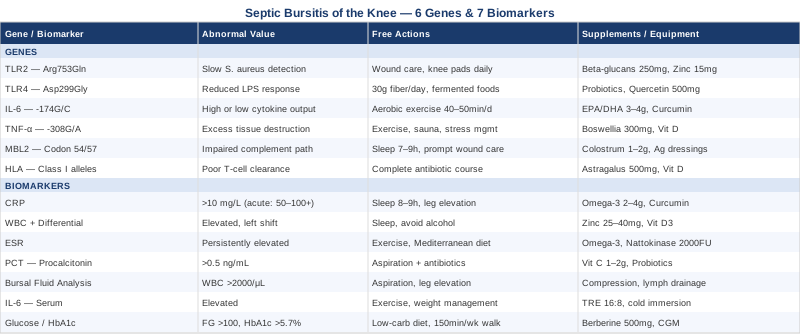
The seven biomarkers discussed in this article give you a concrete set of measures to track — from confirming the bacterial cause with procalcitonin and bursal fluid analysis, to monitoring resolution with serial CRP and ESR, to identifying the underlying metabolic vulnerabilities with glucose and HbA1c that may explain why you got this infection in the first place. The six genetic factors offer a different lens: not a verdict, but a probabilistic map of where your immune system may be weakest and what targeted strategies can partially compensate for those tendencies.
The most important next step is not to self-manage — it is to bring more specific questions to your next medical appointment. Ask about procalcitonin if your diagnosis was ambiguous. Ask about HbA1c if you have had recurrent episodes. Ask whether your bursal fluid was sent for full culture and sensitivity. The information in this article is most useful as a framework for asking smarter questions and tracking your own biology more carefully over time.
Better information, used thoughtfully alongside qualified medical care, consistently leads to better decisions. That is not a cure promise — it is simply how human biology works.
Musculoskeletal: Joint Conditions
Endocrine & Metabolic: Diabetes & Blood Sugar
Autoimmune: Inflammatory Conditions
Infectious: Bacterial Infections