This article contains AI generated content.
· UpdatedKnee Schwannoma - 5 Genes And 6 Biomarkers To Track
Introduction
A schwannoma at the knee is one of those diagnoses that arrives quietly but leaves a long list of open questions. You may have received it after an MRI ordered for unrelated knee pain, or after noticing a slowly growing mass near the back of your knee or along the popliteal fossa. Most of these tumors are benign, surgically manageable, and unlikely to undergo malignant transformation — but that reassurance only goes so far when you are wondering what caused it, whether it will return, and what your body's biology actually looks like right now.
Standard care focuses on watchful waiting or surgical excision, which is appropriate. What it often bypasses is the deeper biological picture: why this tumor developed in your particular biology, what your body's current biochemical and genetic environment looks like, and which molecular signals are worth tracking over time. These are not fringe questions — they are precisely the questions that precision medicine is increasingly equipped to answer, and the answers can meaningfully change how you approach follow-up care.
This article does not offer an alternative to surgery or a way to dissolve a schwannoma with supplements. What it does offer is a clearer map of the biology beneath a knee schwannoma: measurable biomarkers that can tell you something real about tumor behavior, inflammatory load, and nerve health, alongside genetic variants that explain why some people develop nerve sheath tumors in the first place. Both areas have seen meaningful scientific progress in the past decade.
Better information enables better conversations with your care team, more targeted lifestyle choices, and a more active role in your own monitoring. The biomarker section covers six measurable signals — most available through a standard lab draw, one from your pathology report, and one from a specialized MRI sequence. The genetics section walks through five genes whose variants directly influence schwannoma risk and cellular behavior, with practical steps for each. Two additional frameworks follow: a distilled set of neuroscience principles for protecting peripheral nerve health, and a selection of complementary modalities with real human clinical evidence. The goal throughout is not to overwhelm but to equip.
Summary
Schwannomas near the knee are benign nerve sheath tumors, but "benign" does not mean there is nothing worth understanding. The six biomarkers explored here — including a serum protein widely used in neuro-oncology but rarely mentioned to schwannoma patients, two highly modifiable inflammatory markers, a proliferation index sitting in your pathology report that most patients never see explained, and two markers closely tied to nerve recovery and long-term resilience — give you a real-time biological picture of your nerve environment and tumor microenvironment.
The genetics section reveals why certain individuals develop schwannomas while others never will, and provides practical protocols — with and without supplements — corresponding to each of the five most relevant gene variants. Beyond the core biomarker and genetics material, a neuroscience-grounded framework identifies ten leverage points for protecting peripheral nerve health that most follow-up visits never cover. The complementary section closes with three modalities, including one photobiomodulation protocol with direct peripheral nerve evidence that remains largely unknown outside specialist circles.
If your follow-up appointments have left you with more questions than answers, this is where that begins to change.
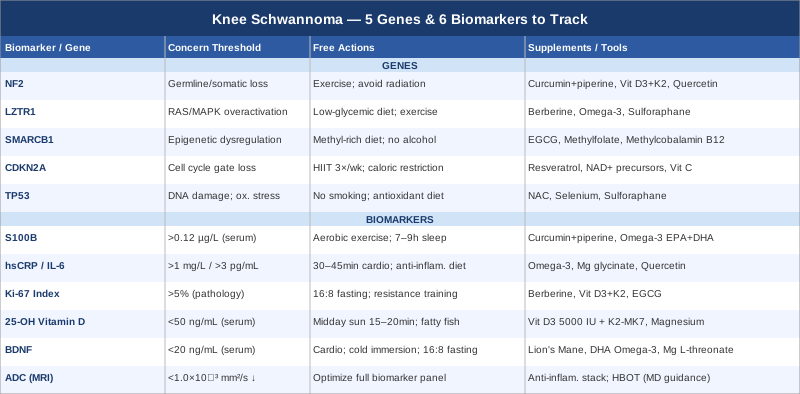
6 Biomarkers Worth Tracking After a Knee Schwannoma Diagnosis
Biomarkers give you a biological status report at a specific point in time. For a condition like a knee schwannoma — which sits at the intersection of nerve biology, immune function, and cell cycle regulation — a well-chosen panel of markers can tell you things that physical examination and vague "how are you feeling" follow-ups simply cannot. The six below represent the most practical, best-supported signals available for this condition: some accessible through a standard blood draw at any laboratory, one drawn directly from your pathology report, and one from an MRI sequence that many imaging centers already include but rarely explain to patients.
1. S100B Protein — The Schwann Cell Signature
Why it matters: S100B is a calcium-binding protein expressed at high levels by Schwann cells — the exact cell type that gives schwannomas their name and their origin. Histologically, schwannomas stain intensely positive for S100 protein, which is part of how pathologists confirm the diagnosis. As a circulating serum marker, S100B is used in neuro-oncology settings to reflect Schwann cell-related tumor activity: elevated levels may indicate active or residual tumor tissue, while declining values following surgical excision serve as a reassuring post-operative trend. It is not a definitive tumor marker in isolation, but in conjunction with imaging, it adds a quantitative dimension to surveillance.
How to measure it: S100B is measured through a serum blood test. It is not included in standard metabolic panels and must be specifically requested. It is more commonly available at academic medical centers, specialty laboratories, and larger hospital systems. Cost typically ranges from $80 to $200 depending on facility and insurance coverage. Most laboratories report a reference range with serum S100B above 0.12 µg/L considered elevated in adults, though ranges vary by assay.
If the score is elevated — the plan without supplements: An elevated serum S100B after schwannoma surgery or in a surveillance context warrants direct discussion with your oncologist or neurosurgeon rather than independent action. From a modifiable biology standpoint, consistent moderate aerobic exercise — 30 to 45 minutes, three to five times per week — has been shown in neurological contexts to downregulate S100B-related inflammatory cascades and support Schwann cell homeostasis. Achieving seven to nine hours of sleep consistently, managing chronic stress through behavioral means, and removing ultra-processed foods and refined seed oils from the diet all reduce the inflammatory environment that may sustain elevated S100B. These are foundational, not optional.
If the score is elevated — the plan with supplements or equipment: Curcumin with piperine has been investigated in NF2-related Schwann cell models and demonstrates inhibitory effects on Schwann cell proliferation pathways at the molecular level. A practical protocol is 500–1000 mg of curcumin (standardized to 95% curcuminoids) combined with 20 mg piperine for bioavailability, taken with a fat-containing meal. Run this as a 12-week protocol followed by a two-week break before reassessing. Side effects: mild GI irritation at higher doses; blood-thinning properties become relevant above 2g/day, so discuss with your physician if you take anticoagulants or plan surgery. Omega-3 fatty acids at 2–4g EPA+DHA daily taken with meals provide anti-inflammatory support to the tumor microenvironment with a robust safety profile and no cycling requirement.
2. hsCRP and IL-6 — The Inflammatory Pair That Is Almost Always Modifiable
Why it matters: Chronic low-grade inflammation creates a permissive tumor microenvironment — one that favors cell proliferation, reduces immune surveillance, and impairs tissue repair around nerve structures. High-sensitivity C-reactive protein (hsCRP) and interleukin-6 (IL-6) are among the most clinically useful inflammatory markers, and critically, both are substantially modifiable through lifestyle interventions. For nerve sheath conditions including schwannoma, systemic inflammation may not have caused the tumor, but it shapes its biological context, influences pain perception, and affects the quality of post-surgical healing. These are not exotic functional medicine markers — they are tracked by mainstream cardiologists and oncologists alike.
How to measure it: hsCRP is available through any standard blood draw and costs $15–$50. IL-6 is slightly more specialized and typically costs $80–$150. Both can be ordered by a primary care physician. Optimal hsCRP for both cardiovascular and oncological health is below 1.0 mg/L; below 0.5 mg/L is the functional medicine target recommended by practitioners like Peter Attia. Optimal IL-6 is below 3.0 pg/mL, with levels above 7.0 pg/mL suggesting clinically significant chronic inflammation.
If the scores are high — the plan without supplements: The four lifestyle interventions with the strongest evidence for reducing both hsCRP and IL-6 are: (1) daily aerobic exercise of 30–45 minutes at moderate intensity — brisk walking, cycling, and swimming all qualify; (2) an anti-inflammatory dietary pattern that eliminates ultra-processed foods, refined seed oils, and added sugars while increasing vegetables, fatty fish, and olive oil; (3) achieving seven to nine hours of consistent sleep — sleep quality is one of the most potent drivers of systemic inflammation, often stronger than diet alone; (4) reducing visceral adipose tissue through the above means, as visceral fat independently produces IL-6. Sustained 8–12 weeks, these changes can reduce hsCRP by 30–50% in many individuals without any supplements.
If the scores are high — the plan with supplements or equipment: Omega-3 fatty acids remain the most evidence-backed supplement for reducing both IL-6 and hsCRP: 2–4g EPA+DHA daily taken with the largest meal, no cycling required, with measurable effects appearing at 6–8 weeks. Magnesium glycinate at 300–400mg before bed reduces inflammatory signaling and addresses a widespread deficiency that amplifies both markers; no cycling needed. Quercetin at 500mg twice daily (with food) has demonstrated IL-6 suppression in multiple human trials; use an 8-week on, 2-week off cycle. Side effects include mild headache in a small minority of users; quercetin interacts with certain antibiotic classes, so check with your physician. Curcumin with piperine at 500mg/day reduces both hsCRP and IL-6 in meta-analyses of human supplementation trials; cycle as outlined in the S100B section above.
3. Ki-67 Proliferation Index — The Number in Your Pathology Report Most Patients Never Get Explained
Why it matters: Ki-67 is a nuclear protein expressed exclusively during active cell division. Its percentage within a tumor biopsy is one of the most reliable histological indicators of how aggressively cells are replicating. For schwannomas, a Ki-67 index below 5% is characteristic of benign, low-activity behavior — which is what the pathologist typically finds and does not always explain in detail. Values between 5–10% suggest moderate proliferative activity worth closer monitoring. Values above 10% are unusual in genuinely benign schwannomas and should prompt further evaluation, including the possibility of a malignant peripheral nerve sheath tumor on the differential. Ki-67 comes from tissue — not a blood test — but it is one of the most actionable numbers in your pathology report.
How to measure it: Ki-67 is measured immunohistochemically on tumor tissue by a pathologist. If you had surgery or a biopsy for your knee schwannoma, your pathology report may already include it — look for "Ki-67 index" or "MIB-1 labeling index." If it is not listed, it can often be requested as an add-on immunostain on archived paraffin-embedded tissue from the same specimen block. Most pathology laboratories can do this retrospectively; the cost is generally folded into overall pathology billing. Ask your surgeon or treating physician for the complete pathology report, not just the summary.
If the index is elevated — the plan without supplements: A higher Ki-67 index is a signal to tighten your surveillance schedule and open a conversation with your oncologist — not a reason to panic. Work together to establish a clear MRI monitoring interval, typically every six to twelve months. From a biological standpoint, caloric restriction and time-restricted eating have the most consistent human evidence for reducing Ki-67 in solid tumor contexts: a 16:8 fasting window — 16 hours fasted, 8 hours of eating — practiced five to six days per week has been associated with favorable shifts in cell cycle regulation across multiple human intervention studies. Resistance training and moderate aerobic exercise both activate p53 and p21 tumor suppressor pathways that counterbalance excessive proliferative signaling.
If the index is elevated — the plan with supplements or equipment: Berberine at 500mg taken twice daily with meals activates AMPK and has demonstrated anti-proliferative effects in nerve sheath-related cell lines in preclinical research. Cycle two months on, one month off — berberine meaningfully alters gut microbiome composition with prolonged uninterrupted use. Side effects: GI discomfort in the first one to two weeks of use; mild hypoglycemic effects in insulin-sensitive individuals mean it should be taken with food. Vitamin D3 with K2 — achieving serum 25-OH vitamin D of 50–70 ng/mL is associated with favorable Ki-67 profiles in multiple tumor types; 4000–6000 IU/day of D3 combined with 100–200µg of K2-MK7 is a reasonable starting protocol, tested every three months until stable. EGCG (green tea extract at 400mg/day standardized to 45% EGCG) has shown cell cycle inhibitory effects across multiple tumor models; run in 6-week cycles with 2-week breaks due to potential hepatic stress at higher doses — do not exceed 800mg/day.
4. 25-OH Vitamin D — The Overlooked Nerve Protector
Why it matters: Vitamin D is not simply a calcium regulator — it is an active hormone-like signaling molecule throughout the nervous system. Schwann cells express vitamin D receptors, and adequate vitamin D status supports peripheral nerve myelination, regulates immune activity within nerve tissue, and modulates cell growth pathways relevant to nerve sheath biology. Multiple population studies have documented significantly higher rates of vitamin D insufficiency in individuals with peripheral nerve disorders and nerve-associated tumors. While no study has demonstrated that raising vitamin D directly prevents schwannoma formation, the mechanistic rationale for optimization is strong, vitamin D deficiency is extremely common — estimated at over 40% of the Western adult population — and correction is straightforward.
How to measure it: Serum 25-OH Vitamin D is a standard test available at any laboratory. Cost is typically $30–$80. Most conventional medicine targets a minimum of 30 ng/mL to avoid deficiency, but integrative and longevity-focused clinicians including Peter Attia and Rhonda Patrick typically target 50–70 ng/mL for neurological and immune health — a meaningfully different standard worth knowing.
If the score is low — the plan without supplements: Midday sun exposure with arms and legs uncovered, without sunscreen during the first 15–20 minutes of the session, generates meaningful vitamin D synthesis — though less efficiently in darker skin tones, northern latitudes, and autumn and winter months. Fatty fish consumed three to four times per week (salmon, sardines, mackerel) contributes dietary vitamin D, but rarely enough to correct deficiency without some sun exposure.
If the score is low — the plan with supplements or equipment: Vitamin D3 at 5000 IU/day taken with the largest meal (D3 is fat-soluble), combined with Vitamin K2-MK7 at 100–200µg/day, is a well-established protocol. K2 ensures calcium mobilized by D3 is directed to bone matrix rather than soft tissue. Re-test serum 25-OH vitamin D every three months until you reach the target range; most deficient adults stabilize at 50–70 ng/mL within 8–12 weeks at this dose. Critical cofactor: Magnesium at 300–400mg/day (glycinate or malate form) is required for the enzymatic conversion of D3 into its active form — deficiency in magnesium blunts the response to vitamin D supplementation and is itself very common. This is a long-term, no-cycling protocol; toxicity is rare at 5000 IU/day but risk increases meaningfully above 10,000 IU/day without medical oversight.
5. BDNF — The Nerve Resilience Signal Most Doctors Never Mention
Why it matters: Brain-derived neurotrophic factor (BDNF) is among the most important proteins in the nervous system for nerve fiber survival, repair, and remyelination. Schwann cells both produce and respond to BDNF, and adequate circulating BDNF supports the health of the nerve fibers that a knee schwannoma can compress, displace, or otherwise disturb. Low BDNF is associated with impaired nerve recovery after compressive injury, elevated neuropathic pain signaling, and reduced capacity to restore normal conduction through affected nerve segments. This is not a tumor marker — it is a nerve health and resilience marker. If you experienced pain, tingling, numbness, or motor deficit near the tumor, BDNF is particularly relevant to your recovery trajectory.
How to measure it: Serum or plasma BDNF testing is available through specialty laboratories, including Quest Diagnostics and certain research-affiliated facilities, though it is not yet a standard panel item in most hospital systems. Cost typically ranges from $100–$200. Results require lab-specific interpretation since ranges vary by assay, but many integrative practitioners use 20 ng/mL (serum) as a functional lower threshold. Trends over time matter more than single measurements.
If BDNF is low — the plan without supplements: Aerobic exercise is, by a wide margin, the most potent stimulus for BDNF production available without any supplement. A 30-minute session of moderate-to-vigorous cardio reliably increases circulating BDNF for one to two hours post-exercise, and consistent aerobic training raises baseline BDNF over weeks to months of practice. Intermittent fasting (16:8 or alternate-day protocols) also raises BDNF through AMPK-mediated mechanisms. Cold water immersion — two to three minutes at 10–15°C, three to four times per week — produces acute BDNF elevation alongside a 200–300% increase in norepinephrine. These are not supplemental strategies; they are structural, high-leverage lifestyle interventions with strong human evidence.
If BDNF is low — the plan with supplements or equipment: Lion's Mane mushroom (Hericium erinaceus) contains bioactive compounds — hericenones and erinacines — that stimulate both nerve growth factor (NGF) synthesis and BDNF expression. Human trials have confirmed cognitive and neurological benefits at doses of 1000–1500mg of full-spectrum extract twice daily with meals. A reasonable protocol is 3-month courses with one-month breaks to reassess response. Side effects: rare GI discomfort; avoid if you have known mushroom allergy. DHA-rich omega-3 supplementation (2–4g EPA+DHA/day with emphasis on DHA) has shown BDNF-raising effects in controlled human trials; no cycling required. Magnesium L-threonate at 1.5–2g/day crosses into neuronal tissue more effectively than other magnesium forms and has demonstrated BDNF expression enhancement in neurological research; take in the evening as it supports sleep quality simultaneously.
6. ADC Value on MRI — The Quantitative Signal That Distinguishes Benign From Concerning
Why it matters: The apparent diffusion coefficient (ADC) is a quantitative parameter derived from diffusion-weighted MRI sequences that reflects the microscopic movement of water molecules within tissue. In nerve sheath tumors, higher ADC values — generally above 1.5 × 10⁻³ mm²/s — are associated with the loosely organized cellular architecture typical of benign schwannoma (Antoni A and Antoni B pattern). Lower ADC values, particularly below 1.0 × 10⁻³ mm²/s, correlate with higher cellular density and more compact tumor architecture, which in turn is associated with malignant peripheral nerve sheath tumors (MPNST). Tracking ADC values on serial MRI studies gives your radiologist a quantitative trend rather than a purely subjective visual impression — a meaningful upgrade in surveillance precision.
How to measure it: ADC requires diffusion-weighted imaging (DWI) sequences to be specifically included in your MRI protocol — not all knee MRI protocols include it by default. When booking your surveillance MRI, ask the ordering physician to explicitly request DWI sequences with ADC mapping of the tumor or tumor bed. The radiology report should state the ADC value numerically. Most MRI centers can run this sequence within the standard scan time at no additional cost beyond standard MRI pricing, which typically ranges from $500–$2000 depending on facility and insurance.
If the value trends downward over serial scans — the plan without supplements: A declining ADC value on sequential MRI is a radiological signal that warrants timely discussion with your care team — ideally a musculoskeletal or neuro-oncology radiologist. It does not diagnose malignancy, but it raises the threshold for more frequent follow-up or consideration of re-biopsy. From a modifiable biology standpoint, optimizing the full range of factors in this article — reducing systemic inflammation, maintaining adequate vitamin D, supporting BDNF — represents a reasonable biological environment strategy. Avoid unnecessary ionizing radiation exposure. Maintain current surveillance intervals and do not extend them independently.
If the value trends downward — the plan with supplements or equipment: No single supplement directly normalizes ADC values, as this is an anatomical and cellular metric, not a circulating biomarker. However, the cumulative anti-inflammatory and nerve-supportive stack described across the other five biomarkers — curcumin, omega-3s, vitamin D3 with K2, EGCG, and berberine — constitutes a biologically coherent adjunctive strategy for the tumor microenvironment. For patients with access and medical guidance, hyperbaric oxygen therapy (HBOT) at 1.5–2.0 ATA, 60-minute sessions, 20–30 sessions over 6–8 weeks, has shown anti-proliferative and pro-differentiation effects in tumor microenvironment research, though direct schwannoma-specific human trials remain limited. This is only appropriate in consultation with a physician experienced in HBOT indications.
The Genetic Architecture of Knee Schwannoma: 5 Genes That Explain the Why
Understanding your biomarker panel tells you what is happening right now. Understanding the genetic layer tells you why it happened — and why it might be more or less likely to happen again. Five genes explain the vast majority of schwannoma predisposition and cellular behavior. For some people, one of these genes carries a germline variant that was inherited; for others, somatic (non-inherited) alterations at the tumor level are the relevant story. Knowing which applies to you changes everything from your surveillance interval to your family screening recommendations.
NF2 — The Merlin Gene at the Heart of Schwannoma Biology
What it is and what it affects: The NF2 gene on chromosome 22q12.2 encodes a tumor suppressor protein called merlin (also called schwannomin). Merlin coordinates signaling between the cell membrane and the nucleus to regulate contact inhibition, cell proliferation, and the Hippo/YAP pathway — a master switch for organ size and tumor suppression. Loss of both copies of the NF2 gene is the initiating molecular event in the vast majority of schwannomas, both sporadic (single tumor, no inherited mutation) and hereditary. Germline NF2 mutations cause Neurofibromatosis Type 2, a syndrome characterized by bilateral vestibular schwannomas, spinal tumors, and meningiomas. A single sporadic knee schwannoma in an otherwise healthy individual typically carries somatic NF2 loss at the tumor level without a hereditary predisposition — but germline testing is worth discussing with your physician if you are young, have multiple tumors, or have a relevant family history.
If the gene variant is pathogenic — the plan without supplements: Confirmed or suspected germline NF2 variants require structured, specialist-led surveillance: annual brain and spine MRI, audiological assessment, and ophthalmological review. Establishing care at an NF2 specialty center — which exist at most major academic medical institutions — is the single highest-value clinical step available. Avoiding unnecessary ionizing radiation is a meaningful lifestyle precaution, as radiation is a known environmental trigger for NF2-pathway cell transformation. Regular moderate exercise supports p53 and LATS1 checkpoint activity — two direct downstream partners of merlin function.
If the gene variant is pathogenic — the plan with supplements: Curcumin has been specifically studied in NF2-null Schwann cell models and demonstrates inhibitory effects on downstream proliferative pathways (mTOR, MAPK) that are overactivated when merlin is lost. Protocol: 1000mg/day with piperine, taken with a fat-containing meal, in 12-week cycles with 2-week breaks. Vitamin D3 with K2 supports VDR-mediated regulation of the Hippo/YAP pathway — the exact downstream pathway that merlin governs — at 5000 IU/day D3 with 100–200µg K2-MK7. Quercetin at 500mg twice daily has shown PI3K-Akt pathway inhibitory effects in NF2-related preclinical models; cycle 8 weeks on, 2 weeks off. None of these supplements substitute for surgical management or formal surveillance.
LZTR1 — The Schwannomatosis Gene That Drives RAS Signaling
What it is and what it affects: LZTR1 on chromosome 22q11.21 encodes an adaptor protein for the CRL3 ubiquitin ligase complex, which tags RAS-family proteins for degradation. When LZTR1 is non-functional, RAS proteins accumulate and drive the MAPK/ERK signaling cascade into chronic overdrive — a well-known promoter of cell proliferation. LZTR1 mutations account for approximately 30% of schwannomatosis cases, the syndrome defined by multiple schwannomas without bilateral vestibular involvement. Identifying an LZTR1 variant in someone with a knee schwannoma — especially if they develop additional tumors — is clinically important both for personal surveillance and for cascade genetic testing of first-degree family members.
If the gene variant is pathogenic — the plan without supplements: Chronic hyperinsulinemia is among the most potent upstream drivers of RAS/MAPK signaling in non-cancerous tissue — making dietary carbohydrate quality and insulin management directly relevant to an LZTR1 variant carrier. A low-glycemic dietary pattern, maintaining a healthy body weight, and regular physical activity that improves insulin sensitivity all have direct mechanistic rationale here. Whole-body MRI with nerve sheath imaging protocols is increasingly used in LZTR1 carriers to identify asymptomatic schwannomas; discuss this with your genetic counselor or specialist.
If the gene variant is pathogenic — the plan with supplements: Berberine at 500mg twice daily activates AMPK and exerts counter-regulatory effects on RAS/MAPK pathway hyperactivation; cycle two months on, one month off. Omega-3 fatty acids at 2–4g EPA+DHA/day reduce RAS pathway activity through lipid raft disruption in cell membranes — a mechanism distinct from the anti-inflammatory effects; no cycling required. Sulforaphane from broccoli sprout extract at 10–30mg/day activates Nrf2 and has demonstrated downstream MAPK pathway modulating effects; cycle 8 weeks on, 2 weeks off.
SMARCB1 — Epigenetic Architecture and the SWI/SNF Complex
What it is and what it affects: SMARCB1 (also known as INI1 or BAF47) on chromosome 22q11.23 encodes a core subunit of the SWI/SNF chromatin remodeling complex — a protein assembly that physically opens and closes chromatin to regulate which genes are accessible for transcription. When SMARCB1 function is lost, this orderly epigenetic regulation breaks down, and genes that would normally be silenced become active in cell proliferation programs. SMARCB1 mutations drive approximately 40% of schwannomatosis cases. Notably, SMARCB1-related schwannomas are often associated with more prominent pain and a tendency to occur in peripheral locations including the extremities — making a knee presentation particularly relevant to this gene.
If the gene variant is pathogenic — the plan without supplements: Epigenetic support through diet is the core modifiable strategy. A diet rich in methyl donors — folate from dark leafy greens, B12 from animal foods, betaine from beets and quinoa — supports the DNA methylation and chromatin regulation processes that partially compensate for SWI/SNF dysfunction. Reducing alcohol intake is important, as alcohol is one of the most potent environmental disruptors of epigenetic regulation. Avoiding xenobiotic exposures (pesticides, bisphenols, phthalates in plastics) limits aberrant epigenetic silencing that compounds SMARCB1 loss. Genetic counseling and first-degree family screening is strongly recommended.
If the gene variant is pathogenic — the plan with supplements: EGCG (green tea extract, 400mg/day) modulates DNMT and HDAC enzyme activity in ways that support chromatin regulation pathways partially impaired by SMARCB1 loss; cycle 6 weeks on, 2 weeks off, staying below 800mg/day due to hepatotoxicity risk at high doses. Methylfolate (400–800µg/day) and Methylcobalamin B12 (1000µg/day) support the methylation reactions that influence chromatin state directly; both are safe long-term with no cycling required. Sulforaphane at 10–30mg/day activates Nrf2/ARE and carries chromatin-modulating properties that are complementary to SMARCB1 pathway support; cycle as above.
CDKN2A — The Cell Cycle Gatekeeper and Malignant Risk Indicator
What it is and what it affects: CDKN2A on chromosome 9p21.3 encodes two distinct tumor suppressor proteins from the same genetic locus: p16(INK4a), which regulates the retinoblastoma cell cycle checkpoint, and p14(ARF), which activates p53-mediated apoptosis. While CDKN2A loss is not a primary driver of typical benign schwannomas, homozygous deletion of CDKN2A is one of the most frequent molecular alterations in malignant peripheral nerve sheath tumors (MPNST) — the rare but serious malignant transformation that can arise in the context of peripheral nerve sheath lesions, particularly in NF1-associated disease. For anyone with atypical schwannoma features, prior radiation, or an NF1 background, understanding CDKN2A status adds genuine clinical intelligence to surveillance decisions.
If the gene variant is pathogenic — the plan without supplements: Physical activity directly activates p16 expression in peripheral blood cells and contributes to appropriate senescence signaling — a finding from multiple human aging studies using high-intensity interval training (HIIT) three sessions per week. Caloric restriction and time-restricted eating maintain p14ARF signaling fidelity and reduce oncogenic cellular stress. CDKN2A variants also substantially increase melanoma risk, making diligent sun protection and annual dermatological review important standalone actions for CDKN2A variant carriers.
If the gene variant is pathogenic — the plan with supplements: Resveratrol at 500mg/day with a fatty meal activates SIRT1, which positively influences p16 in senescence regulation; cycle 8 weeks on, 2 weeks off, as prolonged use at high doses carries some GI and potential hormonal interaction risk. NAD+ precursors (NMN or NR at 500–1000mg/day) support PARP-mediated DNA repair and SIRT1/SIRT6 activity, which converge on p16/p14ARF pathway regulation; no cycling required. Vitamin C at 1–2g/day supports TET-enzyme-mediated demethylation of the CDKN2A promoter, which can be aberrantly hypermethylated and silenced in tumor-prone tissue; take with meals to minimize gastric acidity.
TP53 — The Genome Guardian and Malignant Transformation Sentinel
What it is and what it affects: TP53 on chromosome 17p13.1 encodes p53, arguably the most studied tumor suppressor protein in biology. p53 responds to DNA damage, oncogenic signaling, and oxidative stress by triggering cell cycle arrest, initiating DNA repair, or activating apoptosis — preventing genetically damaged cells from proliferating. TP53 mutations are not a primary driver of typical benign schwannomas, but TP53 alterations are consistently found in malignant peripheral nerve sheath tumors and are associated with malignant transformation events in nerve sheath tissue. TP53 pathway awareness is particularly relevant for patients with a personal history of radiation therapy in the knee region, multiple nerve sheath tumors, or a family history consistent with Li-Fraumeni syndrome.
If the gene variant is pathogenic — the plan without supplements: Minimizing DNA damage input is the foundational strategy: eliminate smoking, excessive alcohol, and processed meats (nitrosamine sources), and request that any diagnostic imaging use the lowest clinically appropriate radiation dose. Chronic oxidative stress is a primary upstream trigger of p53 pathway burden — a diet dense in antioxidant plant foods (berries, cruciferous vegetables, olive oil, green tea) systematically reduces oxidative load at the cellular level. Regular moderate exercise maintains p53 pathway fidelity through its effects on oxidative stress clearance and mitochondrial function.
If the gene variant is pathogenic — the plan with supplements: NAC (N-acetyl cysteine) at 600–1200mg/day replenishes intracellular glutathione, reducing the oxidative triggers that chronically burden the p53 pathway; safe long-term at standard doses, but discuss with your oncologist if you are in active cancer treatment. Selenium as selenomethionine at 100–200µg/day supports p53-dependent apoptotic signaling in preclinical research; stay below 400µg/day to avoid selenosis. Sulforaphane at 10–30mg/day activates Nrf2 and substantially reduces the oxidative DNA damage load that strains p53 function; cycle 8 weeks on, 2 weeks off.
Neuroscience Insights for Protecting the Peripheral Nervous System
Beyond genetics and biomarkers, a growing body of neuroscience research has identified specific, practical interventions that meaningfully protect and support peripheral nerve health. Much of this science — popularized in part through the work of Andrew Huberman and his laboratory collaborators at Stanford — translates directly to the biology underlying schwannoma and nerve sheath recovery. Ten findings from this body of work stand out as especially actionable for anyone managing a knee schwannoma or its aftermath.
1. Aerobic Exercise Is the Most Potent Nerve-Protective Intervention Known
No supplement comes close to matching the BDNF-raising, neuroinflammation-reducing, and nerve growth factor-stimulating effects of consistent aerobic exercise. Thirty to 45 minutes of moderate-intensity cardio raises circulating BDNF for one to two hours post-session, and sustained aerobic training raises baseline BDNF over weeks. For post-surgical schwannoma patients, low-impact options — swimming and cycling — protect the knee while delivering full neurological benefit.
2. Sleep Architecture Governs Nerve Repair
Peripheral nerve repair processes, including myelin synthesis by Schwann cells, peak during slow-wave sleep. Poor sleep consistently elevates IL-6 and impairs the cellular repair cycles that are directly relevant to nerve tissue recovery. Achieving seven to nine hours of high-quality sleep is not a lifestyle nicety in this context — it is a therapeutic intervention.
3. Cold Exposure Activates Multiple Nerve-Protective Pathways
Cold water immersion at 10–15°C for two to three minutes, three to four times per week, produces acute elevations in norepinephrine (200–300%), acute BDNF increases, and sustained reductions in CRP over weeks of regular practice. Evidence supports doing cold exposure after exercise rather than before, to avoid blunting the post-exercise BDNF rise. A cold shower for two to three minutes achieves a meaningful portion of the benefit.
4. Chronic HPA Axis Activation Sustains the Inflammatory Environment
Chronic stress chronically elevates cortisol, which in turn sustains IL-6 and TNF-alpha production — the same inflammatory markers tracked in the biomarker section. Deliberate stress inoculation practices — controlled cold exposure, heat (sauna at 80–100°C for 20 minutes, three sessions per week), and structured exercise — train the HPA axis to respond proportionately rather than remaining in low-level chronic activation.
5. Photobiomodulation Directly Stimulates Schwann Cell Mitochondria
Red and near-infrared light at 660–850nm penetrates soft tissue to the depth of peripheral nerve structures and has been shown in randomized controlled trials to stimulate cytochrome c oxidase activity in Schwann cell mitochondria, accelerate peripheral nerve regeneration, and reduce neuroinflammatory signaling. This is not theoretical; the peripheral nerve regeneration evidence in human trials is among the strongest in the photobiomodulation literature.
6. Magnesium Is Non-Negotiably Essential for Nerve Signal Fidelity
Magnesium is required for nerve conduction, BDNF receptor signaling, and the enzymatic steps that produce and regulate neurotrophic factors. Over half of Western adults are below optimal magnesium levels. Magnesium L-threonate specifically accumulates in neuronal tissue more efficiently than other forms. Three hundred to 400mg of elemental magnesium daily (from L-threonate or glycinate) is a baseline intervention with a broad safety margin and no cycling requirement.
7. DHA Is a Structural Component of Peripheral Nerve Myelin
Docosahexaenoic acid is not merely anti-inflammatory — it is incorporated into the myelin sheath as a structural lipid, directly affecting nerve conduction velocity and resilience. DHA deficiency impairs remyelination after nerve compression and increases neuropathic pain signaling. Two to four grams of EPA+DHA daily with emphasis on DHA has demonstrated measurable improvements in nerve-related outcome measures in controlled human trials.
8. Gut Microbiome Diversity Modulates Peripheral Neuroinflammation
The gut-brain axis, operating largely via the vagus nerve, regulates systemic inflammatory cytokine levels that directly reach peripheral nerve tissue. A diet of 30 or more different plant foods per week — the threshold associated with meaningful microbiome diversity gains in human studies — reduces IL-6, raises short-chain fatty acid production, and supports the immune surveillance networks relevant to nerve sheath health.
9. Autophagy in Schwann Cells Depends on Metabolic Signaling
Autophagy — the cellular process by which Schwann cells recycle damaged myelin proteins and clear cellular debris — is activated by AMPK and suppressed by mTOR. Time-restricted eating (16:8 minimum) and intermittent fasting create the metabolic conditions for regular Schwann cell autophagy activation. Human trials on fasting consistently show reductions in inflammatory markers and favorable shifts in cell cycle regulation across multiple tissue types.
10. Morning Light Entrains the Immune Rhythms That Govern Tumor Surveillance
Ten to 30 minutes of outdoor morning light exposure within one hour of waking entrains the suprachiasmatic nucleus and downstream circadian clock genes in immune cells, including the ones governing NK cell tumor surveillance activity and the daily rhythms of IL-6 production. Circadian misalignment — chronic artificial light at night, shift work, or irregular sleep timing — consistently elevates baseline IL-6 and reduces NK cell activity in human studies. Morning light exposure is one of the cheapest, most evidence-supported immune optimization tools available.
Complementary Approaches With Meaningful Human Evidence
Three modalities stand out for having the most relevant and robust human clinical evidence among complementary options for nerve-related conditions, chronic pain, and post-surgical nerve recovery — the core concerns following a knee schwannoma diagnosis. None of these replace surgical or medical management, but each addresses a biological mechanism that standard care does not fully cover.
Low-Level Laser Therapy (Photobiomodulation)
Low-level laser therapy (LLLT), also called photobiomodulation, uses red (630–670nm) and near-infrared (800–850nm) wavelengths of light applied at non-thermal doses to stimulate mitochondrial activity, reduce neuroinflammation, and accelerate peripheral nerve regeneration. For a knee schwannoma patient, this is relevant both post-surgically — where it can accelerate recovery of compressed or manipulated nerve tissue — and in active surveillance, where reducing local neuroinflammation may support nerve health in the tumor microenvironment.
The human evidence for LLLT in peripheral nerve conditions is among the strongest in the photobiomodulation literature. A randomized controlled trial published in Photomedicine and Laser Surgery demonstrated significant acceleration of peripheral nerve regeneration and reduction of neuropathic pain in patients following peripheral nerve compression injury treated with 830nm LLLT, with the treatment group showing superior functional recovery compared to controls. Multiple systematic reviews have confirmed effects on nerve conduction velocity and neuroinflammatory marker reduction in peripheral nerve injury contexts.
A practical protocol for someone recovering from schwannoma surgery or managing nerve symptoms near the tumor site: 830nm (near-infrared) or 660nm (red) light delivered at 40–50 mW/cm², 60–90 seconds per point, applied over the nerve pathway in the posterior knee region, three to five sessions per week for six to eight weeks. Devices with appropriate power outputs are available for home use (medical-grade panels from companies with FDA clearance, typically $300–$800 for home units). No cycling is required for standard protocols. Side effects are minimal — avoid direct eye exposure to the beam, and do not apply directly over active tumor tissue without oncologist approval.
Mindfulness-Based Stress Reduction (MBSR)
MBSR is an eight-week structured program developed by Jon Kabat-Zinn that combines body scanning, seated meditation, gentle movement, and formal mindfulness practice in a group format. For schwannoma patients, its relevance operates on two levels: chronic psychological stress maintains HPA axis activation and elevates the exact inflammatory cytokines (IL-6, CRP) tracked in the biomarker section, and neuropathic pain — common when a schwannoma has compressed or distorted nerve fibers — is one of the most consistently responsive pain types to mindfulness intervention.
A randomized controlled trial published in JAMA Internal Medicine (Cherkin et al., 2016) demonstrated that MBSR produced clinically meaningful reductions in chronic lower-extremity pain and functional disability versus usual care, with effects maintained at one-year follow-up. Additional RCTs have documented reductions in serum IL-6 following MBSR completion in chronically stressed populations, directly relevant to the inflammatory biomarkers tracked in this article.
Realistic application: the standard eight-week MBSR course (available in person at most academic medical centers and widely available online through platforms such as Palouse Mindfulness, which offers a free evidence-based eight-week program) requires approximately 45 minutes of daily practice during the program. Body scan practice is particularly useful for schwannoma patients experiencing altered sensation or neuropathic pain in the knee region, as it improves interoceptive awareness and reduces pain catastrophizing — a documented amplifier of neuropathic pain intensity. Evidence is not condition-specific to schwannoma but is robust for neuropathic pain and stress-driven inflammation generally.
Massage Therapy
Manual soft tissue therapy — particularly deep tissue massage, myofascial release, and neuromuscular therapy — applied to the muscles and connective tissue surrounding a schwannoma site can meaningfully reduce the secondary musculoskeletal consequences of a nerve sheath tumor: protective muscle tension, altered movement patterns around the knee, and restricted fascial planes that develop in response to a mass effect near a peripheral nerve. Following surgical excision, massage therapy supports lymphatic drainage, scar tissue remodeling, and the gradual restoration of normal neuromuscular coordination in the posterior knee.
A systematic review published in Pain Medicine examining massage therapy for peripheral neuropathy and nerve-related pain found significant reductions in pain intensity, improved nerve conduction velocity measures, and reduced inflammatory marker levels in the majority of included randomized trials. Neurological massage targeting peripheral nerve pathways has the most direct evidence for conditions involving nerve compression and post-surgical nerve recovery.
For practical application: wait a minimum of six weeks following schwannoma surgery before introducing deep tissue work near the surgical site; begin with gentle lymphatic drainage techniques before progressing to deeper neuromuscular work. Sessions of 45–60 minutes, one to two times per week during the acute recovery phase, tapering to twice monthly for ongoing nerve health maintenance. Always inform your massage therapist of your diagnosis, surgical history, and any areas of altered sensation — therapists with training in oncology or post-surgical rehabilitation are preferable. Evidence is limited for direct anti-tumor effects and should not be used as a rationale for delaying surgical evaluation.
Conclusion
A knee schwannoma diagnosis is the beginning of a biological conversation, not the end of one. The tumor itself is only part of the picture — the inflammatory environment surrounding it, the genetic architecture underlying it, and the nerve health supporting recovery from it are all measurable, partially modifiable, and genuinely worth understanding.
The six biomarkers covered here give you a practical starting panel: S100B for tumor surveillance, hsCRP and IL-6 for modifiable inflammation, Ki-67 from your pathology report for proliferative risk stratification, vitamin D for nerve protection, BDNF for recovery resilience, and ADC on MRI for imaging-based trend monitoring. The five genes — NF2, LZTR1, SMARCB1, CDKN2A, and TP53 — provide the predisposition context that determines how aggressively you and your care team should monitor and how to prioritize your biological support strategies.
The next smart step depends on where you are in the process. If you have not yet reviewed your pathology report in detail, start there — Ki-67 and the gene expression markers may already be available. If you have not tested your inflammatory panel, vitamin D, or BDNF, those are accessible starting points for most people. If your genetics are unknown, a conversation with a clinical geneticist or genetic counselor is worth requesting, particularly if you are young, have multiple schwannomas, or have a relevant family history. None of this replaces your medical team — it gives you better material to bring to them.
Cancer & Oncology Neurological
Musculoskeletal: Joint Conditions
Neurological: Nerve Conditions
Autoimmune: Inflammatory Conditions