This article contains AI generated content.
· UpdatedNail-Patella Syndrome — 3 Genes And 5 Biomarkers To Track
Introduction
Nail-patella syndrome is one of the few conditions where the genetic cause was nailed down decades ago — and yet, for most people living with it, that clarity has not translated into a genuinely useful roadmap. Knowing that a mutation in one gene is responsible for the syndrome is a starting point, not an answer. It does not tell you whether your kidneys will be involved, how quickly any involvement might progress, or why two family members with the same mutation can have dramatically different clinical pictures over a lifetime.
If you have received an NPS diagnosis, you have probably heard the standard guidance: watch for protein in the urine, get your eyes checked, be careful with contact sports. That advice is accurate but incomplete. It skips the more useful questions — which early signals to track, what modifies the risk trajectory, and what deliberate interventions can actually shift outcomes in your favor.
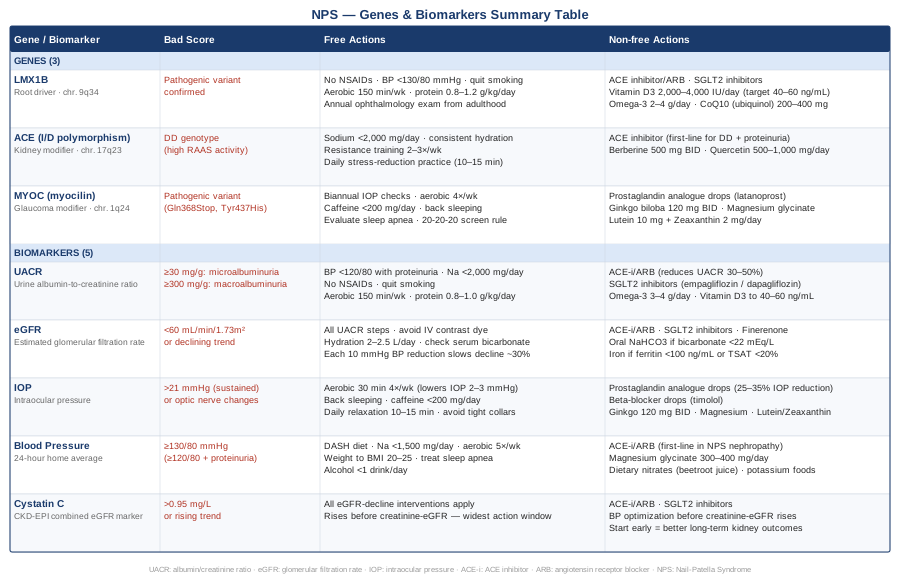
This article takes a more specific and actionable approach. It looks at the genetic architecture of NPS beyond the LMX1B diagnosis — including two modifier genes that shape kidney and eye outcomes — and then identifies five biomarkers worth measuring regularly, with practical guidance on what to do when they move in the wrong direction.
Better information does not cure a genetic condition. But it creates more opportunities to intervene early, personalize decisions, and manage the parts of the trajectory that are genuinely modifiable. That is the intent of what follows: one section examining the genetics with plans tied to each gene, and another tracking the biomarkers that give you the clearest real-time view of how your body is responding.
Nail-Patella Syndrome: What Your Genes Are Actually Saying
Genetics in NPS means more than confirming a diagnosis. The specific type of LMX1B variant you carry, combined with what modifier genes sit in the background, shapes a personal risk profile for kidney disease and glaucoma that is increasingly well understood. This is not about changing the hand you were dealt — it is about knowing which cards to watch, and where behavioral and medical interventions carry the most weight.
Gene 1: LMX1B — The Root Driver
What this gene does
LMX1B encodes a LIM-homeodomain transcription factor — a regulatory protein that switches developmental genes on and off during fetal formation of limbs, kidneys, and eyes. It is located on chromosome 9q34.1. A single pathogenic copy is sufficient to cause the syndrome (autosomal dominant inheritance). Over 140 distinct pathogenic variants have been identified, and the type of mutation matters clinically.
LIM domain mutations (affecting the zinc-finger regulatory region of the protein) tend to correlate with more pronounced kidney disease and higher risk of proteinuria progressing to chronic kidney damage. Homeodomain mutations (affecting the DNA-binding region) are more often associated with prominent skeletal features, with kidney involvement present but potentially less aggressive on average. Loss-of-function variants — frameshift mutations, large deletions, nonsense variants — are associated with the broadest and often most severe phenotype spanning all organ systems.
That said, penetrance across all mutation types is notably variable. Two people in the same family carrying the identical LMX1B variant can have entirely different trajectories for kidney and eye involvement. This variability points to modifier genes (discussed below) and epigenetic factors as important determinants of personal risk.
If your LMX1B mutation is confirmed — the plan without supplements
The most effective interventions at this level cost nothing but require consistency:
Eliminate NSAIDs completely. Ibuprofen, naproxen, and diclofenac place direct mechanical stress on glomerular podocytes — the precise kidney cells that LMX1B mutations already compromise structurally. Switch to acetaminophen for pain management, with physician guidance on dosing. Frequency: permanent, not temporary.
Target blood pressure below 130/80 mmHg (below 120/80 if proteinuria is present). Hypertension is one of the strongest known accelerators of NPS nephropathy progression. Home monitoring with a validated upper-arm cuff morning and evening, with a weekly average tracked in a simple log, is appropriate for all adult NPS patients. Monitor daily.
Moderate protein intake. High-protein diets (above 1.6 g/kg body weight) increase glomerular filtration demand significantly. For any NPS patient with detectable proteinuria, moderate protein (0.8–1.2 g/kg/day) with a registered dietitian's guidance reduces that load. Adjust based on UACR readings.
Regular aerobic exercise. At least 150 minutes per week of moderate aerobic activity — brisk walking, cycling, swimming — reduces proteinuria, improves endothelial function, and lowers blood pressure through mechanisms entirely independent of weight loss. Target: 30 minutes, five days per week. Avoid high-intensity impact exercise if significant musculoskeletal features limit joints.
Annual ophthalmic screening from adulthood. LMX1B mutations impair trabecular meshwork development in the eye, raising lifetime glaucoma risk to 10–50% in NPS cohort studies (compared to 2–3% in the general population). Annual intraocular pressure measurement and optic nerve assessment is not excessive — it is appropriate baseline monitoring.
Complete smoking cessation. Smoking accelerates proteinuric nephropathy progression at a rate comparable to uncontrolled hypertension. There is no safe level of tobacco exposure for an NPS patient with any kidney involvement.
If your LMX1B mutation is confirmed — the plan with supplements and medical interventions
All of the following should be discussed with a nephrologist and/or ophthalmologist with NPS familiarity before starting:
ACE inhibitors or ARBs (e.g., ramipril, losartan, telmisartan): first-line renoprotective medications for NPS nephropathy, even in normotensive patients once UACR begins rising. They reduce intraglomerular pressure and proteinuria through direct hemodynamic effects on the glomerulus, not just by lowering systemic blood pressure. Cycling: continuous, not intermittent. Side effects: ACE inhibitors cause dry cough in 10–15% of patients; switch to ARB if this occurs. Monitor potassium (hyperkalemia risk) and creatinine at initiation and after 4–8 weeks.
Vitamin D3: LMX1B mutations affect podocyte integrity, and the vitamin D receptor in podocytes has direct protective effects on glomerular structure when properly activated. Target 25(OH)D levels of 40–60 ng/mL. Supplementation: 2,000–4,000 IU/day D3. Cycling: continuous; check 25(OH)D every 6 months. Side effects: minimal at these doses; check serum calcium if exceeding 5,000 IU/day.
Omega-3 fatty acids (EPA + DHA): consistent anti-inflammatory and anti-proteinuric effects documented in IgA nephropathy and other glomerular diseases. Dose: 2–4 g/day combined EPA+DHA from fish oil or algal oil. Cycling: continuous. Side effects: fishy aftertaste in some, mild blood thinning at doses above 4 g/day — discuss with physician before surgery.
SGLT2 inhibitors (e.g., empagliflozin, dapagliflozin): a newer class with remarkably robust kidney-protective data across multiple proteinuric nephropathies, now increasingly used in non-diabetic CKD. Their mechanism — reducing intraglomerular pressure and metabolic stress in tubular cells — is relevant to NPS nephropathy regardless of diabetic status. Prescribed by nephrologist; appropriate once UACR is consistently elevated. Side effects: genital yeast infections (~5–10%), rare euglycemic ketoacidosis in diabetic patients.
Coenzyme Q10 (ubiquinol form): early-stage data in other podocytopathies suggests mitochondrial support benefits podocyte survival under stress. Dose: 200–400 mg/day ubiquinol. Cycling: 12 weeks on, 4 weeks off to evaluate subjective benefit. Side effects: mild GI discomfort in some; generally well tolerated.
Gene 2: The ACE Gene — A Critical Modifier of Kidney Trajectory
What this gene does
The ACE gene (chromosome 17q23) encodes angiotensin-converting enzyme, a key regulator of the renin-angiotensin-aldosterone system (RAAS). A well-characterized insertion/deletion (I/D) polymorphism in intron 16 creates three genotypes: II, ID, and DD. The D allele is associated with substantially higher circulating ACE levels and stronger RAAS activation. In the context of healthy kidneys, the DD genotype is a minor background factor. In a person already carrying an LMX1B mutation with compromised glomerular architecture, the DD genotype can act as a meaningful amplifier of kidney disease risk.
Research in proteinuric nephropathies broadly has shown that DD genotype patients progress faster toward impaired GFR and respond most strongly to ACE inhibitor therapy — making this one of the most clinically actionable gene-disease interactions in nephrology. While direct NPS-specific ACE polymorphism studies are limited, the biological rationale is well established and the practical implication is clear: DD genotype NPS patients should prioritize RAAS suppression, both through lifestyle and medication.
If you carry the DD genotype — the plan without supplements
Strict sodium restriction. Dietary sodium directly activates the RAAS. Keeping sodium below 2,000 mg/day (and below 1,500 mg/day with any proteinuria) reduces angiotensin II activity and intraglomerular pressure. This is not a general wellness recommendation for DD carriers with NPS — it is a targeted intervention. Monitor sodium intake daily using a food log app initially; most people significantly underestimate sodium intake.
Consistent resistance training. Emerging evidence in CKD populations shows that resistance exercise reduces RAAS activity and improves endothelial function through pathways independent of aerobic exercise. Two to three sessions per week of moderate-resistance compound movements (adapted for any NPS musculoskeletal limitations). Consistent weekly frequency is more important than intensity.
Stress reduction practice. Chronic psychological stress chronically elevates angiotensin II through central nervous system pathways. Incorporating at least 10–15 minutes of daily structured relaxation (see complementary approaches section) has measurable RAAS-modulating effects. Daily frequency; effects are cumulative over weeks, not immediate.
Consistent hydration. Dehydration triggers sharp RAAS activation. Target 2–2.5 liters of water daily, adjusted for body size and activity. Increase during illness, hot weather, or increased physical activity — periods when many people with kidney vulnerability unknowingly stress their glomeruli.
If you carry the DD genotype — the plan with supplements and medical interventions
ACE inhibitor (first-line recommendation): For DD genotype NPS patients with any proteinuria, ACE inhibitor therapy is mechanistically ideal — not simply a generic blood pressure recommendation. The genetics make this drug class specifically appropriate. Timing of initiation, relative to UACR thresholds, should be discussed with a nephrologist. Cycling: continuous. Side effects: cough (~10–15% — switch to ARB), hyperkalemia, first-dose hypotension.
Berberine: has demonstrated ACE-inhibitory and anti-inflammatory properties in multiple small human trials and animal models of kidney disease. Dose: 500 mg twice daily with meals. Cycling: 8 weeks on, 2 weeks off. Side effects: GI discomfort (nausea, cramping) in some; potential interaction with metformin — space doses 4+ hours apart. Not a substitute for ACE inhibitor if proteinuria is established.
Quercetin: shown to modulate RAAS activity and reduce systemic inflammation in hypertension studies. Dose: 500–1,000 mg/day with a meal. Cycling: continuous up to 12 weeks, then reassess. Side effects: generally well tolerated; mild antiplatelet effect — discuss with physician if on blood thinners.
Gene 3: MYOC — Understanding the Glaucoma Risk Layer
What this gene does
MYOC (myocilin, chromosome 1q24.3) is one of the best-characterized genes in primary open-angle glaucoma. Pathogenic MYOC variants — found in approximately 3–5% of primary open-angle glaucoma cases in the general population — cause the myocilin protein to misfold and aggregate within trabecular meshwork cells. This impairs their function and raises intraocular pressure (IOP), damaging the optic nerve progressively without symptoms until significant visual field loss has occurred.
For NPS patients, this matters at a compounding level: LMX1B mutations reduce the structural quality of trabecular meshwork during development, and a concurrent MYOC variant further impairs its drainage function at the protein level. An NPS patient who also carries a pathogenic MYOC variant faces a meaningfully elevated glaucoma risk compared to NPS alone.
The most clinically significant MYOC variants include Gln368Stop — one of the most common pathogenic mutations — and Tyr437His, associated with earlier onset and more aggressive IOP elevation. Extended ophthalmic genetic panels that include MYOC screening are worth discussing with an ophthalmologist, particularly for NPS patients with a family history of early-onset or treatment-resistant glaucoma.
If you carry a MYOC risk variant — the plan without supplements
More frequent IOP monitoring. The combination of LMX1B and MYOC variants warrants biannual (twice-yearly) ophthalmology visits rather than annual, with Goldmann applanation tonometry as the gold standard measurement. Trabecular meshwork damage is largely irreversible — early detection is the leverage point. Cost of increased monitoring is minimal compared to the cost of undetected progression.
Regular aerobic exercise. Multiple prospective studies have documented that consistent moderate aerobic exercise reduces IOP by 2–3 mmHg over time through improved aqueous humor dynamics and reduced episcleral venous pressure. Target at least 4 days per week of 30-minute moderate-intensity sessions. Effect is sustained only with continued exercise — not a one-time intervention.
Caffeine moderation. Caffeine transiently raises IOP by 1–3 mmHg in susceptible individuals, with the effect more pronounced in glaucoma risk carriers. Limiting intake to below 200 mg/day — roughly one to two cups of coffee — is a practical free intervention. Effect is dose-dependent.
Sleep positioning. Spending extended time face-down or heavily laterally can raise IOP by 1–4 mmHg during sleep. Back sleeping, or sleeping with the head slightly elevated, is preferable for MYOC risk carriers. Evaluate sleep apnea risk — it is an independent IOP risk factor and associated with nocturnal IOP spikes.
Screen and near-work breaks. Sustained near-vision tasks elevate ciliary muscle tone and may raise IOP transiently. Apply the 20-20-20 rule consistently: every 20 minutes, look at something 20 feet away for 20 seconds. This also reduces accommodative fatigue associated with visual symptoms in NPS patients.
If you carry a MYOC risk variant — the plan with supplements and medical interventions
Prostaglandin analogue eye drops (e.g., latanoprost, bimatoprost, travoprost): when IOP is documented above 21 mmHg or when optic nerve changes appear, prostaglandin analogues are first-line medical therapy — reducing IOP by 25–35%. Prescribed by ophthalmologist. Once daily, evening application preferred. Cycling: continuous; do not discontinue without ophthalmologist guidance. Side effects: iris pigmentation changes with long-term use, eyelash lengthening, periorbital fat atrophy (hollowed-eye appearance with prolonged use).
Ginkgo biloba extract (standardized): has shown neuroprotective effects on retinal ganglion cells and modest stabilization of visual field in small trials of normal-tension glaucoma. Dose: 120 mg standardized extract twice daily. Cycling: 12 weeks on, 4 weeks off. Side effects: increased bleeding tendency — discontinue 2 weeks before any surgical procedure; potential interaction with anticoagulants.
Magnesium glycinate: vasodilatory properties may improve optic nerve head perfusion — a mechanism relevant especially in normal-tension glaucoma. Dose: 300–400 mg in the evening. Cycling: continuous. Side effects: loose stools at high doses; reduce dose if this occurs.
Lutein and zeaxanthin: carotenoids that accumulate in the macula and retinal ganglion cell layer, with evidence for retinal neuroprotection. Dose: 10 mg lutein + 2 mg zeaxanthin daily. Cycling: continuous. Side effects: none significant at standard doses; slight skin yellowing at very high doses.
Epigenetic Levers: What Lifestyle Can Actually Change at the Gene Expression Level
Epigenetic factors do not alter the DNA sequence itself but regulate how strongly relevant genes are expressed — which matters enormously for modifier genes where the severity of downstream effects depends on expression levels.
DNA methylation and podocyte protection: Podocyte-protective genes rely on adequate methyl-group availability to maintain appropriate methylation patterns. Folate, methionine, and B12 status are the primary dietary determinants. People with MTHFR C677T polymorphisms — which reduce methylfolate availability — may be at additional epigenetic disadvantage for podocyte gene regulation. Practical intervention: ensure dietary folate is robust (dark leafy greens, legumes daily), consider 400–800 mcg methylfolate supplementation, and check B12 (methylcobalamin 500–1,000 mcg/day if any absorption concerns).
Exercise-induced histone modification in kidney cells: Aerobic exercise has been shown to induce favorable histone acetylation patterns in renal tubular and podocyte cells — specifically upregulating SIRT1 expression, a deacetylase that suppresses pro-fibrotic TGF-β signaling. This is a direct epigenetic pathway by which exercise reduces kidney disease progression independently of blood pressure effects. The implication: the value of exercise in NPS is not just hemodynamic — it reaches the level of gene regulation.
Anti-inflammatory dietary pattern: A Mediterranean-style diet reduces systemic levels of TGF-β, IL-6, and TNF-α — pro-fibrotic cytokines that activate the scarring cascade in compromised glomeruli. Practical implementation: extra-virgin olive oil as primary cooking fat, two or more servings of oily fish per week, vegetables at every meal, legumes three-plus times weekly, red meat fewer than twice weekly, and near-complete elimination of ultra-processed foods.
With the genetic picture established, the next question is how to track what is actually happening in your body — and that is where targeted biomarker monitoring becomes essential.
5 Biomarkers to Monitor Regularly with Nail-Patella Syndrome
Genetics tells you where the vulnerabilities lie. Biomarkers tell you whether those vulnerabilities are currently active, and how quickly. For NPS, five measurements stand out as the most clinically meaningful — affordable enough to track routinely, specific enough to act on, and sensitive enough to catch problems before they become irreversible.
Biomarker 1: Urine Albumin-to-Creatinine Ratio (UACR)
Why it matters
UACR is the single most important early warning sign for NPS nephropathy. The kidney cells most directly affected by LMX1B mutations are glomerular podocytes — the same cells that form the filtration barrier preventing albumin from entering the urine. When they are under stress or structurally compromised, albumin leaks through, often years before GFR begins to fall. UACR below 30 mg/g is normal. Microalbuminuria (30–300 mg/g) represents the early, modifiable window. Macroalbuminuria (above 300 mg/g) indicates established nephropathy requiring aggressive treatment.
How to measure it
A first-morning spot urine sample is sufficient and reproducible. The test is simple, inexpensive, and widely available. Cost: $15–40 at most labs without insurance coverage; often included in comprehensive kidney panels. Always use the same lab and same collection time (first morning void) for longitudinal comparison. Frequency: annually if UACR is consistently below 30 mg/g; every 3–6 months if microalbuminuria is present.
If your UACR is elevated — the plan without supplements
- Strict blood pressure control (systolic below 120–125 mmHg if UACR is above 30 mg/g) - Sodium intake below 2,000 mg/day (below 1,500 mg/day with macroalbuminuria) - Complete NSAID elimination - Smoking cessation — immediate and complete - Moderate protein intake (0.8–1.0 g/kg/day with dietitian guidance) - 150+ minutes/week of moderate aerobic exercise
If your UACR is elevated — the plan with supplements and medical interventions
- ACE inhibitor or ARB (prescribing nephrologist): reduces UACR by 30–50% in most proteinuric nephropathies, independent of BP effect. This is the first medical step once UACR rises above 30 mg/g consistently. Side effects: as noted above. - SGLT2 inhibitors (e.g., empagliflozin 10 mg/day or dapagliflozin 10 mg/day): robust UACR-reducing data now extending to non-diabetic CKD. Discuss with nephrologist. Side effects: genital yeast infections; hold during illness or surgical fasting. - Omega-3 fatty acids: 3–4 g/day EPA+DHA. Anti-proteinuric effect documented in multiple glomerular disease trials. Cycling: continuous. Side effects: mild anticoagulant effect at doses above 3 g/day. - Vitamin D optimization: bring 25(OH)D to 40–60 ng/mL with D3 supplementation as described in the LMX1B section.
Biomarker 2: eGFR (Estimated Glomerular Filtration Rate)
Why it matters
eGFR measures the volume of blood the kidneys filter per minute and is calculated from serum creatinine using the CKD-EPI equation. Normal is above 90 mL/min/1.73m². Values between 60–89 indicate mild decline; below 60 for three or more months defines chronic kidney disease. In NPS, eGFR can remain normal for years while UACR is already rising — which is precisely why both must be tracked in parallel, not treated as substitutes for each other. Once eGFR begins declining, the rate of decline (mL/min/year) becomes the critical number.
How to measure it
Standard blood draw included in most comprehensive metabolic panels. Cost: $10–30 standalone; often free within standard check-up panels. For greater accuracy, use the combined CKD-EPI creatinine-cystatin C equation (requires cystatin C measurement — see Biomarker 5). Frequency: annually if stable and above 75; every 3–6 months if declining or below 75.
If your eGFR is declining — the plan without supplements
All UACR interventions apply. Add: - Strict blood pressure control — each 10 mmHg reduction in systolic BP slows eGFR decline by approximately 30% in CKD cohort data - Avoid IV contrast (CT scan dye) without discussion with a radiologist who knows your kidney status; hydration protocols before and after are standard of care - Address bicarbonate: if serum bicarbonate falls below 22 mEq/L, discuss oral sodium bicarbonate supplementation with your nephrologist — a surprisingly impactful intervention for slowing CKD progression - Maintain 2–2.5 liters of water daily, especially during illness when dehydration risk increases sharply
If your eGFR is declining — the plan with supplements and medical interventions
- ACE inhibitor/ARB and SGLT2 inhibitors remain cornerstones - Finerenone (a non-steroidal mineralocorticoid receptor antagonist): newer class with robust data in CKD with proteinuria, now incorporated into some international guidelines. Discuss with nephrologist. Side effects: hyperkalemia — requires potassium monitoring. - Iron supplementation if ferritin is below 100 ng/mL and TSAT below 20%: anemia accelerates CKD progression and reduces exercise tolerance; correct with guidance.
Biomarker 3: Intraocular Pressure (IOP)
Why it matters
LMX1B mutations directly impair the development of trabecular meshwork — the drainage tissue responsible for maintaining normal aqueous humor outflow and intraocular pressure. When this tissue is structurally abnormal from the start, IOP tends to sit higher and respond less predictably to normal regulatory mechanisms. Normal IOP is 10–21 mmHg. Most glaucomatous optic nerve damage occurs with sustained pressure above 21 mmHg — but normal-tension glaucoma, where optic nerve damage occurs at pressures within the "normal" range, is also reported in NPS and should not be dismissed if optic nerve changes are observed.
How to measure it
Non-contact tonometry (the air-puff test) is available at most optometrists and is typically included free in routine eye exams. Goldmann applanation tonometry at an ophthalmologist is the reference standard for accuracy. Cost: included in routine eye exams (free to $20 co-pay) or $30–100 as standalone. Frequency: annually for all adult NPS patients; biannually for those with MYOC variants, family history of early glaucoma, or borderline IOP readings.
If your IOP is elevated (above 21 mmHg, or trending toward the upper range) — the plan without supplements
- Consistent moderate aerobic exercise (30 min, 4+ days/week) — lowers IOP by 2–3 mmHg sustainably - Back sleeping or head-slightly-elevated position; avoid prone sleeping - Caffeine below 200 mg/day - Daily relaxation practice of 10–15 minutes — documented IOP reductions through sympathetic tone reduction - Avoid tight collars, neckties, and constrictive neckwear — these raise IOP by compressing jugular veins
If your IOP is elevated — the plan with supplements and medical interventions
- Prostaglandin analogue eye drops (latanoprost, bimatoprost): most effective class, 25–35% IOP reduction. Evening application, prescribed by ophthalmologist. Cycling: continuous. Side effects: iris darkening, eyelash changes, periorbital fat changes with prolonged use. - Beta-blocker eye drops (timolol): second-line or combination. Side effects: bradycardia, worsened asthma — contraindicated in reactive airway disease. - Ginkgo biloba, magnesium, lutein/zeaxanthin as described in the MYOC section above
Biomarker 4: Blood Pressure (24-Hour Average)
Why it matters
Blood pressure in NPS is both a driver and a consequence of kidney involvement. Even mildly elevated systolic pressure (130–139 mmHg) dramatically accelerates proteinuria progression in podocytopathies. What matters as much as a single reading is the 24-hour average, particularly the nocturnal dip pattern: non-dippers (people whose BP does not fall adequately during sleep) have dramatically faster kidney disease progression than dippers with the same daytime readings. Nocturnal hypertension, which standard clinic readings miss entirely, is disproportionately common in CKD and disproportionately damaging.
How to measure it
Home monitoring with a validated upper-arm automated cuff (Omron, Withings, or equivalent): Cost: $35–80 upfront, used indefinitely. Measure morning and evening, log the average over one week. 24-hour ambulatory blood pressure monitoring (ABPM) is the gold standard for identifying nocturnal hypertension and white-coat effects — prescribed by a physician, cost: $50–150. Appropriate for any NPS patient with kidney involvement when home readings are inconsistent or nocturnal hypertension is suspected. Frequency: monthly home monitoring for all NPS patients with any kidney involvement.
If your blood pressure averages above 130/80 — the plan without supplements
- DASH diet: reduces systolic BP by 8–14 mmHg — among the most evidence-based dietary interventions. Practical focus: fruits, vegetables, low-fat dairy, reduced saturated fat, moderate sodium - Sodium below 1,500 mg/day with any proteinuria - 30 minutes of moderate aerobic exercise 5 days/week: reduces BP by 5–8 mmHg - Weight reduction to BMI 20–25 if above that range: each kilogram lost reduces systolic BP by ~1 mmHg - Assess and address sleep apnea (major driver of nocturnal hypertension) - Alcohol below 1 standard drink/day
If your blood pressure averages above 130/80 — the plan with supplements and medical interventions
- ACE inhibitor or ARB (first-line in NPS with nephropathy regardless of other BP agents) - Magnesium glycinate: 300–400 mg/day — reduces systolic BP by 2–4 mmHg in magnesium-deficient individuals. Cycling: continuous. Side effects: soft stools at high doses. - Increased dietary potassium (from whole foods — bananas, sweet potato, avocado, legumes): targeting 3,500–4,700 mg/day from food sources reduces BP comparably to first-line medications in some studies. Caution: if eGFR is below 45, discuss potassium intake increases with your nephrologist first, as potassium retention risk rises with declining kidney function. - Dietary nitrates (beetroot juice): consistent 5–8 mmHg systolic reductions documented in multiple short-term trials. 200–300 mL high-nitrate beetroot juice or equivalent in supplemental form daily. Cycling: continuous. Side effects: urine and stool discoloration (harmless).
Biomarker 5: Cystatin C and CKD-EPI Combined eGFR
Why it matters
Cystatin C is a small protein produced at a constant rate by all nucleated cells and cleared entirely by the kidneys. Unlike creatinine, it is unaffected by muscle mass, sex, dietary protein intake, or physical activity — making it a meaningfully more sensitive and accurate GFR marker. Both Thomas Dayspring and Peter Attia have highlighted cystatin C as one of the most underused clinical markers in routine practice: it can reveal subclinical kidney function decline years before creatinine-based eGFR moves out of the normal range.
For NPS patients — who may be younger, have reduced muscle mass from musculoskeletal features, or be early in a decline that creatinine will miss entirely for years — catching this early window is where intervention has the greatest leverage. The CKD-EPI creatinine-cystatin C combined equation is significantly more accurate than either marker alone and is considered the reference standard in nephrology. Normal cystatin C: 0.53–0.95 mg/L.
How to measure it
Standard serum blood test, but not included in routine panels — it must be requested specifically. Cost: $30–80 standalone at most reference labs. Perform together with standard creatinine for the combined eGFR calculation. Frequency: annually as part of kidney function monitoring; every 6 months if UACR is elevated or eGFR is trending downward. Use the same lab for longitudinal comparisons.
If your cystatin C is elevated — the plan without supplements
All eGFR-decline interventions described above apply directly. The particular value of elevated cystatin C with normal creatinine-based eGFR is that it identifies a problem earlier, in the window where interventions are most likely to preserve function long-term. Responding to an early cystatin C signal by escalating protective measures — before creatinine-based tests move — is the highest-leverage use of this marker.
If your cystatin C is elevated — the plan with supplements and medical interventions
The same intervention set as for declining eGFR applies. The emphasis here is timing: starting ACE inhibitors, addressing blood pressure, and optimizing lifestyle before creatinine rises is associated with meaningfully better long-term kidney outcomes in proteinuric nephropathies across multiple cohort studies.
What Peter Attia's "Outlive" Framework Reveals About Managing NPS Long-Term
Peter Attia's 2023 book Outlive: The Science and Art of Longevity, along with his podcast The Peter Attia Drive, does not address nail-patella syndrome directly — but it contains a framework for organ preservation that is arguably more relevant to NPS patients than to average readers. Attia's core argument is that most organ-function decline is detected far too late, using markers that only move after significant damage has occurred, and that the standard of care is structurally biased toward treating disease rather than preventing it. For NPS patients with a known genetic predisposition to kidney and eye disease, that argument lands with particular force.
The following ten insights from Attia's work are especially applicable to managing NPS:
1. Standard kidney function tests create a false sense of security
Creatinine-based eGFR does not move meaningfully until approximately 50% of kidney function is lost. Attia has argued consistently that this is a fundamentally inadequate marker for early detection. For NPS patients, tracking cystatin C alongside standard panels — and using the combined CKD-EPI equation — is the concrete action this insight demands.
2. UACR should be tested at every annual exam, not only when symptoms exist
Attia describes UACR as one of the most underutilized tests in preventive medicine, with the capacity to detect glomerular damage a decade before GFR declines. For NPS patients, it should not require a specialist referral — it should be a default annual panel item, like a lipid test.
3. Blood pressure targets for people with kidney risk are lower than guidelines suggest
The SPRINT trial demonstrated that systolic targets below 120 mmHg reduced cardiovascular and kidney outcomes significantly compared to the standard below-140 target. Attia advocates for aggressive BP management in anyone with kidney disease, arguing that standard targets are calibrated for average populations — not for individuals carrying specific kidney vulnerabilities.
4. Zone 2 aerobic exercise is a primary, not adjunct, kidney-protective intervention
Attia describes Zone 2 training (the intensity at which you can hold a conversation but feel challenged — approximately 60–70% of maximum heart rate) as having direct effects on mitochondrial function, endothelial health, and metabolic inflammation. All three are relevant to podocyte health and NPS nephropathy trajectory. He targets 3–4 hours weekly. For NPS patients, this is not a wellness bonus — it is a primary intervention with effect sizes comparable to medical therapies.
5. Visceral fat is a kidney-damaging organ, not merely a cosmetic issue
Attia describes visceral adipose tissue as metabolically active in ways that directly accelerate glomerulosclerosis — through chronic low-grade inflammation, elevated angiotensin II, and direct glomerular hypertension. Waist-to-height ratio below 0.5 is the practical target he frequently references. For NPS patients, reducing visceral fat is not about aesthetics — it is an organ-protection strategy.
6. Sleep quality directly affects kidney filtration and blood pressure regulation
Glomerular filtration has a circadian rhythm, and nocturnal blood pressure non-dipping — one of the strongest predictors of CKD progression — is heavily driven by sleep disruption and undiagnosed sleep apnea. Attia emphasizes sleep as a first-order health variable, not a lifestyle preference. For NPS patients, poor sleep is a direct kidney risk factor that most clinical assessments do not routinely address.
7. SGLT2 inhibitors represent a paradigm shift in kidney protection
Attia has covered the DAPA-CKD and EMPA-KIDNEY trials extensively — landmark trials demonstrating that SGLT2 inhibitors reduce kidney disease progression in non-diabetic CKD with proteinuria by around 40%. He argues this class should now be front-of-mind for any patient with chronic proteinuric nephropathy. For NPS patients, the conversation with a nephrologist about SGLT2 inhibitor candidacy is directly supported by this data.
8. Combining interventions creates multiplicative, not additive, effects
Attia is explicit that combining exercise, dietary change, BP management, and pharmacotherapy creates substantially greater benefit than any single intervention alone. The mechanism is not magic — it is that each pathway addresses different aspects of the same disease process simultaneously. For NPS, stacking aerobic exercise + dietary changes + ACE inhibitor + SGLT2 inhibitor is not overkill. It is evidence-based comprehensiveness.
9. IOP should be a routine annual measurement for anyone in a high-risk group
Attia advocates strongly for earlier and more systematic detection of glaucoma risk, noting that visual field loss from glaucoma is irreversible and that IOP measurement is cheap, painless, and available at any optometrist. For NPS patients — a definitionally high-risk group — annual IOP measurement should be non-negotiable from early adulthood.
10. The 10-year planning horizon is the wrong timeframe for organ preservation
Attia's central argument is that most medicine acts on a 5–10 year horizon (preventing a heart attack or dialysis this decade) when the correct horizon for organ preservation is 20–30 years. For NPS patients — who have a known genetic predisposition from birth — starting protective interventions in their 20s rather than their 40s is the highest-return decision they can make. The compounding effect of a decade of protected kidney function is not linear; it is geometric.
Complementary Approaches for Living Well with Nail-Patella Syndrome
NPS involves chronic musculoskeletal discomfort, joint restrictions, and the psychological weight of managing a complex condition long-term. Complementary approaches with meaningful evidence for pain, blood pressure, and stress management offer real practical value alongside medical treatment — not as replacements, but as tools that address what pharmacology alone does not reach.
Mindfulness Meditation and MBSR
Mindfulness-Based Stress Reduction (MBSR), developed by Jon Kabat-Zinn at the University of Massachusetts, is an 8-week structured program combining sitting meditation, body scan, and gentle movement. For NPS patients, its relevance operates on multiple levels: chronic joint pain responds to attentional retraining that reduces pain amplification, and — critically — consistent mindfulness practice has documented reductions in blood pressure and systemic inflammatory markers in hypertensive and CKD populations.
A 2015 systematic review in the American Heart Association's Hypertension journal found mindfulness-based interventions produced clinically meaningful reductions in blood pressure across multiple RCTs. For NPS patients whose kidney risk is partly driven by blood pressure, this is not a minor add-on effect.
In practice: start with 10 minutes daily using a structured app (Insight Timer, Waking Up, or Ten Percent Happier offer free entry-level programs). Aim to build to 20–30 minutes daily over 6–8 weeks. MBSR programs are increasingly available online, in healthcare systems, and through insurers at low or no cost. Pain flares, joint discomfort, and health anxiety all respond — gradually, not overnight.
Biofeedback
Biofeedback uses real-time physiological monitoring (typically heart rate variability, skin conductance, or peripheral temperature) to teach patients how to consciously influence autonomic nervous system state. The mechanism is genuinely relevant for NPS: autonomic dysregulation elevates RAAS activity, raises blood pressure, and sustains sympathetic tone that worsens both kidney perfusion and intraocular pressure. Biofeedback provides concrete feedback that accelerates the learning of relaxation responses.
A Cochrane review and multiple subsequent RCTs have documented that HRV biofeedback reduces systolic blood pressure by 6–10 mmHg in hypertensive patients — effect sizes that, in the context of NPS kidney risk, are meaningful over time. The evidence base in CKD is smaller but consistent with this direction.
In practice: a clinical psychologist or physiotherapist with biofeedback training can provide 6–12 supervised sessions, typically weekly. Home devices (Inner Balance by HeartMath, or Garmin/Apple Watch-based HRV tracking) allow ongoing self-practice between sessions and long-term maintenance. Budget approximately $50–150 for a quality HRV monitoring device; sessions typically cost $80–150 each. Daily 10-minute practice is sufficient for maintenance once the skill is acquired.
Massage Therapy
NPS frequently involves elbow dysplasia, joint restrictions, and muscular compensation patterns that develop over years of altered movement. Therapeutic massage addresses the muscular load redistribution and tension accumulation that standard medical management does not target. For musculoskeletal NPS features — particularly those involving the elbows, shoulders, and hips — regular soft-tissue work can meaningfully improve functional range and reduce chronic tension.
A 2015 trial published in Pain Medicine found regular massage therapy produced clinically significant reductions in chronic musculoskeletal pain intensity and interference, with effects sustained at 24-week follow-up in conditions involving joint restriction. Evidence specific to NPS does not exist at scale, but the pathology it addresses — chronic compensatory muscle tension around unstable joints — is directly present in NPS.
In practice: monthly deep-tissue or myofascial massage focused on compensatory load patterns (typically shoulders, hip flexors, thoracic spine in NPS) is a reasonable maintenance schedule. Weekly sessions during active pain flares. Communicate your NPS features clearly to the therapist to avoid inappropriate pressure around elbow or patella regions. Cost: $60–120/session; look for community massage schools offering supervised student clinics at reduced cost.
Low-Level Laser Therapy (Photobiomodulation)
Photobiomodulation (PBM) uses non-thermal red and near-infrared light (typically 630–830 nm) to stimulate mitochondrial cytochrome c oxidase activity in target tissues, reducing local inflammation and promoting tissue repair. For NPS patients with chronic joint pain — particularly at the elbows, knees, and hips — PBM has accumulated a genuinely useful evidence base in musculoskeletal pain conditions.
A 2009 Lancet meta-analysis of low-level laser therapy in chronic neck pain found consistent and clinically meaningful reductions in pain intensity and disability. Multiple subsequent RCTs in knee and elbow conditions support this direction. Evidence specific to NPS-related joint pathology does not exist; the rationale is extrapolated from the underlying tissue targets.
In practice: professional-grade PBM sessions are available at sports medicine clinics and physiotherapy practices — typically $40–80 per session, with an initial course of 6–10 sessions, 2–3 times per week, followed by monthly maintenance. Home devices (Joovv, Mito Red, and similar panels) range from $300–1,200 and allow daily self-treatment of affected joints. Apply 10–15 minutes per target area. No known significant side effects at appropriate doses; avoid direct eye exposure.
Progressive Muscle Relaxation
Progressive muscle relaxation (PMR), developed by Edmund Jacobson, involves systematically tensing and releasing muscle groups from feet to face, inducing a reliable parasympathetic relaxation response. It requires no equipment, no training beyond an initial guided session, and no ongoing cost. For NPS patients managing chronic joint discomfort and health-related anxiety, PMR addresses the pain-tension cycle that often amplifies musculoskeletal symptoms, and has documented blood pressure effects relevant to kidney protection.
A meta-analysis of RCTs in hypertensive patients found PMR reduced both systolic and diastolic blood pressure by 2–8 mmHg when practiced regularly over 8 or more weeks. In chronic pain conditions, PMR combined with other approaches reduces both pain intensity and analgesic use. Evidence specific to NPS is absent, but the general chronic pain and hypertension applications translate directly.
In practice: PMR takes 15–20 minutes per session and can be learned from a single guided recording. Free audio guides are widely available through NHS, university health services, and apps. Practice daily, ideally before bed, to also support sleep quality (itself a blood pressure modifier). Effects accumulate over weeks; consistency matters more than any single session.
Conclusion
Nail-patella syndrome is a condition with a known genetic origin and a genuinely modifiable trajectory. The LMX1B mutation sets the stage, but modifier genes, lifestyle, and early tracking determine how that stage actually plays out over a lifetime. Understanding which genetic factors amplify risk — and which biomarkers to monitor closely and how often — gives you real information to act on rather than a diagnosis to manage passively.
The most important next step is not waiting for symptoms. Get your UACR and cystatin C tested alongside your standard kidney panel. Establish a baseline IOP reading with an ophthalmologist. Review your blood pressure monitoring approach. Then bring that information into a conversation with a nephrologist and ophthalmologist who understand NPS. Better decisions follow better information — and in a condition where the critical windows open years before standard tests sound the alarm, getting that information early is everything.
Musculoskeletal: Joint Conditions
Cardiovascular: Blood Pressure Conditions
Skin: Hair & Nail Conditions
Autoimmune: Connective Tissue Conditions
Eye: Glaucoma & Pressure Conditions
Urological: Kidney Conditions